Travelling With CBD: Check Three Countries First
Definition
Cannabinoid rules are written nationally and revised without notice, so no fixed list of permitted countries stays accurate for long. What holds up is a checking method: find the authorities that can actually describe a country's position, read the airline's own conditions for your trip, and know what to do when the answer stays unclear. Most itineraries involve three countries, not one.
The problem with country lists
Where does a bottle of CBD oil stop being an ordinary purchase and become a customs matter? Somewhere on a map, and rarely with any warning printed on the label.
Cannabinoid rules are national. They get revised without notice, and nobody sends travellers an update when they do. Countries also start from different definitions: what counts as hemp, what counts as an extract, and where the THC ceiling sits before a product moves into another legal category. Shift one of those definitions and the same bottle changes status without changing at all.
That is why a lawful purchase in one country can be a controlled substance in the country next door. Not a distant country on another continent. The adjacent one.
So a country-by-country permission list is wrong by design. It is already drifting the week it is published, and it keeps drifting while it sits online looking authoritative. The only valid descriptions of a country's position come from that country's own authorities. Our page on THC limits sets out the threshold arithmetic behind those ceilings, and it is precisely that arithmetic which makes permission tables decay.
What travels better than a table is a method. Where authoritative information actually lives. Who else gets a say once you reach the airport. And what to do when the answer refuses to become clear.
The moving parts, briefly:
- The definition of hemp, and whether an extract is read the same way as the plant it came from.
- The THC ceiling at which a product changes legal category rather than merely changes shelf.
- Adjacent countries reaching opposite conclusions about the same measured content.
- Revision dates. National rules change quietly, and older guidance stays published.
- The number of countries printed on your ticket, which is usually three rather than one.
- Airline conditions of carriage, which are contract terms rather than law.
The order to work in
- Count the countries on the itinerary before you pack anything. Departure country, destination country, plus any connection point. If baggage is collected and re-checked somewhere in the middle, that country counts as well. Three is the normal answer.
- For the destination, go to that country's customs or border authority. Their published position is the description that counts. Its embassy or consulate in the country you are leaving from can speak for the same jurisdiction. Nobody else can.
- Repeat the same step for every country on your list. Stopovers included. A country you never leave the terminal in is still a country whose rules apply to what is in your bag.
- Read the airline's own conditions of carriage, in the version current for your trip. Not last year's version, and not a summary written by someone else. Carriage conditions sit alongside national law and are decided separately from it.
- On a multi-carrier ticket, check each operating airline in turn. There is no rule that the first carrier's conditions carry over to the second, and code-share bookings routinely put two different sets of conditions on one reservation.
- If the airline's wording is ambiguous, contact the airline and ask. Keep the reply. A dated written answer from the carrier is the only thing that reflects the carrier's own position on your booking.
- Separate the airport questions from the border question. Security screening, carriage conditions and customs are three different checks made by three different parties, and clearing one of them says nothing about the next.
- Apply the closing rule without negotiating with yourself. If the destination's position cannot be established from an official source, or if the airline wording stays unclear after you have asked, the product stays home. An unresolved border question gets resolved at the border, by the border, and that is not a good place to discover the answer.
Security, carriage, customs
Screening at security asks one question: may this item go into the cabin. Liquid volume rules apply to the container, not to the reputation of what is inside it. A product that is entirely conventional in law can fail on volume alone, which is why bottle size deserves a look before departure rather than at the tray.
Hold baggage removes the liquid question. It adds nothing on the legal side. Zero. Whatever a country's position on cannabinoids was before you checked your suitcase, it is identical afterwards.
Customs then sits downstream of security and asks something different again: may this item be brought into this country. Passing a scanner is not an import decision, and the two checks are made by staff working under different authorities with different job descriptions.
Carriage conditions belong to the carrier. They are contract terms in your booking, not national law, and a carrier is free to decline things a country permits. Ground staff and cabin crew work to their employer's rules, which is the practical reason the relevant text is the airline's published conditions for the trip in front of you, and not a general article or a forum thread from three years ago.
The action here is small and specific. Read the airline's own conditions. If a phrase can be read two ways, write to the airline and keep the answer with your booking confirmation, because the person you meet at the gate is applying the airline's text rather than interpreting it fresh.
None of these three checks substitutes for the others. Security says nothing about customs, customs says nothing about the carrier, and the carrier says nothing about the law of the country you land in.
When the answer stays unclear
Sometimes the checking runs into a wall. The border authority's site says nothing usable, the embassy answer is generic, or the airline conditions use wording that could mean two things. That happens more often than the internet suggests, and it has a straightforward resolution.
The bottle stays home.
Not because something is wrong with it, but because the question is unresolved and the place where unresolved questions get decided is the border itself. That decision is made by officials working from their own thresholds and definitions, on a day when you have a connection to make. Leaving the product on your shelf keeps the decision yours.
There is a second route, and it is often the better one. If a comparable product is sold openly and lawfully at the destination, the border question disappears entirely. You buy it there, inside the jurisdiction where it is already an ordinary consumer good, and nothing crosses a line on your behalf.
Two practical notes. Rebooking changes your list of countries, so a rerouted connection can introduce a jurisdiction you never checked. And a written reply from an airline is worth keeping in the same place as your boarding pass, because a saved message is easier to show than a remembered phone call.
The habit worth building is unglamorous. Check three countries, read one contract, keep one reply, and accept that a country whose position you cannot establish is a country you travel to without the bottle. That is the whole method. It survives rule changes, which is exactly what a list cannot do.
What is measured in the bottle
Full-spectrum and the non-harmonised threshold
Full-spectrum extracts keep a broader cannabinoid profile than CBD alone, including trace THC that sits below the national threshold in most producing countries. Inside the country of sale, that makes the bottle an ordinary consumer good on an ordinary shelf.
At a border, the content has not changed. The threshold has. Thresholds are not harmonised between countries, so the same measured value can land on either side of a legal category depending on which rulebook is being applied. This is the crux of the trace-THC question: compliant is always compliant with something specific, never compliant in general.
Broad-spectrum and isolate formats reduce or remove THC, which narrows the question rather than closing it, since the border still asks about definitions as well as numbers. And a claim on the front of a carton is a claim, not evidence. The measured figure belongs in the batch analysis.
Screening, labels and batch reports
Testing outside the border context follows its own logic. Workplace and roadside screening looks for particular compounds and their metabolites, not for legal categories, and our article on CBD and drug tests goes through what those methods target. A screening result cannot establish legality, because legality is built from thresholds and written definitions rather than from a single measurement.
THC-free is a marketing phrase. It has no fixed analytical meaning and no threshold attached to it, so it tells a border official nothing they can act on.
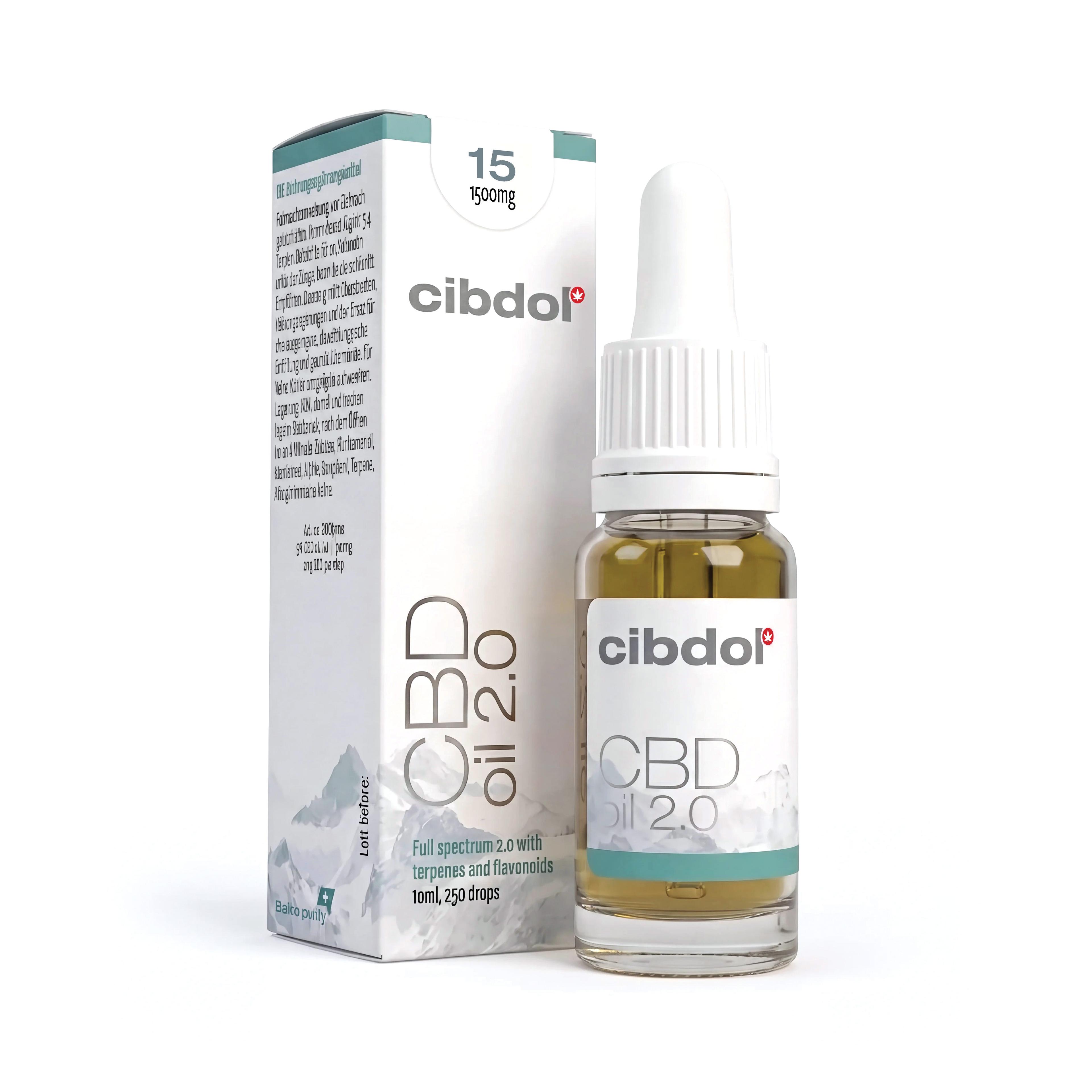
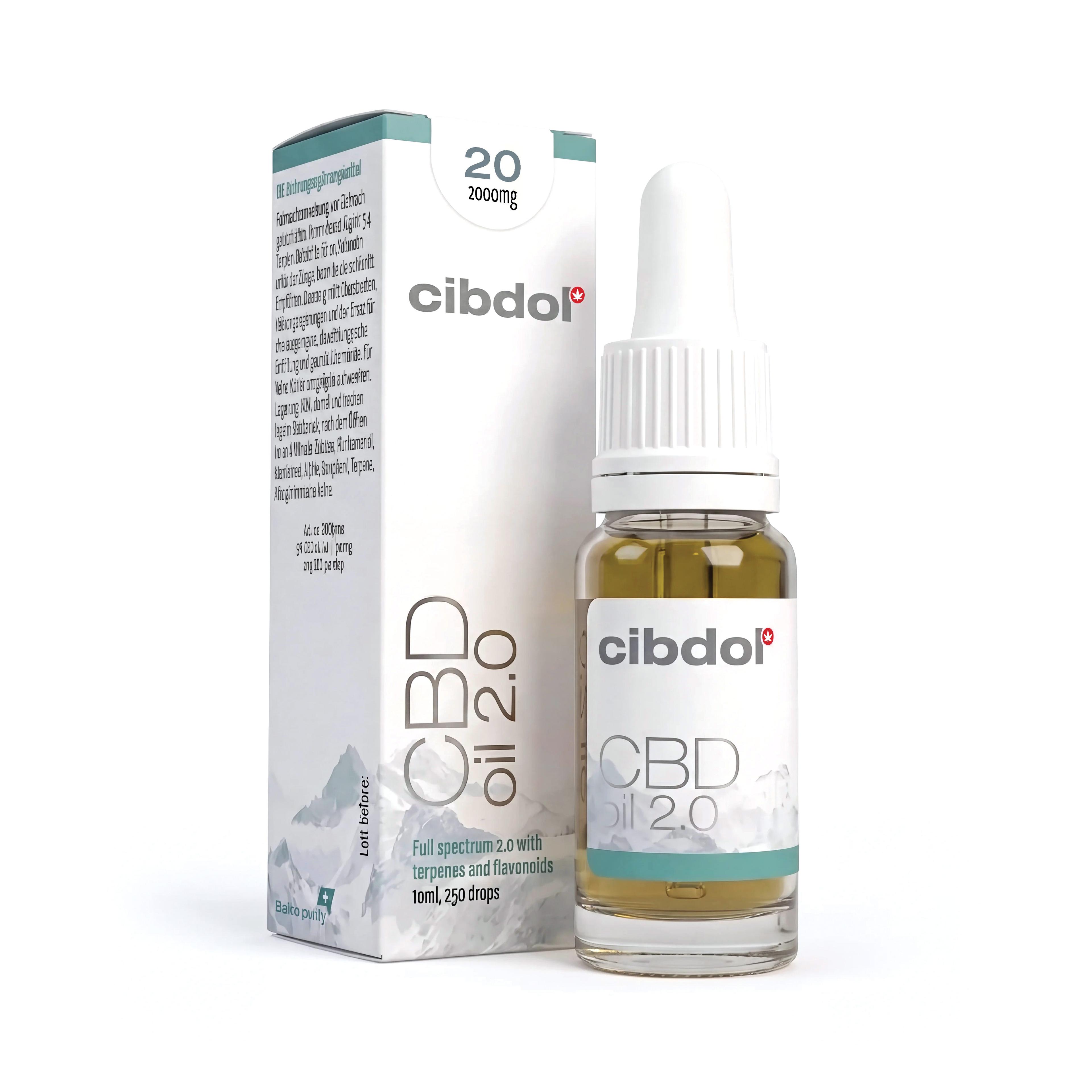
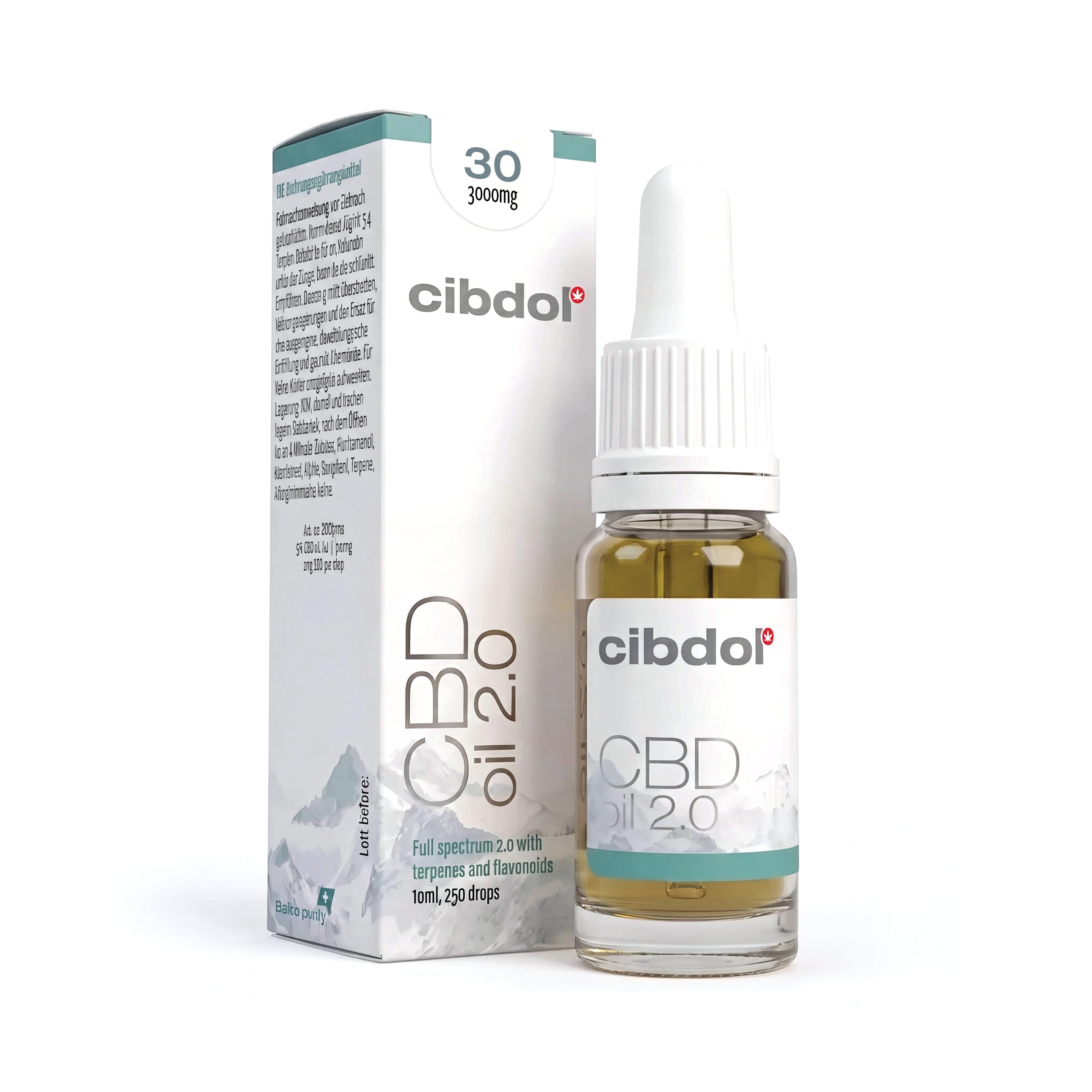
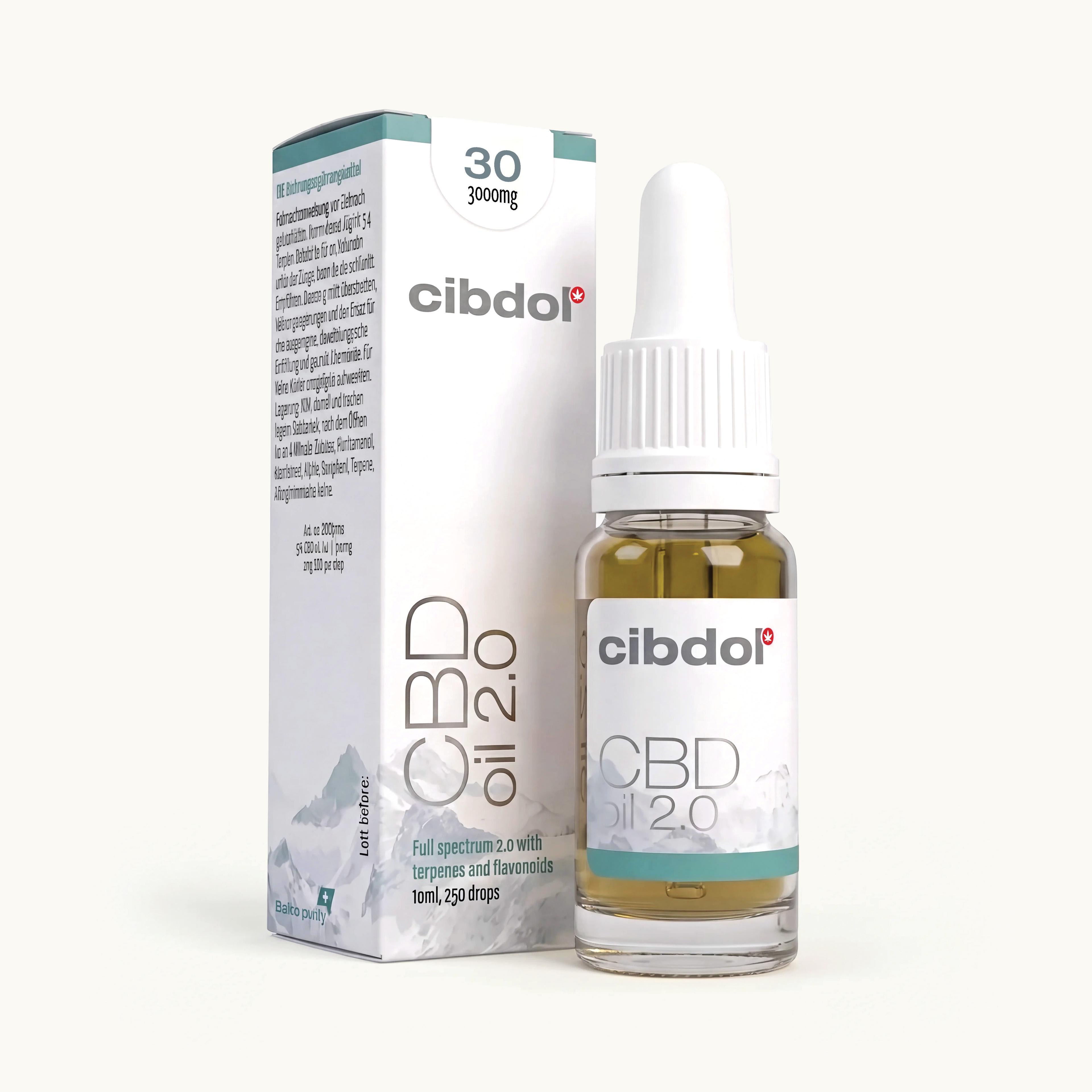
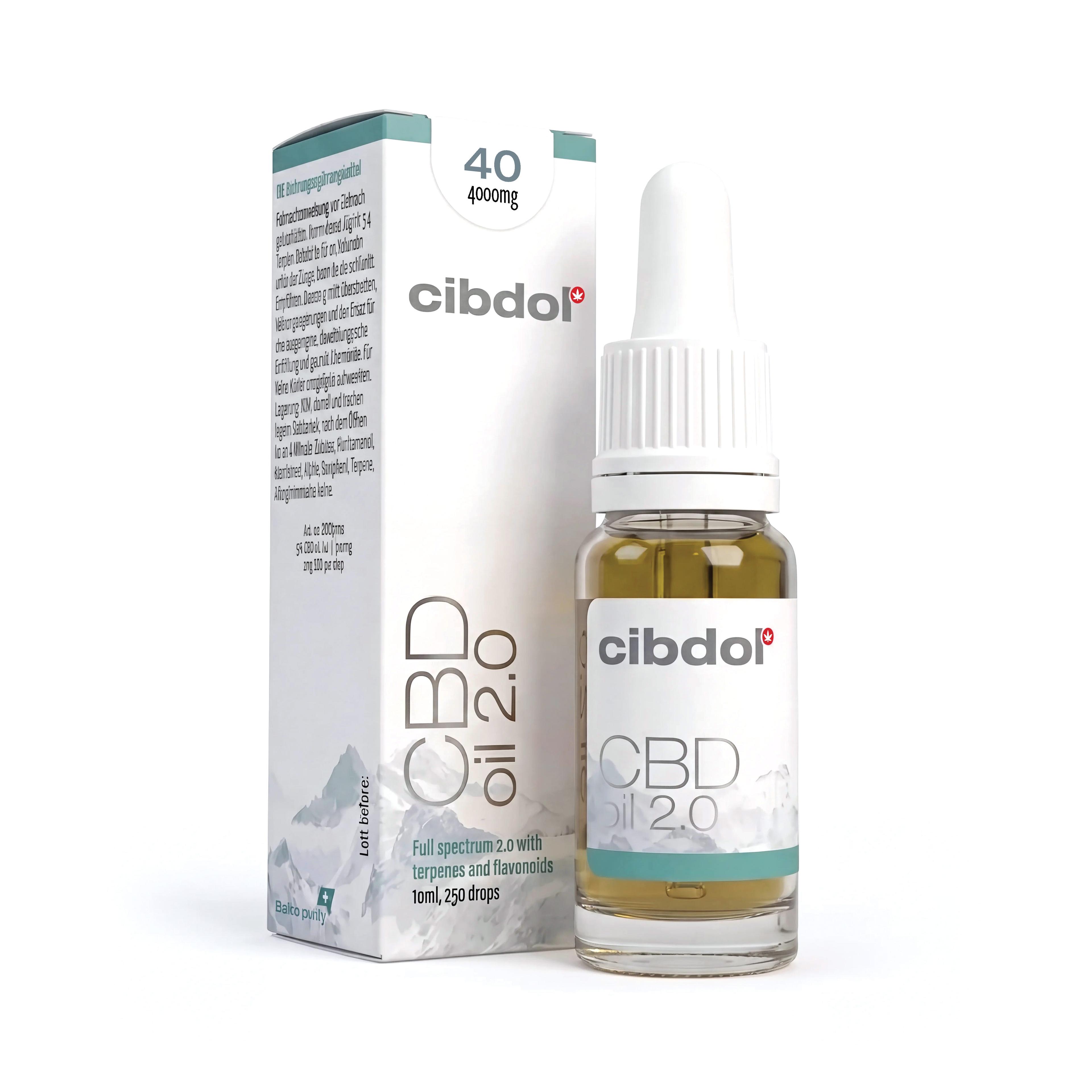
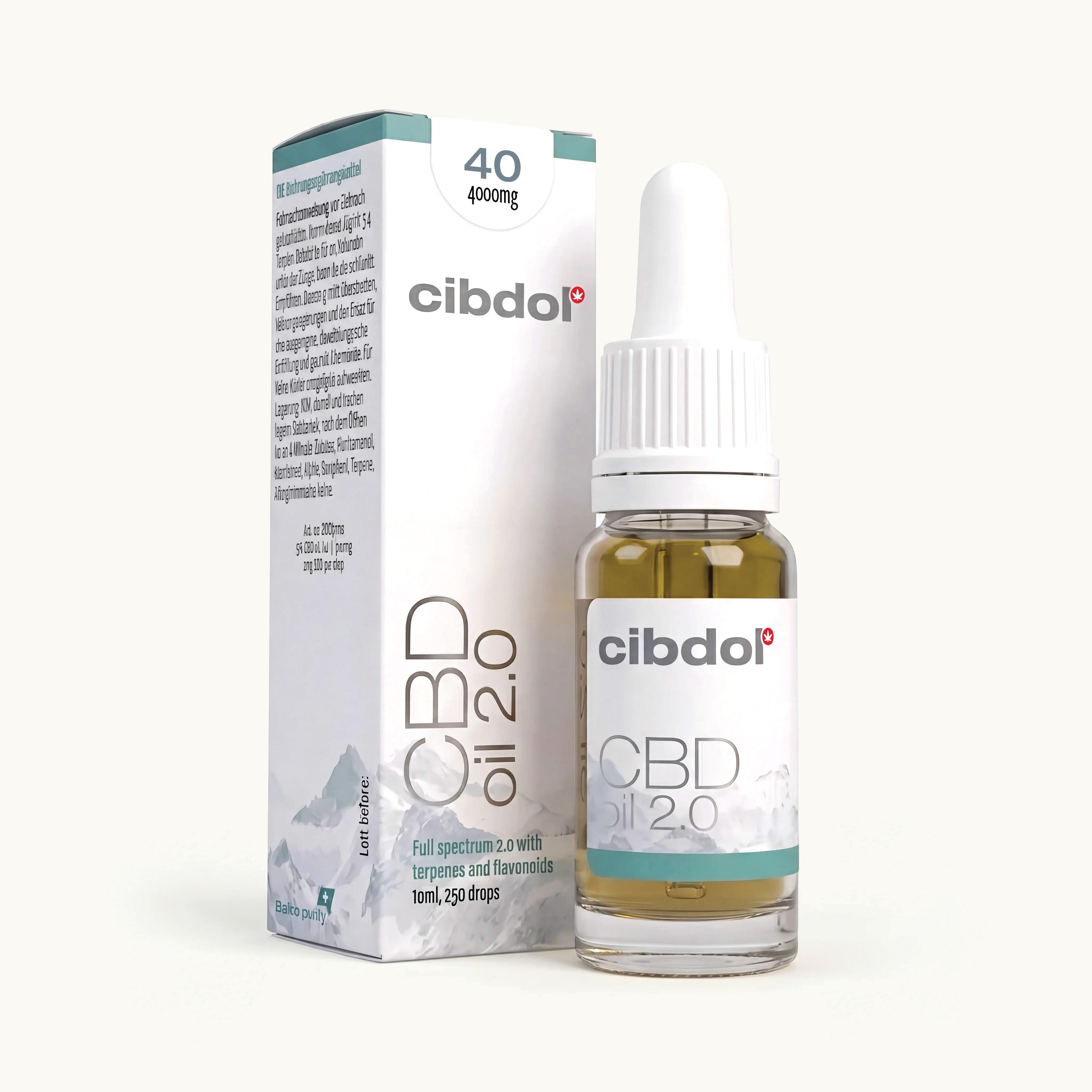
What does carry information is a batch report. Cibdol has published per-batch analyses since 2014, and a bottle of CBD oil that travels can travel with the report matching its batch, so the measured content is documented rather than asserted. If the position stays unclear after checking, leave the bottle behind and buy at the destination where it is lawful.
Frequently Asked Questions
4 questionsHow many countries do I actually need to check for one flight?
Is putting the bottle in checked luggage enough?
Who can tell me whether a country permits CBD?
Does a batch analysis settle the question at a border?
About this article


Luke Sholl has been writing about cannabinoids, CBD, and the broader benefits of nature since 2011. His background includes first-hand cannabis cultivation experience spanning the full seed-to-harvest lifecycle across so
This wiki article was drafted with AI assistance and reviewed by Luke Sholl, CBD & wellness writer. Editorial oversight by Joshua Askew.
Medical disclaimer. This content is for informational purposes only and does not constitute medical advice. Consult a qualified healthcare provider before use of any substance.
Last reviewed August 27, 2026
Related Articles

Can You Be Allergic to CBD? Two Papers, One Protein
Two published papers characterise a cannabis plant protein called Can s 3 as an allergen. Here is what they cover, what they leave open, and where the carrier oil and softgel shell fit in.
CBD and Ibuprofen: One Shared Liver Enzyme
Ibuprofen depends on a single liver enzyme, and cannabidiol has been described as an inhibitor of it. Here is what the 2011 and 2019 research documented, and where the record simply stops.

CBD That Mixes Into Water: The Actual Chemistry
The phrase exists because of one physical fact: cannabidiol and water do not mix on their own. Here is what emulsions and liposomes actually are, and where the published human measurements stop.

CBD Oil or Gummies: Where the Amount Gets Decided
The pipette leaves the counting to you; the gummy carton arrives with the number already on it. Here is what the published human data covers, and where it stops.

One Gummy, 25 mg, and What the Studies Measured
25 mg per gummy, ten in a pack, THC-free printed on the box. What happens after chewing is the part human trials are still measuring [1].

What Is A CBD Tincture? The Word And The Bottle
Tincture once described a method: extraction with alcohol. Here is how the word travelled to CBD dropper bottles, and what the ingredient list settles that the front label does not.

Combining CBD Products: Counting The Day's Milligrams
An oil in the morning and a capsule at night belong to the same daily figure, counted in milligrams. Here is how that arithmetic works, what the human pharmacokinetic literature covers, and why a topical sits in a column of its own.

Ways To Take CBD, Route By Route
A pipette bottle, a capsule and a chewable piece are not three sizes of the same thing. They sit on different routes, and published human reviews keep those routes in separate columns.

How much CBD? Start with the liver, not the number
The amount on a label and the amount measured in blood are not the same number, and the human pharmacokinetic record explains why. Here is what the cited research describes about route, liver metabolism, trial design and reading a batch report.
