CBD and skin comfort
Cannabinoid receptors have been described in keratinocytes, sebaceous glands and cutaneous nerve fibres, in a 2009 review and again in 2019. Researchers place that local signalling network inside the wider endocannabinoid system, present in the skin itself.
Cannabinoid receptors in keratinocytes, sebaceous glands and nerve fibres
Two receptor types sit at the centre of the endocannabinoid system. One is dense in the central nervous system, the other mostly in peripheral tissue and immune cells. Around them the body makes its own binding compounds, plus the enzymes that build those compounds and clear them again. A signalling network, in other words. Reviewers in 2009 and again in 2019 mapped the same set of parts in cutaneous tissue, describing receptors on keratinocytes, on sebaceous glands and on nerve fibres running through the skin. That local picture is the reason dermatology researchers keep coming back to cannabinoids. Cannabidiol itself binds the main cannabinoid receptor weakly, which sounds like a contradiction until you read the literature: its activity is generally attributed to other routes, and those routes are still being worked out rather than settled. Most of what exists is laboratory work on cultured cells. Human trials on cosmetic topicals are few and small, and researchers who write these reviews say so plainly. Cibdol has worked with cannabinoids since 2014, long enough to say plainly where the evidence thins out.
Laboratory work leads, human trials stay scarce
- A 2009 review in Trends in Pharmacological Sciences gathered the early evidence for cannabinoid receptors in cutaneous tissue, and a 2019 review in Molecules went over the same ground a decade later with far more studies to draw on.
- Olah and colleagues in 2014 examined cannabidiol applied to cultured human sebocytes, the cells that make up the sebaceous gland. Anyone searching for cannabidiol and sebum tends to land on this paper. It was cell culture work, published in the Journal of Clinical Investigation.
- Cell culture and laboratory models make up most of the published research here, and that is not the same thing as evidence in people. Human trials on cosmetic topicals are few and small, which the 2019 review states plainly about the state of the literature.
- A 2004 study in the Journal of Pharmacy and Pharmacology measured how cannabidiol and related cannabinoids permeate human skin, which is the first question worth asking about anything applied to the surface rather than taken by mouth.
- Under EU cosmetic products regulation, a cosmetic is defined by what it does to the appearance and condition of the surface it is applied to. Cibdol writes about its creams inside that definition, and keeps the laboratory research on pages like this one.
Preliminary means exactly that: early-stage, often small or laboratory-based, and not a basis for expecting a particular outcome.
Applying a topical, and how often
- Applied to clean, dry skin, once or twice a day, as part of an existing routine rather than in place of one.
- A thin layer, worked in until it stops sitting on the surface. Layering more on top does nothing the first layer did not.
- New formulation, small area first, then a few days before it becomes a fixed part of the morning or the evening.
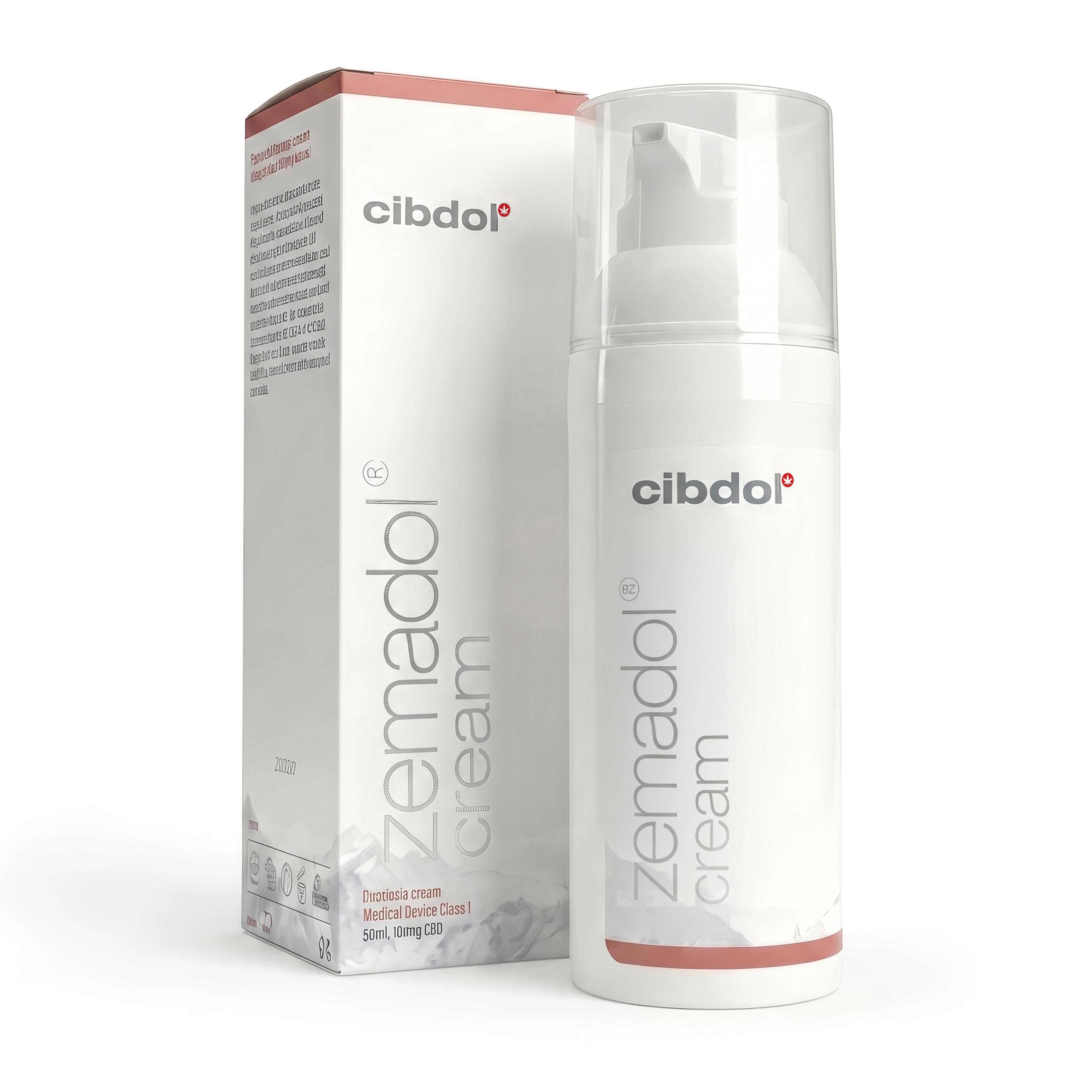
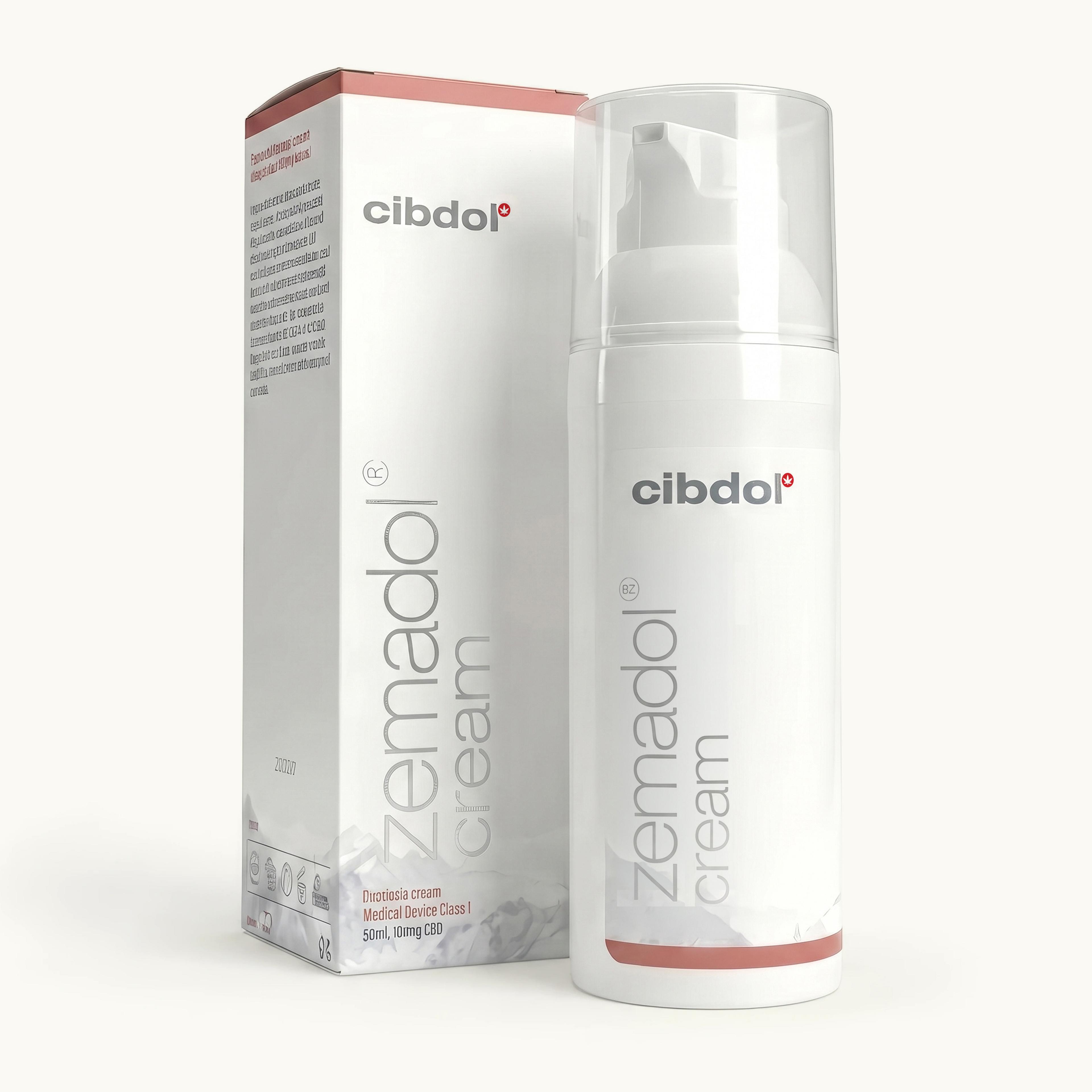
- Cibdol has creams and other topical formulations, operations run from Schijndel, and every batch is analysed by an independent laboratory with the certificate published.
Dermatology sources for this page
- Biro (2009), Trends in Pharmacological Sciences. A review of the skin's own endocannabinoid signalling. doi:10.1016/j.tips.2009.05.004
- Olah (2014), Journal of Clinical Investigation. An in vitro study on cultured human sebocytes. doi:10.1172/JCI64628
- Stinchcomb (2004), Journal of Pharmacy and Pharmacology. A study measuring human skin permeation of cannabinoids. doi:10.1211/0022357022791
- Toth (2019), Molecules. A review of cannabinoid signalling in the skin. doi:10.3390/molecules24050918
- Regulation (EC) No 1223/2009. EU cosmetic products regulation, which sets out what a cosmetic product is.
Cited to let you check the primary literature yourself. Inclusion is not evidence of an effect.
Other reasons people use CBD
Transparency you can check for yourself
Questions about this topic
Does CBD absorb through the skin, and has anyone measured it?
A 2004 study in the Journal of Pharmacy and Pharmacology measured permeation of cannabidiol and related cannabinoids across human skin, so yes, the question has been put to the test in a laboratory. What that work describes is a compound crossing a barrier in a controlled laboratory setup. It says nothing about a cream you buy, which is a different formulation with different carriers.
What has research actually looked at with CBD and skin?
Two strands. A 2009 review and a 2019 review both survey the cannabinoid receptors described in keratinocytes, sebaceous glands and cutaneous nerve fibres. Separately, a 2014 study examined cannabidiol on cultured human sebocytes. Both strands are laboratory research, and reviewers describe the human trial evidence as limited. That is the honest state of it.
CBD and sebum: what did the 2014 study look at?
Researchers cultured human sebocytes, the cells that make up the sebaceous gland, and applied cannabidiol to them. Published in the Journal of Clinical Investigation, it is in vitro work, cells in a dish rather than people in a trial. It is the paper most often cited when cannabidiol and sebum come up together, and it is worth reading with that limit in mind.
Are cosmetic CBD creams regulated in the EU?
Yes. EU cosmetic products regulation defines a cosmetic product by what it does to the appearance and condition of the surface it is applied to. Cibdol describes its creams inside that definition, and keeps the laboratory reading on pages like this one rather than on the jar. Two different registers, kept apart on purpose.
How do I check what is in a CBD cream?
Look for the batch analysis. Every Cibdol batch is analysed by an independent laboratory and the certificate is published, so the cannabinoid content is checkable before anything reaches your bathroom shelf. Cibdol was born in Switzerland, has worked with cannabinoids since 2014, and operations run from Schijndel. Claims are cheap. A published lab report is not.
Will a CBD cream make me high?
No. Cibdol products are non-intoxicating and stay within legal THC limits, and a topical formulation is applied to the surface rather than swallowed. If you want to verify the THC figure for a specific batch, it appears on the published certificate of analysis from the independent laboratory. Check it before buying, not after.
Is a CBD cream different from CBD oil?
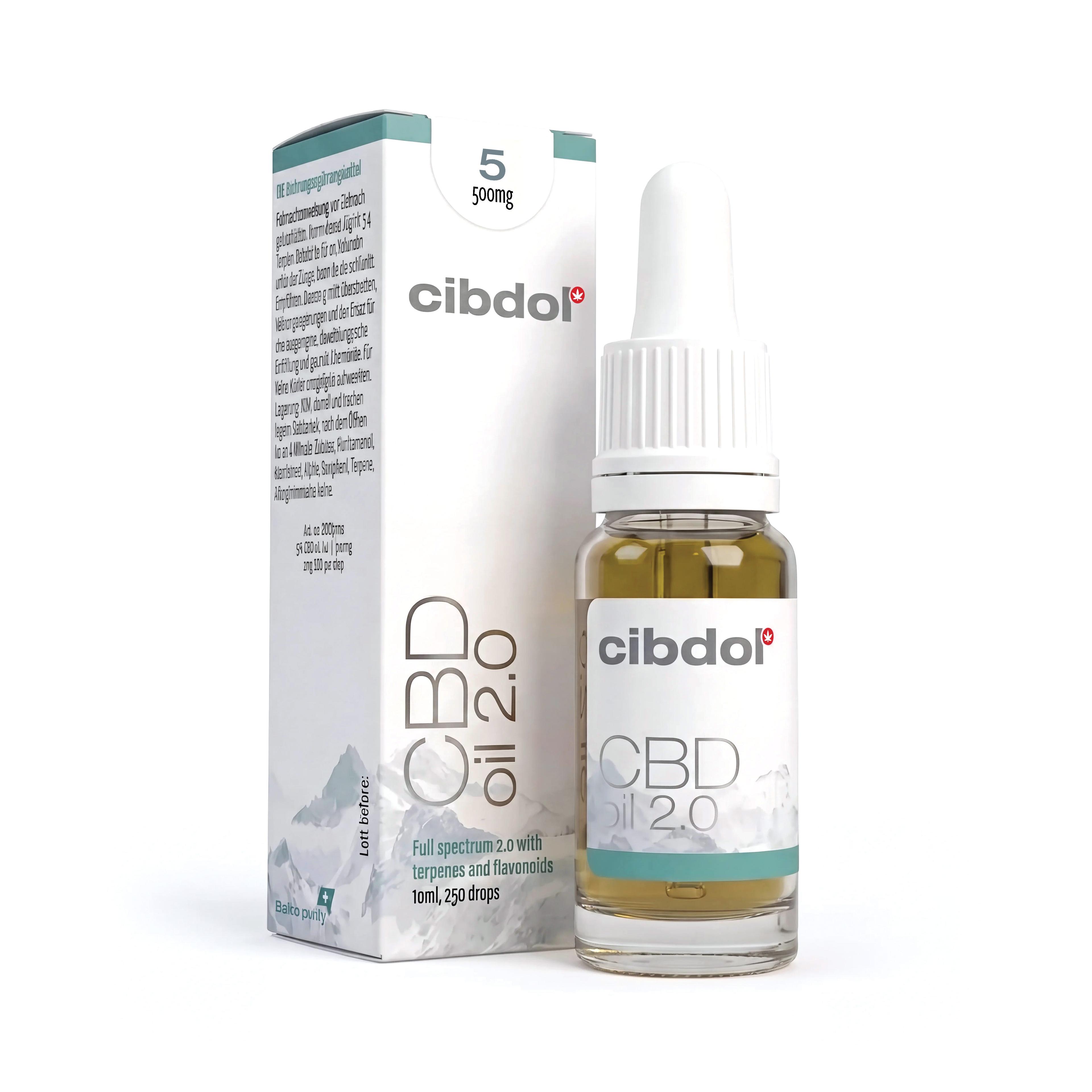
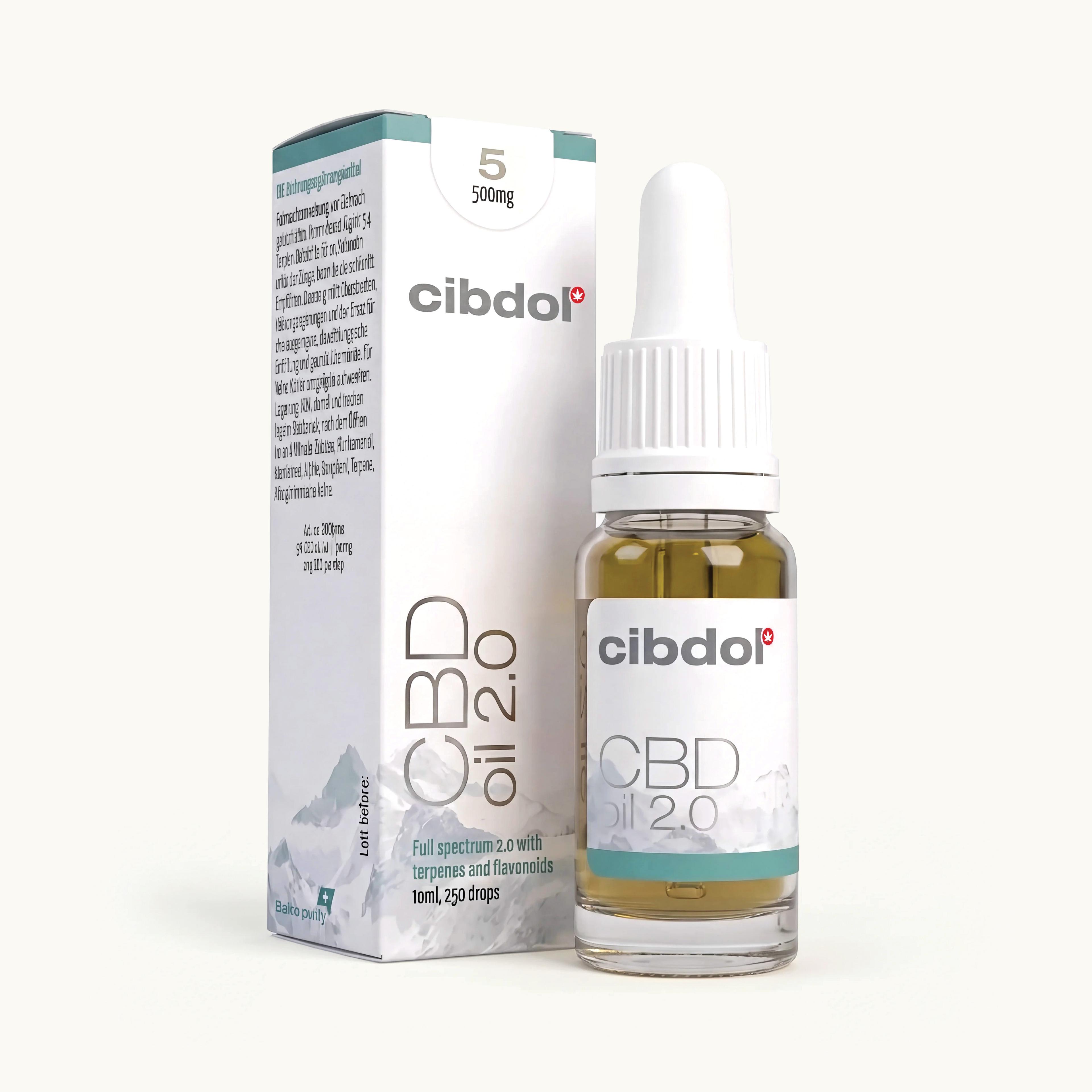
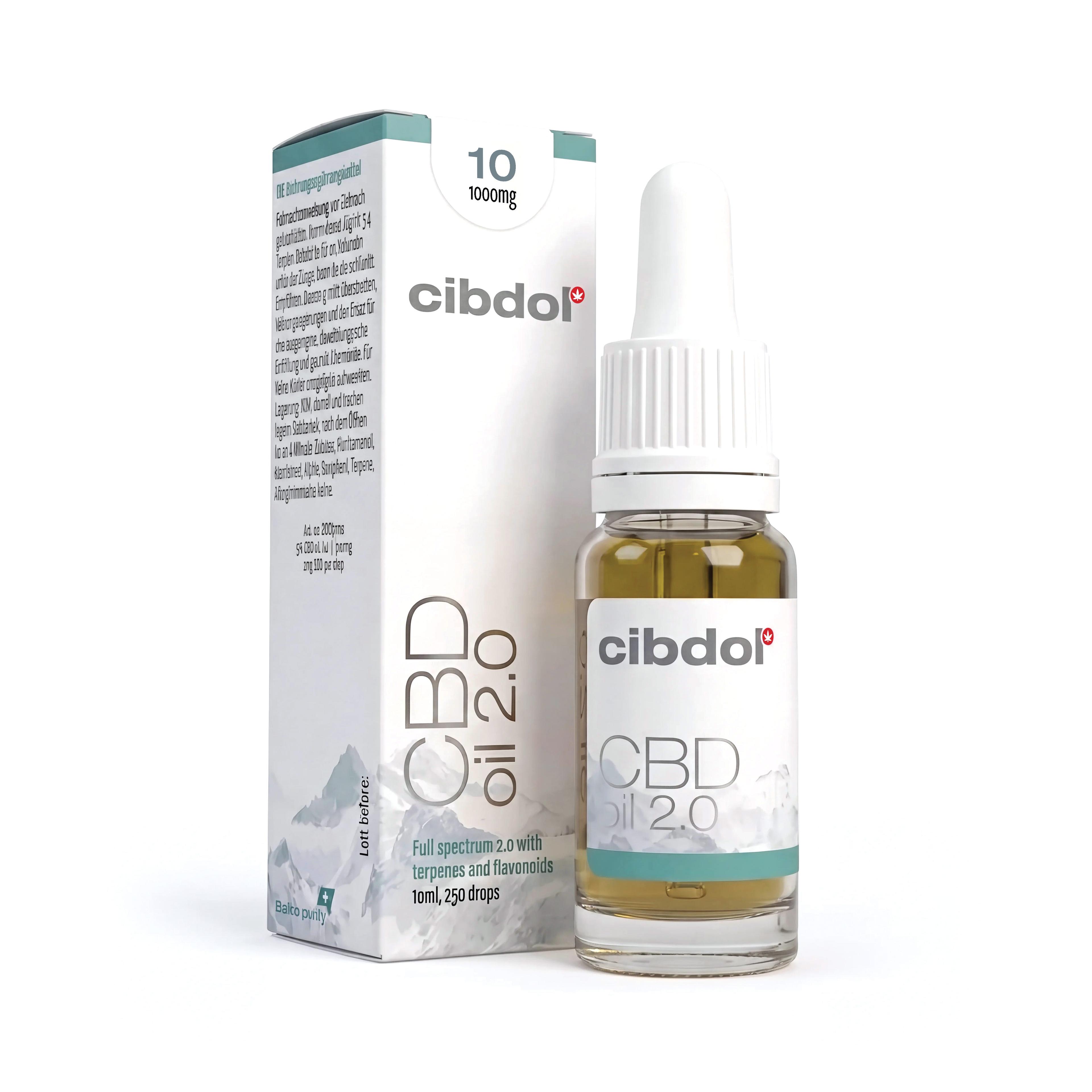
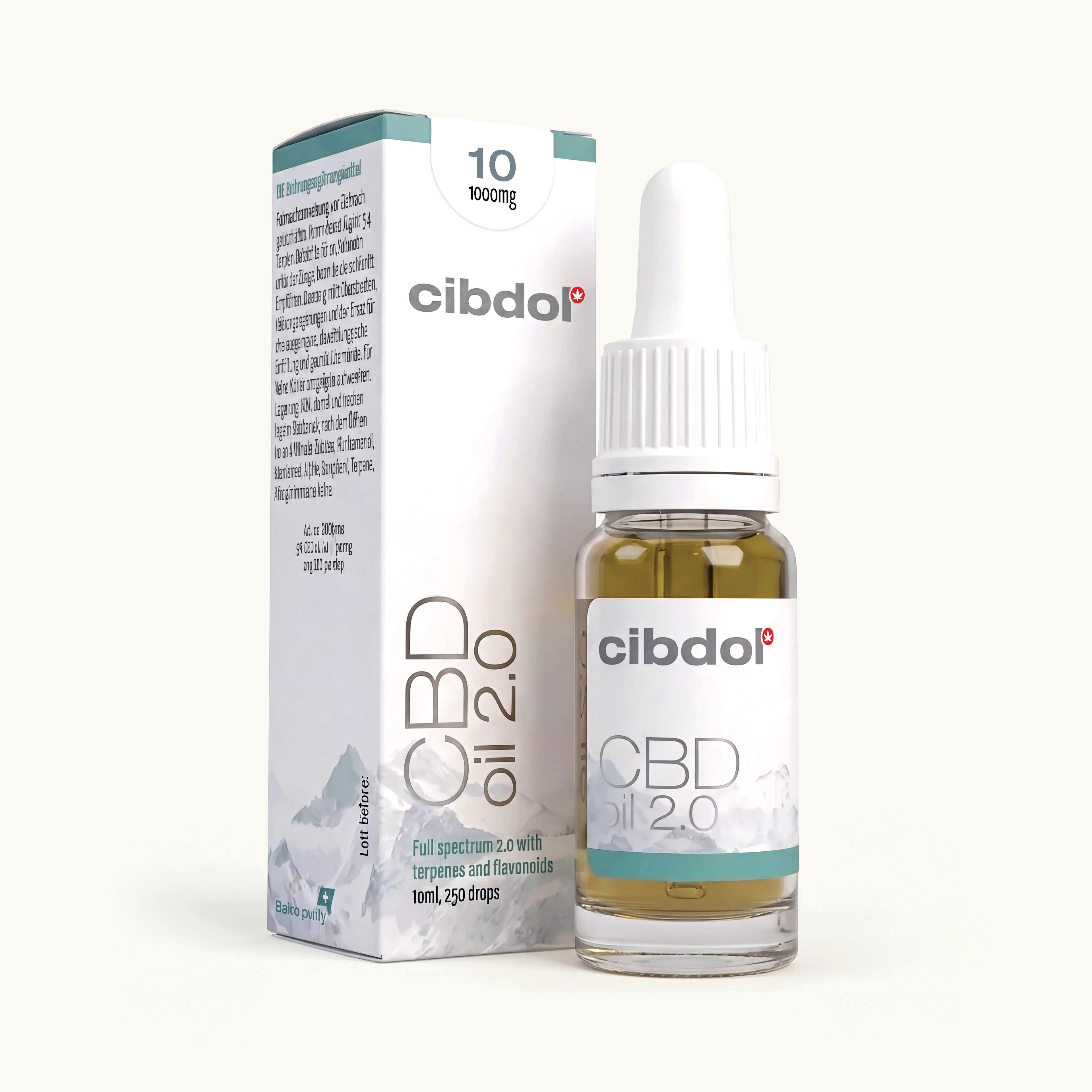
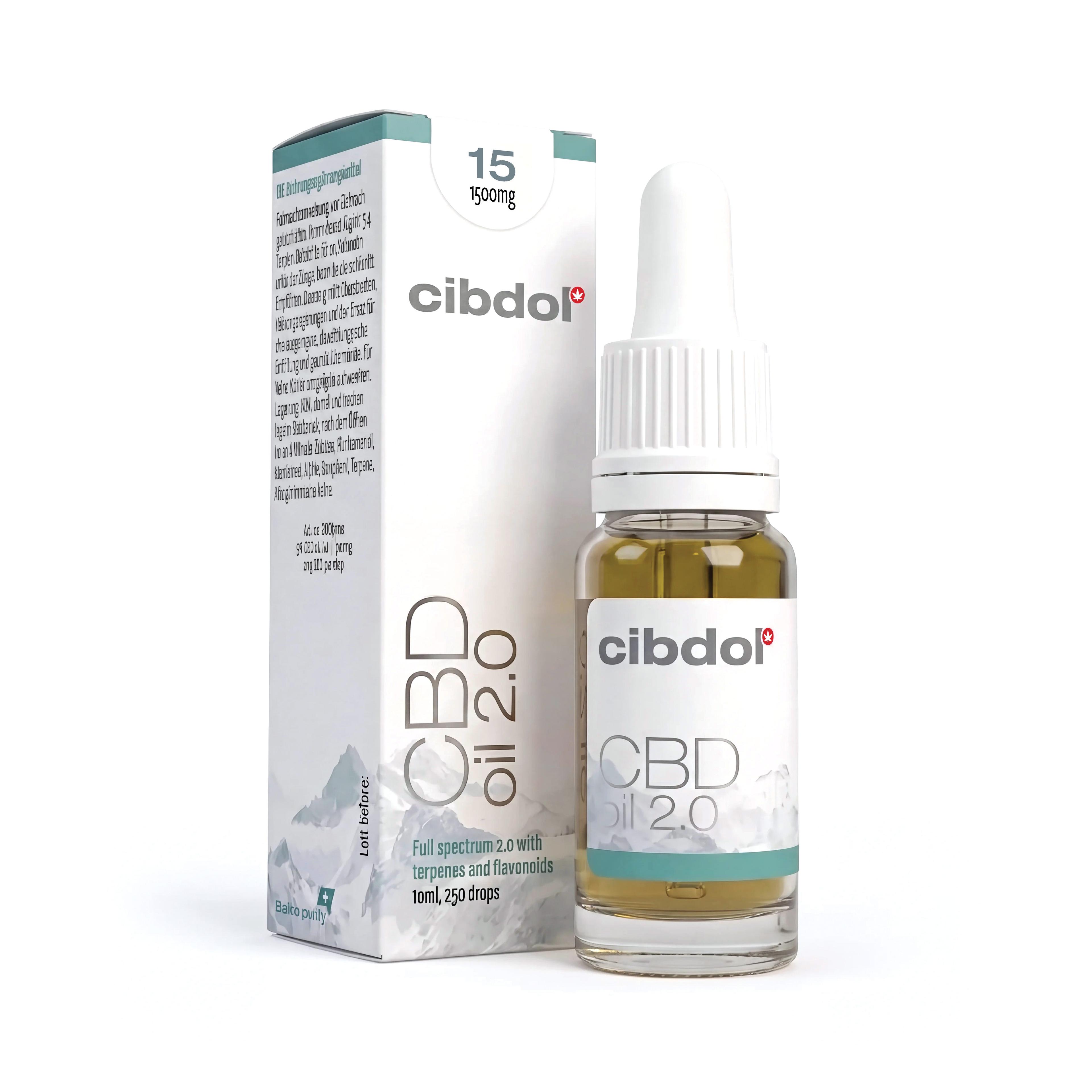
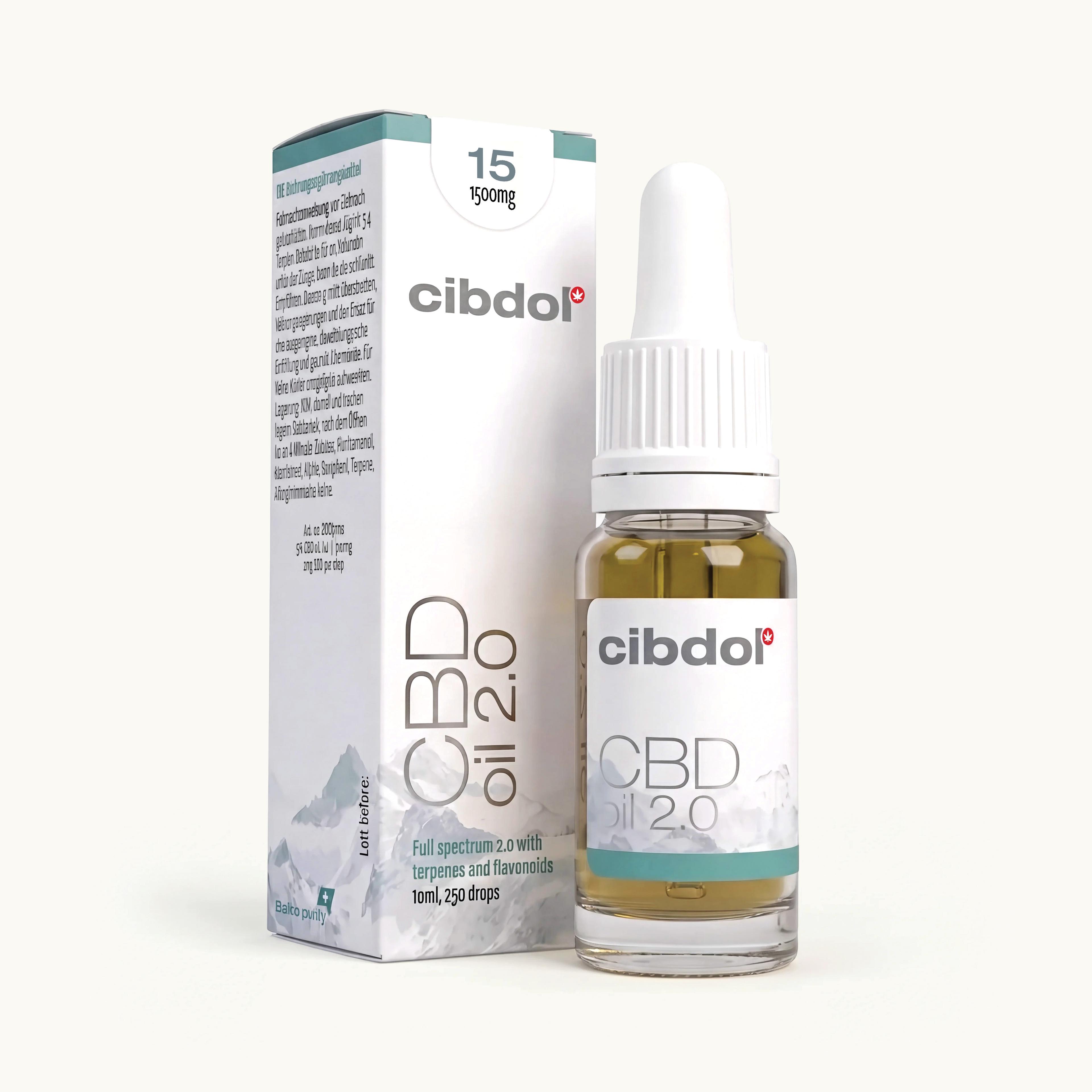
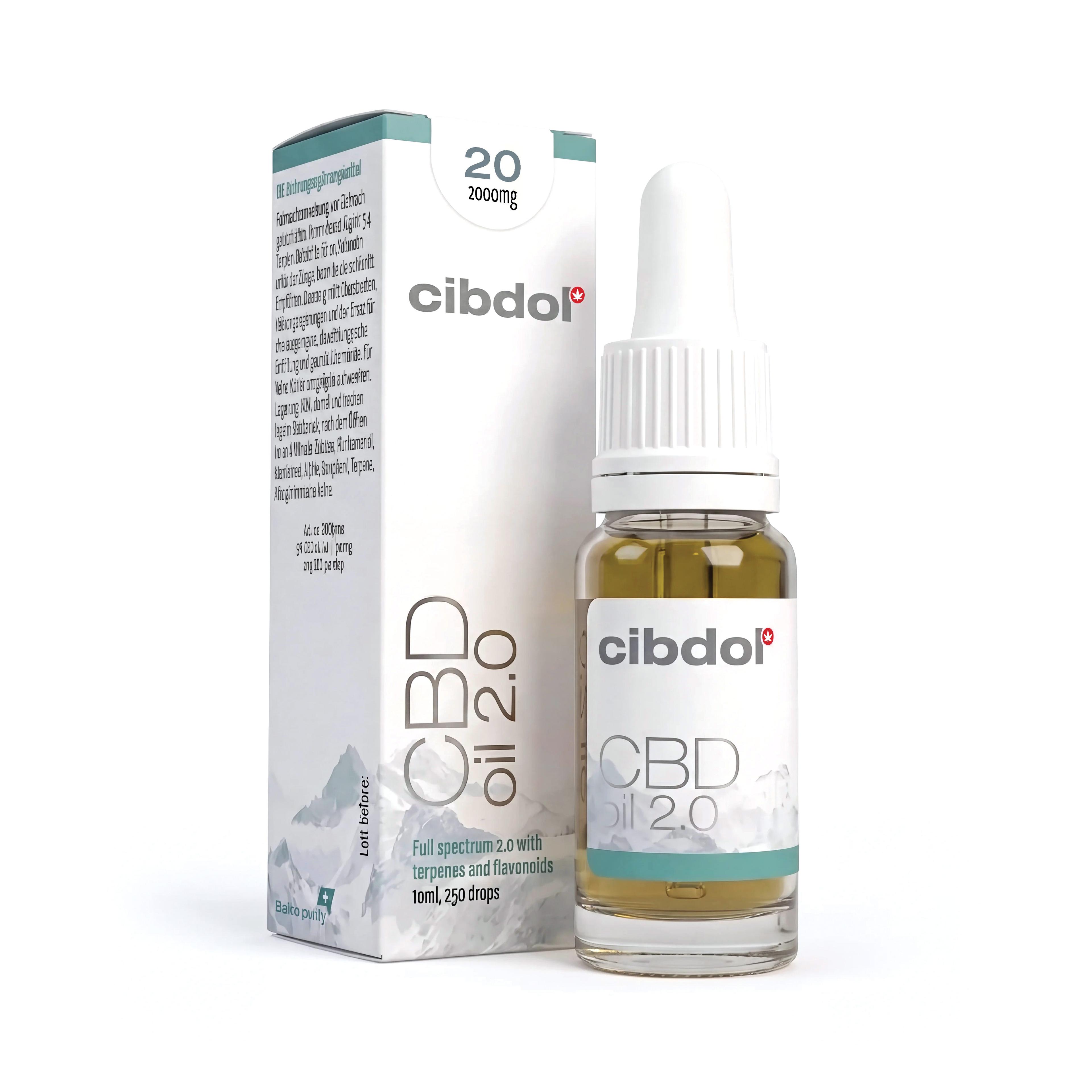
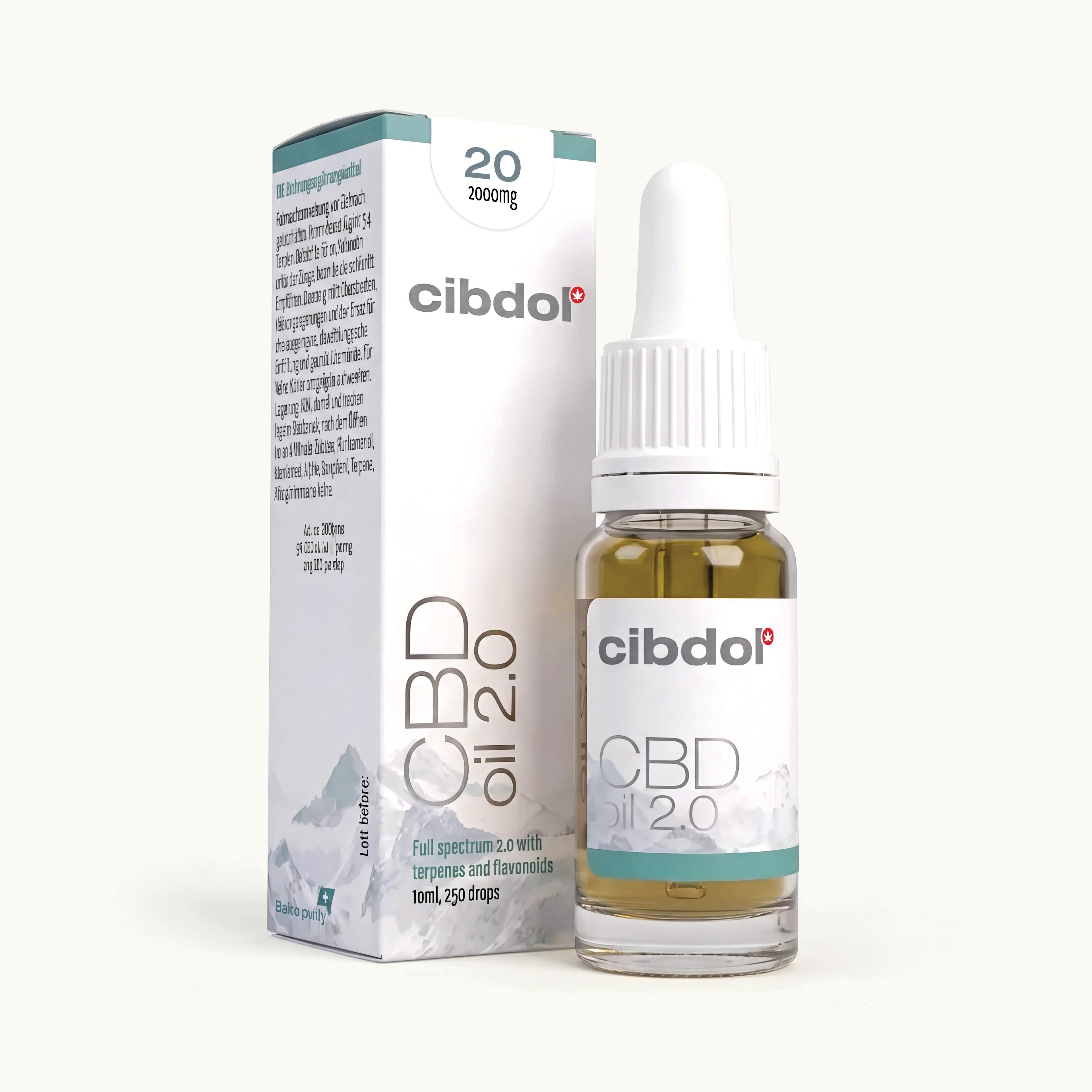
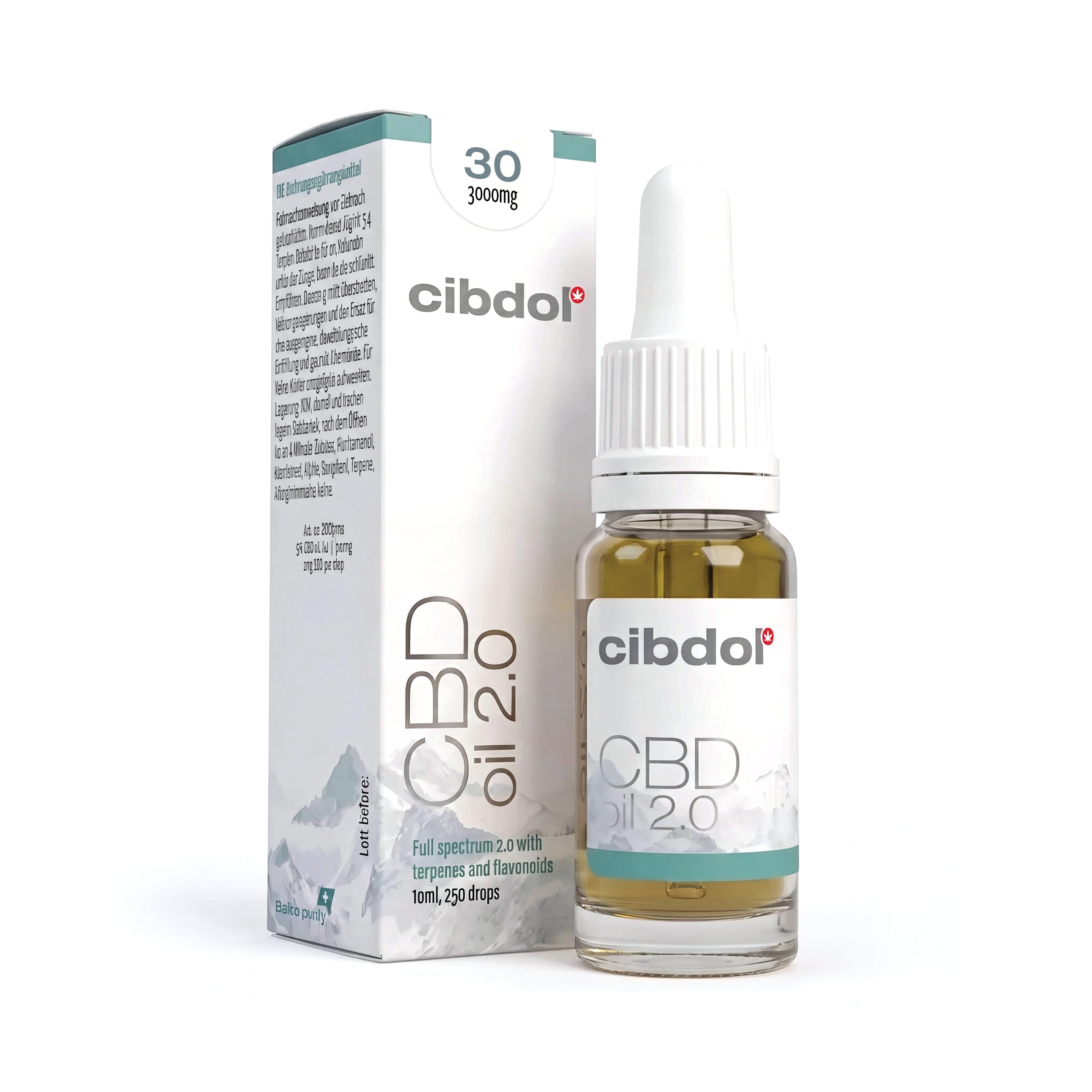
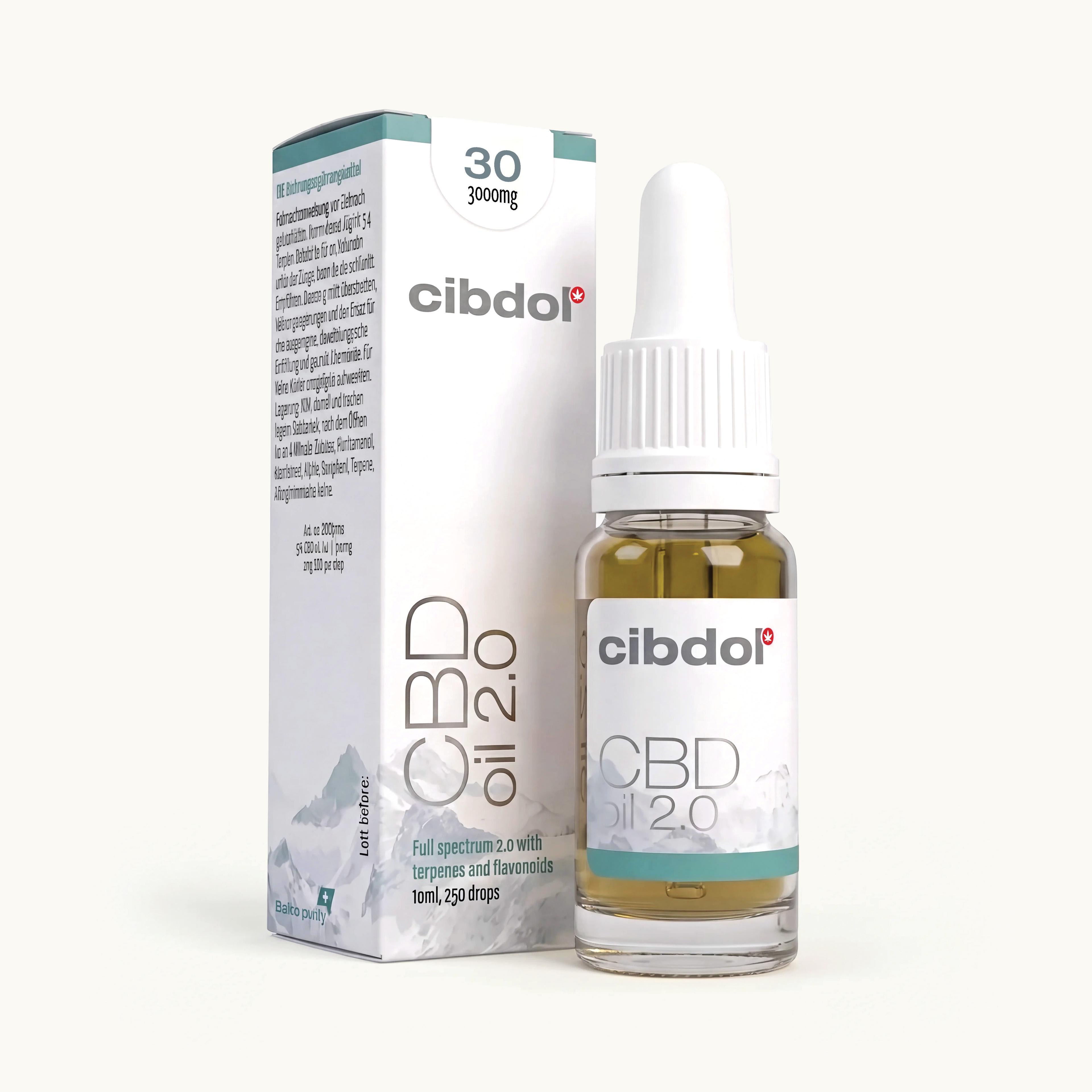
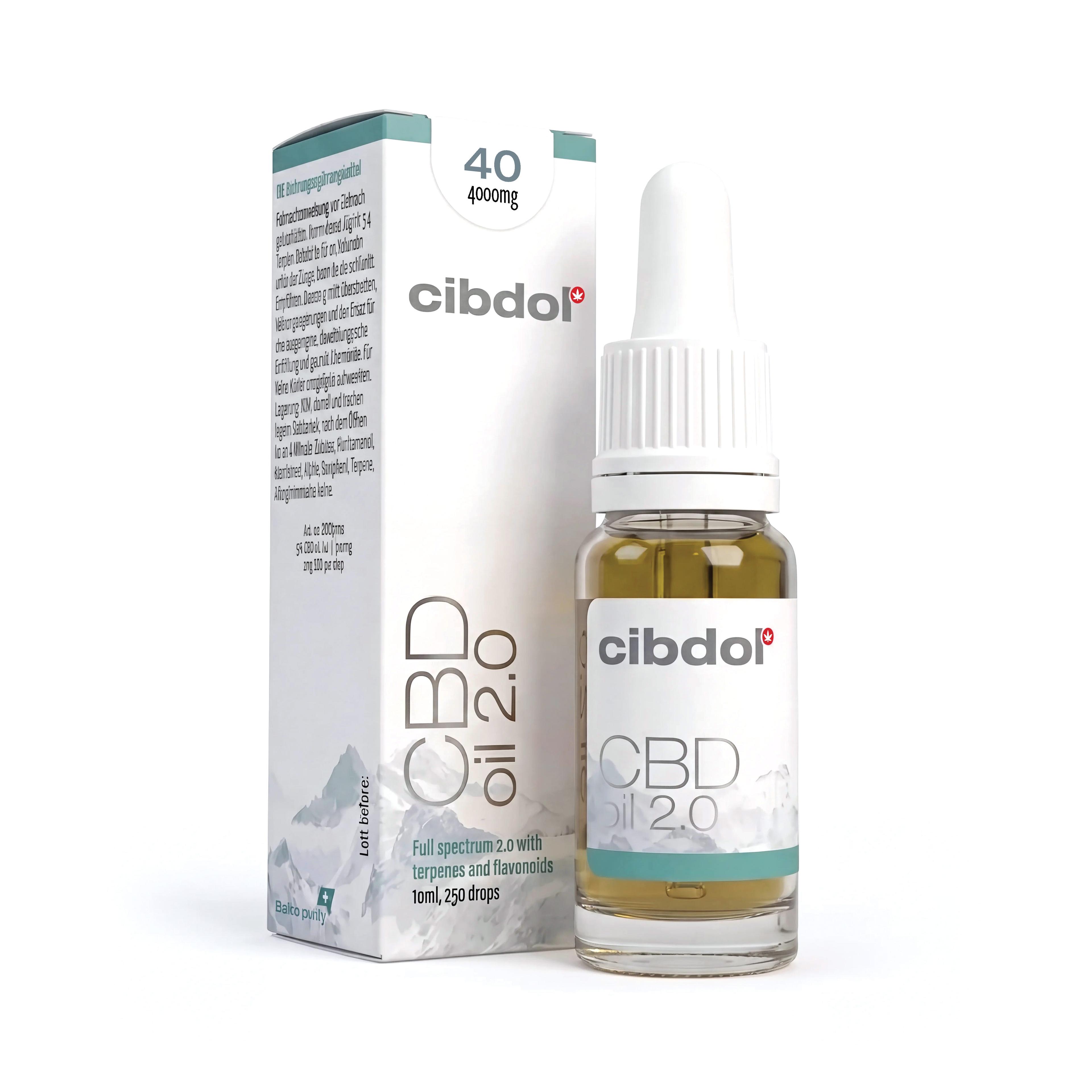
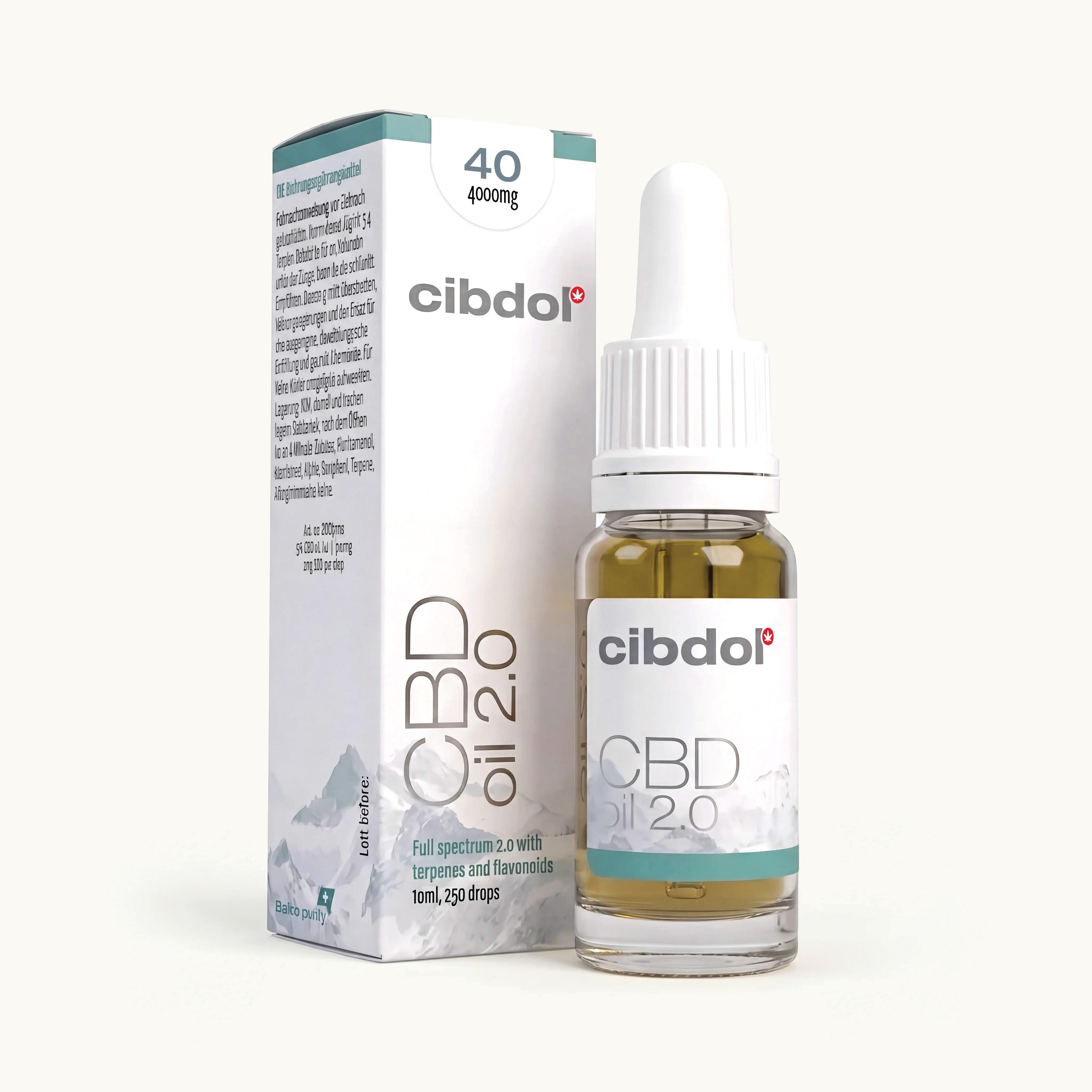
Different formats, different routes. Creams and topical formulations stay on the surface where they are applied. The CBD oil 2.0 range is taken by mouth and runs across six strengths in a 10ml dropper bottle, where the percentage on the label describes concentration and not how much liquid is inside. Some people keep both in the routine.
How often do people use a topical like this?
Once or twice a day is the common pattern. Applied to clean, dry skin, morning or evening, as part of a routine that already exists rather than a new project. A thin layer, worked in. If a formulation is new to you, a small area first for a few days is a sensible way in. Consistency counts more than quantity.
Millions of people can’t be wrong!
We word things carefully because EU law only permits health claims a regulator has assessed and authorised. For CBD, that has not happened. So we describe what is being researched, and stop there.
Could some of it be placebo? Some of it probably is: placebo effects are strongest for subjective things like comfort, rest and mood.
But millions of Europeans use CBD year after year, and people rarely keep buying something that does nothing for them. That is not proof: it is also not nothing.
Our promise: a certificate of analysis for every batch, and an honest word whenever the evidence is thin.
