
CBD and physical discomfort
The endocannabinoid system runs through tissue across the whole body, immune cells included. That is why studies have examined cannabidiol in the context of physical discomfort, and why most of what exists so far is preclinical rather than human work.
Cannabidiol's meeting point with the endocannabinoid system
Start with the network the body already runs. Cannabinoid receptors, compounds the body builds itself to bind them, and the enzymes that assemble and clear those compounds again. One of the two receptors clusters in the central nervous system. The second shows up largely outside it, in peripheral tissue and in immune cells, characterised by Munro and colleagues in 1993, a year after Devane's team identified the first cannabinoid the body makes itself. That immune-cell presence is why this subject sits inside cannabinoid research at all. Cannabidiol is an awkward fit for the simple story. Direct binding at the main cannabinoid receptor is weak in its case, which is why researchers point to other routes instead, and those routes remain an open question rather than a closed account. One of them is an ion channel of the vanilloid family, identified by Costa and colleagues in 2004 in preclinical work on acute inflammation. The map is part drawn, no more. Cibdol has worked with cannabinoids since 2014, long enough to tell a laboratory signal from a settled explanation.
Most of these studies measured models, not people
- Costa and colleagues, writing in the British Journal of Pharmacology in 2004, examined cannabidiol in preclinical models of acute inflammation and reported that an ion channel of the vanilloid family is involved in how the compound acts.
- Reviewers in 2020, in Current Pain and Headache Reports, weighed up what the research on cannabidiol and physical discomfort actually shows. Their conclusion: the human evidence base stays limited and uneven in quality.
- Most of the work in this area is preclinical. Human trials do exist, though they are fewer, smaller and more varied in design, which is why researchers keep describing the current picture as early rather than established.
- One cannabidiol medicine carries authorisation from the European medicines regulator, for one specific use, on the back of its own trial evidence. That authorisation belongs to a medicine. Cibdol sells food supplements, a separate category entirely.
- The receptor found in immune cells and other peripheral tissue was characterised by Munro and colleagues in Nature in 1993. Devane's group had reported the first cannabinoid the body makes itself a year earlier, in Science, in 1992.
Preliminary means exactly that: early-stage, often small or laboratory-based, and not a basis for expecting a particular outcome.
The routines people tend to settle into
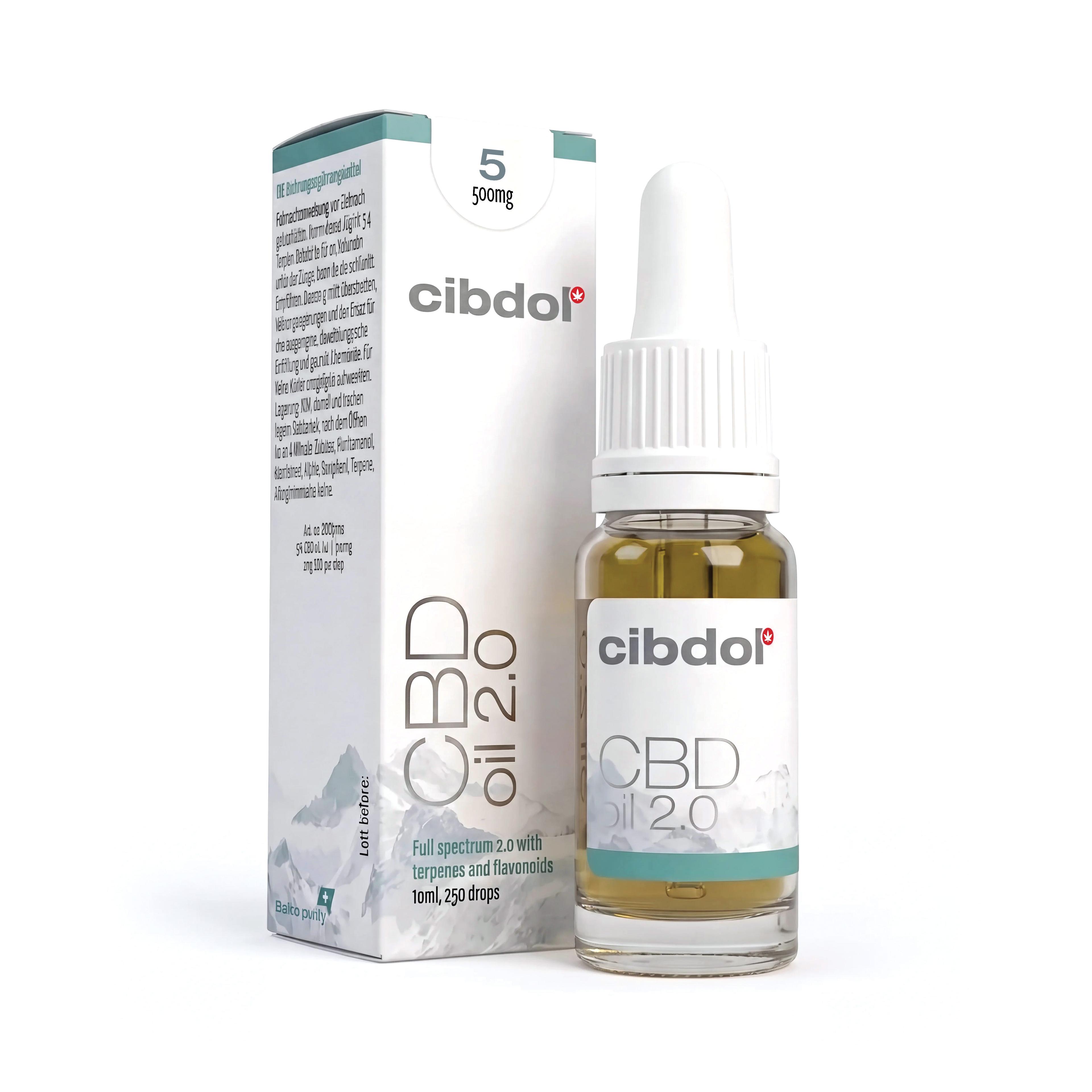
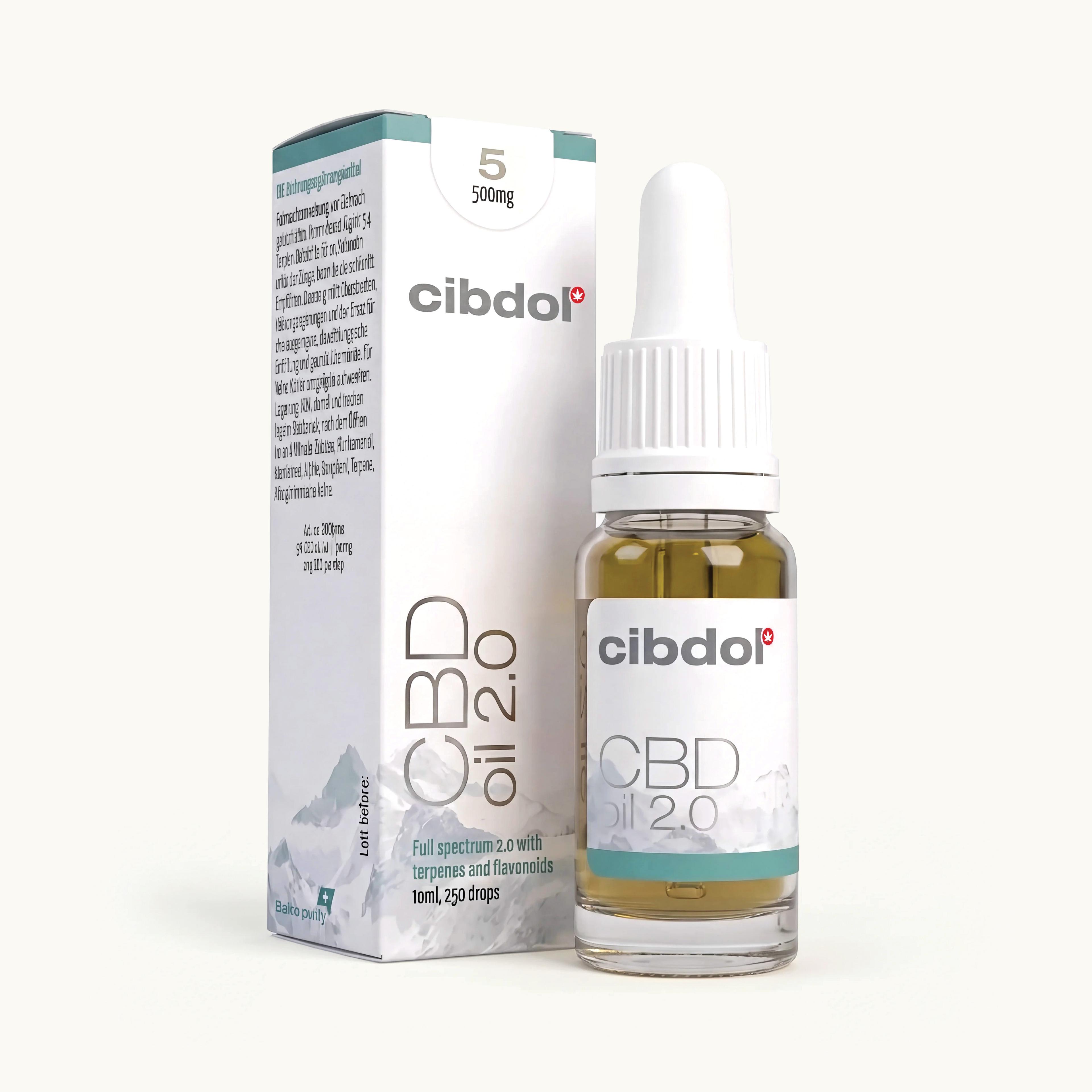
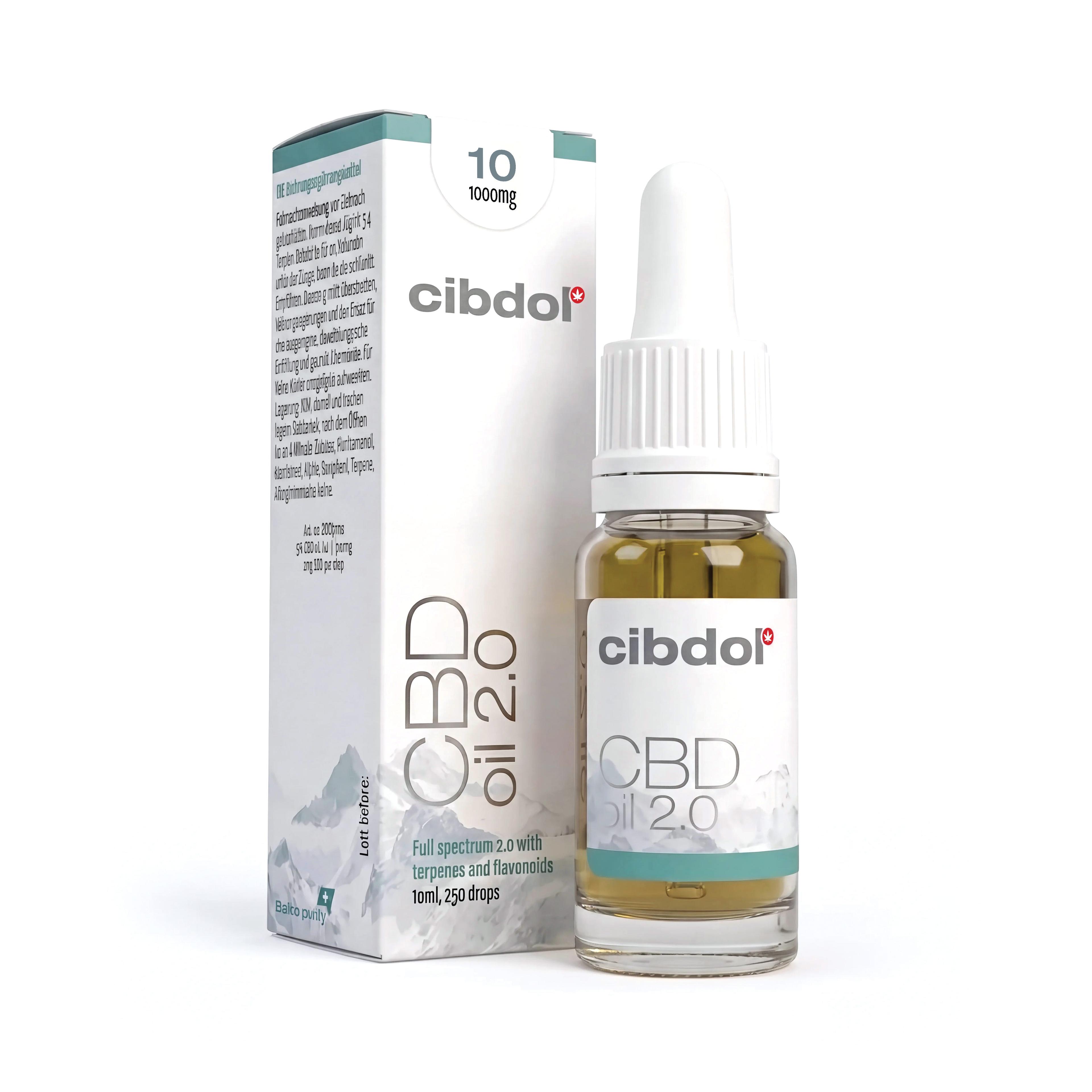
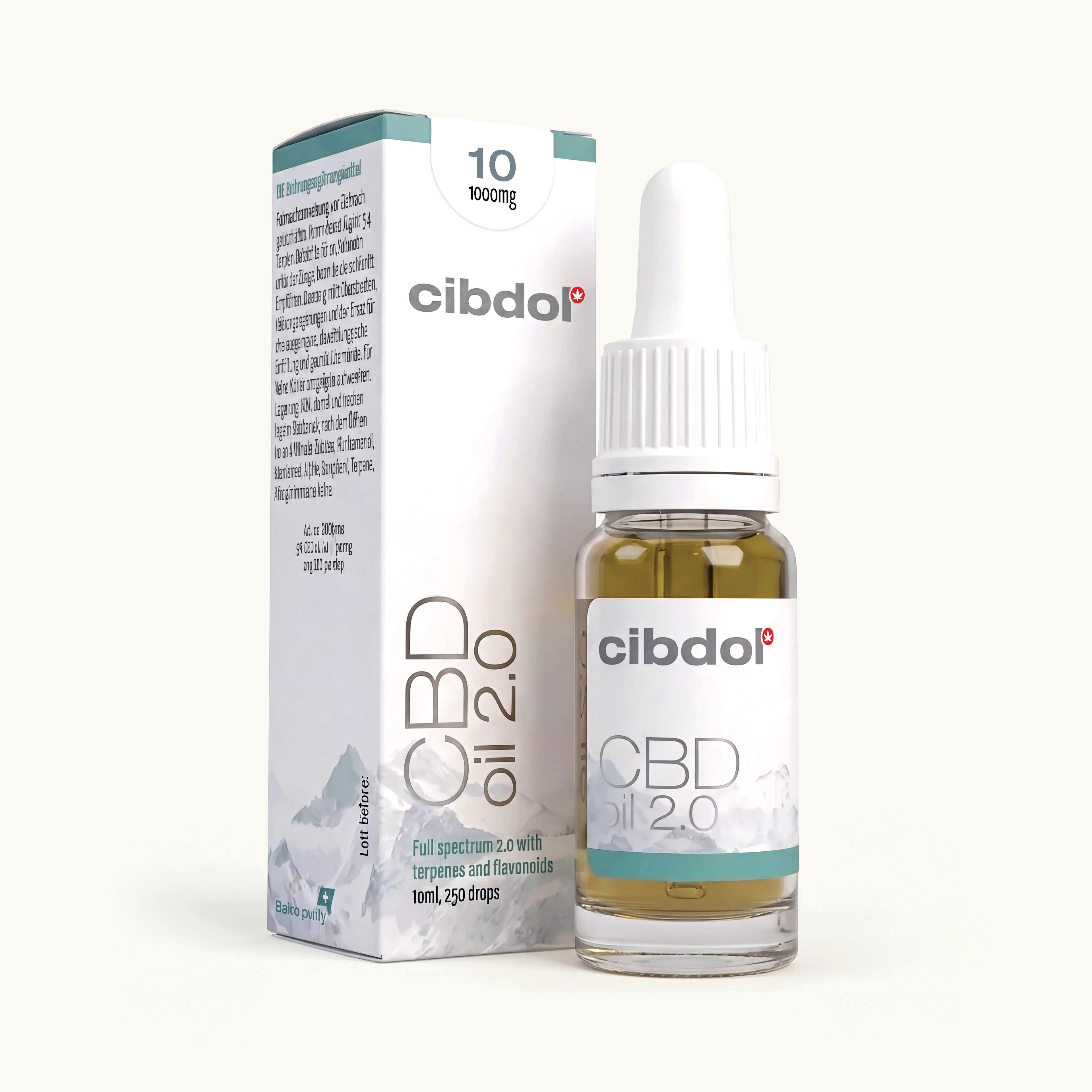
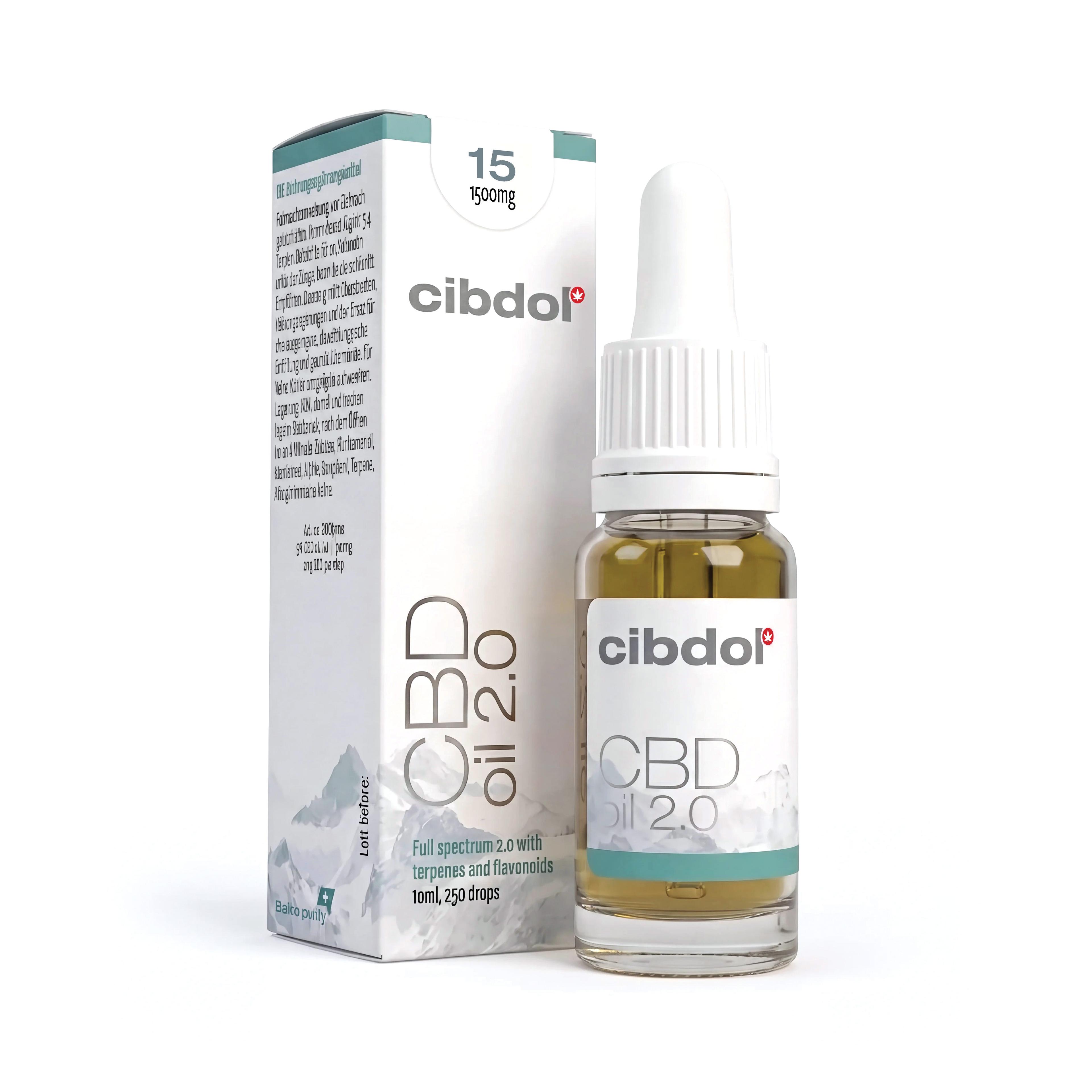
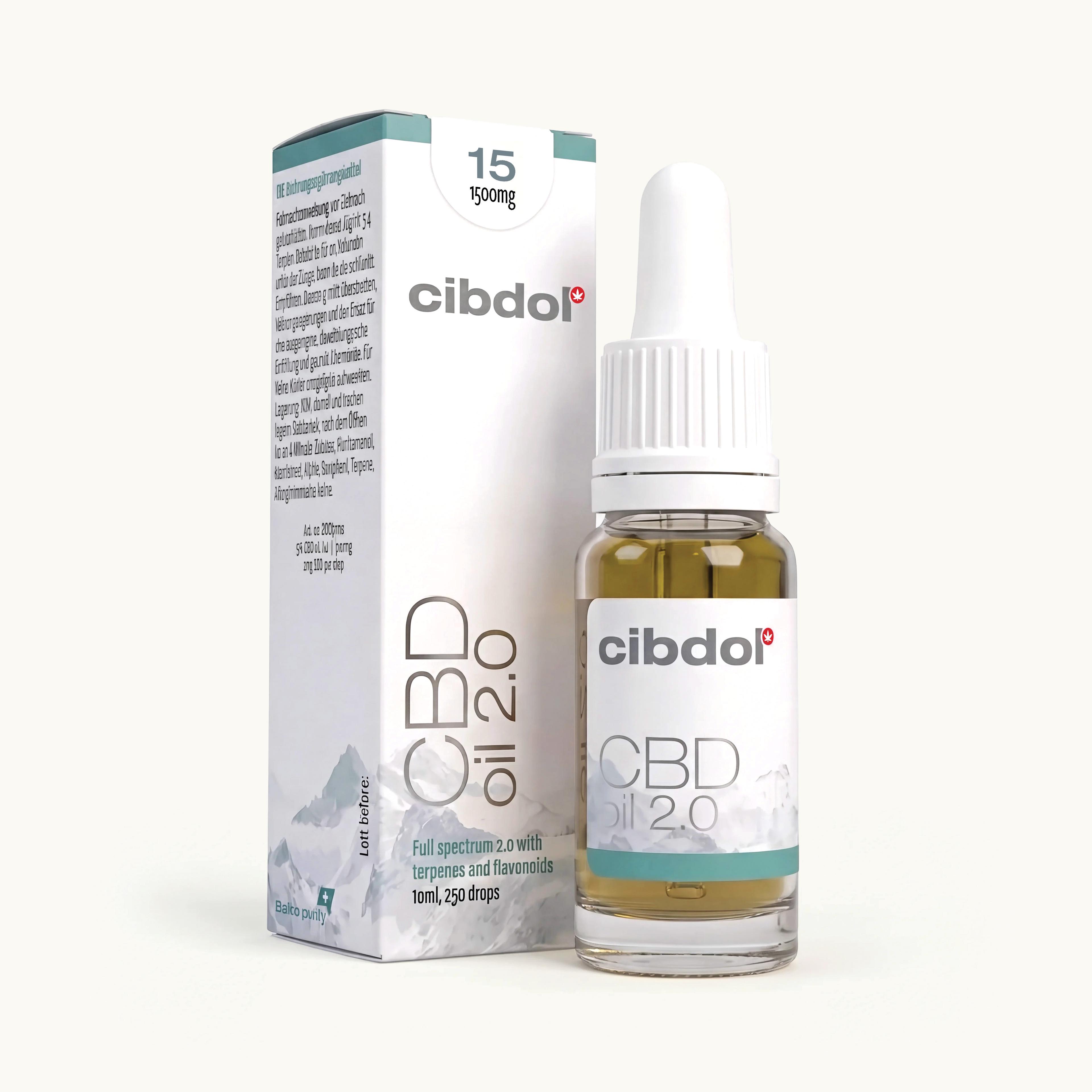
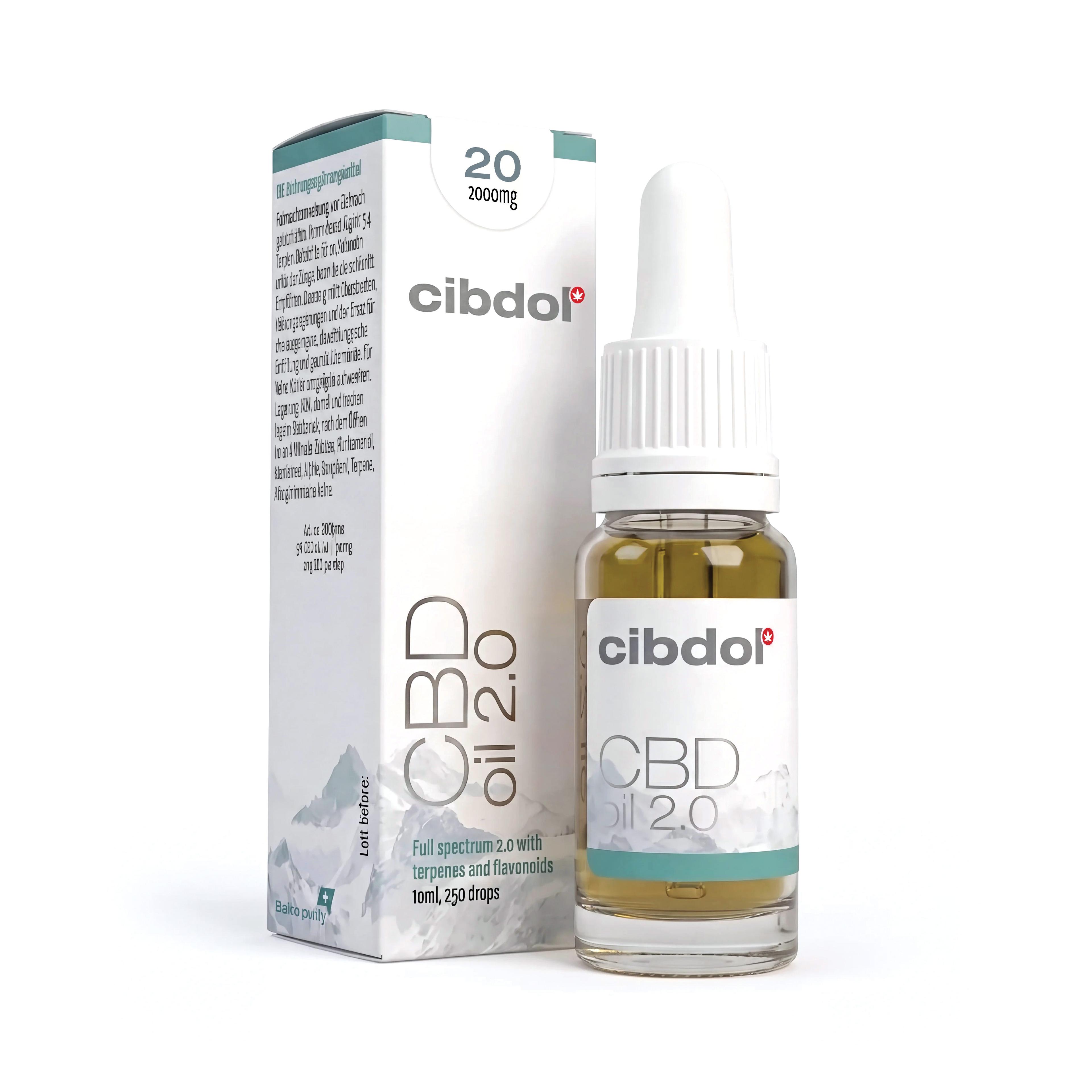
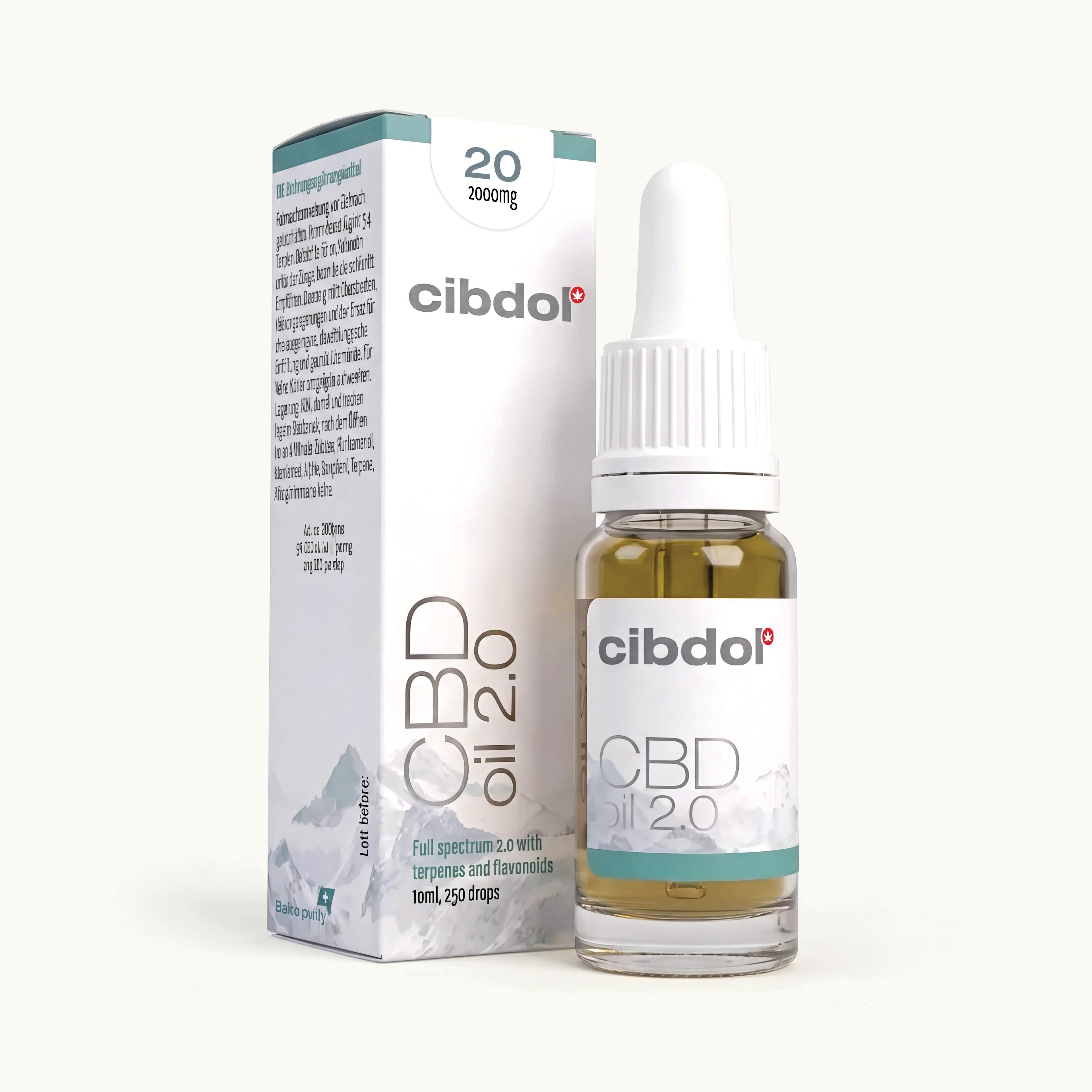
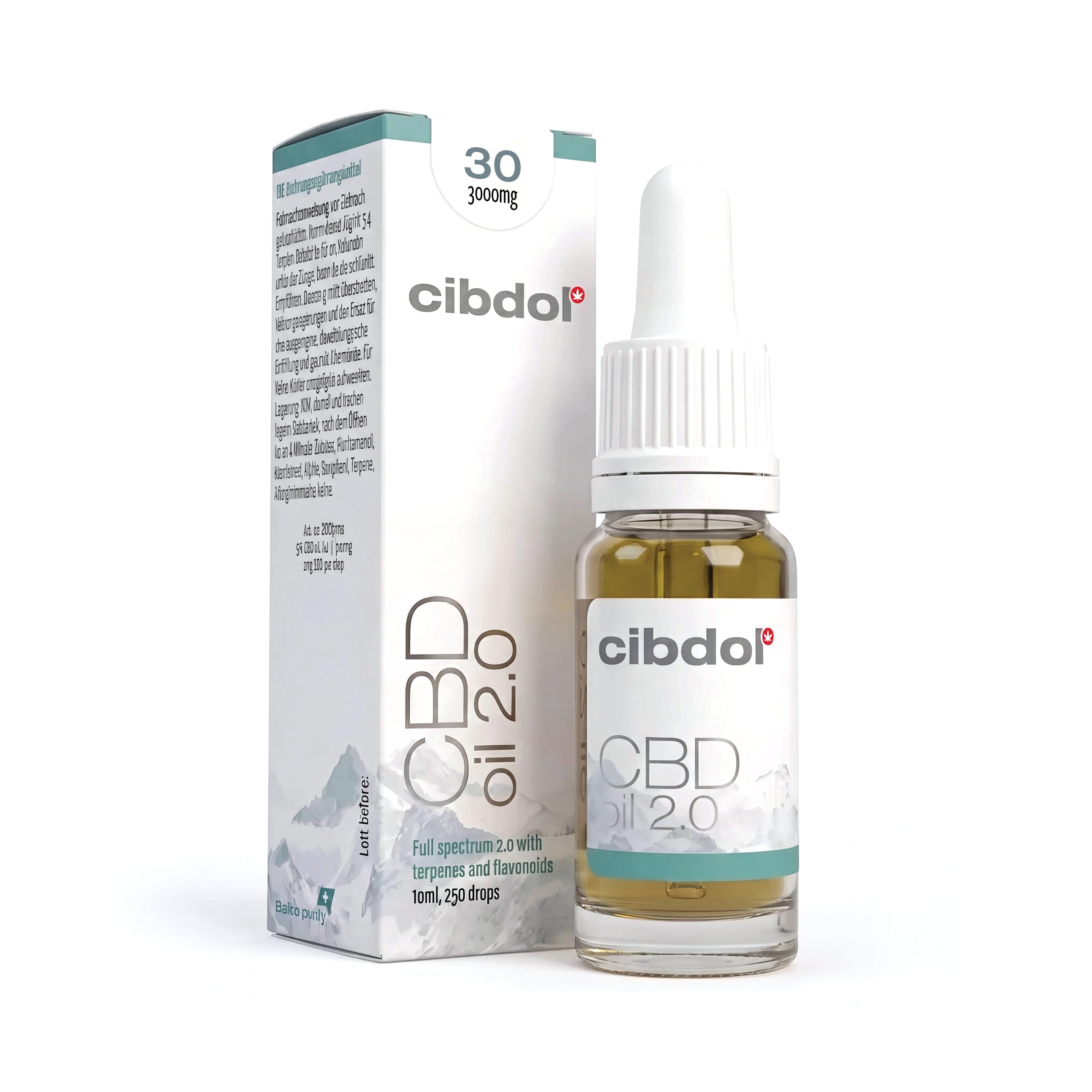
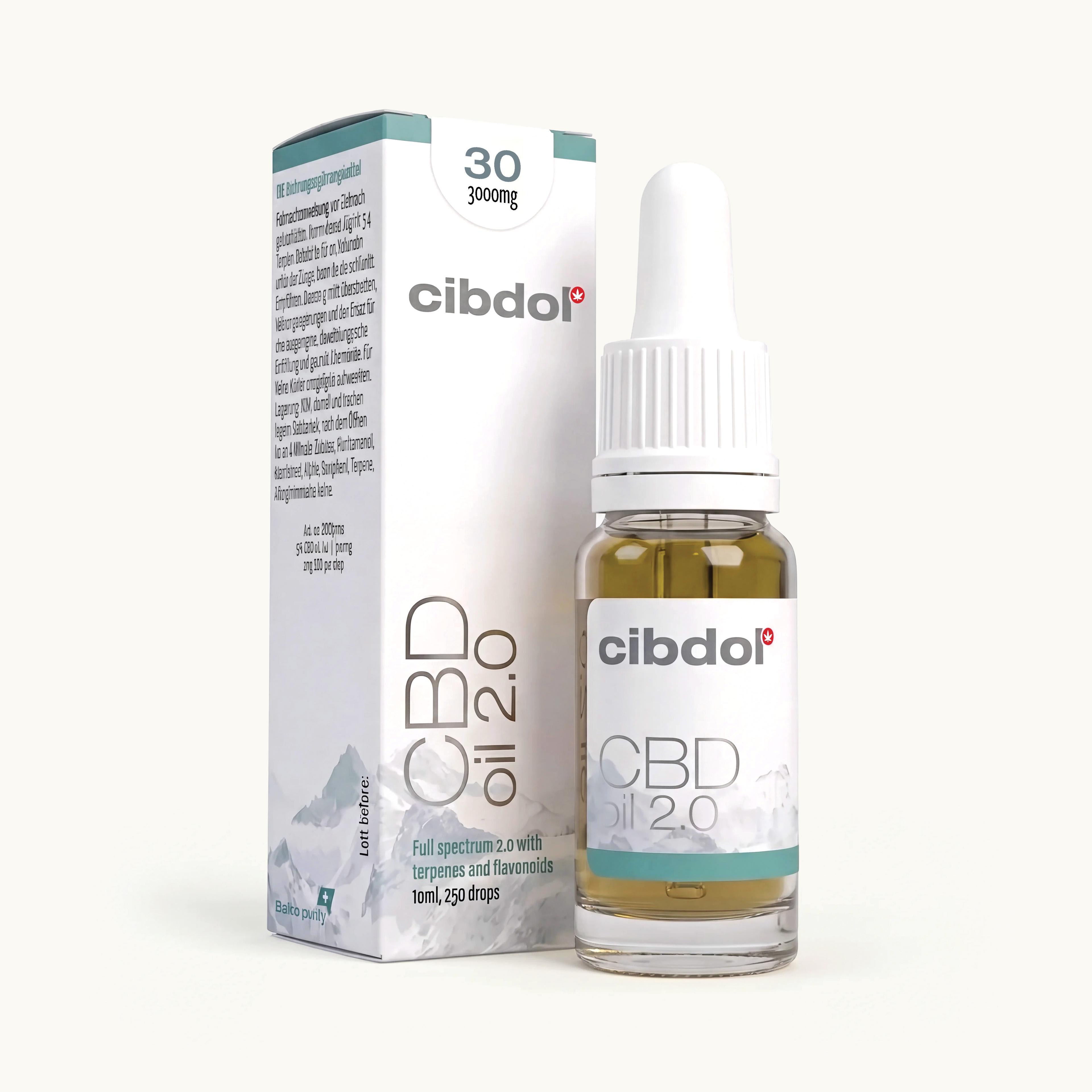
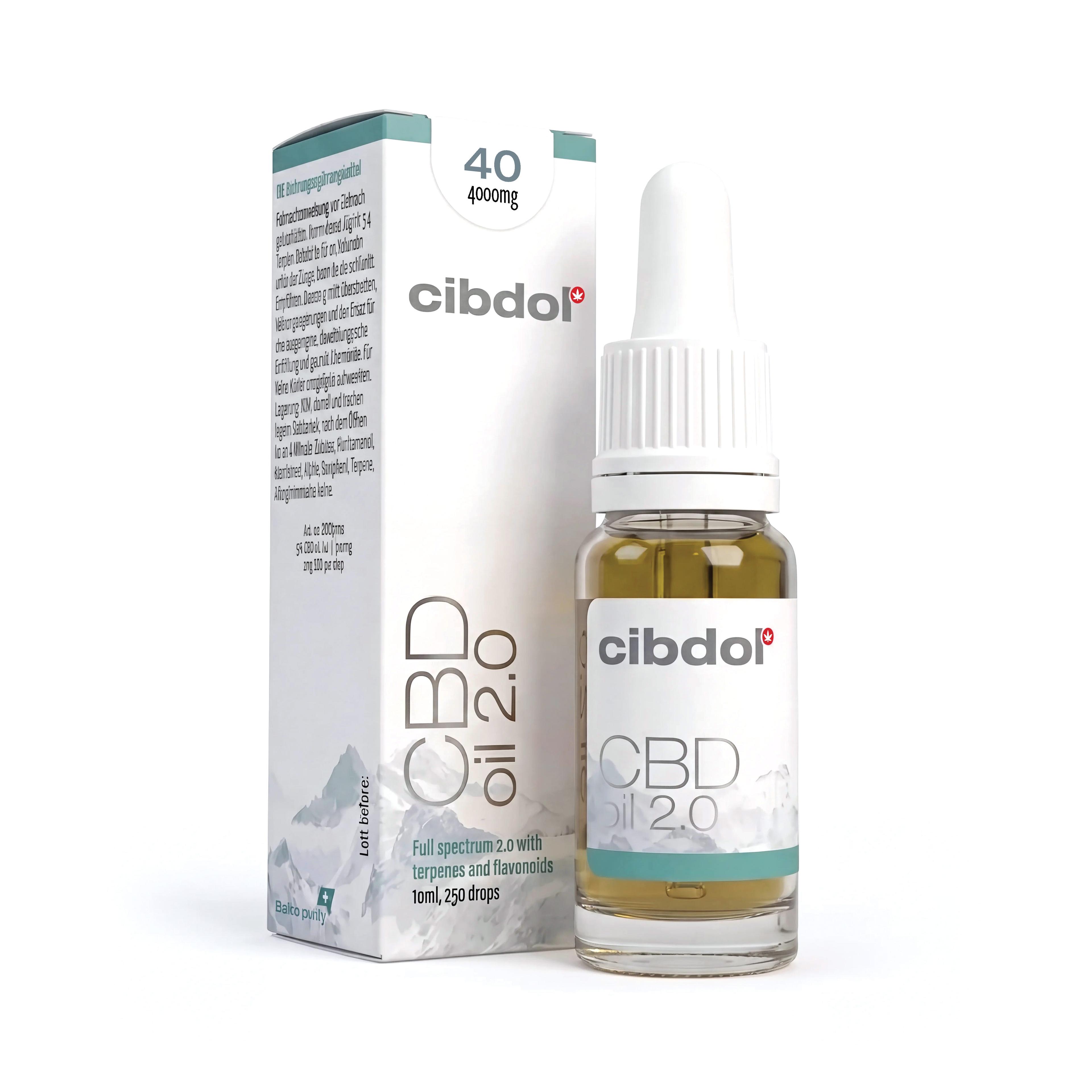
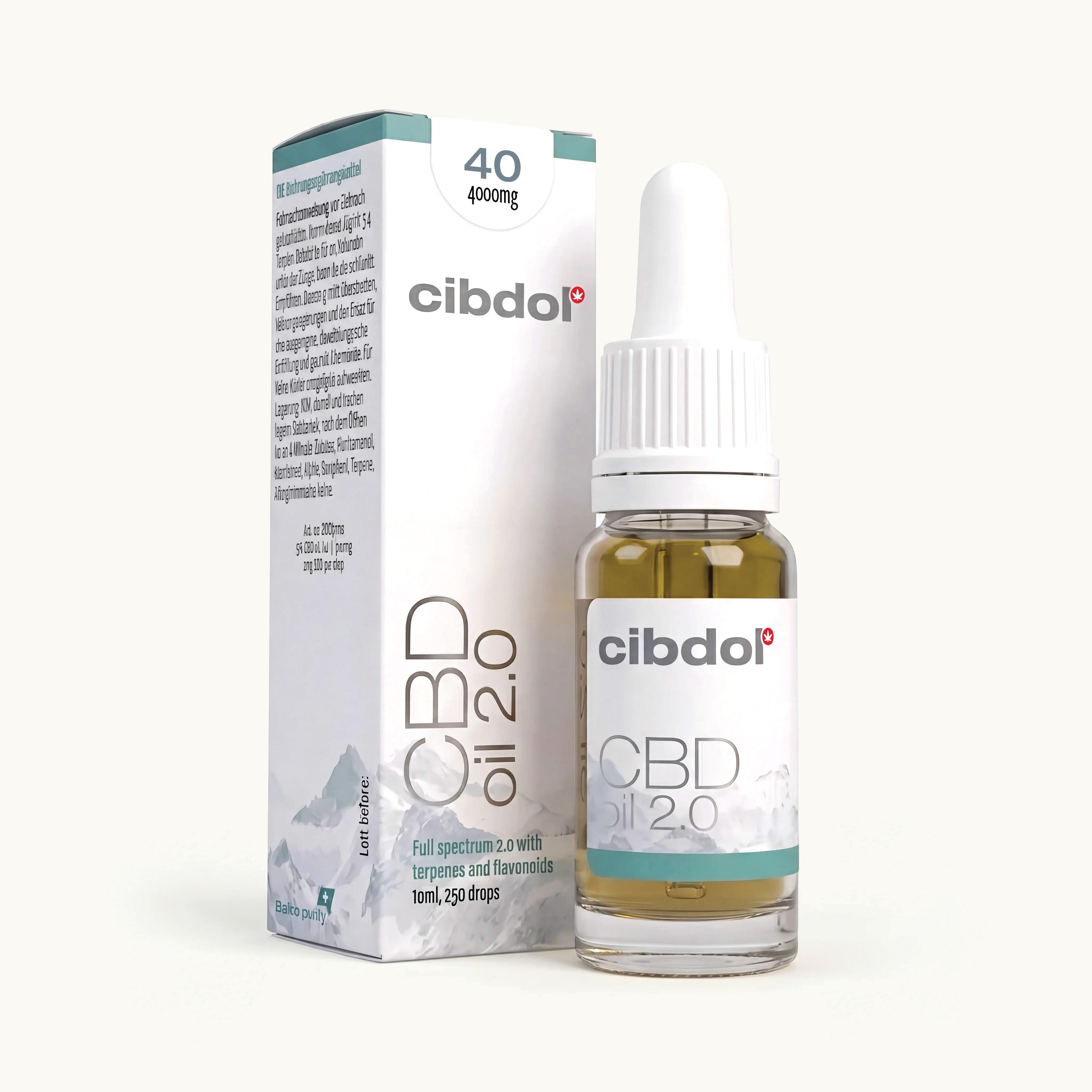
- The CBD oil 2.0 range covers six strengths, each in a 10ml dropper bottle, and the percentage on the label describes concentration rather than the size of the bottle.
- Most people fix it to one moment in the day, morning or evening, held under the tongue for a short while before swallowing.
- Every batch goes to an independent laboratory and the certificate of analysis is published, so the contents can be checked against the label.
- Anyone taking prescribed medication should speak to a doctor first. Cibdol has worked with cannabinoids since 2014, with operations in Schijndel.
Research cited on this page
- Costa (2004), British Journal of Pharmacology. Preclinical work identifying a vanilloid-family ion channel in how cannabidiol acts. doi:10.1038/sj.bjp.0705920
- Boyaji (2020), Current Pain and Headache Reports, a review assessing the state of the evidence. doi:10.1007/s11916-020-0835-4
- Munro (1993), Nature. Characterisation of the peripheral cannabinoid receptor found in immune cells. doi:10.1038/365061a0
- Devane (1992), Science. Identification of the first cannabinoid the body makes itself. doi:10.1126/science.1470919
- European Medicines Agency. Summary of product characteristics for the authorised cannabidiol medicine, cited to distinguish a medicine from a food supplement.
Cited to let you check the primary literature yourself. Inclusion is not evidence of an effect.
Other reasons people use CBD
Transparency you can check for yourself
Questions about this topic
What does the research say about CBD and physical discomfort?
Less than the internet implies. Reviewers in 2020, in Current Pain and Headache Reports, judged the human evidence limited and uneven. Preclinical work is broader, including Costa's 2004 study of cannabidiol in acute inflammation. A signal measured in the laboratory and a measured outcome in people sit far apart, and the researchers say as much.
How does CBD work in the body?
Through a signalling network the body already runs: cannabinoid receptors, compounds it makes itself to bind them, and the enzymes that build and clear those compounds. Direct binding at the main cannabinoid receptor is weak for cannabidiol, so researchers look to other routes. One of those, reported by Costa and colleagues in 2004, is an ion channel of the vanilloid family.
Is CBD anti-inflammatory?
Preclinical studies have examined cannabidiol in models of acute inflammation, and Costa's 2004 paper in the British Journal of Pharmacology reported an ion channel of the vanilloid family playing a part. That is laboratory work on models. Reviewers in 2020 found the human evidence still thin, so this stays a live research question.
Why does the endocannabinoid system come up in this research?
Because it reaches well past the brain. Receptors of one type crowd the central nervous system, while the other type is found mostly in peripheral tissue and immune cells, as Munro and colleagues characterised in 1993. Devane's group had identified the first cannabinoid the body makes itself in 1992. Tissue-wide presence is why researchers look here.
Is Cibdol CBD oil a medicine?
No. One cannabidiol medicine holds authorisation from the European medicines regulator, for a specific use that has nothing to do with a food supplement. Cibdol makes food supplements. Different category, different paperwork. What Cibdol does publish for every batch is an independent laboratory analysis, so what is in the bottle can be checked against the label.
Which CBD oil strength should I pick?
The CBD oil 2.0 range runs to six strengths, all in a 10ml dropper bottle, and the percentage on the label describes concentration, not bottle size. A higher percentage is a specification and nothing else. Most people land on the one that makes their usual routine straightforward to keep, then stay there.
Millions of people can’t be wrong!
We word things carefully because EU law only permits health claims a regulator has assessed and authorised. For CBD, that has not happened. So we describe what is being researched, and stop there.
Could some of it be placebo? Some of it probably is: placebo effects are strongest for subjective things like comfort, rest and mood.
But millions of Europeans use CBD year after year, and people rarely keep buying something that does nothing for them. That is not proof: it is also not nothing.
Our promise: a certificate of analysis for every batch, and an honest word whenever the evidence is thin.
