CBD, muscle building and recovery
Training breaks tissue down, and putting it back together runs partly through immune signalling. One cannabinoid receptor sits mainly in peripheral tissue and immune cells, which is why researchers have looked at cannabidiol alongside tissue repair after training load.
The repair window after a heavy training session
Hard sets create small amounts of damage in the fibres that took the load. What follows is a repair sequence, and part of that sequence is run by the immune system: cells arrive, clear debris, and signal for rebuilding. That is where the endocannabinoid system enters the picture. It is a signalling network with three parts: cannabinoid receptors, compounds the body makes itself that bind them, and the enzymes that build and clear those compounds. One receptor is dense in the central nervous system. The other sits mainly in peripheral tissue and immune cells, which Munro and colleagues characterised in 1993, and that overlap with immune signalling is the stated reason this research area exists at all. Cannabidiol itself has low direct binding affinity at the main cannabinoid receptor, so its activity is generally attributed to other routes. Those routes are still being mapped. What exists in trained people is early work, mostly small or preclinical, and researchers have not settled the account.
What has been tested in trained athletes?
- A 2020 narrative review in Sports Medicine - Open assessed cannabidiol and sports performance, and the authors concluded that the evidence in trained people is early and thin. They found a field with more open questions than answers, and very little of it built on athletes under real training load.
- Isenmann and colleagues examined cannabidiol supplementation and skeletal muscle regeneration after intensive resistance training in a 2021 study published in Nutrients. It was small, which is the main limit on what can be read from it. One small study does not settle a question.
- Cannabidiol was removed from the international sport anti-doping list from 2018. Other cannabinoids, including THC, remain prohibited in competition. A full-spectrum extract contains THC, so any athlete subject to testing carries a real risk, and that is worth weighing before a season starts.
- Most of the published work in this area is preclinical or small, and no established protocol for cannabidiol around training has come out of it. Researchers have not converged on timing or study design, which is why reviews of the literature stop short of practical guidance for athletes.
- Munro and colleagues characterised the peripheral cannabinoid receptor found in immune cells in a 1993 paper in Nature, which is the anatomical starting point here. A 2018 systematic review by Millar in Frontiers in Pharmacology mapped human pharmacokinetics and found wide variation between studies.
Preliminary means exactly that: early-stage, often small or laboratory-based, and not a basis for expecting a particular outcome.
Timing across a training week
- Most people keep it to a fixed point in the day, morning or evening, rather than tying it to individual sessions.
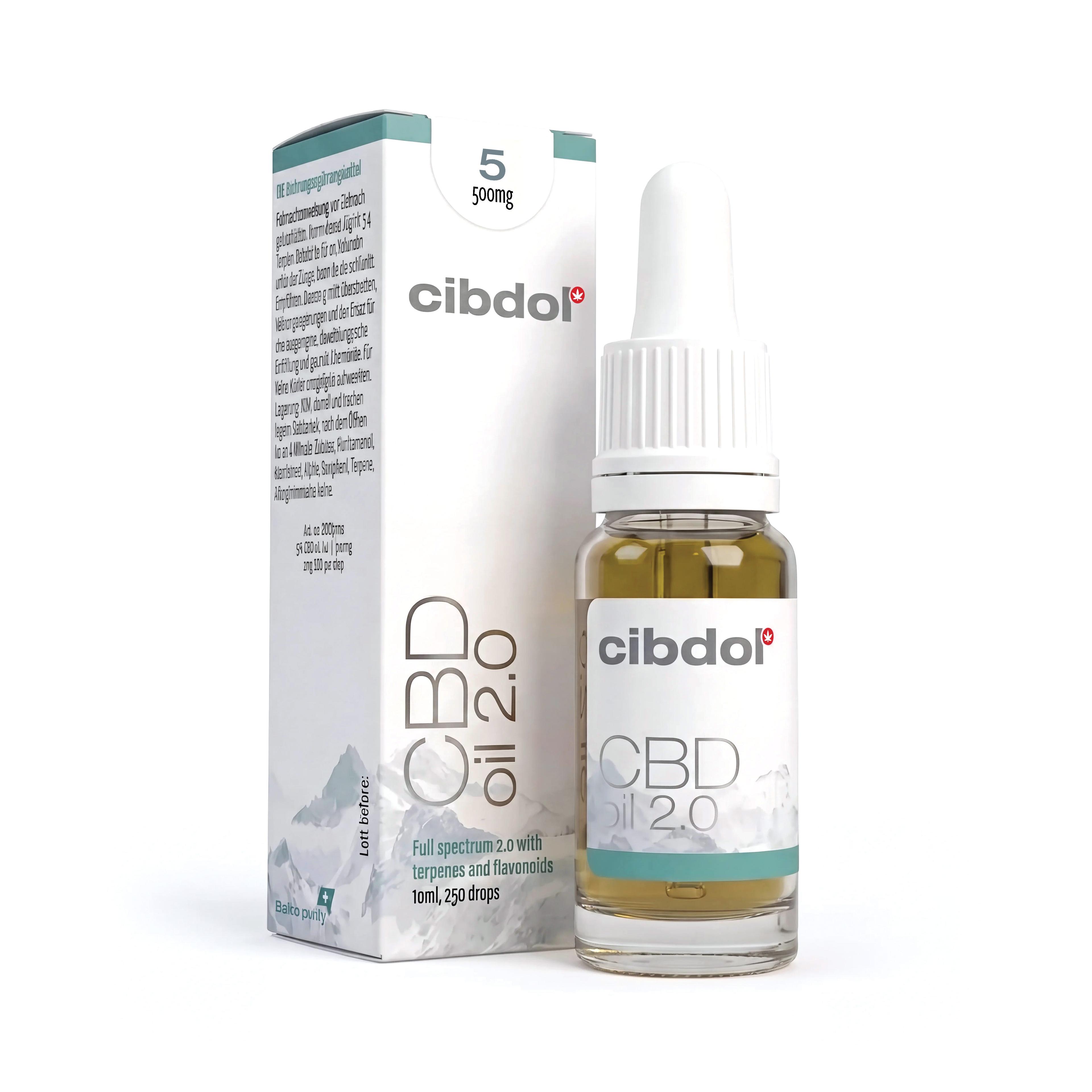
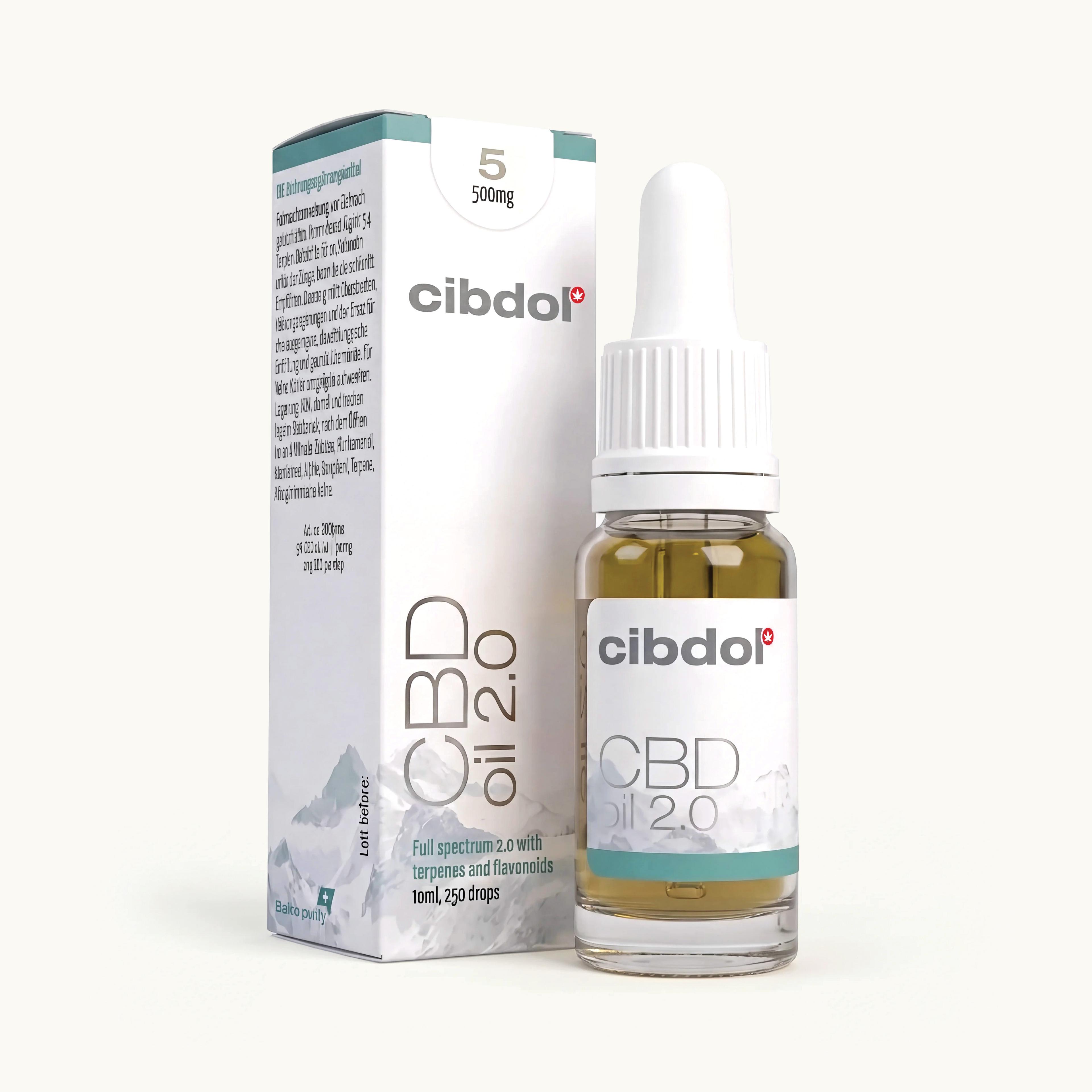
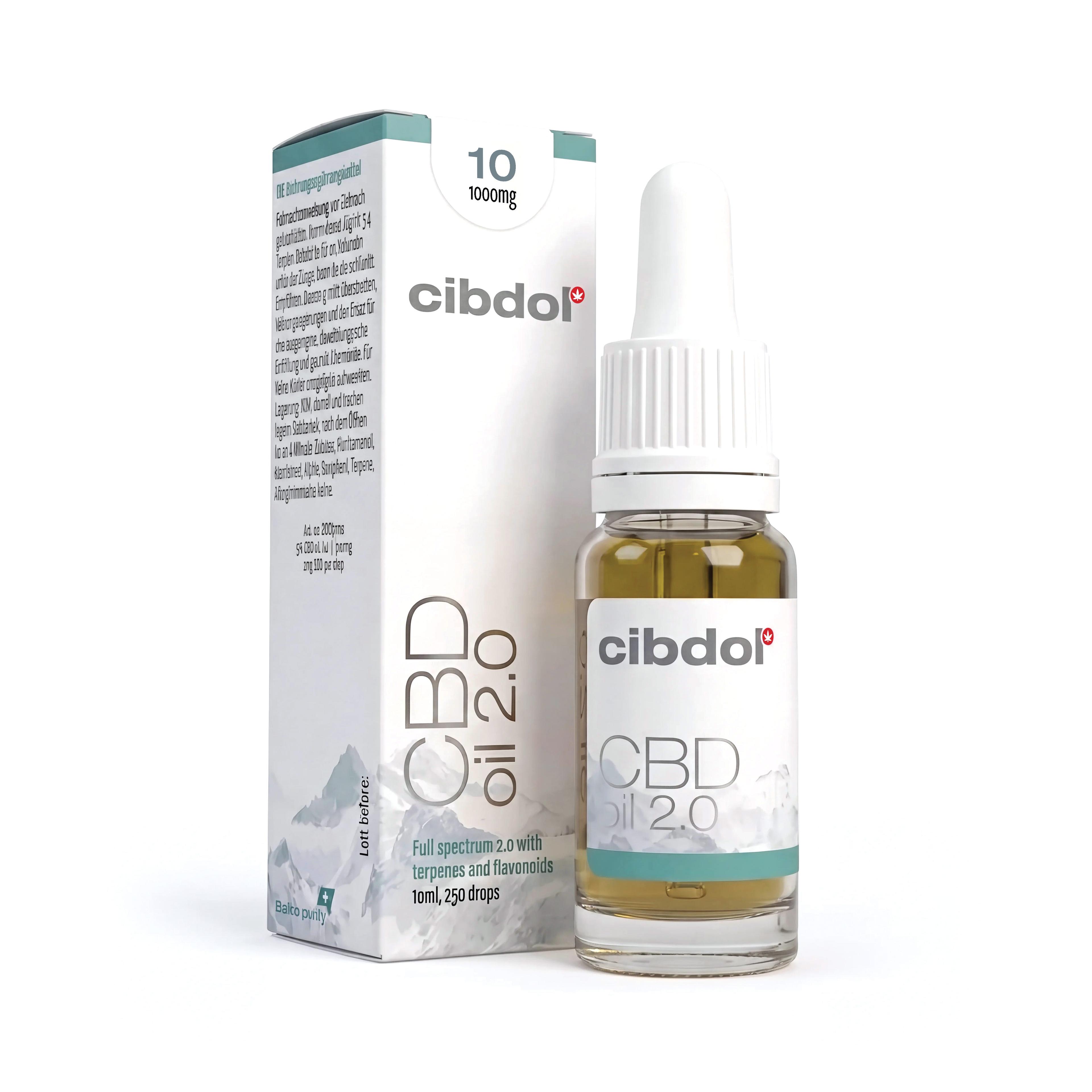
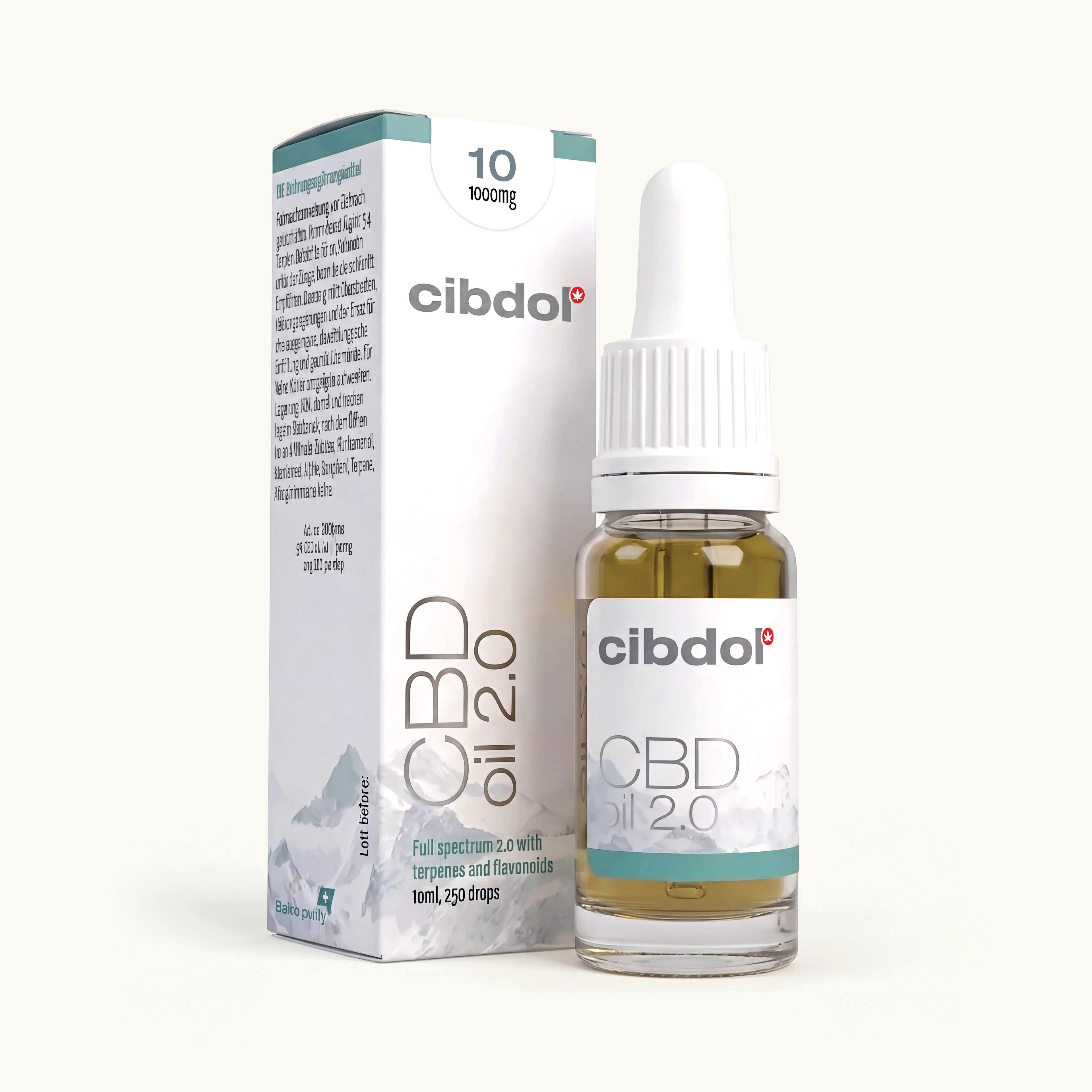
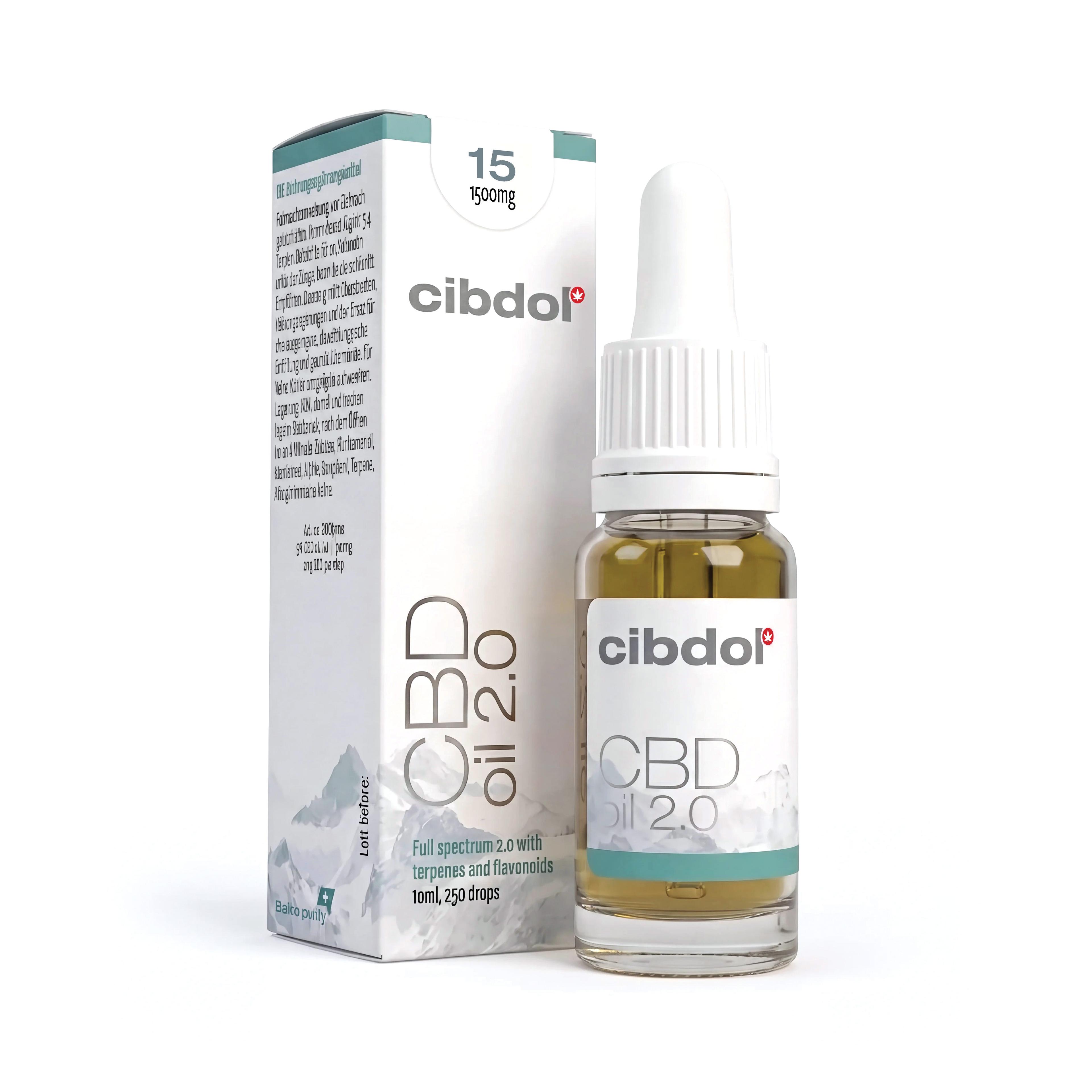
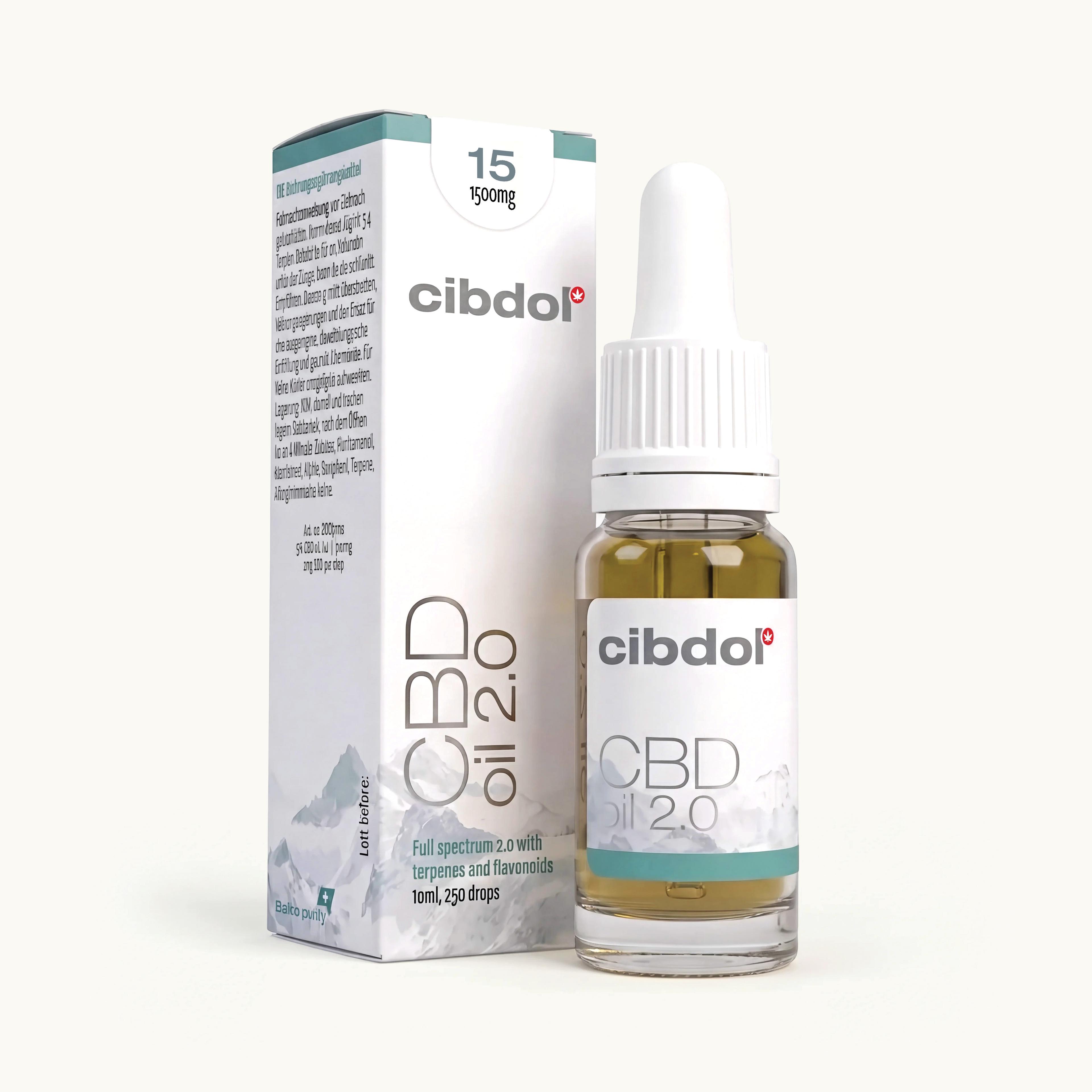
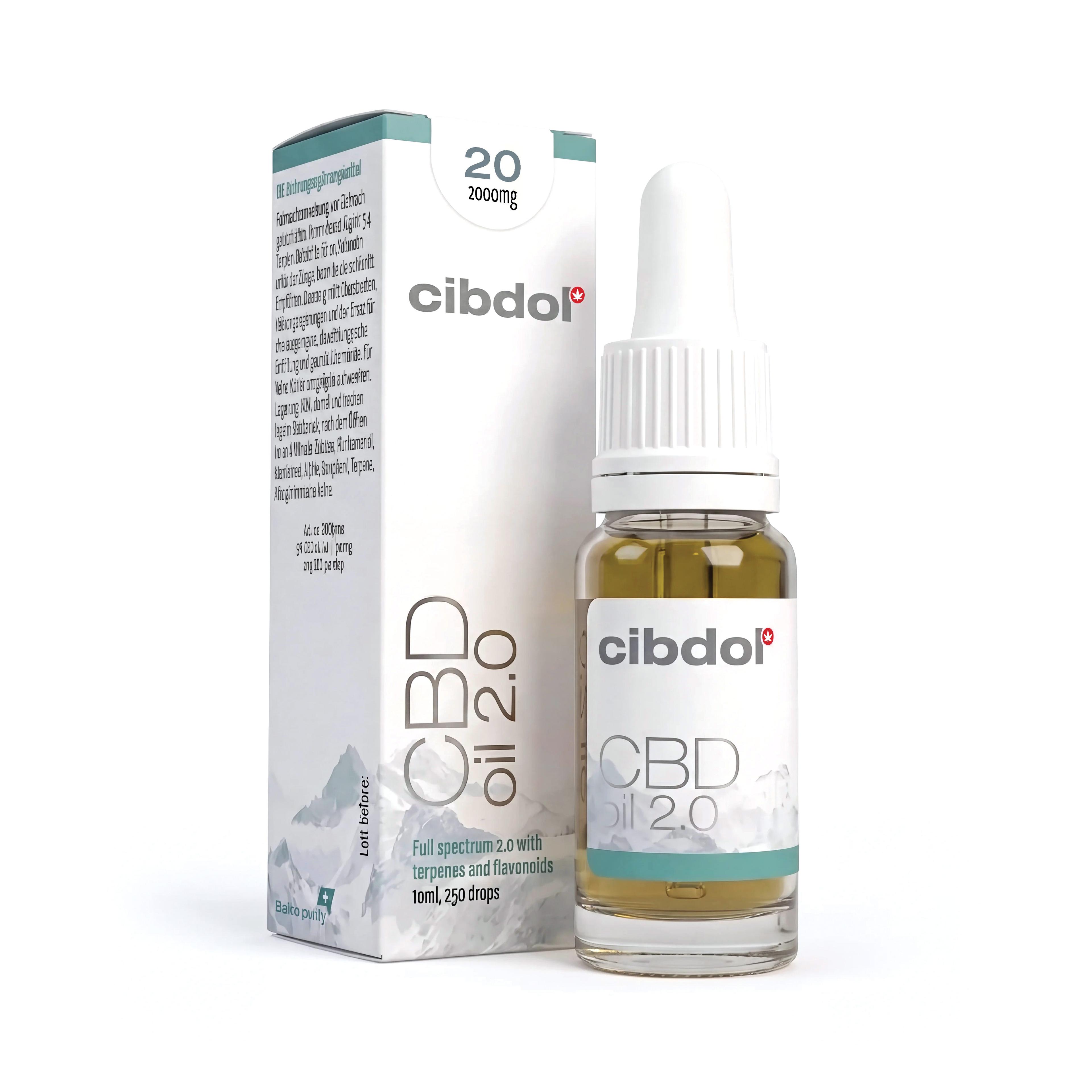
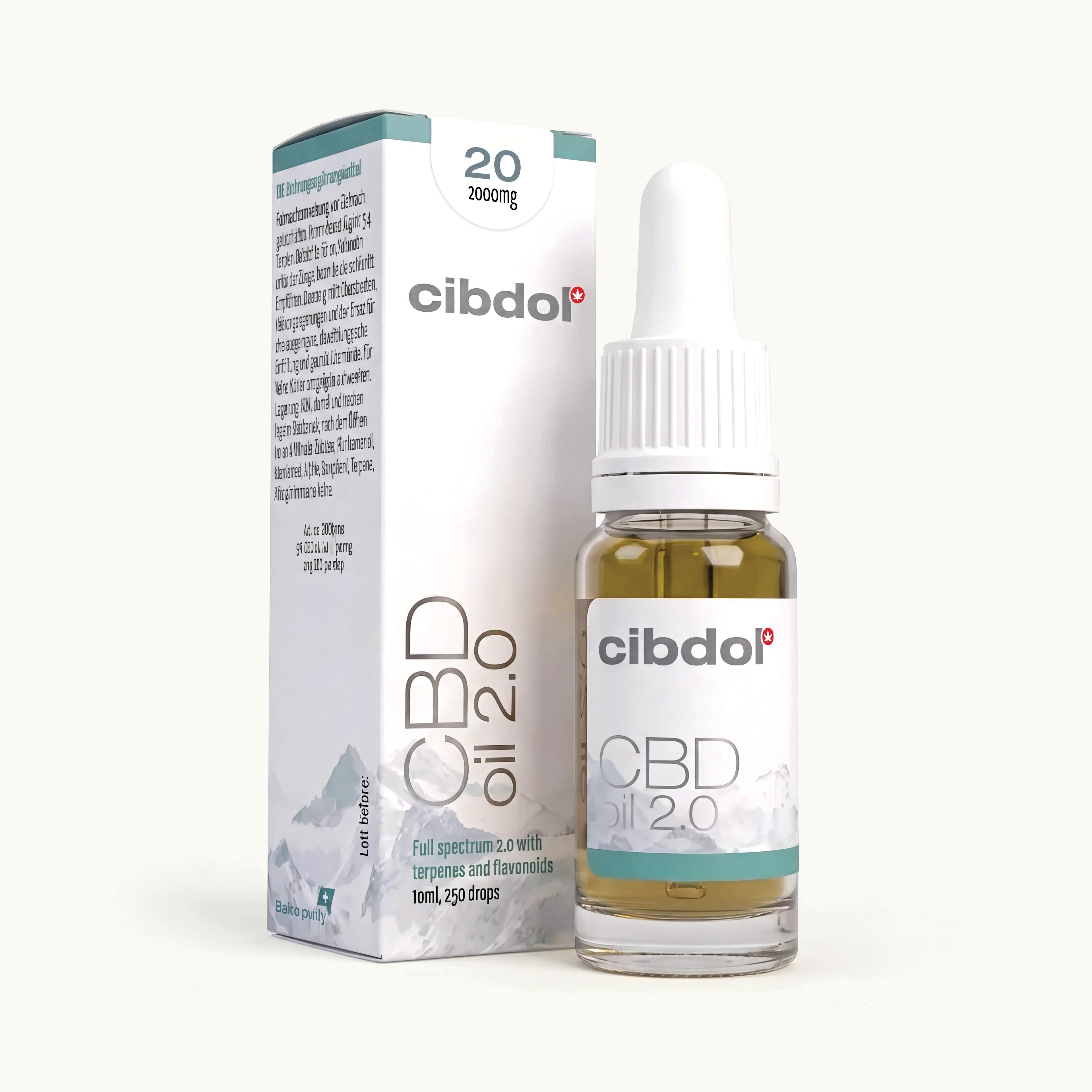
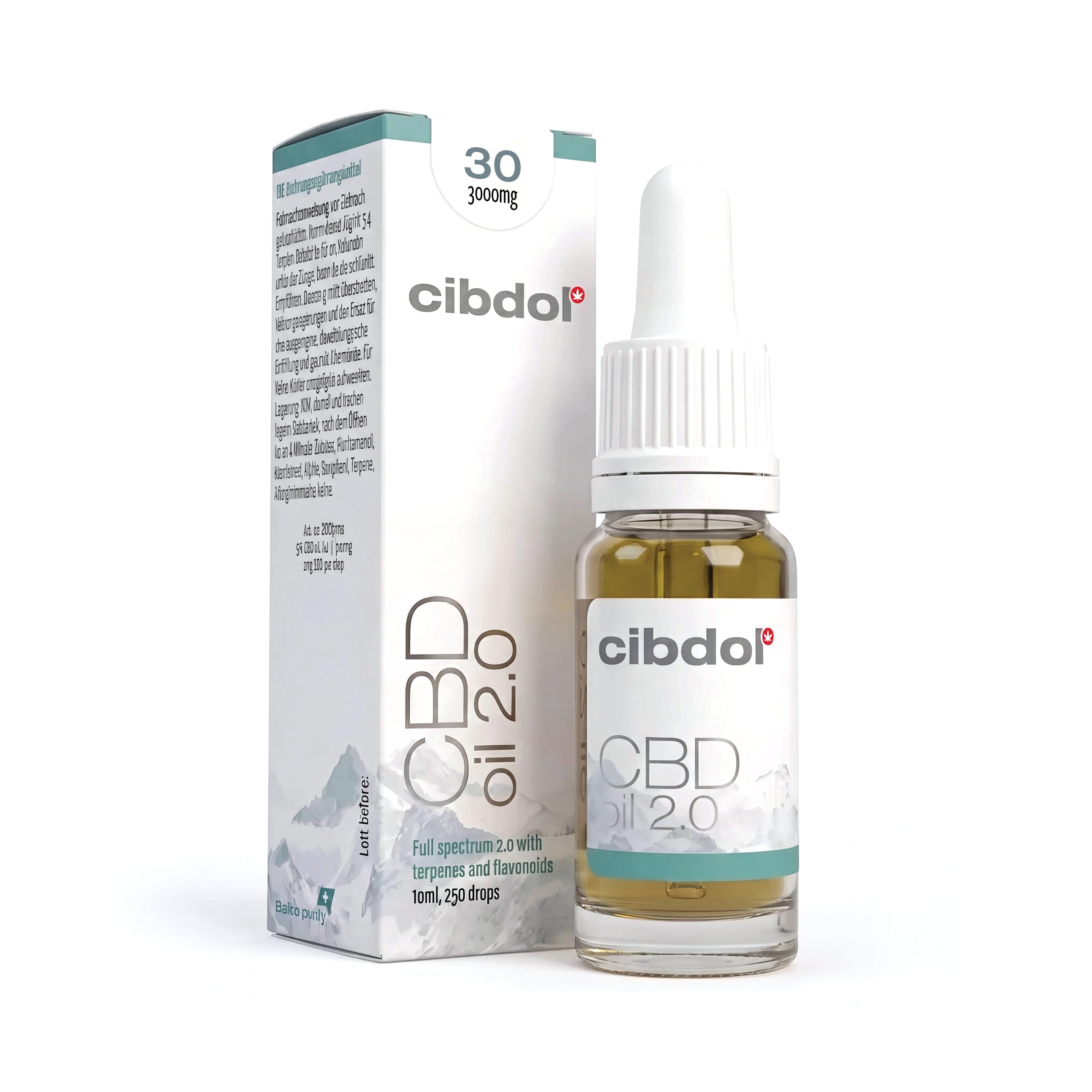
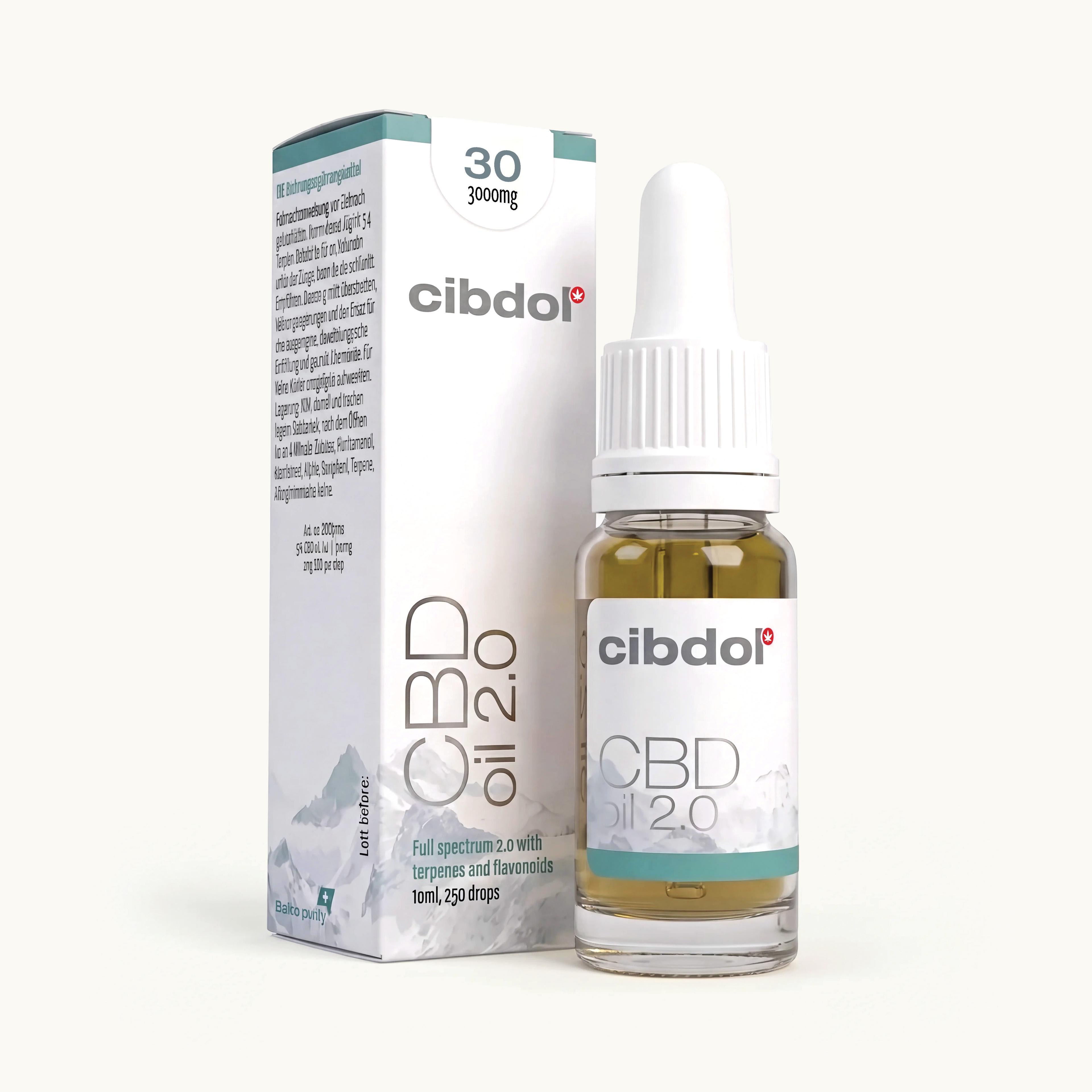
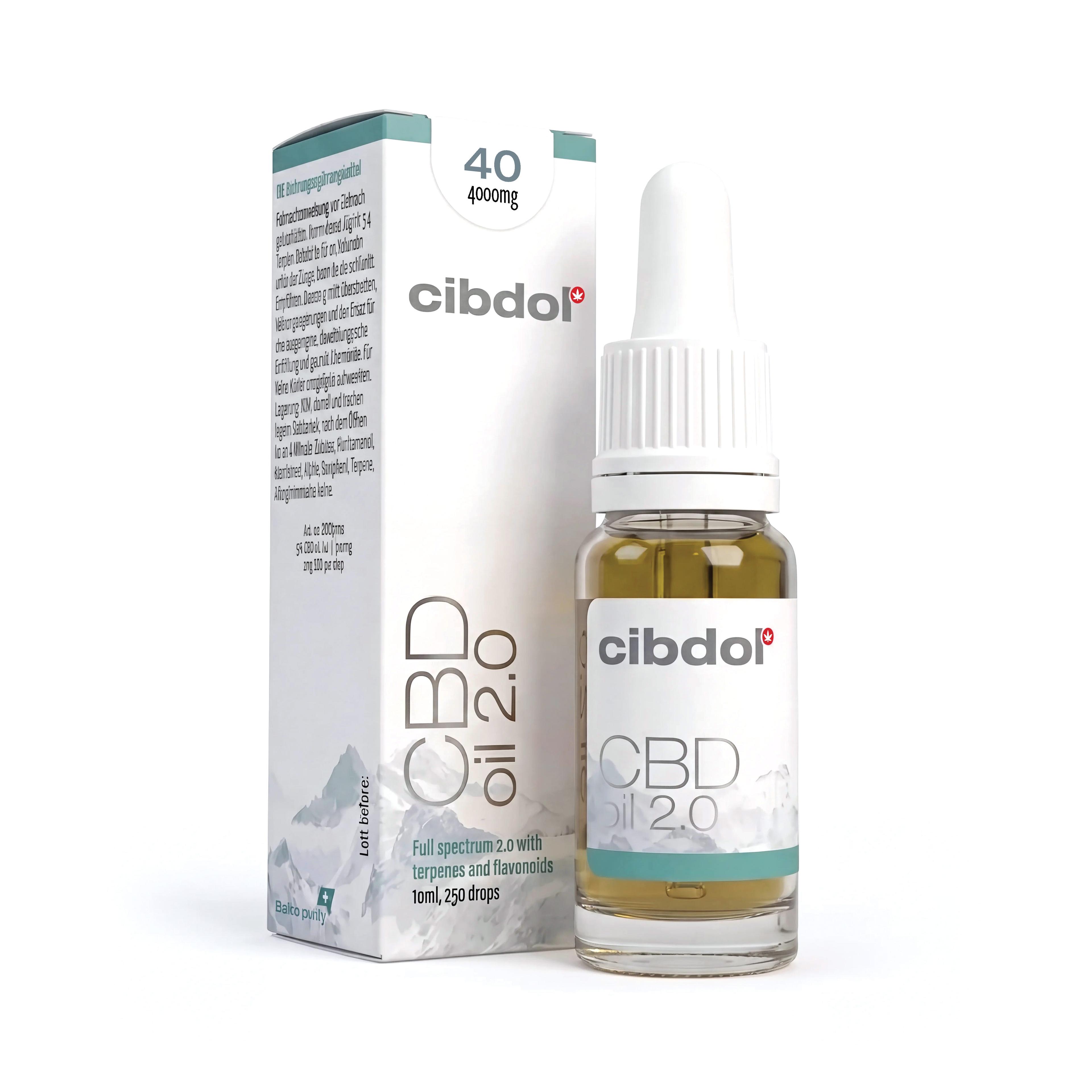
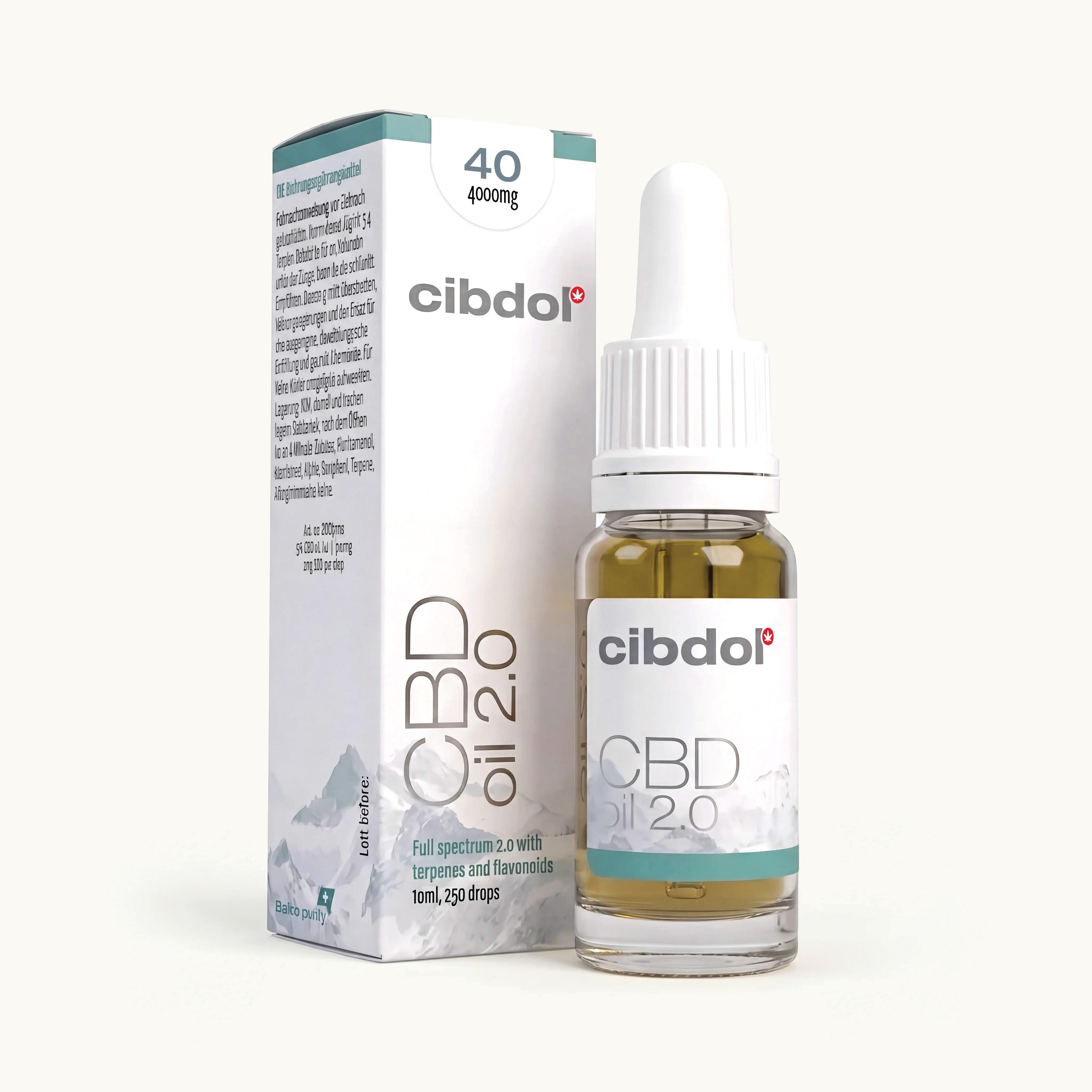
- Cibdol's CBD oil 2.0 range comes in a 10ml dropper bottle across six strengths, and the percentage on the label describes concentration, not bottle size.
- Taken under the tongue and held there briefly before swallowing, at the same point in the day across a training week.
- Every batch is analysed by an independent laboratory and the certificate of analysis is published, so the label can be checked against the report.
Sport and recovery literature
- McCartney (2020), Sports Medicine - Open. A narrative review of cannabidiol and sports performance. doi:10.1186/s40798-020-00251-0
- Isenmann (2021), Nutrients. A small study on skeletal muscle regeneration after intensive resistance training. doi:10.3390/nu13093028
- Munro (1993), Nature. Characterisation of the peripheral cannabinoid receptor found in immune cells. doi:10.1038/365061a0
- Millar (2018), Frontiers in Pharmacology. A systematic review of human pharmacokinetics. doi:10.3389/fphar.2018.01365
- World Anti-Doping Agency Prohibited List. Cited for the status of cannabidiol from 2018 onwards and of other cannabinoids in competition.
Cited to let you check the primary literature yourself. Inclusion is not evidence of an effect.
Other reasons people use CBD
Transparency you can check for yourself
Questions about this topic
Is CBD allowed in sport?
Cannabidiol was removed from the international sport anti-doping list from 2018. Other cannabinoids, including THC, are still prohibited in competition. A full-spectrum extract contains THC by definition, so anyone subject to testing carries a real risk. That risk does not disappear because a label says the amount is low. Athletes in tested competition normally check with their federation and their own medical staff before adding anything to a training week.
What does the research say about CBD after a workout?
Not much yet. A 2020 narrative review in Sports Medicine - Open assessed cannabidiol and sports performance and concluded the evidence in trained people is early and thin. Isenmann and colleagues examined skeletal muscle regeneration after intensive resistance training in a 2021 study, and that study was small. Neither gives a firm answer, and reviewers in 2020 were direct about the gap between interest in the topic and published data.
Why do researchers look at cannabinoids and muscle repair at all?
Because immune signalling has a hand in how tissue repairs after loading. Munro and colleagues characterised a cannabinoid receptor found mainly in peripheral tissue and immune cells in a 1993 paper, and that overlap is the stated reason the research area exists. It marks a plausible place to look, not a result. Most of what has been published since is preclinical or small, so the question stays open.
When should I take CBD around training?
There is no established protocol, because the published work is too early and too small to support one. Most people pick a fixed point in the day and keep it there, morning or evening, rather than building it around single sessions. A routine that survives a heavy week is more useful than one built for a perfect week. Anyone taking medication should speak to a doctor first.
Which strength should I choose?
The CBD oil 2.0 range runs across six strengths, all in a 10ml dropper bottle. The percentage on the label describes concentration, not how much liquid the bottle holds, which is the part people misread most often. Every batch is analysed by an independent laboratory and its certificate of analysis is published, so the cannabinoid content can be checked against the label before ordering.
Does CBD oil cause a high?
No. Cannabidiol is non-intoxicating. Cibdol oils stay within legal limits for THC, and every batch goes to an independent laboratory with the certificate of analysis published, so the cannabinoid content is verifiable rather than asserted. For anyone in tested competition, though, the presence of THC in a full-spectrum extract is exactly the detail to weigh, because other cannabinoids remain prohibited in competition.
Is there evidence on CBD and muscle soreness?
Studies have examined cannabidiol in the context of physical discomfort, but work specific to trained people stays thin. Reviewers in 2020 said as much, describing an early evidence base and small individual studies. A 2018 systematic review of human pharmacokinetics by Millar also found wide variation between studies, which makes results hard to compare across research groups. That is the honest state of it.
Millions of people can’t be wrong!
We word things carefully because EU law only permits health claims a regulator has assessed and authorised. For CBD, that has not happened. So we describe what is being researched, and stop there.
Could some of it be placebo? Some of it probably is: placebo effects are strongest for subjective things like comfort, rest and mood.
But millions of Europeans use CBD year after year, and people rarely keep buying something that does nothing for them. That is not proof: it is also not nothing.
Our promise: a certificate of analysis for every batch, and an honest word whenever the evidence is thin.
