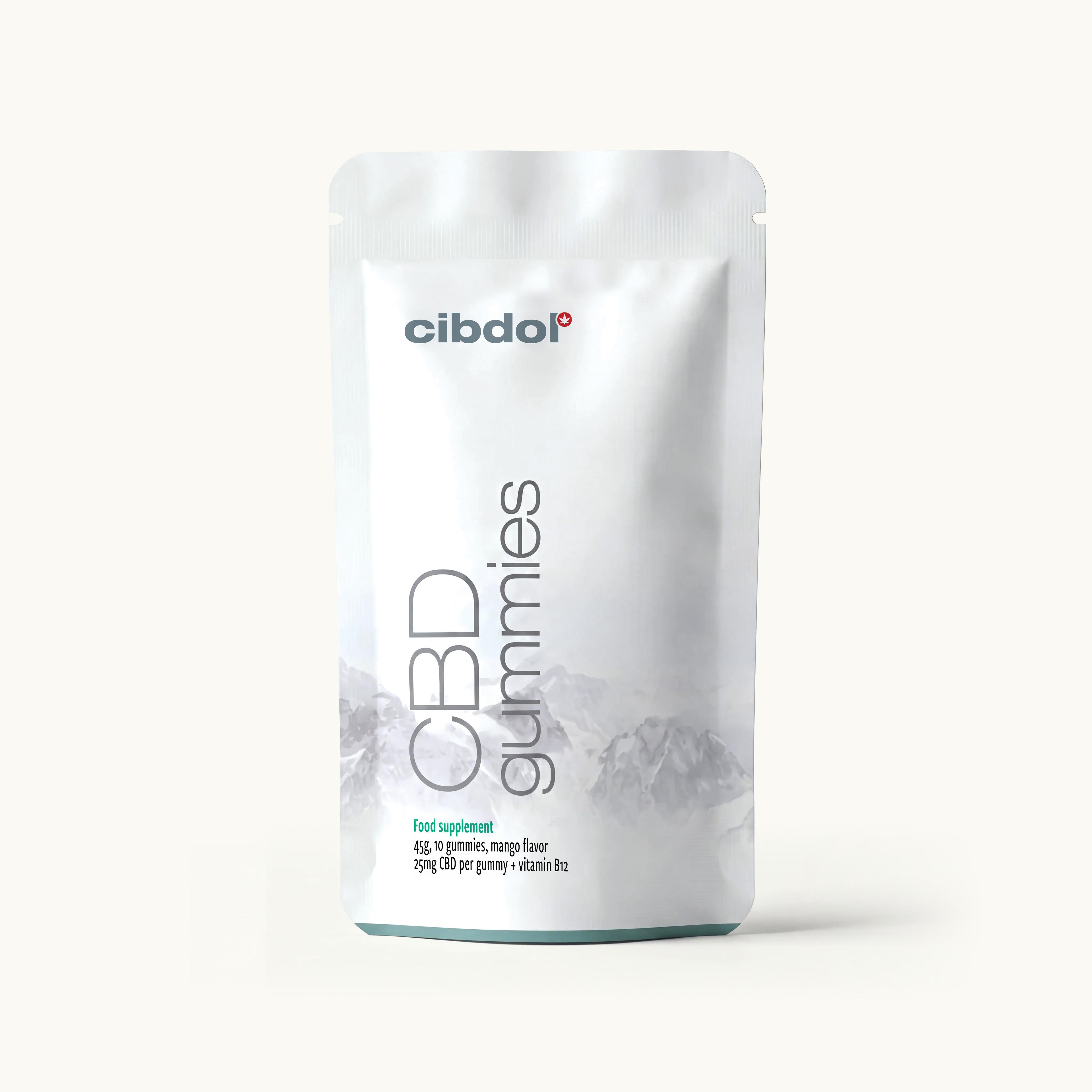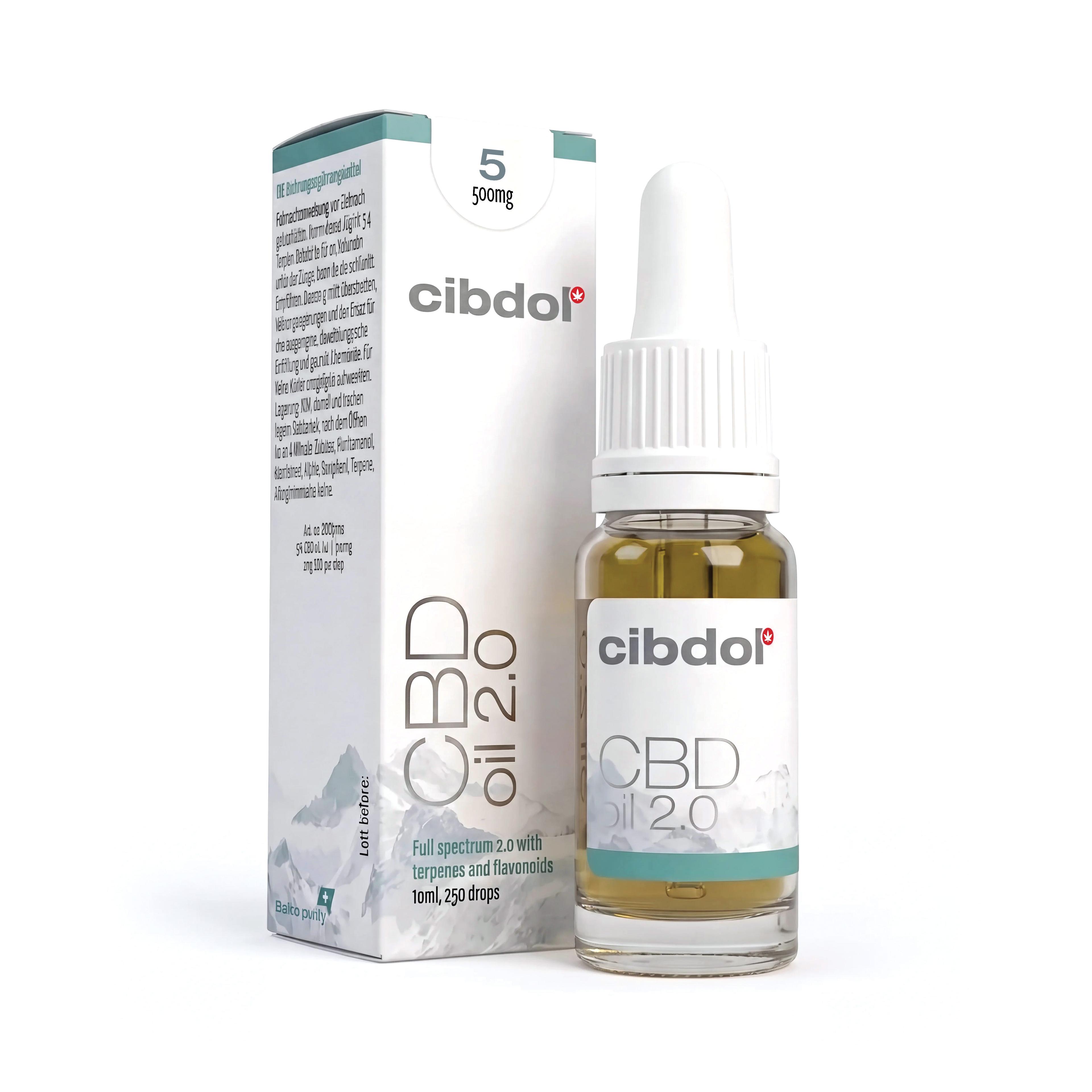
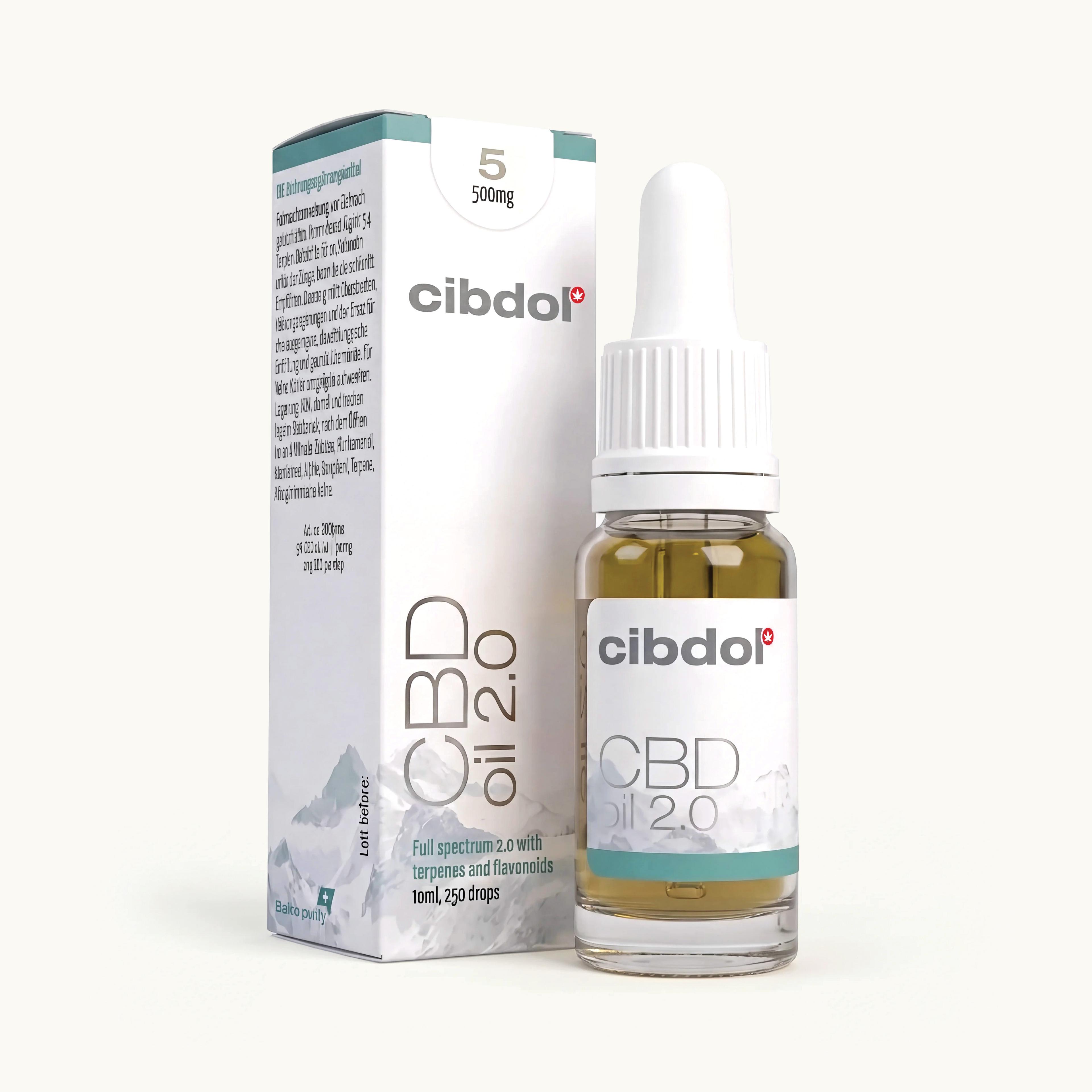
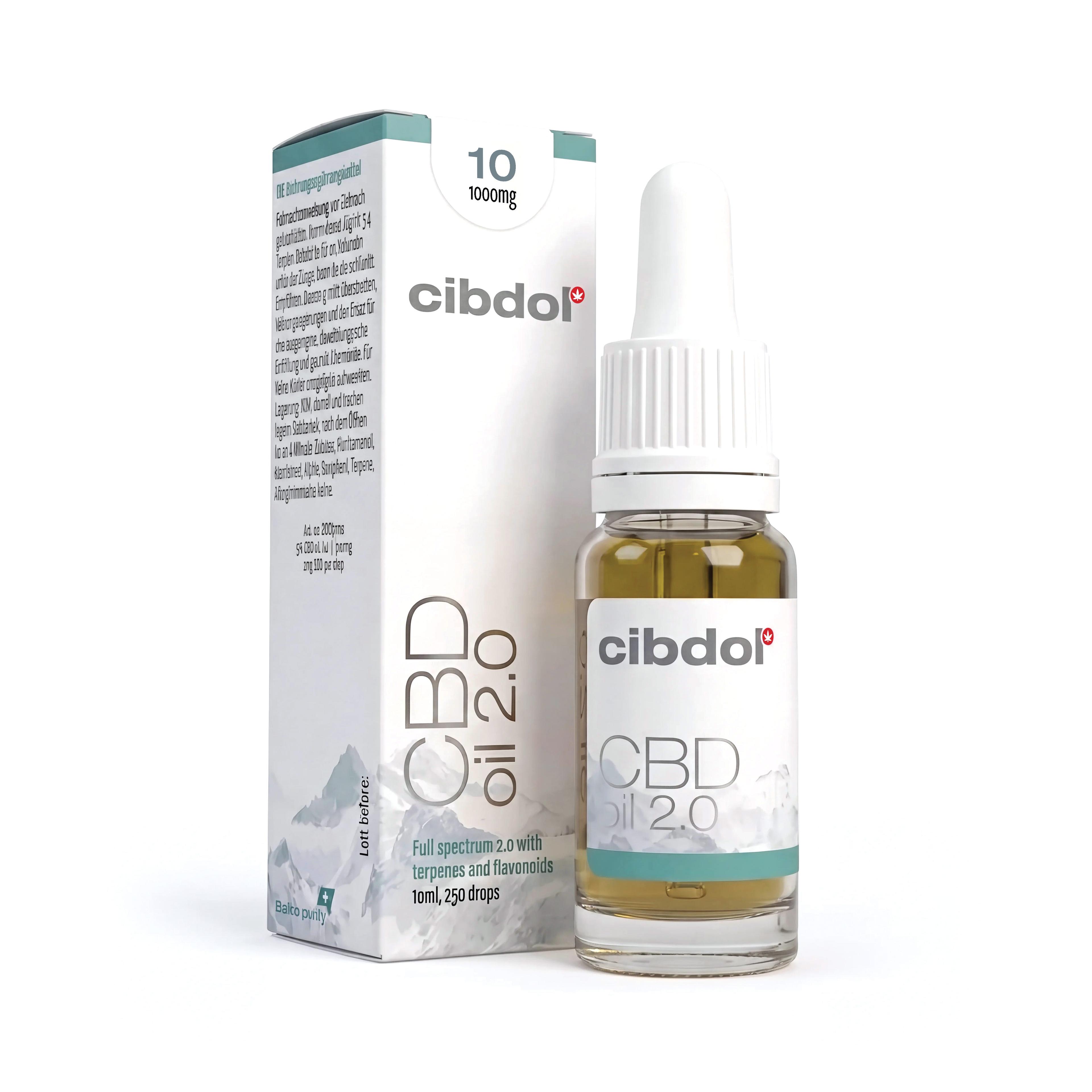
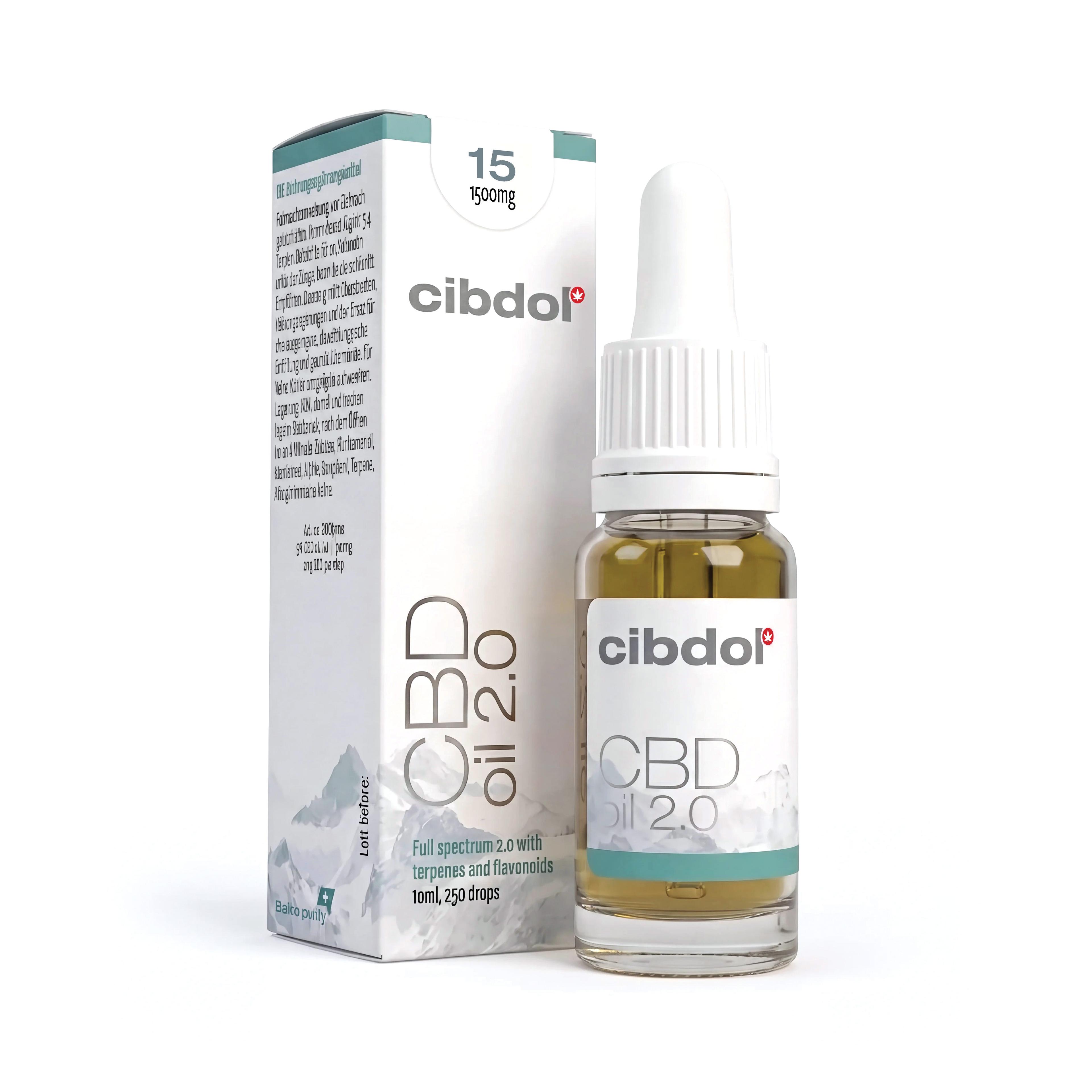
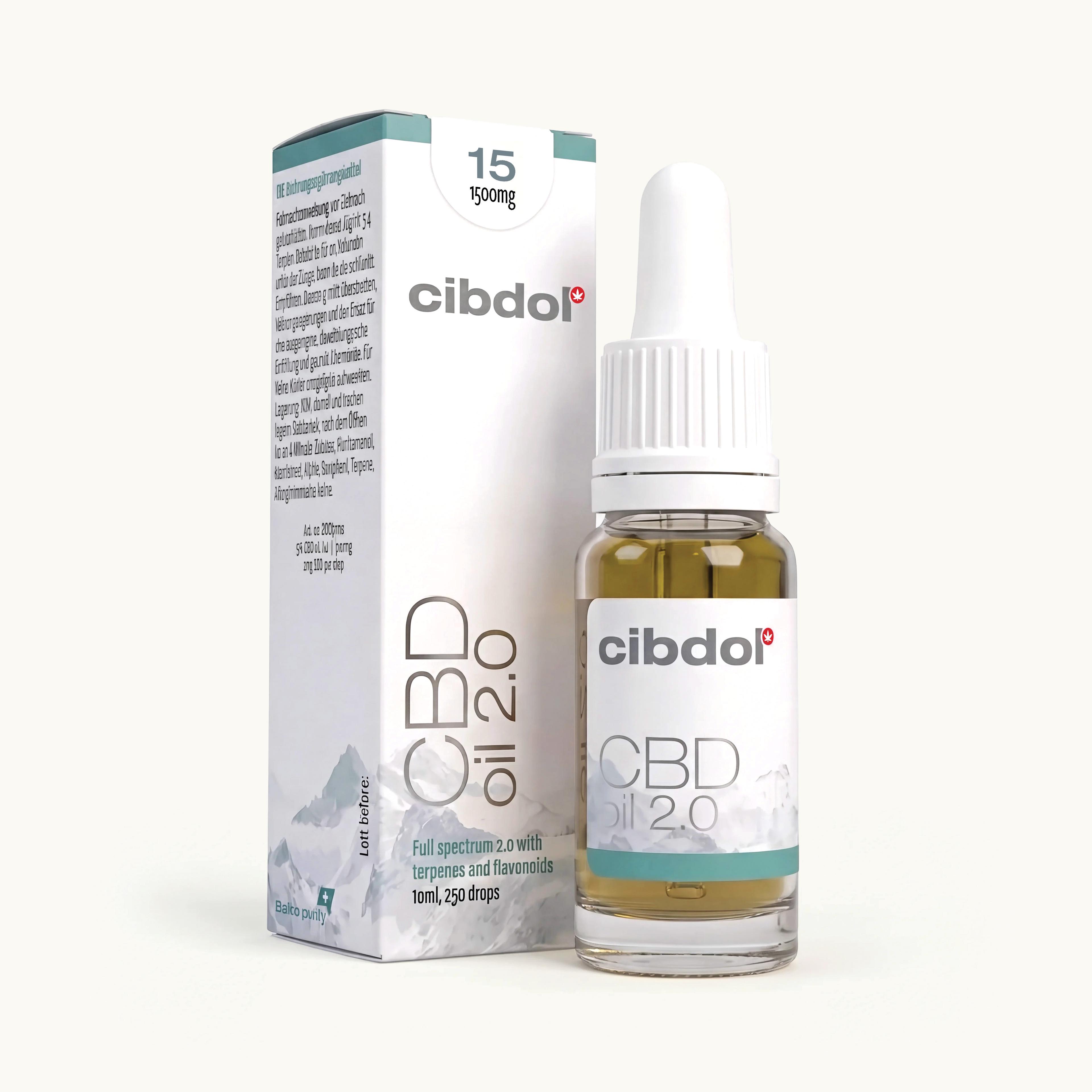
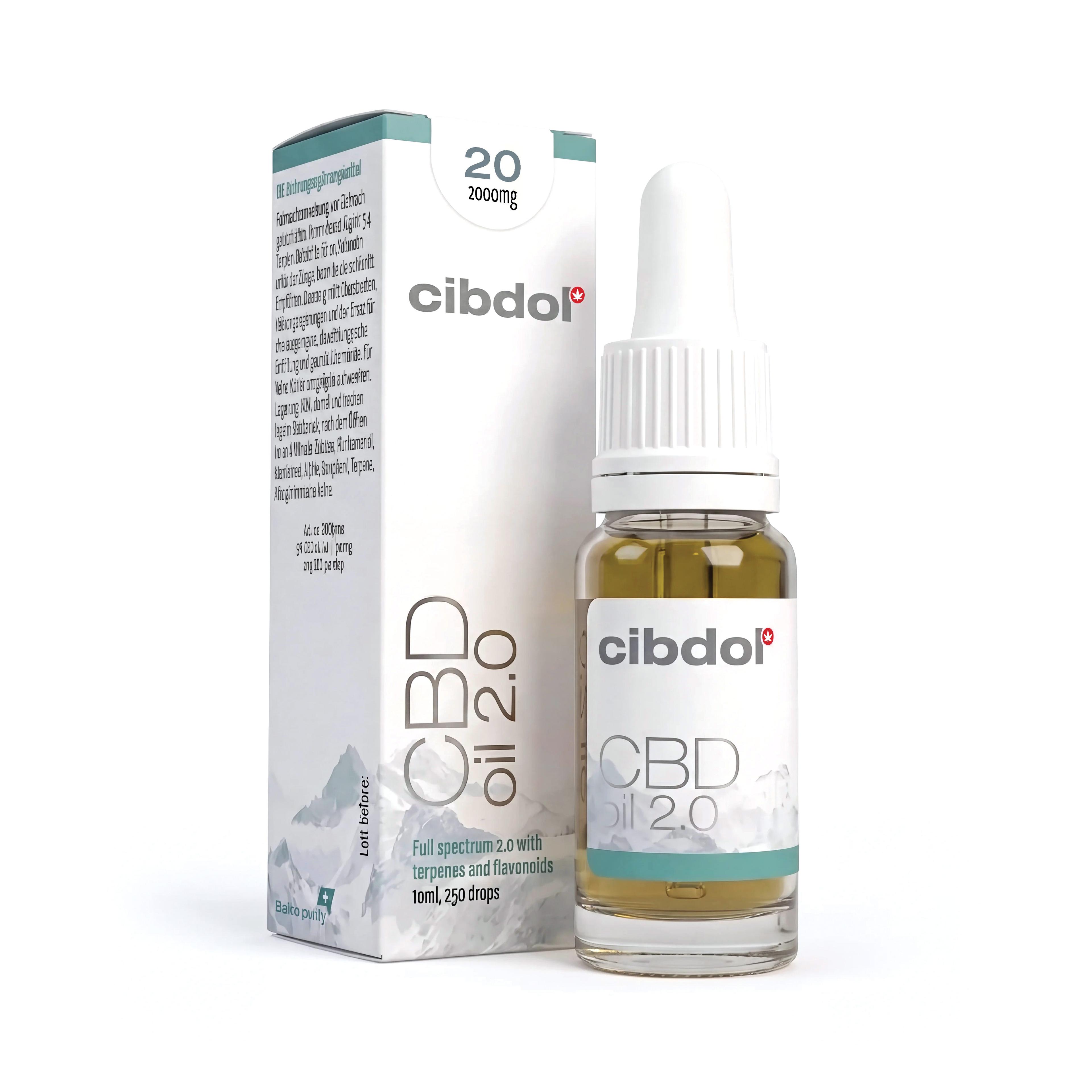
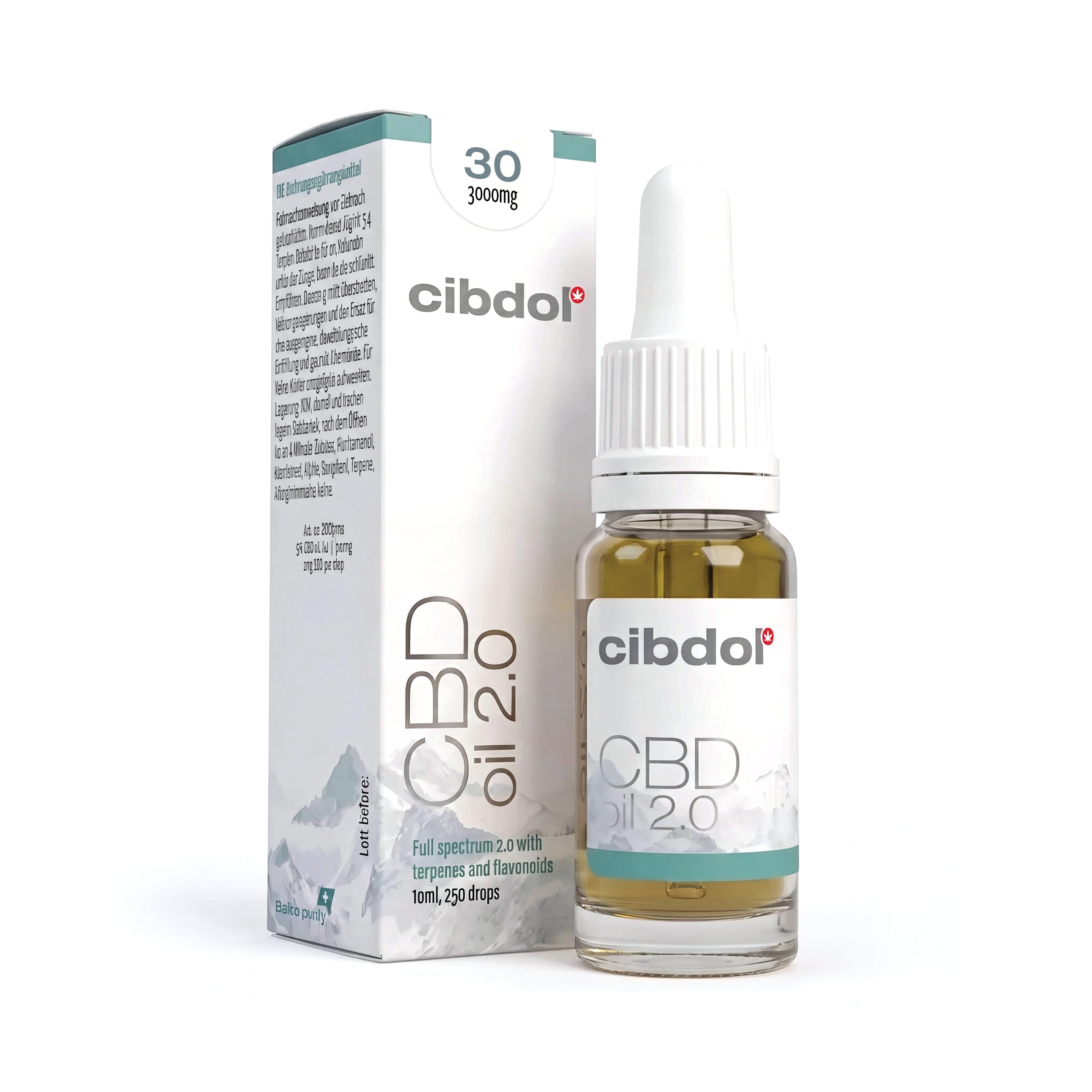
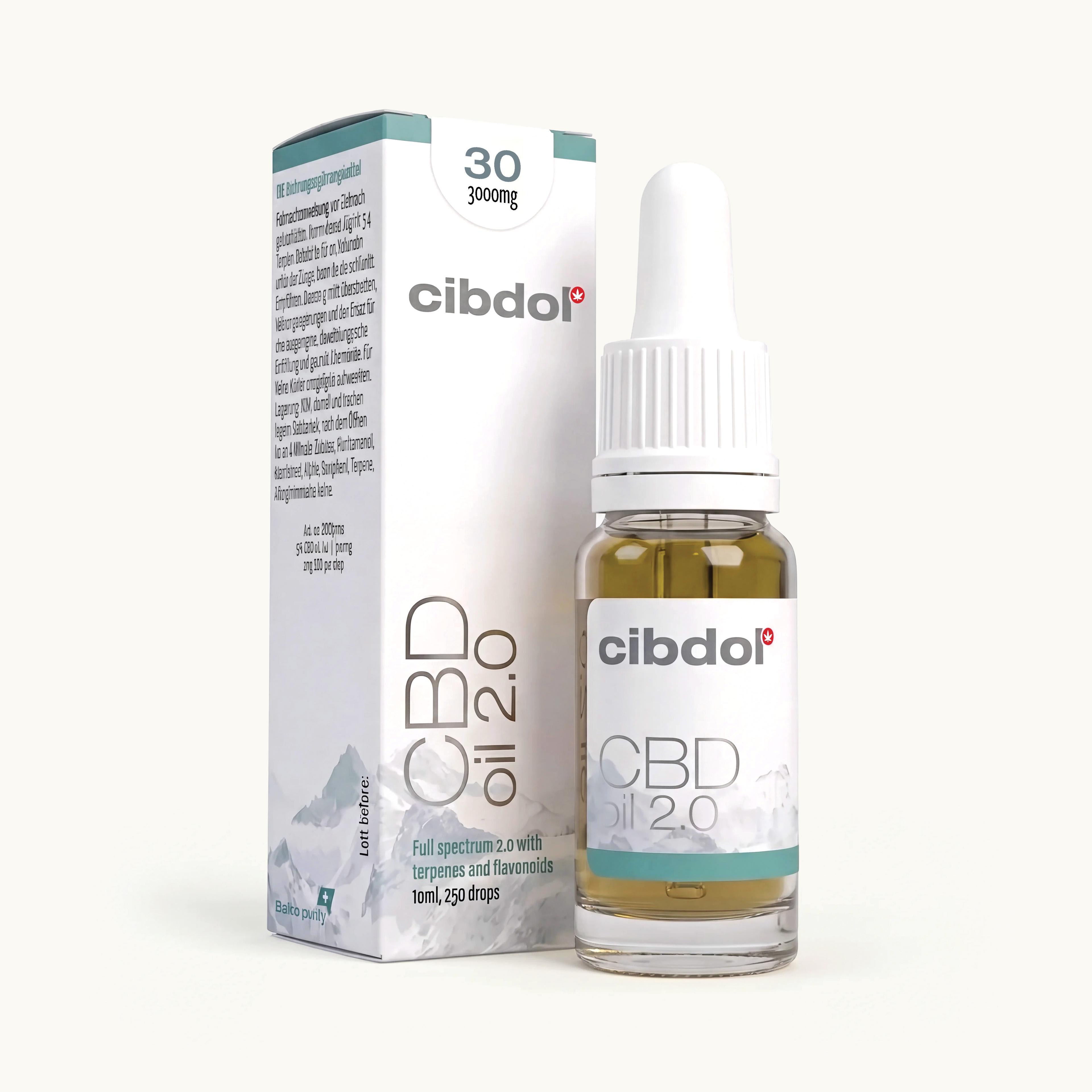
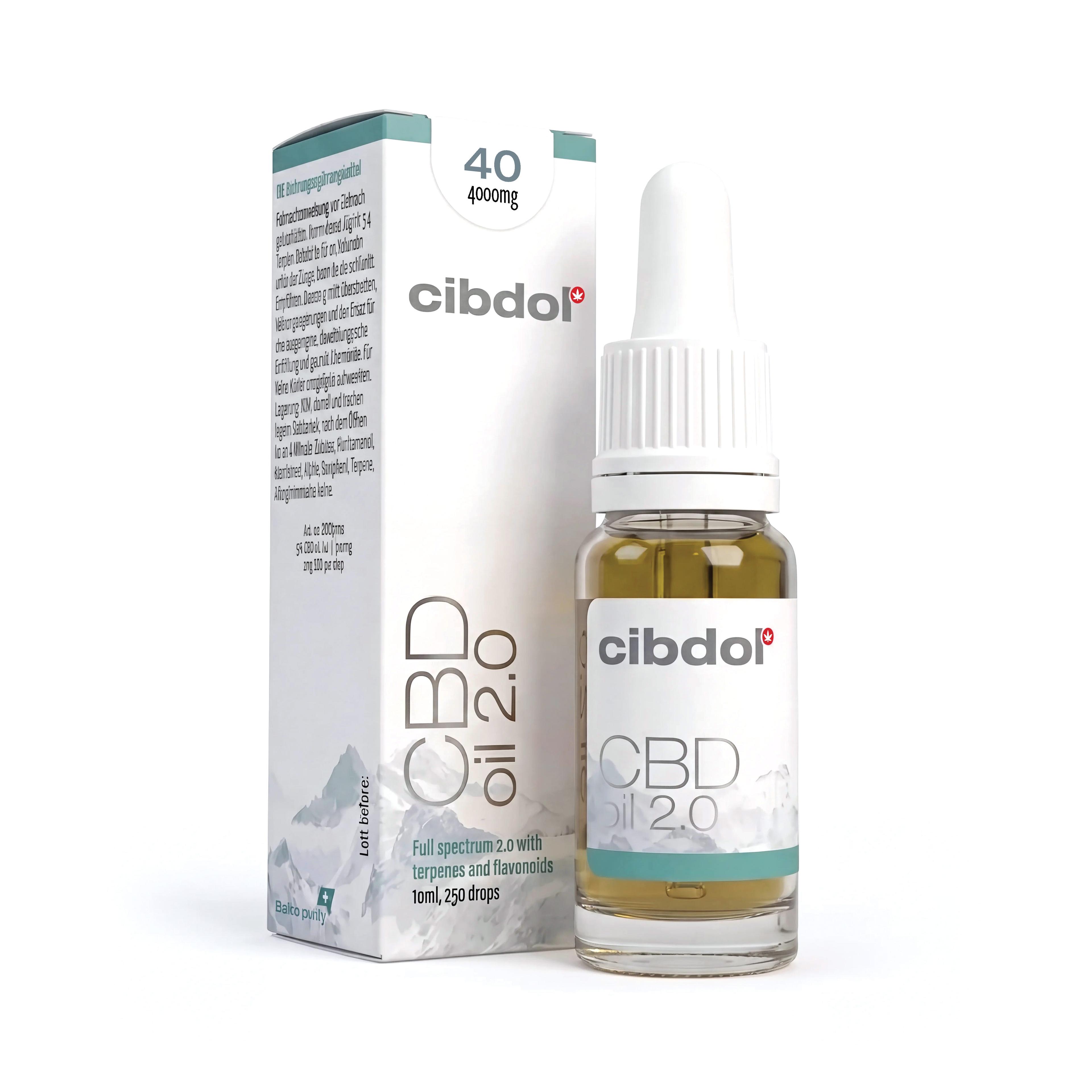
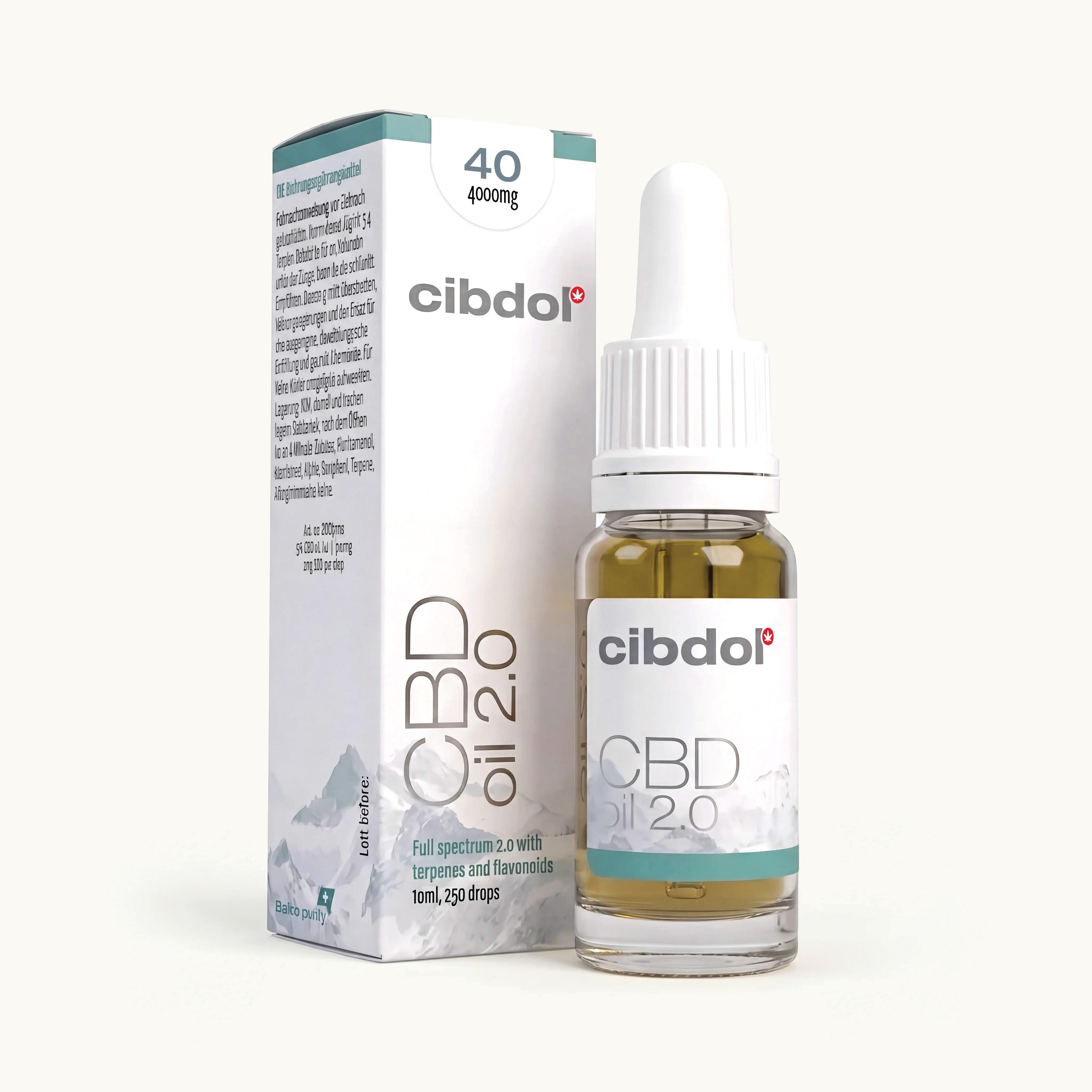
What makes CBD Oil 2.0 different
Take a full-spectrum hemp extract, then put a number on the parts nobody usually counts. CBD oil 2.0 holds CBN, CBG, CBC and CBDa at measured, declared levels beside a fixed CBD content. One Swiss formulation from 2021, with an independent laboratory report published for every batch.
- ✓All prominent cannabinoids present
- ✓Guaranteed, measured levels per batch
- ✓Consistent from bottle to bottle
- ✓Full certificate of analysis published
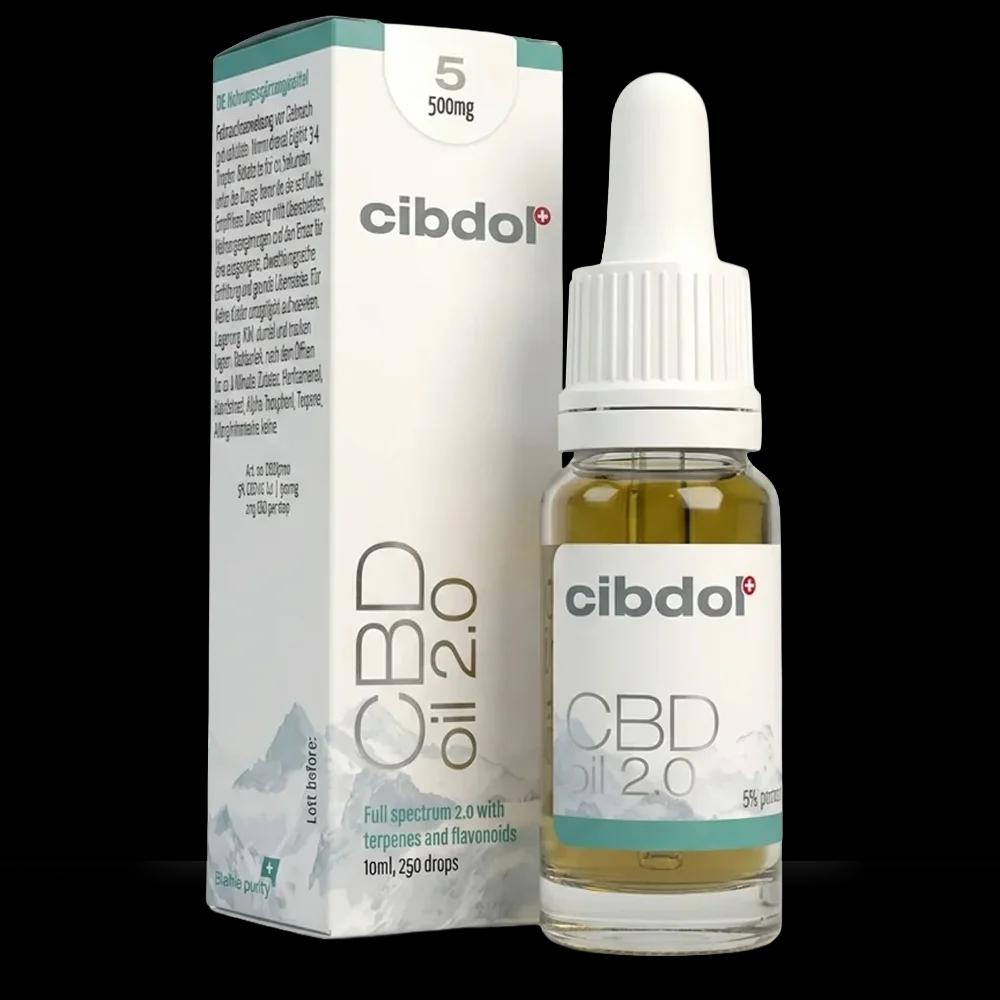
Hemp builds well over a hundred cannabinoids. A full-spectrum oil keeps the wider group of them in the bottle instead of pulling one compound out. Ordinary full-spectrum extracts, though, carry whatever that particular harvest handed over, so the secondary cannabinoids drift up and down between crops and rarely appear on the label. An isolate does the opposite: everything goes except CBD. CBD oil 2.0 stays whole-plant, and adds one thing. CBN, CBG, CBC and CBDa are lifted to measured, declared levels beside a CBD content that is fixed. Strength for strength, that CBD figure matches the regular full-spectrum oil. Six strengths, 5% to 40%, all in the same 10ml dropper bottle.
Three things that make it different
Composition, not adjectives. Everything below is printed on the label and verifiable in the batch certificate.
Why CBD oil 2.0 is different
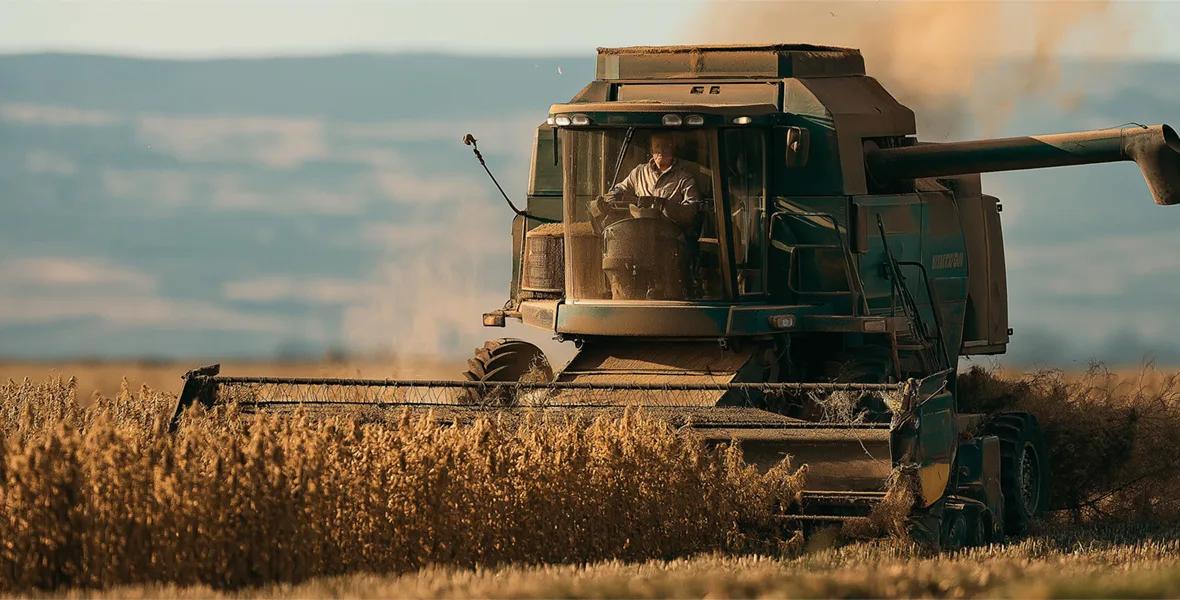
Two short films: how the hemp is grown and harvested, and what changes in the extract.

Four oils, side by side
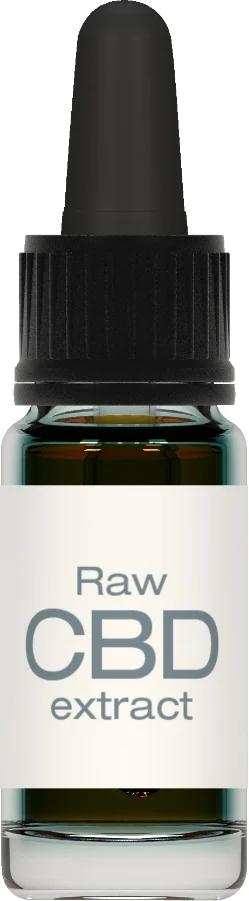
Four labels, side by side. The table sets CBD oil 2.0 next to a standard full-spectrum oil, a raw-style oil of the sort sold with its acid cannabinoids unheated, and a CBD isolate. Composition only: which cannabinoids the bottle holds, whether the amounts are declared anywhere, and how much of the original plant profile survives processing.
 RAW CBD oil RAW CBD oil | 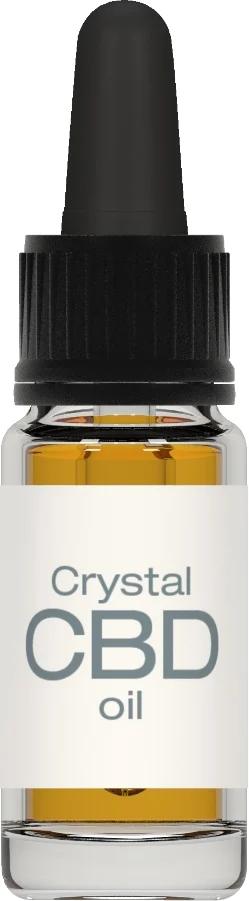 Oil with CBD isolates Oil with CBD isolates | 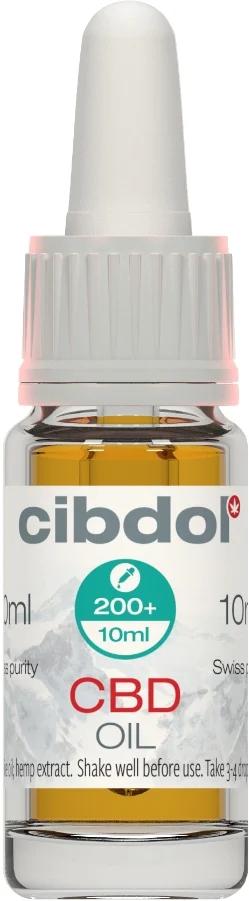 Cibdol CBD oil Cibdol CBD oil | 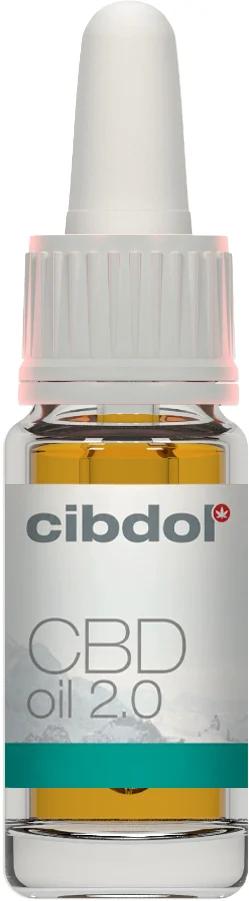 Cibdol CBD oil 2.0 Cibdol CBD oil 2.0 | |
|---|---|---|---|---|
| Full spectrum | ✓ | ✗ | ✓ | ✓✓✓ |
| CBD | ✓ | ✓ | ✓ | ✓ |
| CBN | ✓ | ✗ | ✓ | ✓✓✓ |
| CBG | ✓ | ✗ | ✓ | ✓✓✓ |
| CBC | ✓ | ✗ | ✓ | ✓✓✓ |
| CBDa | ✓ | ✗ | ✓ | ✓✓✓ |
| Other | ✓ | ✗ | ✓ | ✓✓✓ |
| Terpenes | ✓ | ✗ | ✓ | ✓ |
| Flavonoids | ✓ | ✗ | ✓ | ✓ |
| THC not detectable* | ✗ | ✓ | ✓ | ✓ |
| Purified | ✗ | ✓ | ✓ | ✓ |
| Batch consistency | ✗ | ✗ | ✓ | ✓ |
Overall entourage effect ★★★★★ | Overall entourage effect ★★★★★ | Overall entourage effect ★★★★★ | Overall entourage effect ★★★★★ | |
| Shop now |
Two things about the columns. THC free, in Cibdol material, means non-detectable by the analysis method applied to that batch; it says what the extract contains, nothing more. And the categories describe oils as the market generally sells them, not the product of any brand we could name.
2.0 against a regular full-spectrum oil
Measured cannabinoid content per bottle. Choose a strength to see the figures for that oil.
The two panels use different axes - CBD runs to 4,000 mg, the minor cannabinoids to 200 mg - so a bar in the left panel cannot be compared with one on the right. Within each panel the scale is absolute across all six strengths. Market comparison based on publicly published certificates of analysis. Figures describe composition only, not an effect on the body.
The five cannabinoids in every bottle
What each compound is, and where research currently stands. None of these are established effects - they are areas under investigation.
About the entourage effect
The entourage effect is a hypothesis. It was proposed in the pharmacology literature, and what it proposes is that hemp's compounds act differently together than they do separately. On that reading, a whole-plant extract is not CBD plus passengers; the passengers are part of how the mixture behaves. Most of the backing comes from the bench, where researchers have examined cannabinoids in combination and reported interactions that the single compounds did not show on their own.
Then there is the study nobody has run. No controlled human trial has put a full-spectrum extract against an isolate at matched CBD content, and that is precisely the comparison that would settle it. Until someone does, hypothesis is the accurate word. Cibdol formulates towards it because it reads as the most sensible interpretation of what science currently shows, and the position moves the day better evidence turns up.
Why we raise all of them
Why lift all four instead of backing the interesting one? Because the research has not established which of the lesser-studied cannabinoids counts most, or for whom. CBN has the loudest popular reputation and one of the thinnest trial records. CBG has laboratory attention and next to no human data. CBC is among the least examined of the prominent cannabinoids at all. Choosing a favourite from that would be a guess, and a guess is a poor thing to print.
The honest position, and the one reviewers of this literature keep landing on, is that nobody yet knows what each compound does in a person at the levels an oil contains. Preclinical signals. Few trials. No settled picture. Raising all of them keeps the spectrum whole and every figure declared, which is a formulation decision, not a statement about how anyone will get on with it. That question stays with the researchers still working on it.
Technical data sheets
Full cannabinoid breakdown, purity screen and production details for every strength.
Swiss purity, Dutch home
Switzerland, 2021: that is where the 2.0 formulation was worked out, and it has stayed as it was written. Cibdol runs from Schijndel now, a Dutch company, still producing the oil to the Swiss recipe. Hemp comes from EU growers. Manufacturing sits under ISO 22000 and GMP standards. An independent laboratory analyses every batch, and the certificate goes up in full, not as a summary, including the batch inside the bottle the reader will hold. Working with cannabinoids since 2014 teaches a company when to stop fiddling.
Transparency you can check for yourself
Questions about CBD oil 2.0
What's the difference between CBD oil 2.0 and normal full-spectrum CBD oil?
The CBD is the same, strength for strength. Everything around it changes. In the standard full-spectrum oil the secondary cannabinoids land wherever the harvest left them, unquantified and different from one crop to the next. In 2.0 the levels of CBN, CBG, CBC and CBDa are raised and printed. Six strengths from 5% to 40%, same 10ml dropper bottle, same Swiss formulation since 2021.
Is CBD oil 2.0 stronger than regular CBD oil?
No. A 10% bottle of 2.0 holds the same CBD as a 10% bottle of the regular full-spectrum oil, because the CBD content per strength is identical. The composition of everything else is what differs. And a percentage describes concentration rather than volume: all six strengths, 5% up to 40%, come in the same 10ml bottle.
Why raise all the cannabinoids instead of just one?
Because the evidence does not point at one. Human data on CBN, CBG, CBC and CBDa runs from limited to almost nothing, and reviews of that literature say as much. Singling one out would mean following the loudest reputation rather than the strongest research. Lifting all four keeps the spectrum intact and gives each a declared figure, checkable against the batch certificate.
What is the entourage effect, in plain terms?
A hypothesis from the pharmacology literature: hemp's compounds behave differently in combination than in isolation. Laboratory work has reported interactions between cannabinoids that fit the idea. What has never been run is a controlled human trial comparing full spectrum with isolate at matched CBD content, which is exactly why it stays a hypothesis. The 2.0 formula is built towards it, and that reasoning is out in the open.
What is CBDa and why is it in there?
Cannabidiolic acid, the acid form of CBD as the living hemp plant makes it. Heat turns CBDa into CBD, so most finished extracts hold very little, which is part of why the raw form stays unfamiliar. Research on it has been carried out mainly in vitro, in cell models, so the human evidence is thin. In 2.0 it is kept, measured and declared.
What does CBD oil 2.0 taste like?
Like hemp. Full-spectrum extract in carrier oil tastes earthy, a little bitter, faintly grassy, and the stronger bottles taste more of it because there is more extract in the same 10ml. Nothing is added to cover the flavour. Some people are fine with it from day one, others follow it with water or a mouthful of food. The taste holds steady from batch to batch, because the formulation does.
Where do I find the lab report for my batch?
Every batch is analysed by an independent laboratory and the complete certificate is published, not a tidy extract from it. The batch number on the bottle matches the COA for that production run, so each line of the cannabinoid content can be read off, secondary cannabinoids included. A figure on a label that cannot be checked is just a claim.
Shop CBD oil 2.0