
How Cibdol CBD oil 2.0 works in your body
Your body runs its own cannabinoid network: receptors on cells, compounds made to fit them, and enzymes that build and clear those compounds. Cannabidiol meets that network by a less direct path than THC.
From drop to receptor
- 01Under the tongueThe drops sit against the mucous membrane under your tongue, where a dense network of small blood vessels sits close to the surface. Held there for a minute, part of the cannabinoid content passes straight into the bloodstream rather than travelling through the gut.
- 02Into circulationWhat is absorbed enters general circulation and is carried around the body. Cannabinoids are fat-soluble, so they distribute readily into tissue rather than staying in the blood.
- 03Reaching the receptorsIn the tissue they encounter the endocannabinoid system: CB1 receptors, concentrated in the nervous system, and CB2 receptors, found largely on immune cells. Each cannabinoid interacts with this system in its own way.
- 04Broken down and clearedThe liver metabolises cannabinoids and the products are cleared over the following hours. This is why the level in your blood falls again if you stop taking it, and why a steady routine matters more than a single large amount.
Three parts, working together
The endocannabinoid system is a signalling network that runs through the whole body. It has three known parts: cannabinoid receptors sitting on cell membranes, the compounds the body builds itself to fit those receptors, and the enzymes that assemble those compounds and take them apart again.
Nothing in it sits still for long. Receptors wait on the cell surface. The compounds appear when a cell calls for them, and enzymes clear them again shortly afterwards. Hold on to that rhythm, because it explains why a compound from a plant and a compound made in the body can arrive at the same receptor and behave nothing alike. It also explains why mapping this system took decades rather than months.
Two receptors, one in the nervous system and one in the periphery
Matsuda and colleagues cloned the first cannabinoid receptor in 1990 and showed that the cloned copy worked when it was expressed in cells, which is what turned a suspected binding site into a described molecule[1]. That receptor occurs densely in the central nervous system, in the brain and the spinal cord, which is why it dominates most of the literature on cannabis.
Munro and colleagues characterised a second receptor in 1993, and this one sits mainly in peripheral tissue and in immune cells[2]. Both are membrane proteins. They sit in the cell surface, catch a signal outside, and pass a message inward. Two receptor populations, two very different neighbourhoods, one family of compounds arriving at each. Much of the work since has been about where each one concentrates, and in what quantity.
The body builds its own cannabinoids
In 1992, Devane and colleagues isolated a constituent of brain tissue that binds the cannabinoid receptor and gave it a name, anandamide[3]. Mechoulam and colleagues identified a second one in 1995, 2-arachidonoylglycerol[4]. Both are lipids, which puts them in a different chemical class from the neurotransmitters most people learn about at school.
Built on demand rather than stored is the part worth reading twice. The body keeps no reservoir of these compounds. Their raw material sits inside the cell membrane as fat, and when a cell signals, one set of enzymes cuts the molecule out on the spot. Another set breaks it down again soon afterwards. So levels rise and fall in one small area instead of circulating around the body the way a hormone does, and the same tissue can be busy one minute and quiet the next.
Does cannabidiol actually bind these receptors?
Mostly not, and this is where a lot of writing on the subject goes wrong. Cannabidiol has low direct binding affinity at the main cannabinoid receptor, so it does not sit on it the way THC does, and researchers generally attribute what they observe in the lab to other routes: a family of ion channels known as the vanilloid channels, and one serotonin receptor subtype. Fenwick and colleagues examined direct activation of one of those vanilloid channels by anandamide in 2017 and reported divergent calcium and current responses from the same channel[5], a reminder that one compound at one target can give two different readings depending on what is being measured.
None of this is a settled account. It stays an open area, and the description keeps being revised as methods sharpen. Anyone describing the mechanism as fully mapped is running ahead of the evidence.
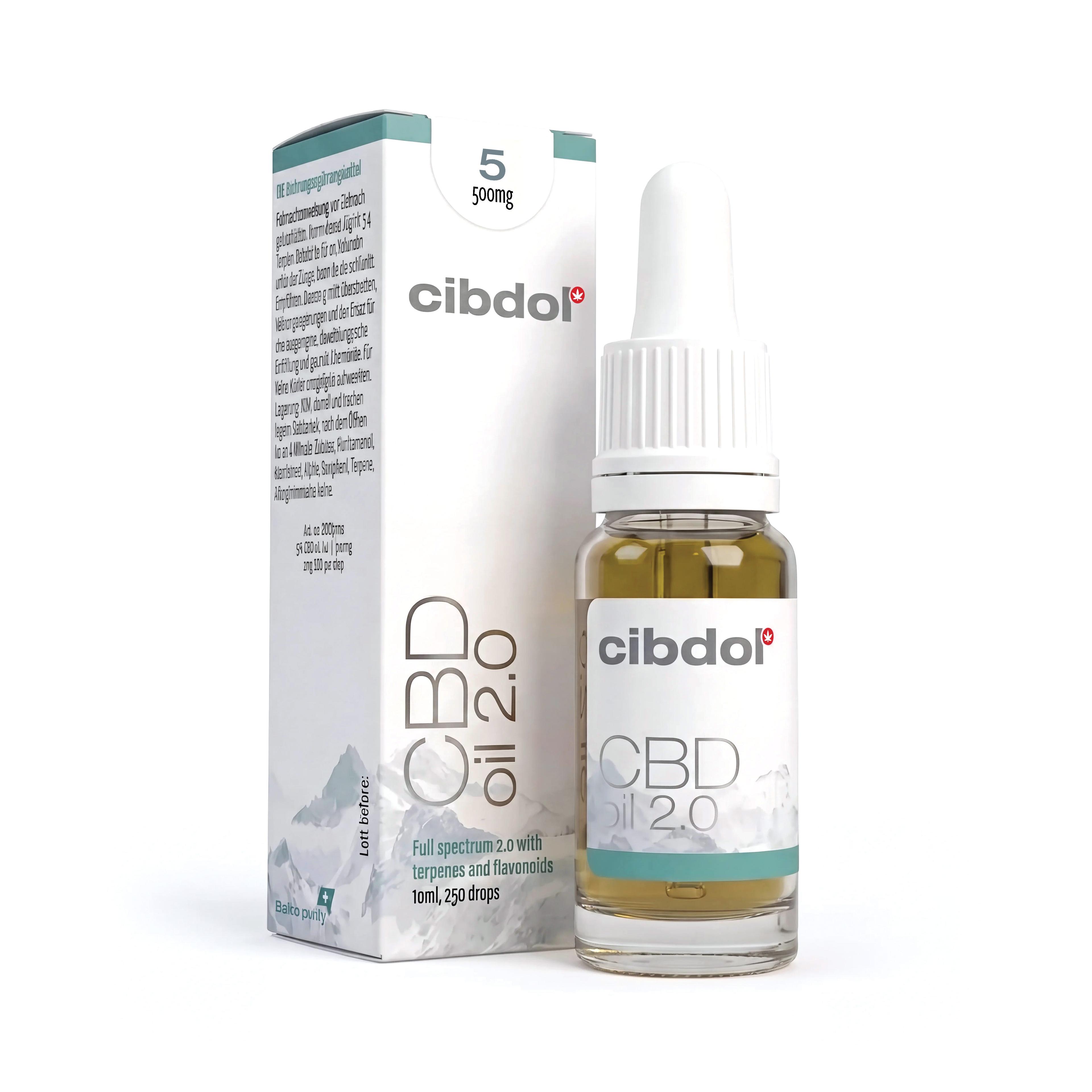
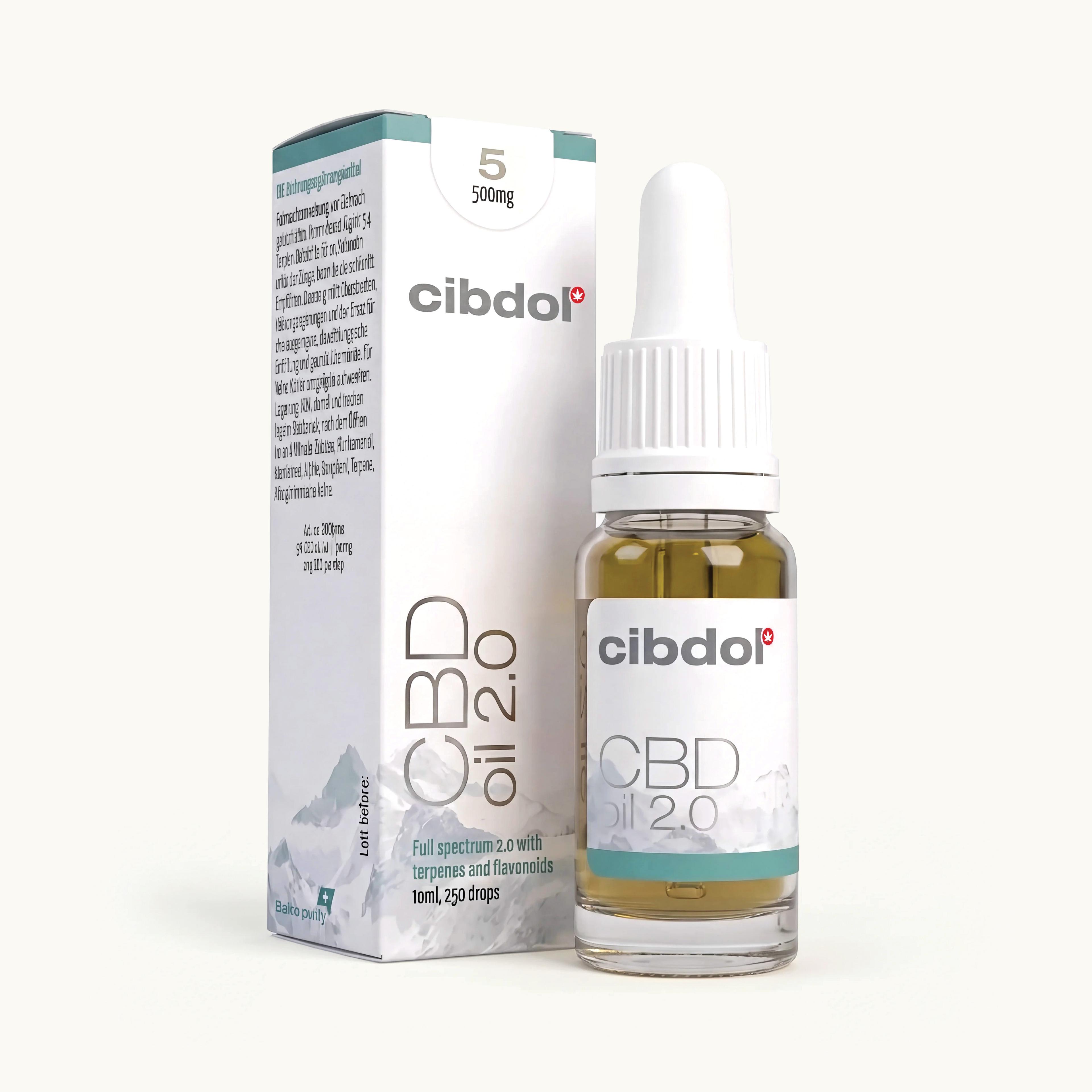
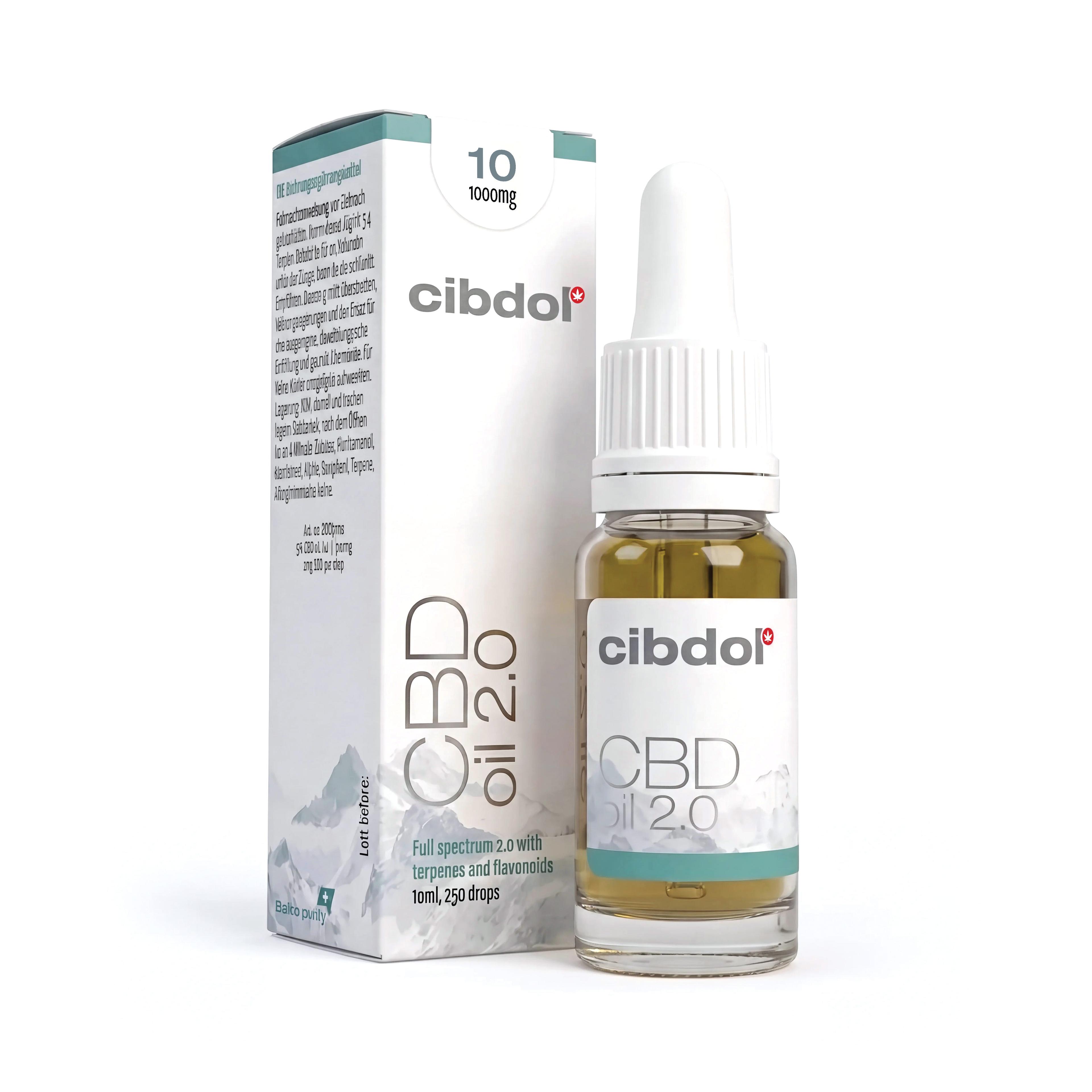
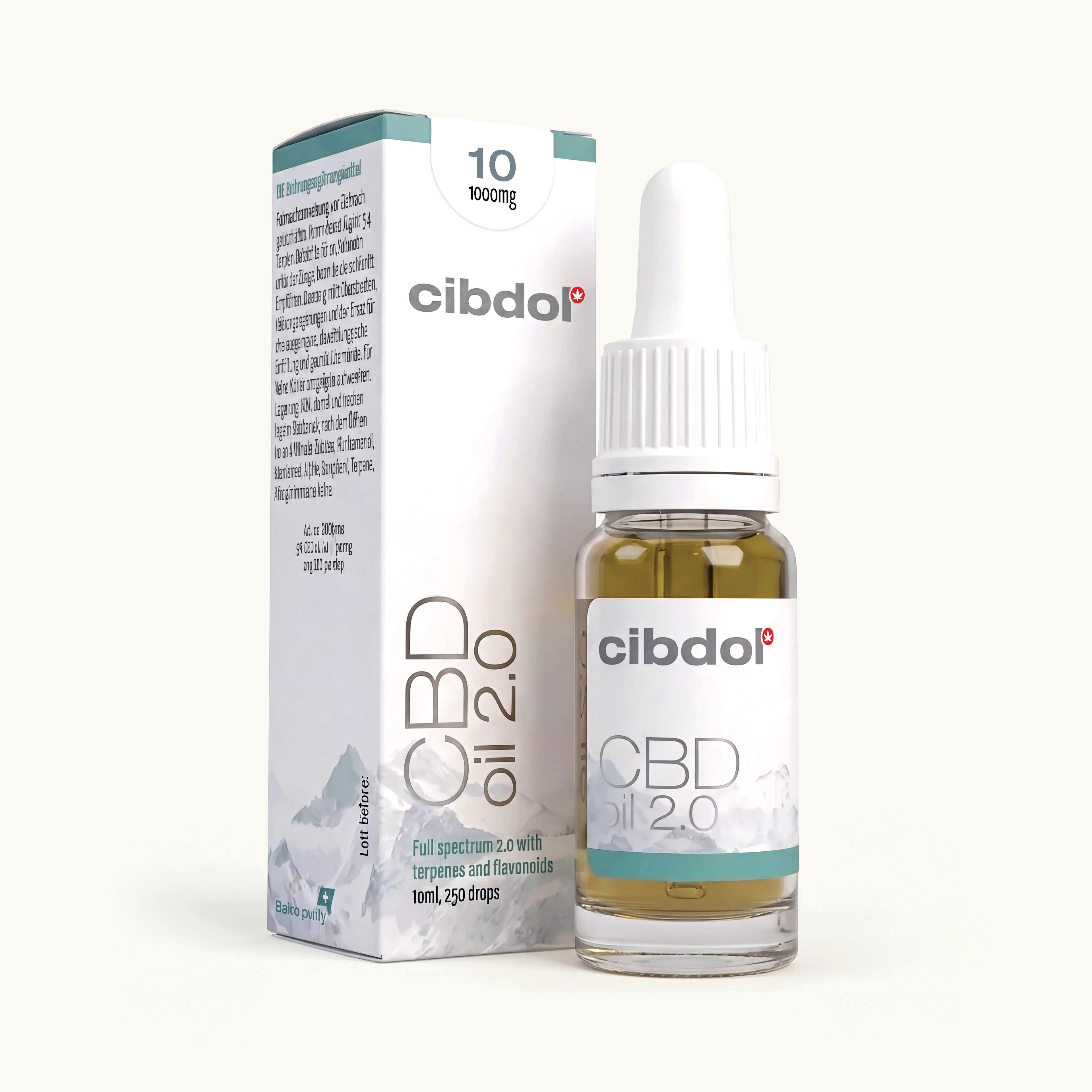
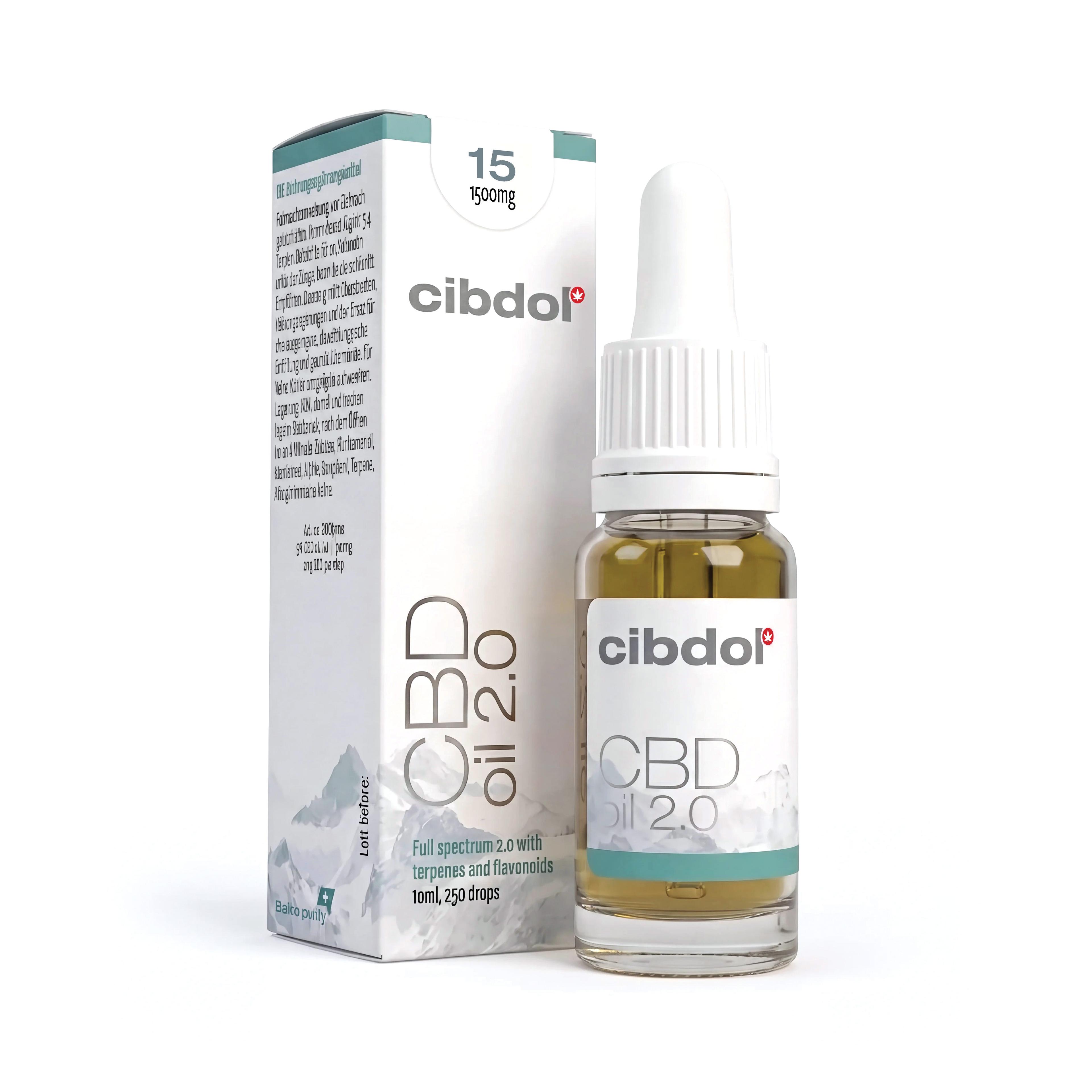
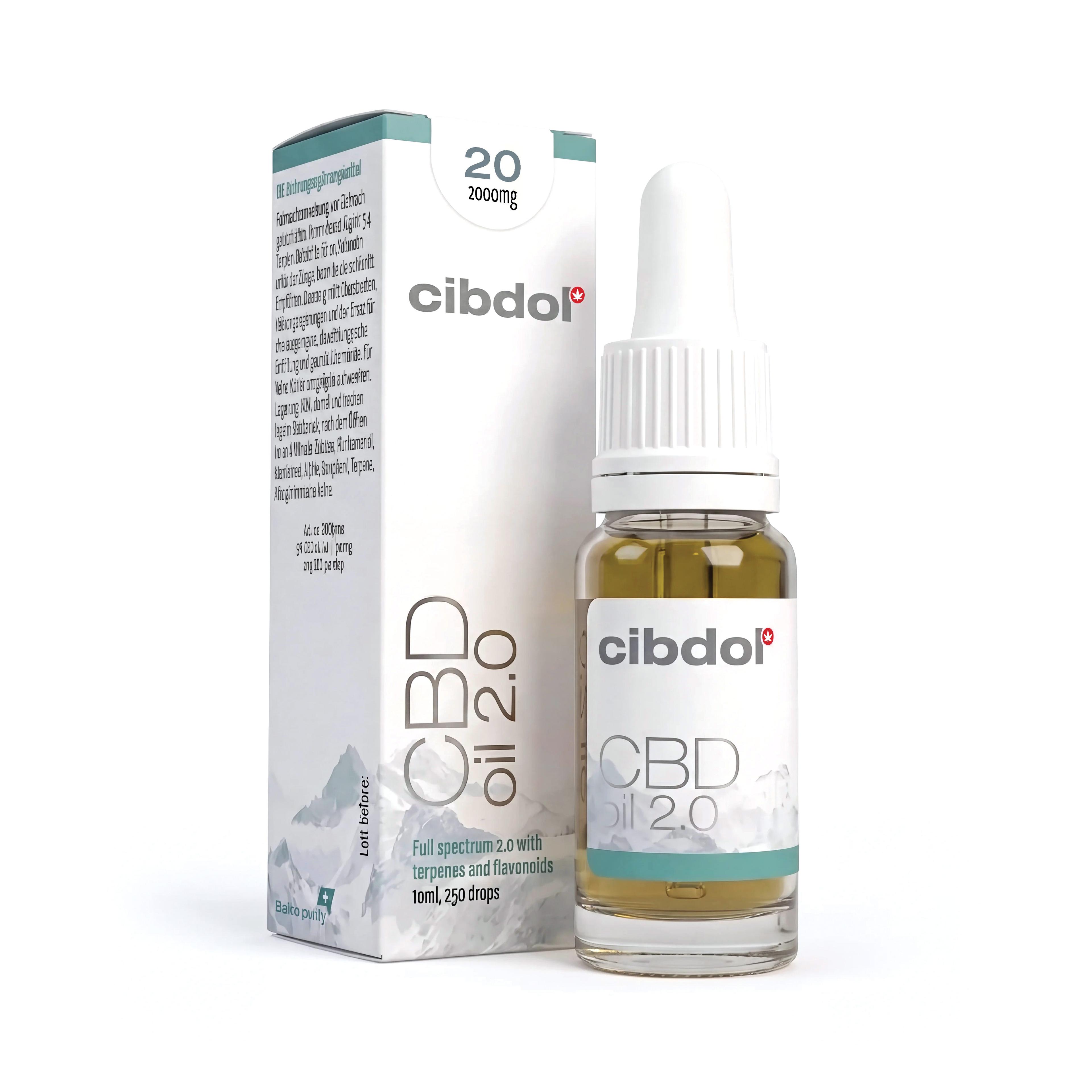
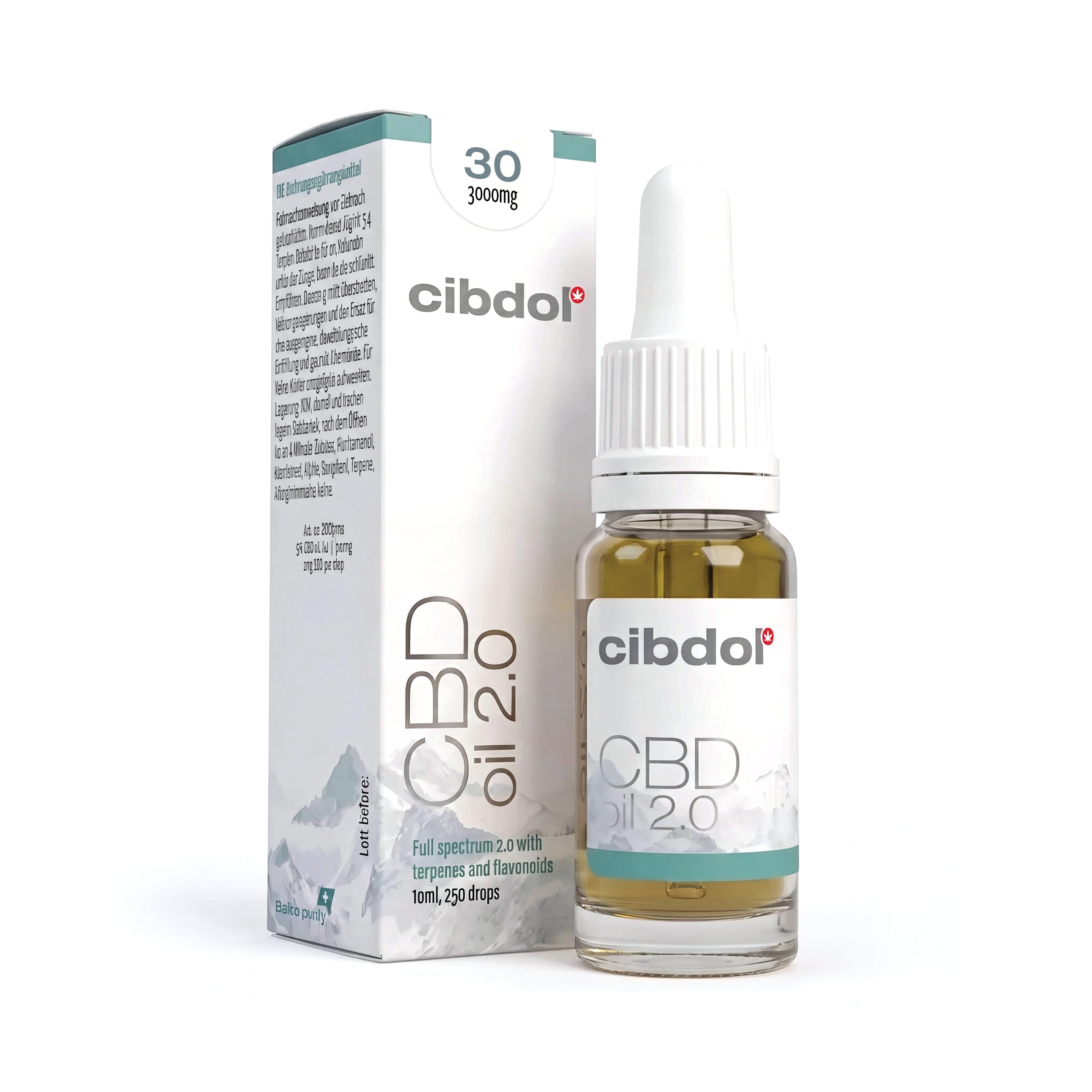
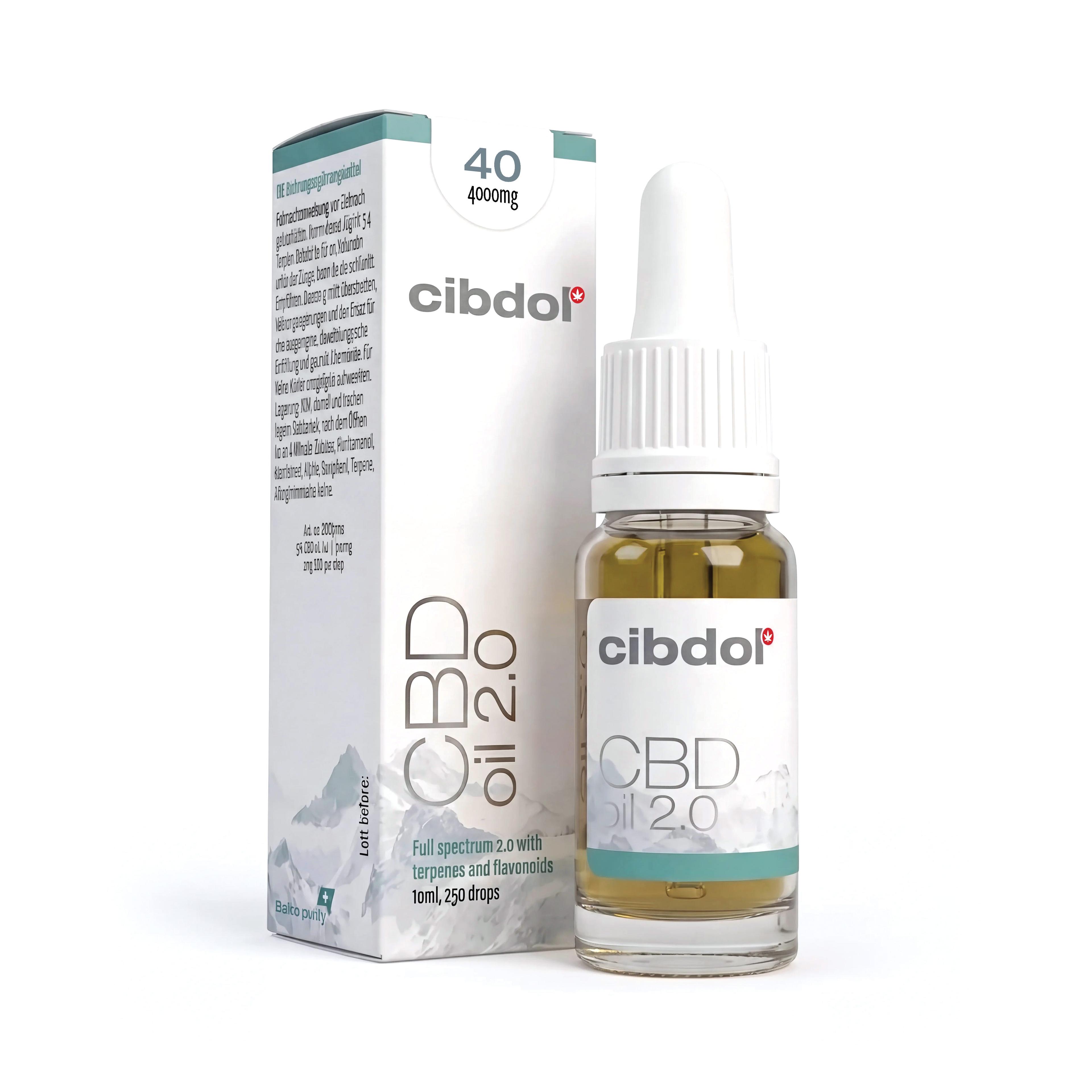
Which is why the label carries more weight than the story. CBD oil 2.0 is a full-spectrum extract, so CBD arrives together with CBN, CBG, CBC and CBDa at measured, declared levels, and each batch has its own certificate of analysis. Six strengths, from 5% to 40%, all in the same 10ml bottle. The CBD oil range page lists the cannabinoid content of each strength, so what is in a bottle can be checked before it becomes part of a routine. Cibdol was born in Switzerland, has worked with cannabinoids since 2014, and runs operations from Schijndel.
Plant compounds outside the cannabinoid family
Cannabinoids are not the only compounds that meet this network. Gertsch and colleagues reported in 2008 that beta-caryophyllene, a scent compound found widely in plants and in everyday food, interacts with the peripheral cannabinoid receptor[6]. Russo reviewed the broader picture in 2016, pulling together plants outside cannabis whose compounds touch parts of the same signalling system[7]. Black pepper, cloves, hops. Ordinary shelf items, which says something about how widely this chemistry is shared.
- Which secondary cannabinoid contributes what, once it sits in a full-spectrum extract alongside CBD?
- In whom does each one register, and why do two people given the same extract read differently in the lab?
- At what level does a lesser-studied cannabinoid start to count, and does the ratio between them change that answer?
References
- Matsuda (1990). Structure of a cannabinoid receptor and functional expression of the cloned cDNA. https://doi.org/10.1038/346561a0
- Munro (1993). Molecular characterization of a peripheral receptor for cannabinoids. https://doi.org/10.1038/365061a0
- Devane (1992). Isolation and Structure of a Brain Constituent That Binds to the Cannabinoid Receptor. https://doi.org/10.1126/science.1470919
- Mechoulam (1995). Biochemical Pharmacology. https://doi.org/10.1016/0006-2952(95)00109-d
- Fenwick (2017). Direct Anandamide Activation of TRPV1 Produces Divergent Calcium and Current Responses. https://doi.org/10.3389/fnmol.2017.00200
- Gertsch (2008). Beta-caryophyllene is a dietary cannabinoid. https://doi.org/10.1073/pnas.0803601105
- Russo (2016). Beyond Cannabis: Plants and the Endocannabinoid System. https://doi.org/10.1016/j.tips.2016.04.005
Transparency you can check for yourself
Questions about this topic
Does CBD make you high?
No. CBD is not intoxicating. It binds only weakly to the CB1 receptors in the brain that are responsible for that effect, which is precisely why it behaves so differently from the compound people associate with cannabis.
Does everybody have an endocannabinoid system?
Yes. It is a normal part of human physiology, discovered in the early 1990s, and it is active whether or not you ever take a cannabinoid.
Why hold the drops under the tongue?
Because the mucous membrane there lets part of the content pass directly into the bloodstream, skipping first-pass metabolism in the liver. Swallowing straight away sends it through the digestive tract instead, where less of it arrives intact.
Why does the effect fade if I stop?
Cannabinoids are metabolised and cleared over hours. Stop taking them and the level in your blood falls away again, which is the reason for a steady routine rather than an occasional drop.
Does a broader cannabinoid profile mean a stronger effect?
Not something we can claim. Each cannabinoid interacts with different targets, and the idea that they work better in combination, the entourage effect, is a plausible hypothesis that has not been demonstrated in controlled human trials.
Can I take it alongside medication?
Speak to your doctor or pharmacist first. Cannabinoids are metabolised by liver enzymes that also handle many medicines, so this is a question for someone who knows your prescription.
