What Is A CBD Tincture? The Word And The Bottle
Definition
In strict pharmacy language, a tincture is a plant extract made with alcohol. On today's shelves, the same word gets used for almost any small bottle with a pipette in the cap, most of which are oils: a hemp extract blended into a carrier oil. The base liquid on the ingredient list is what tells you which of the two you are holding.
So what does the word tincture actually mean?
Ask around and you get two answers. In old pharmacy language, a tincture is a plant extract made with alcohol. Plant material steeps, the ethanol pulls out whatever will dissolve in it, and the liquid you keep is the tincture. That sense of the word describes a method. It says nothing about hemp, and nothing about CBD.
Then dropper bottles reached the shelf. Somewhere along the line, tincture turned into shorthand for any small glass bottle with a pipette in the cap, whatever liquid sits inside it. Why the two ideas collapsed into one shopping term is not a question the 1976 storage work by Fairbairn and colleagues sets out to answer [1]. That paper deals with the chemistry of stored preparations, not with vocabulary [1].
Which leaves the useful question. Not the word on the front of the box, but the ingredient list on the back. The base liquid is what separates one bottle from another, and the base is always declared.
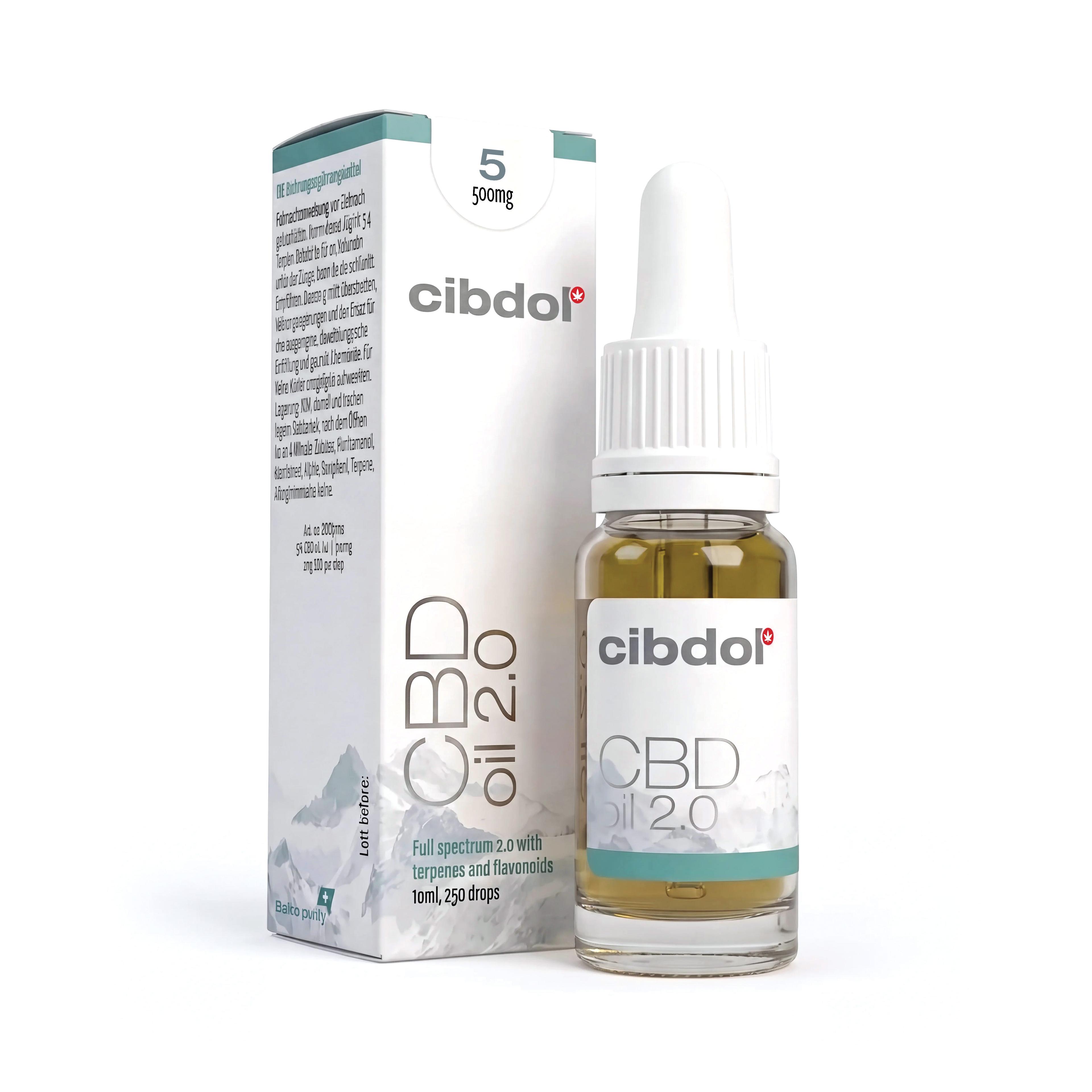
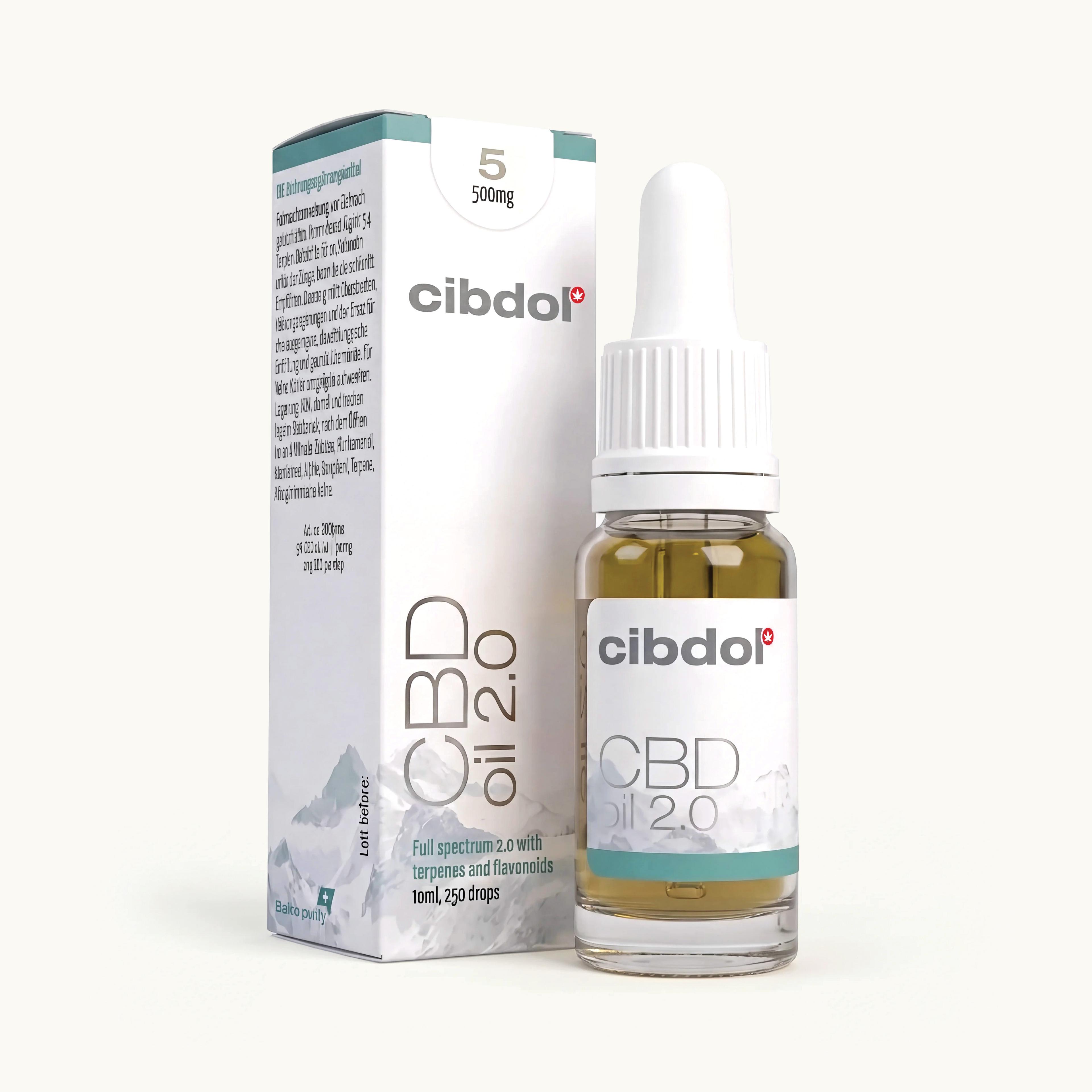
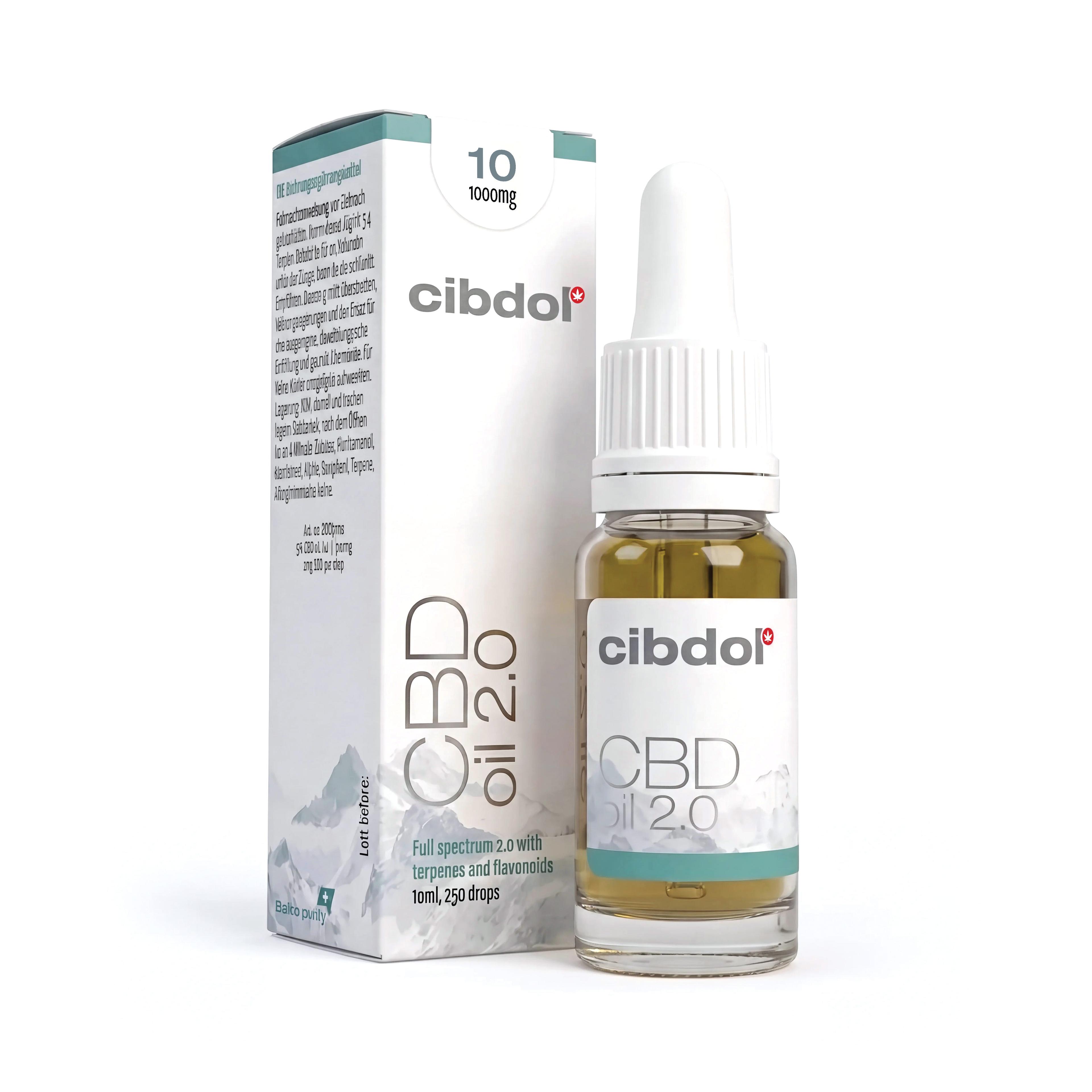
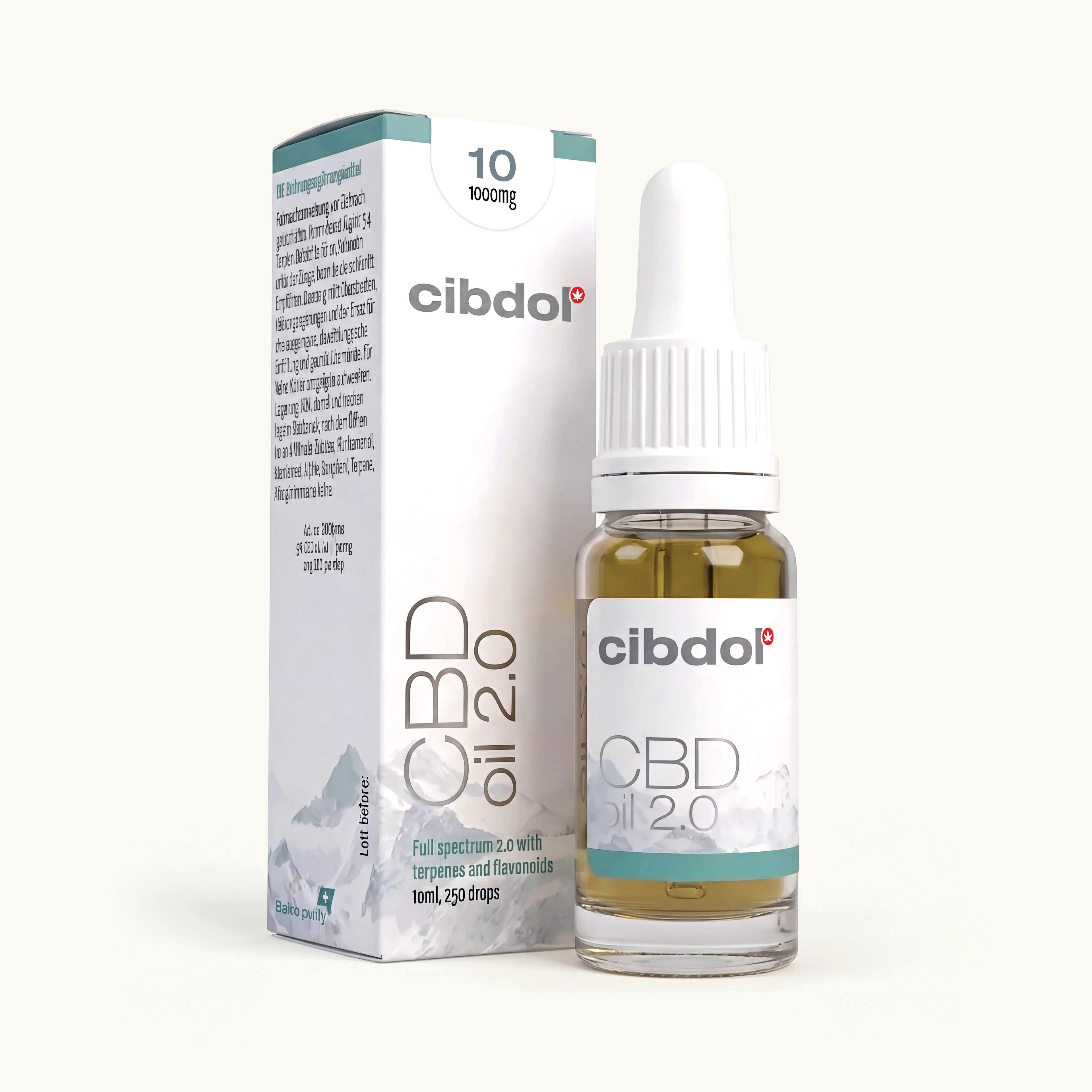
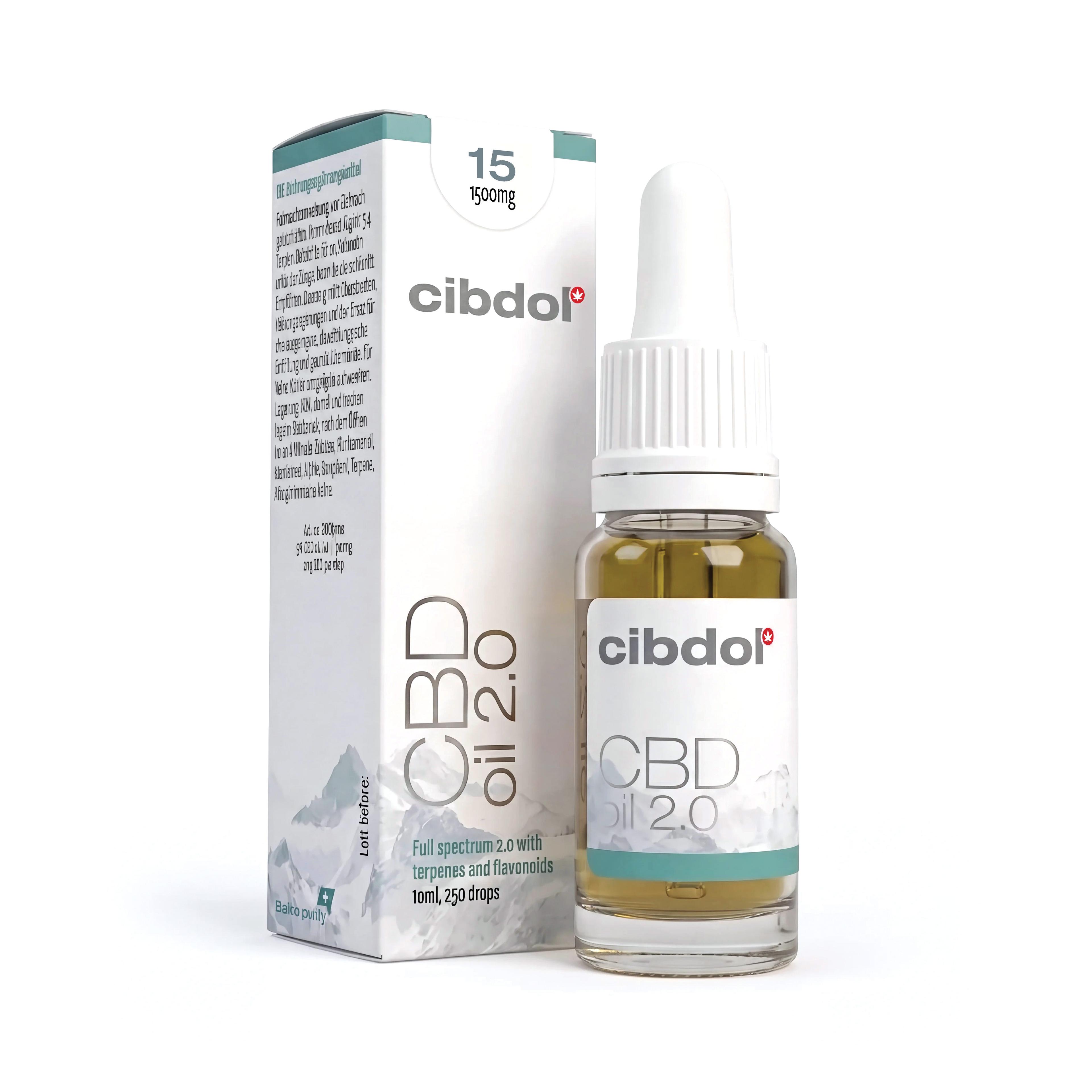
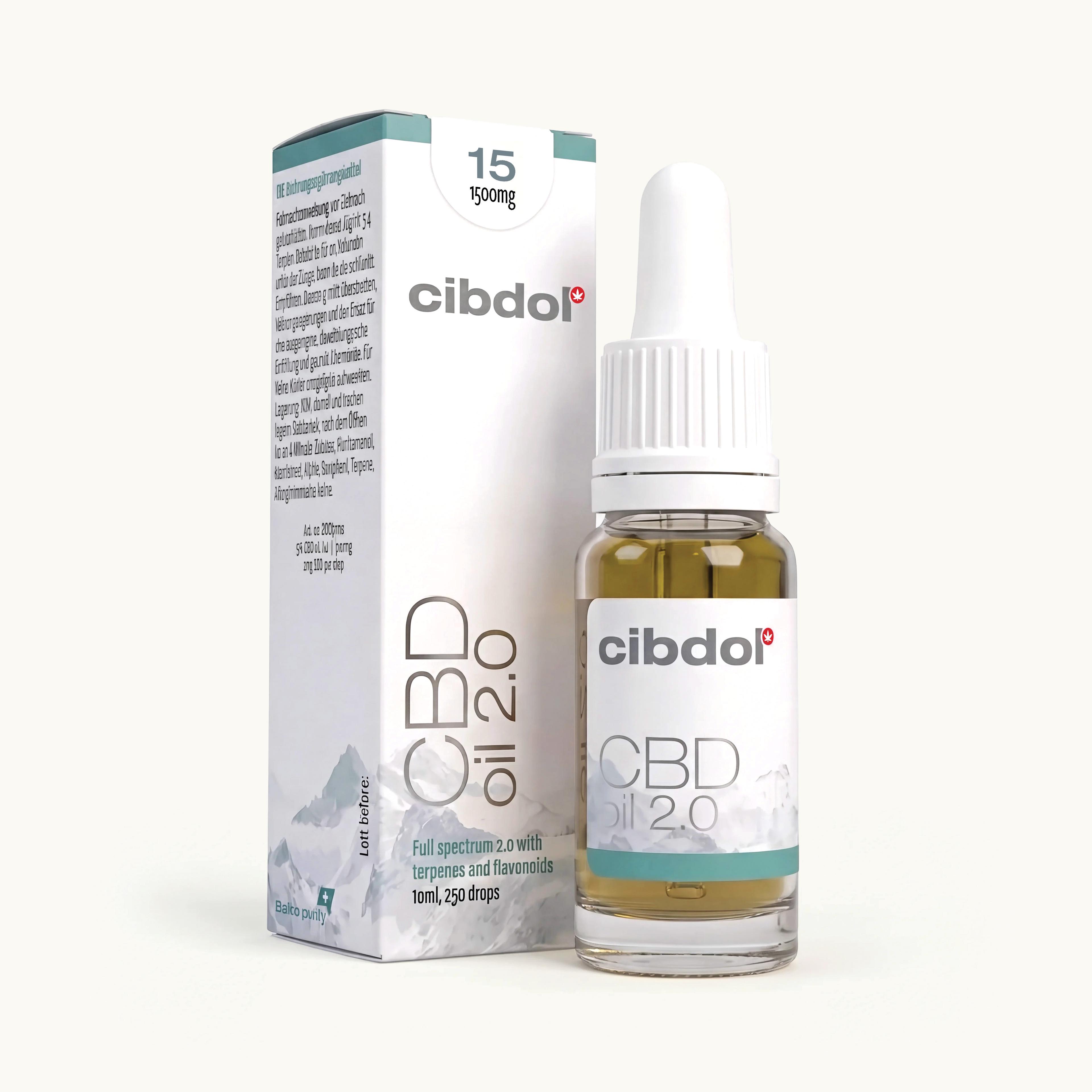
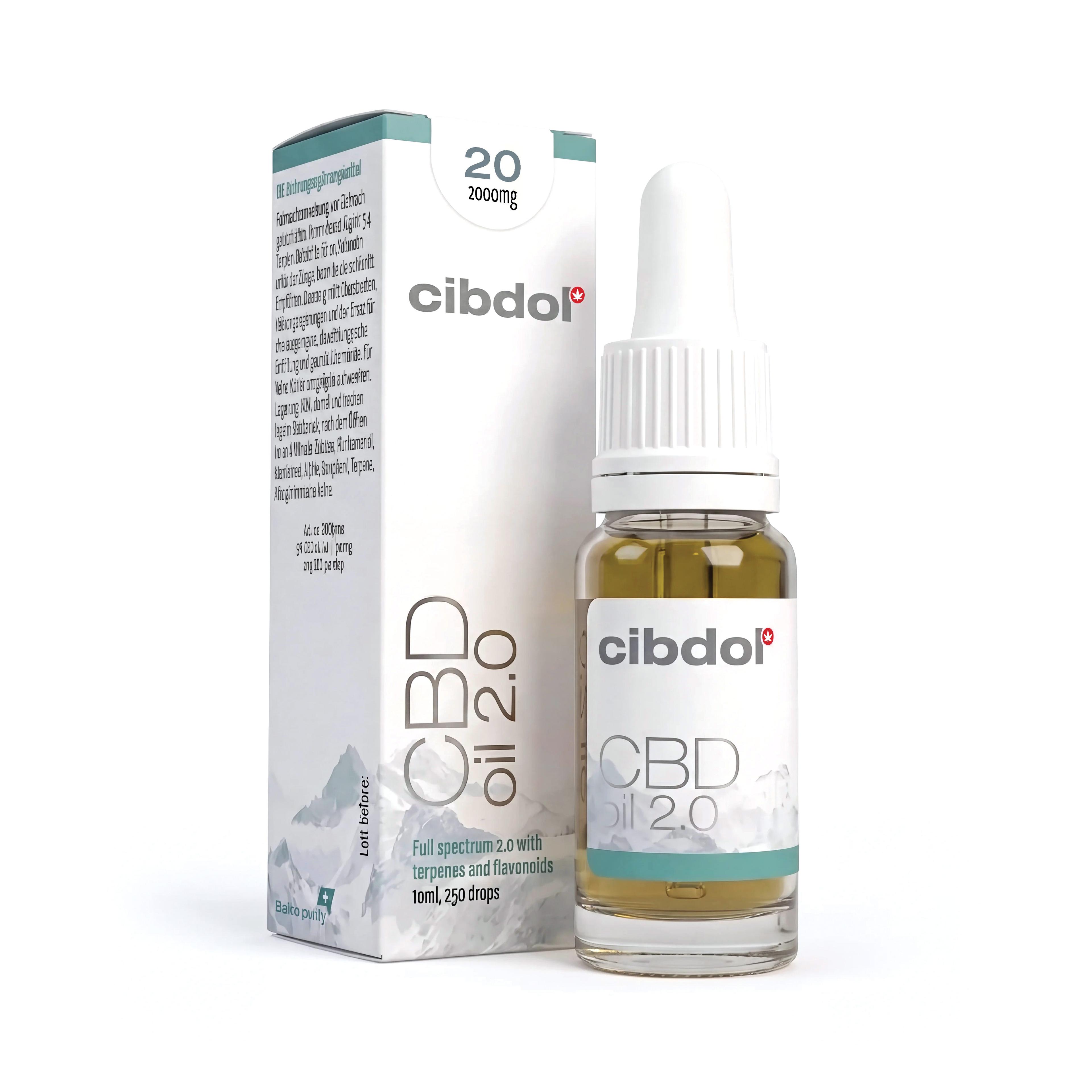
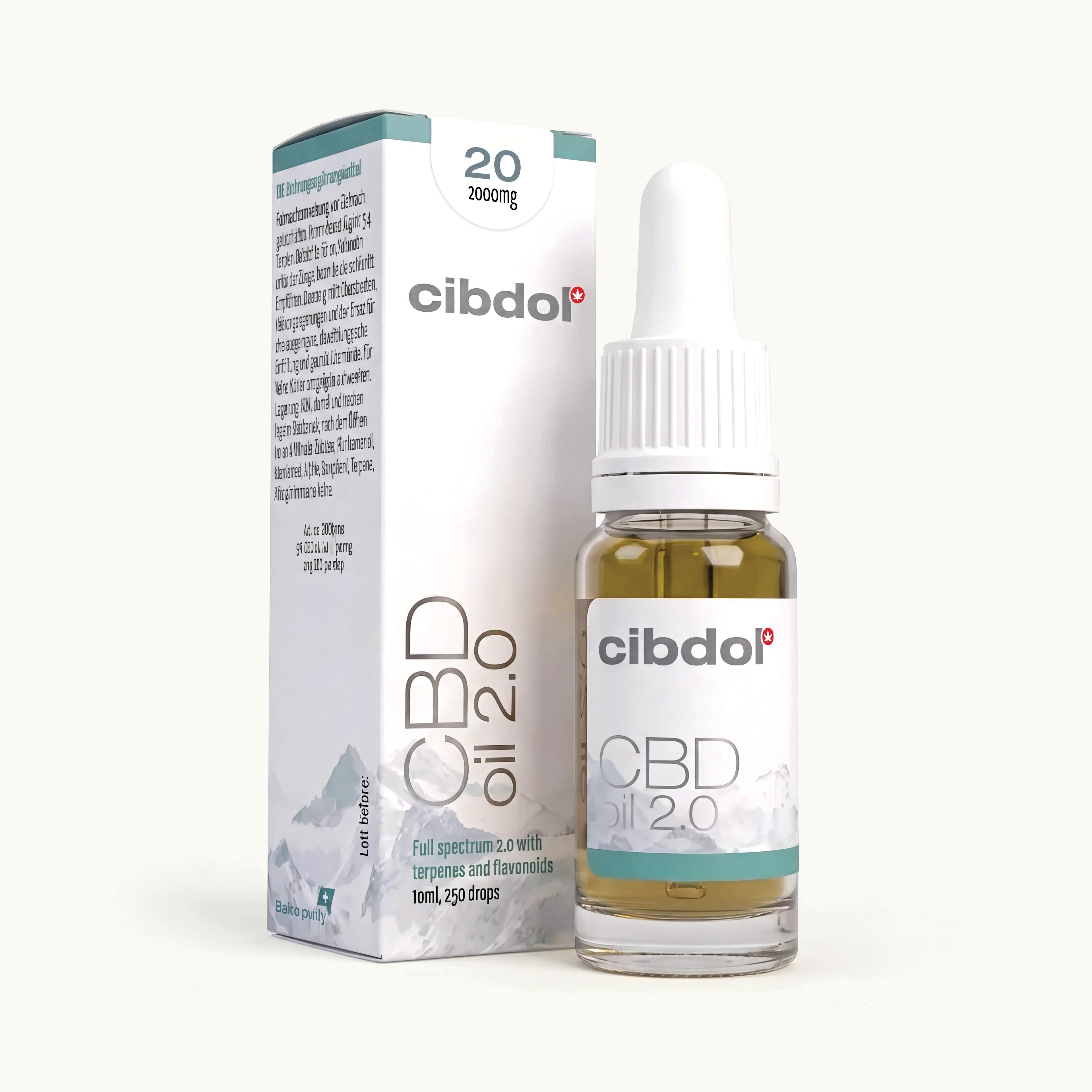
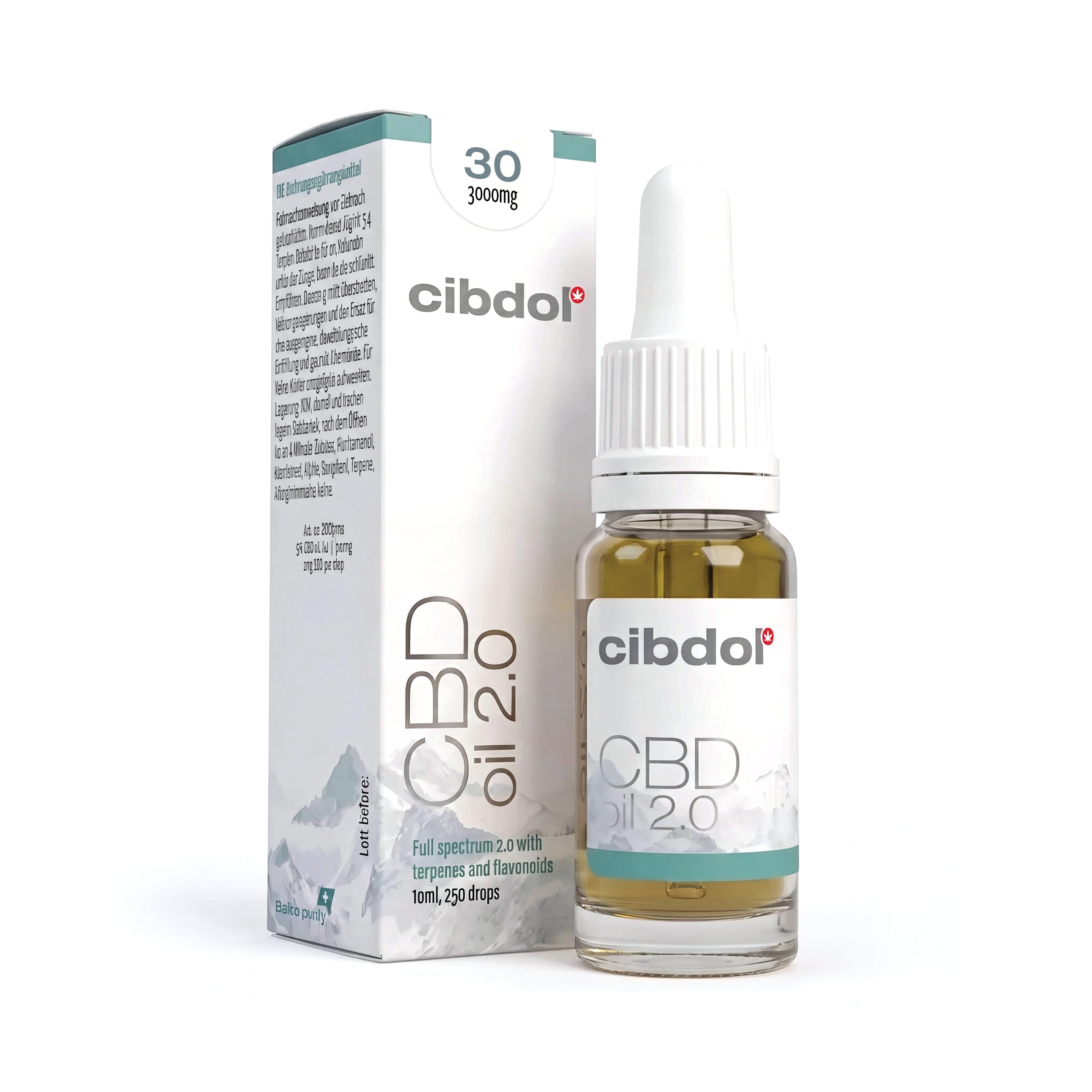
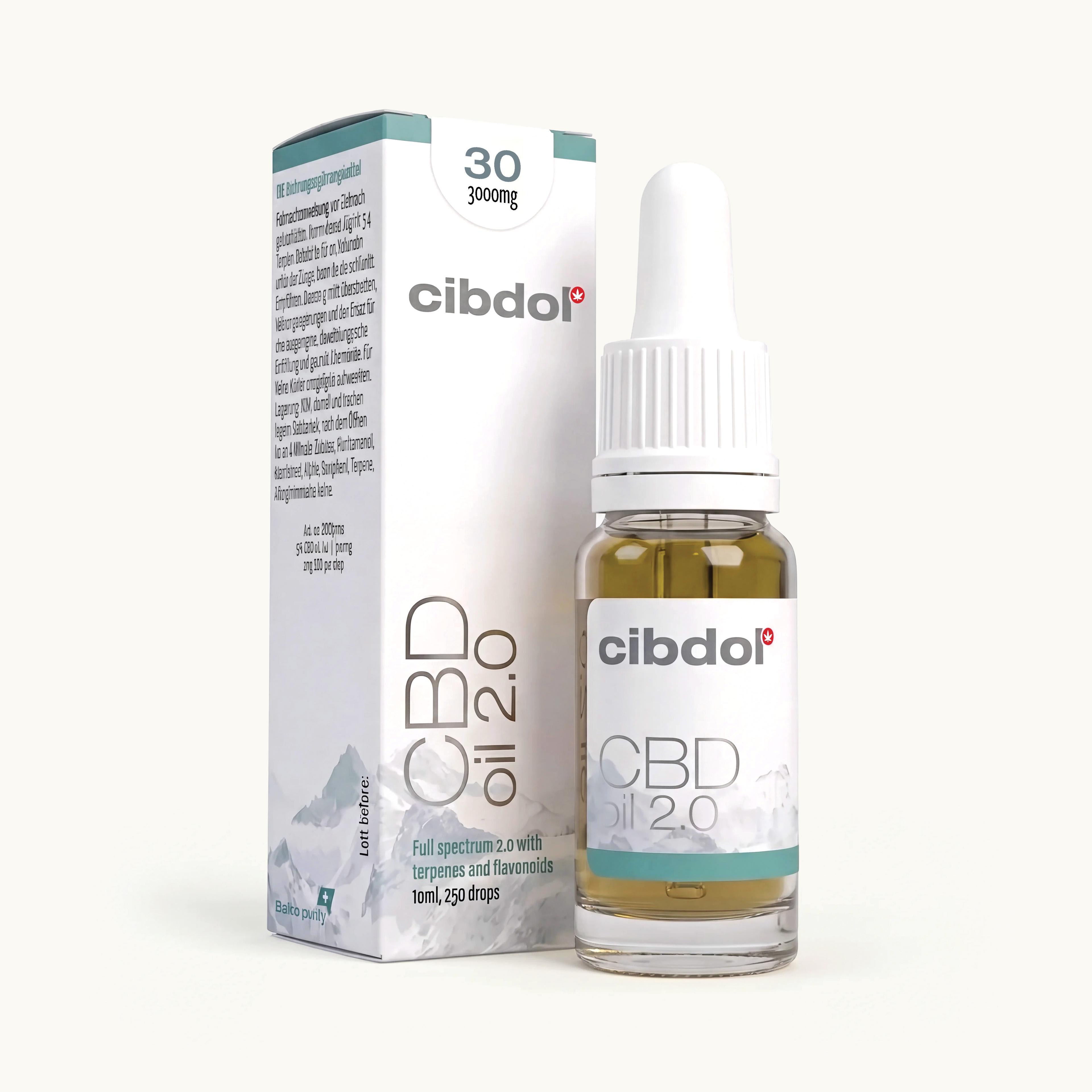
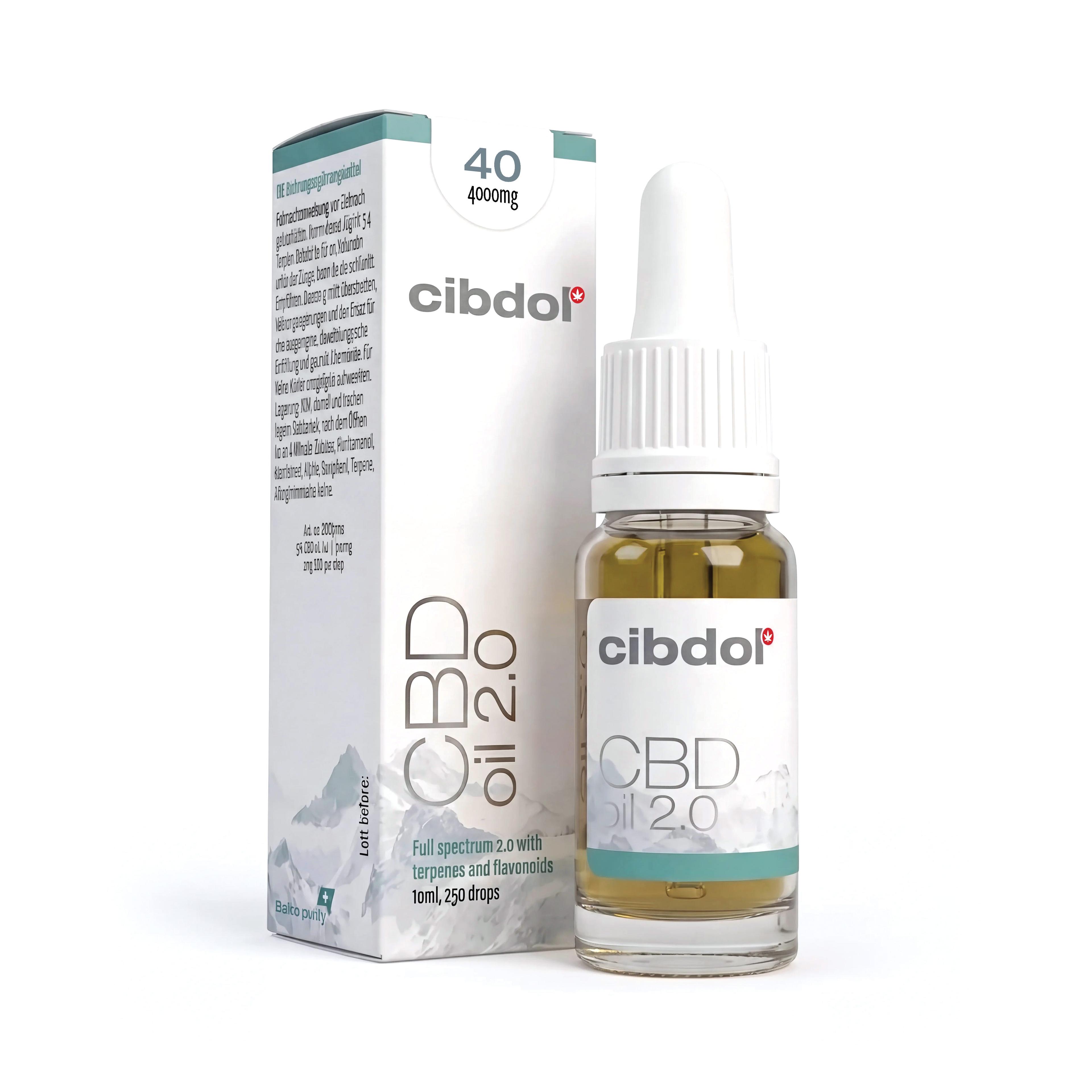
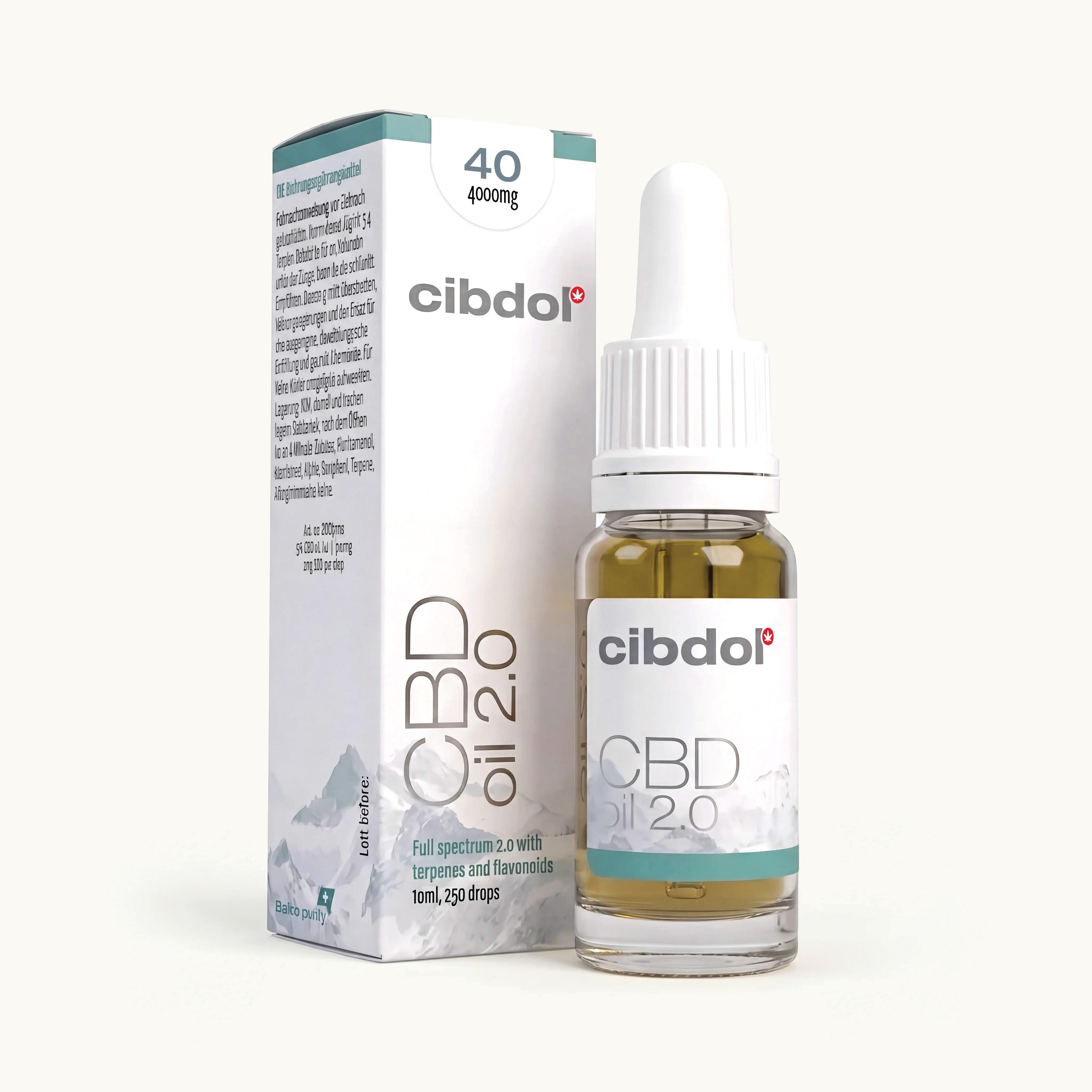
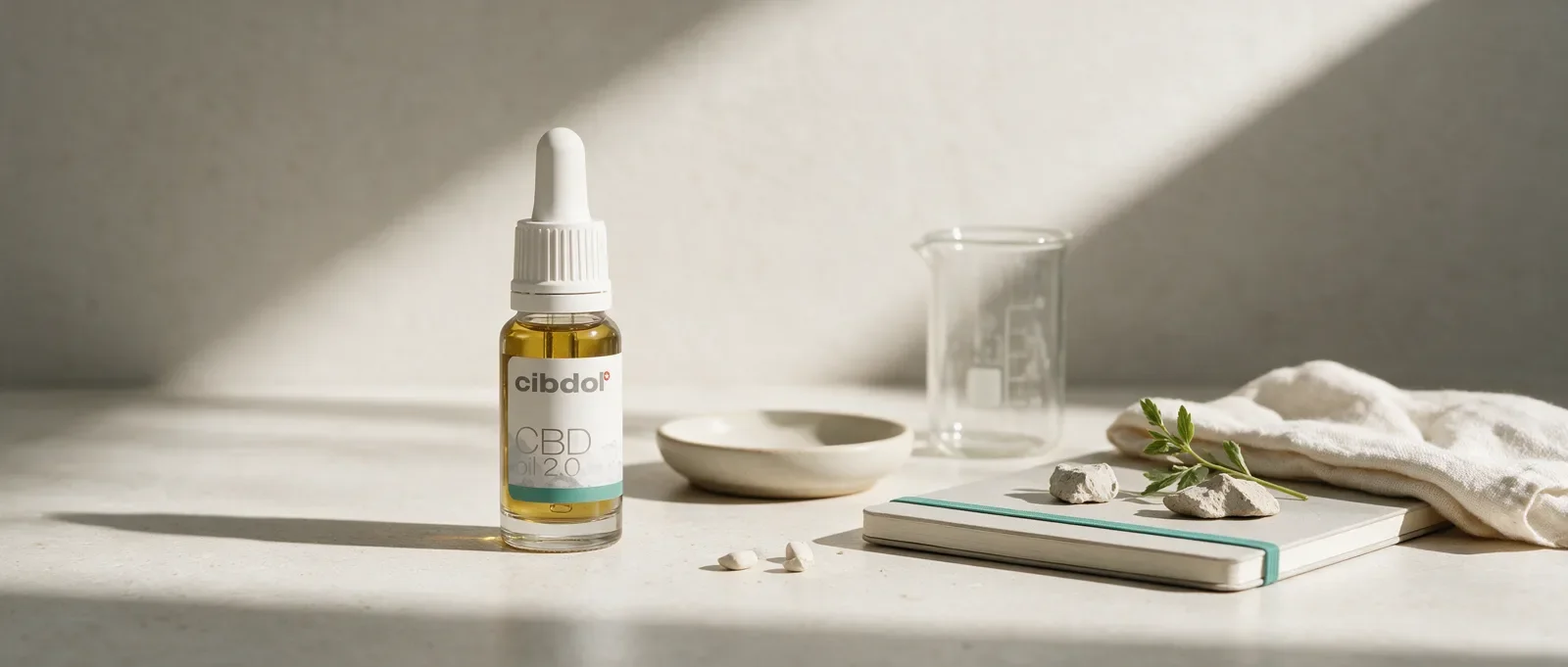
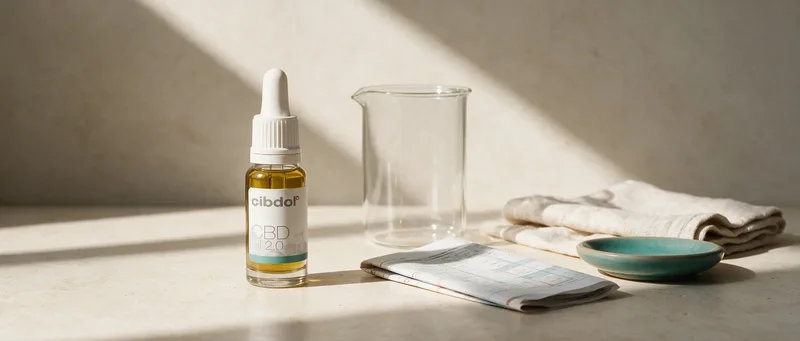
Our dropper products are oils. Hemp extract, blended into a carrier oil, with no alcohol in the formulation.
- The strict sense: a method of extraction, with alcohol as the solvent.
- The shelf sense: a pipette bottle, base unspecified until you read the small print.
- The deciding detail: ethanol among the ingredients, or a named carrier oil.
- The Cibdol dropper range: hemp extract plus carrier oil, alcohol-free formulation.
Two bottles, one word
| Point of comparison | Alcohol tincture, strict sense | Dropper oil, the usual bottle on the shelf |
|---|---|---|
| Base liquid | Ethanol, sometimes cut with water, doing the extracting and the carrying in one go. | A food-grade oil, named on the label, carrying an extract that was produced beforehand. |
| Order of work | One stage: the plant material steeps, and the liquid is what gets kept. | Two stages in sequence: extract first, usually with CO2, then blend that extract into the oil. |
| What the word describes | A method of extraction. | A bottle and a cap, in everyday shopping language. |
| Where the term comes from | Pharmacy vocabulary, in use long before hemp had a shelf of its own. | Online listings, where tincture and oil often sit on the same product page. |
| What the ingredient list shows | Alcohol or ethanol, written among the ingredients. | A named carrier oil and a hemp extract. In a Cibdol formulation, no alcohol. |
| Figures on the front | Millilitres in the bottle, plus the stated strength of the preparation. | Millilitres in the bottle, and CBD as a percentage or in milligrams. |
| What can be checked afterwards | Whatever the maker publishes for that particular batch. | The batch analysis, read against the two figures printed on the label. |
| Storage as a research topic | Stored cannabis preparations have been examined in published work since the 1970s [1]. | That literature covers preparation chemistry, not human outcomes [1]. |
| Question left open | Why the two words merged is not settled in the cited work [1]. | The declared base answers it for one bottle at a time. |
Extract first, oil second
The sequence is easy to miss. An oil bottle does not start life as an oil. It starts as hemp, and the extract comes out of that hemp before any carrier oil is involved. CO2 extraction is the usual route: carbon dioxide under pressure runs through the milled plant material, carries the soluble compounds along with it, and leaves the extract behind once the pressure drops. That is the route behind most of what reaches the shelf, ours included.
Only then does the oil arrive. The extract gets blended into a carrier oil until the concentration matches the figure printed on the label. Read that way, the word oil on the front describes the base, not the way the cannabinoids were separated from the plant. Two different jobs, two stages, in a fixed order. Nothing about the pipette in the cap changes that order.
The base in a Cibdol dropper bottle
Hemp extract and a carrier oil. That is the formulation, and there is no alcohol in it. Where a product really is an alcohol tincture in the pharmacy sense, ethanol appears in its ingredient list, because the base has to be declared. So the answer never sits in the marketing name. It sits in a line of small print. Since 2014 we have held to the same habit on this point: name the base, name the extract, publish the batch.
What time on a shelf does to a preparation
None of this is a new question. How stored cannabis preparations change over time has been a subject of published research since the 1970s [1]. The work by Fairbairn and colleagues from 1976 sits in that line, looking at stability on storage [1].
It is worth being clear about what a study like that is, and what it is not. Its subject is the chemistry of the preparation itself, measured in a laboratory [1]. It is not a study of how anyone felt, and it reports no human outcome [1]. So it belongs to the part of this topic that deals with what happens inside a bottle, and stays out of the rest.
That line between the two is why a page like this can be specific about chemistry and quiet elsewhere. One side is documented. The other is not in the paper, and we say so.
- Documented in the cited work: preparation chemistry under storage conditions [1].
- Studied since the 1970s: the way stored cannabis preparations shift over time [1].
- Not the subject of that work: any outcome measured in people [1].
- Also outside its scope: why tincture and oil ended up as a single search term [1].
- Printed on the packaging instead: the carrier oil, the extract, the batch number, the volume.
Eight things a dropper bottle can tell you
| What to check | What you are looking for | Where it is written |
|---|---|---|
| The base | A named carrier oil, or ethanol if the product is an alcohol tincture. | Ingredient list, back of the pack. |
| The extract | Hemp extract, stated as an ingredient in its own right. | Ingredient list, usually within the first lines. |
| Order of production | Extract made first, usually by CO2 extraction, then blended into the oil. | Product page or brand information. |
| Alcohol, present or not | In Cibdol dropper oils, none in the formulation. | Ingredient list. |
| Contents of the bottle | Millilitres of liquid, and CBD as a percentage or in milligrams. | Front label. |
| Batch evidence | An independent analysis that matches the batch number on your bottle. | Published batch report. |
| Storage instructions | The conditions the maker states for keeping the bottle; preparation chemistry under storage has been studied since the 1970s [1]. | Label and outer packaging. |
| Who formulated it | Swiss formulation, working with cannabinoids since 2014. | Brand pages and pack information. |
Frequently Asked Questions
3 questionsWhy do shops call an oil a tincture?
How do I work out which base is in my dropper bottle?
What did the 1976 Fairbairn research actually measure?
About this article


Luke Sholl has been writing about cannabinoids, CBD, and the broader benefits of nature since 2011. His background includes first-hand cannabis cultivation experience spanning the full seed-to-harvest lifecycle across so
This wiki article was drafted with AI assistance and reviewed by Luke Sholl, CBD & wellness writer. Editorial oversight by Joshua Askew.
Medical disclaimer. This content is for informational purposes only and does not constitute medical advice. Consult a qualified healthcare provider before use of any substance.
Last reviewed August 27, 2026
References (1)
- [1]Fairbairn, J.W., Liebmann, J.A. and Rowan, M.G. (1976). The stability of cannabis and its preparations on storage. DOI: https://doi.org/10.1111/j.2042-7158.1976.tb04014.x
Related Articles
Can You Be Allergic to CBD? Two Papers, One Protein
Two published papers characterise a cannabis plant protein called Can s 3 as an allergen. Here is what they cover, what they leave open, and where the carrier oil and softgel shell fit in.
CBD and Ibuprofen: One Shared Liver Enzyme
Ibuprofen depends on a single liver enzyme, and cannabidiol has been described as an inhibitor of it. Here is what the 2011 and 2019 research documented, and where the record simply stops.
CBD That Mixes Into Water: The Actual Chemistry
The phrase exists because of one physical fact: cannabidiol and water do not mix on their own. Here is what emulsions and liposomes actually are, and where the published human measurements stop.
CBD Oil or Gummies: Where the Amount Gets Decided
The pipette leaves the counting to you; the gummy carton arrives with the number already on it. Here is what the published human data covers, and where it stops.
One Gummy, 25 mg, and What the Studies Measured
25 mg per gummy, ten in a pack, THC-free printed on the box. What happens after chewing is the part human trials are still measuring [1].
Travelling With CBD: Check Three Countries First
A country-by-country permission list for CBD is wrong by design. Here is the checking order instead: three countries per ticket, the airline's own conditions, and a clear rule for unresolved cases.
Combining CBD Products: Counting The Day's Milligrams
An oil in the morning and a capsule at night belong to the same daily figure, counted in milligrams. Here is how that arithmetic works, what the human pharmacokinetic literature covers, and why a topical sits in a column of its own.

Ways To Take CBD, Route By Route
A pipette bottle, a capsule and a chewable piece are not three sizes of the same thing. They sit on different routes, and published human reviews keep those routes in separate columns.
How much CBD? Start with the liver, not the number
The amount on a label and the amount measured in blood are not the same number, and the human pharmacokinetic record explains why. Here is what the cited research describes about route, liver metabolism, trial design and reading a batch report.
