How much CBD? Start with the liver, not the number
Definition
How much CBD is a pharmacokinetic question long before it is a shopping one. The amount that leaves the bottle and the amount measured in a blood sample are two different figures, and the human record connects them loosely: Millar and colleagues (2018) describe an evidence base that is limited and inconsistent, with wide variation between studies and between routes of administration [1]. No universal figure sits underneath the question.
Swallowed first, measured second
Oral cannabidiol does not go straight into general circulation. It passes through the liver first, and a substantial share of it is metabolised at that stage, before the systemic bloodstream ever sees it. The systematic review by Millar and colleagues (2018) puts this pre-systemic step at the centre of the picture and names it as a reason the published human figures spread out so widely from one person to the next [1]. That is the mechanism. Not brand differences, not marketing, not anything mysterious. Ordinary liver chemistry, doing what it does with a fat-soluble plant compound.
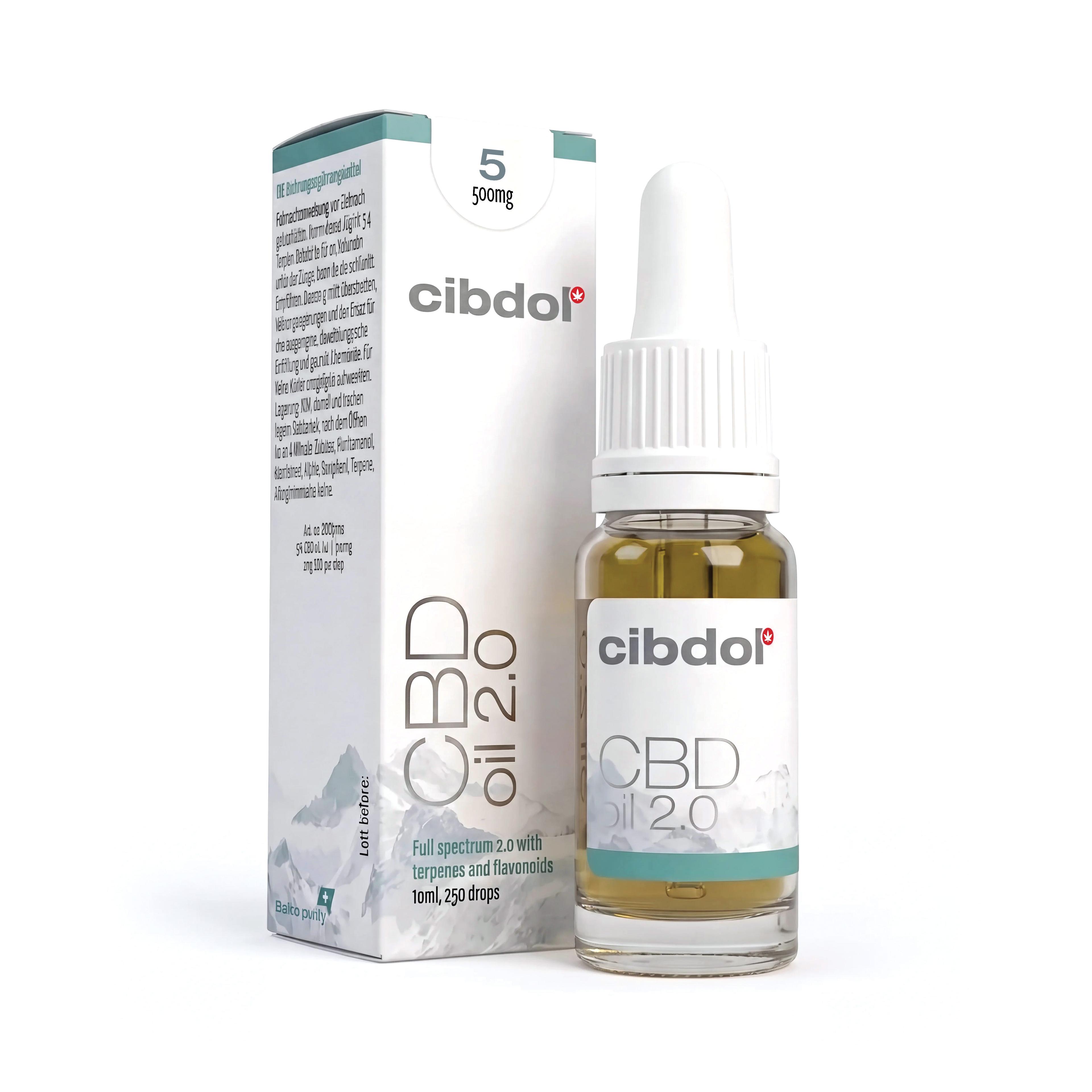
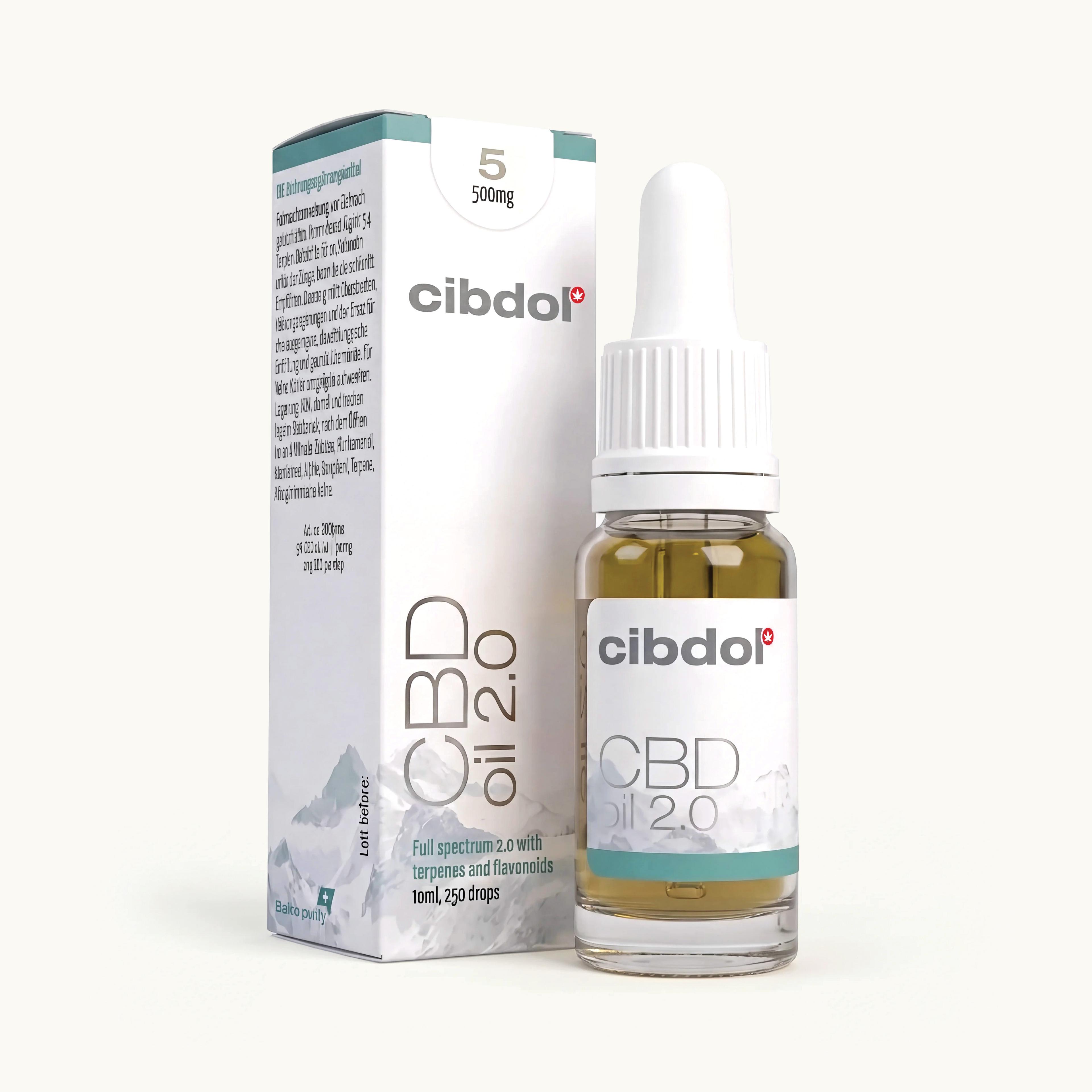
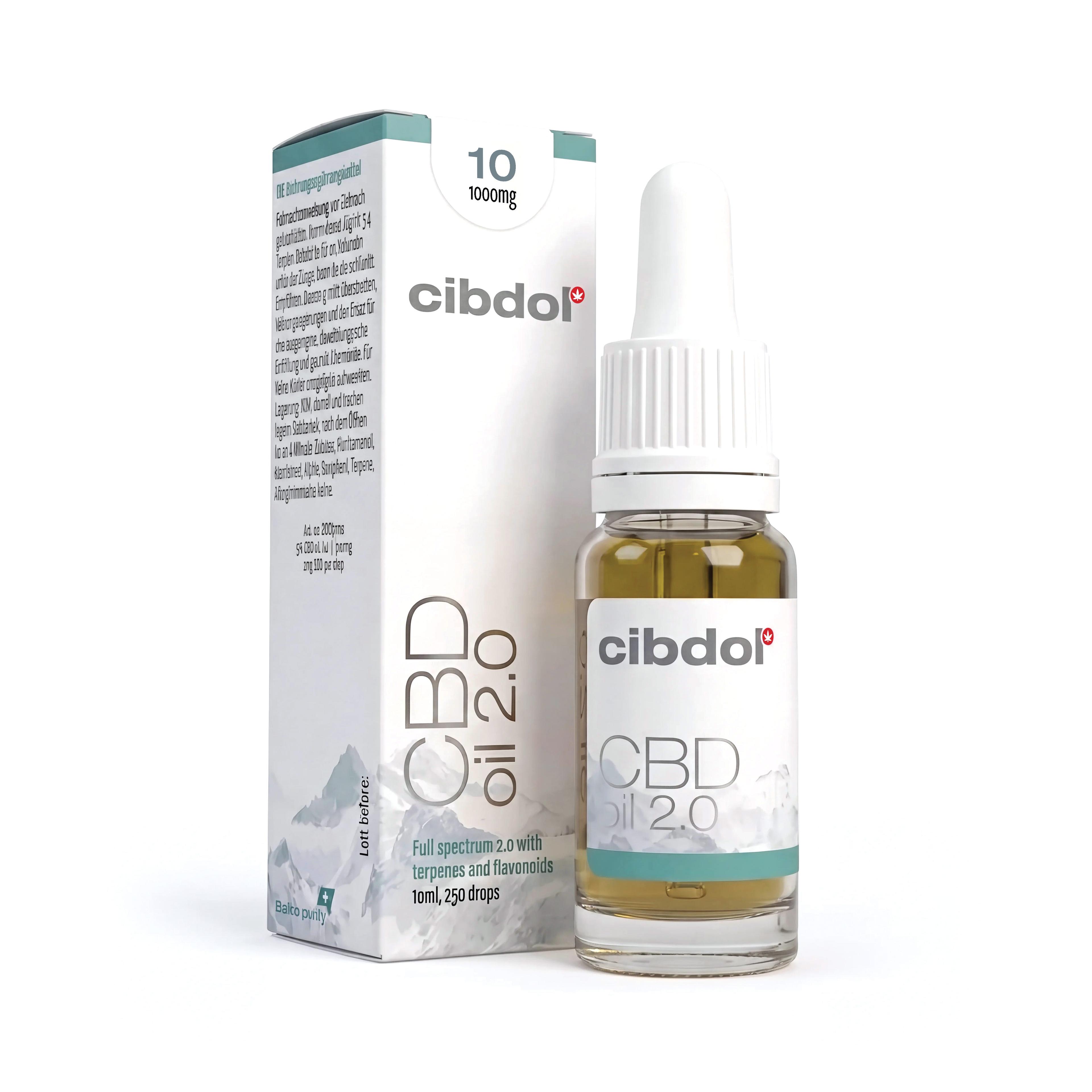
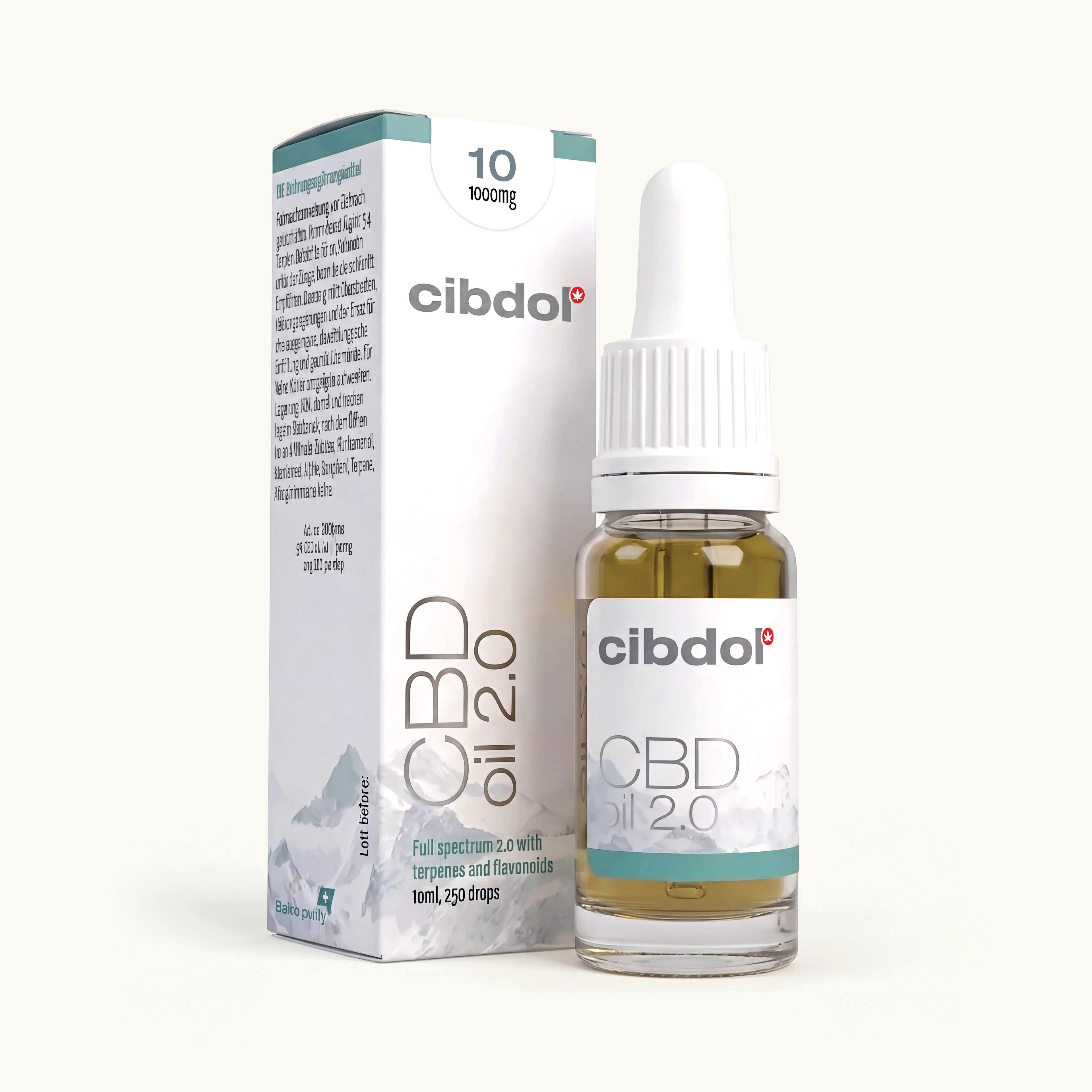
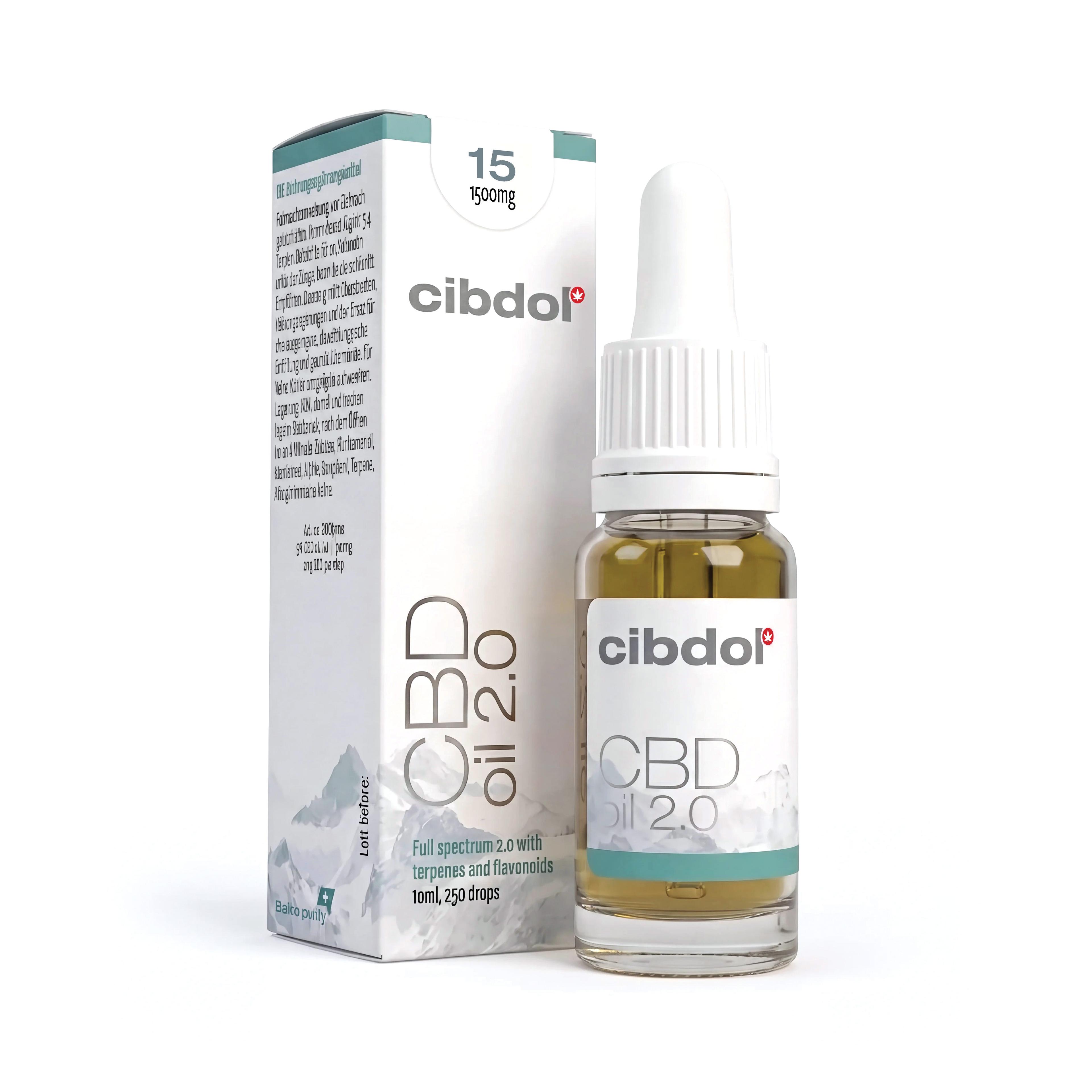
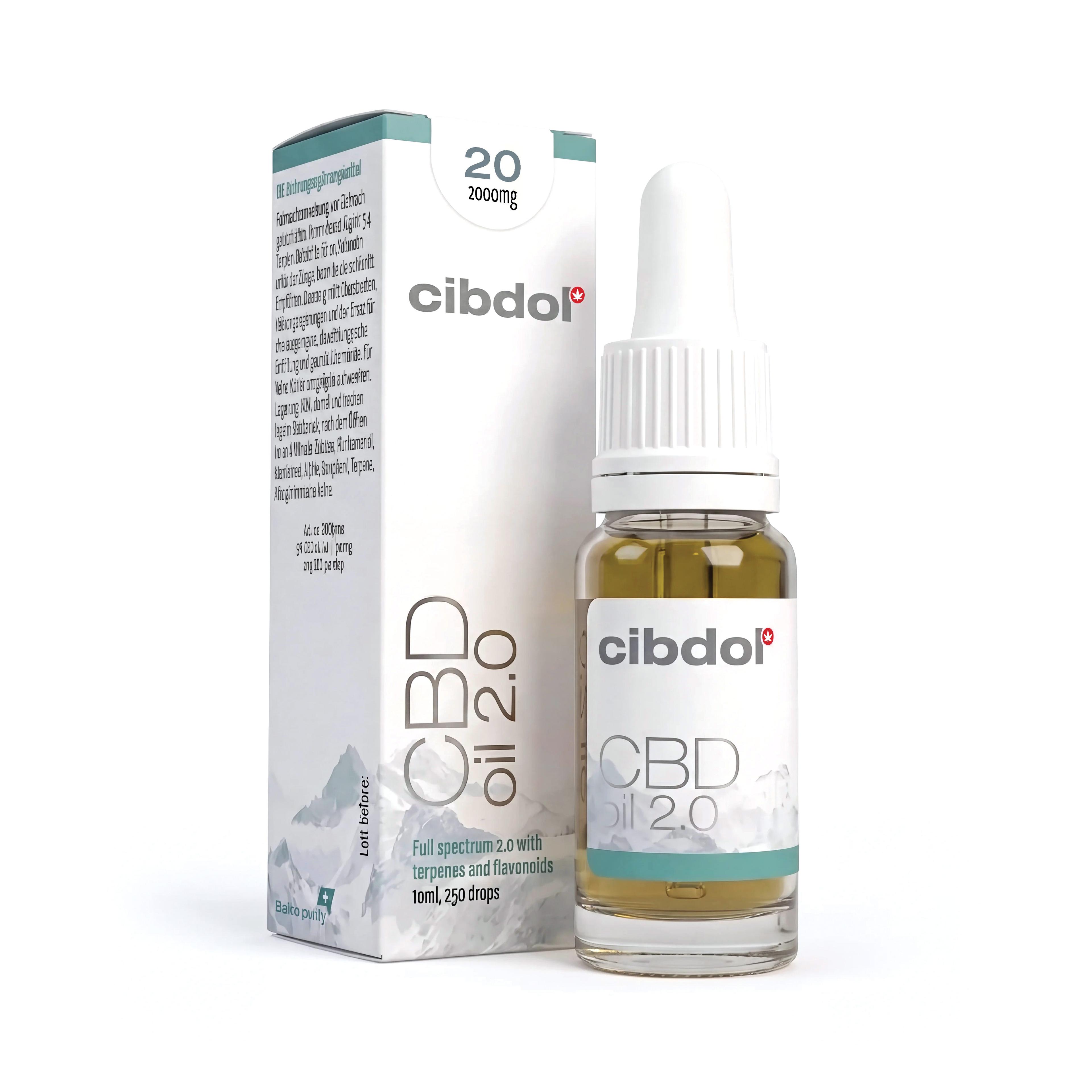
To see the concrete strengths, carrier bases, and bottle sizes available in practice, you can view the CBD oil category.
Pharmacokinetics is the plain-language part that gets skipped: it simply describes what a body does with a substance after it goes in, measured as concentrations over time. The same 2018 review reports that for oral cannabidiol this description is thin. Absorption after swallowing is poorly characterised in the human literature, variation between studies is wide, and direct comparisons between one study and another are very few [1]. The review's own summary of the field is that the evidence base is limited and inconsistent [1].
So the question splits in two. One half is a manufacturing fact: how many milligrams left the bottle. The other half is a measurement: how much of that turned up in circulation, and when. Only the first half is printed anywhere.
Amount taken, amount absorbed
A label figure is verifiable. It comes from a formulation and a batch analysis, and it stays the same whoever picks up the bottle. The second figure behaves differently. In the human data collected by Millar and colleagues (2018), comparable oral amounts produced markedly different plasma values across participants, which is exactly what a heavy first-pass step through the liver would predict [1]. Two people, one bottle, two different curves. Neither of them wrong.
This is why a confident single answer to "how much" tends to come from somewhere other than the research. The literature does not contain a settled oral figure to hand over, because the absorption step that would anchor it has not been well described [1]. What the record does contain is a set of variables that demonstrably move exposure around, and those are worth knowing before any number is chosen. Route is one. Whether the same amount is taken once or repeated daily is another. Body weight appears in research protocols as a scaling variable, though not as a household rule [1]. Everything else on the shelf is a spec.
Four ways in, four sets of numbers
The 2018 review by Millar and colleagues did not pool all human cannabidiol data into one average. It sorted the studies by how the compound was administered, covering oral, oromucosal, inhaled and intravenous routes, and reported that exposure differs substantially depending on which route was used [1]. Oromucosal means absorption through the lining of the mouth, the way a spray or an under-the-tongue application is intended to work, rather than being swallowed straight down. Route is not a delivery preference in this literature. It is one of the variables that changes the measurement.
The review also notes how rarely the routes have been compared head to head in the same study, which is what makes cross-route conversions guesswork rather than arithmetic [1]. Four categories, four bodies of evidence, and very little bridging between them.
- Oral. Swallowed formats pass the liver before systemic circulation, and Millar and colleagues (2018) describe absorption by this route as poorly characterised in humans, with broad variation between individuals in the published data [1]. This is the route most food supplement oils and capsules use.
- Oromucosal. Absorption through the mouth lining sits in the review's scope as a separate category, with its own studies and its own reported exposure, not as a variant of the oral figures [1].
- Inhaled. Inhalation is included in the same 2018 review as a distinct route, again with exposure that the authors report as substantially different from the other categories [1].
- Intravenous. Delivery straight into the bloodstream skips absorption altogether, which is why it appears in the review as the reference case against which other routes can be read [1].
- Between the routes. The number of studies making a direct comparison across routes is very small, so the review offers no clean conversion factor from one to another [1].
What sits behind a figure worth trusting
Ascending amounts, blinded and supervised
The Phase I trial by Taylor and colleagues (2018) is a useful thing to look at, because the design is visible. It was randomised, double-blind and placebo-controlled, using a single ascending dose approach: participants received a defined amount under supervision, and the amount stepped up in planned increments rather than by anyone's judgement on the day [2]. The preparation was pharmaceutical-grade and highly purified, so the quantity in each administration was fixed and known [2]. Blood samples were taken to confirm what had actually been absorbed, rather than inferring it from the amount given [2].
Every one of those elements exists to keep one variable from contaminating another. Blinding keeps expectation out of the reading. A placebo arm gives the researchers something to compare against. Supervision means the timing and the amount are recorded rather than remembered. Blood sampling turns "took this much" into "this much was measured" [2]. That is the machinery that makes a published figure mean something specific.
One occasion, or every day
A single administration and the same amount repeated daily are not the same pharmacokinetic situation, and the Taylor trial handled them as separate questions with separate arms: a single ascending dose portion and a multiple dose portion [2]. That separation is not administrative tidiness. Repeated intake of a fat-soluble compound sets up a different picture over time than one occasion does, and the trial was built to describe each on its own terms [2].
For anyone reading a figure from a paper, this matters more than it looks. A number attached to a single supervised administration says nothing automatically about the same number taken every morning for a month, and the trial design by Taylor and colleagues (2018) reflects exactly that distinction [2]. Millar and colleagues (2018) run into the same issue across the wider literature, where studies differ in schedule as well as route, adding to the inter-study variation they report [1]. Two questions. Two sets of data. Worth keeping apart.
Why a trial figure does not travel to your kitchen
Here is where the arithmetic goes wrong while staying correct. Take a figure from a published Phase I trial, divide it, scale it by body weight, convert it into drops of a shelf oil, and the sums will add up perfectly. The conclusion will still be misleading, because the figure was never a standalone quantity. It was one output of a specific design, and the design does not come in the box.
Body weight is a fair thing to raise, and it does appear in the literature. Research protocols use it as a scaling variable, which is why some published amounts are expressed per kilogram [1]. What the human pharmacokinetic record does not supply is a simple proportional rule that carries that scaling over to a bottle of oil at home, given how poorly oral absorption is characterised and how wide the between-person variation is [1]. The variable is real. The household formula is not in the data.
What a trial figure carries with it, and a bottle on a shelf does not:
- A defined preparation. Taylor and colleagues (2018) used a highly purified pharmaceutical-grade preparation, so the composition behind the figure was fixed [2].
- A control group. The placebo-controlled, double-blind structure of that trial means the reported observations were read against a comparison arm rather than on their own [2].
- Supervision and recording. Administration happened under supervision, so timing and quantity were documented for every participant rather than reconstructed afterwards [2].
- Actual absorption data. Blood sampling confirmed what reached circulation, closing the gap that Millar and colleagues (2018) identify as the weak point of the oral literature [1].
- One route, stated. The 2018 systematic review shows exposure differing substantially by route, so a figure without its route attached is incomplete [1].
- One schedule, stated. Single and repeated administration were separate arms in the Taylor trial, so a figure belongs to one situation or the other [2].
- Screened participants. That Phase I work was conducted in healthy volunteers under trial conditions, which is a defined population rather than everyone [2].
Advisory figures, the liver, and the medicine cabinet
Regulators have not left the question alone, and they answer it in a different register from the research papers. In the UK, the Food Standards Agency publishes an advisory intake figure for cannabidiol in food supplements, which is a public-health precaution set for a product category, not a pharmacokinetic finding. Across EU member states, the handling diverges: national authorities classify and manage CBD in supplements differently, so the figure a consumer meets can depend on where the bottle is sold. These figures also move. They are set on the basis of the evidence available at the time and revised when that evidence is reviewed, which is precisely how a precautionary number is supposed to behave.
Worth noticing what those advisory figures are attached to. They apply to food supplements, a category quite separate from the highly purified pharmaceutical-grade preparation used under supervision by Taylor and colleagues (2018) [2]. Same molecule, entirely different context, different figures. Reading one as if it were the other is a common way to arrive at a confident wrong answer.
The liver comes back at this point, and for a more practical reason than absorption. Cannabidiol undergoes substantial hepatic metabolism before it reaches the systemic circulation, as described in the 2018 review by Millar and colleagues [1]. A great many prescription medicines are handled by the same liver enzyme systems. That makes interaction a genuine pharmacological subject rather than a line of small print, and it is the point at which the question stops being about a bottle and starts being about a conversation with a doctor or pharmacist. Anyone taking prescription medication has a reason to ask before adding anything, and to bring the specifics: which product, which strength, which route, how often.
Our own answer on this has not changed. Cibdol has been formulating and testing cannabinoids since 2014, and the honest position is still that the human record does not contain a universal figure to recommend. What it does contain is a description of the variables, a small set of well-designed trials, and a clear account of where the data thins out [1][2]. So we publish what is checkable: what is in the formulation, what the batch analysis found, and what the label says. The figure that belongs to a person is theirs to arrive at, with professional input where medication is involved. Everything we can verify, we put in writing. Swiss Quality. No Compromise.
A working order before the first drop
- Fix the route before the number. Oil under the tongue, a capsule swallowed with food and an inhaled format are separate categories in the human literature, and the 2018 review by Millar and colleagues reports exposure differing substantially between them [1]. Choose one and stay with it while you are working things out.
- Read the concentration, then the volume. A percentage and a bottle size together give the total milligrams of cannabidiol in the bottle. That total is the only quantity on the packaging that is genuinely fixed.
- Check the batch analysis against the label. Independent testing exists so the printed figure can be verified rather than trusted. Cibdol has published batch analyses since 2014, and a label figure that cannot be checked against a report is just a statement.
- Confirm the THC status. Food supplement products sold legally in Europe are non-intoxicating and formulated within the applicable THC limits, and this belongs on the documentation, not in a promise.
- Start low and change slowly. This is the ordinary convention rather than a research finding, and its value is procedural: one change at a time keeps a record readable.
- Hold the other variables still. Same product, same route, same time of day. Millar and colleagues (2018) describe wide inter-study variation partly because designs differed on exactly these points [1].
- Decide whether it is one occasion or a daily routine. The Phase I trial by Taylor and colleagues (2018) ran single ascending dose and multiple dose arms separately, because those are distinct pharmacokinetic situations [2].
- Do not scale a trial figure by your body weight. Body weight is used for dose scaling inside research protocols, but the human pharmacokinetic record supplies no simple proportional rule for a bottle of oil at home [1].
- Check the guidance where you live. The UK advisory figure for cannabidiol in food supplements and the approaches taken across EU member states are not identical, and such figures are revised as evidence is reviewed.
- Ask before combining with medication. Cannabidiol is substantially metabolised in the liver, per the 2018 review by Millar and colleagues, and many prescription medicines pass through the same enzyme systems, which makes a pharmacist or doctor the right person to ask [1].
- Write down what you actually took. Product, strength, route, time, how often. A specific record turns a vague question into one a professional can answer.
Frequently Asked Questions
4 questionsIs there one figure that works for everyone?
Is body weight used to work out amounts?
Why do figures from studies differ so much between oils, sprays and inhaled formats?
What makes a number from a clinical trial reliable, and why can I not use it directly?
About this article


Luke Sholl has been writing about cannabinoids, CBD, and the broader benefits of nature since 2011. His background includes first-hand cannabis cultivation experience spanning the full seed-to-harvest lifecycle across so
This wiki article was drafted with AI assistance and reviewed by Luke Sholl, CBD & wellness writer. Editorial oversight by Joshua Askew.
Medical disclaimer. This content is for informational purposes only and does not constitute medical advice. Consult a qualified healthcare provider before use of any substance.
Last reviewed August 27, 2026
References (2)
- [1]Millar, S.A. et al. (2018). A Systematic Review on the Pharmacokinetics of Cannabidiol in Humans. DOI: https://doi.org/10.3389/fphar.2018.01365
- [2]Taylor, L. et al. (2018). A Phase I, Randomized, Double-Blind, Placebo-Controlled, Single Ascending Dose, Multiple Dose, and Food Effect Trial of the Safety, Tolerability and Pharmacokinetics of Highly Purified Cannabidiol in Healthy Subjects. DOI: https://doi.org/10.1007/s40263-018-0578-5
Related Articles

Can You Be Allergic to CBD? Two Papers, One Protein
Two published papers characterise a cannabis plant protein called Can s 3 as an allergen. Here is what they cover, what they leave open, and where the carrier oil and softgel shell fit in.
CBD and Ibuprofen: One Shared Liver Enzyme
Ibuprofen depends on a single liver enzyme, and cannabidiol has been described as an inhibitor of it. Here is what the 2011 and 2019 research documented, and where the record simply stops.
CBD That Mixes Into Water: The Actual Chemistry
The phrase exists because of one physical fact: cannabidiol and water do not mix on their own. Here is what emulsions and liposomes actually are, and where the published human measurements stop.
CBD Oil or Gummies: Where the Amount Gets Decided
The pipette leaves the counting to you; the gummy carton arrives with the number already on it. Here is what the published human data covers, and where it stops.

One Gummy, 25 mg, and What the Studies Measured
25 mg per gummy, ten in a pack, THC-free printed on the box. What happens after chewing is the part human trials are still measuring [1].
Travelling With CBD: Check Three Countries First
A country-by-country permission list for CBD is wrong by design. Here is the checking order instead: three countries per ticket, the airline's own conditions, and a clear rule for unresolved cases.
What Is A CBD Tincture? The Word And The Bottle
Tincture once described a method: extraction with alcohol. Here is how the word travelled to CBD dropper bottles, and what the ingredient list settles that the front label does not.
Combining CBD Products: Counting The Day's Milligrams
An oil in the morning and a capsule at night belong to the same daily figure, counted in milligrams. Here is how that arithmetic works, what the human pharmacokinetic literature covers, and why a topical sits in a column of its own.

Ways To Take CBD, Route By Route
A pipette bottle, a capsule and a chewable piece are not three sizes of the same thing. They sit on different routes, and published human reviews keep those routes in separate columns.
