CBD Oil or Gummies: Where the Amount Gets Decided
Definition
CBD oil and CBD gummies are both swallowed, and they part company on one point: where the amount is settled. With the oil you set it yourself at the pipette, in small steps. With a Cibdol gummy it was settled before the box was sealed, and the figure is printed on the outside.
A bottle, a box, one small decision
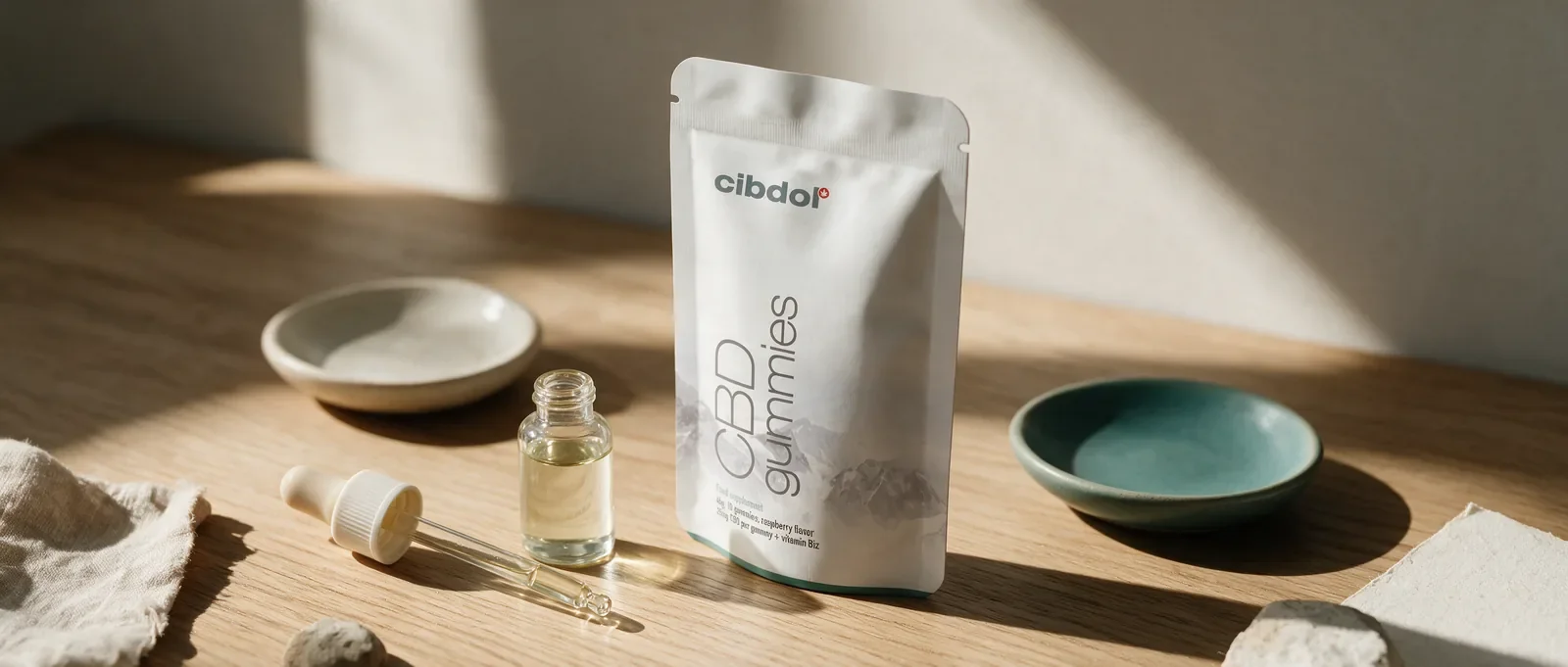
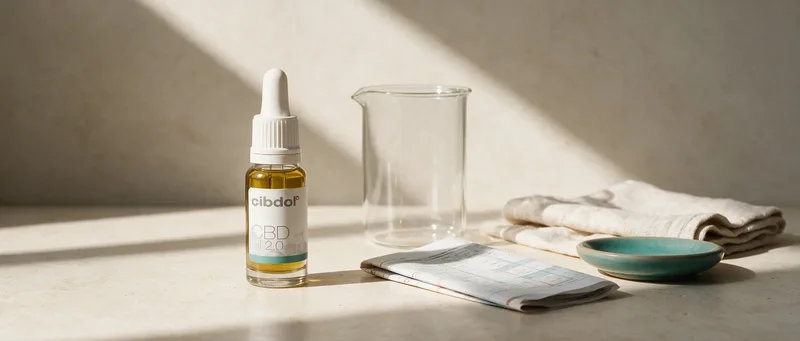
Half seven on a Wednesday. Kettle on, radio low, and two things on the counter: a pipette bottle and a small carton of gummies. Same cupboard, same shelf. Two different ways of settling how much cannabidiol you end up with. One asks you to count. The other was counted for you.
Counting in small steps
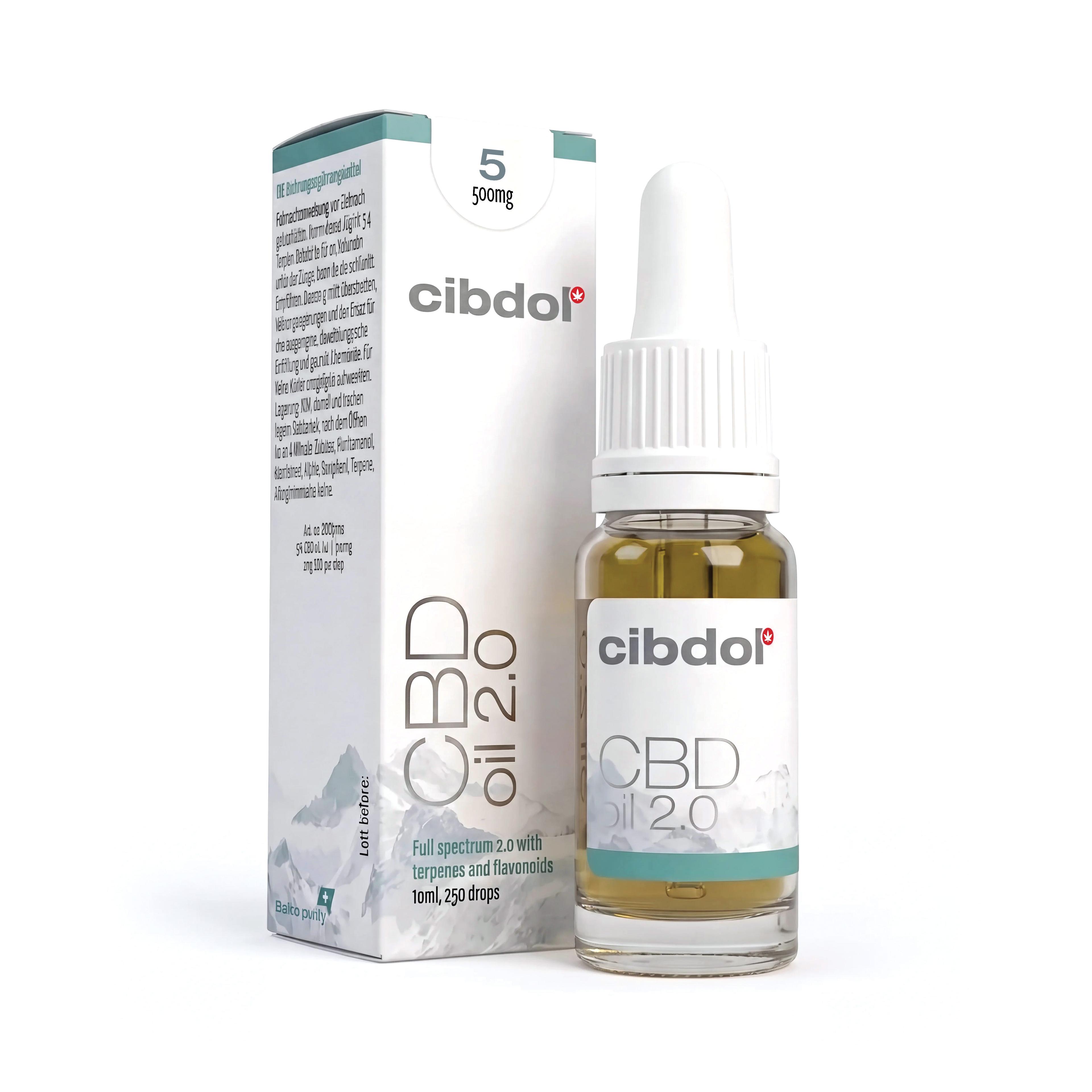
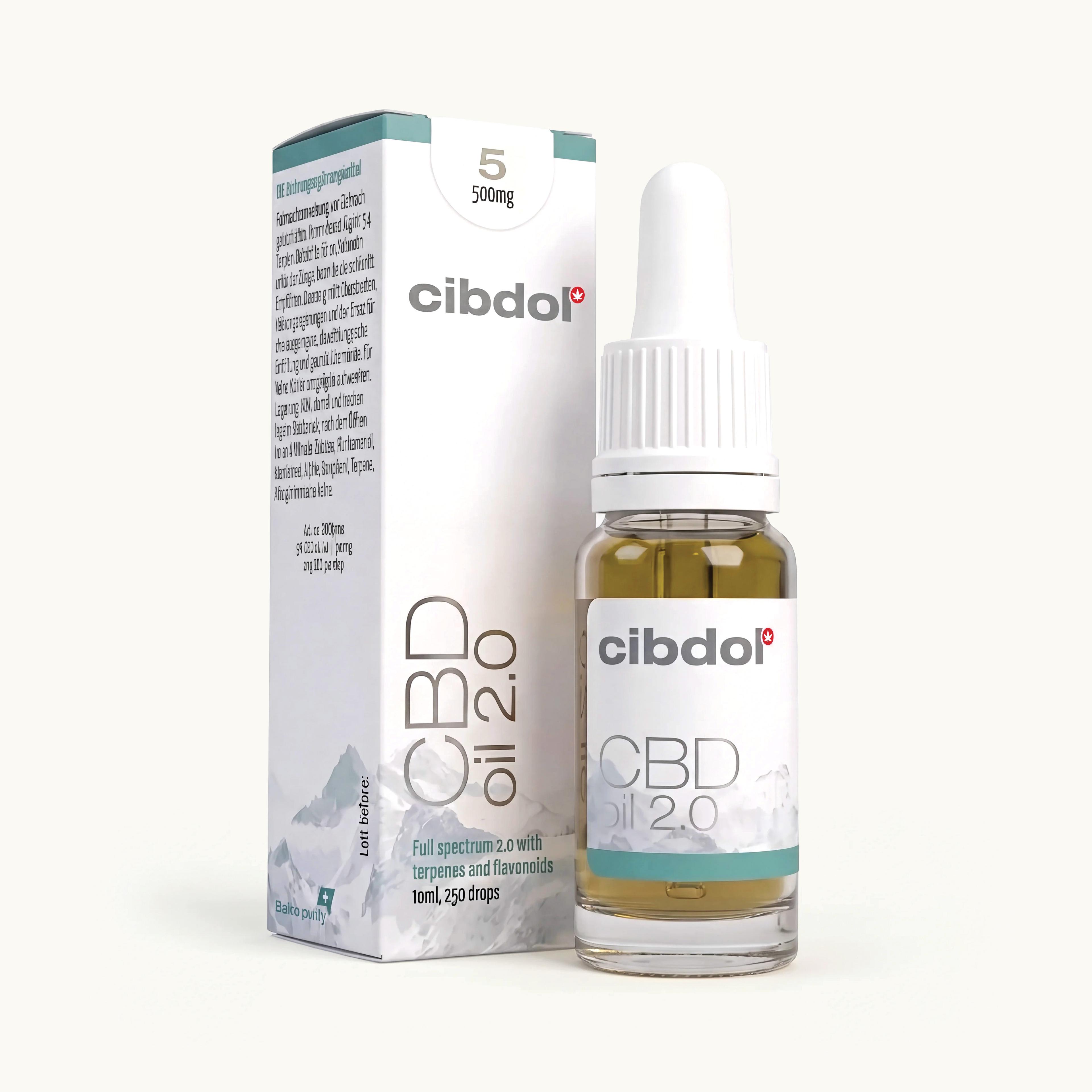
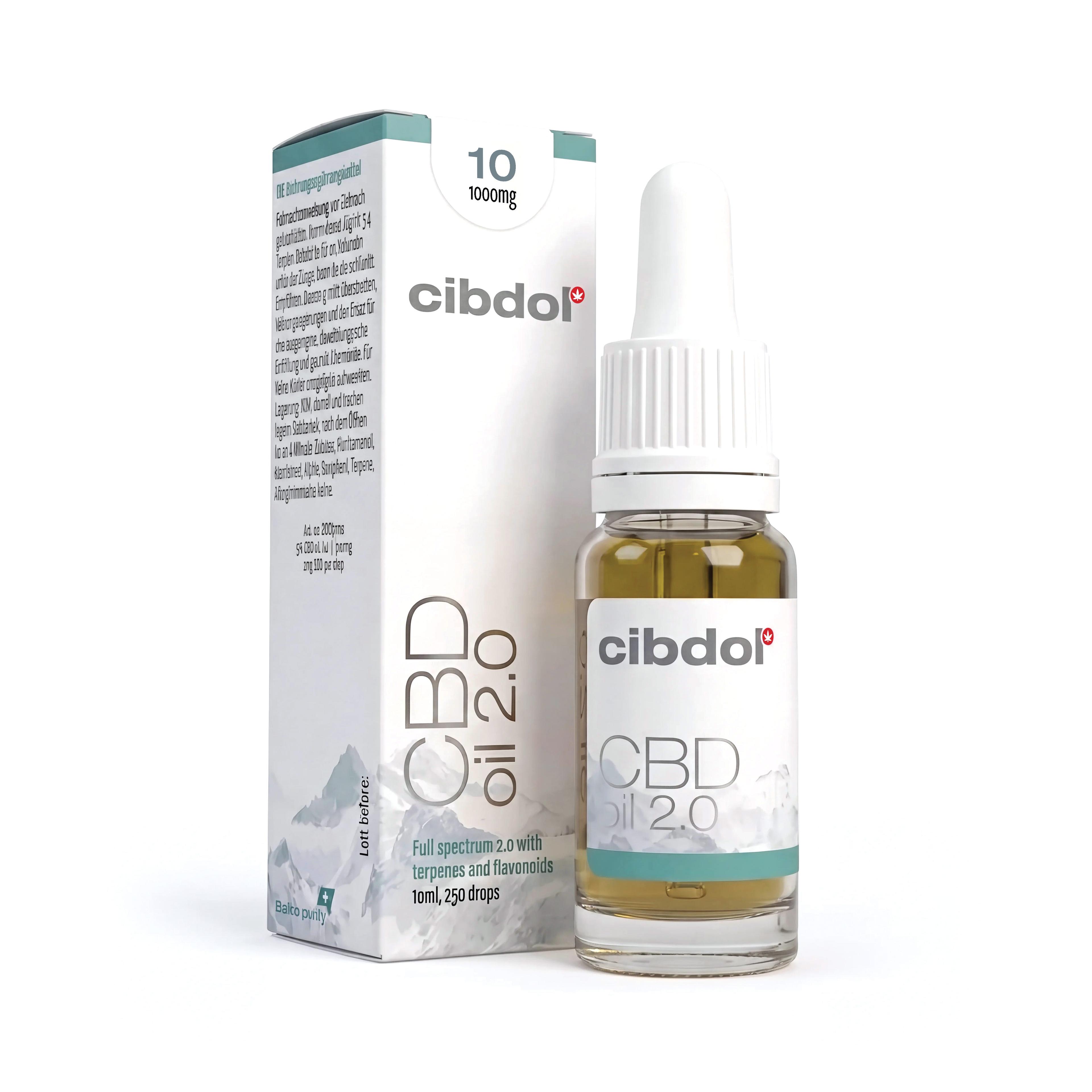
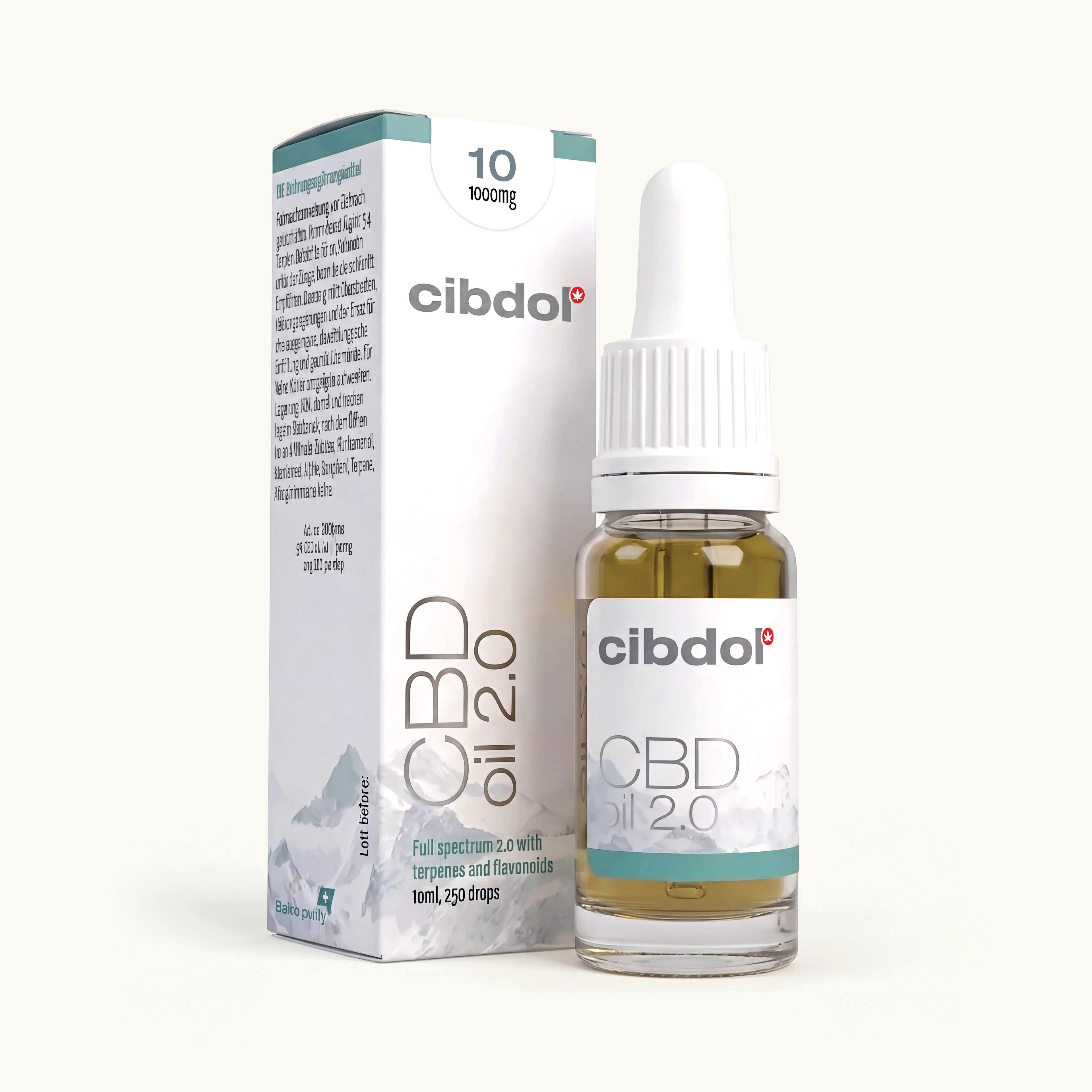
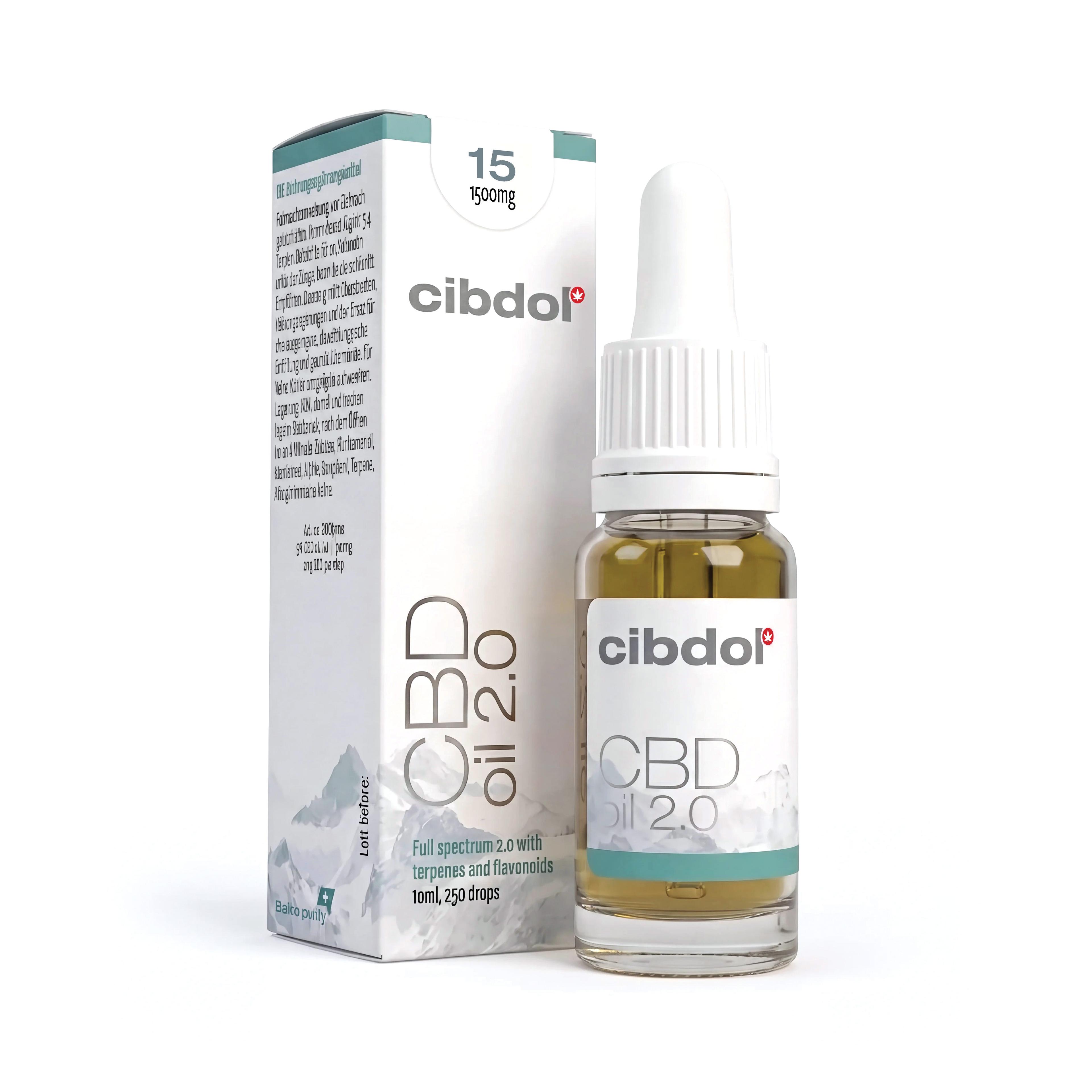
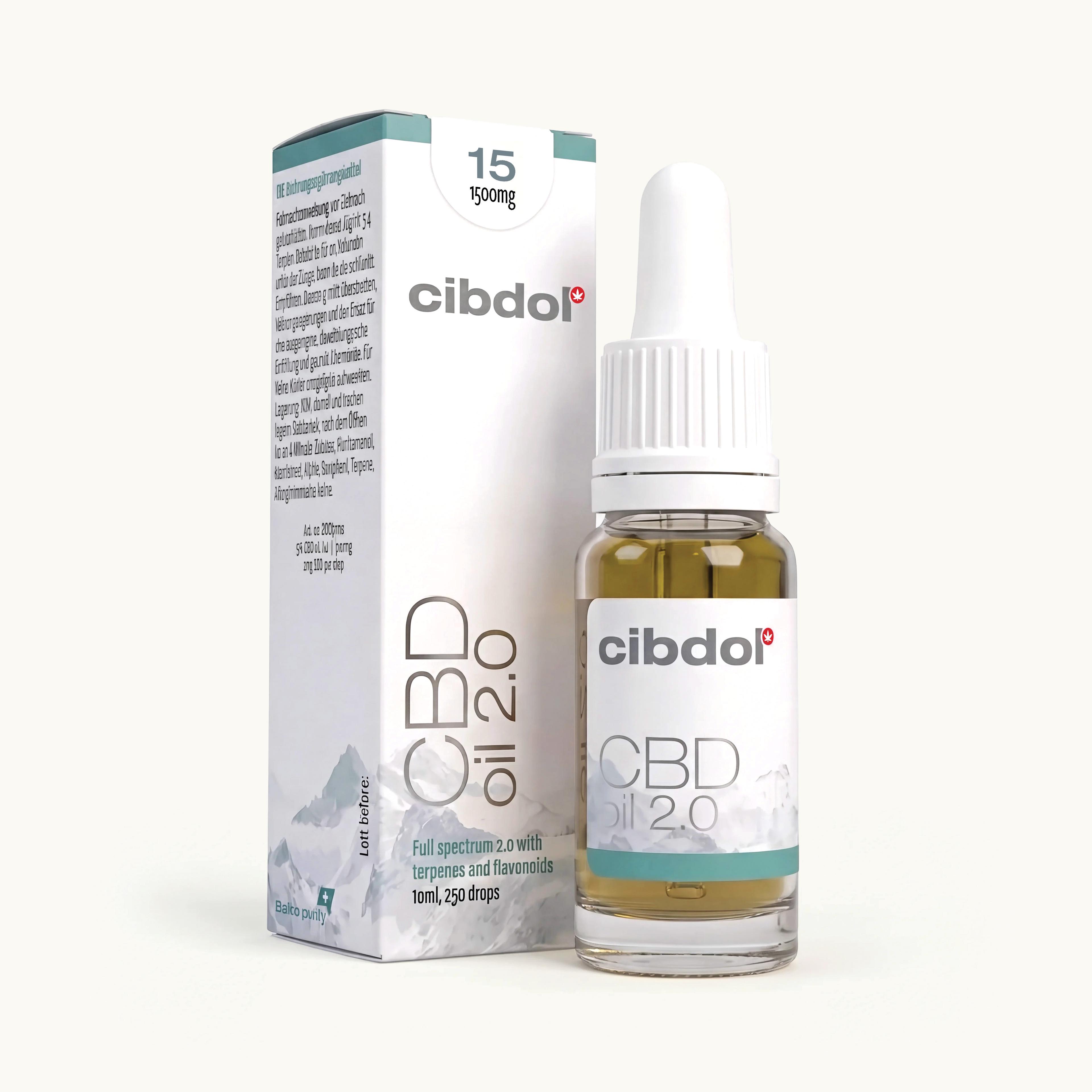
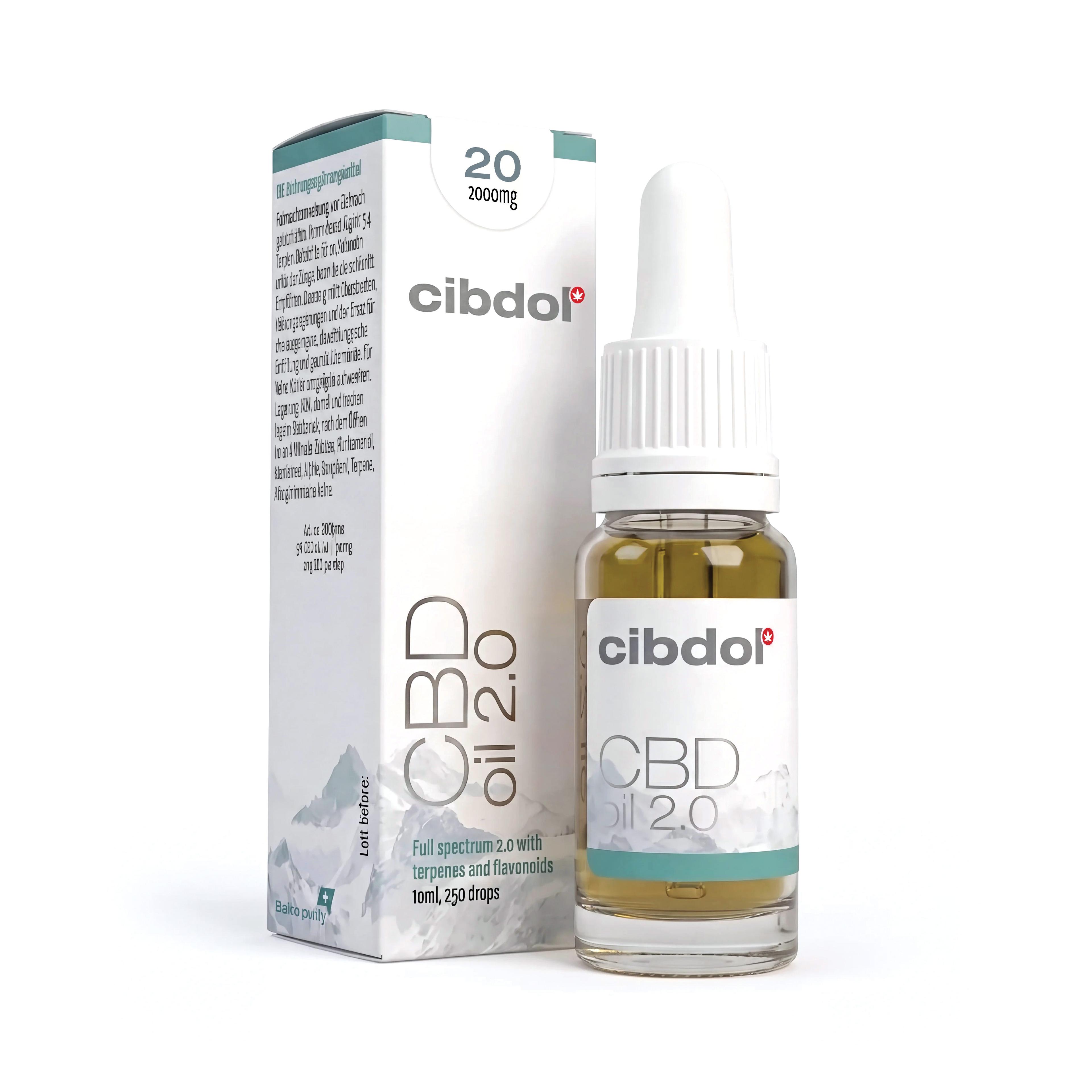
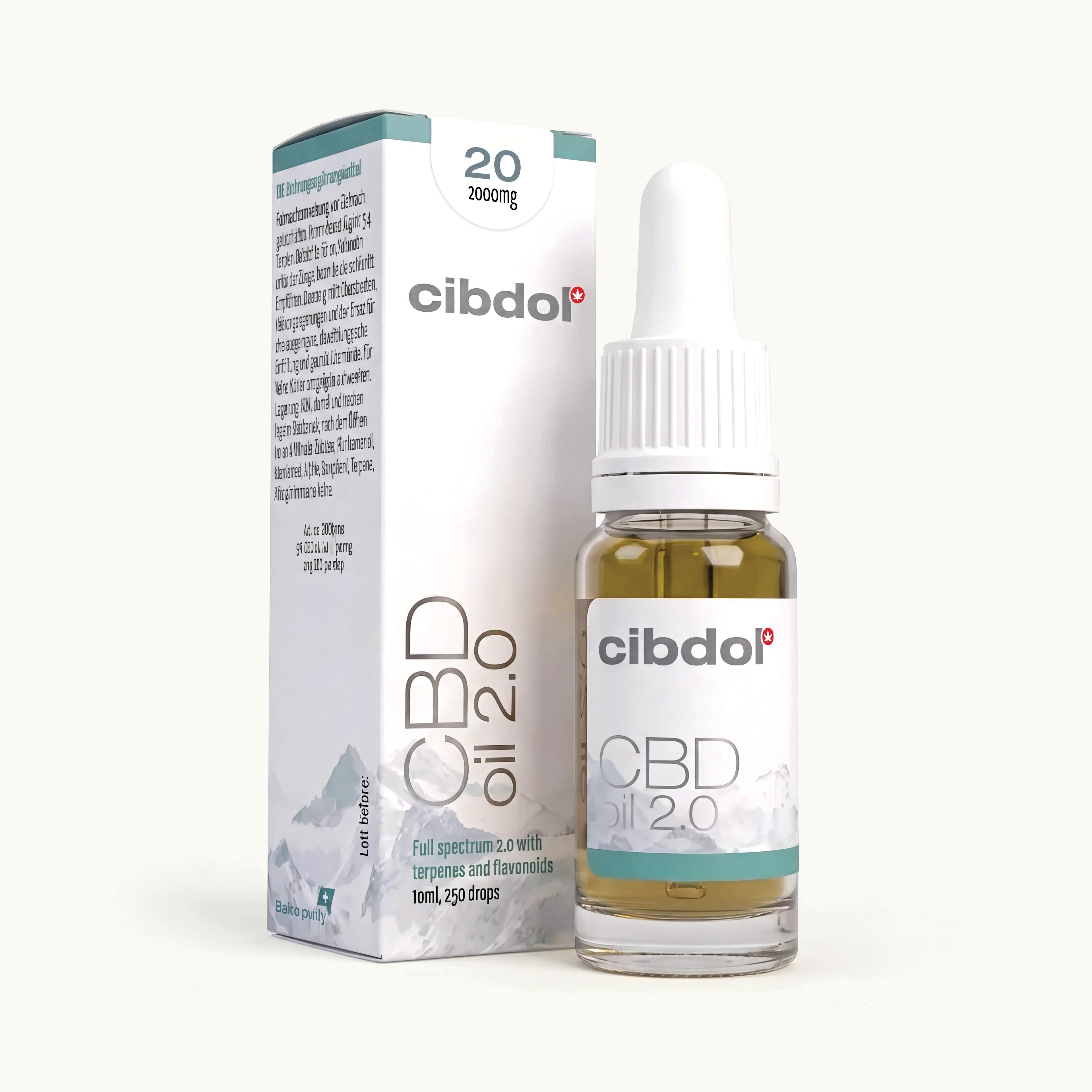
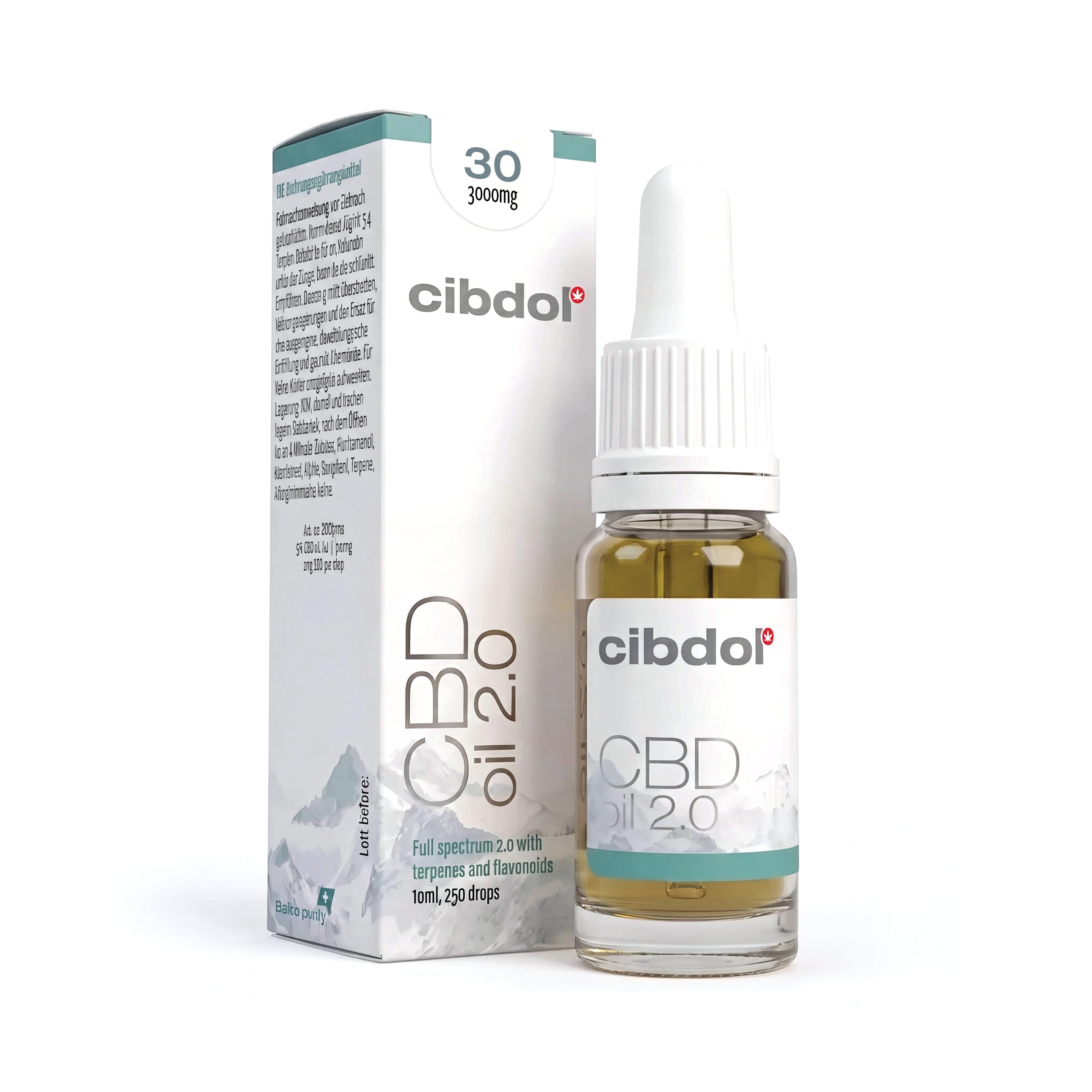
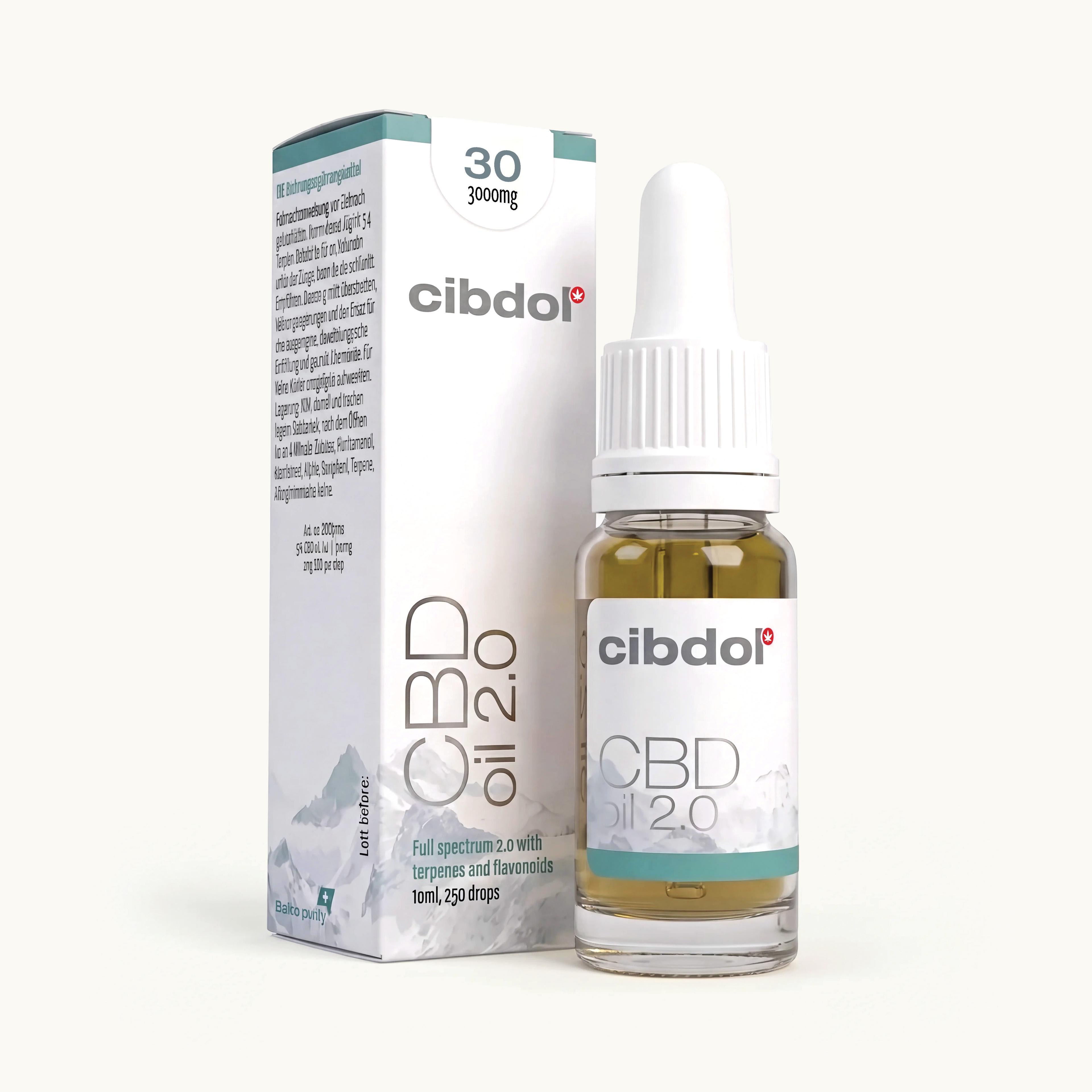
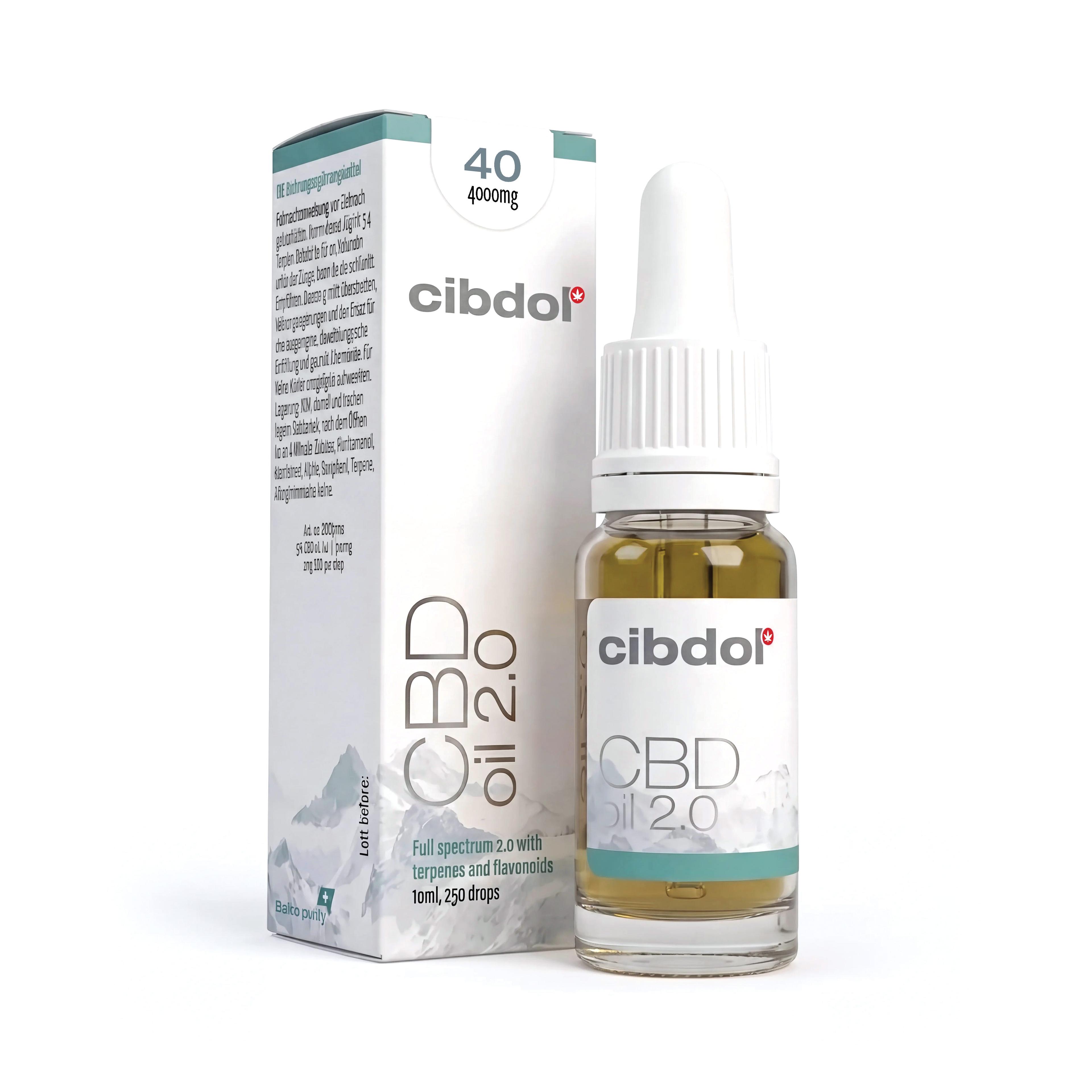
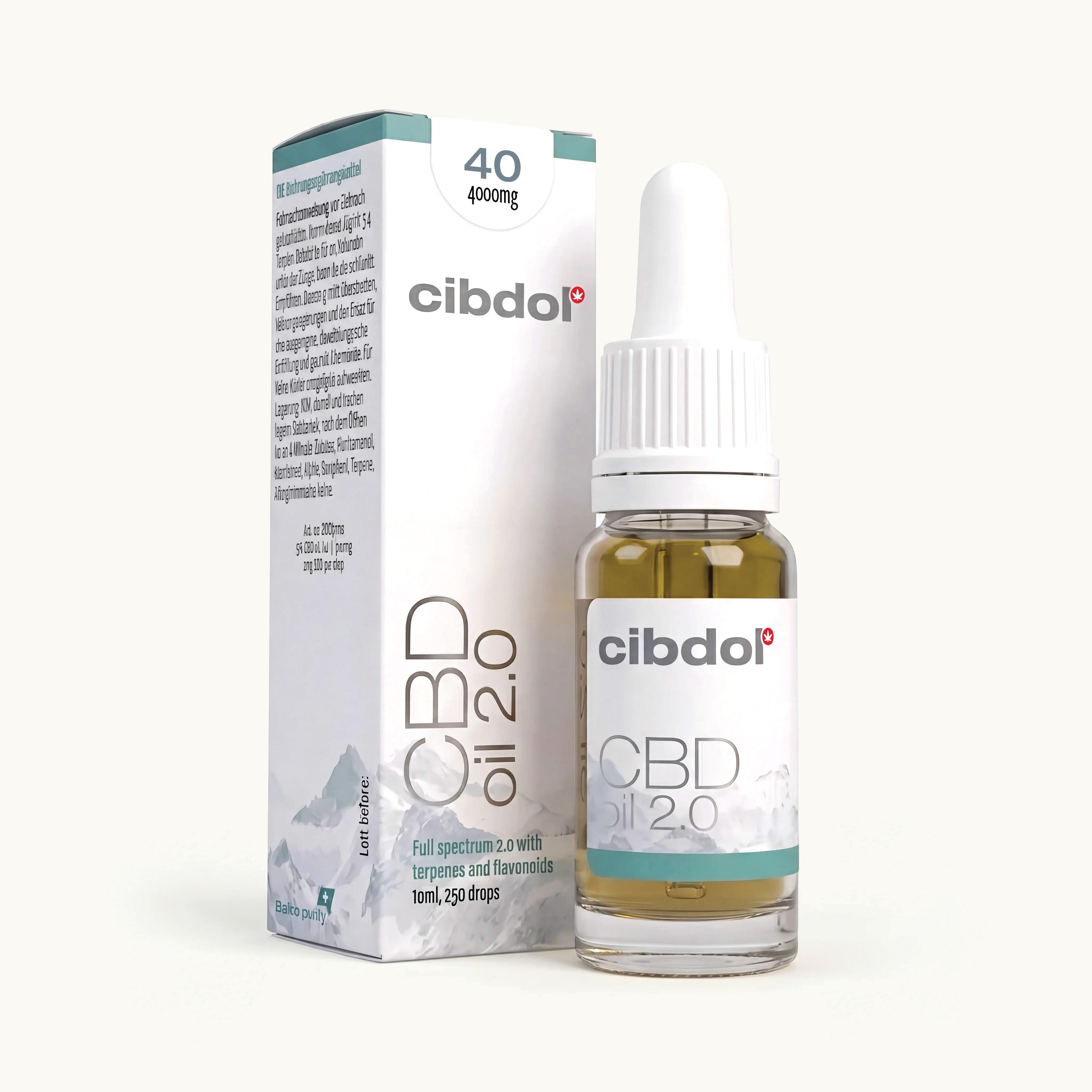
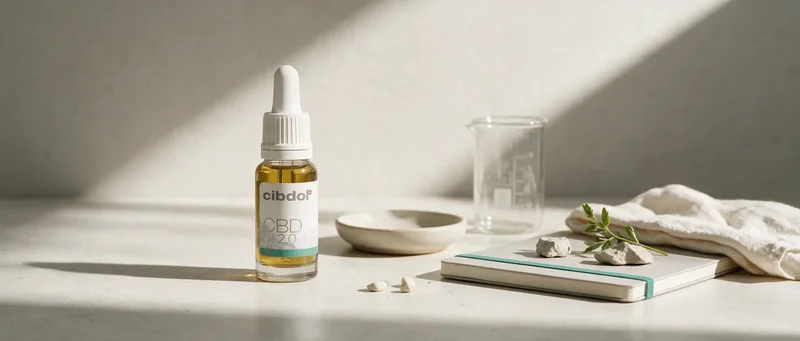
CBD Oil 2.0 comes with a pipette. You draw up the amount yourself, and because you are working drop by drop, you can move it in small increments. That adjustability is the reason the format exists. Taste comes from the carrier oil rather than an added flavouring, so an oil tastes of the oil it is blended into. Some people like that. Some don't.
A figure already printed
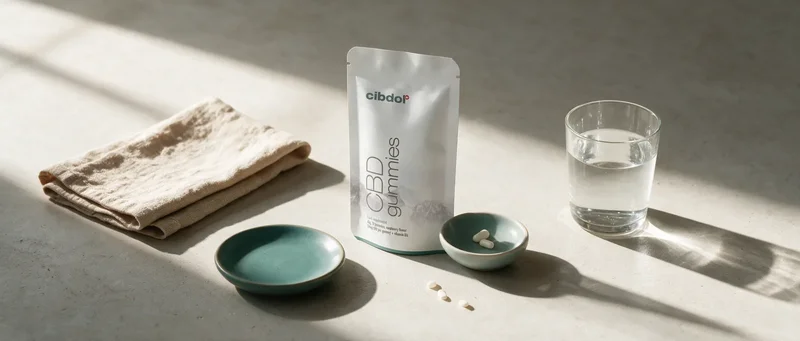
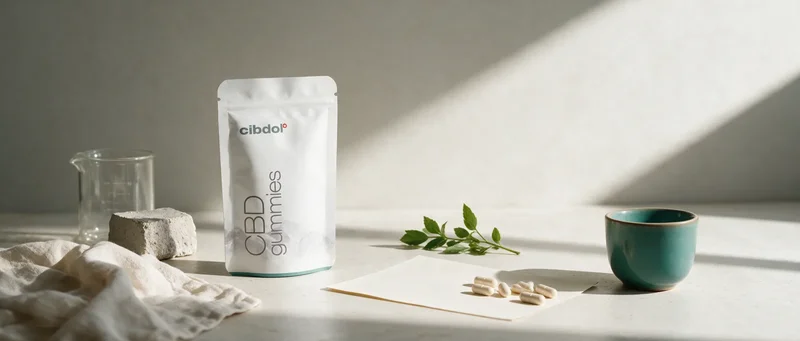
The gummy settles the arithmetic in advance. Each gummy contains 25 mg CBD, and the number sits on the outside of the box rather than in small print on a fold-out leaflet. Ten gummies per pack, 45 g net. Vitamin B12, in its cyanocobalamin form, is listed per gummy on the same label. Two flavours, raspberry and mango. The box also says THC-free, which is usually the first thing a newcomer wants confirmed in writing. The counting has already happened, at the factory, with the figure declared.
What the label already settles
- The oil hands the amount to you. A pipette moves in small increments, and that is the practical difference between the two formats before anything else is discussed.
- The gummy figure is fixed at manufacture. 25 mg CBD per gummy, printed on the carton where you can read it in the shop.
- A pack holds ten gummies at 45 g net, so the contents of the box are a countable number of pieces rather than a volume you estimate.
- Vitamin B12 appears on the same label, named as cyanocobalamin and quantified per gummy. Two declared ingredients, one sweet, one from a vitamin premix.
- Flavour is declared either way. Raspberry and mango on the gummy side; on the oil side there is no fruit flavour at all, because what you taste is the carrier.
- THC-free is printed on the gummy box. Plain wording, plain place, no hunting for it.
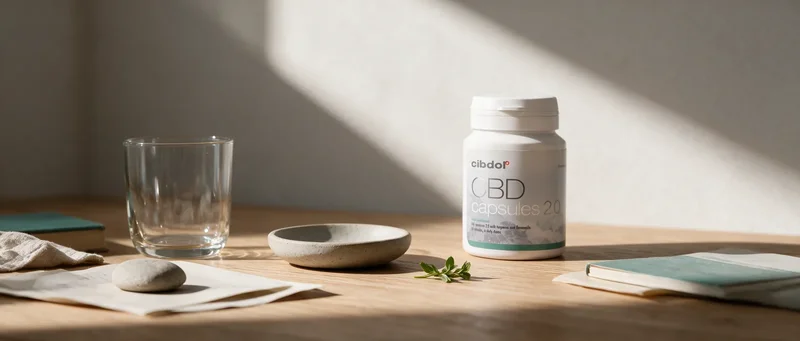
- Softgels, sold here as CBD Capsules 2.0, are the third oral format. Fixed measure, no fruit flavour, nothing to count.
- Cibdol has been working with cannabinoids since 2014, and the standard is identical across both formats: know what is inside, then print it on the label and publish the batch analysis.
What the oral studies actually recorded
There is no single number for swallowed cannabidiol, and the literature is honest about it. Millar and colleagues in 2018 [1] gathered the human pharmacokinetic work and found the study designs differ from one another in ways that matter: how much was given, in what form, and what was measured afterwards. Reported figures varied widely, both between studies and between the participants inside one study [1]. Anyone hoping for a tidy conversion chart will come away without one. Worth knowing for this particular comparison: across that body of work, only one trial used an edible format at all [1].
The 2018 trial by Taylor and colleagues [2] is the one quoted whenever food comes up. It was a Phase I study in healthy adult volunteers, and one arm compared a single amount of highly purified cannabidiol given with food against the same amount given fasted. In that arm, the fed condition produced higher plasma exposure [2]. That is the finding, stated as it stands.
What it is not: an instruction. One trial, one purified formulation, healthy volunteers, a controlled meal. It says nothing about how a raspberry gummy behaves alongside a pipette count on your kitchen counter. Research context, and no more than that.
Where the liver comes into it
Swallow something and it meets your liver before it reaches the rest of you. For cannabidiol, part of that step has been mapped. Jiang and colleagues in 2011 [4] identified cytochrome P450 enzymes involved in metabolising cannabidiol, working with human liver microsomes, which are prepared fragments of liver cells used in laboratory work rather than anything measured inside a person. Specific, useful, and limited to the question it was built for: which enzymes, not how much of anything reaches anywhere. Huestis in 2007 [3] sits a level above, describing route of administration as a general factor in cannabinoid pharmacokinetics. Together they give you a map of the path and no promise about the destination.
- Jiang 2011 [4]: enzyme identification, human liver microsomes, laboratory conditions only.
- Huestis 2007 [3]: route of administration handled as a general factor for cannabinoids.
- Millar 2018 [1]: a review of human data, reporting wide variation between studies and between participants.
- Taylor 2018 [2]: one Phase I food effect arm, healthy adult volunteers, highly purified cannabidiol.
- Not answered by any of the four: whether a fixed gummy and a counted pipette amount give the same number in the same person. That comparison was never designed, so nobody has the data.
Two formats, column by column
| Question | CBD Oil 2.0 (pipette) | CBD gummies |
|---|---|---|
| Where the amount is set | At the pipette, by you, in small increments | At manufacture; the figure is 25 mg CBD per gummy |
| Where the figure is printed | On the bottle label | On the outside of the box |
| Flavour | The carrier oil, with no fruit flavouring | Raspberry or mango |
| Pack format | Pipette bottle | Ten gummies, 45 g net |
| Other declared entry | Cannabidiol in a carrier oil | Vitamin B12 as cyanocobalamin, per gummy |
| THC | Within legal limits, checked per batch | THC-free, printed on the box |
| Food and plasma figures | Taylor 2018 [2] recorded higher plasma exposure fed versus fasted in a Phase I study of purified cannabidiol, not of an oil | Same study, same boundary: an edible format was not what that trial examined [2] |
| Route | Huestis 2007 [3] frames route of administration as a general factor | |
| Enzymes | Jiang 2011 [4] identified cytochrome P450 enzymes using human liver microsomes, a laboratory model rather than a measurement in people | |
| Variation | Millar 2018 [1] reports wide variation between studies and between participants across the human record | |
| Direct swap | No study set a fixed gummy against a counted oil amount in the same person | |
| Third oral format | CBD Capsules 2.0 softgels: fixed measure, no fruit flavour | |
Working out which one suits you
- Decide first whether you want the amount to move. If adjusting in small increments appeals, that is the pipette's job. If you would rather not think about it in the morning, the carton has already done the arithmetic.
- Read the figure on the label before you buy rather than after. Both formats print it, and a format that keeps it vague is telling you something worth hearing.
- Pick the flavour you will actually reach for. Raspberry and mango on the gummy side; on the oil side, the carrier is the taste and there is no way around that.
- Note the pack maths. Ten gummies, 45 g net, is a pack you can count rather than estimate.
- Check the batch analysis. Since 2014 the standard here has been the same for every format: know what is inside, print it, publish the report.
- Keep the research where it belongs. Taylor 2018 [2] recorded higher plasma exposure with food in one Phase I trial of purified cannabidiol, and that remains a study finding rather than a rule for your kitchen.
- Do not build a conversion table between oil and gummy. Millar 2018 [1] found reported figures vary widely between studies and between participants, and nothing compared these two formats head to head.
- If you use prescription medication or have an existing condition, talk to your doctor or pharmacist first. Jiang 2011 [4] identified cytochrome P450 enzymes handling cannabidiol in a laboratory model, which is precisely the sort of detail a professional can put in context for you.
- Remember the softgels. CBD Capsules 2.0 is the third oral option: fixed measure, no fruit flavour, same labelling standard.
Frequently Asked Questions
4 questionsWhich format makes more sense for a first-time buyer?
Can I match one gummy to a pipette count?
What else is listed on the gummy carton besides cannabidiol?
What did the Phase I food comparison record?
About this article


Luke Sholl has been writing about cannabinoids, CBD, and the broader benefits of nature since 2011. His background includes first-hand cannabis cultivation experience spanning the full seed-to-harvest lifecycle across so
This wiki article was drafted with AI assistance and reviewed by Luke Sholl, CBD & wellness writer. Editorial oversight by Joshua Askew.
Medical disclaimer. This content is for informational purposes only and does not constitute medical advice. Consult a qualified healthcare provider before use of any substance.
Last reviewed August 29, 2026
References (4)
- [1]Millar, S.A. et al. (2018). A Systematic Review on the Pharmacokinetics of Cannabidiol in Humans. DOI: https://doi.org/10.3389/fphar.2018.01365
- [2]Taylor, L. et al. (2018). A Phase I, Randomized, Double-Blind, Placebo-Controlled, Single Ascending Dose, Multiple Dose, and Food Effect Trial of the Safety, Tolerability and Pharmacokinetics of Highly Purified Cannabidiol in Healthy Subjects. DOI: https://doi.org/10.1007/s40263-018-0578-5
- [3]Huestis, M.A. (2007). Human Cannabinoid Pharmacokinetics. DOI: https://doi.org/10.1002/cbdv.200790152
- [4]Jiang, R. et al. (2011). Identification of cytochrome P450 enzymes responsible for metabolism of cannabidiol by human liver microsomes. DOI: https://doi.org/10.1016/j.lfs.2011.05.018
Related Articles
Can You Be Allergic to CBD? Two Papers, One Protein
Two published papers characterise a cannabis plant protein called Can s 3 as an allergen. Here is what they cover, what they leave open, and where the carrier oil and softgel shell fit in.
CBD and Ibuprofen: One Shared Liver Enzyme
Ibuprofen depends on a single liver enzyme, and cannabidiol has been described as an inhibitor of it. Here is what the 2011 and 2019 research documented, and where the record simply stops.
CBD That Mixes Into Water: The Actual Chemistry
The phrase exists because of one physical fact: cannabidiol and water do not mix on their own. Here is what emulsions and liposomes actually are, and where the published human measurements stop.
One Gummy, 25 mg, and What the Studies Measured
25 mg per gummy, ten in a pack, THC-free printed on the box. What happens after chewing is the part human trials are still measuring [1].
Travelling With CBD: Check Three Countries First
A country-by-country permission list for CBD is wrong by design. Here is the checking order instead: three countries per ticket, the airline's own conditions, and a clear rule for unresolved cases.
What Is A CBD Tincture? The Word And The Bottle
Tincture once described a method: extraction with alcohol. Here is how the word travelled to CBD dropper bottles, and what the ingredient list settles that the front label does not.
Combining CBD Products: Counting The Day's Milligrams
An oil in the morning and a capsule at night belong to the same daily figure, counted in milligrams. Here is how that arithmetic works, what the human pharmacokinetic literature covers, and why a topical sits in a column of its own.

Ways To Take CBD, Route By Route
A pipette bottle, a capsule and a chewable piece are not three sizes of the same thing. They sit on different routes, and published human reviews keep those routes in separate columns.
How much CBD? Start with the liver, not the number
The amount on a label and the amount measured in blood are not the same number, and the human pharmacokinetic record explains why. Here is what the cited research describes about route, liver metabolism, trial design and reading a batch report.
