Ways To Take CBD, Route By Route

Definition
CBD is sold in a handful of everyday formats: oil in a pipette bottle, capsules, chewable pieces, and preparations applied to the skin. What separates them is the administration route, meaning the way the product enters the body. Human pharmacokinetic reviews sort their measurements by that route rather than pooling the formats together.
Half past seven, three formats
The scene before anything is opened
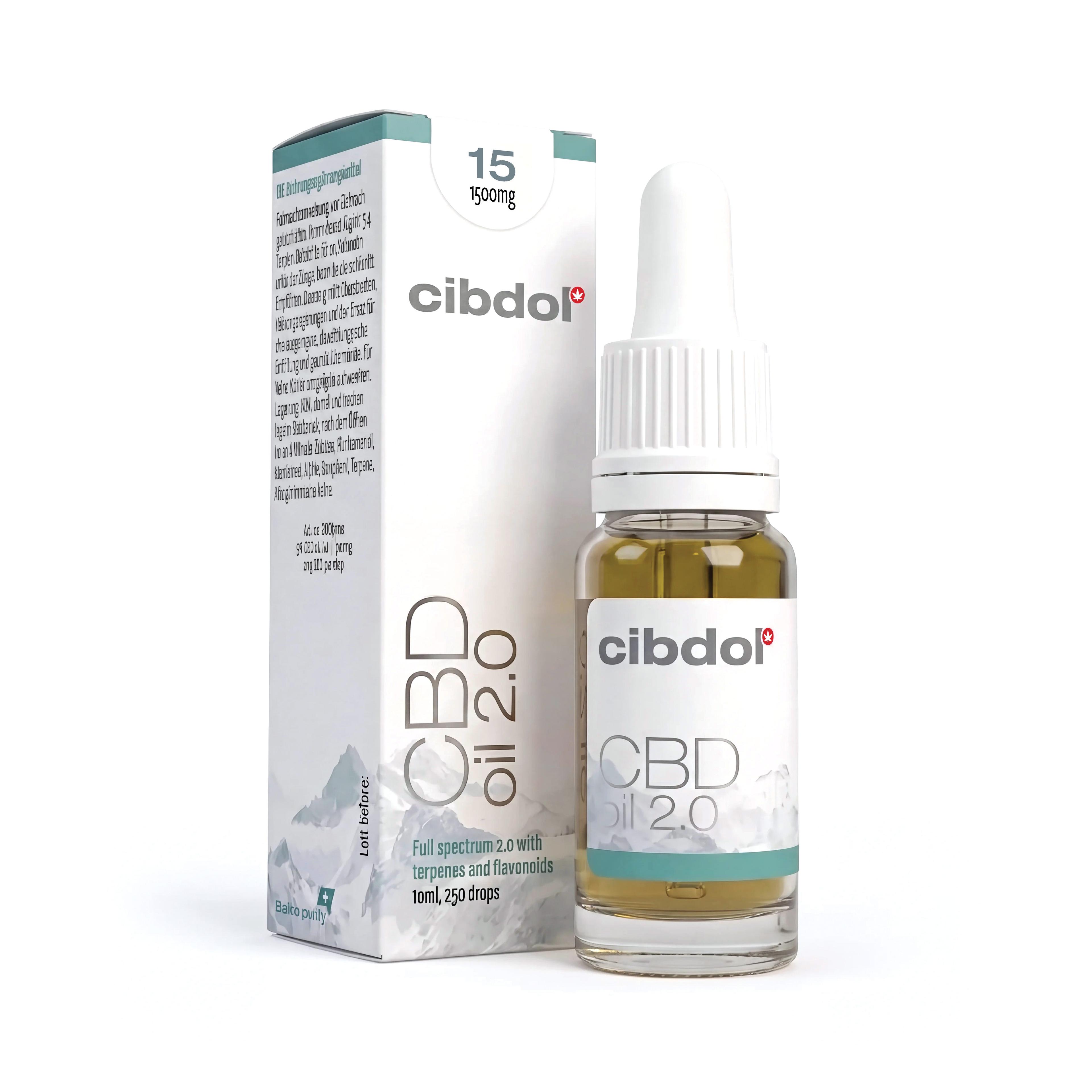
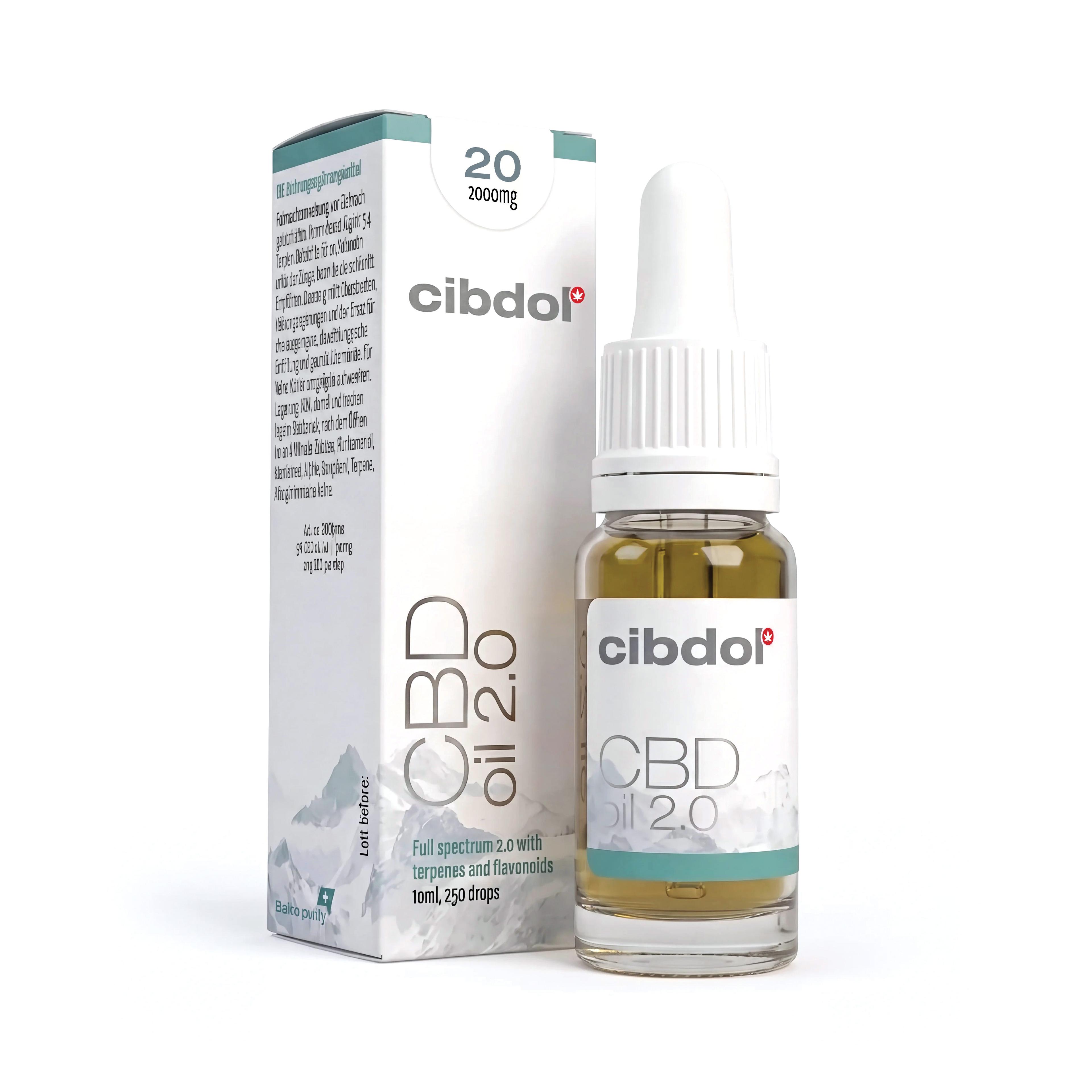
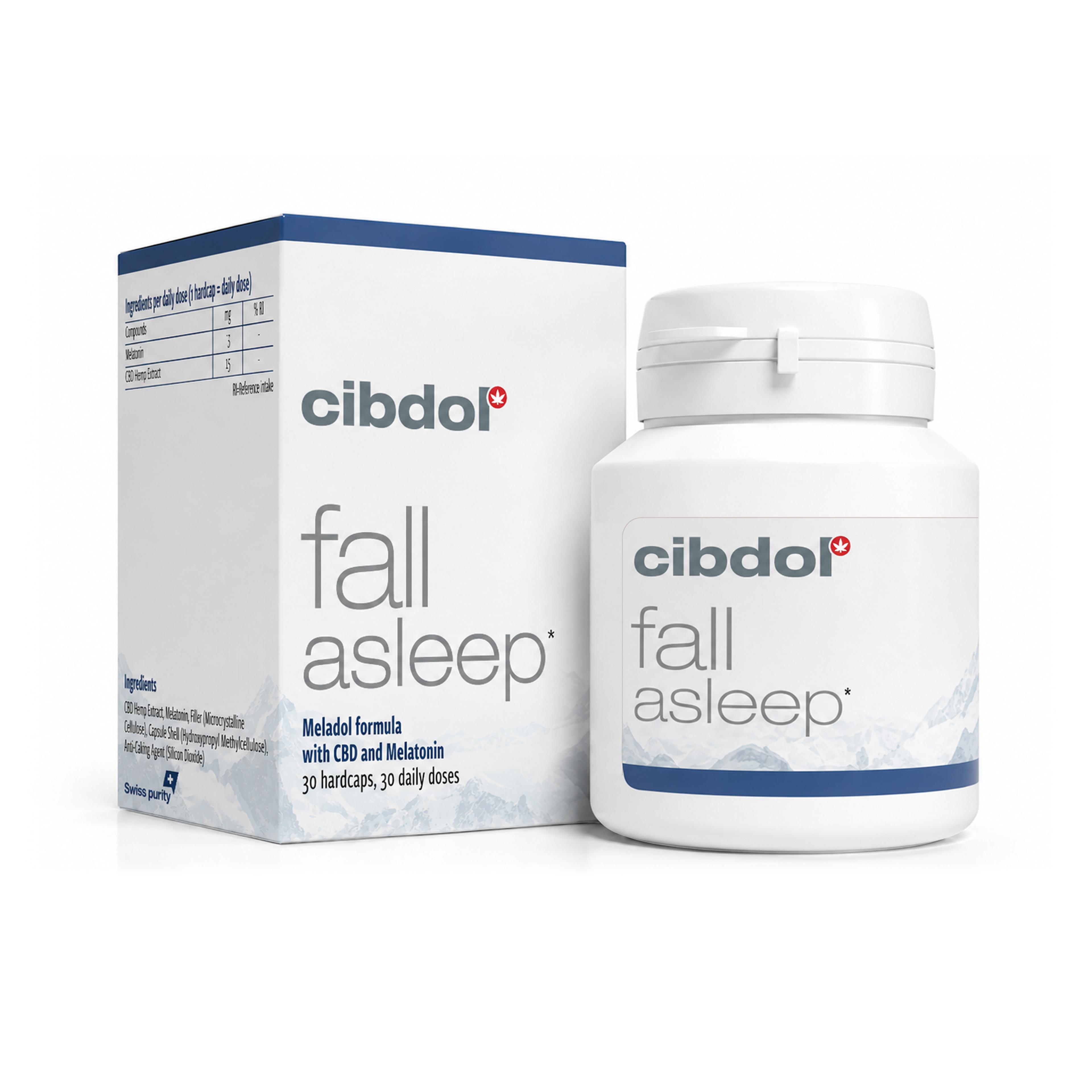
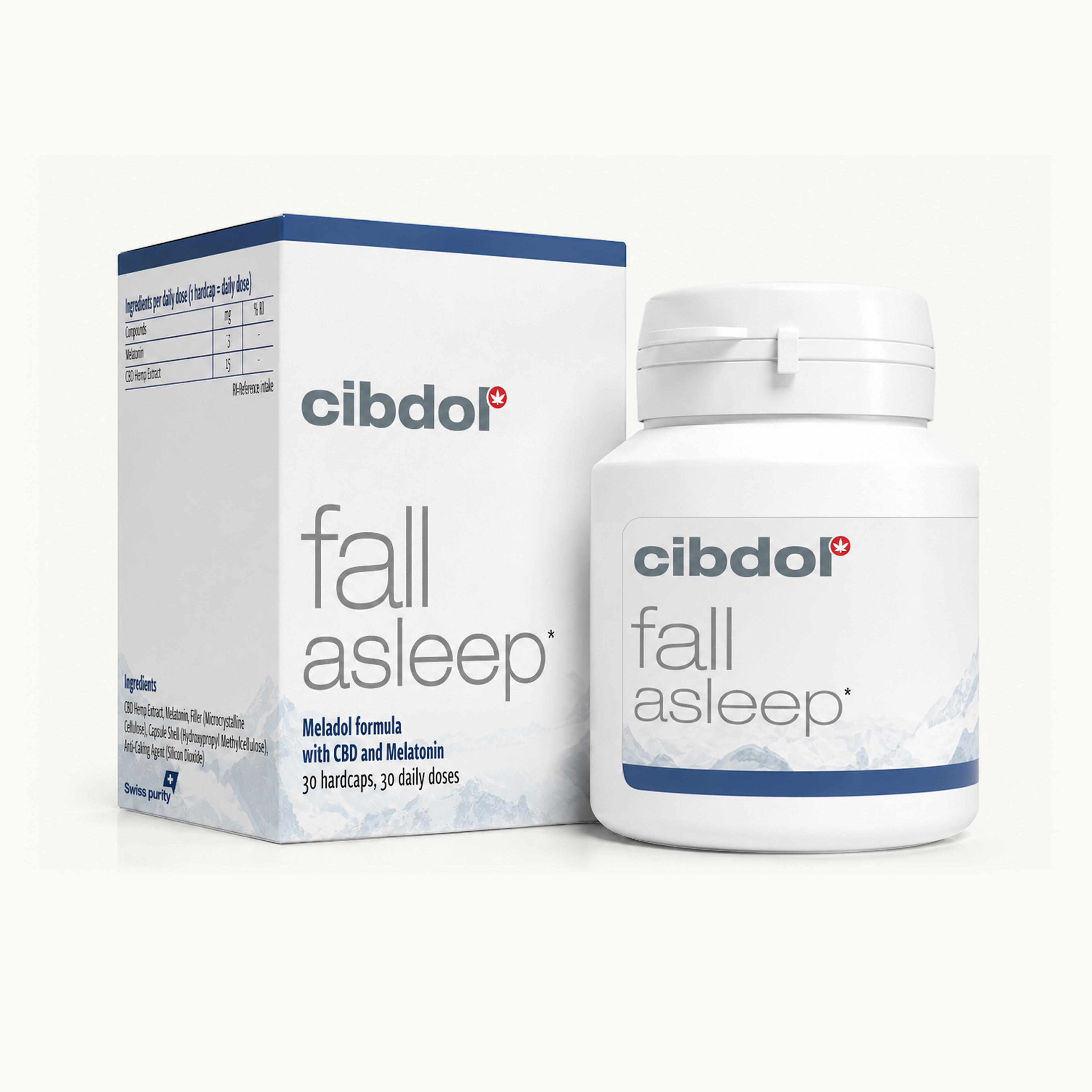
Half past seven. The kettle is going, the toaster is ticking, and the drawer under the counter holds three purchases from three different months: a dark glass bottle with a pipette, a strip of capsules, and a pack of chewable pieces. All three say CBD on the front. None of them is a bigger or smaller version of the other two.
You can see how these individual strengths, bottle sizes and carrier liquids are catalogued within the CBD oil category.
That is where most format comparisons go wrong. They line the products up like rungs on a ladder and then argue about the order. A pipette bottle and a capsule are two different objects with two different ways in, and the printed numbers on them describe two different things.
The question worth asking at that drawer is narrower than "which one is better". Which route does this format use, and what has actually been measured in people for that route [1]?
Route is the line the research draws
Pharmacokinetics is the plain name for what happens to a compound after it goes in: how much shows up, and over how long, measured in people over time. The 2018 systematic review led by Millar, which gathered the human cannabidiol data available then, keeps its measurements sorted by administration route [1]. Not blended into one figure. Sorted.
Huestis's 2007 review of cannabinoid absorption and metabolism draws the same line, describing routes one at a time rather than as one shared story [2]. Two reviews, two decades apart in publication, same organising principle.
"Administration route" sounds technical. In practice it means the ordinary things you already do with a product: hold it under the tongue, swallow it, or spread it on a patch of skin. Each of those is a different entrance, and the human literature keeps them in separate columns [1] [2].
So point one, before flavour and before strength: formats differ in route. An oil and a capsule are not two identical passes down the same path [2].
There is a practical consequence. The total printed on a pack is a manufacturing figure, checked by batch analysis, and it says nothing about route. Two products can carry the same number on the front and still belong to different columns in the research [1]. Which is why the sensible way through this subject is format by format, with the thin spots named out loud rather than smoothed over.
The pipette bottle, read closely
Which carrier is in which bottle
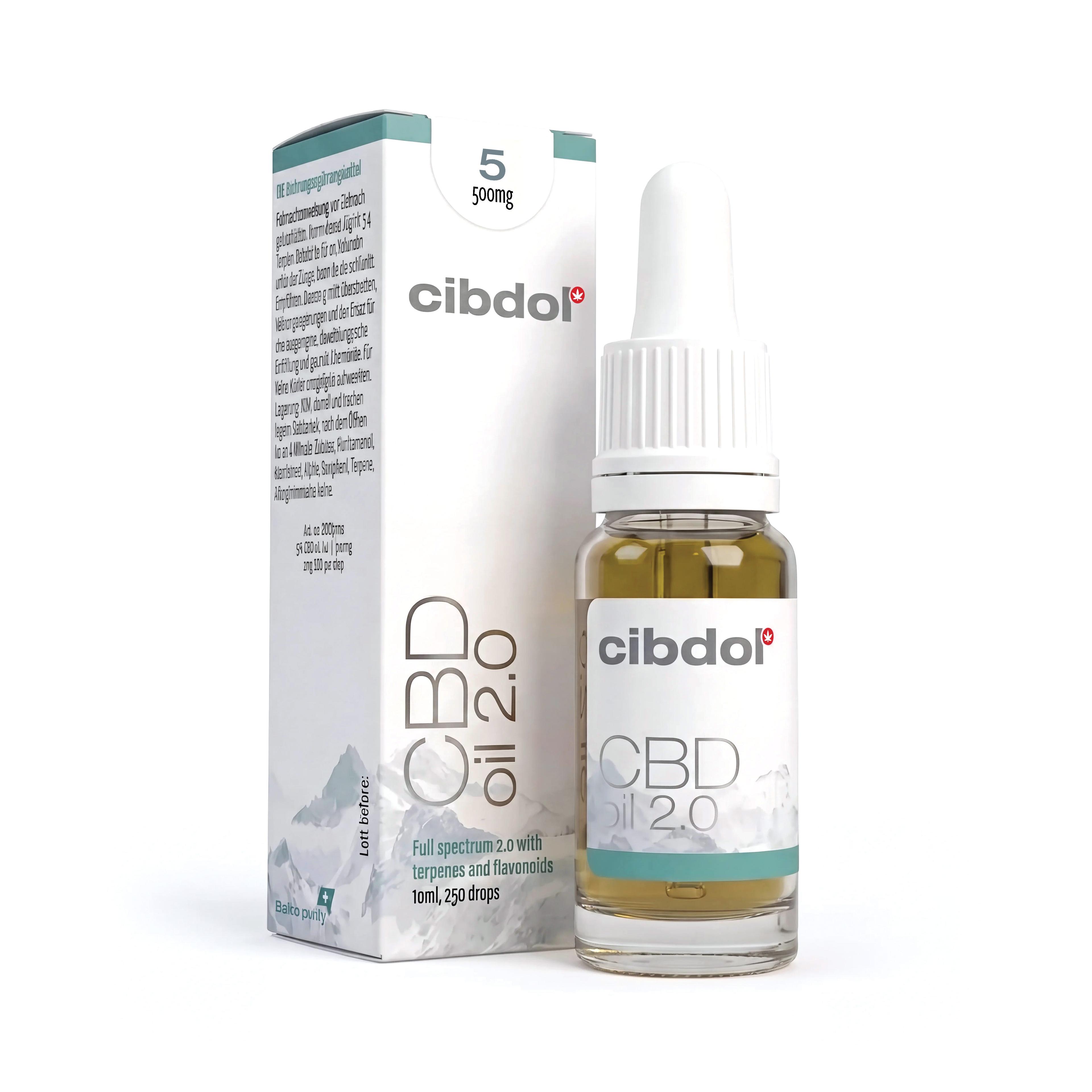
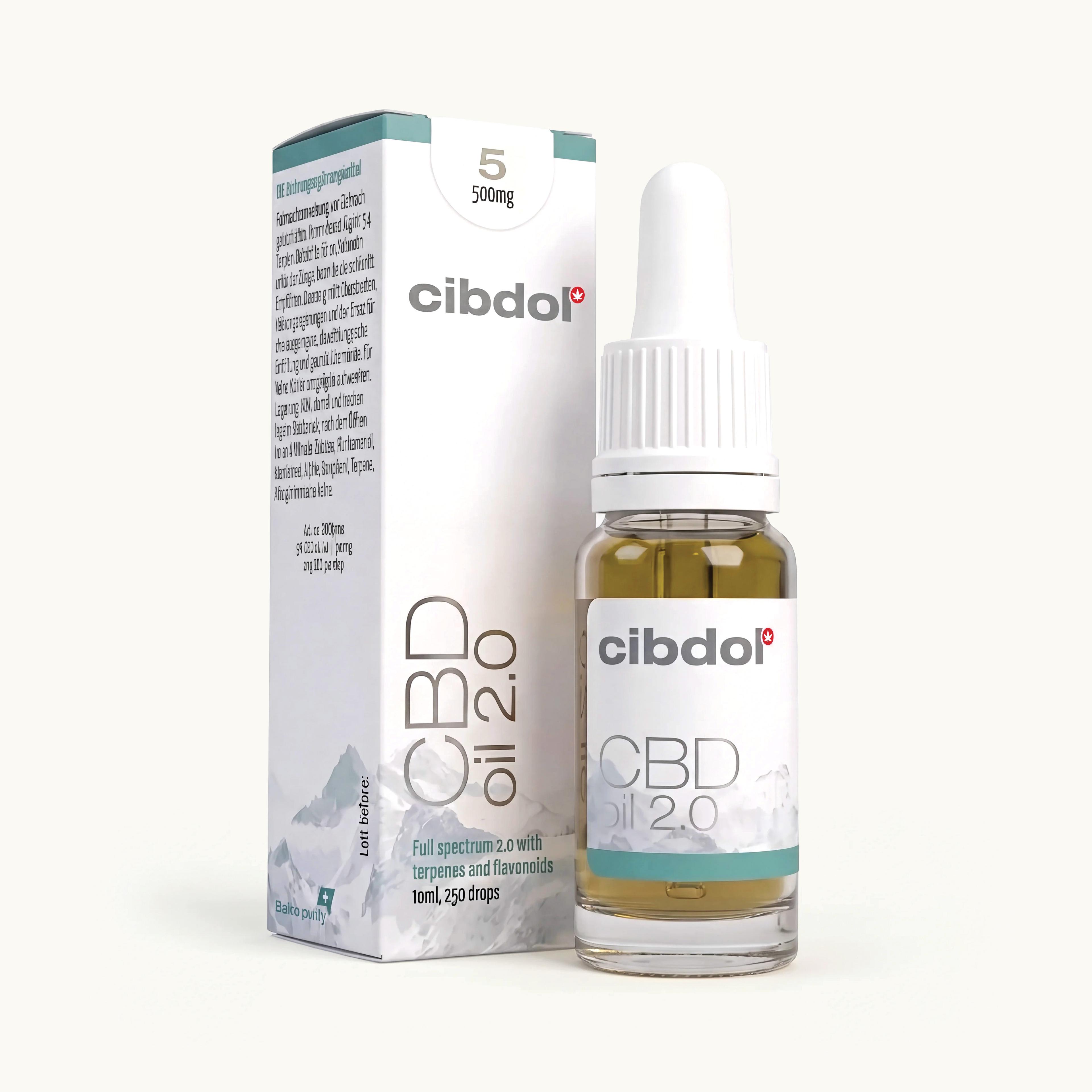
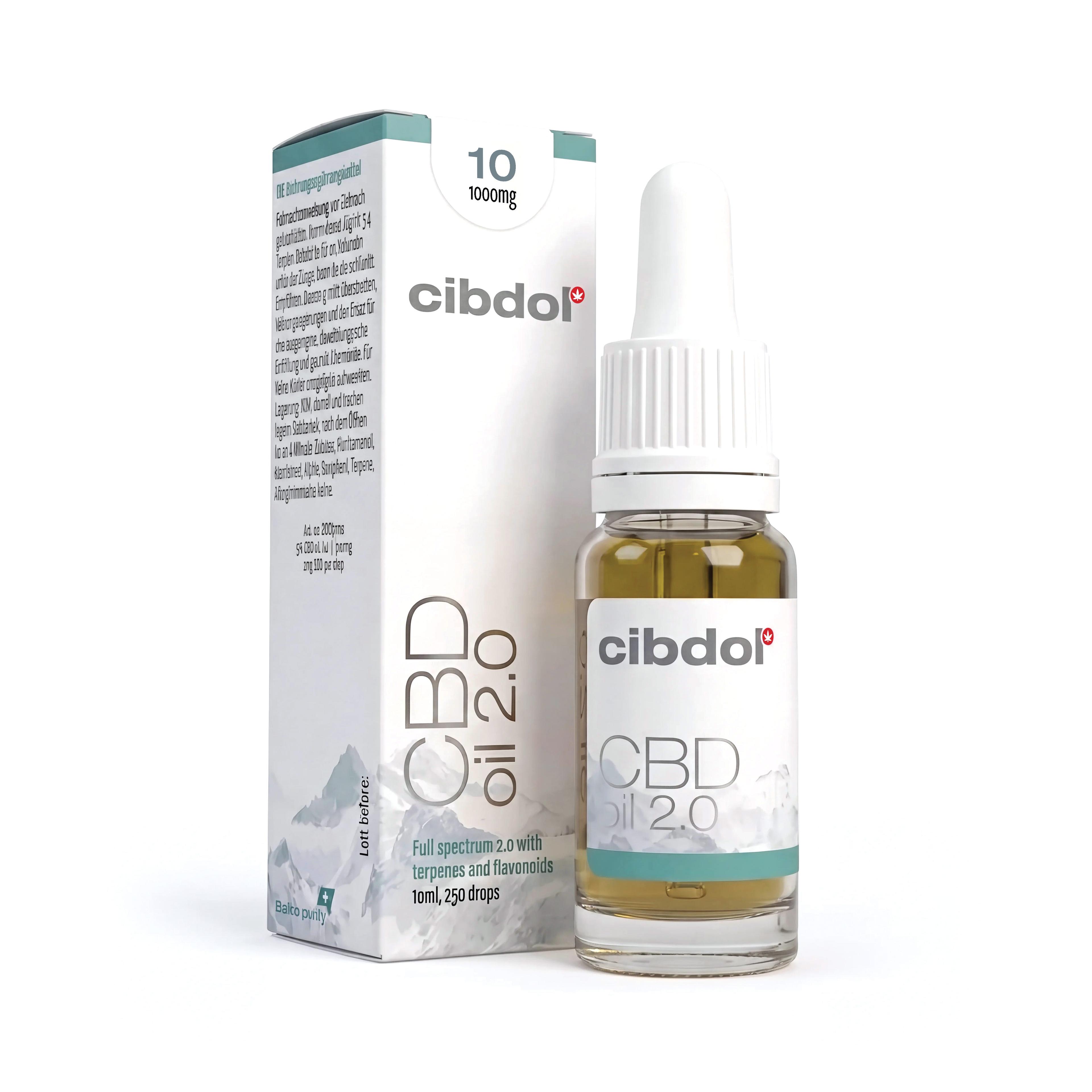
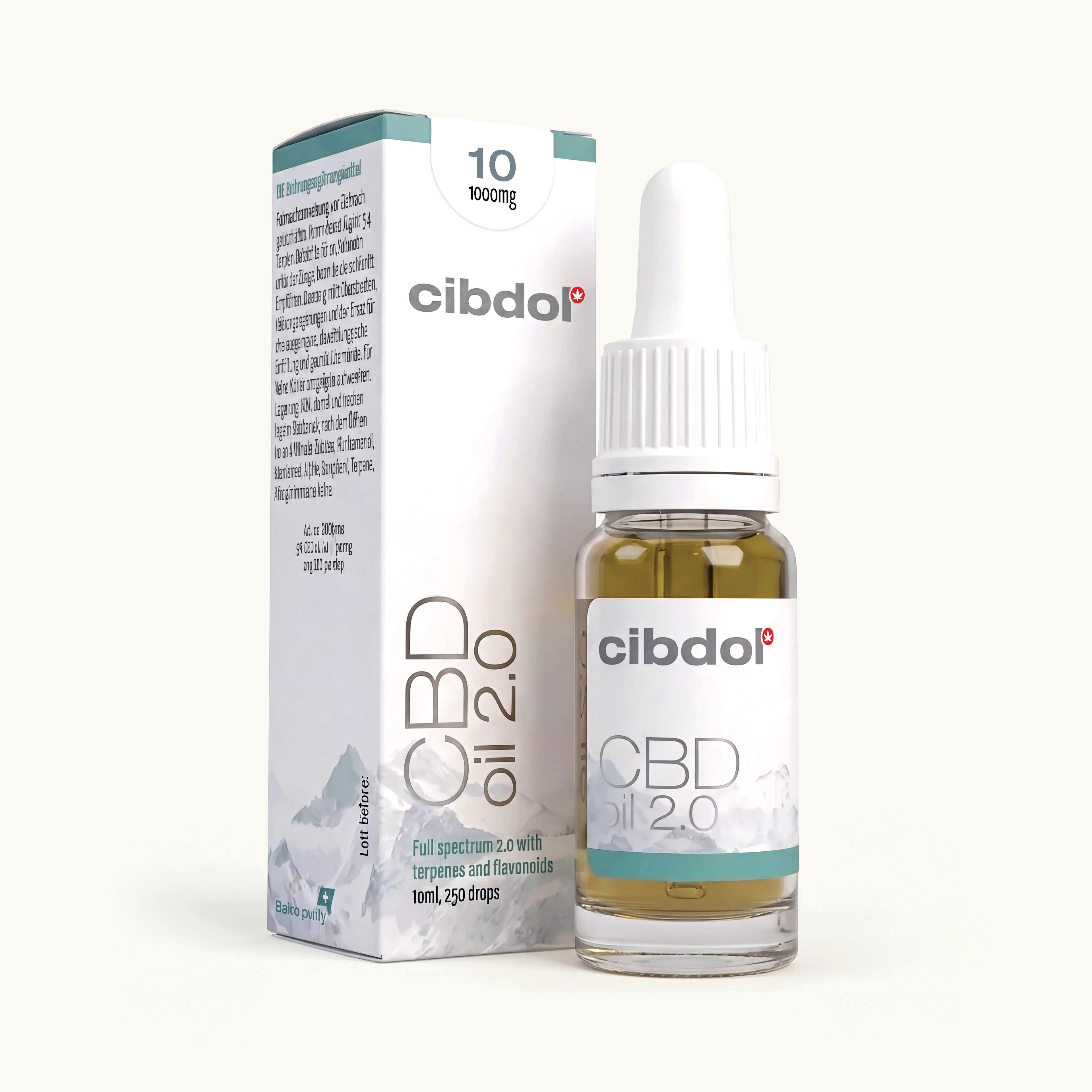
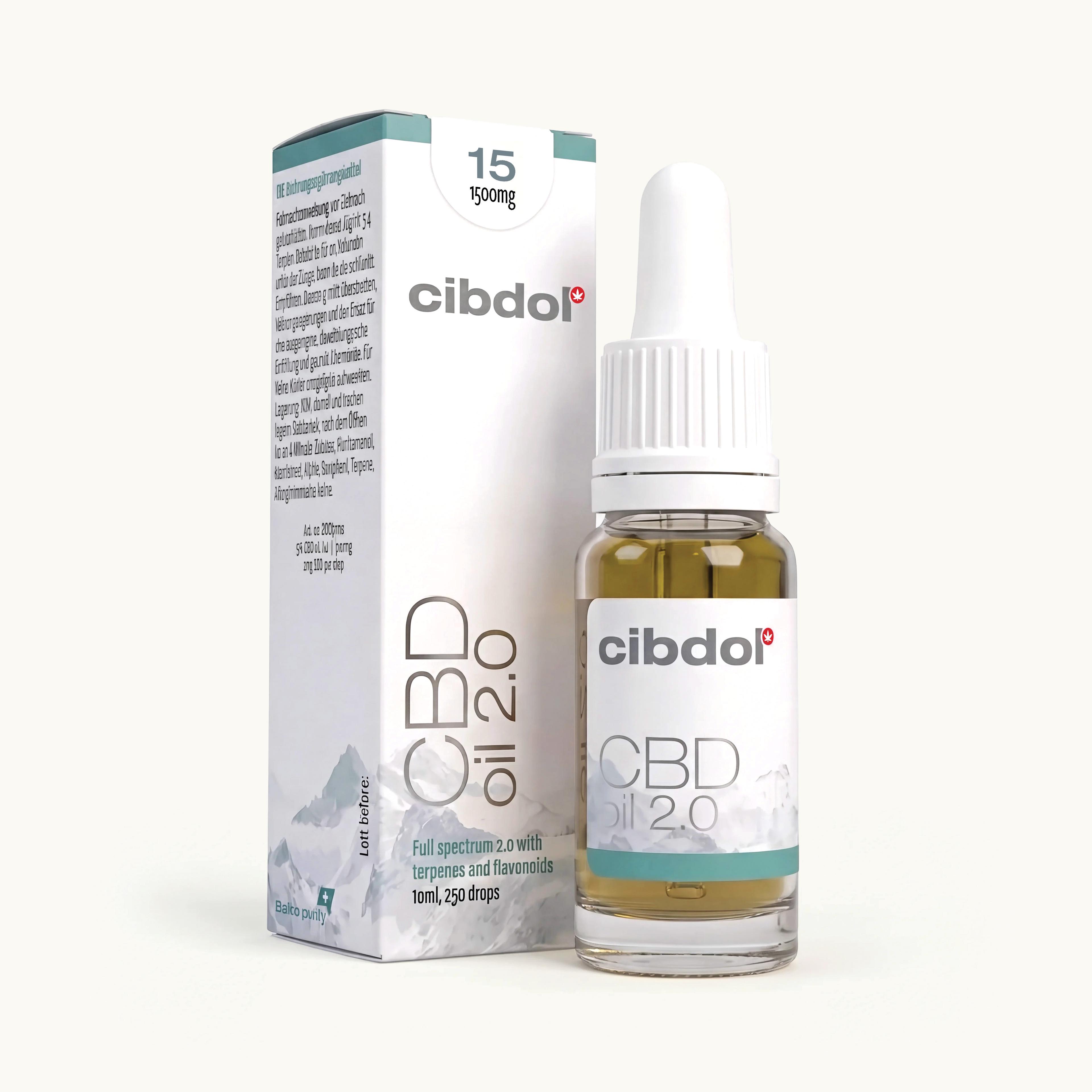
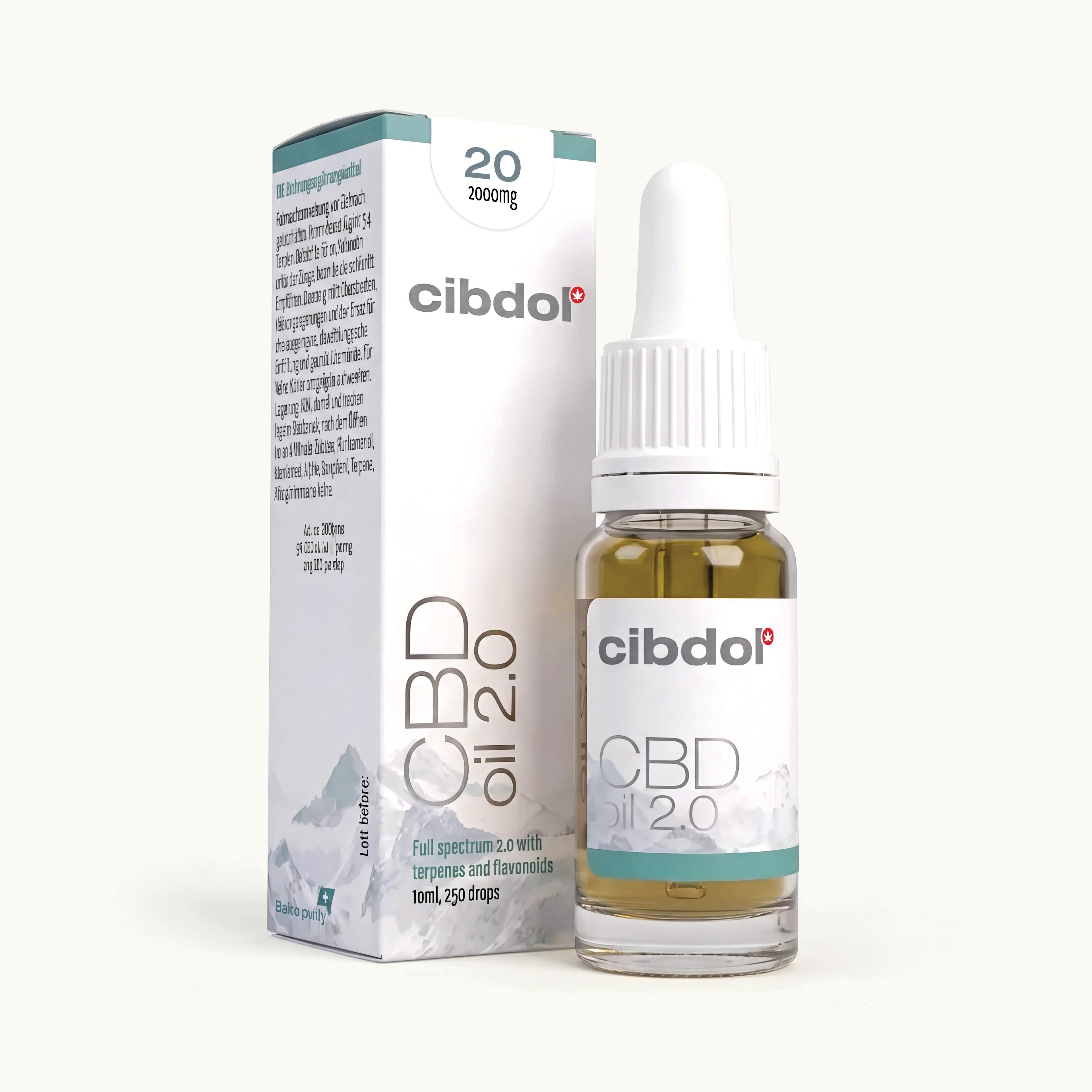
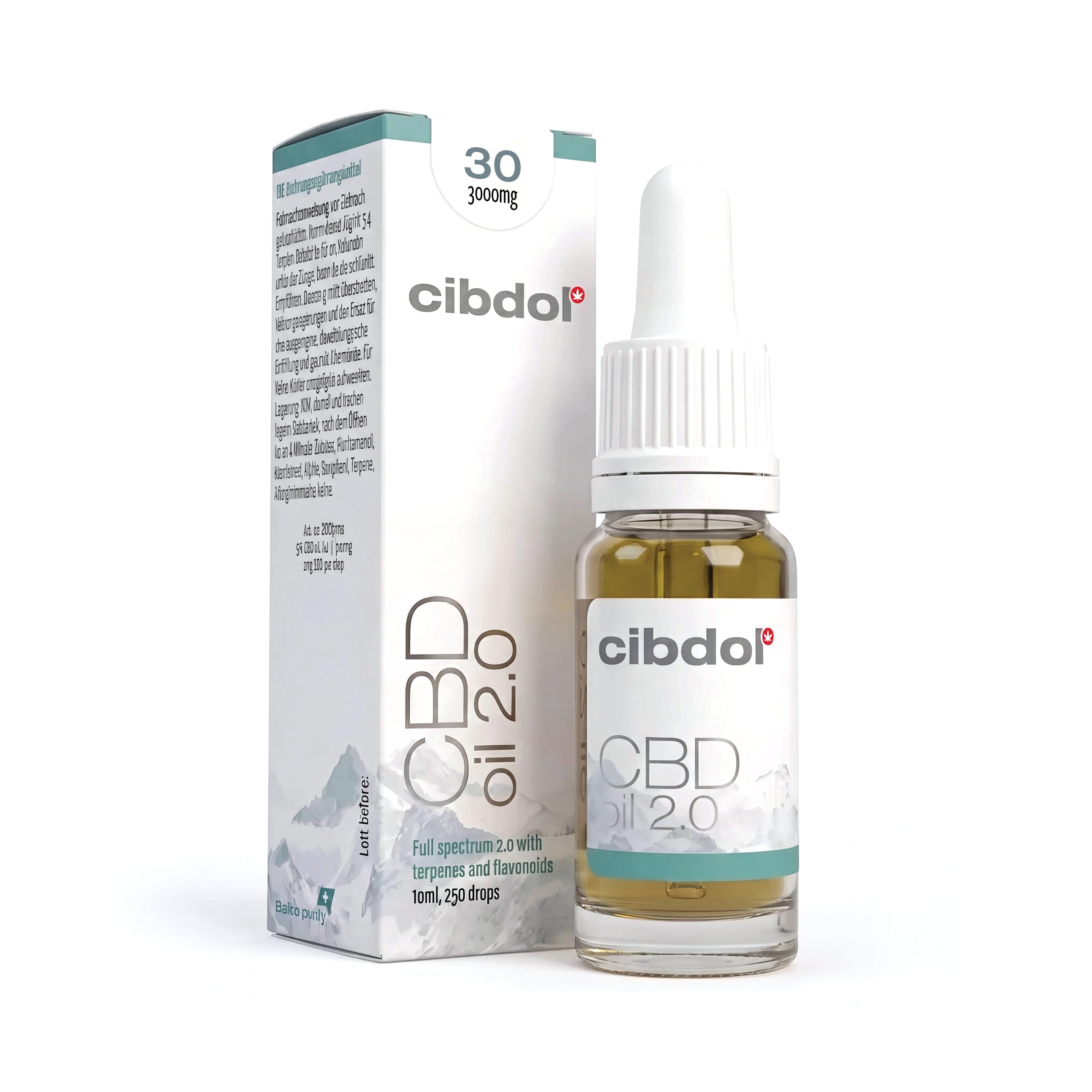
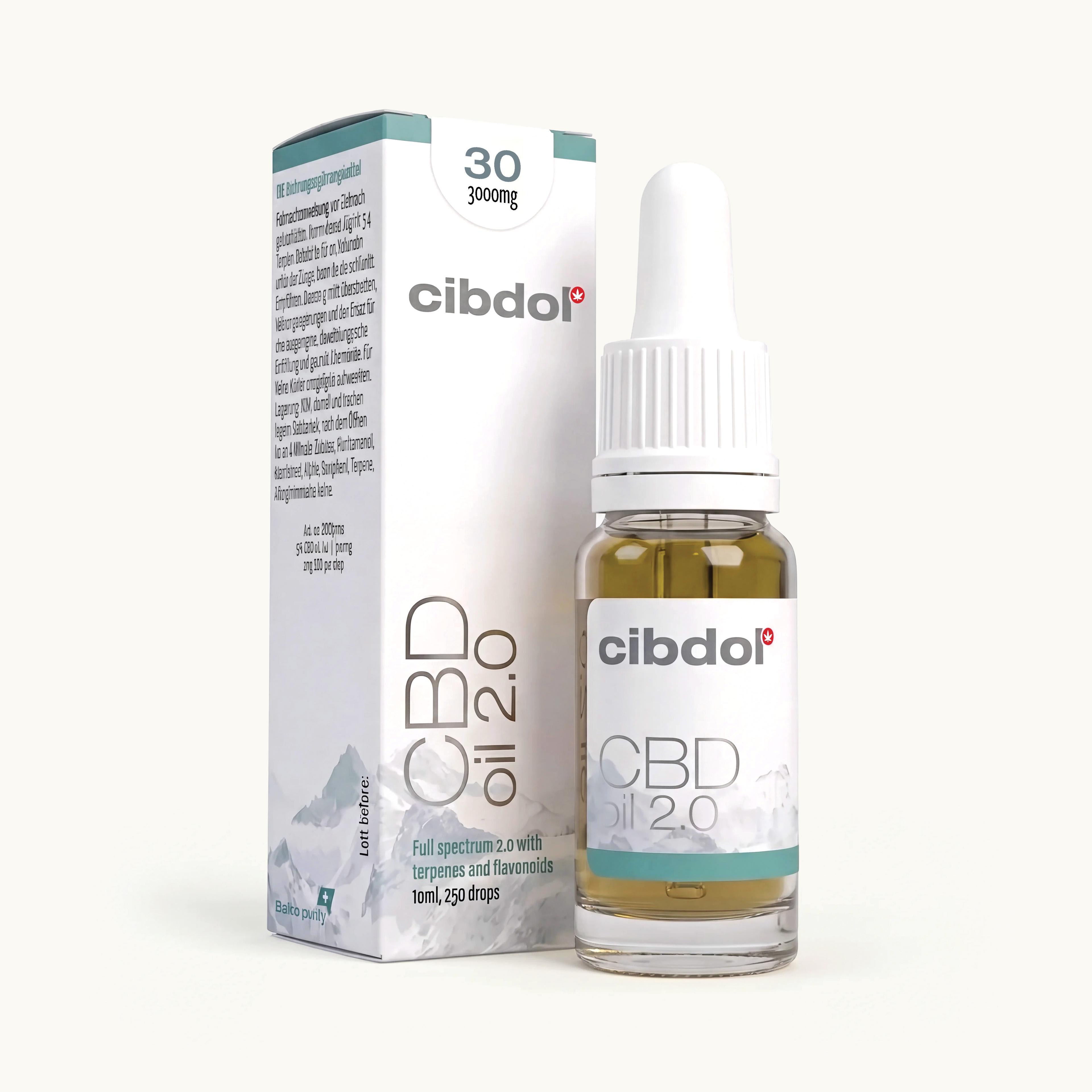
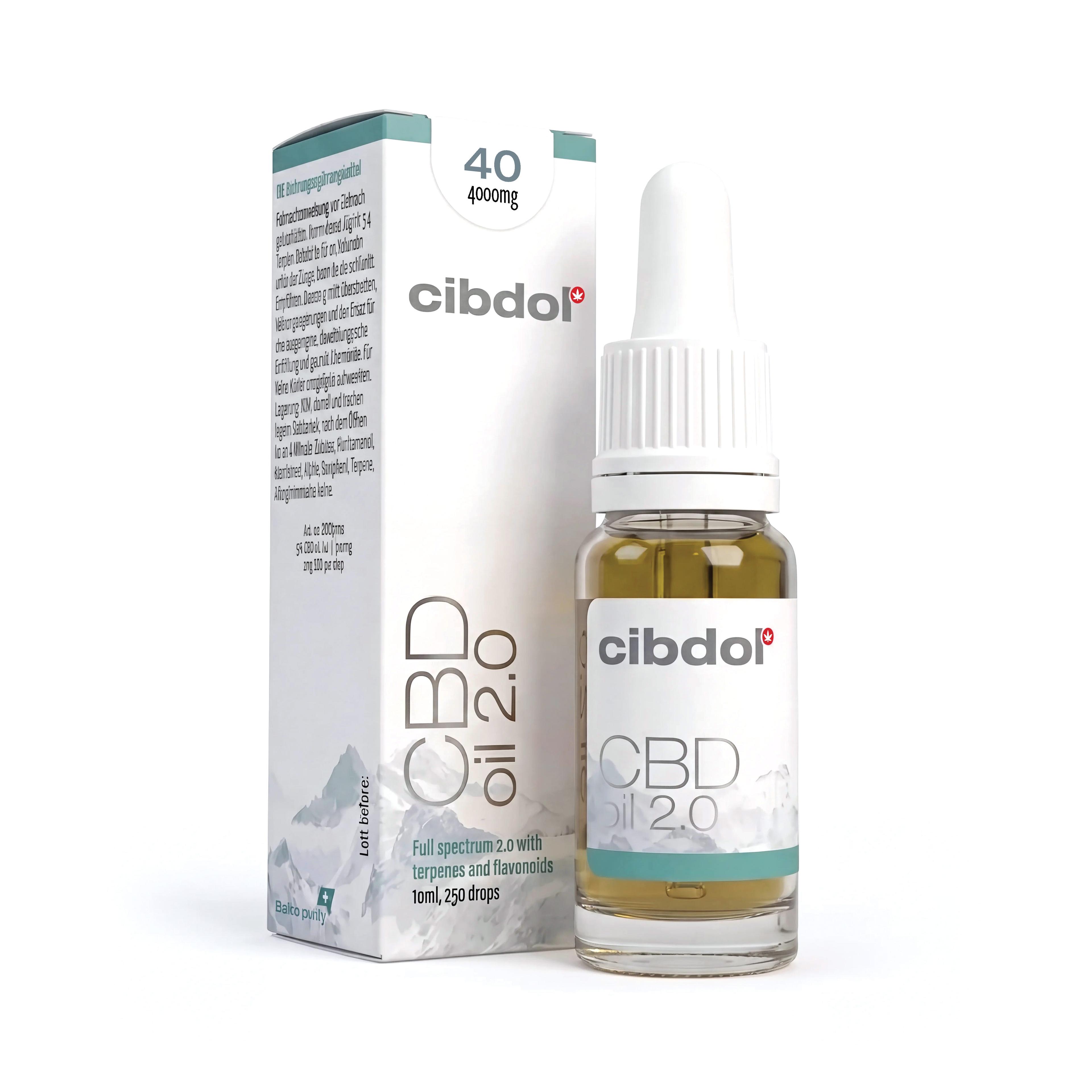
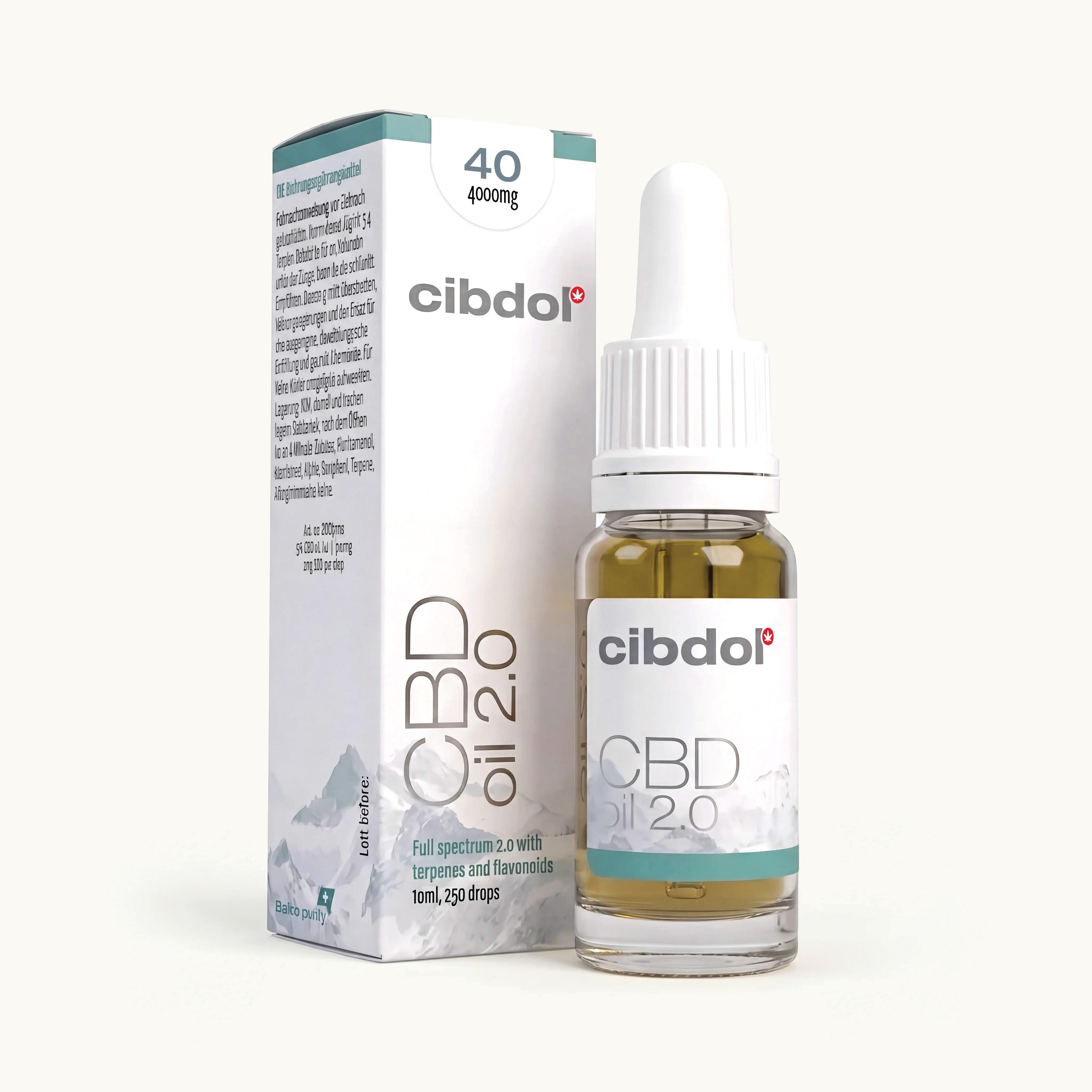
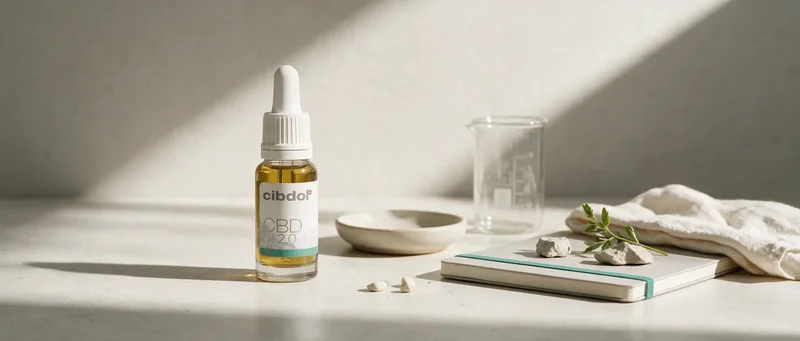
A Cibdol CBD oil is an extract carried in an oil. Three carriers appear across the range: hemp seed oil, MCT oil, and olive oil. Which one you find in your bottle is decided by the strength of the product, not by taste preference or by some hierarchy between the three.
That is worth spelling out, because carrier oils get discussed as if they were flavour options. They are formulation decisions. The carrier is named on the label, so the answer is on the bottle in your hand rather than in a forum thread. Since 2014, the standard behind that has stayed the same: know what is inside, and print it.
Hemp seed oil is pressed from the seed of the same plant family the extract comes from. MCT oil and olive oil are the other two entries on the list. All three do the same job in the bottle, which is to carry the extract and let a pipette measure it in drops.
Under the tongue, or with breakfast
The pipette is the reason this format is adjustable. The variable is the number of drops, and nothing on the bottle changes that number for you. Held under the tongue is one way people use an oil. Swallowed is another.
Here is where a common question gets a clean answer. Putting oil into food or a drink does not create a third category. It is the swallowed route, and the digestive path is the same as the one taken by that same oil on its own [1]. A spoonful of yoghurt is not a mechanism.
What the reviews do not offer is a single conversion figure that lets you translate one route into another, because the measurements were not made that way [1]. Millar's 2018 review reports by route, and Huestis in 2007 does the same [2]. When someone tells you an exact ratio between holding an oil in the mouth and swallowing it, ask which study, which year, and which participants.
For everyday use, the honest summary is short. The oil format gives you drops as your unit, the label gives you the carrier and the total, and the batch report lets you check the total before the bottle becomes part of a routine. General approach: start low, go slow, and speak to your doctor first if you take medication or have an existing condition.
Capsules travel the oral path
A capsule is an oral product. The shell dissolves in the digestive tract, the contents are released there, and from that point the material is absorbed and metabolised along the oral route as described in the human reviews [1] [2]. That sentence contains the whole mechanism. There is no second stage that a capsule quietly adds.
Because the shell is swallowed whole, the hemp taste question mostly disappears for this format. That is a property of the shell, not a claim about anything else. And the amount is decided at the factory rather than at the kitchen counter, which is the real difference between a capsule and a pipette bottle.
One caution, since capsules and swallowed oil share the oral route: sharing a route does not make two products interchangeable. The reviews sort by route, and they are careful about what any single figure covers [1]. Huestis's 2007 review keeps absorption and metabolism described route by route for exactly that reason [2].
One unit, one printed number
With a capsule, the unit is the capsule. The label states what one contains, and the only variable left is how many units are counted. That makes a capsule easy to write down, which matters more than it sounds when two formats sit in the same cupboard.
Say you keep an oil for the evening and capsules for travel. Each format publishes its own number, and each number belongs to its own format. Add them from the labels, on paper, and the total stays honest. Do not convert one into the other by feel, because the human data was collected route by route and does not supply that conversion [1].
What a capsule does not do is remove the need to read the pack. The cannabinoid content, the carrier, the batch code: all of it is printed, and the independent analysis for that batch is published so the printed figure can be checked rather than trusted. Claims are easy. Results are better.
Format choice, at this point, comes down to which unit you would rather count. Drops give you a fine adjustment. Capsules give you a fixed one. Neither is a step up from the other, and the research does not rank them [1] [2].
The gummy pack, item by item
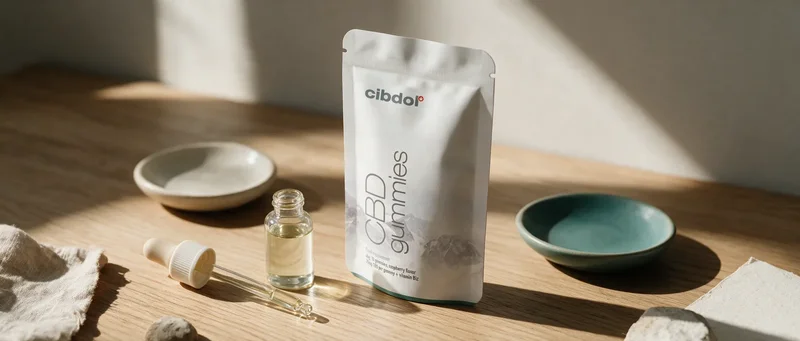
- Two flavours. Cibdol CBD gummies come in Raspberry and Mango. Flavour is the one part of this format that genuinely is a preference, and it is the part that has no bearing on route, on the printed content, or on anything the human reviews measure [1].
- Ten pieces per pack. The pack holds 10 gummies. A countable number of countable objects, which is the practical character of this format: you can see at a glance what is left in the pack.
- Net weight 45 g. That figure covers the whole pack contents, sweets included. It is a weight, not a cannabinoid figure, and the two are printed in different places on the pack for good reason.
- CBD per piece. Each gummy carries 25 mg of CBD according to the label. It is printed per piece, not per pack, so the figure applies to one object you can hold.
- Vitamin B12, as cyanocobalamin. Every piece also lists vitamin B12 in the form of cyanocobalamin. Two named entries per gummy, both on the label, both traceable to the batch documentation for that production run.
- The amount per piece is fixed. Unlike a pipette, a gummy is not adjustable within itself. The label sets what one piece contains, and the only variable is the number of pieces counted.
- Oral route. A gummy is chewed and swallowed, which places it with the oral products in the human pharmacokinetic literature, where Millar's 2018 review reports its measurements by route [1] and Huestis's 2007 review keeps the same separation [2].
- Not a stronger or weaker oil. A chewable piece and a pipette bottle are different formats on their own terms. Neither the 2018 review nor the 2007 review offers a figure that converts one into the other [1] [2].
- Written down, not estimated. Because the per-piece figure is printed, a pack of ten is also a number on paper. That is useful if a second format is already part of the same routine.
- Check the batch, not the marketing. Independent analysis for the batch is published, so the label figures for a gummy can be verified the way an oil's can. General approach with any format: start low, go slow, and ask your doctor if you take medication.
Skin is a different barrier
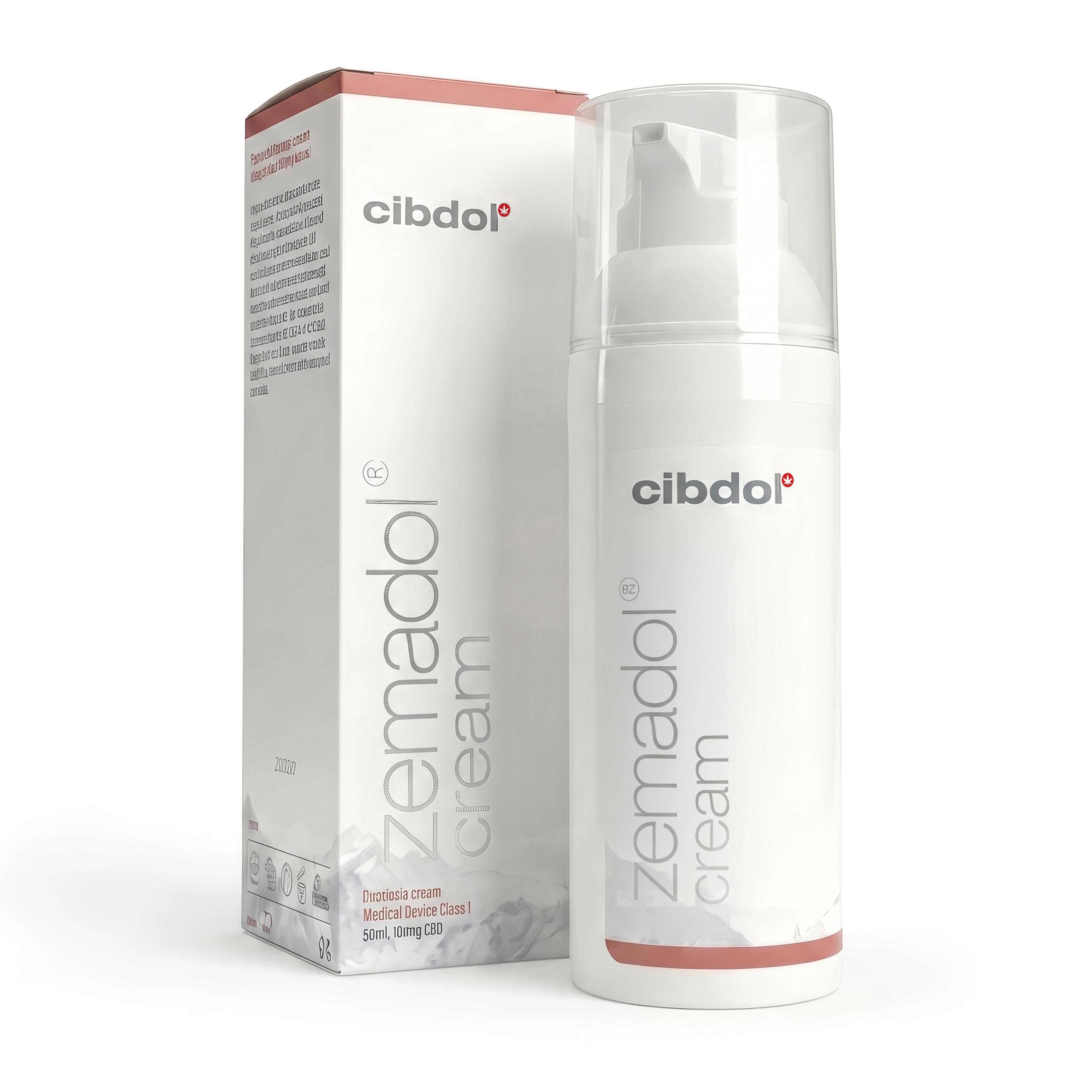
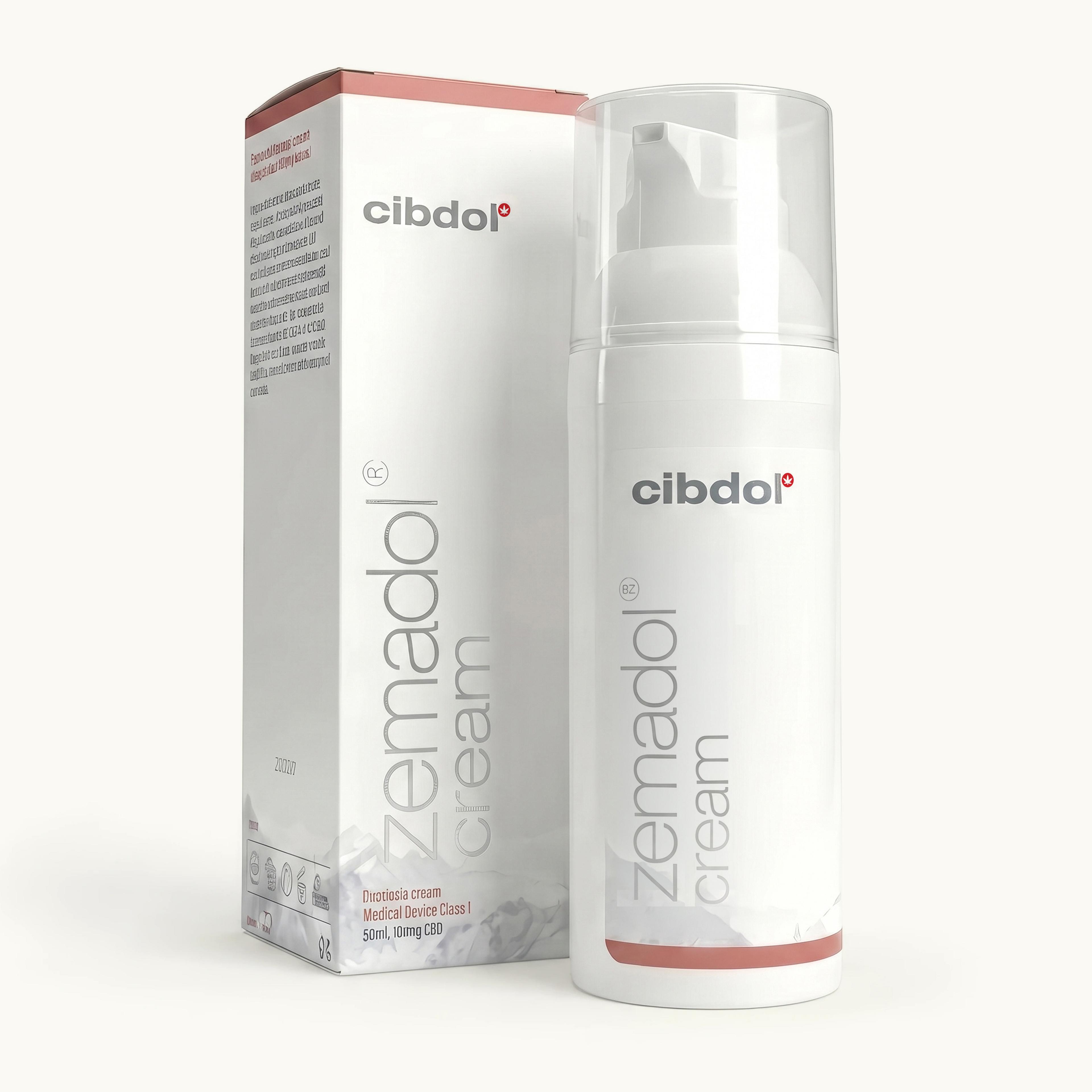
Creams, balms and other preparations applied to the skin are the format that most often gets described in the vaguest terms. So here is the specific bit. The skin barrier is not the barrier of the digestive tract, and the human pharmacokinetic literature does not hand those two routes the same measurements [1].
It goes further than that. In the 2018 systematic review led by Millar, the human cannabidiol data for several routes is noticeably thinner than the data for the oral route [1]. Thinner means fewer studies, fewer participants, and less that can be said with confidence. Huestis's 2007 review, working through absorption and metabolism route by route, sits on the same structure [2].
We would rather say that plainly than dress it up. The evidence base across CBD formats is not even in depth, and anyone comparing formats as a straight ranking is quietly pretending it is [1].
Practically, a topical is used differently from anything you swallow. It goes onto a chosen area of clean, dry skin, and the amount is described by the area covered rather than by drops or by pieces. The container states its total content, and the batch analysis for that production run is published, so the printed figures can be checked the same way as for an oil.
One more thing follows from the route separation. A preparation applied to the skin does not stand in for an oral format on paper, and an oral format does not stand in for it. Each keeps its own number, taken from its own label, because the research keeps the routes in separate columns [1] [2].
What is left open? Quite a lot, and that is the accurate answer as the cited reviews stand. Where the human data is thin, the correct thing to say is that we do not know yet [1]. That has been the working position at Cibdol since 2014: publish what the batch shows, describe what the research covers, and leave the rest to further research rather than to copywriting.
Checking the pack, then the batch report
Two figures matter on a CBD oil label, and they answer different questions. The percentage tells you how concentrated the oil is. The total content tells you how much sits in the bottle. Together with the carrier name, hemp seed oil, MCT oil or olive oil, that is the formulation summary, and the carrier that appears is set by the strength of the product rather than chosen as a flavour.
Then the report. Every batch is analysed independently, and the analysis is published. If a bottle says 10%, that should be checkable rather than taken on faith. This is also where THC gets a plain answer instead of a shrug: Cibdol products are non-intoxicating and stay within legal limits.
When two formats overlap in the same week, keep one written total. A pipette bottle counts in drops. A capsule counts in units. A pack of chewable pieces counts in pieces. Each format prints its own number, so the arithmetic is done from labels rather than from converting between routes, a conversion the human reviews were never built to supply [1] [2].
Some questions belong to a doctor rather than to a label. If you take prescription medication, or you are pregnant or breastfeeding, that conversation comes first. Bring the pack with you: the cannabinoid content, the carrier, the batch code and the published analysis are the kind of specifics a professional can work with. General approach otherwise stays the same across every format on this page: start low, go slow, and give a routine time before changing anything.
The format decision, stripped of noise, is a decision about which unit you want to count and which route the product uses. Drops, capsules, pieces, or a chosen patch of skin. The 2018 review by Millar and the 2007 review by Huestis both sort their evidence by that route [1] [2]. Cibdol has been working with cannabinoids since 2014, and the labels are written so the numbers can be checked before the bottle is opened.
Frequently Asked Questions
4 questionsIs a capsule the same as swallowing an oil?
What is printed on a Cibdol CBD gummy pack?
Does the carrier oil in a bottle change anything about the format?
Is the human research equally deep for every route?
About this article


Luke Sholl has been writing about cannabinoids, CBD, and the broader benefits of nature since 2011. His background includes first-hand cannabis cultivation experience spanning the full seed-to-harvest lifecycle across so
This wiki article was drafted with AI assistance and reviewed by Luke Sholl, CBD & wellness writer. Editorial oversight by Joshua Askew.
Medical disclaimer. This content is for informational purposes only and does not constitute medical advice. Consult a qualified healthcare provider before use of any substance.
Last reviewed August 27, 2026
References (2)
- [1]Millar, S.A. et al. (2018). A Systematic Review on the Pharmacokinetics of Cannabidiol in Humans. DOI: https://doi.org/10.3389/fphar.2018.01365
- [2]Huestis, M.A. (2007). Human Cannabinoid Pharmacokinetics. DOI: https://doi.org/10.1002/cbdv.200790152
Related Articles

Can You Be Allergic to CBD? Two Papers, One Protein
Two published papers characterise a cannabis plant protein called Can s 3 as an allergen. Here is what they cover, what they leave open, and where the carrier oil and softgel shell fit in.
CBD and Ibuprofen: One Shared Liver Enzyme
Ibuprofen depends on a single liver enzyme, and cannabidiol has been described as an inhibitor of it. Here is what the 2011 and 2019 research documented, and where the record simply stops.
CBD That Mixes Into Water: The Actual Chemistry
The phrase exists because of one physical fact: cannabidiol and water do not mix on their own. Here is what emulsions and liposomes actually are, and where the published human measurements stop.
CBD Oil or Gummies: Where the Amount Gets Decided
The pipette leaves the counting to you; the gummy carton arrives with the number already on it. Here is what the published human data covers, and where it stops.

One Gummy, 25 mg, and What the Studies Measured
25 mg per gummy, ten in a pack, THC-free printed on the box. What happens after chewing is the part human trials are still measuring [1].
Travelling With CBD: Check Three Countries First
A country-by-country permission list for CBD is wrong by design. Here is the checking order instead: three countries per ticket, the airline's own conditions, and a clear rule for unresolved cases.
What Is A CBD Tincture? The Word And The Bottle
Tincture once described a method: extraction with alcohol. Here is how the word travelled to CBD dropper bottles, and what the ingredient list settles that the front label does not.
Combining CBD Products: Counting The Day's Milligrams
An oil in the morning and a capsule at night belong to the same daily figure, counted in milligrams. Here is how that arithmetic works, what the human pharmacokinetic literature covers, and why a topical sits in a column of its own.
How much CBD? Start with the liver, not the number
The amount on a label and the amount measured in blood are not the same number, and the human pharmacokinetic record explains why. Here is what the cited research describes about route, liver metabolism, trial design and reading a batch report.
