Can You Be Allergic to CBD? Two Papers, One Protein

Definition
Cannabis allergy research has named one molecule so far: Can s 3, a plant protein described in Cannabis sativa. Cannabidiol, the cannabinoid, is not what those papers are about. Which is why the question about a finished hemp product is really a question about everything else in the bottle: the extract, the carrier oil, the capsule shell.
Can s 3, named in 2007 and again in 2021
Two papers. One plant protein. That is the size of the published record this question mostly rests on, and it is a good deal smaller than the conversation around it.
In 2007, Gamboa and colleagues described sensitisation to Cannabis sativa and traced it to a protein that had not been characterised before. They gave it a formal name: Can s 3. The protein belongs to a group called non-specific lipid transfer proteins, which is a technical way of saying plant protein, the kind of molecule a plant builds for its own purposes and keeps in its own tissue [1].
Fourteen years later, Morelli and colleagues looked at the same molecule on a different continent and described Can s 3 as a relevant cannabis allergen in North America [2]. Two research groups, two regions, one protein with an allergen designation attached to it.
Now read what those sentences cover and what they do not. Both papers deal with a protein from the plant. Neither is about cannabidiol as a cannabinoid, and neither is about a finished oil, capsule or cream. In this literature the allergen is a protein. A cannabinoid sits in a different chemical category, and it does not appear in these two records as the molecule under investigation.
| Detail | What is written | Source |
|---|---|---|
| Molecule | Can s 3 | [1] [2] |
| Category | Non-specific lipid transfer protein, a plant protein | [1] [2] |
| 2007 work | Sensitisation to Cannabis sativa linked to a newly described allergenic protein | [1] |
| 2021 work | Can s 3 described as a relevant cannabis allergen in North America | [2] |
| Geography covered | Europe and North America | [1] [2] |
| Subject of both papers | A protein from the plant | [1] [2] |
| Not the subject | Cannabidiol as an isolated cannabinoid | Neither paper |
Allergen-characterised is a narrow status. It means a protein has been isolated, named and connected to sensitisation in published work that other researchers can check. It says nothing about how often that happens in the general population, and neither paper offers a frequency figure for people who have never worked with the plant.
One more piece of vocabulary, because it causes half the confusion here. Cannabis sativa is the botanical name that covers hemp, so a paper on cannabis allergy and a bottle of hemp extract genuinely do share a plant. They do not share a subject. The papers examine plant protein. The bottle contains a refined extract and a carrier.
What sits in the bottle besides cannabinoids
A finished hemp product is a mixture, and it helps to split it in two before going further.
On one side, the extract: the concentrated fraction taken from the plant, where the cannabinoid content comes from. On the other, the carrier: the oil that extract is dissolved into so a pipette can deliver a consistent amount. Both are ingredients. Only one of them comes from cannabis at all.
Because Can s 3 is a plant protein [1], the part of an extract that matters for this particular question is the protein fraction, not the cannabinoid percentage on the front of the label. And here the record runs out. Refined extracts carry protein in small quantities, and there is no published figure for how much protein survives the extraction and refining steps [1]. That is an open number, not a reassuring one and not an alarming one. We would rather write that down than fill the gap with confident language.
The carrier side is more straightforward, because it is declared. Hemp seed oil is pressed from hemp seed. It is not a cannabinoid extract, which means a label showing hemp twice is describing two different plant materials that arrived by two different routes. Olive oil is olive oil, familiar from any kitchen. In topical formats the same logic applies with a shift in proportion: the base makes up the large share of what actually reaches the skin, so the base is the first thing worth reading.
| Part of the formula | What it is | Where it fits the protein question |
|---|---|---|
| Cannabinoid extract | Refined concentrate from the plant, source of the cannabinoid content | The only cannabis-derived fraction; protein quantities small, carry-over unpublished [1] |
| Carrier oil | Olive oil or hemp seed oil, depending on the product | Declared by name on every product |
| Hemp seed oil specifically | Pressed from hemp seed, not an extract | Different plant material from the extract, same species name |
| Softgel shell | Capsule casing around an oil fill | Its own ingredient, listed separately |
| Topical base | Cream or balm the extract is worked into | The large share of what reaches the skin |
| Ingredient list | Published composition of the finished product | The part a manufacturer can answer |
Nobody reacts to an abstraction. People react to a product they used, and a product has a list. So the useful move is to stop asking about a category and start reading a specific formula, line by line, including the parts that have nothing to do with cannabinoids.
Olive, hemp seed, bovine gelatin: base by format
Our own range splits along those lines, and the split is public. Cannabinoid content is published per batch. The ingredient list is published per product. Both can be read before anything becomes part of a routine, which is the point of publishing them.
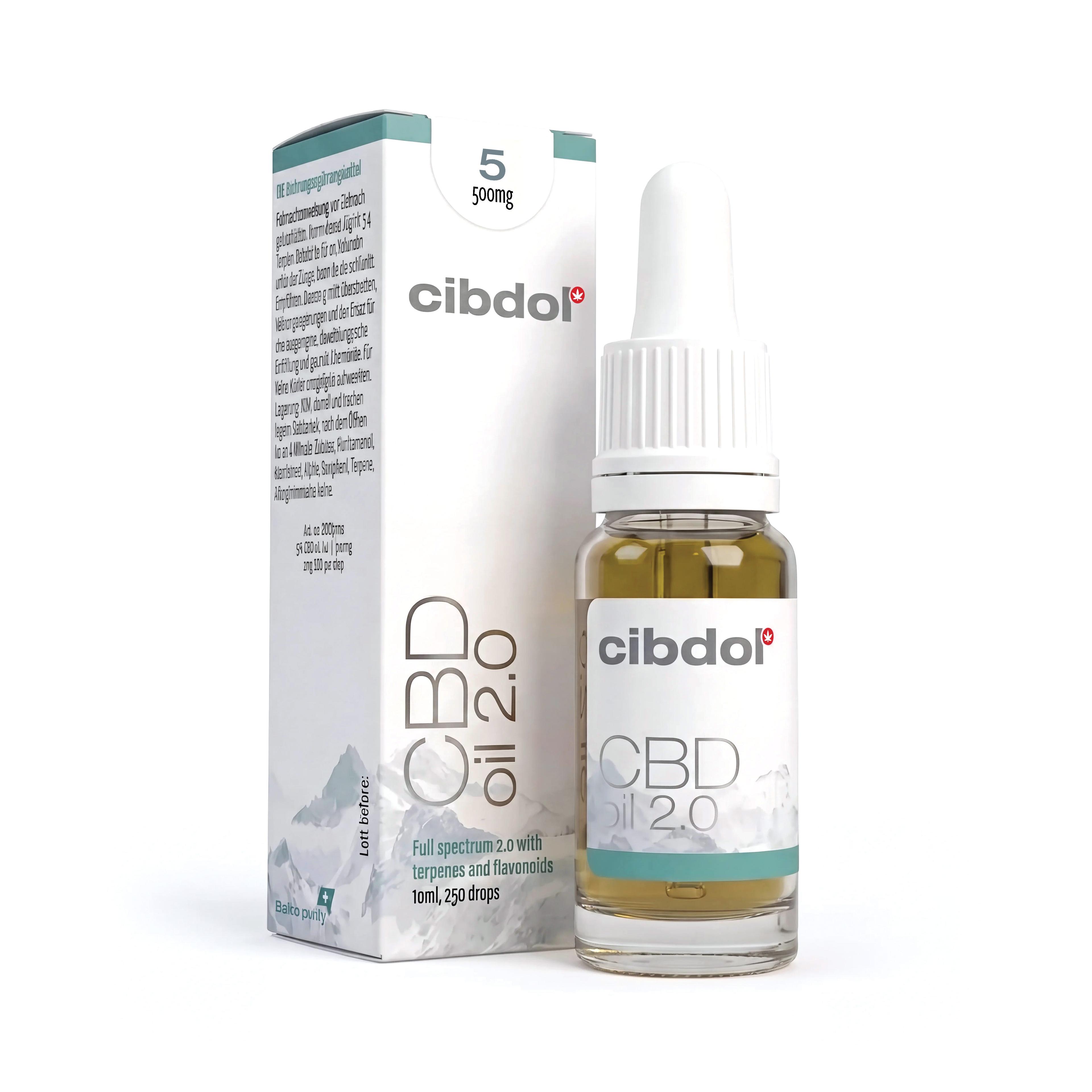
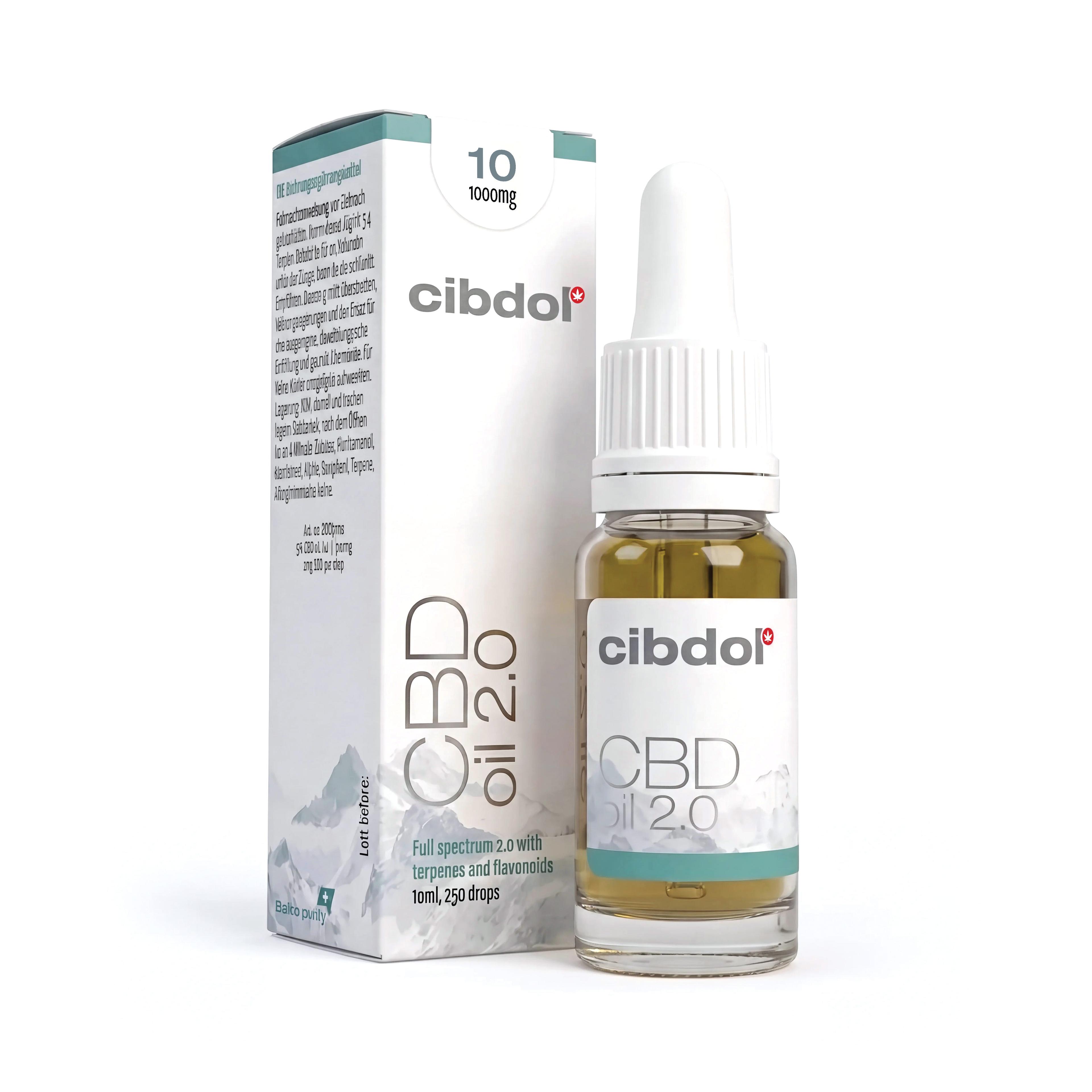
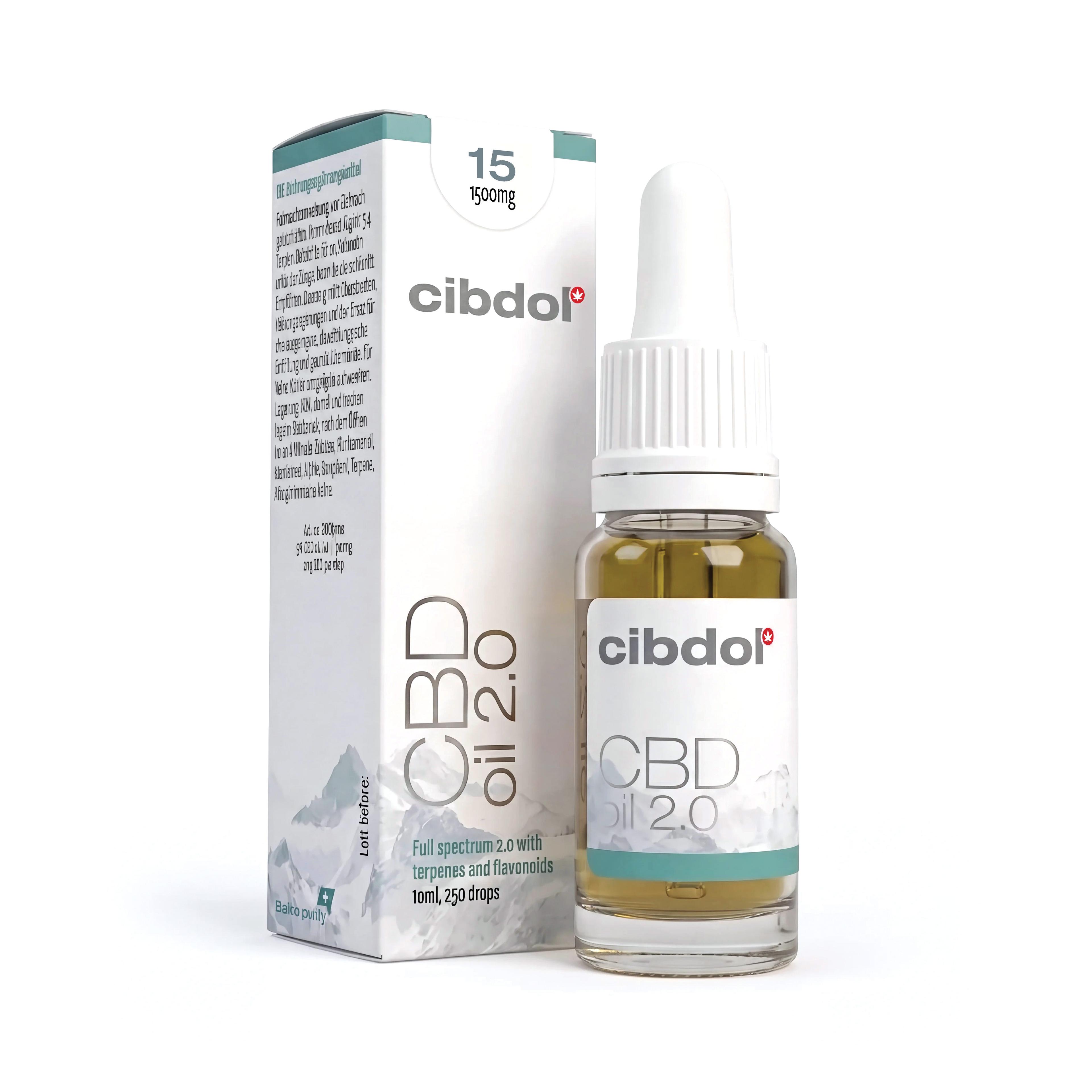
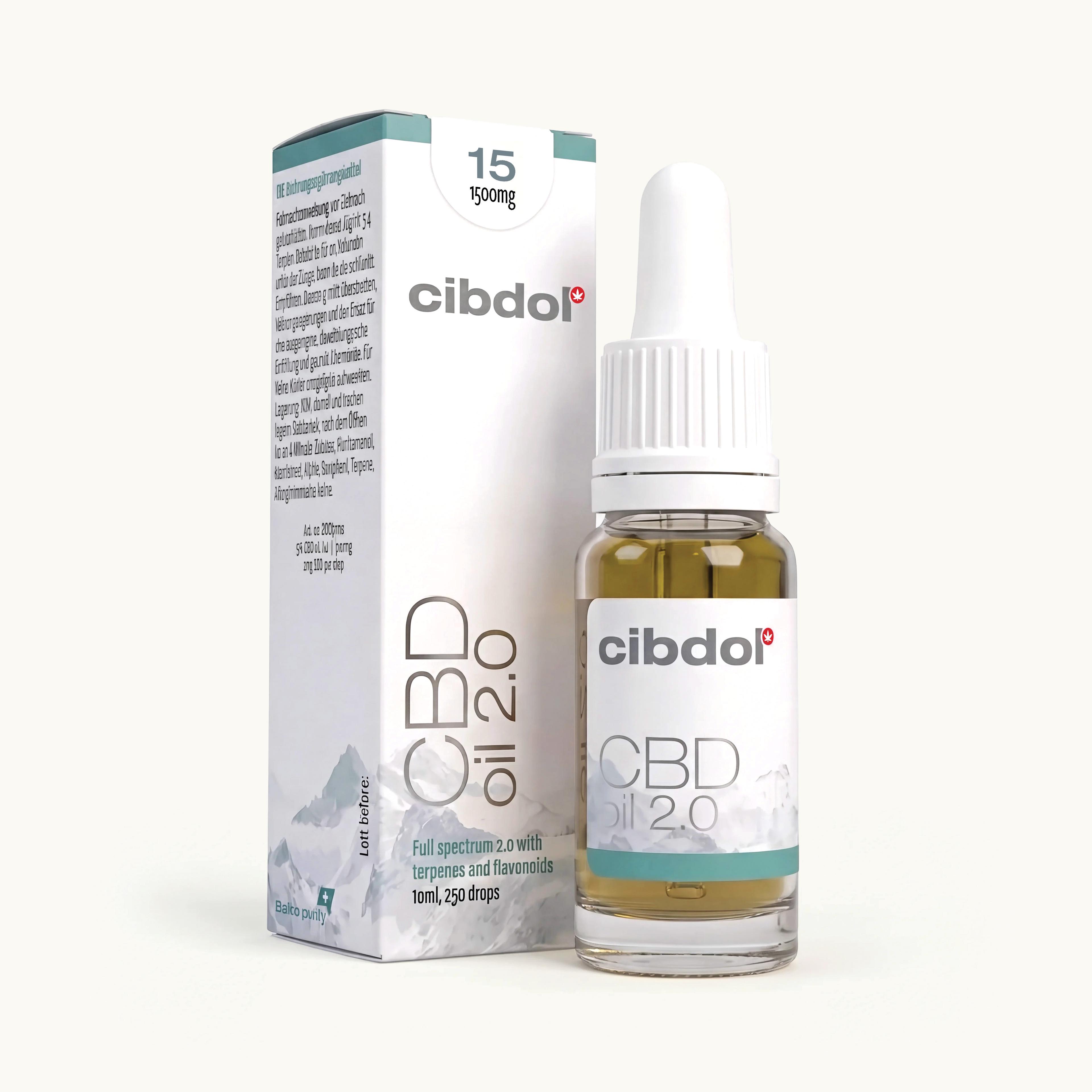
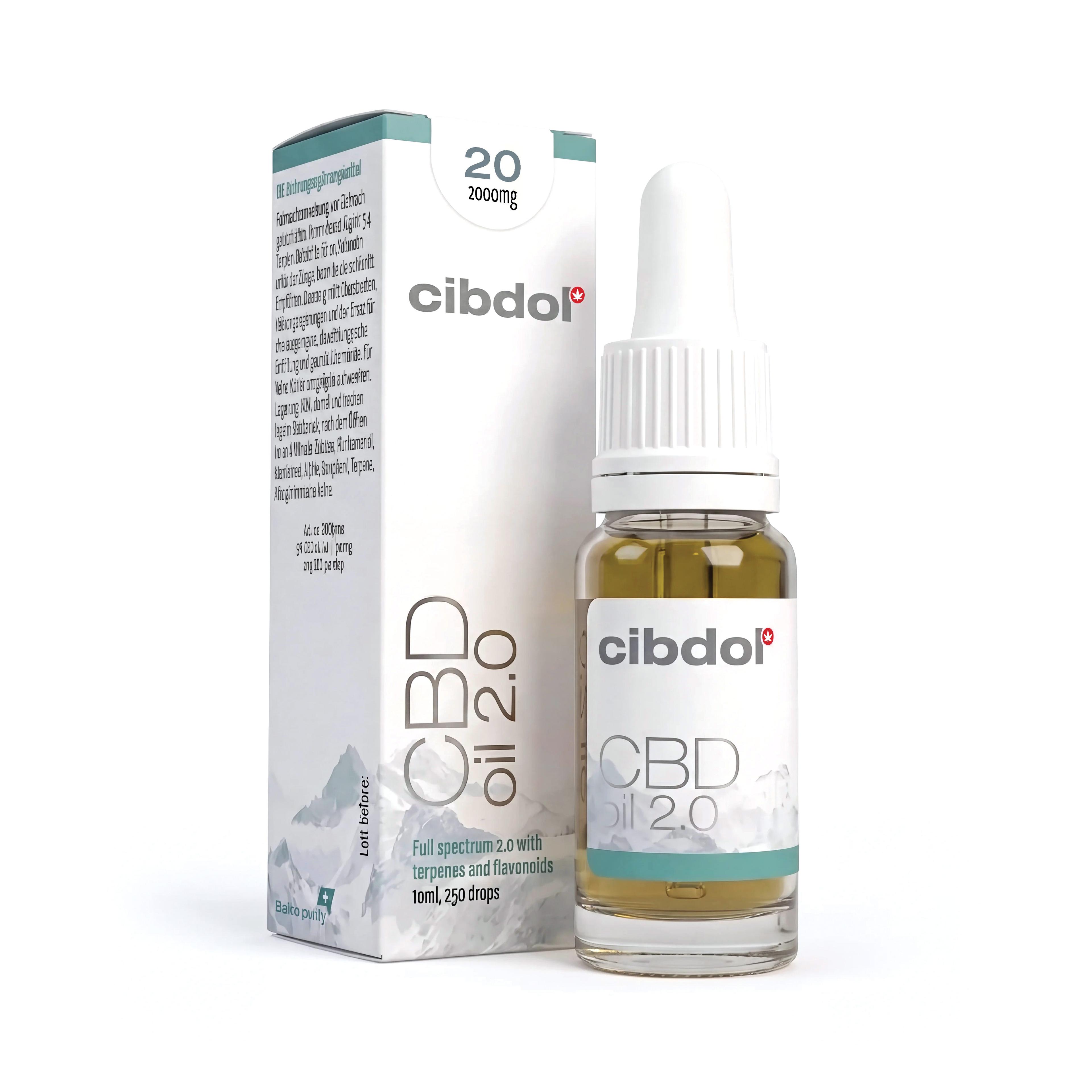
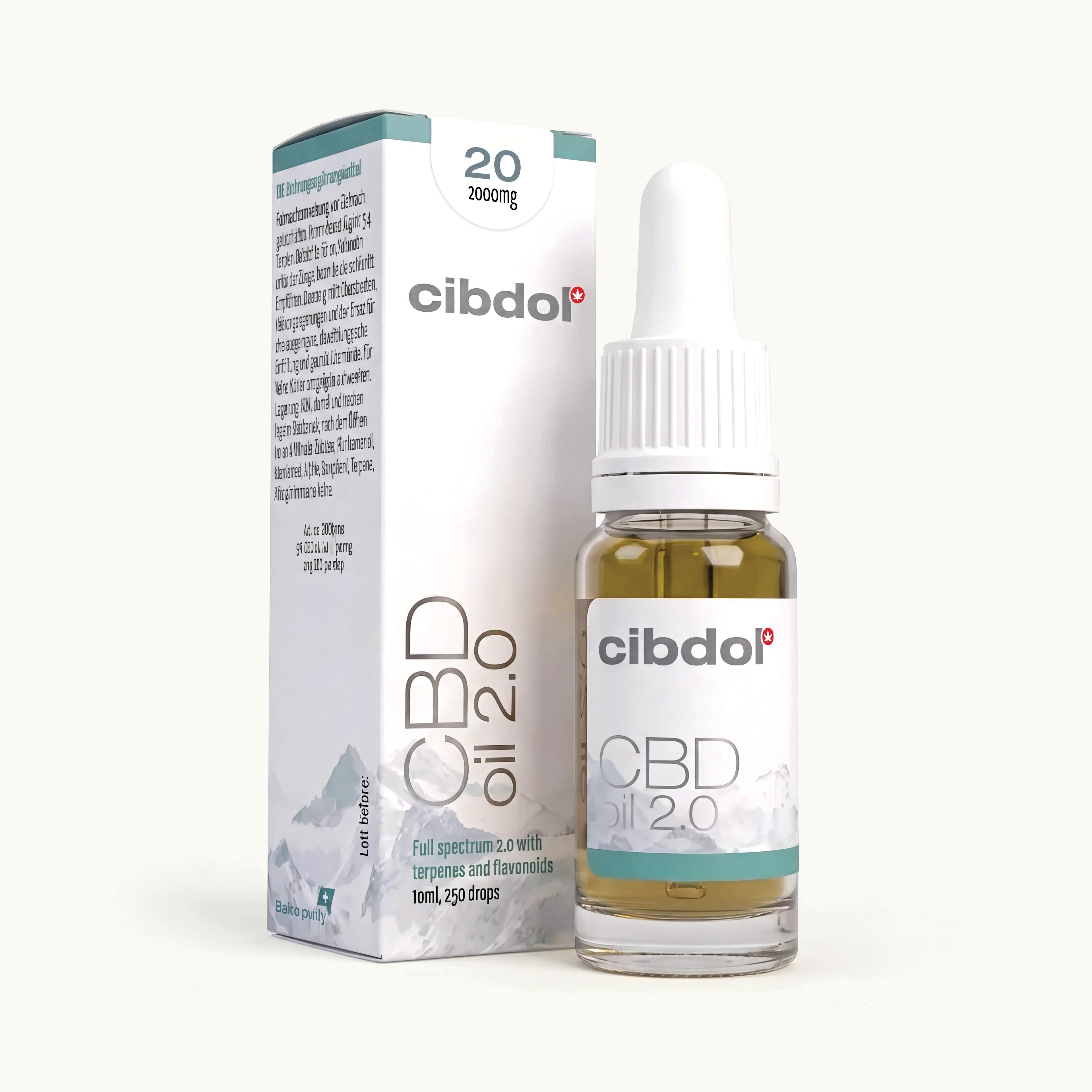
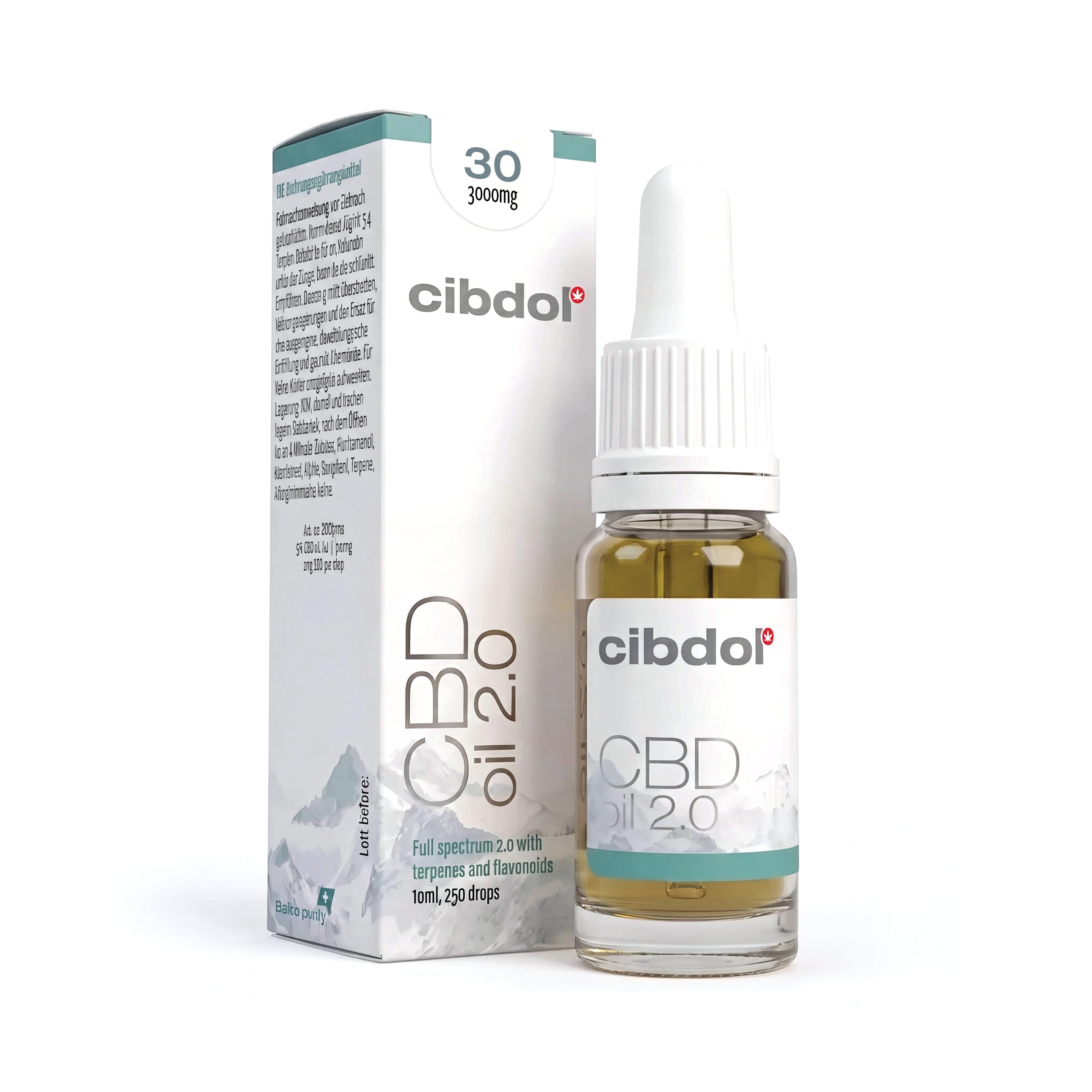
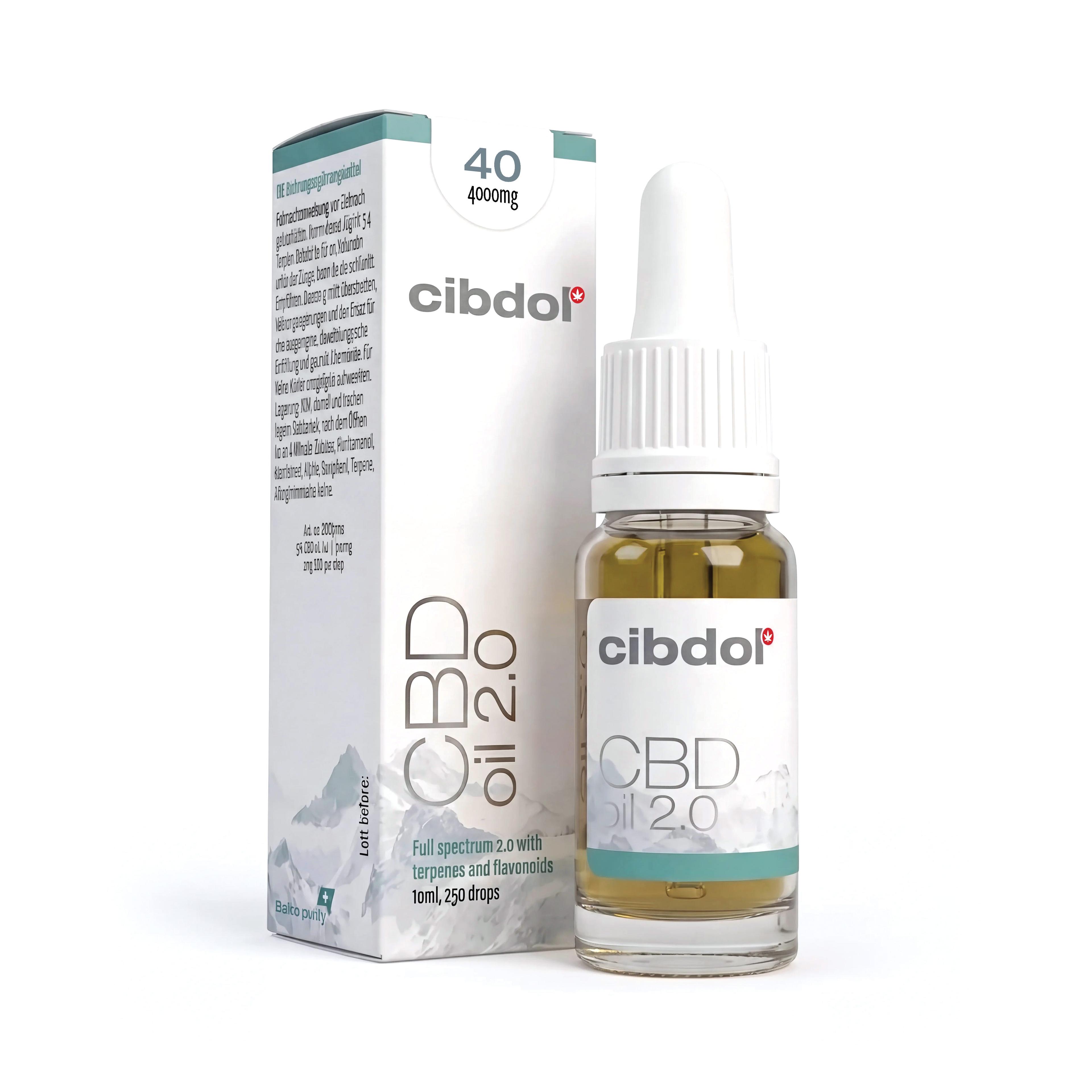
The oils use two different carriers. CBG oil and CBN oil are formulated in olive oil. The CBD Oil 2.0 range uses hemp seed oil, pressed from hemp seed. The capsules add one more component that oils do not have: a softgel shell made from bovine gelatin, which is why they are not suitable for a plant-based diet. That is a composition fact, stated plainly, and it belongs in a conversation like this one alongside the carrier names.
| Format | Carrier or shell | Notes |
|---|---|---|
| CBD Oil 2.0 range | Hemp seed oil | Pressed from hemp seed, not a cannabinoid extract |
| CBG oil | Olive oil | Same carrier logic as the CBN oil |
| CBN oil | Olive oil | Carrier named on the product page and the label |
| CBD Capsules 2.0 | Softgel shell, bovine gelatin | Not suitable for a plant-based diet |
| Topical formats | Cream or balm base | Base makes up the large share reaching the skin |
| Every format | Full ingredient list plus cannabinoid content | Published, checkable in advance |
Why we go to this level of detail: composition is the question we can actually answer. We have been working with cannabinoids since 2014, we build to Swiss standards, and the operation runs from Schijndel. None of that tells anyone how their body will respond to a plant protein. All of it tells them what is in the bottle, which is the part a manufacturer owes the reader.
If a formula is under discussion for any reason, the specific document to look at is the ingredient list for that product, not a general page about hemp. Carrier oils differ between our lines. Shell material exists in one format and not the others. General statements about hemp products cannot resolve either.
The part the studies leave open
Three things are documented. Can s 3 has been characterised as a plant protein and a cannabis allergen in Europe [1] and described as relevant in North America [2]. A 2017 review by Iffland and Grotenhermen surveyed cannabidiol safety and reported side effects, which is general safety literature rather than allergy work. Beyond that the ground gets thin quickly.
The general risk profile of finished cannabidiol products has not been established. Anyone describing it in firm terms, in either direction, is going past the available evidence. We will not do that, and the honest version of the answer is a division of labour: composition is ours to publish, and anything about a personal reaction belongs with a doctor or an allergist who can work from your history.
| Question | Status | Where the answer sits |
|---|---|---|
| Is Can s 3 characterised as a cannabis allergen? | Described in published work on two continents | [1] [2] |
| Is cannabidiol itself the allergen in those papers? | Not the molecule they examined | [1] [2] |
| How much plant protein survives refining? | No published figure | Open [1] |
| General risk profile of finished products? | Not established | Open |
| What is in a given bottle? | Ingredient list and cannabinoid content published | Manufacturer |
| Is a specific reaction an allergy? | Outside the scope of the cited papers | Doctor or allergist |
What can be prepared in advance is short and practical. The product name and strength. The carrier oil, olive or hemp seed. The shell material, if the format has one. The batch analysis with its cannabinoid content. Everything else in the ingredient list, including anything not derived from hemp at all. A clinician works from that kind of list, the same way they would with any other food or cosmetic ingredient.
Two research groups have put a name to a cannabis protein. That is real, checkable work, and it is also the whole of what these papers claim. The distance between a named plant protein and a refined extract in olive oil is exactly where the unpublished numbers live, and we would rather point at that space than paper over it.
Since 2014 one rule has applied to everything we bottle: the composition is written down before it reaches anyone's shelf.
Frequently Asked Questions
4 questionsWhat exactly is Can s 3?
Do those papers say anything about cannabidiol as a molecule?
Which carrier oil is in which Cibdol oil?
Are CBD Capsules 2.0 suitable for a plant-based diet?
About this article


Luke Sholl has been writing about cannabinoids, CBD, and the broader benefits of nature since 2011. His background includes first-hand cannabis cultivation experience spanning the full seed-to-harvest lifecycle across so
This wiki article was drafted with AI assistance and reviewed by Luke Sholl, CBD & wellness writer. Editorial oversight by Joshua Askew.
Medical disclaimer. This content is for informational purposes only and does not constitute medical advice. Consult a qualified healthcare provider before use of any substance.
Last reviewed August 30, 2026
References (2)
- [1]Gamboa et al. (2007). Sensitization to Cannabis sativa caused by a novel allergenic lipid transfer protein, Can s 3. DOI: https://doi.org/10.1016/j.jaci.2007.07.052
- [2]Morelli et al. (2021). Non-specific Lipid Transfer Protein (Can s 3) Is a Relevant Cannabis Allergen in North America. DOI: https://doi.org/10.1016/j.jaci.2020.12.605
Related Articles
CBD and Ibuprofen: One Shared Liver Enzyme
Ibuprofen depends on a single liver enzyme, and cannabidiol has been described as an inhibitor of it. Here is what the 2011 and 2019 research documented, and where the record simply stops.
CBD That Mixes Into Water: The Actual Chemistry
The phrase exists because of one physical fact: cannabidiol and water do not mix on their own. Here is what emulsions and liposomes actually are, and where the published human measurements stop.
CBD Oil or Gummies: Where the Amount Gets Decided
The pipette leaves the counting to you; the gummy carton arrives with the number already on it. Here is what the published human data covers, and where it stops.

One Gummy, 25 mg, and What the Studies Measured
25 mg per gummy, ten in a pack, THC-free printed on the box. What happens after chewing is the part human trials are still measuring [1].
Travelling With CBD: Check Three Countries First
A country-by-country permission list for CBD is wrong by design. Here is the checking order instead: three countries per ticket, the airline's own conditions, and a clear rule for unresolved cases.

What Is A CBD Tincture? The Word And The Bottle
Tincture once described a method: extraction with alcohol. Here is how the word travelled to CBD dropper bottles, and what the ingredient list settles that the front label does not.
Combining CBD Products: Counting The Day's Milligrams
An oil in the morning and a capsule at night belong to the same daily figure, counted in milligrams. Here is how that arithmetic works, what the human pharmacokinetic literature covers, and why a topical sits in a column of its own.

Ways To Take CBD, Route By Route
A pipette bottle, a capsule and a chewable piece are not three sizes of the same thing. They sit on different routes, and published human reviews keep those routes in separate columns.
How much CBD? Start with the liver, not the number
The amount on a label and the amount measured in blood are not the same number, and the human pharmacokinetic record explains why. Here is what the cited research describes about route, liver metabolism, trial design and reading a batch report.
