CBD and Ibuprofen: One Shared Liver Enzyme
Definition
Ibuprofen is cleared in the liver, and one enzyme does the bulk of that work: cytochrome P450 2C9. Cannabidiol is processed by the same broad enzyme family, and a 2019 review by Brown and colleagues lists that same enzyme among the ones cannabidiol inhibits [2]. So the question of combining them is a question about one shared route, and about how much of it has actually been measured.
One liver, two molecules
Ibuprofen is a medicine. CBD, in the form we sell it, is a food supplement. Two different shelves, two different sets of rules. Once either one is inside you, though, the same organ does the work. The liver.
A large share of what the body breaks down goes through a group of enzymes called cytochrome P450. Not one protein. A family, with dozens of members, each carrying its own name and its own list of molecules it acts on. Pharmacology has been mapping those lists for decades. That mapping is the reason a package leaflet can say anything useful about interactions at all.
Ibuprofen sits in a tidy corner of that map. Its clearance runs mainly through one liver enzyme, cytochrome P450 2C9, written CYP2C9 in the research literature. One enzyme, one main route out.
Cannabidiol was mapped later. Jiang and colleagues, in work published in 2011, set out to identify which cytochrome P450 enzymes are responsible for metabolising cannabidiol [1]. The system was human liver microsomes: prepared fractions of liver tissue, used in the lab as the standard way to ask which enzyme acts on which compound. What came out of it was straightforward rather than dramatic. Cannabidiol is processed by the same broad enzyme family that processes a long list of everyday medicines [1].
So there is the overlap, stated plainly. Ibuprofen leans on one member of that family. CBD is processed by members of the same family [1]. That is a shared address, not a measured event. Nothing in the 2011 work describes what happens when the two turn up together, because that was never the question being asked [1]. It named enzymes in a laboratory system. It did not follow a person taking a supplement and a painkiller on the same afternoon.
Worth holding on to: an enzyme map shows the road, not the traffic on it. Microsomes are liver tissue in a tube. They tell you which enzyme is capable of acting on cannabidiol, at the concentrations the experiment chose [1]. They say nothing about how much cannabidiol reaches a liver after a few drops of oil, and they were never built to. Same family, different questions. That is where a lot of the confusion around this topic starts.
What the 2019 review flags
The second paper is a review rather than a bench experiment. Brown and colleagues, publishing in 2019, went through the record on potential adverse drug events and interactions across both medical and consumer use of cannabidiol [2]. That second word matters. Consumer use means supplements, bought off a shelf, taken without a prescription.
Their reading of the literature describes cannabidiol as an inhibitor of several cytochrome P450 enzymes, and the enzyme that clears ibuprofen is among them [2]. Inhibition, here, means the enzyme's capacity is occupied or slowed. The mechanism the review puts forward is competition: two compounds arriving at the same clearance enzyme, with a finite amount of enzyme to go around [2].
From that mechanism follows a flag, and the flag is written in groups rather than brand names. What gets named are substrates, meaning the molecules that depend on the enzymes listed as inhibited [2]. Ibuprofen belongs to one of those groups [2]. The review is not commenting on any particular bottle, any particular batch, or any particular amount.
Sitting next to it in the same literature is the 2017 safety review by Iffland and Grotenhermen, which gathered what was then known about the side effects of cannabidiol and pointed out where the human data was thin. Read together, the two reviews sketch one shape: a compound with a mapped route through the liver, and a set of open questions about what happens in combination.
- The enzyme in question: cytochrome P450 2C9, the main clearance route for ibuprofen, and one of several enzymes described as inhibited by cannabidiol in the 2019 review [2].
- Ibuprofen's status: a substrate of that enzyme, which is exactly what places it inside the flagged group rather than outside it [2].
- The mechanism proposed: competition for one shared clearance enzyme, not some new reaction between the two molecules themselves [2].
- The scope of the flag: substrate groups, named at the level of pharmacology, with no product, format or dose attached [2].
- Other groups on the same list: substrates of the other cytochrome P450 enzymes the review names among those inhibited [2].
- The strength of the wording: theoretically possible, which is a plainly different claim from measured in people [2].
Where the record runs out
Two things are documented. First, the cytochrome P450 enzymes that metabolise cannabidiol in human liver microsomes have been identified [1]. Second, a 2019 review describes cannabidiol as an inhibitor of several of those enzymes and places their substrates in a group where an interaction is theoretically possible [2]. Ibuprofen is in that group [2].
One thing is not documented. Nobody has published a study that follows people taking a CBD food supplement, at supplement amounts, alongside ibuprofen, and measures what happens to either. That row of the record is empty.
Empty is not the same as safe. It is also not the same as risky. An absence of study is an absence of information, and saying flatly that no interaction is possible would be as unsupported as promising that one is. We have been working with cannabinoids since 2014, and if that time teaches anything, it is restraint at exactly this point. Where the evidence stops, the sentence stops too.
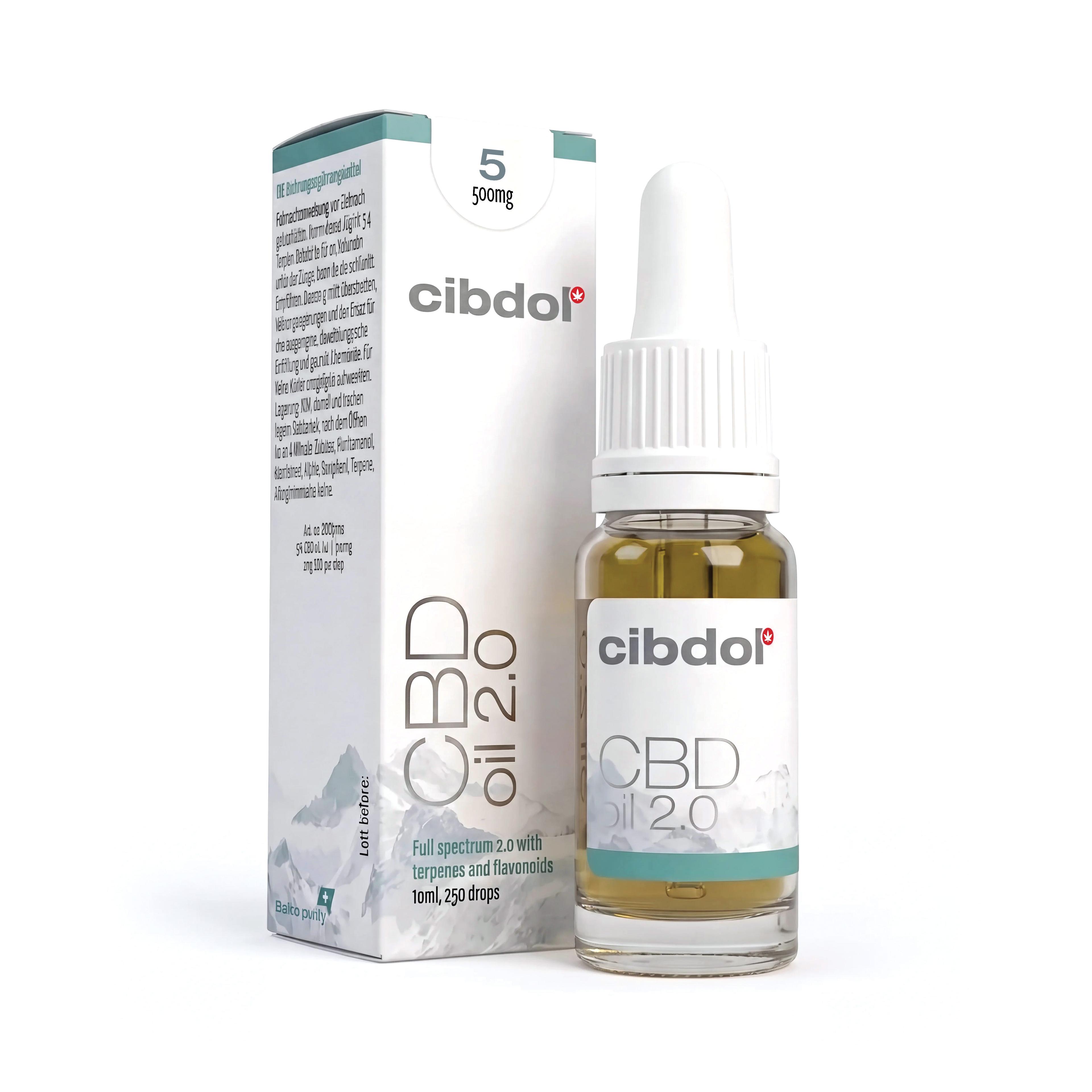
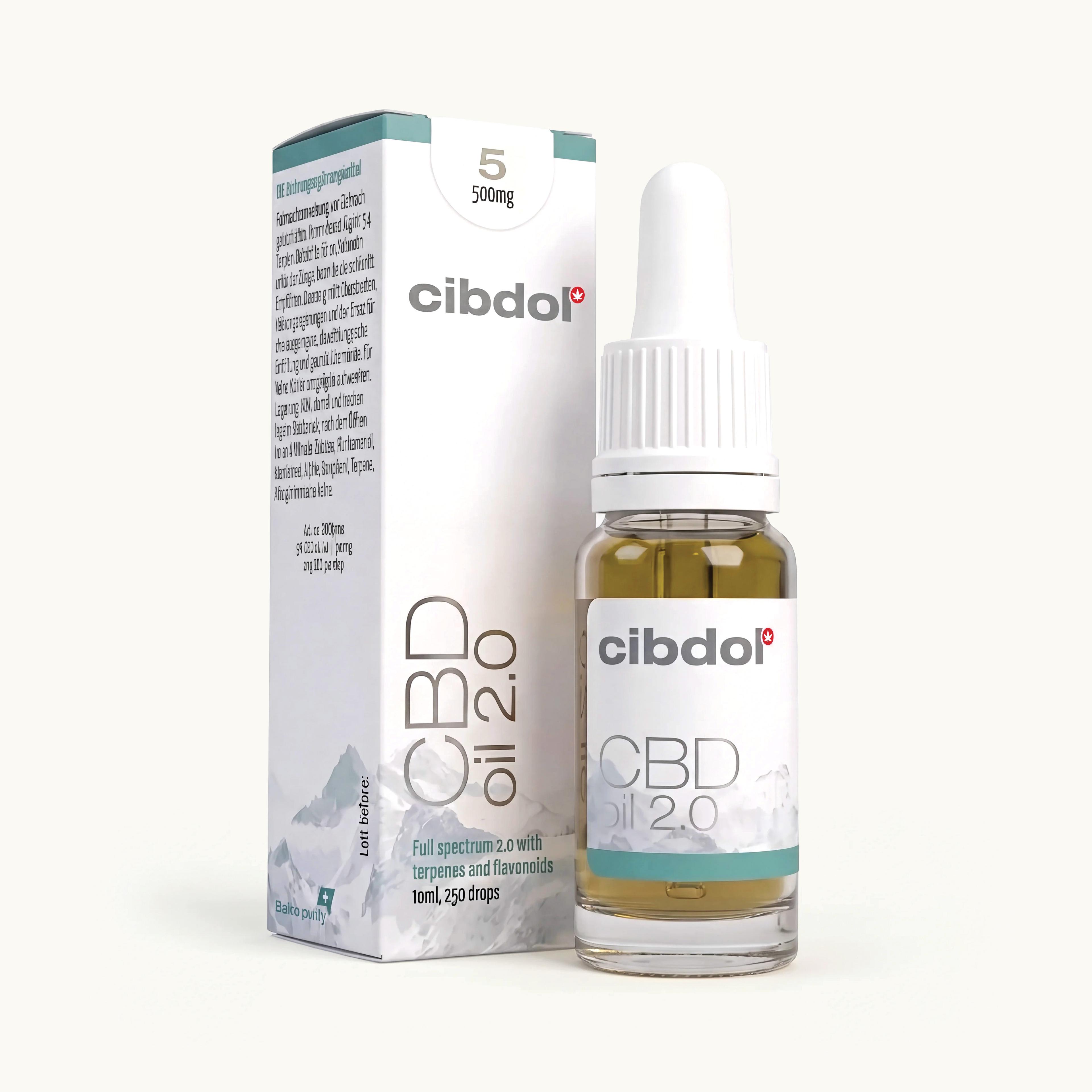
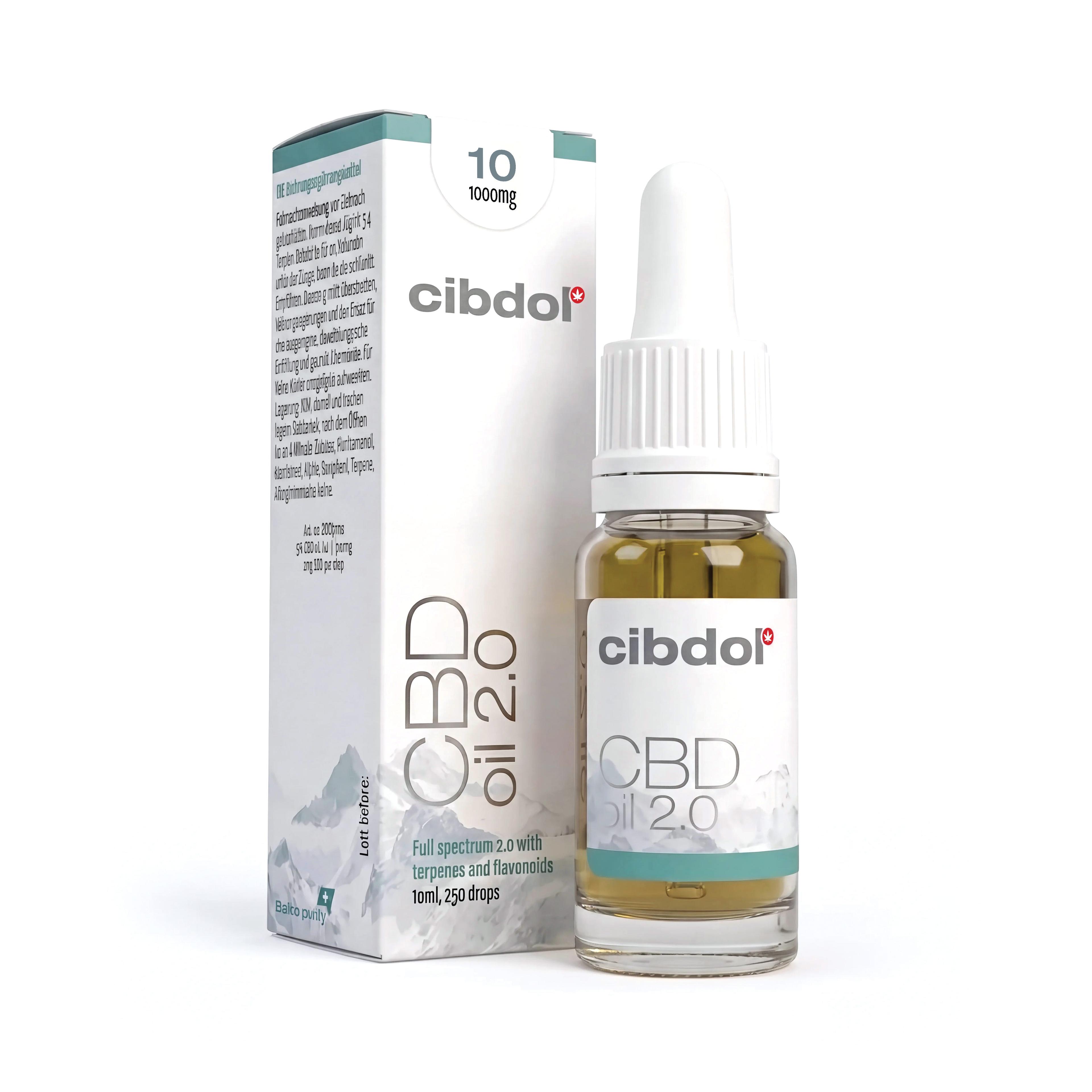
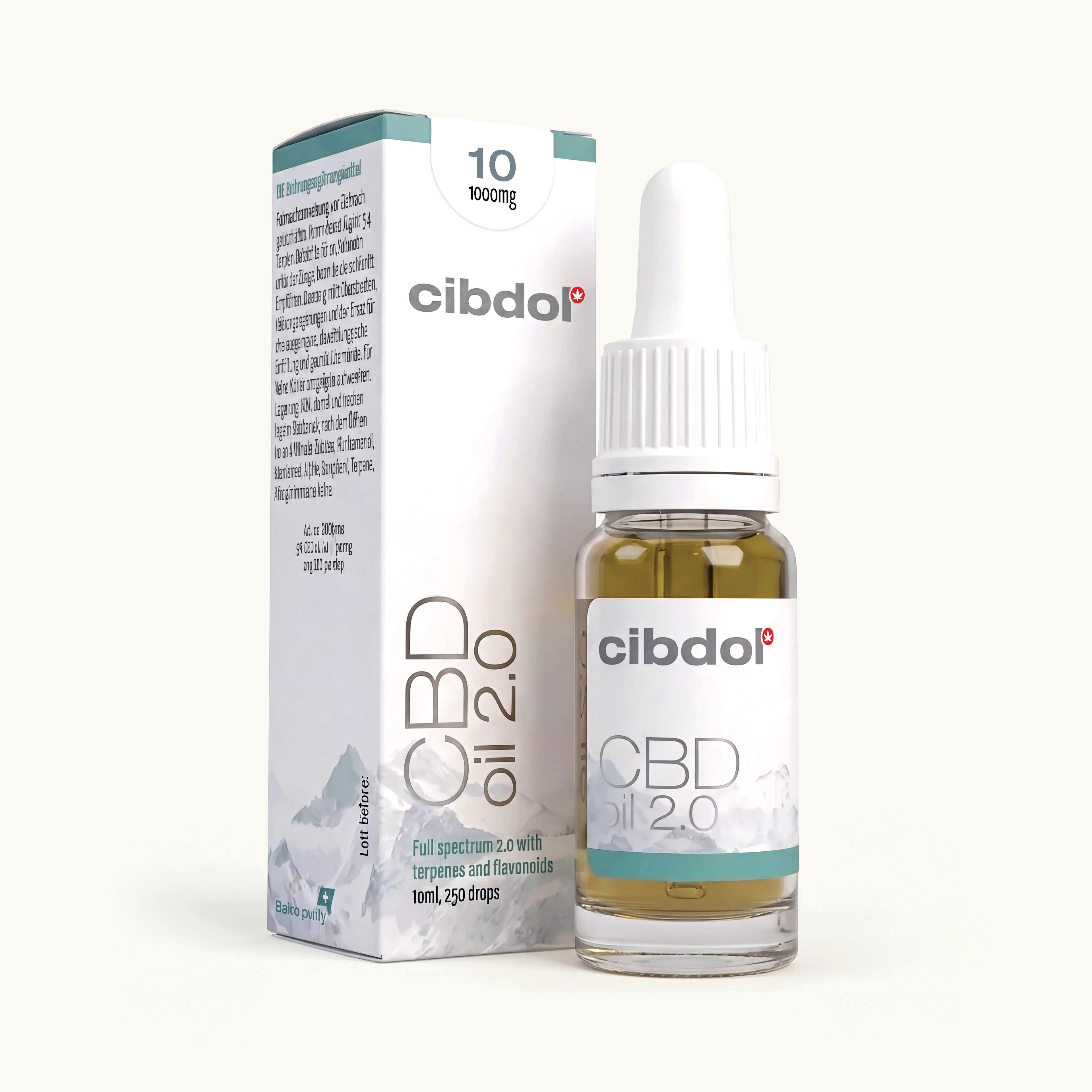
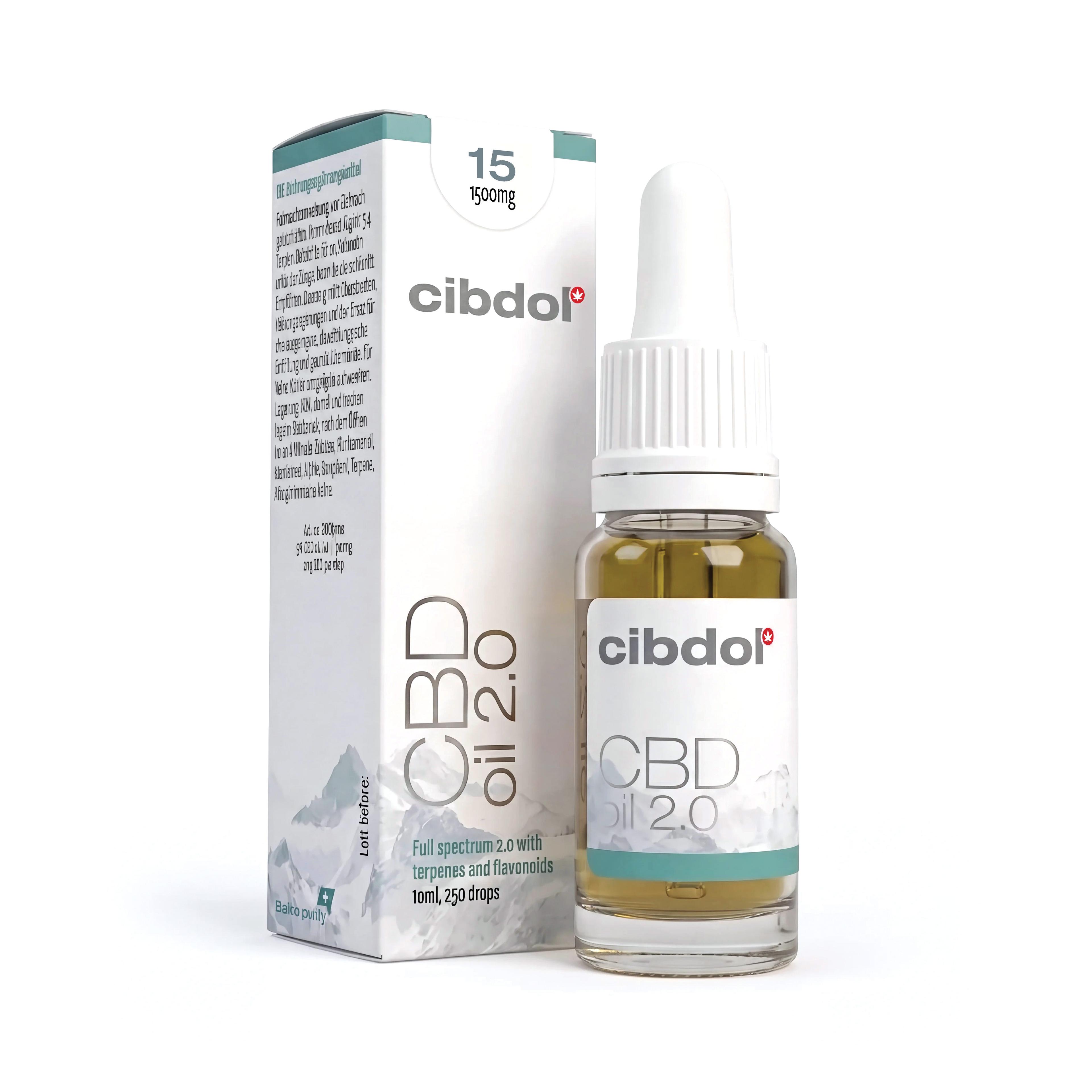
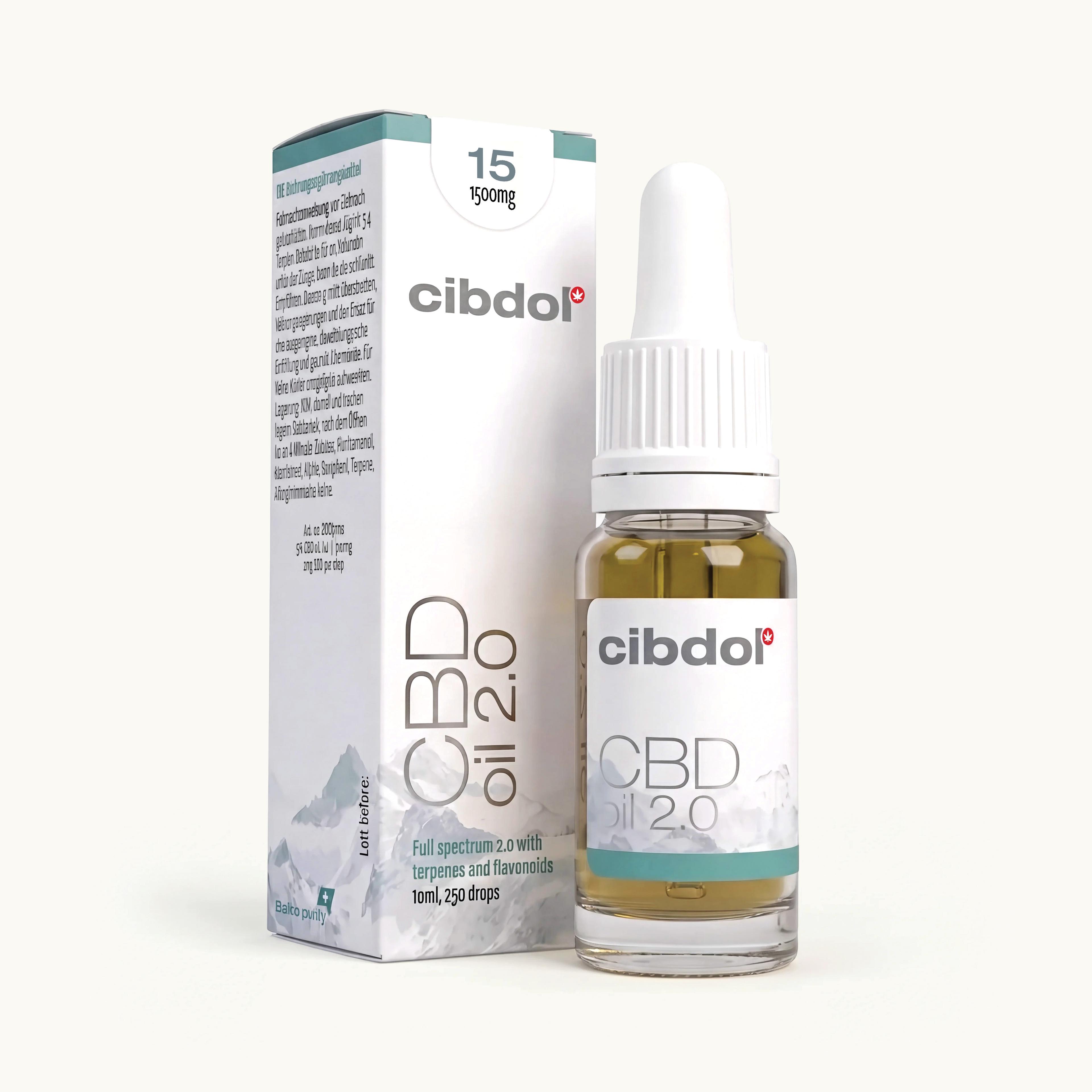
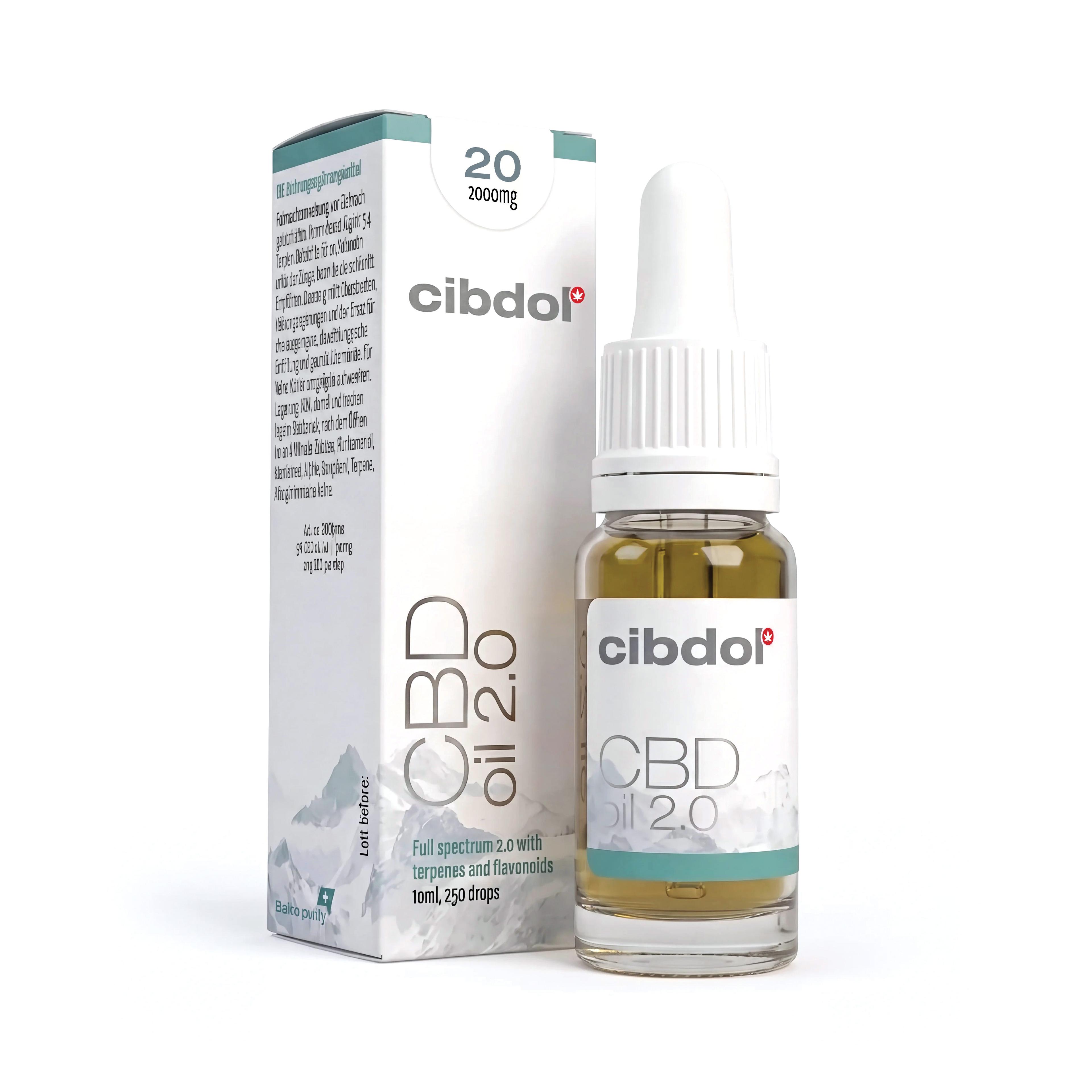
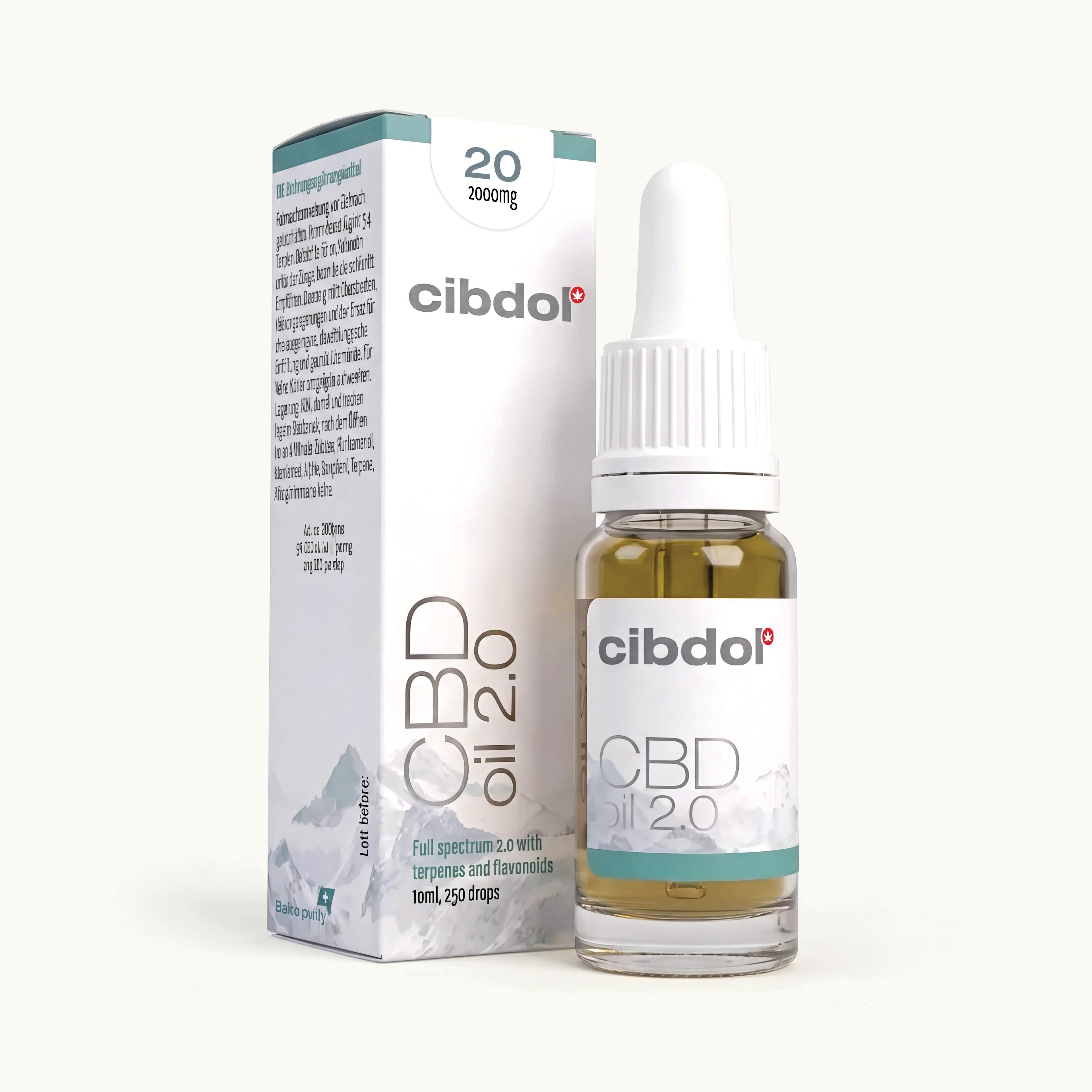
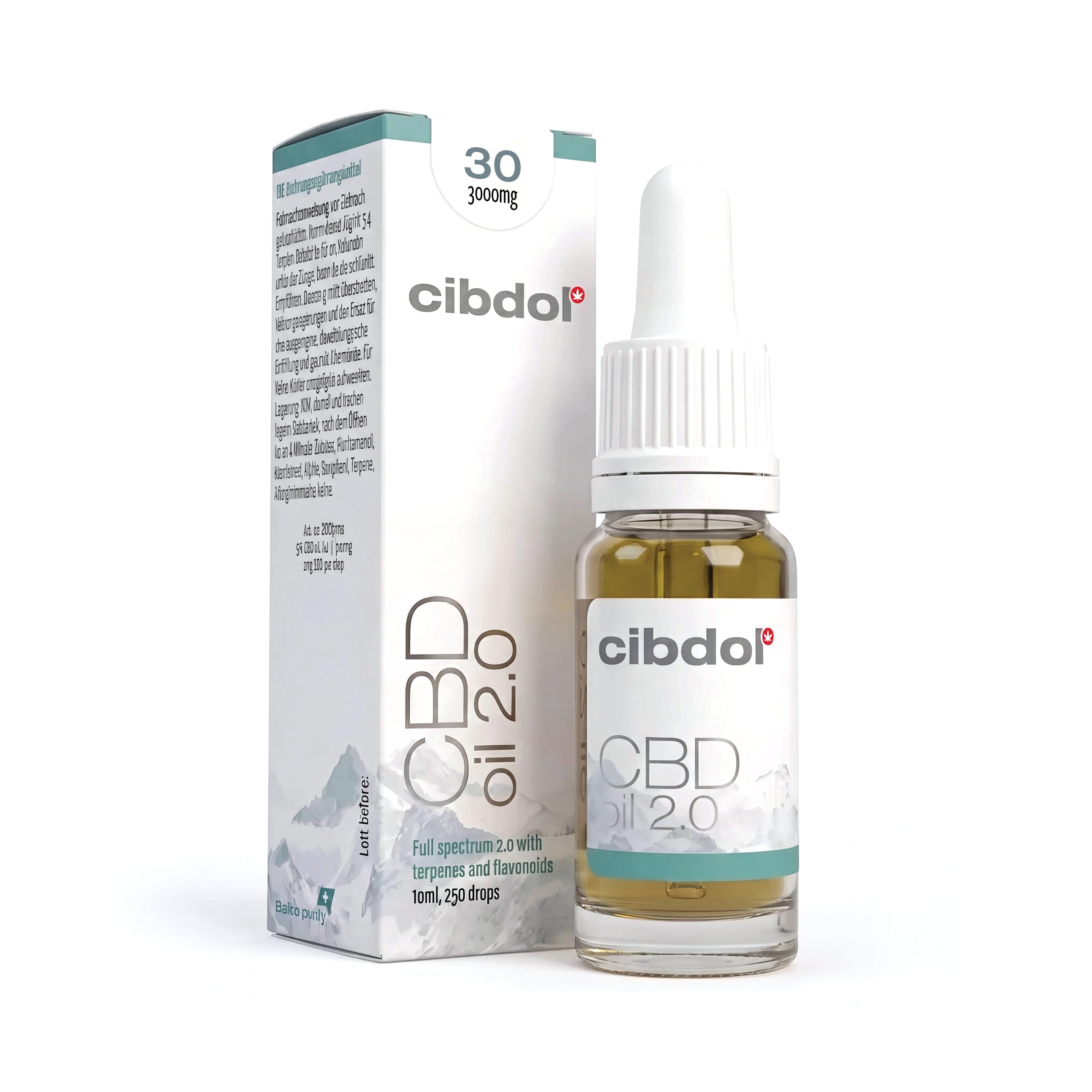
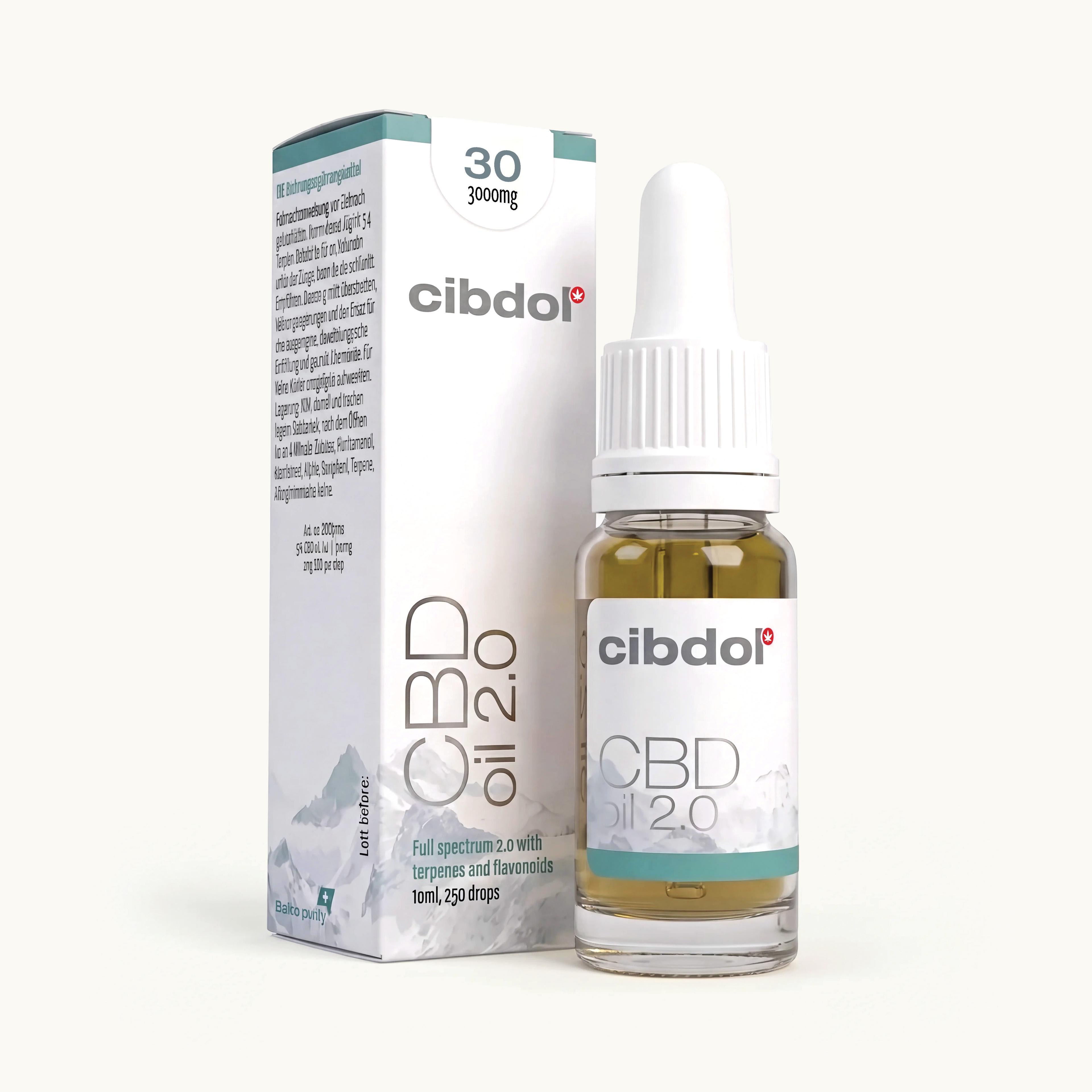
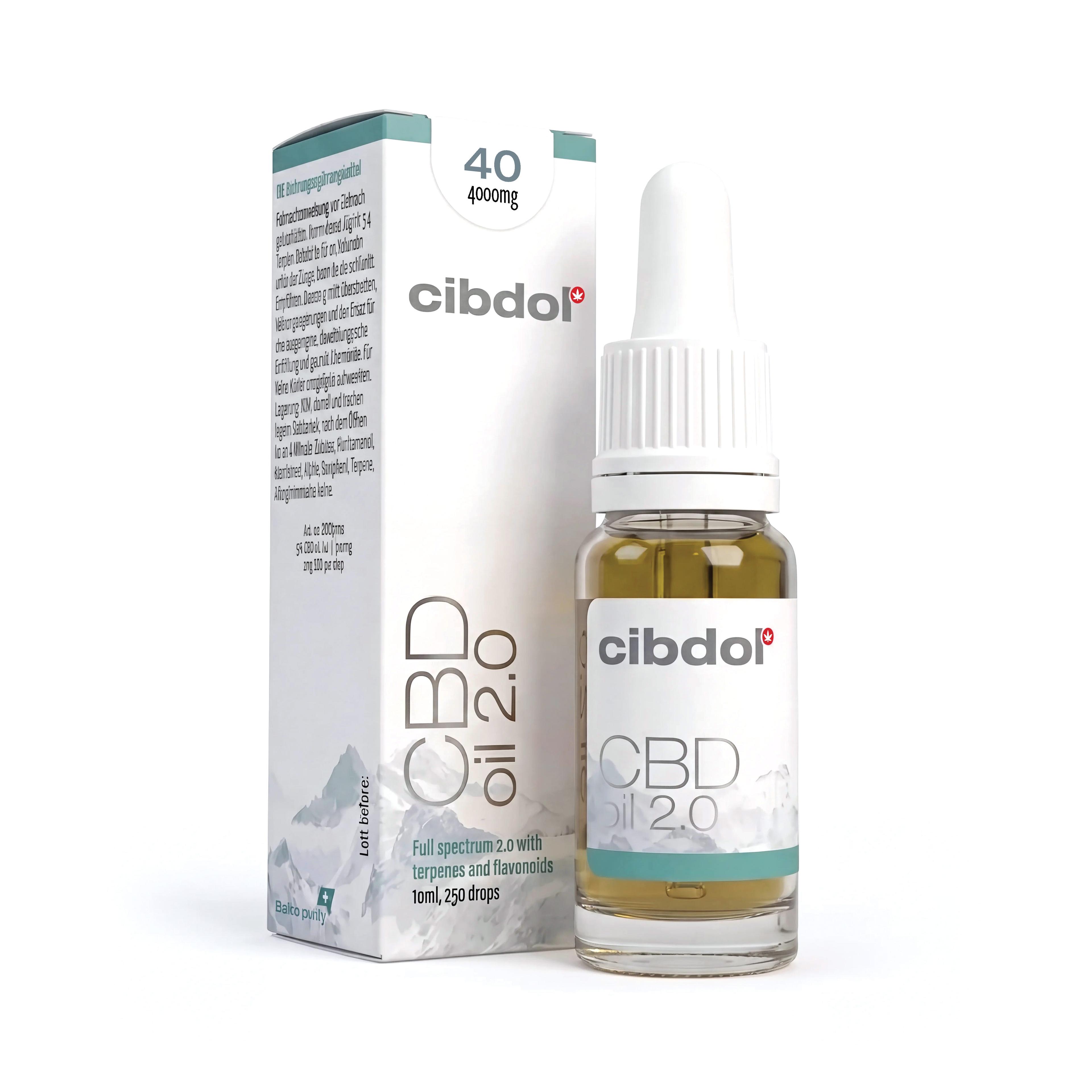
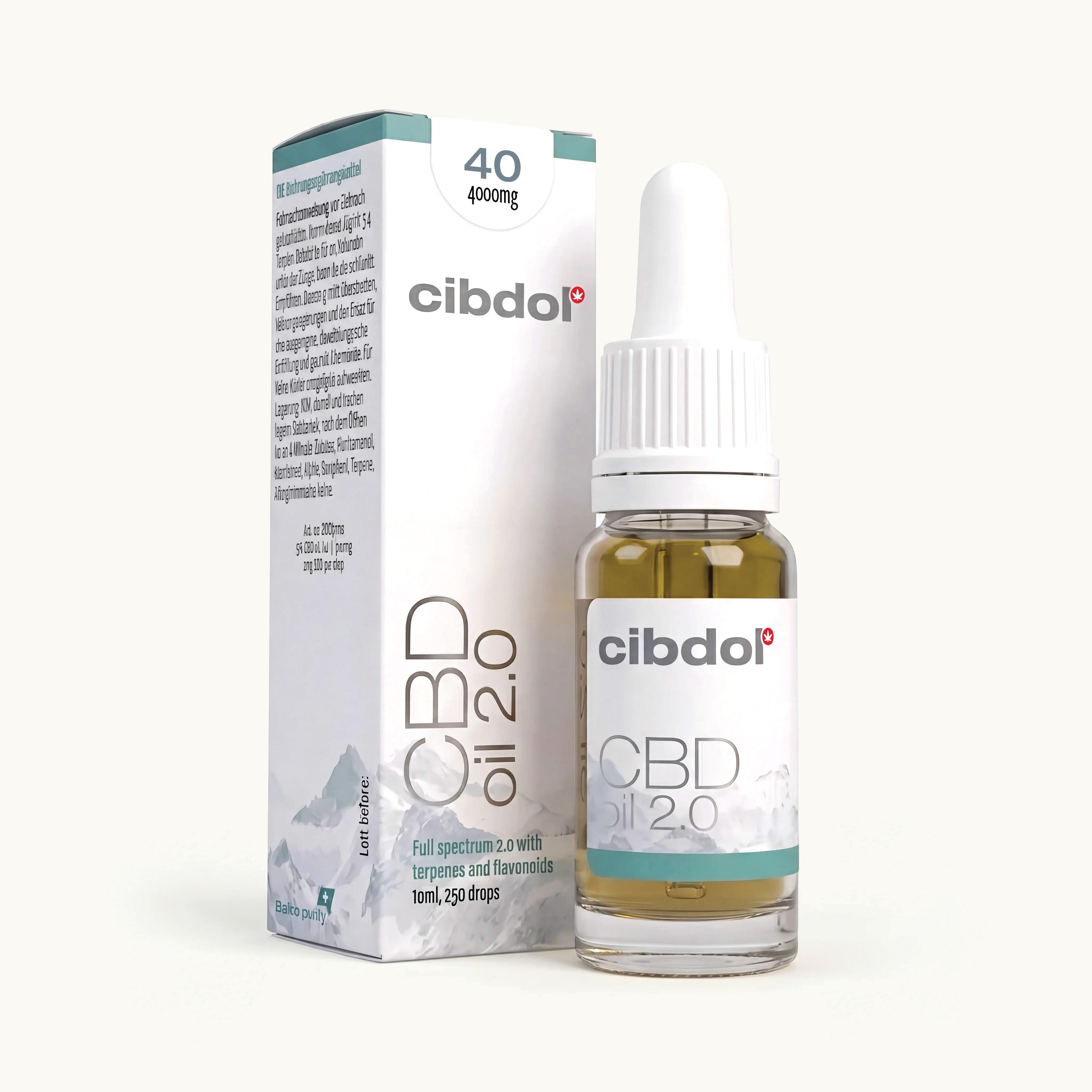
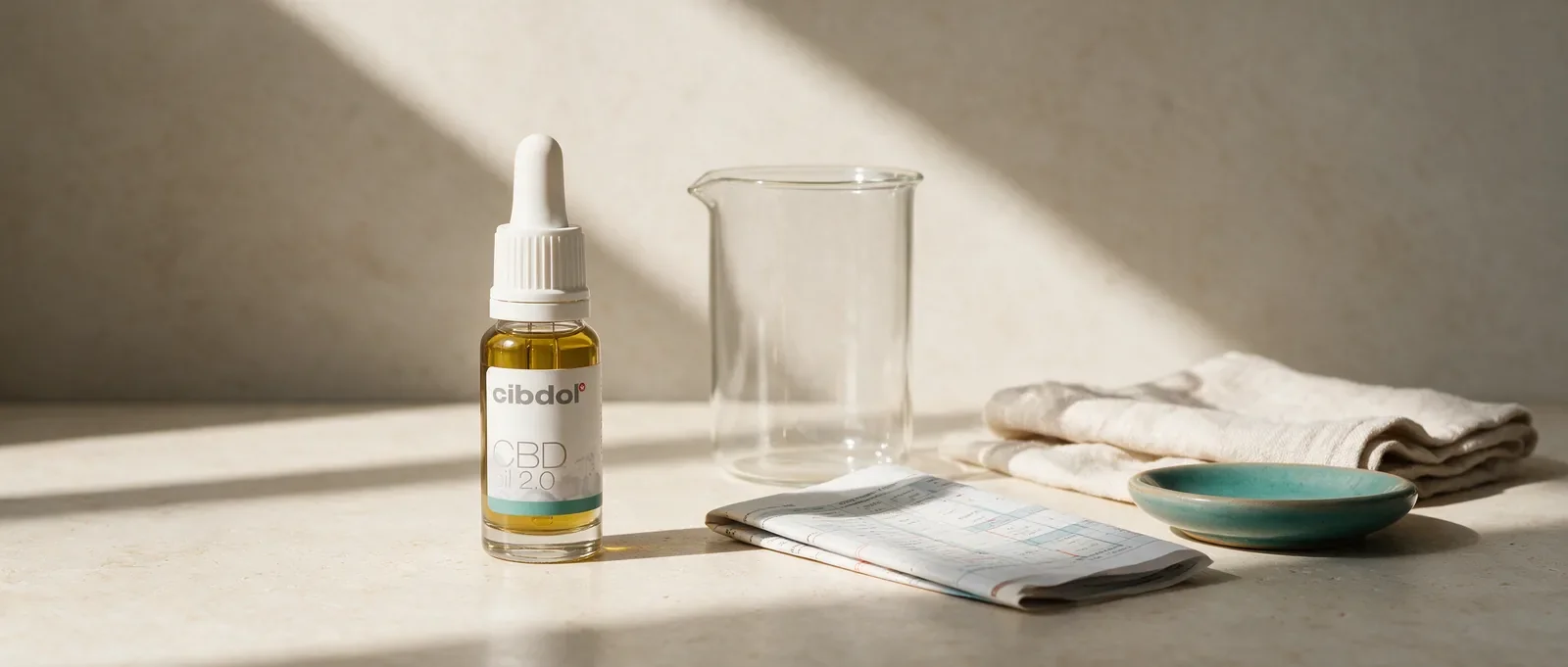
What we can be exact about is the bottle. Our CBD oil 2.0 and CBD capsules 2.0 are sold as food supplements. Not medicines. That classification is deliberate rather than modest, and it marks the limit of what a product page can reasonably do. A page cannot see your prescription list, the amounts on it, or the reason you reach for ibuprofen in the first place.
A pharmacist or a doctor can see all of that. Bring the full medication list, the CBD product included, and ask about the enzyme overlap directly, by name. Short conversation. Specific answer. More than any article gets to give you.
Contents are our department. Production runs from Schijndel to a Swiss standard, independently since 2014, and every batch is analysed, so what is in the bottle can be checked instead of assumed. Cannabinoid content, verified per batch. That is a different kind of certainty from a pharmacological one, and the two are worth keeping apart.
The short version: one shared clearance enzyme [2], one theoretical flag from a 2019 review [2], one professional conversation that carries more weight than anything written here. That shape has not changed since Jiang and colleagues named the enzymes back in 2011 [1]. Research keeps moving, and when the record fills in, the wording on this page moves with it.
The cited work, row by row
| Item | What it is | What was measured | What stays open |
|---|---|---|---|
| Cytochrome P450 | A family of liver enzymes with dozens of members, each with its own list of substrates | Named in both cited papers as the route for cannabidiol and for ibuprofen [1][2] | How much of either compound reaches those enzymes in ordinary daily use |
| CYP2C9 | A single liver enzyme, the main clearance route for ibuprofen | Listed in the 2019 review among the enzymes cannabidiol inhibits [2] | The size of any effect at food supplement amounts, which is unquantified |
| Jiang and colleagues, 2011 | A laboratory identification study using human liver microsomes, prepared liver fractions | Which cytochrome P450 enzymes are responsible for metabolising cannabidiol [1] | Combinations, people, oral products, timing: none of it was the question [1] |
| Brown and colleagues, 2019 | A review of potential adverse drug events and interactions across medical and consumer cannabidiol use | Cannabidiol as an inhibitor of several CYP enzymes, with substrates flagged as a theoretical interaction group [2] | Anything product-specific, since the flag is written for substrate groups [2] |
| Iffland and Grotenhermen, 2017 | A safety and side effect review of cannabidiol, sitting in the same literature | The state of the cannabidiol safety record at that point, including its thin areas | This particular pairing, which the review does not settle |
| CBD oil 2.0 and CBD capsules 2.0 | Cibdol food supplements, not medicines, produced in Schijndel to a Swiss standard | Cannabinoid content per batch, analysed independently so the label can be checked | Whether a supplement suits a given medication list, which belongs with a pharmacist |
| Supplement amounts plus ibuprofen | The everyday situation behind the search, one bottle and one blister pack | No published study covers it, so there is no figure to quote | Effectively everything, which is why the answer comes from a consultation |
Frequently Asked Questions
4 questionsWhich enzyme does ibuprofen depend on?
What did the 2011 study by Jiang actually measure?
Is the flagged interaction measured or theoretical?
Is Cibdol CBD oil classed as a medicine?
About this article


Luke Sholl has been writing about cannabinoids, CBD, and the broader benefits of nature since 2011. His background includes first-hand cannabis cultivation experience spanning the full seed-to-harvest lifecycle across so
This wiki article was drafted with AI assistance and reviewed by Luke Sholl, CBD & wellness writer. Editorial oversight by Joshua Askew.
Medical disclaimer. This content is for informational purposes only and does not constitute medical advice. Consult a qualified healthcare provider before use of any substance.
Last reviewed August 30, 2026
References (2)
- [1]Jiang et al. (2011). Identification of cytochrome P450 enzymes responsible for metabolism of cannabidiol by human liver microsomes. DOI: https://doi.org/10.1016/j.lfs.2011.05.018
- [2]Brown et al. (2019). Journal of Clinical Medicine, 8(7), 989. DOI: https://doi.org/10.3390/jcm8070989
Related Articles

Can You Be Allergic to CBD? Two Papers, One Protein
Two published papers characterise a cannabis plant protein called Can s 3 as an allergen. Here is what they cover, what they leave open, and where the carrier oil and softgel shell fit in.

CBD That Mixes Into Water: The Actual Chemistry
The phrase exists because of one physical fact: cannabidiol and water do not mix on their own. Here is what emulsions and liposomes actually are, and where the published human measurements stop.
CBD Oil or Gummies: Where the Amount Gets Decided
The pipette leaves the counting to you; the gummy carton arrives with the number already on it. Here is what the published human data covers, and where it stops.

One Gummy, 25 mg, and What the Studies Measured
25 mg per gummy, ten in a pack, THC-free printed on the box. What happens after chewing is the part human trials are still measuring [1].
Travelling With CBD: Check Three Countries First
A country-by-country permission list for CBD is wrong by design. Here is the checking order instead: three countries per ticket, the airline's own conditions, and a clear rule for unresolved cases.

What Is A CBD Tincture? The Word And The Bottle
Tincture once described a method: extraction with alcohol. Here is how the word travelled to CBD dropper bottles, and what the ingredient list settles that the front label does not.
Combining CBD Products: Counting The Day's Milligrams
An oil in the morning and a capsule at night belong to the same daily figure, counted in milligrams. Here is how that arithmetic works, what the human pharmacokinetic literature covers, and why a topical sits in a column of its own.

Ways To Take CBD, Route By Route
A pipette bottle, a capsule and a chewable piece are not three sizes of the same thing. They sit on different routes, and published human reviews keep those routes in separate columns.
How much CBD? Start with the liver, not the number
The amount on a label and the amount measured in blood are not the same number, and the human pharmacokinetic record explains why. Here is what the cited research describes about route, liver metabolism, trial design and reading a batch report.
