Educational content about cannabinoid science, not medical advice. Consult a healthcare professional before combining CBD products with medication. Our age policy
CBD and Drug Tests: The Molecule and the Trace
Definition
A cannabis screening is a search for one defined molecule and the breakdown products the body makes from it: delta-9-THC, isolated and structurally described in 1964 by Gaoni and Mechoulam [1]. CBD is a separate compound and sits on its own line of a laboratory report. What connects the two inside a hemp oil is a trace, and the size of that trace is printed on the batch analysis.
One molecule, described in 1964
Begin with the chemistry, not the label. Delta-9-THC, the intoxicating constituent of cannabis, was isolated and structurally described in 1964 by Gaoni and Mechoulam [1]. Before that work there was a plant and a pile of impressions. After it there was a structure with a name, drawn on paper, available to any laboratory that wanted to look for it.
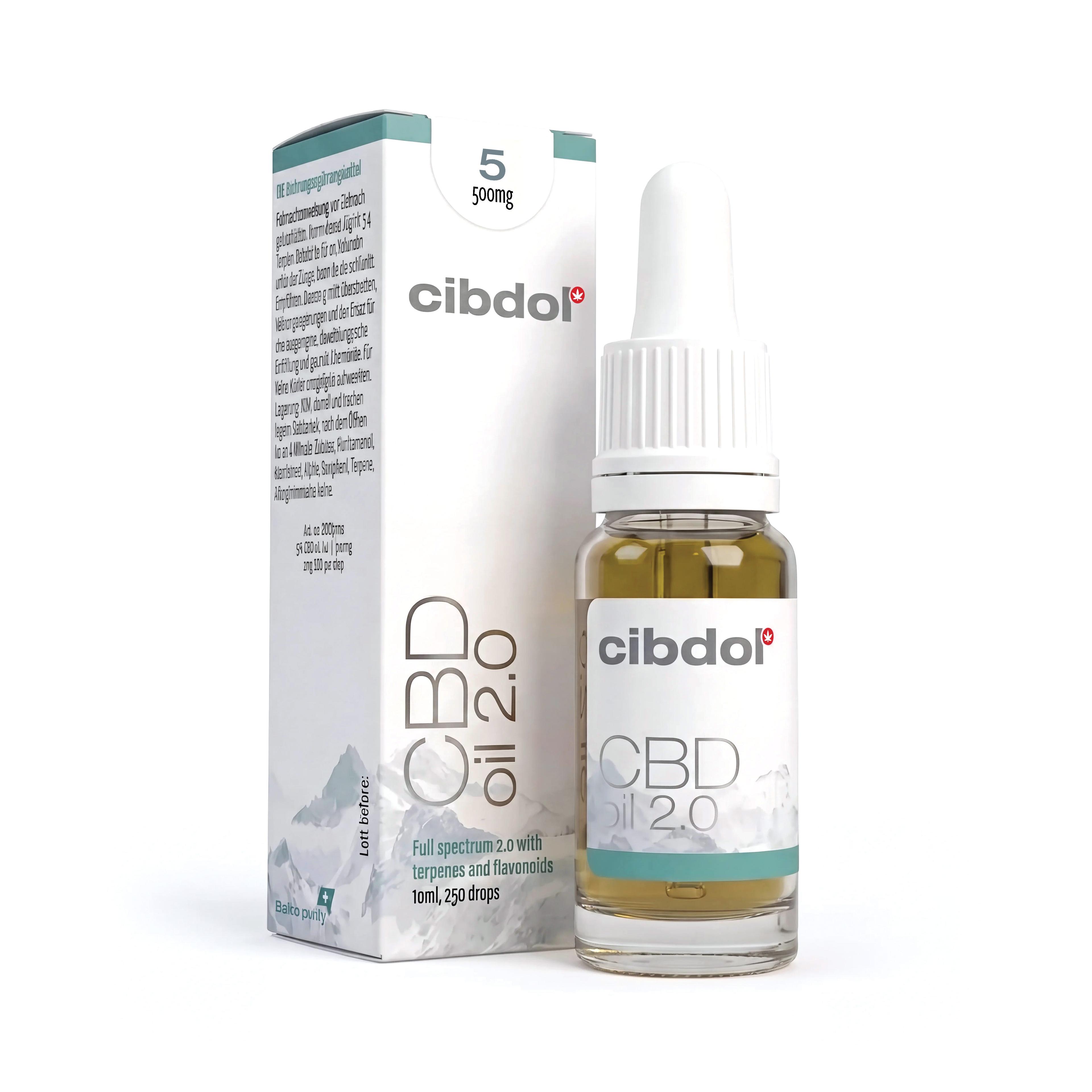
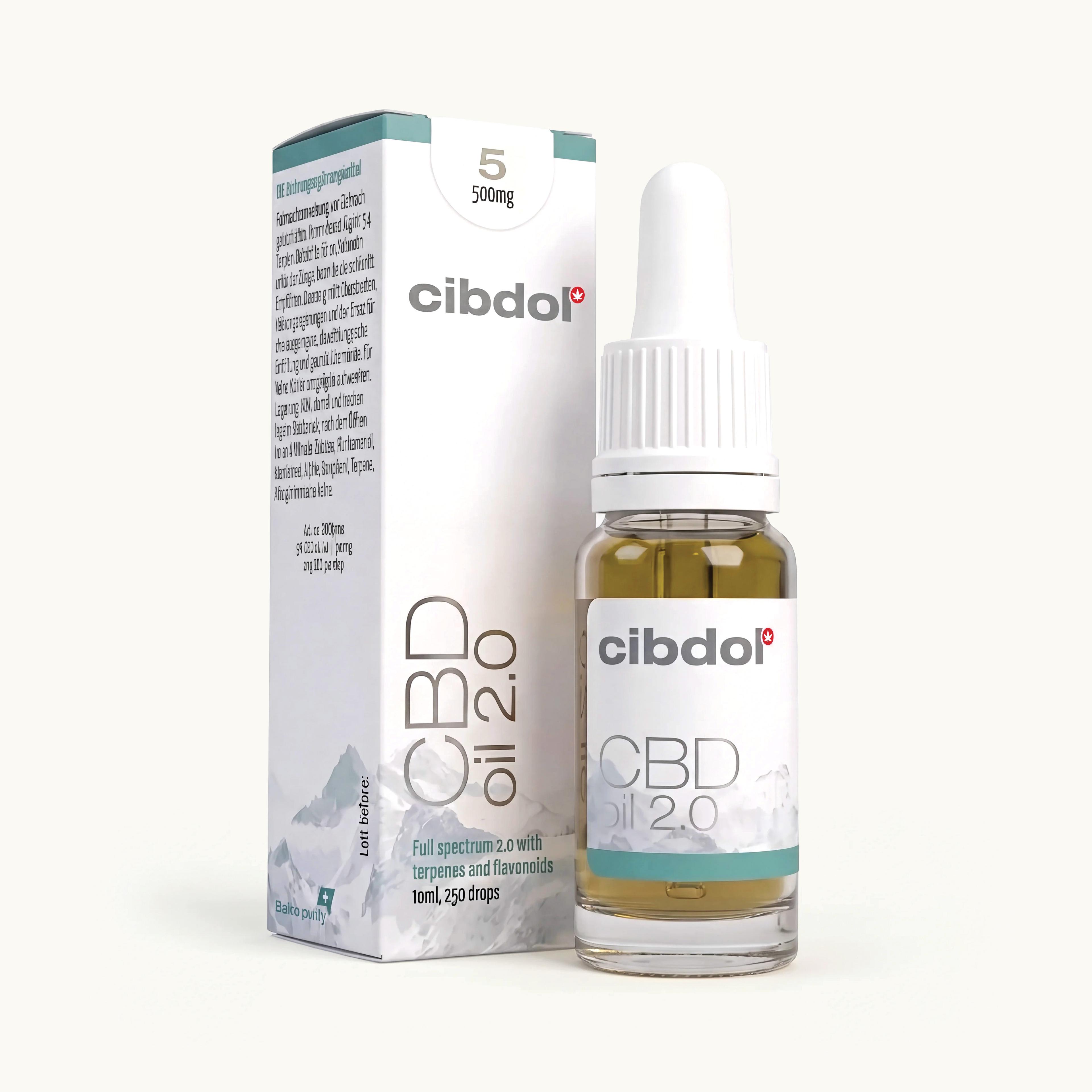
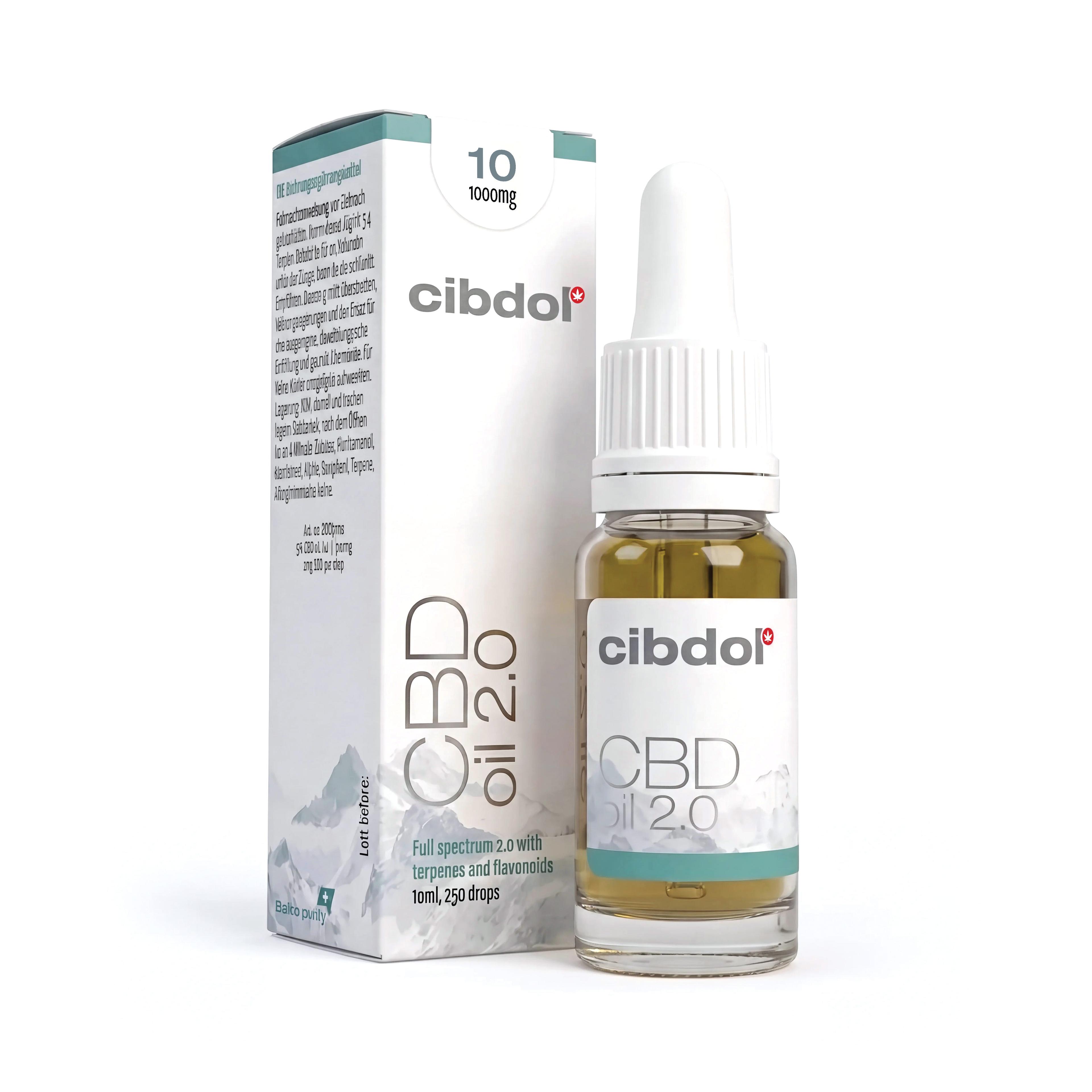
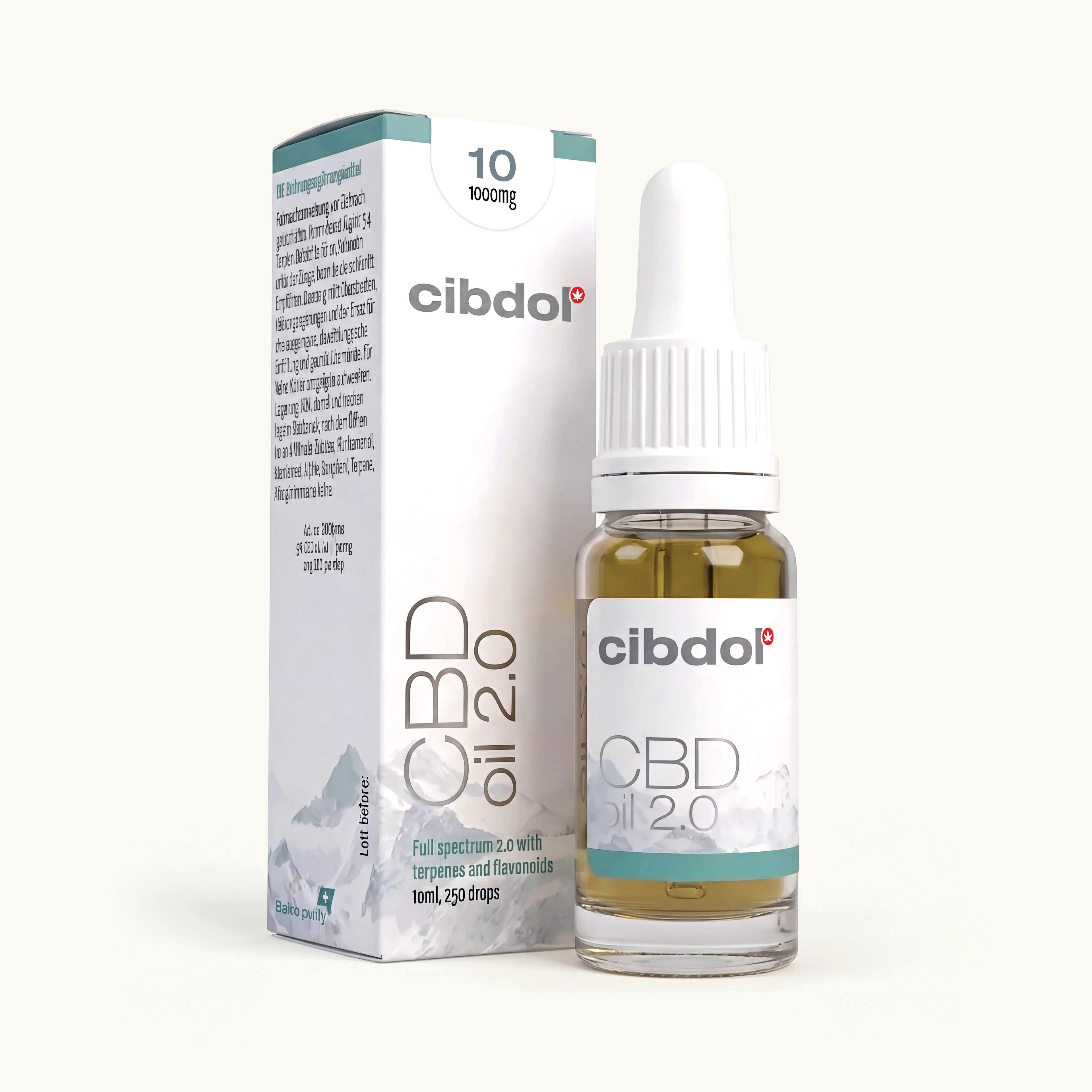
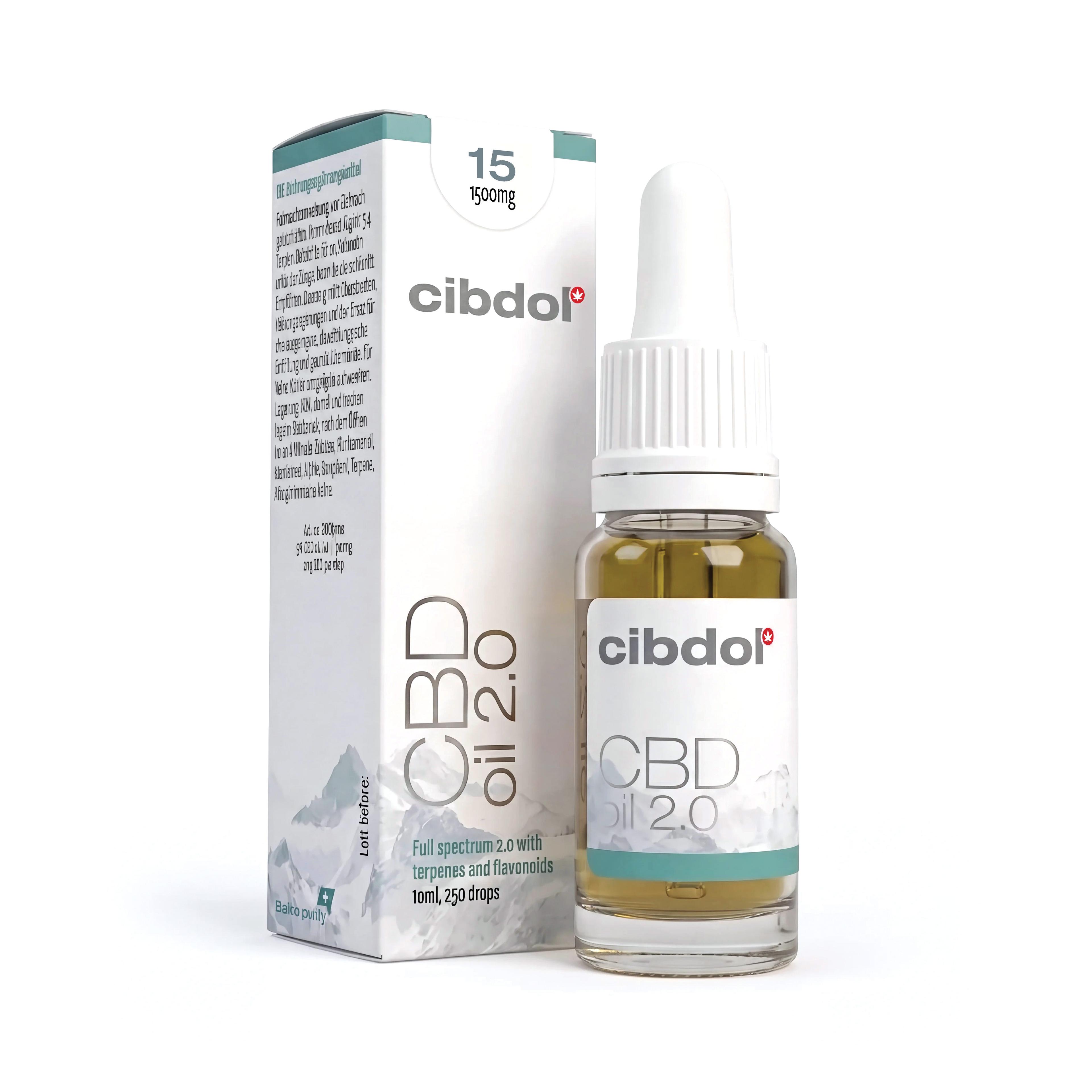
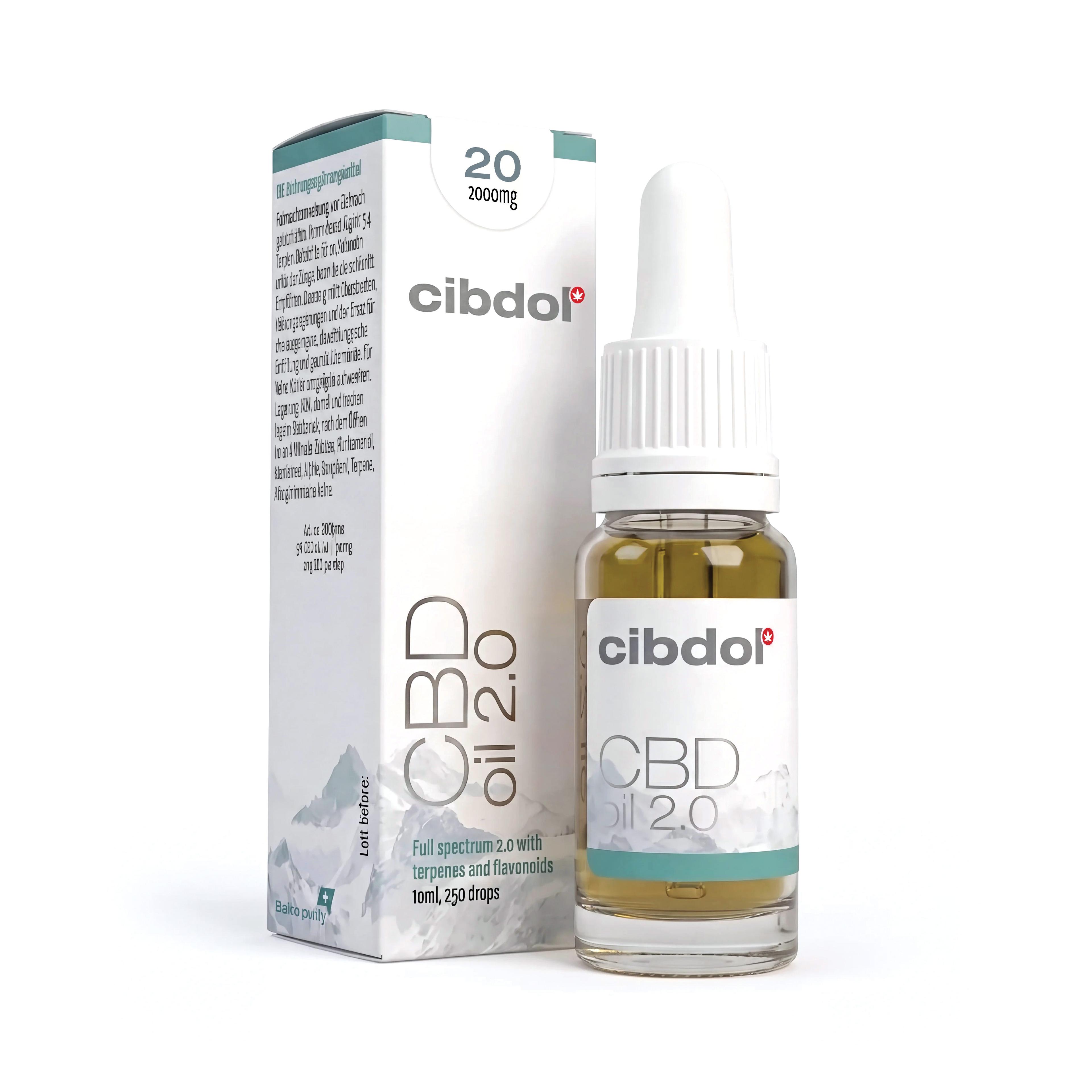
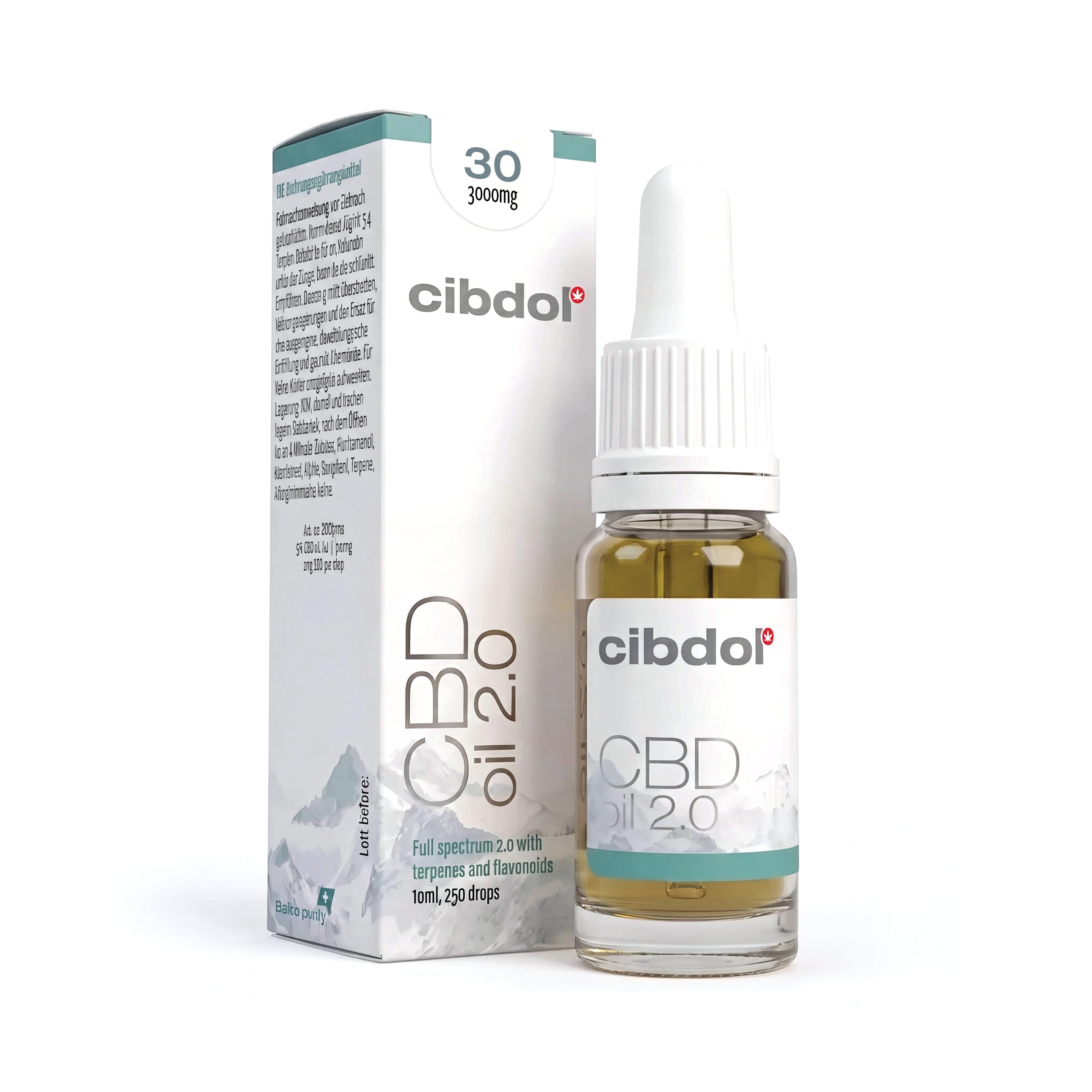
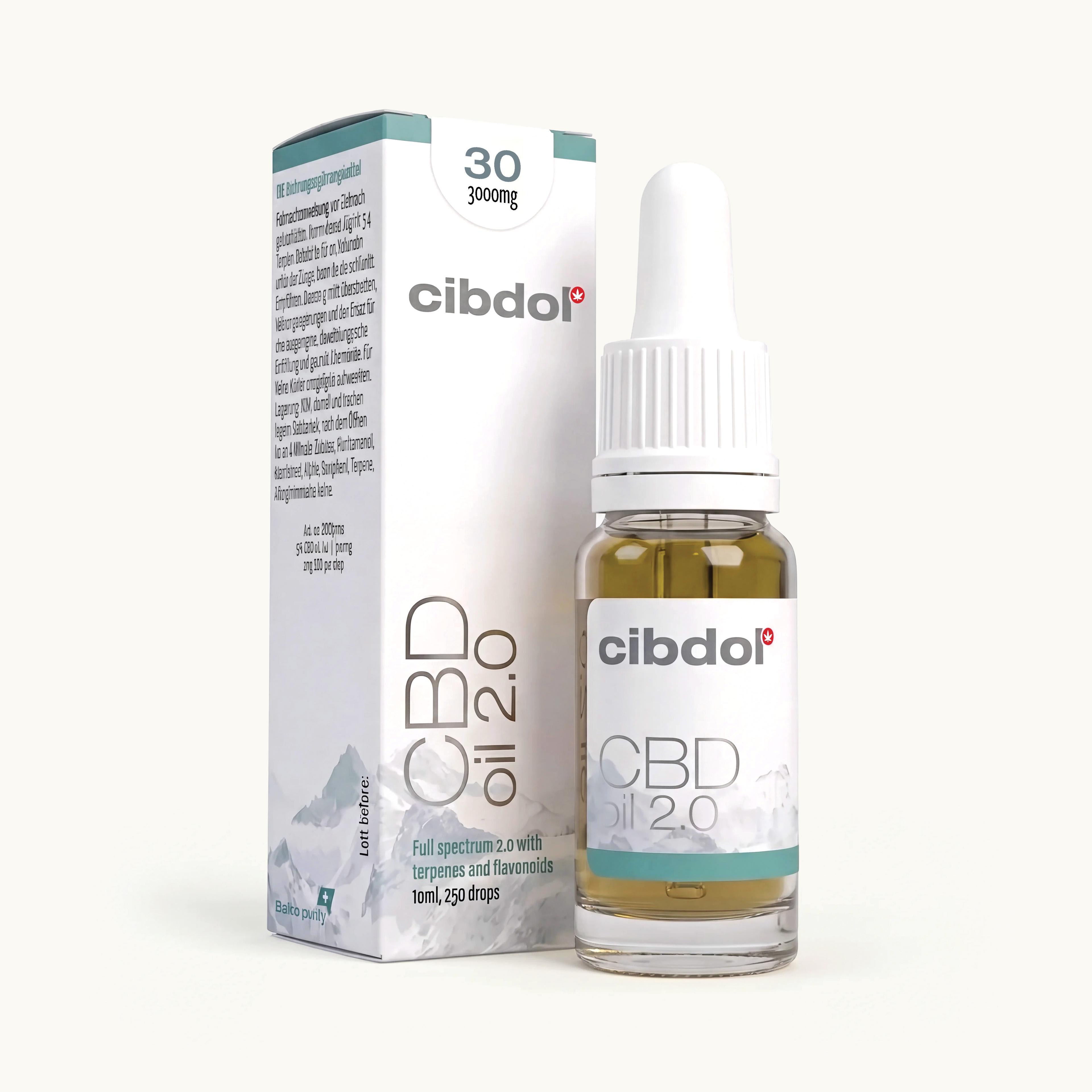
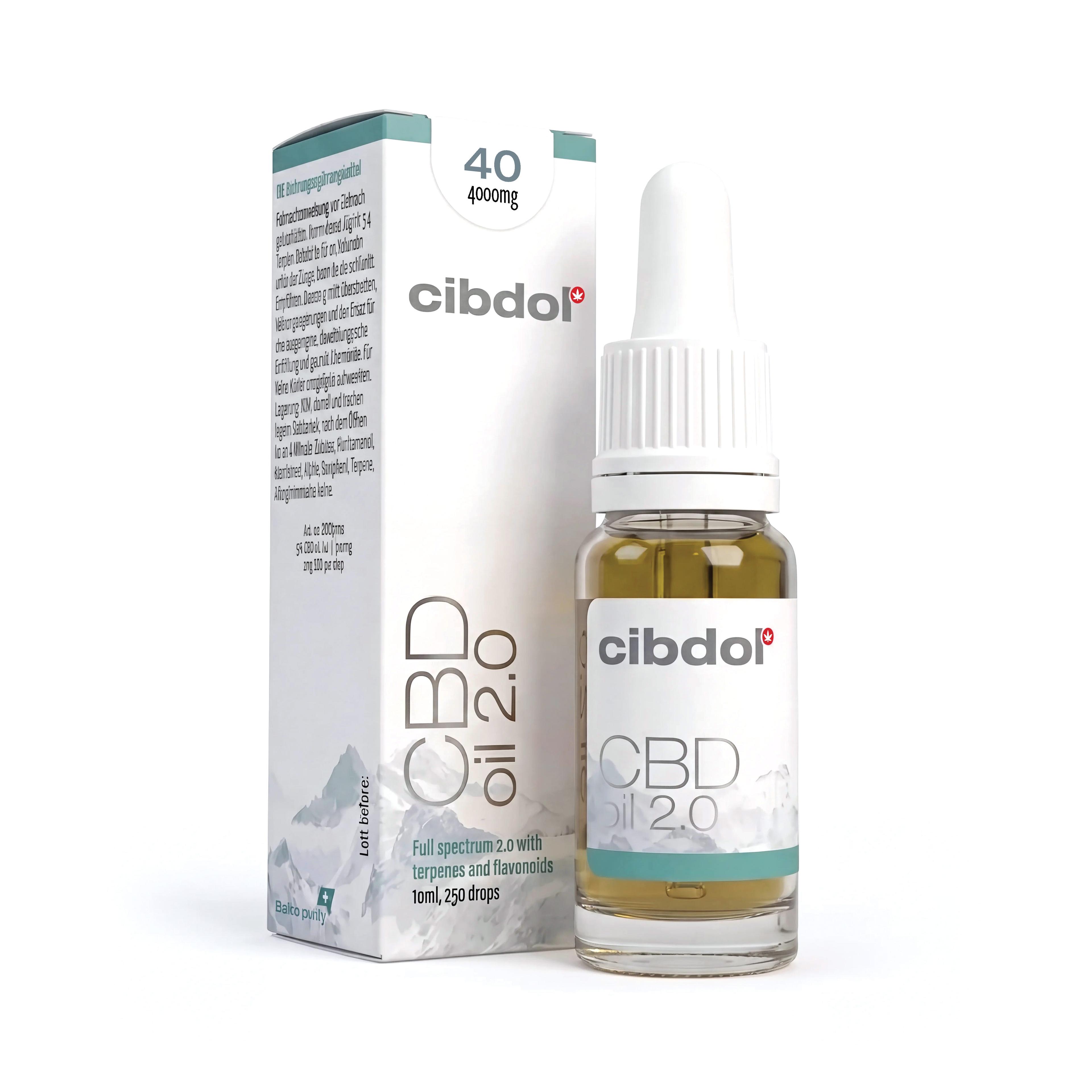
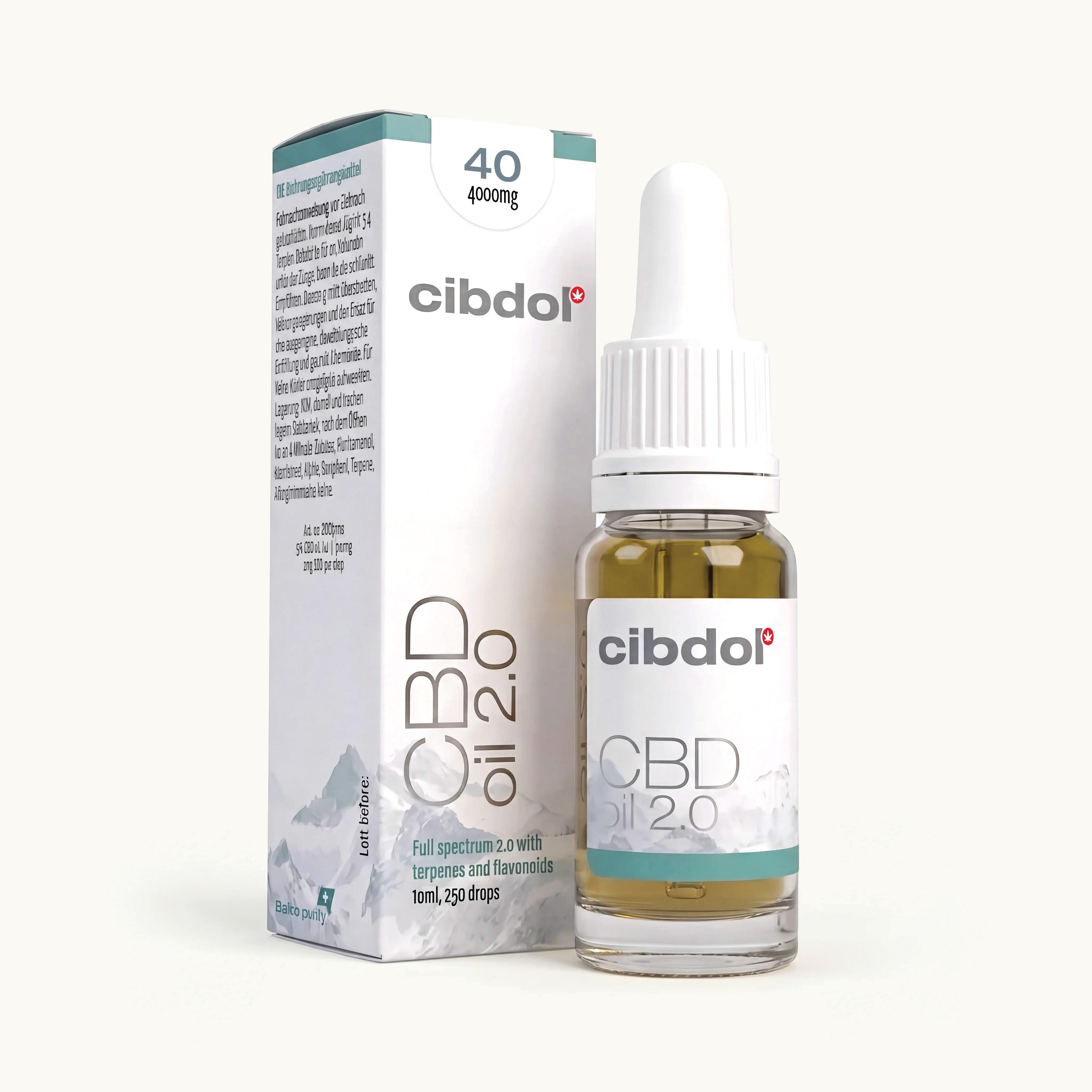
If you want to view finished retail preparations, the CBD oil category outlines the specific cannabinoid strengths and bottle sizes available.
That is the hinge of this whole subject. Since then, detection has been organised around that molecule and around the breakdown products the body makes from it [1]. Not around a plant. Not around a shopping category. Around one shape and its traces.
So the common question is narrower than it sounds. A laboratory method does not read the front of a bottle. It has no opinion about brands, no interest in why you bought something, and no way of registering the word printed in large type on the box. It searches for a defined structure and for what is left once the body has finished processing it [1].
CBD is a different molecule. Different structure, different name, its own row on a certificate of analysis. The two compounds get discussed in one breath because they come from the same plant. On an analytical report, they are simply not the same entry.
Which is why the question keeps returning. Hemp extract is not a single compound in a jar. A full-spectrum oil, meaning an extract that keeps the plant's wider cannabinoid profile instead of isolating one compound, contains more than CBD. THC can be present as a legally compliant trace. That trace is the honest centre of the conversation, and the good news is that it is a quantity. Something a laboratory can measure, express as a percentage, and print.
This is where the discussion gets useful. It moves off opinion and onto paperwork. Instead of asking a general question about CBD as an idea, you can ask a specific question about the liquid in front of you: what did the analysis of this batch record on the THC line, and what number is written there?
Two answers exist inside our own range. Some batches come back with THC listed as not detectable. Others come with a certificate showing 0.03%. Both belong to Cibdol. Both are published. They are different starting points, and it is worth understanding why one is not a stronger version of the other.
One more thing before the numbers. An analysis describes a liquid. It describes what was in a production run at the moment somebody measured it. It does not describe a person, a habit, a method, or a threshold set by whoever asked for a screening. Keeping those two things apart is most of the clarity anyone needs here, and it is the reason the rest of this page reads like lab documentation rather than reassurance.
Chemistry gave the subject a fixed target in 1964 [1]. Manufacturers can only answer the part that sits inside the bottle. So that is the part we document, batch after batch, and publish where anyone can check it.
Analysis, batch by batch
Cibdol has worked with cannabinoids since 2014, and one thing has not moved in all that time: publish the analysis and let the figures talk. Every batch of oil is analysed. Not one showcase batch followed by silence, and not a single report reused for years. Batch by batch, with the paperwork attached to the batch it belongs to.
There is a practical reason for that. Plant material is not identical from one harvest to the next, so each production run has its own numbers. The useful figure is never what a product type generally contains. It is what this batch contained when it was measured, on a specific date, by a specific method.
Across the strength range, several of our oils show THC as not detectable on the batch analysis. Others carry a certificate stating 0.03%. Both readings come from the same company and the same standard of documentation. Neither is hidden, and neither is dressed up.
So what does 0.03% actually record? A measured, legally compliant trace. Read it as a sequence of events rather than a slogan: a laboratory looked, found something, quantified it, and wrote the figure down. Three hundredths of one percent is a small amount. Small is not the same word as none. That distinction matters more than any adjective we could put next to it.
Not detectable is a different kind of statement. It is a sentence about the analysis, not a philosophical claim about the liquid. The method searched at the sensitivity it was run at and had nothing to report at that level. That is a real, documented outcome, and it is also a narrower one than people often assume.
Using the paperwork is a short job. Find the batch code on the bottle or the outer box. Open the analysis for that code. Look for the THC row and read what is there: either a figure, or a note that it was not detectable. Then look at the date, because that tells you which production run you are actually holding.
What the report cannot do is equally worth stating. It documents a liquid. It says nothing about the method somebody else will use, the threshold that method applies, or how any individual body handles anything. Those variables live outside our laboratory, and a certificate does not reach them.
We publish it anyway, because a checkable number removes more uncertainty than a confident sentence ever will. Anyone can write a claim about purity. Fewer companies hand you the figures and invite you to compare them with what the label promised. That has been the working standard since 2014, and the arrival of new strengths and new cannabinoids has not changed it.
If you cannot find the analysis for the batch you own, ask us for it. That request is normal, it is answerable, and it is a far better use of five minutes than reading forum guesswork about what a hemp oil might contain.
Two readings, one range
A trace with a figure attached
A certificate that states 0.03% is telling you something precise. THC was present in that batch, in a measured and legally compliant amount, and here is the number. Nothing about it is evasive. It is arguably the more informative of the two possible readings, because it hands you a quantity instead of a boundary.
People sometimes read a small figure as a rounding error or a formality. It is neither. It is a real quantity, recorded because it was found. The percentage is tiny in everyday terms, and it is still a positive result on a line of a laboratory report. Both halves of that sentence are true at once, and the honest version keeps both.
What the figure does not do is travel. It describes the contents of a bottle, at a percentage, on a date. It does not convert into a prediction about what happens in anybody's screening, because that conversion would need information a manufacturer does not hold: which method, run at which sensitivity, against which threshold, and for which person.
So the correct use of 0.03% is documentary. You know what you bought. You know it sits inside legal limits. You know the figure was produced by measurement rather than by assumption. If a screening matters in your situation, that is the moment to speak to whoever is asking for it, not to draw conclusions from a percentage on a certificate.
That is also why we do not soften the figure with vague wording. A trace expressed as a number is more useful than a trace described as negligible. One can be checked against a report. The other is just tone.
When the line reports nothing
Several of our oils, spread across the strength range, come back with THC as not detectable. It is a good result and a clean piece of documentation, and it deserves an accurate reading rather than an optimistic one.
Not detectable describes the outcome of a search. The analysis looked for delta-9-THC at the sensitivity it was performed at and found nothing to report [1]. That is a statement about a method meeting a limit. It is not the same statement as a claim that no molecule of anything exists anywhere in the liquid, and no honest laboratory report is written to mean that.
Which is why not detectable and 0.03% are best understood as two different starting points rather than a ranking. One batch has a quantity on record. The other has a documented absence of a reportable signal. They tell you different things about the same question, and both are worth having in writing.
Here is the part that applies to both equally: neither reading is a forecast. A certificate documents a bottle. A screening measures a person, using a method with its own sensitivity and its own thresholds, under rules set by whoever ordered the test. Nothing on a certificate of analysis crosses that gap, whichever of the two readings you are looking at.
We would rather say that plainly than let a favourable line on a report do implied work it cannot support. The figures are published so you can check them. What they cover, they cover well. What they do not cover, we do not stretch them to reach.
The promise we do not make
No Cibdol product is offered as a guarantee that any person will pass a screening. We do not make that claim about a single item in the range, at any strength, with any certificate behind it. Not as caution, and not as small print. It is simply the accurate position.
The reason follows from everything above. What a manufacturer can document is the liquid: which batch, which analysis, which date, which figure on the THC line. What a screening involves is a person, a sample, a method with a defined sensitivity, and a threshold chosen by whoever requested the test. Those are separate systems. Since 1964 the chemistry has been pointed at delta-9-THC and its breakdown products [1], and that target is the only part of the arrangement a bottle interacts with.
Anyone in this category who promises you a clear result is selling certainty they do not own. We would rather hand over the analysis and let you make an informed decision, including the decision not to buy. That has been the pattern since 2014, through CBD, then CBG and CBN, and it has not needed revising as the range grew.
If a screening genuinely matters in your circumstances, the useful conversation is not with a product page. It is with the organisation asking for the test, and with your doctor if you take medication or manage a health condition. They know the rules that apply to you. We know what is in the bottle, batch by batch, and we will show you the paperwork for it.
Eight points worth writing down
- The analytical target has been delta-9-THC and its breakdown products since the 1964 isolation and structural description by Gaoni and Mechoulam [1].
- CBD is a different molecule and occupies its own line on a certificate of analysis.
- A full-spectrum extract keeps the plant's wider cannabinoid profile, so THC can be present as a legally compliant trace.
- Cibdol analyses every batch, and the report belongs to that batch rather than to the product name.
- Across the strength range, several of our oils show THC as not detectable on the batch analysis.
- A certificate reading 0.03% records a measured, legally compliant trace: a real quantity, not an absence.
- Not detectable and 0.03% are different starting points, and neither figure is a forecast of a screening result.
- No product from us, or from anyone, is a guarantee that a given person will pass a screening.
Take the batch code off your bottle, open the matching analysis, read the THC row, and keep the file. That is the whole method. It leaves one question open, honestly open, and it settles every other question you can reasonably ask about the liquid you paid for.
Frequently Asked Questions
3 questionsIs CBD the molecule a cannabis screening is built around?
Why does one Cibdol oil report 0.03% and another report nothing?
Will Cibdol tell me a product is safe for a screening?
About this article


Luke Sholl has been writing about cannabinoids, CBD, and the broader benefits of nature since 2011. His background includes first-hand cannabis cultivation experience spanning the full seed-to-harvest lifecycle across so
This wiki article was drafted with AI assistance and reviewed by Luke Sholl, CBD & wellness writer. Editorial oversight by Joshua Askew.
Medical disclaimer. This content is for informational purposes only and does not constitute medical advice. Consult a qualified healthcare provider before use of any substance.
Last reviewed August 26, 2026
References (1)
- [1]Gaoni, Y. and Mechoulam, R. (1964). Isolation, structure, and partial synthesis of an active constituent of hashish. DOI: https://doi.org/10.1021/ja01062a046
Related Articles
Does CBG Make You Sleepy? What's Actually on Record
The idea that cannabigerol brings on drowsiness is widely repeated, but the 2021 review by Nachnani and Barrett describes receptor sites rather than sensations in volunteers. The same thing happened to CBN, and Corroon traced it in 2021.
THCA vs THC: A Single Carboxyl Group Apart
One carboxyl group separates the acid form found in the plant from the neutral compound most people talk about. Here is what happens when it goes, and why two lab figures from one plant are not a contradiction.
Broad Spectrum CBD: What The Term Covers
Broad spectrum sits between full spectrum and isolate, and it's the one name on that list with no legal definition behind it. Here's what the term commits to, what research covers, and what our own range holds.
THCP: A Cannabinoid With Two Extra Carbons
Tetrahydrocannabiphorol turned up in an Italian medicinal cannabis variety in December 2019, in work led by Cinzia Citti [1]. Here is what that report actually records, and where our own range sits.
CBD Research: What the Human Data Covers
A calm look at what has actually been measured in cannabidiol studies, where the published record thins out, and what to check before you believe a claim.
Serotonin, 5-HT and the One Cannabinoid Link on Record
5-HT is not one receptor but at least seven families of them, each split into subtypes. Here is what that means for reading claims, and what the 2005 in vitro report on cannabidiol at 5-HT1a does and does not cover [1].
PEA and Anandamide: A Family Resemblance in Chemistry
Palmitoylethanolamide shares a chemical class and a clearance route with anandamide. Here is what that family resemblance settles, and what it deliberately leaves open.
The Endocannabinoid System in Six Papers, 1964 to 1995
The structure of THC was published in 1964, the first cannabinoid receptor in 1990, anandamide in 1992. Six reports, thirty-one years, and a name that runs backwards.
2016: What Clinical Endocannabinoid Deficiency (CECD) Actually Means
CECD is a testable idea about underactive endocannabinoid signalling, set out most clearly in a 2016 paper by Russo [1]. Here is what that paper names, and where the record stops.
