Educational content about cannabinoid science, not medical advice. Consult a healthcare professional before combining CBD products with medication. Our age policy
Broad Spectrum CBD: What The Term Covers
Definition
Full spectrum keeps the cannabinoid range as extraction leaves it, trace THC included. Broad spectrum starts from the same hemp extract and takes the THC out, with the other cannabinoids meant to stay. CBD isolate goes one step further and keeps a single compound.
Three Names, One Plant
- Full spectrum. The extract keeps the cannabinoid range the plant produced, trace THC included, within the legal limit of the market it's sold in. Dozens of cannabinoids have been described in cannabis, and the same plant tissue also produces terpenes and flavonoids [1].
- Broad spectrum. The same hemp extract, with one extra processing step: the THC comes out, the rest of the cannabinoid profile is meant to remain. How far down the THC goes depends on the method used and on the detection limit of the laboratory that measured it.
- CBD isolate. One compound, purified until nothing else is left: no terpenes, no flavonoids, no minor cannabinoids. What you gain is a very simple label. What you leave behind is everything else the plant made.
- The middle option is the vague one. Full spectrum and isolate more or less describe themselves. Broad spectrum describes a subtraction, and the size of that subtraction only exists as a figure on a lab report.
- A wording note worth keeping. Broad spectrum is a market term, not a legal category. It isn't tightly defined in EU law or UK law, so two products carrying the phrase can be built to different standards.
- Which makes the practical question narrower than the naming debate. Not which of the three sounds best, but which bottle arrives with an analysis you can read, naming each cannabinoid and its measured amount for that batch.
A Phrase With No Legal Line
Nobody has drawn that line for you. Broad spectrum isn't tightly defined in EU law or in UK law, so there's no threshold to point at and no wording rule a producer has to meet. The phrase can sit on a product where THC was reduced, and on a product where it was pushed below what the equipment could see. Both say broad spectrum. Neither is lying about the words, because the words don't commit to a number. That moves the whole question onto documentation. Not the front of the box. The analysis for the batch in your hand. Since 2014, that's been our own standard: every batch independently analysed, and cannabinoid content set against what the label claims, before the seal is broken.
What A Batch Analysis Names
A report turns adjectives into figures. It lists the cannabinoids found, the amount of each, the batch code and the date of testing. THC removed becomes THC measured at a stated value, with the laboratory's detection limit written beside it. If a producer can't show you that document for the batch you're buying, broad spectrum stays a marketing word. If they can, you don't have to trust the phrase at all. You can read straight past it.
Where The Research Stops Short
Extract Types In Human Studies
Chemistry separates the three types cleanly. Human research can't do the same yet. Direct comparisons of extract types in people are limited, so the distance between a full spectrum extract, a broad spectrum one and an isolate is easier to describe on a certificate than to quantify in a trial. What has been described in detail is the plant. Russo's 2011 paper set out dozens of cannabinoids identified in cannabis and noted that the same plant tissue produces terpenes and flavonoids alongside them [1]. That's botany and chemistry. It isn't a measured comparison of three finished products, and a certificate answers a composition question rather than a comparison one.
Millar 2018 On Cannabidiol In People
Before extract type, there's a more basic gap. Millar's 2018 systematic review gathered the human data on cannabidiol pharmacokinetics, meaning absorption, distribution and clearance: what the body does with the compound once it's taken. Across the studies available, those parameters were inconsistently documented [2]. So the honest position on broad spectrum is a modest one. We can say what's chemically in a bottle, batch by batch, with a name and a number for each cannabinoid. We can't tell you from published human research how one extract type compares with another. When better data arrives, the description changes with it.
What Our Own Range Holds
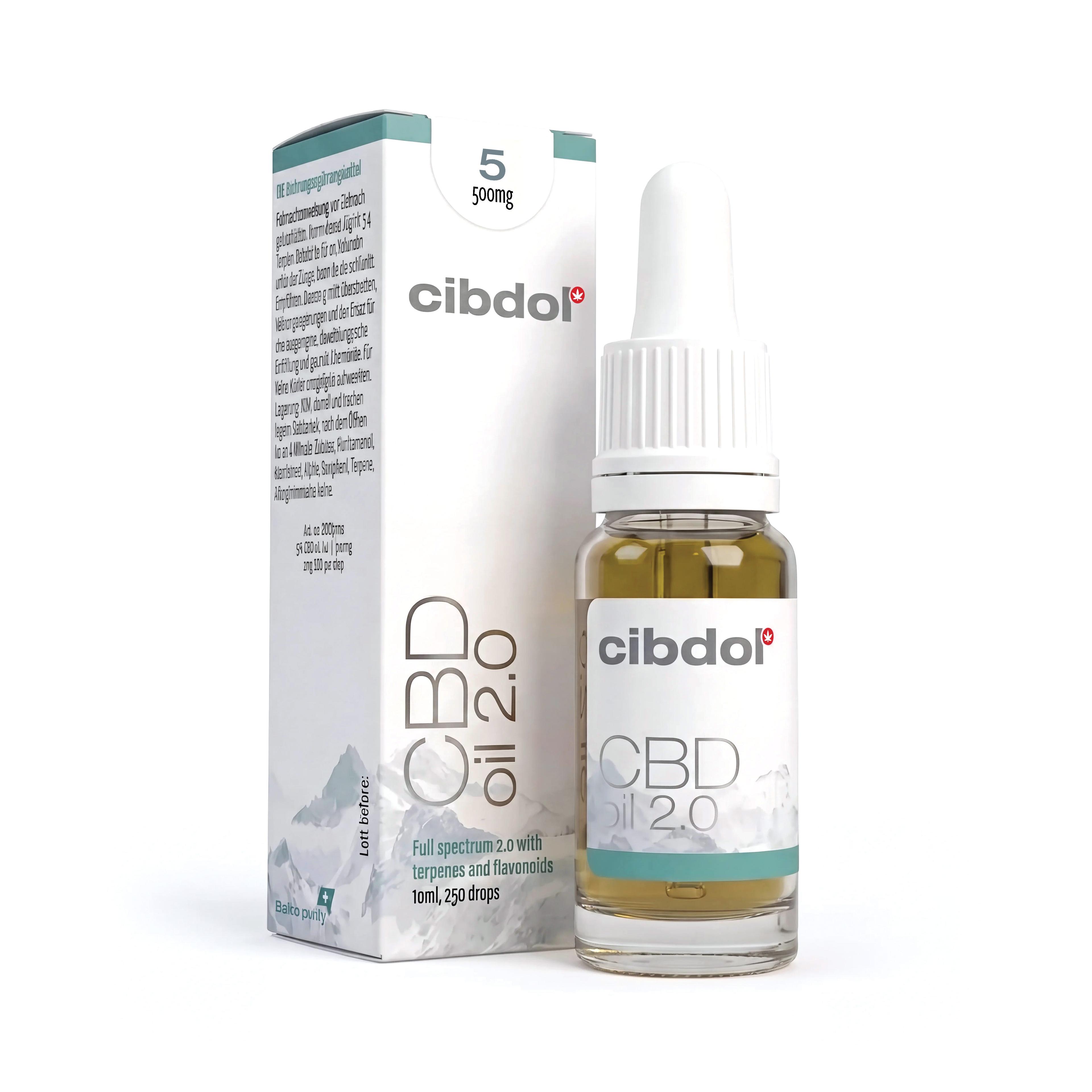
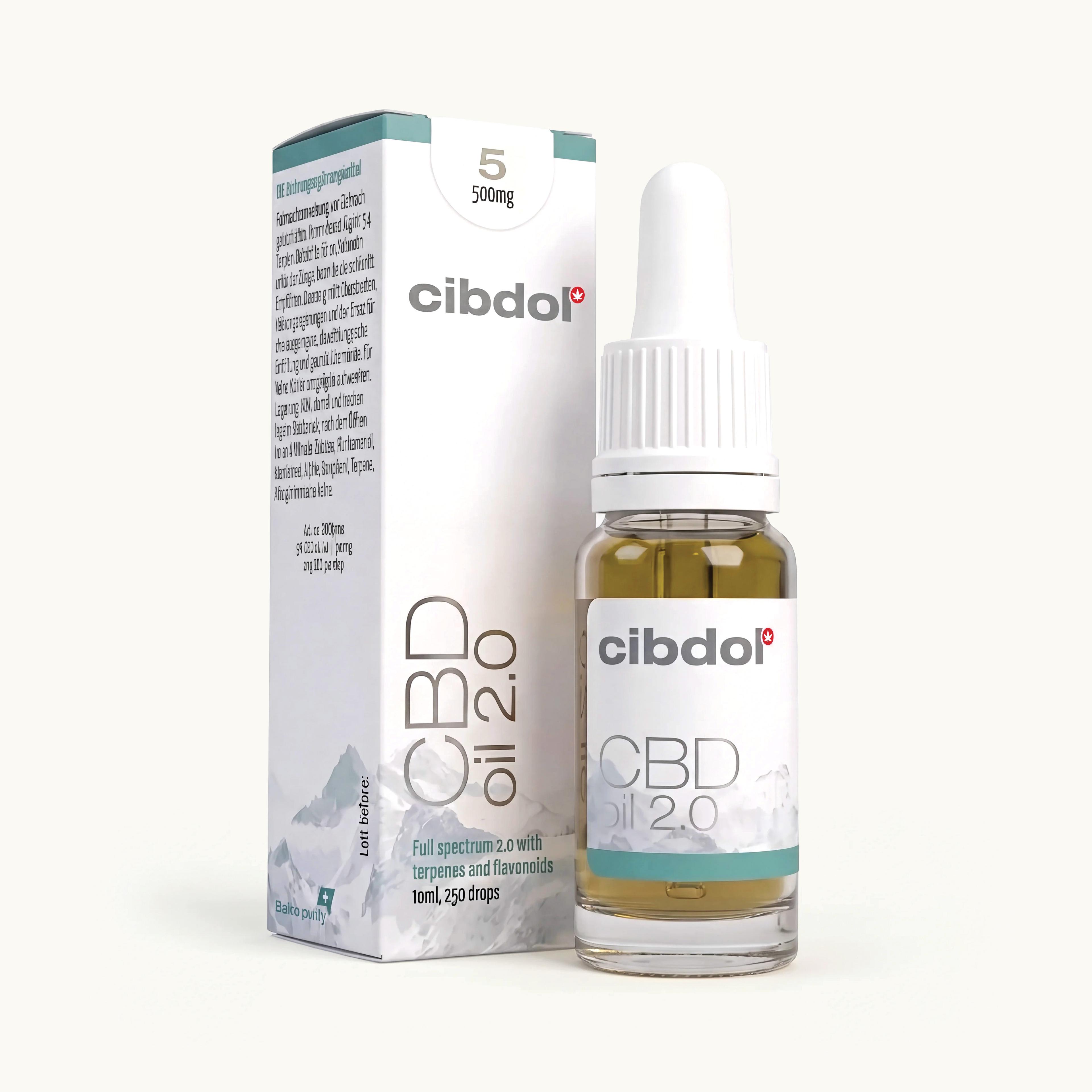
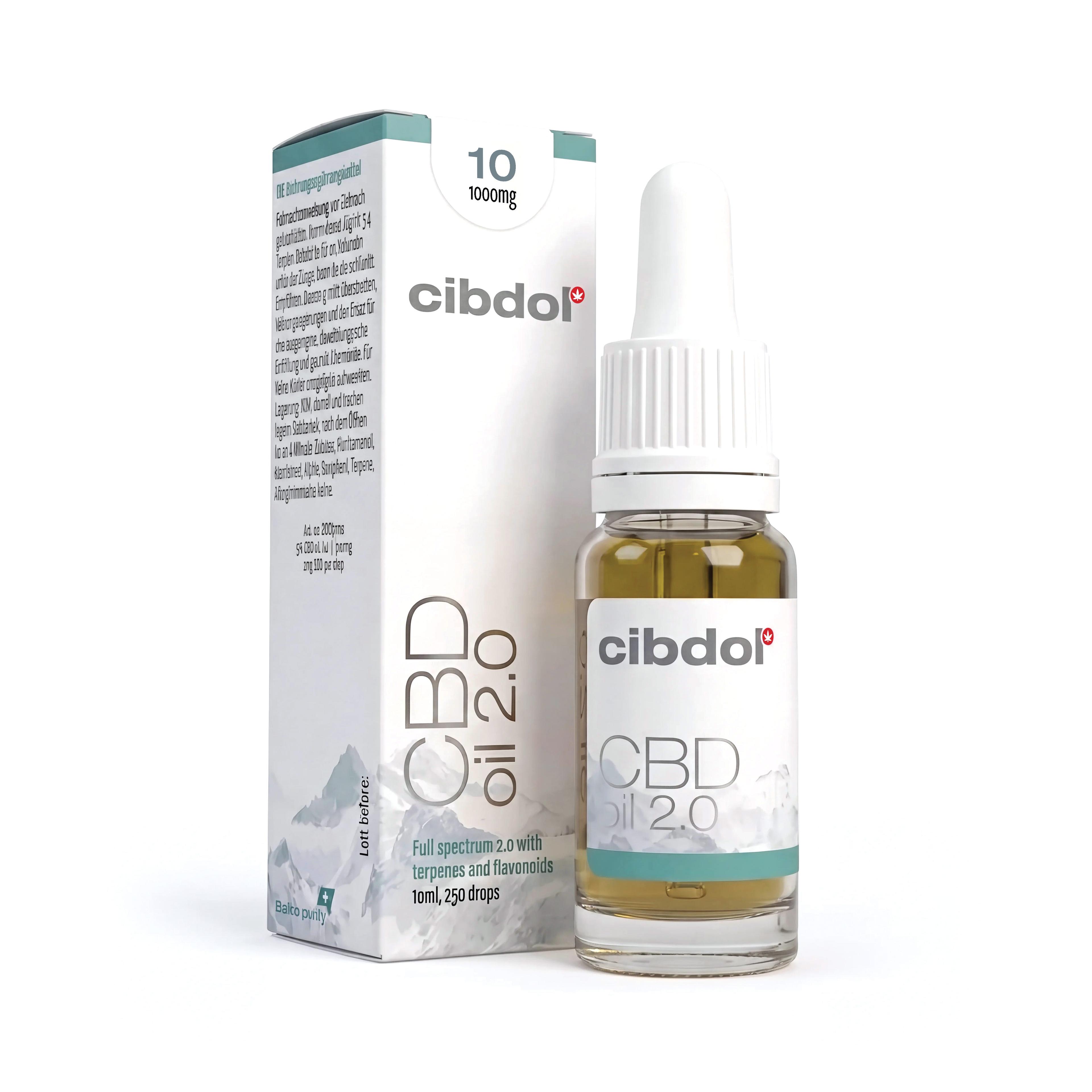
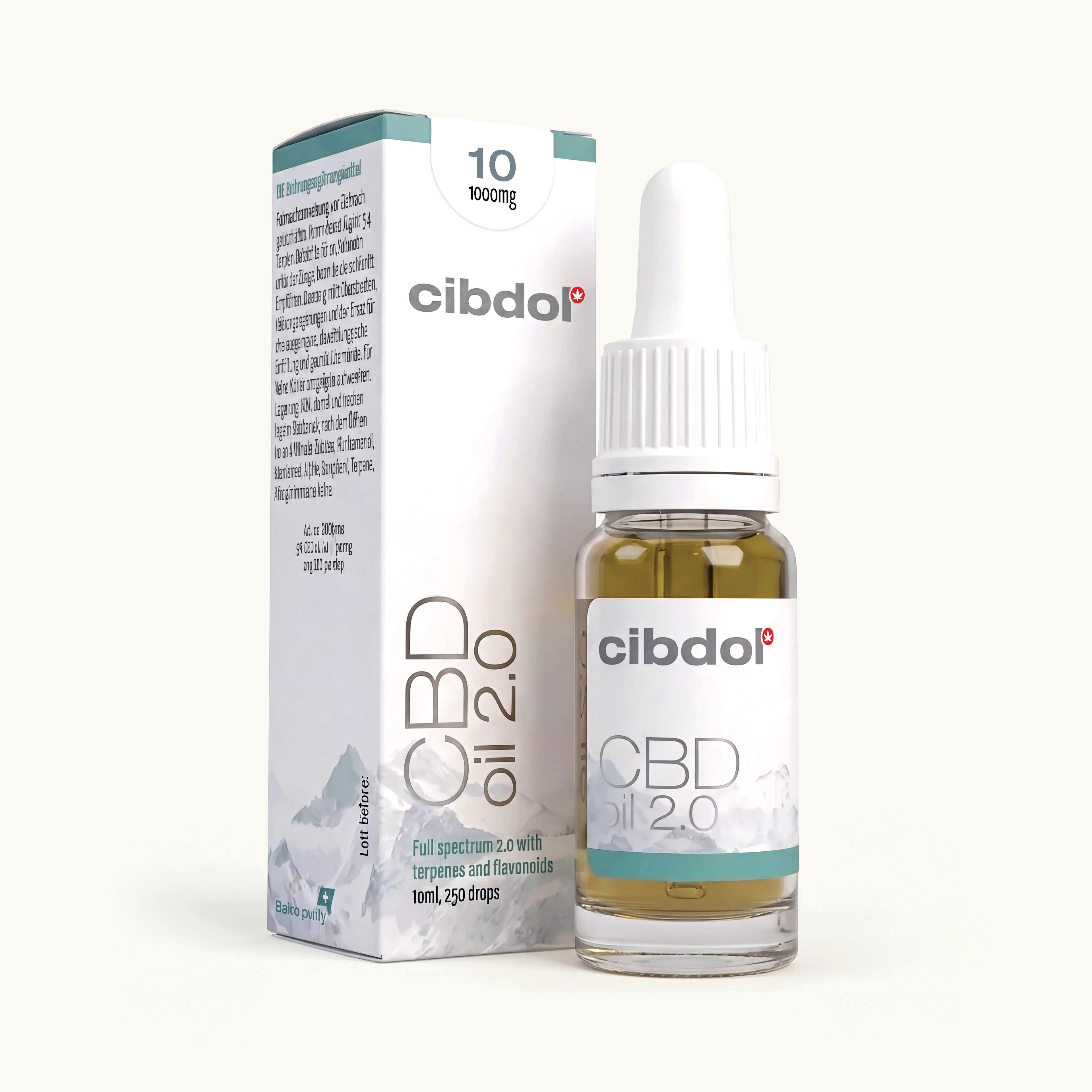
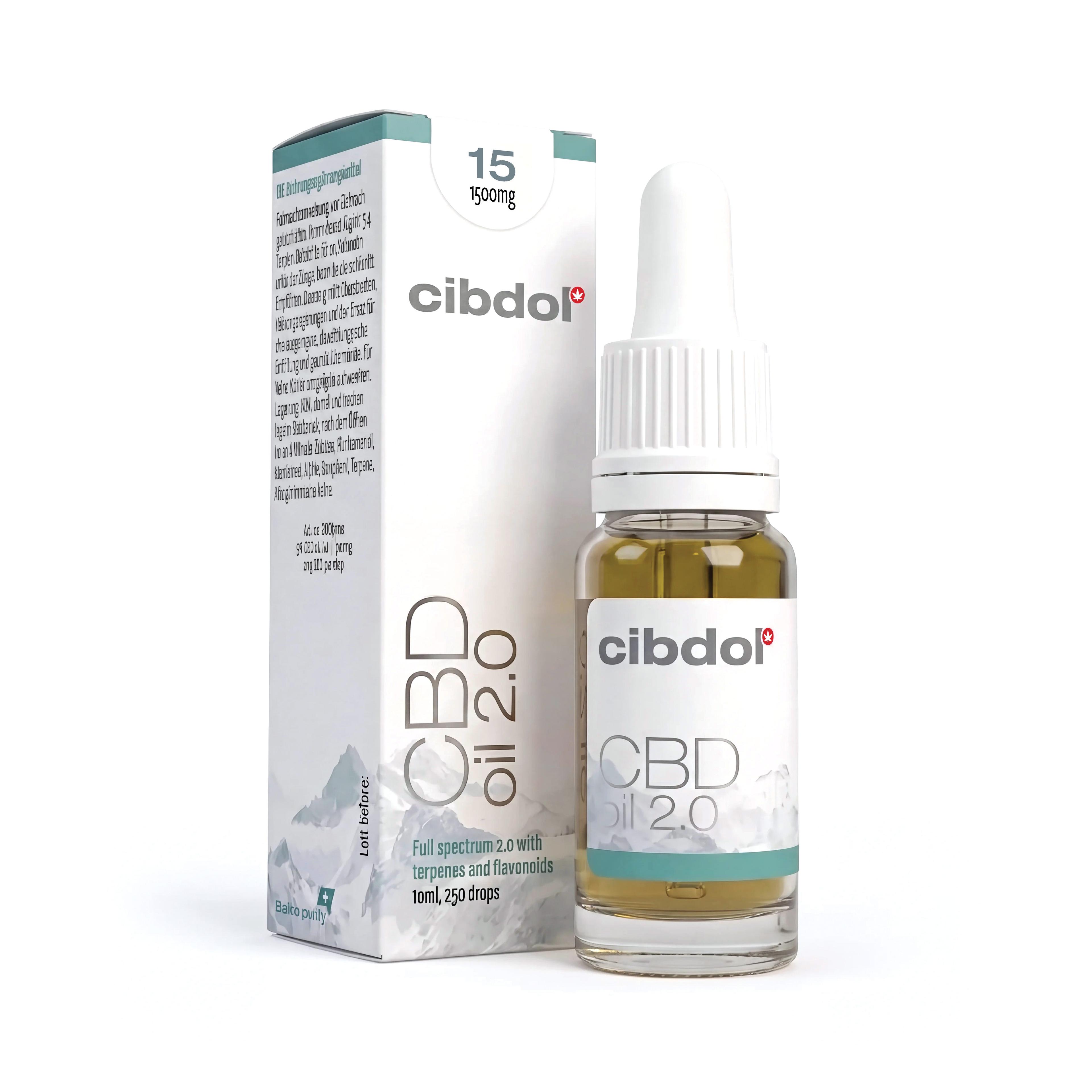
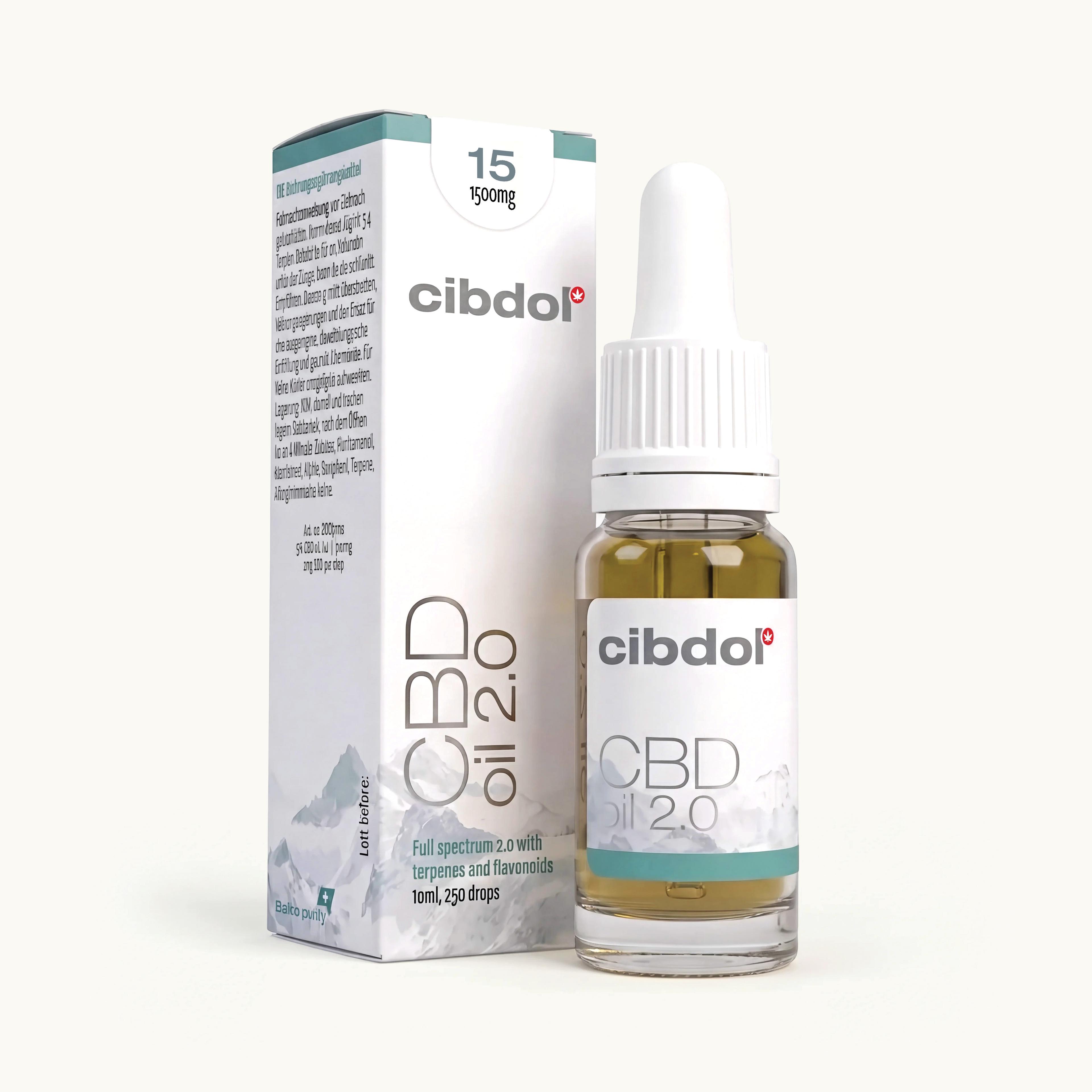
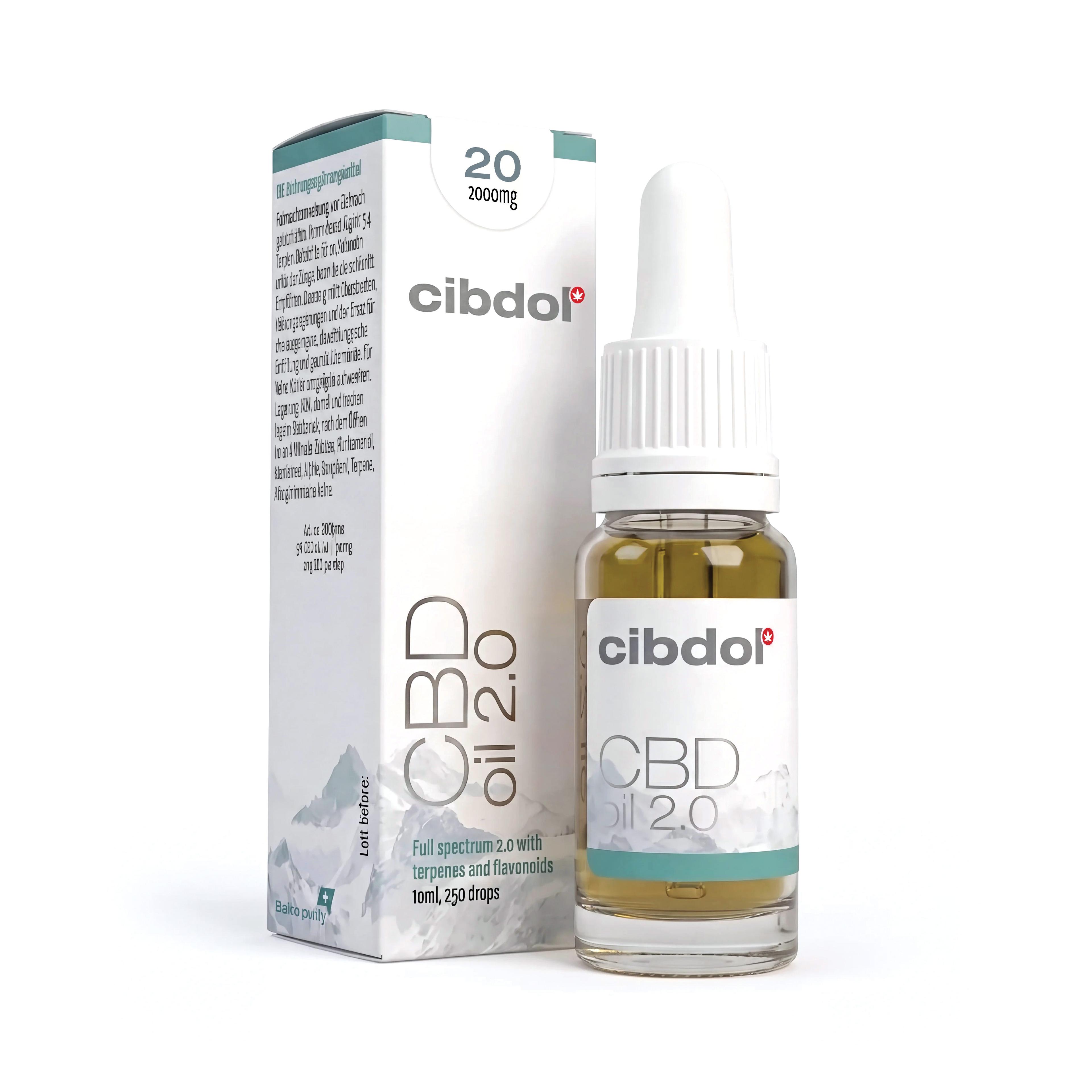
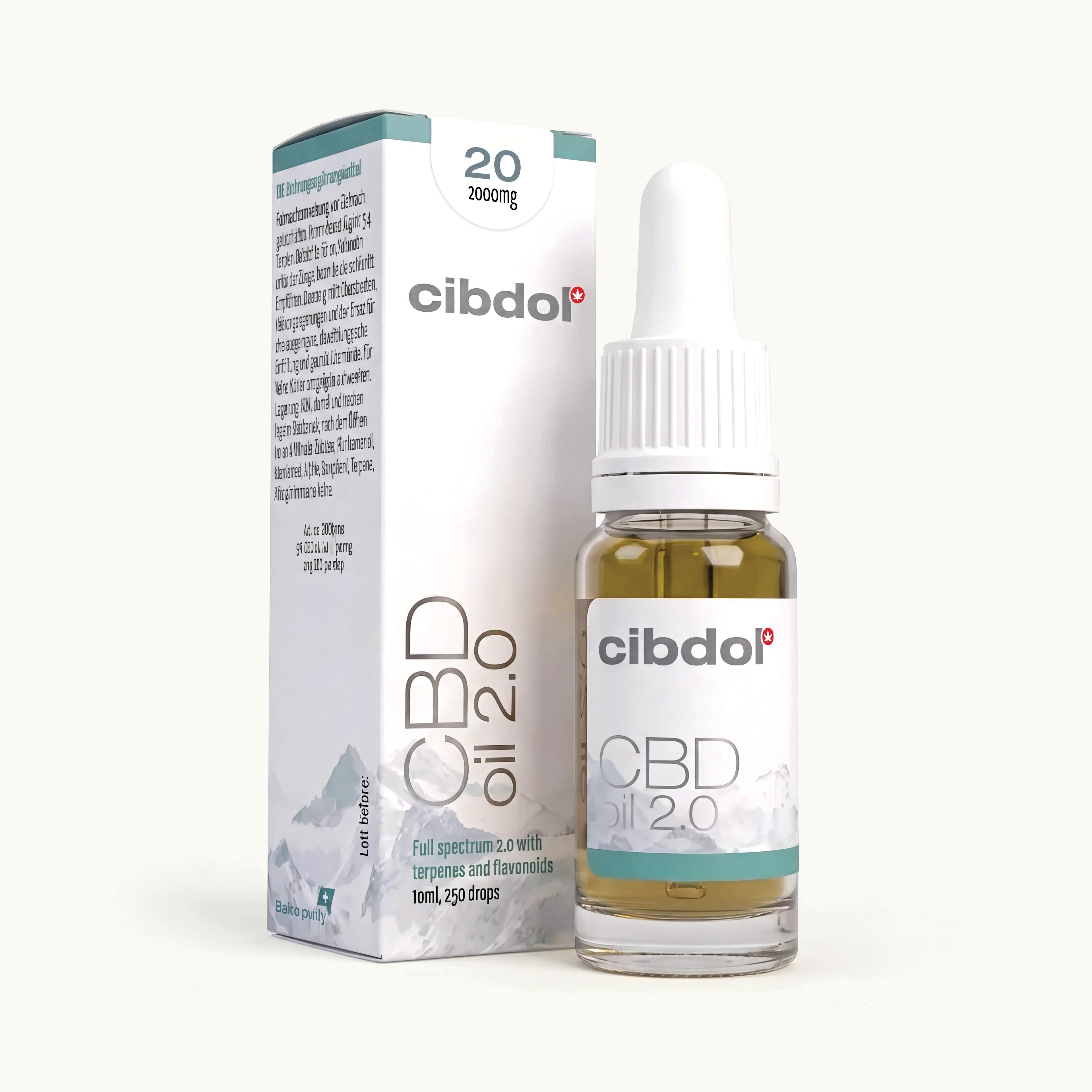
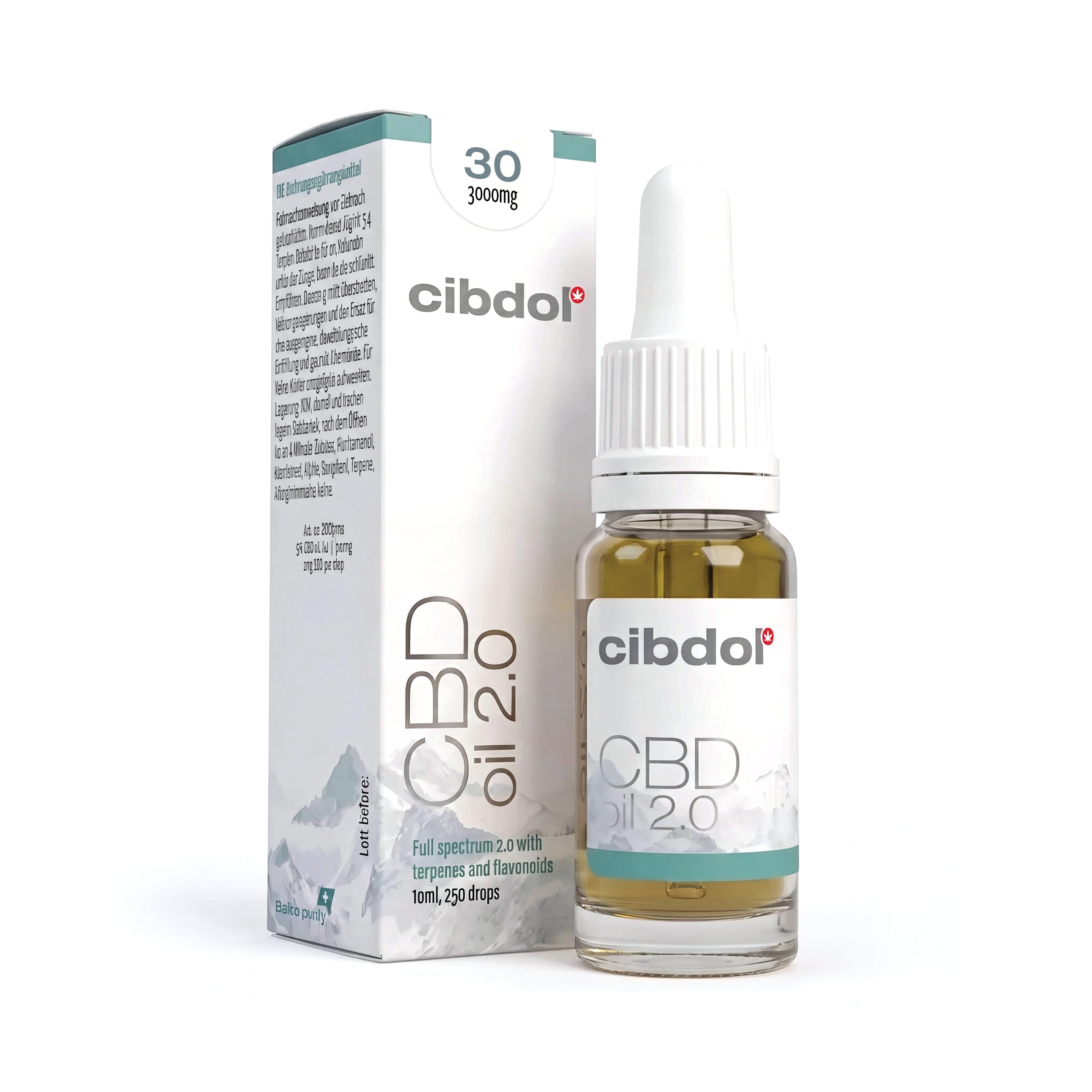
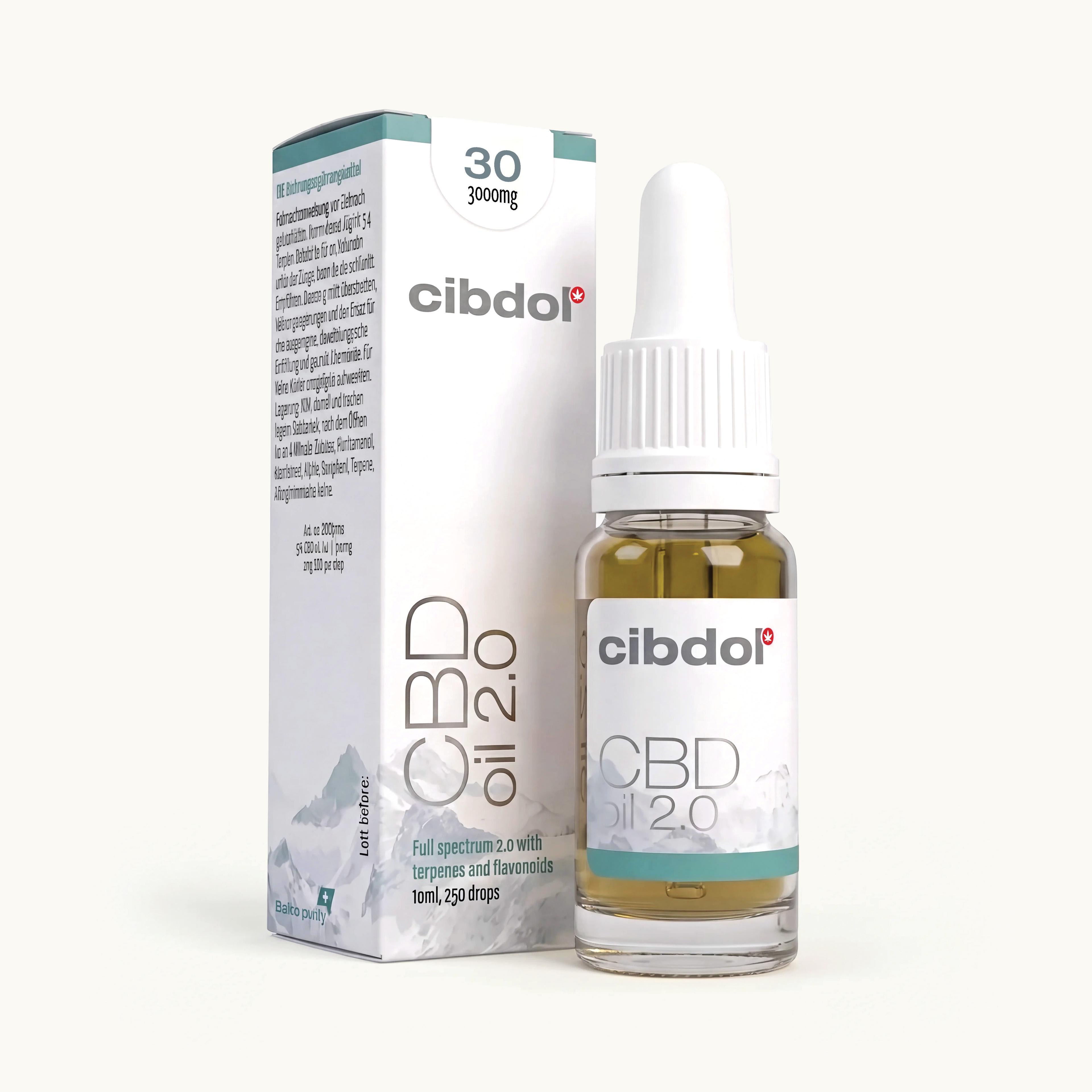
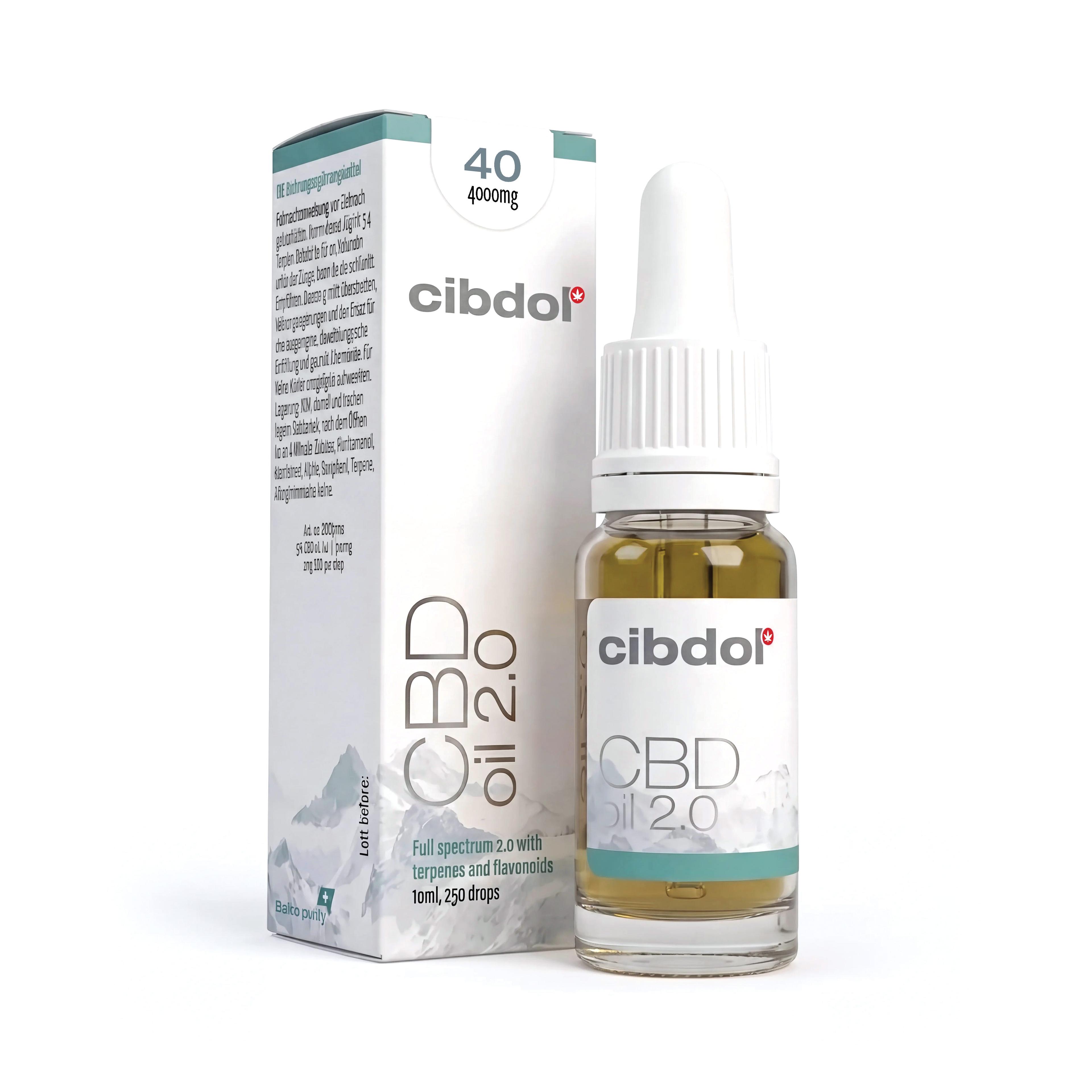
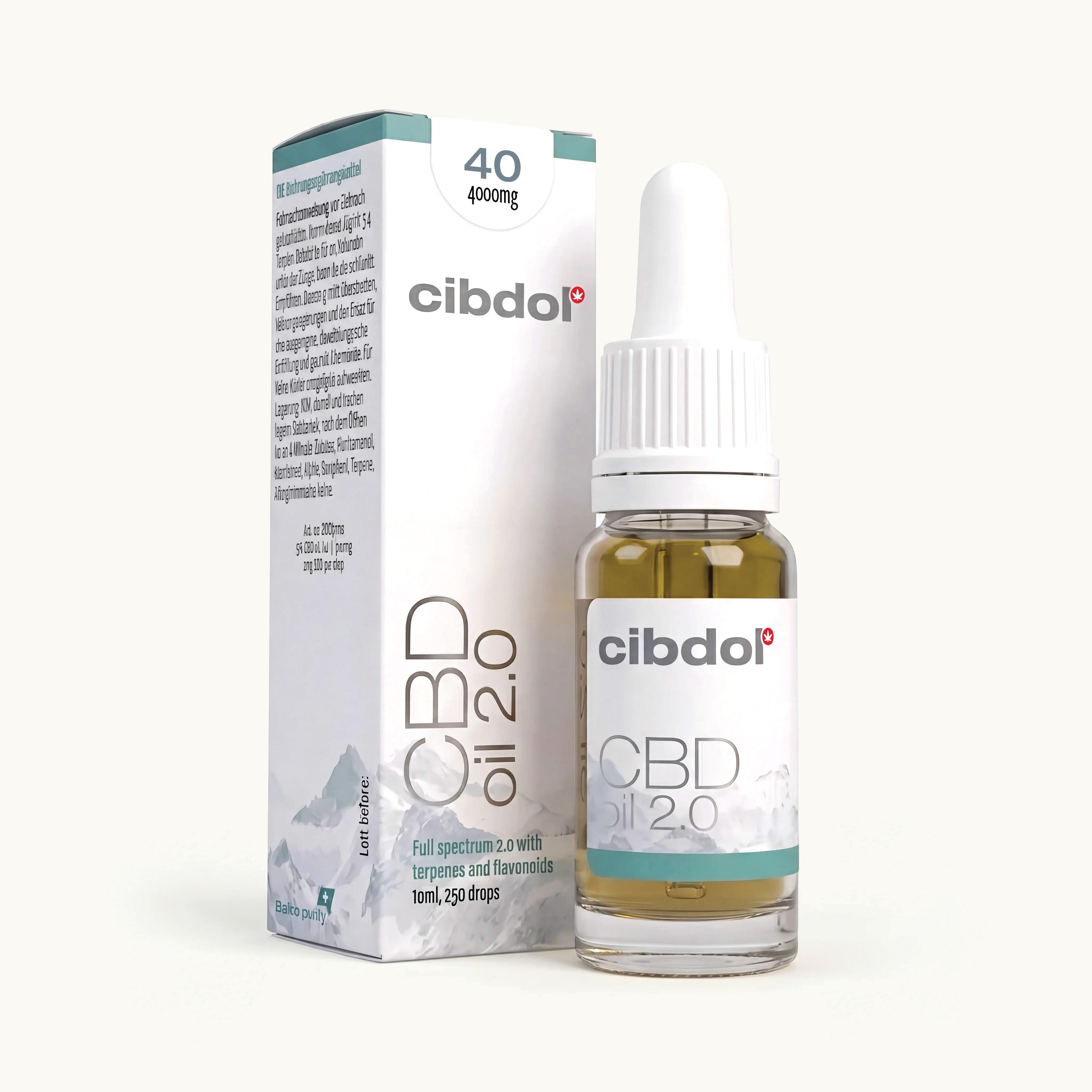
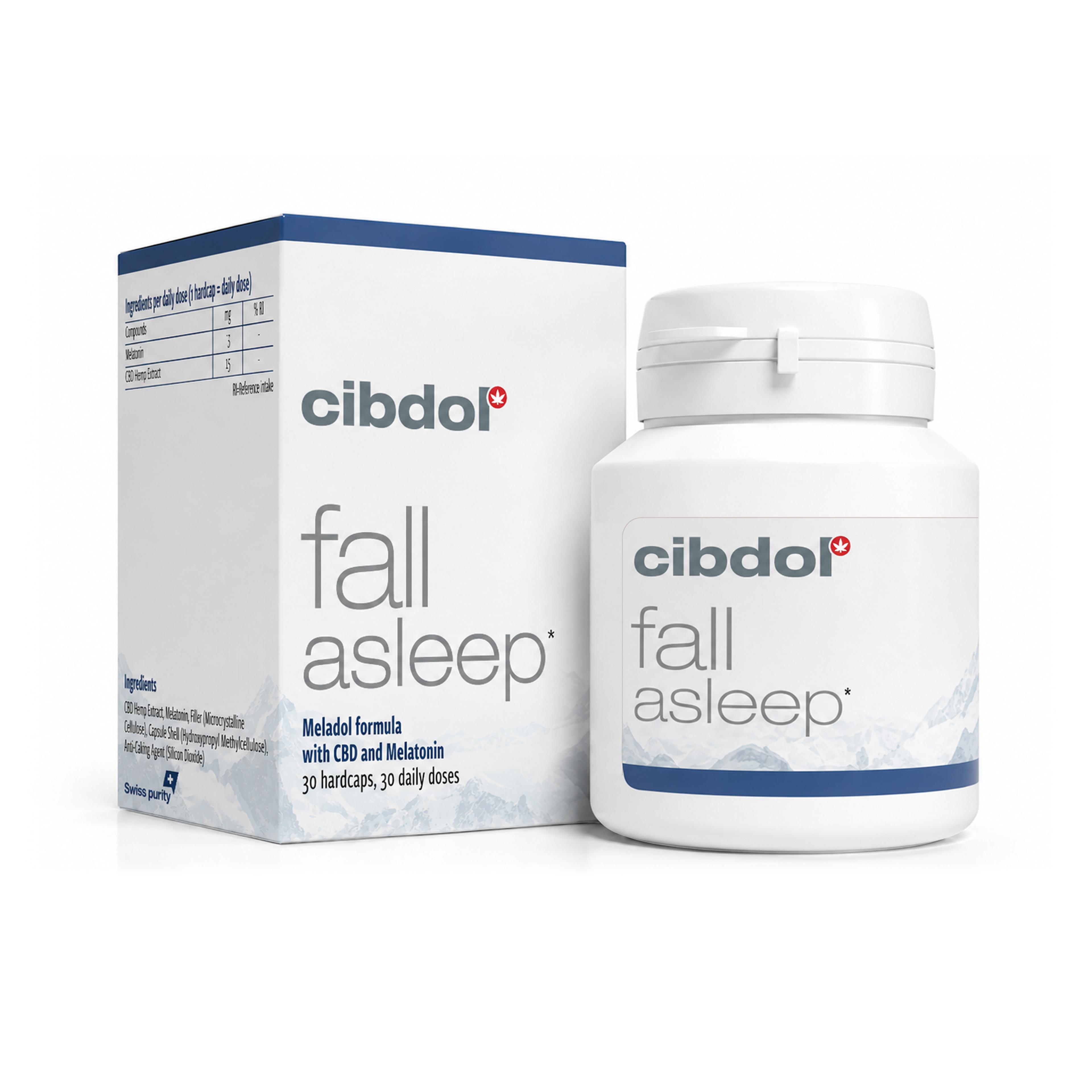
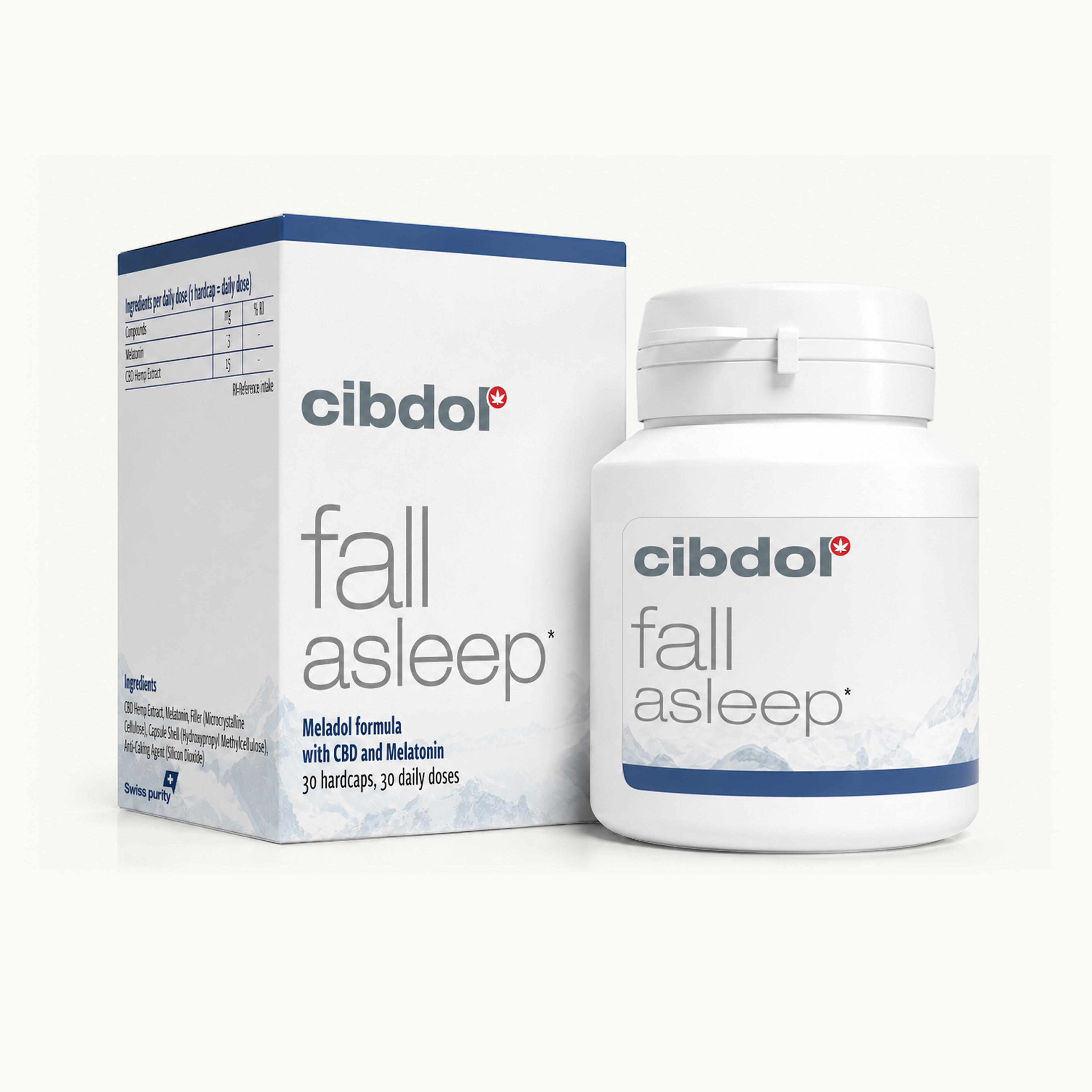
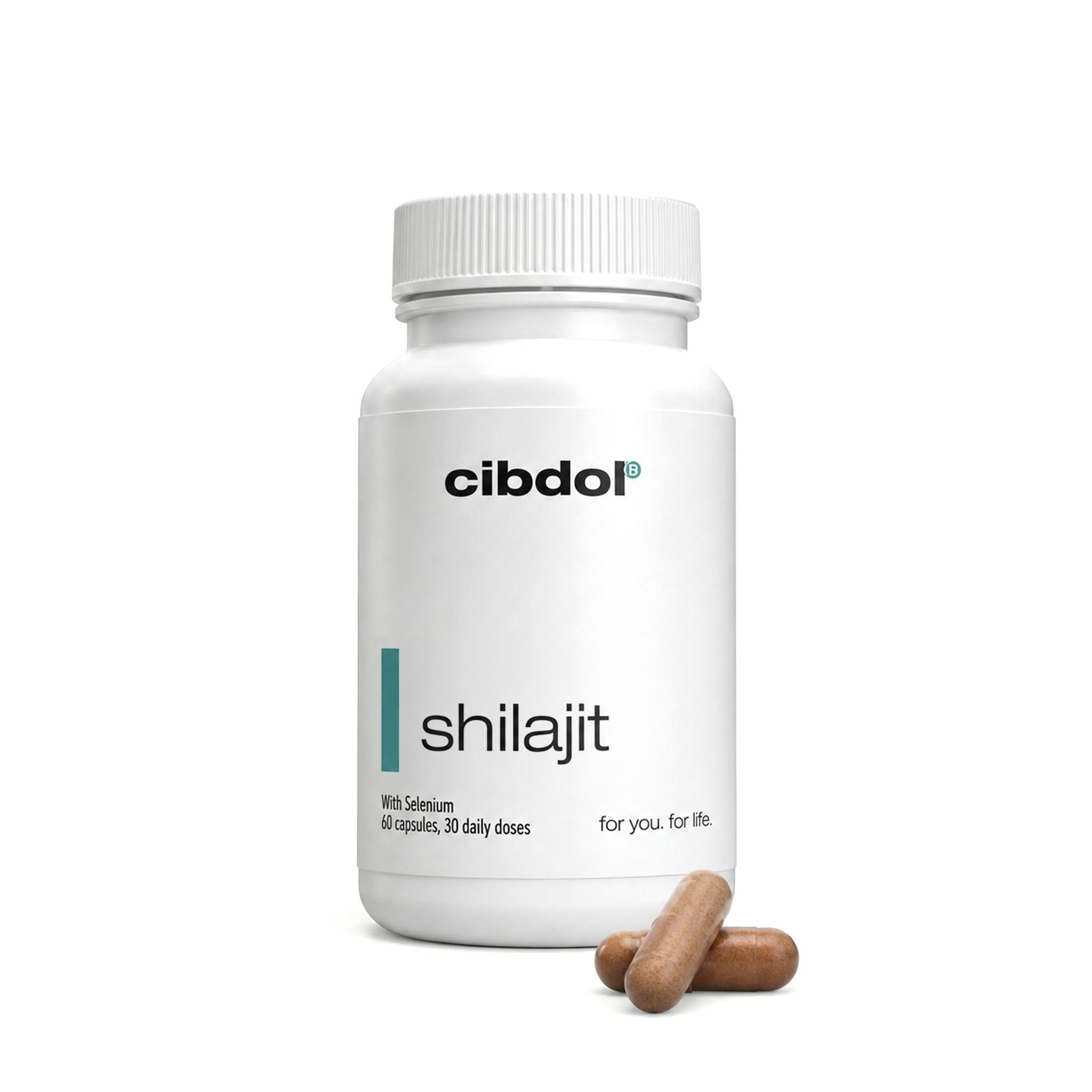
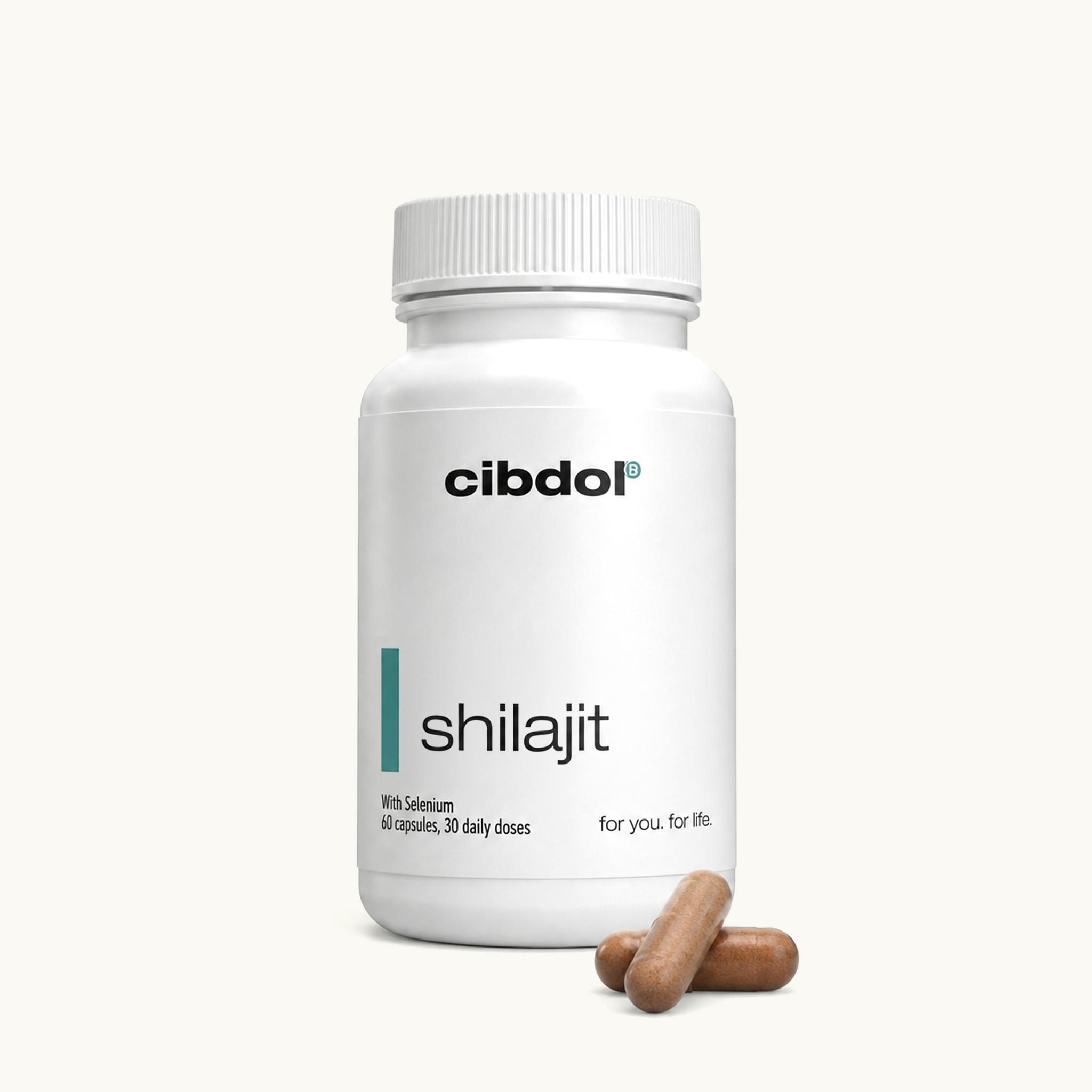
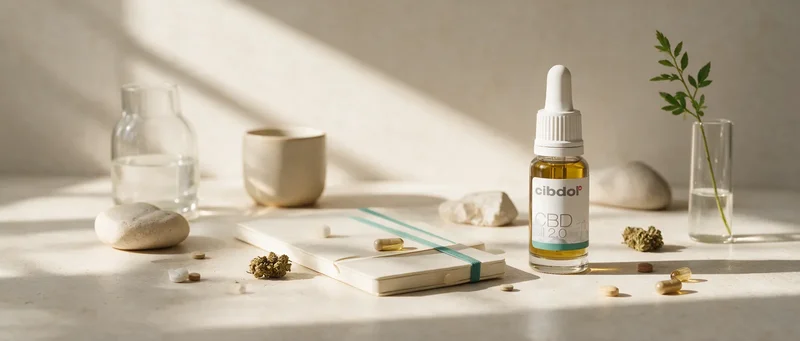
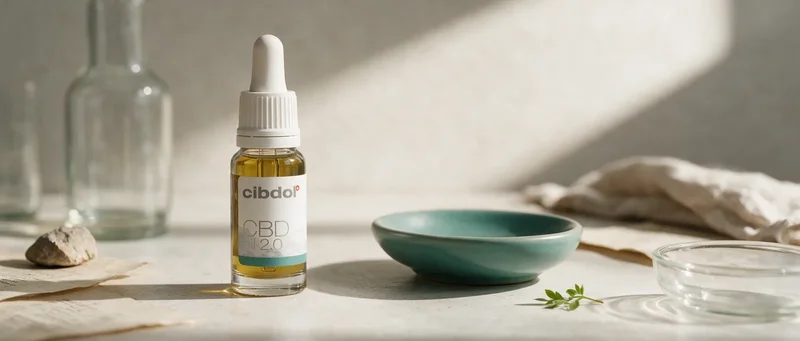
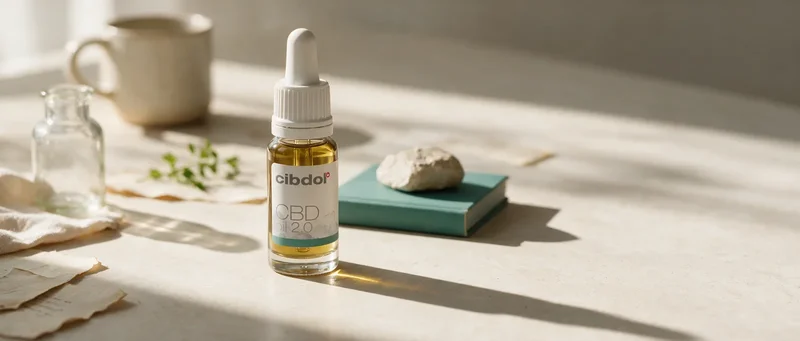
Straight answer, because it's usually the next question. There's no broad spectrum product in the Cibdol range at the moment. The oils and the capsules are full spectrum, and the box print says so in as many words: Full spectrum 2.0 with terpenes and flavonoids. That's a formulation choice we can document, not a verdict on which type suits anyone. If broad spectrum is specifically what you're after, look for a producer who publishes a batch analysis with THC stated as a figure and the detection limit written next to it. Anything less specific is a phrase, not a measurement.
- The oils and capsules in the range are full spectrum.
- The box carries the line Full spectrum 2.0 with terpenes and flavonoids.
- There's no broad spectrum option in the range as it currently stands.
- Every batch goes out with an independent analysis behind it.
- You can compare cannabinoid content against the label before the bottle is opened.
- We've been working with cannabinoids since 2014, which is where the batch-by-batch habit comes from.
Reading The Bottle, Not The Adjective
The word on the front is the least informative thing on the packaging. Broad spectrum tells you an intention: THC out, other cannabinoids in. It doesn't tell you the figure, the method, or who did the measuring. So ask for the analysis of the batch you're buying, and check three things on it. The batch code matches the bottle. The date belongs to this production run, not to one from two years ago. And THC appears as a number with a detection limit, rather than as an empty space.
Then keep expectations where the evidence puts them. Human comparisons between extract types are limited, and even for cannabidiol on its own, Millar's 2018 review found the pharmacokinetic data in people inconsistently documented across the studies available [2]. Individual responses vary. No one can hand you a published trial that ranks the three extract types in order.
If you take prescription medication or you're managing a health condition, run it past your doctor before you add anything new. And if you're comparing labels this evening, compare the certificates instead of the front panels. The chemistry is written down and dated. The marketing isn't.
Frequently Asked Questions
4 questionsIs broad spectrum the same as THC-free?
How many cannabinoids are we talking about in hemp?
Which extract type does the research support best?
What does Cibdol currently make?
About this article


Luke Sholl has been writing about cannabinoids, CBD, and the broader benefits of nature since 2011. His background includes first-hand cannabis cultivation experience spanning the full seed-to-harvest lifecycle across so
This wiki article was drafted with AI assistance and reviewed by Luke Sholl, CBD & wellness writer. Editorial oversight by Joshua Askew.
Medical disclaimer. This content is for informational purposes only and does not constitute medical advice. Consult a qualified healthcare provider before use of any substance.
Last reviewed August 29, 2026
References (2)
- [1]Russo, E.B. (2011). Taming THC: potential cannabis synergy and phytocannabinoid-terpenoid entourage effects. DOI: https://doi.org/10.1111/j.1476-5381.2011.01238.x
- [2]Millar, S.A. et al. (2018). A Systematic Review on the Pharmacokinetics of Cannabidiol in Humans. DOI: https://doi.org/10.3389/fphar.2018.01365
Related Articles
Does CBG Make You Sleepy? What's Actually on Record
The idea that cannabigerol brings on drowsiness is widely repeated, but the 2021 review by Nachnani and Barrett describes receptor sites rather than sensations in volunteers. The same thing happened to CBN, and Corroon traced it in 2021.

THCA vs THC: A Single Carboxyl Group Apart
One carboxyl group separates the acid form found in the plant from the neutral compound most people talk about. Here is what happens when it goes, and why two lab figures from one plant are not a contradiction.

THCP: A Cannabinoid With Two Extra Carbons
Tetrahydrocannabiphorol turned up in an Italian medicinal cannabis variety in December 2019, in work led by Cinzia Citti [1]. Here is what that report actually records, and where our own range sits.
CBD Research: What the Human Data Covers
A calm look at what has actually been measured in cannabidiol studies, where the published record thins out, and what to check before you believe a claim.

Serotonin, 5-HT and the One Cannabinoid Link on Record
5-HT is not one receptor but at least seven families of them, each split into subtypes. Here is what that means for reading claims, and what the 2005 in vitro report on cannabidiol at 5-HT1a does and does not cover [1].
PEA and Anandamide: A Family Resemblance in Chemistry
Palmitoylethanolamide shares a chemical class and a clearance route with anandamide. Here is what that family resemblance settles, and what it deliberately leaves open.
The Endocannabinoid System in Six Papers, 1964 to 1995
The structure of THC was published in 1964, the first cannabinoid receptor in 1990, anandamide in 1992. Six reports, thirty-one years, and a name that runs backwards.

2016: What Clinical Endocannabinoid Deficiency (CECD) Actually Means
CECD is a testable idea about underactive endocannabinoid signalling, set out most clearly in a 2016 paper by Russo [1]. Here is what that paper names, and where the record stops.

Endocannabinoids: The Cannabinoids The Body Builds Itself
Anandamide in 1992, 2-AG in 1995: two named molecules, two clearing enzymes. A calm walk through what the cited papers put on record, and where the record stops.
