How to Store CBD Oil: Light, Warmth and Air
Definition
Storing CBD oil means keeping the bottle away from three things that change organic molecules over time: light, warmth and contact with air. Two published storage studies, from 1976 and 2010, looked at how cannabis material and extracts held up under different conditions, and temperature came out as the variable that mattered most. Everything below follows from that.
Storage is chemistry, not housekeeping
Cannabinoids are organic molecules. Organic molecules react to what surrounds them. Around a dropper bottle, three surroundings matter more than the rest: light, warmth, and contact with air. Nothing about them is dramatic. They keep working quietly, for as long as the bottle stands where you left it. That is the entire reason storage advice exists, and why a new bottle deserves thirty seconds of thought before it disappears onto a shelf.
Two references sit behind the standard advice. Fairbairn, Liebmann and Rowan, in 1976, examined the stability of cannabis and preparations made from it, held under storage conditions that were varied rather than fixed [1], and the same line of work went on to look at extracts specifically [1]. Lindholst, in 2010, kept cannabis resin and cannabis extracts for months and followed the cannabinoid content across that period [2]. The result stated most plainly there: the degradation was temperature-dependent, so warmer storage meant a faster change in cannabinoid content [2].
The three factors rarely turn up alone
A sunny windowsill is not only bright. It's warm, and it gets warmer through the afternoon. A shelf above a radiator is dark and hot at the same time. A cap left resting on the neck adds air to whichever of those two it happens to sit in. So you're not solving three problems. You're choosing one location, and the location either handles all three or it handles none.
Where the storage data comes from
Fairbairn, Liebmann and Rowan, 1976
The older of the two references. The team put cannabis material and preparations made from it into storage and varied the conditions on purpose, rather than keeping everything in one ideal cupboard [1]. That design matters more than the date on the paper. Varying the conditions is what lets you say which condition did the changing. Work in the same direction later narrowed the material to extracts [1], and an extract is far closer to what sits in an oil bottle than dried plant ever was.
Lindholst, 2010
Decades later, Lindholst ran storage across months rather than weeks, using two materials: cannabis resin and cannabis extracts [2]. Cannabinoid content was the measured quantity. Temperature was the variable that came out clearly, with degradation depending on it and warmer storage producing a faster change in content [2]. Two points, plainly stated, and both of them useful at home. The first says that time on its own doesn't tell the whole story. The second says which factor you actually control, because nobody slows the calendar down, and everybody can pick a cooler shelf. Neither study measured a finished CBD oil in a European household [1][2], so read both as chemistry that applies to cannabinoids, not as a number for one bottle.
Who stored what, and for how long
| Reference | Material in storage | How storage was handled | What was recorded |
|---|---|---|---|
| Fairbairn, Liebmann and Rowan, 1976 [1] | Cannabis material and preparations made from it | Conditions deliberately varied instead of held at one setting | Stability across storage; varying conditions is what separates one factor from another |
| The same line of work, later [1] | Extracts specifically, rather than whole plant material | Same direction of enquiry, narrower material | An extract is the closer match to the oil in a dropper bottle |
| Lindholst, 2010 [2] | Cannabis resin and cannabis extracts | Months of storage, with temperature as the variable of interest | Degradation was temperature-dependent; warmer storage gave a faster change in cannabinoid content |
| Outside both studies [1][2] | A finished CBD oil in amber glass, on a private shelf | Not part of either design | The mechanism carries over; a specific shelf life figure for a specific bottle does not come from these papers |
Common places a bottle ends up
| Where it lands | What the bottle gets there | Read against the data |
|---|---|---|
| Kitchen windowsill | Direct light plus rising warmth from mid-morning onwards | Two of the three factors at once, and the warmer one is the factor Lindholst tied to faster change in cannabinoid content [2] |
| Shelf above a radiator or beside the oven | Dark, but repeated heating whenever the room or the hob is on | Temperature came out as the dependency in the 2010 storage work [2] |
| Bathroom cabinet | Steam, swinging humidity and warmth after every shower | Closed and dark, yes; cool and stable, not always |
| Glovebox in summer | Long stretches of trapped heat in a parked car | The warmest option on this list, and warmth is the measured variable [2] |
| Hallway or bedroom cupboard | Dark, dry, close to steady room temperature | Matches the cooler end of what the 2010 work compared [2] |
| Handbag or rucksack | Movement, pressure on the cap, whatever temperature the day brings | Fine for a day out; poor as a permanent address |
The bottle, part by part
| Part | The job it does | What it does not do |
|---|---|---|
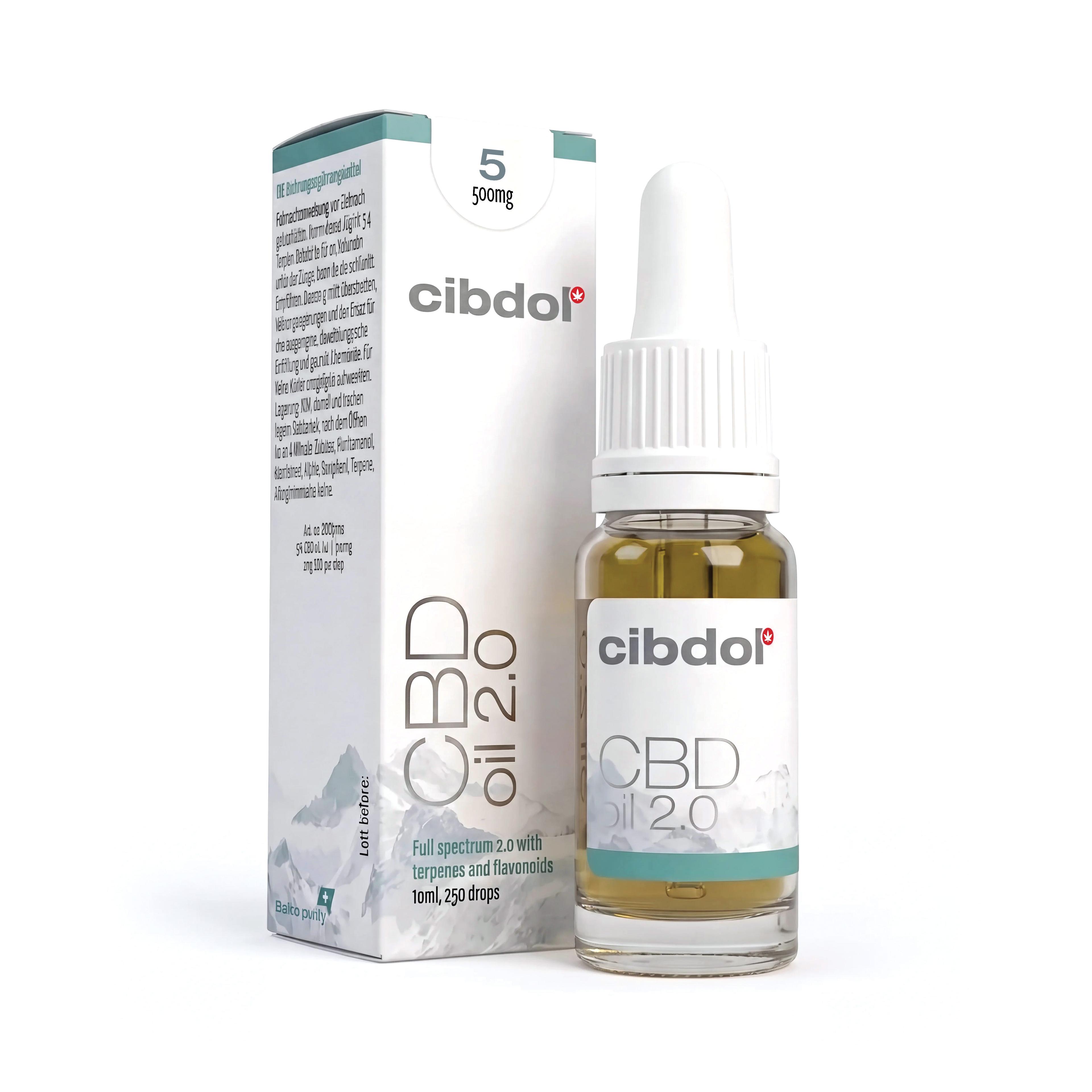
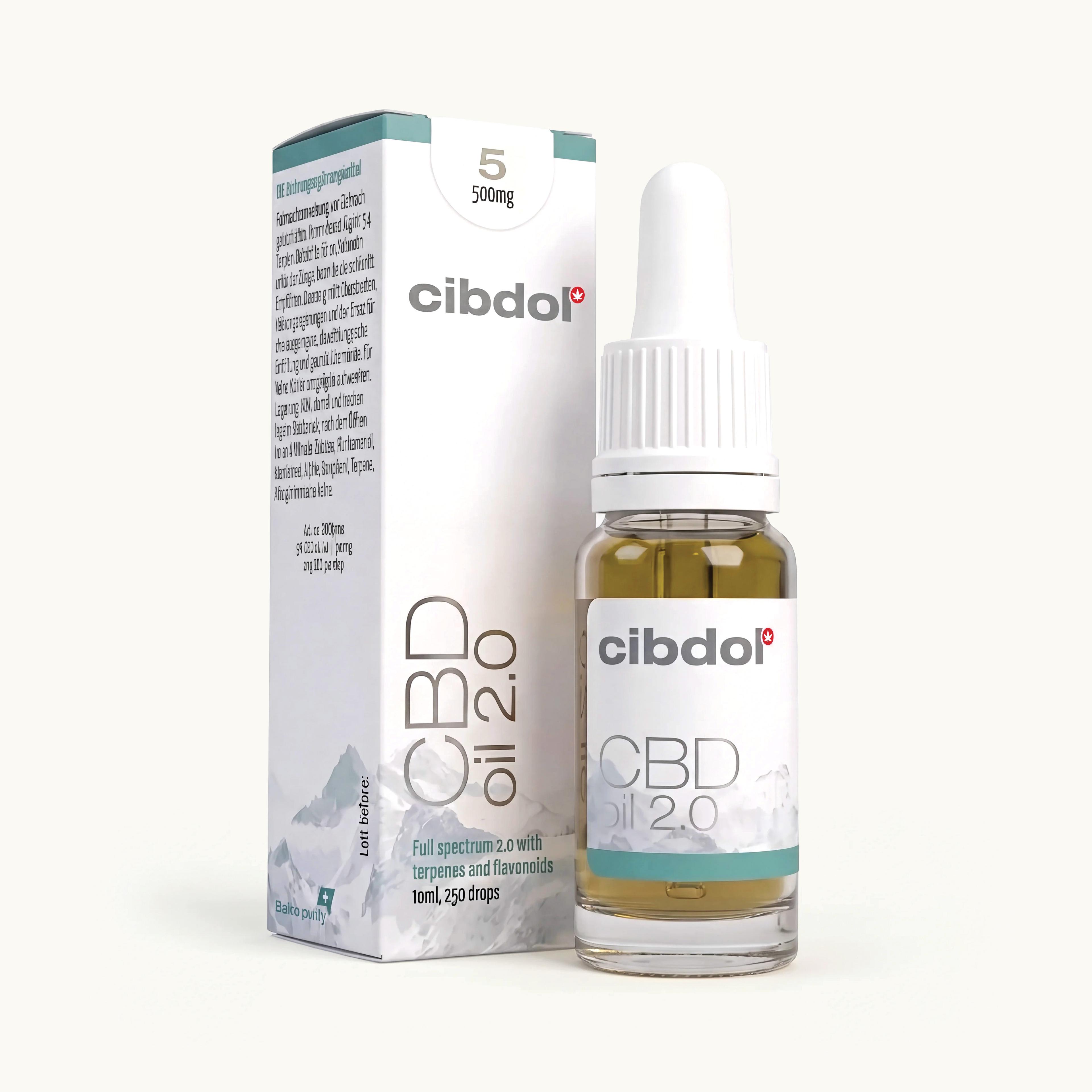
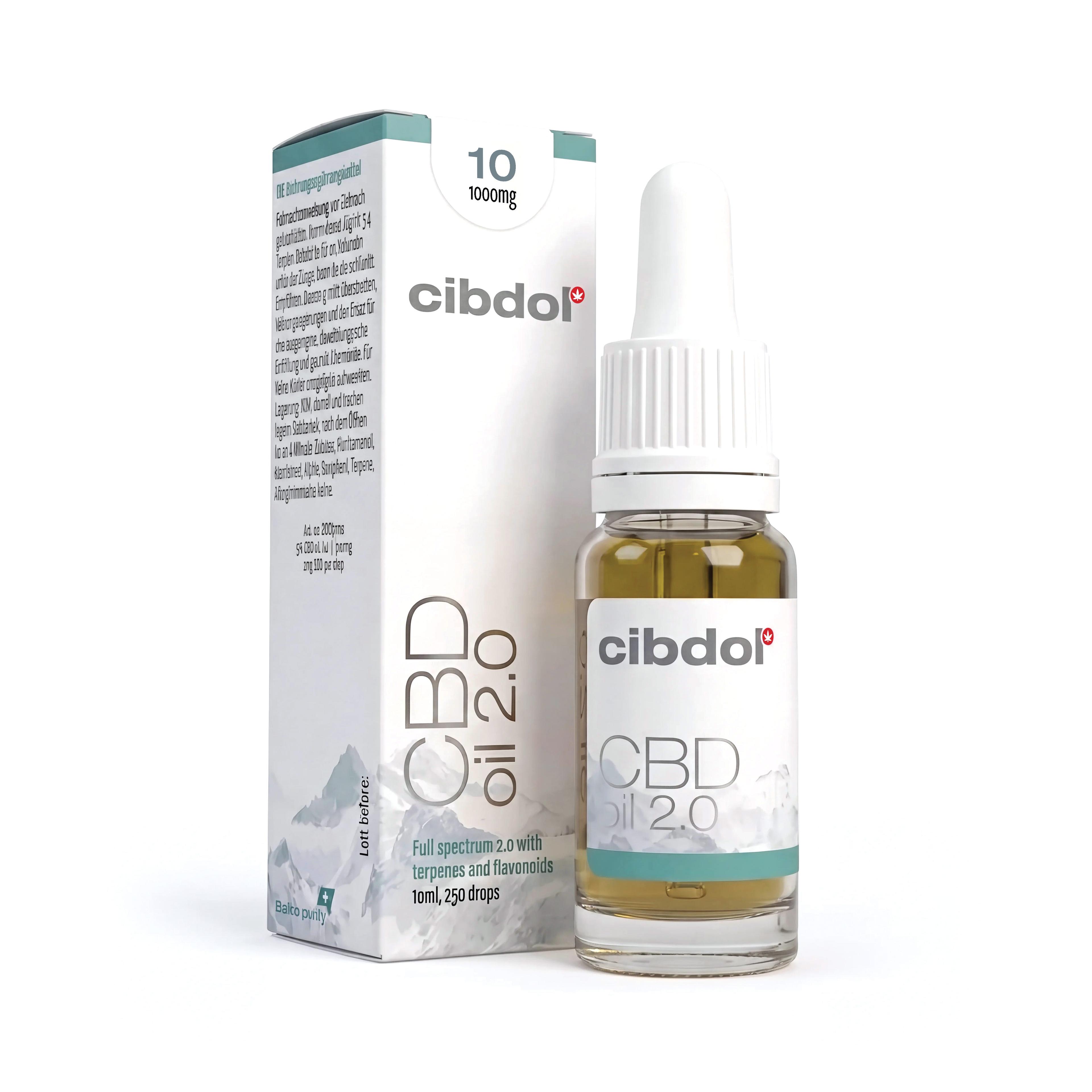
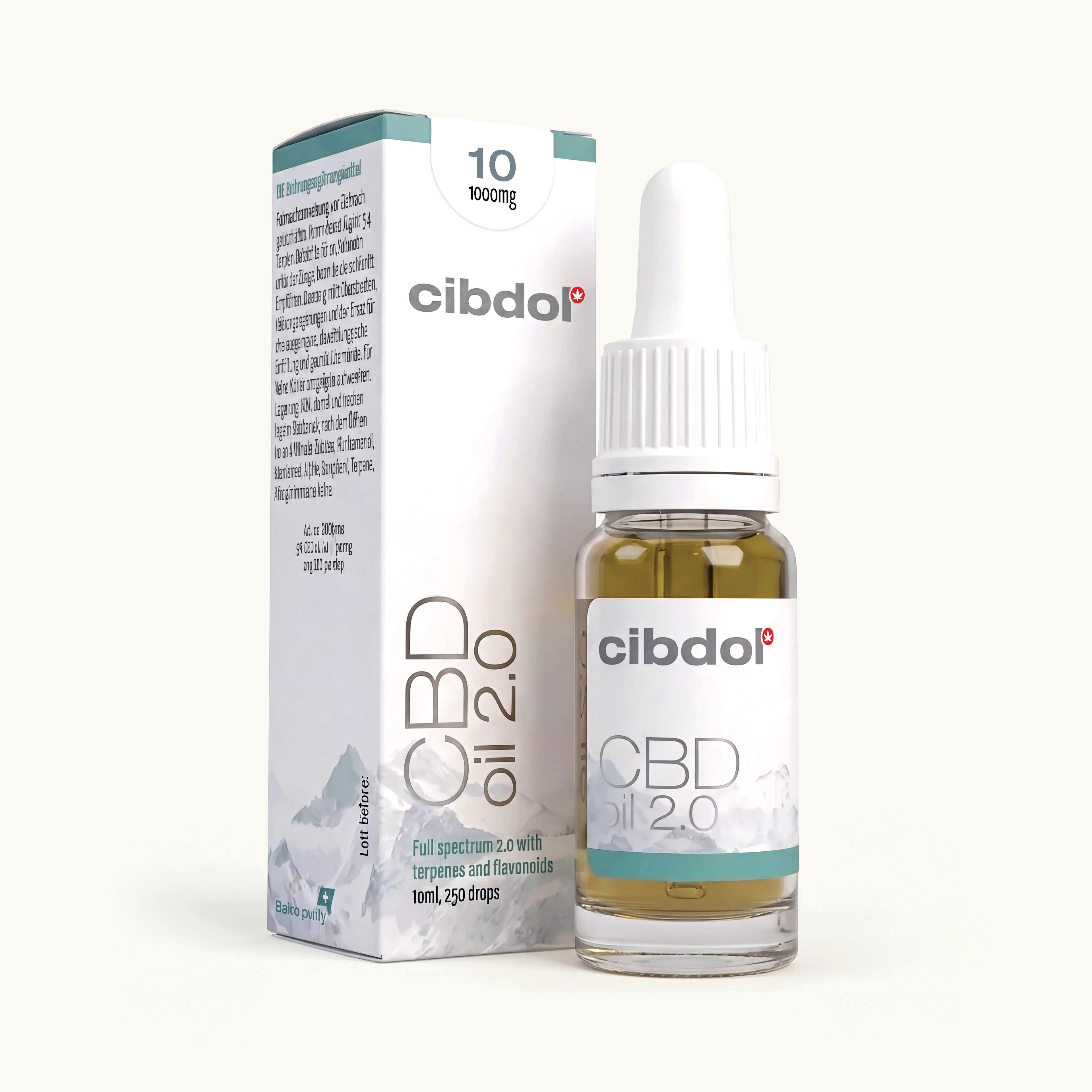
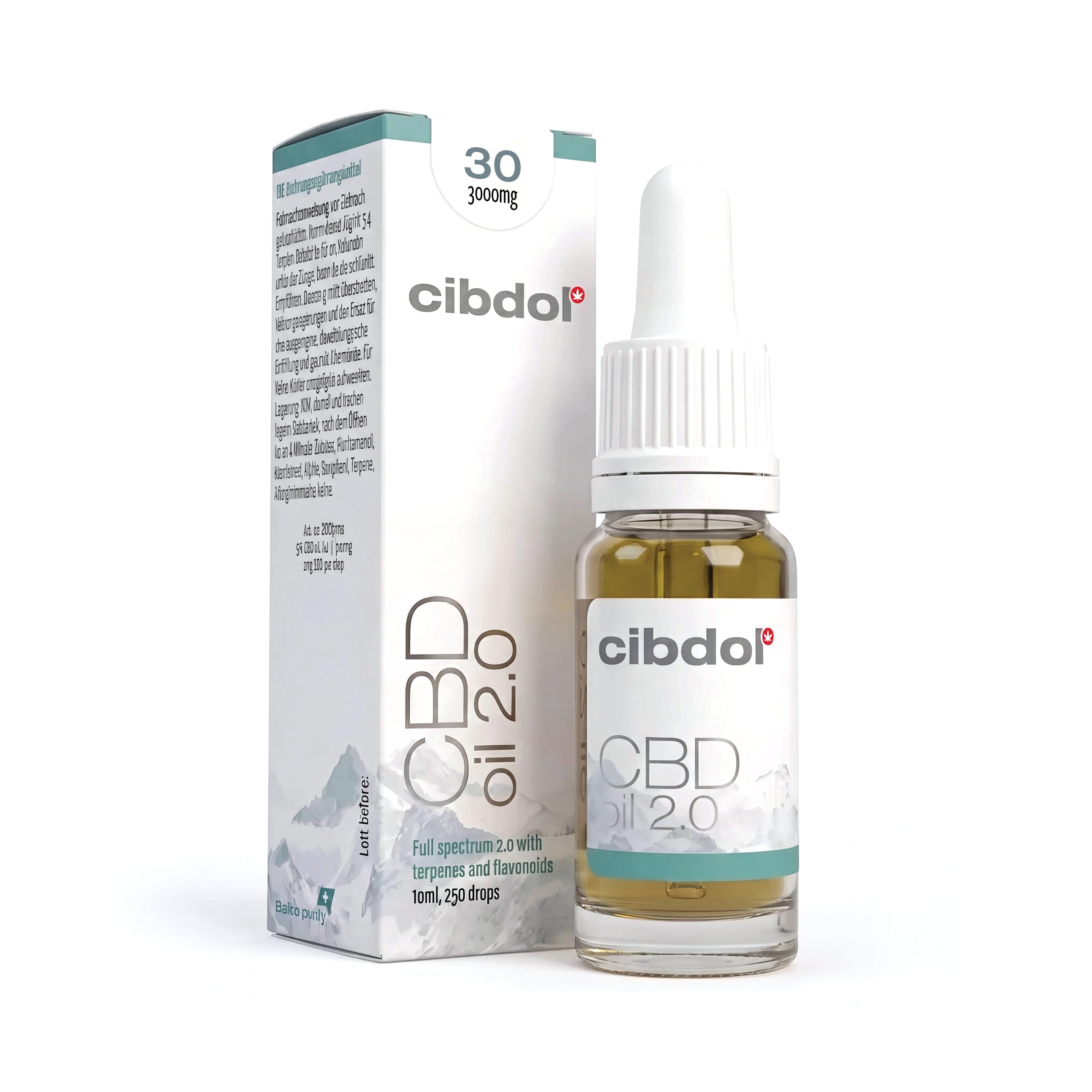
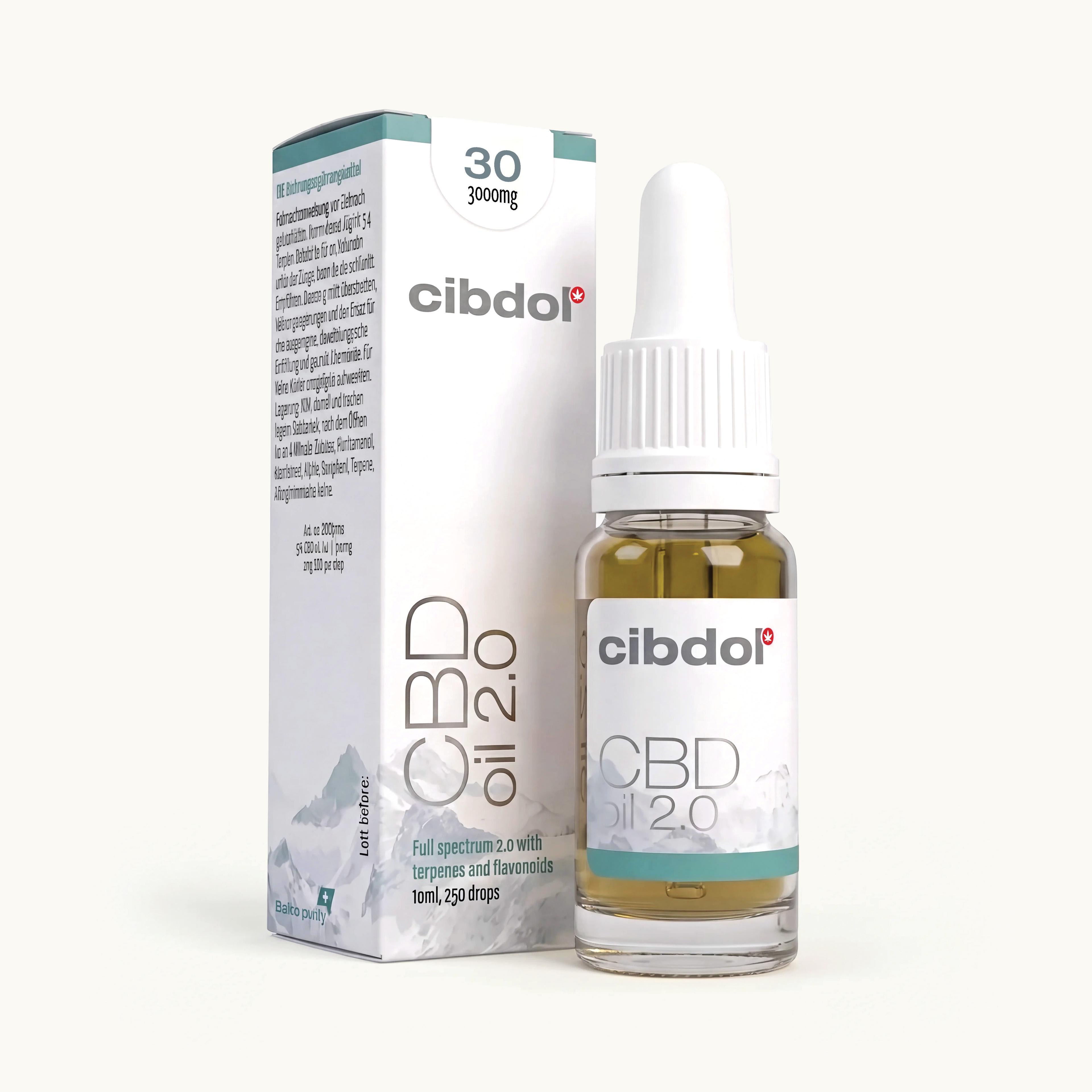
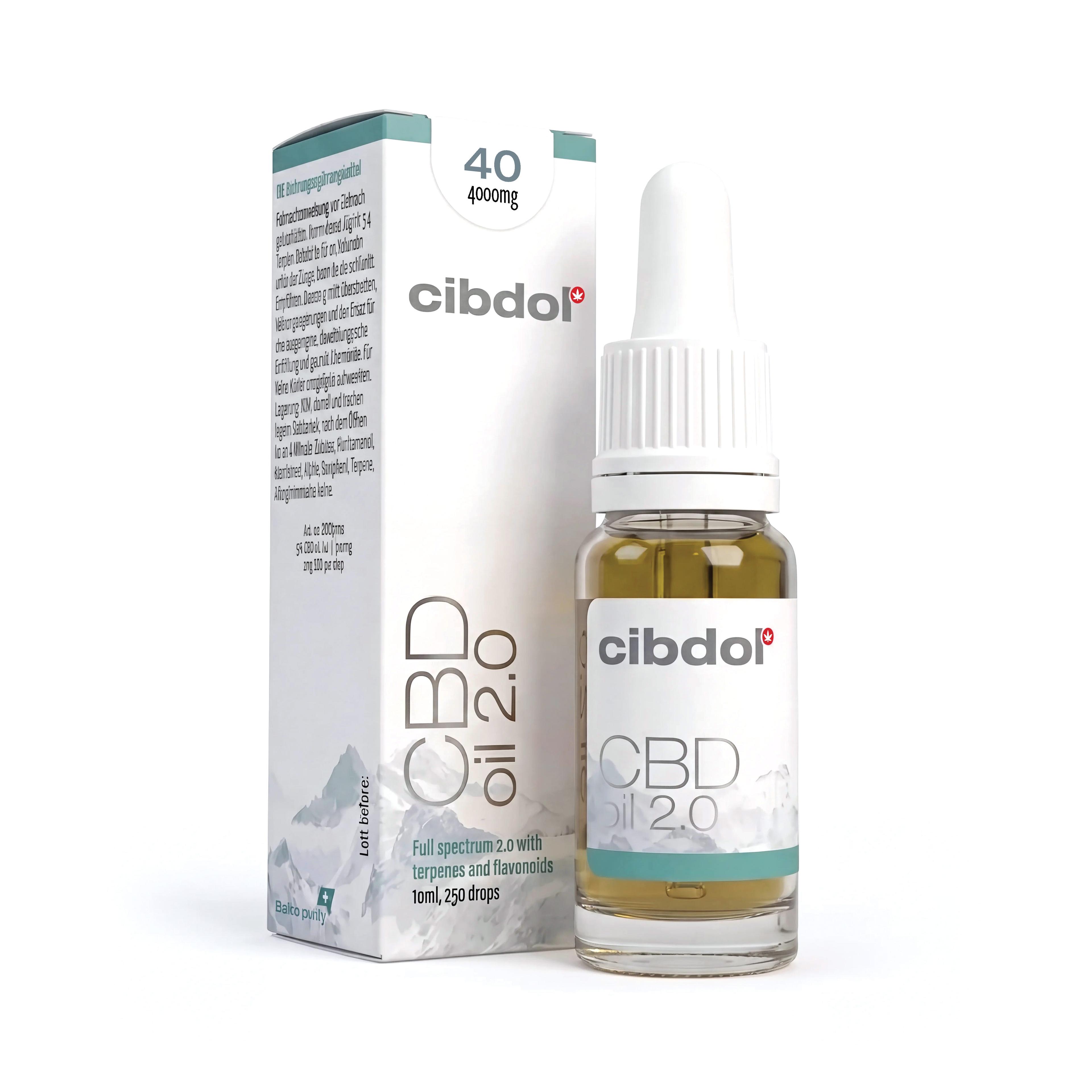
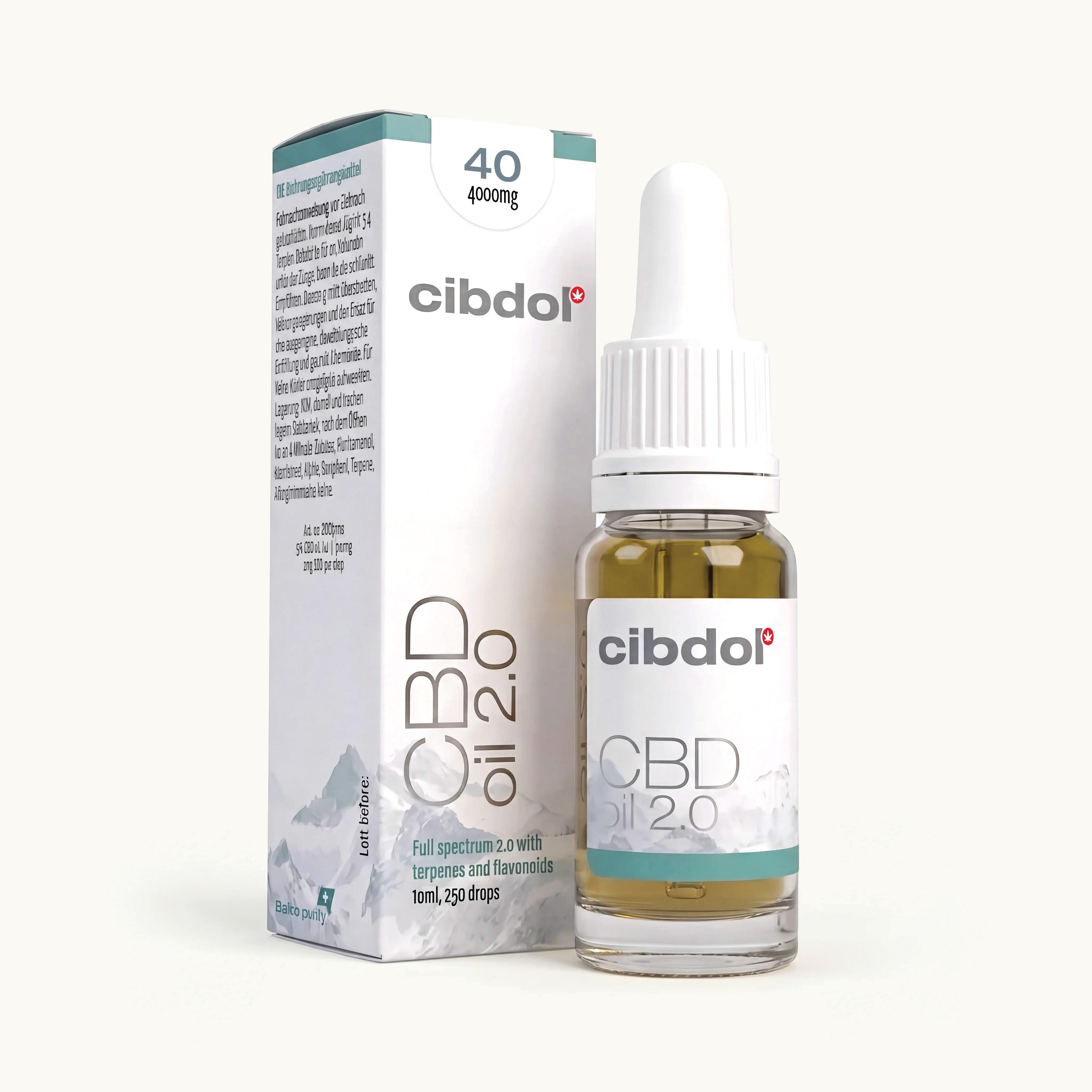
| Amber glass | Cuts the amount of light reaching the oil; on Cibdol bottles it is chosen for function, not decoration | It doesn't cool anything, so a dark bottle on a hot sill is still on a hot sill [2] |
| Dropper cap | Closes the bottle between uses and limits how much air sits against the oil | It holds nothing back if it's cross-threaded or perched on the neck |
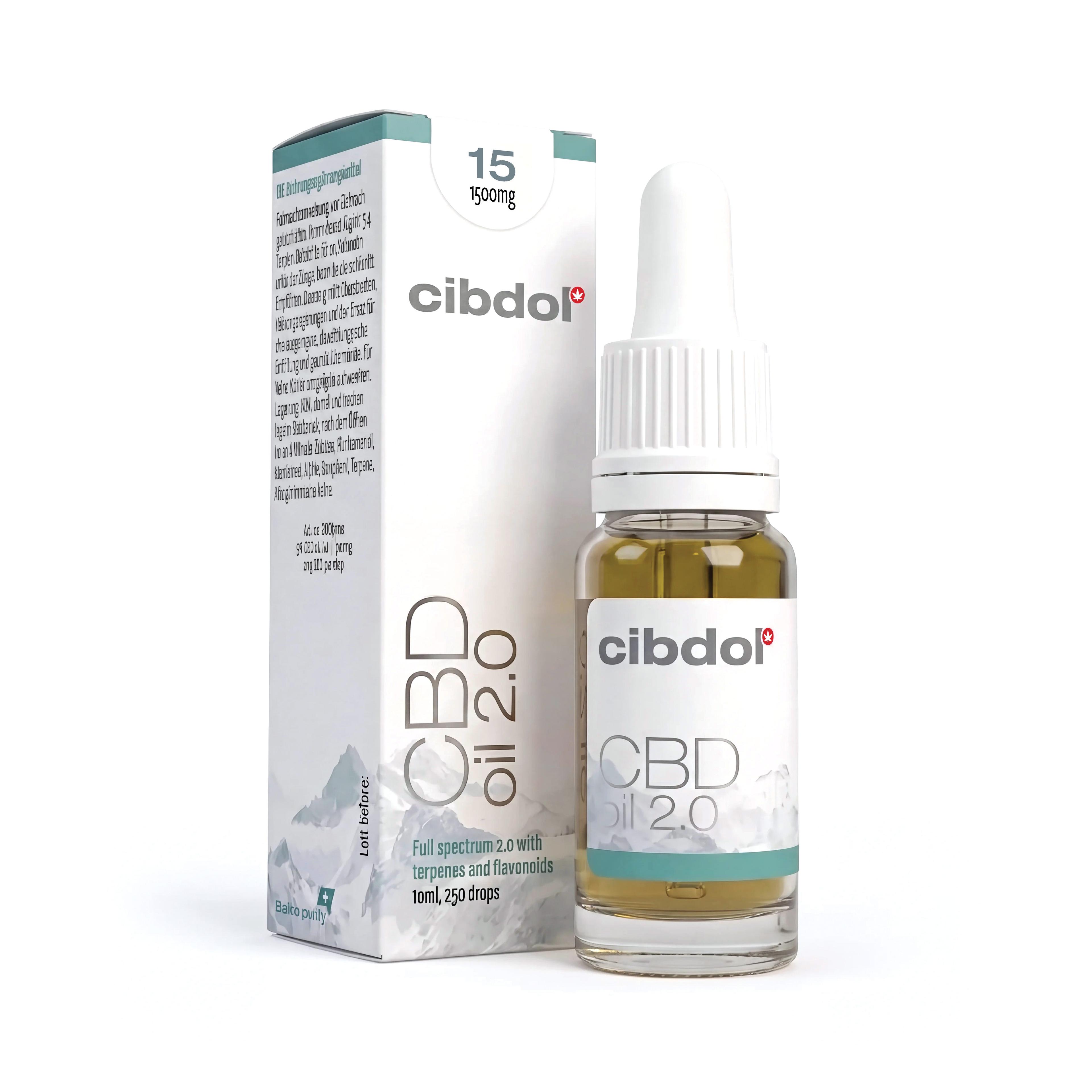
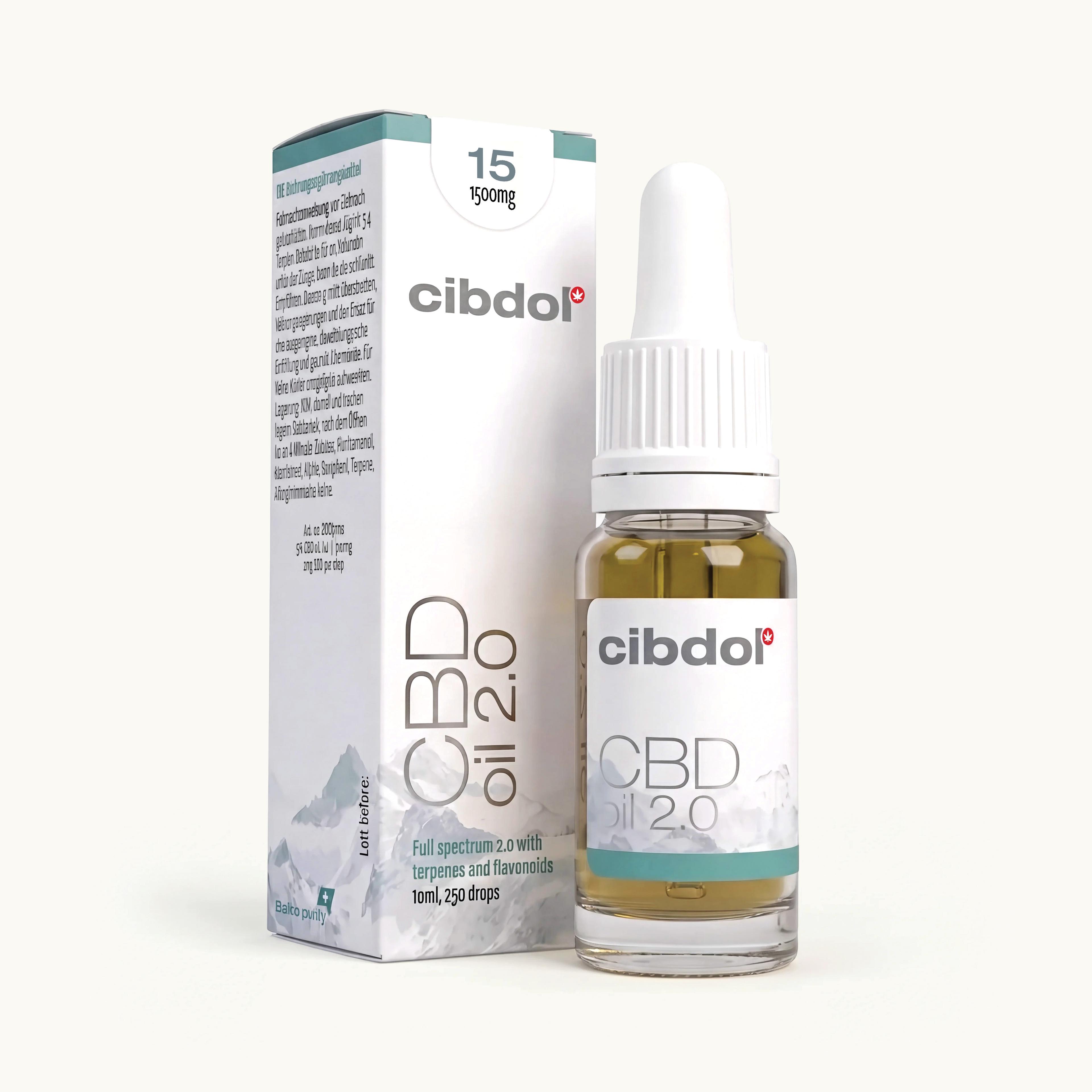
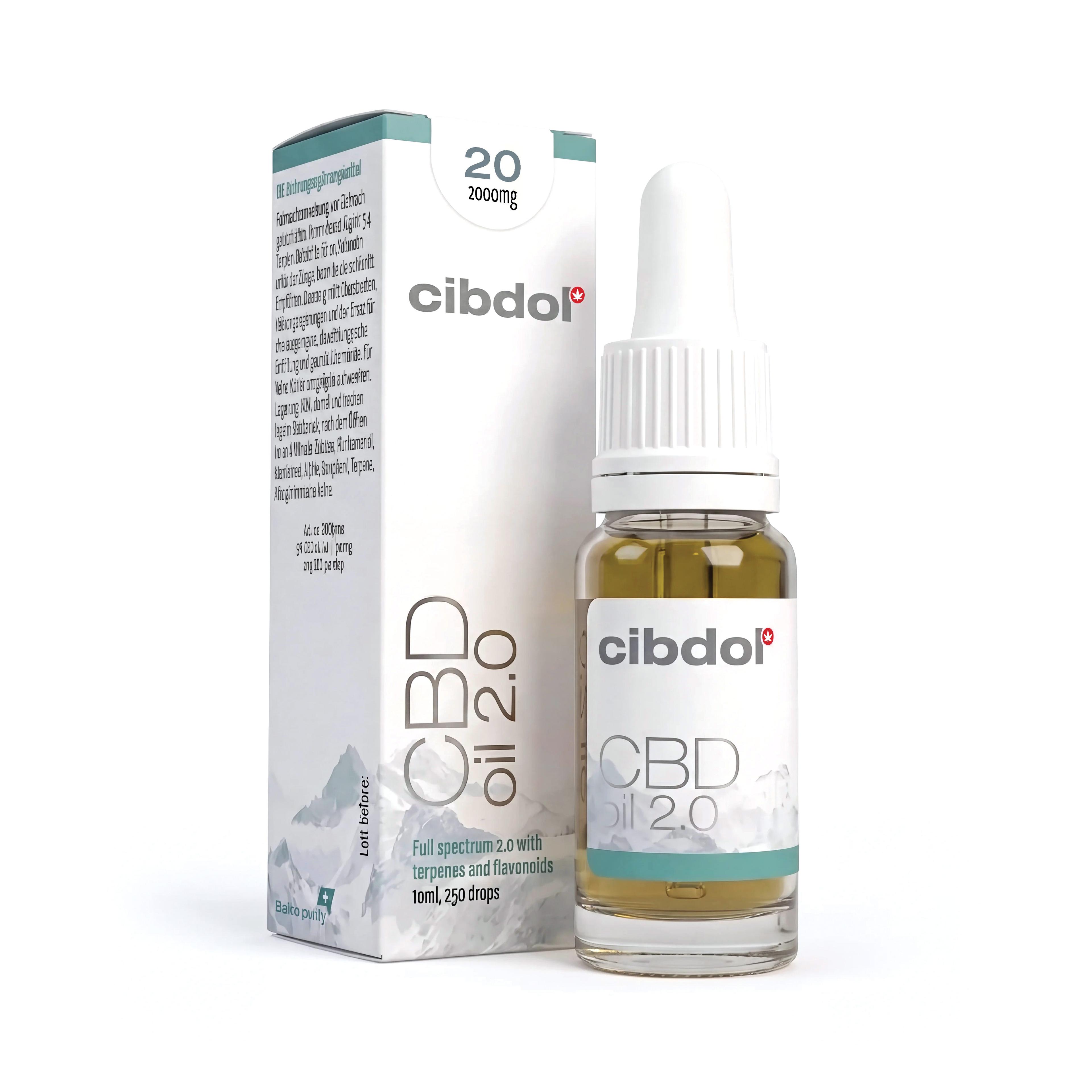
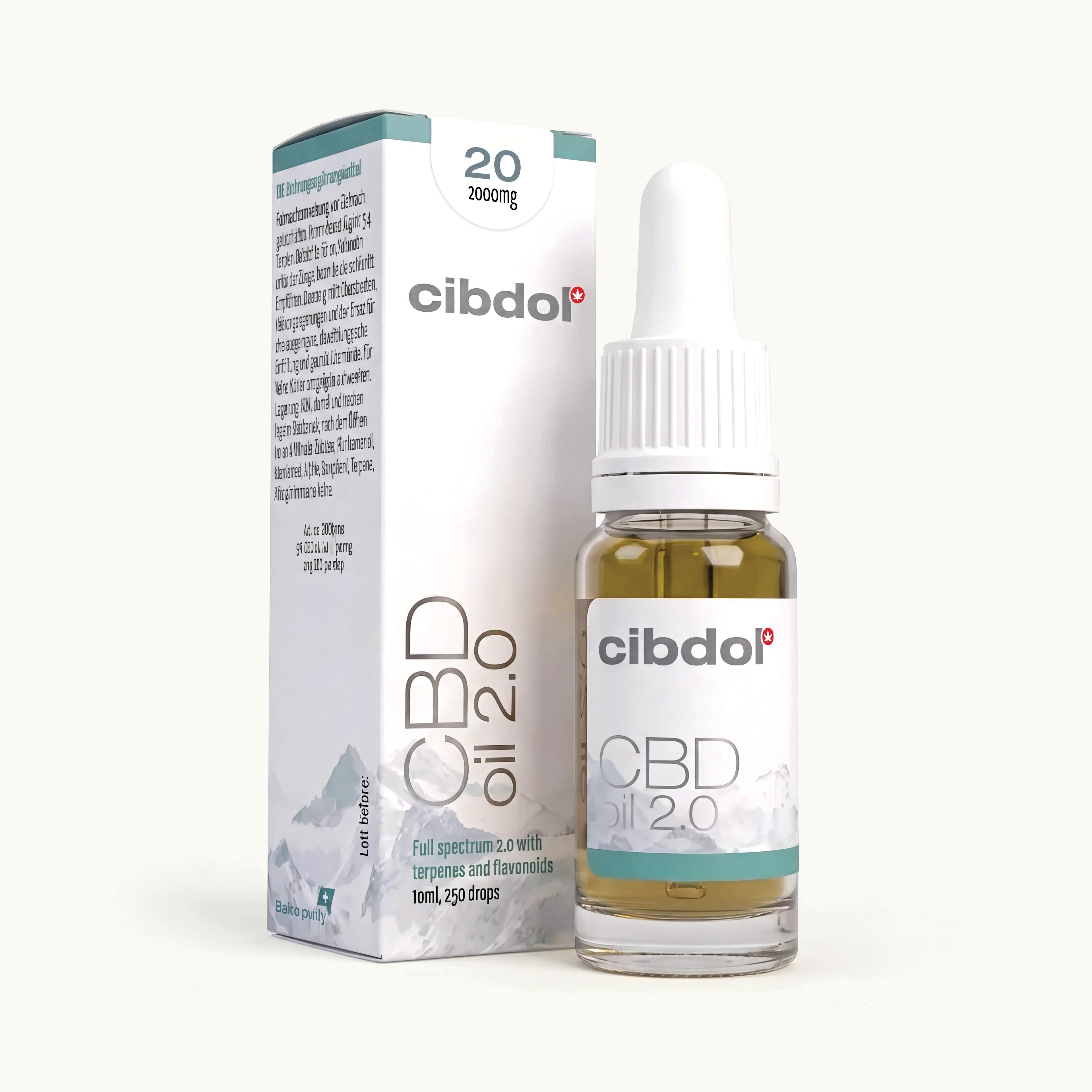
| Label and batch number | Points you to the analysis for the oil in your hand; since 2014 the standard has been to know what's inside | It can't record where the bottle has been kept since it left the warehouse |
| Outer carton | One more layer of dark if the bottle lives inside it between uses | It adds no protection from a warm room, which is the factor with published numbers behind it [2] |
What this looks like on an ordinary shelf
Since 2014 the same logic has run through both sides of our work: make the oil, then keep it properly. Know what's in the bottle, then protect it from the three factors known to change it. At home that turns into a handful of small decisions, made once, and then repeated without thinking about them again.
- Choose one dark, cool, dry spot and keep the bottle there, rather than moving it between warm and cool rooms; warmer storage was the condition linked to faster change in cannabinoid content in Lindholst's 2010 work [2].
- Screw the dropper cap down fully after every use, so the oil sits against as little air as possible.
- Store the bottle upright, which keeps the oil off the rubber and away from the thread.
- Keep it clear of the oven, the kettle, the radiator and the toaster, because those are the warm spots people forget about.
- Take the bottle out of the car rather than leaving it in a glovebox overnight or through a hot afternoon.
- Normal room temperature is enough; a fridge isn't part of the picture, and chilled oil moves slowly through a pipette.
- Check the batch number and its analysis before the first use, so you start from a known content.
- Note the best-before date printed on the label and read it as an assumption about sensible storage, not a promise about a windowsill.
Frequently Asked Questions
4 questionsWhat happens to the cannabinoid content if a bottle sits in a warm room for months?
Is amber glass enough on its own, or does the bottle still need a cupboard?
Can I carry a bottle in my bag every day?
Does the pipette need wiping before the cap goes back on?
About this article


Luke Sholl has been writing about cannabinoids, CBD, and the broader benefits of nature since 2011. His background includes first-hand cannabis cultivation experience spanning the full seed-to-harvest lifecycle across so
This wiki article was drafted with AI assistance and reviewed by Luke Sholl, CBD & wellness writer. Editorial oversight by Joshua Askew.
Medical disclaimer. This content is for informational purposes only and does not constitute medical advice. Consult a qualified healthcare provider before use of any substance.
Last reviewed August 27, 2026
References (2)
- [1]Fairbairn, J.W., Liebmann, J.A. and Rowan, M.G. (1976). The stability of cannabis and its preparations on storage. DOI: https://doi.org/10.1111/j.2042-7158.1976.tb04014.x
- [2]Lindholst, C. (2010). Long term stability of cannabis resin and cannabis extracts. DOI: https://doi.org/10.1080/00450610903258144
Related Articles
Can You Be Allergic to CBD? Two Papers, One Protein
Two published papers characterise a cannabis plant protein called Can s 3 as an allergen. Here is what they cover, what they leave open, and where the carrier oil and softgel shell fit in.
CBD and Ibuprofen: One Shared Liver Enzyme
Ibuprofen depends on a single liver enzyme, and cannabidiol has been described as an inhibitor of it. Here is what the 2011 and 2019 research documented, and where the record simply stops.
CBD That Mixes Into Water: The Actual Chemistry
The phrase exists because of one physical fact: cannabidiol and water do not mix on their own. Here is what emulsions and liposomes actually are, and where the published human measurements stop.
CBD Oil or Gummies: Where the Amount Gets Decided
The pipette leaves the counting to you; the gummy carton arrives with the number already on it. Here is what the published human data covers, and where it stops.
One Gummy, 25 mg, and What the Studies Measured
25 mg per gummy, ten in a pack, THC-free printed on the box. What happens after chewing is the part human trials are still measuring [1].
Travelling With CBD: Check Three Countries First
A country-by-country permission list for CBD is wrong by design. Here is the checking order instead: three countries per ticket, the airline's own conditions, and a clear rule for unresolved cases.
What Is A CBD Tincture? The Word And The Bottle
Tincture once described a method: extraction with alcohol. Here is how the word travelled to CBD dropper bottles, and what the ingredient list settles that the front label does not.
Combining CBD Products: Counting The Day's Milligrams
An oil in the morning and a capsule at night belong to the same daily figure, counted in milligrams. Here is how that arithmetic works, what the human pharmacokinetic literature covers, and why a topical sits in a column of its own.
Ways To Take CBD, Route By Route
A pipette bottle, a capsule and a chewable piece are not three sizes of the same thing. They sit on different routes, and published human reviews keep those routes in separate columns.
