How To Cook With CBD Oil: Two Variables That Matter
Definition
Cooking with CBD oil is mostly a question of when, not how. Frying and baking work at temperatures far above anything a bottle sees on a kitchen shelf, so the oil belongs in the dish once the heat is off. What follows is the mechanism, the numbers, and the two published studies that explain both.
Temperature and time, in that order
Cannabinoids don't sit still when the heat goes up. Two things decide what happens: how hot the oil gets, and how long it stays hot. The 2010 study by Lindholst followed cannabinoid content in cannabis resin and in extracts through storage, and recorded a faster decline at warmer temperatures, a slower one when the material was kept cool [1]. That work ran across shelves and months, not saucepans and minutes. Different scale, same variable. Temperature was the input being changed, cannabinoid content was the figure being measured [1].
The second mechanism isn't loss, it's conversion. Wang and colleagues, in 2016, measured acidic cannabinoids using ultra-high-performance supercritical fluid chromatography with photodiode array and mass spectrometry detection, and described the reaction as a function of temperature and heating time [2]. So heat does two separate things. It lowers a number, according to the storage data [1], and it moves one cannabinoid into another chemical form at a rate set by how hot and how long, according to the 2016 measurements [2].
Put the two together and you have a working rule for a kitchen. The hotter the pan, and the longer the oil sits in it, the less the finished plate resembles what the batch report described [1][2]. Nothing dramatic about that. It's chemistry doing what chemistry does.
CBDa, the acidic form
Raw hemp contains cannabidiolic acid, written CBDa on a full-spectrum analysis. Heating converts acidic cannabinoids such as CBDa into their neutral counterparts, and that is precisely the reaction the 2016 Wang method quantified against temperature and duration [2]. On our batch reports the two forms appear as separate lines, so you know which one you started with before anything goes near a hob.
What the hob actually reaches
Numbers make this concrete. Shallow frying and deep frying both work in the region of 170 to 190 °C. Oven baking sits close behind, and it holds that heat far longer than a quick turn in a pan. A simmering pot is cooler, near boiling point. Food that has come off the heat is cooler again. Set that against the conditions in the 2010 Lindholst study, where cannabinoid content fell faster in warmer storage across months [1], and the kitchen version of the question sorts itself out. A frying pan is much hotter than a warm cupboard, and it delivers that heat in minutes.
Terpenes belong in the picture too. Terpenes are the aromatic compounds found in hemp and in most culinary herbs, and they are volatile by nature. It's the same reason basil goes into a sauce near the end rather than at the beginning.
- Deep frying and shallow frying run at roughly 170 to 190 °C, the hot end of a home kitchen.
- Oven baking follows closely, and it adds duration, which is the second of the two inputs the 2016 Wang study tracked [2].
- A simmering pot stays near 100 °C, lower than frying, though a long reduction keeps the clock running.
- Food resting off the heat cools steadily, so it sits well below any frying range.
- Cold preparations such as dressings, dips and yoghurt bowls never raise the temperature at all, so neither variable from the cited research comes into play [1][2].
The oil goes in at the end
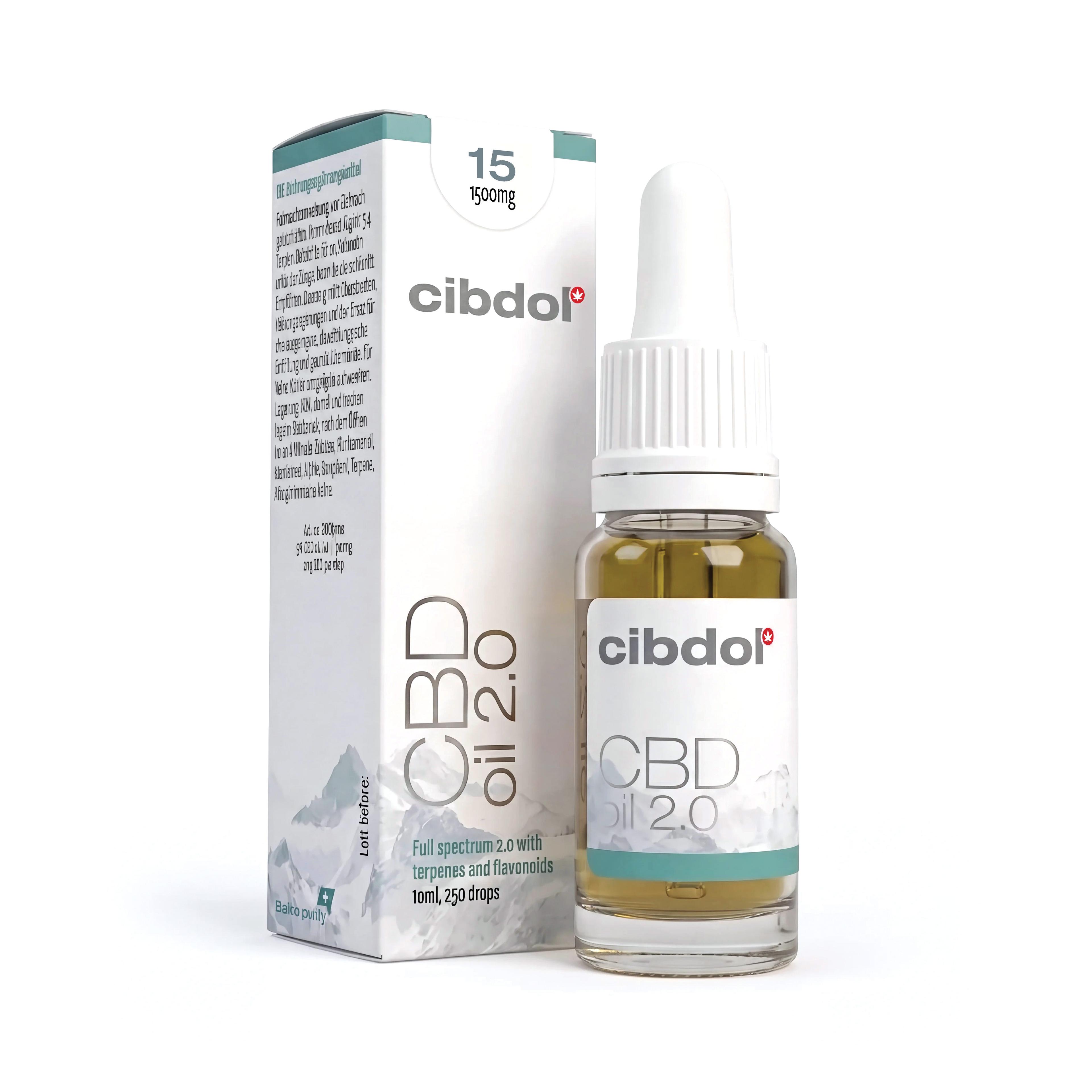
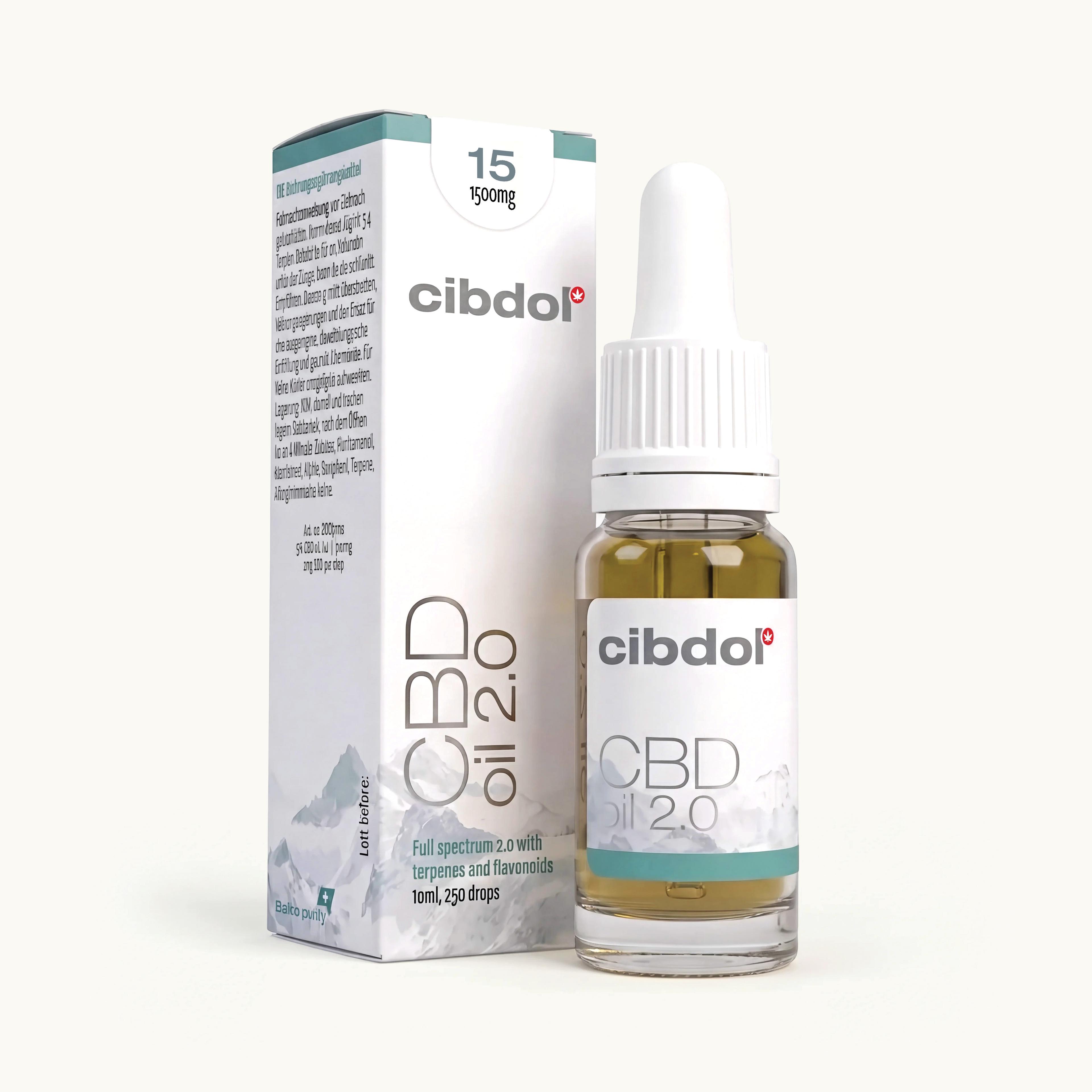
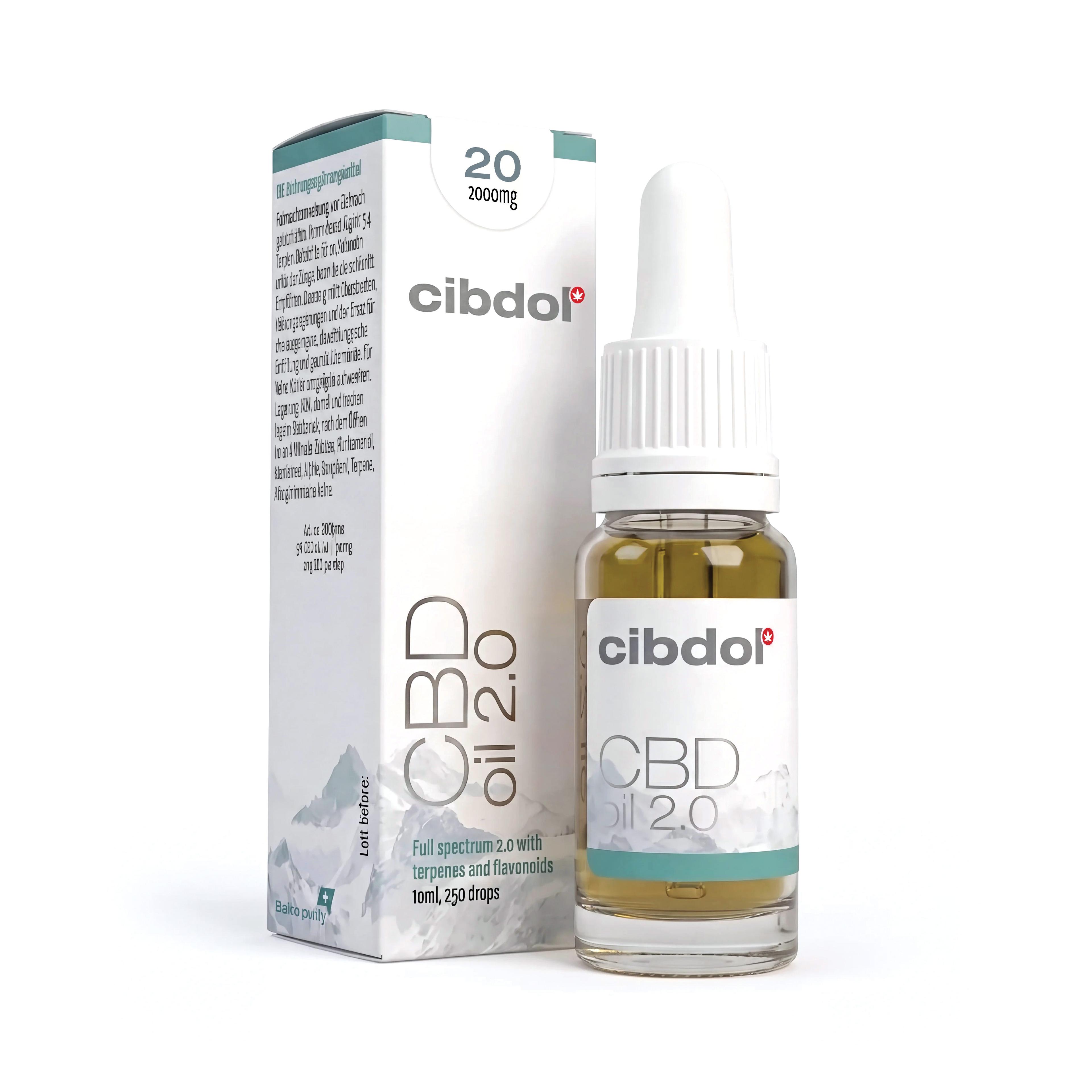
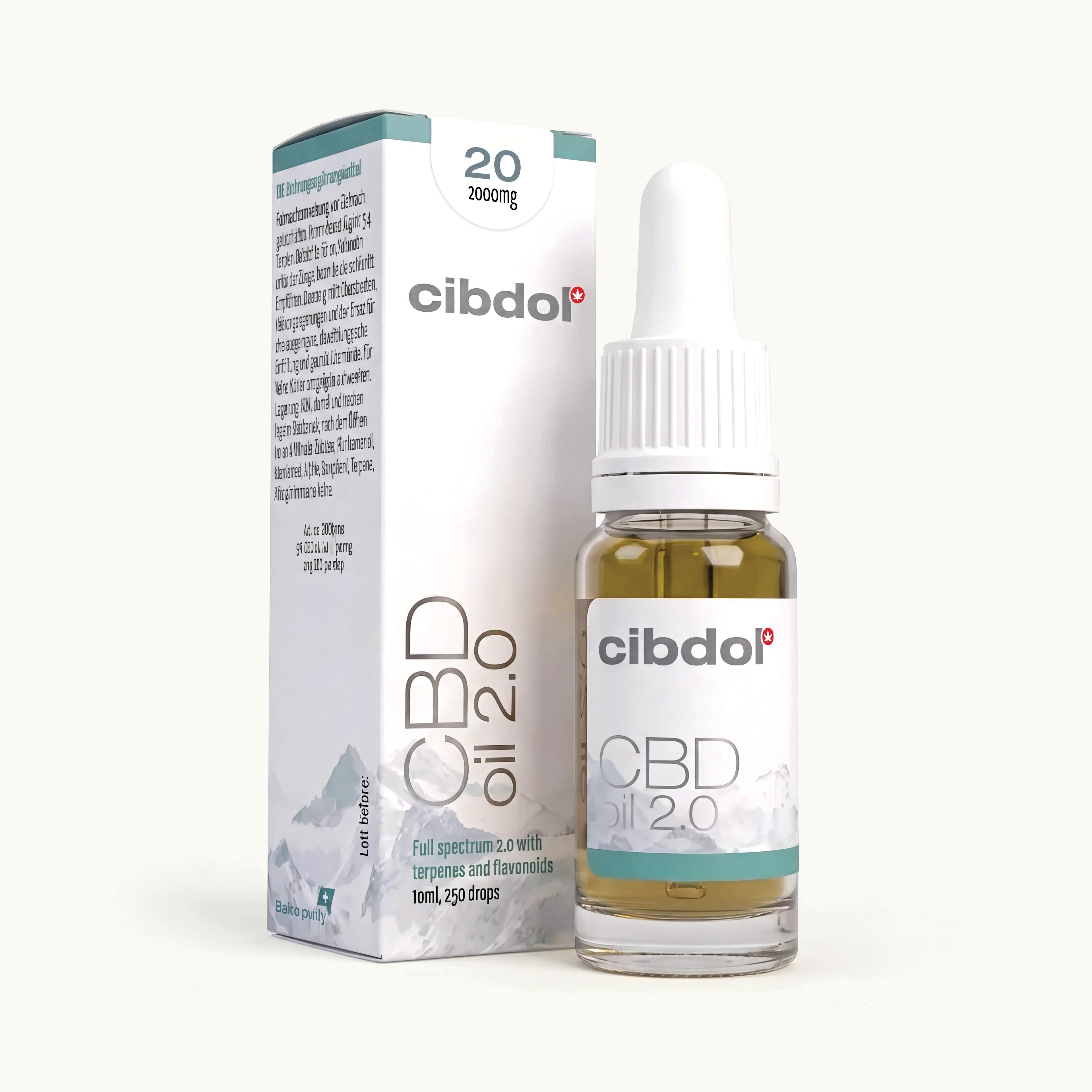
Read the bottle as a finishing oil, not a cooking fat. The heat comes from something else: olive oil, rapeseed, butter, whatever the recipe already asks for. The CBD oil arrives once the pan is off the flame, or once the food is on the plate. That one change in the order of steps keeps the oil out of the 170 to 190 °C band completely, and that band is where the temperature and duration variables from both cited studies do their work [1][2].
In practice it looks ordinary. A vinaigrette whisked cold, with the CBD oil forming part of the oil phase. Pesto blended, then stirred through drained pasta. Soup ladled into the bowl first, oil drizzled second. Hummus, guacamole, labneh, salsa verde, all mixed at room temperature. Porridge and coffee are warm rather than hot by the time they reach the table, so a few drops stirred in at that point stay far from frying temperature.
Baking is the awkward case. An oven holds its heat for a long stretch, and duration is one of the two inputs the 2016 Wang study measured against the conversion of acidic cannabinoids [2]. The workaround is a topping instead of a batter. Icing, a nut butter drizzle, a cold cream layer, a swirl over a finished brownie. The cake bakes without it. The oil goes on afterwards.
One habit worth keeping: fat carries these compounds, so a dish with some fat already in it, a dressing, dairy, a nut paste, gives the oil something to disperse into.
Two routes, one bottle
Plates that never see a pan
Cold food is the direct route. Dressings, dips, cold sauces, overnight oats, smoothies, yoghurt, a tomato salad with good salt and vinegar. Nothing here climbs above room temperature, so neither variable from the cited research is in play: no heat to accelerate the decline in cannabinoid content that Lindholst recorded in storage [1], and no temperature or heating time to drive the conversion the 2016 Wang measurements described [2]. You measure the oil, you fold it in, you serve it. The analysis you read before opening the bottle still describes what's on the table.
Warm dishes, oil after the heat
Warm food works as well, with one condition. The oil meets the food, not the flame. Cook the dish as usual. Lift the pan off the hob. Give it a moment. Then stir the oil through, or pour it over each serving. Risotto, roasted vegetables, grain bowls, scrambled eggs, soups and stews all accept a finishing oil at that stage. The plate stays hot enough to be dinner and cool enough to sit well below frying range, which is the point, because both cited studies read temperature and duration as the two moving parts [1][2].
What the two studies measured
Lindholst, 2010: storage over months
The 2010 Lindholst study examined long-term stability in cannabis resin and in extracts, following cannabinoid content while the material sat in storage [1]. The part that carries into a kitchen is directional rather than numerical. Warmer conditions went with faster loss of cannabinoid content, cooler storage with slower loss [1]. Shelves and months, not saucepans and minutes. Nobody has run that design on a frying pan, and this article won't pretend otherwise. What transfers is the identity of the variable, and the variable was temperature [1].
Wang, 2016: heat, duration and acidic forms
Wang and colleagues published a decarboxylation study in 2016, built on ultra-high-performance supercritical fluid chromatography with photodiode array and mass spectrometry detection [2]. Decarboxylation is the reaction that turns acidic cannabinoids, CBDa among them, into their neutral forms. The study set that reaction against two inputs: how high the temperature went, and how long the heating lasted [2]. It's a laboratory measurement under controlled conditions with defined instrumentation, not a recipe trial. Even so, it names the two dials any cook already has. The hob setting, and the clock.
From the label to the portion
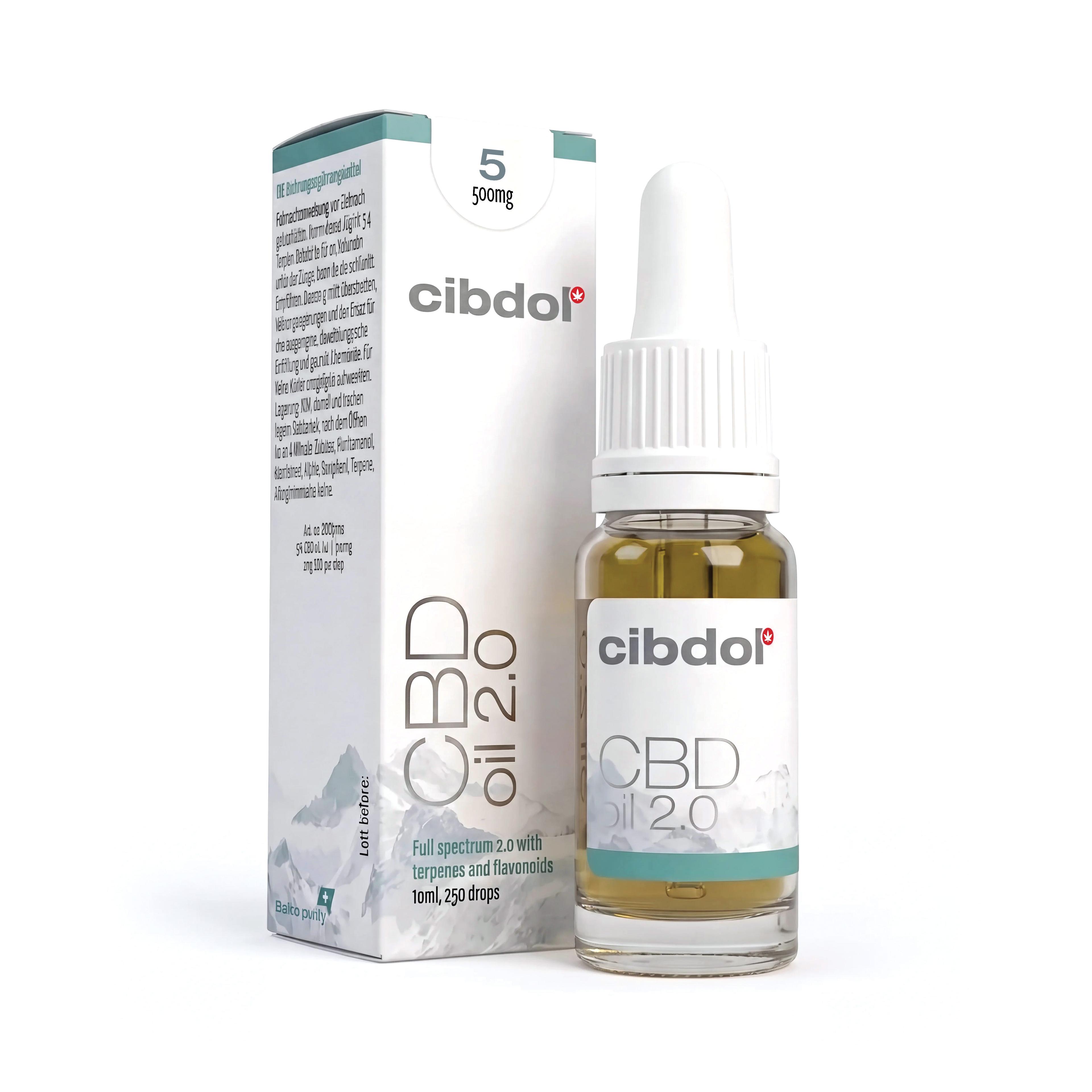
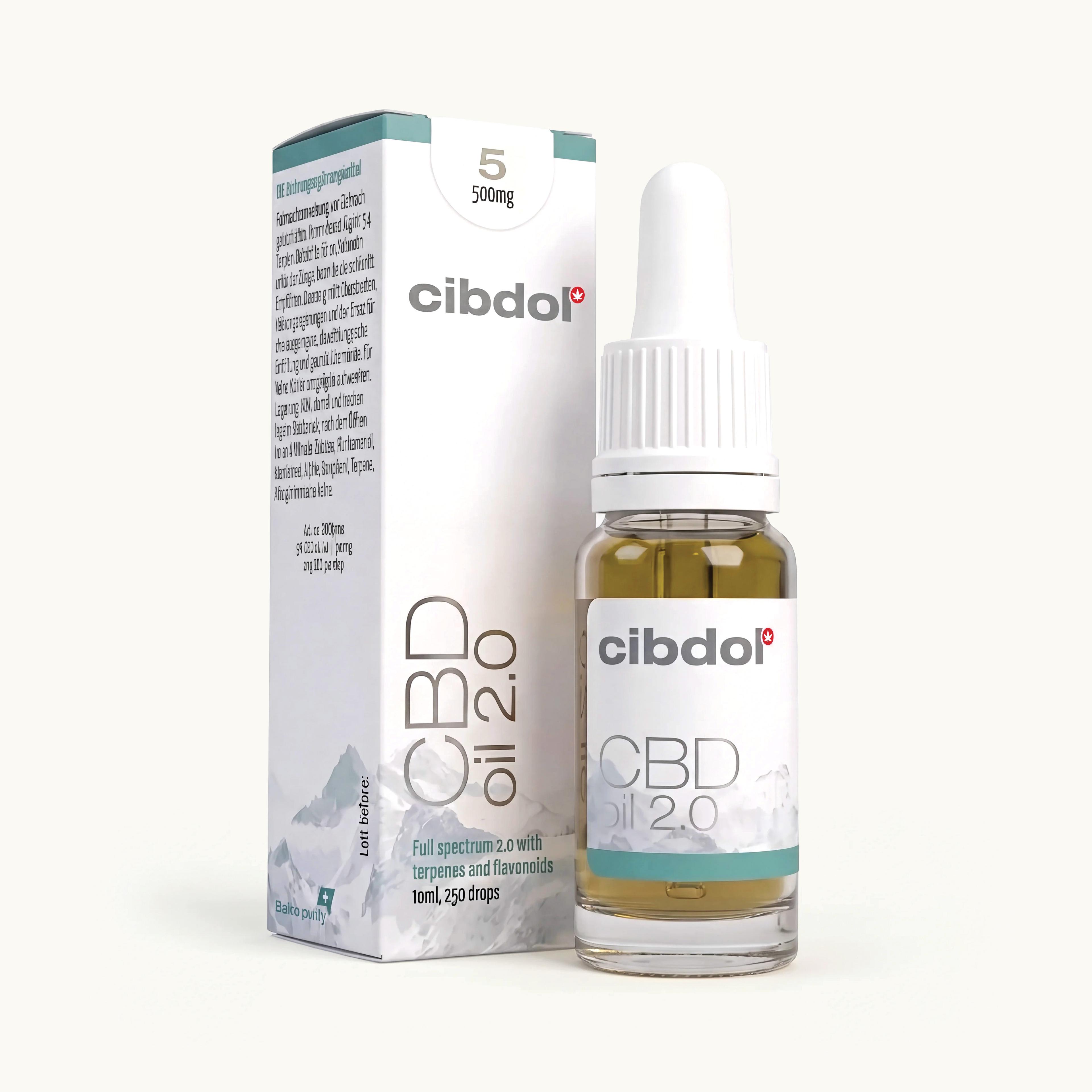
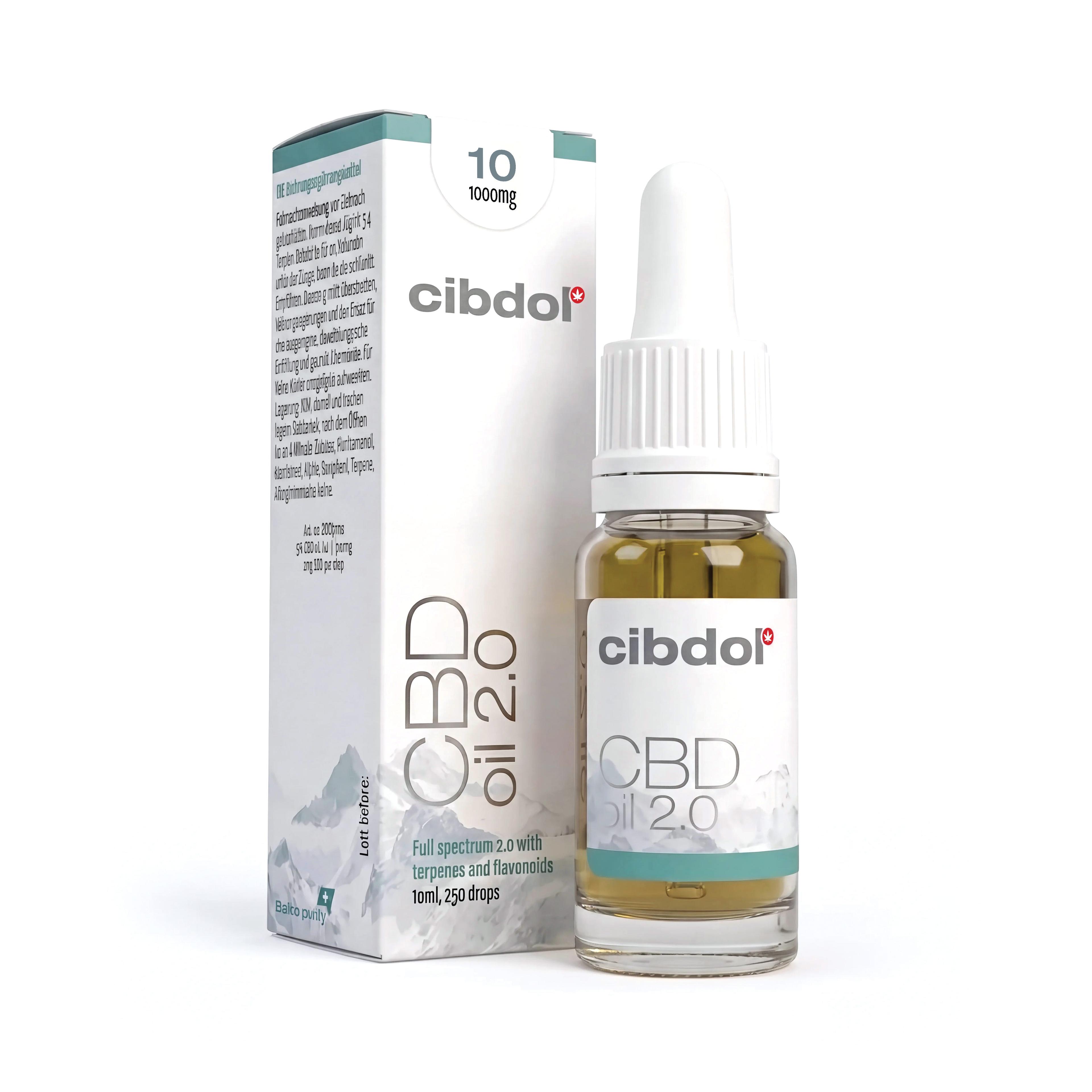
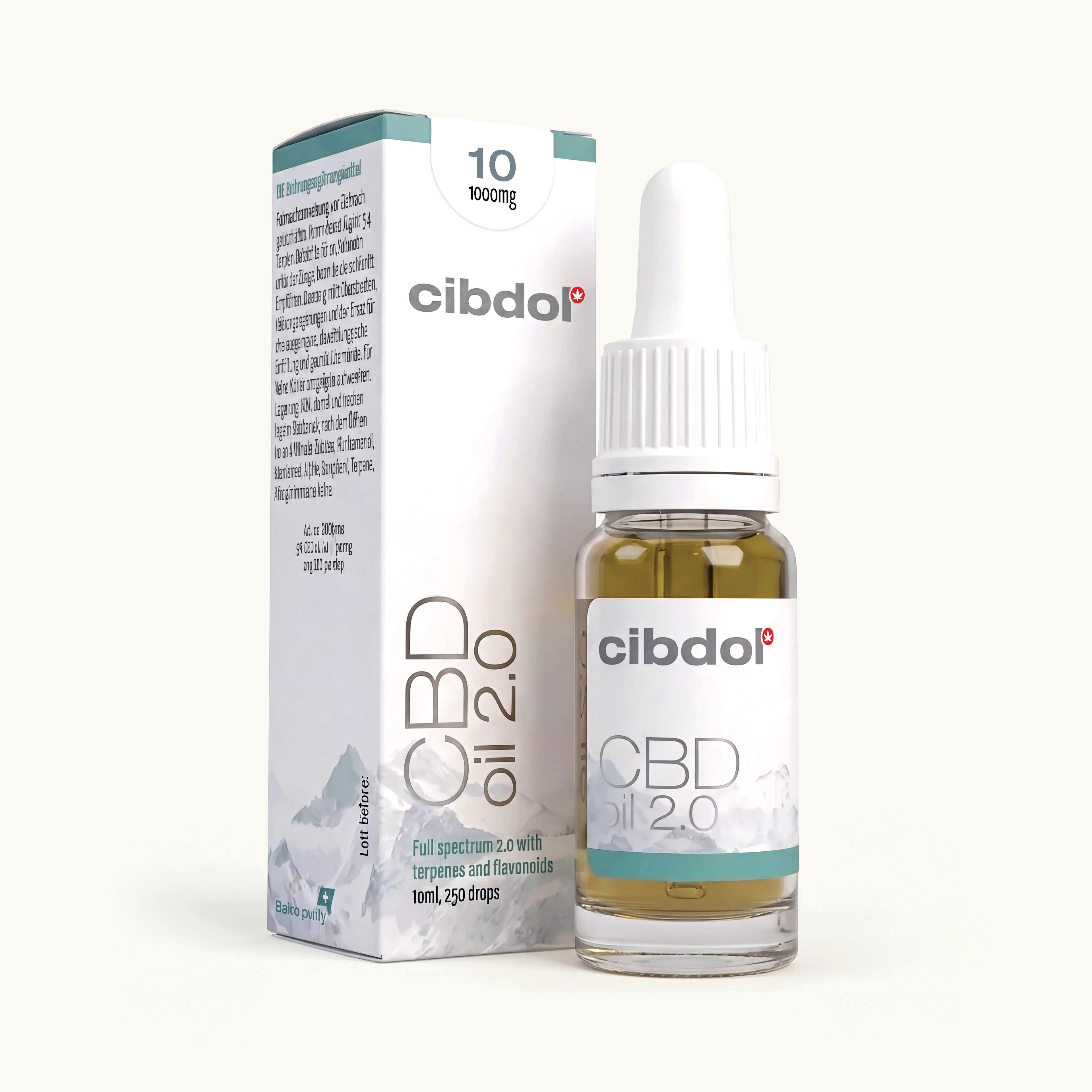
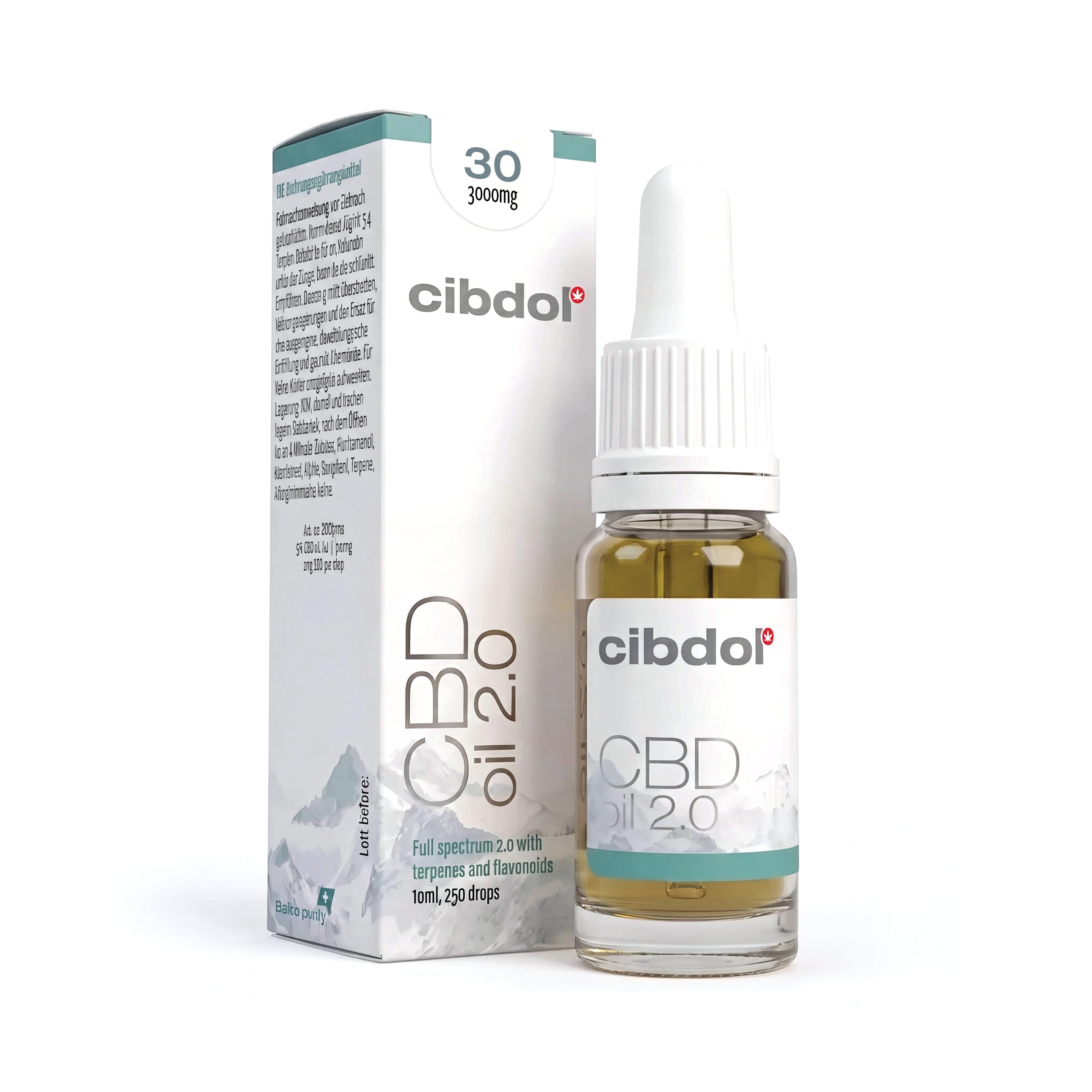
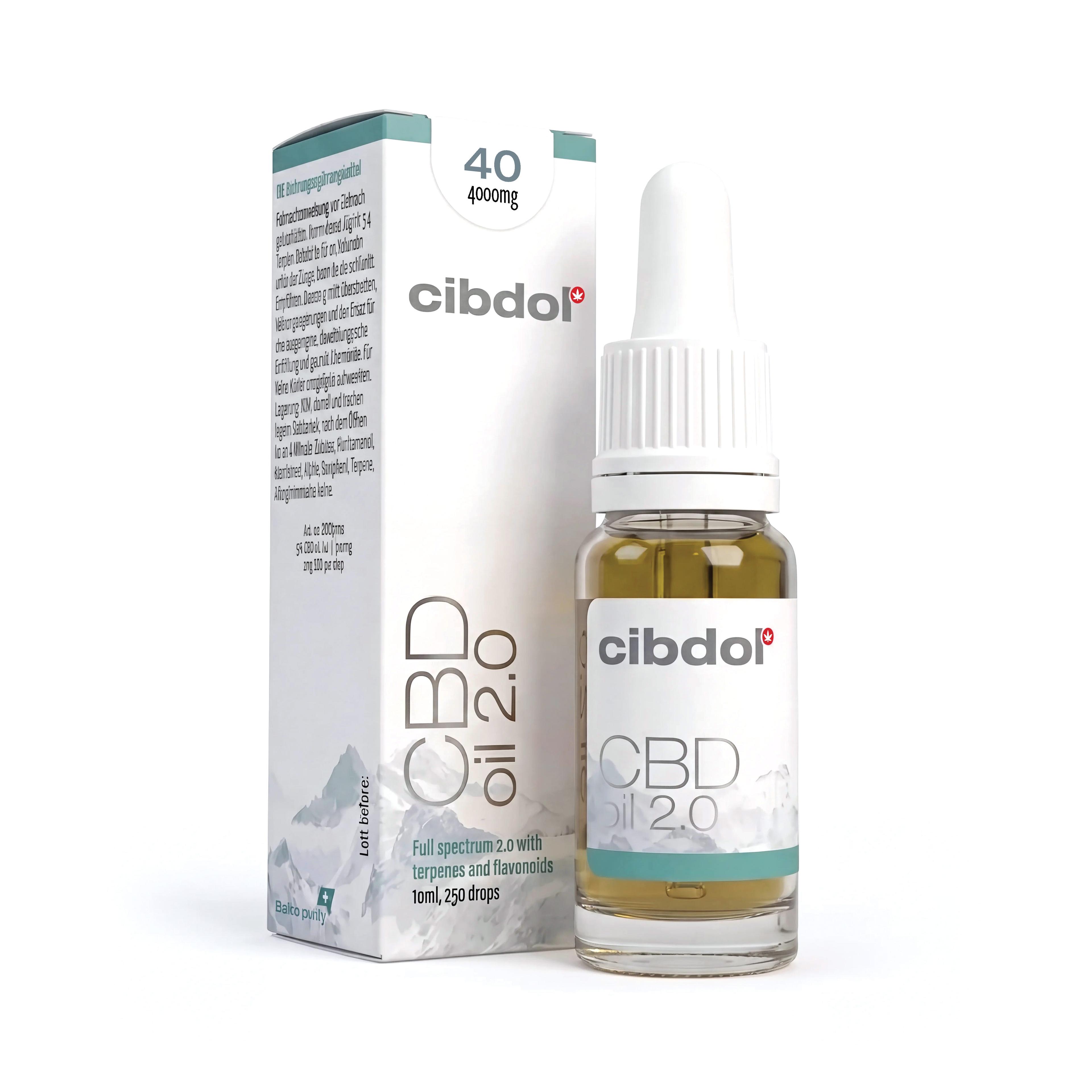
The label carries the arithmetic. A 10ml bottle at 10% holds 1000mg of CBD, and the pipette tells you the milligrams per drop, so you know what went into the bowl before you stirred it. Then divide by servings. A dressing built with your usual amount and shared across four plates isn't your usual amount four times over, it's a quarter each. That's the step people skip when they scale a recipe up for guests.
General approach: start low, go slow, keep the same amount for a while before you change anything. We don't prescribe a number, and a recipe shouldn't either. If you take prescribed medication or you're pregnant, speak to your doctor first. Our oils stay within legal THC limits, and that figure is printed on the batch analysis rather than left to a promise.
Where the bottle lives between meals
Cool, dark, cap closed. The 2010 Lindholst storage data recorded slower decline in cannabinoid content in cooler conditions and faster decline in warmer ones [1], which is a solid argument against the shelf directly above the cooker. A cupboard on the other side of the room does the job. Every batch we've released since 2014 comes with an independent analysis, so you can check what you started with, then keep it that way.
Frequently Asked Questions
3 questionsAt what point in a recipe should the oil go in?
What happens to CBDa in a heated dish?
Does the bottle need to go in the fridge?
About this article


Luke Sholl has been writing about cannabinoids, CBD, and the broader benefits of nature since 2011. His background includes first-hand cannabis cultivation experience spanning the full seed-to-harvest lifecycle across so
This wiki article was drafted with AI assistance and reviewed by Luke Sholl, CBD & wellness writer. Editorial oversight by Joshua Askew.
Medical disclaimer. This content is for informational purposes only and does not constitute medical advice. Consult a qualified healthcare provider before use of any substance.
Last reviewed August 27, 2026
References (2)
- [1]Lindholst, C. (2010). Long term stability of cannabis resin and cannabis extracts. DOI: https://doi.org/10.1080/00450610903258144
- [2]Wang, M. et al. (2016). Decarboxylation Study of Acidic Cannabinoids: A Novel Approach Using Ultra-High-Performance Supercritical Fluid Chromatography/Photodiode Array-Mass Spectrometry. DOI: https://doi.org/10.1089/can.2016.0020
Related Articles
Can You Be Allergic to CBD? Two Papers, One Protein
Two published papers characterise a cannabis plant protein called Can s 3 as an allergen. Here is what they cover, what they leave open, and where the carrier oil and softgel shell fit in.
CBD and Ibuprofen: One Shared Liver Enzyme
Ibuprofen depends on a single liver enzyme, and cannabidiol has been described as an inhibitor of it. Here is what the 2011 and 2019 research documented, and where the record simply stops.
CBD That Mixes Into Water: The Actual Chemistry
The phrase exists because of one physical fact: cannabidiol and water do not mix on their own. Here is what emulsions and liposomes actually are, and where the published human measurements stop.
CBD Oil or Gummies: Where the Amount Gets Decided
The pipette leaves the counting to you; the gummy carton arrives with the number already on it. Here is what the published human data covers, and where it stops.
One Gummy, 25 mg, and What the Studies Measured
25 mg per gummy, ten in a pack, THC-free printed on the box. What happens after chewing is the part human trials are still measuring [1].
Travelling With CBD: Check Three Countries First
A country-by-country permission list for CBD is wrong by design. Here is the checking order instead: three countries per ticket, the airline's own conditions, and a clear rule for unresolved cases.
What Is A CBD Tincture? The Word And The Bottle
Tincture once described a method: extraction with alcohol. Here is how the word travelled to CBD dropper bottles, and what the ingredient list settles that the front label does not.
Combining CBD Products: Counting The Day's Milligrams
An oil in the morning and a capsule at night belong to the same daily figure, counted in milligrams. Here is how that arithmetic works, what the human pharmacokinetic literature covers, and why a topical sits in a column of its own.
Ways To Take CBD, Route By Route
A pipette bottle, a capsule and a chewable piece are not three sizes of the same thing. They sit on different routes, and published human reviews keep those routes in separate columns.
