CBD And Skin: Receptors, Sebocytes And Permeation
Definition
Human skin carries cannabinoid receptors, the body's own cannabinoid molecules and the enzymes that break them down again, as mapped by Bíró and colleagues in 2009 [1]. That makes skin a place where this signalling system is present locally, not just a surface a cream sits on. What follows is what the published work measures, and where it stops.
Receptors, and molecules to match
Cannabinoid receptors have been reported in human skin cells, together with the body's own cannabinoids that bind to them, in the mapping work of Bíró and colleagues from 2009 [1]. Endocannabinoids are signalling molecules the body builds itself. Two are described far more often than the rest: anandamide and 2-AG. Both turn up in the same inventory as the receptors, across several different skin cell types [1].
That is a map. A map is not a result. The published material on cannabidiol and skin sits in two boxes, and it helps to know which is which. One box holds experiments run in cell culture, meaning cells kept alive outside a body [3]. The other holds measurements of how much of a cannabinoid crosses a sample of human skin in a laboratory diffusion setup [4]. Useful work, both of them. Neither box holds a measured outcome on the skin of a living person.
Enzymes that end the signal
Two enzymes matter for the shape of the picture: fatty acid amide hydrolase and monoacylglycerol lipase, which break those signalling molecules down again. Both have been reported in skin [1]. Long names, short point. If skin can build the signal, carry the receptor for it and clear the molecule afterwards, then it isn't only a surface with receptors stuck to the outside of it. Bíró and colleagues describe skin as a local site of cannabinoid turnover on that basis [1].
This is the part of the topic with the firmest footing, and it's worth being precise about what it means. Anatomy of a signalling system, documented in tissue. Not a claim about what a cream does to a face. Since 2014 we've watched that distinction get blurred often, usually in one direction.
A 2019 review, five processes
Tóth and colleagues pulled the laboratory and preclinical literature together in 2019 [2]. Preclinical is the stage before human studies: cell cultures, tissue samples, animal models. The review draws links between cannabinoid signalling and five areas of skin biology [2]. Links is the right word. A review of preclinical work is an invitation to study something further, not a verdict on it, and the authors of a mapping review are usually the first to say so [2].
The value here is orientation. If you want to know why researchers keep returning to skin as a site of cannabinoid research at all, this is the answer: the signalling system was found in the tissue, and several basic skin processes run close to it [1] [2]. What the review does not contain is a controlled human trial of a finished cosmetic product. Five headings, then, each one a research direction rather than a finding you can put on a box:
- Barrier formation, the process by which the outer layer of skin becomes a working barrier [2].
- Keratinocyte growth and differentiation. Keratinocytes make up most of the epidermis, and their maturation is one of the processes examined [2].
- Sebaceous lipid production, meaning the oil produced by the sebaceous glands [2].
- Hair follicle cycling, the alternation between growth and rest phases in the follicle [2].
- Skin immune signalling, the local messaging between skin cells and immune cells [2].
The sebocyte experiment
One experiment gets cited more often than anything else in this field, and it's worth reading properly rather than second hand. Oláh and colleagues published it in 2014 [3]. The subject was the sebocyte: the oil-producing cell of the sebaceous gland. The cells were human, grown in culture, and cannabidiol was applied to them there. The measurements covered lipid production and related cell behaviour, all of it in vitro, which means outside a living organism [3].
Careful work, clearly reported. It also has a defined remit. A culture dish has no blood supply, no immune system arriving from elsewhere, no barrier layer above it and no person attached. It's a single study, and a single study, however well built, gets confirmed, narrowed or complicated by whatever comes next. When this experiment is quoted as evidence for what happens on human skin, the quotation has travelled further than the study design allows [3]. The details that decide that are short enough to list:
- Cell type: human sebocytes, the cells of the sebaceous gland that produce oil [3].
- Setting: cell culture, not a human volunteer and not intact skin [3].
- Substance: cannabidiol, applied directly to the cultured cells [3].
- Measured: lipid production and related cell behaviour in those cells [3].
- Status: one publication from 2014, awaiting confirmation or refinement by later work [3].
Across a piece of skin
There's a separate question that has nothing to do with receptors, and it comes first in practice. Does the molecule get anywhere. Stinchcomb and colleagues looked at exactly that in 2004, running three cannabinoids through human skin samples in laboratory diffusion experiments: delta-8-tetrahydrocannabinol, cannabidiol and cannabinol [4]. The setup is a piece of skin mounted between two chambers, with the amount arriving on the far side measured over time.
Skin is built to keep things out, and cannabinoids are oily, poorly water-soluble molecules. That combination is why permeation gets its own studies instead of being assumed. The 2004 work is where the numbers for these three molecules come from, and it stays inside a laboratory model of skin rather than describing what happens on an arm [4].
What the label counts
A container states milligrams of cannabidiol. That figure describes what was put into the container. It does not describe how much reaches any particular layer of skin, and it was never meant to: that question belongs to permeation research, which measures it separately [4]. Two different quantities, often collapsed into one in conversation.
So a bottle with a higher declared amount tells you about the bottle. The distance between the declared content and anything measured in tissue is exactly the gap the 2004 experiments were designed to describe [4]. Worth holding both numbers apart in your head. It makes product pages much easier to read, and it makes the honest ones stand out from the noisy ones quickly.
Cosmetic, by purpose
In the EU and the UK, a cosmetic product is defined by what it is for, not by what it contains. The definition covers preparations applied to the external parts of the body in order to clean them, perfume them, change their appearance, protect them, keep the skin in good condition, or correct body odours. Purpose-based, in other words. A cream and a lotion land in that category because of the job they are sold to do, and the category itself carries no claim about biology.
That framework is why a skincare page can describe ingredients and formulation in detail while staying quiet about mechanisms. The published science on cannabinoid signalling in skin, mapped by Bíró and colleagues and surveyed by Tóth and colleagues, sits in the research literature [1] [2]. The cosmetic sits on a shelf. Both can be described accurately, in their own terms.
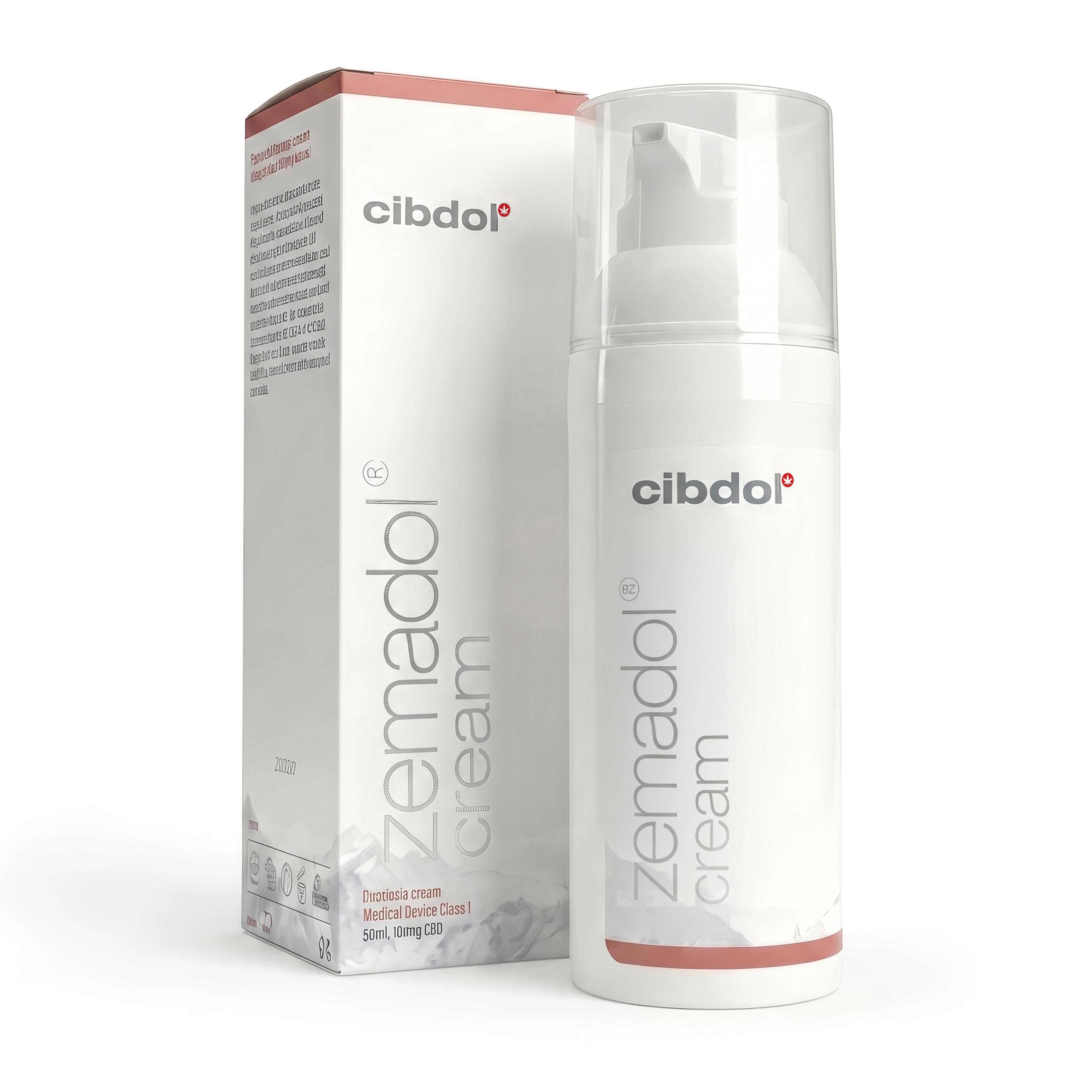
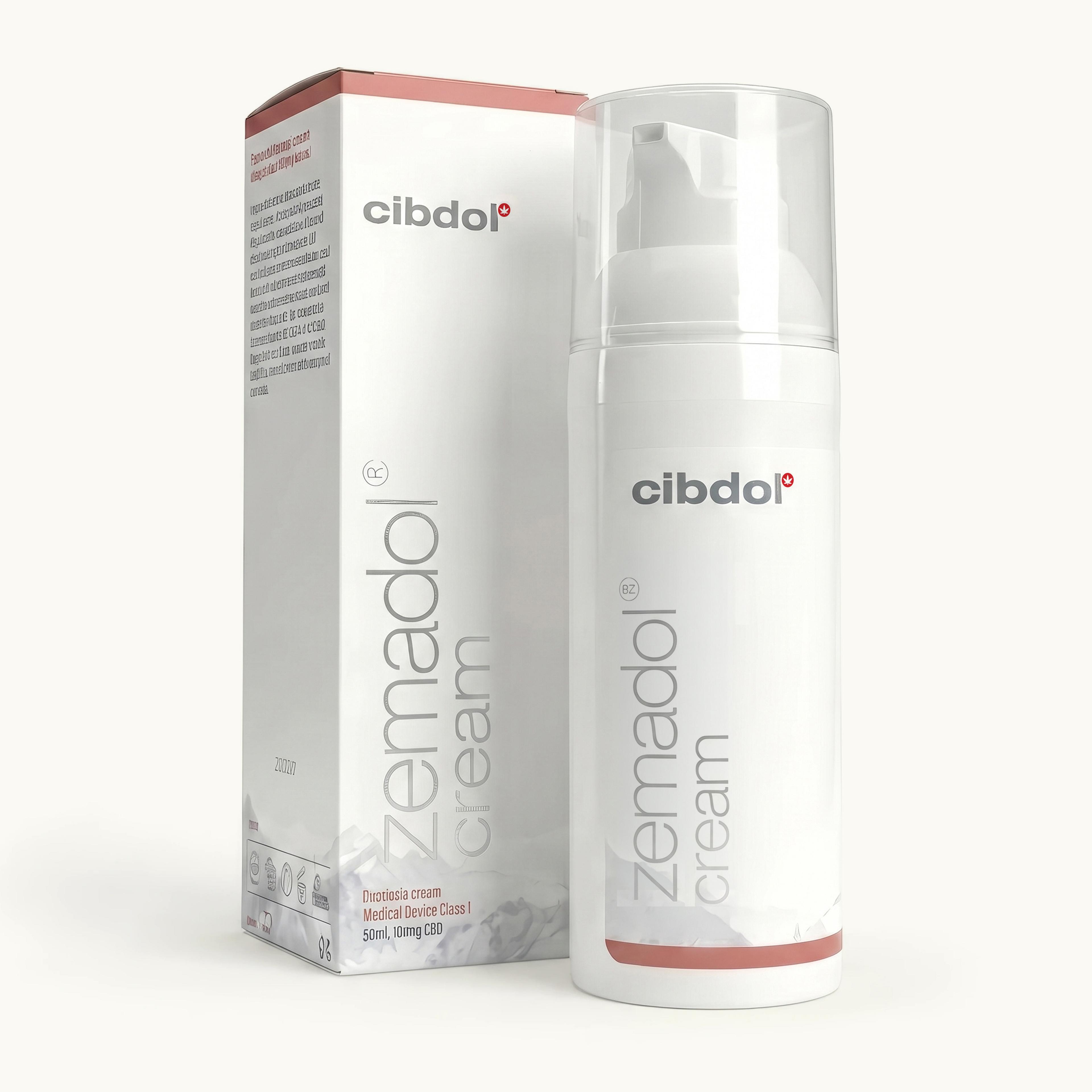
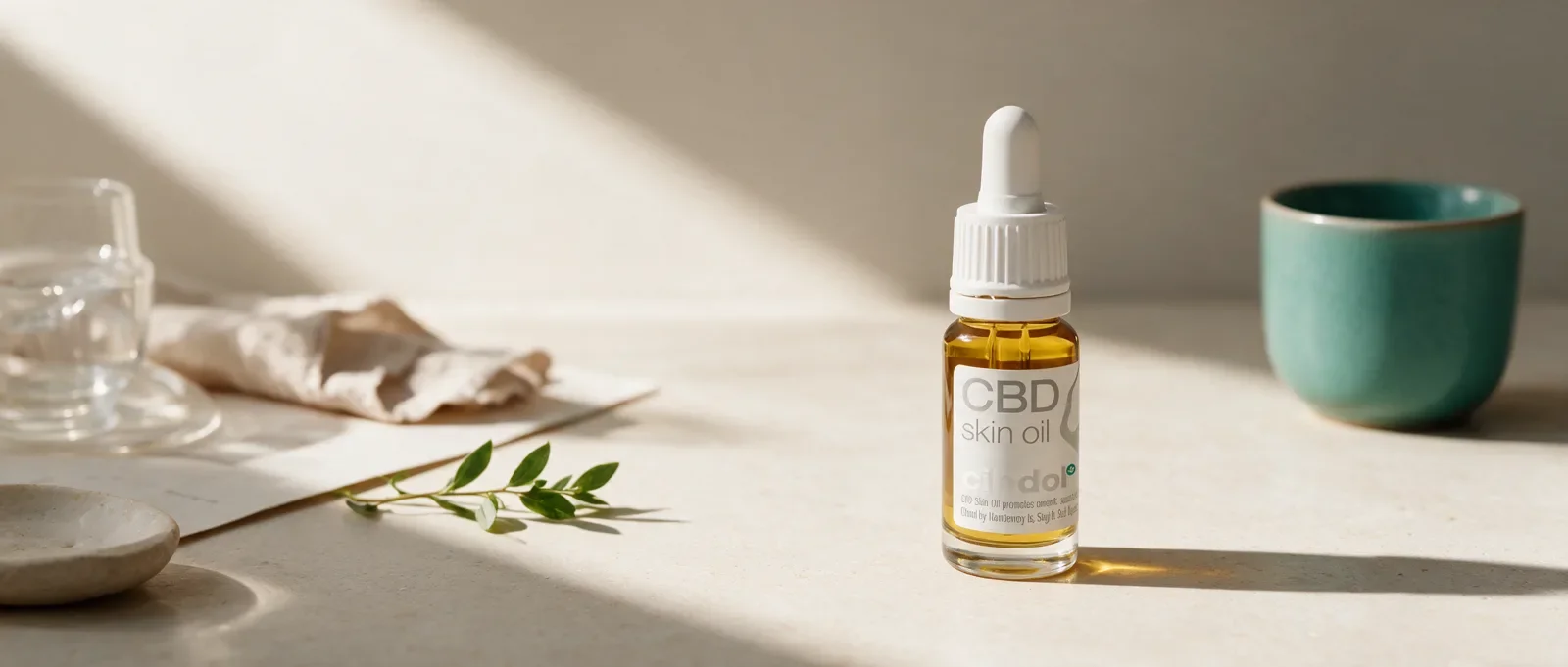
In the Cibdol CBD skincare range, cannabidiol appears among the skin-conditioning ingredients, alongside the rest of the formula. Each batch is analysed independently and the analysis is published, so the cannabinoid content of the batch you have can be checked rather than taken on trust. That has been the standard here since 2014, back when CBD still needed explaining to almost everyone who asked about it. Swiss Quality. No Compromise.
Which leaves the reader with two separate things to look at. What is in the jar, verifiable from the batch report and the ingredient list. And what the research on cannabinoids in skin has actually measured so far, which is cell-culture work and permeation data [3] [4]. Keep them apart and the whole subject gets clearer.
What to ask of a citation
Some phrases show up on skincare pages carrying no structure behind them. Shown to. Clinically tested. Dermatologist developed. Each one can be perfectly true, and each one can also be entirely hollow, which is why the phrase itself tells you nothing until you find the study underneath it. Sometimes there is no study. Sometimes there is, and it turns out to be cell-culture work such as the 2014 sebocyte experiment by Oláh and colleagues, which measured lipid production in cultured cells and nothing beyond that [3].
The standard worth applying is narrow and easy to use. A named published study, with author, year and a full reference you can look up. Not a gesture toward research in general. Then the second half of it: results reported with their limits, including what the study could not show. A permeation experiment describes movement across a skin sample and not the state of anyone's face [4]. A review of preclinical literature maps directions of research and does not settle them [2].
Where the evidence stops
Documented, right now: the signalling biology. Receptors, the body's own cannabinoids and the enzymes that break them down, all reported in skin cell types [1], with five areas of skin biology surveyed in the 2019 review by Tóth and colleagues [2]. Also documented: what cannabidiol did to cultured human sebocytes in 2014 [3], and how three cannabinoids moved across human skin samples in the 2004 diffusion experiments [4].
Open: everything that would need people, controls and a finished formula to answer. We would rather say that plainly than fill the gap with adjectives. When the evidence moves, this page moves with it.
Frequently Asked Questions
3 questionsDo cannabinoid receptors really exist in skin?
Does the 2014 sebocyte study tell me what a CBD cream does to my face?
Does the milligram figure on a skincare jar say how much CBD reaches my skin?
About this article


Luke Sholl has been writing about cannabinoids, CBD, and the broader benefits of nature since 2011. His background includes first-hand cannabis cultivation experience spanning the full seed-to-harvest lifecycle across so
This wiki article was drafted with AI assistance and reviewed by Luke Sholl, CBD & wellness writer. Editorial oversight by Joshua Askew.
Medical disclaimer. This content is for informational purposes only and does not constitute medical advice. Consult a qualified healthcare provider before use of any substance.
Last reviewed August 27, 2026
References (4)
- [1]Bíró, T. et al. (2009). Trends in Pharmacological Sciences. DOI: https://doi.org/10.1016/j.tips.2009.05.004
- [2]Tóth, K.F. et al. (2019). Molecules. DOI: https://doi.org/10.3390/molecules24050918
- [3]Oláh, A. et al. (2014). Journal of Clinical Investigation. DOI: https://doi.org/10.1172/JCI64628
- [4]Stinchcomb, A.L. et al. (2004). Human skin permeation of delta-8-tetrahydrocannabinol, cannabidiol and cannabinol. DOI: https://doi.org/10.1211/0022357022791
Related Articles

Can You Be Allergic to CBD? Two Papers, One Protein
Two published papers characterise a cannabis plant protein called Can s 3 as an allergen. Here is what they cover, what they leave open, and where the carrier oil and softgel shell fit in.
CBD and Ibuprofen: One Shared Liver Enzyme
Ibuprofen depends on a single liver enzyme, and cannabidiol has been described as an inhibitor of it. Here is what the 2011 and 2019 research documented, and where the record simply stops.
CBD That Mixes Into Water: The Actual Chemistry
The phrase exists because of one physical fact: cannabidiol and water do not mix on their own. Here is what emulsions and liposomes actually are, and where the published human measurements stop.
CBD Oil or Gummies: Where the Amount Gets Decided
The pipette leaves the counting to you; the gummy carton arrives with the number already on it. Here is what the published human data covers, and where it stops.
One Gummy, 25 mg, and What the Studies Measured
25 mg per gummy, ten in a pack, THC-free printed on the box. What happens after chewing is the part human trials are still measuring [1].
Travelling With CBD: Check Three Countries First
A country-by-country permission list for CBD is wrong by design. Here is the checking order instead: three countries per ticket, the airline's own conditions, and a clear rule for unresolved cases.
What Is A CBD Tincture? The Word And The Bottle
Tincture once described a method: extraction with alcohol. Here is how the word travelled to CBD dropper bottles, and what the ingredient list settles that the front label does not.
Combining CBD Products: Counting The Day's Milligrams
An oil in the morning and a capsule at night belong to the same daily figure, counted in milligrams. Here is how that arithmetic works, what the human pharmacokinetic literature covers, and why a topical sits in a column of its own.

Ways To Take CBD, Route By Route
A pipette bottle, a capsule and a chewable piece are not three sizes of the same thing. They sit on different routes, and published human reviews keep those routes in separate columns.
