How the Body Absorbs CBD, According to Human Data
Definition
Absorption is the stretch between a product being taken and cannabidiol reaching the bloodstream. Pharmacology measures it as bioavailability: the fraction of the original dose that arrives in circulation unchanged. For cannabidiol taken by mouth, the 2018 systematic review by Millar and colleagues reads that fraction in humans as low and as highly variable from person to person [1].
Absorption, and how it's measured
Bioavailability gets thrown around loosely in wellness copy. In the literature it is a fraction with a denominator: the dose that was taken. The numerator is the part that reaches circulation unchanged. Unchanged is the operative word, because the body chemically alters cannabidiol along the way, and those altered forms, the metabolites, have been measured in human samples [1].
For oral cannabidiol, the 2018 systematic review by Millar and colleagues describes that fraction in people as low and as highly variable between individuals [1]. Two words. Neither is a promise. Low says most of a swallowed dose does not arrive as cannabidiol itself. Variable says the figure measured in one participant is not the figure measured in the next.
Start with the chemistry, because it sets up everything after it. Cannabidiol dissolves readily in fats and oils. In water it dissolves poorly [1]. That single property is why the molecule turns up in oil formats rather than in a glass of water, and it stays relevant all the way through the digestive tract, which is a watery environment with fat-handling machinery built into it.
Here is where a careful review earns its place. Millar and colleagues are explicit about the limits of what is known [1]. Human pharmacokinetic data on cannabidiol are sparse. The study designs behind them differ widely. Reported exposure figures vary considerably from one paper to another. Add those three together and one sentence follows: a single reliable number for oral cannabidiol absorption cannot be stated [1].
That is not the same as nobody measuring anything. Plenty has been measured. The problem is that measured values shift with the analytical technique, with the formulation used and with the conditions of the study [1]. Change the method, change the figure. Same review, same observation.
The same caution shows up when different ways of taking cannabidiol are set side by side. Swallowing something and taking it another way involve different mechanisms, and the 2018 review handles them as different mechanisms rather than as a league table with a winner [1]. A comparison of routes describes what happens, not which one wins.
So the honest summary of this first step is short. Absorption is a process with named stages and measurable outputs. For cannabidiol in humans, those outputs come out low, scattered across studies, and dependent on how the dose got in [1]. Cibdol has been working with cannabinoids since 2014, and this remains one of the genuinely open questions in the field, which is exactly why it is worth setting out slowly rather than answering with a percentage that no study supports.
From swallow to circulation
Oil carries it, water doesn't
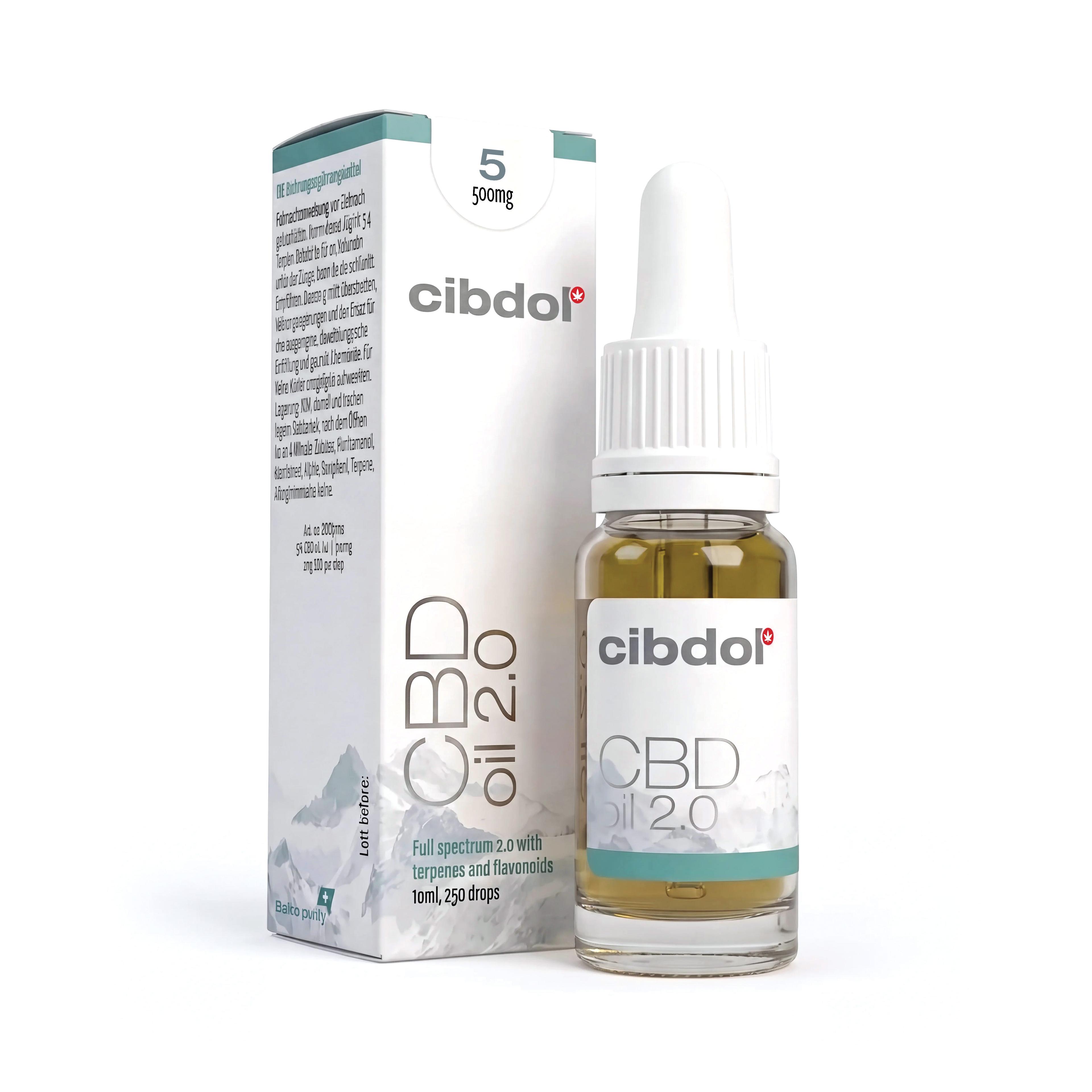
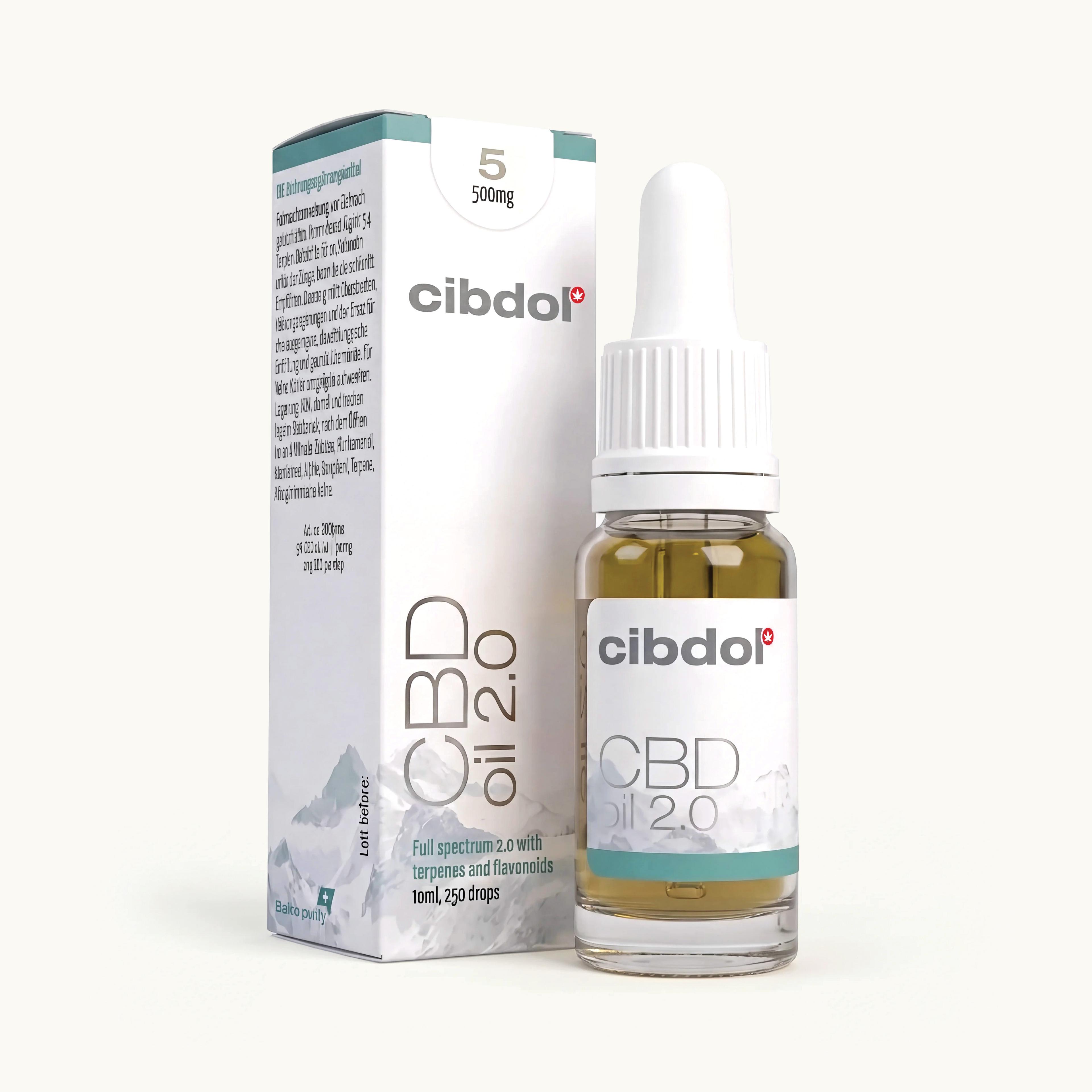
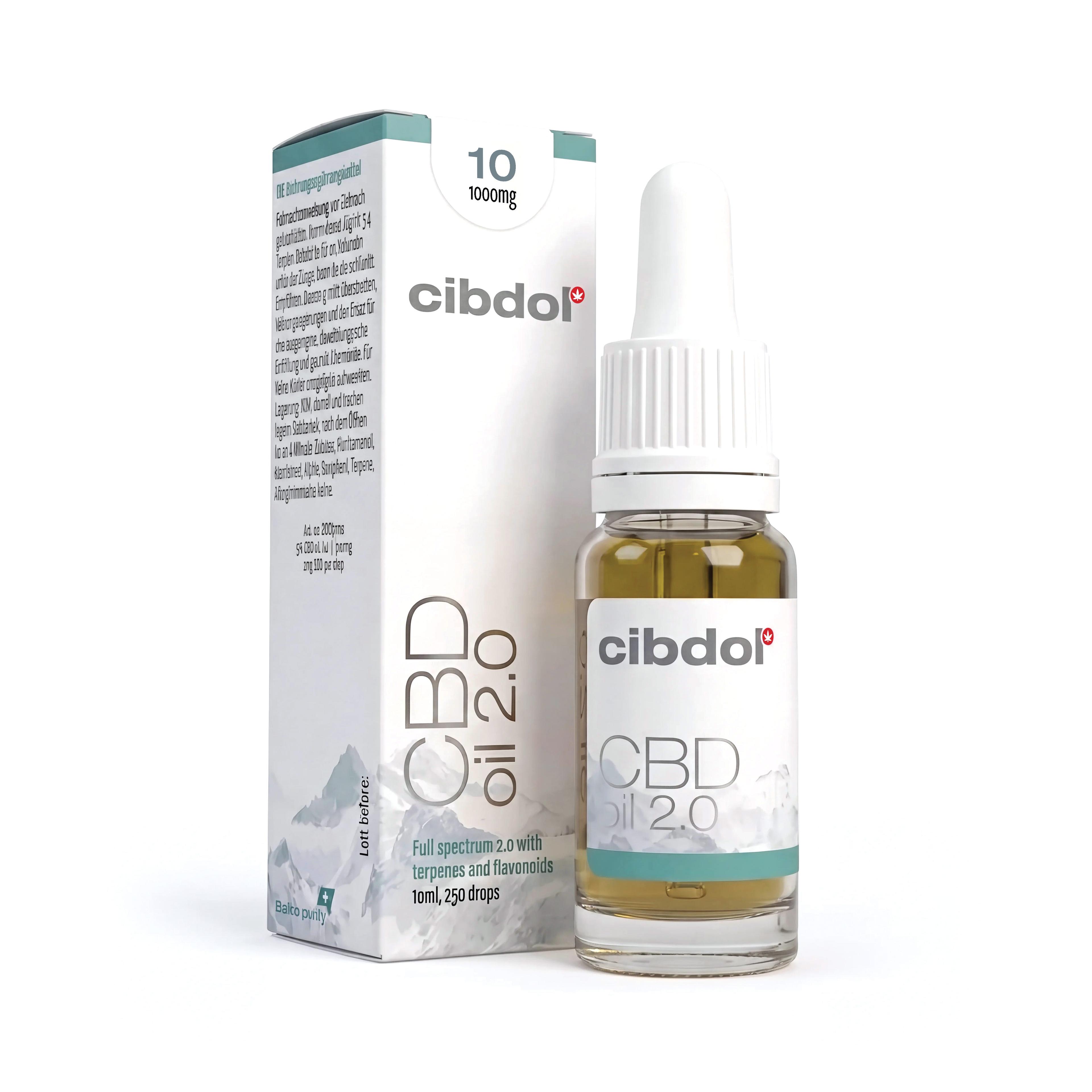
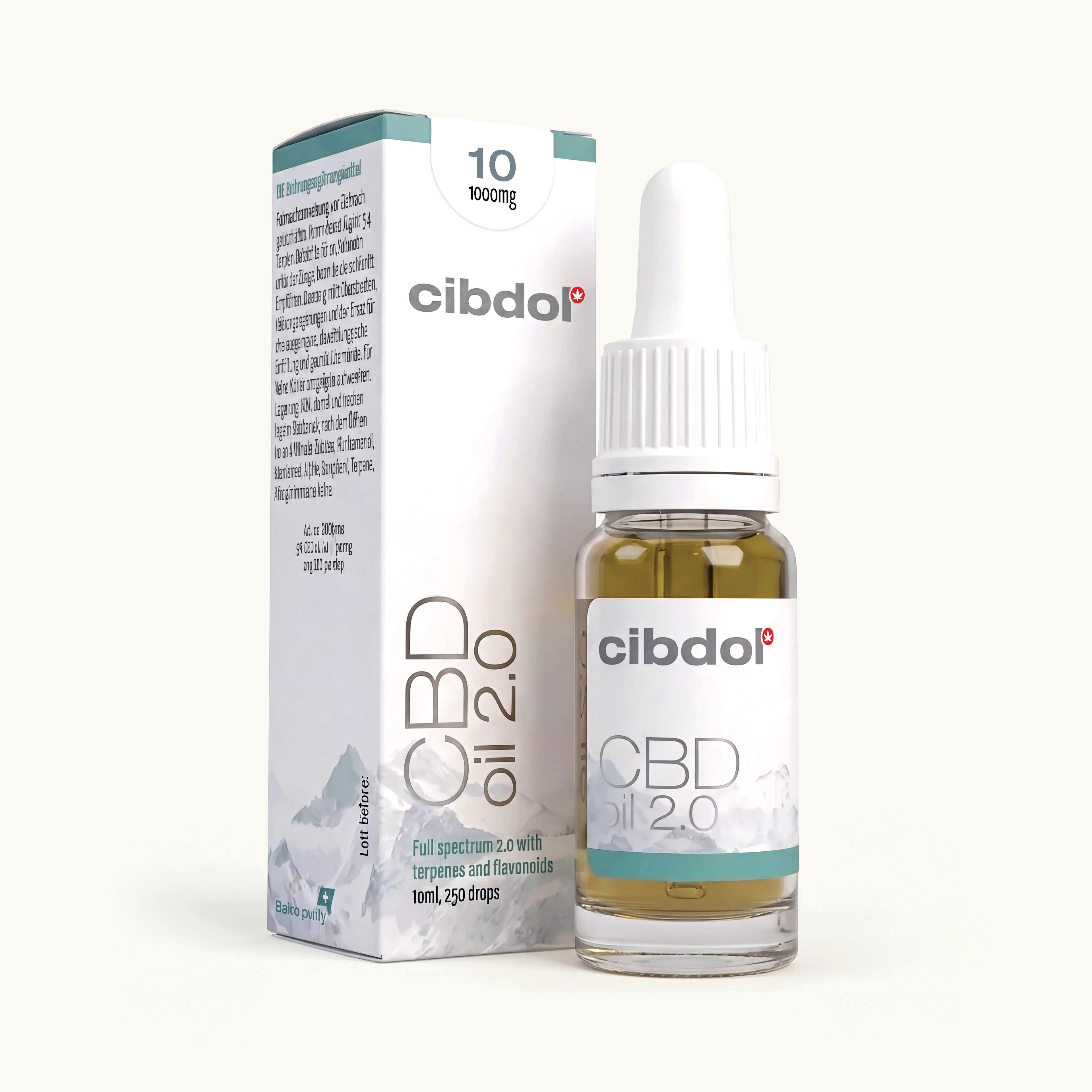
A CBD oil is two things in one bottle: an extract, and a carrier oil that holds it. That pairing is not a style choice. Cannabidiol goes into fats and oils readily and into water poorly [1], so the carrier does the job of getting the molecule dispersed at all.
The gut is where that matters. Whatever arrives has to be dispersed before anything can cross the intestinal wall, and a fat-soluble molecule in a watery lumen depends on how it was presented in the first place. The 2018 review lists formulation directly among the contributors to variability in the pooled human literature [1]. Same compound, different vehicle, different measured exposure.
What the review does not do is turn that into a rule you can apply to a bottle on a shelf. It names formulation as a source of variation and stops there [1]. That is the state of the evidence, and it is more useful than a made-up figure. If you want to know what is in a specific product, the batch analysis is the document that answers it, not a general statement about oils.
The liver's first pass
Anything absorbed from the intestine travels to the liver before it reaches general circulation. That detour is called first-pass metabolism, and for oral cannabidiol in humans it is extensive. The 2018 review names it as a recognised reason why oral exposure comes out low [1].
The liver does not simply let the molecule through. It converts part of it, and those conversion products have been detected and measured in human samples [1]. What remains unresolved, in the words of the same review, is the relative quantities of those metabolites across different routes and across differing study designs [1]. Measured, yes. Pinned down, no.
Two more contributors sit in the same list. Between-person differences in gut function and between-person differences in liver function are both named in the pooled human data as reasons the figures scatter [1]. Which gives the phrase low and variable an address rather than leaving it as an adjective. Low points at the first pass. Variable points at the formulation, the gut and the liver, all three of which differ between one reader and another [1].
Inside a Phase I protocol
Food in the study design
One of the more informative pieces of human work here is the Phase I trial published by Taylor and colleagues in 2018, run in healthy participants with a highly purified cannabidiol [2]. It was built with several arms: single ascending doses, repeated dosing, and a dedicated food effect arm.
That food arm is the part people ask about. Participants received the dose with food and in a fasted state, and the measured plasma exposure changed between those two conditions [2]. That is the finding, stated at the size it was actually collected.
Now the boundaries, because they matter as much as the result. The trial produced a pharmacokinetic change under controlled conditions, in a specific participant group, with one specific formulation [2]. An equivalent figure for any other product, any other meal, or any other person has not been established. And the study's remit was pharmacokinetics and tolerability, so it tells you about concentrations and how the dose was handled, not about outcomes.
Read that way, a Phase I food effect arm is a piece of engineering data. It shows that the conditions around a dose are part of the measurement, which is why trials standardise them in the first place [2].
Why figures don't transfer
Put the trial next to the review and the pattern is consistent. The 2018 systematic review found that measured values differ widely according to analytical technique, formulation and study conditions [1]. A number produced under one set of conditions is a number for those conditions.
This is also why the review declines to rank routes against each other. Different ways of taking cannabidiol run through different mechanisms, and the review presents them as such rather than as better or worse [1]. Comparison, not competition.
And it is why the single most requested figure in this whole subject, a percentage for oral absorption, is not in the literature as a reliable value. Human pharmacokinetic data on cannabidiol are sparse, the designs differ, the reported exposure figures vary considerably, and no single dependable oral absorption number can be stated from them [1]. Being comfortable with that sentence is part of reading the science properly. The evidence describes a process well and quantifies it poorly, and saying so is more accurate than filling the gap with confidence.
Fatty tissue and the slow return
Absorption is only the front half of the story. Once cannabinoids are in circulation, their chemistry keeps steering them. Huestis, in the 2007 review of human cannabinoid pharmacokinetics, describes these compounds as highly lipophilic, meaning strongly fat-loving, and describes their distribution into fatty tissue [3]. From there the release back into blood is slow, which is why cannabinoids can still be detected well after the active absorption period has finished [3].
Cannabidiol specifically fits the same description. The 2018 systematic review makes the same observation for CBD and adds a caveat about the numbers: elimination parameters are reported inconsistently across the human studies collected [1]. So the shape of the curve is documented. The duration figures are not settled.
Which reframes what a blood measurement means. A concentration at a given moment reflects what was absorbed, what the liver converted on the way through, and what is drifting back out of tissue [1][3]. Three processes, one reading. Sorting them apart takes a designed study, and the collected human literature on cannabidiol does not yet do it consistently [1].
It also explains why two people taking the same product can produce different numbers. Formulation differs, gut function differs, liver function differs, and body composition determines how much fatty tissue is available for distribution in the first place [1][3]. None of that is exotic. It is ordinary pharmacology, described in the sources that collected it.
The part you can verify
Absorption is measured in a laboratory. What is in your bottle is a separate question, and that one has a paper answer. A batch analysis states the cannabinoid content of the specific batch you are holding, alongside the extract type and the carrier oil that holds it. Cibdol publishes those analyses because a stated percentage should be checkable rather than assumed.
Two things stay clearly separated on this page. The pharmacokinetic material comes from published human research, cited as it stands and with its gaps named [1][2][3]. The product information comes from batch testing, which is a different kind of evidence answering a different question. Our oils are non-intoxicating and within legal THC limits, and that is a specification, not an inference from any of the studies above.
If you are choosing between formats, the useful comparison is what the label and the batch report tell you: how much cannabinoid per millilitre, which extract, which oil. Working with cannabinoids since 2014 has taught us that this is where certainty actually lives. Anyone with existing conditions or ongoing medication should speak to a doctor before adding a cannabidiol product to a routine.
Frequently Asked Questions
4 questionsWhy is CBD sold in an oil rather than a water-based drop?
Can anyone give a percentage for how much oral CBD gets absorbed?
Who took part in the trial that tested CBD with and without food?
Why can cannabinoids still be detected after absorption has finished?
About this article


Luke Sholl has been writing about cannabinoids, CBD, and the broader benefits of nature since 2011. His background includes first-hand cannabis cultivation experience spanning the full seed-to-harvest lifecycle across so
This wiki article was drafted with AI assistance and reviewed by Luke Sholl, CBD & wellness writer. Editorial oversight by Joshua Askew.
Medical disclaimer. This content is for informational purposes only and does not constitute medical advice. Consult a qualified healthcare provider before use of any substance.
Last reviewed August 27, 2026
References (3)
- [1]Millar, S.A. et al. (2018). A Systematic Review on the Pharmacokinetics of Cannabidiol in Humans. DOI: https://doi.org/10.3389/fphar.2018.01365
- [2]Taylor, L. et al. (2018). A Phase I, Randomized, Double-Blind, Placebo-Controlled, Single Ascending Dose, Multiple Dose, and Food Effect Trial of the Safety, Tolerability and Pharmacokinetics of Highly Purified Cannabidiol in Healthy Subjects. DOI: https://doi.org/10.1007/s40263-018-0578-5
- [3]Huestis, M.A. (2007). Human Cannabinoid Pharmacokinetics. DOI: https://doi.org/10.1002/cbdv.200790152
Related Articles

Can You Be Allergic to CBD? Two Papers, One Protein
Two published papers characterise a cannabis plant protein called Can s 3 as an allergen. Here is what they cover, what they leave open, and where the carrier oil and softgel shell fit in.
CBD and Ibuprofen: One Shared Liver Enzyme
Ibuprofen depends on a single liver enzyme, and cannabidiol has been described as an inhibitor of it. Here is what the 2011 and 2019 research documented, and where the record simply stops.
CBD That Mixes Into Water: The Actual Chemistry
The phrase exists because of one physical fact: cannabidiol and water do not mix on their own. Here is what emulsions and liposomes actually are, and where the published human measurements stop.
CBD Oil or Gummies: Where the Amount Gets Decided
The pipette leaves the counting to you; the gummy carton arrives with the number already on it. Here is what the published human data covers, and where it stops.

One Gummy, 25 mg, and What the Studies Measured
25 mg per gummy, ten in a pack, THC-free printed on the box. What happens after chewing is the part human trials are still measuring [1].
Travelling With CBD: Check Three Countries First
A country-by-country permission list for CBD is wrong by design. Here is the checking order instead: three countries per ticket, the airline's own conditions, and a clear rule for unresolved cases.
What Is A CBD Tincture? The Word And The Bottle
Tincture once described a method: extraction with alcohol. Here is how the word travelled to CBD dropper bottles, and what the ingredient list settles that the front label does not.
Combining CBD Products: Counting The Day's Milligrams
An oil in the morning and a capsule at night belong to the same daily figure, counted in milligrams. Here is how that arithmetic works, what the human pharmacokinetic literature covers, and why a topical sits in a column of its own.

Ways To Take CBD, Route By Route
A pipette bottle, a capsule and a chewable piece are not three sizes of the same thing. They sit on different routes, and published human reviews keep those routes in separate columns.
