CBD Side Effects: What Trials Have Recorded

Definition
A side effect, in research language, is any unwanted experience written down while a study runs, whether or not anyone judged it to be connected to the substance under examination. For cannabidiol, the reports that recur across studies are tiredness, diarrhoea, and changes in appetite and weight, as set out in Iffland and Grotenhermen's 2017 review of clinical data. What the literature records and what it can predict for one person are two different things.
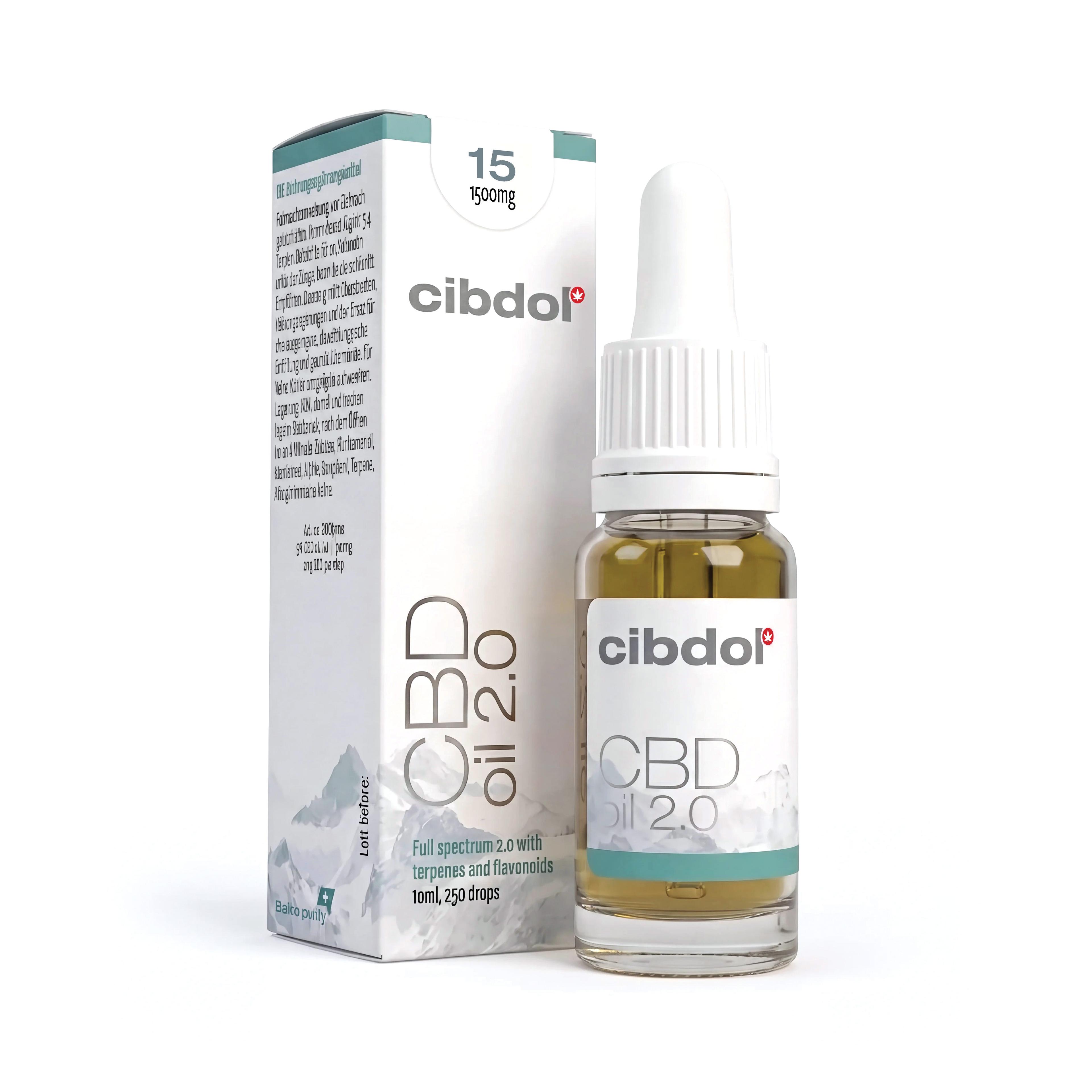
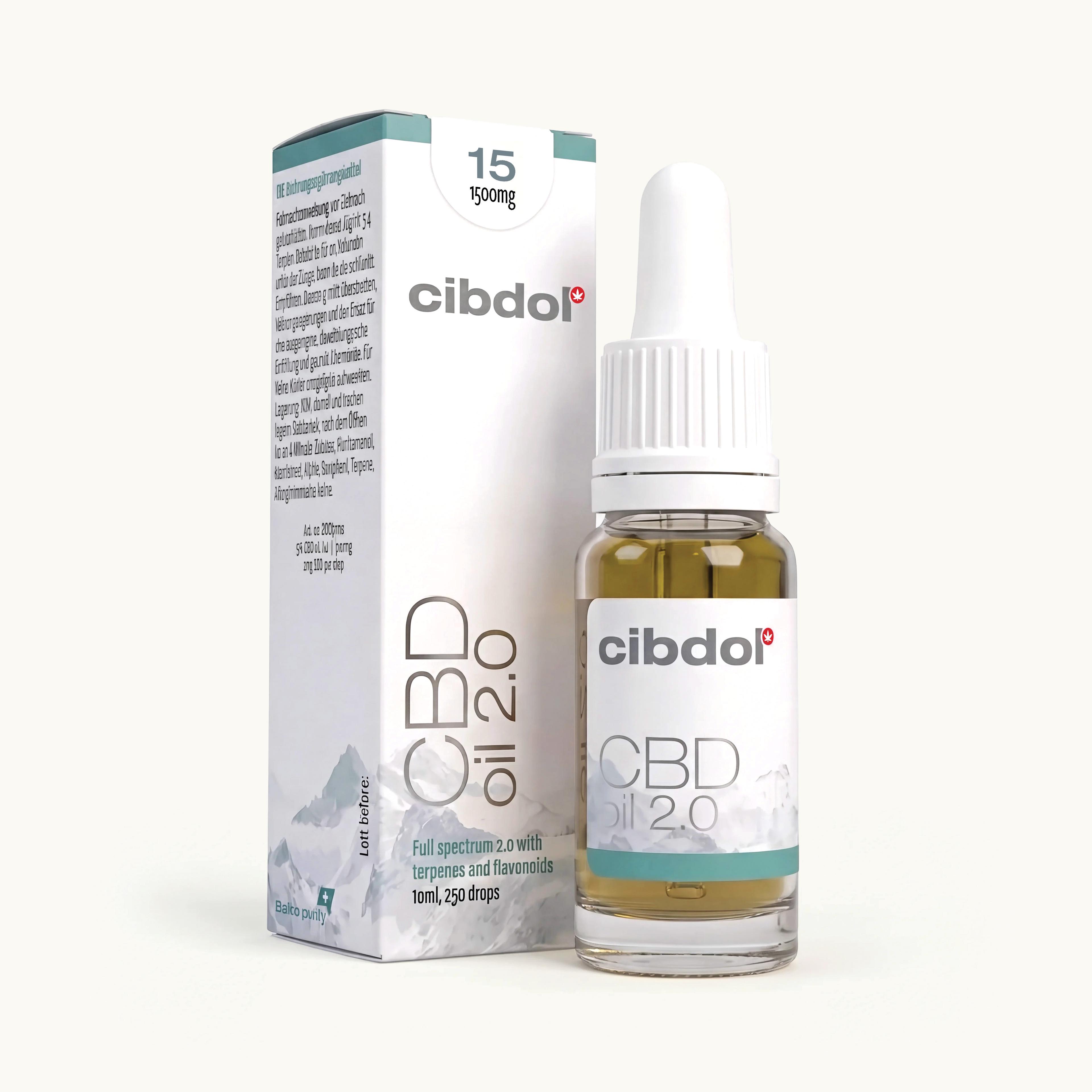
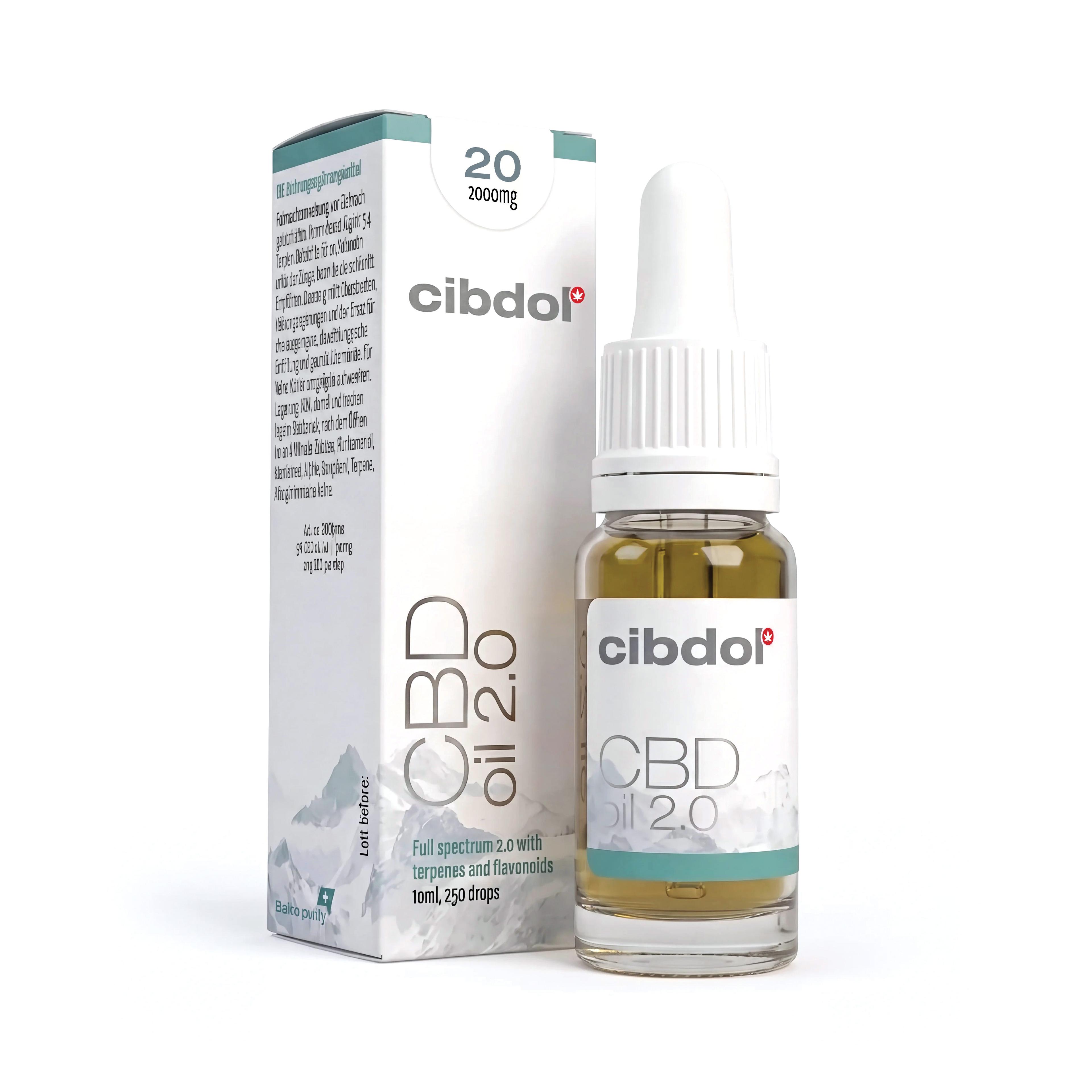
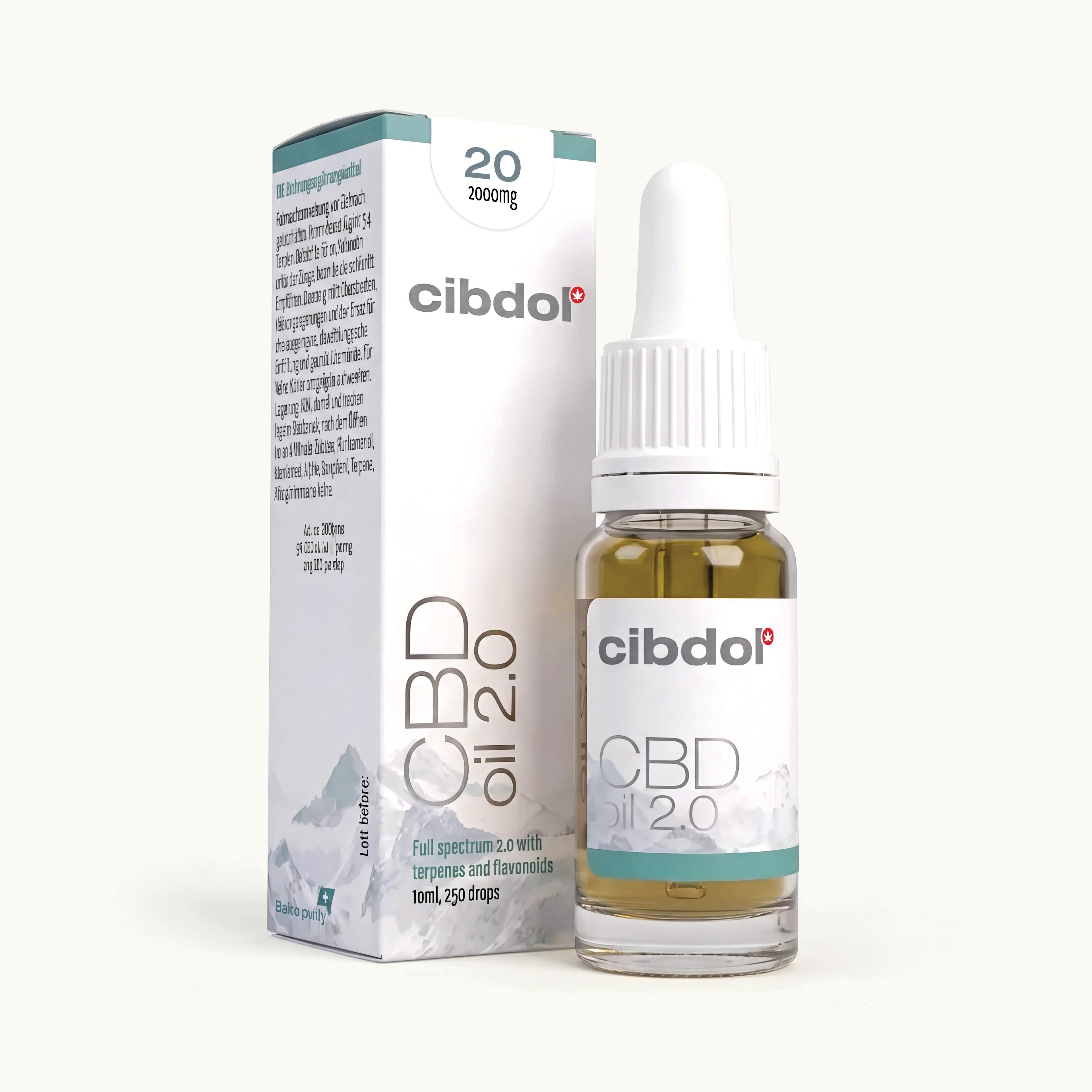
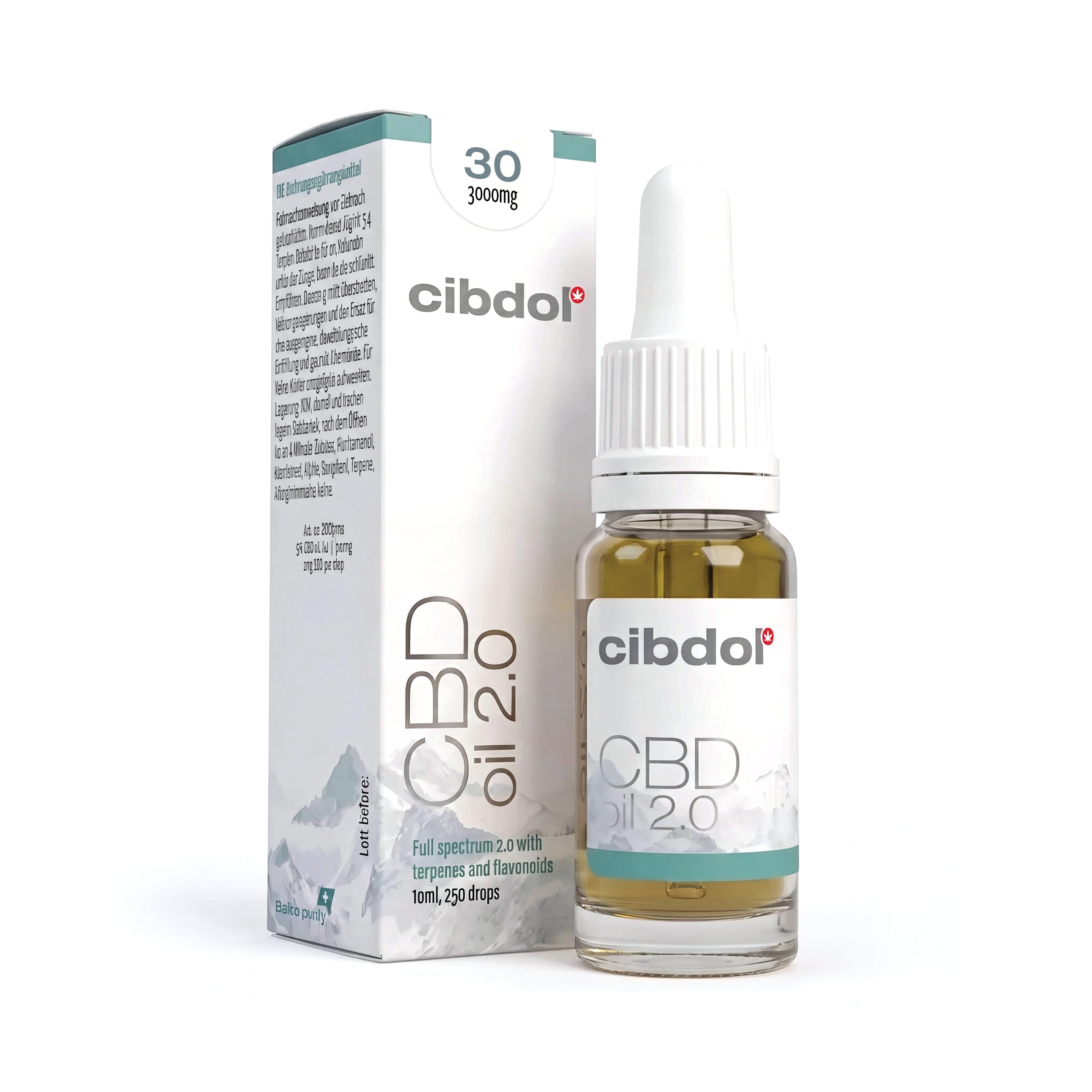
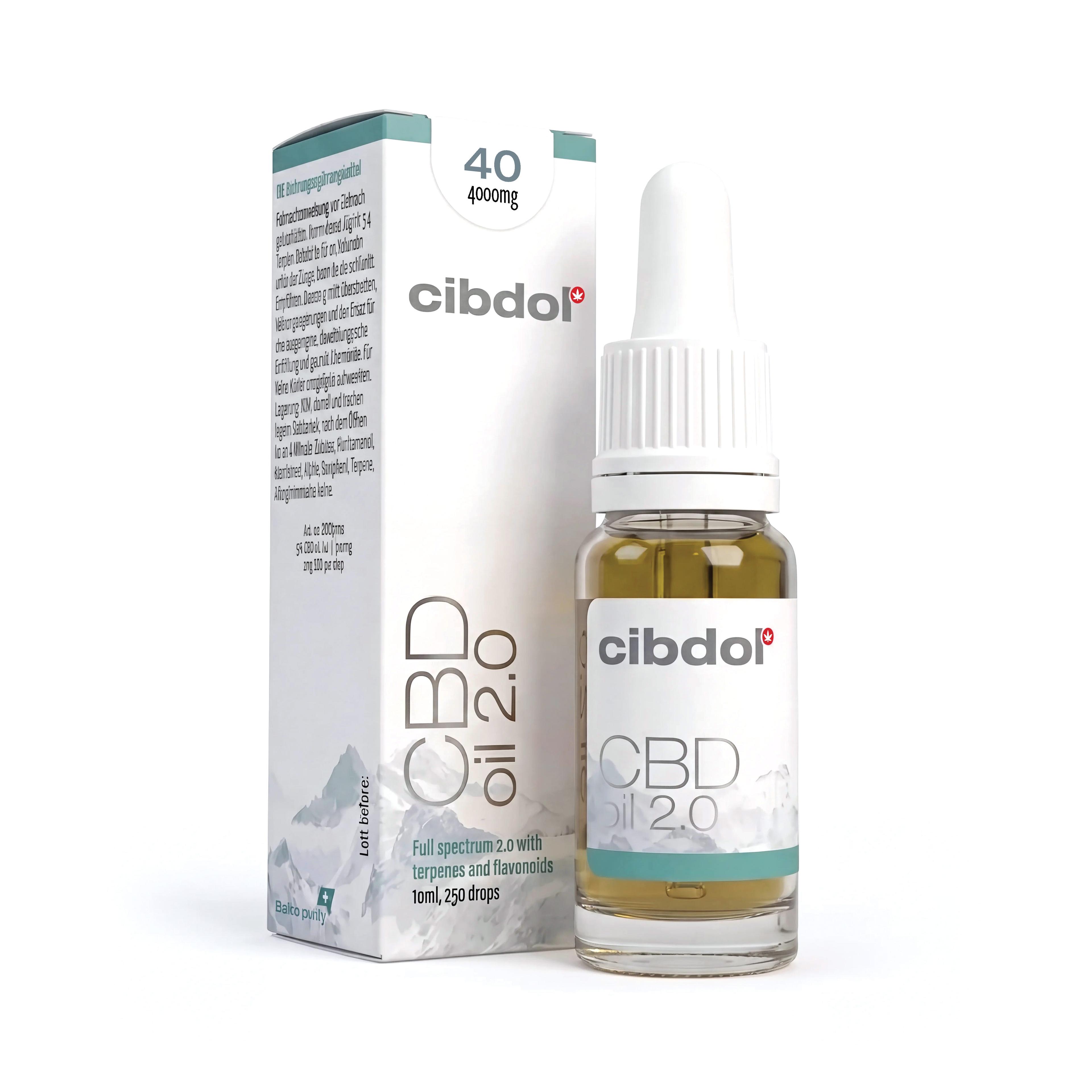
A sealed pipette and a fair question
Nine in the evening
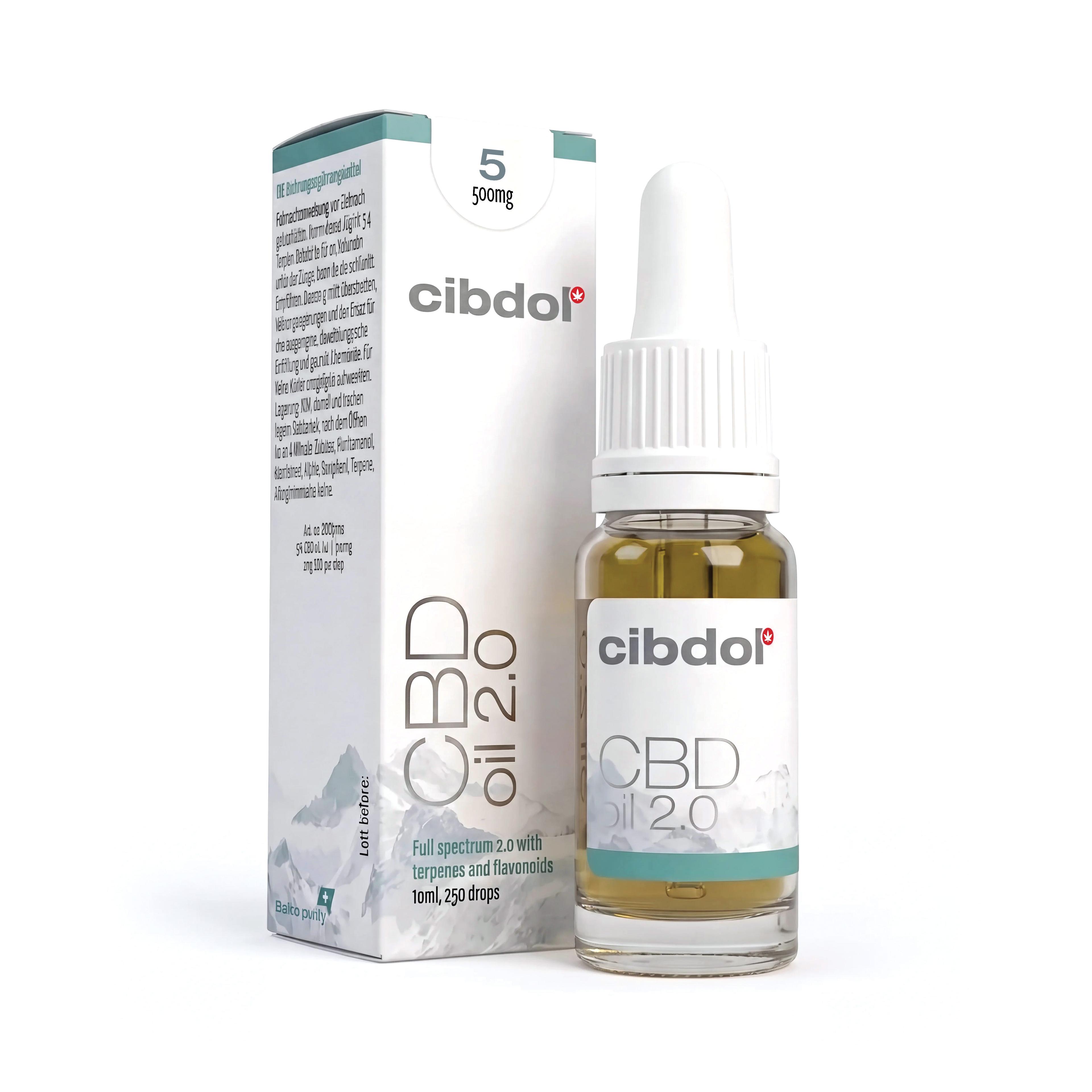
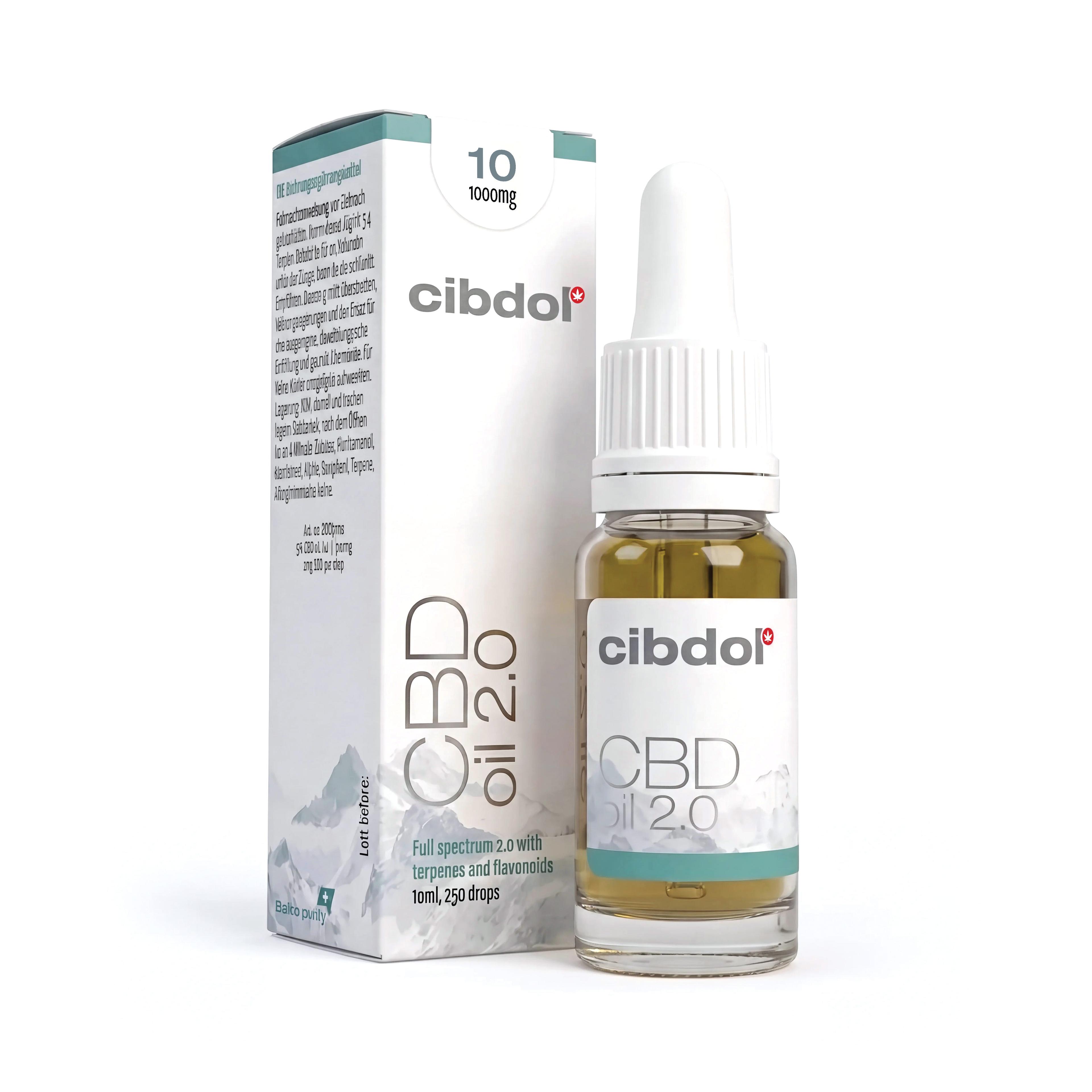
It is nine in the evening. The bottle arrived this afternoon, the pipette is still sealed, and before the first drop there is a reasonable question: what could this do that you would rather it didn't?
The answer worth having sits in published research, and it comes with edges. Trials and reviews record what participants themselves reported, at set amounts, over set periods, under supervision. That is the shape of the data. A defined group, defined conditions, a recorded output. What it is not is a forecast for one person at home, outside any study, with their own health history and their own bottle on the table. No paper offers that, and the ones that pretend to are worth putting down.
How a study classifies the word
Inside a study, the term is broader than most people expect. A side effect is any unwanted experience logged while the study runs, and the judgement of whether it was connected to the substance is not what puts it on the list. Being written down is.
So "reported" means precisely that. It was recorded during the study window. It does not mean cannabidiol caused it in every case, as Iffland and Grotenhermen's 2017 review makes clear in how it presents its findings [1]. Hold on to that distinction and the published lists stop reading as warnings and start reading as notes taken under observation.
Reading the 2017 clinical data
Three items that keep recurring
Iffland and Grotenhermen went through the clinical data available up to 2017 and set out which side effects came up repeatedly across cannabidiol studies [1]. Three recur in the trials they examined: tiredness, diarrhoea, and changes in appetite and weight [1]. That is the core of the record. It is not a full catalogue of everything ever written down by anyone.
The same 2017 review adds a second note. Across the trials it covered, the profile of cannabidiol compared favourably with that of other substances examined alongside it [1].
Lists, not percentages
Why does none of this arrive as a neat number? Because a review pools studies that differ on nearly every axis: the amount given, how long the study ran, who took part, and the formulation used. Pooling that much variation produces lists of what was reported rather than dependable percentages, which is exactly how the 2017 review presents its material [1].
That is the difference between two tiers of evidence. Reviews aggregate what already exists. Controlled trials fix the conditions and observe inside them. Anyone quoting a tidy frequency figure for the reports described in the 2017 review is going further than the aggregated data allows [1].
A phase I trial, arm by arm
The other kind of evidence works from the opposite direction. Taylor and colleagues ran an early-phase trial published in 2018: randomised, double-blind, placebo-controlled, in healthy volunteers, using highly purified cannabidiol [3]. Randomised means participants were assigned by chance. Double-blind means neither the participants nor the researchers knew who had received what. Placebo-controlled means one arm received no cannabidiol at all.
The design had several parts. Single amounts that ascended step by step. Repeated dosing over a period. And a comparison of dosing with food against dosing without it. Two kinds of output came out of it: tolerability findings, and pharmacokinetic measurements, meaning how much reached the bloodstream and when [3].
What tolerability meant there
Tolerability is a plain idea in a lab coat. In Taylor's 2018 trial it came down to two things: participants continued with the amounts they had been assigned, and their own records were collected while the study was running [3]. That is the finding, stated the way the researchers stated it.
It covers events inside the study window. Nothing outside it. Supervised dosing, healthy volunteers, a fixed period, a purified compound [3]. Narrow, and useful precisely because it is narrow.
The liver does the sorting
A route shared with prescription medicines
Metabolism is the second thing worth understanding here. Millar and colleagues' 2018 systematic review of human pharmacokinetics describes cannabidiol being metabolised by hepatic enzyme systems, and those same systems are the clearance route for a long list of prescription medicines [2]. Same road, different traffic.
The enzyme families involved are usually grouped under the name cytochrome P450, shortened to CYP450. If the enzyme detail is what you are after rather than the summary, our separate page on CYP450 metabolism goes through the families one by one.
When your prescription list matters
This is the point where a general article stops being the right tool. If you already take prescription medicines, that shared route is the reason to ask your doctor or pharmacist before adding anything, rather than a reason to guess. Our page on taking CBD alongside other medication works through the same question in more depth, and it lands in the same place: with the prescriber who has your full list in front of them.
The published pharmacokinetic work maps the route [2]. Neither the 2017 review nor Taylor's 2018 trial was built to answer questions about specific combinations [1][3].
Where the trial ends and the kitchen begins
A study is a controlled situation. Your evening is not. Four things diverge as soon as you step outside the protocol: health status, whatever else is being taken at the same time, the actual product on hand, and how accurately the amount is measured.
Then there are the questions no published trial was designed to settle. Sustained use across several years. Use together with prescription medicines. And the groups that were excluded at screening, who are absent from the record for that reason and not because anything was found.
Route and amount move the number
Part of that spread does have measurements attached. Millar's 2018 systematic review of human pharmacokinetics covers how much cannabidiol reaches the bloodstream, and how that quantity shifts with the route of administration and with the amount taken [2]. Swallowed, held under the tongue, inhaled: different numbers.
The remainder sits outside published trial design. It is not hidden. It has not been studied under those conditions, which is a different statement and a more honest one.
The record, and the gaps in it
Put plainly, here is what exists on paper. Tiredness, diarrhoea, and changes in appetite and weight, reported across cannabidiol studies and gathered in the 2017 review by Iffland and Grotenhermen [1]. Tolerability examined under supervised dosing in healthy volunteers, with pharmacokinetic measurements alongside it, in Taylor's 2018 phase I trial [3]. Exposure in the bloodstream, described by route and amount, in Millar's 2018 systematic review [2].
And here is what does not exist. Reliable frequency estimates at the level of an individual person. Profiles for long-term use at amounts outside trial conditions. Data on the groups that trials screened out before they began. Three absences, and none of them is filled by confident phrasing on a website.
We have been working with cannabinoids since 2014, and the useful habit that comes from that is separating the two columns rather than blending them. The literature is specific about what it observed. It is silent about a great deal else, and saying so out loud is part of reading it properly.
What you can pin down before anything else is the bottle itself. Every Cibdol batch is analysed independently, and the report is published, so the contents are a known, checkable quantity. Nature, made precise.
Frequently Asked Questions
4 questionsWhat counts as a side effect in a clinical trial?
Do the studies say how often these reports occur?
Why does the liver keep coming up in this topic?
Can a trial tell me what will happen to me?
About this article


Luke Sholl has been writing about cannabinoids, CBD, and the broader benefits of nature since 2011. His background includes first-hand cannabis cultivation experience spanning the full seed-to-harvest lifecycle across so
This wiki article was drafted with AI assistance and reviewed by Luke Sholl, CBD & wellness writer. Editorial oversight by Joshua Askew.
Medical disclaimer. This content is for informational purposes only and does not constitute medical advice. Consult a qualified healthcare provider before use of any substance.
Last reviewed August 27, 2026
References (3)
- [1]Iffland, K. and Grotenhermen, F. (2017). Cannabis and Cannabinoid Research. DOI: https://doi.org/10.1089/can.2016.0034
- [2]Millar, S.A. et al. (2018). A Systematic Review on the Pharmacokinetics of Cannabidiol in Humans. DOI: https://doi.org/10.3389/fphar.2018.01365
- [3]Taylor, L. et al. (2018). A Phase I, Randomized, Double-Blind, Placebo-Controlled, Single Ascending Dose, Multiple Dose, and Food Effect Trial of the Safety, Tolerability and Pharmacokinetics of Highly Purified Cannabidiol in Healthy Subjects. DOI: https://doi.org/10.1007/s40263-018-0578-5
Related Articles

Can You Be Allergic to CBD? Two Papers, One Protein
Two published papers characterise a cannabis plant protein called Can s 3 as an allergen. Here is what they cover, what they leave open, and where the carrier oil and softgel shell fit in.

CBD and Ibuprofen: One Shared Liver Enzyme
Ibuprofen depends on a single liver enzyme, and cannabidiol has been described as an inhibitor of it. Here is what the 2011 and 2019 research documented, and where the record simply stops.

CBD That Mixes Into Water: The Actual Chemistry
The phrase exists because of one physical fact: cannabidiol and water do not mix on their own. Here is what emulsions and liposomes actually are, and where the published human measurements stop.

CBD Oil or Gummies: Where the Amount Gets Decided
The pipette leaves the counting to you; the gummy carton arrives with the number already on it. Here is what the published human data covers, and where it stops.

One Gummy, 25 mg, and What the Studies Measured
25 mg per gummy, ten in a pack, THC-free printed on the box. What happens after chewing is the part human trials are still measuring [1].

Travelling With CBD: Check Three Countries First
A country-by-country permission list for CBD is wrong by design. Here is the checking order instead: three countries per ticket, the airline's own conditions, and a clear rule for unresolved cases.

What Is A CBD Tincture? The Word And The Bottle
Tincture once described a method: extraction with alcohol. Here is how the word travelled to CBD dropper bottles, and what the ingredient list settles that the front label does not.
Combining CBD Products: Counting The Day's Milligrams
An oil in the morning and a capsule at night belong to the same daily figure, counted in milligrams. Here is how that arithmetic works, what the human pharmacokinetic literature covers, and why a topical sits in a column of its own.

Ways To Take CBD, Route By Route
A pipette bottle, a capsule and a chewable piece are not three sizes of the same thing. They sit on different routes, and published human reviews keep those routes in separate columns.
