CBD And Keto: The Fat They Share

Definition
CBD and keto meet at exactly one point: dietary fat. Cannabidiol is fat-soluble, so an oil-based product is built around a carrier fat, and a 2018 Phase I trial led by Taylor measured blood concentrations when the same amount of purified cannabidiol followed a high-fat meal instead of nothing. What a ketogenic diet does alongside cannabidiol has not been studied.
One Ingredient In Common
- Search the two words together and you get pages describing a partnership: fat and cannabidiol, reinforcing each other, better as a pair. Read the published record instead and the pair narrows down to one shared thing, dietary fat, plus one controlled measurement in healthy volunteers [1]. That is the overlap. Everything written beyond it sits outside what anyone has measured.
- A ketogenic pattern, in plain terms, is a way of splitting up the day's food: most of the energy comes from fat, and carbohydrate stays low. Versions differ. Butter, olive oil, coconut oil, oily fish, nuts, cheese. The one constant across all of them is the fat share, and that is the reason this subject touches CBD oil at all.
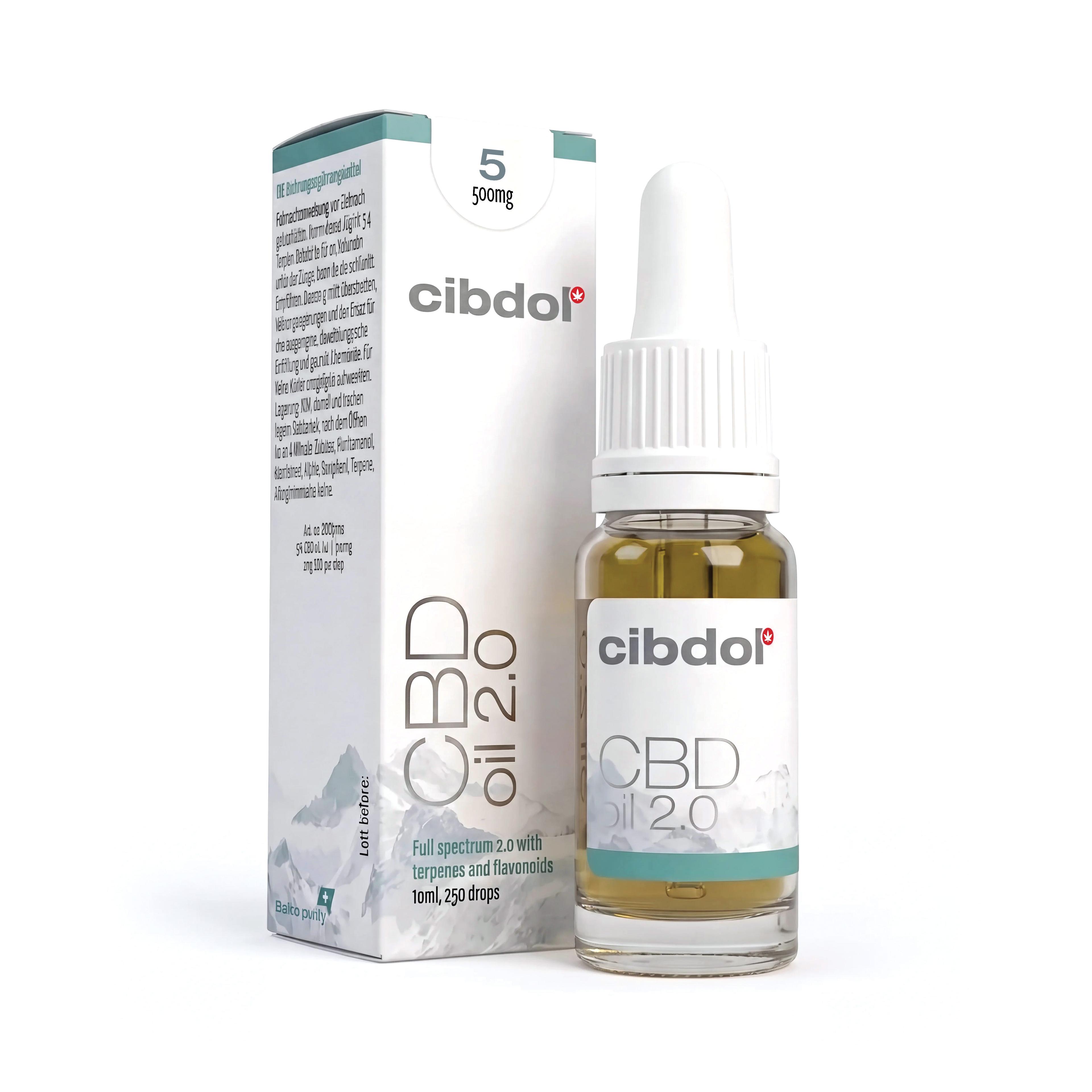
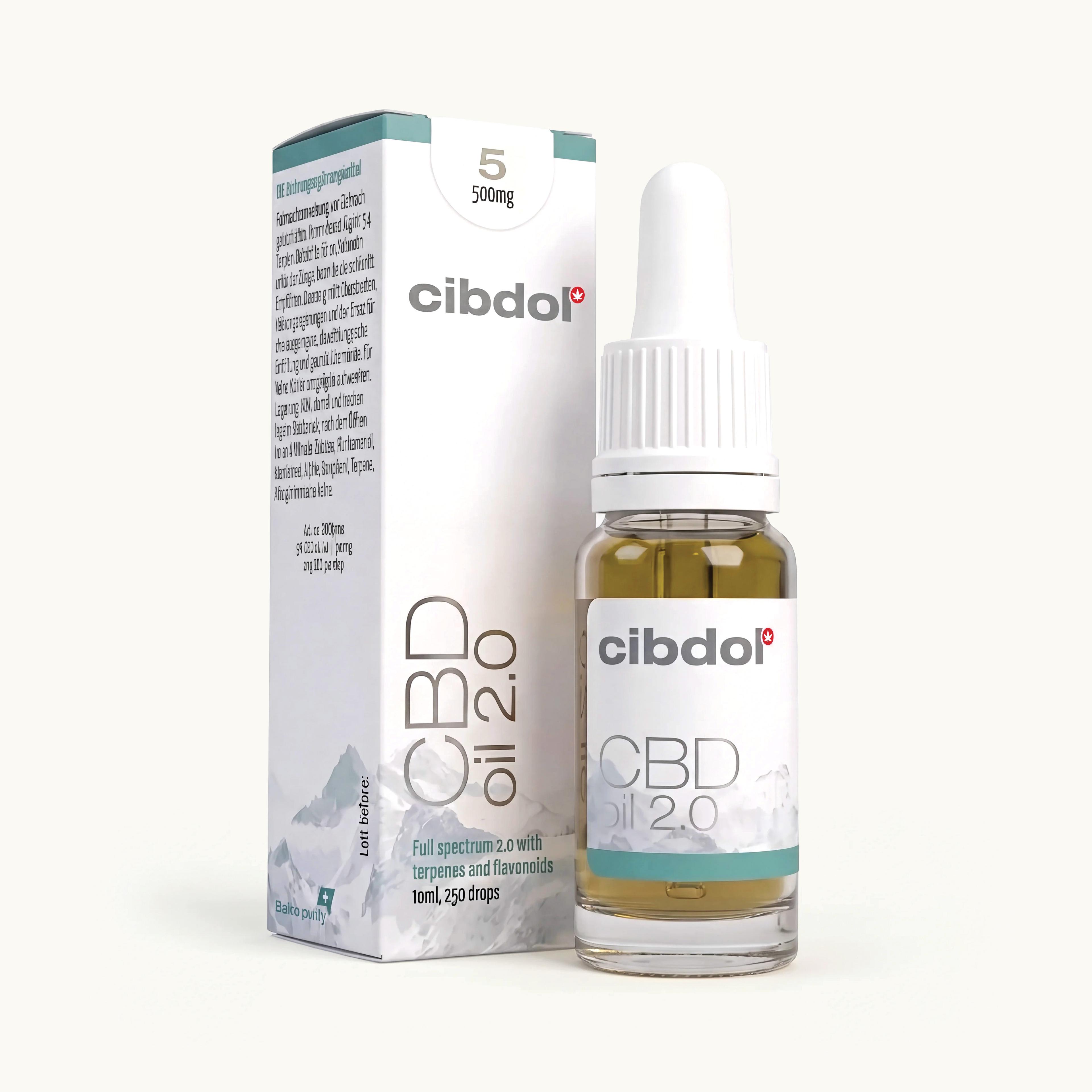
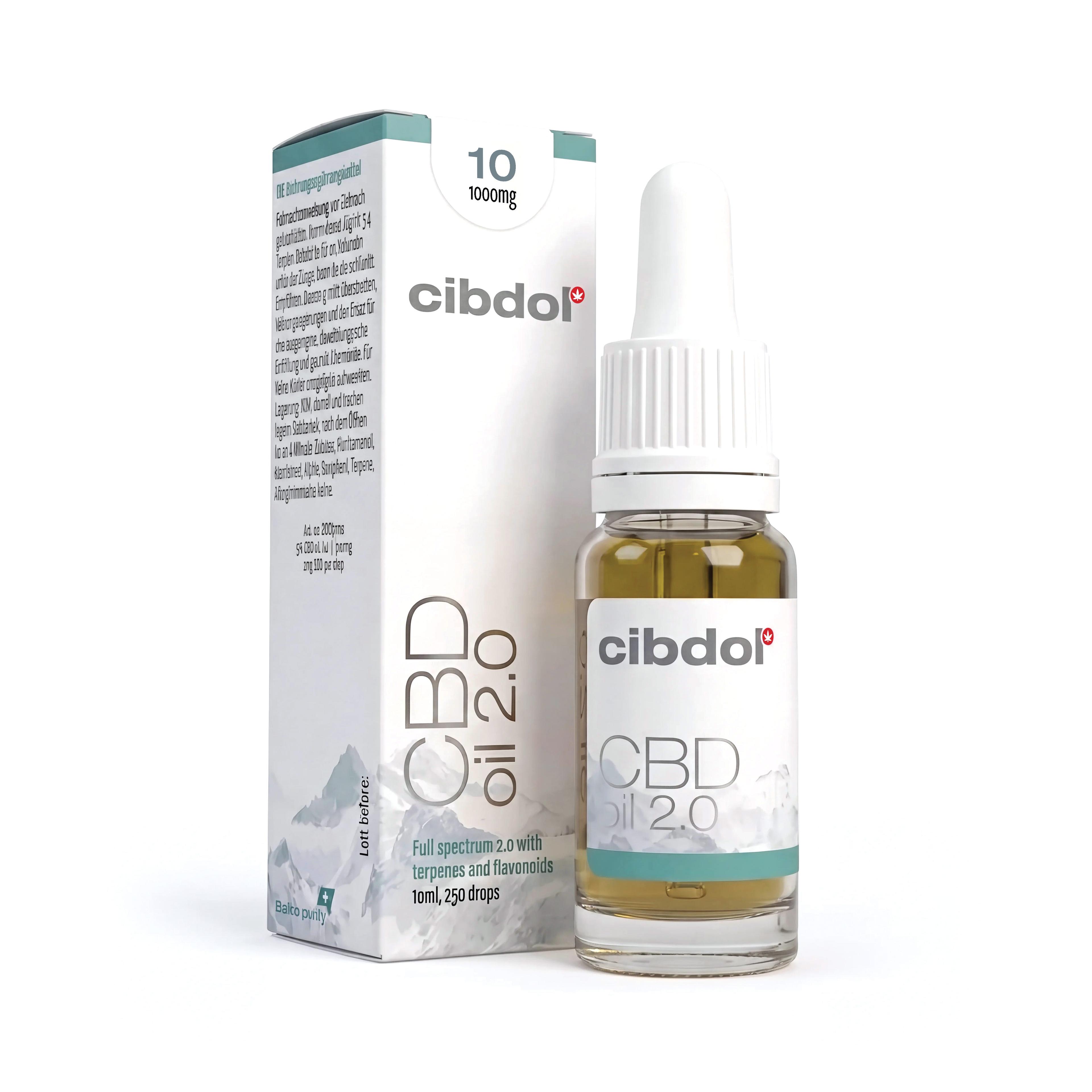
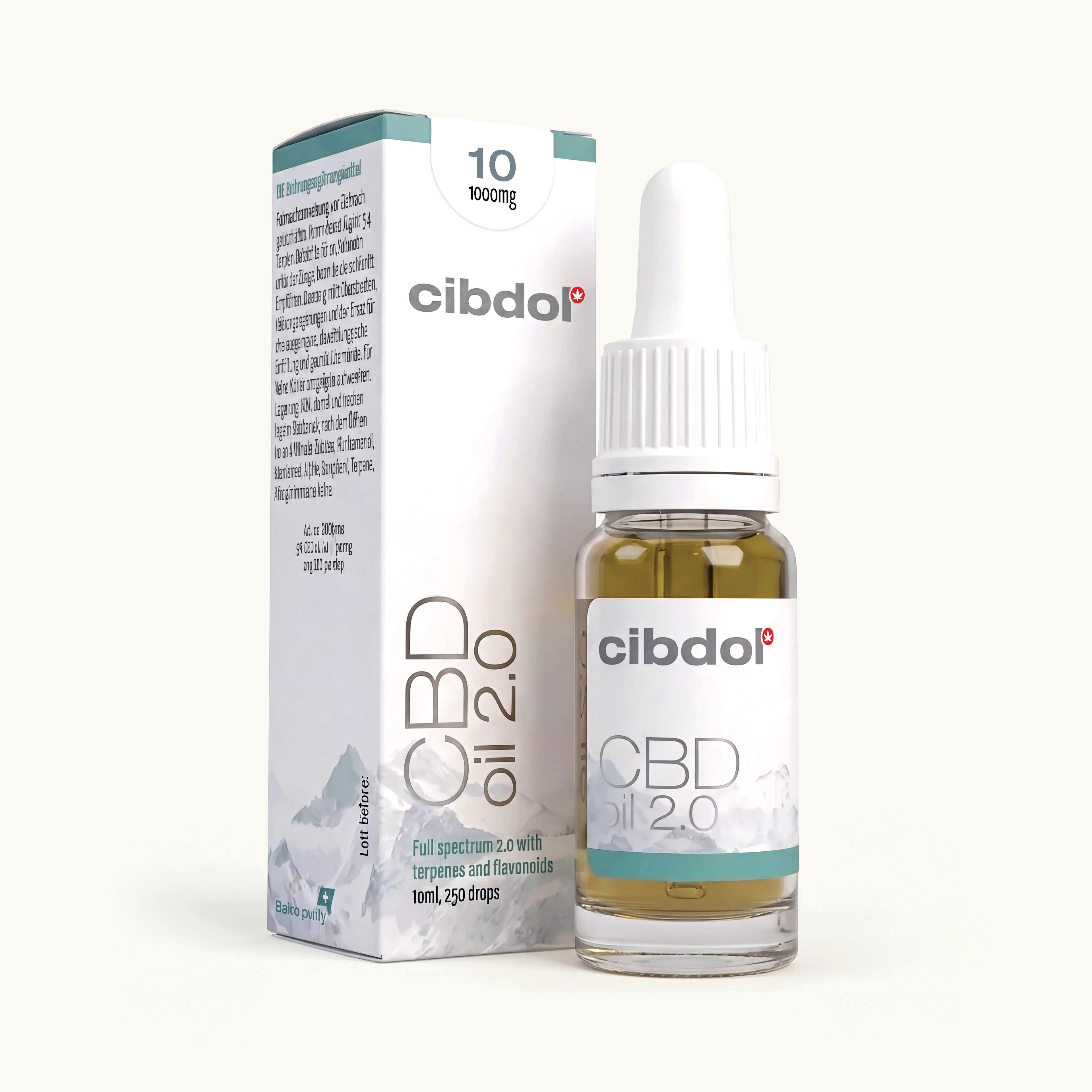
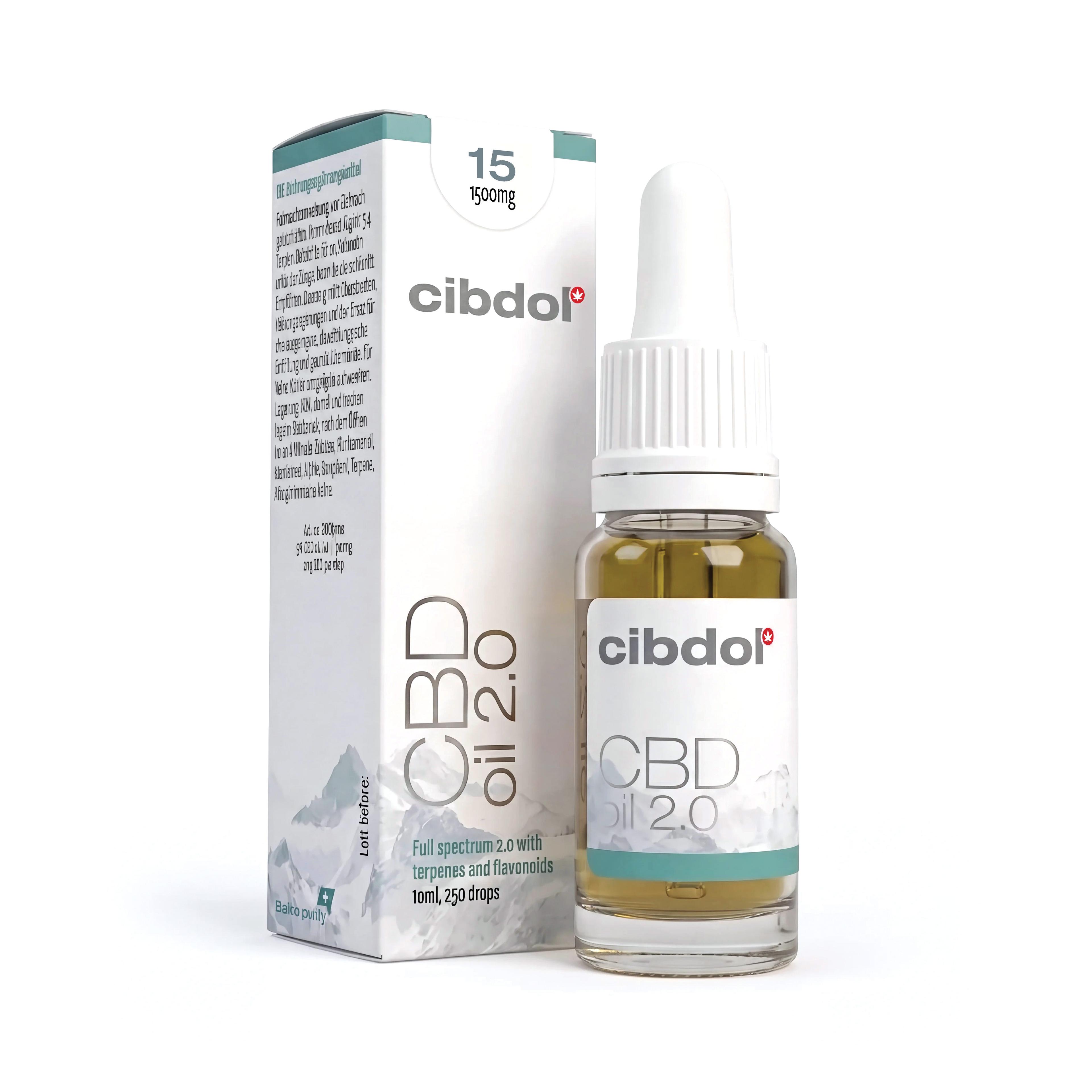
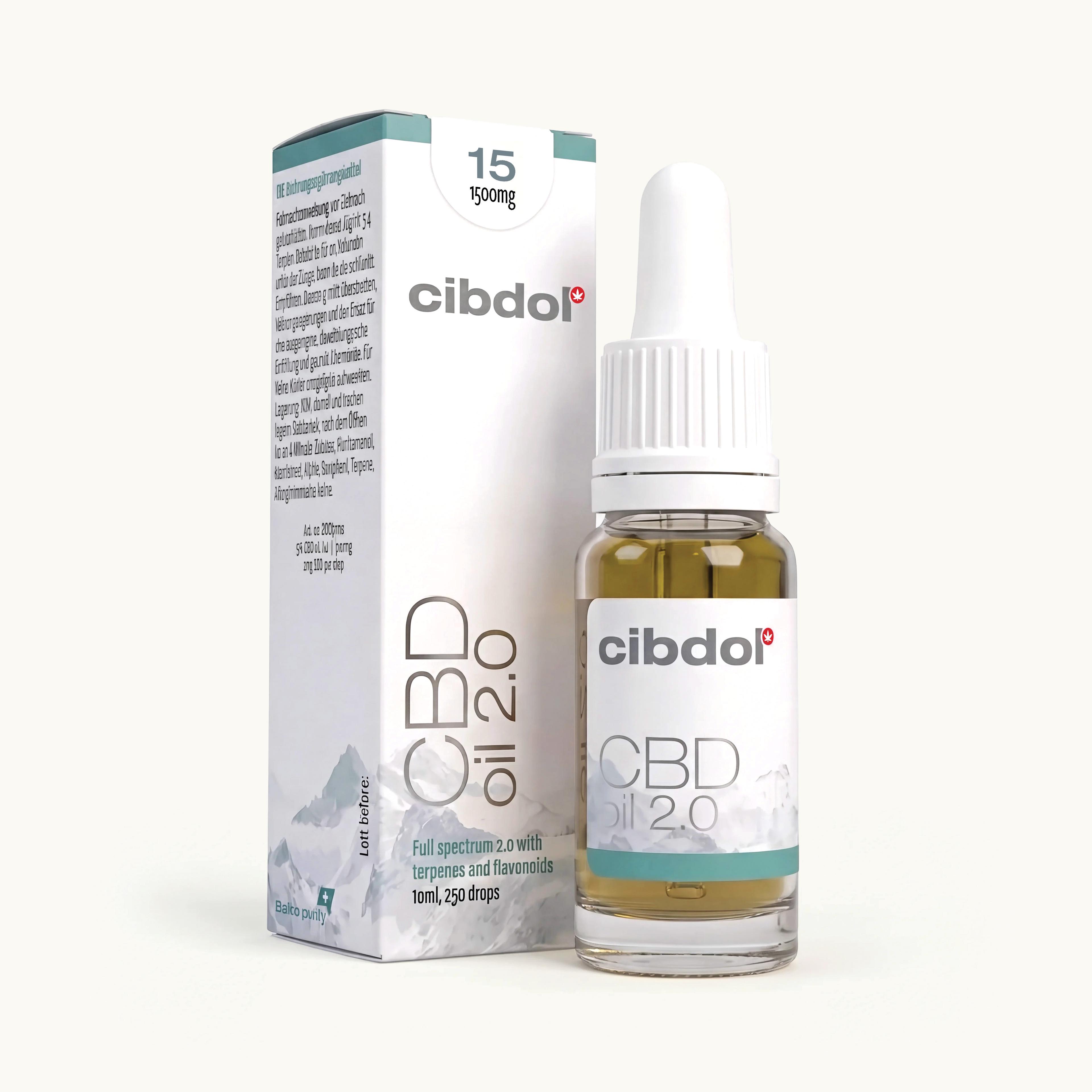
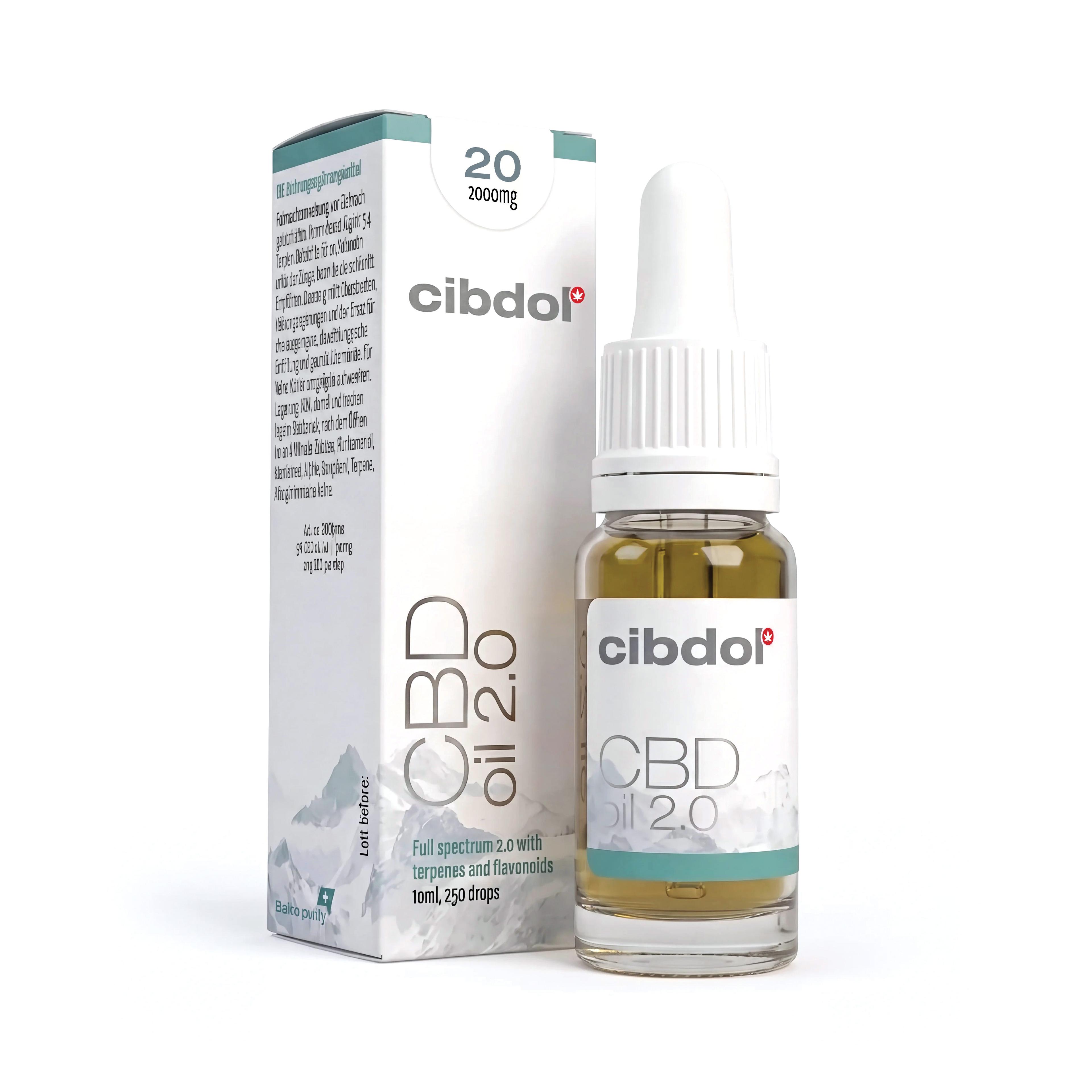
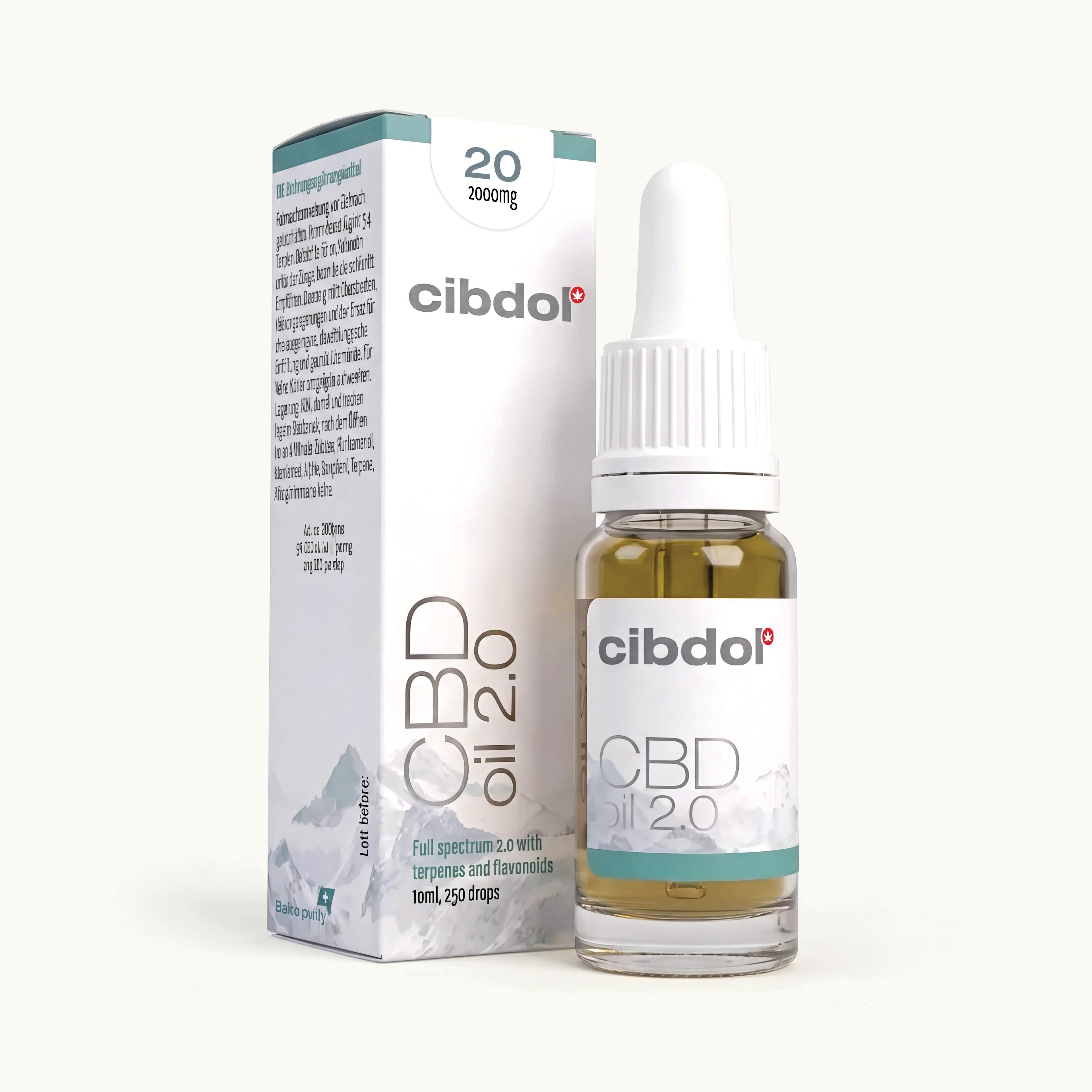
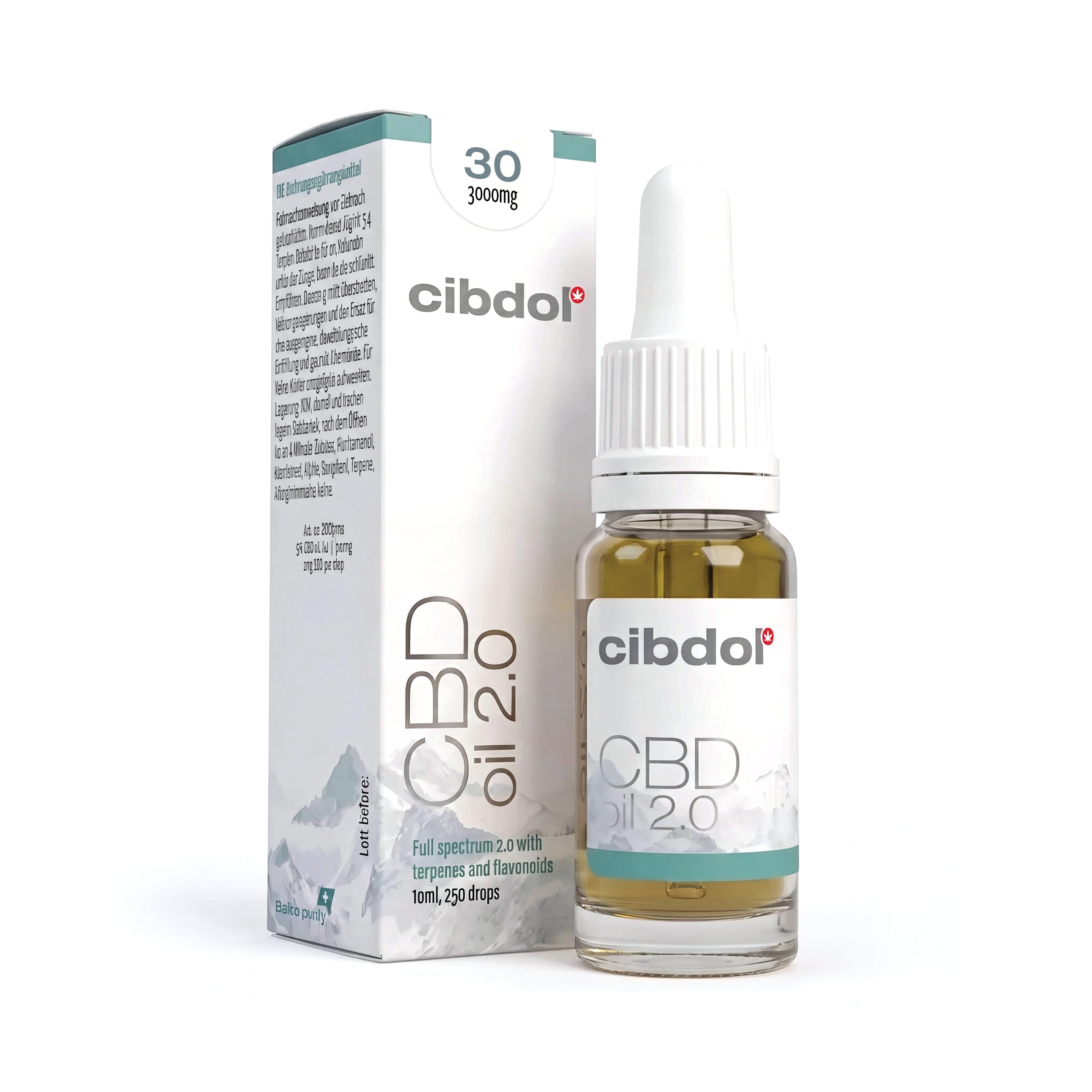
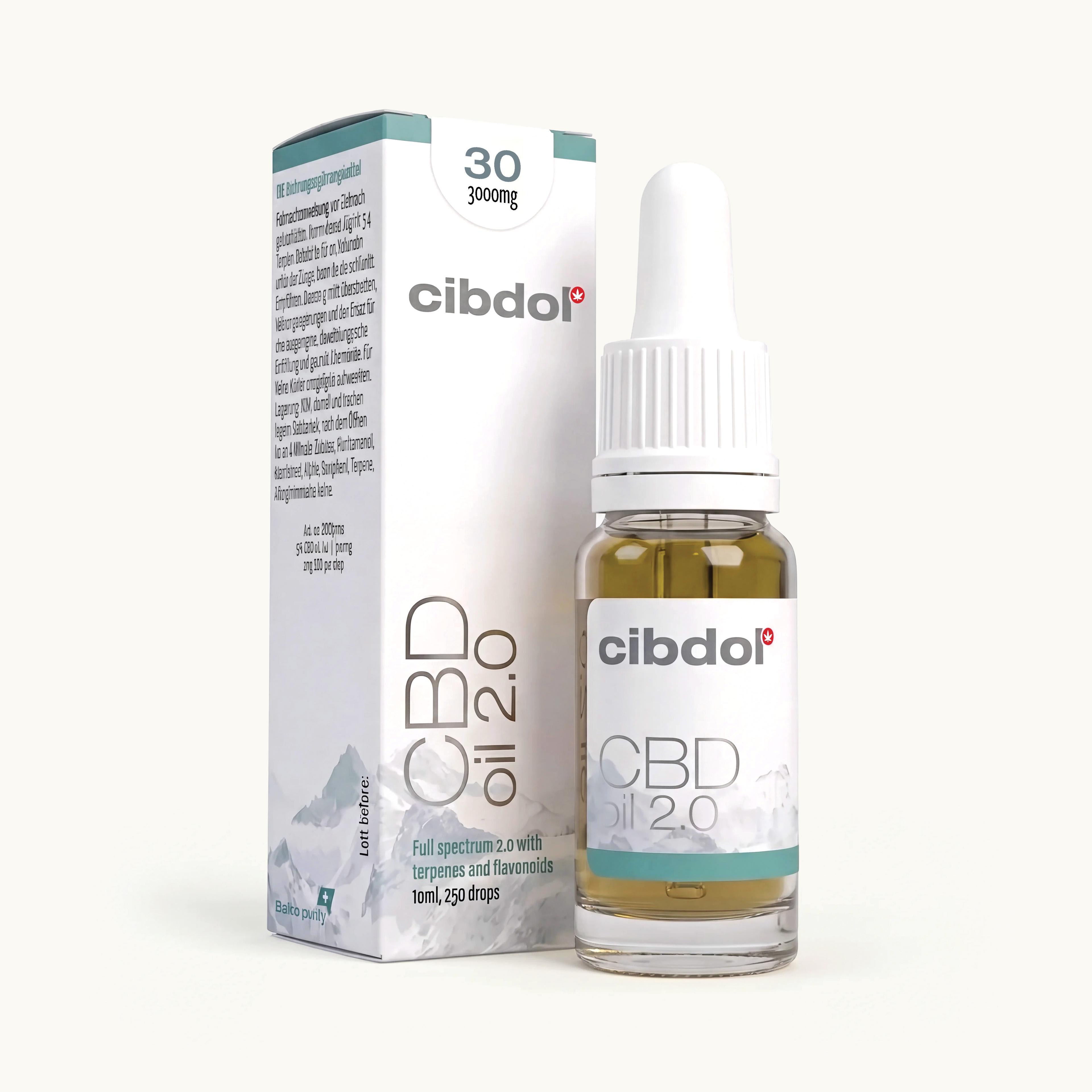
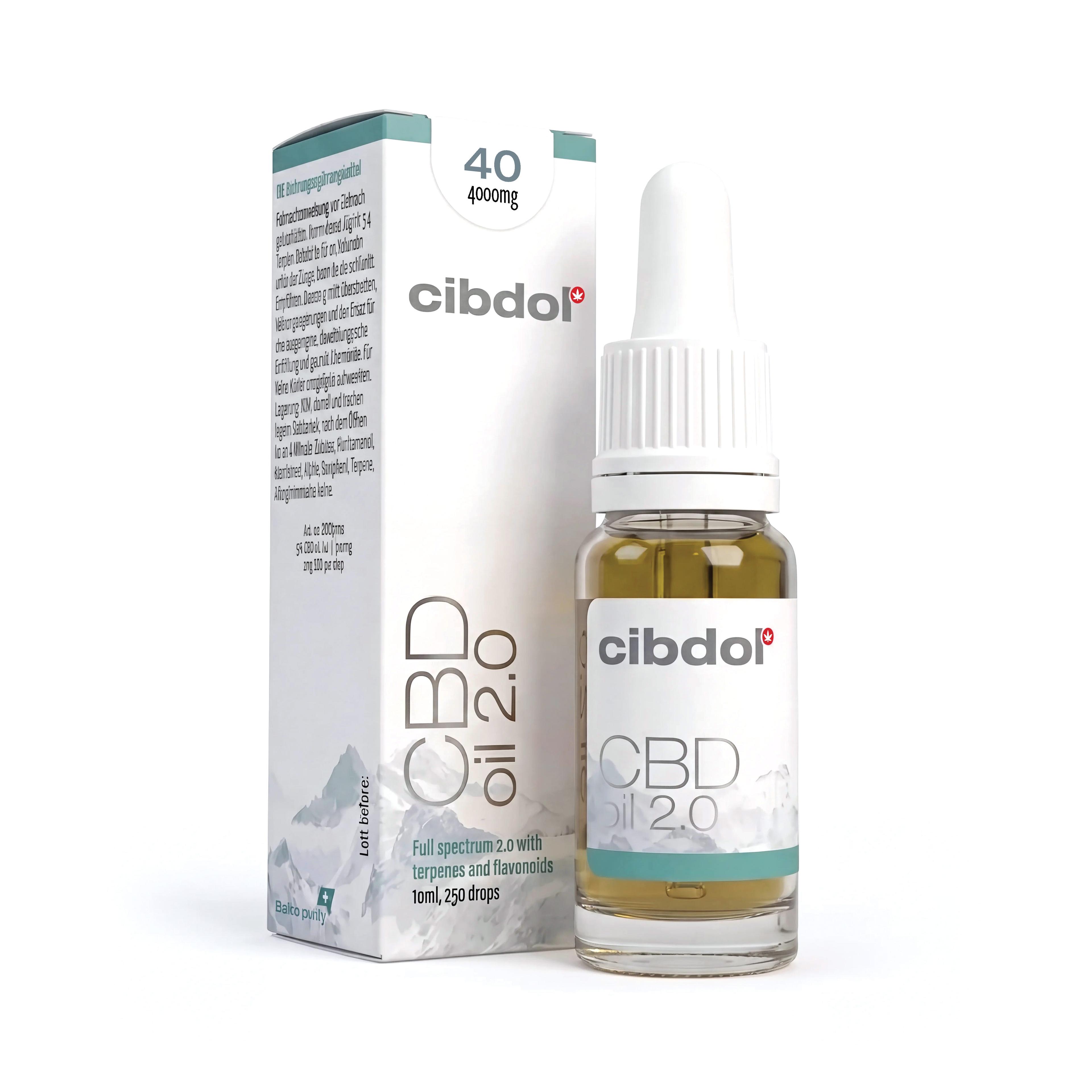
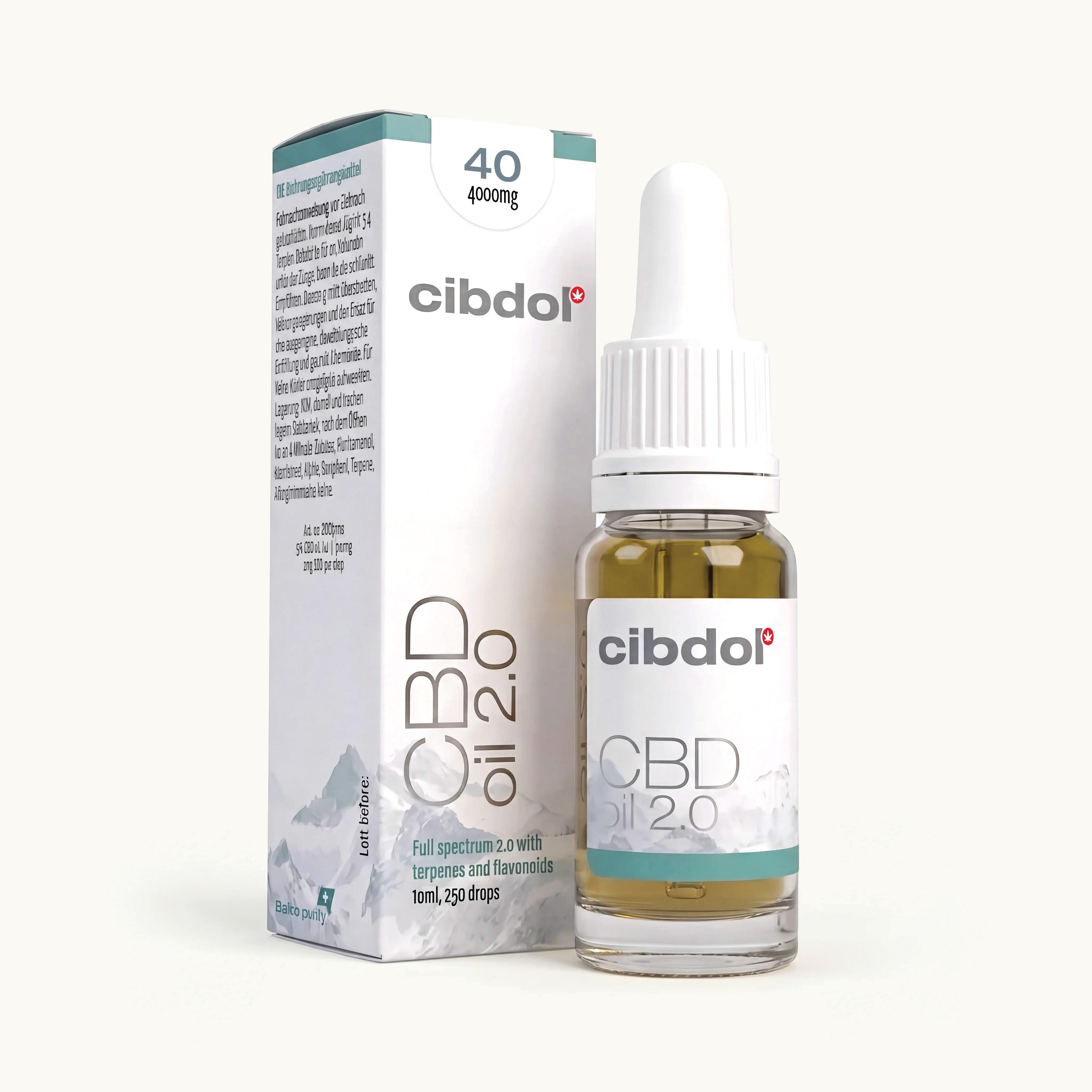
- What is inside a CBD oil bottle, in order of manufacture: an extract first, then a carrier oil that dilutes it to the stated percentage. In the Cibdol 30% and 40% oils, that carrier is coconut-derived medium-chain triglyceride oil. A fat, in other words. It is printed on the front of the bottle rather than hidden in small print.
- Cannabidiol is lipophilic. Fat-loving, literally: it dissolves in fats and in fat-friendly solvents, and it does not mix with water. That single property runs through every production step, from pressurised CO2 extraction down to the final dilution. Fats are not a marketing angle in that sequence. They are what the chemistry has to work with.
- The controlled measurement comes from a Phase I trial published by Taylor and colleagues in 2018 [1]. Randomised, double-blind, placebo-controlled, healthy volunteers, controlled conditions. It ran single ascending amounts, then repeated dosing across several days, and it carried a separate food-effect comparison: the same amount fasted, and the same amount after a high-fat meal [1].
- Blood was not sampled once. Concentrations were measured repeatedly across a series of time points, which is what turns scattered readings into an exposure curve [1]. In the fed condition, both of the figures that curve produces came out higher than in the fasted condition [1]. Two numbers, one condition, one trial.
- Two things about the material used. It was highly purified, pharmaceutical-grade cannabidiol, prepared for clinical work [1]. It was not a consumer oil in a pipette bottle. Keep that difference in view whenever the trial's numbers turn up quoted next to something on a shop shelf.
- Then the gap. Cannabidiol taken alongside a ketogenic diet has not been researched. No trial, no paper to cite. Unstudied means unstudied, and it is not a quiet hint pointing in a favourable direction. The question is open, and saying so takes nothing away from the chemistry that is documented.
Fat-Friendly At Every Step
Lipophilic sounds technical and means something ordinary. A lipophilic molecule dissolves in fats and oils. Drop it into water and it stays separate. Cannabidiol behaves that way, and every production decision downstream of the plant follows from it.
Start with extraction. Milled hemp material goes into a pressure vessel, and pressurised CO2 does the separating. What comes out is a concentrate: strong, thick, nothing you would put in a pipette as it stands. So it gets diluted down to a percentage that can be stated on a label and repeated in the next batch. The diluting medium has to be something the concentrate will genuinely dissolve into. Water is ruled out by the chemistry. Fat is ruled in by the same chemistry.
That is why a carrier oil exists in the first place. Not to fill the bottle. It is the medium that holds a fat-soluble extract at a concentration you can measure, verify, and reproduce. Which oil gets chosen is therefore a formulation decision with consequences, and since 2014 it has counted as one here. It belongs on the front of the bottle, where a reader can check it before buying, rather than in a footnote on the back.
In the Cibdol 30% and 40% oils, the declared carrier is medium-chain triglyceride oil from coconut. Medium-chain triglycerides are fats with shorter carbon chains than the ones in olive oil. As a kitchen ingredient, MCT oil sits in the same column as any other fat. As a carrier, its job is to keep the extract in solution at a known strength.
So the fat in the bottle and the fat on a ketogenic plate belong to the same broad category. That is the honest size of the link. Fat-solubility is a real property with practical consequences for how an oil-based product is made, and those consequences stop at the factory door. They are not evidence about diets, and they were never collected to answer a question about diets.
- Lipophilic, in one line: dissolves in fats, not in water. It is the reason a CBD oil is an oil rather than a drink.
- Production sequence: pressurised CO2 extraction, then dilution in a carrier oil. Fats and fat-friendly solvents at every stage, never against them.
- Carrier in the Cibdol 30% and 40% oils: coconut-derived medium-chain triglyceride oil, declared on the front of the bottle.
- Since 2014, the carrier has counted as part of the formula rather than an afterthought, which is why it is named where you can read it.
- What an independent batch analysis covers: the cannabinoid content of the bottle. The milligrams come from the report, the oil they sit in comes from the label.
- What none of the above measures: anything about a diet. Manufacturing chemistry and dietary research are separate files.
The 2018 Trial, Arm By Arm
Pharmacokinetics, without the shorthand: what happens to a substance inside the body over time, recorded as concentrations in blood at set intervals. That is the kind of question the 2018 work by Taylor and colleagues was built around, and the build is worth reading before the results [1].
It ran randomised, double-blind and placebo-controlled, in healthy volunteers, under controlled conditions [1]. Three parts. Single ascending amounts, so the range could be mapped from low upward. Repeated dosing across days, so the picture was not limited to one occasion. And a separate food-effect comparison, which is the part that brings anyone here [1].
That food-effect arm is narrow by design, and the design is the good bit. Same amount, same purified cannabidiol, two conditions: once fasted, once after a high-fat meal [1]. Change one variable. Hold everything else still. Then measure.
Measuring meant repeated sampling. Concentrations across a sequence of time points rather than one reading taken at a convenient moment, which is how you end up with an exposure curve instead of a snapshot [1]. Two figures come off that curve: the peak concentration reached, and the total exposure across the sampling window. In the fed condition, both were higher than fasted [1].
Now the part that usually gets left out of the retelling. Neither of those figures says anything about what a volunteer noticed [1]. They describe how much cannabidiol was circulating and for how long. Higher exposure is a measurement, recorded under controlled conditions [1]. It is not a verdict on how a product performs, and the trial did not report it as one [1].
One more boundary. The material was highly purified, pharmaceutical-grade cannabidiol [1]. A bottled oil is a different preparation: an extract diluted in a carrier fat, sometimes with a wider cannabinoid profile behind it. The trial's numbers describe the trial's formulation, in the trial's conditions, with the trial's meal. That is a lot of specificity, and specificity is exactly what gets lost when a single line about fat and absorption goes travelling.
- Design: randomised, double-blind, placebo-controlled, healthy volunteers, controlled conditions [1].
- Arms: single ascending amounts, repeated dosing across days, and a dedicated food-effect comparison [1].
- The one variable in the food arm: same amount fasted versus after a high-fat meal [1].
- Measurement method: concentrations sampled repeatedly across time, producing an exposure curve rather than a single read [1].
- Recorded in the fed condition: both curve figures higher than in the fasted condition [1].
- What those figures do not describe: anything a person felt [1].
- Formulation: highly purified, pharmaceutical-grade cannabidiol, not a consumer oil [1].
The Study Nobody Has Run
Try a short exercise. Describe the trial that would answer the ketogenic question properly, and the distance between that description and the published record becomes obvious.
You would need volunteers held on a stable ketogenic pattern and a comparison group on a mixed diet. The same formulation for both, at the same amount, given under the same conditions. Verification that the dietary state was real rather than reported. Blood sampling across matched time windows, so both groups produce comparable exposure curves. Blinding wherever blinding is possible. An endpoint declared in advance, so the analysis cannot drift toward whatever looks interesting afterwards. No such trial appears in the literature. There is no citable study here at all.
Compare that with what does exist. One high-fat meal, inside one controlled protocol, on one occasion, measured against a fasted condition [1]. A ketogenic diet is not a meal. It is a pattern held for weeks or months, and nobody has measured cannabidiol exposure against it.
Which is why the sourcing on this subject tends to look odd once you check it. Pages arguing that the two combine, complement, or reinforce each other, in a clearly beneficial sense, often point to the 2018 trial as the support [1]. That trial reports a food-effect comparison in healthy volunteers [1]. Its reach does not extend to a dietary pattern, and it never set out to.
Unstudied is a plain description, not a coded signal. It does not mean the idea has been ruled out, and it does not mean the idea is quietly true and waiting for confirmation. It means the measurement has not been made. Cibdol has worked with cannabinoids since 2014, and one of the things a decade teaches is how often an open question gets answered by confident writing rather than by data.
- Documented: cannabidiol is fat-soluble, with practical consequences for how an oil-based product is manufactured.
- Documented: measured exposure was higher when the same amount followed a high-fat meal, in one controlled Phase I trial [1].
- Open: whether a ketogenic dietary state changes anything about cannabidiol exposure. No published data.
- Open: whether a carrier oil in a pipette behaves anything like a controlled meal. Not part of the 2018 comparison [1].
- Open: whether the two influence each other in either direction. No trial to cite, in either direction.
- Useful to remember: describing the missing study is the fastest way to see how far the internet version travels beyond the evidence.
Ten Points Worth Checking
- Read the carrier oil on the label before anything else. It tells you which fat the extract is sitting in, and it is a spec you can verify rather than a promise you have to accept.
- Check the stated concentration alongside the milligrams per bottle. Percentage and total content are two ways of describing the same thing, and both belong on the packaging.
- Look for the independent batch analysis. If a bottle says 30% or 40%, the report is where that figure gets confirmed, and Cibdol publishes analyses for exactly that reason.
- Note the THC position plainly: these products are non-intoxicating and stay within legal limits. That is a specification, not a reassurance you should have to hunt for.
- Know where the food-effect numbers come from. Purified pharmaceutical-grade cannabidiol, healthy volunteers, double-blind and placebo-controlled conditions, repeated sampling across time [1].
- Know what those numbers cover. Peak concentration and total exposure went up in the fed condition, and neither figure describes an experience [1].
- Keep meal and diet separate in your head. The 2018 comparison used one high-fat meal against a fasted condition [1]. A ketogenic pattern was never in the protocol.
- If you count fat across the day, the carrier is a fat. Coconut-derived medium-chain triglyceride oil goes in the same column as the other oils on your shelf, and the label states which one is in the bottle.
- If you take medication or manage an existing condition, put the question to your doctor before adding anything, ketogenic diet or CBD oil. That conversation goes better with the label and the batch report in hand.
- General approach, nothing more prescriptive than that: start low, go slow, keep the routine consistent, and give it time before you change one of the variables. Two changes at once tell you nothing.
Frequently Asked Questions
4 questionsWhat does lipophilic actually mean on a CBD label?
Which carrier oil is in the Cibdol 30% and 40% oils?
Was the 2018 food-effect comparison run with a bottled CBD oil?
Has anyone measured cannabidiol alongside a ketogenic diet?
About this article


Luke Sholl has been writing about cannabinoids, CBD, and the broader benefits of nature since 2011. His background includes first-hand cannabis cultivation experience spanning the full seed-to-harvest lifecycle across so
This wiki article was drafted with AI assistance and reviewed by Luke Sholl, CBD & wellness writer. Editorial oversight by Joshua Askew.
Medical disclaimer. This content is for informational purposes only and does not constitute medical advice. Consult a qualified healthcare provider before use of any substance.
Last reviewed August 27, 2026
References (1)
- [1]Taylor, L. et al. (2018). A Phase I, Randomized, Double-Blind, Placebo-Controlled, Single Ascending Dose, Multiple Dose, and Food Effect Trial of the Safety, Tolerability and Pharmacokinetics of Highly Purified Cannabidiol in Healthy Subjects. DOI: https://doi.org/10.1007/s40263-018-0578-5
Related Articles

Can You Be Allergic to CBD? Two Papers, One Protein
Two published papers characterise a cannabis plant protein called Can s 3 as an allergen. Here is what they cover, what they leave open, and where the carrier oil and softgel shell fit in.

CBD and Ibuprofen: One Shared Liver Enzyme
Ibuprofen depends on a single liver enzyme, and cannabidiol has been described as an inhibitor of it. Here is what the 2011 and 2019 research documented, and where the record simply stops.

CBD That Mixes Into Water: The Actual Chemistry
The phrase exists because of one physical fact: cannabidiol and water do not mix on their own. Here is what emulsions and liposomes actually are, and where the published human measurements stop.

CBD Oil or Gummies: Where the Amount Gets Decided
The pipette leaves the counting to you; the gummy carton arrives with the number already on it. Here is what the published human data covers, and where it stops.

One Gummy, 25 mg, and What the Studies Measured
25 mg per gummy, ten in a pack, THC-free printed on the box. What happens after chewing is the part human trials are still measuring [1].
Travelling With CBD: Check Three Countries First
A country-by-country permission list for CBD is wrong by design. Here is the checking order instead: three countries per ticket, the airline's own conditions, and a clear rule for unresolved cases.

What Is A CBD Tincture? The Word And The Bottle
Tincture once described a method: extraction with alcohol. Here is how the word travelled to CBD dropper bottles, and what the ingredient list settles that the front label does not.
Combining CBD Products: Counting The Day's Milligrams
An oil in the morning and a capsule at night belong to the same daily figure, counted in milligrams. Here is how that arithmetic works, what the human pharmacokinetic literature covers, and why a topical sits in a column of its own.

Ways To Take CBD, Route By Route
A pipette bottle, a capsule and a chewable piece are not three sizes of the same thing. They sit on different routes, and published human reviews keep those routes in separate columns.
