CBD and sleep, what the clinical trials measured
Definition
Clinical trials on CBD and sleep evaluated overnight polysomnography, subjective questionnaires and European Union novel food regulations.
When examining CBD and sleep, the scientific literature distinguishes between objective laboratory measurements and subjective self-reports. Cannabidiol is one of more than a hundred cannabinoids identified in Cannabis sativa. It is not intoxicating, and it is the cannabinoid most studied in humans after THC.
Laboratory sleep studies in healthy volunteers
Controlled sleep research relies on polysomnography, an overnight diagnostic assessment that records brain waves, eye movements, heart rate and respiration. Across the clinical literature, overnight instrumented recordings involving cannabidiol remain limited to 35 healthy participants across two studies.
A randomised, double-blind, placebo-controlled crossover study gave 27 healthy volunteers a single oral dose of cannabidiol or placebo and recorded eight hours of polysomnography. No sleep measure changed significantly, and the authors concluded that cannabidiol did not alter the normal sleep architecture of healthy people. [1]
The trial tracked four main endpoints: sleep onset latency, total sleep duration, nocturnal wakefulness, and the distribution of sleep across non-rapid eye movement and rapid eye movement stages. Because the participants were healthy individuals without baseline sleep complaints, the scope for measurable change was naturally restricted.
Observational findings and combination trials
The only other human trial utilising overnight instrumentation evaluated a combined formulation rather than cannabidiol in isolation. In a placebo-controlled study of eight healthy volunteers, cannabidiol given with delta-9-tetrahydrocannabinol was associated with more wakefulness during the night and less stage-three sleep than placebo, which the authors described as an alerting property. [2] Because both compounds were co-administered, the outcome cannot be attributed to cannabidiol alone.
Subjective questionnaires provide a different type of data but lack experimental controls. One clinical report often mentioned in this context is a 2019 case series from a psychiatric practice in which most participants recorded better scores on a sleep questionnaire after one month. It had no control group, no randomisation and no objective sleep recording, so it cannot show cause. [4]
The first published human work on cannabidiol and sleep, in 1981, reported longer self-reported sleep duration in a small group given high oral doses over several nights. It was a small, early study without polysomnography. [3]
A 2020 systematic review of cannabinoid studies covering sleep found that the human evidence rested on small samples, varied widely in design and dose, and did not support conclusions about cannabidiol and sleep outcomes. [5]
European Union regulatory status
Commercial presentations often differ from what regulatory bodies authorise. No health claim about cannabidiol and sleep is authorised in the European Union. The register of permitted claims under Regulation (EC) 1924/2006, consolidated in Regulation (EU) 432/2012, contains no entry for cannabidiol. [6]
In the European Union, cannabidiol extracts for oral use are treated as a novel food, which means they require authorisation before they can be sold as food and are assessed for safety rather than for effect.
Cannabinol is a different cannabinoid with its own evidence base, including a 2026 randomised crossover trial. It is covered in the cannabinol article, not here. [7]
Formulations across the Cibdol range
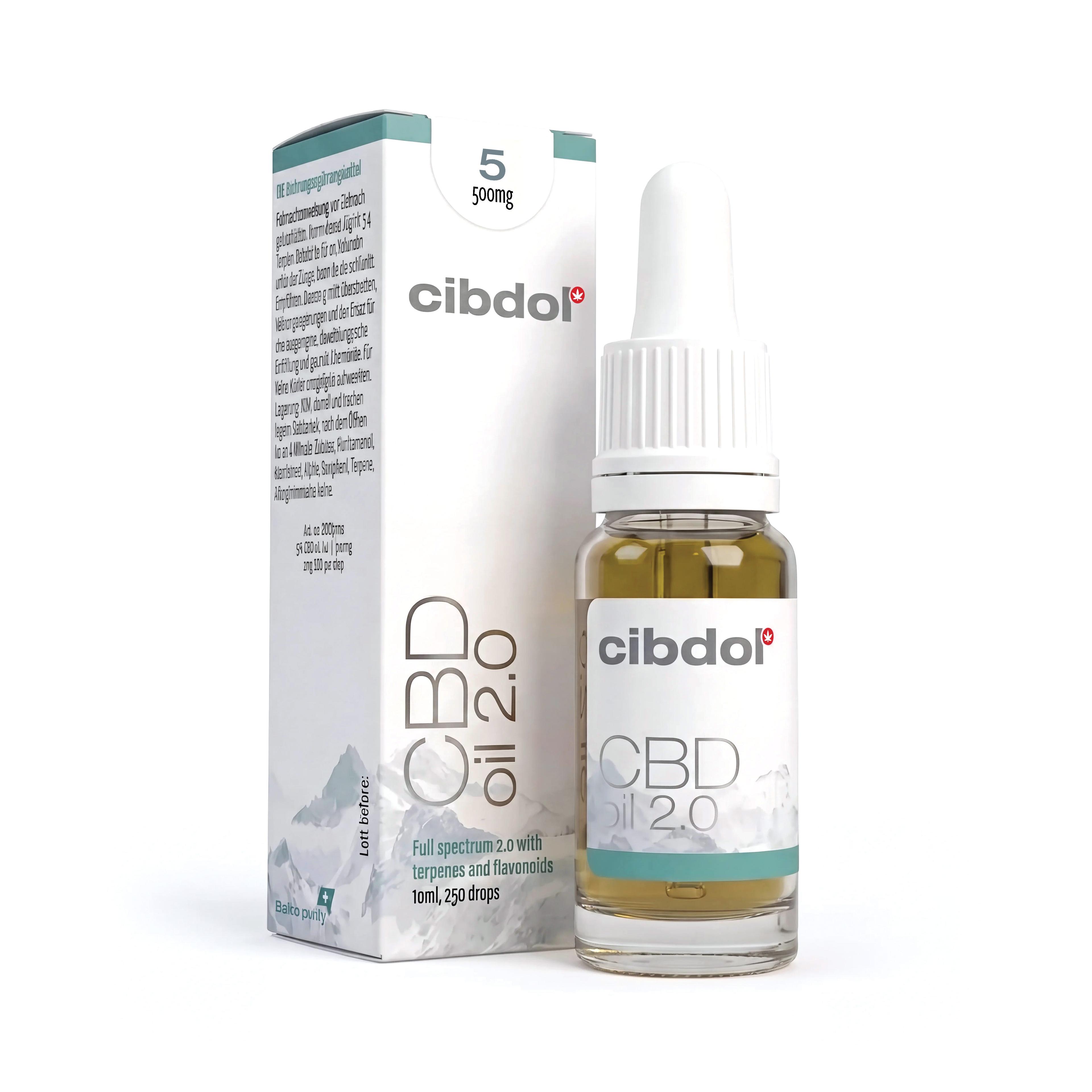
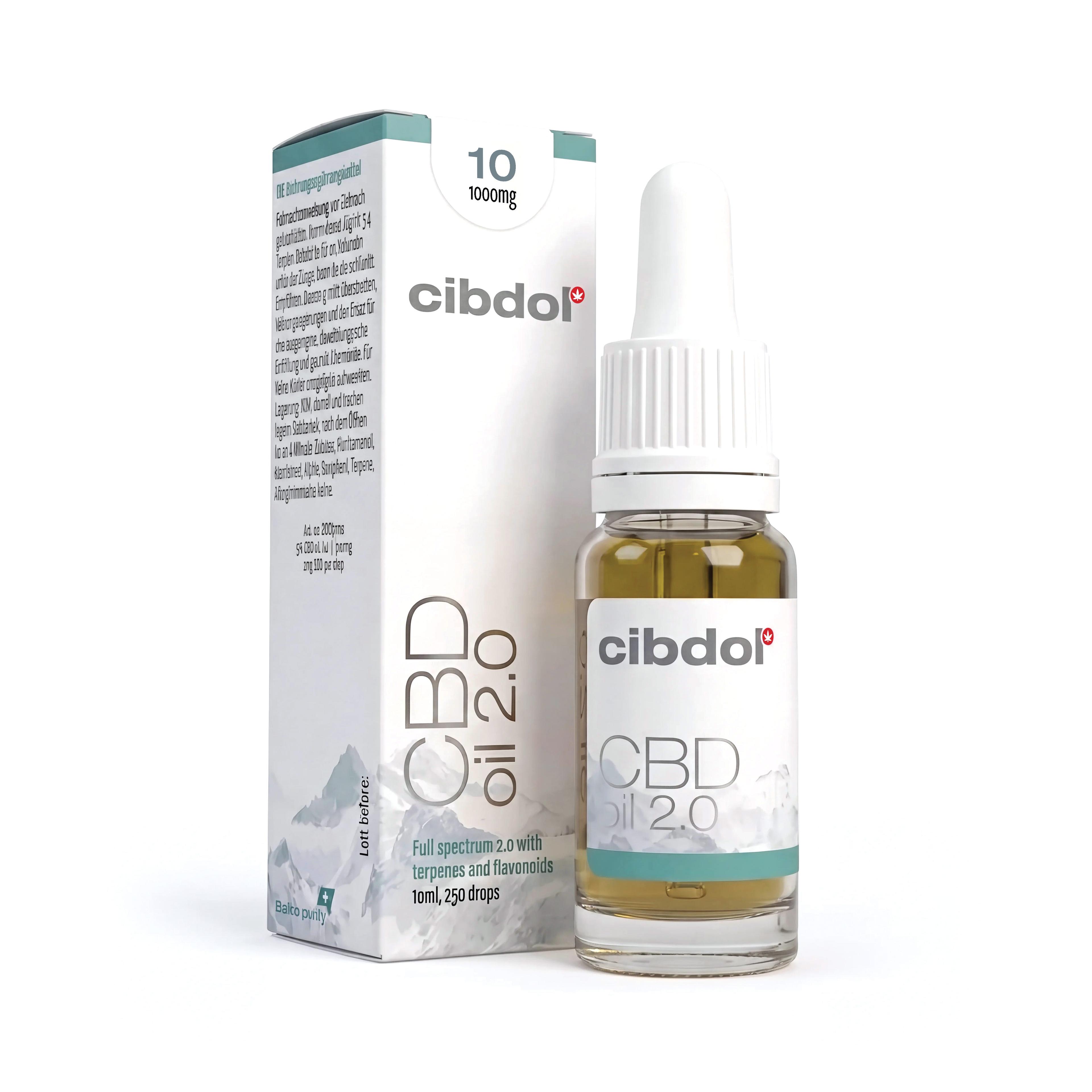
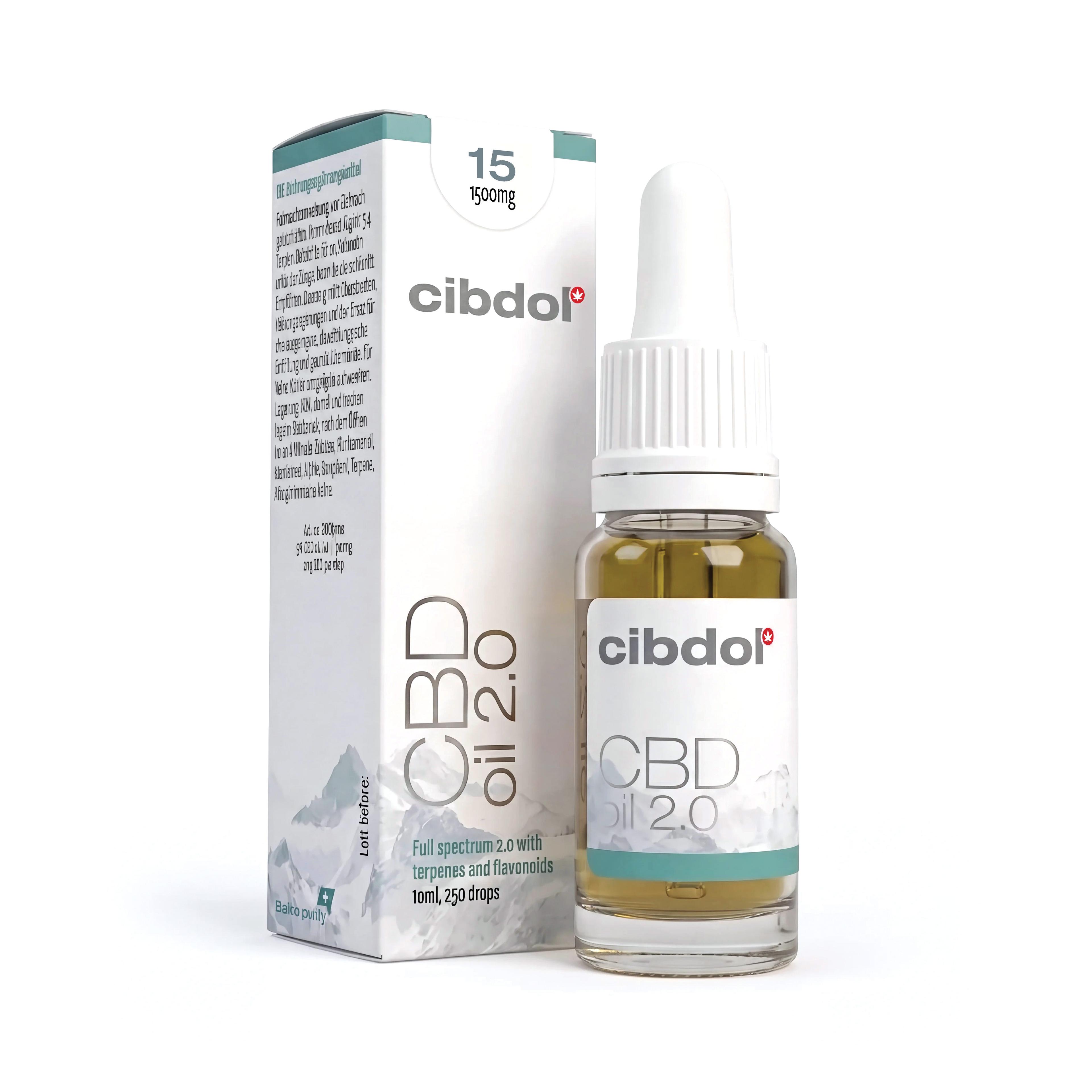
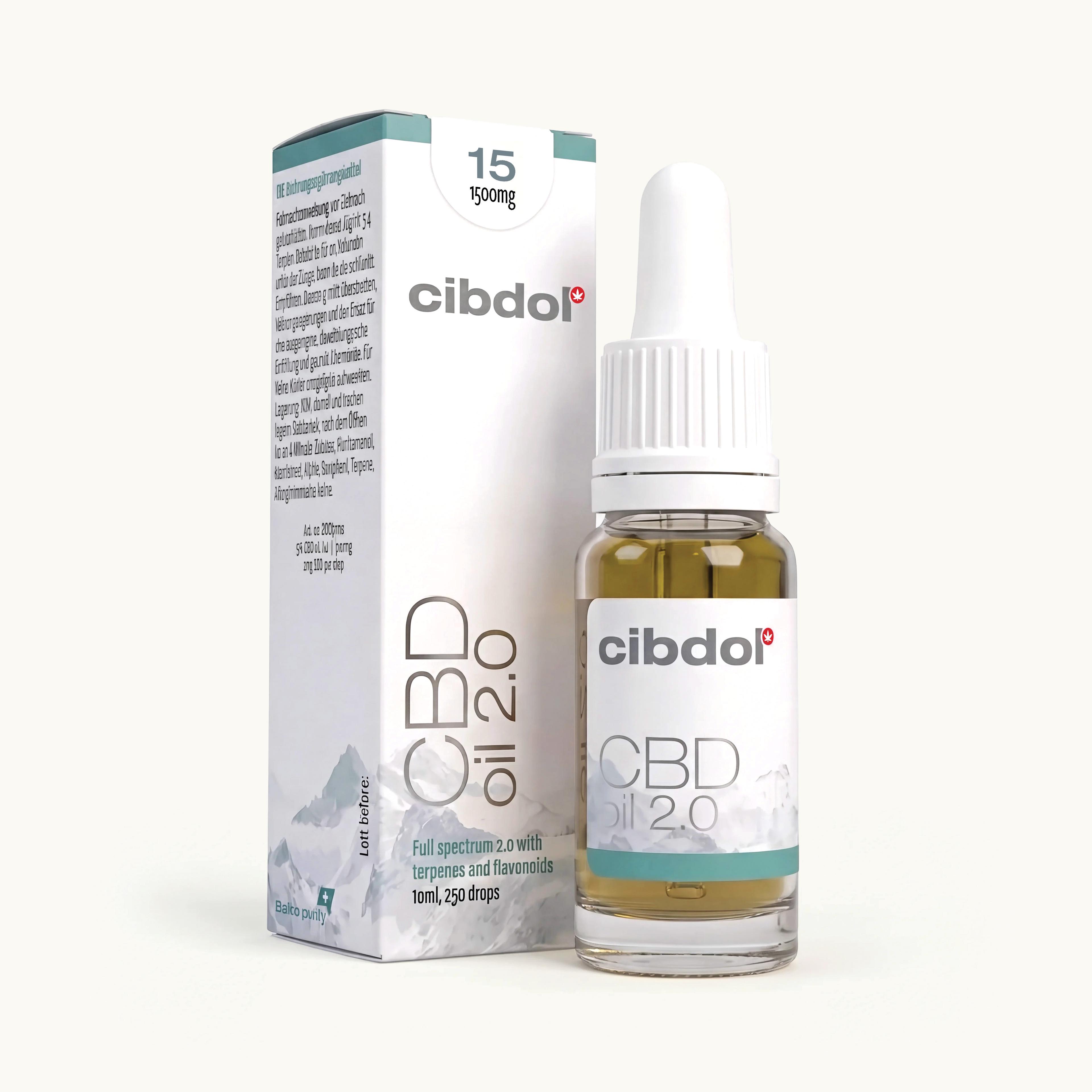
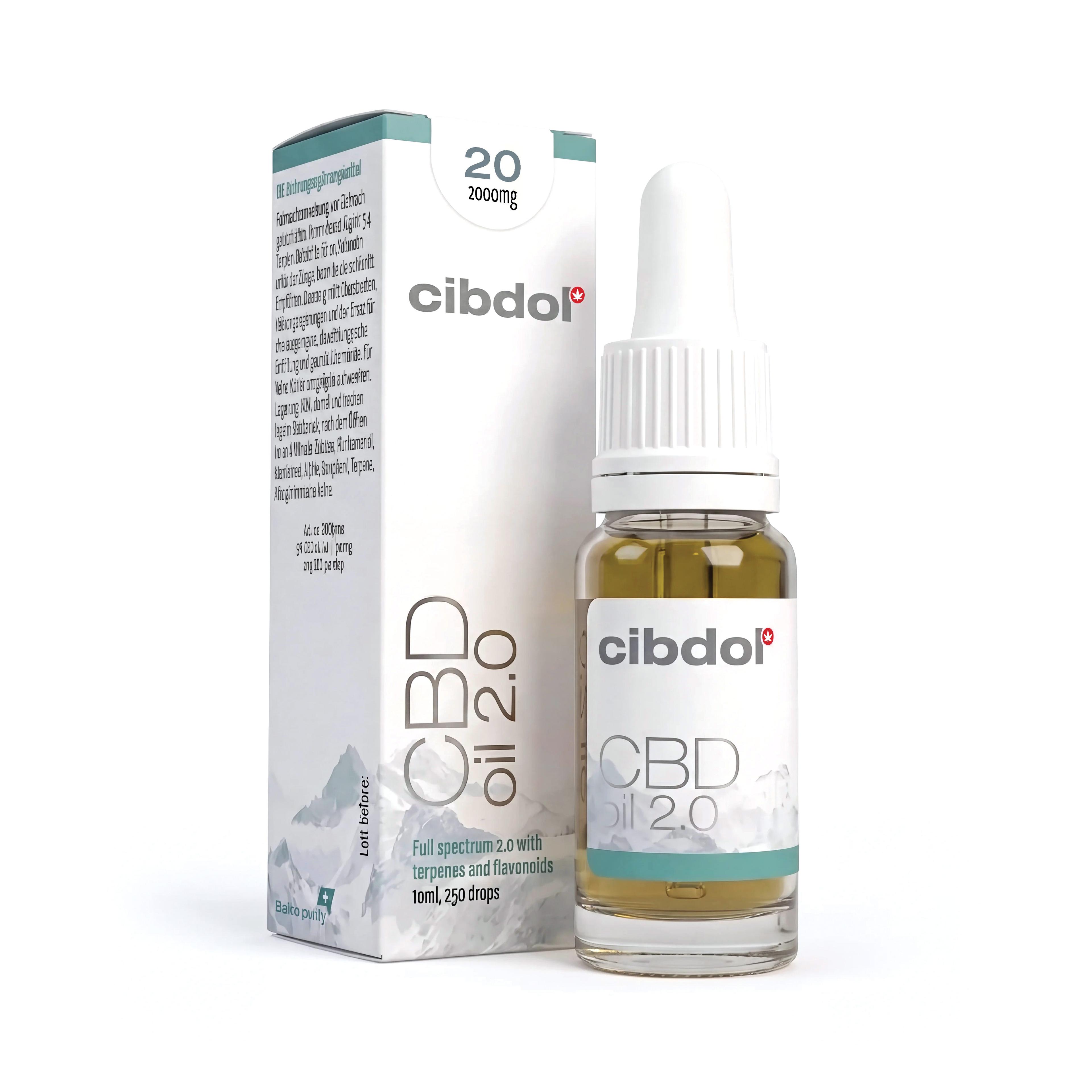
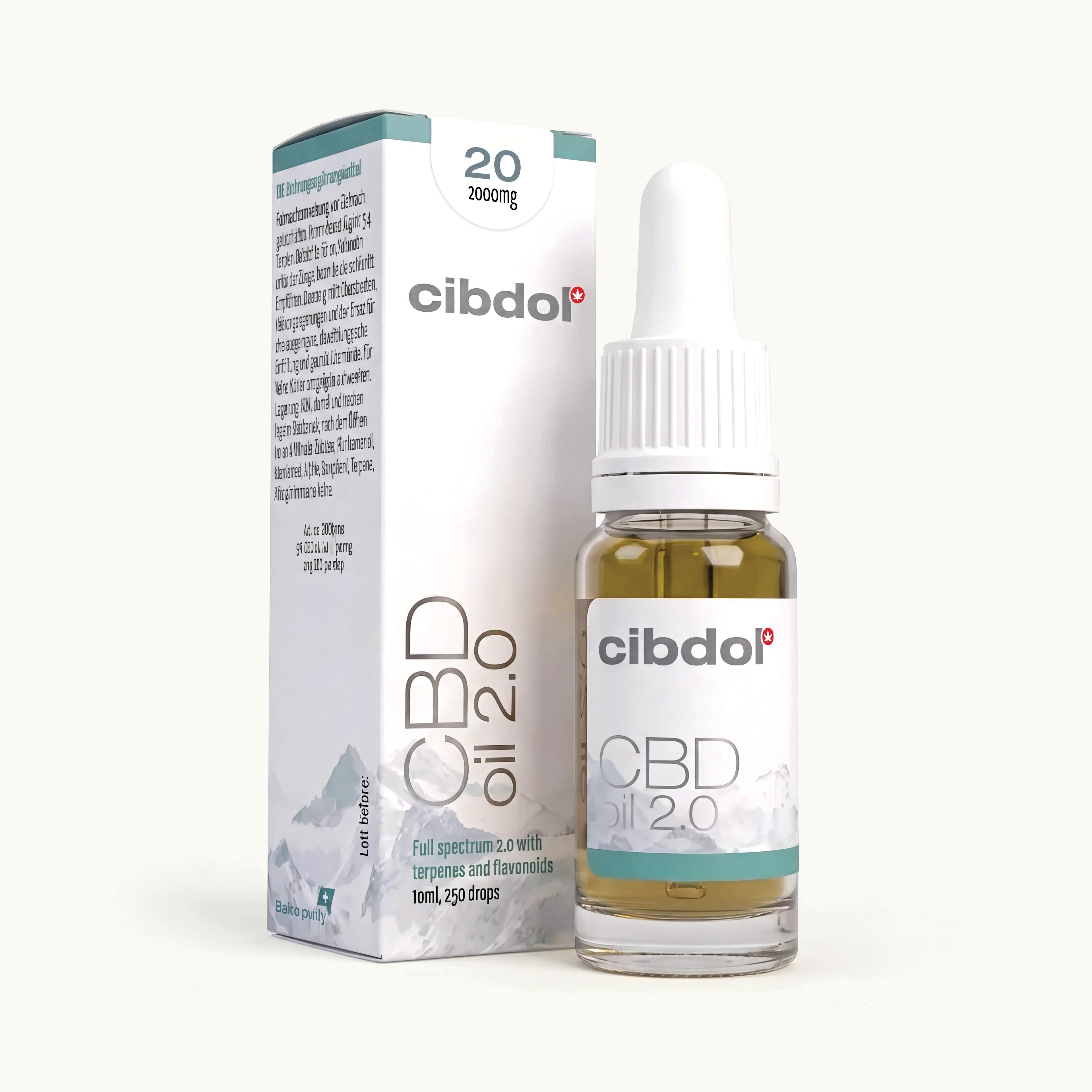
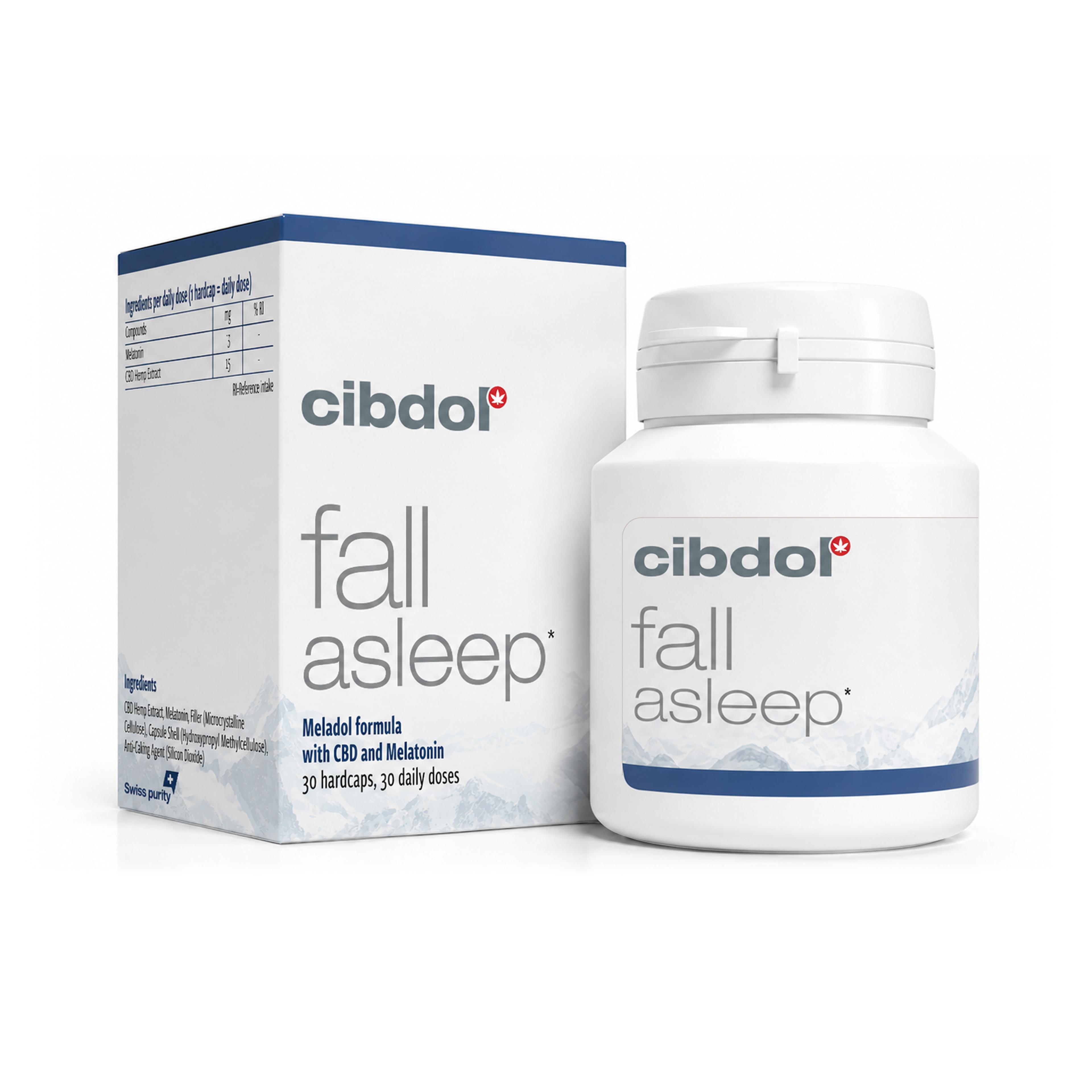
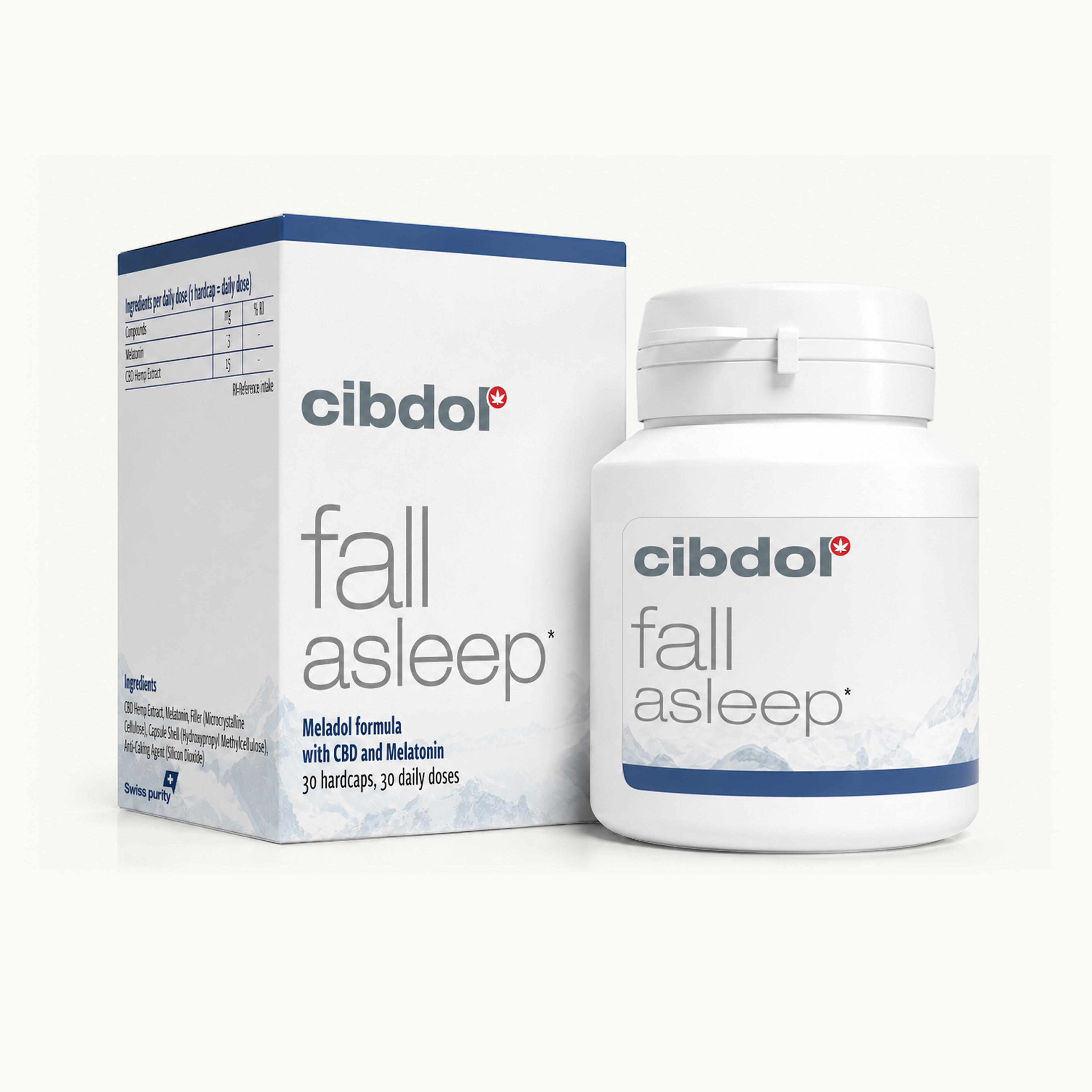
Cibdol sells CBD Oil in six strengths and CBD Capsules in six strengths, alongside CBD Gummies. The Cibdol evening range is four products: Fall Asleep Liquid, Fall Asleep Capsules, Stay Asleep Capsules and Complete Sleep. CBN Oil 5% + CBD 2.5% sits in the CBN range.
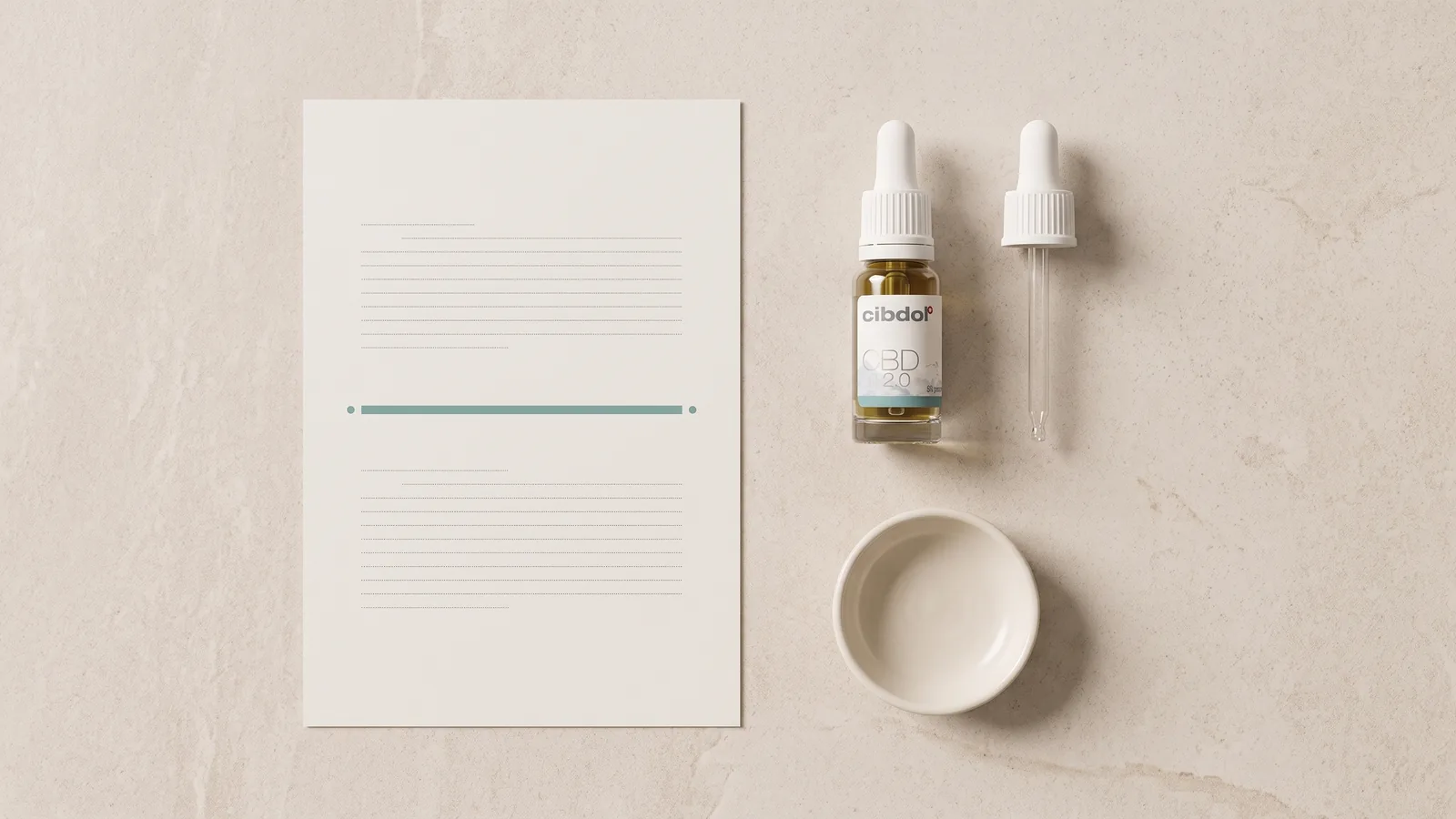
Complete Sleep is a liquid whose listed ingredients are MCT oil, hemp extract containing CBN and CBD, chamomile extract and lavender extract. Stay Asleep Capsules contain no melatonin. The listed ingredients are CBD, CBN, hops extract and griffonia extract.
Every Cibdol batch is analysed by an independent laboratory and the certificate is published. This article describes published research and does not give medical advice.
Frequently Asked Questions
8 questionsDoes cannabidiol alter sleep architecture in objective testing?
How many participants have undergone overnight instrumented sleep testing with cannabidiol?
What did the 2018 polysomnography trial measure?
Why does the 2019 Shannon case series not establish causality?
What did the 2020 systematic review conclude about cannabidiol and sleep?
Is any health claim about cannabidiol and sleep permitted in the European Union?
What is the recommended intake of cannabidiol for nighttime use?
Is cannabidiol identical to cannabinol?
About this article

Luke Sholl has been writing about cannabinoids, CBD, and the broader benefits of nature since 2011. His background includes first-hand cannabis cultivation experience spanning the full seed-to-harvest lifecycle across so
This wiki article was drafted with AI assistance and reviewed by Luke Sholl, CBD & wellness writer. Editorial oversight by Joshua Askew.
Medical disclaimer. This content is for informational purposes only and does not constitute medical advice. Consult a qualified healthcare provider before use of any substance.
References (7)
- [1]Linares IMP, Guimaraes FS, Eckeli A, et al. No acute effects of cannabidiol on the sleep-wake cycle of healthy subjects: a randomized, double-blind, placebo-controlled, crossover study. Frontiers in Pharmacology 2018. Source
- [2]Nicholson AN, Turner C, Stone BM, Robson PJ. Effect of delta-9-tetrahydrocannabinol and cannabidiol on nocturnal sleep and early-morning behavior in young adults. Journal of Clinical Psychopharmacology 2004. Source
- [3]Carlini EA, Cunha JM. 1981. Source
- [4]Shannon S, Lewis N, Lee H, Hughes S. 2019. Source
- [5]Suraev AS, Marshall NS, Vandrey R, et al. Cannabinoid therapies in the management of sleep disorders: a systematic review. 2020. Source
- [6]Regulation (EU) No 432/2012 establishing a list of permitted health claims made on foods, consolidated text; EU Register of nutrition and health claims; EU Novel Food Catalogue entry for Cannabinoids.
- [7]Lavender IG, Marshall NS, McCartney D, et al. Cannabinol for acute treatment of insomnia disorder in a randomized placebo-controlled crossover trial. Journal of Sleep Research 2026. Source
Related Articles
Pink noise and the evidence behind coloured sound
A review of acoustic colour definitions, evidence ratings for continuous sound, and laboratory findings on pink noise and sleep structure.
What core sleep means on a wearable device
Core sleep on modern smartwatches corresponds to laboratory light sleep, stages N1 and N2. Earlier research used the term differently, while consumer devices show measurable differences from clinical polysomnography.
Why do we sleep and what the research measures
Researchers have proposed several explanations for sleep, from energy conservation to neural maintenance. This review examines what empirical studies have measured in humans and animals.
Biphasic sleep across history and modern science
This article outlines historical and modern research on biphasic sleep, contrasting preindustrial accounts with field studies and controlled polyphasic trials.
The military sleep method, origins and evidence
The military sleep method traces back to a 1981 book by track coach Bud Winter. Popular retellings claim fast results, but the method itself has not been tested.
Understanding sleep debt and how recovery sleep works
Sleep debt reflects the cumulative difference between required and obtained rest. Laboratory trials reveal how performance deficits accumulate over time and examine the dynamics of subsequent recovery.
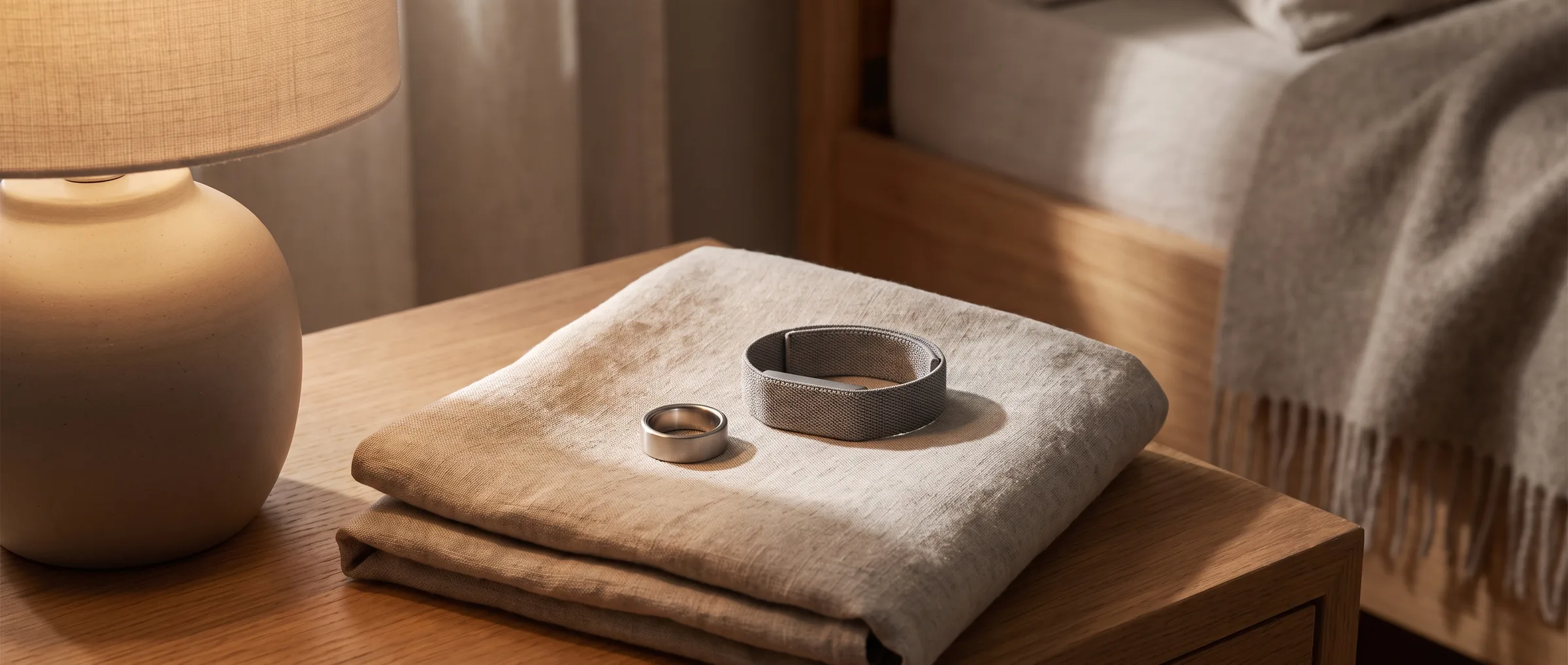
How accurate is a sleep tracker at scoring rest stages
Validation studies compare consumer sleep technology with laboratory recordings. Trackers detect sleep reliably but misclassify wakefulness and show inconsistent agreement on stages.
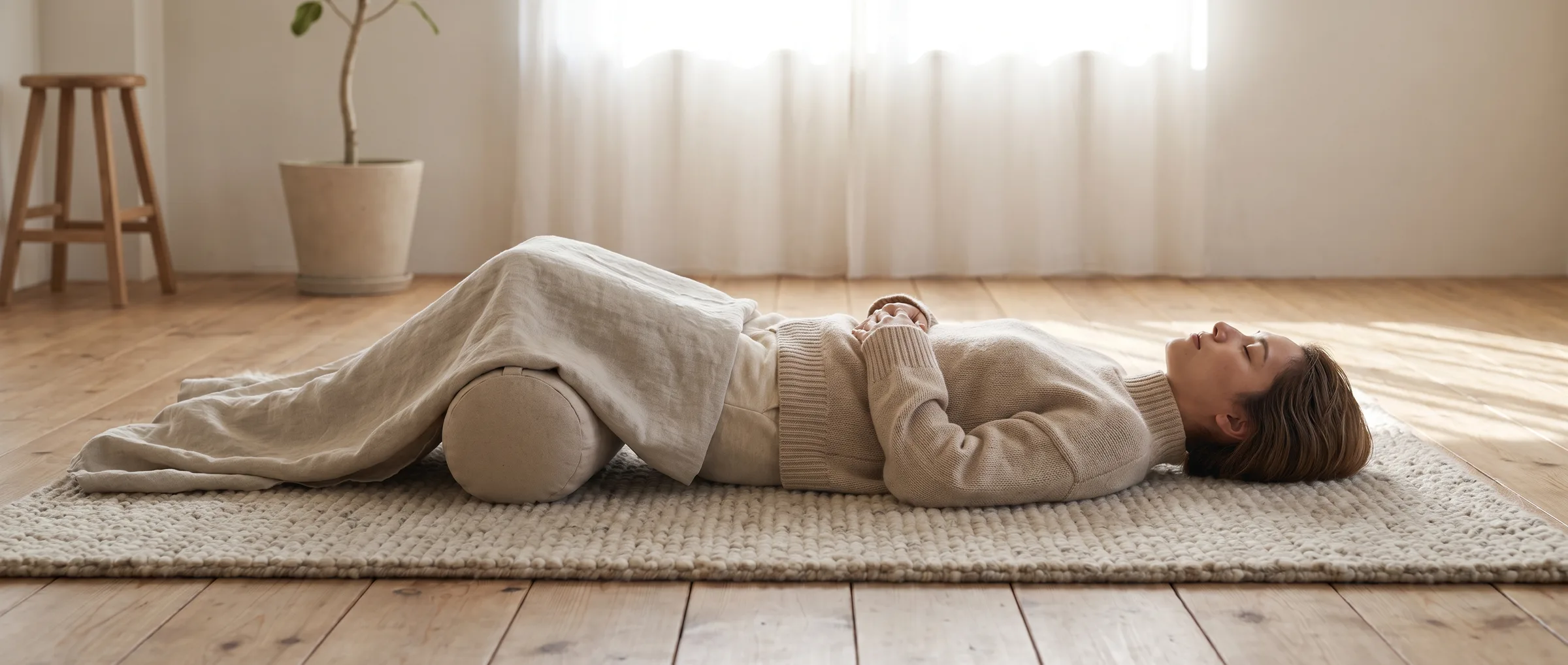
Yoga nidra session steps and scientific evidence
Yoga nidra is a structured guided relaxation practice. Research has evaluated its physiological patterns and measured overnight sleep changes with mixed results.
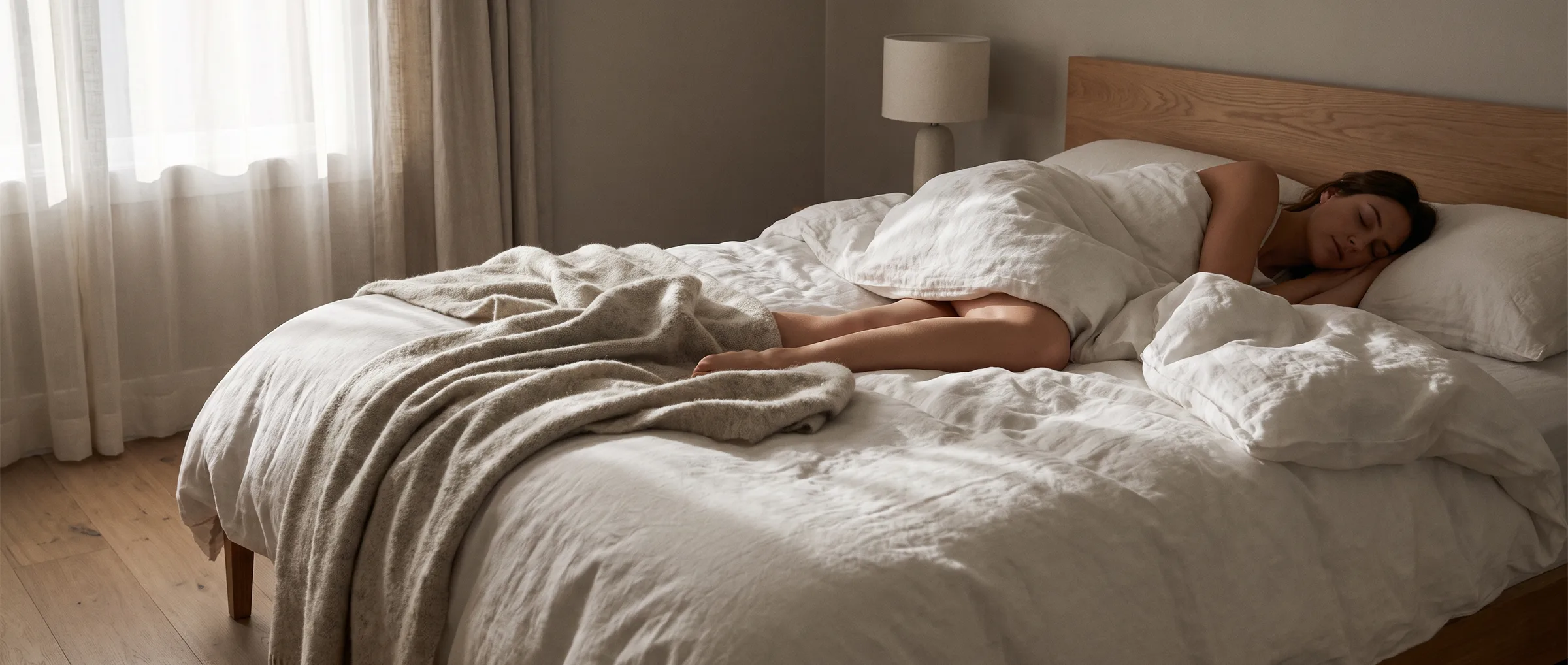
What objective studies reveal about sleeping positions
Sensor data show adults spend over half the night on their side, with shifts decreasing as age increases. Evidence linking spinal symptoms to specific positions remains thin.
