Why two CBD products with the same percentage can have different cannabinoid profiles
Definition
Equal CBD percentages on two bottles do not guarantee identical formulas when extract types and minor cannabinoid levels differ.
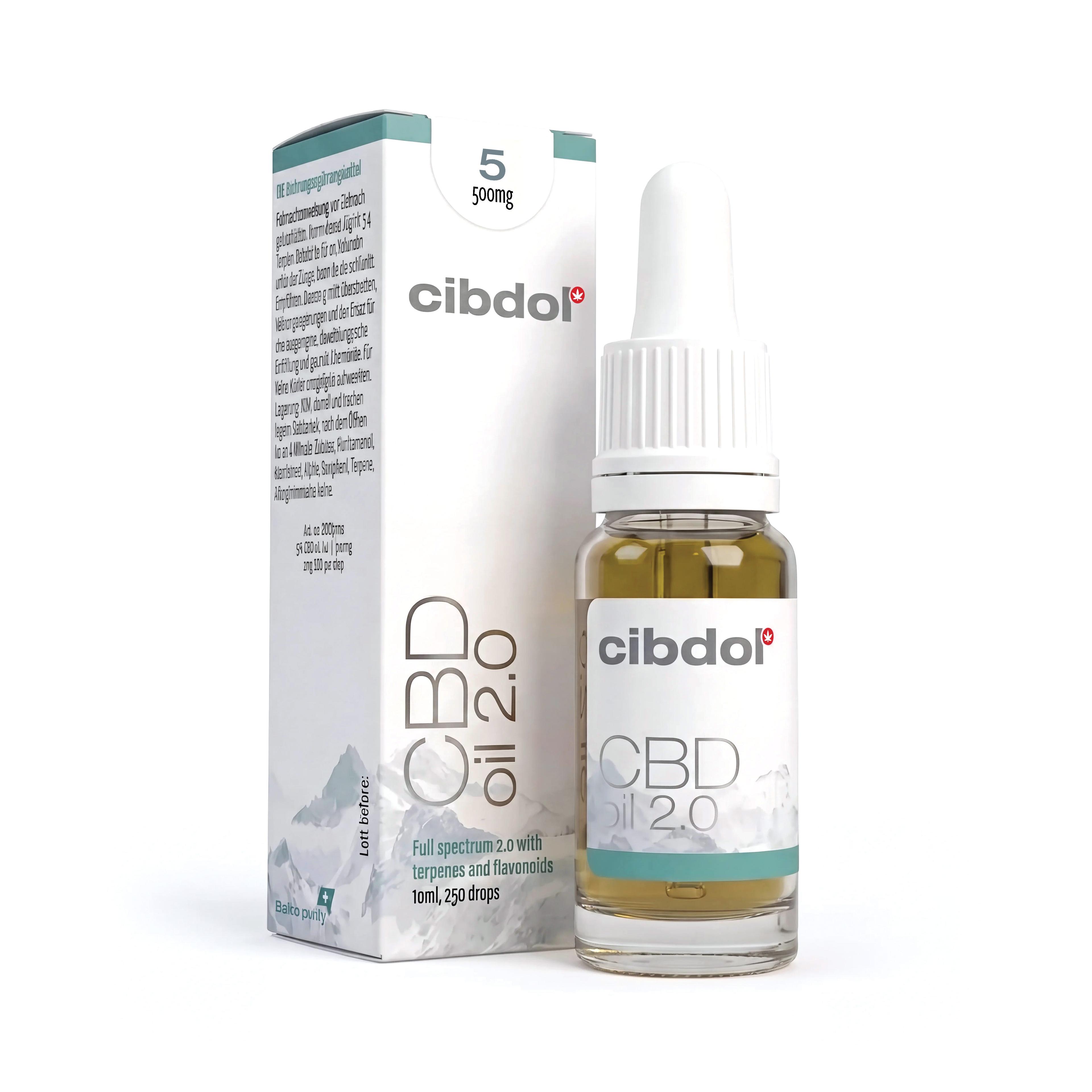
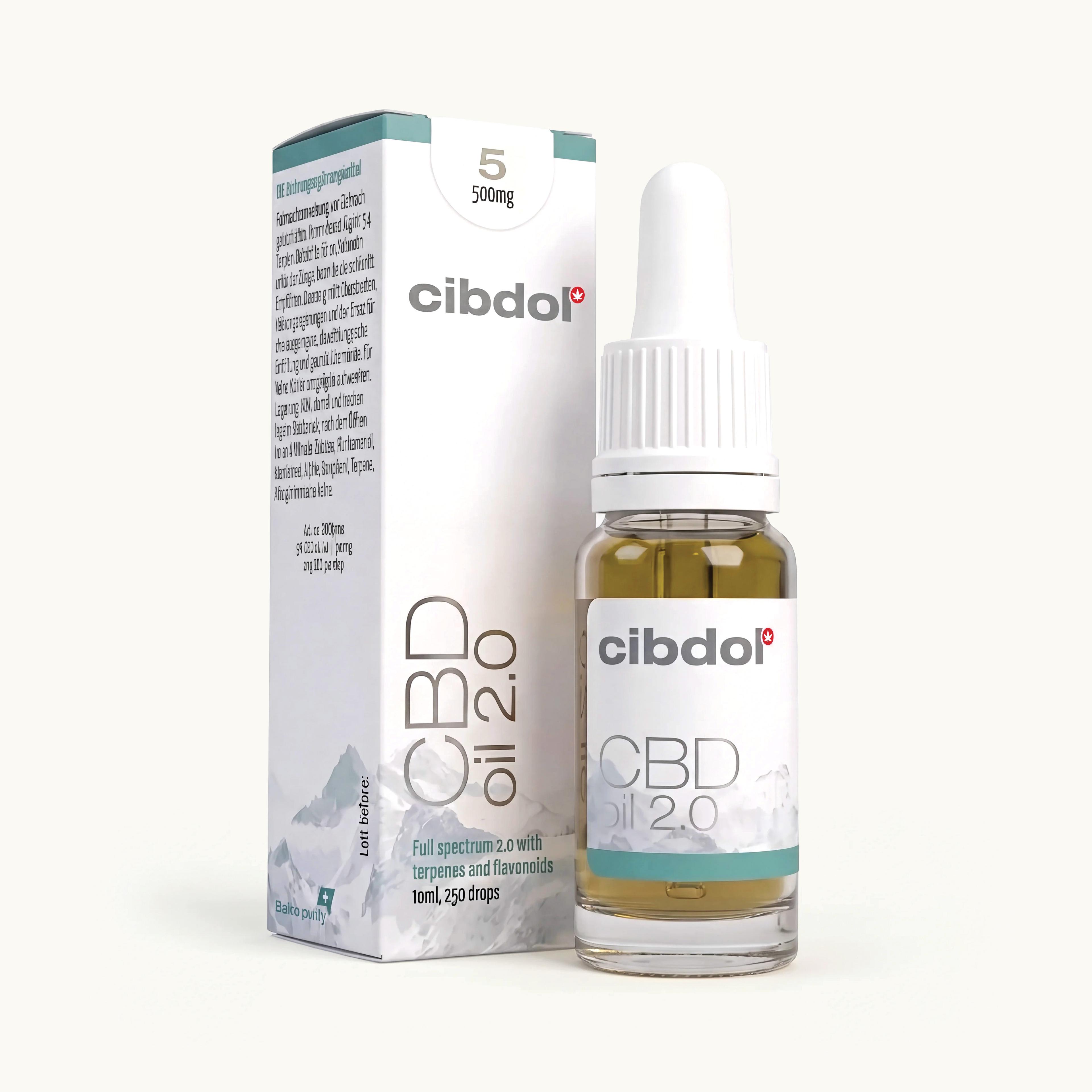
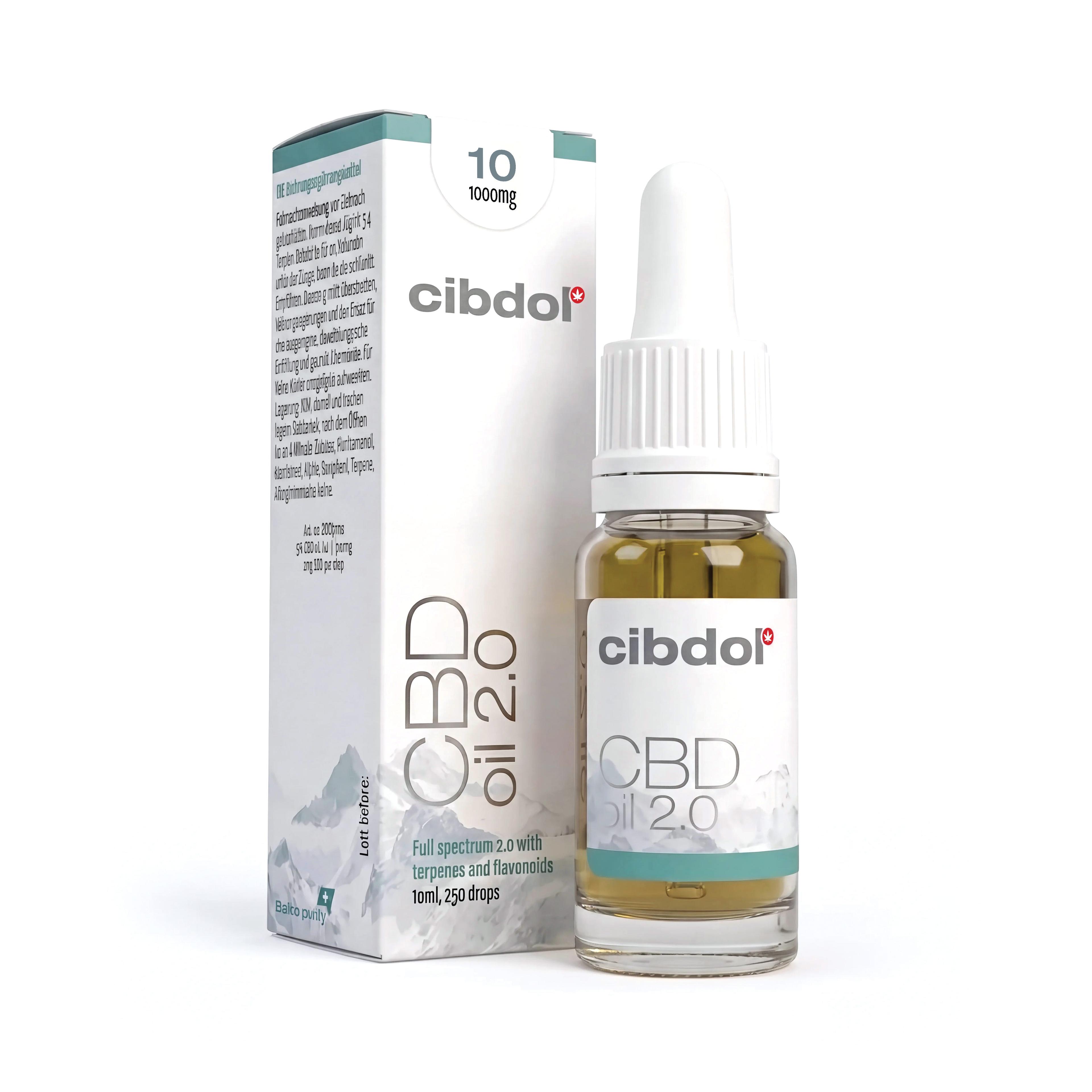
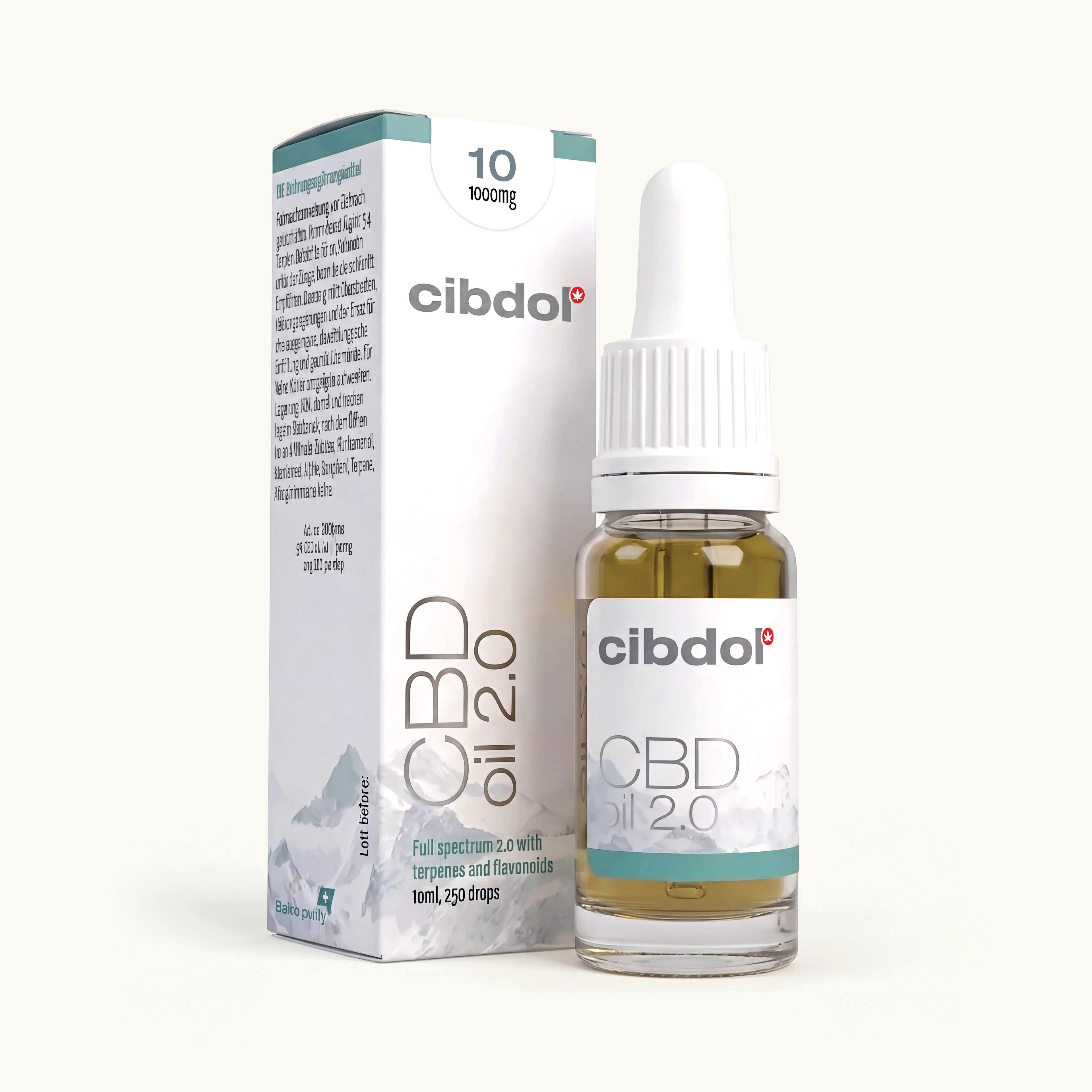
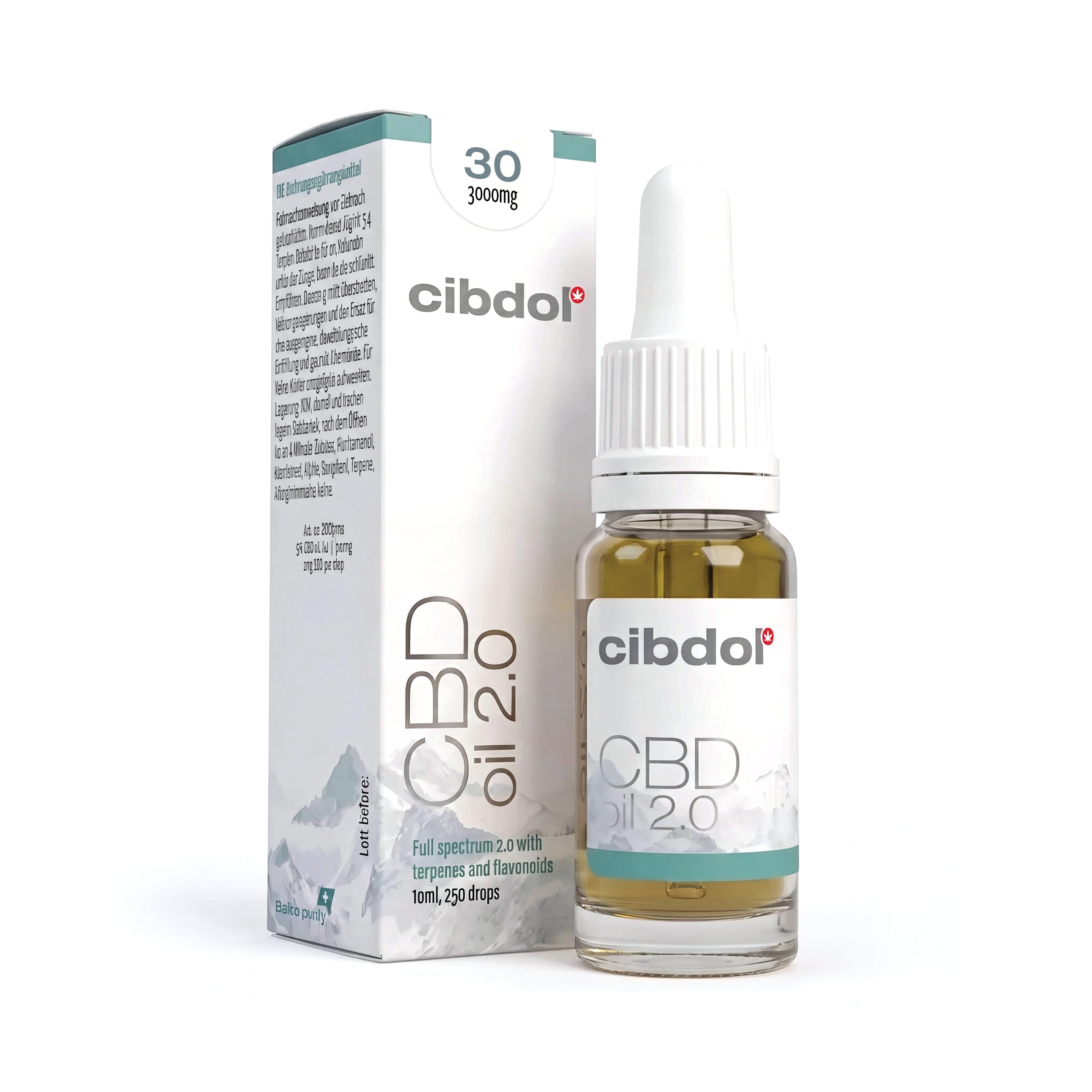
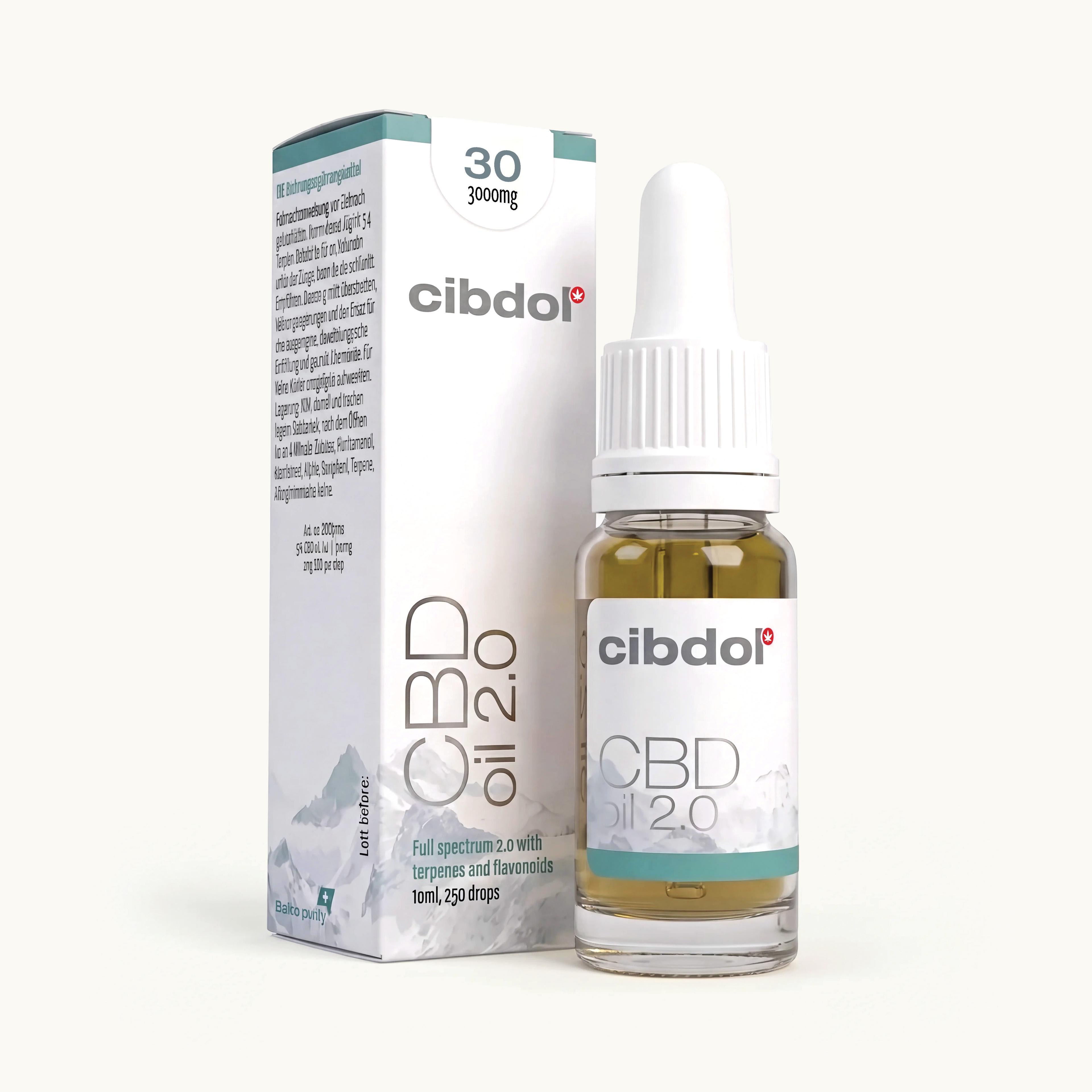
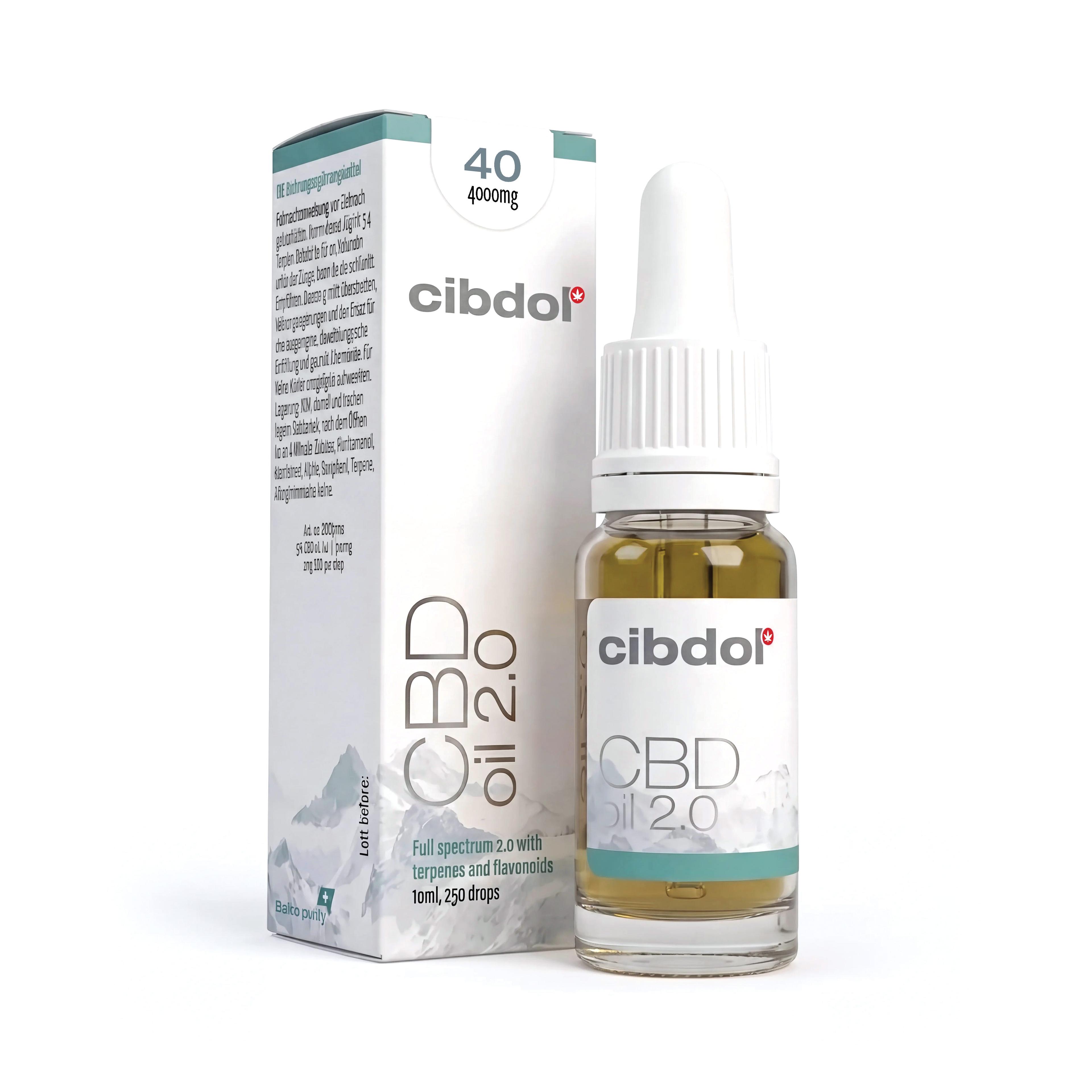
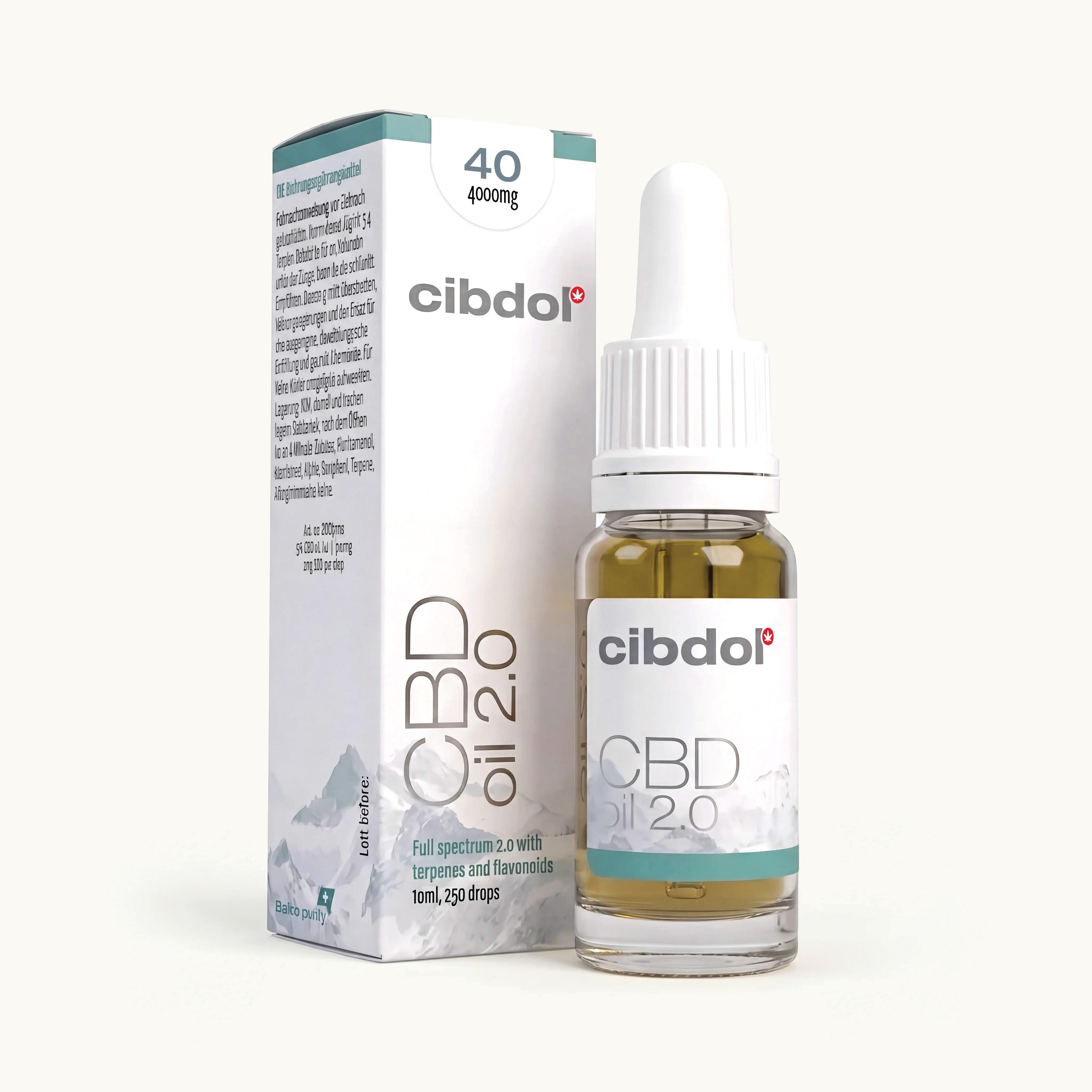
When comparing full spectrum vs broad spectrum CBD, you might find two bottles that both declare 10% on the label. The percentage on a Cibdol CBD oil states CBD only, so CBD Oil 10% holds 1000 mg of CBD in a 10 ml bottle, and each percentage point is 100 mg per 10 ml. Two oils can both carry 10% CBD and still differ in everything else in the bottle: which other cannabinoids are present, how much of each, and whether terpenes and flavonoids remain. The CBD percentage does not describe any of that. Deciding between them means looking past the headline strength to the extract type, minor cannabinoids, production steps, and batch records.
Extract classifications and label terms
The terms full spectrum, broad spectrum, and isolate categorise hemp extracts by what is retained from the plant. Full spectrum describes an extract that keeps the other hemp compounds alongside CBD, broad spectrum describes one with THC removed but other compounds kept, and an isolate is CBD on its own. The terms describe what was kept, not how much of each compound is present. Detailed explanations appear in guides on full spectrum CBD oil and broad spectrum CBD, alongside descriptions of CBD isolate. Because these classifications define groups of compounds rather than milligram values, two products sharing the same extract label can still carry different minor cannabinoid distributions.
Discussions often mention the idea of the entourage effect, suggesting potential interactions between plant compounds, though this concept has not been settled. You can read about the theory in the entry on the entourage effect.
Minor cannabinoids and production variables
The cannabinoid profile begins with the plant material and changes during processing. In the hemp plant, cannabinoids occur mainly as acids such as CBDA and CBGA, which heat converts into neutral forms through decarboxylation. In a laboratory study, CBDA and CBGA converted about half as fast as THCA and some material was lost along the way, so how an extract is heated affects how much acid form is left. [4]
Extraction choices also affect the finished extract. In a 2017 study of cannabis extraction using supercritical CO2, how much extract was recovered depended on pressure and on the plant material used. [5] That study examined cannabis extraction with high-THC cultivars under varied parameters. Because these conditions change the output, two oils made by different processes need not share a profile.
Published analyses of shop products
Researchers who measured CBD oils bought in shops found that the label and the contents often differ. A 2018 analysis of 14 CBD oils sold in European countries found that 9 had CBD concentrations that differed notably from the declared amount, and reported wide variability in cannabinoid profile between products. [2]
Similar patterns appear in other markets. A UK analysis of 29 widely available CBD products found that 11 (38%) were within 10% of the advertised CBD content, and that most contained other phytocannabinoids including CBDA and CBDV. [3] The presence of additional phytocannabinoids in most samples underlines why a single percentage figure provides limited detail about the full composition.
Reading batch certificate 260084

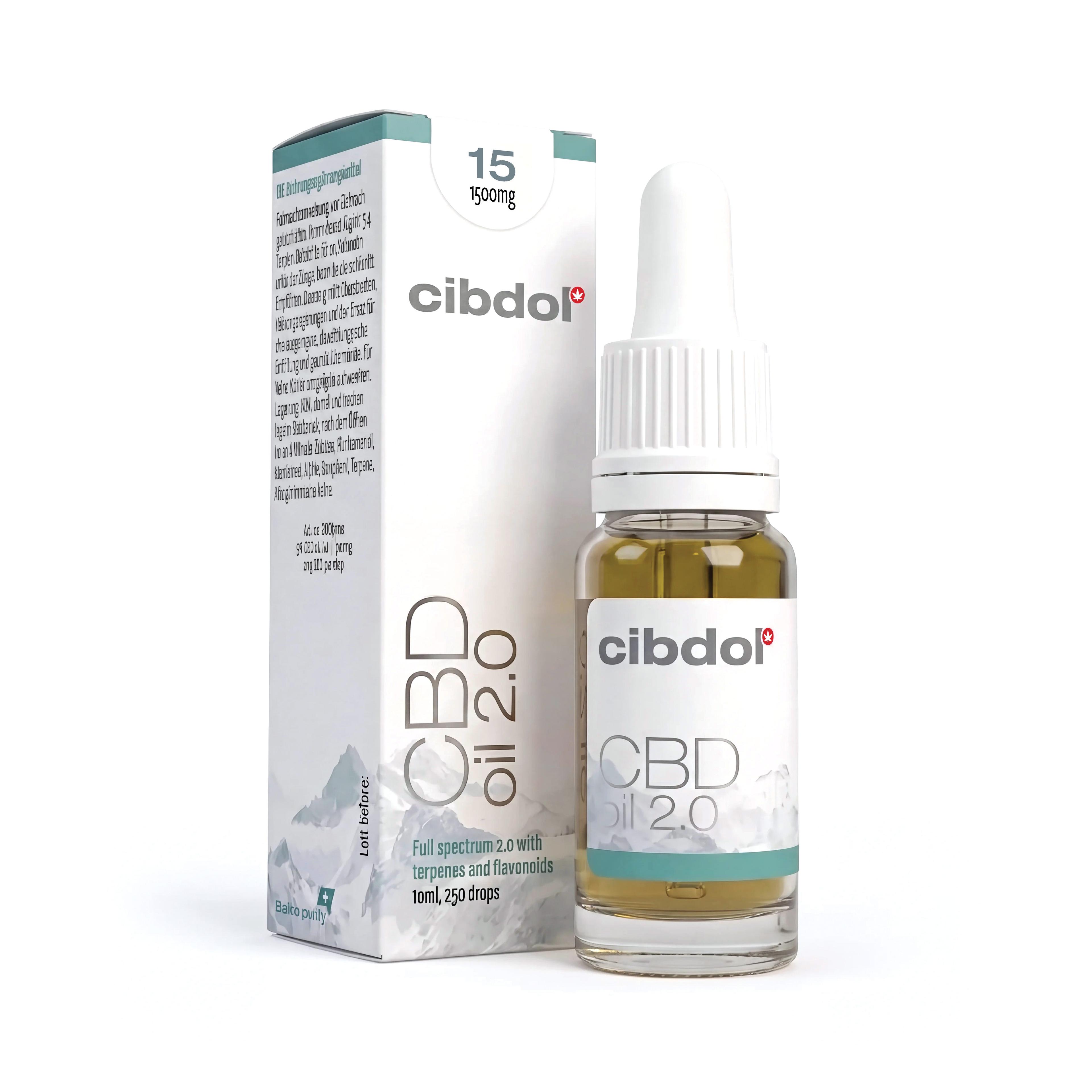
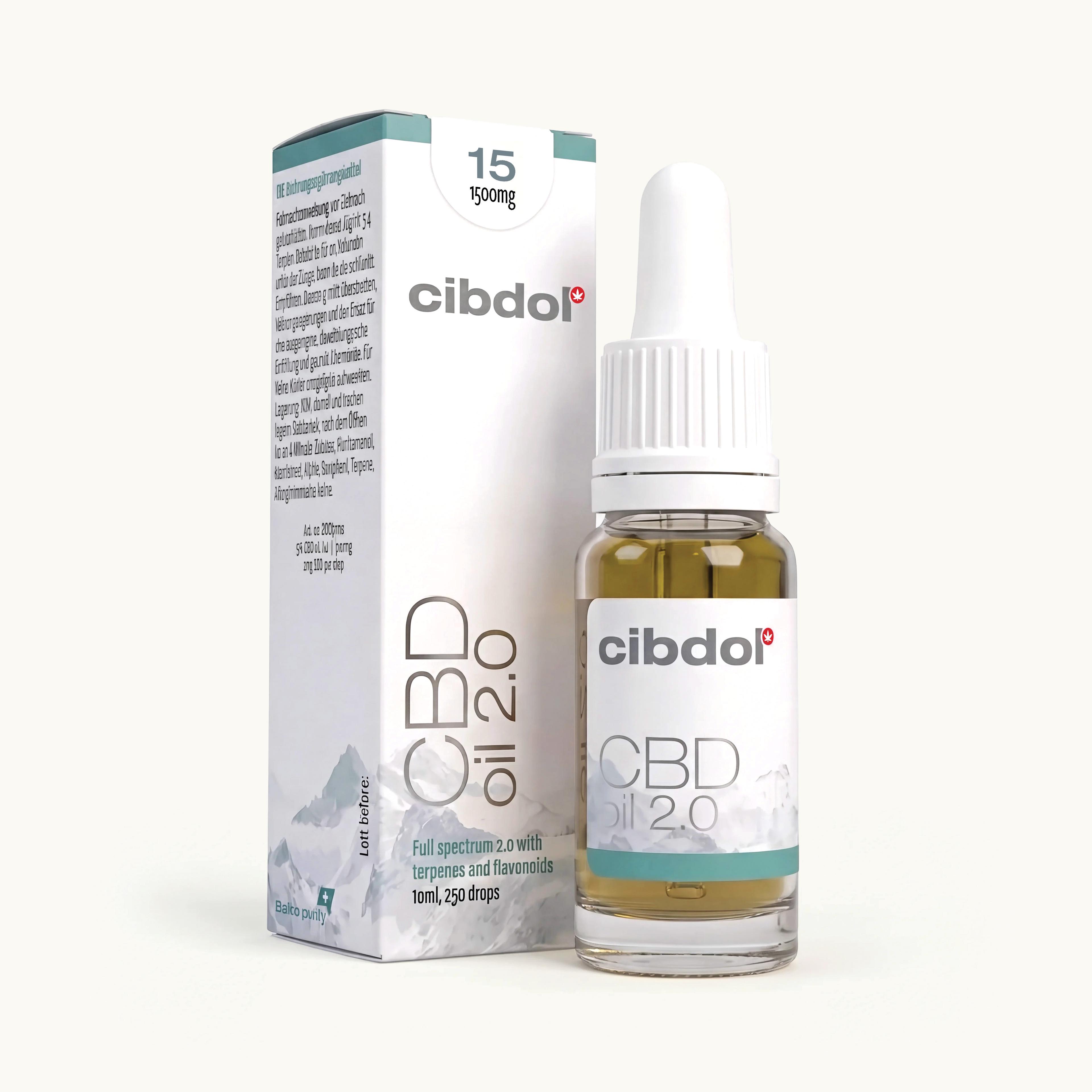
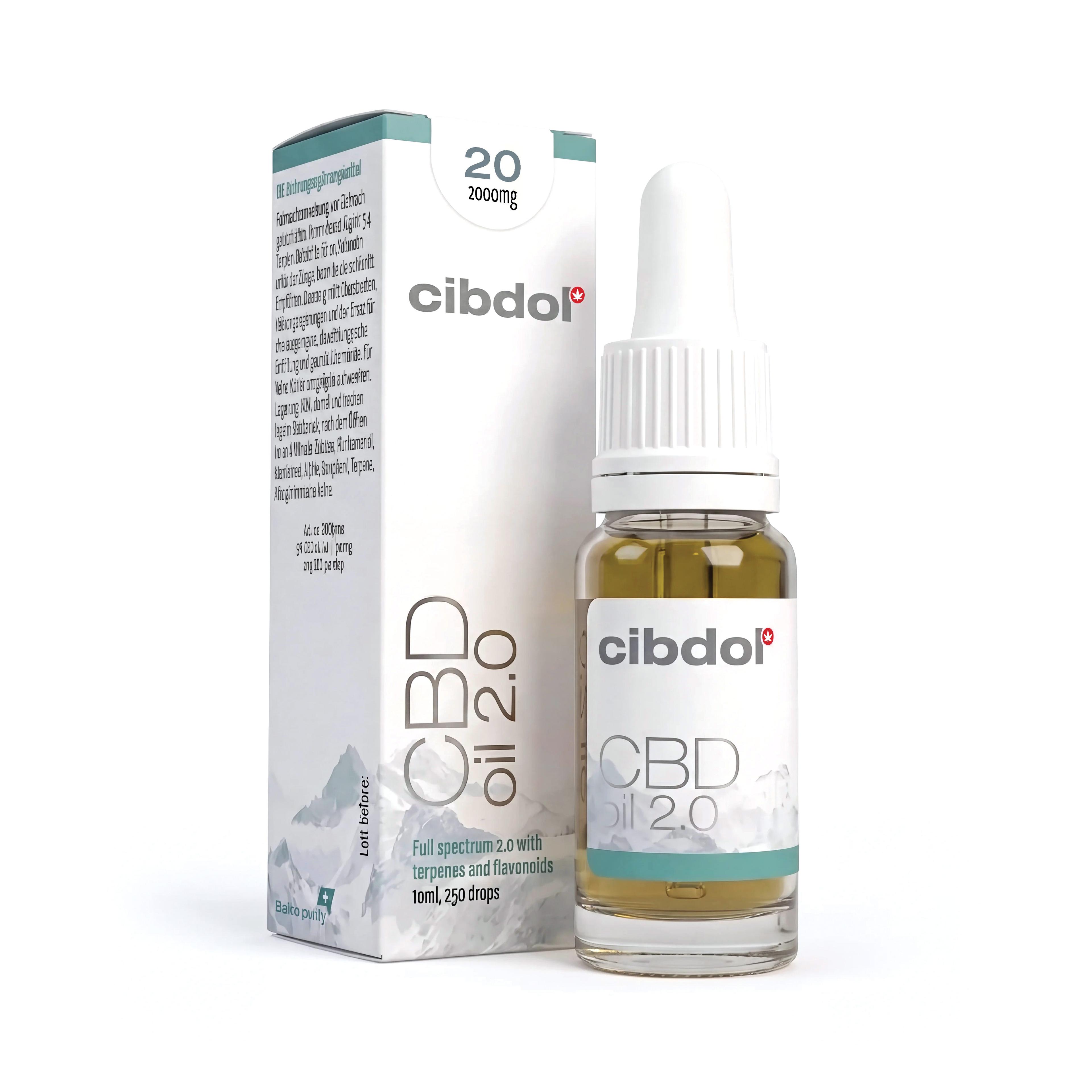
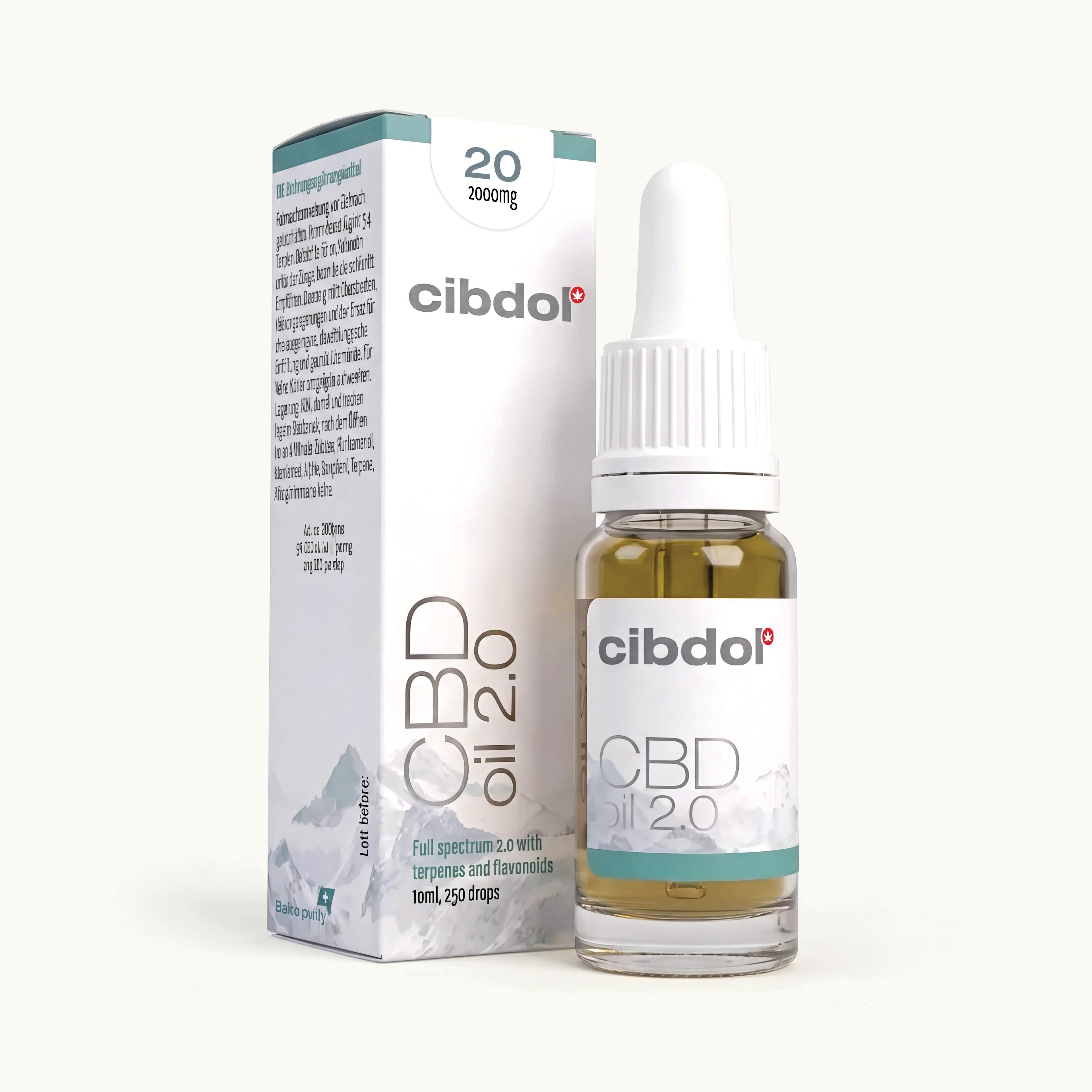
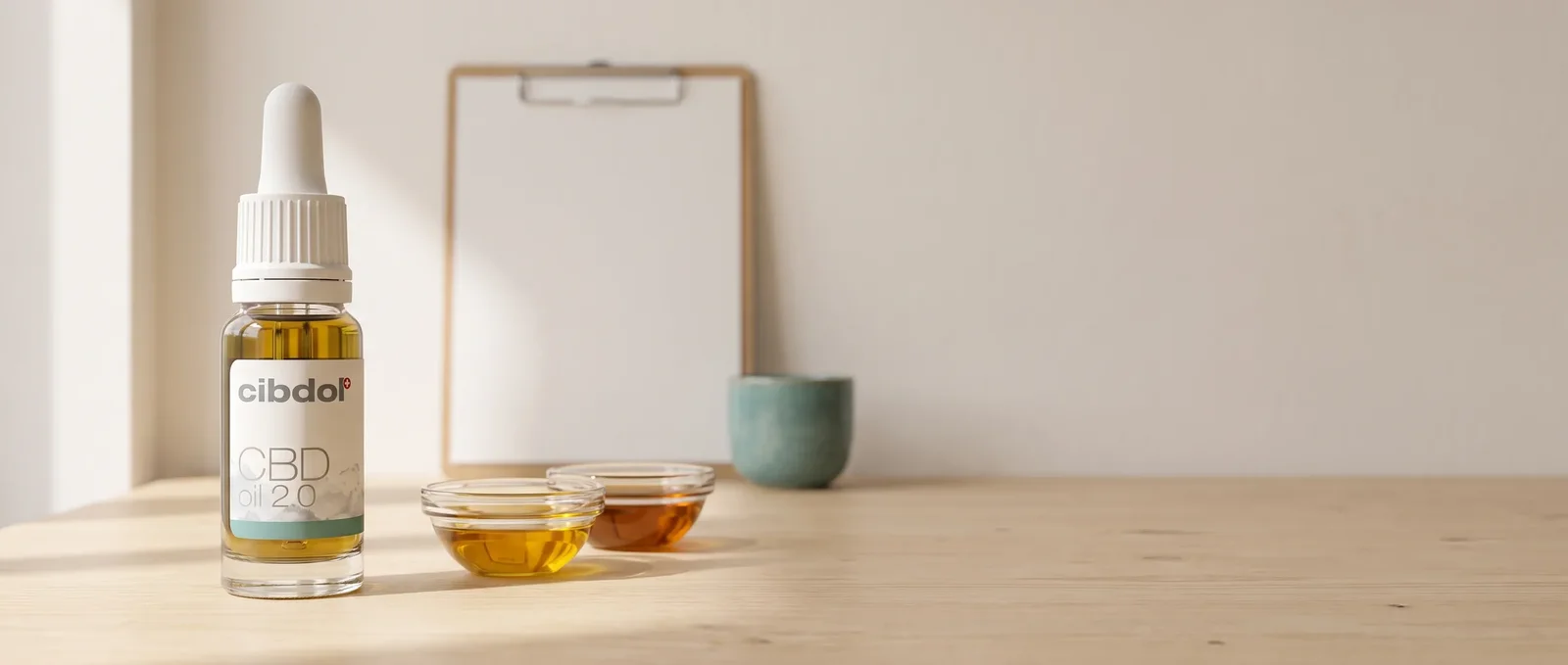
To see what is in a specific bottle, you can look at the batch certificate. Cibdol CBD Oil 2.0 is a full spectrum hemp extract that keeps the terpenes and flavonoids of the plant, with CBN, CBG, CBC and CBDa added to measured, declared levels. The extract is decarboxylated during production. The formula is the same across all six strengths. Details on this range appear on the CBD Oil 2.0 page and the 10% CBD Oil 2.0 product page.
A practical example appears in batch 260084 of the 10% oil, available through the certificate of analysis for batch 260084. On the batch certificate, the four added cannabinoids sit on separate lines outside the CBD percentage, declared at 50 mg each per bottle. [1] The certificate gives each cannabinoid as a permitted range per 1 ml with a result column, not a single measured figure. For batch 260084 of the 10% oil the CBD specification is 80 to 140 mg per ml and the result reads Conform, meaning the batch met that specification. [1]
The cannabinoid lines on the certificate for batch 260084:
| Compound line | Specification per 1 ml |
|---|---|
| CBD | 80 to 140 mg |
| CBDa | 4 to 7 mg |
| CBG | 4 to 7 mg |
| CBC | 4 to 7 mg |
| CBN | 4 to 7 mg |
| THC | less than 0.05% |
A certificate covers one batch of one product. Cibdol publishes them in the batch certificate lookup under Tools, 16 at the time of writing, and the batch number printed on the bottle finds the right one. Older batches stay listed after they sell out. You can access these documents via the batch certificate lookup. The certificates published in the batch lookup are issued by CureSupport Nederland B.V., which manufactures the products, and the lookup names the issuer beside each batch. A certificate records the listed analyses for the identified batch. It does not show health effects, whether a product suits a particular person, or regulatory approval.
Comparing two products on paper
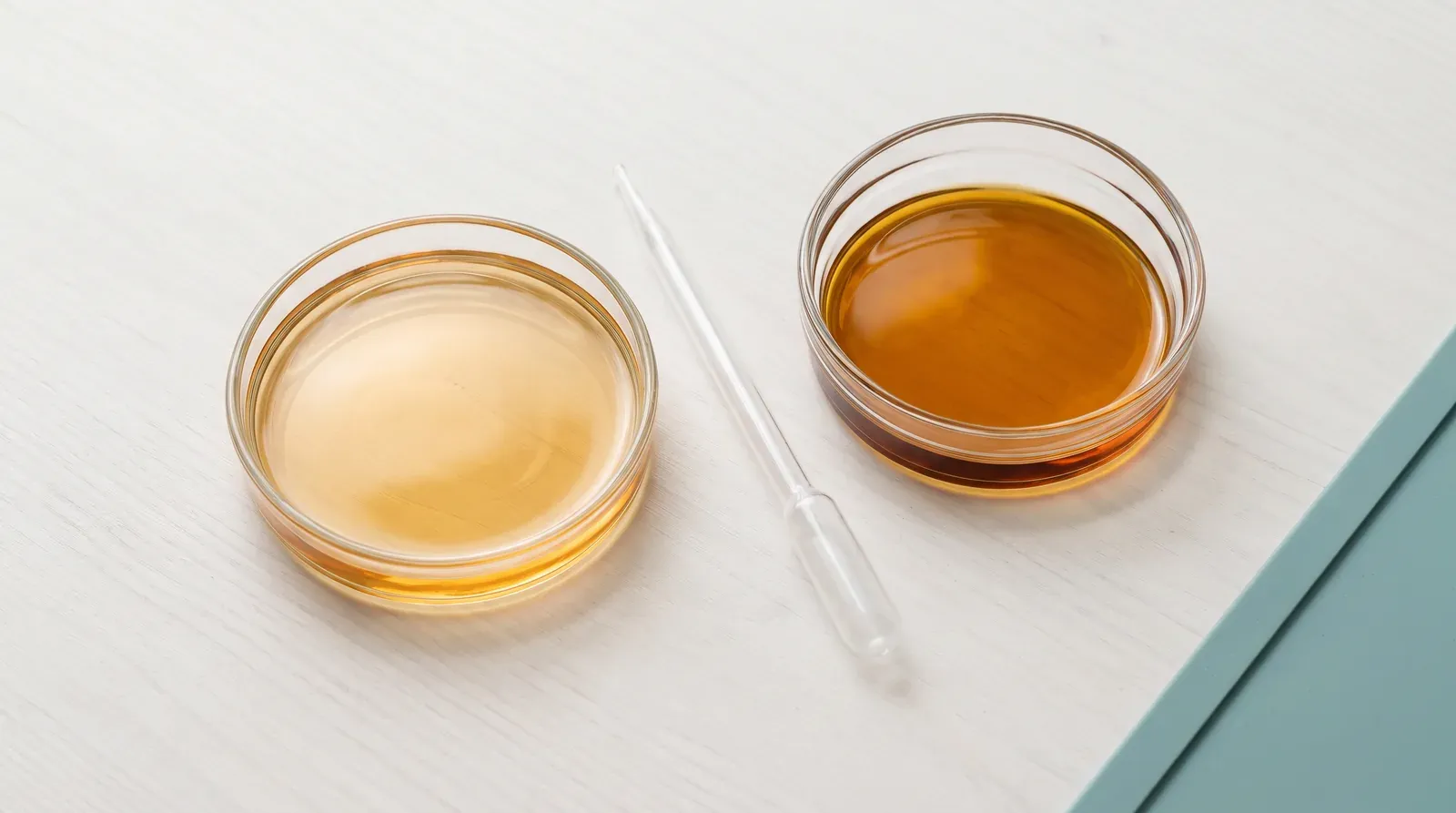
Consider two hypothetical oils that both state 10% on the label: bottle A is made from CBD isolate, while bottle B is a full spectrum oil. Both batch certificates can show CBD within the specified range, but bottle B's certificate can list other cannabinoids such as CBG or CBN as their own lines, while an isolate has little else to report. A broad spectrum oil would list other cannabinoids too, from an extract with the THC taken out. These differences never show up in the 10% figure on the carton, which is why reading the full analytical breakdown matters.
When comparing two products that declare 10% CBD, these are the five things worth comparing on their certificates:
- The batch number matching the bottle
- Results recorded per ml and formatted as permitted ranges
- Minor cannabinoids listed on their own lines with separate specifications
- The THC limit as written on that certificate
- The issuer named beside the analysis
Checking these details lets you see how two oils with matching percentages differ across their full profile.
Frequently Asked Questions
4 questionsDo two oils with 10% CBD contain identical formulas?
What does Conform mean on a certificate of analysis?
Do added minor cannabinoids change the percentage on the bottle?
Where is the batch number located?
About this article
References (5)
- [6ad4b59adfe4850049f23c3d]Cibdol. Certificate of analysis, 10% CBD hemp seed oil with minors, batch 260084, manufactured 02-2026, issued by CureSupport Nederland B.V. 07-05-2026. Source
- [6ad4b59adfe4850049f23c3e]Pavlovic, R. et al. (2018). Quality Traits of “Cannabidiol Oils”: Cannabinoids Content, Terpene Fingerprint and Oxidation Stability of European Commercially Available Preparations. Molecules, 23(5), 1230. DOI: 10.3390/molecules23051230
- [6ad4b59adfe4850049f23c3f]Liebling, J.P. et al. (2022). An Analysis of Over-the-Counter Cannabidiol Products in the United Kingdom. Cannabis and Cannabinoid Research, 7(2), 207-213. DOI: 10.1089/can.2019.0078
- [6ad4b59adfe4850049f23c40]Wang, M. et al. (2016). Decarboxylation Study of Acidic Cannabinoids: A Novel Approach Using Ultra-High-Performance Supercritical Fluid Chromatography/Photodiode Array-Mass Spectrometry. Cannabis and Cannabinoid Research, 1(1), 262-271. DOI: 10.1089/can.2016.0020
- [6ad4b59adfe4850049f23c41]Rovetto, L.J. and Aieta, N.V. (2017). Supercritical carbon dioxide extraction of cannabinoids from Cannabis sativa L. The Journal of Supercritical Fluids, 129, 16-27. DOI: 10.1016/j.supflu.2017.03.014
Related Articles
How many drops in 10ml CBD oil bottles, and what strengths mean
A guide to how many drops a 10 ml CBD oil bottle yields, how percentages convert to milligrams, and how drop values compare across six strengths.
Cibdol introduces clearer access to batch documentation
Cibdol has introduced a batch search tool that provides direct access to published certificates of analysis, outlining chemical profiles, physical checks, and microbiological criteria for individual product batches.
