Educational content about cannabinoid science, not medical advice. Consult a healthcare professional before combining CBD products with medication. Our age policy
CBD Isolate: One Molecule, Nothing Else
Definition
CBD isolate is cannabidiol refined down to a single compound, usually a white powder or fine crystals. It comes from the same flower and leaf material as any hemp extract, then loses the terpenes, the other cannabinoids and the THC during purification. Our own CBD oils are built on a full-spectrum extract, so this page explains isolate rather than sells it.
1940: one molecule, one name
| Point | What the record says | Source |
|---|---|---|
| 1940 | Adams, Hunt and Clark described the structure of cannabidiol, a product isolated from a hemp extract. The compound has had a defined shape in the chemical literature since then. | [1] |
| Starting material | Flower and leaf material. The extract is drawn out with CO2 or food-grade solvents, then refined in stages until one compound is left standing. | — |
| What remains | Cannabidiol as a white powder or fine crystals. No terpenes. No other cannabinoids. No THC. | — |
| The word isolate | A description of composition, not of strength. Strength is the milligram figure printed on the container. | — |
| THC line on the report | Isolate analyses show THC below detection. Our full-spectrum oils keep THC within the legal limits, and the batch report carries the figure. | — |
| Entourage effect | The term entered cannabinoid science through the 1998 Ben-Shabat study, which reported that inactive endogenous fatty acid glycerol esters enhanced the cannabinoid activity of 2-arachidonoyl-glycerol in the model used. | [2] |
| Whole-plant compositions | Russo's 2011 review set out phytocannabinoid and terpenoid interactions, and argued that whole-plant compositions belong in study as subjects of their own rather than as impure versions of a single molecule. | [3] |
| Isolate against full-spectrum | We know of no study showing that full-spectrum outperforms an equal dose of isolate for an individual person. Cibdol makes no such claim. | — |
| Where the powder goes | Oils, capsules, cosmetics, food and drink formulation. Isolate is an ingredient rather than a finished format. | — |
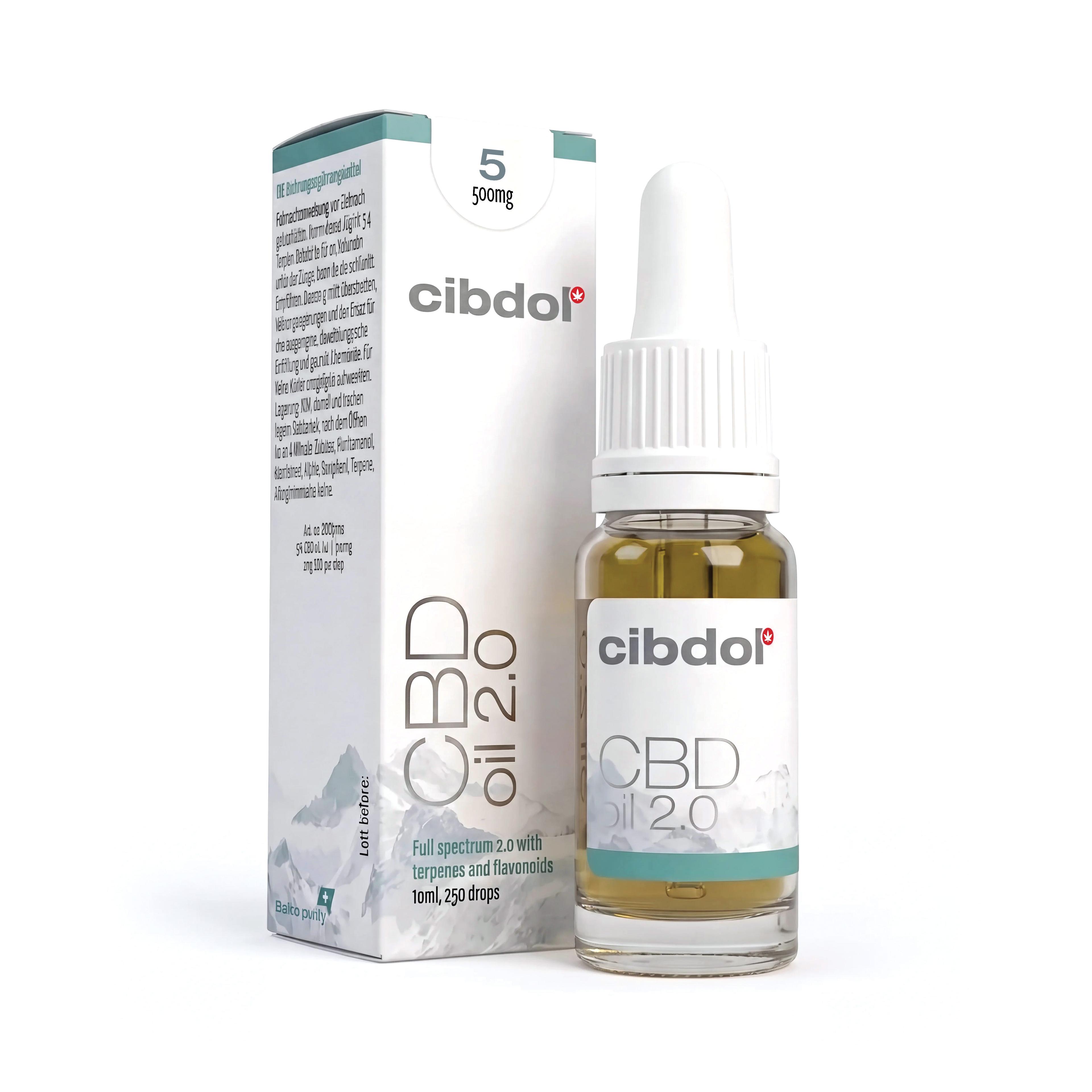
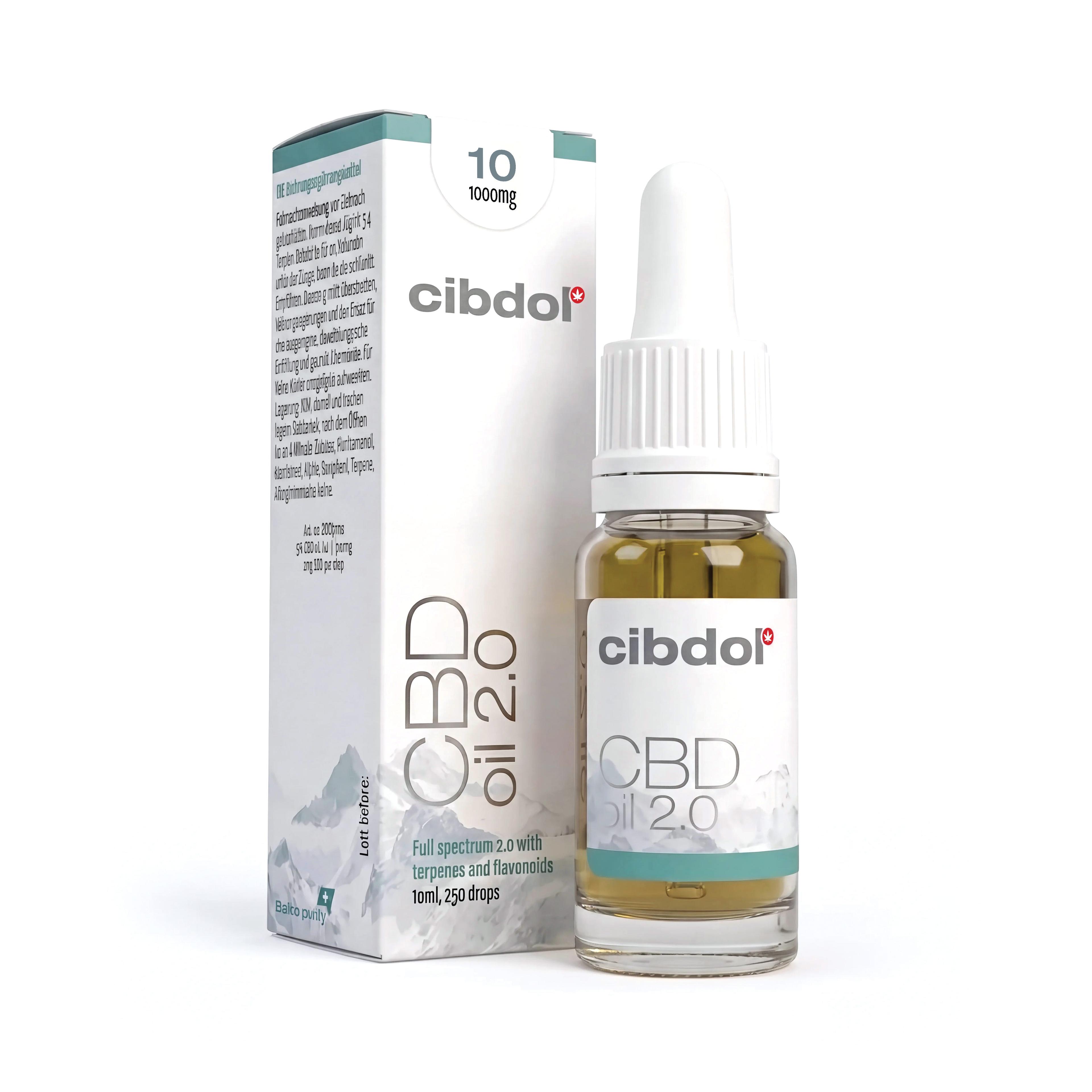
| Cibdol's CBD oils | Full-spectrum extract, across the range. No isolate products in the catalogue. | — |
| Formulation since 2014 | Movement toward a wider cannabinoid profile, driven by the direction research took and by keeping multi-cannabinoid content consistent from batch to batch. | — |
| What you can check | Cannabinoid content is published per batch, so the figure on the label can be held against the analysis. | — |
| Scope of this page | What isolate is, where it fits, and why our own bottles are formulated differently. | — |
From flower and leaf to powder
Isolate doesn't begin pure. It begins as an extract, taken from flower and leaf material with CO2 or food-grade solvents, which is the same opening move behind most hemp products on a shelf. Everything after that is subtraction. Waxes, fats, plant pigments, terpenes and the remaining cannabinoids come out in stages, and what's left at the end is one compound in solid form.
Keep two words apart while reading a product page. Purification is a process. Purity is a measurement. A tub labelled isolate should arrive with a certificate showing cannabidiol at a very high percentage and the other cannabinoids below detection. The percentage is the claim. The word on the lid is packaging.
The molecule itself is old news, in the best sense. Adams, Hunt and Clark reported the structure of cannabidiol, isolated from hemp extract, in 1940 [1]. Chemistry had it mapped long before anyone sold it in a dropper bottle. Worth remembering whenever a single-compound powder is presented as something brand new.
What the analysis shows, row by row
An isolate report is short. One cannabinoid row carries a number, and the rest read as not detected, THC included. A full-spectrum report runs longer: CBD alongside CBG, CBC, CBN and CBDa, with THC held inside the legal limits. Same document type, different contents. Cannabinoids are missing from isolate because purification took them out, and present in a full-spectrum extract because the process was designed to keep them.
Neither report ranks above the other. They describe different things, and each answers a different question about what sits in the container. What matters for a buyer is that the document exists, matches the batch code, and comes from a lab that didn't make the product. Since 2014 that has been our working standard, and it's a fair thing to ask of anyone selling either type.
Where a single compound fits
Isolate has real uses, and most of them are about control. If you're building a formula and want one variable, a purified powder gives you a measured amount of cannabidiol and nothing else to account for. That's a formulator's argument, not a health argument, and the honest way to read it. Russo's 2011 review kept single-molecule preparations and whole-plant compositions apart as separate subjects of study, and that distinction is worth borrowing here [3]. It's also worth saying what isolate isn't: a stronger version of an oil. Two bottles can carry the same milligram figure and differ only in what came along with it. A powder is an ingredient, weighed into something else before it becomes a product anyone uses.
- Documentation that THC isn't present at all. Some people want that line on paper, and an isolate analysis reports THC below detection.
- A neutral base for food, drink and cosmetic work. With the terpenes gone, there's no hemp aroma to build a recipe around, and no green tint to correct.
- Milligram precision in laboratory work. Research that examines cannabidiol on its own, of the kind discussed in Russo's 2011 review, needs a defined input rather than a variable plant extract [3].
- Standardising a blend. Isolate is sometimes added to an extract so a finished product lands on a stated CBD figure per bottle.
- One number to hold steady. A purified compound has a single line to keep consistent, while a multi-cannabinoid extract has several, which is one reason our formulation work since 2014 has concentrated on that broader profile.
- Formats where colour and taste are part of the brief, such as clear liquids, white creams and capsule fills.
Our answer: the whole extract
Ben-Shabat, 1998, and one term
Entourage effect gets thrown around loosely, so here's where it started. The 1998 Ben-Shabat study reported that endogenous fatty acid glycerol esters, inactive on their own, enhanced the cannabinoid activity of 2-arachidonoyl-glycerol in the model tested [2]. That's the origin: a laboratory observation about the body's own compounds, not a promise about a bottle of oil. Russo's 2011 review carried the idea into plant chemistry, mapping interactions between phytocannabinoids and terpenoids and arguing that whole-plant compositions deserve study as themselves rather than as diluted single molecules [3]. The phrase does a lot of work in marketing and considerably less in the literature.
Here's the part most pages skip. No study we're aware of has shown a full-spectrum extract outperforming an equal dose of isolate for an individual person. So we don't say it does. The research points somewhere interesting. It hasn't arrived yet, and we're comfortable saying that out loud.
The label held against the batch
Our CBD oils use a full-spectrum extract, and there's no isolate product in the range. Full-spectrum here means the extract keeps the cannabinoid profile the plant came with, THC inside legal limits. Two things drove that choice since 2014: the direction cannabinoid research kept taking, and the practical job of keeping a multi-cannabinoid profile consistent from one batch to the next. Landing CBD, CBG, CBC, CBN and CBDa in the same place batch after batch asks more of a production line than holding one figure steady. It's the same reason we publish the cannabinoid content of every batch, so the number on the label can be held against an independent analysis instead of taken on trust. If a brand can't show you that document, the question stays open.
Frequently Asked Questions
3 questionsIs isolate stronger than a full-spectrum oil?
What does an isolate lab report look like?
Where did the phrase entourage effect come from?
About this article


Luke Sholl has been writing about cannabinoids, CBD, and the broader benefits of nature since 2011. His background includes first-hand cannabis cultivation experience spanning the full seed-to-harvest lifecycle across so
This wiki article was drafted with AI assistance and reviewed by Luke Sholl, CBD & wellness writer. Editorial oversight by Joshua Askew.
Medical disclaimer. This content is for informational purposes only and does not constitute medical advice. Consult a qualified healthcare provider before use of any substance.
Last reviewed August 26, 2026
References (3)
- [1]Adams, R., Hunt, M. and Clark, J.H. (1940). Structure of cannabidiol, a product isolated from the marihuana extract of Minnesota wild hemp. DOI: https://doi.org/10.1021/ja01858a058
- [2]Ben-Shabat, S. et al. (1998). An entourage effect: inactive endogenous fatty acid glycerol esters enhance 2-arachidonoyl-glycerol cannabinoid activity. DOI: https://doi.org/10.1016/s0014-2999(98)00392-6
- [3]Russo, E.B. (2011). Taming THC: potential cannabis synergy and phytocannabinoid-terpenoid entourage effects. DOI: https://doi.org/10.1111/j.1476-5381.2011.01238.x
Related Articles
Does CBG Make You Sleepy? What's Actually on Record
The idea that cannabigerol brings on drowsiness is widely repeated, but the 2021 review by Nachnani and Barrett describes receptor sites rather than sensations in volunteers. The same thing happened to CBN, and Corroon traced it in 2021.
THCA vs THC: A Single Carboxyl Group Apart
One carboxyl group separates the acid form found in the plant from the neutral compound most people talk about. Here is what happens when it goes, and why two lab figures from one plant are not a contradiction.
Broad Spectrum CBD: What The Term Covers
Broad spectrum sits between full spectrum and isolate, and it's the one name on that list with no legal definition behind it. Here's what the term commits to, what research covers, and what our own range holds.
THCP: A Cannabinoid With Two Extra Carbons
Tetrahydrocannabiphorol turned up in an Italian medicinal cannabis variety in December 2019, in work led by Cinzia Citti [1]. Here is what that report actually records, and where our own range sits.
CBD Research: What the Human Data Covers
A calm look at what has actually been measured in cannabidiol studies, where the published record thins out, and what to check before you believe a claim.
Serotonin, 5-HT and the One Cannabinoid Link on Record
5-HT is not one receptor but at least seven families of them, each split into subtypes. Here is what that means for reading claims, and what the 2005 in vitro report on cannabidiol at 5-HT1a does and does not cover [1].
PEA and Anandamide: A Family Resemblance in Chemistry
Palmitoylethanolamide shares a chemical class and a clearance route with anandamide. Here is what that family resemblance settles, and what it deliberately leaves open.
The Endocannabinoid System in Six Papers, 1964 to 1995
The structure of THC was published in 1964, the first cannabinoid receptor in 1990, anandamide in 1992. Six reports, thirty-one years, and a name that runs backwards.
2016: What Clinical Endocannabinoid Deficiency (CECD) Actually Means
CECD is a testable idea about underactive endocannabinoid signalling, set out most clearly in a 2016 paper by Russo [1]. Here is what that paper names, and where the record stops.
