Educational content about cannabinoid science, not medical advice. Consult a healthcare professional before combining CBD products with medication. Our age policy
Three CBD Extracts, One Batch Certificate

Definition
Three words describe how much of the hemp plant survived processing: full-spectrum, broad-spectrum and isolate. Full-spectrum keeps a wider set of cannabinoids along with terpenes and other plant material; broad-spectrum keeps that wider profile with THC taken out; isolate is CBD on its own. The percentage on the front tells you the CBD, and the batch certificate tells you everything else.
Three extract types, one grid
| Extract type | Cannabinoids on the analysis | Terpenes and other plant material | THC on the batch certificate |
|---|---|---|---|
| Full-spectrum | CBD plus the minor cannabinoids that came out of the same plant material. Chemical analysis of cannabis describes a complex mixture of natural cannabinoids rather than a single molecule [1]. | Kept. The 2005 survey by ElSohly and Slade lists terpenes and other plant material next to the cannabinoids in that mixture, and none of it is stripped out afterwards [1]. | A real line with a real number, because the compound occurs in the plant. The figure sits on the certificate matching the batch you bought. |
| Broad-spectrum | The same intention of a wide profile, minus THC, which is taken out during processing. The declared CBD percentage does not change with it, so a 10% broad-spectrum oil and a 10% full-spectrum oil carry the same CBD. | Usually present, though the exact list depends on the extract and the processing route, so the analysis is more informative than the front of the box. | Removed on purpose. Only a certificate showing no detectable THC confirms that for the batch in your hand, which is why the report matters more than the wording. |
| CBD isolate | One: CBD, separated from everything else the plant produced. No CBC, no CBG, no CBN and no CBDA sitting beside it on the report. | None. The terpenes and other plant material catalogued in the 2005 survey by ElSohly and Slade come out during isolation [1]. | Nothing to declare. Isolation strips THC out with every other cannabinoid, and the analysis shows a single cannabinoid line worth reading. |
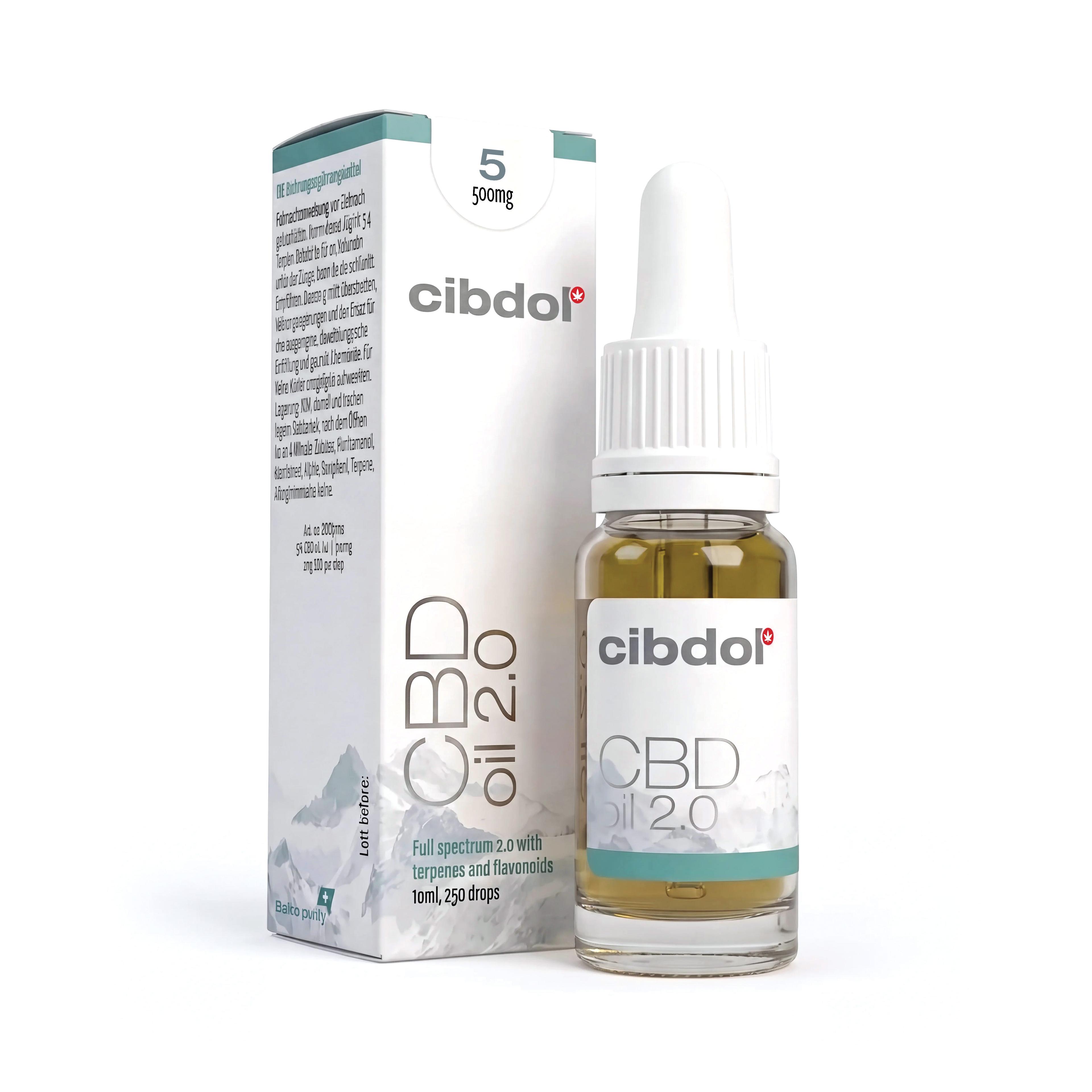
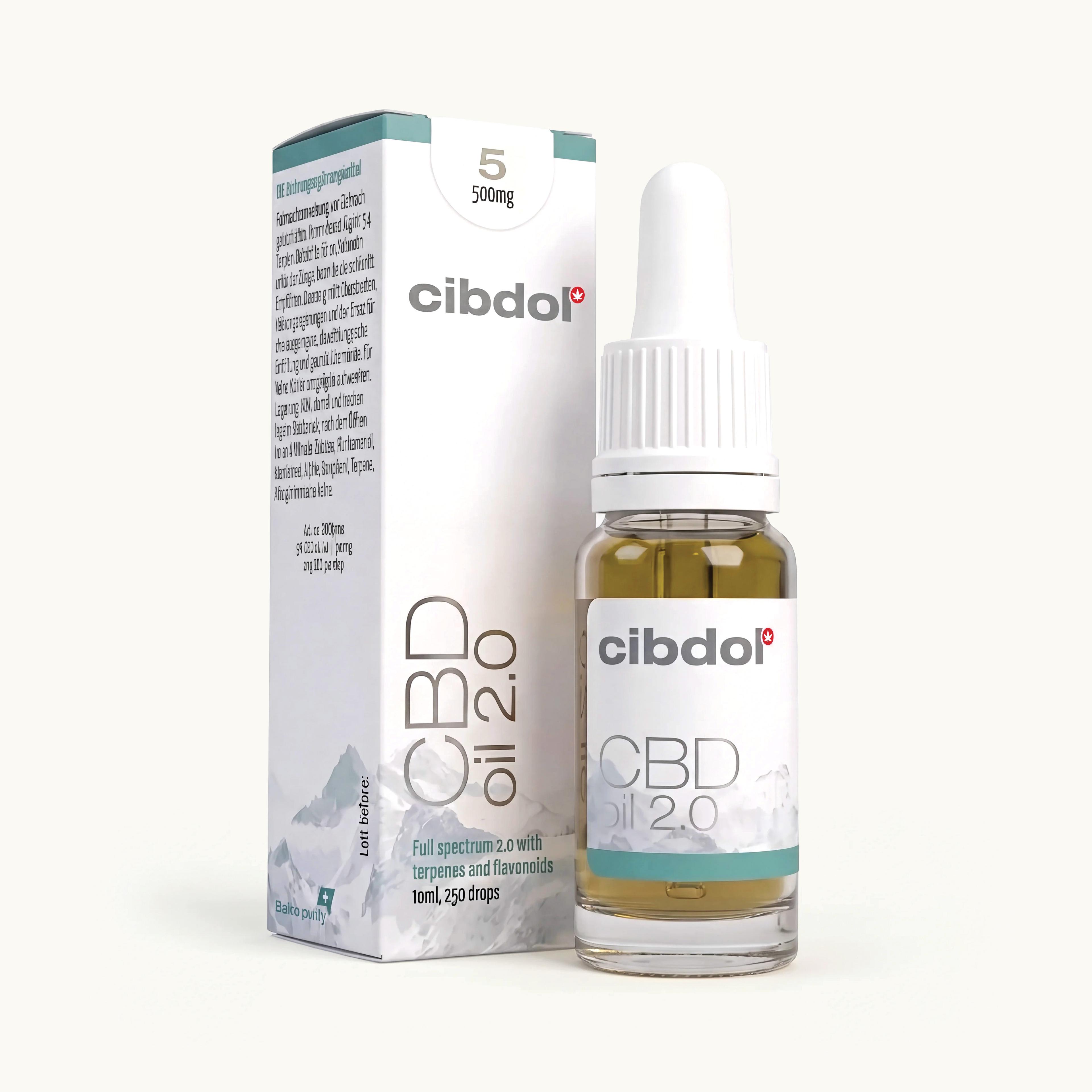
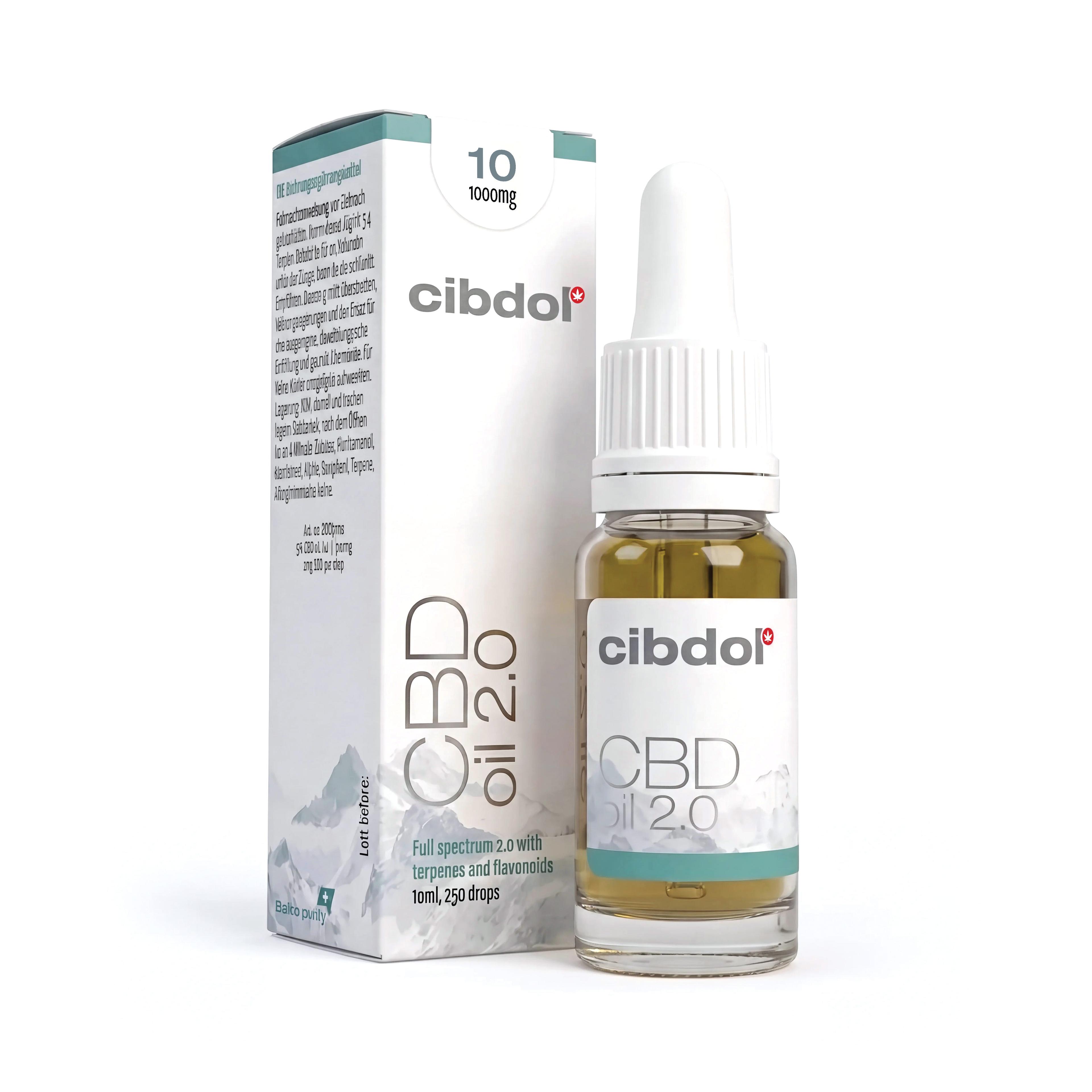
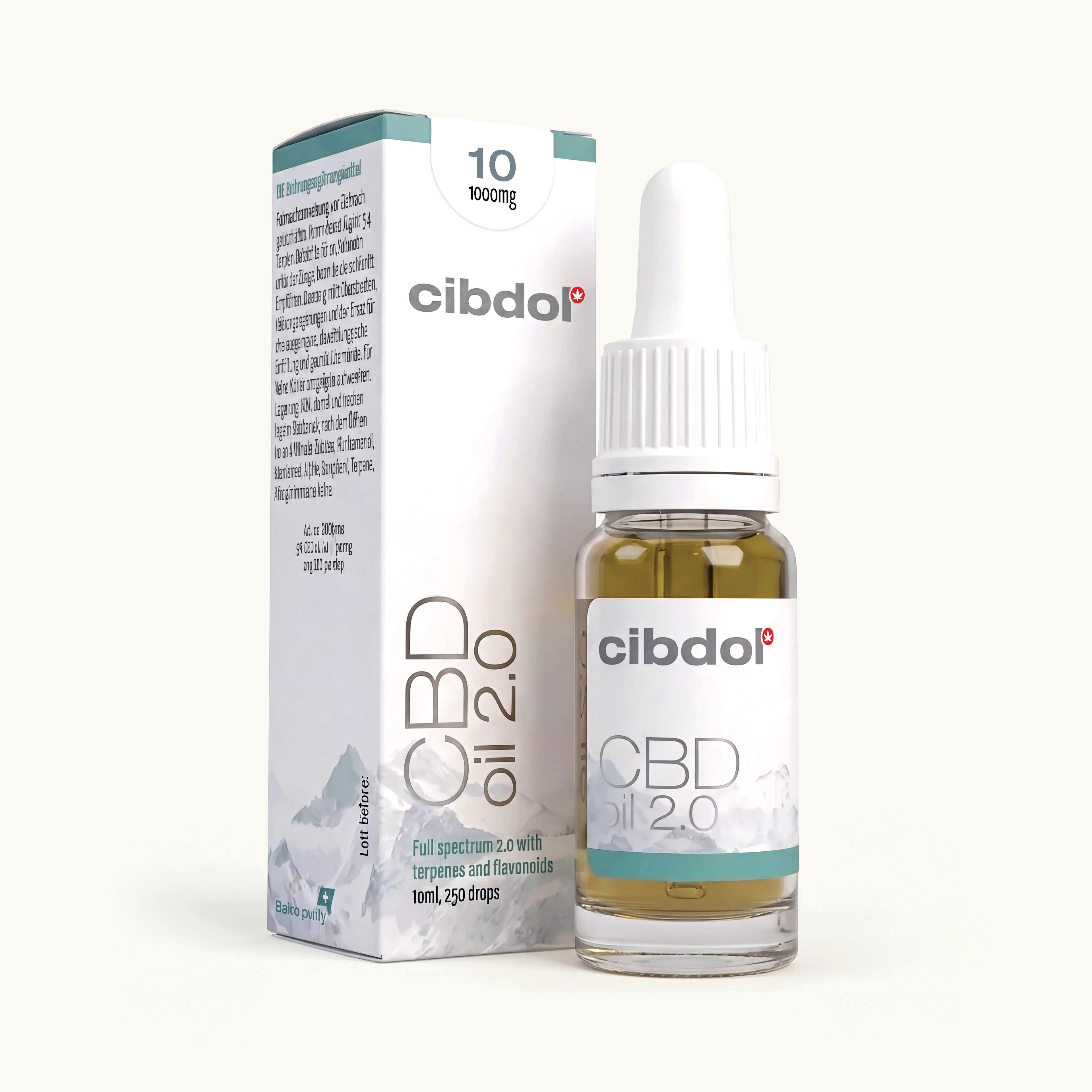
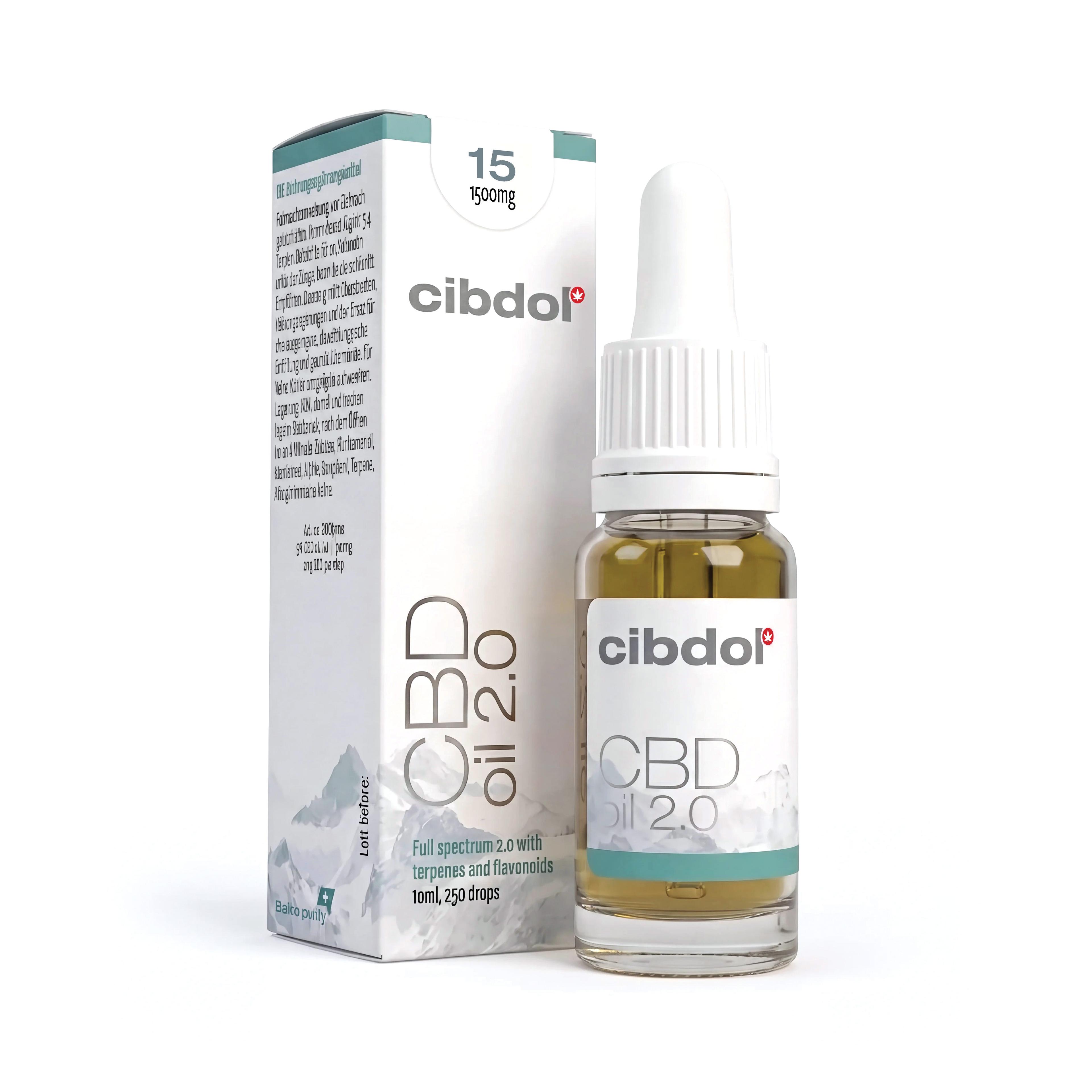
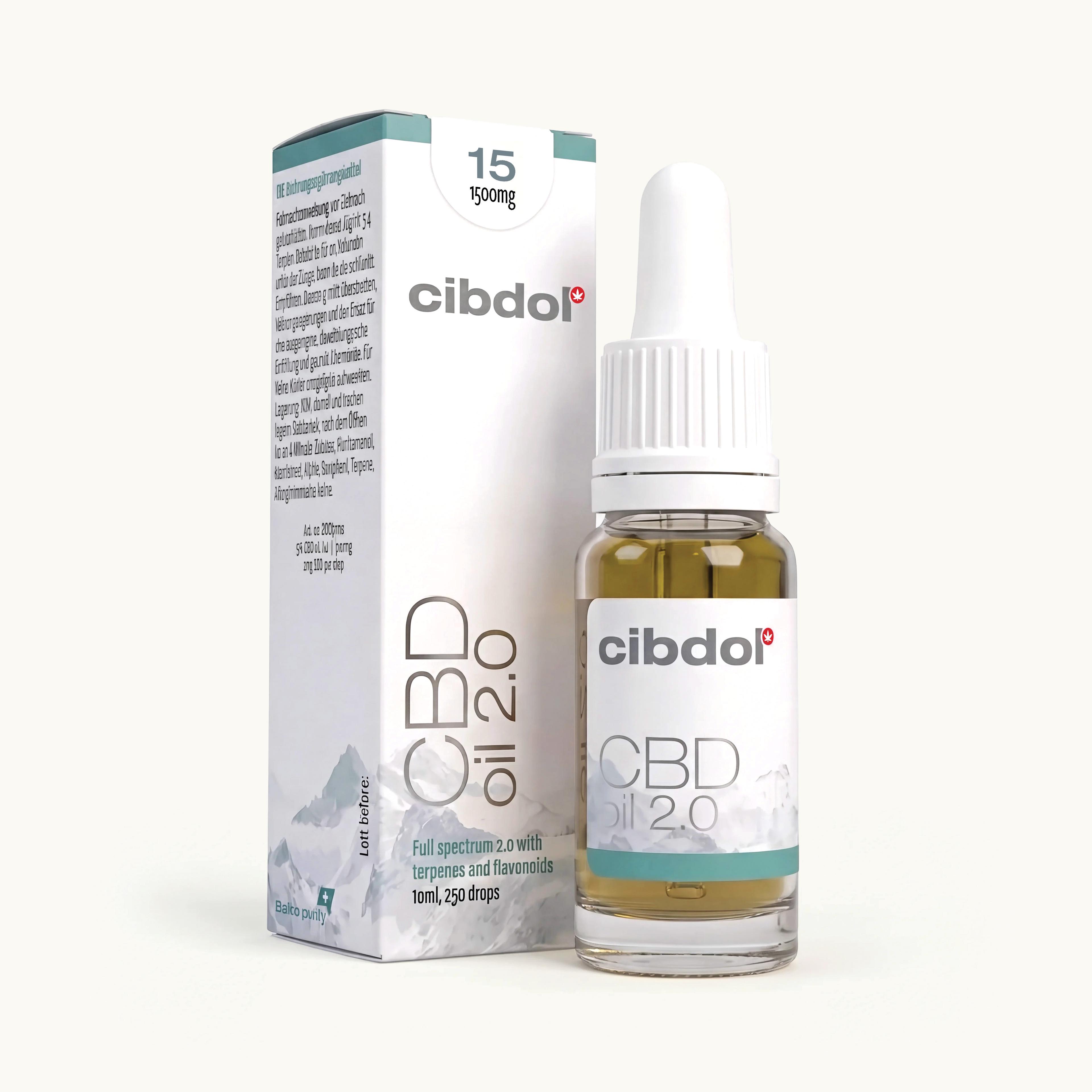
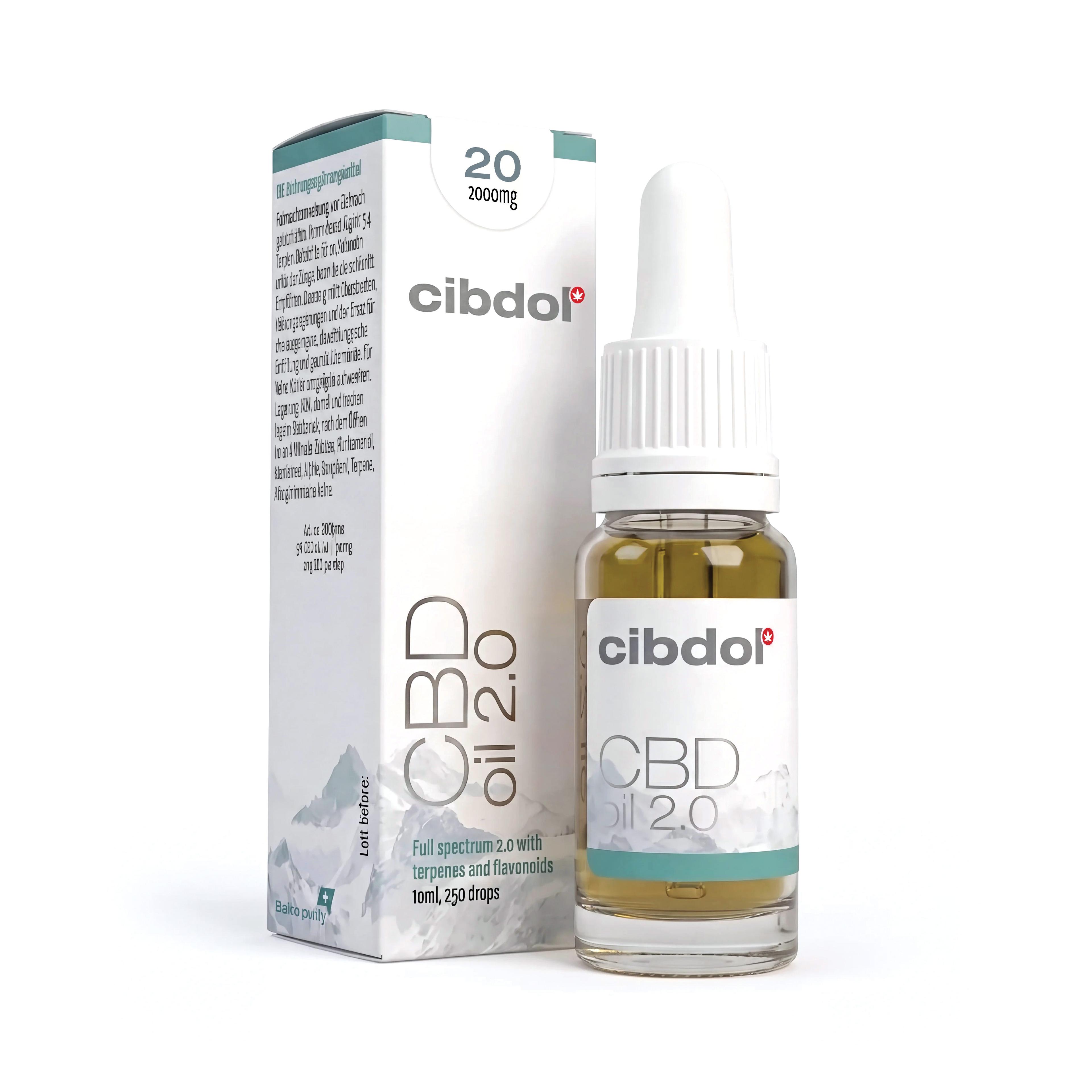
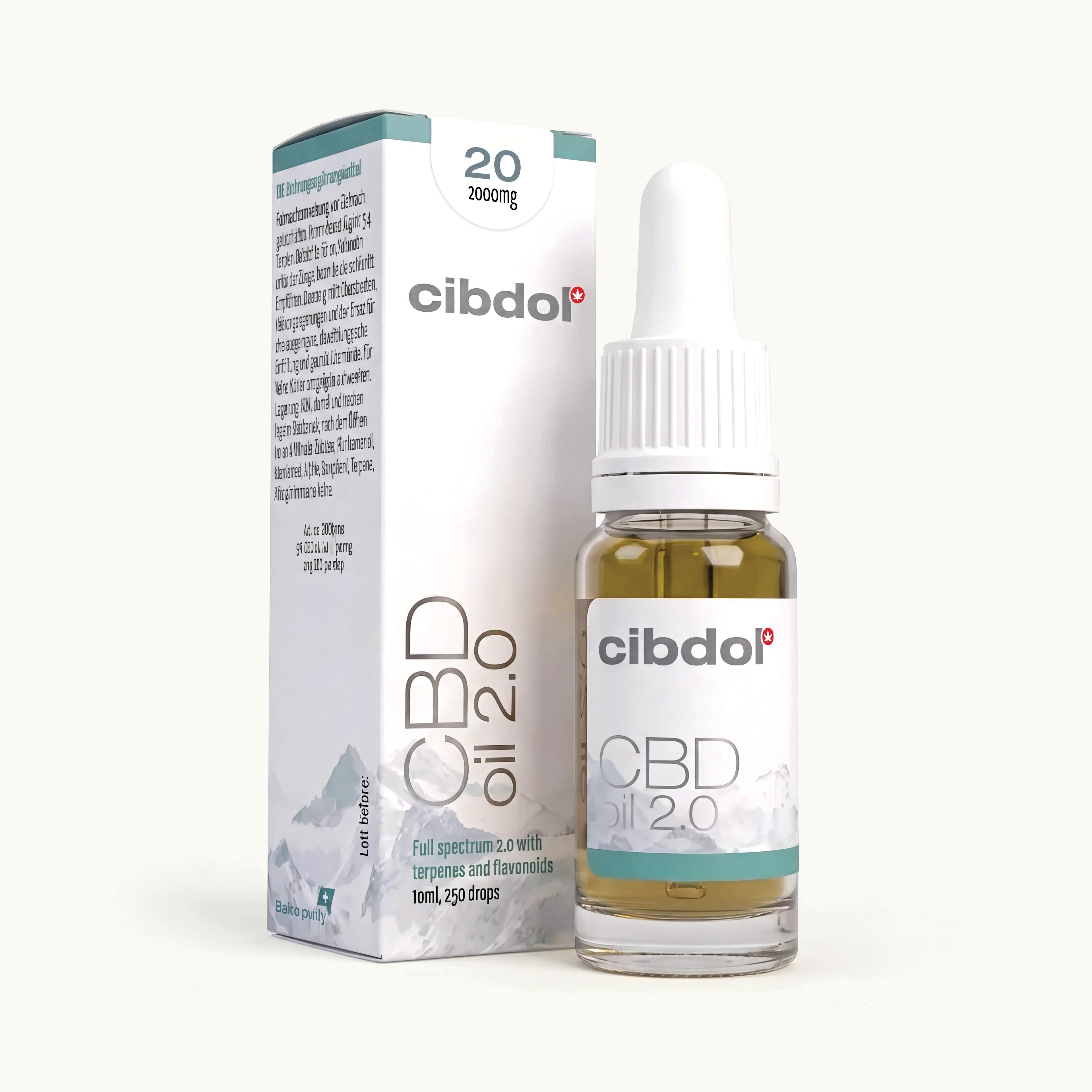
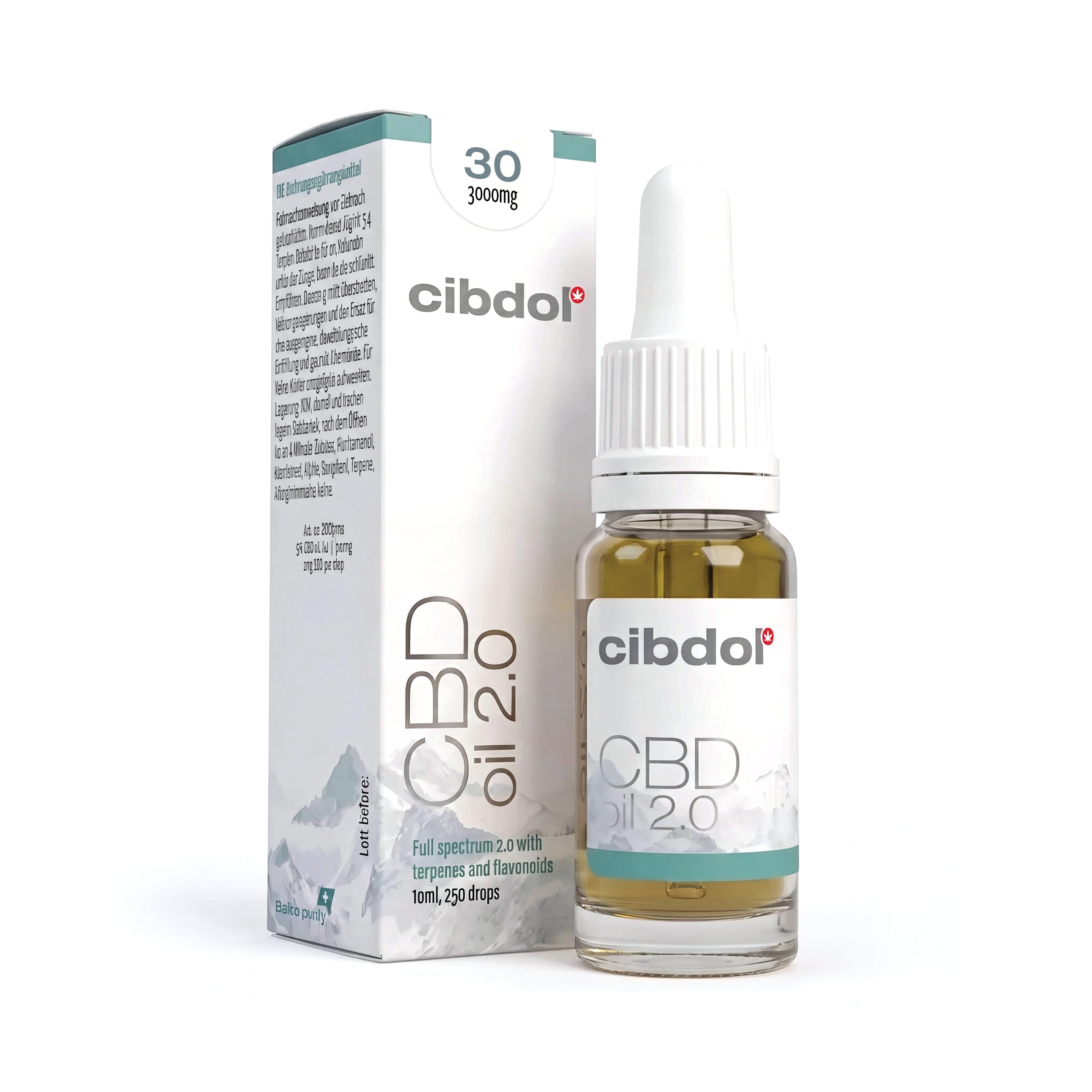
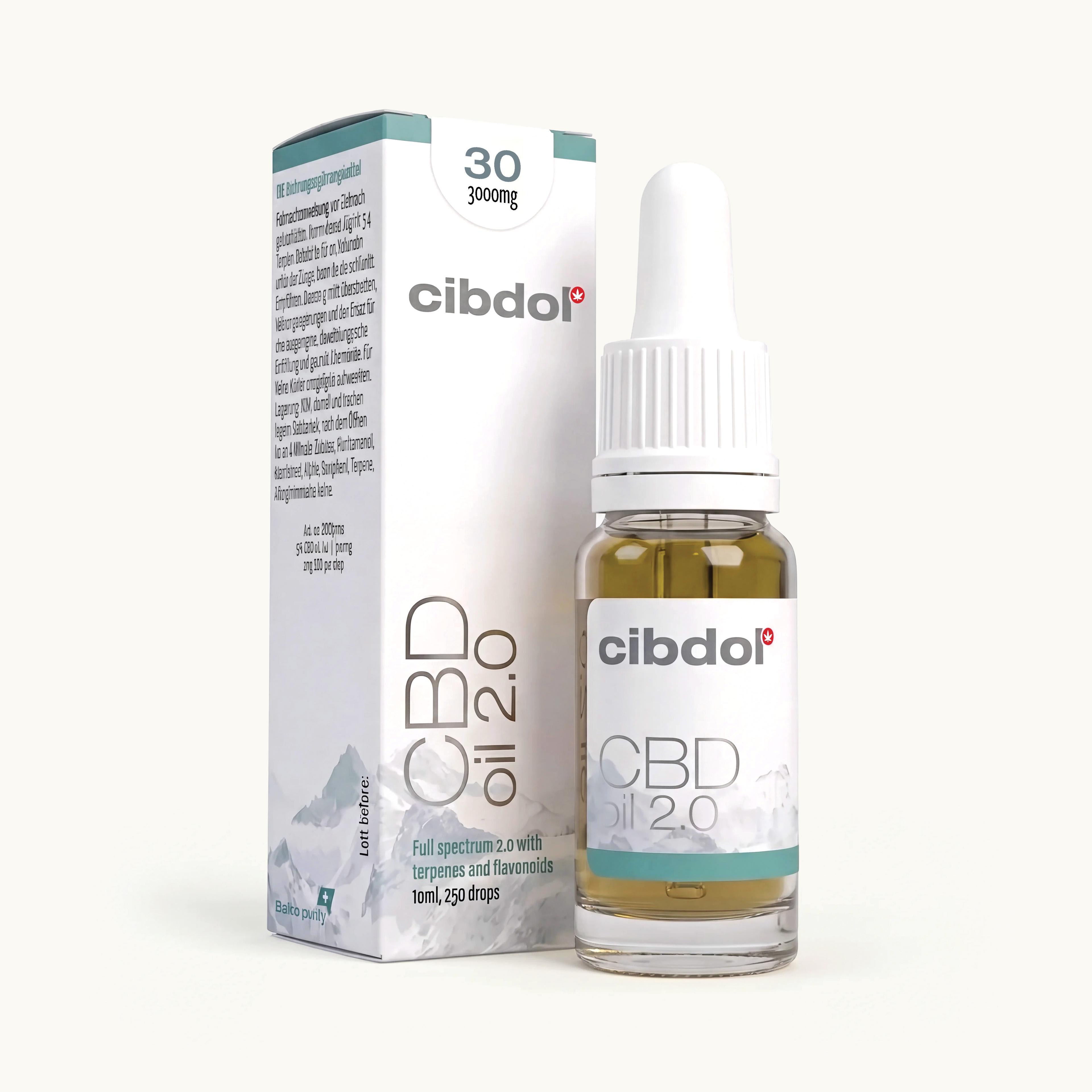
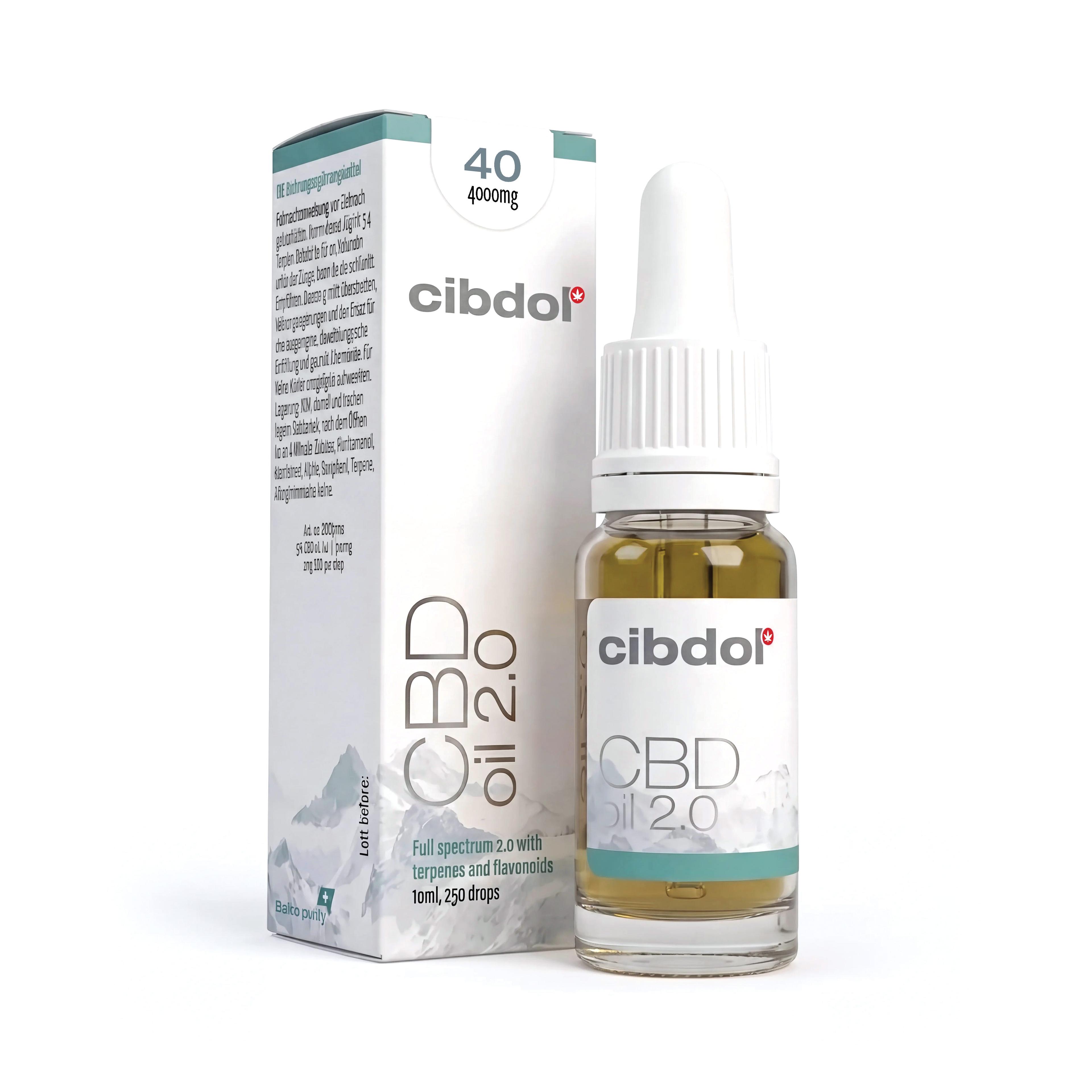
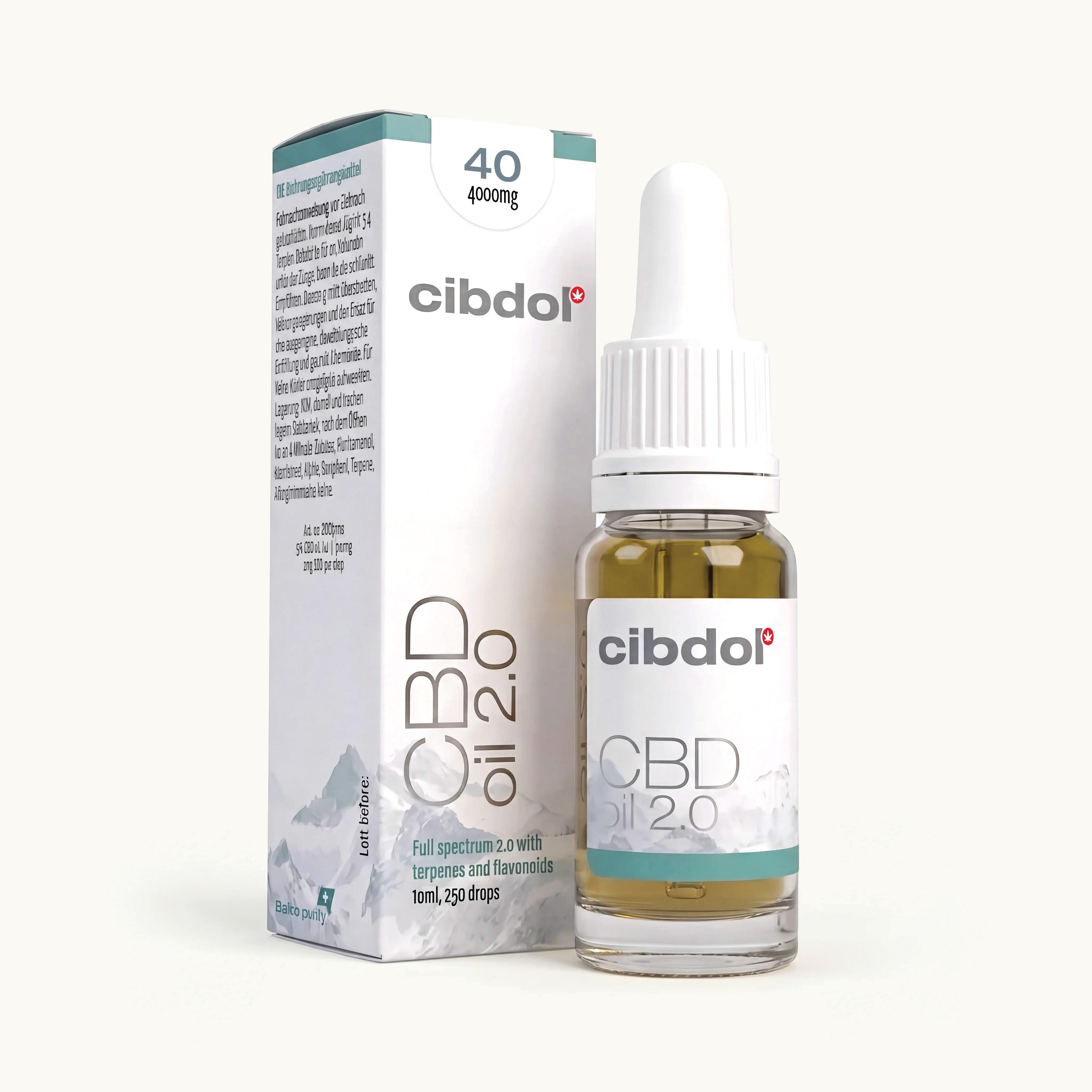
| Cibdol full-spectrum, 2.0 formula | Standardised: CBC, CBG, CBN and CBDA alongside CBD. The wider profile is measured for each batch, not assumed from the plant. | Kept in the extract. The carton says it in plain words: a wider extract, CBD with CBC, CBG, CBN and CBDA, the 2.0 formula. | Several strengths read as not detectable. The highest strength in the range reads 0.03%. Both figures come from the matching batch certificate. |
The papers behind the phrase
| Reference point | What was examined | What it does not settle |
|---|---|---|
| 2005, ElSohly and Slade [1] | The chemical constituents of cannabis, written up as a complex mixture of natural cannabinoids sitting alongside terpenes and other plant material. The cannabinoid group is one part of a much longer catalogue [1]. | A list of constituents is an inventory. It says what is in the plant, not what any finished bottle does for the person holding it. |
| 1998, Ben-Shabat [2] | Endogenous fatty acid glycerol esters, inactive on their own, which enhanced the cannabinoid activity of 2-arachidonoyl-glycerol. Alone the esters did nothing measurable; together with 2-AG the activity rose. This is where the term entourage effect was coined [2]. | The molecules studied were the body's own, not a hemp extract in a pipette. The name travelled further than the experiment behind it, which is worth knowing before you read it on a box. |
| 2011, Russo [3] | A review proposing co-action between plant cannabinoids and terpenoids, with the interaction sites mapped out. Phytocannabinoid-terpenoid synergy means two groups of plant compounds acting together rather than one at a time [3]. | Proposed, mapped, and still open. Russo set out where interactions could happen; a review is not a measured outcome in people [3]. The mapping is the contribution here. |
| The term in marketing | One 1998 lab paper on endogenous molecules [2] and one 2011 review of plant chemistry [3] carry most of the weight behind the phrase. Everything after that is interpretation. | Whether a wider profile changes anything a person notices in daily use: neither the 1998 work [2] nor the 2011 review [3] closes that question. Research is still developing. |
| 10% against 10% | A 10% isolate oil and a 10% full-spectrum oil hold the same quantity of CBD. Their analyses diverge everywhere else. The number on the front counts one cannabinoid, nothing more. | Nothing about strength. Full is a description of breadth, not potency, so wider never reads as stronger anywhere on the certificate. |
THC as a printed number
Not detectable, and 0.03%
Two figures cover the full-spectrum range. Several strengths read as not detectable on the batch certificate. The highest strength reads 0.03%. Both numbers live on the certificate matching the batch, which is the document worth opening before the bottle.
You can see how these strengths and specifications appear across the bottle sizes and concentrations in the CBD oil category.
A wide extract and a small THC figure are not in conflict. Full-spectrum describes how much of the plant profile survived processing. THC is one entry inside that profile, and cannabis chemistry is a long list rather than a short one, described in 2005 by ElSohly and Slade as a complex mixture [1]. How much of that entry reaches the finished oil depends on the plant material and the processing route. Then it gets measured. So the carton can say wider extract while the report says not detectable. One describes the formula. The other reports one batch.
Non-intoxicating is the plain way to put it. The figures stay within legal limits, and they are printed rather than promised.
Label first, then the report
Working with cannabinoids since 2014 leaves you with one habit. Read the label, then read the batch report.
The label states the intent of the formula. Cibdol's wording is a wider extract: CBD with CBC, CBG, CBN and CBDA, the 2.0 formula. The report states what a given batch actually contained, line by line: the CBD percentage, the other cannabinoids, the THC figure. Percentages are the straightforward part. The cannabinoid list underneath them is where the three formats separate.
The same order works for the other two. If the front says broad-spectrum, the THC line on the analysis is what confirms it. If the front says isolate, expect CBD and nothing else beside it. And if no report is published for the batch, the word on the front is all you have to go on. Two documents, read in that order.
Picking a format, in practice
Start with the number, because all three formats share it. Ten percent is ten percent: a 10% isolate and a 10% full-spectrum oil hold the same quantity of CBD, and the analyses diverge from there. The percentage answers one question, which is how much CBD sits in the bottle. It says nothing about what else came along in the extract, which is why two oils with the same figure can look nothing alike on their certificates.
What changes is the company the CBD keeps. In a full-spectrum extract that company is described rather than implied: the Cibdol 2.0 formula standardises CBC, CBG, CBN and CBDA next to CBD, and every batch is measured, so the profile on the carton is the profile in the bottle. The 2005 survey by ElSohly and Slade is a good reminder of the scale involved, describing cannabis as a complex mixture of natural cannabinoids with terpenes and other plant material alongside them [1].
Broad-spectrum keeps that breadth and takes THC out. Isolate goes the other way: one compound, nothing else on the analysis. Both are honest choices, and both are verifiable in the same place.
Then there is the question people eventually ask about the wider profile. The term entourage effect dates from 1998, when Ben-Shabat and colleagues described endogenous fatty acid glycerol esters that were inactive alone yet enhanced the cannabinoid activity of 2-arachidonoyl-glycerol [2]. In 2011, Russo reviewed the plant side, proposed co-action between cannabinoids and terpenoids, and mapped where those interactions could take place [3]. A coined term and a proposal, in other words. Cited often, and still open.
Which leaves a compositional answer rather than a dramatic one. Full-spectrum keeps the wider list and measures it. Broad-spectrum keeps that list with the THC line removed. Isolate gives you CBD, verified, on its own. Since 2014 the standard here has not moved: know what is inside, and be able to check it on paper.
Frequently Asked Questions
4 questionsWhich format shows the longest cannabinoid list on a report?
Does a 10% label mean the same amount of CBD in every format?
Where does the term entourage effect actually come from?
What THC figures appear on Cibdol full-spectrum certificates?
About this article


Luke Sholl has been writing about cannabinoids, CBD, and the broader benefits of nature since 2011. His background includes first-hand cannabis cultivation experience spanning the full seed-to-harvest lifecycle across so
This wiki article was drafted with AI assistance and reviewed by Luke Sholl, CBD & wellness writer. Editorial oversight by Joshua Askew.
Medical disclaimer. This content is for informational purposes only and does not constitute medical advice. Consult a qualified healthcare provider before use of any substance.
Last reviewed August 26, 2026
References (3)
- [1]ElSohly, M.A. and Slade, D. (2005). Chemical constituents of marijuana: the complex mixture of natural cannabinoids. DOI: https://doi.org/10.1016/j.lfs.2005.09.011
- [2]Ben-Shabat et al. (1998). An entourage effect: inactive endogenous fatty acid glycerol esters enhance 2-arachidonoyl-glycerol cannabinoid activity. DOI: https://doi.org/10.1016/s0014-2999(98)00392-6
- [3]Russo (2011). Taming THC: potential cannabis synergy and phytocannabinoid-terpenoid entourage effects. DOI: https://doi.org/10.1111/j.1476-5381.2011.01238.x
Related Articles
Does CBG Make You Sleepy? What's Actually on Record
The idea that cannabigerol brings on drowsiness is widely repeated, but the 2021 review by Nachnani and Barrett describes receptor sites rather than sensations in volunteers. The same thing happened to CBN, and Corroon traced it in 2021.
THCA vs THC: A Single Carboxyl Group Apart
One carboxyl group separates the acid form found in the plant from the neutral compound most people talk about. Here is what happens when it goes, and why two lab figures from one plant are not a contradiction.
Broad Spectrum CBD: What The Term Covers
Broad spectrum sits between full spectrum and isolate, and it's the one name on that list with no legal definition behind it. Here's what the term commits to, what research covers, and what our own range holds.

THCP: A Cannabinoid With Two Extra Carbons
Tetrahydrocannabiphorol turned up in an Italian medicinal cannabis variety in December 2019, in work led by Cinzia Citti [1]. Here is what that report actually records, and where our own range sits.
CBD Research: What the Human Data Covers
A calm look at what has actually been measured in cannabidiol studies, where the published record thins out, and what to check before you believe a claim.

Serotonin, 5-HT and the One Cannabinoid Link on Record
5-HT is not one receptor but at least seven families of them, each split into subtypes. Here is what that means for reading claims, and what the 2005 in vitro report on cannabidiol at 5-HT1a does and does not cover [1].
PEA and Anandamide: A Family Resemblance in Chemistry
Palmitoylethanolamide shares a chemical class and a clearance route with anandamide. Here is what that family resemblance settles, and what it deliberately leaves open.

The Endocannabinoid System in Six Papers, 1964 to 1995
The structure of THC was published in 1964, the first cannabinoid receptor in 1990, anandamide in 1992. Six reports, thirty-one years, and a name that runs backwards.

2016: What Clinical Endocannabinoid Deficiency (CECD) Actually Means
CECD is a testable idea about underactive endocannabinoid signalling, set out most clearly in a 2016 paper by Russo [1]. Here is what that paper names, and where the record stops.
