CBD Oil on the UK High Street: Reading the Pack Before the Till
Definition
CBD oil bought from a high-street chemist and CBD oil bought direct from a producer belong to the same category, described with very different amounts of detail. What separates them on paper is what's printed: a CBD figure in milligrams, a percentage, or both, and whether a batch analysis exists somewhere you can read it. This page stays on the label.
From shelf to carton, in order
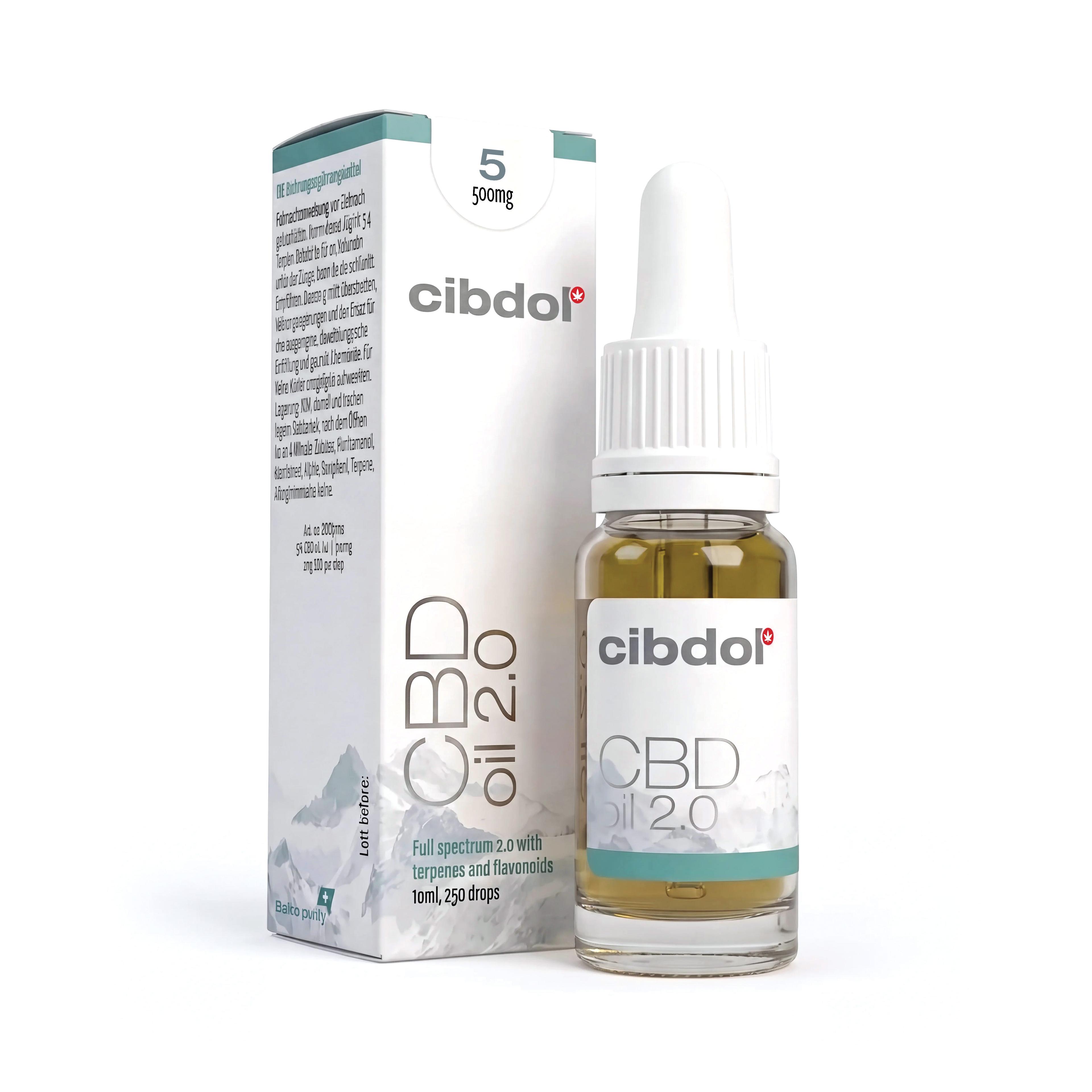
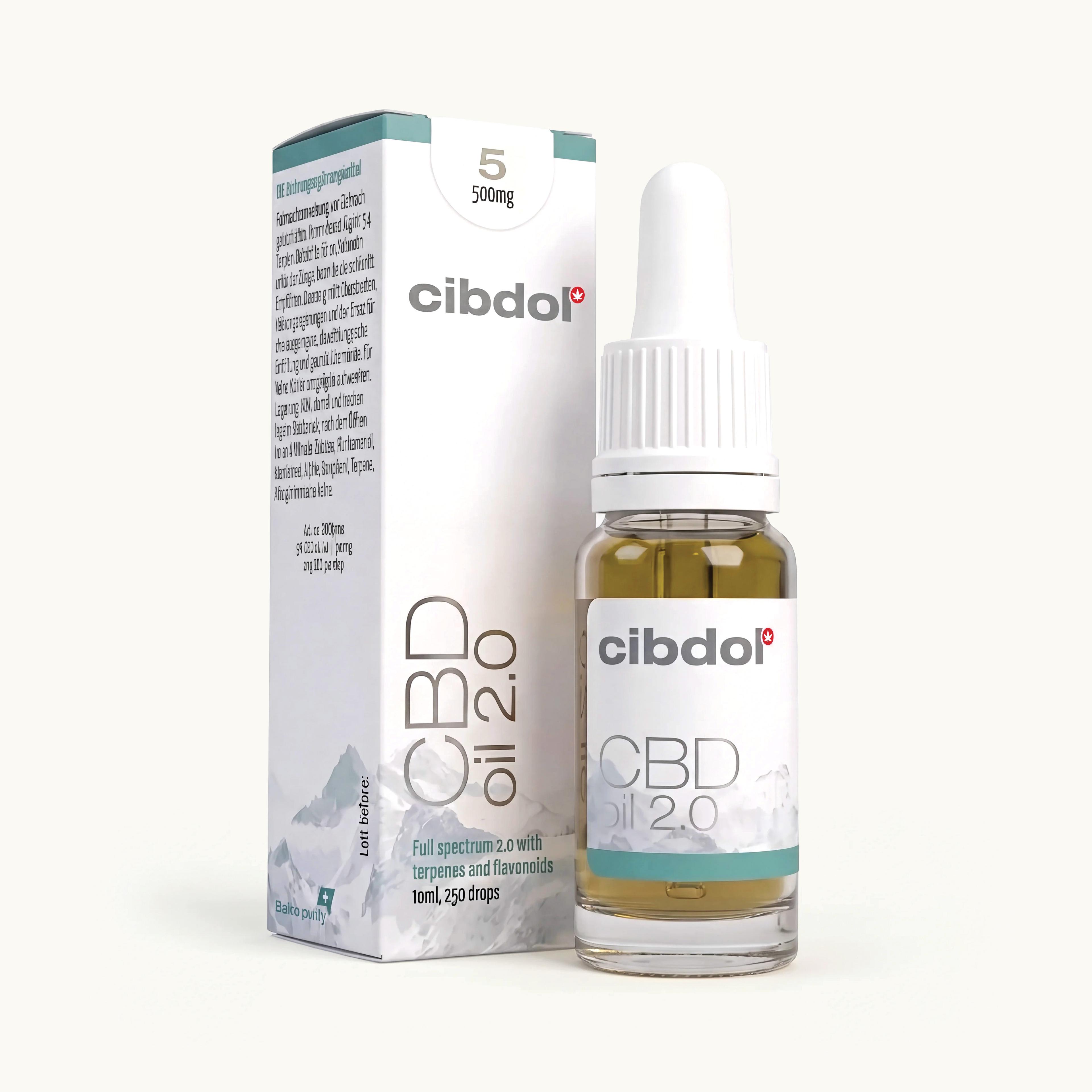
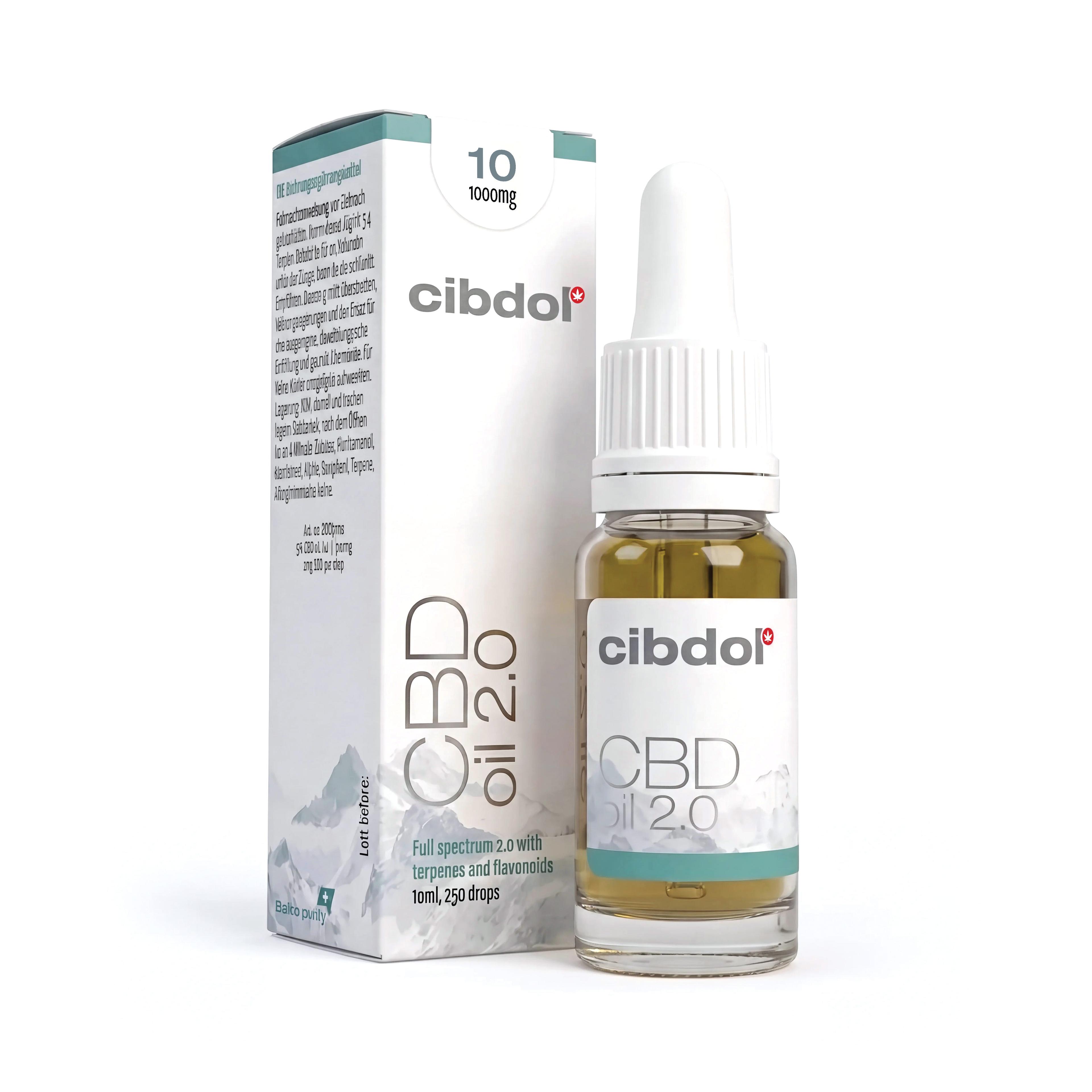
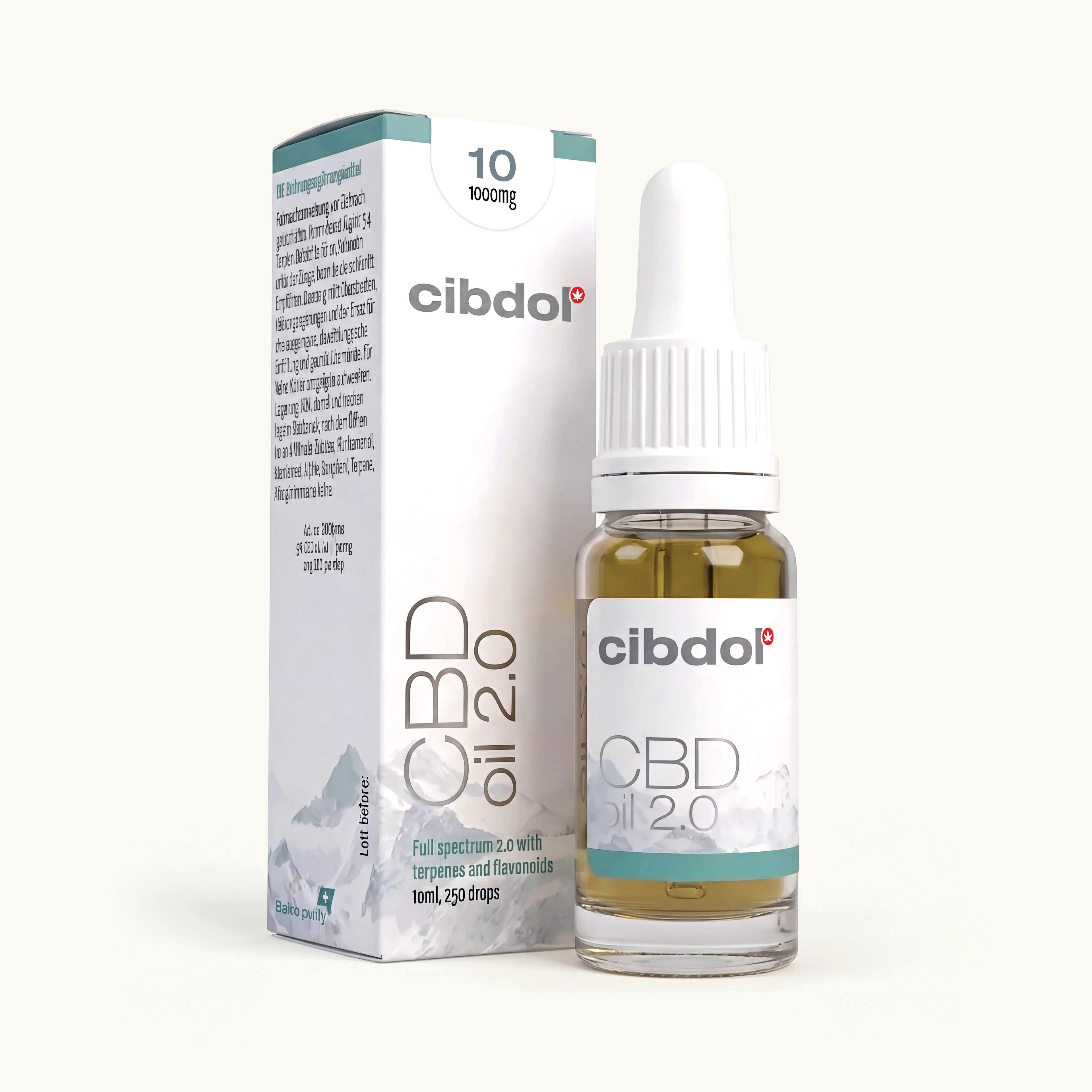
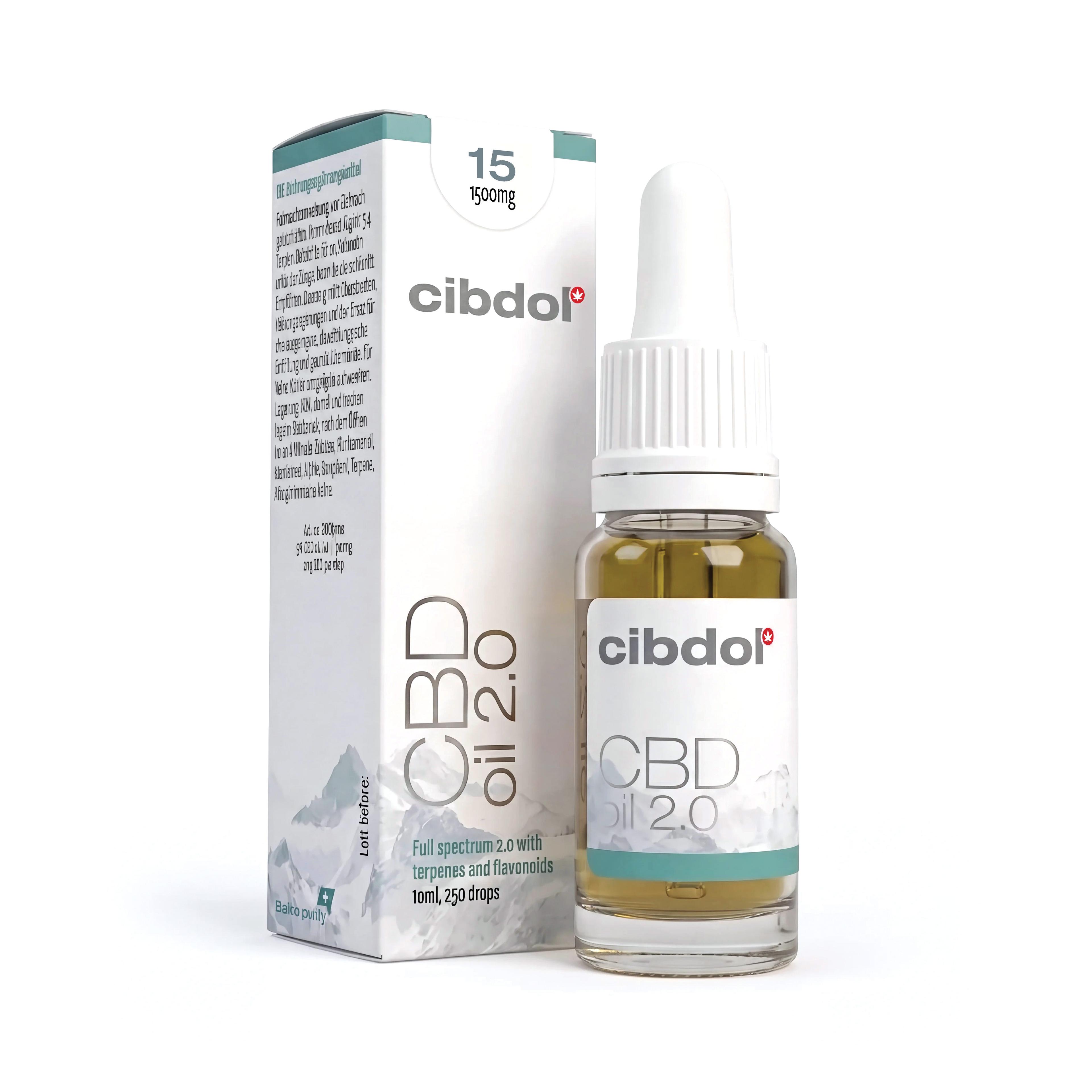
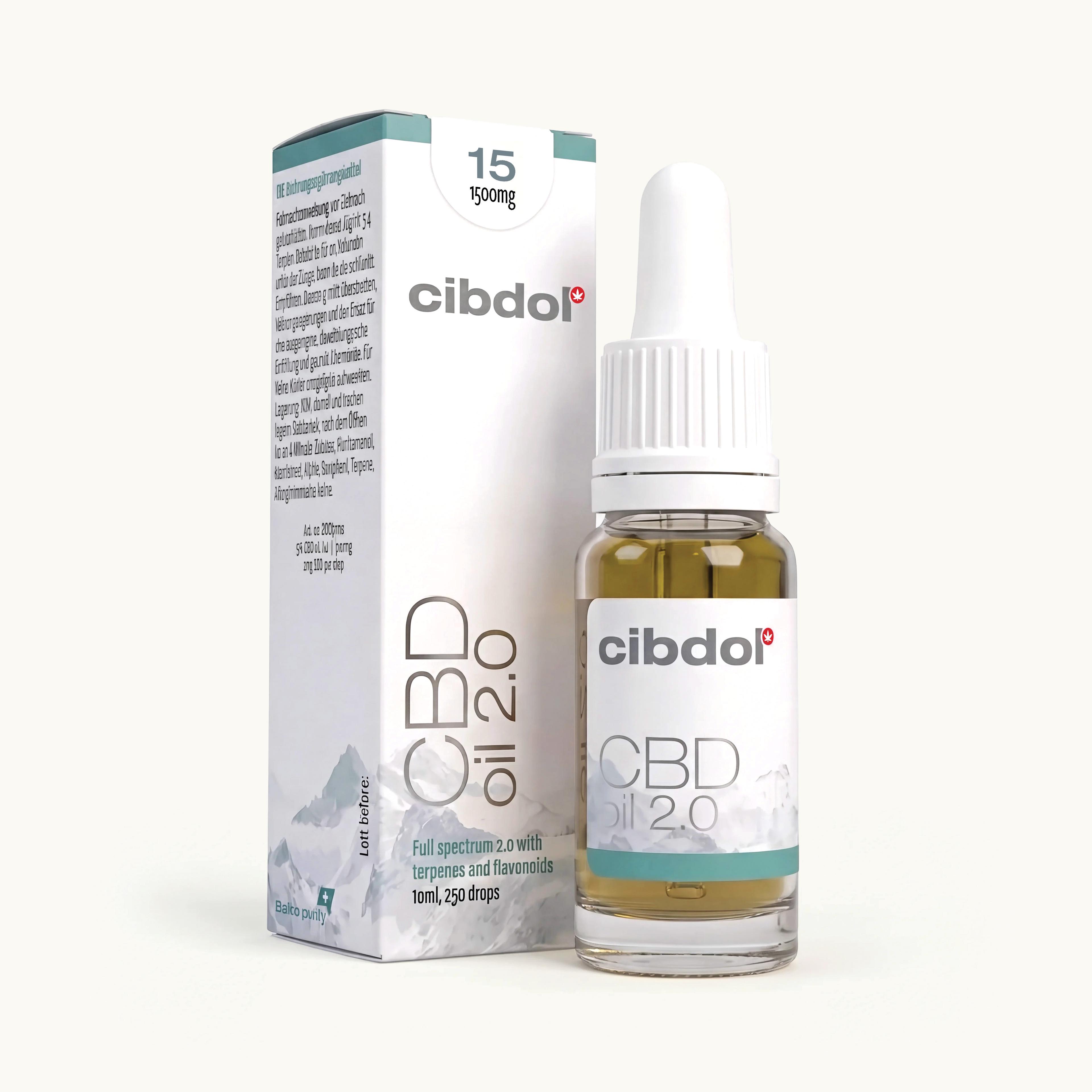
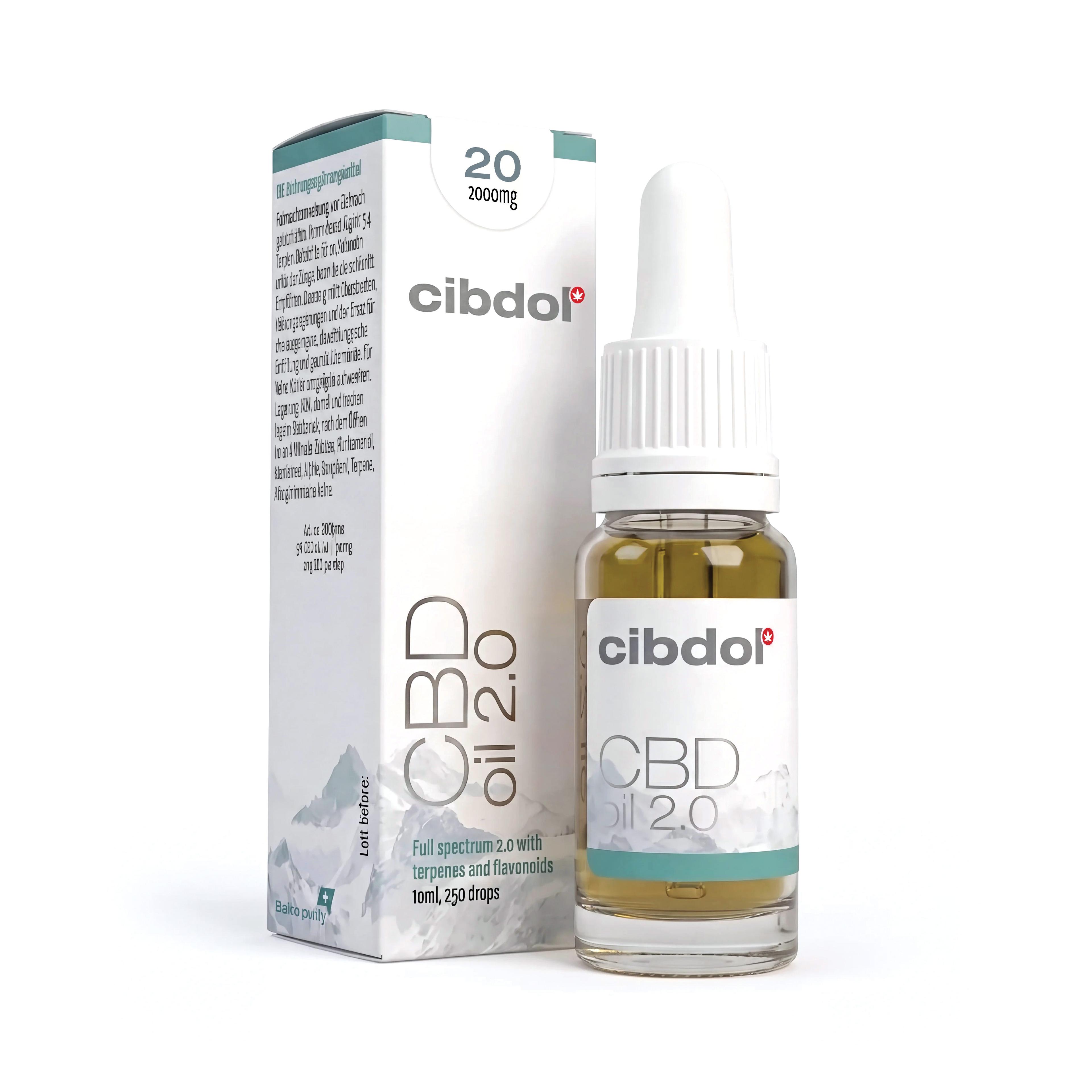
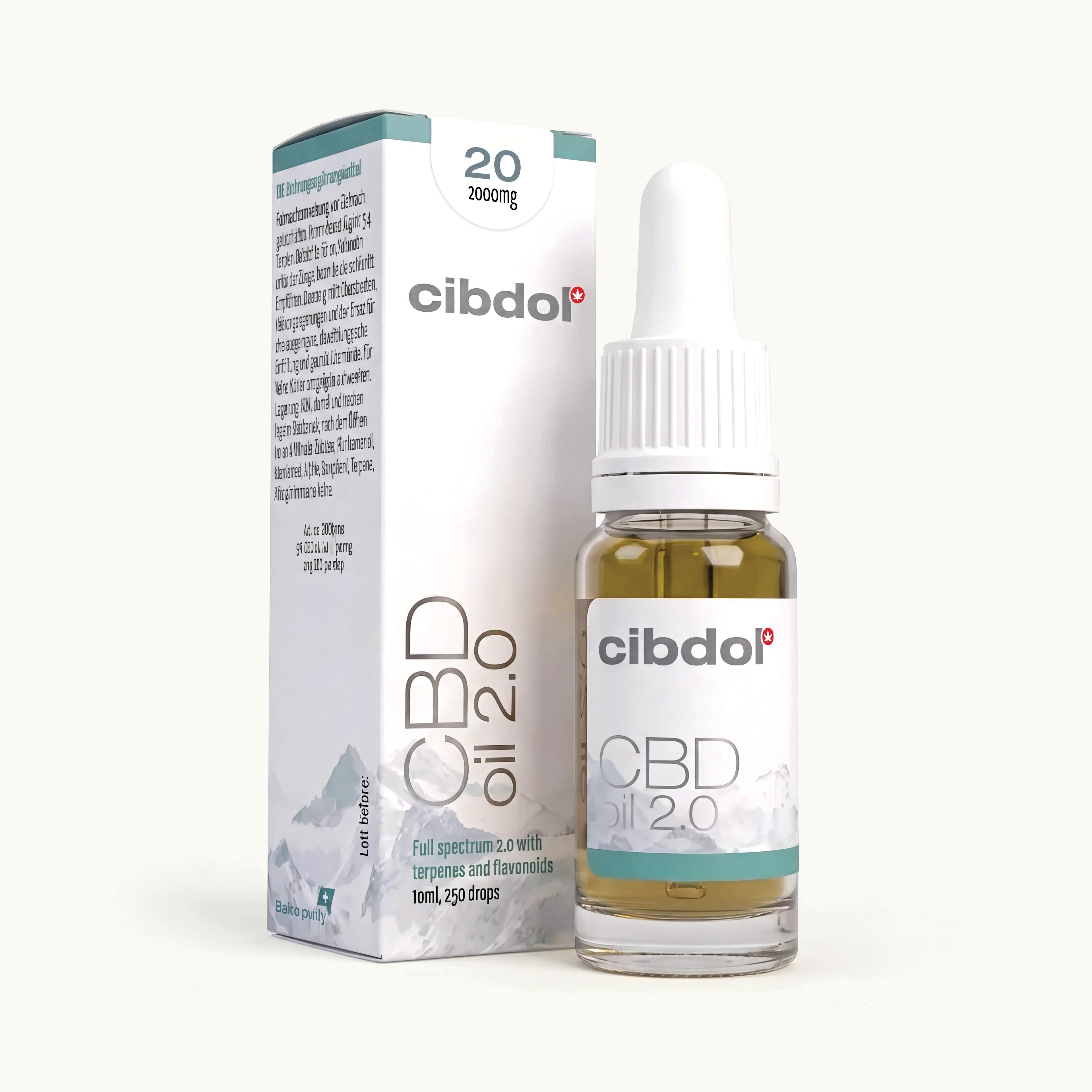
- The shelf tells you the aisle; the carton tells you the amount. Start with the outer carton, because that's usually where a CBD figure has room to appear, and it appears in milligrams, as a percentage, or as both.
- Milligrams first. A milligram figure fixes the total amount of CBD in the bottle. It's the one line that lets two packs of different sizes sit side by side without any converting on your part.
- Then the percentage. A percentage describes concentration, so it holds whatever size the bottle is. Useful for judging strength, less useful on its own for working out how much extract you're carrying home.
- Both figures, where they're given. Extract labels state CBD content as milligrams, as a percentage, or with both printed together. Both is the version that leaves you nothing to calculate, because concentration and bottle total are already there.
- No figure anywhere. If neither the bottle nor the outer carton carries a milligram figure, read the CBD content as unstated rather than implied. Presence isn't something to assume from the word hemp or from a green leaf on the front.
- Then the spectrum word. Full-spectrum and broad-spectrum are the two descriptions you'll meet most often, and the difference between them comes down to one compound.
- Last, the paperwork. Some producers publish a batch analysis for each production run, which means the printed figure can be checked against a lab report instead of accepted as printed.
Ten millilitres, ten percent, one thousand milligrams
- The arithmetic is small. A 10 ml bottle at 10% works out at roughly 1000 mg of CBD. Learn that one conversion and most of the range becomes readable, because the same pattern repeats up and down the strengths.
- Percentage and total only move together while the volume stays fixed. Change the bottle size and the same percentage gives a different total, which is exactly why the milligram line earns its place on the carton.
- Full-spectrum. Alongside CBD, a full-spectrum extract carries wider hemp compounds such as CBG, CBC and CBDA, with THC within legal limits. It's the description closest to what came out of the plant.
- Broad-spectrum. The same idea with one difference: THC is removed. Everything else in the description stays in the same family, so the choice between the two reads as a spec on the label, not a rung on a ladder.
- Named compounds, spelled out. CBG, CBC and CBDA are cannabinoids from the same plant, and seeing them named on a pack or in a batch report tells you the extract wasn't narrowed down to a single compound.
- One number to write down. Whatever else the front of the pack says, the figure worth noting is total milligrams of CBD in the bottle, because that's the figure a batch analysis can confirm.
- Then compare like with like. Two packs, two milligram totals, two spectrum descriptions. That's a comparison you can make standing in the aisle with nothing but the cartons in your hands.
Two hemp oils that share a shelf
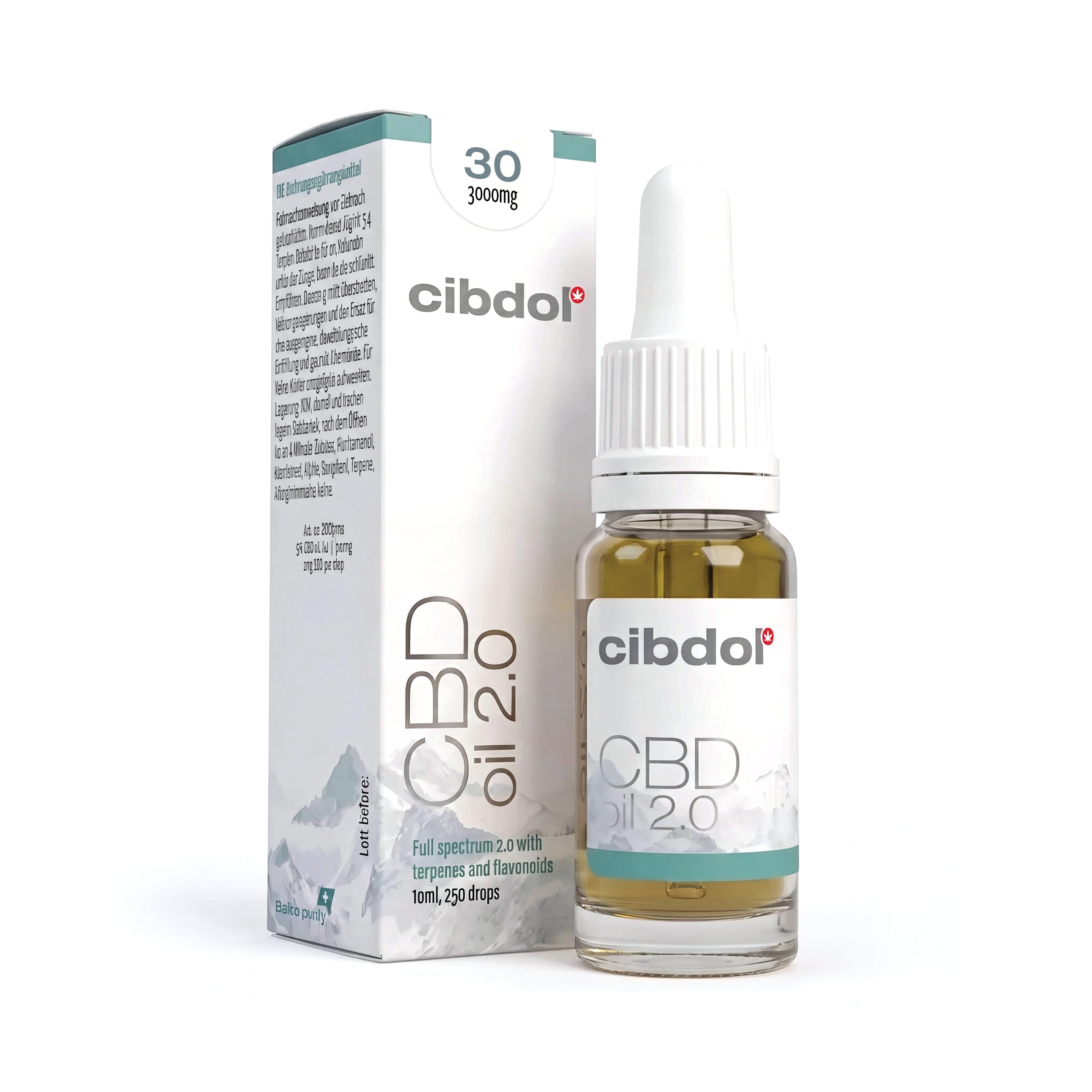
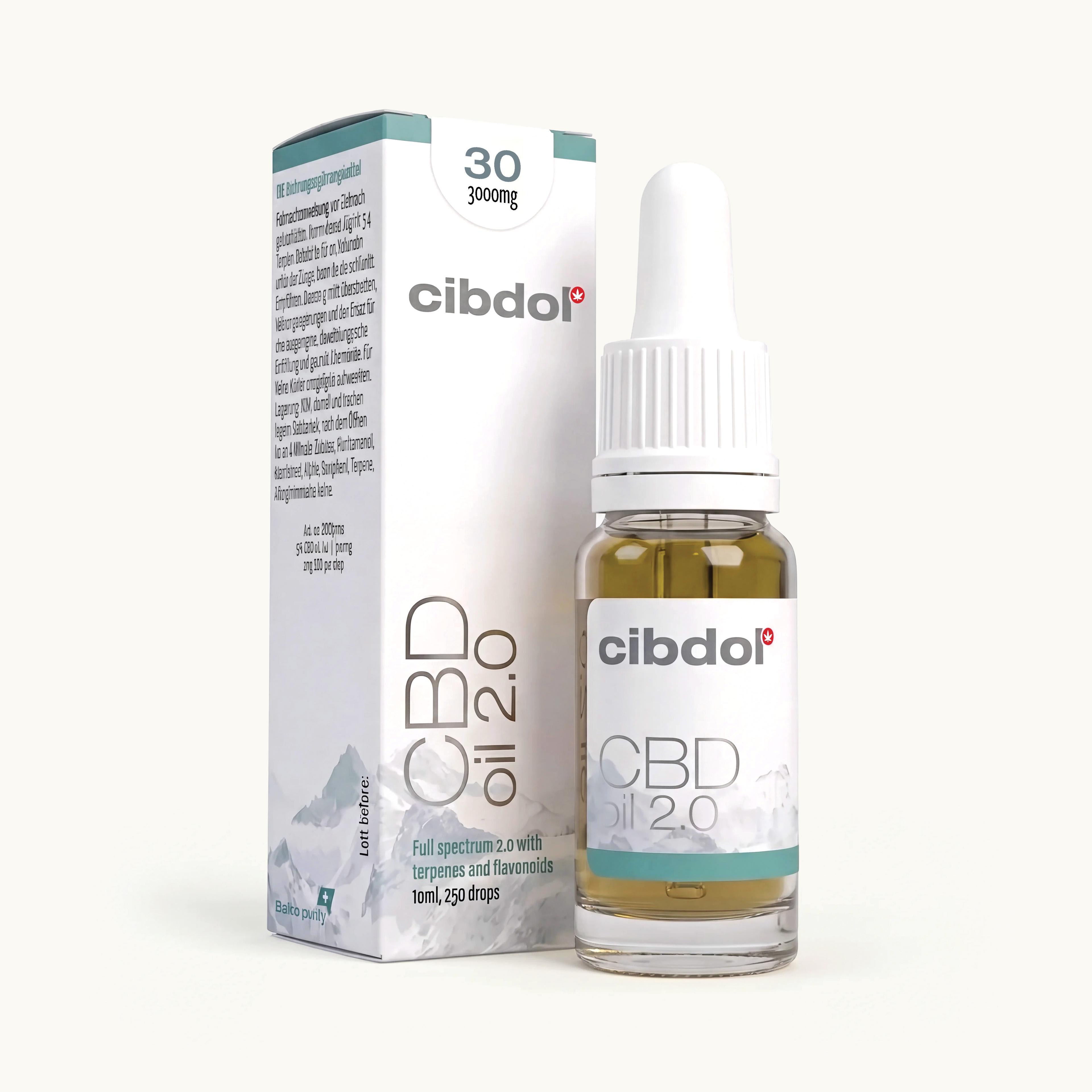
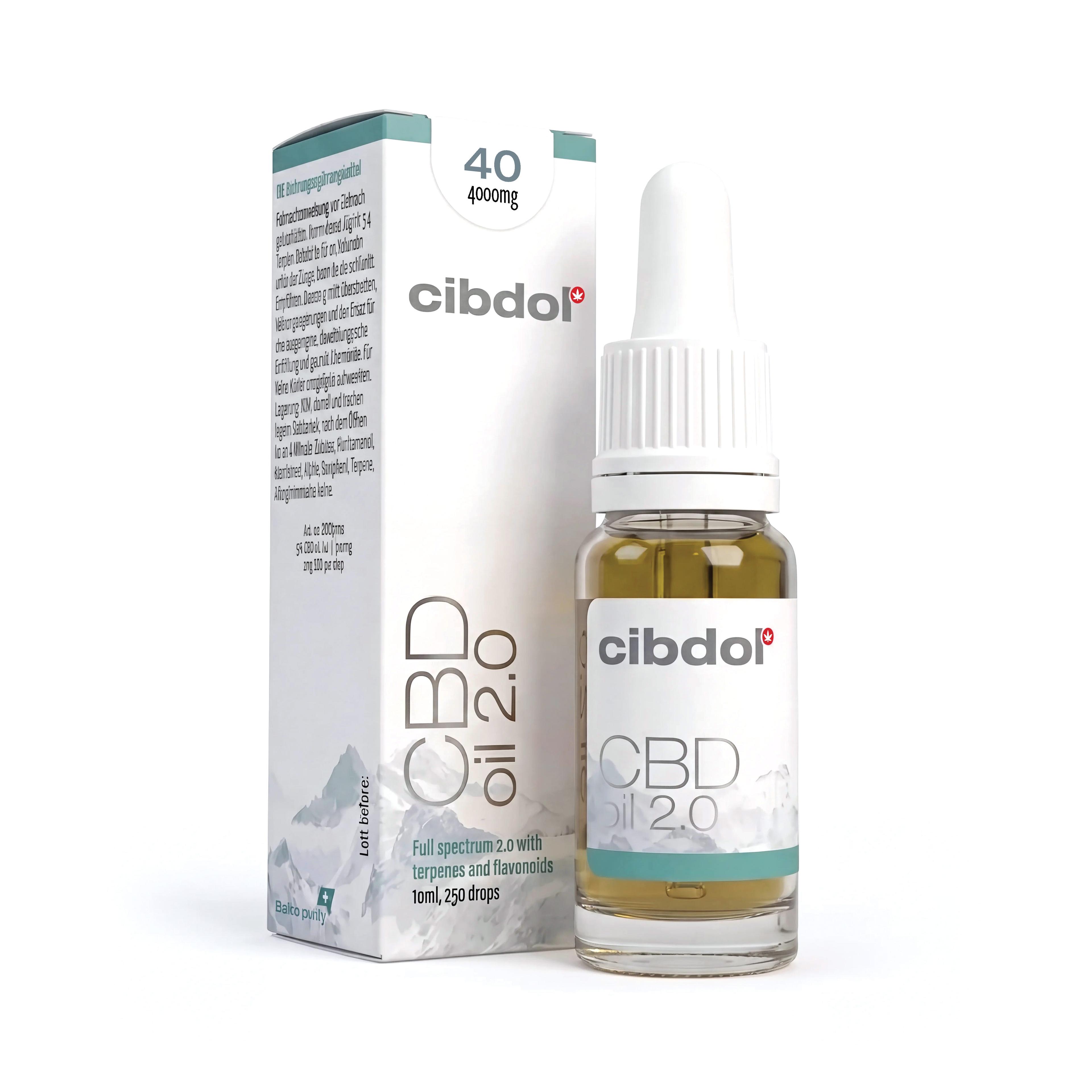
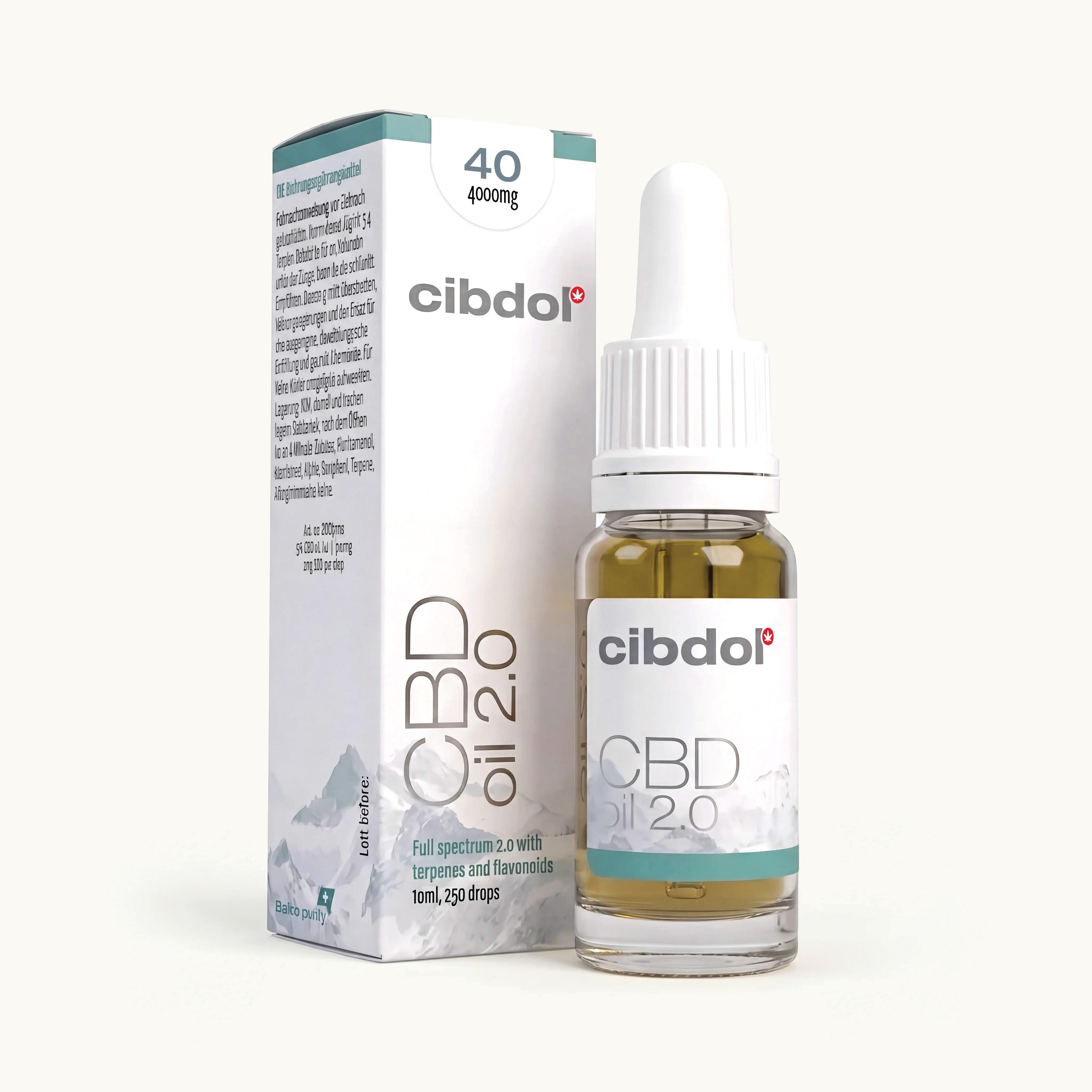
Hemp turns up in more than one aisle. The word sits on food-cupboard bottles, on cosmetics, and on dropper bottles of extract, and from a metre away the packs don't always look very different. The printed CBD figure is what separates them. An extract label states CBD content in milligrams, as a percentage, or both. Where no milligram figure appears on the pack or the outer carton, CBD presence isn't something to assume, however prominent the leaf on the front. That's a reading rule, not a verdict on any retailer. High-street stock and direct stock can both be well documented; what varies is how much of the documentation reaches the shopper before the till.
- The dropper. A pipette bottle is a format, not evidence of extract content. The figure decides that question, not the closure.
- The milligram line. Total CBD in the bottle, the one number that survives a change of pack size.
- The percentage. Concentration, which becomes a total the moment you know the volume, as with 10 ml at 10% and its 1000 mg.
- The spectrum word. Full-spectrum names the wider hemp compounds alongside CBD; broad-spectrum marks THC as removed.
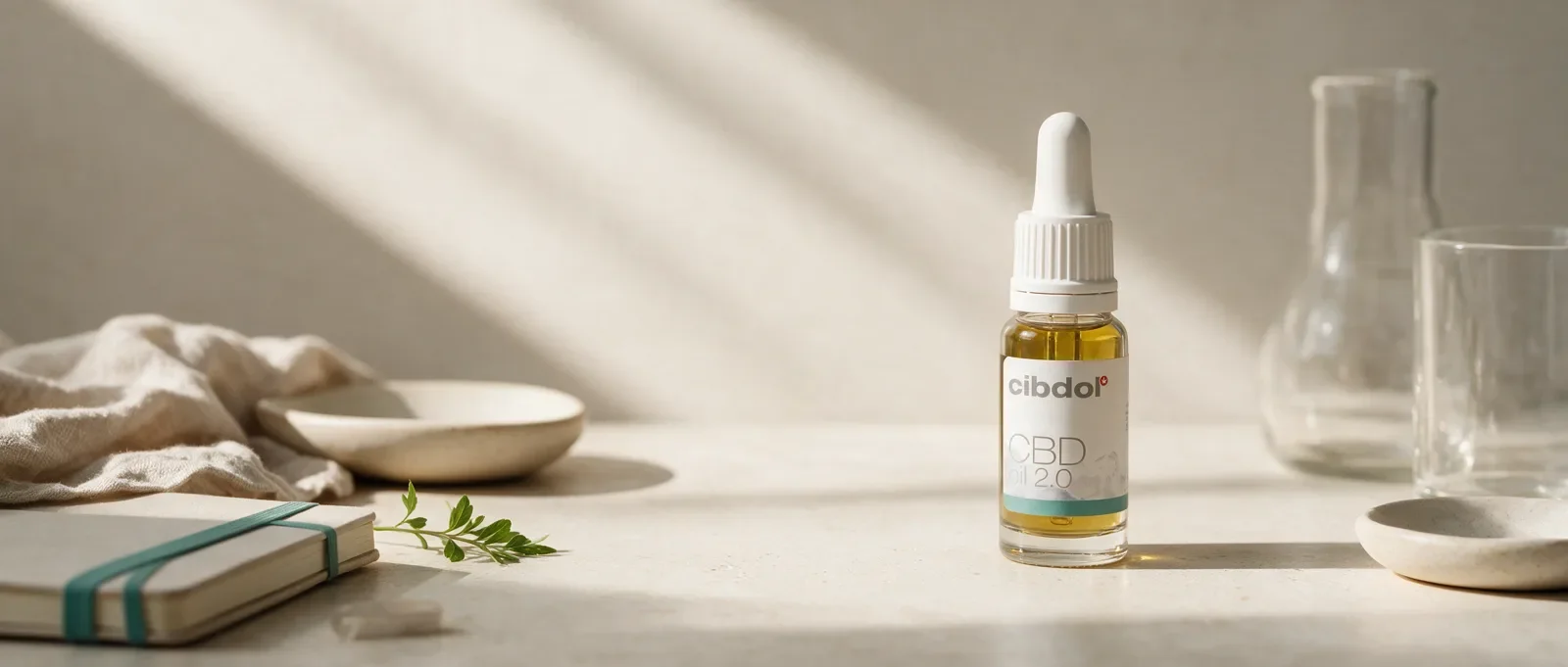
- The batch. A published analysis per production run turns a printed claim into something checkable. Cibdol has worked with cannabinoids since 2014, sells direct, and publishes batch analyses across its CBD oil range, which is an example of one documentation route rather than a quality comparison with anything on a chemist's shelf.
Cannabidiol in people: what the 2017 review says
Labels answer what's in the bottle. They don't answer what the research has settled, and the honest version of that answer is short. Iffland and Grotenhermen published a review in 2017 that gathered the clinical data available at the time on how cannabidiol is tolerated in people [1]. The closing position is the part worth carrying to the shelf: across several areas, further controlled research was still needed [1]. That's the state of the record, not a hedge written for a website. It's also why this page sticks to printed figures, batch documents and vocabulary instead of describing what a bottle does. Since 2014 the order has stayed the same here: know what's inside first, read the research second, keep the two apart.
- The 2017 review [1] looked at clinical data on cannabidiol tolerability as a body of work rather than reporting a single trial.
- Its conclusion [1] names several areas where further controlled research was needed, which is the sentence to remember whenever a pack or a post sounds more certain than the literature.
- Product classification and the scope of the UK framework sit outside label reading, and our separate article on is CBD legal in the UK is where that ground is covered, so start there if the regulatory side is what you came for.
- Nothing on this page is legal advice. For the position on one specific product, the two places to ask are the relevant authorities and the company placing that product on the market.
What each printed line settles
| Printed on the pack | What it fixes | What it leaves open |
|---|---|---|
| CBD in milligrams | The total amount of CBD in the bottle, comparable across pack sizes | Concentration, unless the volume is printed too |
| CBD as a percentage | Concentration of the extract, independent of bottle size | The total you take home, until the volume is known |
| Milligrams and percentage together | Both strength and bottle total, with no conversion left to you | Whether an independent analysis backs the figures |
| 10 ml at 10% | Roughly 1000 mg of CBD in that bottle | Which compounds sit alongside the CBD |
| No milligram figure on pack or carton | Only that CBD content is unstated | Everything else; presence is not assumed from the word hemp |
| Full-spectrum | CBD plus wider hemp compounds such as CBG, CBC and CBDA, THC within legal limits | The exact amounts, which belong to the batch report |
| Broad-spectrum | The same wider profile with THC removed | Again the amounts, and the run the bottle came from |
| Published batch analysis | A lab record for that production run, readable before you open the bottle | Anything the research hasn't settled, as the 2017 review makes plain [1] |
| Regulatory status of one product | Nothing on the label alone | A question for the relevant authorities and the company placing it on the market |
Frequently Asked Questions
4 questionsHow many milligrams of CBD are in a 10 ml bottle at 10%?
The pack shows a percentage but no milligrams. Is that enough?
Full-spectrum or broad-spectrum: what actually changes?
Who can tell me where one specific product stands legally?
About this article


Luke Sholl has been writing about cannabinoids, CBD, and the broader benefits of nature since 2011. His background includes first-hand cannabis cultivation experience spanning the full seed-to-harvest lifecycle across so
This wiki article was drafted with AI assistance and reviewed by Luke Sholl, CBD & wellness writer. Editorial oversight by Joshua Askew.
Medical disclaimer. This content is for informational purposes only and does not constitute medical advice. Consult a qualified healthcare provider before use of any substance.
Last reviewed August 27, 2026
References (1)
- [1]Iffland, K., & Grotenhermen, F. (2017). Cannabis and Cannabinoid Research, 2(1), 139-154. DOI: https://doi.org/10.1089/can.2016.0034
Related Articles
CBD and Driving: Three Questions, Kept Apart
Roadside screening targets THC, and cannabidiol is not on the target list. Here is how blood concentration limits, trace THC in full-spectrum oil, and product law sit in three separate files.
Is CBD Legal in the UK? Reading the Two Rulebooks
The UK question almost never turns on CBD. It turns on THC under the Misuse of Drugs Act framework, and on food law once a product is sold to be eaten or drunk.
