Is CBD Legal in the UK? Reading the Two Rulebooks
Definition
CBD legality in the UK is decided by two separate bodies of law: controlled substances law, which names THC and other cannabinoids, and food law, which applies the moment a product is meant to be swallowed. CBD itself is rarely the deciding factor. This page explains how the frameworks are built and where to read the current text.
The question that isn't about CBD
Is CBD legal in the UK? The honest answer starts in an odd place: the question hardly ever depends on CBD itself.
What UK law controls is THC, along with a list of other cannabinoids, under the Misuse of Drugs Act framework. Cannabis containing THC is a controlled drug here, whatever a bottle says on the front and whichever shelf it sits on. Marketing gets no vote in that.
So the useful version of the question is narrower than the one people usually type into a search box. Is the thing in front of you a preparation caught by controlled substances law? And is it also a food, which brings a second rulebook along with it? Those two frameworks sit side by side and ask different things. One is about control. The other is about composition, contaminants and labelling.
We've been working with cannabinoids since 2014, and the pattern rarely shifts. People arrive worried about CBD. They leave understanding that the controlled part of the equation is THC.
A note on scope before the detail. This is legal information, not legal advice.
- The controlled part of the equation is THC, not CBD.
- Cannabis containing THC: a controlled drug in the UK, regardless of how it is described or sold.
- Two frameworks apply in parallel, controlled substances law and food law.
- Oils, capsules, gummies and drinks count as foods in law, so food rules follow them.
- What this page won't do: decide the lawfulness of a specific product, a specific batch or your own situation.
- No claim is made here about any brand's range, ours included.
Controlled substances, without the jargon
Two texts do the heavy lifting. The Misuse of Drugs Act 1971 and the Misuse of Drugs Regulations 2001. Between them they control cannabis, cannabis resin, THC and other cannabinoids by name.
That sounds like a closed door, and for a plain THC-containing product it is. The UK route runs through the exempt product provisions. Put plainly: a preparation containing a controlled substance can sit outside the usual controls, but only where specific regulatory conditions are met. Specific means written into regulation, with qualifying wording and figures attached, rather than settled by a supplier's confidence.
This is where most of the confusion in the category lives. Legal status is a property of the substance and the preparation, not of the wording on the carton. A product presented as hemp, as a food supplement or as a lifestyle item is still read against the same schedules.
If you want the arithmetic rather than the principle, our companion page on THC limits sets out how those figures are written and what they are measured against. It's the right place to go next if numbers are what you came for.
And when those numbers matter to a decision, the batch report is where they live. That's been the standard here since 2014: publish the independent analysis, let people check the bottle against it.
- Primary legislation: the Misuse of Drugs Act 1971.
- Secondary legislation: the Misuse of Drugs Regulations 2001.
- Named in those texts: cannabis, cannabis resin, THC and other cannabinoids.
- The exempt product provisions: conditions to be satisfied, not a blanket exemption.
- The same schedules apply whether something is sold as hemp, as a supplement or as an oil.
- Descriptive language on a pack changes nothing about control status.
The food side of the file
Sell a CBD product as something people swallow, and a second framework switches on. CBD extracts have no significant history of consumption in the EU before May 1997, and that date is the cut-off which places an ingredient in novel food territory.
It helps to say what novel food does not mean. It isn't a verdict on quality, and it isn't a description of how an ingredient behaves once consumed. It's a regulatory category built on one dry question: was this eaten in Europe, to a significant degree, before May 1997? For CBD extracts, the answer recorded in law is no.
Novel food status doesn't arrive alone, either. General UK food law applies at the same time, covering composition, contaminants and labelling, including how ingredients are declared and which claims may appear on a pack. Two questions, then, on this side of the file. Does the ingredient clear the novel food route? And does the finished food meet ordinary food requirements? A product can be sound on one and short on the other.
Oils, capsules, gummies, drinks
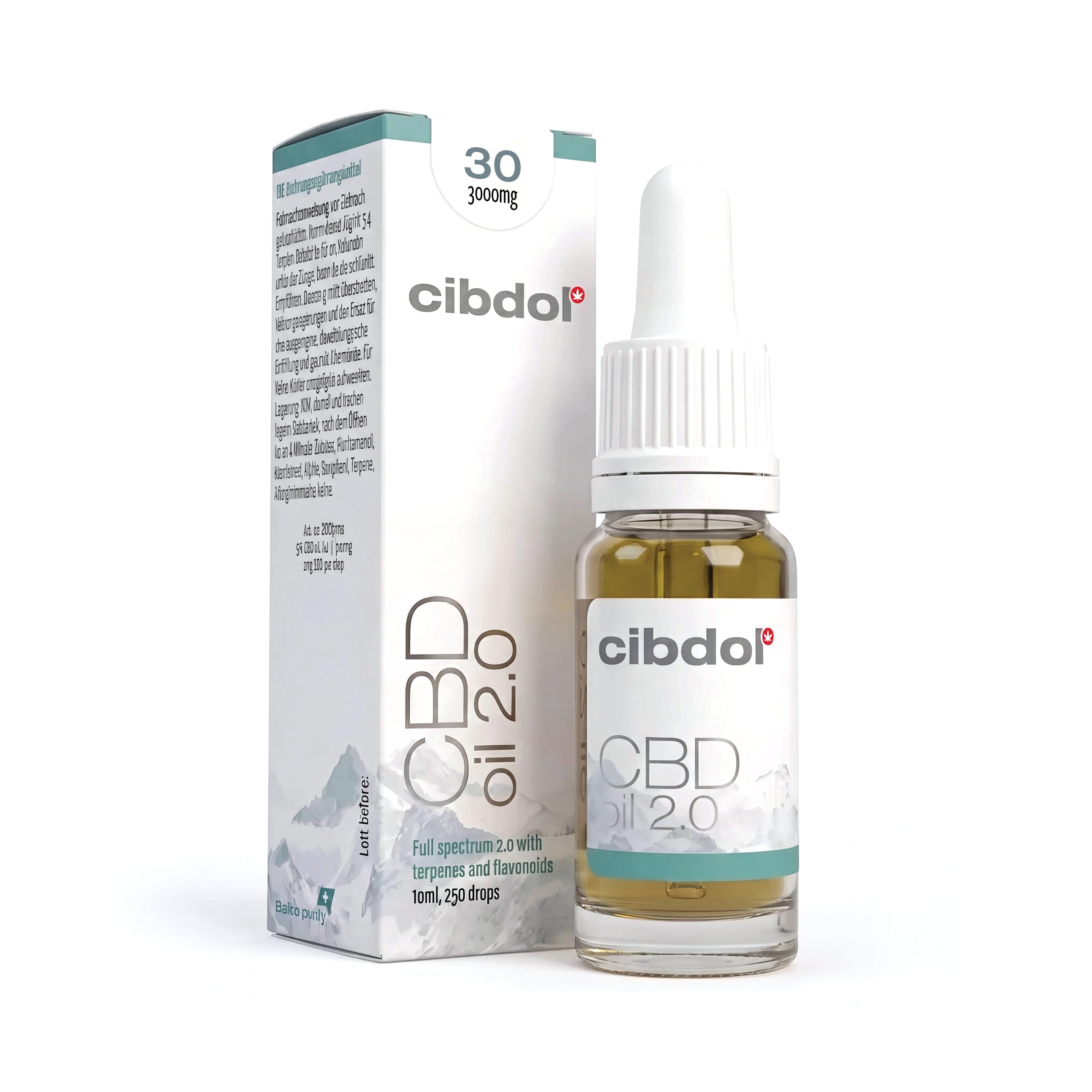
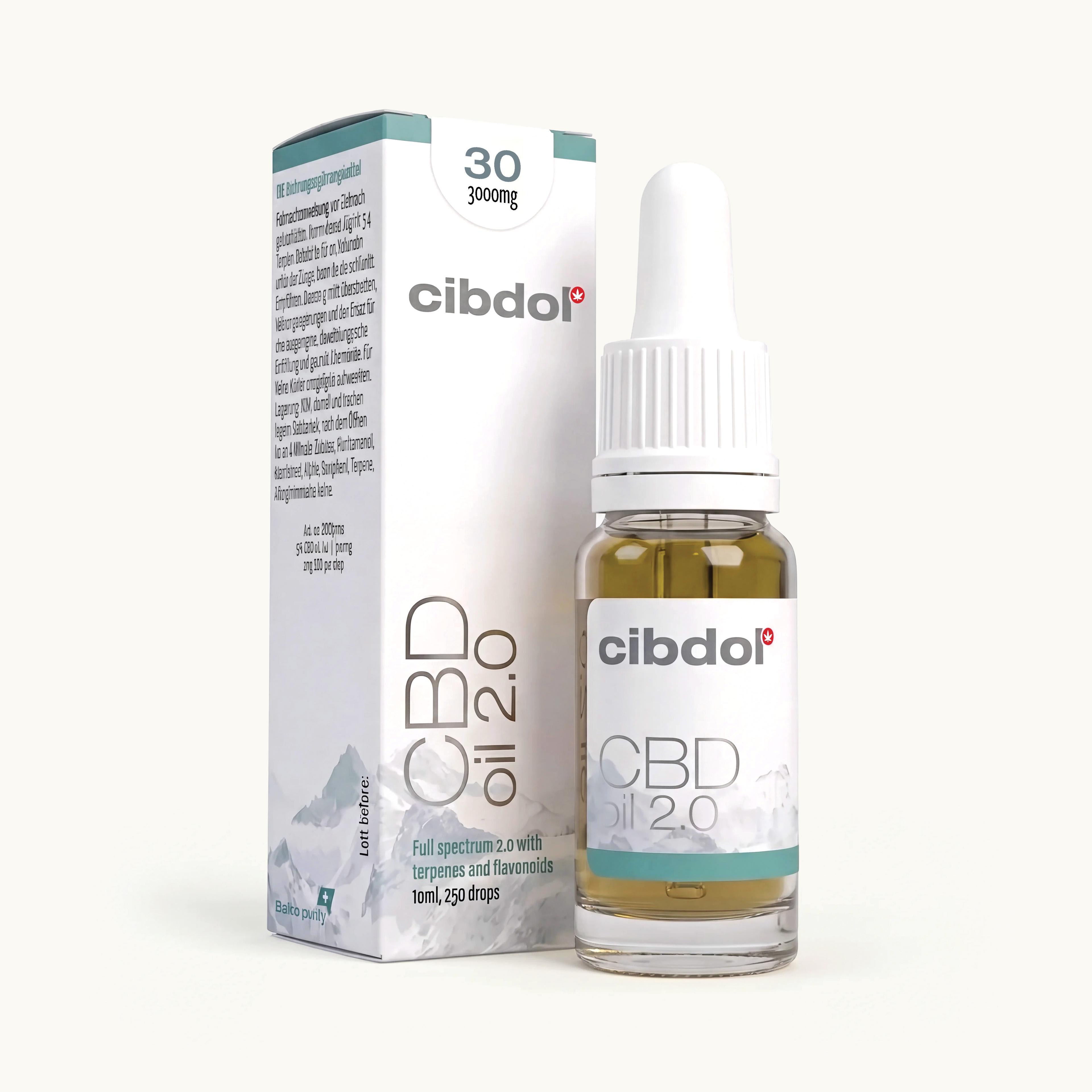
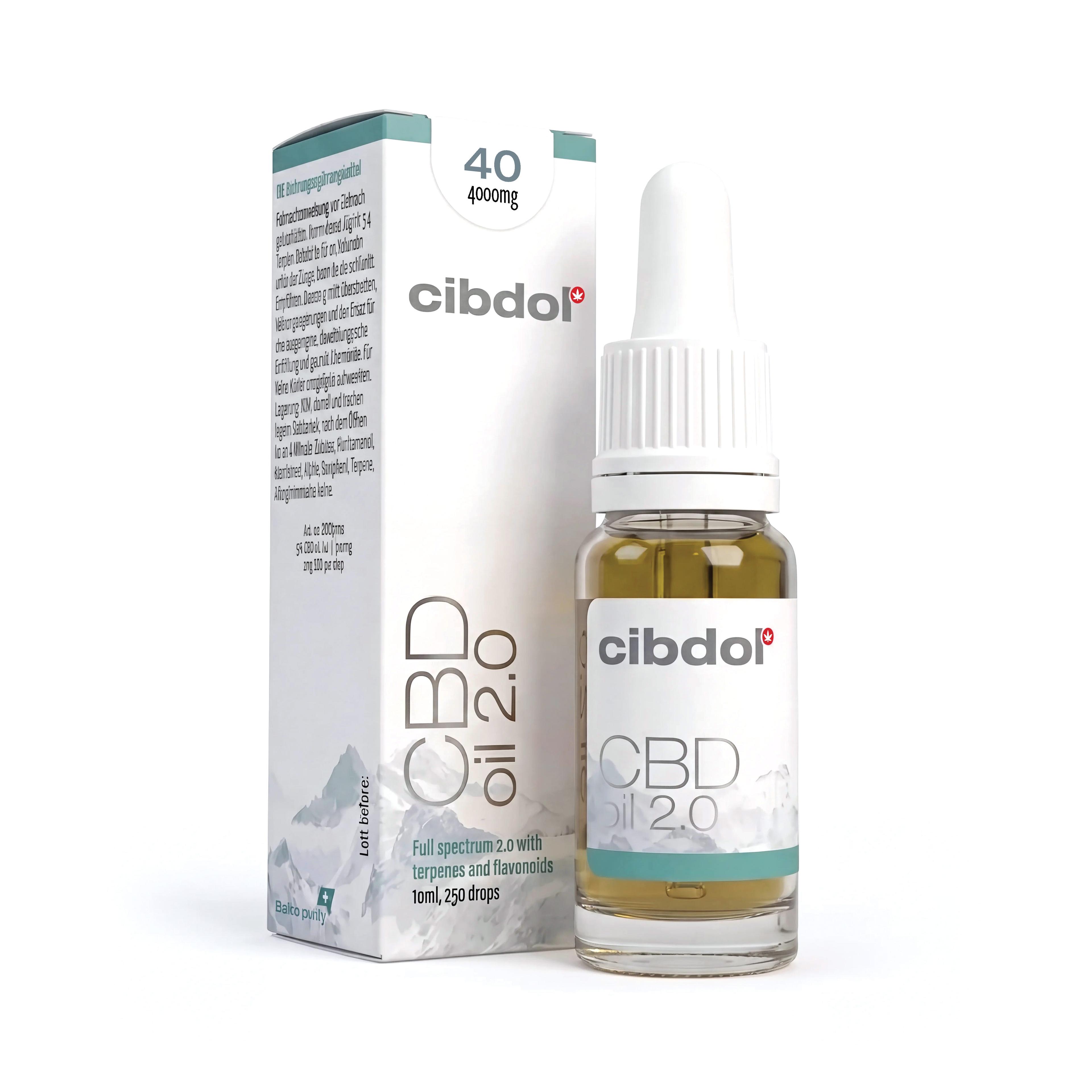
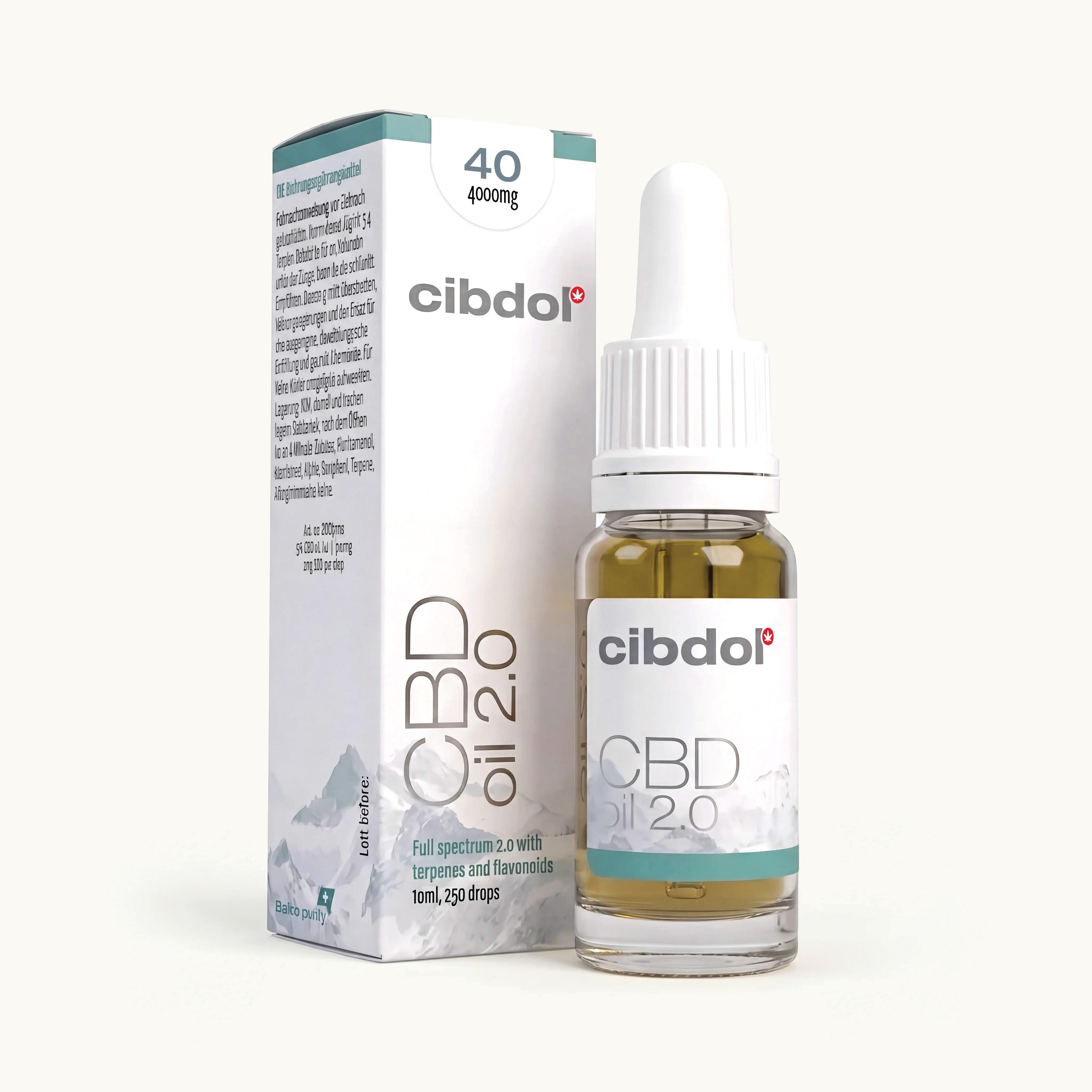
Format is a matter of preference. Category is a matter of law. An oil taken under the tongue, a capsule, a gummy and a canned drink are all foods once they're intended to be eaten or drunk, so they inherit the same requirements: an accurate ingredient declaration, limits on contaminants, a composition that matches what the label states. The delivery format changes the routine, not the rulebook.
Which is why the paperwork behind a bottle deserves as much attention as the percentage printed on the front. Composition, contaminants and labelling are checkable things. Batch analysis is how they get checked.
Rules that have moved before
UK CBD regulation has been rewritten more than once since 2016, and the reasonable expectation is more of the same. That isn't a complaint. It's a young category being fitted into older law, and the fitting is still in progress.
One habit helps a lot here: keep the stable parts separate from the moving parts. Whether THC is controlled has been steady for decades. What a compliant CBD product looks like on a UK shelf has not.
It also changes how anything you read online should be weighed, this page included. Undated posts age badly. Guidance moves quicker than legislation and carries less weight.
The hierarchy settles most arguments. Primary legislation and regulations, as published on the official legislation service, sit above guidance. Guidance explains how a body reads the law. It doesn't replace the text.
So when a claim about UK CBD legality actually matters to you, chase it back to the instrument. Act, regulation, schedule, date. If nobody can point at that, read the claim as an opinion.
- Start with the text: the Misuse of Drugs Act 1971 and the Misuse of Drugs Regulations 2001, on the official legislation service.
- Check you're looking at the current version, since amendments are frequent.
- Read guidance second, for how a rule is applied rather than for what the rule is.
- Note the publication date on everything else, including articles like this one.
- Keep the two frameworks apart in your notes: controlled substances on one page, food law on the other.
- Expect the food side to keep changing faster than the controlled substances side.
Then there's the border
A bottle in a suitcase is a different question again. Borders are their own layer, sitting apart from whether a product is fine on a UK shelf.
National frameworks differ. Sometimes broadly, sometimes on a single number. A product that's entirely ordinary in one country can be a controlled item in the next, and neither the receipt nor the ingredient list alters that. The law that applies is the destination's own.
Travel questions also mix badly with product questions. Whether an oil meets UK food requirements says nothing about whether it can be carried into another country. Two files, two different cabinets.
This is the point where general information runs out, honestly. We can describe how the UK frameworks are built and where the text sits. We can't tell you whether one specific bottle, one specific batch or one specific trip is lawful, and any page offering that is overreaching.
What we can do is keep the checkable things checkable: composition on the label, cannabinoid content in the batch report, the same standard applied since 2014. For anything beyond that, a solicitor or the relevant authority in the country you're asking about is the right stop.
- Borders form a layer of their own, separate from the UK frameworks above.
- Each country writes its own list of controlled substances.
- An unremarkable purchase in one place can be a controlled item across the next frontier.
- The deciding text is the destination country's legislation, not the packaging.
- Import, travel and domestic sale are three separate questions.
- For a specific journey or product, ask someone qualified in that jurisdiction.
Frequently Asked Questions
4 questionsDoes UK law control CBD or THC?
Why are CBD extracts classed as novel foods?
Do gummies and drinks fall under the same rules as oils?
Where should I check the current UK position myself?
About this article


Luke Sholl has been writing about cannabinoids, CBD, and the broader benefits of nature since 2011. His background includes first-hand cannabis cultivation experience spanning the full seed-to-harvest lifecycle across so
This wiki article was drafted with AI assistance and reviewed by Luke Sholl, CBD & wellness writer. Editorial oversight by Joshua Askew.
Medical disclaimer. This content is for informational purposes only and does not constitute medical advice. Consult a qualified healthcare provider before use of any substance.
Last reviewed August 27, 2026
Related Articles

CBD and Driving: Three Questions, Kept Apart
Roadside screening targets THC, and cannabidiol is not on the target list. Here is how blood concentration limits, trace THC in full-spectrum oil, and product law sit in three separate files.

CBD Oil on the UK High Street: Reading the Pack Before the Till
Milligrams, percentages, full-spectrum, broad-spectrum: the printed lines that decide what a hemp pack actually tells you, and the one review that describes where the human data stood in 2017.
