Educational content about cannabinoid science, not medical advice. Consult a healthcare professional before combining CBD products with medication. Our age policy
Cannabinol (CBN): The 1899 Compound on a Modern Label

Definition
CBN is short for cannabinol, one compound within the catalogued set of cannabinoids found in cannabis [2]. It was the first of that set to be isolated, back in 1899, in work by Wood, Spivey and Easterfield [1]. It is non-intoxicating, on the same basis as CBD, and on a Cibdol bottle it appears in milligrams rather than as a percentage.
One molecule, one spelling problem
CBN is short for cannabinol, one of the compounds that can be isolated from the cannabis plant. It belongs to a family with a broader name, and it holds a date the rest of that family cannot claim: 1899. The first cannabinoid ever separated out of cannabis was not CBD, and it was not THC. It was cannabinol [1].
You can view the specific strengths and bottle sizes formulated with this compound in the CBN oil category.
Start with the family name, because it does most of the confusing. Cannabinoid is a collective term. It covers the whole catalogued set of related plant compounds found in cannabis, and chemical surveys kept adding to that catalogue over the decades. The 2005 survey by ElSohly and Slade describes cannabis as a complex mixture, with more than a hundred cannabinoids catalogued alongside terpenes and other constituents [2]. Cannabinol is one entry on that list. One compound, one name.
Now put the two words side by side. Cannabinol. Cannabinoid. Same root, nearly the same spelling, a couple of letters apart. That closeness is why 1899 often gets quoted as the year cannabinoids were discovered, when it was the year a single compound was isolated. The paper by Wood, Spivey and Easterfield covered the isolation of cannabinol from cannabis and nothing wider than that [1]. The family of more than a hundred compounds was mapped over the following century, mostly by other people, in other laboratories.
The chemistry side of cannabinol has been on paper since that 1899 work [1]. What came next is the interesting part, or rather what didn't come next. For roughly a century, cannabinol stayed a footnote inside cannabinoid chemistry: named, catalogued, rarely the subject of the work itself. It shows up in the 2005 inventory of plant constituents as one item among many [2].
That same survey is a useful reminder of scale. Cannabis is not one active compound with decoration around it. It's a mixture, and the cannabinoids in it are only part of the list, which also runs through terpenes and other constituents [2]. Reading a hemp extract properly means reading several lines, not one.
Cannabidiol went the other way. The published research record on CBD is considerably larger than the record on cannabinol, and that gap exists despite cannabinol's head start of several decades [1]. A first isolation date is a historical fact. It is not a measure of how much evidence has accumulated since. Worth saying plainly, because the 1899 story tends to get told as though it settled something.
Two things are settled. Cannabinol is non-intoxicating, on the same basis as CBD. And a compound that spent a century in the footnotes is now a formulated ingredient, ours included: Cibdol CBN oil pairs both cannabinoids in one bottle.
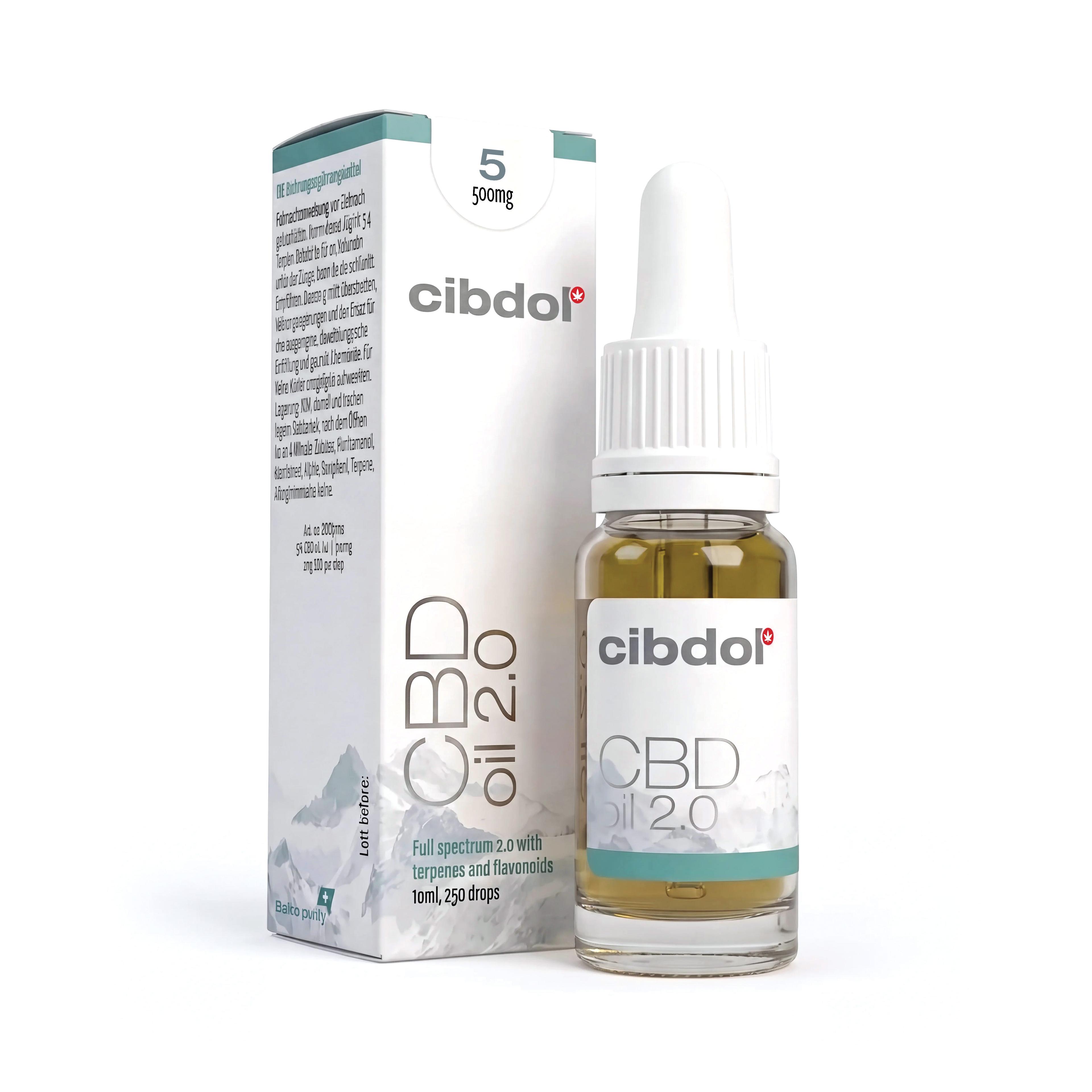
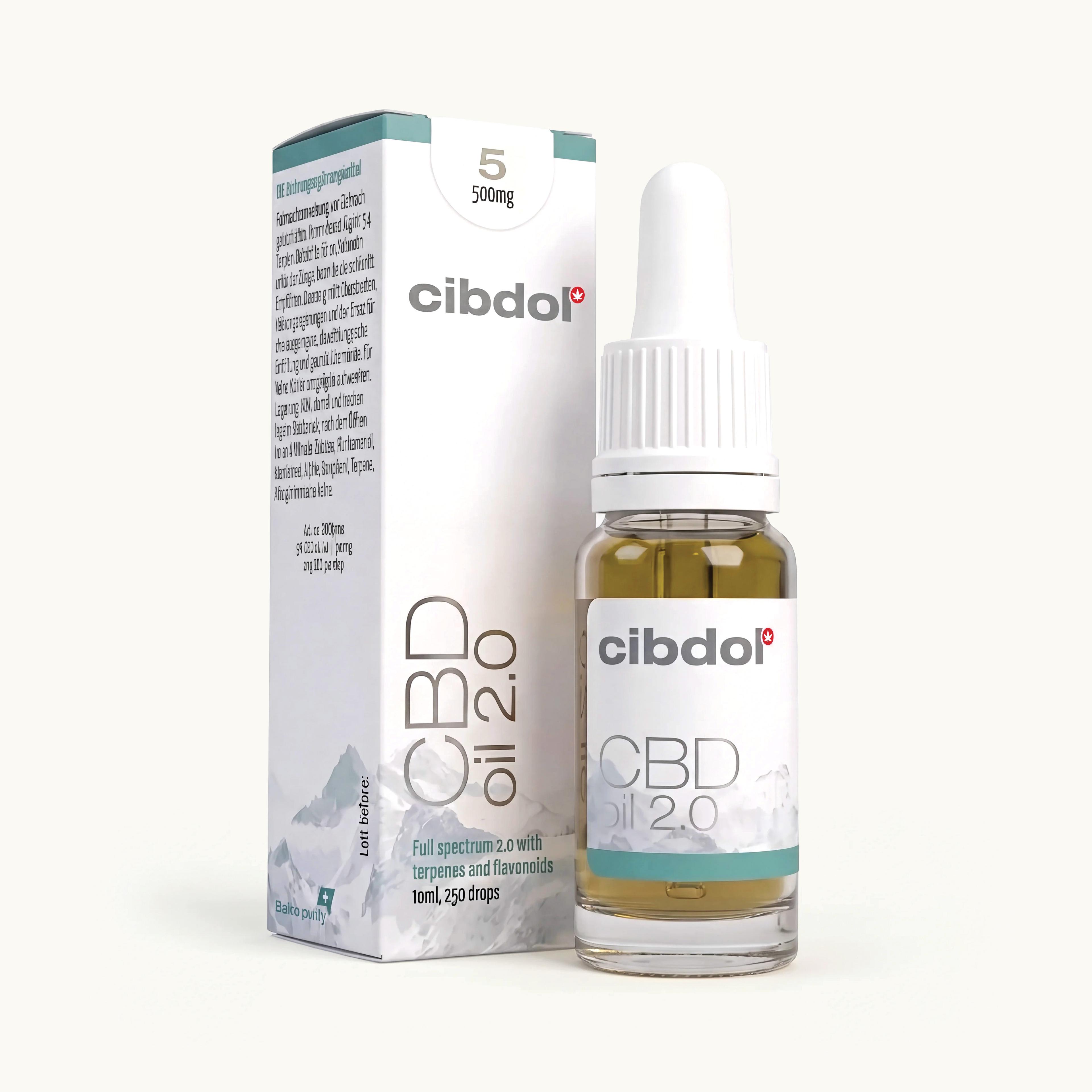
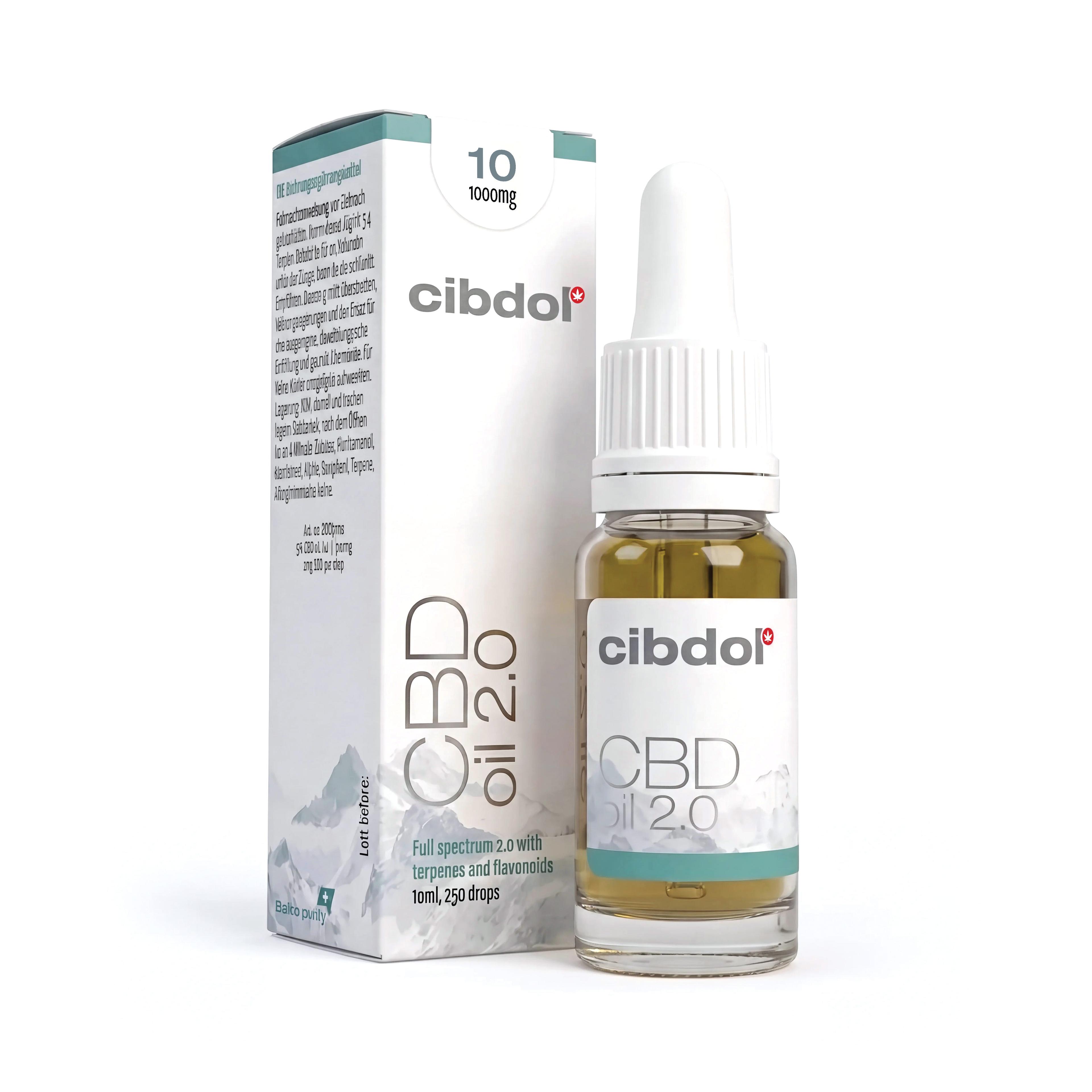
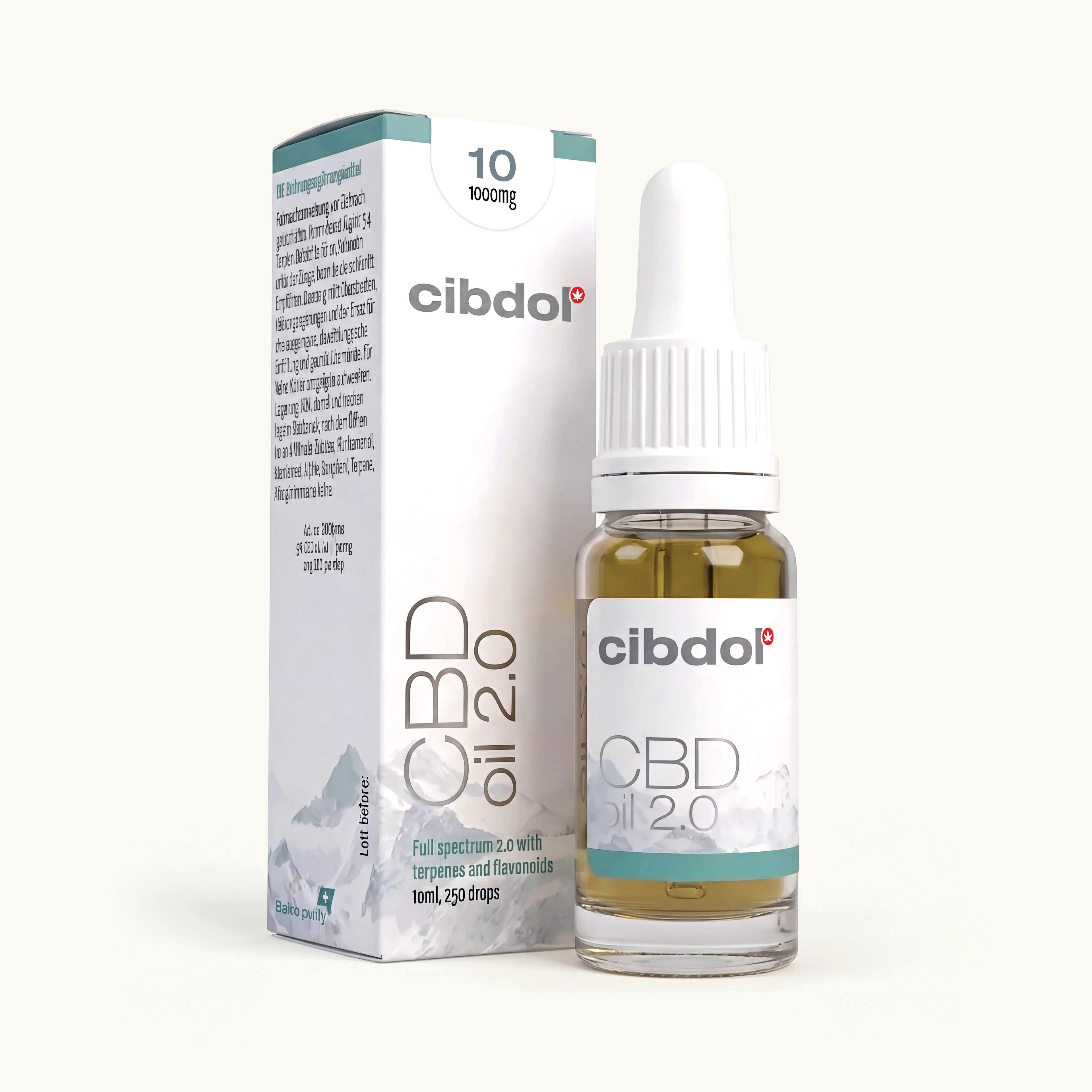
That bottle is where the chemistry turns into something you can check. Our CBD oils carry a percentage, from 5% to 40%, because the compound is present in quantity and a percentage of the oil is the readable way to state it. The CBN oil carries milligrams instead: 500mg CBN and 250mg CBD per 10ml bottle. Two figures, one ratio, printed rather than implied.
Since 2014, the standard here has been the same one. Know what's inside the bottle, then publish it. Cannabinol doesn't change that. It just gives the label a second line to read, and it lets you find both cannabinoids stated in figures, per bottle, before anything is bought.
Ten notes on cannabinol
- The abbreviation. CBN stands for cannabinol, a single compound. Cannabinoid, with the extra syllable, is the family term for the whole catalogued set of related plant compounds identified in cannabis [2]. Shared root, two very different jobs. Most of the muddle around this molecule starts right here, in the spelling.
- The date. 1899. That is the year cannabinol was isolated from cannabis and written up by Wood, Spivey and Easterfield [1]. It makes cannabinol the first cannabinoid to be isolated, a piece of chemistry history that predates almost everything else the category talks about.
- Not CBD, not THC. Neither of the two better known cannabinoids holds that first place. The 1899 work concerned cannabinol alone [1]. The compounds that later dominated the literature, and the shelves, arrived in the record afterwards.
- The common misreport. 1899 is frequently cited as the year cannabinoids as a class were discovered. The paper describes one isolation of one compound [1]. Single isolation year, not the birth date of a hundred-plus family. The near-identical spelling is the reason the error travels so well.
- The size of the family. Later chemical surveys showed cannabis to be a complex mixture. ElSohly and Slade catalogued more than a hundred cannabinoids in their 2005 review, alongside terpenes and other constituents [2]. Cannabinol is one line in a long inventory.
- A change of status. Roughly a century as a footnote in cannabinoid chemistry, and then a second act as a formulated ingredient. Cibdol CBN oil belongs to that second act: a compound that used to be mentioned in passing, now measured and stated per bottle.
- The evidence gap. Despite the 1899 head start, the research record on cannabinol remains much thinner than the record on cannabidiol [1]. Any comparison between the two runs past the available evidence long before it runs out of opinions. We would rather say that than fill the gap with adjectives.
- Intoxication. Cannabinol is non-intoxicating, on the same basis as CBD. In our CBN oil the two are paired in a single formula, which means both entries on the label sit in the same non-intoxicating category.
- How it's stated. High-quantity compounds are readable as a percentage of the oil, which is why our CBD oils run from 5% to 40%. The CBN oil is stated in milligrams: 500mg CBN and 250mg CBD per 10ml bottle, giving a 2:1 ratio that is printed on the bottle rather than worked out afterwards.
- The standard behind the figures. Since 2014, one rule has governed our labels. Know what is in the bottle, then publish it. That applies to a compound isolated in 1899 exactly as it applies to the ones everybody already recognises.
Cannabinol next to cannabidiol
| Point of comparison | Cannabinol (CBN) | Cannabidiol (CBD) |
|---|---|---|
| Name and abbreviation | Cannabinol, shortened to CBN. Not to be confused with cannabinoid, the family term covering the whole catalogued set of related plant compounds [2]. | Cannabidiol, shortened to CBD. Also one member of that same catalogued family, and the member most of the market met first. |
| First isolation on record | 1899, in the work of Wood, Spivey and Easterfield, which described the isolation of cannabinol from cannabis [1]. | Later than 1899. The 1899 paper concerned cannabinol only, so CBD holds no claim on the first isolation [1]. |
| Position in the plant catalogue | One entry among more than a hundred cannabinoids catalogued in the 2005 review by ElSohly and Slade, which also lists terpenes and other constituents [2]. | Another entry in the same inventory, described within the same complex mixture rather than as a single active compound [2]. |
| Size of the research record | Considerably smaller, and thin enough that comparisons quickly run past the published evidence, despite the 1899 head start [1]. | The larger of the two records by a wide margin, which is why most of the category's written material sits on this side. |
| Intoxication | Non-intoxicating, on the same basis as CBD. Stated plainly rather than hedged. | Non-intoxicating. The reference point most readers already have for what that phrase covers. |
| How Cibdol states it on the label | In milligrams: 500mg CBN and 250mg CBD in a 10ml bottle, the two figures printed side by side. | As a percentage of the oil, from 5% to 40%, because the compound is present in enough quantity for a percentage to be the readable figure. |
| Ratio in the CBN oil | 2:1 cannabinol to cannabidiol, printed on the bottle rather than inferred from the small print. | Present in the CBN oil as the second figure, 250mg per 10ml, paired with the cannabinol in one formula. |
| What the comparison cannot settle | Anything beyond the chemistry, the catalogue and the label. The evidence base is smaller than the questions people bring to it [1]. | More has been published, which shortens the list of open questions without emptying it. When the evidence changes, the wording here changes with it. |
| Where the two arrive together | Cibdol CBN oil, where cannabinol is the larger of the two stated cannabinoids. | The same bottle, at half the milligram figure, plus a separate CBD range stated in percentages. |
What the bottle prints
| Printed on the bottle | How to read it | What it doesn't tell you |
|---|---|---|
| 500mg CBN | Five hundred milligrams of cannabinol in the bottle, stated as a mass rather than a share of the oil. The larger of the two cannabinoid figures on the label. | Nothing about how a person will respond. The published record on cannabinol is small enough that the figure describes contents only [1]. |
| 250mg CBD | Two hundred and fifty milligrams of cannabidiol in the same bottle. The second cannabinoid in the formula, stated in the same unit for direct comparison. | Nothing about the rest of the plant inventory. Cannabis holds more than a hundred catalogued cannabinoids plus terpenes and other constituents [2]. |
| 10ml | The volume the two milligram figures refer to. Both numbers describe the whole bottle, not a single drop, so the bottle size is part of the reading. | How long a bottle lasts. That depends on how it is taken, which is a conversation for you and your doctor. |
| 2:1 | The ratio of cannabinol to cannabidiol, 500 to 250. It is printed on the bottle, so it is a stated specification rather than something you calculate at the shelf. | Which of the two is doing what. The comparative evidence for cannabinol is thinner than for cannabidiol [1]. |
| Percentages of 5% to 40% | The format used on our CBD oils. A high-quantity compound reads clearly as a percentage of the oil, which is why the CBD range is labelled that way. | Why the CBN oil looks different. Different quantities call for different units, and mixing the two formats on one label would only obscure both. |
| Non-intoxicating | Cannabinol carries this status on the same basis as CBD, and the CBN oil pairs both compounds, so the description covers the whole bottle. | Any promise about outcomes. It is a statement about what the product is, and nothing more than that. |
| Cannabinol, written in full | The compound isolated in 1899 by Wood, Spivey and Easterfield, now named on a bottle instead of a laboratory notebook [1]. | The family it belongs to. Cannabinoid, the collective term, covers the whole catalogued set and is a different word with a different job [2]. |
| The batch and the analysis | Since 2014, one standard has run through everything here: know the contents, then publish them. A printed figure is meant to be verifiable, not decorative. | What the science will look like in five years. When the research record grows, the wording on these pages follows it. |
Frequently Asked Questions
4 questionsWhich cannabinoid was isolated first, and in what year?
Why do people confuse cannabinol with the word cannabinoid?
Why is CBN stated in milligrams while CBD oils use percentages?
What does the 2:1 on a CBN oil bottle refer to?
About this article


Luke Sholl has been writing about cannabinoids, CBD, and the broader benefits of nature since 2011. His background includes first-hand cannabis cultivation experience spanning the full seed-to-harvest lifecycle across so
This wiki article was drafted with AI assistance and reviewed by Luke Sholl, CBD & wellness writer. Editorial oversight by Joshua Askew.
Medical disclaimer. This content is for informational purposes only and does not constitute medical advice. Consult a qualified healthcare provider before use of any substance.
Last reviewed August 26, 2026
References (2)
- [1]Wood, T.B., Spivey, W.T.N. and Easterfield, T.H. (1899). III. Cannabinol. Part I. DOI: https://doi.org/10.1039/ct8997500020
- [2]ElSohly, M.A. and Slade, D. (2005). Chemical constituents of marijuana: the complex mixture of natural cannabinoids. DOI: https://doi.org/10.1016/j.lfs.2005.09.011
Related Articles
Does CBG Make You Sleepy? What's Actually on Record
The idea that cannabigerol brings on drowsiness is widely repeated, but the 2021 review by Nachnani and Barrett describes receptor sites rather than sensations in volunteers. The same thing happened to CBN, and Corroon traced it in 2021.
THCA vs THC: A Single Carboxyl Group Apart
One carboxyl group separates the acid form found in the plant from the neutral compound most people talk about. Here is what happens when it goes, and why two lab figures from one plant are not a contradiction.
Broad Spectrum CBD: What The Term Covers
Broad spectrum sits between full spectrum and isolate, and it's the one name on that list with no legal definition behind it. Here's what the term commits to, what research covers, and what our own range holds.
THCP: A Cannabinoid With Two Extra Carbons
Tetrahydrocannabiphorol turned up in an Italian medicinal cannabis variety in December 2019, in work led by Cinzia Citti [1]. Here is what that report actually records, and where our own range sits.
CBD Research: What the Human Data Covers
A calm look at what has actually been measured in cannabidiol studies, where the published record thins out, and what to check before you believe a claim.
Serotonin, 5-HT and the One Cannabinoid Link on Record
5-HT is not one receptor but at least seven families of them, each split into subtypes. Here is what that means for reading claims, and what the 2005 in vitro report on cannabidiol at 5-HT1a does and does not cover [1].
PEA and Anandamide: A Family Resemblance in Chemistry
Palmitoylethanolamide shares a chemical class and a clearance route with anandamide. Here is what that family resemblance settles, and what it deliberately leaves open.
The Endocannabinoid System in Six Papers, 1964 to 1995
The structure of THC was published in 1964, the first cannabinoid receptor in 1990, anandamide in 1992. Six reports, thirty-one years, and a name that runs backwards.
2016: What Clinical Endocannabinoid Deficiency (CECD) Actually Means
CECD is a testable idea about underactive endocannabinoid signalling, set out most clearly in a 2016 paper by Russo [1]. Here is what that paper names, and where the record stops.
