Hemp Oil: Pressed Seed or Plant Extract?
Definition
Hemp oil is one word doing two jobs. It can mean a culinary and cosmetic oil pressed from cleaned hemp seeds, with a documented fatty acid profile and no meaningful cannabinoid content, or a resin-derived hemp extract diluted in a carrier oil, where cannabinoids like CBD are the point of the product. Same plant, different tissue, different machine.
Pressed or extracted: a mechanical split
Two machines, two oils, one word on the front of the bottle.
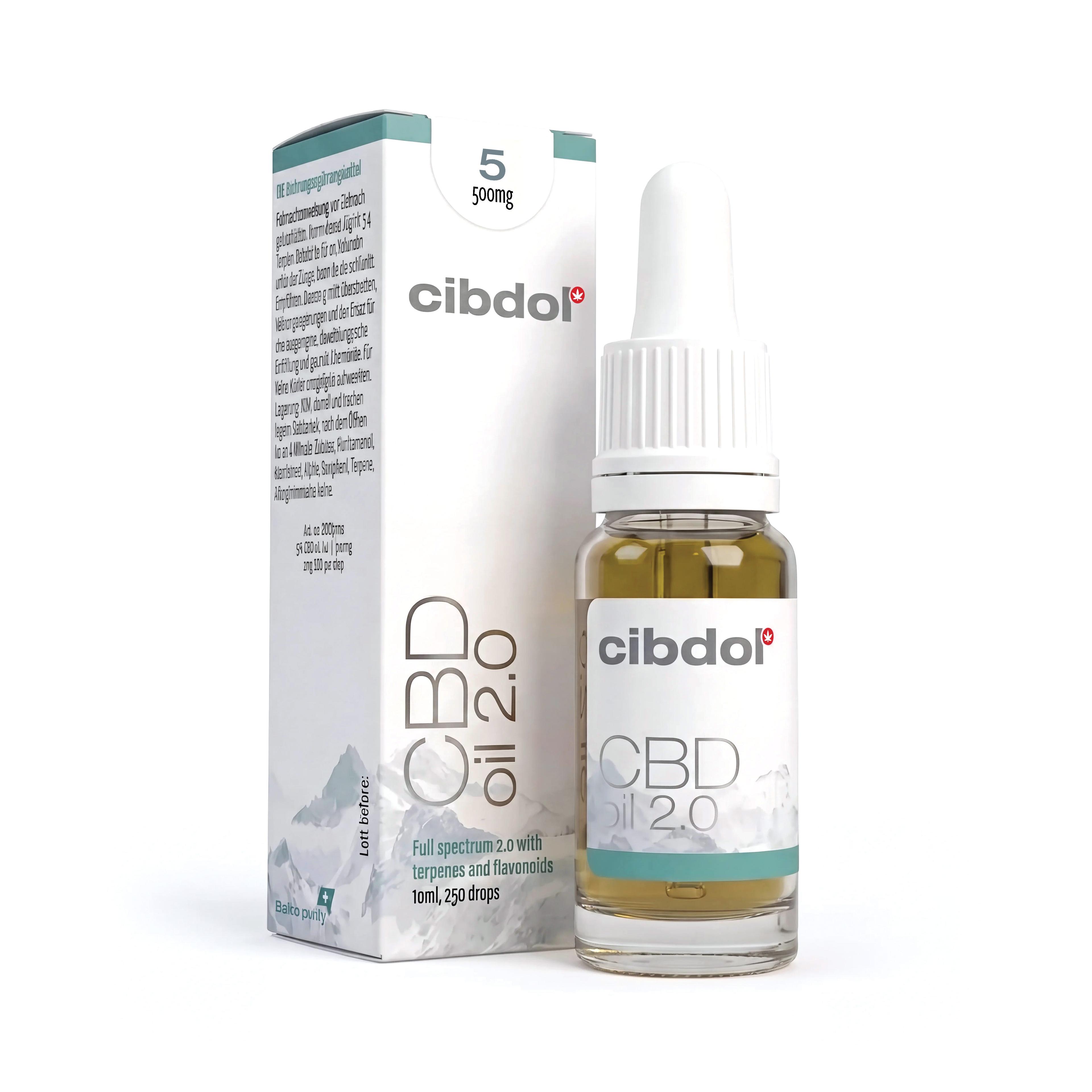
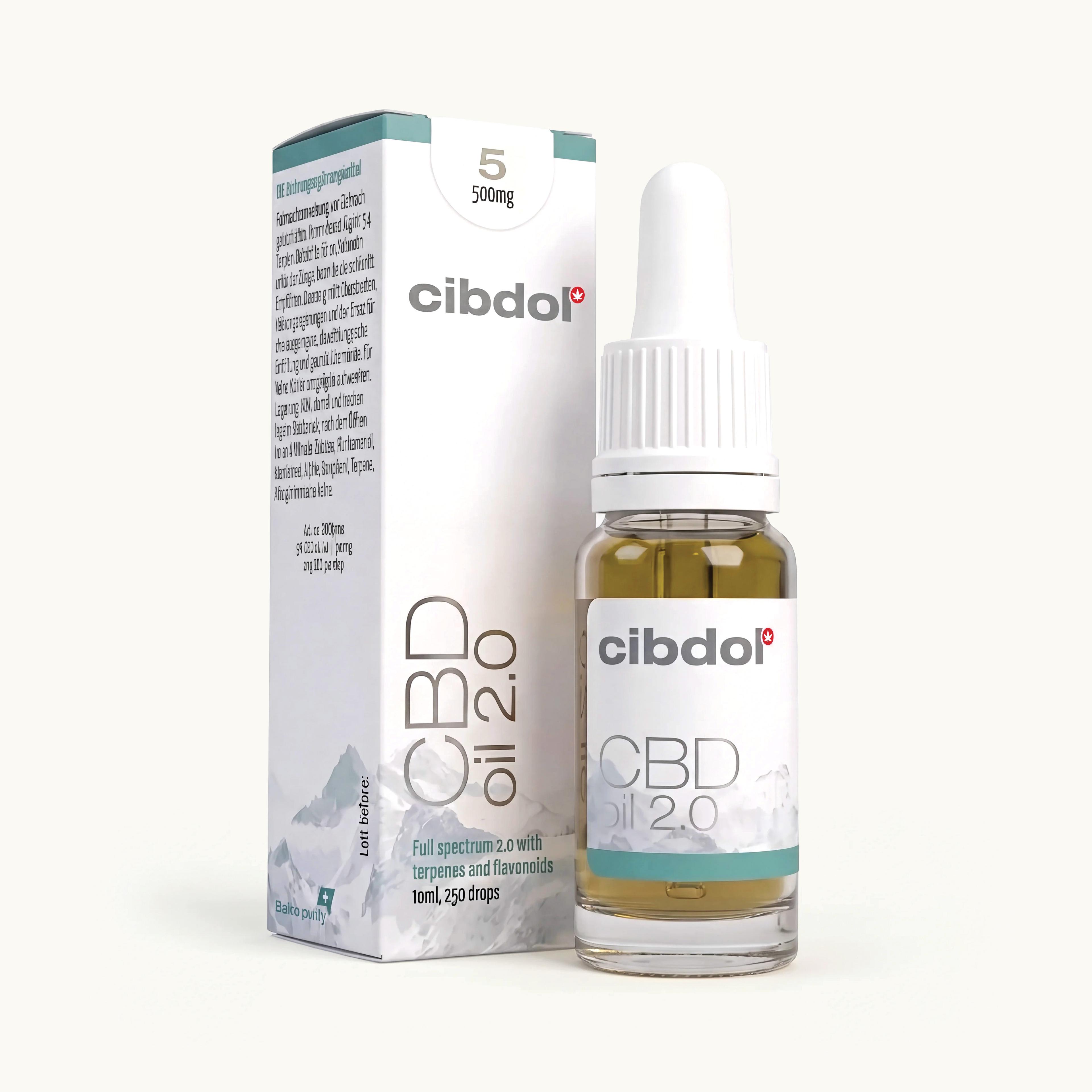
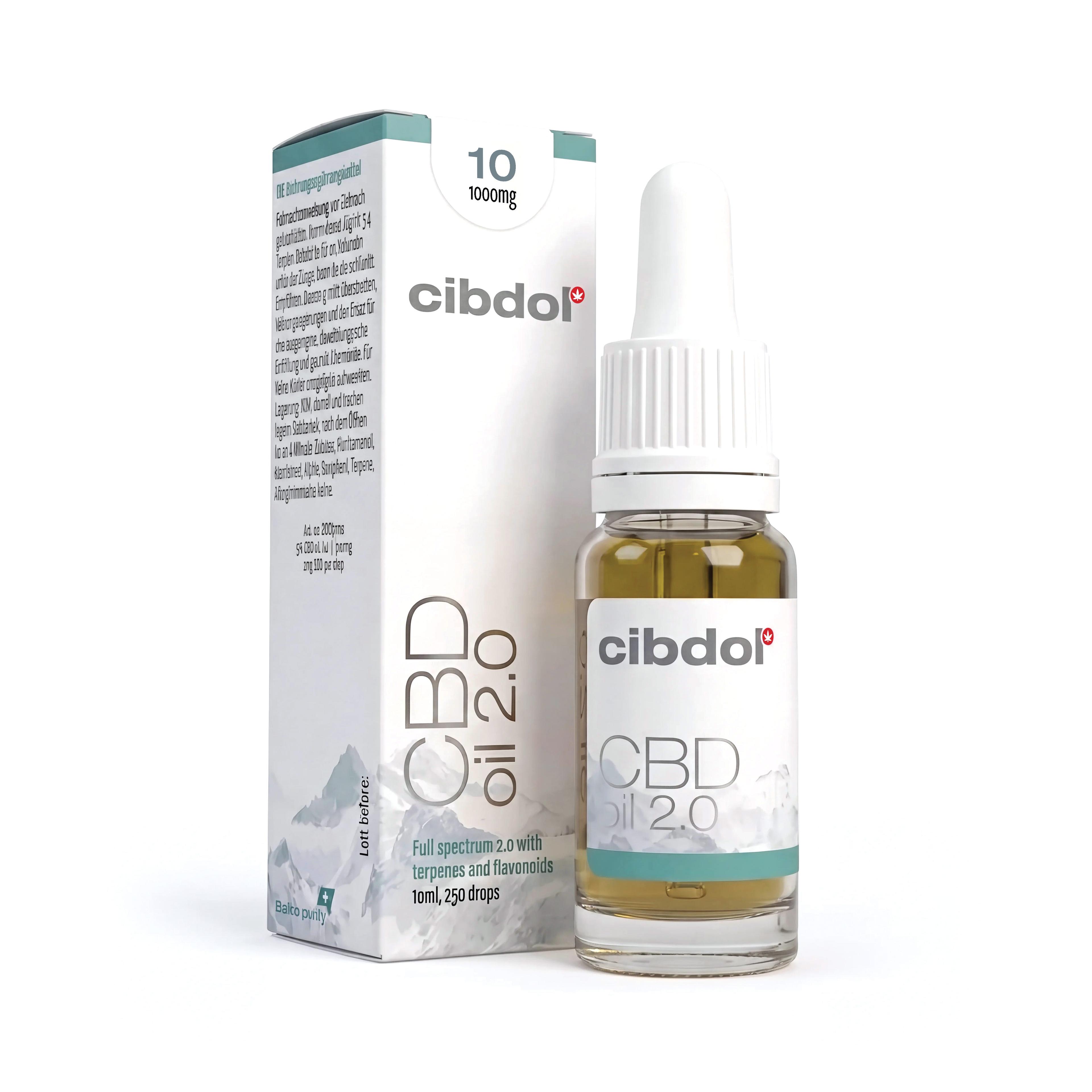
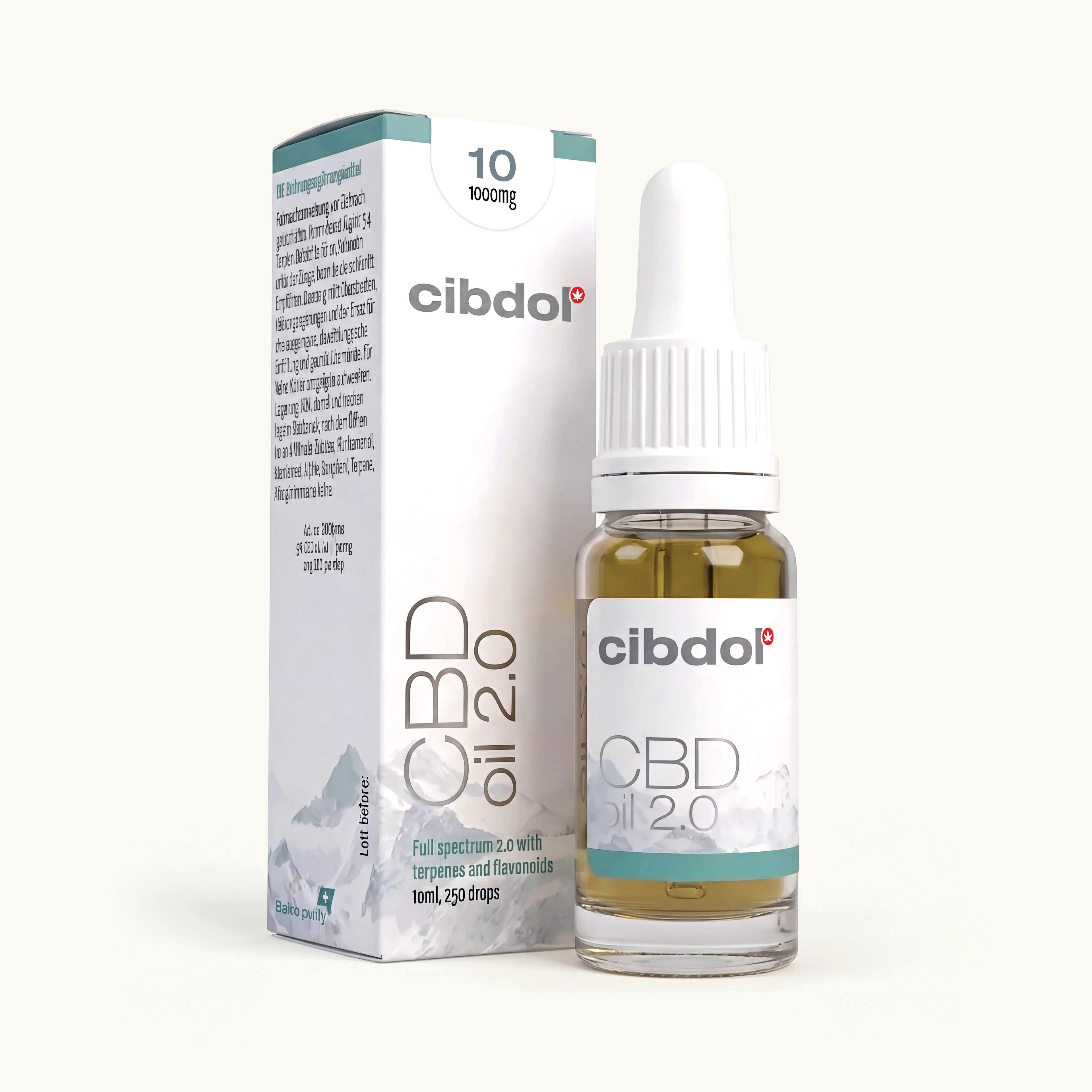
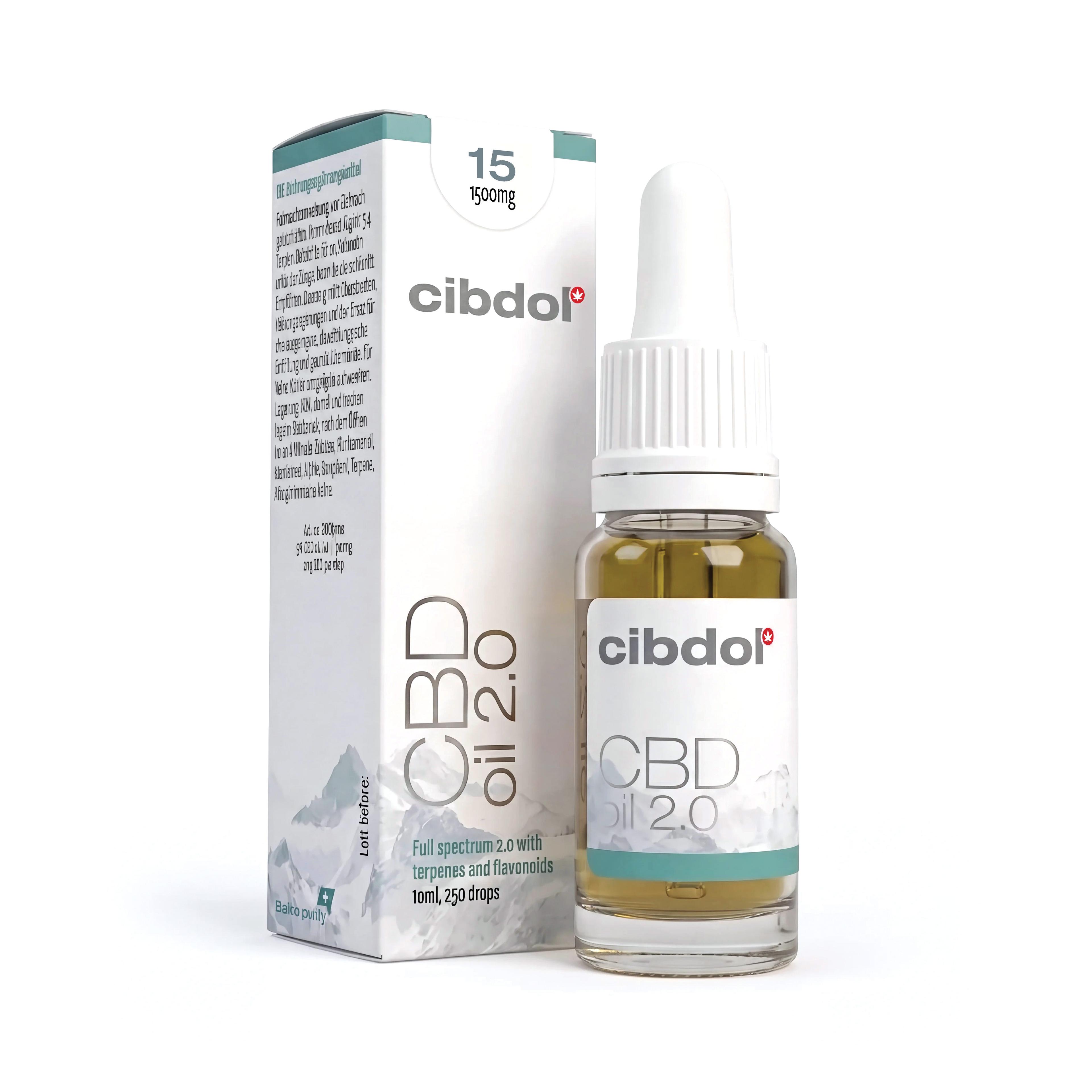
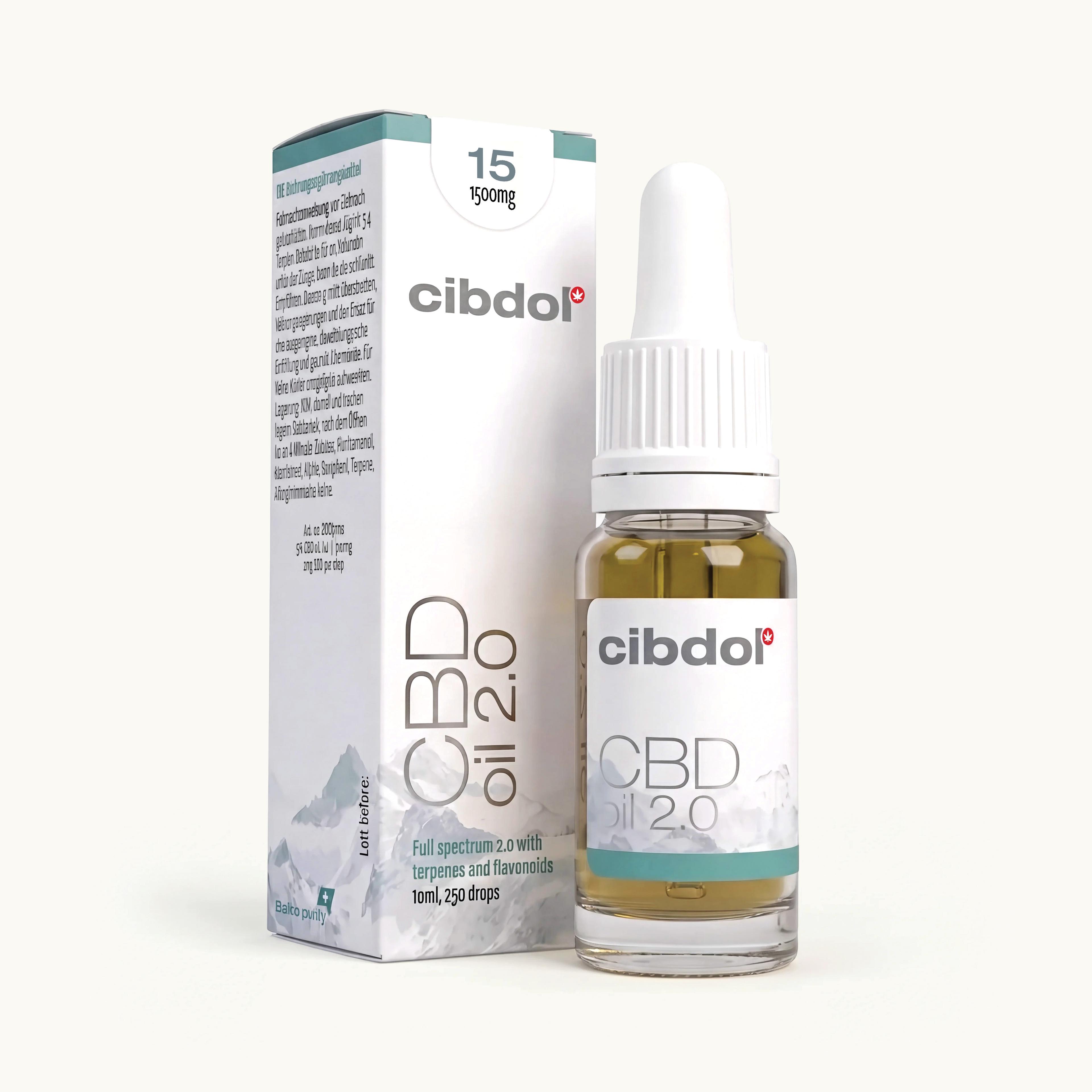
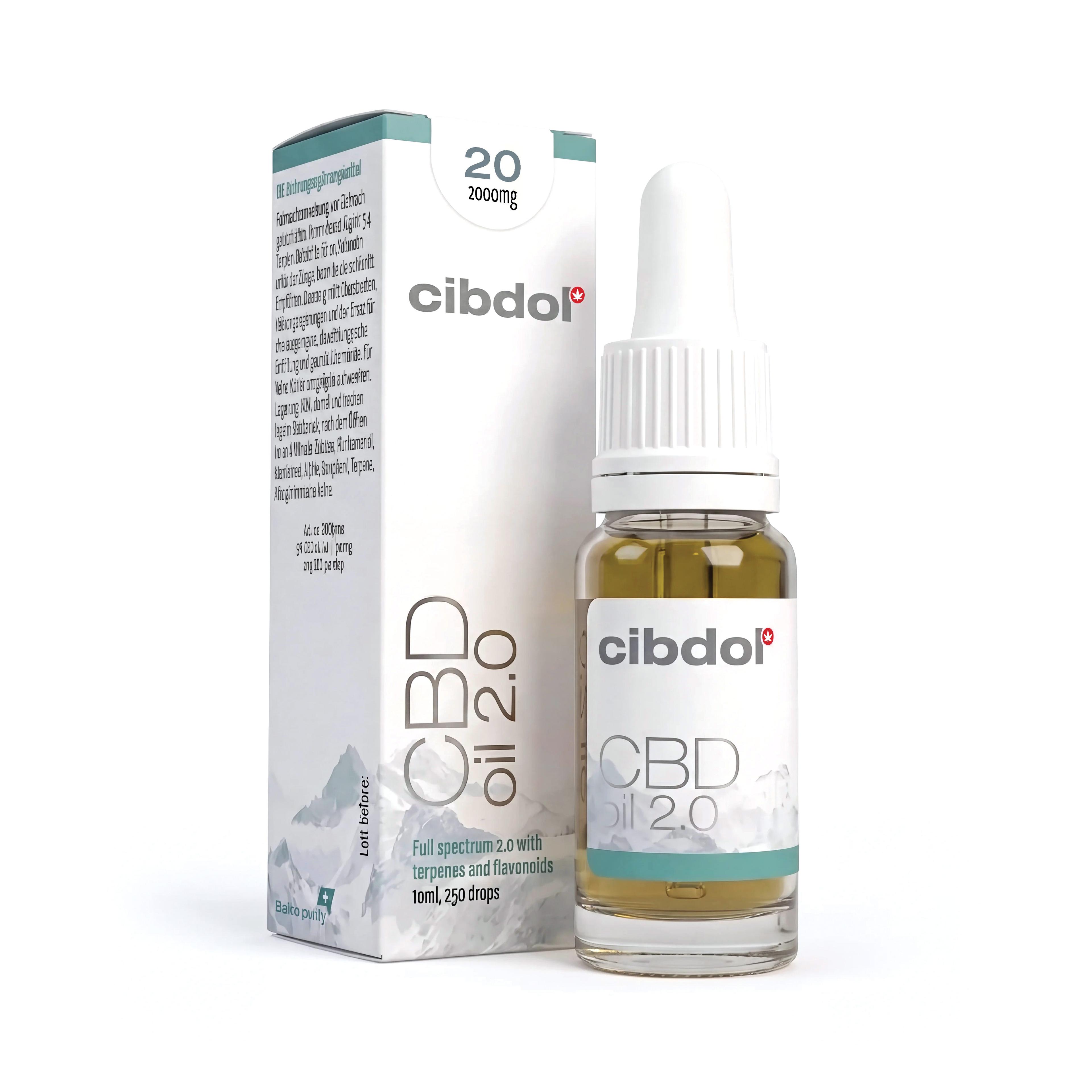
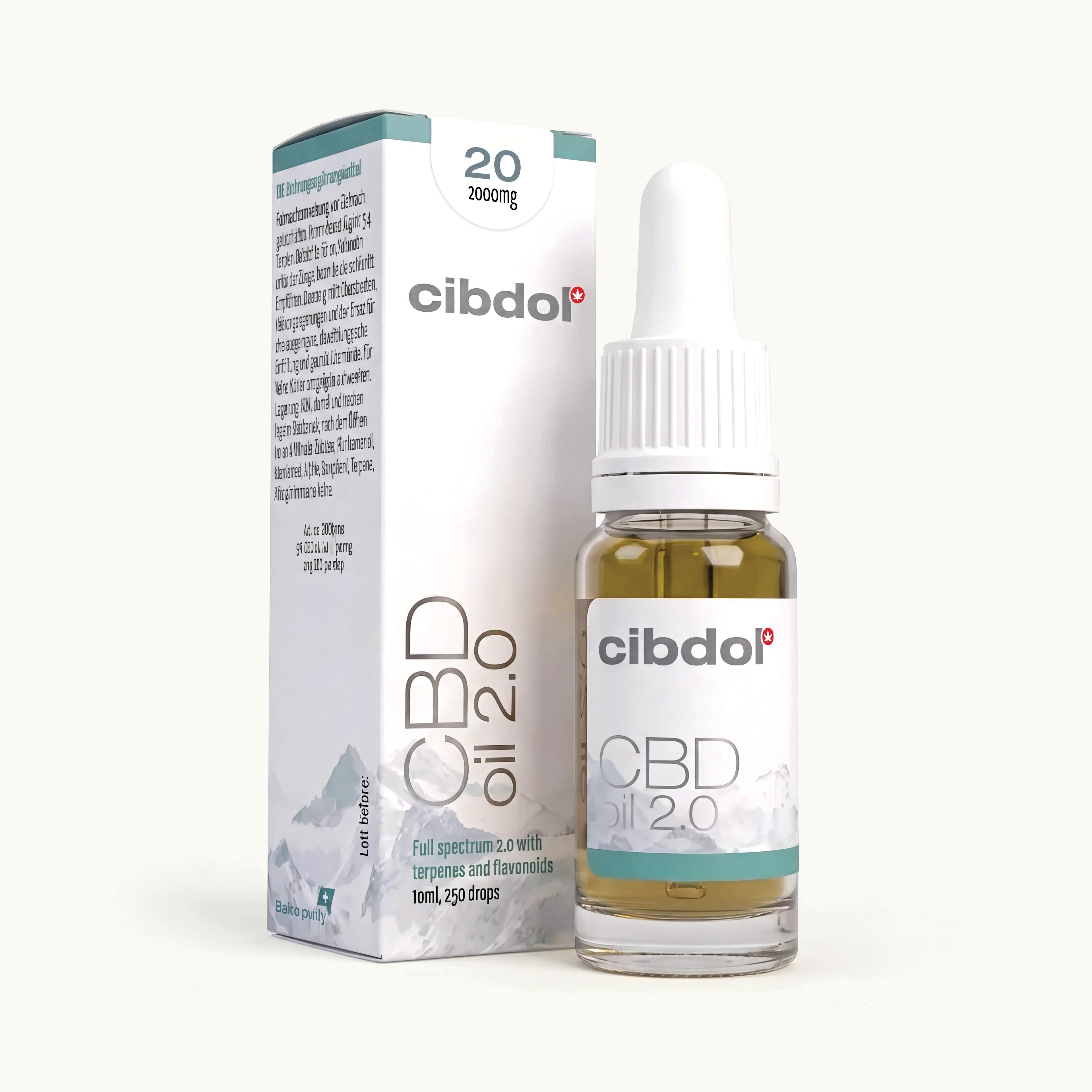
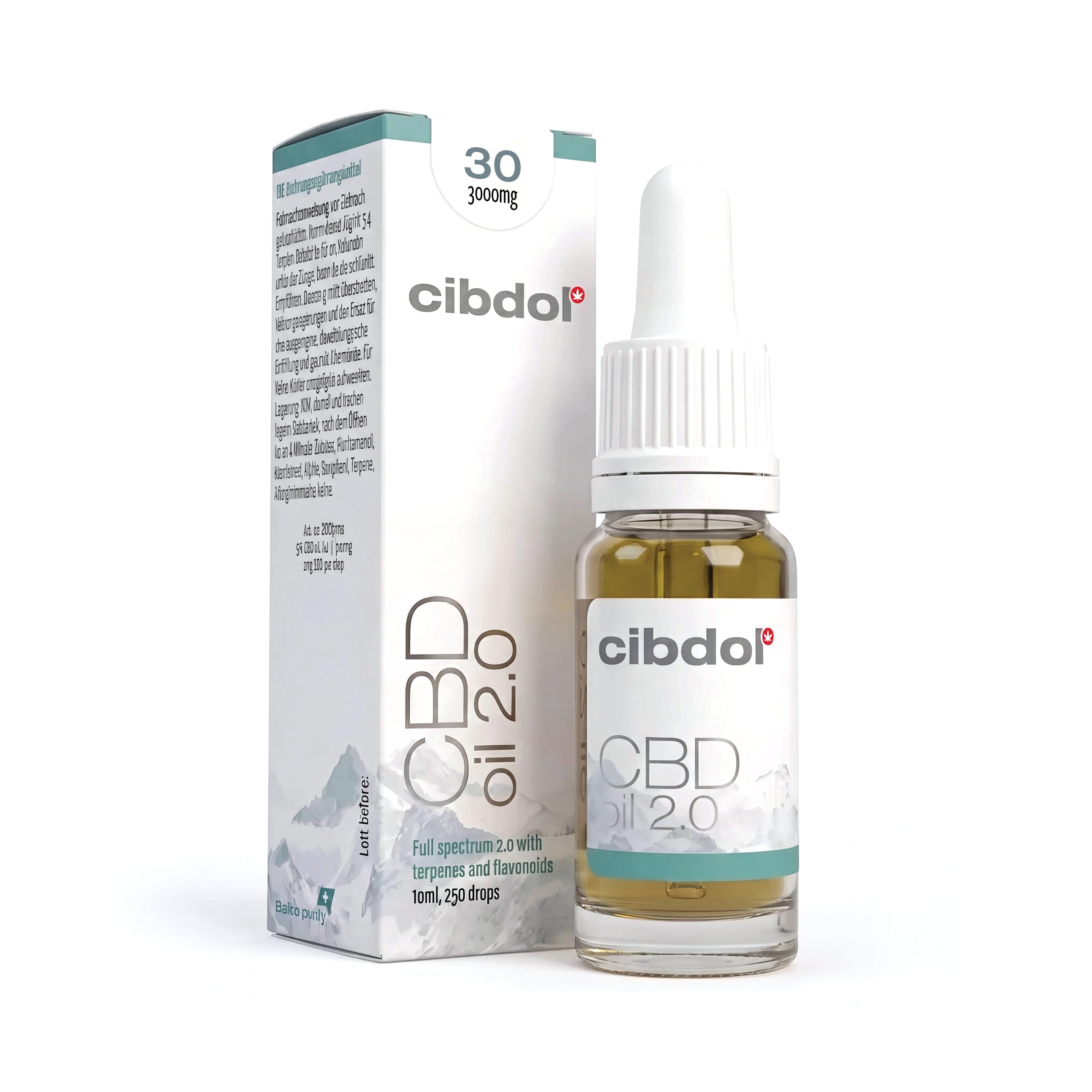
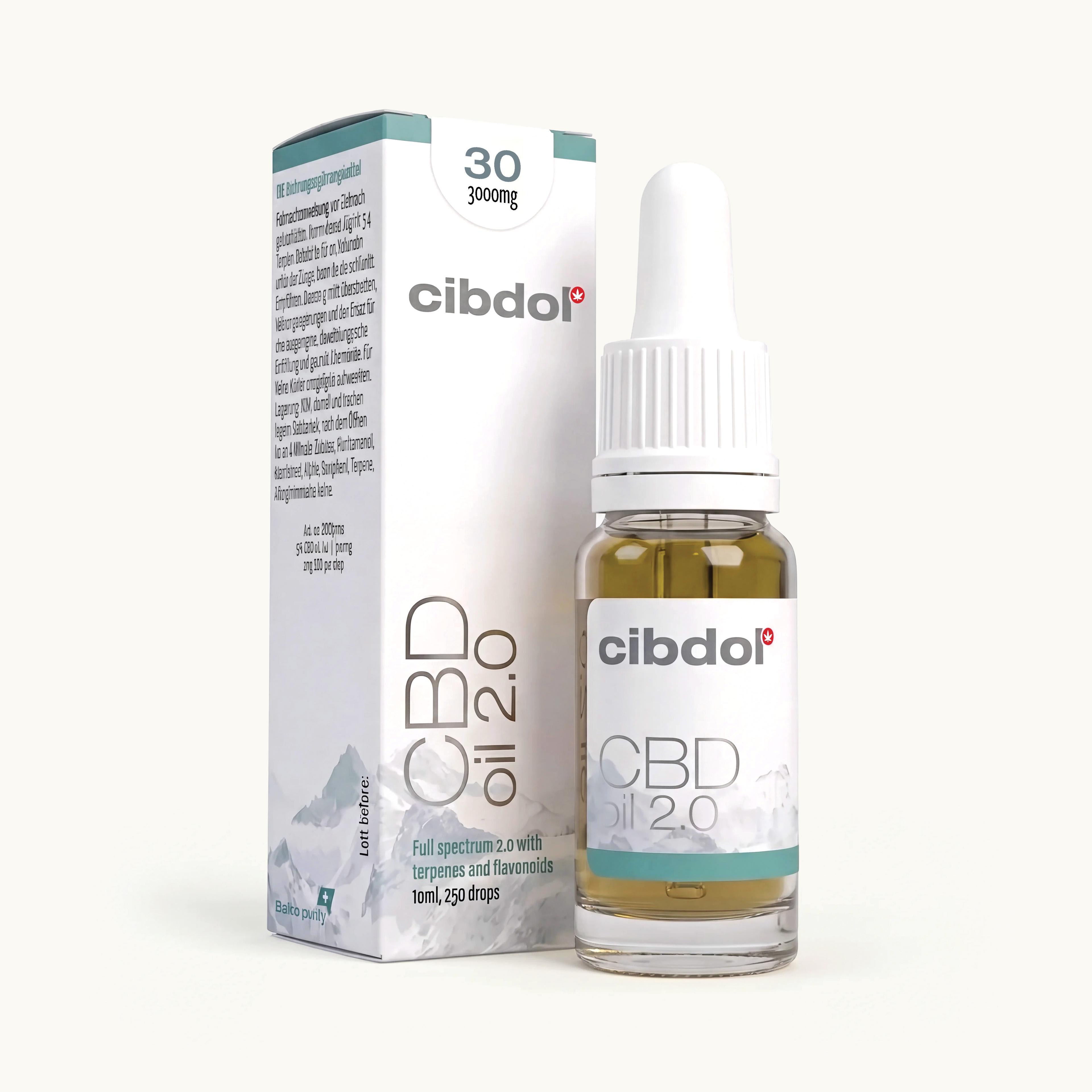
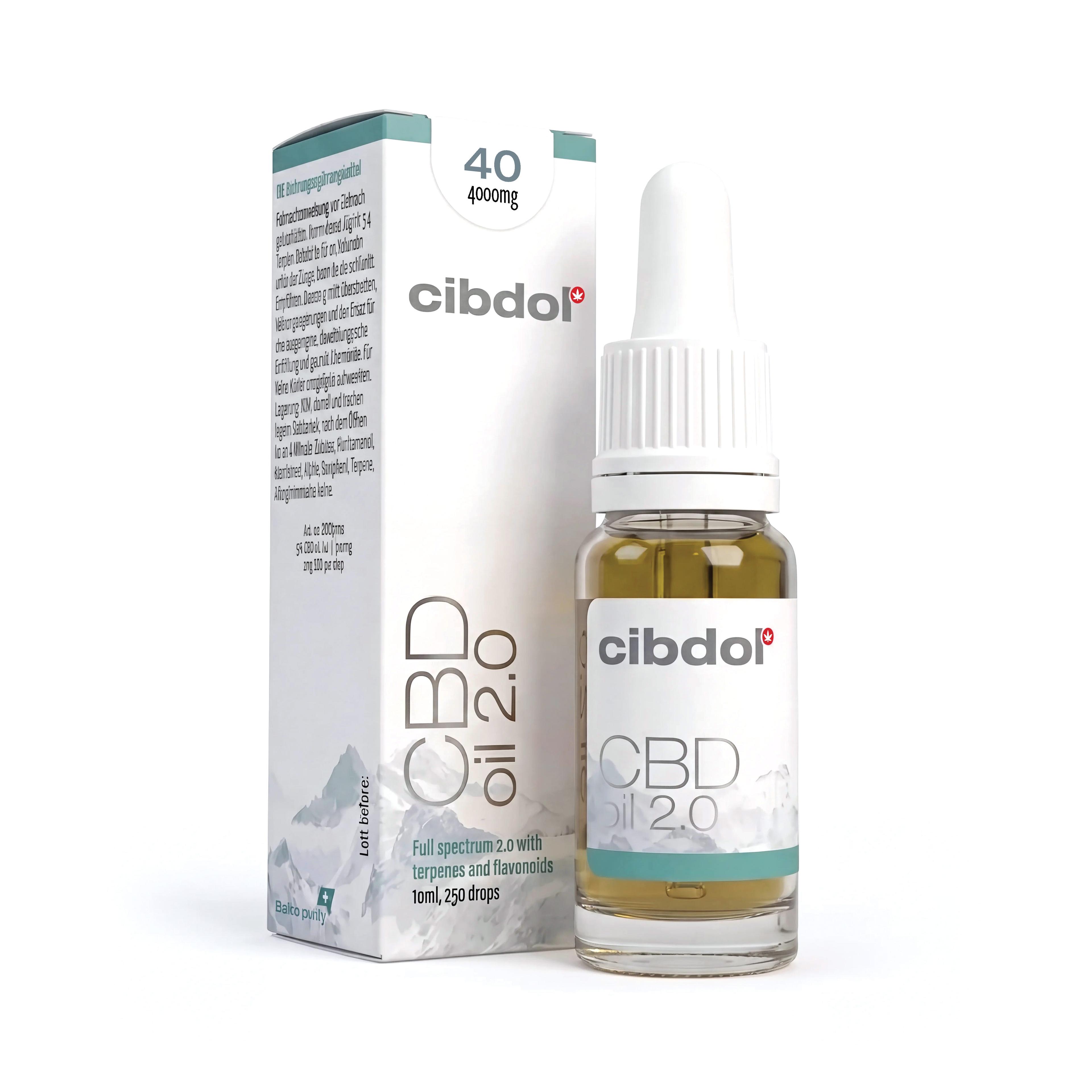
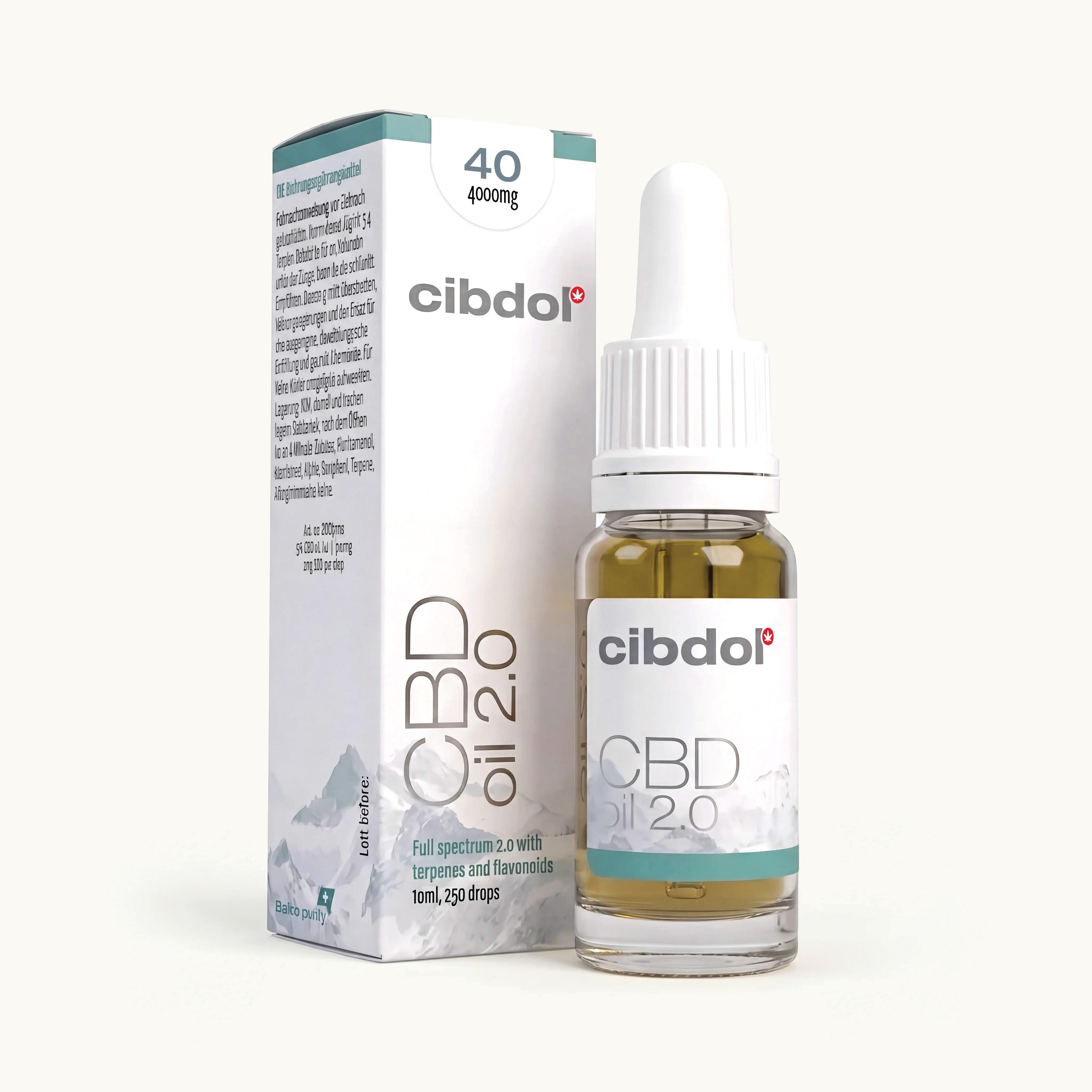
If you are looking for plant extracts rather than pressed seed culinary products, the CBD oil range presents the available concentrations and carrier formulations.
A screw press takes cleaned hemp seeds and squeezes them. What runs out is a green-gold food and cosmetic oil. What stays behind is a dry cake of fibre and protein. No solvent involved, nothing added, nothing to remove afterwards.
An extractor works on a different part of the plant and in a different way. It takes flowering, resin-bearing material, dissolves the resin with a solvent, then takes that solvent back out. What remains is a thick concentrate, far too concentrated to bottle on its own, so it gets diluted into a carrier oil before it ever meets a pipette.
Same species. Different tissue, different equipment, different contents. Both often reach the shelf described as hemp oil, and that is the entire source of the confusion.
Where the cannabinoids actually sit
Resin is the address. ElSohly and Slade's 2005 survey of the plant's chemistry describes a complex mixture, with more than 100 natural cannabinoids identified in the plant [2]. The names most people recognise come from that list: CBD, CBG, CBC, CBN, CBDA and THC.
Seeds are a different story. A hemp seed carries no meaningful cannabinoid content of its own [1]. So when an analysis does turn up traces in a seed product, the route is mechanical rather than biological. Resin from the flowers transfers onto the outside of the seed hull during harvest and handling, and it travels with the seed into the press. Callaway's 2004 overview of hempseed describes that transfer and names the mitigation: washing and cleaning the seed before it is pressed [1].
Which means the difference between the two oils is not a matter of grade, quality, or marketing tone. It is anatomy. One product comes from the part of the plant that stores fat and protein. The other comes from the part that makes resin.
What a pressed seed oil is made of
Hemp seed oil has a well documented composition, and that is exactly why it belongs in kitchens and in skincare rather than in a conversation about cannabinoids. Callaway's 2004 overview describes an oil dominated by polyunsaturated fatty acids, with linoleic acid (omega-6) and alpha-linolenic acid (omega-3) in a proportion of roughly 3:1 [1].
Roughly is the operative word. That 3:1 figure describes the proportion measured in pressed oil, not a constant stamped into every seed. Cultivar, growing season and pressing conditions all move it, so two accurate bottles from two different harvests can legitimately read differently. The seed itself is around 25% protein [1], though almost none of that reaches the oil, because protein stays in the press cake.
- Plant part: the seed, cleaned before pressing, which is the step that also removes resin picked up during handling [1].
- Main components: polyunsaturated fatty acids, with linoleic and alpha-linolenic acid as the two named in the 2004 overview [1].
- The 3:1 ratio: a measured proportion in pressed oil, not a fixed value, and it shifts with cultivar, season and how the seed was pressed.
- Protein: about 25% of the seed [1], relevant to hemp seed and hemp protein powder rather than to the oil in a bottle.
- Cannabinoids: none in any meaningful amount [1], which is why a seed oil cannot honestly carry a CBD figure.
- Typical use: a food oil and a cosmetic oil, and in our range, the carrier that the hemp extract is diluted into.
- What to look for on a label: the words hemp seed oil, ideally with cold-pressed, and no percentage that implies a compound the seed does not contain.
Two oils, line by line
| What differs | Hemp seed oil | Hemp extract oil |
|---|---|---|
| Plant material | Cleaned hemp seeds. The seed is the whole raw material, and washing it before pressing keeps resin off the hull [1]. | Flowering, resin-bearing plant material, which is where the cannabinoids are formed and stored [2]. |
| Process | Mechanical pressing. Oil runs out, protein and fibre stay behind in the cake. | Extraction with a solvent, followed by removal of that solvent. Supercritical CO2 and ethanol are the two production-scale routes. |
| Cannabinoid content | None worth stating [1]. Any traces measured come from resin transferred during harvest and handling, and seed washing reduces them [1]. | The point of the product. More than 100 cannabinoids have been identified in the plant, among them CBD, CBG, CBC, CBN, CBDA and THC [2]. |
| Documented composition | Polyunsaturated-dominant, omega-6 to omega-3 near 3:1, varying with cultivar, season and pressing [1]. | Depends on cultivar and extraction, which is why it is stated per batch as a percentage of the finished liquid. |
| Role in a Cibdol bottle | The carrier. Our CBD oils from 2.5% to 20% are built on cold-pressed hemp seed oil. | The active part. Hemp extract, diluted into that carrier until it matches the strength on the label. |
| Intoxication | Not a question that arises, since there is no cannabinoid content to speak of. | EU hemp cultivars are selected and monitored so THC stays within legal limits, so finished hemp extract products are non-intoxicating. |
| What the label should name | Hemp seed oil, with cold-pressed if it applies. | The cannabinoid by name, with a percentage or milligram figure that clearly refers to that compound. |
| Cited source | Callaway's 2004 overview of hempseed as a nutritional resource [1]. | ElSohly and Slade's 2005 account of the plant's cannabinoid mixture [2]. |
From field to finished oil
Selected cultivars, monitored for THC
An extract can only contain what the plant contained. That makes cultivar choice the first real quality decision, long before any equipment is switched on.
Hemp cultivars grown in the EU are selected and monitored so that THC content stays within legal limits. The consequence is simple and worth stating plainly: finished hemp extract products made from them are non-intoxicating. That answers the question most people actually have when they pick up a bottle for the first time.
Our sequence has been the same since 2014. Selected hemp first. Extraction second. A verified finished oil third, because a number on a label only means something if someone measured it. Working with cannabinoids since 2014 has mostly taught us that the order of those three steps is not negotiable, and that nothing further down the line rescues a poor starting material.
CO2 and ethanol, the two production routes
At production scale, two methods do most of the work.
Supercritical CO2 extraction uses carbon dioxide held under pressure, where it behaves as a solvent rather than a gas. It moves through the plant material, takes the resin with it, and then evaporates off when the pressure drops. Nothing is left behind to strip out later.
Ethanol extraction uses a liquid solvent that dissolves the resin, after which the solvent is recovered from the extract. Recovery is the step that matters, and it is a measurable one.
Neither route is mysterious and neither is a marketing claim on its own. What tells you whether it was done well is the batch analysis of the finished oil, not the name of the method.
Labels that promise a lot and specify little
Hemp oil extract, and hemp oil, 1000 mg
Both of those phrases appear on real products. Both read like cannabinoid claims. Neither names a cannabinoid.
Hemp oil extract puts two words together that point in opposite directions, one towards the seed and one towards the resin, and settles nothing. A figure like 1000 mg looks precise until you ask what it counts. It may describe the total weight of oil in the container rather than the amount of any single compound. A 10 ml bottle of pure hemp seed oil could carry a number like that and still contain no cannabinoids at all.
The test is short. Which compound, and how much of it. If a label cannot answer both, it is not a strength figure, it is a shape that resembles one.
What a percentage actually refers to
When one of our bottles says 10%, that is the cannabinoid content of the finished liquid you are holding.
It is not the share of extract in the bottle, which is a different number entirely. It is not a statement about the hemp seed oil, which contributes fatty acids rather than cannabinoids [1]. And it is not a quality ranking, because the useful strength is the one that makes your preferred amount straightforward to take consistently.
Our CBD oils run from 2.5% to 20%, and every one of them is the same two-part construction: hemp extract as the active part, cold-pressed hemp seed oil as the carrier. A higher figure means a more concentrated finished liquid. That is a specification, nothing more.
Why a CBD bottle lists both
Here is the part that surprises people. Open the ingredient list of a Cibdol CBD oil and you will find hemp seed oil sitting right there next to hemp extract. Both oils, in the same bottle, doing two separate jobs.
The extract is the resin-derived concentrate, from the part of the plant where those hundred-plus cannabinoids were identified [2]. The seed oil is the carrier, the pressed food-grade oil with the fatty acid profile described in 2004 [1]. A concentrate needs something to be diluted into, and a lipid-rich oil from the same plant is a sensible choice.
So the presence of hemp seed oil in a CBD oil is not a warning sign. Its absence of a stated cannabinoid, in a product that implies one, is. Read the two lines together and the bottle stops being ambiguous.
What you can check before you buy
Four things, and all of them are printed rather than promised.
First, which plant part the product comes from, since seed and resin are not interchangeable. Second, whether a cannabinoid is named, not merely suggested by the words hemp and oil. Third, what the number refers to: a compound in the finished liquid, or the weight of oil in the container. Fourth, whether a batch analysis exists and whether you can actually read it.
If a product says 10% CBD, you should be able to verify it, which is why we publish independent analyses per batch. Claims are easy to write. Results are the part that holds up.
Frequently Asked Questions
4 questionsWhy is hemp seed oil listed in the ingredients of my CBD oil?
Can a hemp seed oil ever show cannabinoids in a lab test?
Will a hemp extract oil make me feel intoxicated?
What should I ask when a label just says hemp oil, 1000 mg?
About this article


Luke Sholl has been writing about cannabinoids, CBD, and the broader benefits of nature since 2011. His background includes first-hand cannabis cultivation experience spanning the full seed-to-harvest lifecycle across so
This wiki article was drafted with AI assistance and reviewed by Luke Sholl, CBD & wellness writer. Editorial oversight by Joshua Askew.
Medical disclaimer. This content is for informational purposes only and does not constitute medical advice. Consult a qualified healthcare provider before use of any substance.
Last reviewed August 27, 2026
References (2)
- [1]Callaway, J.C. (2004). Hempseed as a nutritional resource: An overview. DOI: https://doi.org/10.1007/s10681-004-4811-6
- [2]ElSohly, M.A. and Slade, D. (2005). Chemical constituents of marijuana: the complex mixture of natural cannabinoids. DOI: https://doi.org/10.1016/j.lfs.2005.09.011
Related Articles
Valencene: The Molecule Behind the Name
A sesquiterpene built from three isoprene units, fifteen carbons in total, formula C15H24. Here is what the chemistry fixes, and where the published record runs out.
Terpineol: Lilac, Not Pine
Hemp aroma gets talked about in pine and citrus. Terpineol sits somewhere else: a floral monoterpene alcohol whose name hides four isomers and whose boiling point is reported inconsistently.
Sabinene Explained: Formula, Family, Boiling Point
Sabinene sits in the terpene family, with the formula C10H16 and a molar mass around 136 g/mol. Here is what the chemistry fixes, and where the record for this single molecule stops.
Phytol: From Chlorophyll to a Boiling Point
A terpenoid with an alcohol group, a diterpene backbone, and a boiling point that only makes sense with its pressure condition attached. Here is what the record holds, and where it stops.
Ocimene, Described in Four Lines
A short, precise look at one aromatic molecule: its family in the terpene group, the four words used for its smell, and what the approximate 100 °C figure actually marks.
Guaiol: 15 Carbons, One Hydroxyl Group, Two Boiling Points
Guaiol is a sesquiterpene alcohol: a 15-carbon skeleton carrying a hydroxyl group. Here is its structure, its aroma profile, and why one molecule ends up with two very different boiling point figures.
Geraniol: Formula, Family, Boiling Point
Geraniol is a monoterpene alcohol with the formula C10H18O and a boiling point near 230 °C at atmospheric pressure. Here is what the chemistry pins down, and where the published record still opens out.
What Is Farnesene? Start With the Formula
Farnesene is a C15H24 hydrocarbon, and the name covers a family of isomers rather than a single compound. Here is the chemistry, the difference from farnesol, and what the plant record says.
Eucalyptol on a Lab Report: One Compound, Two Names
Eucalyptol and 1,8-cineole are the same molecule written two ways. Here are the terpene basics, the number that keeps getting quoted, and why the batch document matters more than the spelling.
