Cannabis Oil: One Name, Three Bottles
Definition
Cannabis oil is a name, not a specification. The same two words are used for a cannabinoid extract diluted in a carrier oil, for a THC-rich extract, and for an oil pressed from seed. All three trace back to one species, and what separates them is chemistry and paperwork.
3 bottles that answer to one name
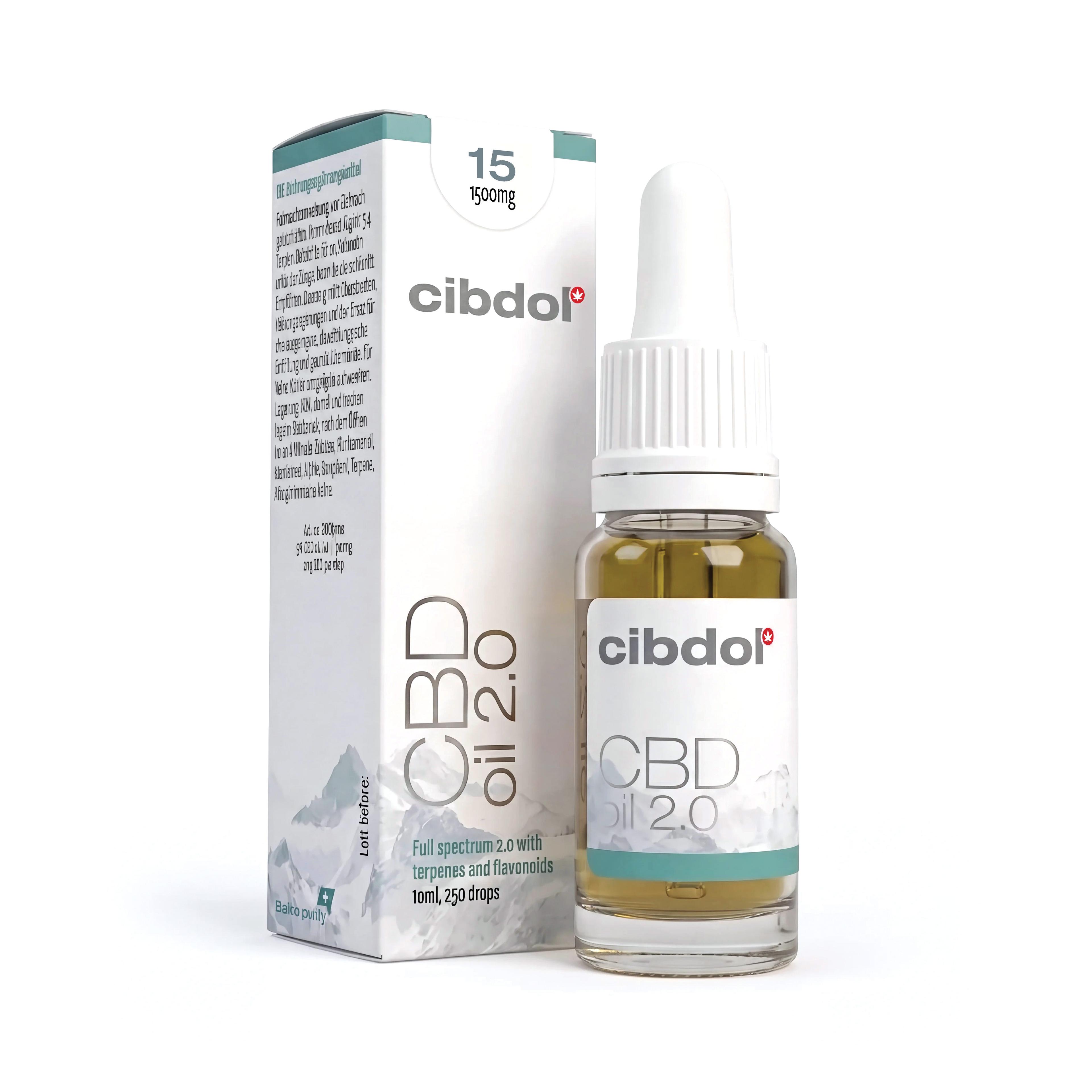
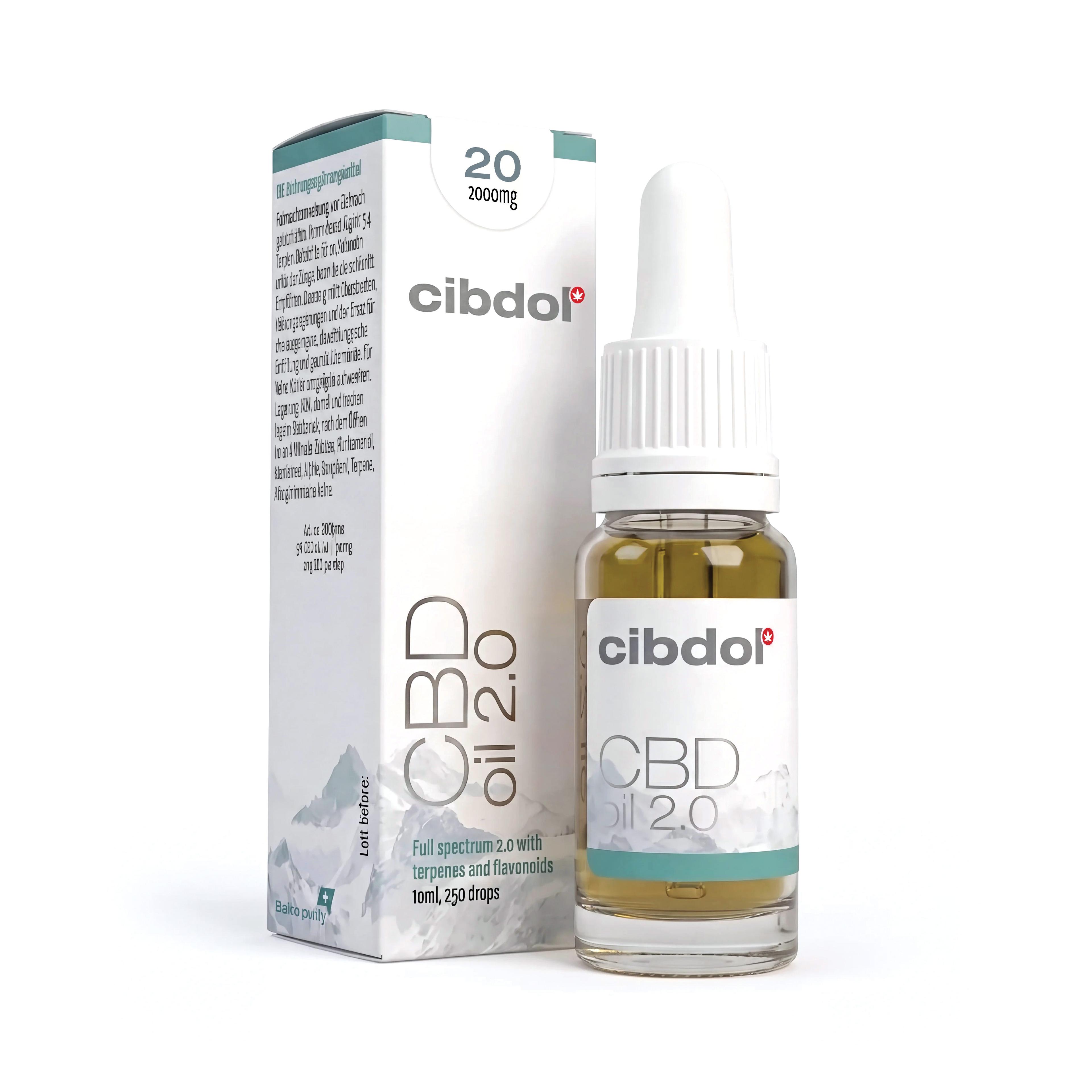
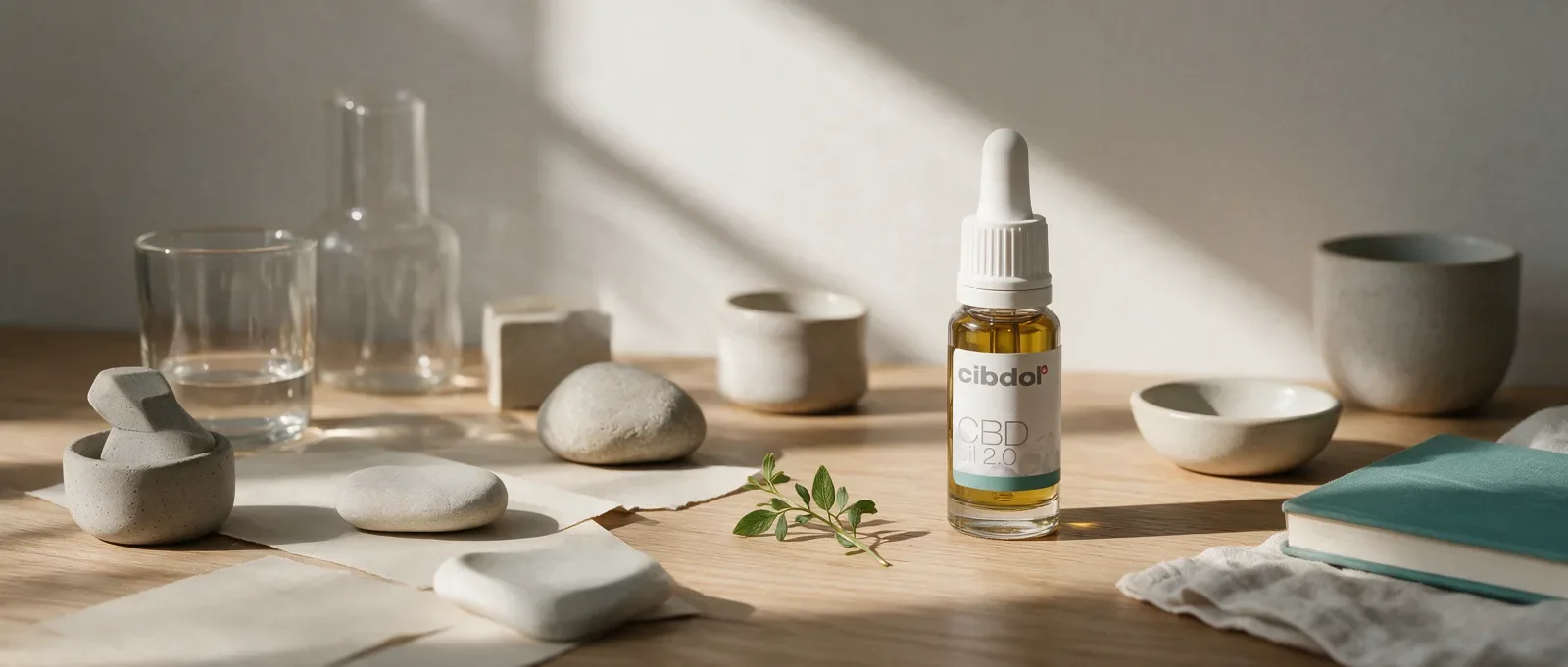
Three products get sold under the phrase cannabis oil. A dropper bottle holding a cannabinoid extract in a carrier oil. A thick, THC-rich extract. An oil pressed from seed. Same two words on the front of all three. Three different things inside, and three different legal positions behind them.
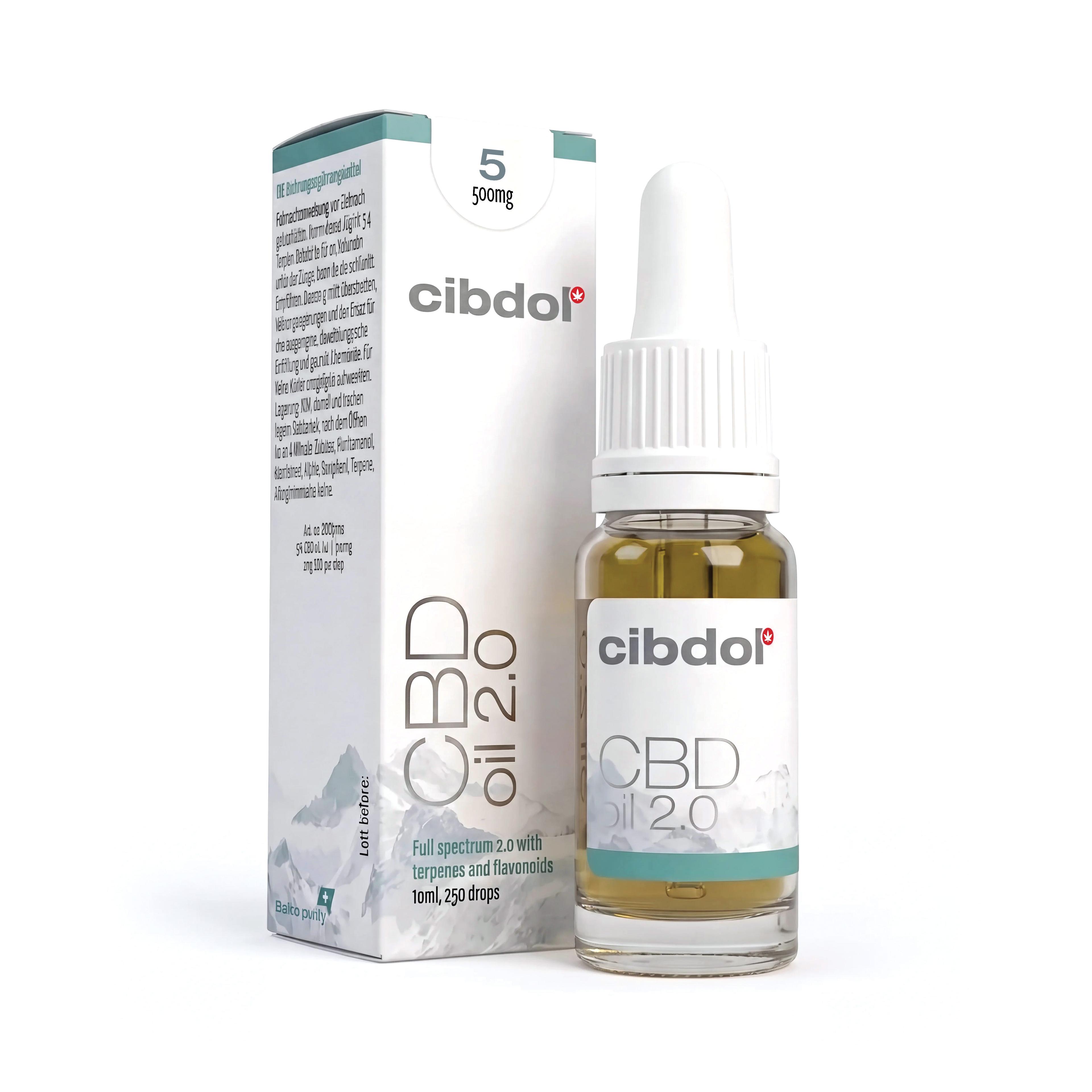
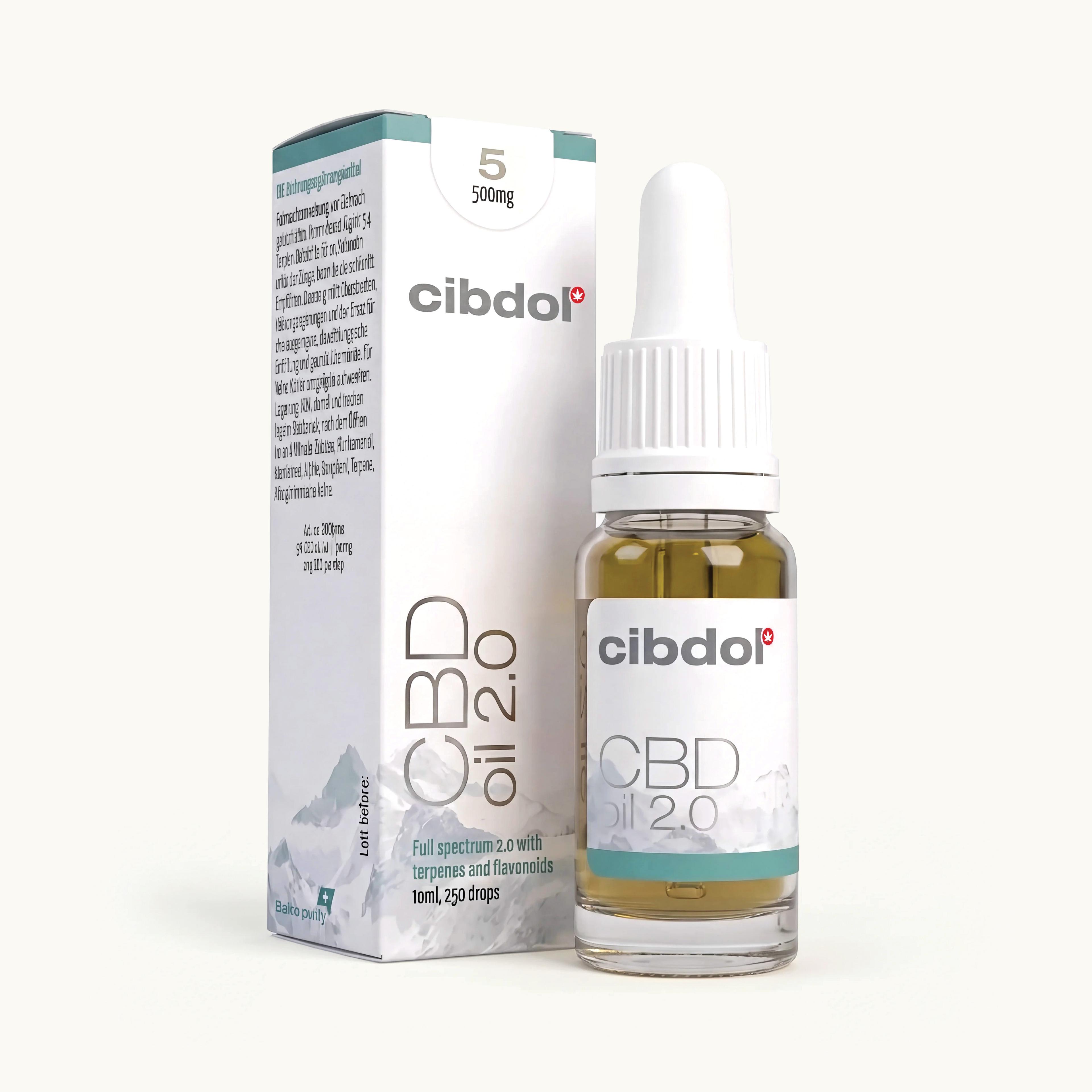
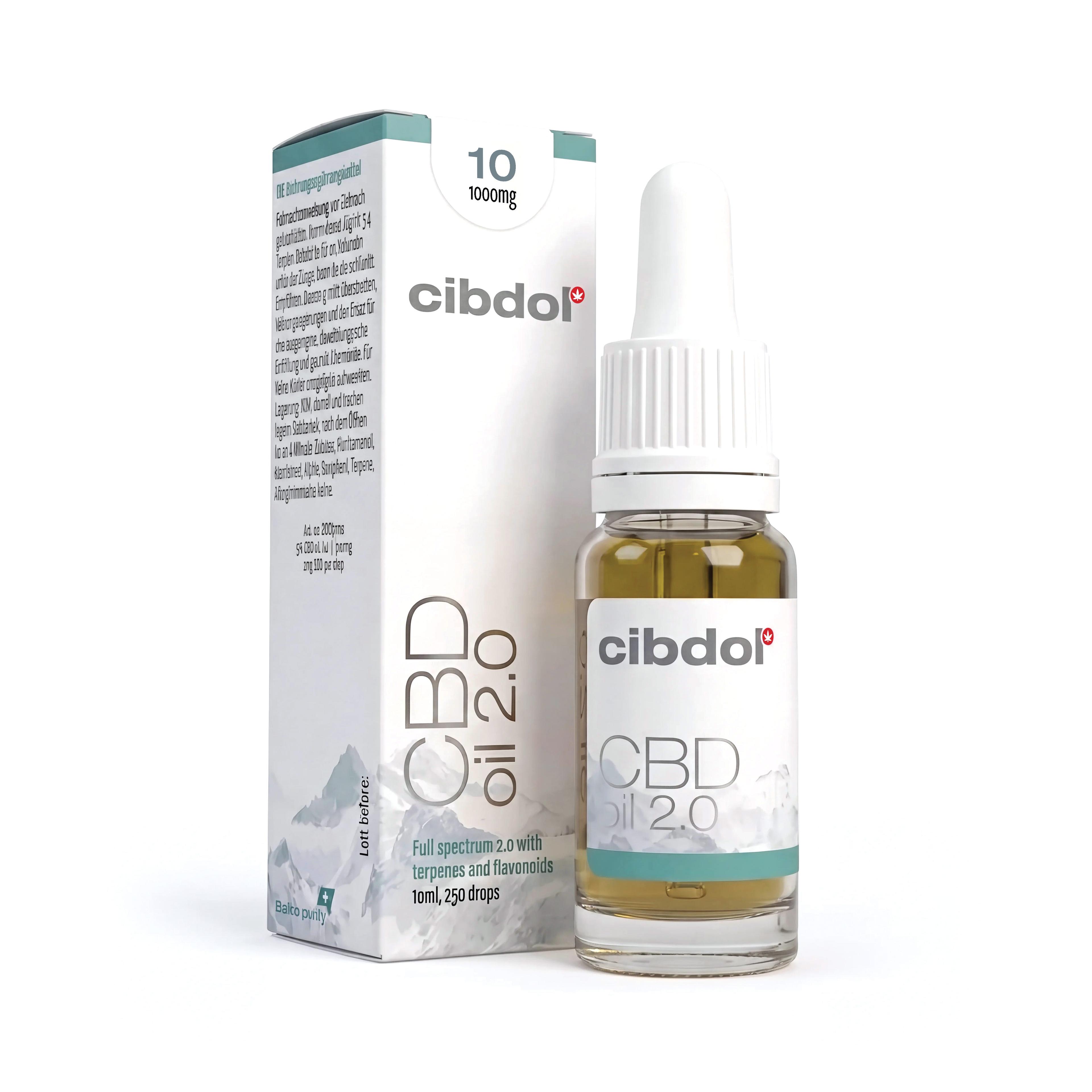
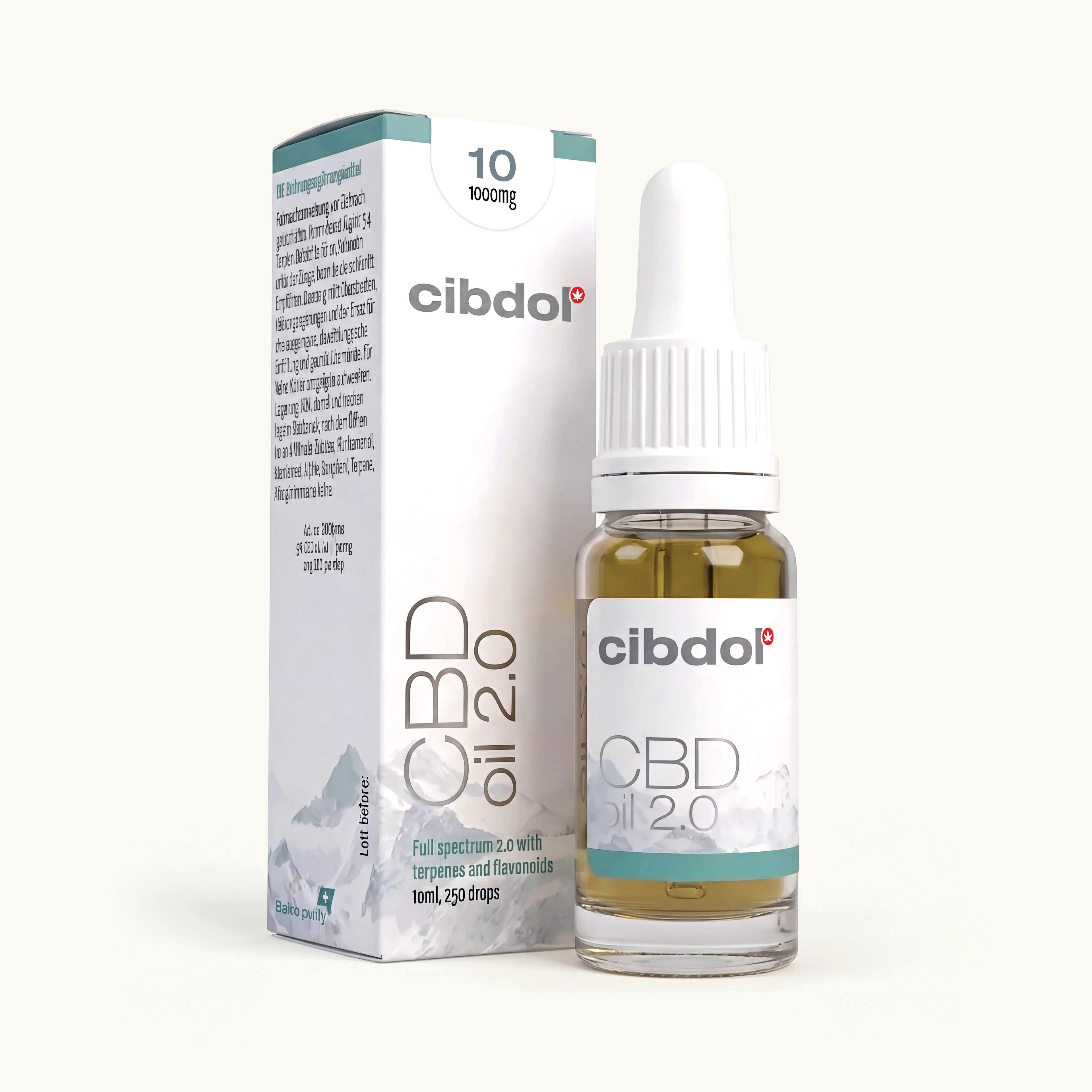
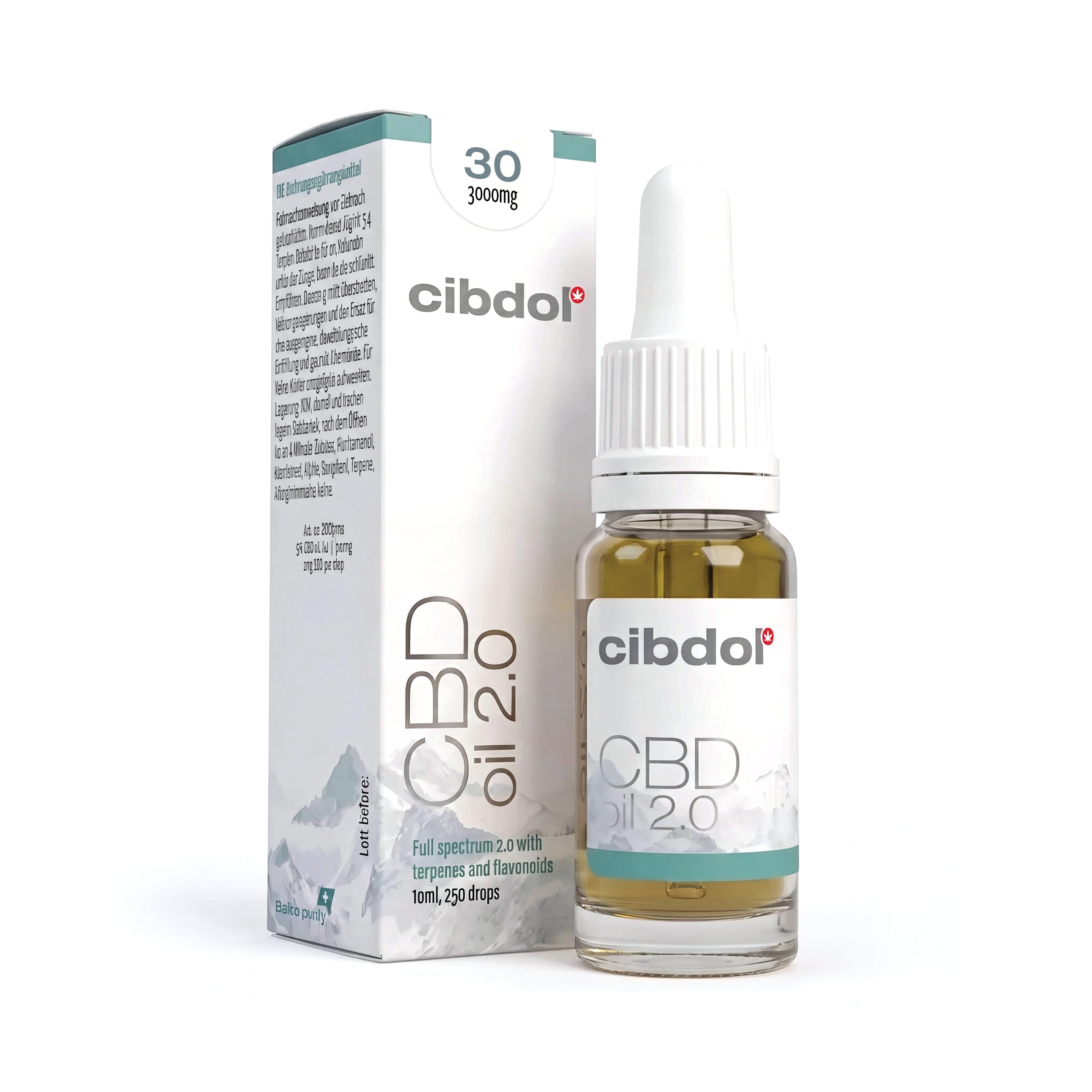
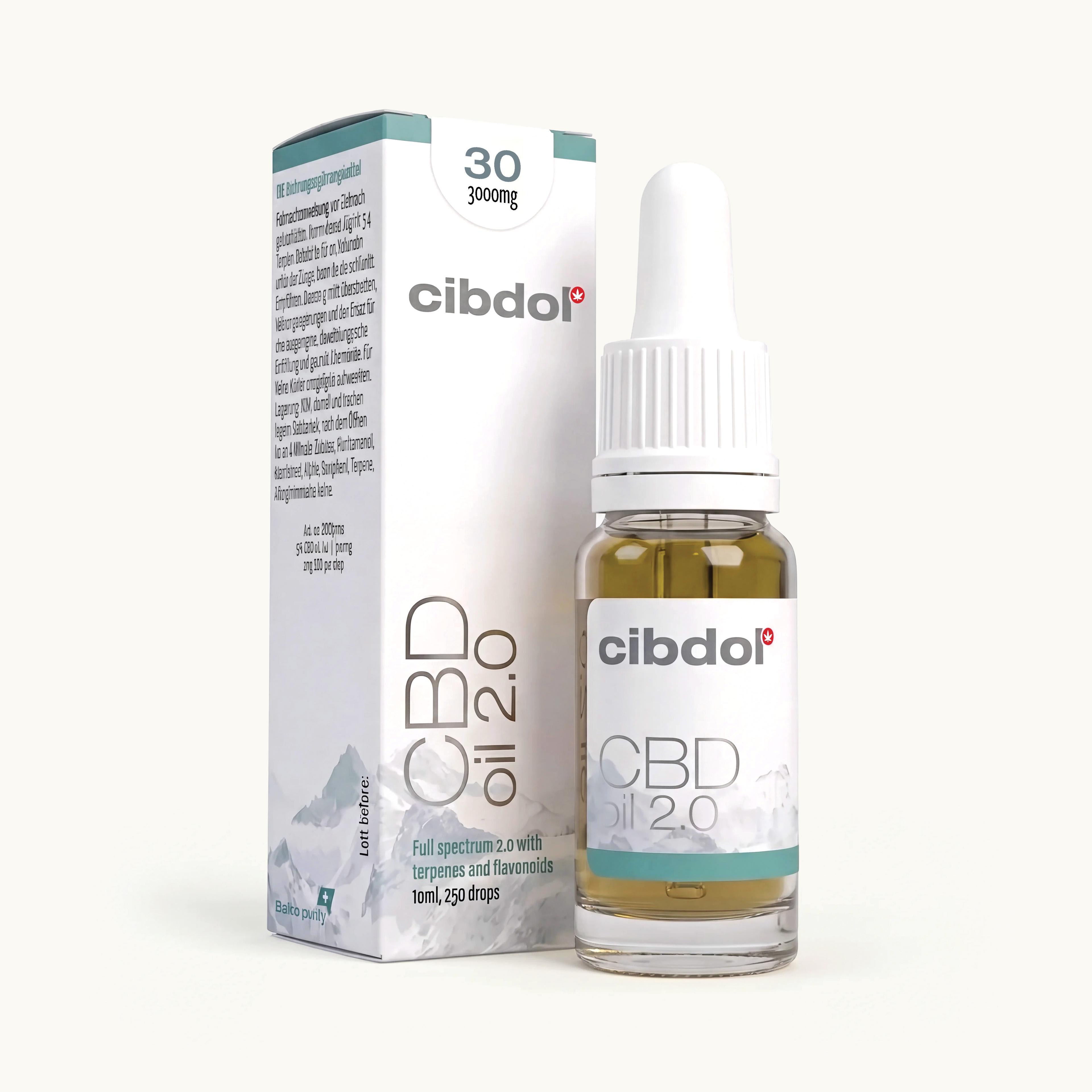
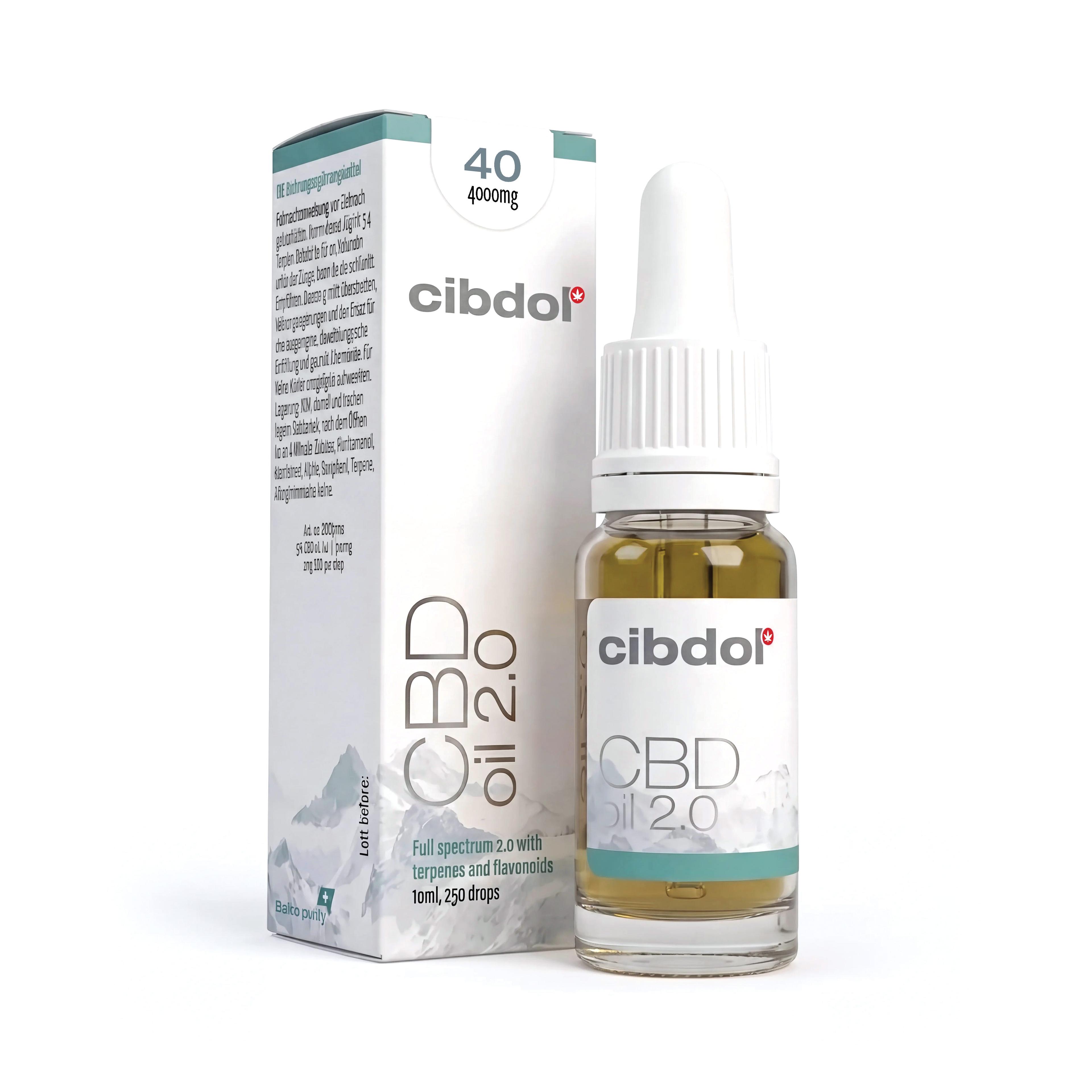
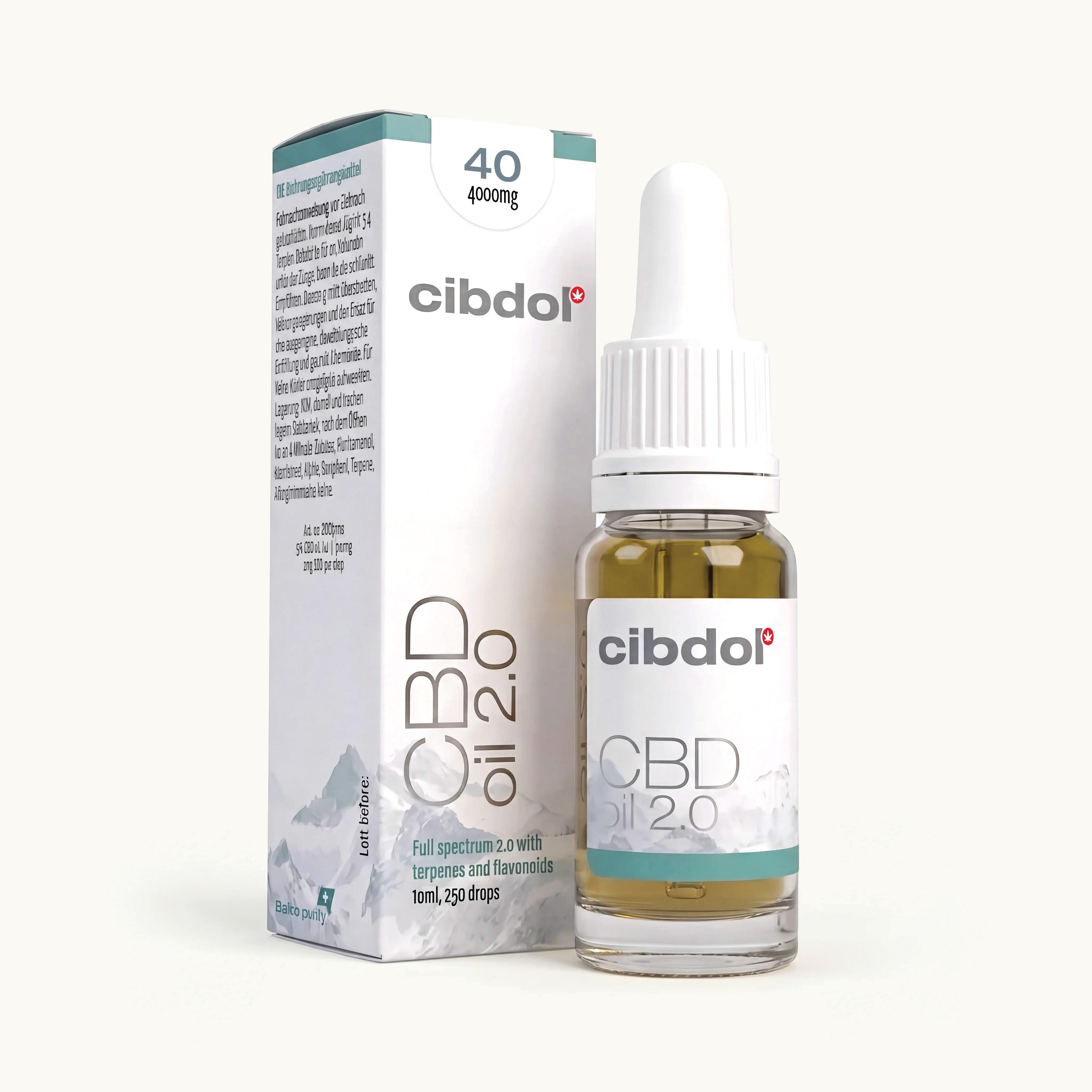
For the dropper bottles containing extract in carrier oil, you can see the available concentrations and bottle sizes in the CBD oil section.
The vocabulary is older than the market. Cibdol has been working with cannabinoids since 2014, and back then cannabis oil was simply what people said. The term covered much more ground than it does today. The shelf got specific, the words never quite caught up, and the phrase still arrives at the checkout attached to whatever the seller happened to have in mind.
So here is the map. Three rows, one per meaning.
| What is in the bottle | Plant material behind it | Chemistry on the report | Where Cibdol sits |
|---|---|---|---|
| Cannabinoid extract, standardised and diluted into a carrier oil | Flower and leaf biomass | A cannabinoid profile with acid and neutral forms listed separately; THC at or below the applicable limit [2] | First column. This is what we have made since 2014 |
| THC-rich extract | Flower and leaf biomass from a plant selected in the other chemical direction | THC dominant | Not ours. No manufacture, no sale |
| Oil pressed from seed | Seed, not resin | A fatty acid profile rather than a resin profile | Not a cannabinoid extract |
The first column is where our oils live. A concentrated extract from flower and leaf, standardised, then diluted into a carrier oil, so the figure printed on the label is something you can hold against a batch analysis [2].
The middle row we can be brief about. Cibdol does not manufacture THC-rich extracts and does not sell them, and you will not find a production method for one on this page. What the row is, in one sentence: the same species, a chemistry selected the other way, and a legal situation that has nothing to do with the bottle in column one.
The third row is not an extract at all. Seed goes into a press. Resin does not come along for the ride, because the resin compounds sit in flower and leaf [2]. Useful oil, different question, different aisle.
One species, split by chemistry
Hemp and drug-type cannabis are the same species: Cannabis sativa L. Not cousins. Not two plants with two family trees. The division that matters in practice is chemical, drawn according to what a given plant population has been selected to produce rather than where it came from, and it was set out as a practical taxonomy by Small and Cronquist in 1976 [1].
That distinction is older than the entire modern industry, and it still does the work. It answers the question a buyer actually has. Not what is this plant called, but what does it contain.
Which brings us to the resin, because that is where the interesting part of the plant is concentrated. Analyses of cannabis resin have described more than a hundred cannabinoids, alongside terpenes and a long list of other plant compounds [2]. One number cannot carry all of that. The chemistry of an extract is a profile, and a single percentage on a front label describes one line of it.
There is a second detail, and it catches people out regularly. In the living plant, cannabinoids are largely present in their acid forms. CBDA rather than CBD. THCA rather than THC. Heat and time convert the acid form into the neutral one [2]. This is chemistry, not marketing, and it explains something you will notice as soon as you open a proper lab report: the same compound family appears twice, acid form on one line, neutral form on another.
Read that way, a certificate of analysis stops being decoration and starts being a document. You can see which forms were measured. You can see the spread of minor cannabinoids next to the main one. You can see whether the total for a compound was reported as one figure or split across two rows, which changes how the arithmetic on the box should be read.
It also puts the word cannabis in perspective. As a botanical name it covers a wide range of chemistry. As a shopping term it is close to useless on its own, since two bottles can share the label and share the species while sharing very little else. The species tells you the family. The chemistry tells you the product. Only one of those two gets printed in large type, which is exactly why the small type deserves the attention.
From flower and leaf into a carrier
The route from field to filled bottle is short to describe and exacting to run. It starts with flower and leaf biomass, because that is where the resin compounds are, and it ends with a diluted, standardised oil.
Step one is extraction. Supercritical CO2 is one established route: carbon dioxide is brought to a state where it behaves partly like a gas and partly like a liquid, and its density can be adjusted. Density is the industrial criterion here. Set it one way and one set of compounds comes across. Set it another way and the selection shifts.
Step two is separation. The resin compounds are pulled away from the plant material they were sitting in, which leaves fibre, chlorophyll-bearing tissue and the rest of the biomass behind. What comes out the other side is a concentrated extract, and concentrated is the operative word. It is not something anyone puts in a dropper as it stands.
Step three is where the label gets decided. The extract is standardised, then diluted into a carrier oil to the concentration the product is meant to have. Two jobs, done in that order. Standardisation is what makes batch three comparable to batch thirty; dilution is what turns a concentrate into something measurable by the drop.
Heat and time appear in this chain more than once, and that has a visible consequence on the paperwork. Because acid forms convert to neutral forms under heat and time [2], the balance between CBDA and CBD in a finished oil is a processing outcome as much as a plant outcome. A report that lists both lines is showing you where the material ended up, not just what the plant started with.
None of this is exotic. It is grinding, pressure vessels, pumps, separation and a mixing tank, run to a specification and then verified. The reason to explain it in plain terms is that the chain determines what can honestly be printed on the box. Flower and leaf in, resin compounds separated out, concentrate standardised, carrier oil added, batch analysed. Every step in that sequence is either documented or it is a guess, and a guess has no business on a label.
Milligrams, percentages, limits
10 ml at 10% CBD comes out at roughly 1,000 mg of cannabidiol in the bottle. Move that same 1,000 mg into a 30 ml bottle and the label reads just over 3%. Nothing was added, nothing was taken away. The concentration changed because the volume did.
Percentage and milligrams answer two different questions. One describes how concentrated the oil is. The other describes how much cannabidiol the bottle holds in total. Bottle size sits between them, and a good share of shelf confusion is those three figures compared in the wrong order. Volume first. Then percentage. Then the total.
The other figure on the box is THC. Cannabinoid oils of the first-column type are non-intoxicating, and sale within the EU is legal when THC stays at or below the applicable limit. That limit is a condition, not a footnote. It is the line that keeps the first column in one legal category and pushes the middle column into another, and it is measured per batch rather than assumed.
So the middle row of the table stays where it is. A THC-rich extract is defined by exactly the compound the limit caps. Cibdol does not produce it, does not sell it, and this page carries no method for making it. That is not squeamishness about the plant. It is a matter of which product a company is built to stand behind.
What we do stand behind sits in the first column, and it has done since 2014: an extract from flower and leaf, standardised, diluted into a carrier, analysed batch by batch. On that analysis you can check the cannabinoid profile rather than a single headline number [2], find the acid and neutral forms on their own lines, and confirm the THC figure against the limit that applies where you are.
Three products, one phrase, and one habit that sorts them out. Look at what the oil was made from, then look at the volume, then look at the report. The name on the front is the least informative thing on the packaging.
Frequently Asked Questions
3 questionsWhy does a lab report show CBD and CBDA on separate lines?
Does 1,000 mg mean the same thing in every bottle size?
Does Cibdol make or sell THC-rich extracts?
About this article


Luke Sholl has been writing about cannabinoids, CBD, and the broader benefits of nature since 2011. His background includes first-hand cannabis cultivation experience spanning the full seed-to-harvest lifecycle across so
This wiki article was drafted with AI assistance and reviewed by Luke Sholl, CBD & wellness writer. Editorial oversight by Joshua Askew.
Medical disclaimer. This content is for informational purposes only and does not constitute medical advice. Consult a qualified healthcare provider before use of any substance.
Last reviewed August 27, 2026
References (2)
- [1]Small, E. and Cronquist, A. (1976). A practical and natural taxonomy for Cannabis. DOI: https://doi.org/10.2307/1220524
- [2]ElSohly, M.A. and Slade, D. (2005). Chemical constituents of marijuana: the complex mixture of natural cannabinoids. DOI: https://doi.org/10.1016/j.lfs.2005.09.011
Related Articles
Valencene: The Molecule Behind the Name
A sesquiterpene built from three isoprene units, fifteen carbons in total, formula C15H24. Here is what the chemistry fixes, and where the published record runs out.
Terpineol: Lilac, Not Pine
Hemp aroma gets talked about in pine and citrus. Terpineol sits somewhere else: a floral monoterpene alcohol whose name hides four isomers and whose boiling point is reported inconsistently.
Sabinene Explained: Formula, Family, Boiling Point
Sabinene sits in the terpene family, with the formula C10H16 and a molar mass around 136 g/mol. Here is what the chemistry fixes, and where the record for this single molecule stops.
Phytol: From Chlorophyll to a Boiling Point
A terpenoid with an alcohol group, a diterpene backbone, and a boiling point that only makes sense with its pressure condition attached. Here is what the record holds, and where it stops.
Ocimene, Described in Four Lines
A short, precise look at one aromatic molecule: its family in the terpene group, the four words used for its smell, and what the approximate 100 °C figure actually marks.
Guaiol: 15 Carbons, One Hydroxyl Group, Two Boiling Points
Guaiol is a sesquiterpene alcohol: a 15-carbon skeleton carrying a hydroxyl group. Here is its structure, its aroma profile, and why one molecule ends up with two very different boiling point figures.
Geraniol: Formula, Family, Boiling Point
Geraniol is a monoterpene alcohol with the formula C10H18O and a boiling point near 230 °C at atmospheric pressure. Here is what the chemistry pins down, and where the published record still opens out.
What Is Farnesene? Start With the Formula
Farnesene is a C15H24 hydrocarbon, and the name covers a family of isomers rather than a single compound. Here is the chemistry, the difference from farnesol, and what the plant record says.
Eucalyptol on a Lab Report: One Compound, Two Names
Eucalyptol and 1,8-cineole are the same molecule written two ways. Here are the terpene basics, the number that keeps getting quoted, and why the batch document matters more than the spelling.
