Educational content about cannabinoid science, not medical advice. Consult a healthcare professional before combining CBD products with medication. Our age policy
CBC (Cannabichromene): One Branch of Hemp Chemistry
Definition
CBC is short for cannabichromene, a natural cannabinoid identified in hemp and grouped with CBD, CBG and THC among the plant's major cannabinoids [1]. It is classed as non-intoxicating, unlike THC [1]. On a batch analysis it appears as its own line, alongside the other cannabinoids an extract carries.
Why does CBC keep showing up on a batch report?
Because hemp was never a one-compound plant. CBC is short for cannabichromene, a natural cannabinoid identified in the plant, and the 2005 review by ElSohly and Slade places it among the major cannabinoids, in the same group as CBD, CBG and THC [1]. Major is a chemistry word here, not a marketing one. It describes the compounds that turn up consistently, and in amounts worth measuring, when someone catalogues what the plant actually contains [1].
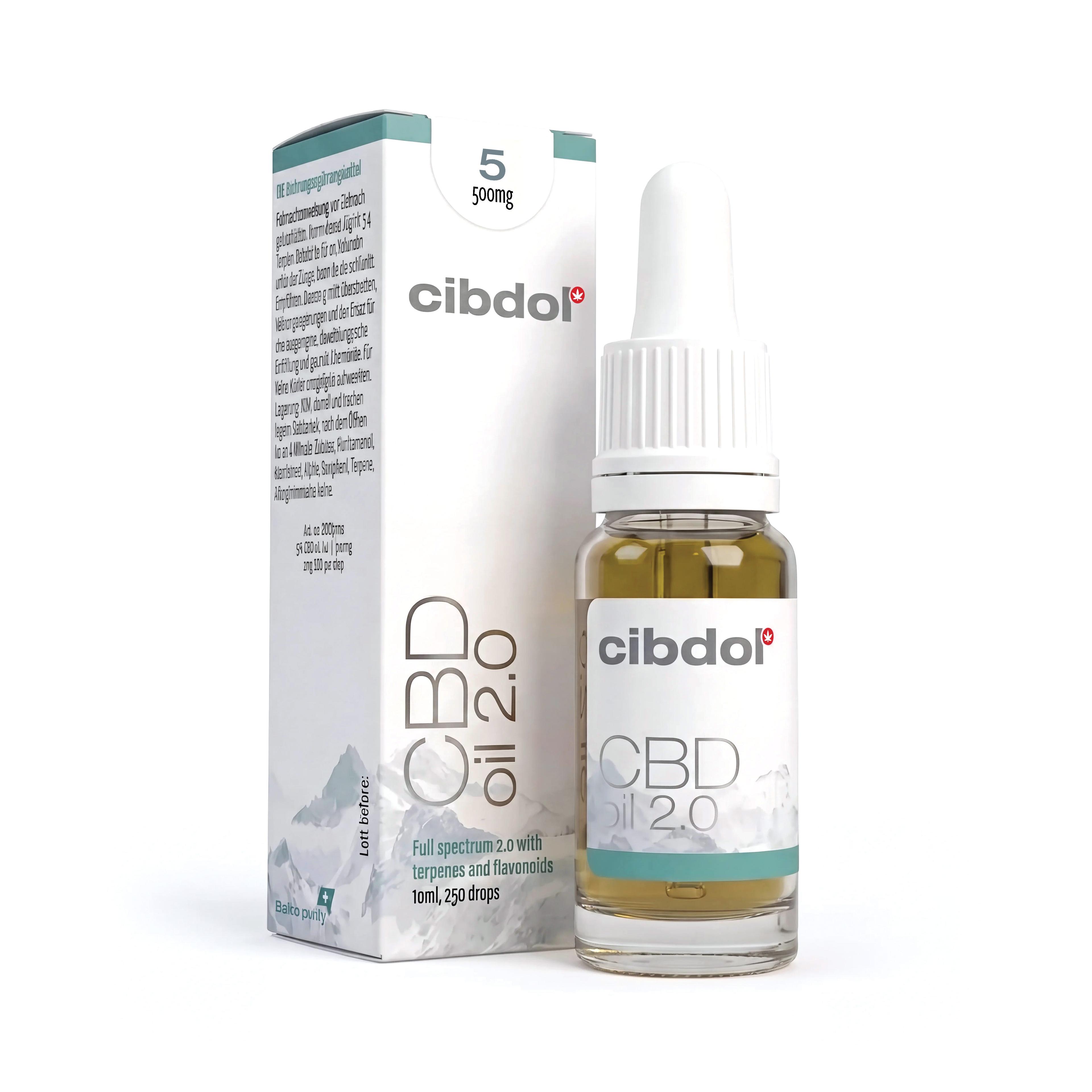
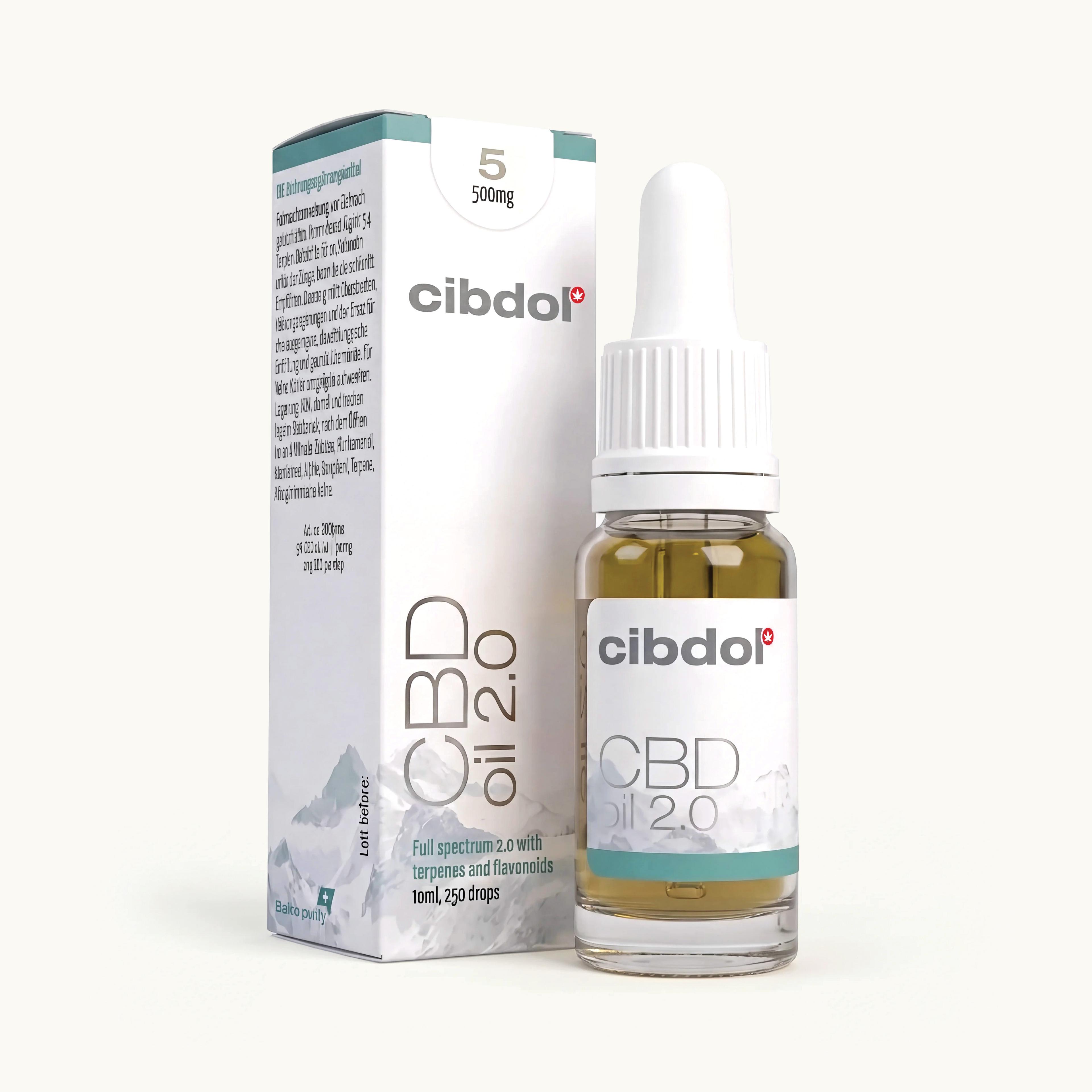
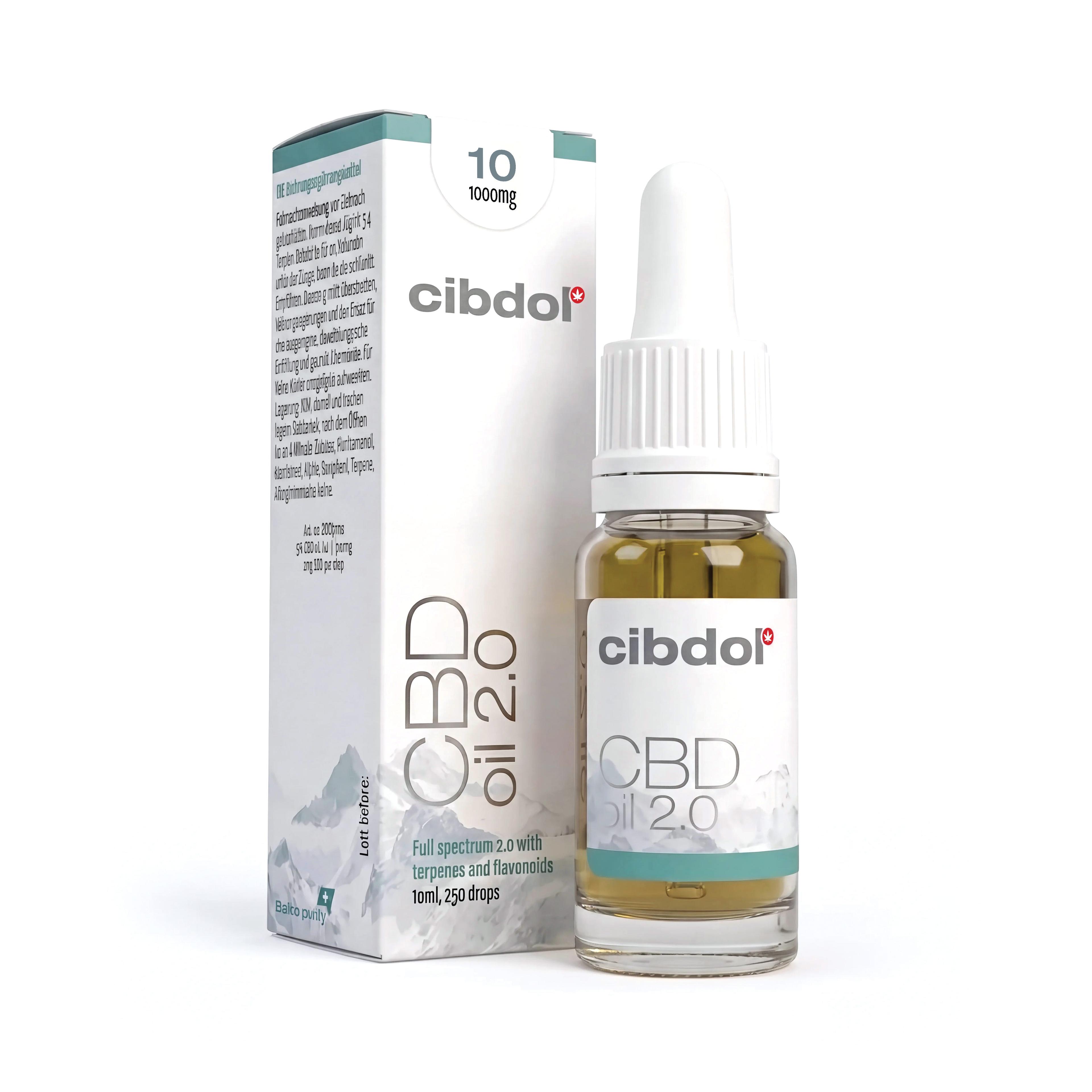
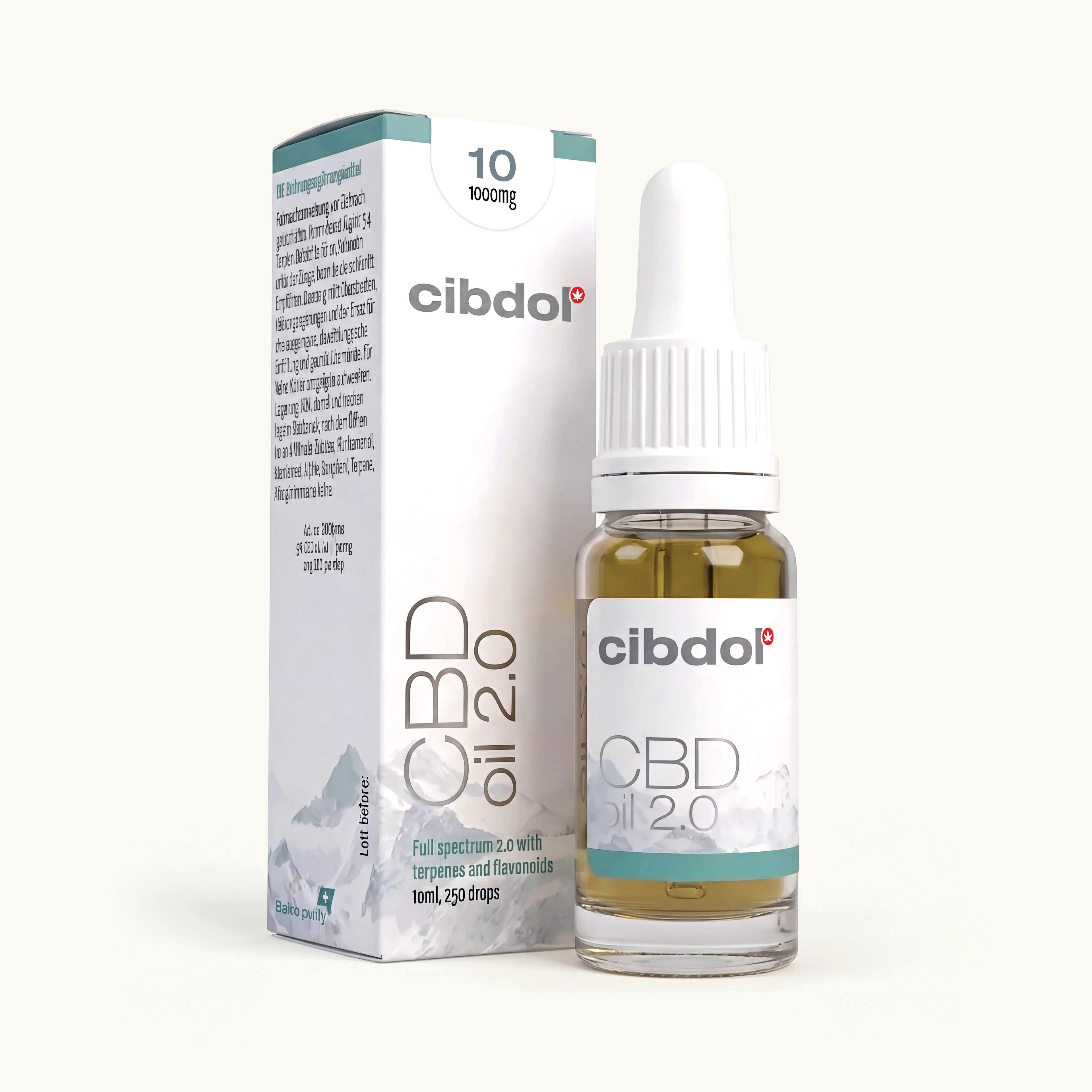
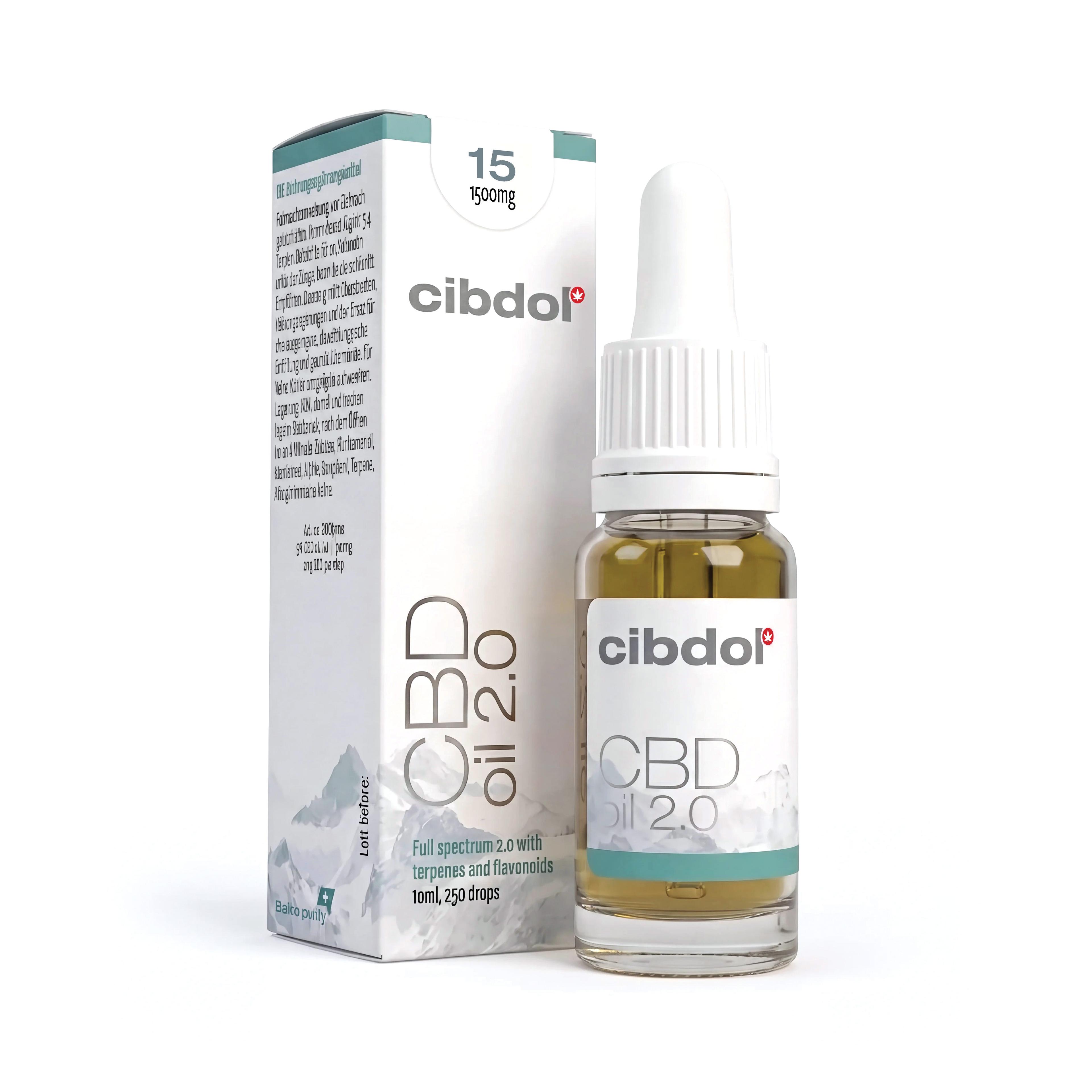
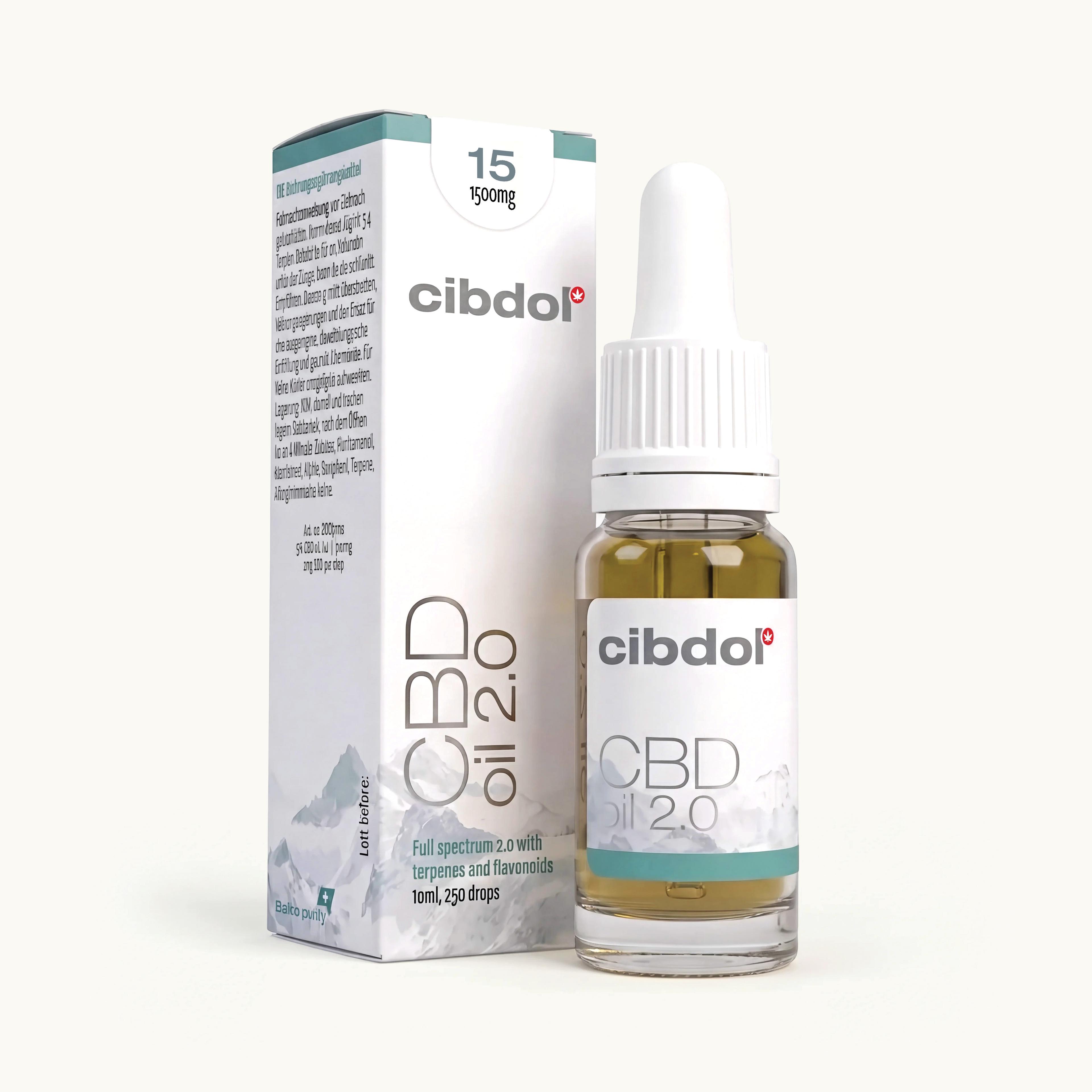
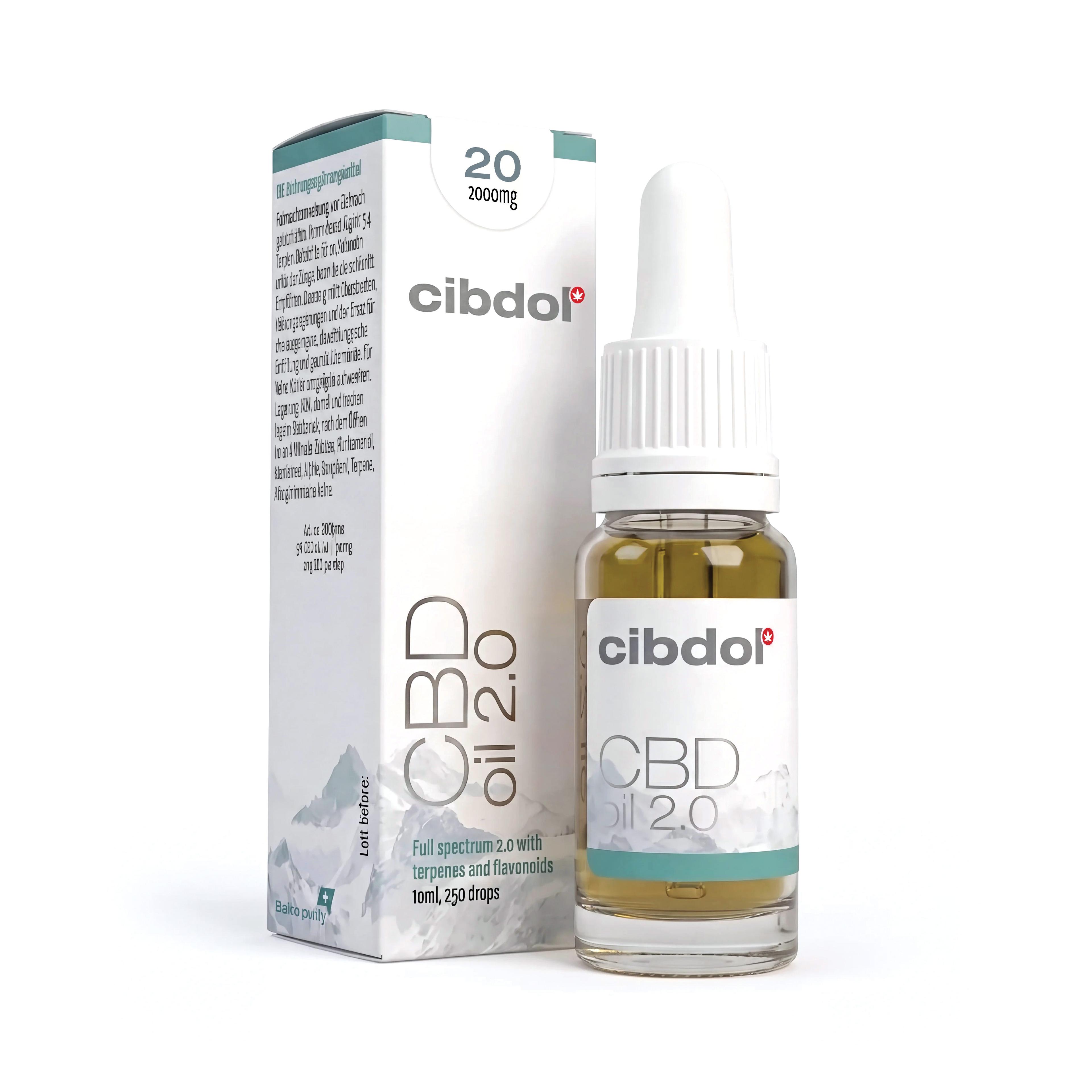
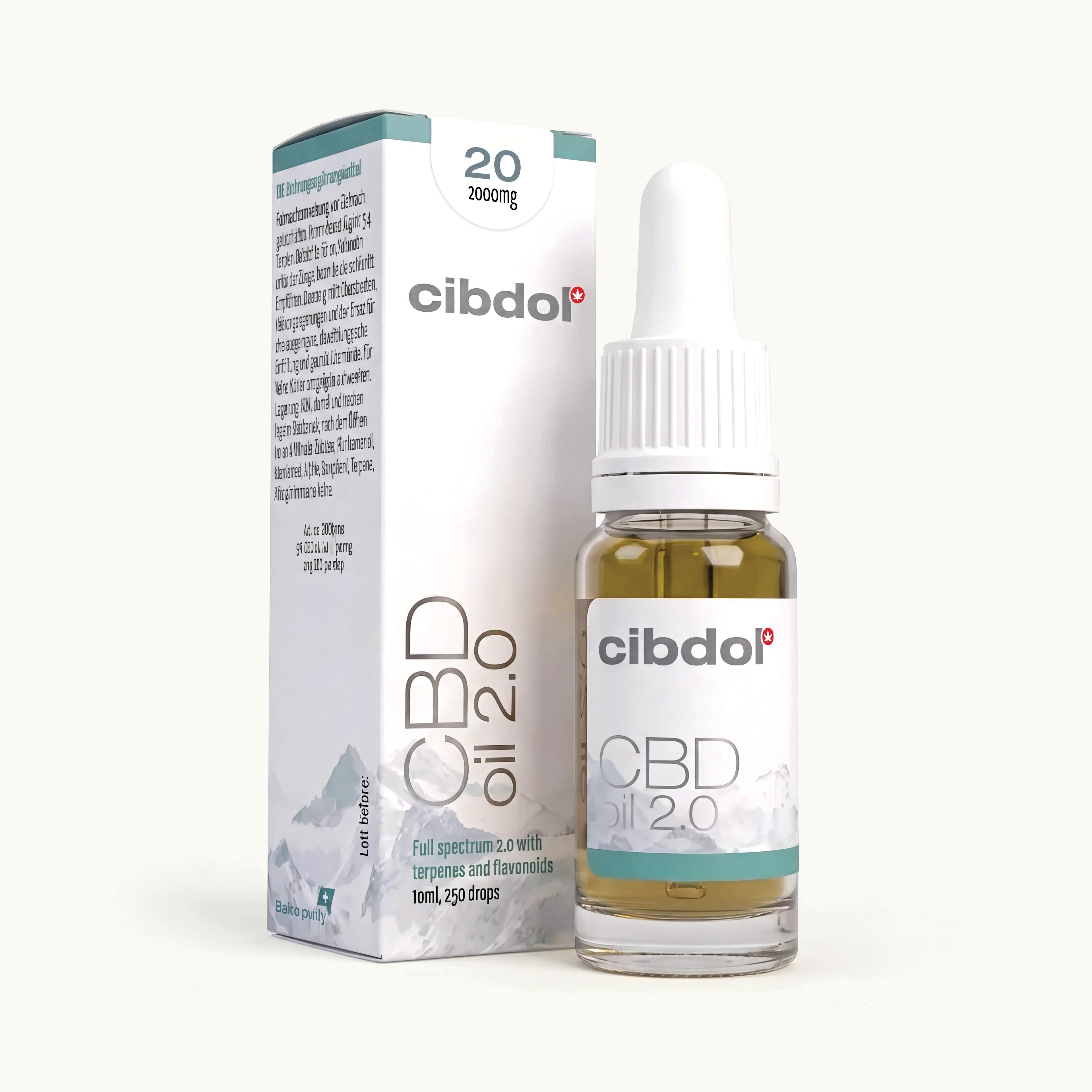
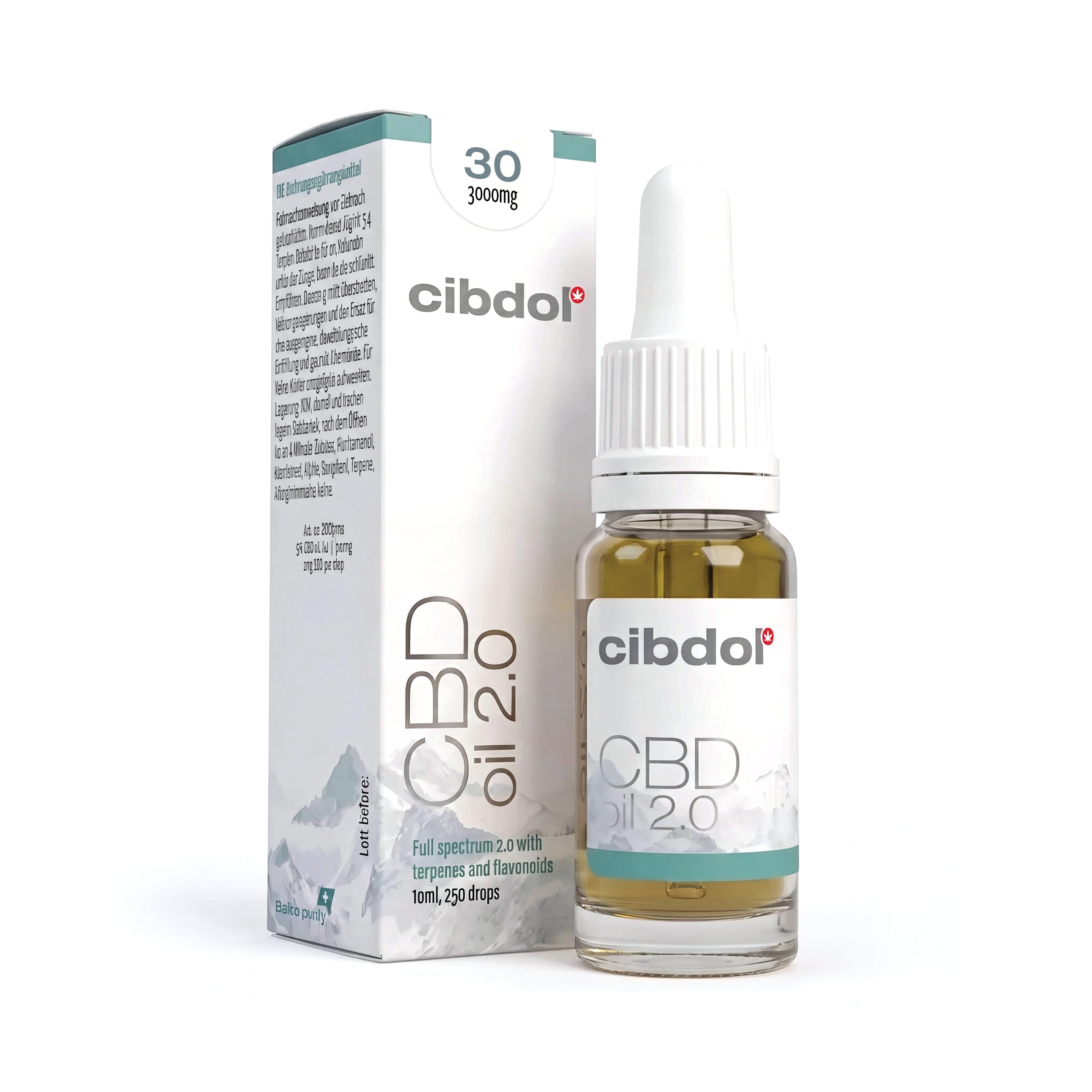
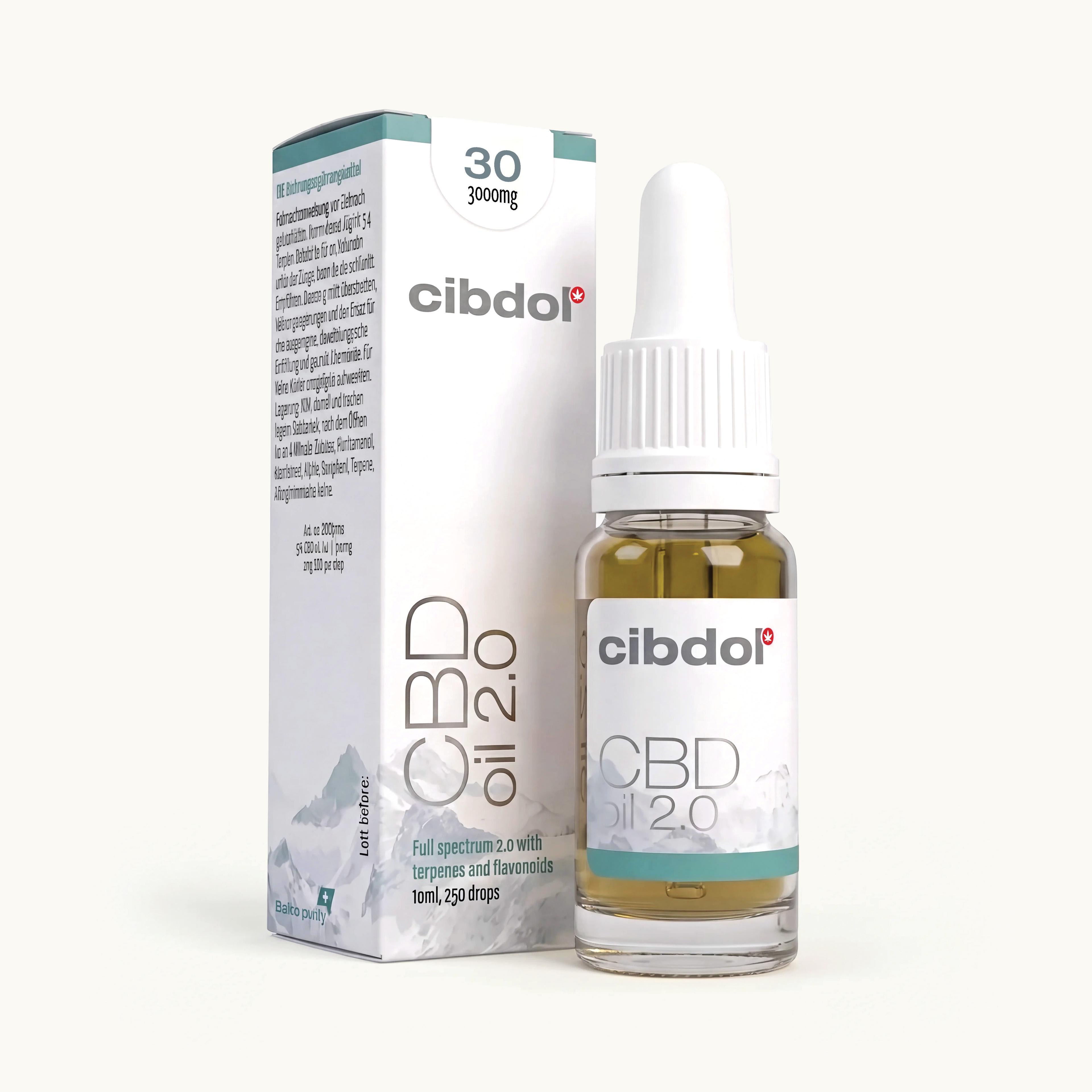
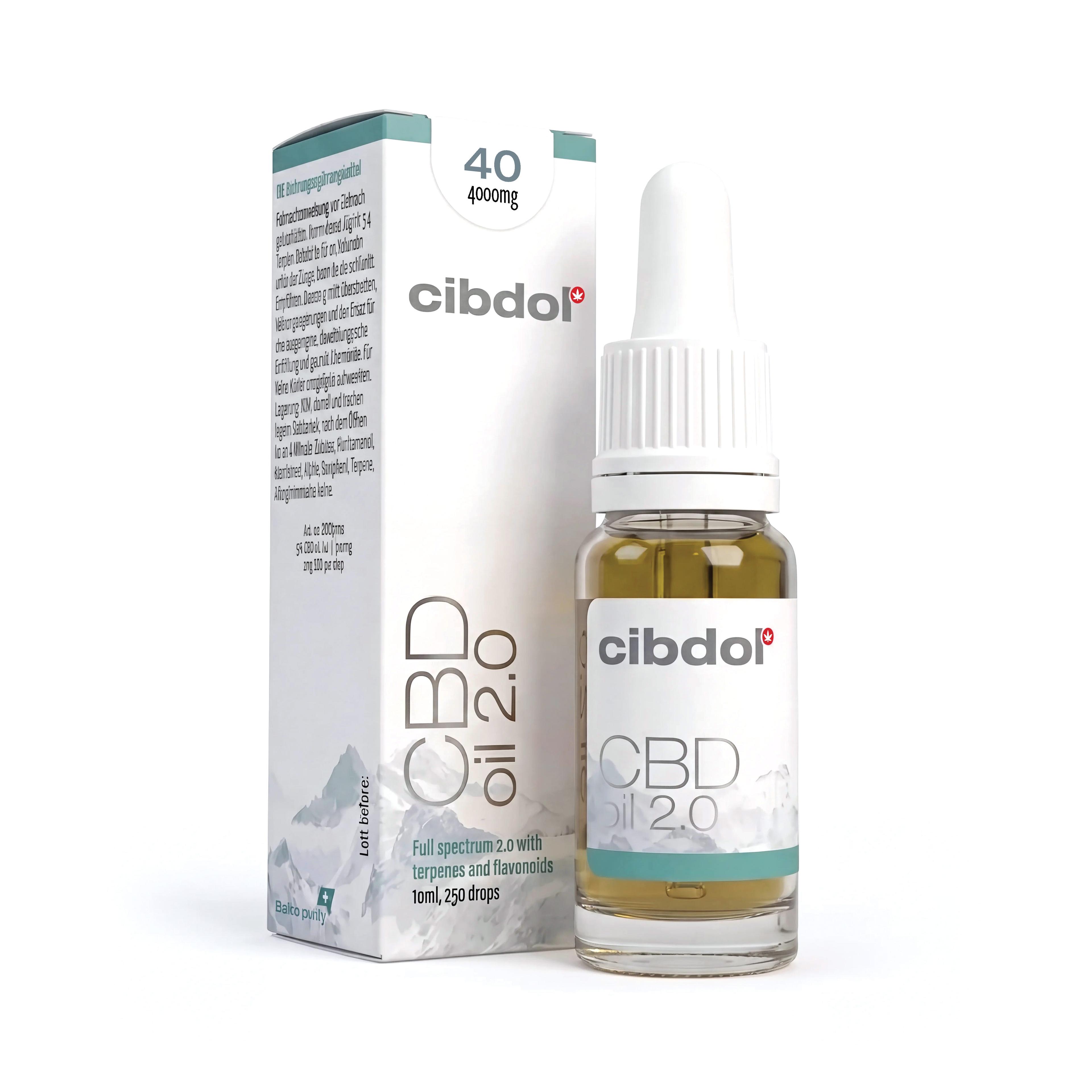
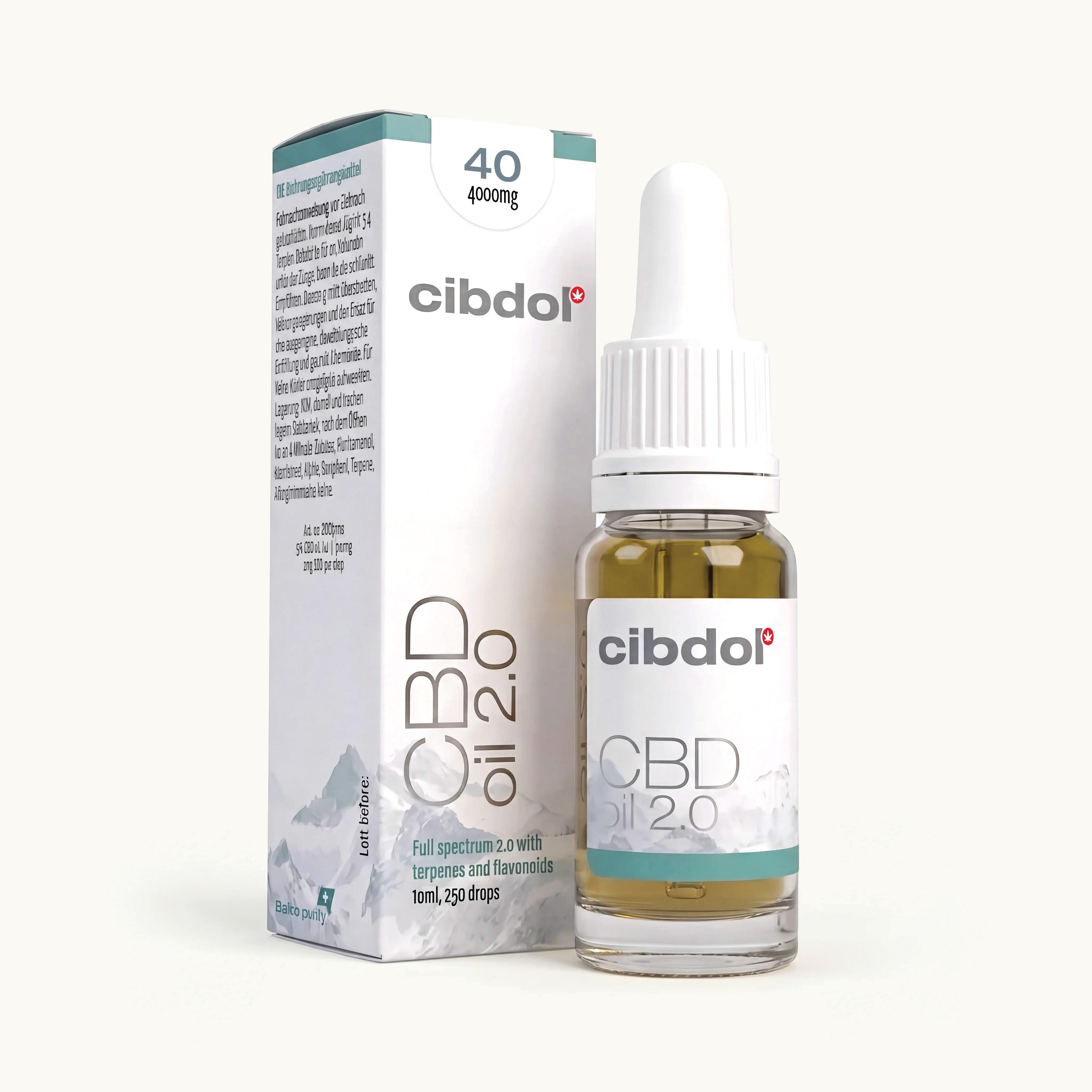
You can see the concrete formats, strengths and bottle sizes derived from these plant extracts in the CBD oil range.
The naming follows the logic you already know from CBD and CBG. Three letters, one longer chemical name behind them, hemp as the source [1]. Nothing exotic about the abbreviation itself.
The point most readers want settled first: CBC is classed as non-intoxicating, unlike THC, in that same 2005 review [1]. That is the line the review draws between the two compounds [1].
And CBC is not an add-on to hemp chemistry. It did not arrive because a market wanted fresh letters for a label. The plant's cannabinoid content is described as a complex mixture, and cannabichromene belongs to that mixture on the same terms as the names people recognise straight away [1]. Our 2.0 full-spectrum CBD oils are the formalisation of that: CBC, CBG, CBN and CBDA standardised per batch, alongside CBD.
You may also see CBCA on paperwork. That is cannabichromenic acid, the acid form sitting on the same branch. Two names, one branch. The analysis tells you which of the two was measured, and in what quantity.
- CBC: abbreviation of cannabichromene, a cannabinoid whose source is hemp [1].
- Classification: major cannabinoid, grouped with CBD, CBG and THC in the 2005 ElSohly and Slade review [1].
- Status: non-intoxicating, in contrast to THC, as classed in that review [1].
- Acid form: CBCA, cannabichromenic acid, the same branch under a different name.
- Neutral form: CBC, the version measured and reported in extracts.
- Shared origin: cannabigerolic acid, or CBGA, reported by Fellermeier and Zenk in 1998 as the acid precursor in the plant [2].
- In our range: no CBC-only bottle; cannabichromene appears standardised per batch in the 2.0 full-spectrum CBD oils.
- Our habit since 2014: describe the bottle contents, cite the known facts, state where knowledge stops.
From one acid to several branches
- Everything starts with a small phenolic acid called olivetolate. In 1998, Fellermeier and Zenk described a hemp transferase acting on it, prenylating the molecule, and the product of that reaction was cannabigerolic acid [2]. A reaction reported at the level of enzyme, substrate and product.
- Cannabigerolic acid goes by CBGA. In the same 1998 work it is named as the precursor of tetrahydrocannabinol, which tells you how central it is to the plant's chemistry [2]. Precursor means it comes first and gets converted onward, not that it is the finished compound.
- Prenylation is the step in the name. A small carbon unit is attached to olivetolate, and CBGA is what comes out of it [2]. Plain words for a reaction that plant biochemists had to pin down before any of the downstream letters made much sense.
- From CBGA, the plant runs more than one route. CBC has a branch of its own, sharing its raw material with the cannabinoids that carry bigger names [2]. Same starting acid. Different destination.
- The acid stage of that branch is CBCA, cannabichromenic acid. Same branch, acid form, and the naming convention adds the A at the end. Read it as a position in the chemistry rather than a separate ingredient.
- The neutral form is CBC, cannabichromene, and that is the version measured and reported in extracts. When a certificate lists CBC as a percentage or in milligrams per millilitre, this is the compound behind the number.
- The grouping comes from elsewhere. The 2005 review by ElSohly and Slade catalogues the plant's chemical constituents, calls them a complex mixture, and counts CBC among the majors together with CBD, CBG and THC [1].
- One more piece of vocabulary worth getting right: non-intoxicating. The 2005 review classes cannabichromene that way, and draws the contrast with THC in doing so [1].
- What the 1998 work does not do is quantify a bottle. It reports a reaction, not the CBC content of a given harvest or extract [2]. Per-batch analysis handles that part, which is why we publish it.
Four letters, one plant, several names
| Term | What it refers to | Where it is written down |
|---|---|---|
| CBC | Cannabichromene, the neutral cannabinoid measured and reported in extracts and on batch documentation. | Identified as a natural cannabinoid of the plant and counted among the majors in the 2005 ElSohly and Slade review [1]. |
| CBCA | Cannabichromenic acid, the acid form sitting on the CBC branch of the plant's chemistry. | Standard cannabinoid naming, where the acid form carries the extra A; read as a separate row on an analysis. |
| CBGA | Cannabigerolic acid, the shared acid precursor from which the plant's cannabinoid branches run. | Reported by Fellermeier and Zenk in 1998 as the precursor of tetrahydrocannabinol [2]. |
| Olivetolate | The starting material that gets prenylated on the way to cannabigerolic acid. | Named as the substrate in the 1998 Fellermeier and Zenk study [2]. |
| Hemp transferase | The plant enzyme that carried out the prenylation in that experiment. | Described in the same 1998 study, which reports the enzyme, the reaction and its product [2]. |
| Major cannabinoid | A classification group covering the cannabinoids that appear consistently and in measurable amounts. | CBC is placed in this group with CBD, CBG and THC by the 2005 review [1]. |
| Non-intoxicating | How cannabichromene is classified in relation to tetrahydrocannabinol. | Classed non-intoxicating, in contrast to THC, in the 2005 ElSohly and Slade review study [1]. |
| Endocannabinoid system | The signalling network researchers study when they look at cannabinoids. | A primary-literature question for CBC, and not settled by either of the two works cited here. |
| Full-spectrum 2.0 | Our CBD oils with a broader cannabinoid profile than CBD on its own. | CBC, CBG, CBN and CBDA standardised per batch, with the figures published in the batch analysis. |
| CBC-only product | A bottle containing cannabichromene as the single declared cannabinoid. | Not part of the Cibdol range; CBC arrives inside the full-spectrum profile instead. |
Two papers, and where their remit ends
Two references sit under this page, and they do different jobs. The 1998 study by Fellermeier and Zenk is plant biochemistry at the level of a single reaction: an enzyme, a substrate, a product, and a name for what comes out [2]. The 2005 review by ElSohly and Slade works at the other end of the scale, taking inventory of the plant's chemical constituents, calling the result a complex mixture, and sorting the majors from everything else [1].
Cannabichromene is not in the title of the 1998 paper. It still covers the origin of the CBC branch, because that branch shares its raw material with the cannabinoids the paper does name, and the shared acid precursor is exactly what the 1998 work reports [2]. Origin, in other words, is documented. Not inferred.
Put together, the two references settle a short list. What CBC is. Which group it belongs to. Where its raw material comes from. And that it is classed as non-intoxicating, unlike THC [1]. For most people arriving at this word for the first time, that list is the whole question.
It also helps to read the word major correctly. In the 2005 review it describes how reliably a compound appears when the plant is analysed, nothing more [1]. A major cannabinoid is a frequent one, not a ranked one.
Then the papers stop, and it is worth naming where. Neither is a human trial. Neither reports quantities for a person to take. Since 2014 we have kept citable material and non-citable material in separate columns, and this is one of the pages where that separation is easy to see.
The signalling question, left open
The endocannabinoid system is the network researchers examine when they study how cannabinoids interact with the body. How cannabichromene behaves there is a primary-literature question, and it is not answered by either of the two works cited on this page, so it stays out of scope here. That is not a shrug. It is the same standard we apply to CBD: say what is in the bottle, cite what is known, state plainly where the knowledge ends. When the evidence moves, the page moves with it.
Reading a full-spectrum label, point by point
- Start with the cannabinoid list, not the front of the bottle. A full-spectrum analysis names each cannabinoid found, and CBC appears there as its own line next to CBD, CBG, CBN and CBDA.
- Check whether the figures are given per batch. Our 2.0 full-spectrum CBD oils standardise CBC, CBG, CBN and CBDA per batch, which is what turns a cannabinoid name into a checkable number.
- Read the acid and neutral rows separately. CBCA and CBC belong to the same branch of the plant's chemistry, and an analysis reports them as distinct entries rather than one total.
- Note that the Cibdol range has no CBC-only bottle. Cannabichromene comes in as part of an extract's profile, which is how it occurs in the plant, described in the 2005 review as a complex mixture [1].
- Match the letters against the group they belong to. CBC is classed with CBD, CBG and THC among the majors in that 2005 review, so seeing all of them on one report is ordinary hemp chemistry [1].
- Keep THC in view while you read. Cannabichromene is classed non-intoxicating in contrast to THC in the 2005 review [1], and our oils are formulated to stay within the legal THC limits of the markets they are sold in.
- Be clear on what a certificate covers. It documents identity and quantity for a specific batch. What a compound does inside the body is a separate question, and one the two references here do not answer.
- If you want to go to the source, the reading is short. The 1998 reaction work by Fellermeier and Zenk covers the shared acid precursor [2], and the 2005 constituents review by ElSohly and Slade covers classification and the non-intoxicating status of CBC [1].
- Speak to your doctor first if you take medication or live with a diagnosed condition, before any hemp extract becomes part of a daily routine. That advice has not changed here since 2014.
Frequently Asked Questions
4 questionsIs CBC the same thing as CBD?
Will an oil containing CBC make me feel high?
Do you sell a CBC-only oil?
What does CBCA mean on a batch report?
About this article


Luke Sholl has been writing about cannabinoids, CBD, and the broader benefits of nature since 2011. His background includes first-hand cannabis cultivation experience spanning the full seed-to-harvest lifecycle across so
This wiki article was drafted with AI assistance and reviewed by Luke Sholl, CBD & wellness writer. Editorial oversight by Joshua Askew.
Medical disclaimer. This content is for informational purposes only and does not constitute medical advice. Consult a qualified healthcare provider before use of any substance.
Last reviewed August 26, 2026
References (2)
- [1]ElSohly, M.A. and Slade, D. (2005). Chemical constituents of marijuana: the complex mixture of natural cannabinoids. DOI: https://doi.org/10.1016/j.lfs.2005.09.011
- [2]Fellermeier, M. and Zenk, M.H. (1998). Prenylation of olivetolate by a hemp transferase yields cannabigerolic acid, the precursor of tetrahydrocannabinol. DOI: https://doi.org/10.1016/s0014-5793(98)00450-5
Related Articles
Does CBG Make You Sleepy? What's Actually on Record
The idea that cannabigerol brings on drowsiness is widely repeated, but the 2021 review by Nachnani and Barrett describes receptor sites rather than sensations in volunteers. The same thing happened to CBN, and Corroon traced it in 2021.
THCA vs THC: A Single Carboxyl Group Apart
One carboxyl group separates the acid form found in the plant from the neutral compound most people talk about. Here is what happens when it goes, and why two lab figures from one plant are not a contradiction.
Broad Spectrum CBD: What The Term Covers
Broad spectrum sits between full spectrum and isolate, and it's the one name on that list with no legal definition behind it. Here's what the term commits to, what research covers, and what our own range holds.
THCP: A Cannabinoid With Two Extra Carbons
Tetrahydrocannabiphorol turned up in an Italian medicinal cannabis variety in December 2019, in work led by Cinzia Citti [1]. Here is what that report actually records, and where our own range sits.
CBD Research: What the Human Data Covers
A calm look at what has actually been measured in cannabidiol studies, where the published record thins out, and what to check before you believe a claim.
Serotonin, 5-HT and the One Cannabinoid Link on Record
5-HT is not one receptor but at least seven families of them, each split into subtypes. Here is what that means for reading claims, and what the 2005 in vitro report on cannabidiol at 5-HT1a does and does not cover [1].
PEA and Anandamide: A Family Resemblance in Chemistry
Palmitoylethanolamide shares a chemical class and a clearance route with anandamide. Here is what that family resemblance settles, and what it deliberately leaves open.
The Endocannabinoid System in Six Papers, 1964 to 1995
The structure of THC was published in 1964, the first cannabinoid receptor in 1990, anandamide in 1992. Six reports, thirty-one years, and a name that runs backwards.
2016: What Clinical Endocannabinoid Deficiency (CECD) Actually Means
CECD is a testable idea about underactive endocannabinoid signalling, set out most clearly in a 2016 paper by Russo [1]. Here is what that paper names, and where the record stops.
