Educational content about cannabinoid science, not medical advice. Consult a healthcare professional before combining CBD products with medication. Our age policy
Phytocannabinoids: The Cannabinoids Plants Build

Definition
Phytocannabinoids are cannabinoids that plants make. The prefix phyto marks provenance and nothing else: CBD, THC, CBG, CBC, CBN and THCV sit in that column. Anandamide and 2-AG belong to a second group, made by the body, and a third group comes out of laboratories [3].
A label, read at half past eight
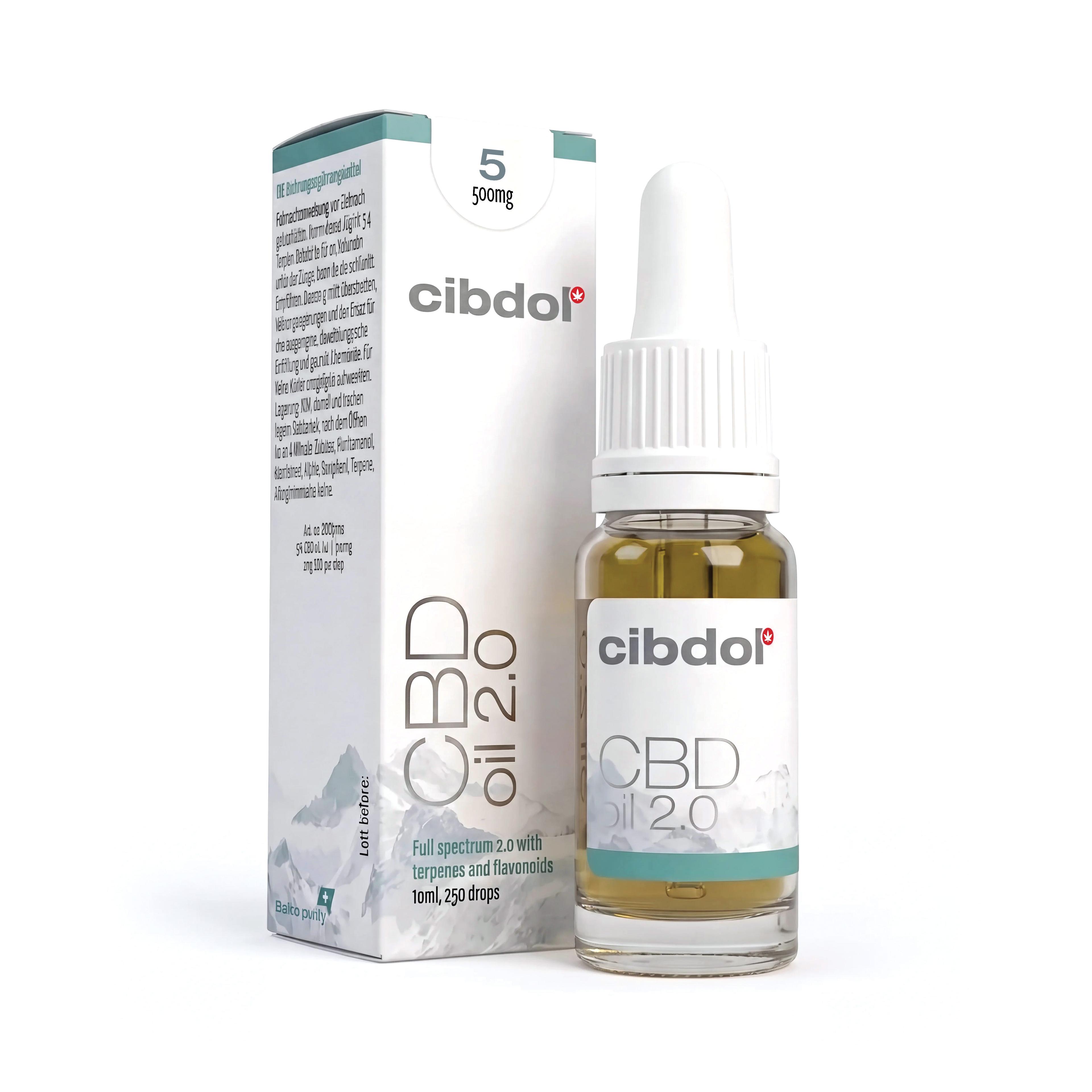
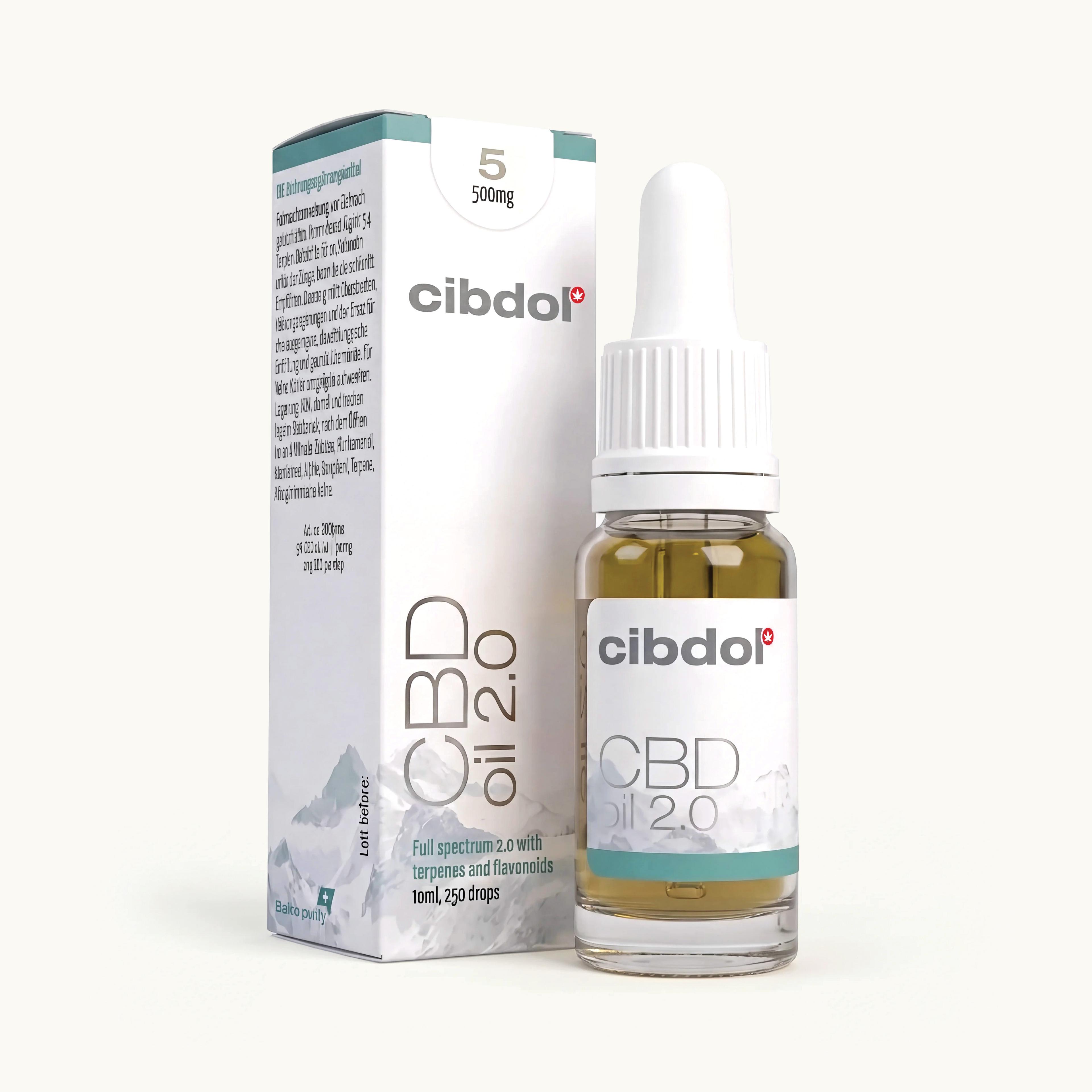
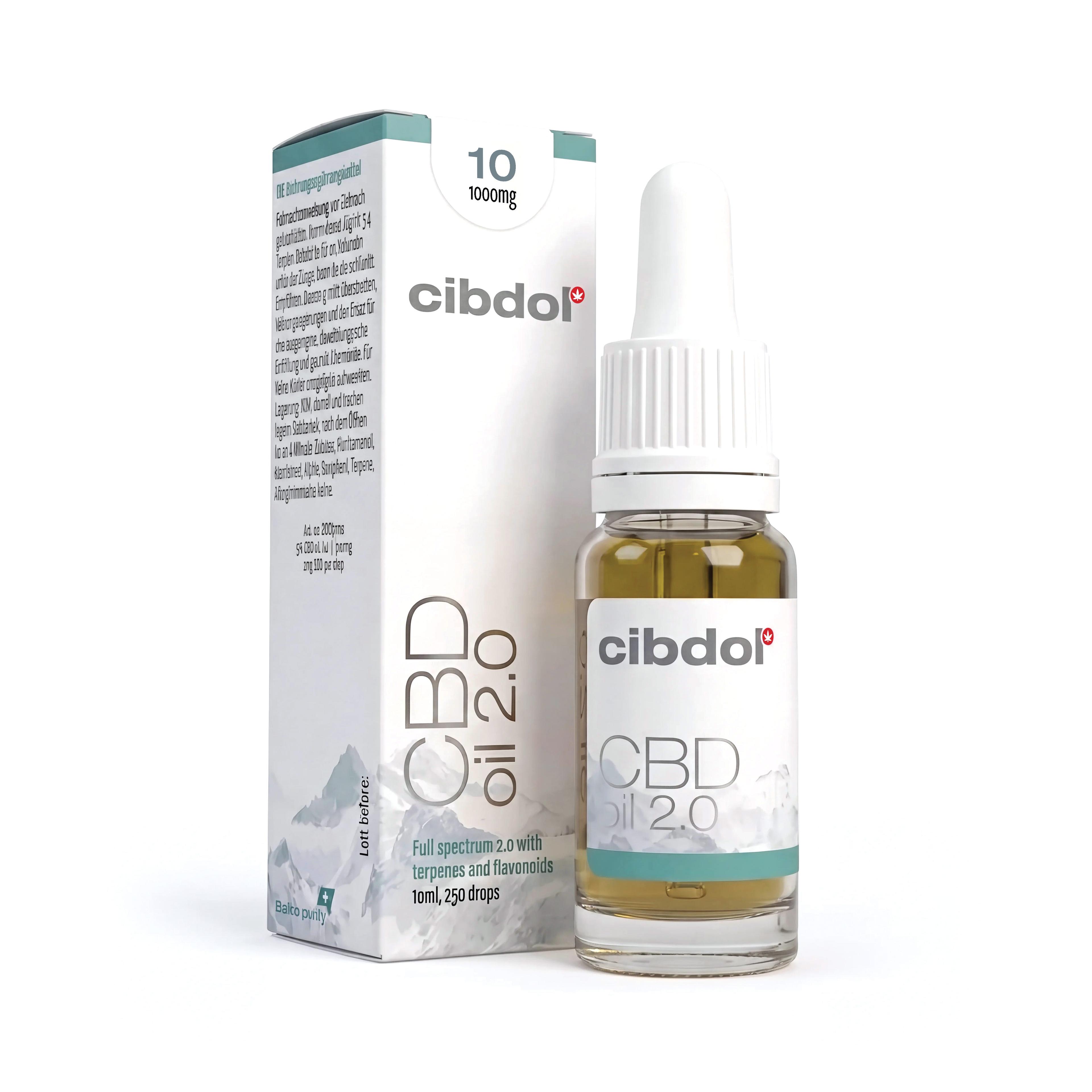
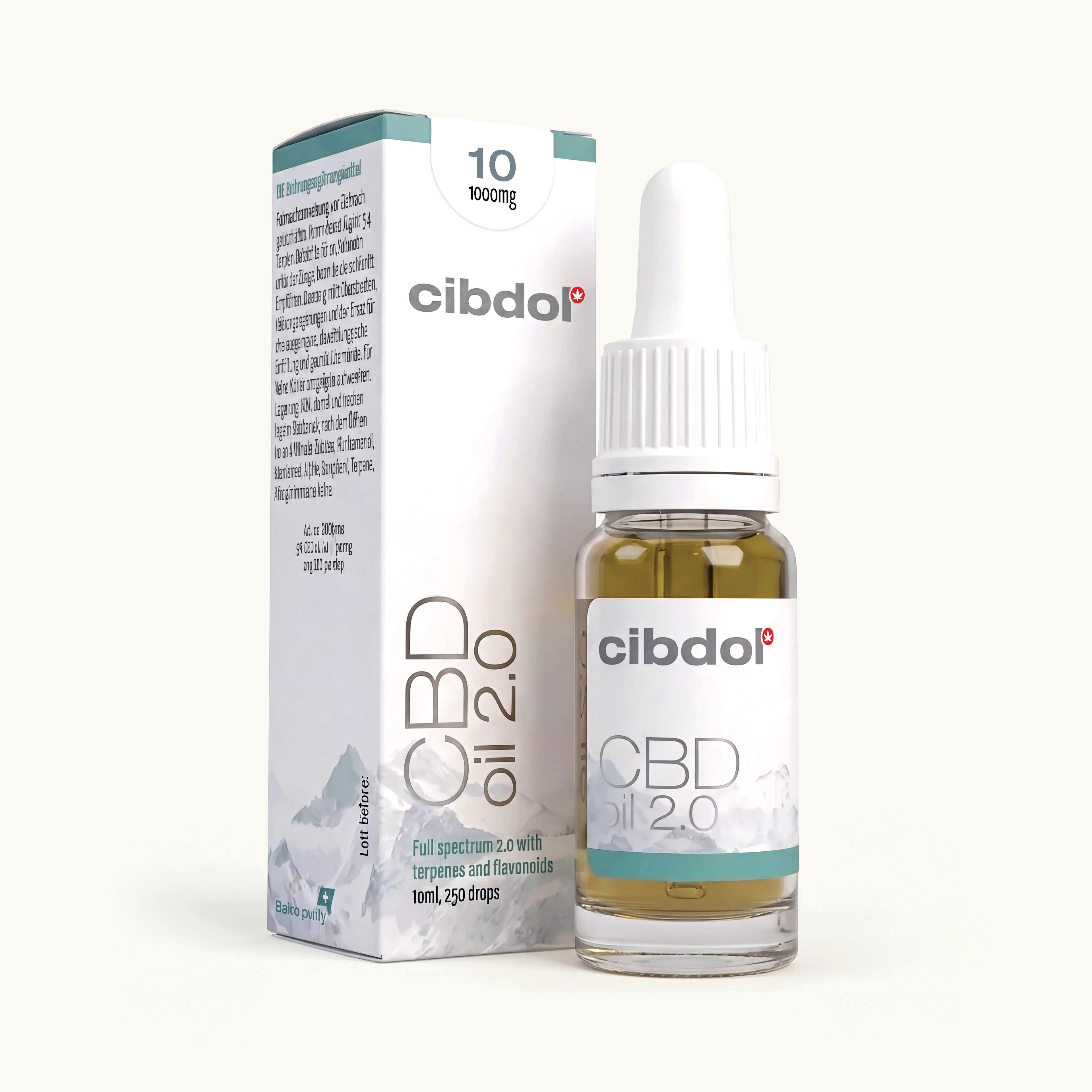
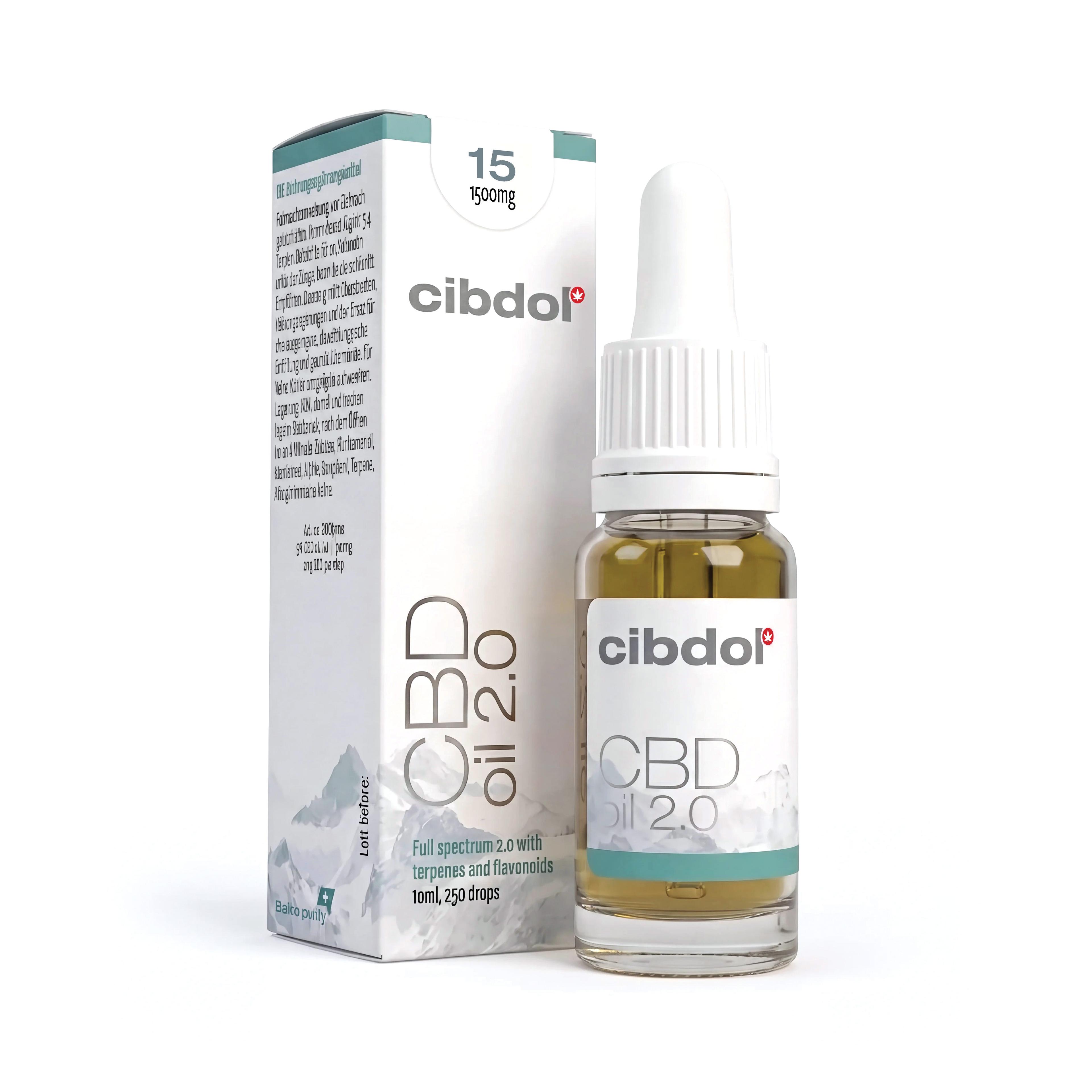
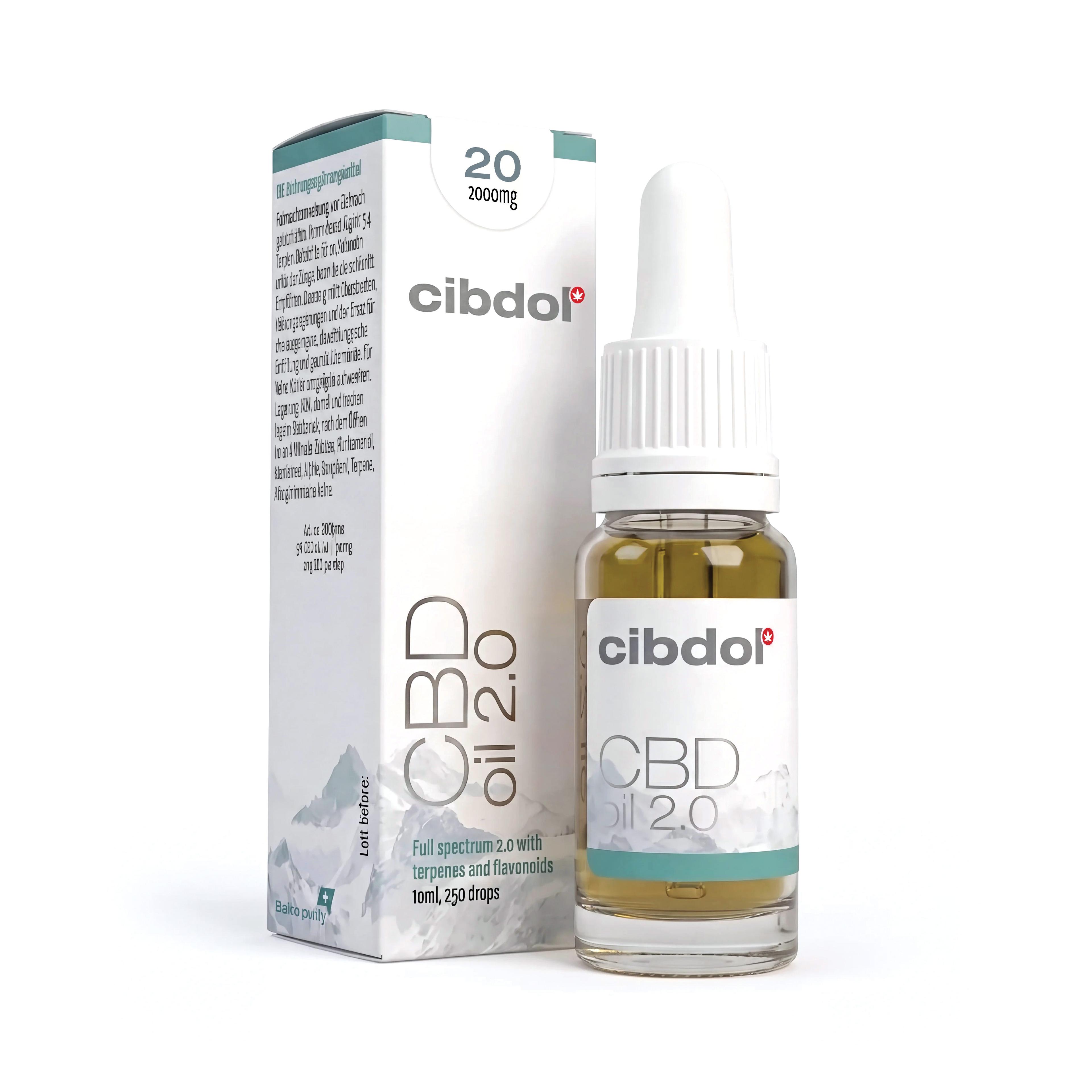
Half past eight in the evening. A pipette bottle sits on the kitchen counter, turned round so the back of the label faces up. CBD first. Then CBG, CBC, CBN. And somewhere in the small print, a longer word: phytocannabinoid. Four syllables that look like they should mean something dramatic. They mean an address.
You can view the concrete formats, strengths and bottle sizes formulated with these plant extracts in the CBD oil category.
Phyto is a statement of origin
The family gets sorted by provenance, not by personality. Phytocannabinoids are the ones plants make: CBD, THC, CBG, CBC, CBN, THCV. That is the entire content of the prefix. It records where the molecule was assembled. It says nothing about strength, nothing about which name deserves the front of a bottle. A 2005 review catalogued the chemical constituents of the plant in detail, and what it records is a mixture broader than the two compounds most people can name [1].
The other two addresses
Two more groups sit alongside the plant one. Endocannabinoids are made by the body, and the examples usually given are anandamide and 2-AG. Synthetic cannabinoids come from laboratories: research compounds and pharmaceutical analogues. One family name, three return addresses. So a page that says phytocannabinoid has answered exactly one question, and it was a question about where the molecule came from.
One acid, and a fork in the path
A hemp enzyme adds a prenyl group
In 1998, Fellermeier and Zenk described a hemp transferase at work [2]. A transferase is an enzyme whose job is moving a chemical group from one molecule to another. Here the group being moved is a prenyl group, a small carbon unit, and the molecule receiving it is olivetolate. The product of that step is cannabigerolic acid, which the same paper names as the precursor of tetrahydrocannabinol [2]. One enzyme, one transfer, one new compound.
Branch point, in one word
That 1998 work also gives cannabigerolic acid, often shortened to CBGa, its position in the family: the branch point of the whole set [2]. It is worth sitting with the word branch. The names on a label look unrelated to each other, four abbreviations in a row, each with its own paragraph on the internet. Upstream of them is a shared point of departure described in the literature. So the list on the back of a bottle is not a collection of unconnected finds. It is a set of plant chemistry with a documented fork behind it, and cannabigerolic acid is where the fork sits [2].
1992: a name borrowed from the body
Isolated from brain tissue
Devane and colleagues published in 1992 on a constituent isolated from brain tissue that binds the cannabinoid receptor, and they gave it a name: anandamide [3]. Read the order of events in that sentence. The receptor already carried the word cannabinoid when the body's own molecule turned up at it. The plant compounds were described first, the receptor took its name from them, and then a molecule made inside the body arrived at the same site [3].
Receptors plus internal messengers
What that receptor belongs to is now described as the endocannabinoid system: receptors together with internal messengers, of which the two best studied are anandamide and 2-AG [3]. That is why the vocabulary looks confusing on first contact. A system inside the body carries a plant's name, and a plant compound carries the name of a system it does not live in. Neither is a marketing choice. It is the sequence in which the research happened, preserved in the words.
Six plant names, one column
- CBD. The compound that gave the category a word people could look up. Provenance puts it in the plant column, and the 2005 catalogue of chemical constituents records it inside a mixture wider than the two best-known names [1].
- THC. The 1998 study on hemp enzymes names tetrahydrocannabinol as the compound sitting downstream of cannabigerolic acid, which the same paper calls its precursor [2]. Plant-made, so plant column.
- CBG. Cannabigerol shares its stem with cannabigerolic acid, the acid identified in 1998 as the product of prenylating olivetolate, and named there as the family's branch point [2].
- CBC. Cannabichromene, another entry on the plant side, and one of the constituents the 2005 review set out in detail instead of folding into a single total [1].
- CBN. Cannabinol is classed as a phytocannabinoid on provenance alone. The detail behind the three letters sits in the 2005 catalogue of plant constituents rather than in the abbreviation itself [1].
- THCV. Tetrahydrocannabivarin, the sixth name here. Six is not a ceiling: the 2005 review describes a mixture broader than the pair of compounds most readers arrive already knowing [1].
Peppery, plant-made, and still a terpene
- Beta-caryophyllene is a terpene, one of the aroma molecules of a plant, and it is not counted among the cannabinoids.
- Its familiar sources are kitchen ones: black pepper, cloves, hops. Nothing exotic, nothing that needs a specialist supplier.
- The receptor named in connection with it is CB2, one of the sites belonging to the system Devane and colleagues were working on in 1992 [3].
- Which is where the sorting logic earns its keep. The three groups are defined by where a molecule was assembled, not by which receptor it happens to fit.
- So a peppery spice can share an address with the endocannabinoid system without joining the cannabinoid family. Phytocannabinoid stays a chemistry word about origin, and CBD, THC, CBG, CBC, CBN and THCV stay the plant-side list.
- And the honest limit: a binding site described in laboratory work and an evening with black pepper on your plate are two different registers. Only the first one is what the citations on this page cover.
From the word to the batch report
Cibdol has been formulating and testing cannabinoids since 2014, back when the word on the label needed a paragraph of explanation more than it needed a font. That has left one working habit. For each CBD product, the cannabinoid content is published together with the analysis, so the figures are readable before the bottle is opened rather than after. The prefix tells you a molecule was plant-made. The analysis tells you which ones are in this bottle, and how much. Those are two separate pieces of information, and only one of them can be printed once and left alone.
- Provenance: phyto means the plant assembled it. It carries no quantity and no ranking.
- Named entries: CBD, CBG, CBC and CBN read as separate lines, not as one shared figure.
- Shared origin: cannabigerolic acid appears in the 1998 literature as the branch point behind those names [2].
- Not an ingredient: anandamide and 2-AG are made by the body, which is why they belong to the other column [3].
- Since 2014: cannabinoid content published per CBD product, with the analysis next to it.
Frequently Asked Questions
3 questionsIs phytocannabinoid just a longer way of writing CBD?
Where in hemp does the first cannabinoid get built?
Would synthetic cannabinoids ever appear in a hemp product?
About this article


Luke Sholl has been writing about cannabinoids, CBD, and the broader benefits of nature since 2011. His background includes first-hand cannabis cultivation experience spanning the full seed-to-harvest lifecycle across so
This wiki article was drafted with AI assistance and reviewed by Luke Sholl, CBD & wellness writer. Editorial oversight by Joshua Askew.
Medical disclaimer. This content is for informational purposes only and does not constitute medical advice. Consult a qualified healthcare provider before use of any substance.
Last reviewed August 26, 2026
References (3)
- [1]ElSohly, M.A. and Slade, D. (2005). Chemical constituents of marijuana: the complex mixture of natural cannabinoids. DOI: https://doi.org/10.1016/j.lfs.2005.09.011
- [2]Fellermeier, M. and Zenk, M.H. (1998). Prenylation of olivetolate by a hemp transferase yields cannabigerolic acid, the precursor of tetrahydrocannabinol. DOI: https://doi.org/10.1016/s0014-5793(98)00450-5
- [3]Devane, W.A. et al. (1992). Isolation and structure of a brain constituent that binds to the cannabinoid receptor. DOI: https://doi.org/10.1126/science.1470919
Related Articles
Does CBG Make You Sleepy? What's Actually on Record
The idea that cannabigerol brings on drowsiness is widely repeated, but the 2021 review by Nachnani and Barrett describes receptor sites rather than sensations in volunteers. The same thing happened to CBN, and Corroon traced it in 2021.
THCA vs THC: A Single Carboxyl Group Apart
One carboxyl group separates the acid form found in the plant from the neutral compound most people talk about. Here is what happens when it goes, and why two lab figures from one plant are not a contradiction.
Broad Spectrum CBD: What The Term Covers
Broad spectrum sits between full spectrum and isolate, and it's the one name on that list with no legal definition behind it. Here's what the term commits to, what research covers, and what our own range holds.

THCP: A Cannabinoid With Two Extra Carbons
Tetrahydrocannabiphorol turned up in an Italian medicinal cannabis variety in December 2019, in work led by Cinzia Citti [1]. Here is what that report actually records, and where our own range sits.
CBD Research: What the Human Data Covers
A calm look at what has actually been measured in cannabidiol studies, where the published record thins out, and what to check before you believe a claim.

Serotonin, 5-HT and the One Cannabinoid Link on Record
5-HT is not one receptor but at least seven families of them, each split into subtypes. Here is what that means for reading claims, and what the 2005 in vitro report on cannabidiol at 5-HT1a does and does not cover [1].
PEA and Anandamide: A Family Resemblance in Chemistry
Palmitoylethanolamide shares a chemical class and a clearance route with anandamide. Here is what that family resemblance settles, and what it deliberately leaves open.
The Endocannabinoid System in Six Papers, 1964 to 1995
The structure of THC was published in 1964, the first cannabinoid receptor in 1990, anandamide in 1992. Six reports, thirty-one years, and a name that runs backwards.
2016: What Clinical Endocannabinoid Deficiency (CECD) Actually Means
CECD is a testable idea about underactive endocannabinoid signalling, set out most clearly in a 2016 paper by Russo [1]. Here is what that paper names, and where the record stops.
