Educational content about cannabinoid science, not medical advice. Consult a healthcare professional before combining CBD products with medication. Our age policy
CBDA: the acid form hemp builds while it grows

Definition
CBDA, or cannabidiolic acid, is the acid form of cannabidiol and one of the compounds hemp produces through its own biosynthesis. It descends from cannabigerolic acid, the molecule identified in 1998 by Fellermeier and Zenk as the precursor of the cannabinoids that follow [2]. On a lab report it gets its own line, separate from the neutral form, following the naming convention used in the cannabis constituents review of ElSohly and Slade [1].
One harvest, two answers
- A report on fresh plant material and a report on the finished oil can come from a single harvest and still look like two different inputs [1]. Nothing was swapped between them. Same field, same cut, same drying shed, same crop code. What moves is which line of the analysis carries the number, and that one detail explains most of the confusion around cannabidiolic acid.
- Hemp builds its cannabinoids as acids while it grows. The first step of that chemistry was traced in 1998 by Fellermeier and Zenk, working with an enzyme preparation from hemp rather than with a finished extract [2]. CBDA, short for cannabidiolic acid, belongs on that side of the family, and so does the molecule it descends from.
- The letter at the end of the name is a naming convention, not jargon [1]. The A marks a carboxylic acid group carried by the molecule. Take that group away and the written name loses the letter, while the carbon skeleton stays recognisable. In the inventory of cannabis constituents compiled by ElSohly and Slade in 2005, the acid and its neutral counterpart appear as separate entries with separate names [1].
- Which is why an analysis can print two lines where a reader expected one [1]. Two lines, one plant. It reads like a contradiction the first time you see it. It isn't. It is a longer list, kept in the order the chemistry actually runs.
- The material tested gets named on the report for the same reason. Fresh plant matter, dried flower, crude extract and finished oil are four different starting points, and the 2005 survey describes the plant as a complex mixture of natural cannabinoids rather than one compound with one figure attached [1].
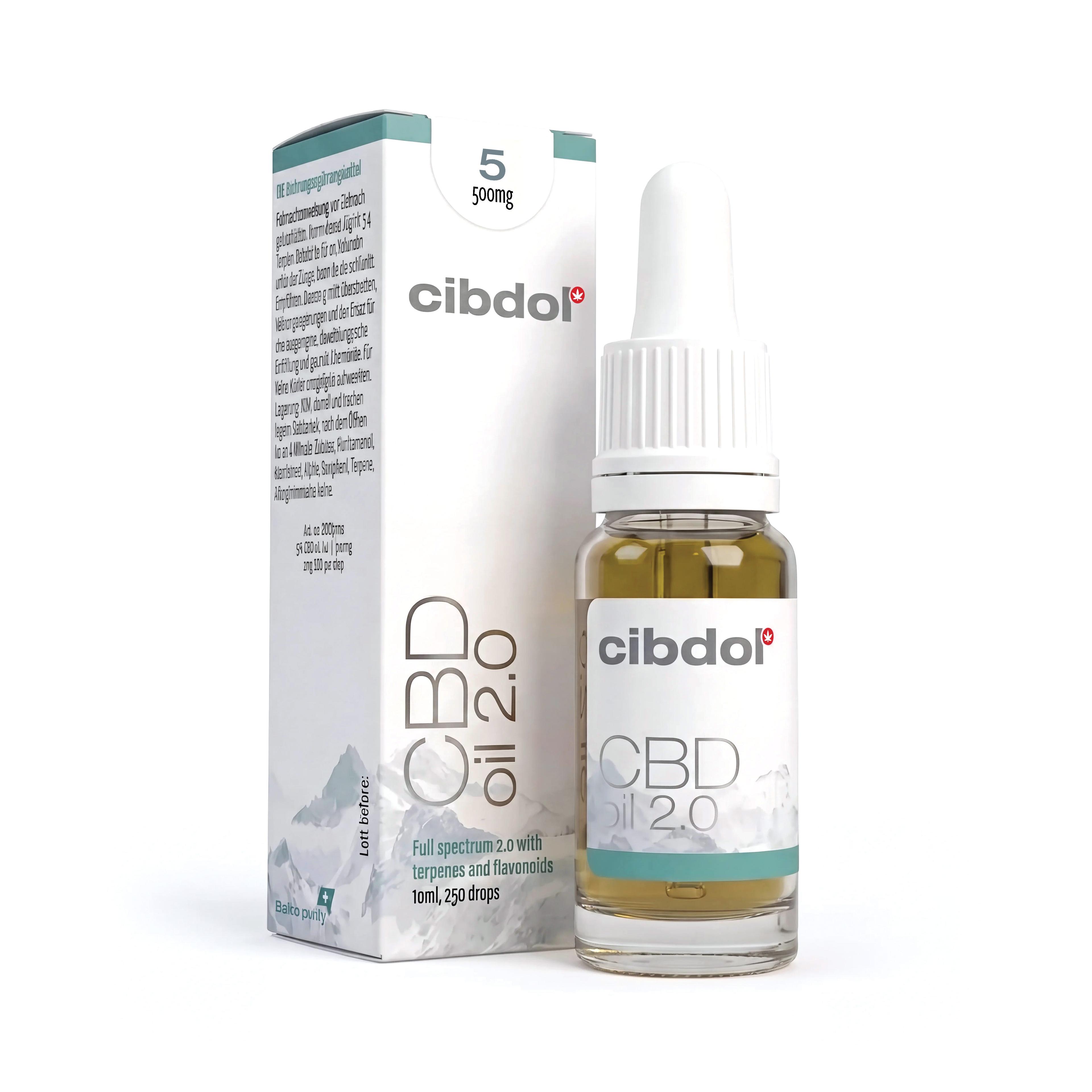
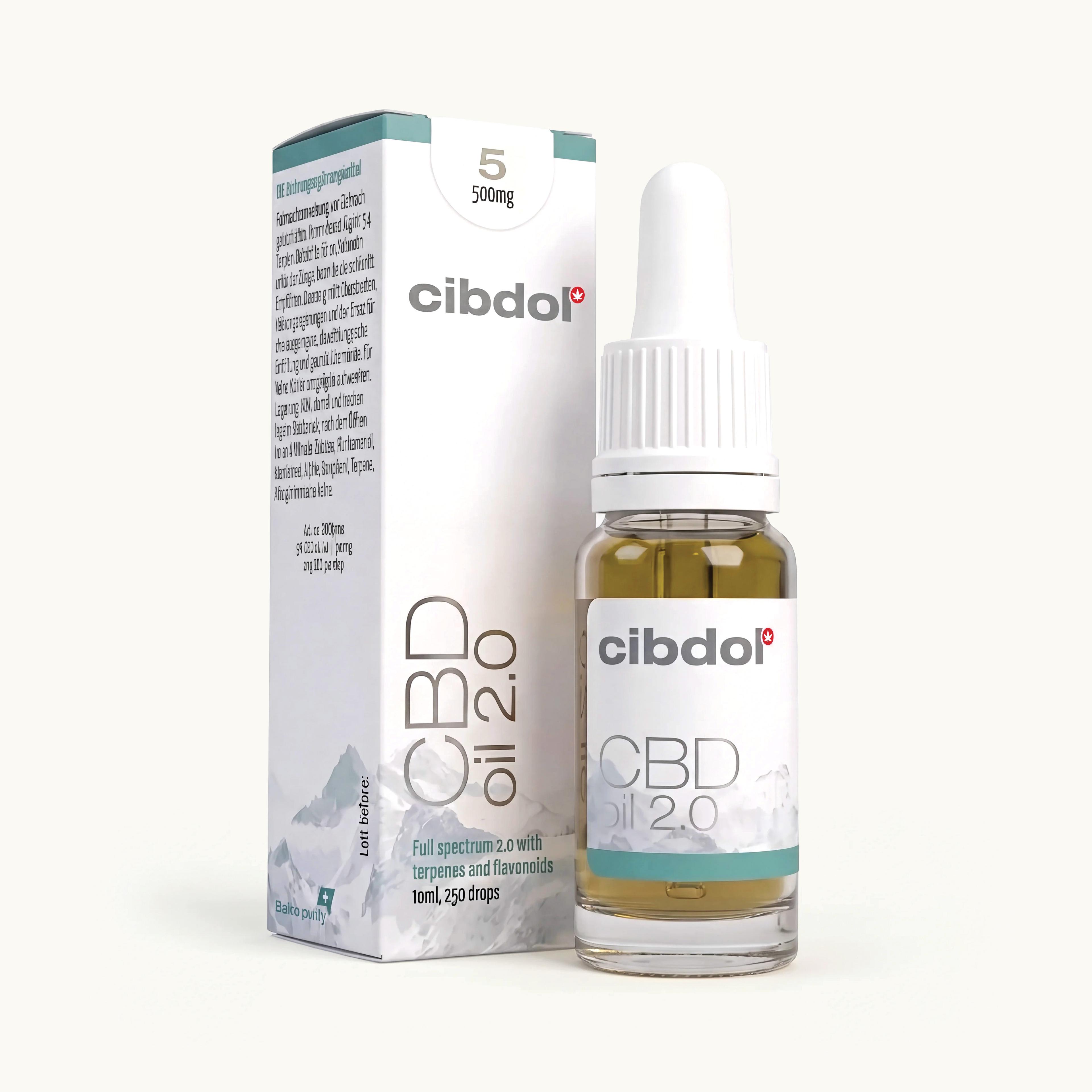
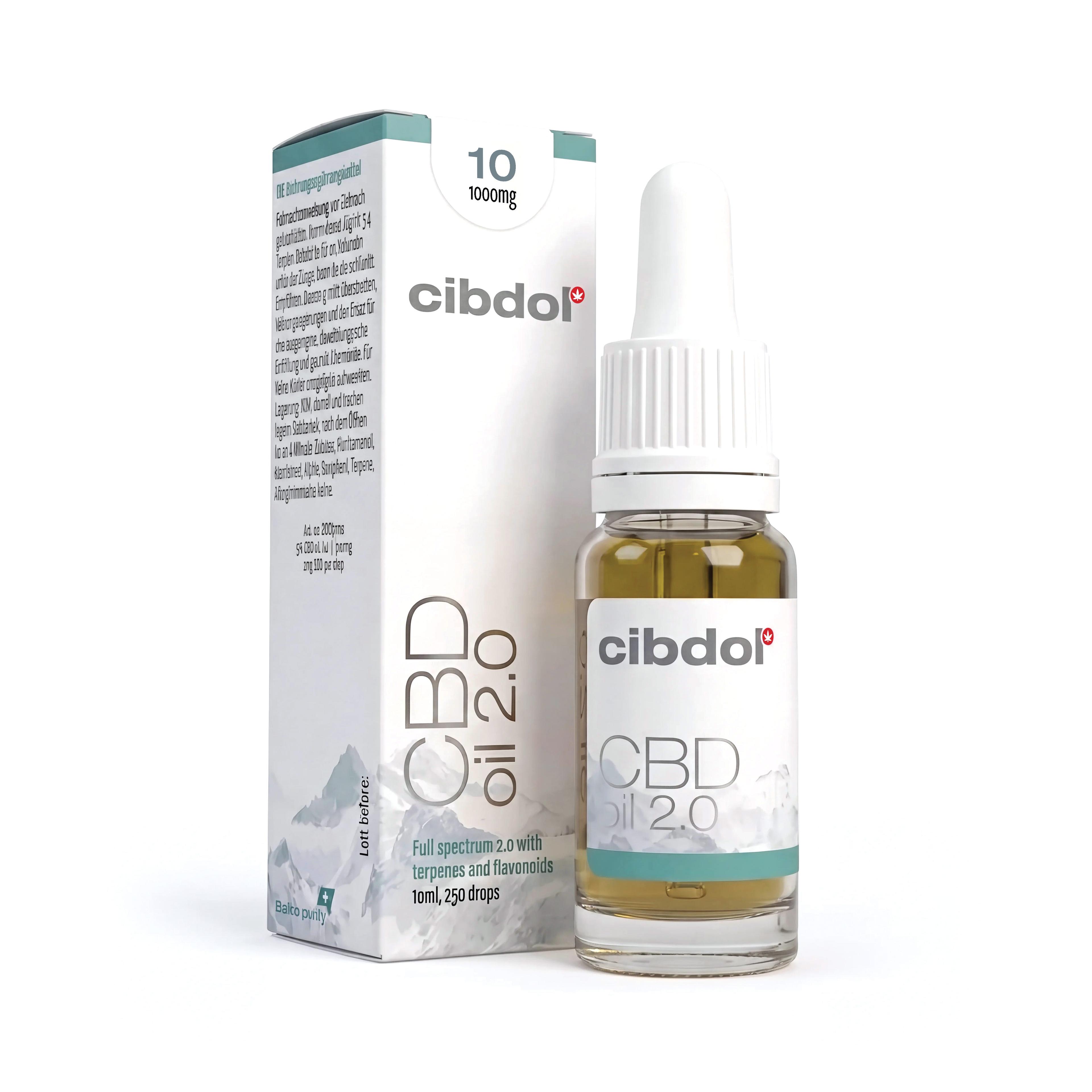
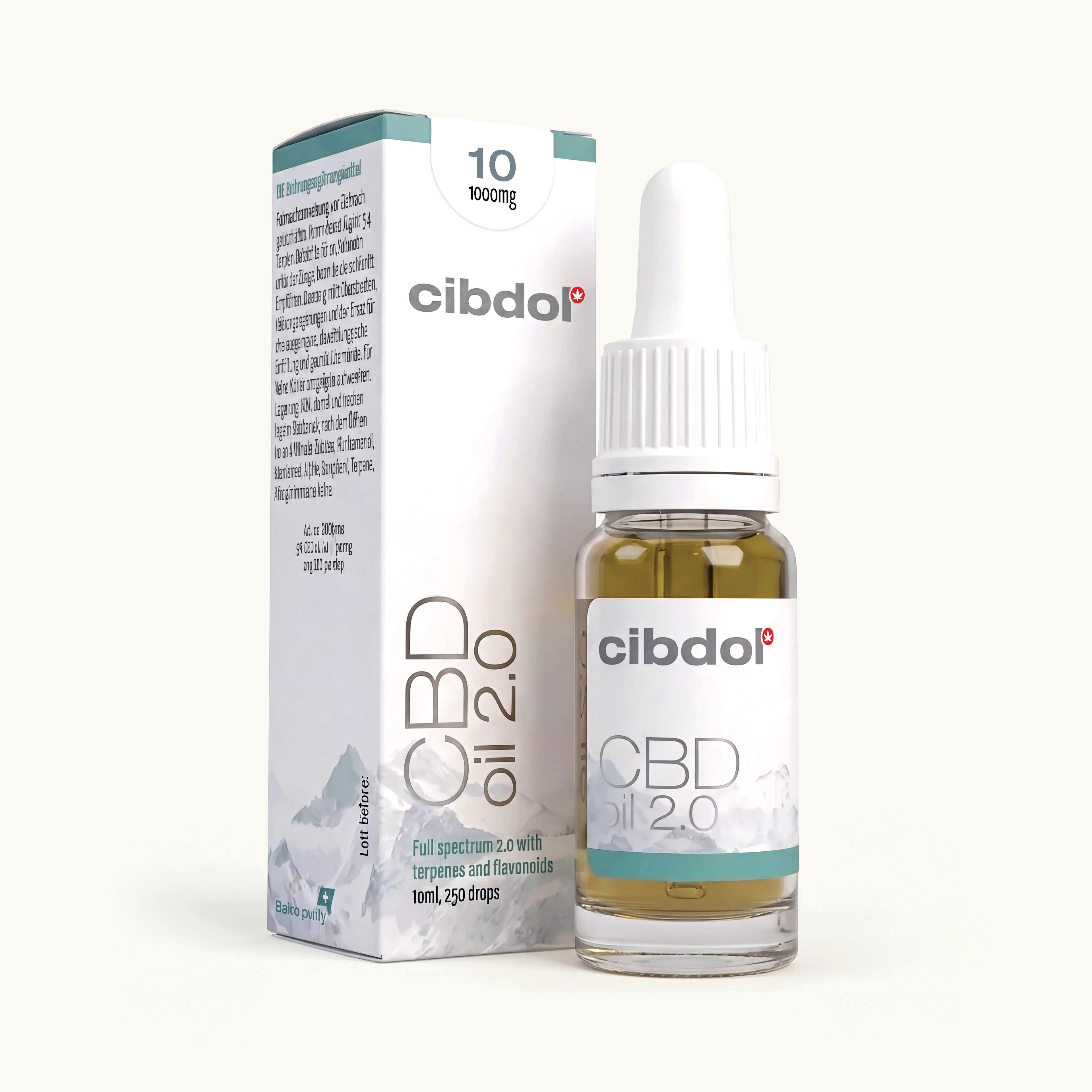
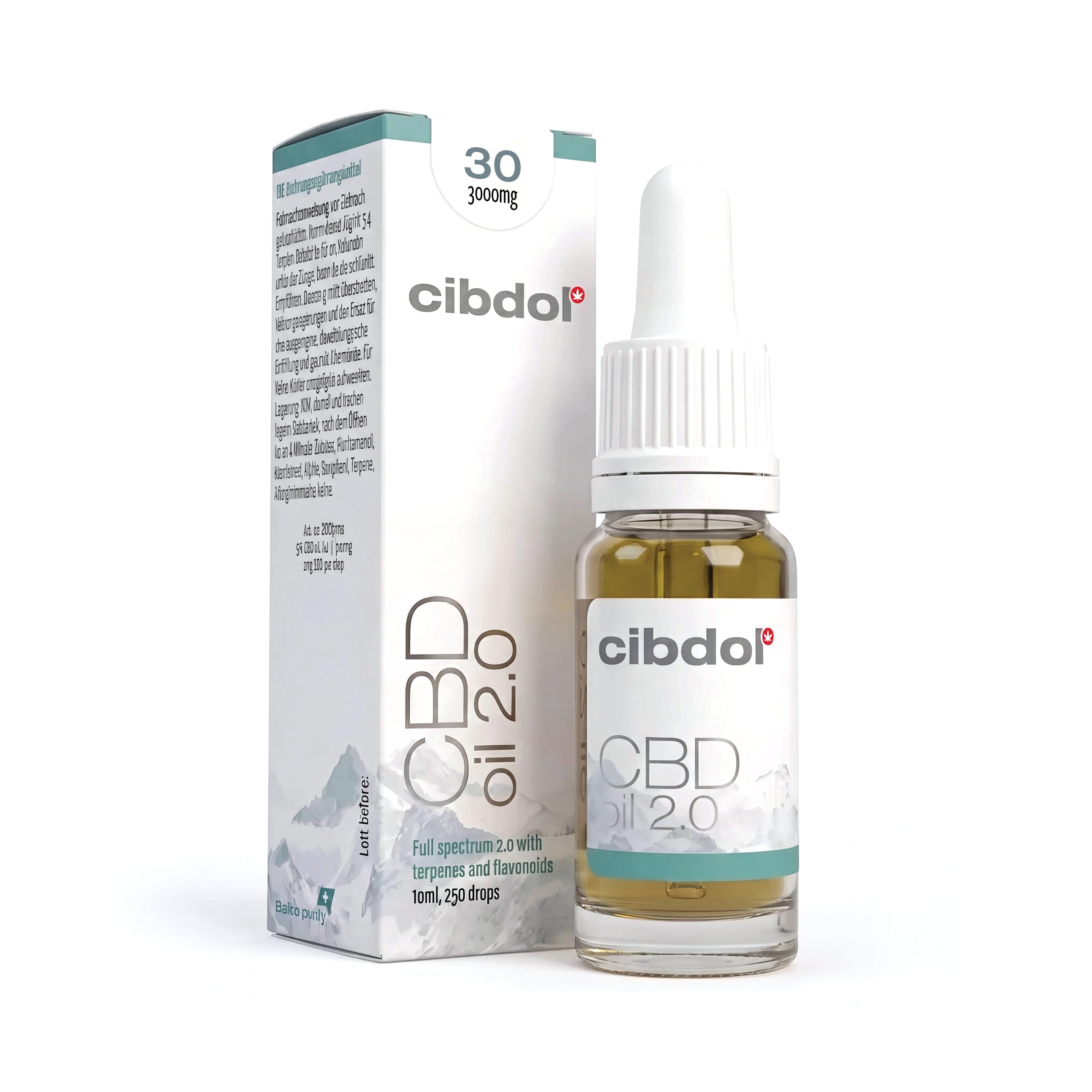
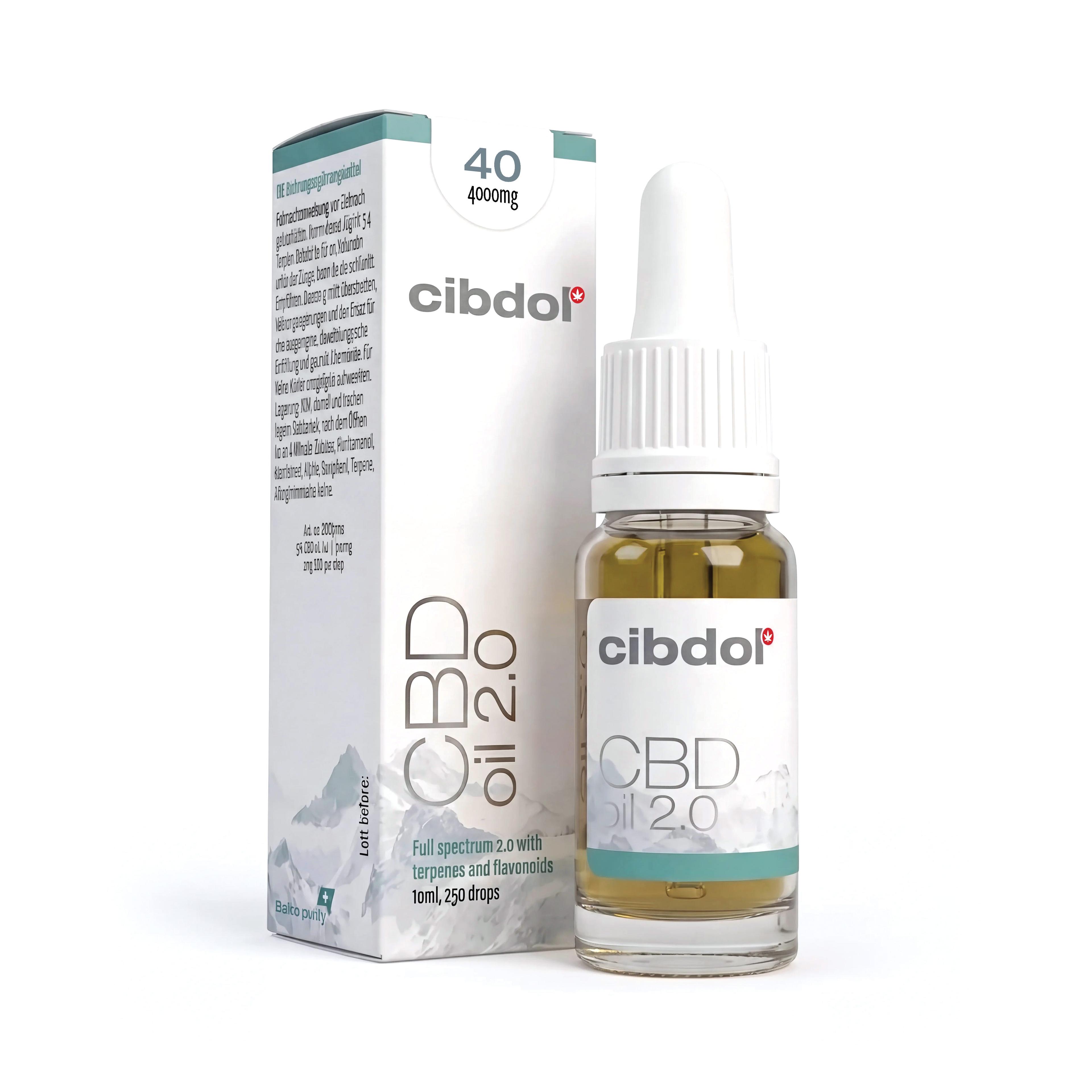
- On our side of the bottle, CBDA is a specification rather than an implication. The 2.0 full-spectrum formula standardises it next to CBC, CBG and CBN, batch after batch. Full-spectrum, on first use: an extract that keeps a range of cannabinoids from the plant instead of one isolated molecule.
- Because it is standardised, the acid form counts as a measured component of the formula, not something that happened to survive processing. It was intended, then counted, then printed. That order is the whole point.
- None of this is specific to CBDA. The same acid-and-neutral pairing runs through the rest of the compounds catalogued in 2005, which is part of why the catalogue is long [1]. Once the convention clicks, a certificate of analysis stops looking like a wall of abbreviations and starts reading like an ordered inventory of one plant.
- We have been working with cannabinoids since 2014, so the interesting question was never whether a number looks good once. It is whether the same number comes back on the next batch. The report is where that gets shown, and it is available before the bottle is opened.
From two small pieces to one acid
- Begin with olivetolic acid, the ring half of the reaction. In the 1998 experiment by Fellermeier and Zenk it entered the assay as olivetolate, the salt form of that acid [2]. Small molecule, plain chemistry. It is also the part that later turns up inside every cannabinoid name a label ever prints, which is why it is worth knowing by name.
- Add a prenyl unit, the second half of the pair. Short, branched, ready to be attached [2]. Prenylation is simply the word chemists use for that attachment step, and the 1998 report is a study of that step rather than of the plant as a whole [2].
- Bring in the protein that does the joining. Fellermeier and Zenk worked with a transferase from hemp, an enzyme whose job is moving one chemical group onto another molecule [2]. Without the enzyme, the two halves sit there. With it, the reaction runs and a new compound appears.
- Read the product: cannabigerolic acid, usually written CBGA [2]. Ring, chain, and a carboxylic acid group still attached, which is exactly why the name carries the acid ending described in the 2005 constituents inventory [1].
- Note the role the 1998 report gives it. Precursor [2]. Not an endpoint, not a footnote, but the molecule the downstream cannabinoids come from.
- Follow the branch. CBDA is one of the acids downstream of that single starting acid [2]. Same trunk, different branch. There is no separate production line running in parallel for each cannabinoid, which is how one plant ends up presenting a whole family of closely related molecules.
- Keep the endings straight as you go. The molecules on that acid branch carry the acid ending in their written names, and the 2005 inventory lists them that way, side by side with their neutral counterparts [1]. It is a filing system, and it is consistent.
- Put a date on the whole picture. The reaction was reported in 1998, which is old enough that the acid-first view of hemp chemistry was already in the literature long before CBD became a shopping category [2]. Products caught up later, labels later still.
- Then look at what actually leaves a field. Plant material carries the acid side of the family, and that is why a report on fresh material and a report on a finished oil from the same harvest can look like two separate inputs [1].
- Finally, the modest part. The 1998 work identified an enzyme reaction and named its product [2]. The 2005 review organised the constituents and their names [1]. Neither is a study in people, and neither set out to be one.
Two papers, two different jobs
The 1998 enzyme work of Fellermeier and Zenk
Fellermeier and Zenk published their result in 1998, and the scope is narrow in the way good chemistry often is. They took a transferase from hemp, gave it olivetolate and a prenyl unit, and identified the product as cannabigerolic acid [2]. One enzyme. One joining step. One named product.
The value sits in that last part. Before anyone can say something sensible about where CBDA comes from, someone has to show which molecule stands upstream of it, and the 1998 report is where cannabigerolic acid gets that position in writing, described as the precursor of the cannabinoids that follow [2].
Two terms in there carry the mechanism. A transferase moves a chemical group from one molecule onto another. The prenyl unit is the group being moved. Put those together and you get prenylation, which is the reaction the paper is about [2]. Nothing mystical, just a named step with a named catalyst.
What the work does not describe is a bottle, an extract, or a person. It was an experiment on hemp enzyme activity, and its conclusions stay inside that frame [2]. Anyone quoting it beyond that frame is stretching it.
For a reader working through a certificate of analysis, the takeaway is smaller than it looks and steadier than most things written about hemp. The acid forms are not an artefact of manufacturing. They are what the plant's own biosynthesis produces [2].
The 2005 inventory of ElSohly and Slade
The 2005 review by ElSohly and Slade does the opposite job. Instead of one reaction, it lays out the chemical constituents of the plant as a complex mixture of natural cannabinoids, entry by entry [1].
That is where the naming convention becomes practical rather than academic. Acids and their neutral counterparts stand as separate compounds, each with its own name, and the acid ending is often the only thing separating the two on paper [1]. Read a batch report with that in mind and CBDA and CBD stop competing for one line.
It also explains the length of a modern certificate. A plant that produces a family of related acids, each with a neutral counterpart, generates a long list, and the 2005 survey is essentially that list with the chemistry attached [1].
The other thing the review makes plain is that no single figure describes hemp. Cannabinoid content is a profile, which is why our reports name the batch, the material analysed and each compound measured, rather than leading with one headline percentage [1].
And there is the honest limit of both works. One traced a reaction in 1998 [2], the other organised the constituents in 2005 [1]. Between them you get where CBDA comes from and how it is written down. Questions about what cannabidiolic acid does in a person sit outside both, and the human research there is still developing.
What gets declared in the 2.0 formula
Full-spectrum gets used loosely across this category, so here is what it covers in our range: an extract that keeps a range of cannabinoids from the plant rather than one isolated compound. In the 2.0 full-spectrum formula, CBDA is standardised, and it sits alongside CBC, CBG and CBN as named parts of the specification.
Standardised is the operative word. A cannabinoid that turns up in an extract by chance moves with the season, the cut and the run. A cannabinoid held to a specification is checked against the same target on every batch, and the batch report is where that check becomes something you can read.
It also answers a question that reaches our support desk regularly. The acid form on the label is a measured component of the formula, not a residue left behind by processing. Part of the formula first, part of the analysis second, part of the printed report third.
The convention from the 2005 constituents review does the rest of the work [1]. Acid entries and neutral entries are separate compounds, so a bottle declaring both is describing two measured molecules rather than counting one twice.
- CBDA named and standardised in the specification, rather than implied by the words full-spectrum on the front of a box.
- CBC, CBG and CBN standardised alongside it, so what you get is a profile with named lines instead of a single figure standing in for a plant [1].
- A batch number on the bottle that matches the batch number at the top of the report, which is what makes the document about your bottle and not about a sample from last year.
- The material analysed stated plainly. A finished oil and fresh plant matter from the same harvest do not read alike, so the heading carries information [1].
- Acid and neutral lines kept separate, following the naming convention set out in the 2005 review of cannabis constituents [1].
- THC declared as a figure and held within legal limits, so the product is non-intoxicating and you can see why on paper.
- Numbers that hold across batches, which is the part that working with cannabinoids since 2014 actually buys: a process that repeats.
- A report available before the bottle is opened, not after a question is raised.
Reading the paperwork, line by line
Since 2014 the same lesson keeps arriving. One good result is a nice afternoon. Repeatability is the job. So a batch report works as a demonstration rather than a promise: it names the material, names the compounds, and prints figures that either come back next time or don't.
Reading one is less technical than it first looks. Most of the vocabulary is the naming convention from the 2005 constituents review, and once acids and neutral forms stop looking like typographical errors, the page turns into an ordered list [1].
Two things stay open, and they are worth naming. The 1998 enzyme study accounts for where the acid comes from [2]. The 2005 review accounts for how it is named and catalogued [1]. Neither was designed to describe what the compound does in a person, and the human research on cannabidiolic acid specifically is still developing.
So the useful reading is chemical and practical. Where does the number come from, which material was measured, and does the figure hold from one batch to the next.
- Check which material the report covers. Fresh plant matter, crude extract and finished oil from one harvest can present as different inputs, so the heading matters as much as the numbers under it [1].
- Check that CBDA has a line of its own, separate from the neutral form, in keeping with the naming convention documented in 2005 [1].
- Check the batch code on the report against the code on the bottle in your hand. Two codes that match make the document specific.
- Check who ran the analysis. An independent laboratory writing the figures is a different situation from a brand describing them in its own words.
- Check whether the acid form is written into the specification or only mentioned in the copy. Standardised means measured against a target every batch, which is how CBDA appears in the 2.0 full-spectrum formula.
- Check the other named cannabinoids while you are there. In that formula it means CBC, CBG and CBN sitting next to CBDA, each with a line [1].
- Check THC as a number against the limit where you live, not as a reassuring adjective.
- Check the previous batch if it is published. Two reports that agree say more than one report that looks impressive on its own.
- Ask us directly when something on the page is unclear. Since 2014 the answer to a question about what is inside has been a document.
Frequently Asked Questions
4 questionsWhy does CBDA end with the letter A?
Which molecule stands upstream of CBDA?
Why do two reports from the same harvest look so different?
How is CBDA handled in the Cibdol 2.0 full-spectrum formula?
About this article


Luke Sholl has been writing about cannabinoids, CBD, and the broader benefits of nature since 2011. His background includes first-hand cannabis cultivation experience spanning the full seed-to-harvest lifecycle across so
This wiki article was drafted with AI assistance and reviewed by Luke Sholl, CBD & wellness writer. Editorial oversight by Joshua Askew.
Medical disclaimer. This content is for informational purposes only and does not constitute medical advice. Consult a qualified healthcare provider before use of any substance.
Last reviewed August 26, 2026
References (2)
- [1]ElSohly, M.A. and Slade, D. (2005). Chemical constituents of marijuana: the complex mixture of natural cannabinoids. DOI: https://doi.org/10.1016/j.lfs.2005.09.011
- [2]Fellermeier, M. and Zenk, M.H. (1998). Prenylation of olivetolate by a hemp transferase yields cannabigerolic acid, the precursor of tetrahydrocannabinol. DOI: https://doi.org/10.1016/s0014-5793(98)00450-5
Related Articles
Does CBG Make You Sleepy? What's Actually on Record
The idea that cannabigerol brings on drowsiness is widely repeated, but the 2021 review by Nachnani and Barrett describes receptor sites rather than sensations in volunteers. The same thing happened to CBN, and Corroon traced it in 2021.
THCA vs THC: A Single Carboxyl Group Apart
One carboxyl group separates the acid form found in the plant from the neutral compound most people talk about. Here is what happens when it goes, and why two lab figures from one plant are not a contradiction.
Broad Spectrum CBD: What The Term Covers
Broad spectrum sits between full spectrum and isolate, and it's the one name on that list with no legal definition behind it. Here's what the term commits to, what research covers, and what our own range holds.

THCP: A Cannabinoid With Two Extra Carbons
Tetrahydrocannabiphorol turned up in an Italian medicinal cannabis variety in December 2019, in work led by Cinzia Citti [1]. Here is what that report actually records, and where our own range sits.
CBD Research: What the Human Data Covers
A calm look at what has actually been measured in cannabidiol studies, where the published record thins out, and what to check before you believe a claim.

Serotonin, 5-HT and the One Cannabinoid Link on Record
5-HT is not one receptor but at least seven families of them, each split into subtypes. Here is what that means for reading claims, and what the 2005 in vitro report on cannabidiol at 5-HT1a does and does not cover [1].
PEA and Anandamide: A Family Resemblance in Chemistry
Palmitoylethanolamide shares a chemical class and a clearance route with anandamide. Here is what that family resemblance settles, and what it deliberately leaves open.
The Endocannabinoid System in Six Papers, 1964 to 1995
The structure of THC was published in 1964, the first cannabinoid receptor in 1990, anandamide in 1992. Six reports, thirty-one years, and a name that runs backwards.

2016: What Clinical Endocannabinoid Deficiency (CECD) Actually Means
CECD is a testable idea about underactive endocannabinoid signalling, set out most clearly in a 2016 paper by Russo [1]. Here is what that paper names, and where the record stops.
