




Terpinolene: One Terpene, Four Aroma Notes
Definition
Terpinolene is a monoterpene with the formula C10H16: ten carbon atoms, sixteen hydrogens, and enough volatility to leave plant material and reach the nose on its own. It shares that ten-carbon skeleton with limonene, pinene and myrcene, but the atoms are arranged differently, which is why it registers as its own compound in an analysis. In cannabis research it appears as a catalogued monoterpene, listed next to myrcene, limonene, pinene and linalool.
Ten carbons light enough to leave the plant
Scent starts with a molecule small enough to travel on its own. Terpinolene is one of those. It is a monoterpene with the formula C10H16: ten carbon atoms, sixteen hydrogen atoms, nothing heavier bolted on. Size decides behaviour here. Compounds in that weight range evaporate at ordinary room temperature, lift off a leaf or a peel, and move through the air as a gas until they reach the lining of the nose. That is the whole mechanism. Volatility first, vocabulary afterwards.
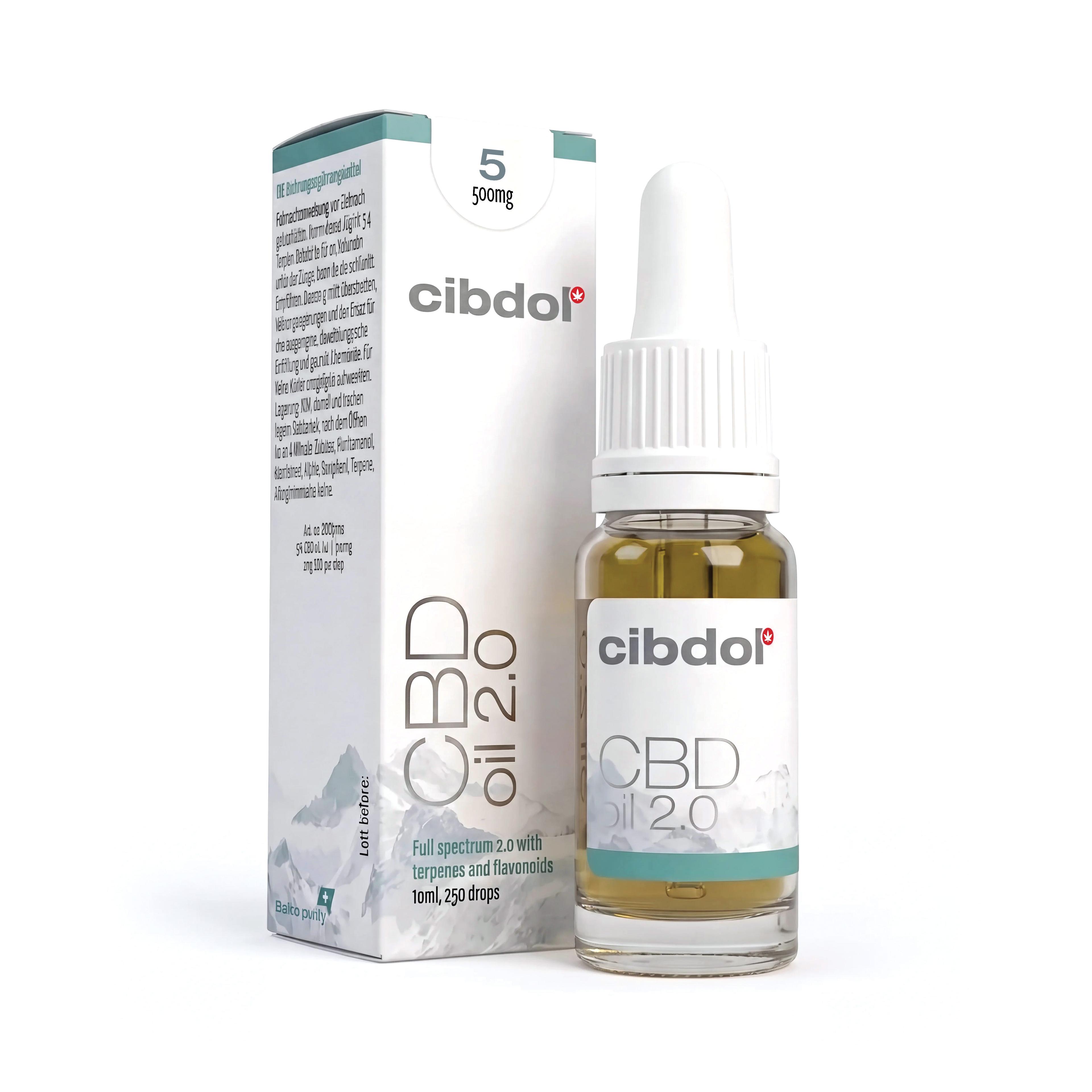
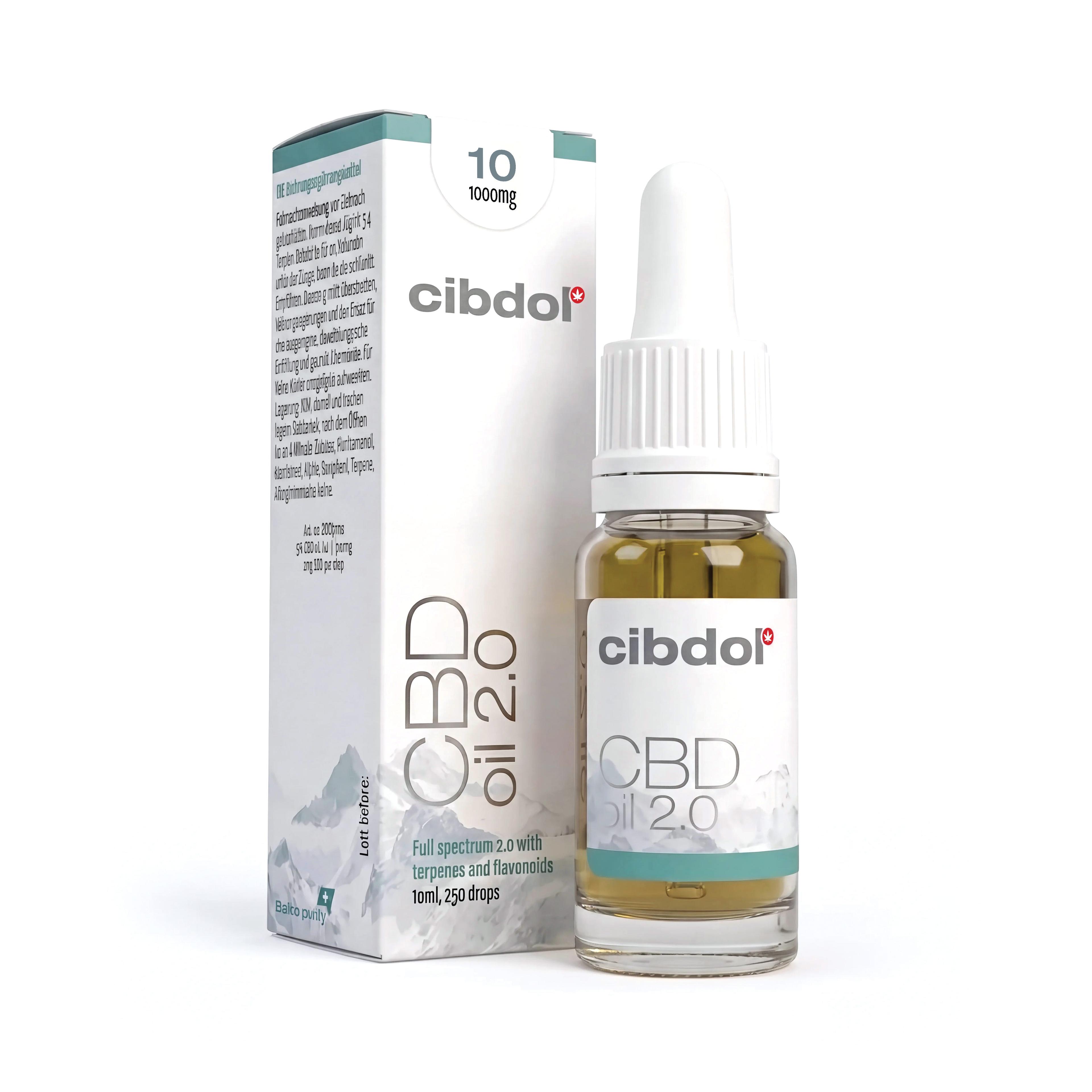
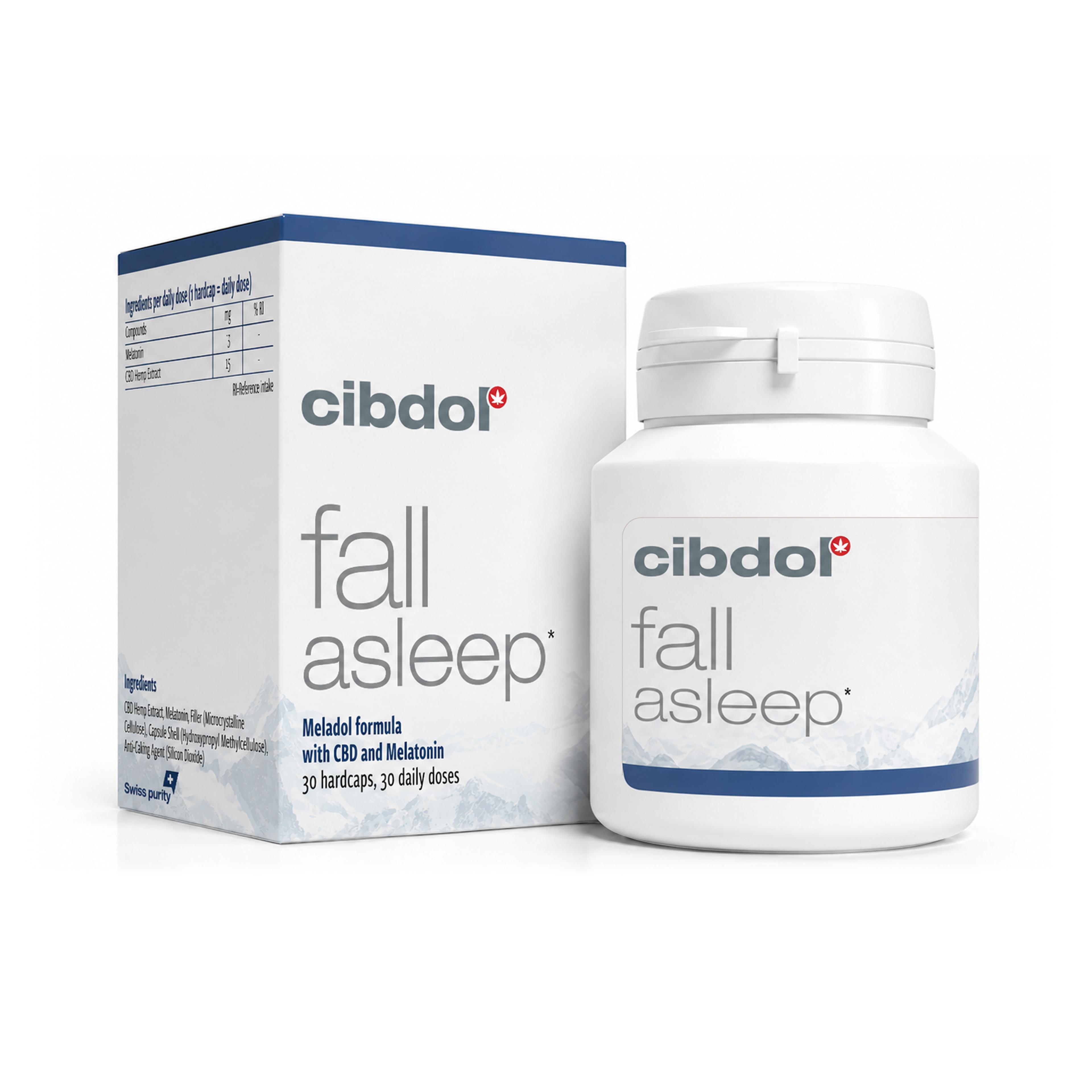
To see how such botanical terpenes are preserved within commercial extracts, you can examine the bottle sizes and strengths in our CBD oil range.
Monoterpene is simply the class name for that ten-carbon build. In the cannabis literature, terpinolene sits inside that class, catalogued among the plant's monoterpenes next to myrcene, limonene, pinene and linalool [1]. One class, several molecules, and a lot of shared arithmetic between them.
Same carbon count, different molecule
Limonene, pinene and myrcene are built on the same ten-carbon skeleton as terpinolene. The count is identical. The arrangement is not. Some of these molecules close their carbons into a ring, others keep an open chain, and the double bonds sit at different points along the structure. Chemists call this relationship isomerism: same formula, different connectivity. That distinction does real work. A formula written as C10H16 tells you how many atoms are present, never how they are joined, and the joining is what gives each compound its own identity in the lab. So four names on a terpene profile can share a formula and still be four separate entries, each with its own peak in the data and its own line on the report. Terpinolene is one line among them, not a synonym for its neighbours.
Four notes written on one line
Aroma descriptions rarely settle on a single word for terpinolene. Pine, floral, herbal, citrus: four references end up next to one compound. That is not a contradiction, it is how descriptive language works. A describer reaches for the nearest familiar comparison, and a molecule with several near neighbours collects several comparisons. The result reads like four scents at once because the vocabulary is comparative, not because four different substances are present in the bottle.
None of that is a measurement. A descriptor is a word chosen by a person. A percentage on a certificate of analysis is a number produced by an instrument on a specific batch. The two belong in separate columns, and mixing them is where most confusion about terpenes begins. In Russo's 2011 review, terpinolene appears as a catalogued monoterpene in cannabis extracts, not as a scored sensory profile [1].
Where a descriptor stops being useful
Four words tell you what something might resemble. They do not tell you how much terpinolene is in the material, which cultivar produced it, or what the compound does once someone uses the product. Those are separate questions with separate evidence, and the aroma vocabulary answers none of them. The same descriptor set travels across plant families with no botanical relationship, because the words describe an impression rather than a source. A batch report does the opposite: it names compounds and quantities for one production run. Both can be true at the same time. Only one of them is checkable. When people ask us which terpenes are in a given oil, the honest answer points at the analysis rather than at the adjectives, and the 2011 review is the reference for how these monoterpenes are catalogued in the first place [1].
Terpinolene beside its catalogued neighbours
| Entry | Class and formula | How the cited literature places it | What stays open |
|---|---|---|---|
| Terpinolene | Monoterpene, C10H16, ten-carbon skeleton | Catalogued among the monoterpenes identified in cannabis extracts in Russo's 2011 review [1] | Controlled human research on the compound in isolation remains limited |
| Myrcene | Monoterpene, ten-carbon skeleton | Listed in the same catalogue of cannabis monoterpenes as terpinolene [1] | The review proposes testing in combination rather than compound by compound [1] |
| Limonene | Monoterpene, ten-carbon skeleton | Named alongside terpinolene in the same body of literature [1] | Shares the carbon count with terpinolene; identity comes from atom arrangement |
| Pinene | Monoterpene, ten-carbon skeleton | Appears in the same list of monoterpenes catalogued in cannabis extracts [1] | Structural relative of terpinolene, reported as its own analytical entry |
| Linalool | Monoterpene | Catalogued with the others in the 2011 review [1] | Listed by name; quantities depend on the batch analysed |
| The 2011 proposal | Review paper, lead author Russo | Suggests cannabis terpenoids interact with cannabinoids rather than acting only as scent molecules [1] | Described in the paper itself as hypothesis-generating, not a demonstration [1] |
| Isolated data on terpinolene | Single-compound human research | Not what the 2011 review supplies; it sets a research agenda for combined testing [1] | Small usual shares in plant material make isolation for study difficult |
2011: the year the question changed shape
Before that point, terpenes in cannabis were mostly discussed as the aromatic part of the plant. Russo's 2011 review moved the question somewhere else. It proposed that cannabis terpenoids interact with cannabinoids rather than functioning purely as scent molecules, and it argued that the sensible way to test the idea is in combination rather than compound by compound [1]. That second half is the part people skip. The proposal was not only about what terpenes might do; it was about how you would ever find out.
The shorthand attached to this idea is the entourage effect, a term for the proposal that plant compounds behave differently together than alone. Worth saying plainly: a term is not a result. The 2011 paper states its own status, describing itself as hypothesis-generating rather than a demonstration [1]. Reviews of that kind exist to organise what is known and to point at experiments worth running. They are the start of a line of work, not its conclusion.
Terpinolene enters this literature in a modest role. It is catalogued as one of the monoterpenes present in cannabis extracts, listed with myrcene, limonene, pinene and linalool [1]. The review names it and places it in a class. It does not assign it a specific outcome in people, and reading one into the text is a step the text does not take. Fifteen years later that distinction still matters when a product page mentions a terpene by name. The compound is identified. The mechanism proposed around its class is a proposal, and the 2011 paper says so about itself [1].
Why one terpene is hard to study on its own
There is a practical reason the file on terpinolene is thin. Its usual share in plant material is small, so isolating enough of it, in a form that reflects how it occurs, is awkward from the start. Controlled human research on terpinolene by itself remains limited for that reason among others. That is a statement about the state of the evidence, not a hint about hidden findings. Where data are scarce, the responsible move is to say scarce.
It also explains why the 2011 review argued for combined testing rather than a compound-by-compound programme [1]. If a molecule turns up in small proportions inside a mixture, studying it stripped of that mixture may answer a question nobody asked. The agenda proposed was to test the combination that actually exists in the plant [1].
What a clearer answer would require
The shape of such work is not mysterious. It needs defined amounts, so that a result can be tied to a quantity rather than to a plant description. It needs a comparison arm, so that any observation has something to be measured against. It needs a stated outcome chosen before the study runs. And, following the reasoning in the 2011 review, it needs the terpenoid tested alongside cannabinoids rather than in a vacuum [1]. Until studies with that design exist and are published, terpinolene stays what it is in the literature today: a precisely identified monoterpene with an interesting structure, catalogued in cannabis extracts [1], and a set of questions that have not been closed. We would rather write that sentence than a better-sounding one.
What the paperwork settles, and what it does not
Cibdol has worked with cannabinoids since 2014, which means we have watched terpene names move from lab reports onto labels. Our position on terpinolene is unchanged by that. The chemistry is genuinely interesting. The identification is precise, because gas analysis names compounds and quantities for a specific batch. The wider questions are open, and the review most often referenced here says the same about its own proposal [1]. Two of those three things are printed on paper. The third is research in progress.
So when you look at an extract and want to know where terpinolene fits, work from the documents rather than the description. A few things are worth separating in your head:
- The formula C10H16 identifies a class and a size, and terpinolene shares that formula with structural relatives such as limonene, so the name matters more than the numbers.
- A batch analysis names compounds found in one production run, which is why the useful question is which report belongs to the bottle in front of you.
- Aroma words are chosen by people, while percentages come from instruments, and only the second kind of information can be verified afterwards.
- Russo's 2011 review catalogues terpinolene as a cannabis monoterpene and proposes terpenoid interaction with cannabinoids, describing that proposal as hypothesis-generating [1].
- Controlled human research on terpinolene in isolation remains limited, partly because its usual shares in plant material are small.
- Since 2014 our standard has been the same one we would apply to any compound: name it, measure it, publish the analysis, and leave the open questions labelled as open.
Frequently Asked Questions
4 questionsIs terpinolene a cannabinoid?
Why do limonene and terpinolene share the same formula?
Has terpinolene been tested in people on its own?
How can I check which terpenes are in a product I own?
About this article


Luke Sholl has been writing about cannabinoids, CBD, and the broader benefits of nature since 2011. His background includes first-hand cannabis cultivation experience spanning the full seed-to-harvest lifecycle across so
This wiki article was drafted with AI assistance and reviewed by Luke Sholl, CBD & wellness writer. Editorial oversight by Joshua Askew.
Medical disclaimer. This content is for informational purposes only and does not constitute medical advice. Consult a qualified healthcare provider before use of any substance.
Last reviewed August 26, 2026
References (1)
- [1]Russo (2011). Taming THC: potential cannabis synergy and phytocannabinoid-terpenoid entourage effects. DOI: https://doi.org/10.1111/j.1476-5381.2011.01238.x
Related Articles
Valencene: The Molecule Behind the Name
A sesquiterpene built from three isoprene units, fifteen carbons in total, formula C15H24. Here is what the chemistry fixes, and where the published record runs out.
Terpineol: Lilac, Not Pine
Hemp aroma gets talked about in pine and citrus. Terpineol sits somewhere else: a floral monoterpene alcohol whose name hides four isomers and whose boiling point is reported inconsistently.
Sabinene Explained: Formula, Family, Boiling Point
Sabinene sits in the terpene family, with the formula C10H16 and a molar mass around 136 g/mol. Here is what the chemistry fixes, and where the record for this single molecule stops.
Phytol: From Chlorophyll to a Boiling Point
A terpenoid with an alcohol group, a diterpene backbone, and a boiling point that only makes sense with its pressure condition attached. Here is what the record holds, and where it stops.
Ocimene, Described in Four Lines
A short, precise look at one aromatic molecule: its family in the terpene group, the four words used for its smell, and what the approximate 100 °C figure actually marks.
Guaiol: 15 Carbons, One Hydroxyl Group, Two Boiling Points
Guaiol is a sesquiterpene alcohol: a 15-carbon skeleton carrying a hydroxyl group. Here is its structure, its aroma profile, and why one molecule ends up with two very different boiling point figures.

Geraniol: Formula, Family, Boiling Point
Geraniol is a monoterpene alcohol with the formula C10H18O and a boiling point near 230 °C at atmospheric pressure. Here is what the chemistry pins down, and where the published record still opens out.
What Is Farnesene? Start With the Formula
Farnesene is a C15H24 hydrocarbon, and the name covers a family of isomers rather than a single compound. Here is the chemistry, the difference from farnesol, and what the plant record says.
Eucalyptol on a Lab Report: One Compound, Two Names
Eucalyptol and 1,8-cineole are the same molecule written two ways. Here are the terpene basics, the number that keeps getting quoted, and why the batch document matters more than the spelling.
