Linalool: The Molecule Behind Lavender's Scent
Definition
Linalool is a monoterpene alcohol: ten carbons, one hydroxyl group, and a boiling point of roughly 198 to 199 °C. It occurs across plant families with no close relationship to each other, and its aroma has been documented in fragrance and flavour science for decades. In cannabis research, it appears on the terpenoid shortlist of Russo's 2011 review [1].
Why the flower gives it up
Crush a lavender flower head and part of it leaves. Not water, not pigment: a ten-carbon molecule with a boiling point of roughly 198 to 199 °C. That figure looks strange next to a warm field or a kitchen counter, because nothing in either place gets anywhere near 199 °C. Boiling point marks the temperature at which a whole liquid turns to vapour, though, not the temperature at which evaporation starts. Molecules leave the surface of a liquid long before it boils. Linalool does that at ordinary room temperature, which is why an intact flower still releases it into the air around it.
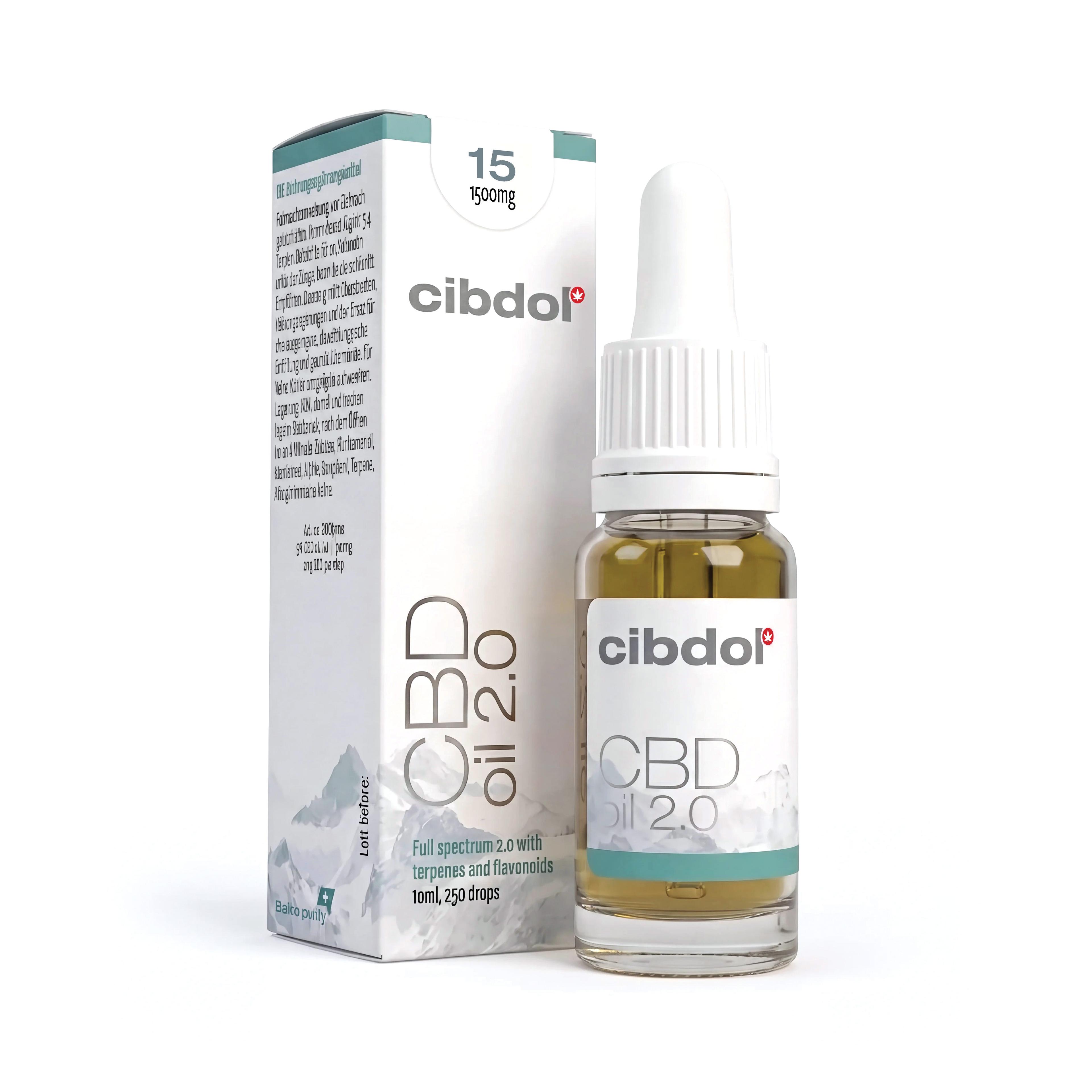
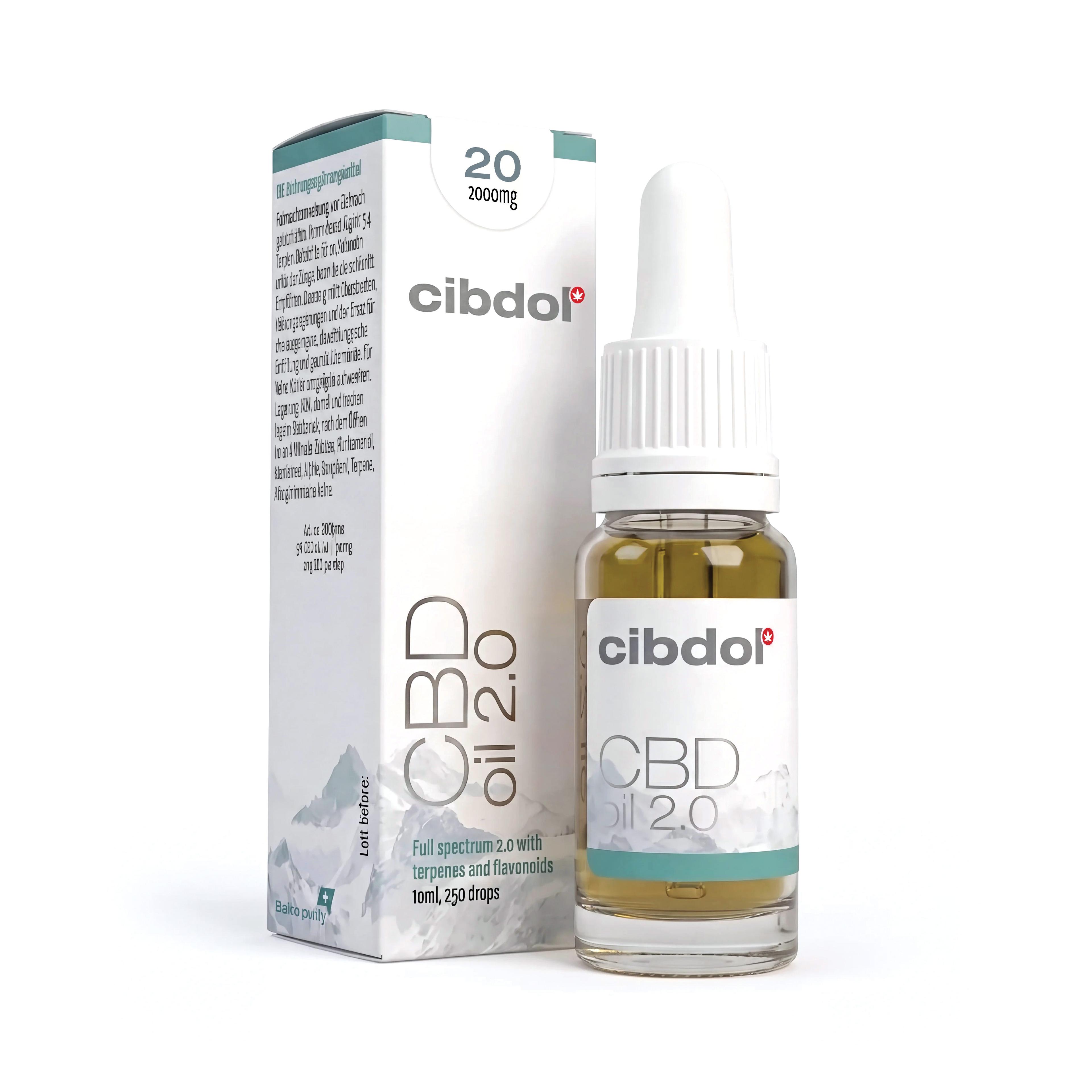
If you want to examine how this terpene is formulated alongside hemp extracts, you can inspect the specific strengths and bottle sizes in the CBD oil range.
Its aroma has been described, catalogued and reproduced in fragrance and flavour work for decades. Gentle warming does not pull the molecule apart. Warm it a little and it moves faster. Warm it in the company of steam and it travels with the water vapour, because linalool is steam-volatile.
That one property built an industry. Water boils at 100 °C, about a hundred degrees below linalool's own boiling point, and steam drawn through lavender flowers still carries the molecule out of the plant tissue. Condense the mixed vapour, let the oily layer part from the water, and the result is lavender oil: a mixture, in which linalool is one named component among many others. The still is not performing chemistry. It is performing physics.
Two things follow from that. A flower drying in the sun loses volatiles to the air. A closed bottle holds on to most of them.
A ten-carbon alcohol
Terpenes are assembled from five-carbon isoprene units. Two units, ten carbons in total, make a monoterpene, and that is the family linalool belongs to. What separates it from a plain hydrocarbon terpene is a single hydroxyl group: one oxygen bonded to one hydrogen, sitting on the carbon skeleton. That group makes the molecule an alcohol. It is the reason chemists file linalool as a terpene alcohol, or under the broader heading of terpenoids, the oxygen-carrying relatives of the terpenes proper. The same group shapes a good deal of its practical behaviour, from how it dissolves to how readily it reacts with air over time.
Linalool also exists in two mirror-image versions, identical in formula, opposite in three-dimensional shape, and plants produce them in different ratios. None of this is recent knowledge. The structure, the boiling point and the aroma profile were settled long before cannabis terpenes became a topic of discussion.
Spread across unrelated plants
Linalool has an unusually wide distribution in the plant kingdom. It turns up in herbs of the mint family, in seed spices, in woods and barks, in citrus blossom, and in flowering plants with no close botanical relationship to one another. That pattern is worth pausing on. These plants did not inherit linalool from a shared recent ancestor; they arrived at the same small molecule along separate routes, because the biochemical machinery for building monoterpenes is ancient and widespread.
So the aroma of a plant is never a single molecule. Linalool sits inside a mixture of dozens of volatile components, and its share of that mixture shifts with species, cultivar, growing site, harvest timing and the way the material was distilled. Two lavender oils, both honestly labelled, can differ in composition. The analysis says which one is in front of you. The plant name does not.
Wide occurrence has a second consequence. Linalool works poorly as a botanical fingerprint, because naming it tells you almost nothing about which plant it came from. A laboratory report that lists linalool at a given percentage is describing a molecule, not identifying a source. Identity comes from the whole profile, and from the paperwork behind the sample.
Its industrial role is settled and well documented: scent and flavour. In perfumery it functions as a floral building block, in flavour work as a named ingredient, and in both fields it has been characterised for decades.
Hemp belongs on that list of unrelated plants too. The terpenoid fraction discussed in the 2011 review is exactly the aromatic part of an extract that a terpene analysis reports on, and linalool was among the compounds shortlisted there [1]. Same molecule, different plant, different mixture around it.
From cut flowers to a number
- Harvest sets the upper limit. Whatever volatile fraction sits in the flower heads at the moment they are cut is all that can reach the oil. Warm air and long handling take a share of it before distillation begins, so growers and distillers work to a tight schedule, with plant material rather than isolated compounds.
- The still gets loaded. Flowers, often wilted first to shed water, go into a vessel built so that steam can pass through the mass. No solvent is involved at this stage. The plant material sits in the path of hot water vapour, and the vapour does the transport work.
- Steam achieves what heat alone would not. At around 100 °C, roughly a hundred degrees short of linalool's own 198 to 199 °C, the molecule still leaves the plant tissue and rides along with the water vapour. Steam volatility, not boiling, is what makes flower distillation workable in the first place.
- The vapour is condensed. Cooling turns the mixture back into liquid, and the oily fraction separates from the water because the two do not blend well. The oil layer is drawn off the top. The water layer keeps a trace of the same aromatic molecules in solution.
- What comes out is a mixture. Never one substance. Dozens of volatile components arrive together in proportions that depend on the batch of plant material and on how the distillation was run, which is why composition is measured rather than assumed.
- A laboratory names the parts. Gas chromatography separates the components; mass spectrometry identifies them. The output turns a general aroma description into a list of named molecules with figures beside them, and linalool appears as one line on that list.
- The figure belongs to one batch. An analysis is a snapshot of the material tested, on the day it was tested, carrying a batch number and a date. Applied to a different batch, the same number stops meaning anything, which is why a current report outranks a general statement about a plant.
- Bottling is not the end of the chemistry. Air, light and warmth keep acting on the contents once a bottle is opened, and volatile components are the first to leave. Storage sits outside what any analysis can predict, because the report describes the sample, not the shelf it later stood on.
The 2011 terpenoid argument
In 2011, Ethan Russo published a review in a pharmacology journal making a structural argument about how cannabis extracts should be studied: the terpenoid fraction deserves systematic investigation alongside the cannabinoids, rather than being handled as background aroma [1]. That is a proposal about research design. It says where the work should go, not what the work has already shown.
The 2011 review includes linalool among the terpenoids it discusses [1].
The review is equally clear about combinations. Where cannabinoids and terpenoids are proposed to act together, the 2011 paper calls for controlled testing of those combinations, rather than assuming an interaction from the fact that both are present in the same extract [1]. That distinction is the whole point of the argument, and it is the part most often left out when the review is quoted.
Shortlisted, not concluded
Being on a shortlist means being a candidate for study. It does not mean the study is finished. Since 2011, the literature around cannabis terpenoids has kept growing, and the file on linalool specifically is open rather than closed. That is an honest position to hold, and a more useful one than a confident summary would be.
It also sets a boundary worth respecting. A thoroughly documented smell is evidence about a smell. Everything beyond that belongs to controlled research, which is exactly the sort of work Russo's review asked for [1]. Read that way, the 2011 paper is less a set of answers than a research agenda with names attached, and linalool is one of the names on it.
Between the plant and the paperwork
Decades of fragrance data
Fragrance and flavour science got to linalool long before cannabis research did. Its aroma profile, its behaviour in blends, its stability in air and its role as a named component of essential oils have all been described in that literature for decades. This is the reason the molecule can be discussed with more precision than most plant volatiles: there is a large, old, publicly documented body of characterisation behind it.
That history does the heavy lifting in two directions. It gives perfumers and flavourists a compound whose behaviour is predictable, and it gives researchers a starting point that does not need to be built from nothing. A well described molecule is a cheaper molecule to investigate.
What the fragrance literature does not do is settle questions outside its own scope. Scent chemistry describes odour. Anything else needs its own studies, run and reported on their own terms.
One batch, one analysis
Terpene content is a measured quantity, not a property of a product name. At Cibdol, a terpene figure gets published for a batch only when a current certificate of analysis for that batch supports it, and nothing on this page describes the terpene content of any particular bottle. That is the same standard we have worked to since 2014, when the category was still explaining itself, and it is why our reports are published rather than summarised.
It is worth knowing what a given report covers. Many cannabinoid analyses quantify cannabinoids only, because that is what the panel was commissioned to measure. A terpene profile is a separate method with its own sample preparation and its own list of target compounds. If a bottle's linalool content matters to you, the question is whether a terpene panel was run at all, and on which batch.
Reading a terpene analysis
A number without a batch behind it is decoration. Once you know that linalool is measured by gas chromatography and reported per sample, a certificate of analysis becomes readable in a couple of minutes, and the useful details are mostly administrative rather than chemical. Here is what carries the information.
- The batch number, matched to the bottle. The code on the report and the code on the label should be the same. Two batches of the same product are two different samples, and a terpene figure does not transfer from one to the other.
- The date of the analysis. A report describes the material as it was on the day of testing. Volatile components are the part of a sample most affected by time, air and warmth, so an old report answers an old question.
- Whether terpenes were measured. A cannabinoid panel and a terpene panel are separate pieces of work. If no terpene method appears on the document, the document has nothing to say about linalool, however complete it looks otherwise.
- The method named. Gas chromatography, usually paired with mass spectrometry, separates and identifies the volatile components. Seeing the technique named tells you the figures came from an instrument rather than from a general expectation about the plant.
- The botanical source. Linalool from lavender, coriander seed or hemp is the same molecule, so the report identifies the compound while the source has to be stated separately. Species and cultivar belong to the product documentation, not to the peak on the chromatogram.
- The physical numbers. A boiling point of 198 to 199 °C and steam volatility explain why gentle warming leaves the molecule intact while an open bottle in a warm room loses volatiles over time. Both facts sit behind storage advice on any aromatic oil.
- The reference, if the entourage question interests you. Russo's 2011 review is a review that argued for studying terpenoids, linalool included, alongside cannabinoids, and that asks for controlled testing of combinations rather than assumption [1].
Laboratory inhalation studies
Much of the public reputation surrounding lavender connects back to a single volatile compound. Linalool is a terpene alcohol and the principal aromatic component of lavender, which is why the two are discussed together. When researchers examine how this scent acts on an organism, laboratory models isolate the compound from the broader botanical background.
In mice, inhaled linalool odour produced anxiolytic effects, and the study design isolated the odour route specifically rather than an injected dose. [2] By delivering the terpene as an airborne vapour rather than introducing it into the bloodstream, the investigation confirmed that the sensory pathway drove the observed changes. A separate study in mice reported effects of inhaled linalool on anxiety-like behaviour, social interaction and aggression, again by inhalation. [3] Both papers describe behavioural responses under controlled exposure inside sealed observation chambers.
Inhalation versus oral intake
A widespread assumption is that observations from vapour exposure transfer directly to capsule formulations. Both of these are animal studies using inhalation. Neither measured what happens when a person swallows a supplement containing lavender extract, and the gap between those two situations is the whole difficulty in the subject.
Olfactory stimulation delivers airborne molecules to nasal receptors, where signalling travels straight to neural circuits. Oral ingestion, by contrast, subjects plant extracts to stomach acid, digestive enzymes and extensive first-pass metabolism in the liver. These physiological paths differ fundamentally. Human clinical data examining swallowed linalool remain distinct from rodent odour experiments, and equating the two overstates what the laboratory record establishes.
Lavender extract in multi-ingredient formulas
Commercial formulations often combine multiple botanical extracts rather than isolating single terpenes. Cibdol uses lavender extract in Complete Sleep, alongside chamomile extract, CBD and CBN. Linalool is the principal terpene of that lavender, which is why it appears here at all.
When lavender appears in such blends, the analytical focus stays on compound verification and batch consistency. Terpene panels quantify the presence of linalool, ensuring the plant extract meets stated specifications without claiming an unverified medical outcome. This article reports animal research and says where it stops. It is not medical advice and recommends nothing.
Frequently Asked Questions
8 questionsDoes linalool survive gentle heating?
Why do perfumers and flavourists work with linalool?
What did Russo's 2011 review actually say about linalool?
How can I find out how much linalool a batch contains?
What did the mouse studies on linalool inhalation show?
Do linalool findings from inhalation translate to oral supplements?
Why is linalool present in lavender extract?
Is linalool in lavender considered a medical treatment?
About this article


Luke Sholl has been writing about cannabinoids, CBD, and the broader benefits of nature since 2011. His background includes first-hand cannabis cultivation experience spanning the full seed-to-harvest lifecycle across so
This wiki article was drafted with AI assistance and reviewed by Luke Sholl, CBD & wellness writer. Editorial oversight by Joshua Askew.
Medical disclaimer. This content is for informational purposes only and does not constitute medical advice. Consult a qualified healthcare provider before use of any substance.
Last reviewed August 26, 2026
References (3)
- [1]Russo (2011). Taming THC: potential cannabis synergy and phytocannabinoid-terpenoid entourage effects.
- [2]Harada H, Kashiwadani H, Kanmura Y, Kuwaki T. Linalool odor-induced anxiolytic effects in mice. Frontiers in Behavioral Neuroscience 2018;12:241. doi:10.3389/fnbeh.2018.00241 Source
- [3]Linck VM, da Silva AL, Figueiro M, et al. Effects of inhaled linalool in anxiety, social interaction and aggressive behavior in mice. Phytomedicine 2010;17(8-9):679-683. doi:10.1016/j.phymed.2009.10.002 Source
Related Articles
Valencene: The Molecule Behind the Name
A sesquiterpene built from three isoprene units, fifteen carbons in total, formula C15H24. Here is what the chemistry fixes, and where the published record runs out.
Terpineol: Lilac, Not Pine
Hemp aroma gets talked about in pine and citrus. Terpineol sits somewhere else: a floral monoterpene alcohol whose name hides four isomers and whose boiling point is reported inconsistently.
Sabinene Explained: Formula, Family, Boiling Point
Sabinene sits in the terpene family, with the formula C10H16 and a molar mass around 136 g/mol. Here is what the chemistry fixes, and where the record for this single molecule stops.
Phytol: From Chlorophyll to a Boiling Point
A terpenoid with an alcohol group, a diterpene backbone, and a boiling point that only makes sense with its pressure condition attached. Here is what the record holds, and where it stops.
Ocimene, Described in Four Lines
A short, precise look at one aromatic molecule: its family in the terpene group, the four words used for its smell, and what the approximate 100 °C figure actually marks.
Guaiol: 15 Carbons, One Hydroxyl Group, Two Boiling Points
Guaiol is a sesquiterpene alcohol: a 15-carbon skeleton carrying a hydroxyl group. Here is its structure, its aroma profile, and why one molecule ends up with two very different boiling point figures.
Geraniol: Formula, Family, Boiling Point
Geraniol is a monoterpene alcohol with the formula C10H18O and a boiling point near 230 °C at atmospheric pressure. Here is what the chemistry pins down, and where the published record still opens out.
What Is Farnesene? Start With the Formula
Farnesene is a C15H24 hydrocarbon, and the name covers a family of isomers rather than a single compound. Here is the chemistry, the difference from farnesol, and what the plant record says.
Eucalyptol on a Lab Report: One Compound, Two Names
Eucalyptol and 1,8-cineole are the same molecule written two ways. Here are the terpene basics, the number that keeps getting quoted, and why the batch document matters more than the spelling.
