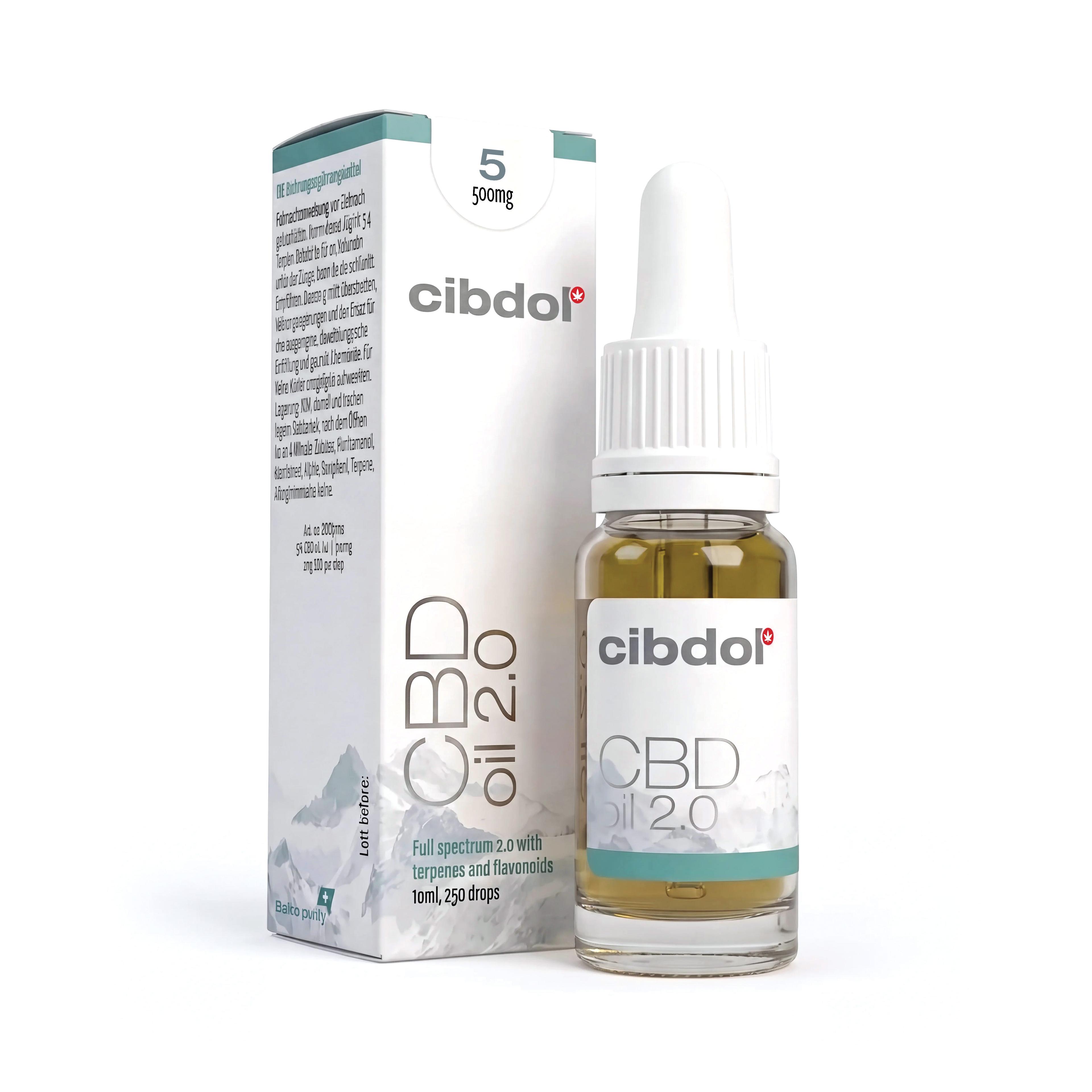
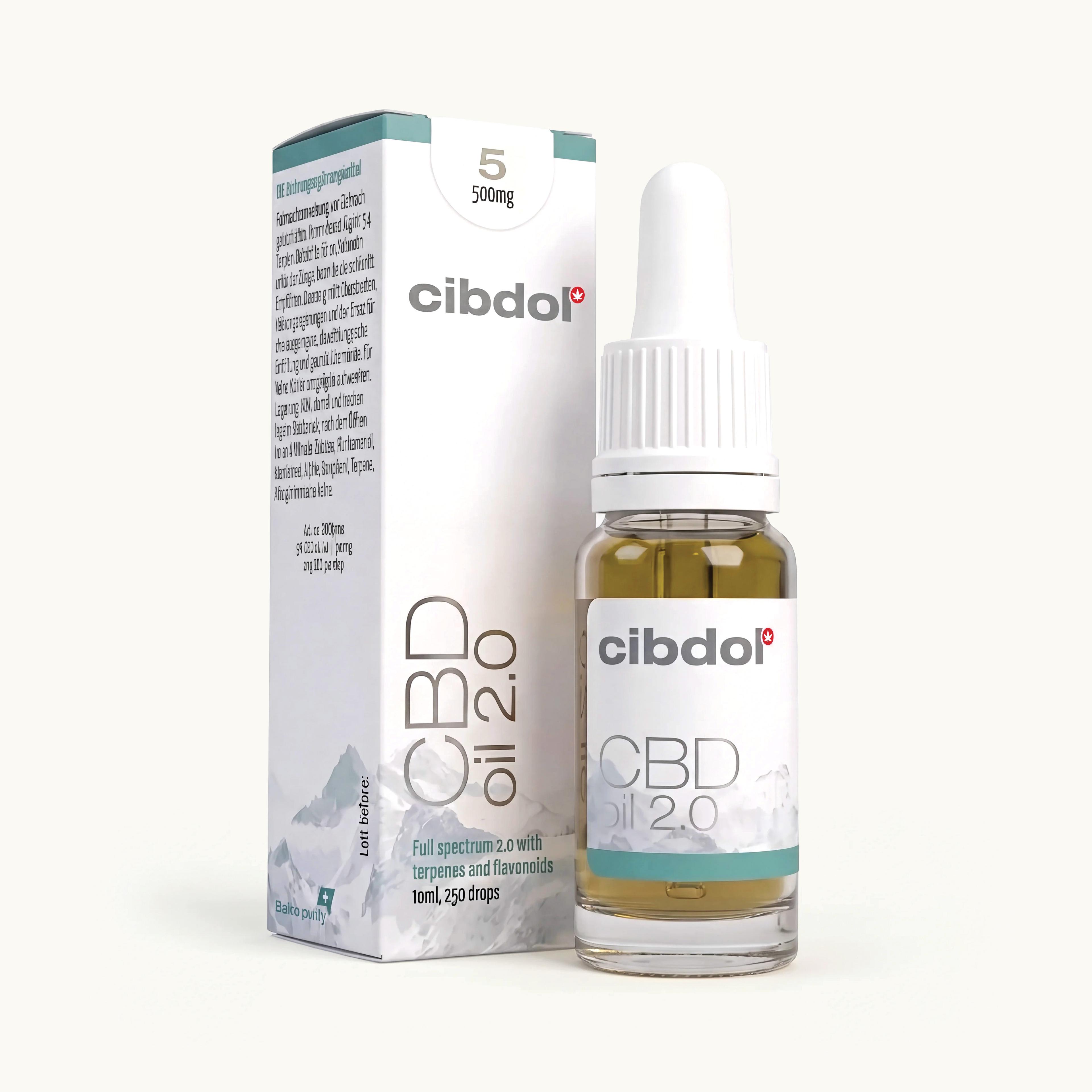
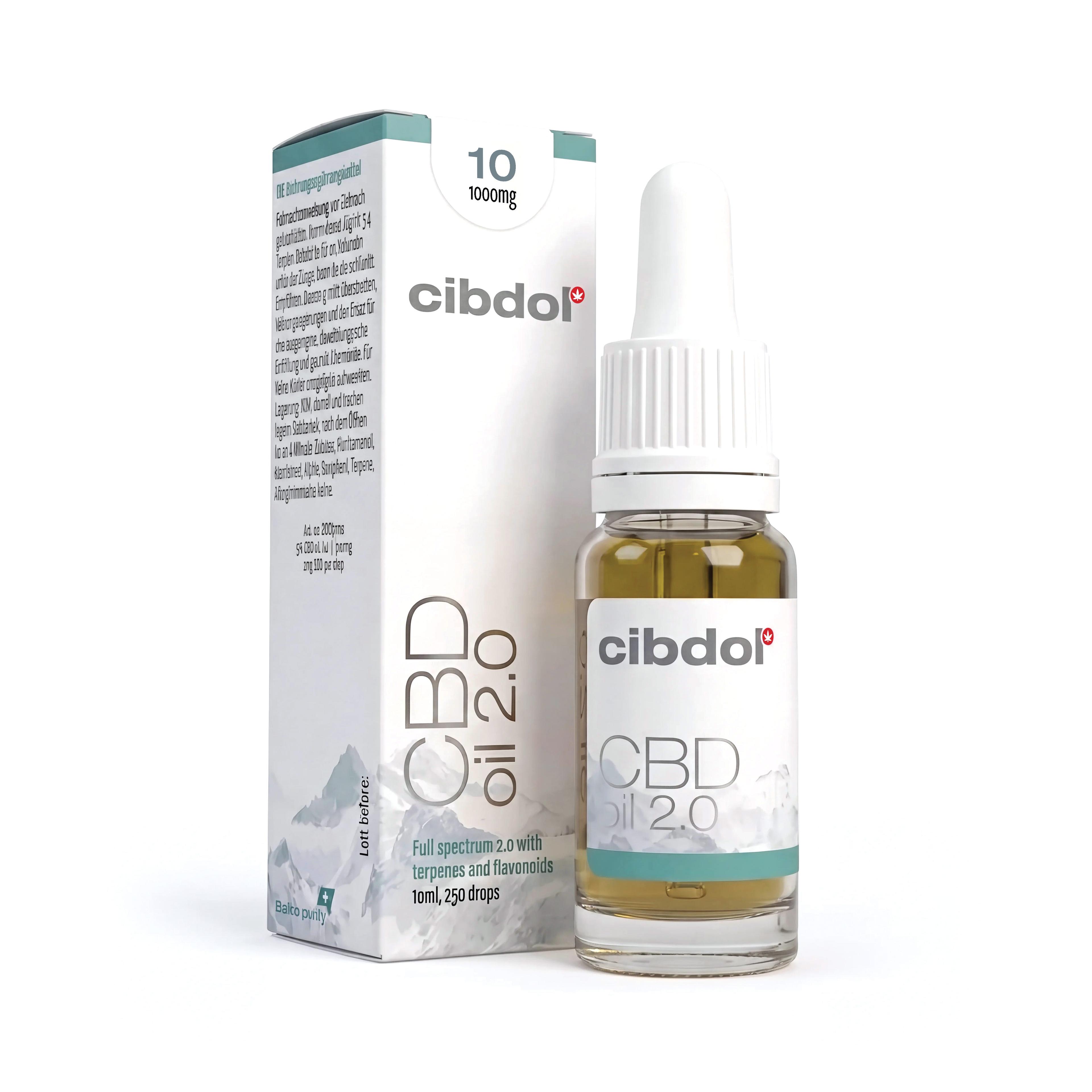
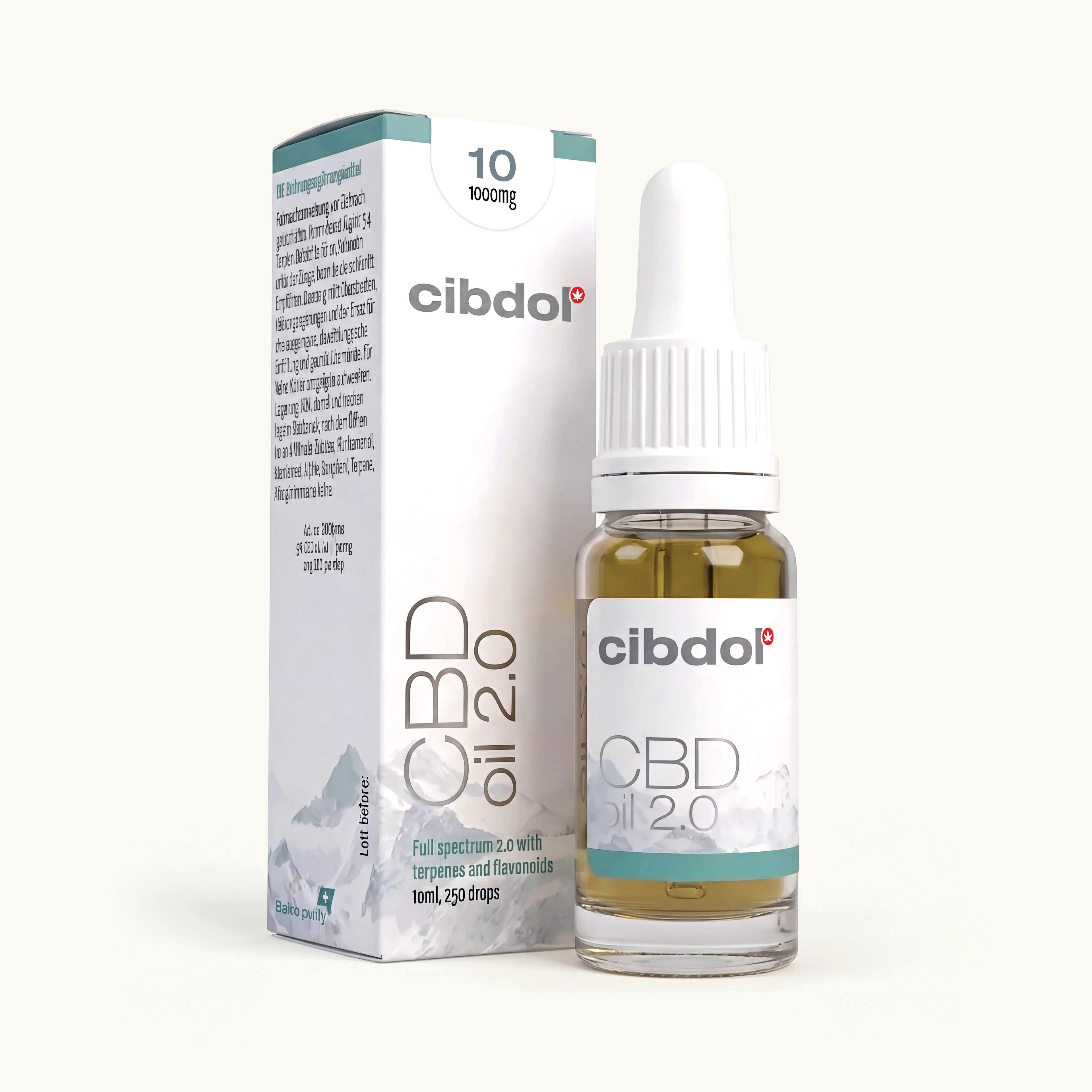


Humulene, The Sesquiterpene Named After Hops

Definition
Humulene is a sesquiterpene: a plant molecule built from three isoprene blocks, 15 carbon atoms, molecular formula C15H24. Its name comes from botany rather than chemistry, since Humulus lupulus is the Latin name of the hop plant. On a batch report it appears the way every terpene does, as a name with an amount next to it.
A name borrowed from the hop field
Humulene is a sesquiterpene. Three isoprene blocks, 15 carbon atoms, the molecular formula C15H24. That is the whole definition, and it is the part of the topic that does not shift between one harvest and the next.
The prefix does most of the explaining. Sesqui means one and a half. A monoterpene is built from two blocks and 10 carbon atoms, formula C10H16 in its hydrocarbon forms, so a sesquiterpene is one and a half of that: three blocks instead of two, fifteen carbons instead of ten. Nothing more exotic than counting.
The name itself comes from the plant world. Humulus lupulus is the Latin name of the hop plant, and the word humulene sits on the same root, which is why the molecule reads like a hop reference on any ingredient list. That tells you where the molecule was described. It tells you nothing about quantity.
Terpenes are the aromatic side of the plant. Cannabinoids are the side most readers came for. In his widely cited 2011 review, Russo noted that the two groups are present together in cannabis and put forward the idea that they might interact [1]. He framed it as a hypothesis still in need of testing rather than as an established mechanism, and that distinction is worth carrying with you every time a terpene name appears in marketing copy.
Aroma vocabulary and laboratory vocabulary are not the same tool. A tasting note is one person's impression, written in words. A terpene value is an amount, produced by independent laboratory analysis, printed on a certificate, and attached to a single batch. If the question is whether humulene is in a bottle, and how much, only the second kind of information answers it.
That is also why Cibdol publishes its analyses. The position has not moved since 2014: publish the certificate, let the numbers talk. It is a dull policy. It is also the only one that survives contact with a curious customer who wants to check rather than believe.
So where does the hop association leave us? Useful as a memory aid, limited as evidence. The Latin name records the plant the molecule was named after, while the figure for any specific extract belongs to the batch report, not to the species. Chemistry first, then the plant name, then the paperwork. Read in that order, humulene stays a small and manageable subject: fifteen carbons, one botanical namesake, one measured value per production run.
Two terpene sizes, counted side by side
Terpene classes are defined by arithmetic, not by character. Count the isoprene blocks, count the carbons, and the class follows. The table below sets the two groups that come up most often in this discussion next to each other, with humulene's own row at the bottom so the placement is unambiguous.
| Point of comparison | Monoterpenes | Sesquiterpenes |
|---|---|---|
| Isoprene blocks | 2 blocks | 3 blocks |
| Carbon atoms | 10 carbon atoms | 15 carbon atoms |
| Molecular formula | C10H16, in the hydrocarbon forms | C15H24 |
| Relative size | The smaller of the two skeletons | One and a half times the carbon count |
| Where humulene belongs | Not this class | This is humulene's class |
| How a laboratory reports it | By name, with an amount, per batch | By name, with an amount, per batch |
One row deserves a footnote in plain language. The formula C10H16 holds for the hydrocarbon forms of the monoterpene group, and once oxygen enters the molecule the formula changes with it. That is precisely why an analytical report lists compounds by name and quantity instead of printing a single formula across a whole class. Names are specific. Class labels are shorthand.
Notice what the table does not contain. No column for quality, no column for strength, no ranking of one class above the other. Size is a structural fact. It is not a grade, and a bigger carbon skeleton is not a promise of anything.
The other thing worth saying out loud: this table is chemistry, and chemistry is the easy half. Russo's 2011 review dealt with the harder half, the co-presence of terpenes and cannabinoids in cannabis and the possibility that the two groups interact, which he presented as an open question requiring further work rather than a settled account [1]. Classification is stable. Interpretation is not.
For a reader holding a bottle, the practical translation is short. The class tells you what kind of molecule humulene is. The certificate tells you what was measured in the material you bought. Since 2014 we have taken the second document as the one that settles arguments, because it carries numbers and a batch reference rather than adjectives.
From botanical name to batch number
Ten steps, in the order a careful reader would actually take them. The list moves from the molecule to the paperwork, which is the direction that keeps the topic honest.
- Fix the class first. Humulene is a sesquiterpene, which means three isoprene blocks and 15 carbon atoms in the skeleton.
- Write down the formula. C15H24 is the entry that stays constant no matter which plant the molecule was isolated from.
- Run the comparison. A monoterpene carries 2 blocks and 10 carbon atoms, formula C10H16 in its hydrocarbon forms, so the difference between the classes is five carbons and one block.
- Read the name for what it is. Humulus lupulus is the hop plant's Latin name, and humulene borrowed it. A name records naming history, not content.
- Separate the two vocabularies. Aroma descriptions are impressions in words. Terpene figures are amounts from independent laboratory analysis.
- Check who ran the analysis. Independent laboratory analysis is the basis of every statement we publish about what is in a bottle.
- Check which batch the report covers. A certificate applies to the production run named on it, not to a product line in general.
- Place Russo's 2011 review correctly. It records that terpenes and cannabinoids occur together in cannabis and proposes a possible interaction between them [1].
- Note what that review leaves open. Russo presented the interaction as a hypothesis awaiting testing, not as an established mechanism, so nothing further should be read into it [1].
- Ask for the document before the story. If a terpene figure matters to you, request the certificate for the batch and read the number yourself.
Two of those steps carry most of the weight. Step four stops the hop name from doing work it cannot do, and step seven stops a certificate from being stretched across batches it never covered. The rest is arithmetic and reading.
There is a version of this list that is one line long: know the class, then check the batch. We have kept it at ten because each step corresponds to a question people genuinely send us, and because the shortcut versions are the ones that quietly drop the batch reference.
The 2011 reference, row by row
Only one publication is cited on this page, so it makes sense to show exactly what it covers and where its remit ends. Russo's 2011 review is quoted often, and often further than it goes. The table sorts each point into what the source records and what status that point currently has.
| Point | What the cited source records | Status |
|---|---|---|
| Terpenes and cannabinoids occurring together in cannabis | Noted in Russo's 2011 review [1] | Documented in the literature cited |
| A possible interaction between the two groups | Put forward as an idea in the same review [1] | Hypothesis, described as needing testing |
| A named mechanism for humulene on its own | Not part of what the cited review establishes [1] | Open |
| Class and formula of humulene | 3 isoprene blocks, 15 carbon atoms, C15H24 | Fixed chemistry, unchanged by batch |
| Amount present in a specific bottle | Independent laboratory analysis of that batch | Measurable, published on the certificate |
| Cibdol's own position | Publish the certificate, let the numbers talk | Unchanged since 2014 |
The second row is the one that gets misread. A hypothesis in need of testing is a research direction, and Russo was explicit about that framing in 2011 [1]. It is not a finding about a particular oil, a particular terpene, or a particular person, and no amount of repetition converts it into one.
The fourth and fifth rows work as a pair. Chemistry is general knowledge, available in any reference book, and it applies to humulene wherever the molecule is found. Quantity is local knowledge, produced by a laboratory, and it applies to one batch of one product. Confusing the two is how a botanical name ends up standing in for a measurement.
Which leaves the last row, and it is the shortest one to act on. Look up the certificate for the batch in your hand, find the terpene section, and read what was actually measured. We publish those analyses for the same reason we did in 2014, when the category still needed explaining: the number is checkable, and a description is not.
Frequently Asked Questions
4 questionsWhat does the word sesquiterpene actually mean?
Why is a hop plant name attached to a cannabis terpene?
Is humulene a cannabinoid?
How can I check the terpene content of a bottle I already own?
About this article


Luke Sholl has been writing about cannabinoids, CBD, and the broader benefits of nature since 2011. His background includes first-hand cannabis cultivation experience spanning the full seed-to-harvest lifecycle across so
This wiki article was drafted with AI assistance and reviewed by Luke Sholl, CBD & wellness writer. Editorial oversight by Joshua Askew.
Medical disclaimer. This content is for informational purposes only and does not constitute medical advice. Consult a qualified healthcare provider before use of any substance.
Last reviewed August 26, 2026
References (1)
- [1]Russo (2011). Taming THC: potential cannabis synergy and phytocannabinoid-terpenoid entourage effects. DOI: https://doi.org/10.1111/j.1476-5381.2011.01238.x
Related Articles
Valencene: The Molecule Behind the Name
A sesquiterpene built from three isoprene units, fifteen carbons in total, formula C15H24. Here is what the chemistry fixes, and where the published record runs out.
Terpineol: Lilac, Not Pine
Hemp aroma gets talked about in pine and citrus. Terpineol sits somewhere else: a floral monoterpene alcohol whose name hides four isomers and whose boiling point is reported inconsistently.
Sabinene Explained: Formula, Family, Boiling Point
Sabinene sits in the terpene family, with the formula C10H16 and a molar mass around 136 g/mol. Here is what the chemistry fixes, and where the record for this single molecule stops.
Phytol: From Chlorophyll to a Boiling Point
A terpenoid with an alcohol group, a diterpene backbone, and a boiling point that only makes sense with its pressure condition attached. Here is what the record holds, and where it stops.
Ocimene, Described in Four Lines
A short, precise look at one aromatic molecule: its family in the terpene group, the four words used for its smell, and what the approximate 100 °C figure actually marks.
Guaiol: 15 Carbons, One Hydroxyl Group, Two Boiling Points
Guaiol is a sesquiterpene alcohol: a 15-carbon skeleton carrying a hydroxyl group. Here is its structure, its aroma profile, and why one molecule ends up with two very different boiling point figures.

Geraniol: Formula, Family, Boiling Point
Geraniol is a monoterpene alcohol with the formula C10H18O and a boiling point near 230 °C at atmospheric pressure. Here is what the chemistry pins down, and where the published record still opens out.
What Is Farnesene? Start With the Formula
Farnesene is a C15H24 hydrocarbon, and the name covers a family of isomers rather than a single compound. Here is the chemistry, the difference from farnesol, and what the plant record says.
Eucalyptol on a Lab Report: One Compound, Two Names
Eucalyptol and 1,8-cineole are the same molecule written two ways. Here are the terpene basics, the number that keeps getting quoted, and why the batch document matters more than the spelling.
