Hops, From Resin to Myrcene: What the Chemistry Actually Says
Definition
Hops are the cone-shaped flowers of a climbing plant whose glandular tissue produces a sticky resin. Inside that resin sits an aromatic fraction made up almost entirely of terpenes and terpenoids, the volatile plant molecules that leave the material and reach the air. That resin, and the two terpenes most often named in it, is what this page is about.
Sticky resin, a few volatile molecules
Start with what the plant is doing, not with the family tree. On a hop cone, glandular tissue produces resin. That resin is sticky, and it carries an aromatic fraction that is, near enough, all terpenes and terpenoids. Terpenes are the volatile molecules a plant makes that leave the material and travel through the air. That is the whole mechanism. There is nothing hidden behind it.
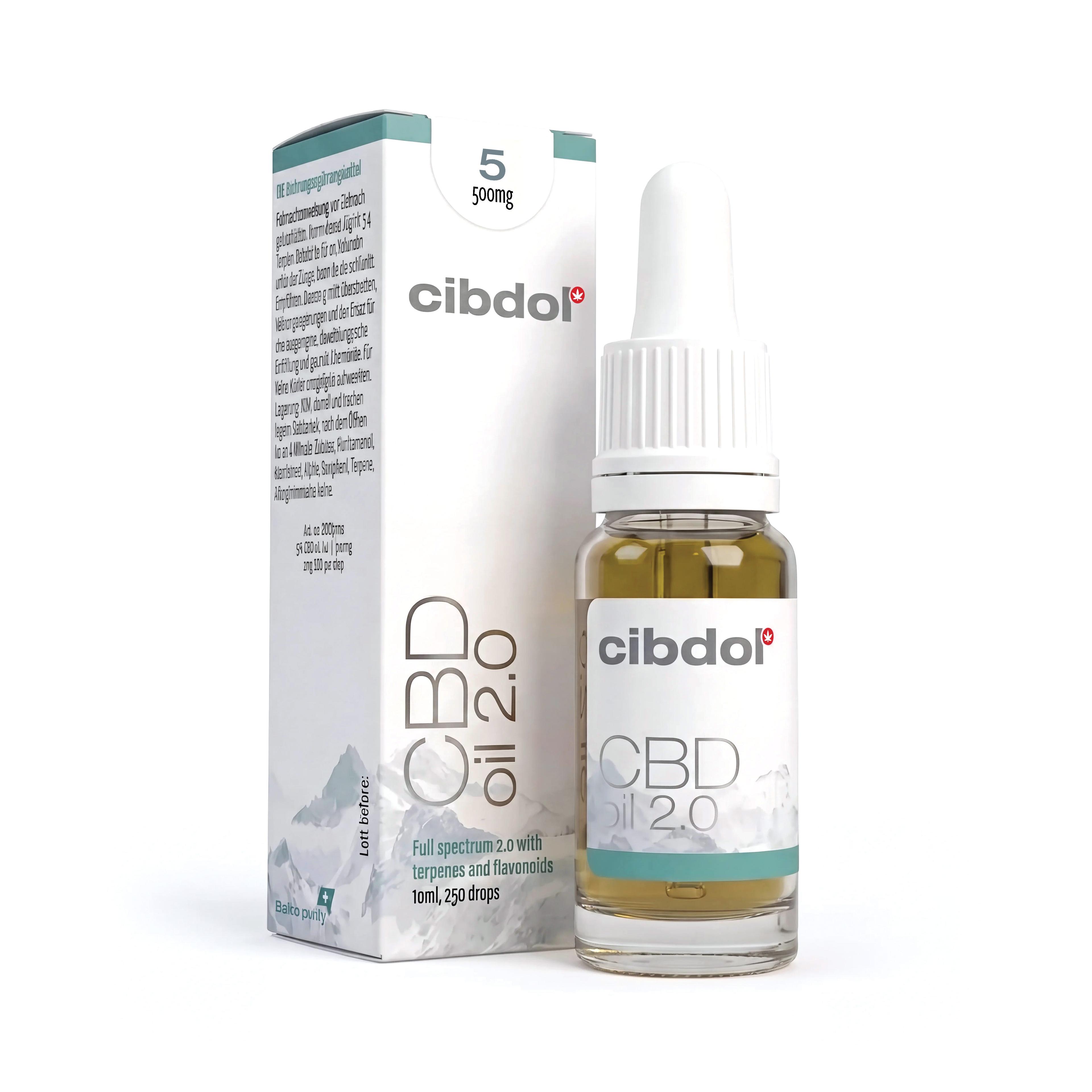
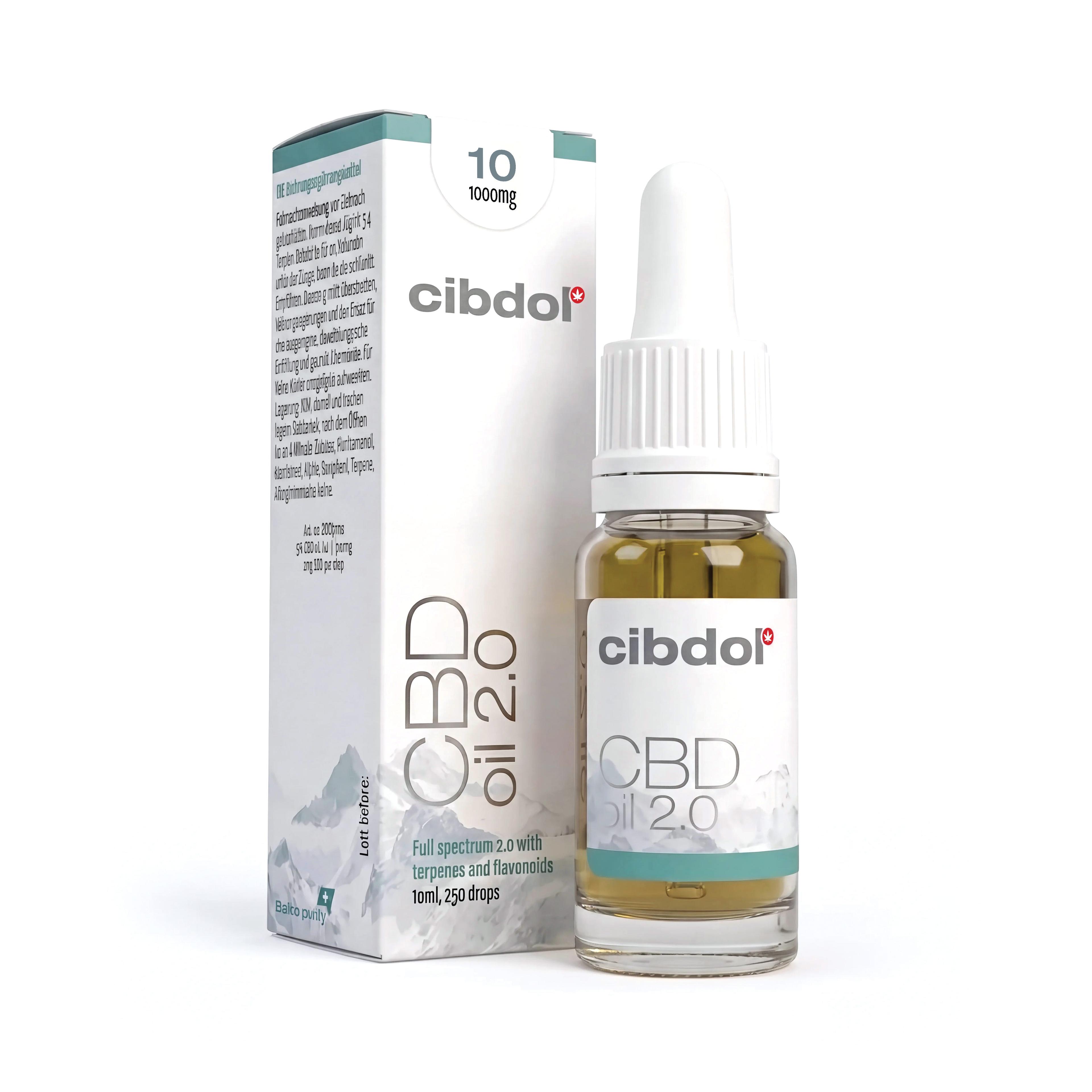
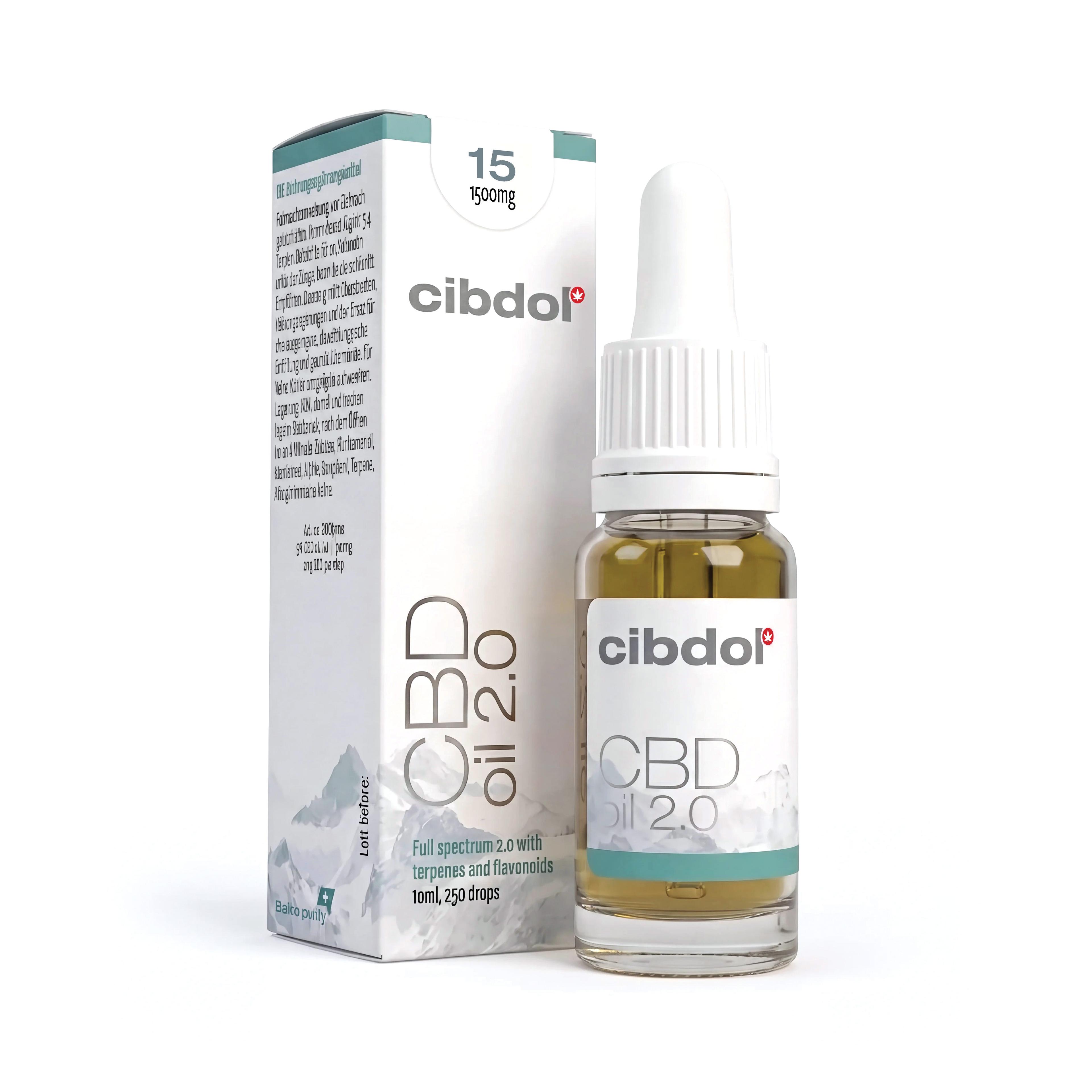
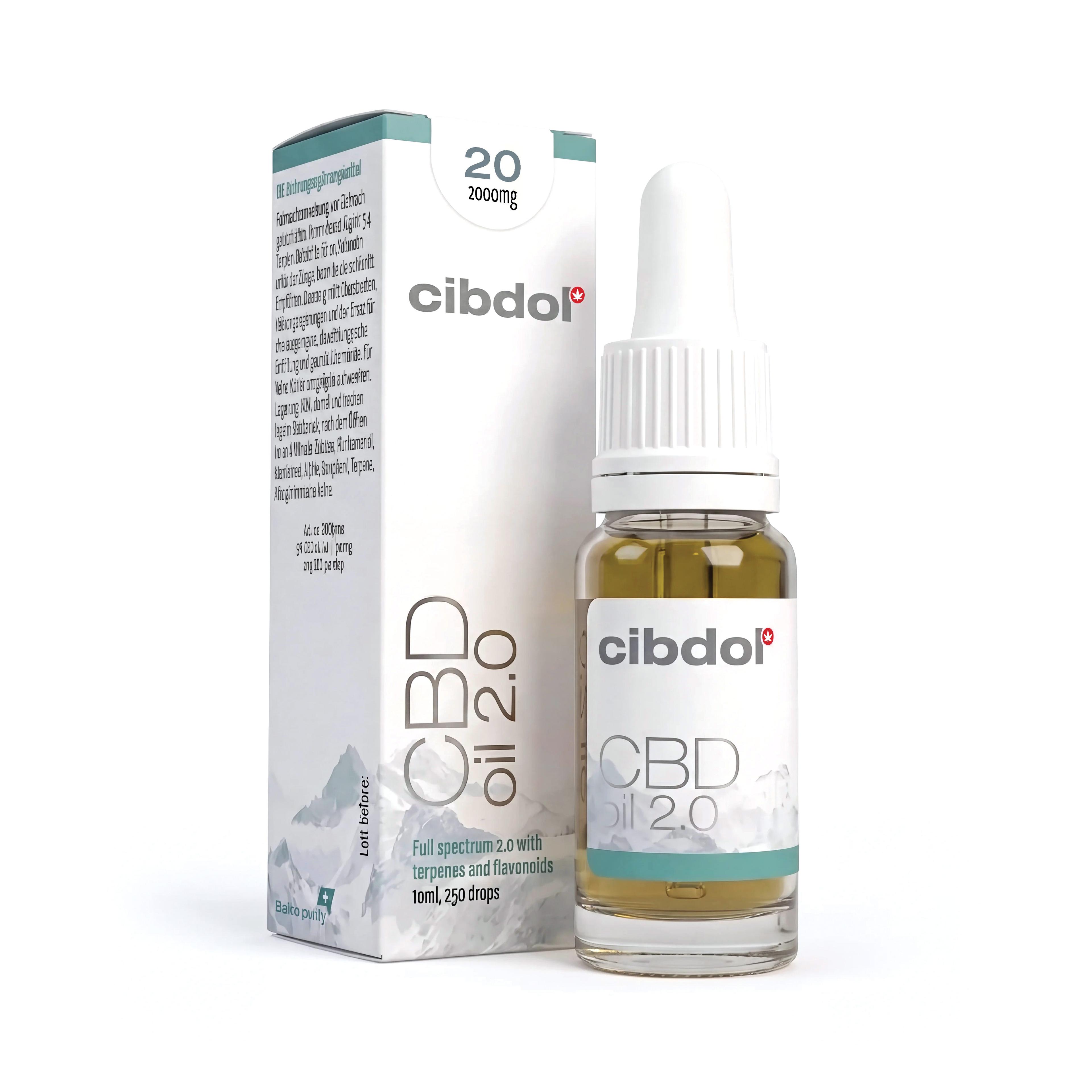
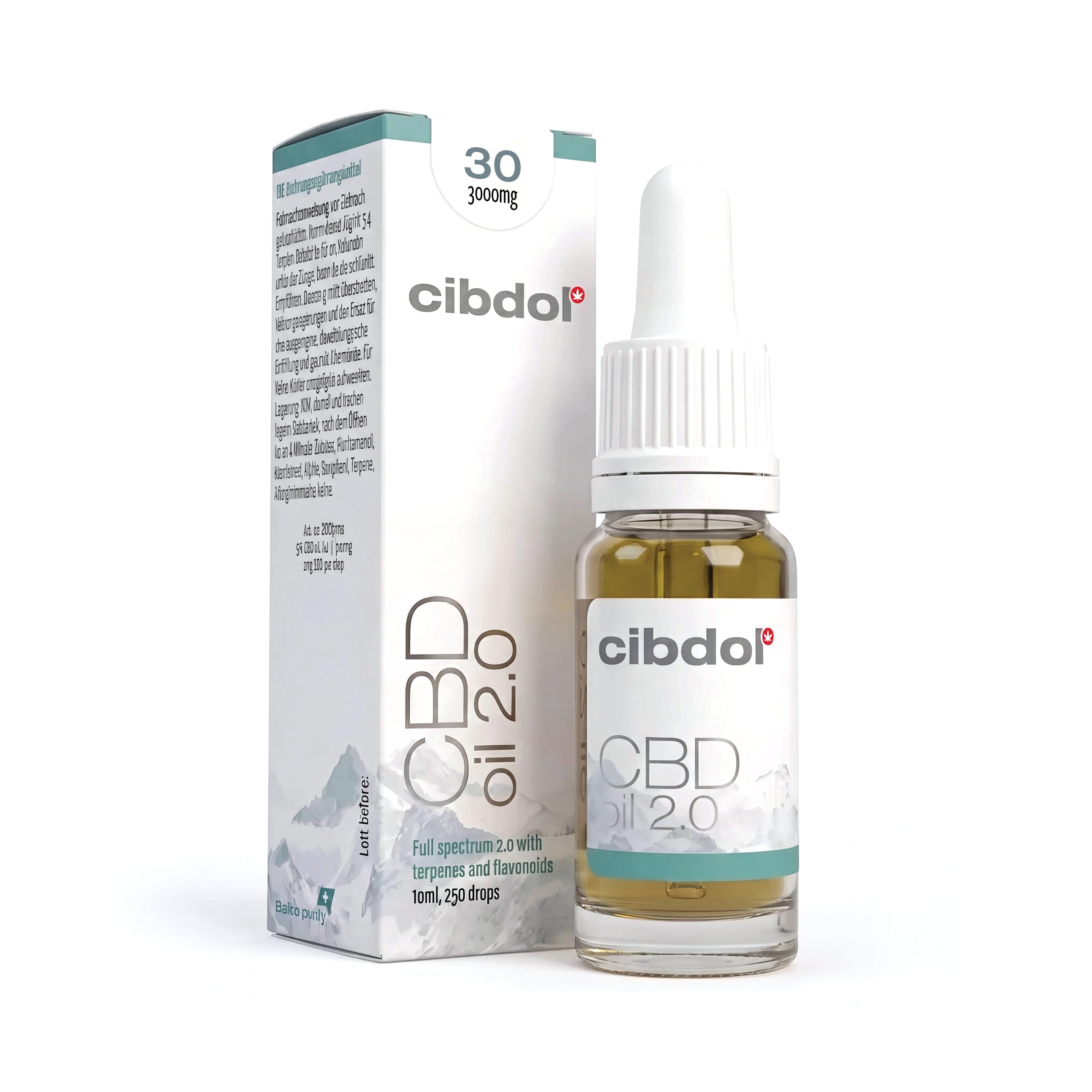
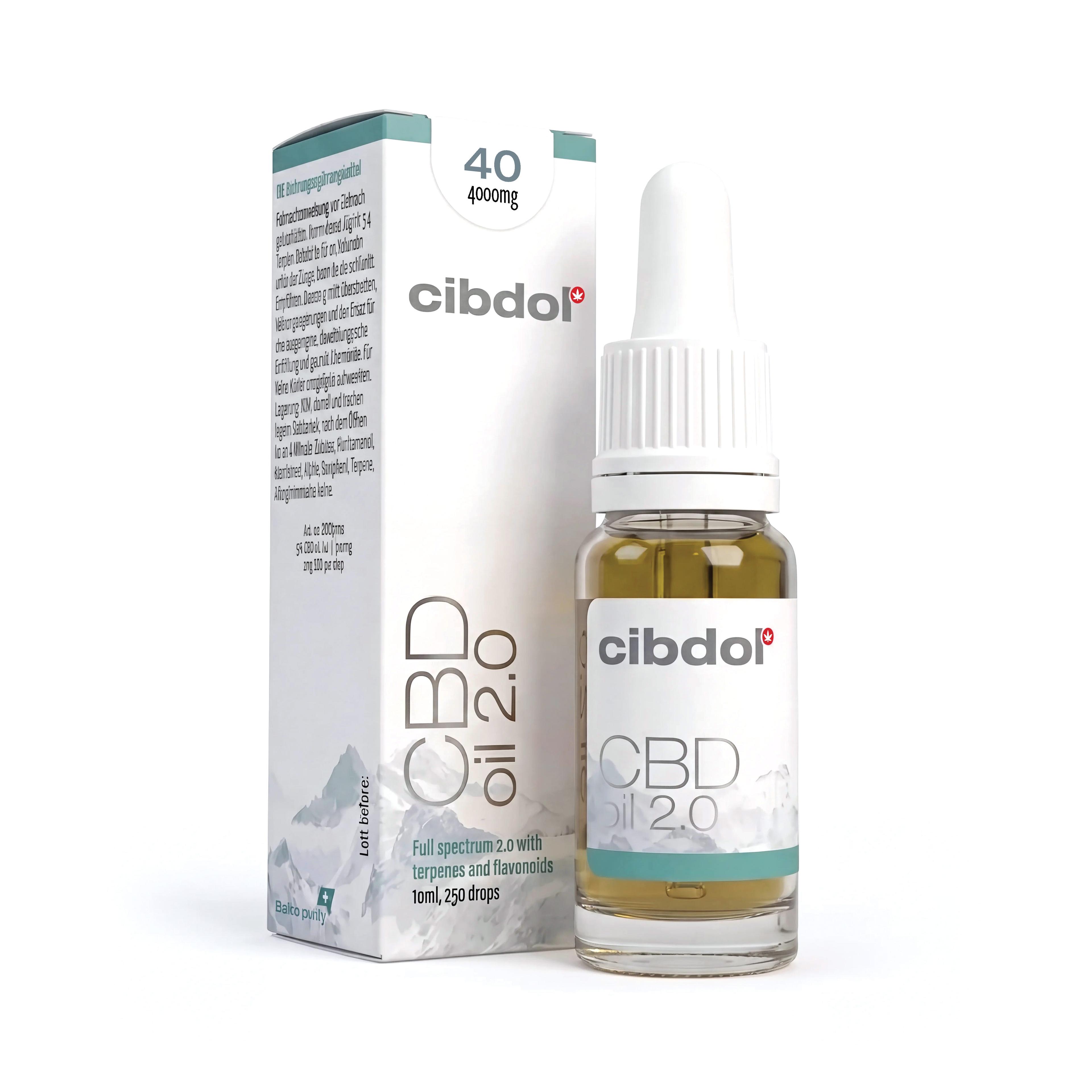
You can review the concrete strengths, formats and bottle sizes available for these plant extracts in the CBD oil category.
Cannabis runs the same setup. Glandular tissue. Sticky resin. A handful of terpenes with names you have probably seen on a label before. So the architecture matches, and the scent chemistry rhymes. Two plants, one shared piece of engineering.
That is also where the resemblance stops being useful. Matching architecture does not mean matching contents. A workshop and a kitchen can both have shelves.
Same architecture, different inventory
Hops contain no THC. Hops contain no CBD. The chemistry on the hop side is different. The natural cannabinoids that ElSohly and Slade catalogued in cannabis in 2005 [1] do not appear in a hop cone. Family resemblance is a botanical observation, and it stays a botanical observation. It transfers nothing from one plant to the other.
This is worth saying plainly, because it is the question that arrives first, every time. A hop cone smells the way it does because of its terpene fraction. It does not smell that way because of cannabinoids, and no amount of shared plant family changes the contents of the resin.
Since 2014 our job has been the same: know what is inside, then say it in normal words. Hops are a good test of that habit. The interesting part is not the family tree. The interesting part is the resin, the two terpenes worth naming in it, and the point where the analysis stops matching.
Myrcene does most of the work
In many aroma cultivars, myrcene is the largest single component of hop oil. Not a trace constituent. The main one. When one molecule holds the biggest share of the oil, it dominates the fraction that leaves the cone and reaches the air, which is why myrcene tends to set the character of the whole profile.
Two terpenes are worth a closer look on a page like this. Myrcene is the first, and it earns that place by sheer share of the oil. The second is humulene, which borrows its name from the hop plant itself. Both belong to the same aromatic fraction described above, produced in the same glandular tissue, carried in the same sticky resin.
Mango, lemongrass, bay, thyme
Myrcene is not a hop signature. It is a common plant molecule. It appears in mango. In lemongrass. In bay and in thyme. It also appears in many cannabis chemovars, where lab profiles often list it as the most abundant terpene in the sample.
So the same molecule sits in a kitchen herb, a tropical fruit, a hop cone and a hemp extract. Recognising it in one of them tells you nothing about the cannabinoid content of any of the others. It tells you that a widespread terpene is present, which is exactly as much as a terpene reading can tell you.
That is the useful correction here. People often read a familiar aroma as evidence of a familiar molecule family, and terpenes are not cannabinoids. They come out of the same tissue in cannabis, they are measured on the same kind of report, and they are still two separate columns. If you want to know how much myrcene is in a specific batch of anything, the number comes from the analysis of that batch, not from the plant's name.
One resin, two families of molecules
In cannabis, terpenes and cannabinoids are co-located. Same resin, same glandular tissue, harvested together and extracted together. The entourage hypothesis, which is a name for a proposal rather than a name for a finding, centres on possible pharmacological synergy between these different molecules.
Russo's 2011 review put the proposal in writing: read the mixture, not the isolated molecule [2]. The idea is that a plant extract containing cannabinoids alongside its terpenoids may behave differently from a single purified compound. It is a hypothesis with published reasoning behind it, and the same literature is clear that further study is required [2]. We are comfortable leaving it there. Proposed, documented, not settled.
What full-spectrum means on a certificate
A full-spectrum hemp extract keeps a broad terpene range alongside its cannabinoids, and that is a consequence of general extraction chemistry rather than a special formulation trick. Take the resin as it comes and you take the volatile fraction with it. Take a narrower path and you leave some of it behind.
Which terpenes, and in what proportion, is a batch question. Plant material varies. Harvests vary. So the honest answer to "does my bottle contain myrcene" is written on the certificate for that batch, not in a rule of thumb about hemp in general. If you want that figure for a Cibdol full-spectrum oil, the batch analysis is where it is recorded, and that is the document worth opening before any article about plant families.
One standard, one habit: publish the number, explain the limit. Terpene profiles are a good example of why that matters, because they change from batch to batch while the marketing word stays the same.
Hops beside a hemp extract, point by point
| Point | Hops | Full-spectrum hemp extract | Where the answer is written |
|---|---|---|---|
| THC | None present in hops. | Present within legal limits, non-intoxicating as sold. | The cannabinoid section of the batch analysis. |
| CBD | None present in hops. | The declared cannabinoid, stated as a percentage. | The label figure, checked against the batch report. |
| Glandular tissue | Present, and it produces the resin. | Present, and it produces the resin that is extracted. | Plant botany, not a lab document. |
| Sticky resin | Yes, this is the fraction brewers want. | Yes, this is the fraction that becomes the extract. | Visible on the raw material itself. |
| Aromatic fraction | Terpenes and terpenoids, near-total. | Terpenes and terpenoids alongside cannabinoids. | The terpene column of a batch certificate. |
| Myrcene | Largest single component of hop oil in many aroma cultivars. | Often the most abundant terpene in a lab profile. | Per batch, in numbers, never as a general rule. |
| Shared terpene names | A handful, with telltale names. | The same handful, in different proportions. | Compare two certificates side by side. |
| Cannabinoid inventory | None present; hop cones do not contain cannabinoids. | The subject of that catalogue [1]. | For cannabis, the 2005 chemical inventory [1]; that inventory does not cover hops. |
| Entourage hypothesis | Not applicable, no cannabinoids to combine with. | Proposed in Russo's 2011 review, further study required [2]. | The 2011 review itself [2]. |
| Long boil | Drives off the volatile terpene fraction. | Not a brewing question, but heat and time still matter. | Process documentation for the batch in question. |
The boil, and what survives it
Brewing is a heat process, and terpenes are volatile by definition. Prolonged boiling drives off the volatile terpene fraction. That is not a loss to be corrected; it is how bitterness-driven hop additions have always worked. Boil long, and the aromatic molecules leave with the steam.
The other half of the story is that terpenes do transfer into beer. Add hops late, or add them cold after fermentation, and the fraction stays in the liquid rather than leaving through the top of the kettle. Same plant, same resin, two completely different outcomes in the glass depending on when the cone met the wort.
So a heavily dry-hopped modern beer keeps a fresh terpene profile largely intact, myrcene included. Nothing has been added that was not in the cone. The process just stopped removing it.
Why the glass gets that comment
Someone leans over a heavily dry-hopped glass and says it reminds them of cannabis. That comment is most likely, and it is not confusion on their part. The overlap is real terpene chemistry, and the molecules doing the work are shared ones.
What has not crossed into the glass is any cannabinoid. Hops do not contain THC or CBD, so the beer cannot deliver what the plant never had. The chemistry of the two species is different, and the shared aromatic molecules are the only part of the story that carries across.
That distinction is the whole point of a page like this. A recognisable aroma is a terpene reading. A cannabinoid figure is a separate measurement, on a separate line, from a separate laboratory method.
Ten points worth keeping
- Hop cones carry glandular tissue that produces a sticky resin, and that resin holds the aromatic fraction the whole plant is grown for.
- That fraction is, near enough, all terpenes and terpenoids. Volatile molecules that leave the plant material and reach the air.
- Cannabis uses the same architecture and the same kind of scent chemistry: glandular tissue, sticky resin, a handful of terpenes with familiar names.
- Shared architecture is not shared contents. The chemistry of the two plants is different, and family resemblance transfers nothing between them.
- Hops contain no THC and no CBD. The plant produces none of the cannabinoids catalogued for cannabis by ElSohly and Slade in 2005 [1].
- In many aroma cultivars, myrcene is the largest single component of hop oil, which is why it dominates the profile that leaves the cone.
- Myrcene is widespread: mango, lemongrass, bay, thyme, and many cannabis chemovars, where lab profiles often list it as the most abundant terpene.
- In cannabis, terpenes and cannabinoids sit in the same resin. Based on possible pharmacological synergy, Russo's 2011 review proposed reading the mixture rather than the isolated molecule, and noted that further study is required [2].
- A full-spectrum hemp extract keeps a broad terpene range alongside cannabinoids as a result of general extraction chemistry. Which terpenes, and how much, is a batch certificate question.
- Prolonged boiling drives off the volatile terpene fraction, while terpenes do transfer into beer. A heavily dry-hopped beer keeps a fresh profile largely intact, myrcene included.
Humulus lupulus in nighttime research
Hops are the flowers of Humulus lupulus, used in brewing, and the plant carries a distinctive set of bitter compounds and terpenes. While brewers select these female cones for alpha acids and aroma, researchers have also studied their influence on night rest. Hops sleep investigations focus primarily on how bitter resins and essential oils behave during evening hours. The bitter fraction includes humulone and lupulone, while the volatile oil contains terpenes such as myrcene, caryophyllene, and humulene. Examining these compounds requires separating the plant material from the intoxicating liquids in which people most commonly encounter it.
Controlled trials isolating hop compounds
A controlled study in healthy female nurses used non-alcoholic beer specifically so that alcohol could not explain the result, and reported a sedative effect measured on that population. [3] The participants consumed the beverage with dinner for 14 days, and actigraphy devices measured movement during the night. A separate clinical trial examined what hops contributed within a valerian and hops combination preparation, which is a different question from what hops do alone. [4] In that work, researchers tested whether removing the hop constituent altered sleep EEG recordings and patient-reported outcomes.
Evidence limits and regulatory status
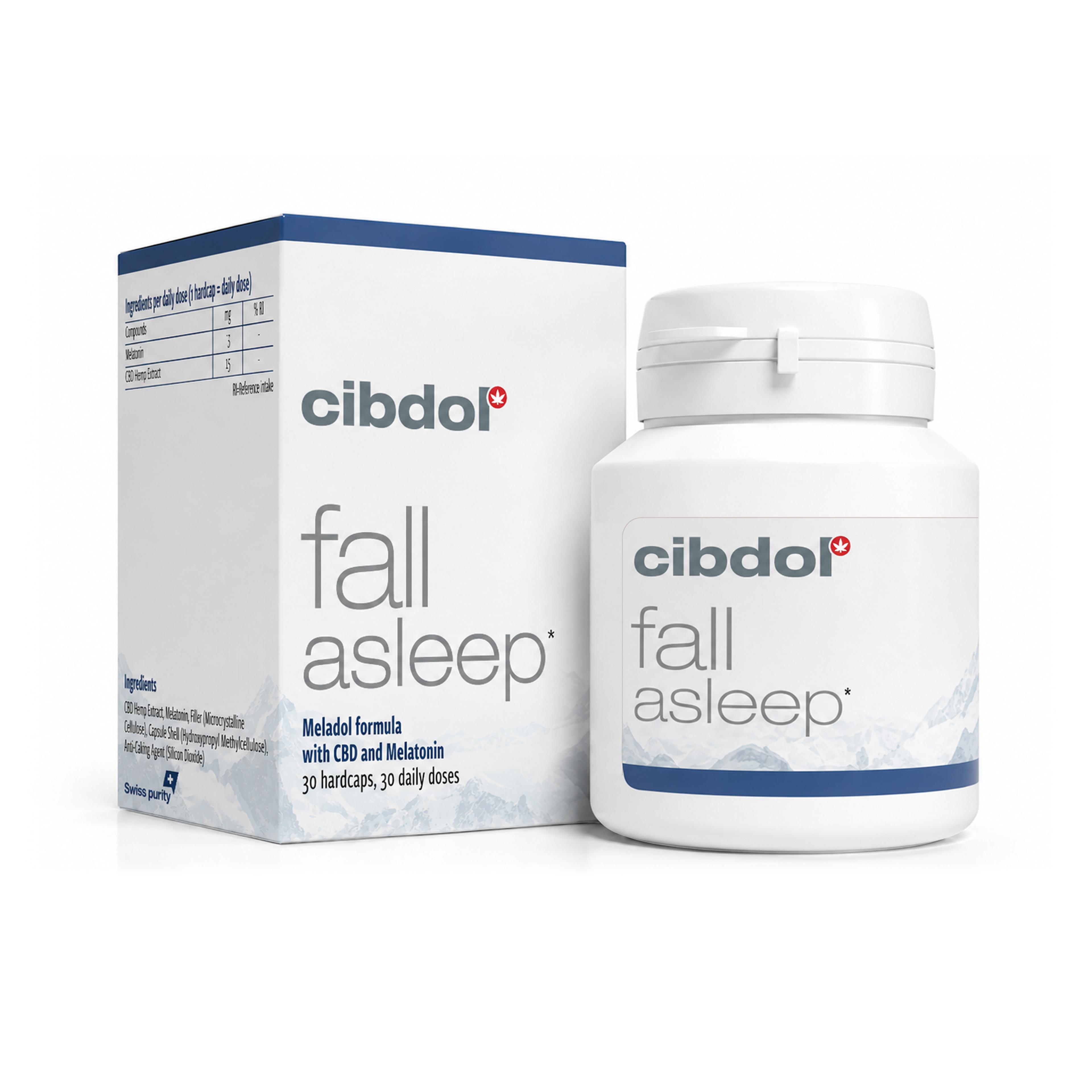
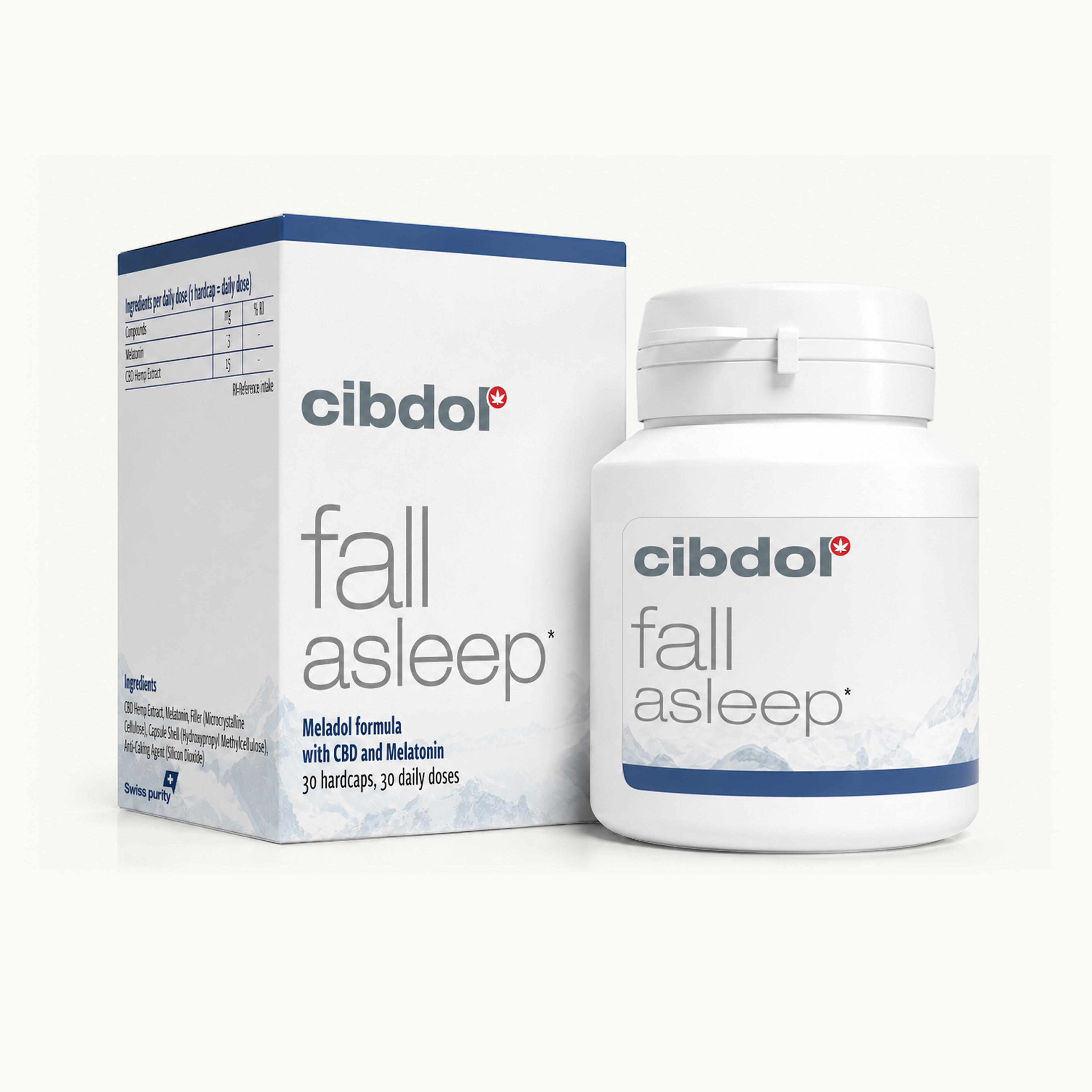
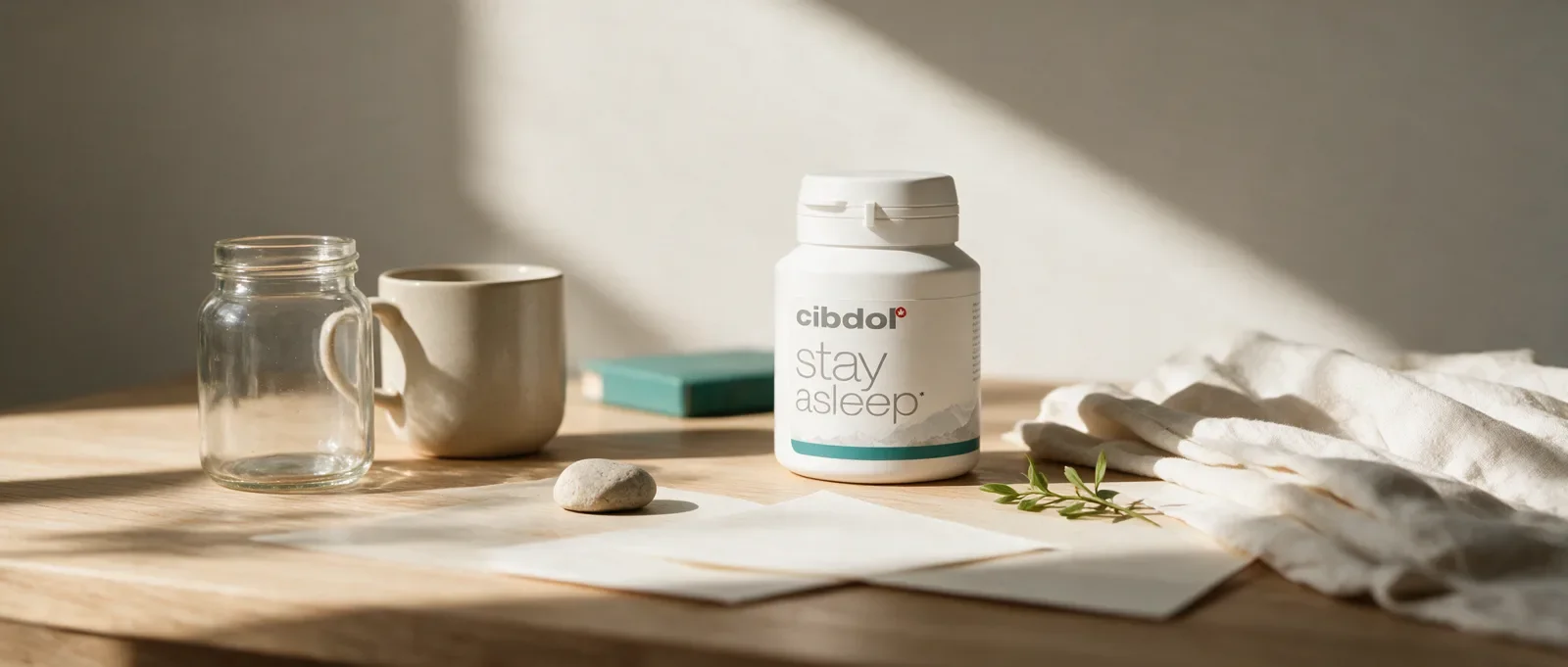
Most of the usable evidence tests hops inside a combination or inside a beverage. Statements about hops extract on its own go further than those designs support. When a trial uses a mixture containing valerian root or non-alcoholic beer matrix, the individual contribution of the resin cannot be isolated cleanly for isolated extract products. Cibdol Stay Asleep capsules declare hops extract on the label alongside CBD, CBN and griffonia extract.
The European health claim for hops and sleep is not authorised; it sits among the claims still on hold, which is why a Cibdol carton phrases it as pending European approval rather than stating it. Until regulatory assessment concludes, commercial packaging cannot claim that the botanical induces sleep or alters nocturnal rest. This article reports published trials and a regulatory status. It is not medical advice and recommends nothing.
Frequently Asked Questions
8 questionsWhat is myrcene, and where else does it turn up?
Is there THC or CBD in a hop cone?
What happens to hop terpenes during a long boil?
Where do I check which terpenes are in a hemp extract?
Why did researchers use non-alcoholic beer in human testing?
What is known about hops extract taken on its own?
What is the legal status of sleep claims for Humulus lupulus in Europe?
Which ingredients appear in Cibdol nighttime capsules?
About this article


Luke Sholl has been writing about cannabinoids, CBD, and the broader benefits of nature since 2011. His background includes first-hand cannabis cultivation experience spanning the full seed-to-harvest lifecycle across so
This wiki article was drafted with AI assistance and reviewed by Luke Sholl, CBD & wellness writer. Editorial oversight by Joshua Askew.
Medical disclaimer. This content is for informational purposes only and does not constitute medical advice. Consult a qualified healthcare provider before use of any substance.
Last reviewed August 26, 2026
References (4)
- [1]ElSohly, M.A. and Slade, D. (2005). Chemical constituents of marijuana: the complex mixture of natural cannabinoids.
- [2]Russo, E.B. (2011). Taming THC: potential cannabis synergy and phytocannabinoid-terpenoid entourage effects.
- [3]Franco L, Sanchez C, Bravo R, et al. The sedative effect of non-alcoholic beer in healthy female nurses. PLoS ONE 2012;7(7):e37290. doi:10.1371/journal.pone.0037290 Source
- [4]Koetter U, Schrader E, Kaufeler R, Brattstrom A. Effects of hops on clinical efficacy of a valerian-hops-extract combination (Ze 91019). Planta Medica 2006;72(11). doi:10.1055/s-2006-949775 Source
Related Articles
Valencene: The Molecule Behind the Name
A sesquiterpene built from three isoprene units, fifteen carbons in total, formula C15H24. Here is what the chemistry fixes, and where the published record runs out.
Terpineol: Lilac, Not Pine
Hemp aroma gets talked about in pine and citrus. Terpineol sits somewhere else: a floral monoterpene alcohol whose name hides four isomers and whose boiling point is reported inconsistently.
Sabinene Explained: Formula, Family, Boiling Point
Sabinene sits in the terpene family, with the formula C10H16 and a molar mass around 136 g/mol. Here is what the chemistry fixes, and where the record for this single molecule stops.
Phytol: From Chlorophyll to a Boiling Point
A terpenoid with an alcohol group, a diterpene backbone, and a boiling point that only makes sense with its pressure condition attached. Here is what the record holds, and where it stops.
Ocimene, Described in Four Lines
A short, precise look at one aromatic molecule: its family in the terpene group, the four words used for its smell, and what the approximate 100 °C figure actually marks.
Guaiol: 15 Carbons, One Hydroxyl Group, Two Boiling Points
Guaiol is a sesquiterpene alcohol: a 15-carbon skeleton carrying a hydroxyl group. Here is its structure, its aroma profile, and why one molecule ends up with two very different boiling point figures.
Geraniol: Formula, Family, Boiling Point
Geraniol is a monoterpene alcohol with the formula C10H18O and a boiling point near 230 °C at atmospheric pressure. Here is what the chemistry pins down, and where the published record still opens out.
What Is Farnesene? Start With the Formula
Farnesene is a C15H24 hydrocarbon, and the name covers a family of isomers rather than a single compound. Here is the chemistry, the difference from farnesol, and what the plant record says.
Eucalyptol on a Lab Report: One Compound, Two Names
Eucalyptol and 1,8-cineole are the same molecule written two ways. Here are the terpene basics, the number that keeps getting quoted, and why the batch document matters more than the spelling.
