Myrcene: Mango, Hops and a Borrowed Name
Definition
Myrcene is a monoterpene, one of the plant volatiles responsible for the scent of leaves, flowers and resin. It shows up in mango, hop oil, lemongrass, thyme and hemp, carrying the same thread everywhere: an earthy base, a musky middle, a ripe fruity edge. On a cannabis or hemp terpene analysis, myrcene is frequently the most abundant terpene of the lot.
Five plants, one aroma thread
| Where you meet it | What the aroma does | What else sits in the mix |
|---|---|---|
| Mango | The ripe fruity edge of the myrcene thread is the part most people recognise here, sitting over the same earthy base found in every other source. | Mango is one of the most ordinary encounters anyone has with the molecule, long before the word terpene ever comes up. |
| Hops | Myrcene is a familiar name in hop oil, and it brings the musky middle of the profile with it. | Hop oil also carries humulene, named after the hop genus Humulus. Humulene reads drier and woodier than myrcene. |
| Lemongrass | Recognisable, but never the whole picture. Myrcene is rarely alone in a plant like this. | A larger volatile mixture surrounds it, which is why lemongrass does not smell like a jar of pure myrcene. |
| Thyme | Same situation as lemongrass: myrcene is present, and it is one voice among several. | Across the plant kingdom, myrcene counts among the more common monoterpenes, with a scent signature you can learn to pick out. |
| Hemp and cannabis | Here myrcene is frequently the most abundant terpene in the plant, and the earthy, musky character comes through accordingly. | It is also one of the most common names on a laboratory terpene report, which is where most readers first see it written down. |
| The shared thread | Earthy base, musky mid, ripe fruity edge. One molecule, one signature, five very different plants. | Myrcene belongs to the monoterpenes, the plant volatiles behind the scent of leaf, flower and resin. |
Reading myrcene on a report
| Entry on the analysis | What it states | What it leaves open |
|---|---|---|
| Percentage of total terpene content | Laboratory terpene fractions come back as shares of the total terpene content, so each compound is expressed relative to the others rather than on its own. | How that share compares with the next batch of the same plant, which the report cannot say. |
| Most abundant terpene | In modern cultivars, myrcene is often the largest single share of the terpene fraction, which is why it heads so many profiles. | Whether that holds for every cultivar and every harvest. It is a frequent result, not a rule. |
| Myrcene-dominant | Dozens of compounds are present and myrcene simply holds the largest amount of them. That is the entire meaning of the word. | The character of everything underneath the top line, which still forms part of the profile. |
| Batch variation | The same variety, handled differently, can give noticeably different myrcene levels. | Why one certificate is never a stand-in for another, even with an identical name on the label. |
| Date and batch number | A terpene certificate is a snapshot: one batch, one sampling point, one moment. | Everything before and after that moment sits outside the document. |
| Full-spectrum extracts | In full-spectrum hemp extracts, CBD oil included, terpenes are retained alongside the cannabinoids as a feature of the extraction process, and myrcene is one of the compounds the analyst measures. | The share is read from the batch analysis, not assumed from the plant it came from. |
A name that misleads a little
The word tells you nothing about mango. Nothing about hops either. Myrcene takes its name from Myrcia, a plant genus almost nobody outside botany could name on request, and that botanical origin story is the whole explanation for the odd-looking word.
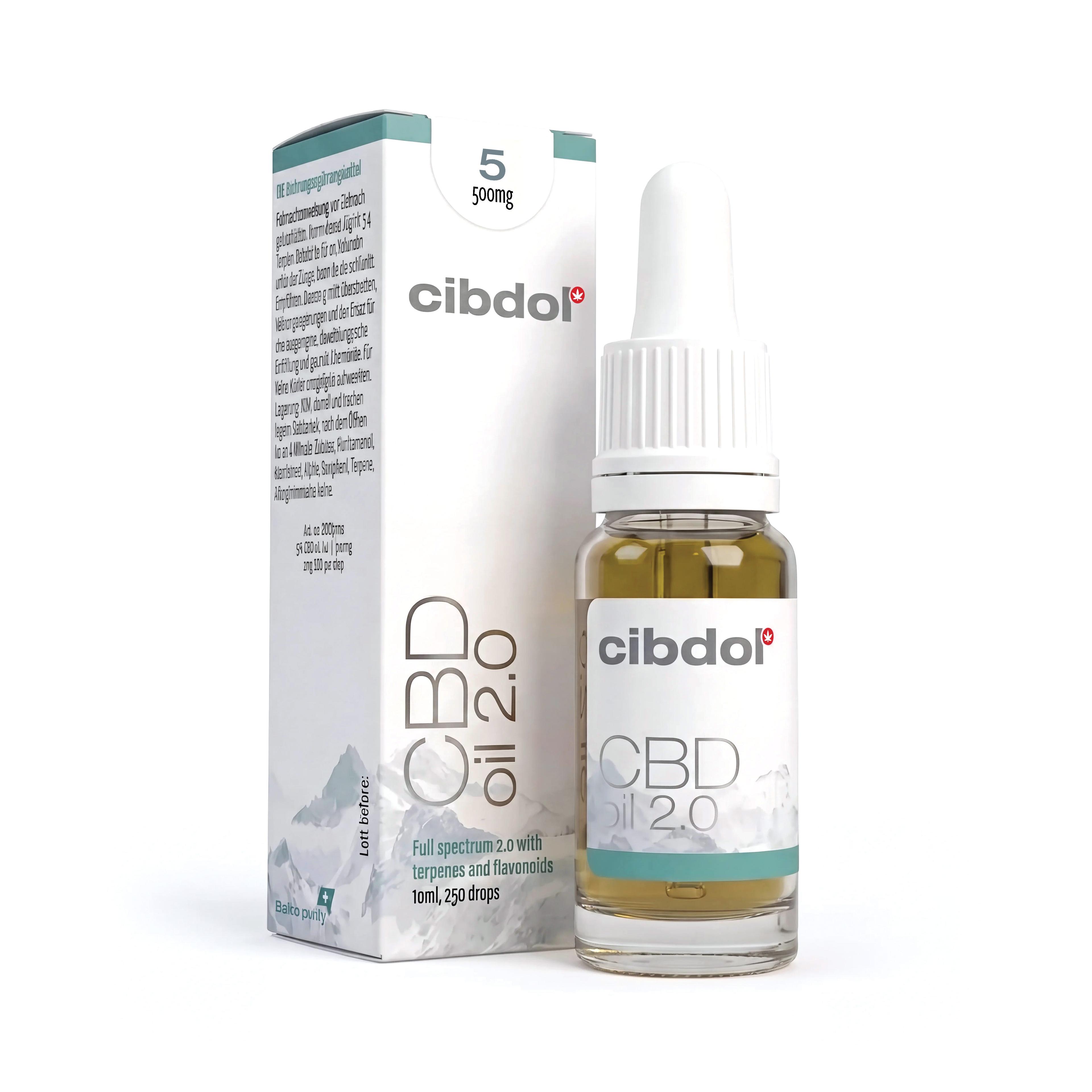
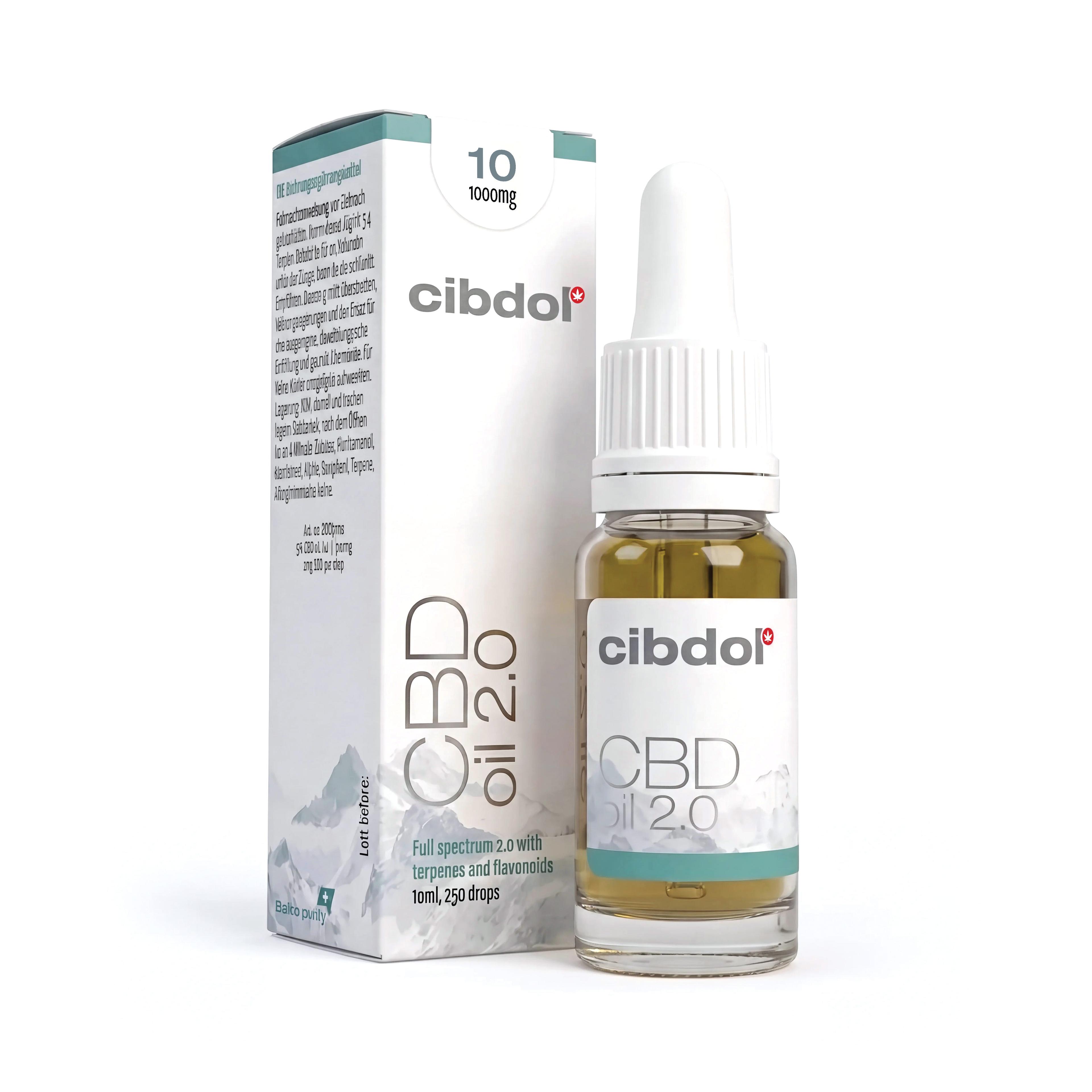
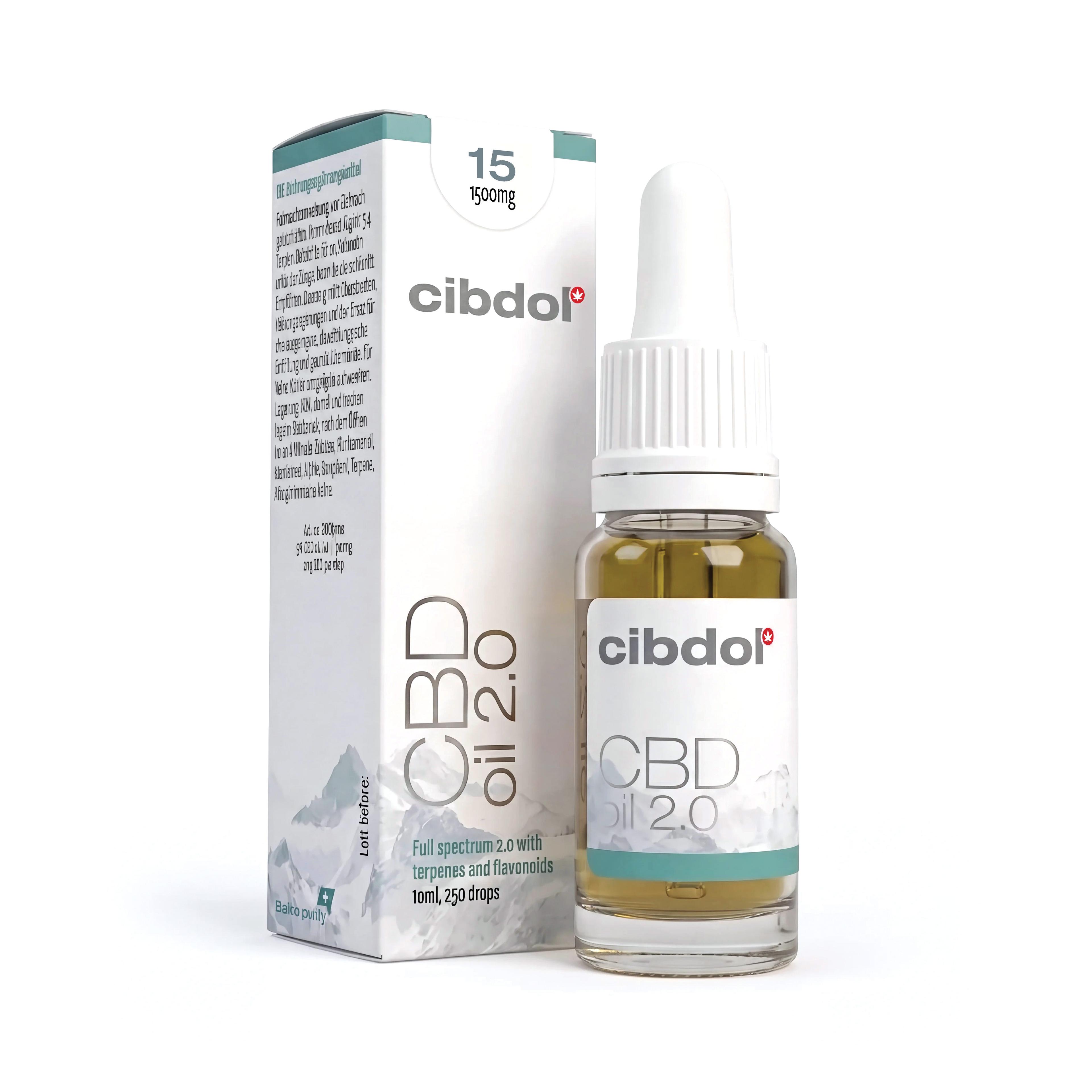
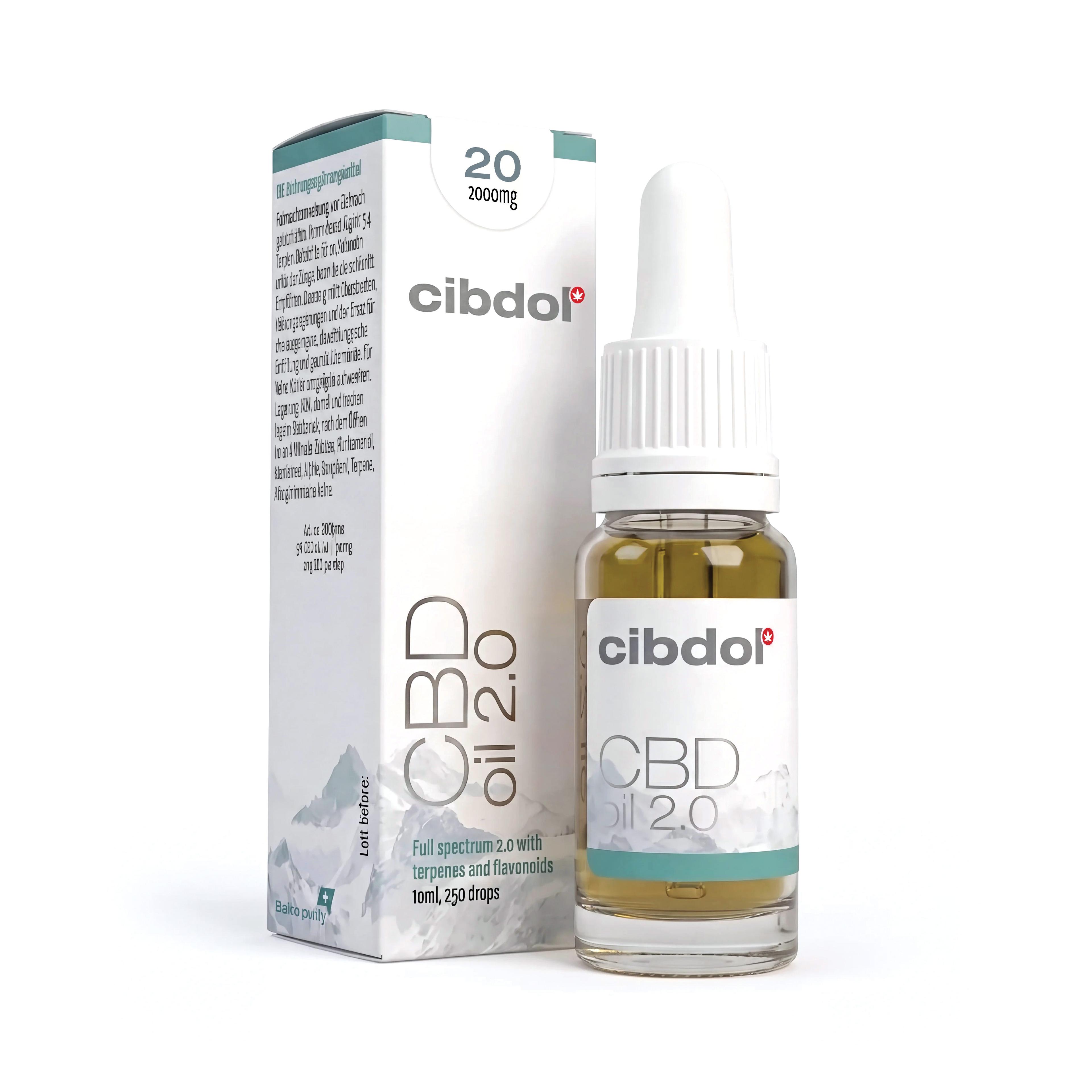
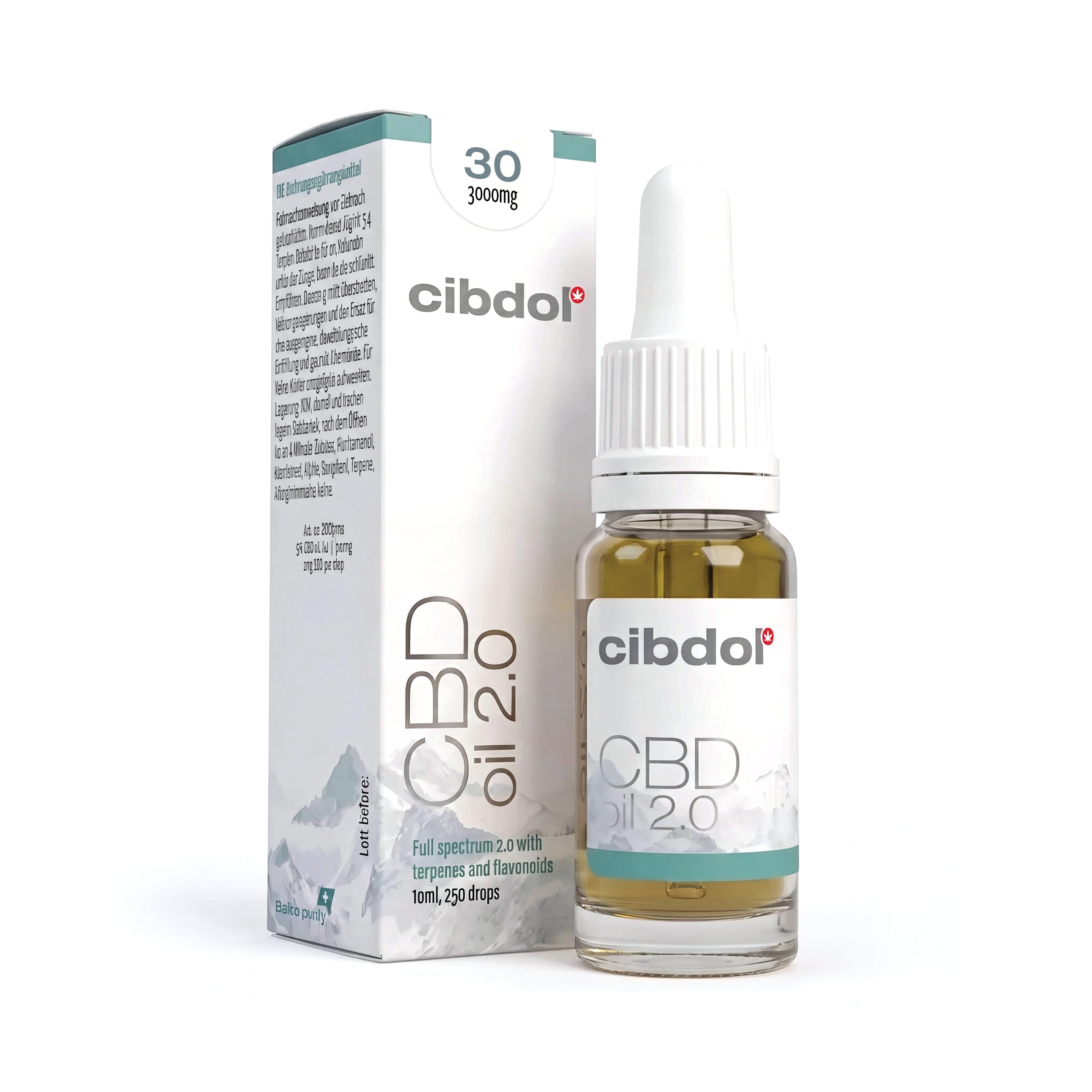
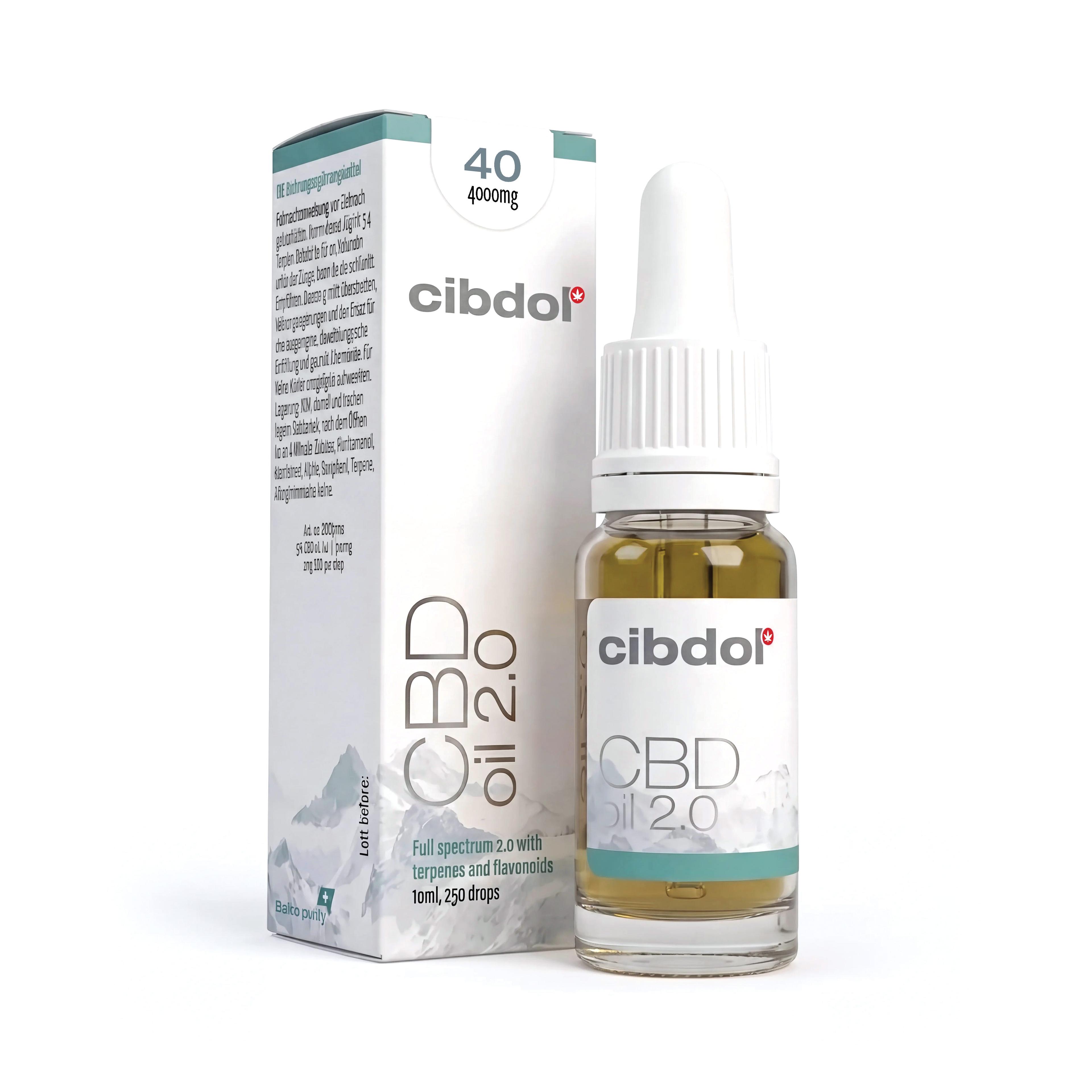
To examine how this terpene features in commercial formulas, you can browse the specific bottle sizes and concentrations in the CBD oil range.
Terpene names work like this more often than not. They are historical accidents, records of where a compound happened to be pinned down first, rather than descriptions of what it is or what it smells of. The convention runs right through terpene nomenclature, which is why so many of these words look like they were borrowed from a herbarium label. So the name is slightly misleading, and it stays that way.
What the name leaves out is the more useful part. Myrcene is a monoterpene, one of the volatiles plants make for the scent of leaf, flower and resin, and it is among the more common ones in the plant kingdom. Same molecule in a mango and in a hop cone.
Humulene, borrowed from Humulus
Hop oil makes the point twice over. Next to myrcene it carries humulene, named after the hop genus Humulus, and that name at least points at the right plant. The two are not interchangeable. Humulene reads drier and woodier, so hop oil is a mixture of characters rather than a single note. Two compounds, two botanical names, one oil, and a naming habit that predates every modern terpene report by a long way.
What the 2011 review proposed
A 2011 review by Ethan Russo surveys cannabis terpenes with myrcene among them [1]. Its central proposal concerns interaction: that the compounds in the plant may act in combination rather than one at a time [1]. That idea has a name. The entourage effect is the hypothesis that cannabinoids and terpenes present together in a whole-plant extract behave differently from a single isolated compound [1]. The status of that proposal deserves stating plainly, because it is easy to lose in the retelling: the review sets a direction for further study, not a settled finding [1].
- Most of the material behind the proposal is preclinical, meaning it comes from laboratory work rather than from people [1].
- Doses used in laboratory and animal studies are not always comparable to ordinary human exposure, which limits how far the findings apply to people [2].
- Controlled human data on individual terpenes, myrcene included, remains limited [1].
- What is documented is narrower and steadier: myrcene is a well characterised monoterpene, with a documented aroma and a documented distribution across mango, hops, lemongrass, thyme and cannabis.
- In hemp and cannabis, the same reviews and reports agree on one thing at least, which is that myrcene is frequently the most abundant terpene in a modern profile.
- Since 2014 the working rule here has not changed: the figure that counts is the one printed on the analysis for the batch in hand.
What the review devoted to myrcene concluded
Myrcene is a monoterpene used widely as a flavouring and aroma agent, and it occurs in hops among many other plants.[2] A peer-reviewed review examined the potential health benefits attributed to myrcene and set out both what has been suggested and how limited the supporting human evidence is.[2] Both halves of that carry equal weight.
The sedating reputation of myrcene belongs to the wider entourage hypothesis rather than to a demonstrated effect in people; the review that sets it out draws on traditional use of hops preparations and on high-dose animal studies.[1] The nickname comes from a hypothesis, not from a measurement.
Where it appears on a Cibdol label
Myrcene is the hallmark terpene of hops, and hops extract is a declared ingredient of Cibdol Stay Asleep capsules. That is the connection described here. This entry reports a published review and recommends nothing; it is not medical advice.
Frequently Asked Questions
8 questionsWhich everyday plants contain myrcene?
Why does myrcene sit at the top of so many terpene reports?
Does the same variety always give the same myrcene reading?
What does a myrcene-dominant profile actually mean?
Does myrcene make you sleepy?
What does the available review say?
Is myrcene in a Cibdol product?
May a label state an effect?
About this article


Luke Sholl has been writing about cannabinoids, CBD, and the broader benefits of nature since 2011. His background includes first-hand cannabis cultivation experience spanning the full seed-to-harvest lifecycle across so
This wiki article was drafted with AI assistance and reviewed by Luke Sholl, CBD & wellness writer. Editorial oversight by Joshua Askew.
Medical disclaimer. This content is for informational purposes only and does not constitute medical advice. Consult a qualified healthcare provider before use of any substance.
Last reviewed August 26, 2026
References (2)
- [1]Russo, E. B. (2011). Taming THC: potential cannabis synergy and phytocannabinoid-terpenoid entourage effects.
- [2]Surendran S, Qassadi F, Surendran G, Lilley D, Heinrich M. Myrcene, what are the potential health benefits of this flavouring and aroma agent? Frontiers in Nutrition 2021;8:699666. doi:10.3389/fnut.2021.699666 Source
Related Articles
Valencene: The Molecule Behind the Name
A sesquiterpene built from three isoprene units, fifteen carbons in total, formula C15H24. Here is what the chemistry fixes, and where the published record runs out.
Terpineol: Lilac, Not Pine
Hemp aroma gets talked about in pine and citrus. Terpineol sits somewhere else: a floral monoterpene alcohol whose name hides four isomers and whose boiling point is reported inconsistently.
Sabinene Explained: Formula, Family, Boiling Point
Sabinene sits in the terpene family, with the formula C10H16 and a molar mass around 136 g/mol. Here is what the chemistry fixes, and where the record for this single molecule stops.
Phytol: From Chlorophyll to a Boiling Point
A terpenoid with an alcohol group, a diterpene backbone, and a boiling point that only makes sense with its pressure condition attached. Here is what the record holds, and where it stops.
Ocimene, Described in Four Lines
A short, precise look at one aromatic molecule: its family in the terpene group, the four words used for its smell, and what the approximate 100 °C figure actually marks.
Guaiol: 15 Carbons, One Hydroxyl Group, Two Boiling Points
Guaiol is a sesquiterpene alcohol: a 15-carbon skeleton carrying a hydroxyl group. Here is its structure, its aroma profile, and why one molecule ends up with two very different boiling point figures.

Geraniol: Formula, Family, Boiling Point
Geraniol is a monoterpene alcohol with the formula C10H18O and a boiling point near 230 °C at atmospheric pressure. Here is what the chemistry pins down, and where the published record still opens out.
What Is Farnesene? Start With the Formula
Farnesene is a C15H24 hydrocarbon, and the name covers a family of isomers rather than a single compound. Here is the chemistry, the difference from farnesol, and what the plant record says.
Eucalyptol on a Lab Report: One Compound, Two Names
Eucalyptol and 1,8-cineole are the same molecule written two ways. Here are the terpene basics, the number that keeps getting quoted, and why the batch document matters more than the spelling.
