




What Are the Most Popular CBG Products?
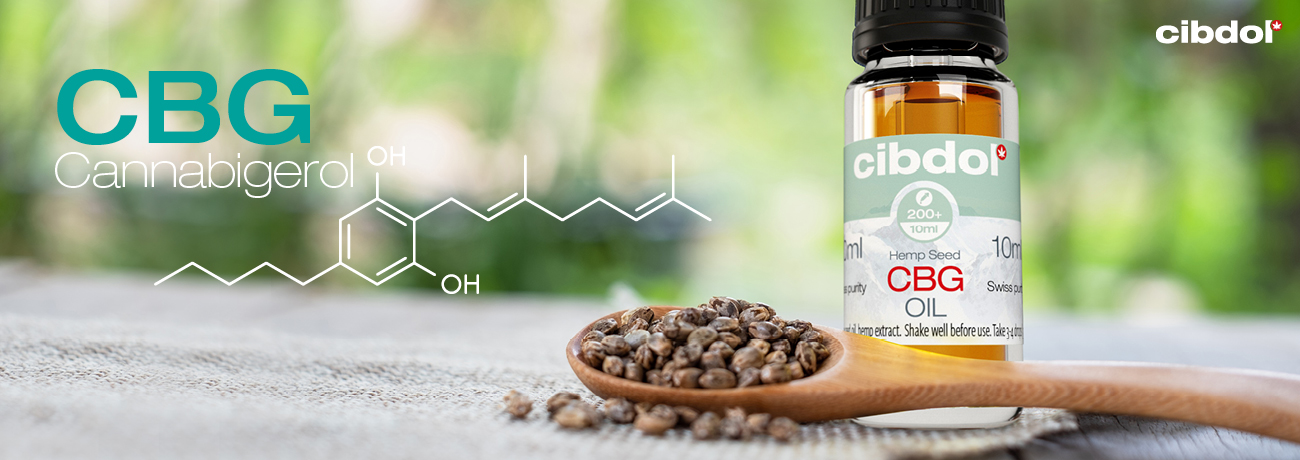
Curious about CBG and what everyone’s buying in 2026? This guide breaks down the most popular CBG products, explains why each format is trending, and highlights what makes a quality option stand out.
CBG has earned attention as a non-intoxicating cannabinoid, and shoppers are increasingly comparing oils, capsules, gummies, and topical formulas based on convenience, consistency, and transparency. Across the board, the products earning the most trust tend to have clear cannabinoid content, straightforward ingredients, and independent lab testing.
In the sections that follow, we’ll look at today’s most popular formats, how they differ in everyday use, and how to choose a product that fits your routine without relying on hype or unrealistic promises.
- CBG is non-intoxicating, and product quality hinges on clear potency and testing.
- In 2026, the most popular formats are oils, capsules, gummies, and topicals.
- Oils offer flexible dosing; capsules and gummies prioritise convenience; topicals support targeted body care routines.
- Look for third-party lab reports, straightforward ingredients, and batch-matched documentation.
- Start low, adjust gradually, and check local legality and THC compliance.
Can I take CBG every day?
CBG (cannabigerol) is a naturally occurring, non-intoxicating cannabinoid found in hemp. It’s sometimes called the ‘mother cannabinoid’ because many cannabinoids begin as CBGA (cannabigerolic acid), which converts into compounds like THCA and CBDA during plant development.1
Many people use CBG products as part of a regular wellness routine, including daily use. As with any supplement, a sensible approach matters. Start with a low amount, pay attention to how you feel, and choose products with clear lab reports and consistent cannabinoid content.2
CBG is often compared with CBD because both are non-intoxicating, but they are not identical. CBG interacts with the body in its own way and is commonly chosen for a clearer-headed feel. For that reason, some people prefer it during the day, while CBD is more often associated with evening routines.
Legality depends on where you live. In the UK and many European countries, CBG products are typically allowed when derived from approved hemp varieties and when the final product complies with local THC limits. Regulations vary and can change, so always check current local guidance before purchasing or travelling.3
Can you buy just CBG?
Yes. Many brands now offer products that focus primarily on CBG rather than blending multiple cannabinoids. These are often labelled as “CBG isolate” or “CBG-dominant,” meaning CBG is the main cannabinoid present.
That said, “just CBG” can mean different things depending on how a product is made. Some formulas aim for a single-cannabinoid profile for simplicity and precise dosing, while others retain a broader hemp extract alongside CBG to preserve naturally occurring compounds.
Next, we’ll break down the main options people choose in 2026, including oils, capsules, gummies, and topical formulas, so you can see how each fits into a daily routine and what quality markers to check before you buy.
Top CBG product types
In 2026, most CBG products fall into a few familiar formats. Each has advantages depending on how you prefer to take supplements and how much control you want over dosing.
| Product type | Why it’s popular | What to check |
|---|---|---|
| Oils | Flexible serving sizes and easy adjustments; often chosen when comparing CBG vs CBD products. | CBG per ml, carrier oil, recent third-party lab report. |
| Capsules | Consistent dosing and travel-friendly. | CBG per capsule, ingredient list, allergen info. |
| Gummies | Simple to use and discreet; popular with beginners. | Sugar content, flavourings, CBG per gummy. |
| Topicals | Targeted application as part of skincare or recovery routines. | CBG amount per jar, base ingredients, fragrance sensitivities. |
The best CBG products for beginners tend to be those that explain their cannabinoid profile clearly, avoid unnecessary additives, and provide transparent testing so you know exactly what you’re taking.
CBG oils and tinctures
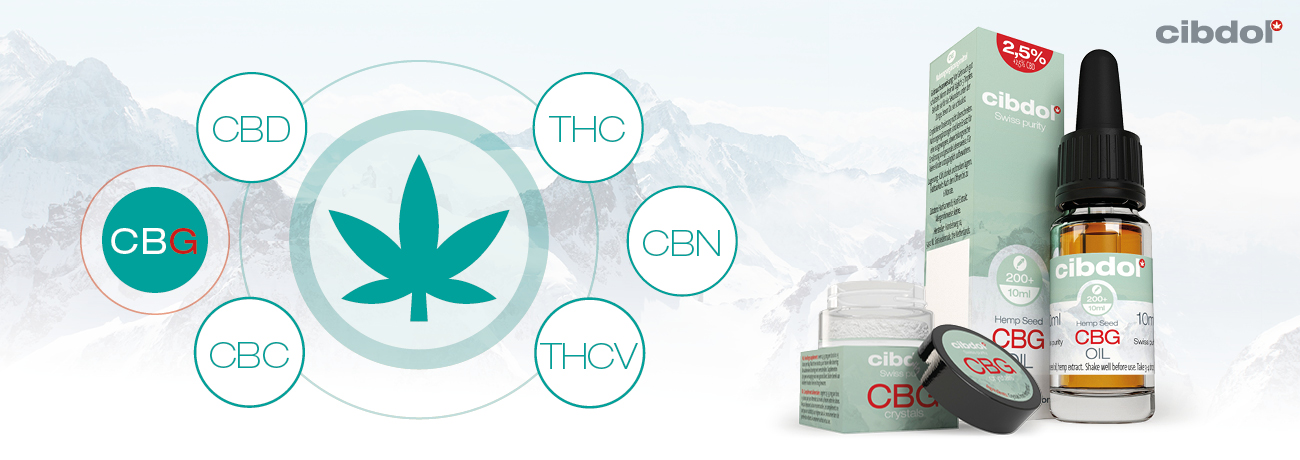
CBG oils and tinctures are among the most popular CBG oils because they’re easy to personalise. A dropper allows you to adjust your serving in small increments, which can be helpful when finding what fits your routine.
They’re also valued for relatively fast absorption compared with edibles. Many people take them under the tongue briefly before swallowing, although individual experience varies based on formulation and metabolism.
When choosing an oil, check the label and lab report carefully. You should be able to see how much CBG you’re getting per ml, what carrier oil is used, and whether the product is CBG-dominant or blended with other cannabinoids.
For example, 5% CBG + 2.5% CBD Oil combines CBG with CBD in one formula, which some people prefer for a broader cannabinoid profile without any intoxicating effect.
CBG gummies
For many people, gummies are the easiest way to make CBG part of a routine. They’re popular for flavour, portability, and the fact that each piece delivers a pre-measured amount.
Because gummies are swallowed, they’re usually chosen for convenience rather than speed. This makes the ingredient list especially important, as sweeteners and flavourings can vary widely between brands.
If you’re comparing CBG gummies, look for:
- Clear CBG content per gummy.
- Independent lab testing confirming cannabinoid levels and legal THC limits.
- Reasonable sugar content and minimal additives.
- Batch information that matches lab results.
As with any edible supplement, start low and give it time before increasing your amount.
CBG capsules
Capsules suit people who prefer a straightforward, repeatable routine. Each capsule contains a fixed amount of CBG, removing the need for measuring.
They’re discreet, easy to take alongside other supplements, and simple to track. Like other swallowed formats, capsules usually take longer to take effect than oils, but many users value the consistency.
When choosing capsules, check the CBG content per capsule, review the ingredient list, and confirm there’s a recent third-party certificate of analysis.
CBG topicals (creams, balms)
CBG topicals are a more niche option, but interest continues to grow. Rather than being taken as supplements, they’re applied to the skin as part of body-care routines.
They’re often chosen for targeted use, such as areas that feel tense after activity or skin that benefits from added comfort. While topical cannabinoid research is still developing, many people appreciate the practical, localised application.4
To assess quality, check the total CBG content per container and review the base ingredients, especially if you have sensitive skin.
How to choose the right CBG product for you
If you’re wondering what to look for when buying popular CBG products online, start with two questions: how you prefer to take cannabinoids, and how precise you want dosing to be.
Oils offer flexibility, capsules and gummies prioritise convenience, and topicals suit targeted body care. Beyond format, quality matters more than marketing.
- Clear potency information per serving.
- Independent lab testing for cannabinoids and contaminants.
- Transparent ingredient lists.
- THC compliance supported by testing.
- Consistent batch documentation.
Start low, stay consistent for a few days, and adjust gradually. If you’re pregnant, breastfeeding, taking prescription medication, or managing a health condition, speak with a healthcare professional before adding cannabinoids.
Your goals
Most people add CBG to support everyday balance rather than dramatic effects. Being clear about your goal can help you choose the right format.
If flexibility matters, oils may suit you. If consistency is key, capsules are often easier. For targeted body care, a topical may be more appropriate.
Track how you respond over time. Simple notes on format, amount, and timing can help you identify what works best.
Preferred format
If you’re comparing CBG oil vs gummies vs capsules, the main differences come down to ease of use, dosing control, and daily fit.
Oils are the most adjustable. Gummies are convenient and discreet. Capsules offer a supplement-style routine with minimal fuss.
| Format | Why people choose it | What to check |
|---|---|---|
| Oils | Flexible and customisable | CBG per ml, carrier oil, lab report |
| Gummies | Convenient and flavoured | CBG per gummy, sugar content, lab report |
| Capsules | Consistent and easy to track | CBG per capsule, ingredients, lab report |
Brand reputation & third-party testing
With cannabinoids, trust comes from transparency. Reputable brands clearly explain sourcing, formulation, and testing.
A third-party certificate of analysis should confirm cannabinoid levels and screen for contaminants. Look for batch matching, recent reports, and easy access via QR codes or website links.
If a brand can’t provide current lab results or avoids clear answers, it’s usually best to choose a more transparent option.
CBG vs CBD: which should you choose?
Both CBG and CBD are non-intoxicating cannabinoids used for everyday balance. CBD is more established, with wider availability and more human research. CBG is newer, sometimes harder to find, and often more expensive due to lower natural concentrations in hemp.5
People often describe CBD as more broadly relaxing, while CBG is chosen for a clearer, more alert feel. These experiences vary between individuals and depend on dose and product type.
In the UK and EU, both are generally legal when derived from hemp and compliant with THC limits, though careful label reading and third-party testing are especially important with CBG products.
| Factor | CBD | CBG |
|---|---|---|
| Popularity | Well established | Growing, more niche |
| Availability | Wide range of options | Fewer products, higher cost |
| Research | Broader human data | Early-stage research |
The rise of CBG in wellness
CBG has moved from obscurity to genuine interest as awareness of the endocannabinoid system grows. Its non-intoxicating profile and distinct characteristics have made it appealing to people seeking balanced, everyday support.
In 2026, increased product variety has made CBG easier to explore, though quality still varies. Careful selection, realistic expectations, and transparent lab testing remain essential.
If you’re curious to try CBG, choose a clearly labelled product, start with a low amount, and give yourself time to assess how you feel. If you’re taking medication or managing a health condition, personalised guidance from a healthcare professional is always a sensible step.
References
- Li S, Li W, Malhi NK, et al. Cannabigerol (CBG): A Comprehensive Review of Its Molecular Mechanisms and Therapeutic Potential. Molecules (Basel, Switzerland). 2024;29(22):5471. doi:https://doi.org/10.3390/molecules29225471 ↩︎
- Velayudhan L, McGoohan K, Bhattacharyya S. Safety and tolerability of natural and synthetic cannabinoids in adults aged over 50 years: A systematic review and meta-analysis. Tsai AC, ed. PLOS Medicine. 2021;18(3):e1003524. doi:https://doi.org/10.1371/journal.pmed.1003524 ↩︎
- Standing Committee on Plants, Animals, Food and Feed Section Novel Food and Toxicological Safety of the Food Chain 27 February 2023. https://food.ec.europa.eu/document/download/2acf0c9c-fd70-4aef-a970-016fe207d4a9_en?filename=reg-comtoxic_20230227sum.pdf ↩︎
- Lodzki M, Godin B, Rakou L, Mechoulam R, Gallily R, Touitou E. Cannabidiol—transdermal delivery and anti-inflammatory effect in a murine model. Journal of Controlled Release. 2003;93(3):377-387. doi:https://doi.org/10.1016/j.jconrel.2003.09.001 ↩︎
- Pertwee RG. The pharmacology of cannabinoid receptors and their ligands: an overview. International journal of obesity (2005). 2006;30 Suppl 1:S13-8. doi:https://doi.org/10.1038/sj.ijo.0803272 ↩︎