Sleep
The science of sleep: circadian rhythms, sleep stages and sleep hygiene, plus what published research has examined on cannabinoids, botanicals and sleep.
CBD and sleep, what the clinical trials measured
Clinical trials on CBD and sleep evaluated overnight polysomnography, subjective questionnaires and European Union novel food regulations.
Sleep
Pink noise and the evidence behind coloured sound
A review of acoustic colour definitions, evidence ratings for continuous sound, and laboratory findings on pink noise and sleep structure.
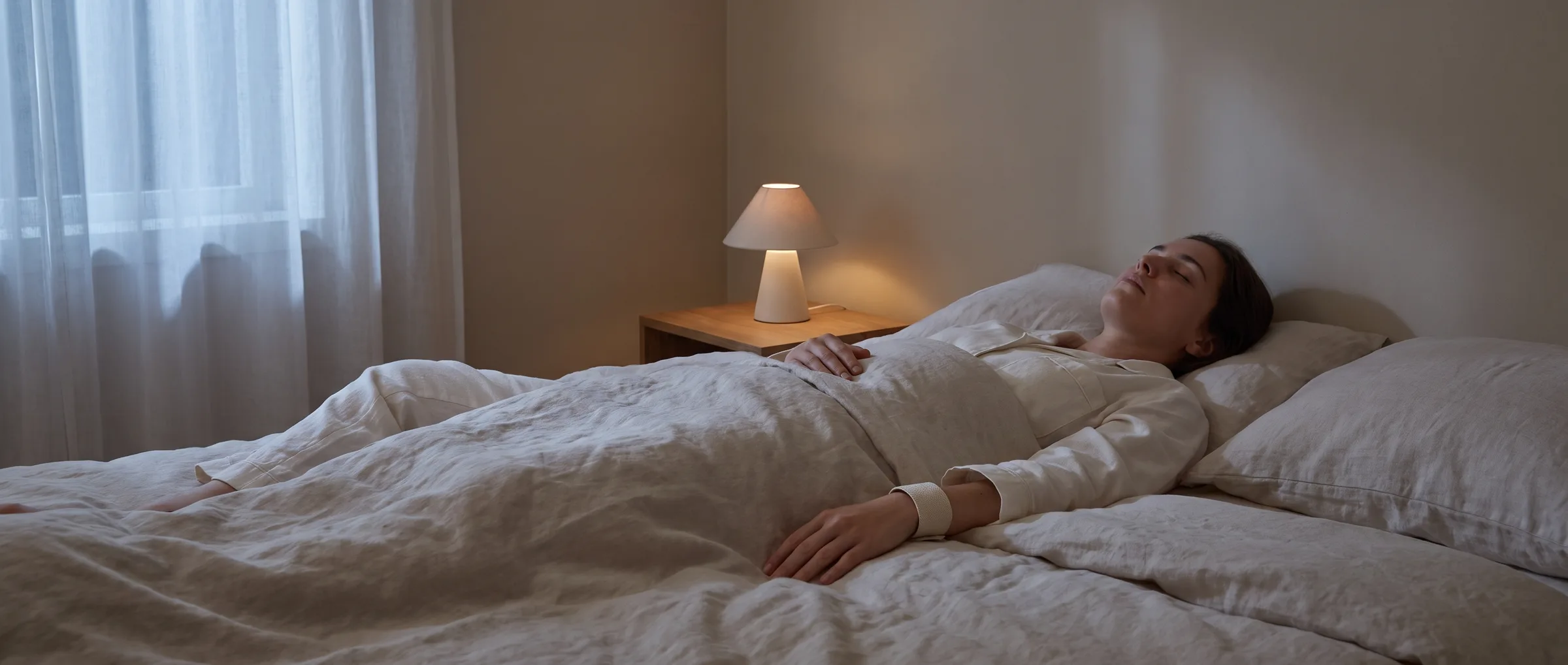
What core sleep means on a wearable device
Core sleep on modern smartwatches corresponds to laboratory light sleep, stages N1 and N2. Earlier research used the term differently, while consumer devices show measurable differences from clinical polysomnography.
Why do we sleep and what the research measures
Researchers have proposed several explanations for sleep, from energy conservation to neural maintenance. This review examines what empirical studies have measured in humans and animals.
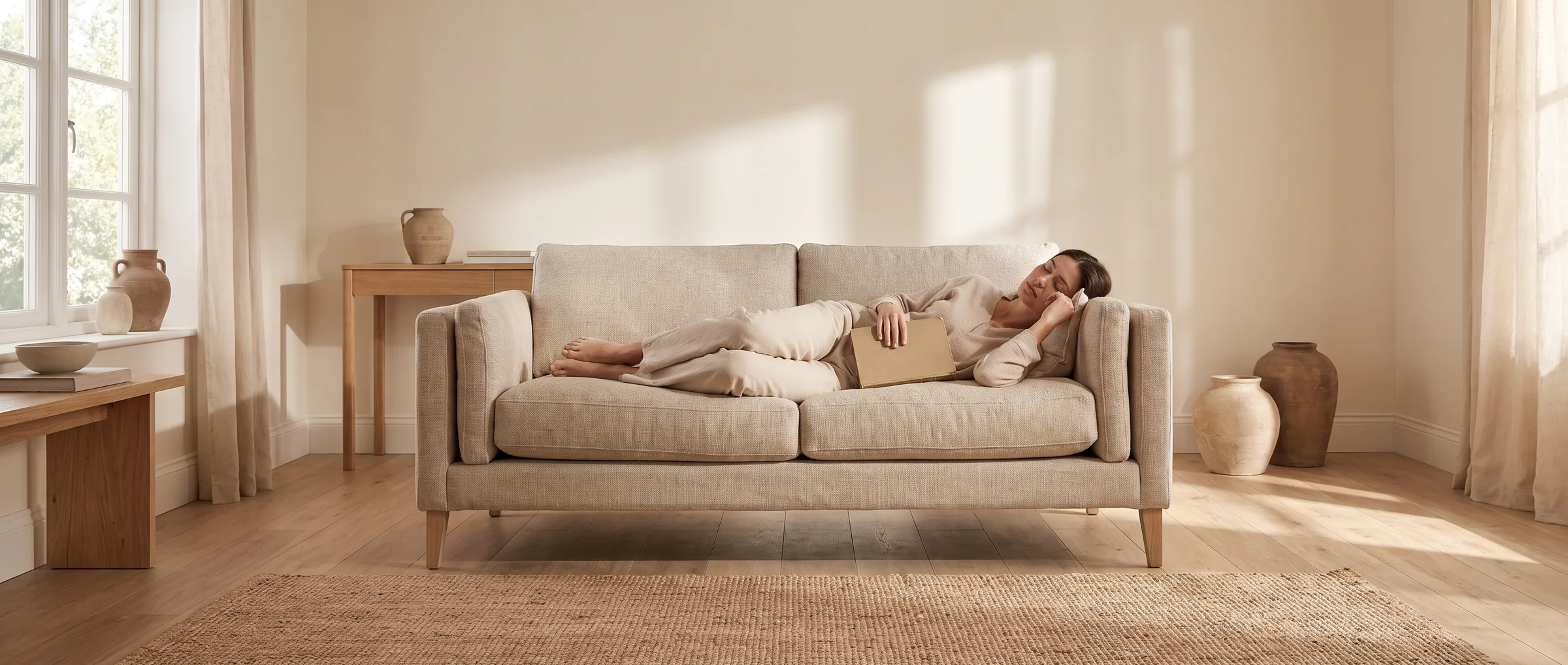
Biphasic sleep across history and modern science
This article outlines historical and modern research on biphasic sleep, contrasting preindustrial accounts with field studies and controlled polyphasic trials.
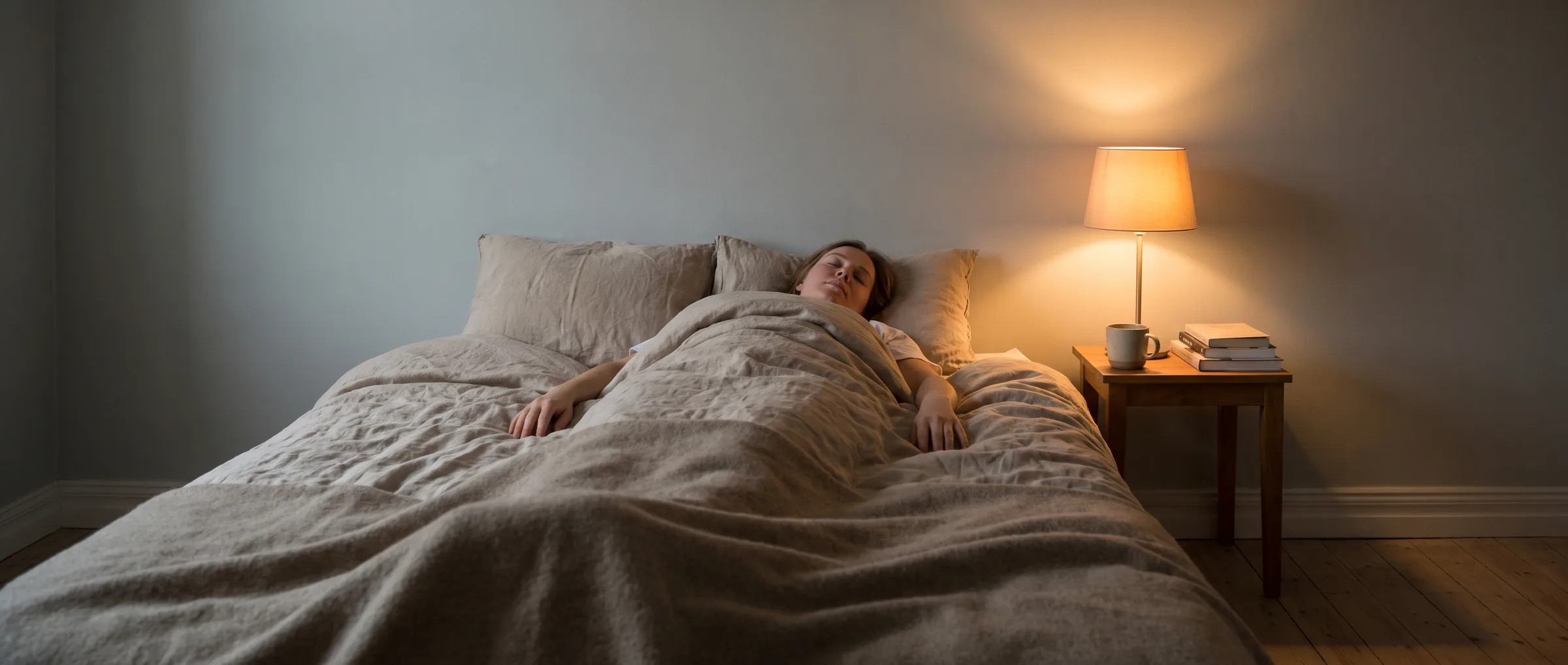
The military sleep method, origins and evidence
The military sleep method traces back to a 1981 book by track coach Bud Winter. Popular retellings claim fast results, but the method itself has not been tested.
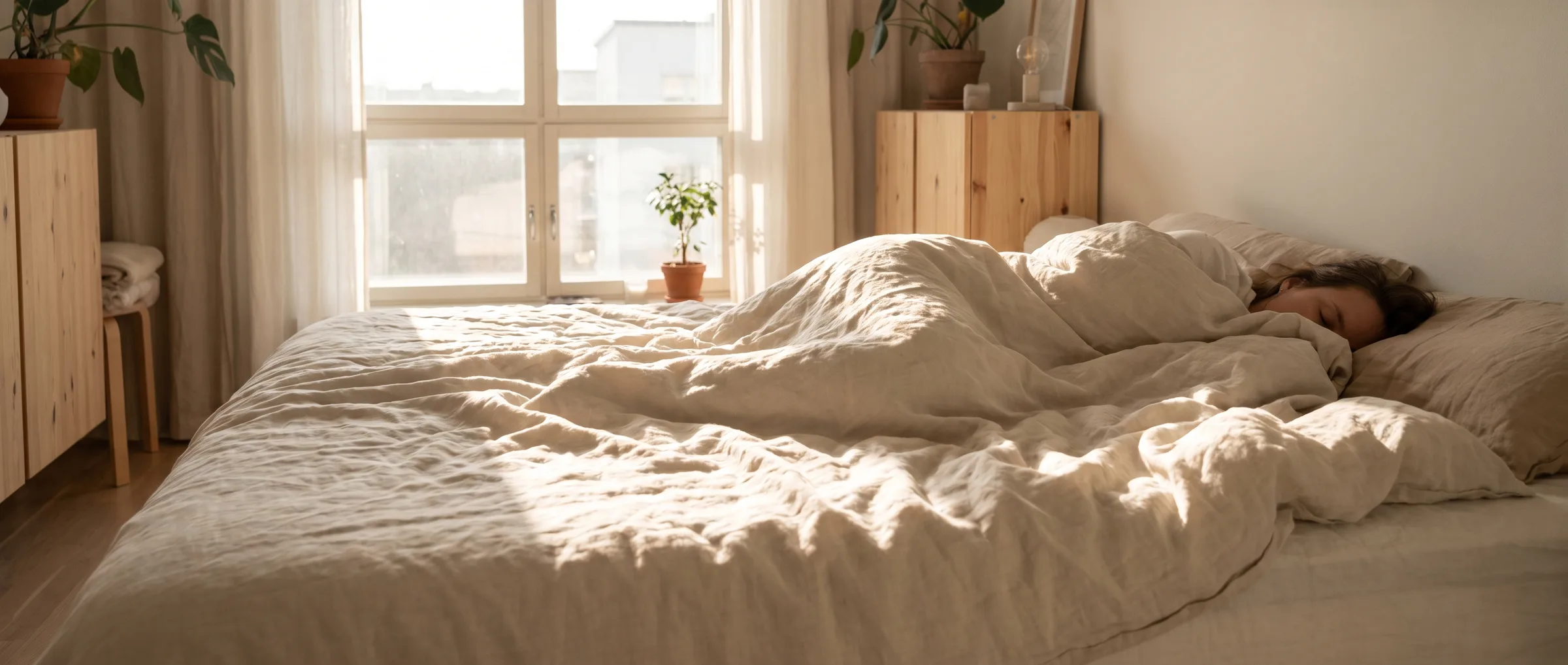
Understanding sleep debt and how recovery sleep works
Sleep debt reflects the cumulative difference between required and obtained rest. Laboratory trials reveal how performance deficits accumulate over time and examine the dynamics of subsequent recovery.
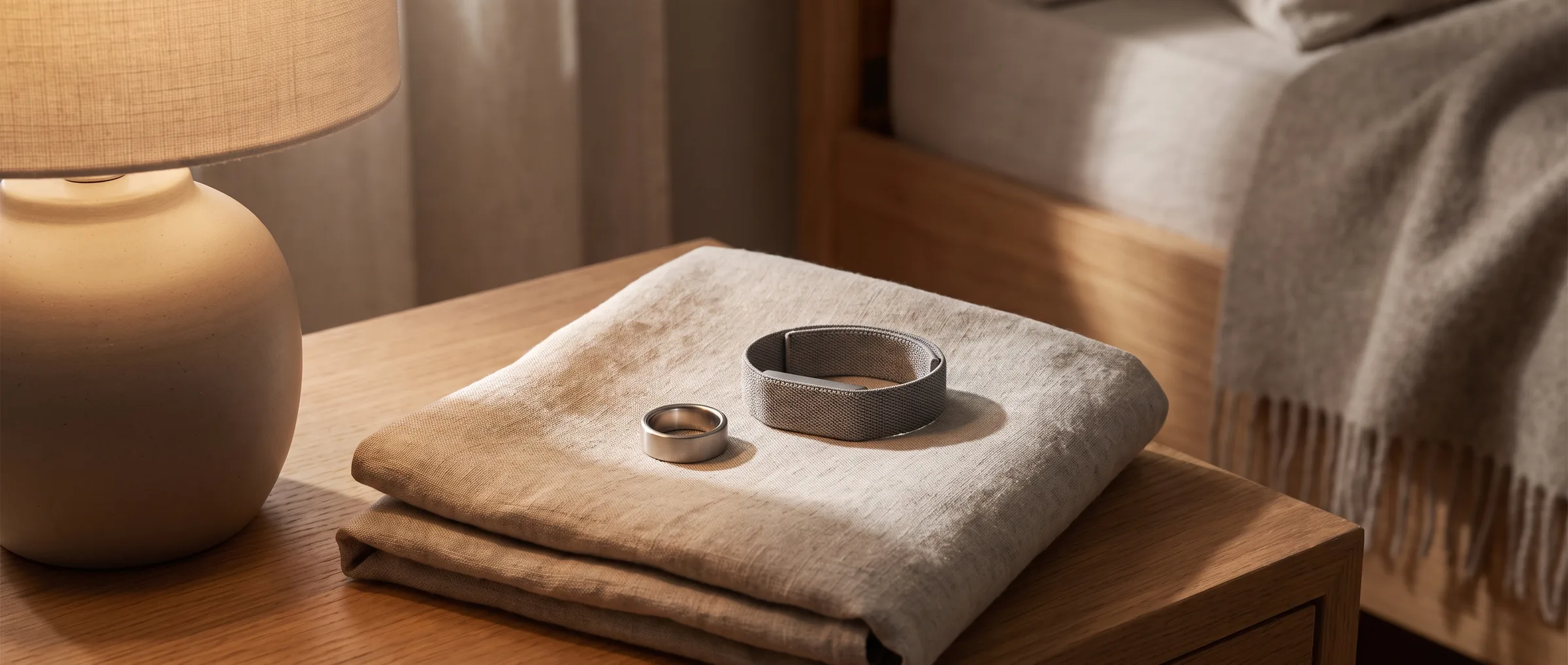
How accurate is a sleep tracker at scoring rest stages
Validation studies compare consumer sleep technology with laboratory recordings. Trackers detect sleep reliably but misclassify wakefulness and show inconsistent agreement on stages.
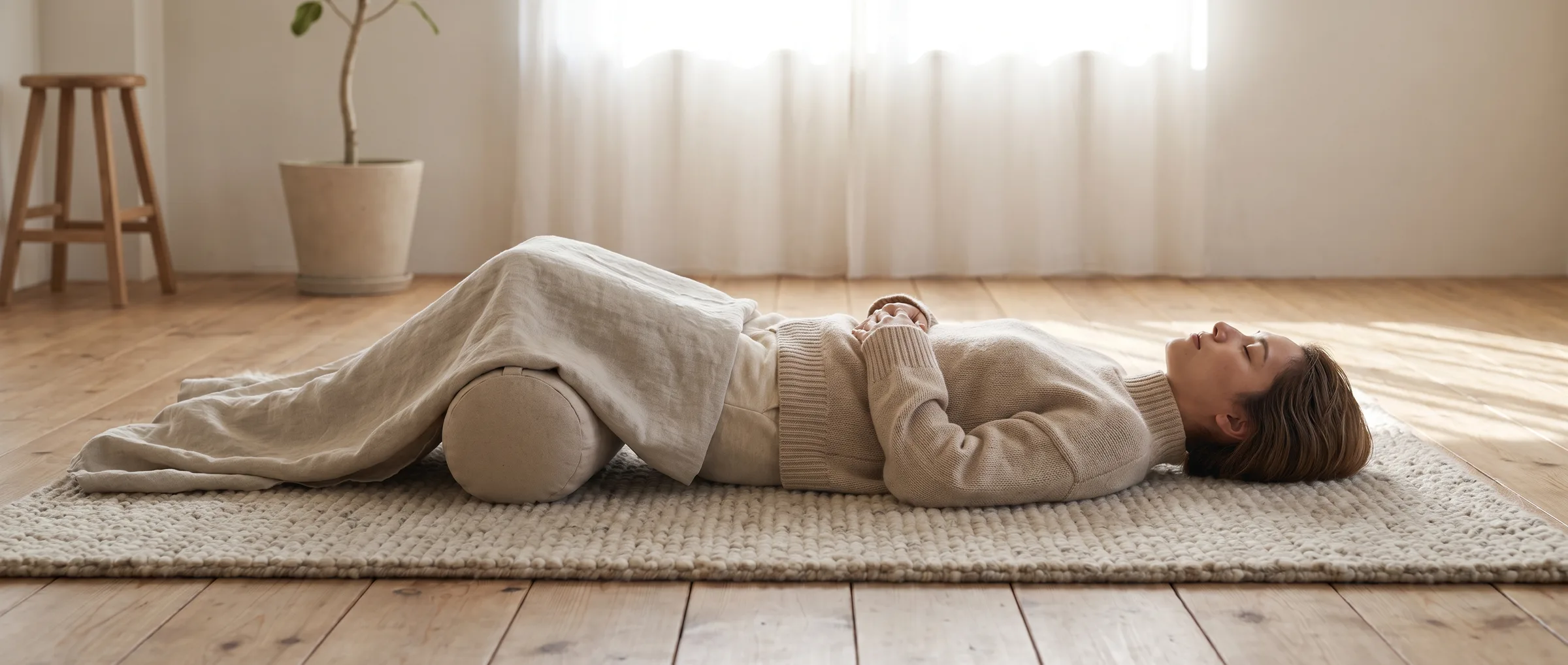
Yoga nidra session steps and scientific evidence
Yoga nidra is a structured guided relaxation practice. Research has evaluated its physiological patterns and measured overnight sleep changes with mixed results.
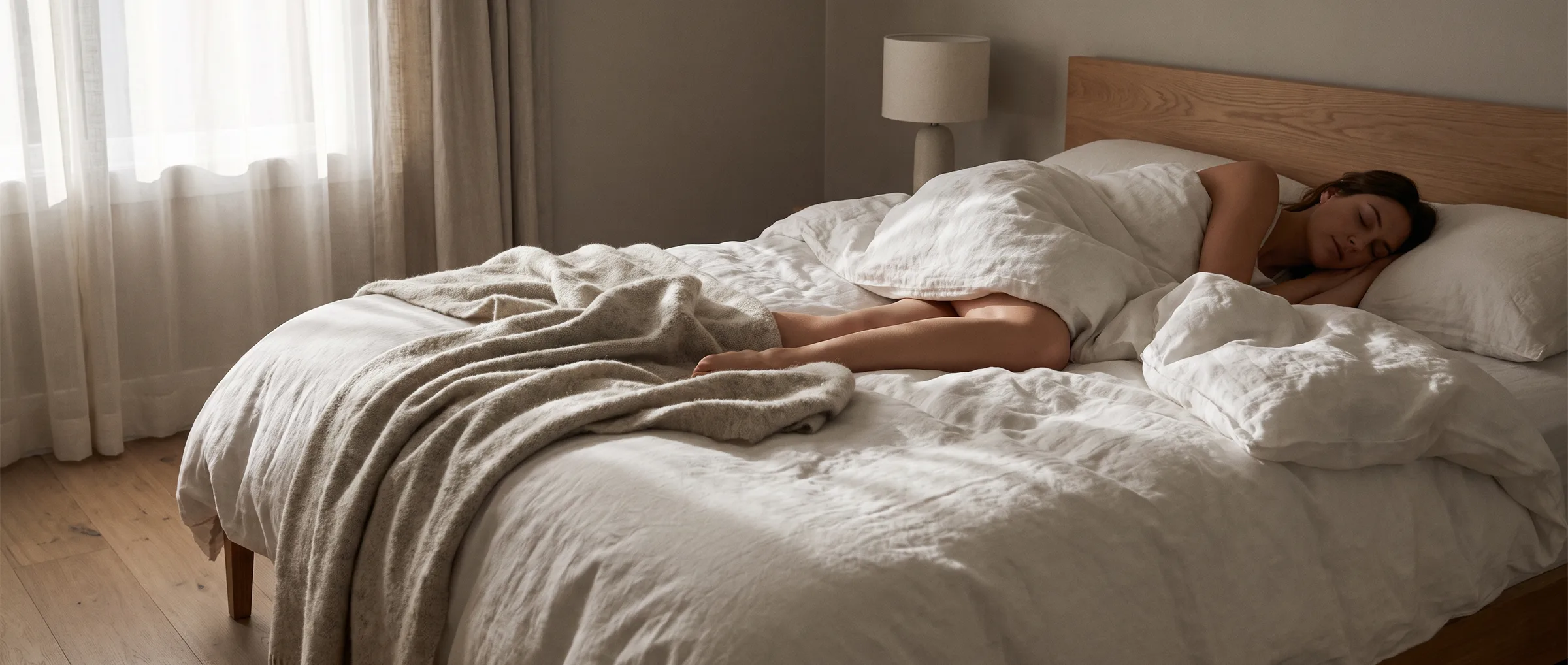
What objective studies reveal about sleeping positions
Sensor data show adults spend over half the night on their side, with shifts decreasing as age increases. Evidence linking spinal symptoms to specific positions remains thin.
How long can you go without sleep
Documented records describe individuals staying awake for days, but laboratory evaluations show that cognitive lapses and sensory changes begin within the first 24 hours.
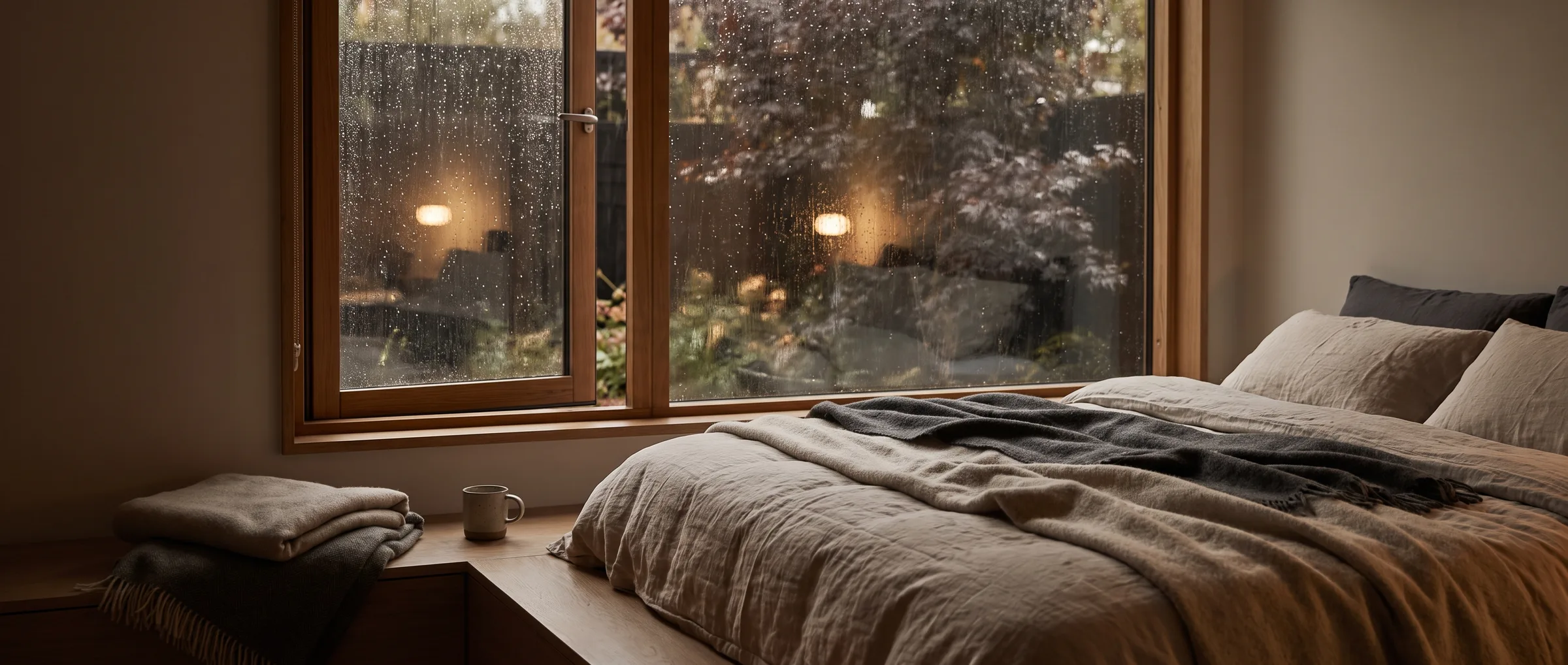
What scientific research records about sleep sounds
Controlled research distinguishes between broadband noise, nature recordings and environmental sounds, showing mixed outcomes on sleep architecture and awakenings.
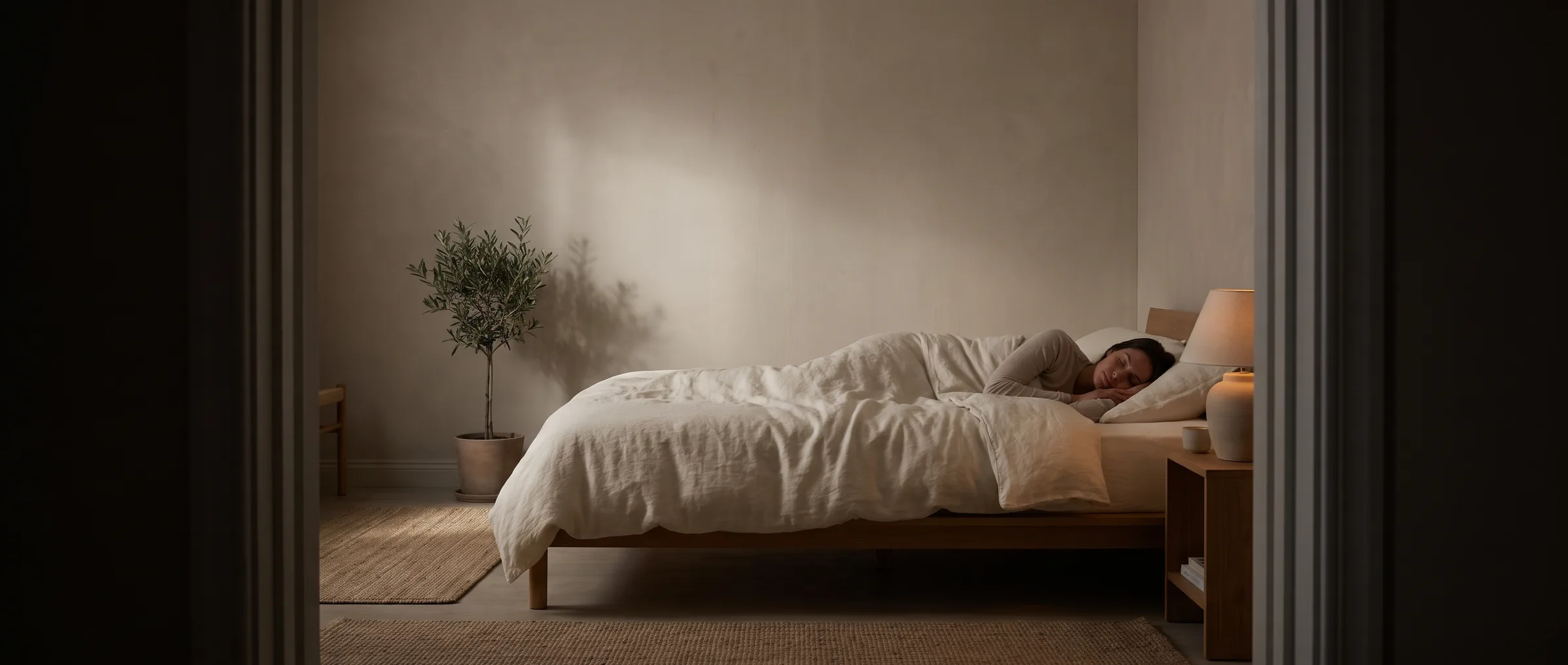
How long is a sleep cycle across the night
A typical sleep cycle is often described as 90 minutes, but sleep lab recordings show medians between 90 and 96 minutes with substantial variation across the night.
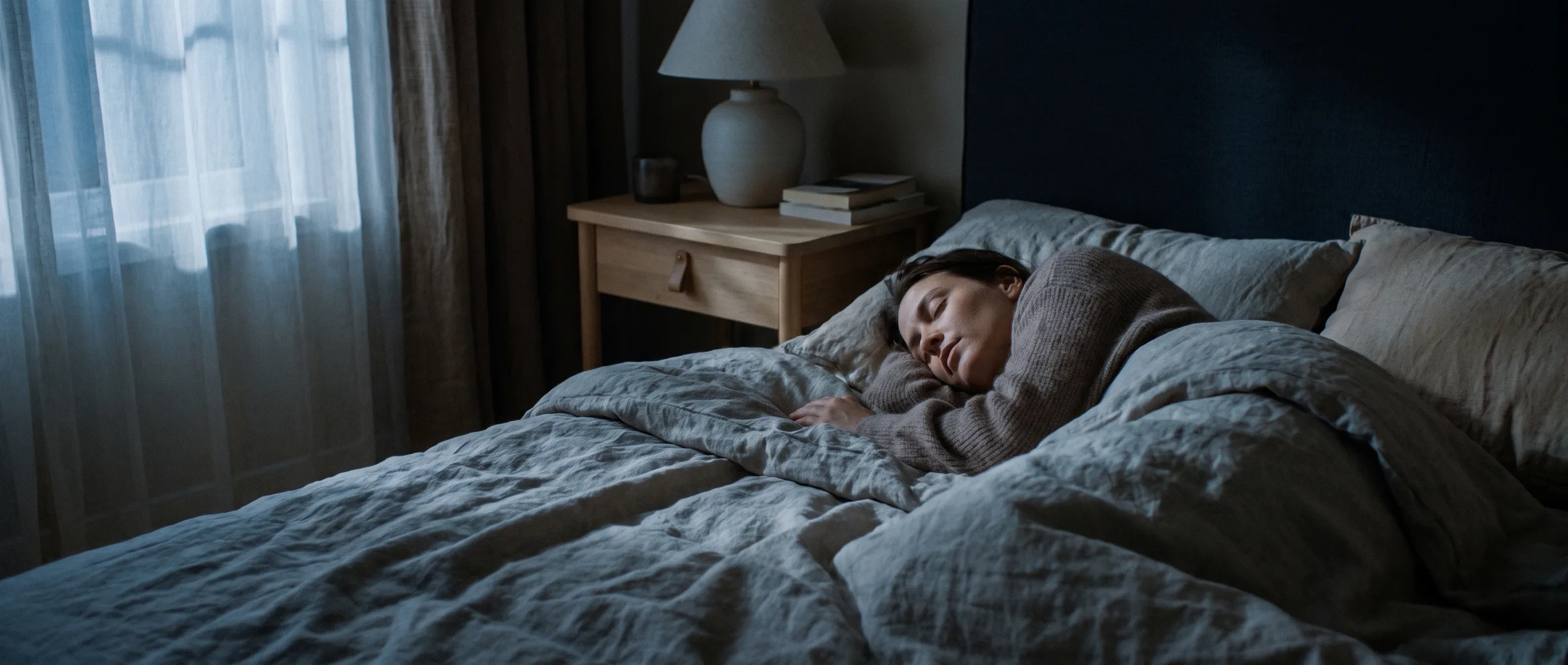
How to get to sleep fast and what sleep research records
Sleep onset latency measures how long reaching sleep takes under laboratory conditions. Objective data describe how age, sleep duration and specific pre-bed activities correspond to this interval.
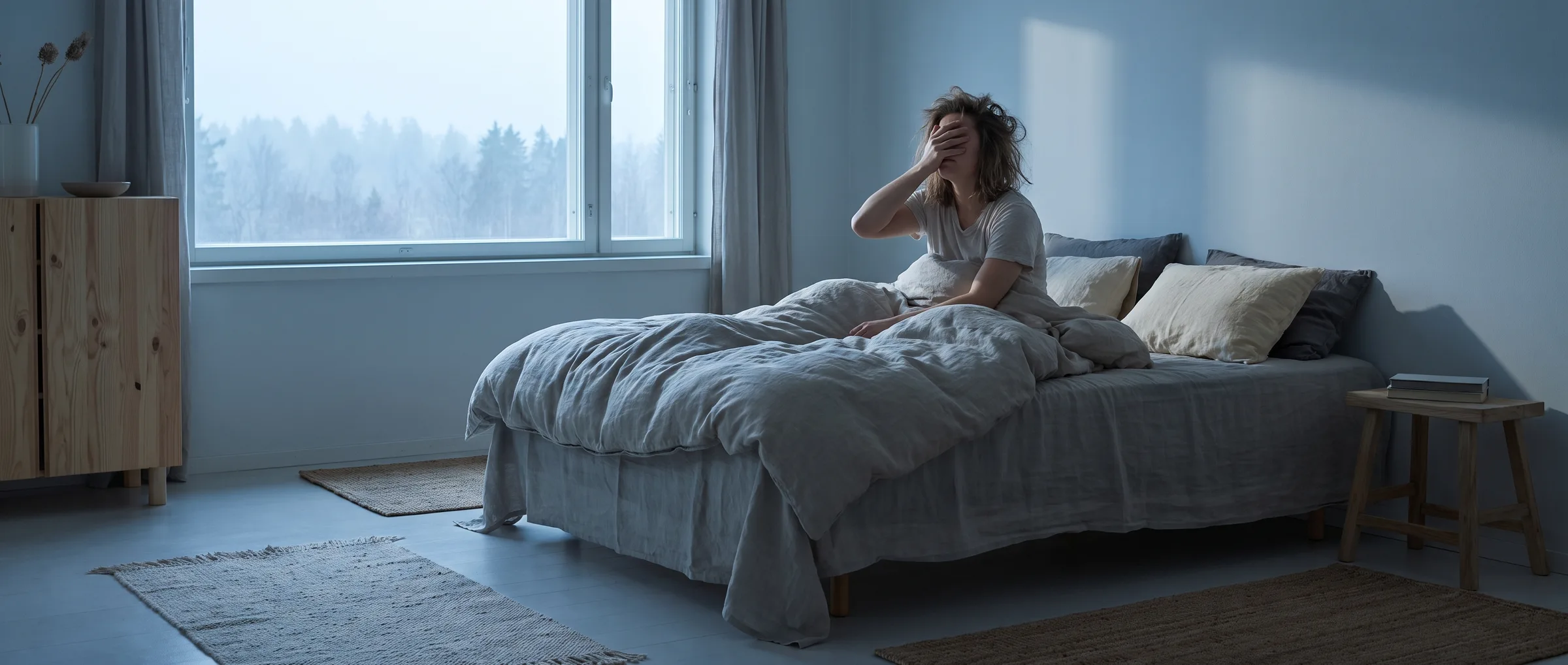
Sleep inertia and the transition to alertness
Sleep inertia is a temporary drop in alertness and cognitive performance immediately after waking. Laboratory studies show its duration varies with sleep history and circadian timing.
How much sleep do adults need across the lifespan
Expert panels recommend 7 to 9 hours for adults, though individual requirements vary. Population records show most adults report 7 hours or more, while measured sleep often averages less.
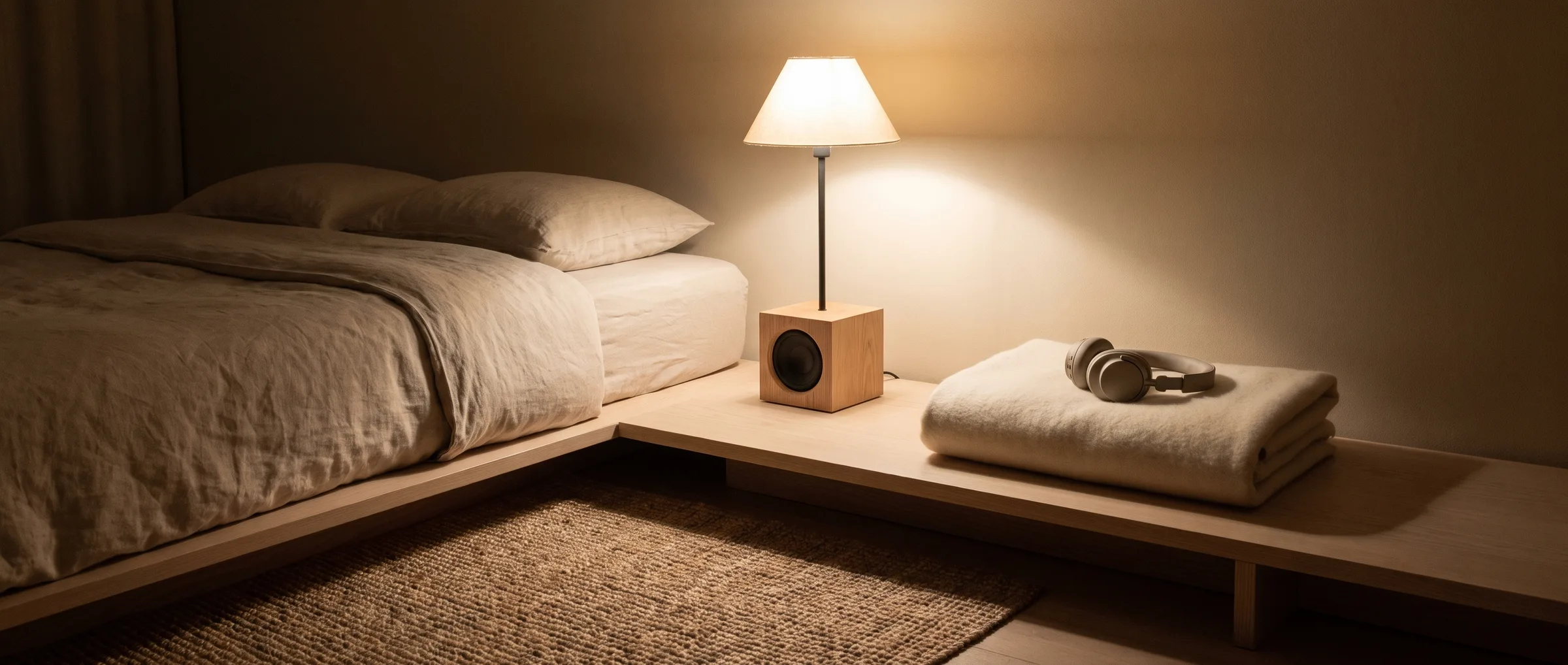
What scientific trials show about sleep music
Controlled trials report lower questionnaire scores among adults with sleep complaints, but laboratory instruments and studies in healthy adults show no clear differences.
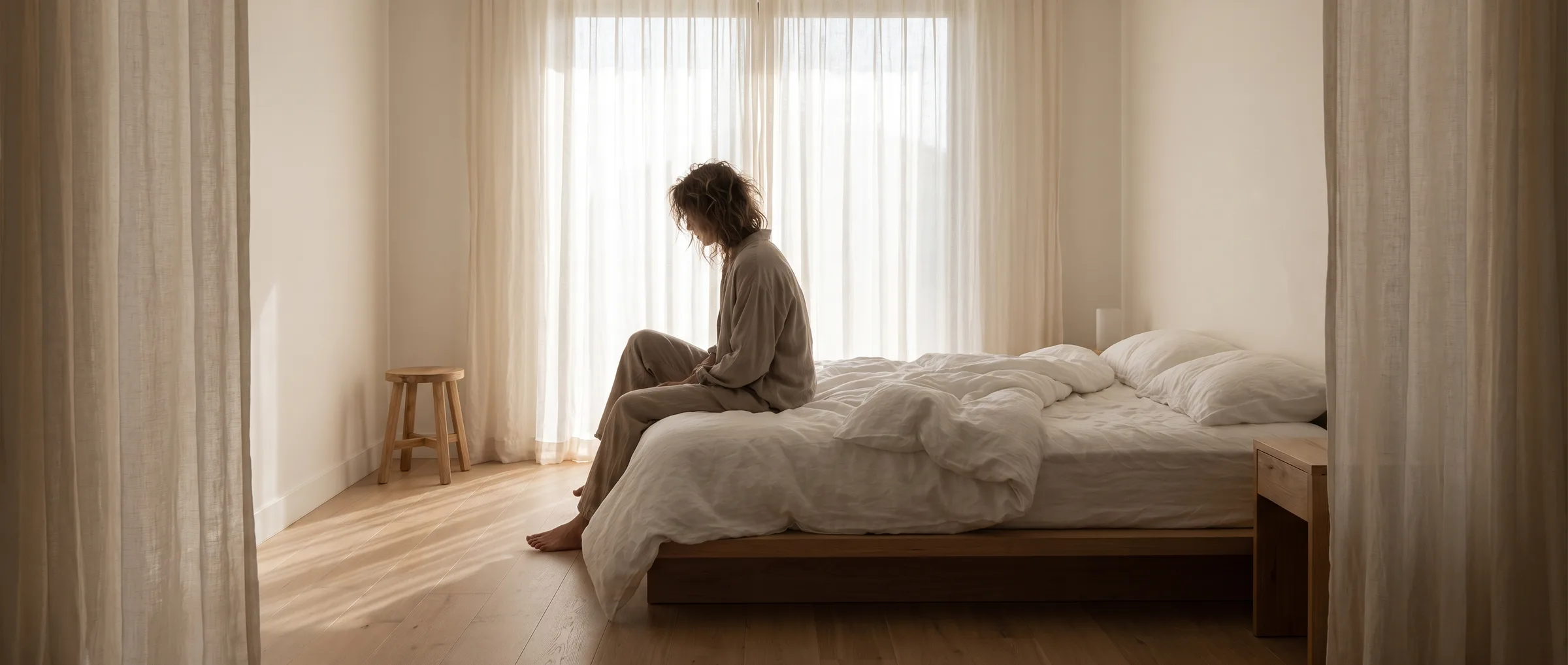
Is 6 hours of sleep enough for adults
Consensus statements advise adults to sleep 7 or more hours nightly. Controlled trials demonstrate performance declines at 6 hours in bed, while specific gene variants remain documented in small groups.
What sleep deprivation experiments measure in the laboratory
Laboratory sleep deprivation research measures specific performance changes, from attention lapses on reaction-time tests to shifts in metabolic markers. These findings describe controlled experimental cohorts.
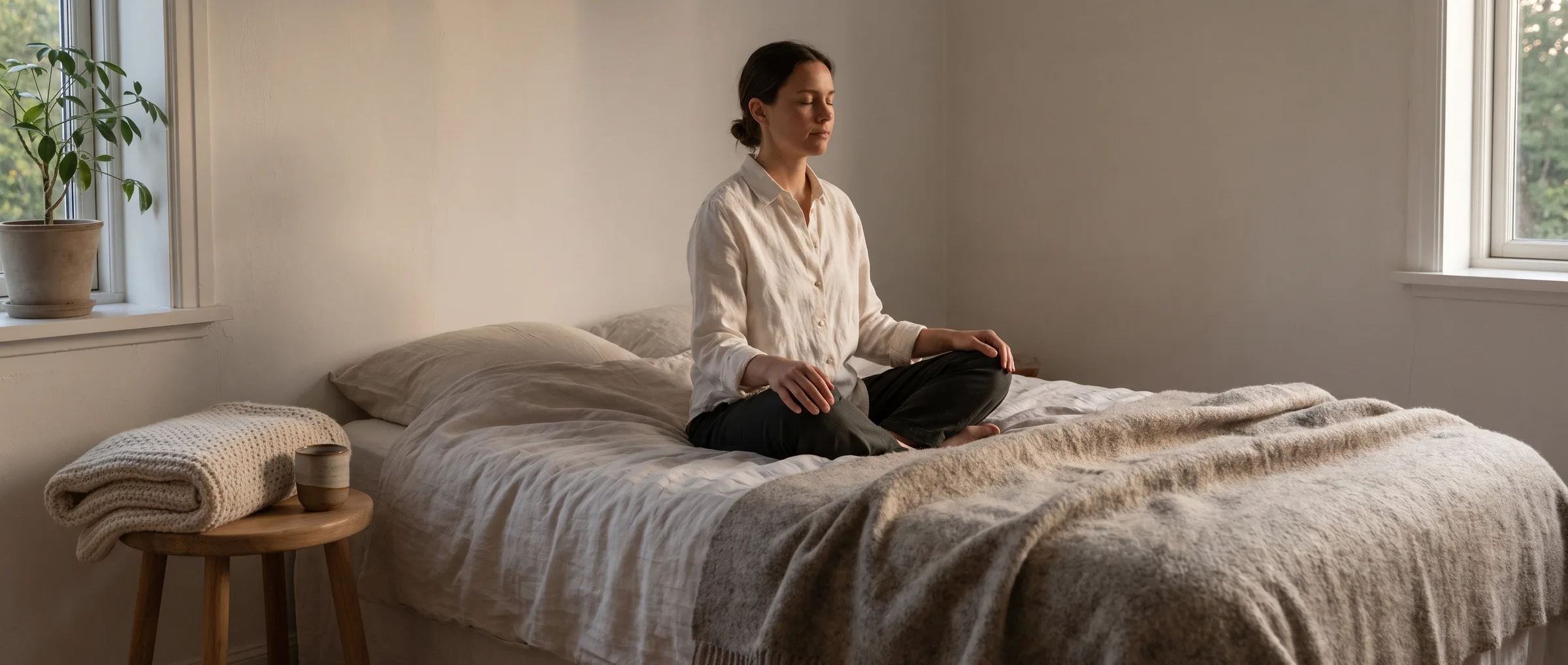
What clinical trials of sleep meditation actually measured
Controlled studies of sleep meditation evaluate structured multi-week classes and short audio sessions. Measured outcomes differ between self-reported questionnaires and physiological recordings.
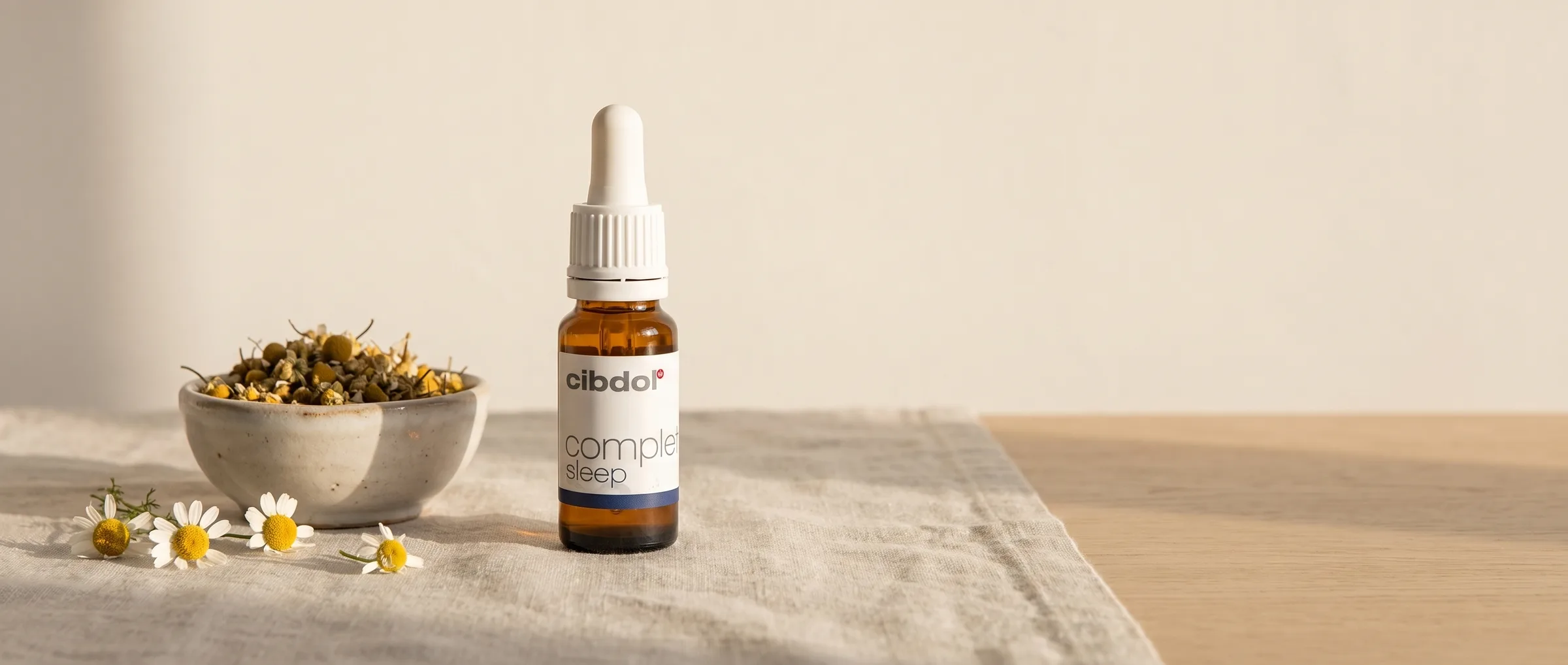
Chamomile tea sleep, what was actually measured
An overview of the clinical trial evaluating chamomile extract for sleep quality in older adults, and how an infusion differs from an extract.
5 HTP, the pathway, the trial and the limits
An editorial analysis of 5 HTP, examining its conversion from griffonia seeds to serotonin and melatonin, the design of the primary sleep trial, and its regulatory standing.
Jet lag, the pooled evidence and the authorised claim
A systematic review found lower jet lag scores across nine randomised trials, but European labelling restricts packaging claims strictly to subjective feelings.
Circadian rhythm, where the clock is and what moves it
The human circadian pacemaker runs at an intrinsic 24.18 hours, governed by the suprachiasmatic nucleus. Light exposure shifts this internal timing across a five-hour phase response curve.
CBD and melatonin, two different substances in one bottle
Melatonin is an endogenous hormone with two dedicated receptors and authorised EU claims, while CBD is a plant-derived cannabinoid with no unique receptors and no approved claims.
Natural melatonin, built nightly and switched off by light
Endogenous melatonin relies on enzymatic activation in the pineal gland. Wavelengths between 446 and 477 nanometres interrupt this synthesis, whereas dietary changes do not elevate the natural nightly peak.
Melatonin over the counter, or on prescription, and why
Melatonin availability varies by country because it occupies two distinct legal categories: food supplement or prescription medicine.
Melatonin jet lag and sleep onset, what the EU authorised
The European Union permits exactly two health claims for melatonin. Examine the verbatim statutory wording, the mandatory conditions of use, and the modest effect sizes measured in pooled clinical trials.
How long does melatonin take to work, and what it does
Swallowed melatonin peaks in blood plasma at an average of 40.8 minutes and has an elimination half-life of 54 minutes. Here is what the pharmacokinetics show.
Sleep hygiene, what each rule is actually worth
Sleep hygiene combines several daily habits into a single lifestyle strategy. While trials support individual habits such as limiting afternoon caffeine and dimming evening light, clinical evaluations show that educational packages deliver far smaller outcomes than many people anticipate.
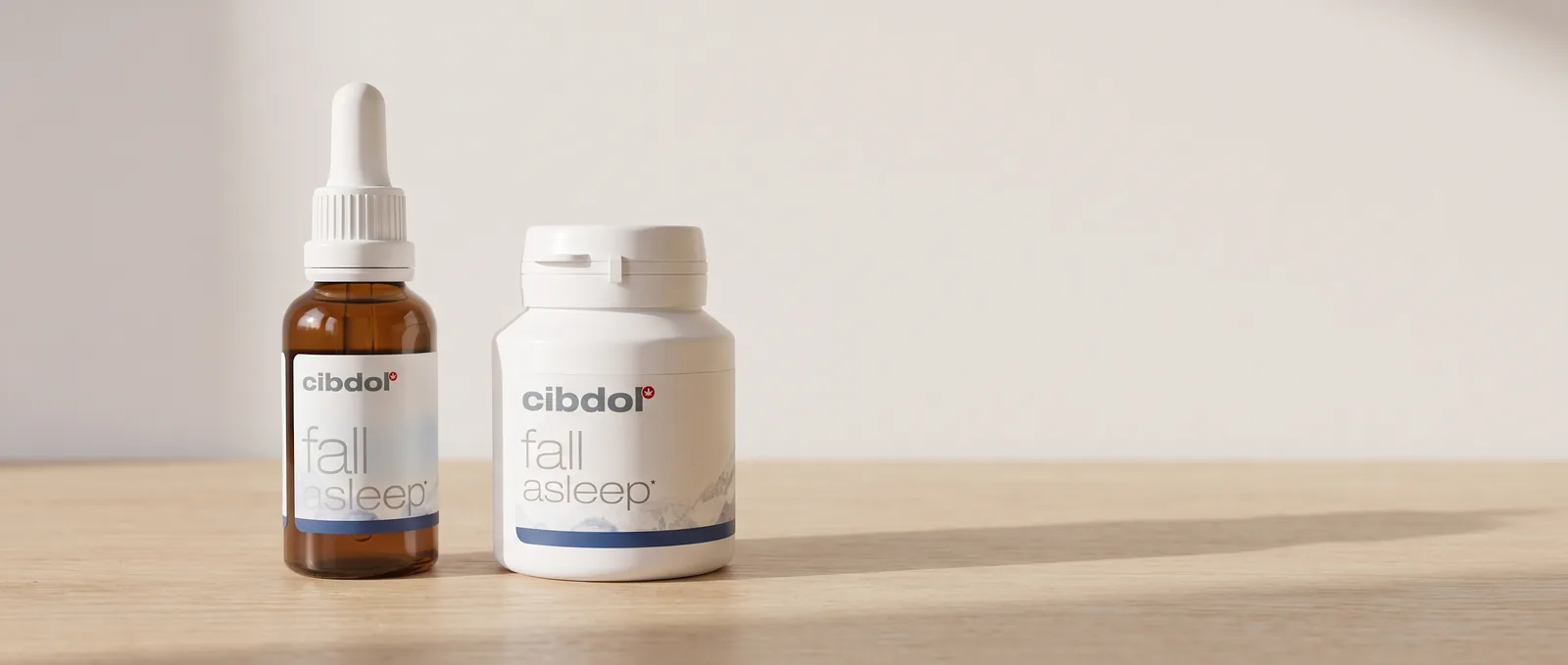
Melatonin gummies, sprays, drops and patches compared
Pharmacokinetic trials show sublingual sprays peak near 23 minutes while swallowed forms take around 41 minutes with 3 percent bioavailability. Commercial product contents vary widely from label declarations.
Deep sleep, slow waves and how much people record
Deep sleep drops from nearly a fifth of total sleep in early adulthood to under four percent by midlife. Here is what recordings measure and why scorers disagree.
Rem sleep, what happens in the brain and body
Identified in 1953, REM sleep combines high brain activity with temporary muscle paralysis. Here is what research reveals about its trajectory across age and its role in the brain.
What is melatonin, and how the body uses it
Melatonin is an endogenous hormone signalling darkness, not a direct sedative. This guide explains how it is produced, how light controls its release, and what pooled trials show.
CBN for sleep, what the human evidence shows
Interest in cbn for sleep often outpaces the clinical record. Here is what human trials have actually measured, from early combination studies to recent laboratory sleep tests.
The stages of sleep, from first drift to REM
A scientific breakdown of the four sleep stages, how cycles repeat across the night, and what laboratory research reveals about cannabinoids and sleep architecture.
