CBD, stress and anxious feelings
Everyday tension is part of ordinary life, not something a doctor diagnoses, and the endocannabinoid system is one of the signalling networks researchers study when they look at how the body handles pressure. Cannabidiol has been examined in that literature.
Serotonin signalling and the endocannabinoid system
Start with the plumbing. The endocannabinoid system is a signalling network: cannabinoid receptors, compounds the body makes itself that bind them, and the enzymes that build and clear those compounds. One receptor sits densely in the central nervous system, the other mainly in peripheral tissue and immune cells. Devane and colleagues identified the first of those self-made compounds in 1992, which is where this whole field of research really starts. Cannabidiol is a poor fit for the main cannabinoid receptor, with low direct binding affinity, so researchers went looking elsewhere. Laboratory work published by Russo in 2005 reported that cannabidiol acts as an agonist at a serotonin receptor subtype, and that finding is why serotonin signalling keeps appearing in reviews of research on cannabidiol and anxious feelings. Blessing and colleagues surveyed that literature in 2015 and described the human evidence as preliminary. So the mechanism is a live research question, not a settled account. Cibdol has worked with cannabinoids since 2014, and this is one of the places where we still say we do not know yet.
Researchers have tested small groups in laboratory settings
- Laboratory work reported by Russo in 2005 found that cannabidiol acts as an agonist at a serotonin receptor subtype. Bench work, not a human trial, but it handed the field a route to follow when researchers wanted to explain what they were seeing.
- Cannabidiol has low direct binding affinity at the main cannabinoid receptor, the one dense in the central nervous system. That is why research attention has gone to serotonin signalling and other routes, and why the mechanism is still an open question rather than a settled account.
- A 2015 review in a neurotherapeutics journal, by Blessing and colleagues, surveyed preclinical and clinical work on cannabidiol and anxious feelings. The reviewers described the human evidence as preliminary, which is a fair summary of where the literature stood.
- Bergamaschi and colleagues published a study in 2011 that measured participants during a simulated public speaking test, a laboratory model of transient tension. The group was small and the session was single, so one lab model is not the same as everyday life.
- Most of the human research in this area is small, short and run in laboratory settings, with people measured over hours rather than months. Millar and colleagues published a systematic review in 2018 of how cannabidiol is taken up and cleared in humans.
Preliminary means exactly that: early-stage, often small or laboratory-based, and not a basis for expecting a particular outcome.
Where it sits in a normal day
- Most people take it at a fixed point in the day, morning or evening, so it slots into a routine that already exists.
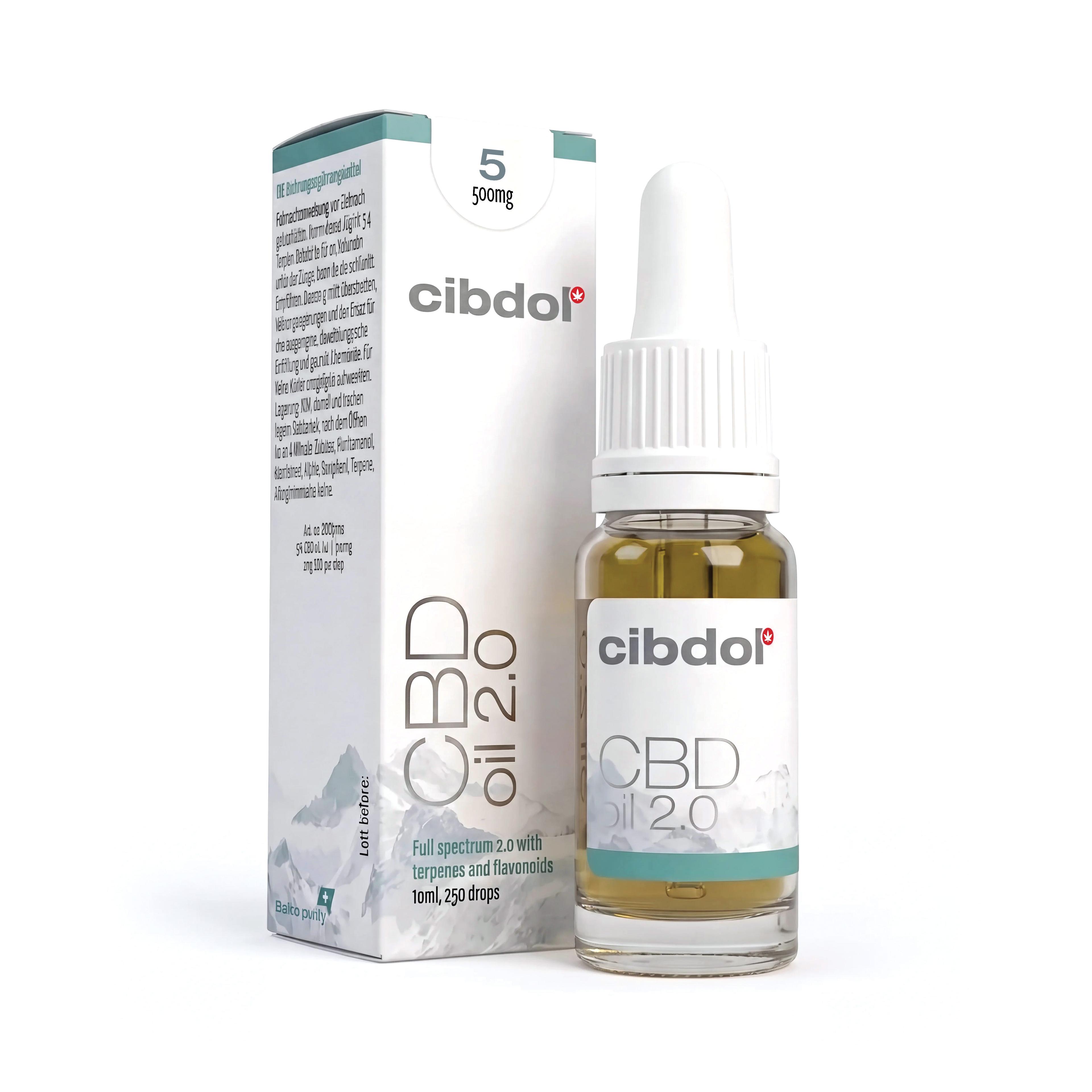
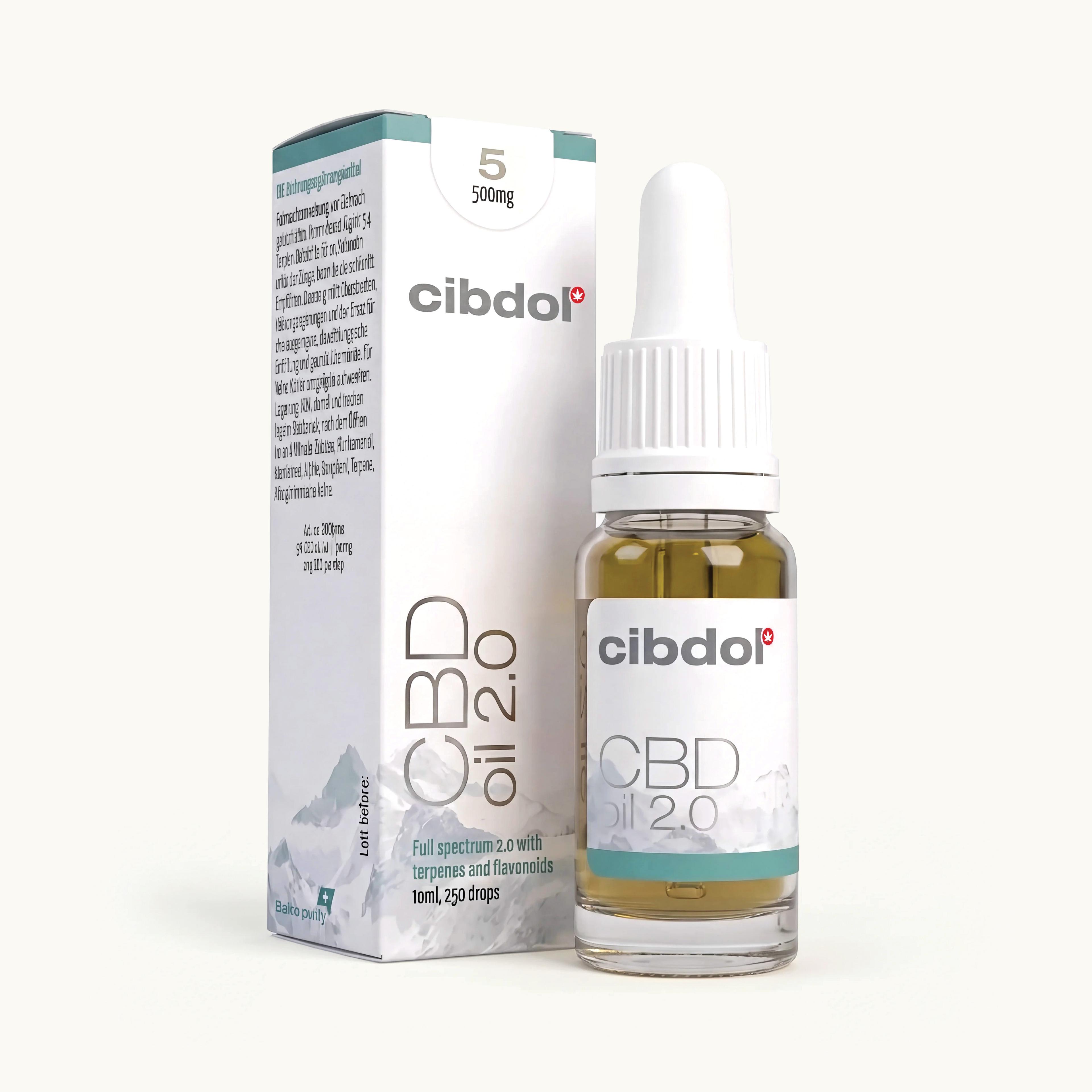
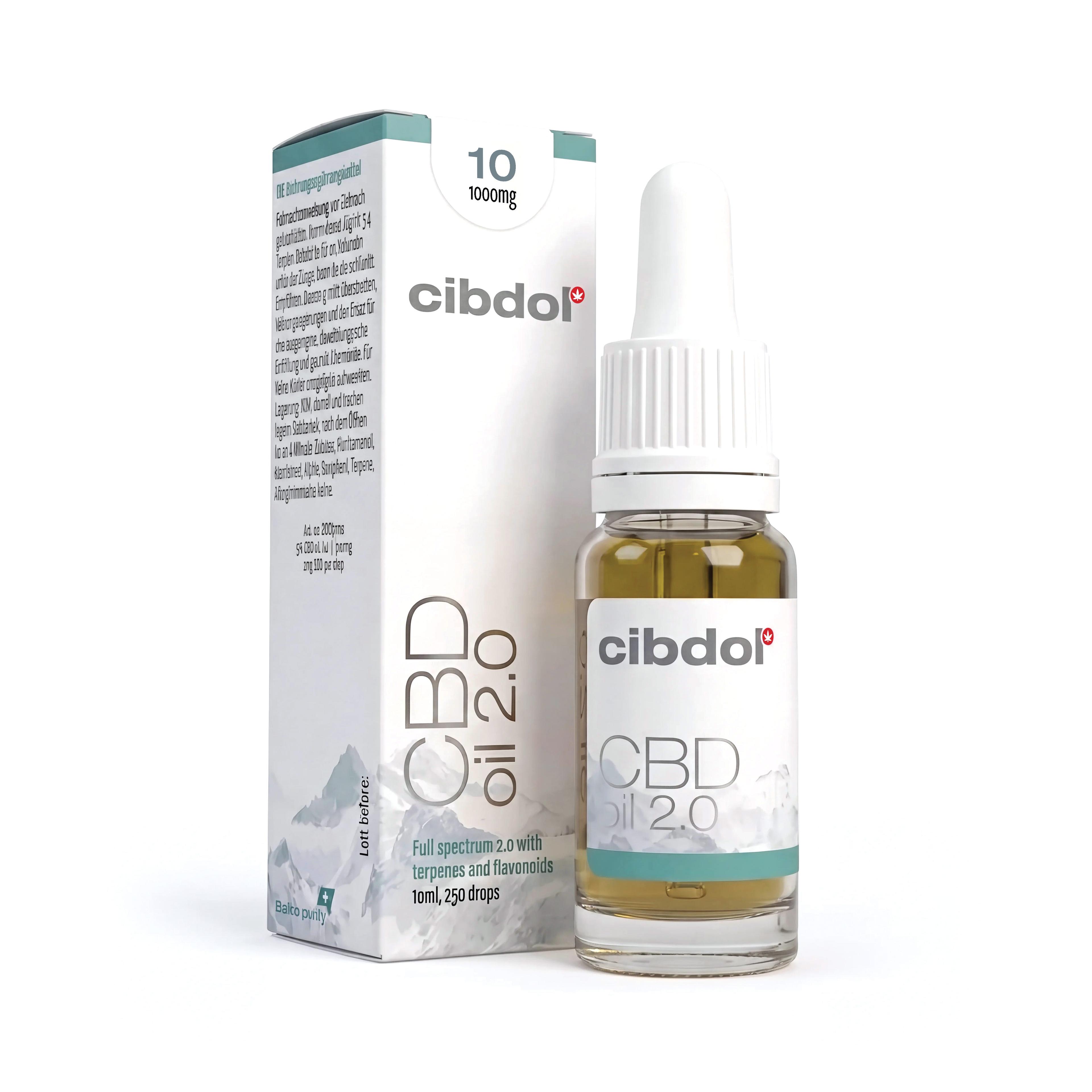
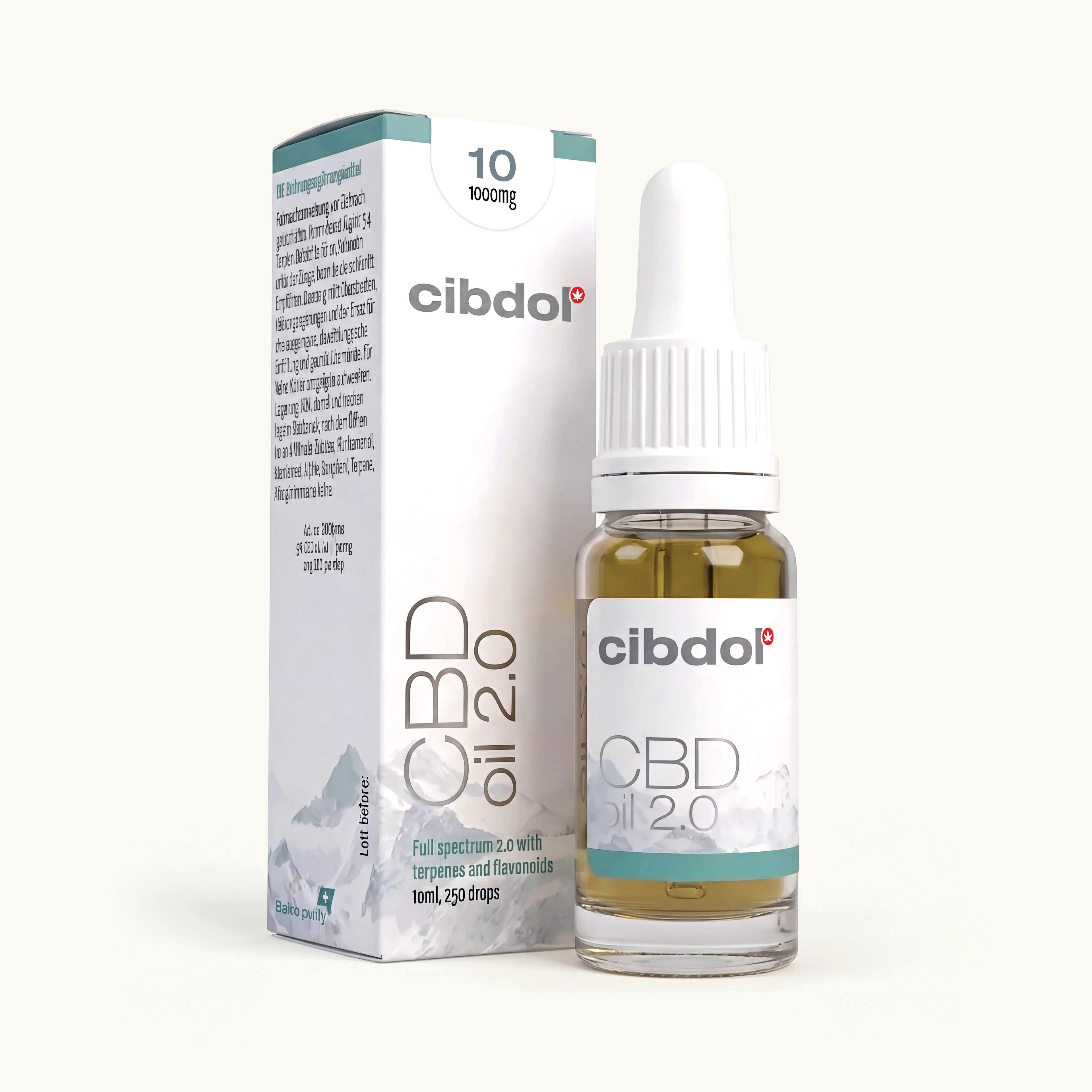
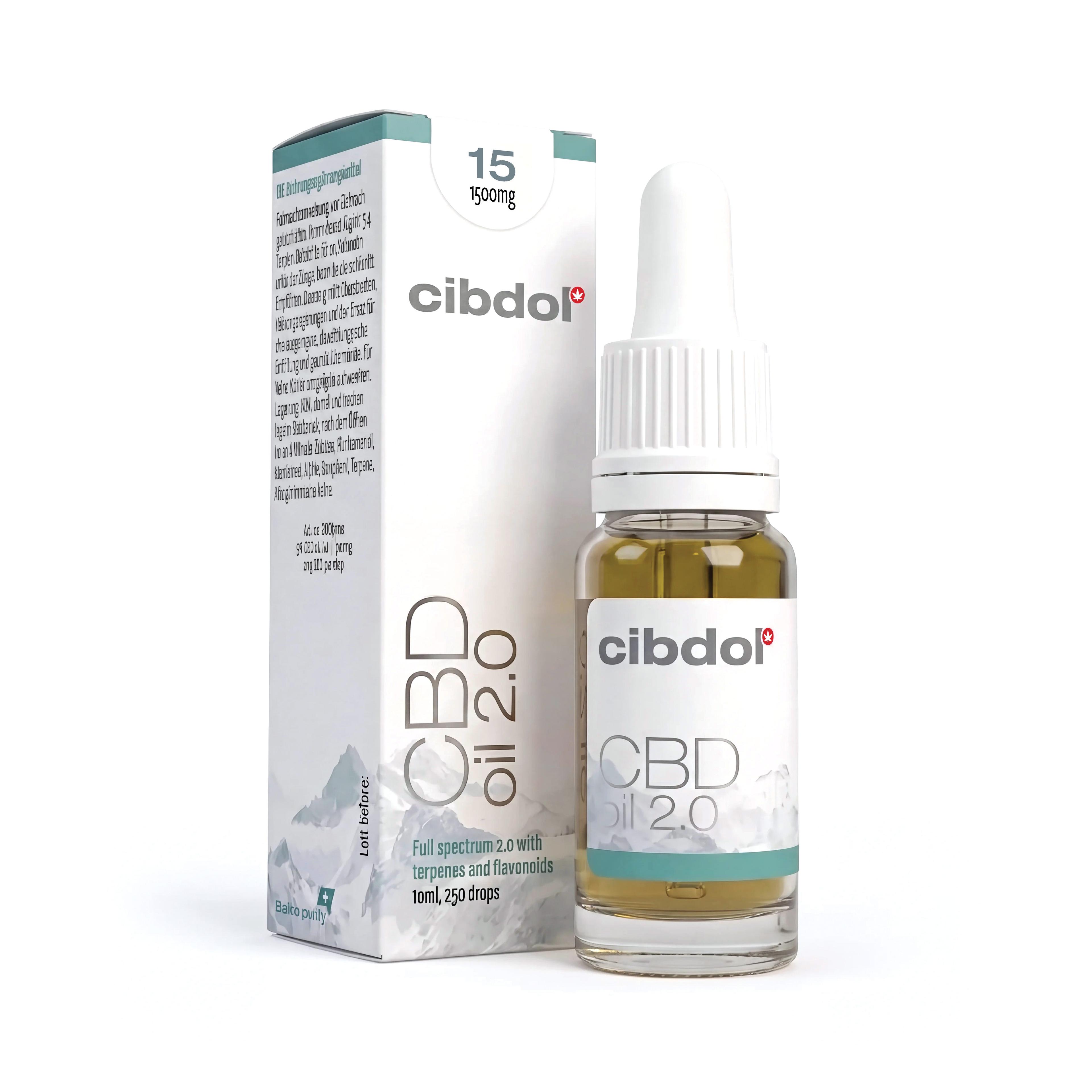
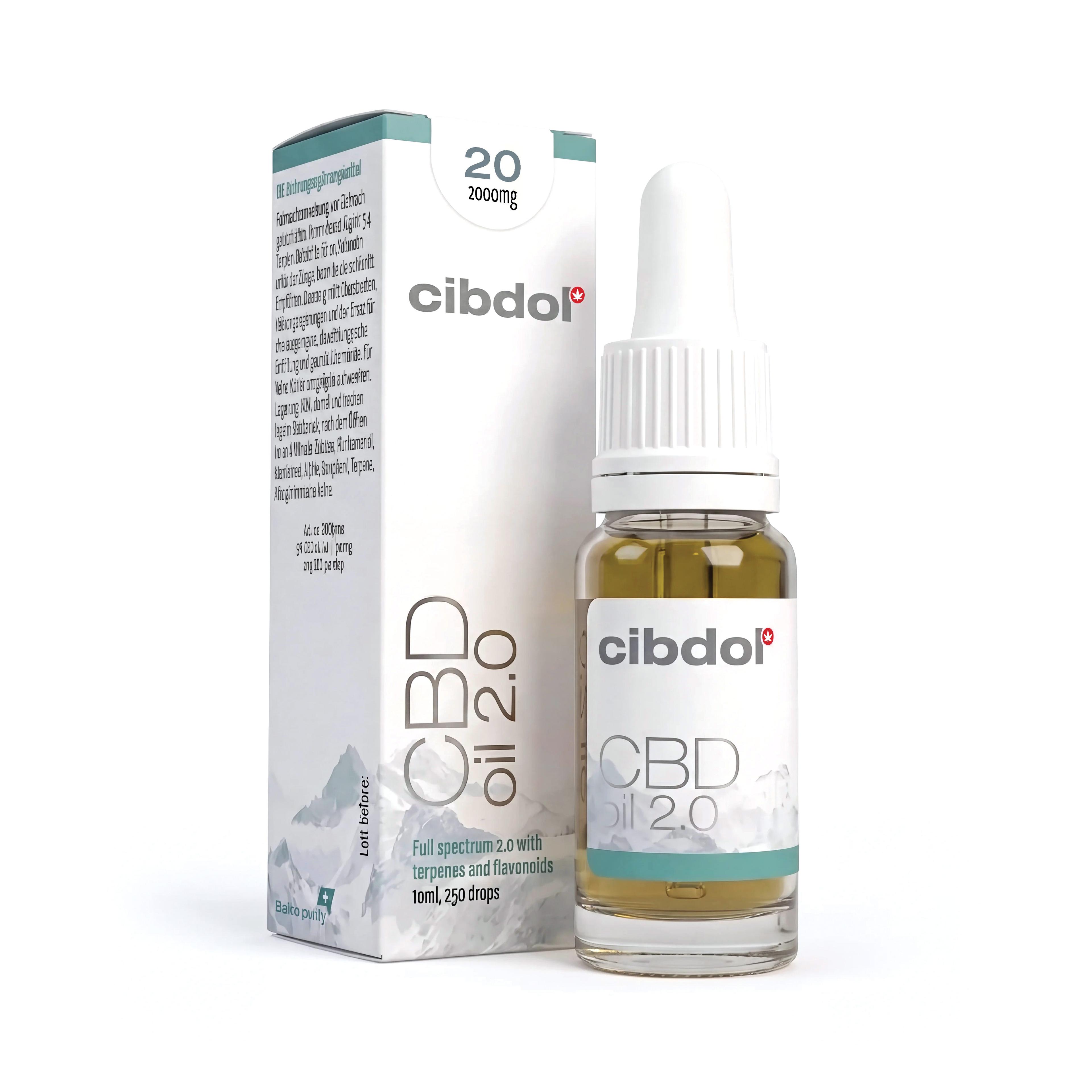
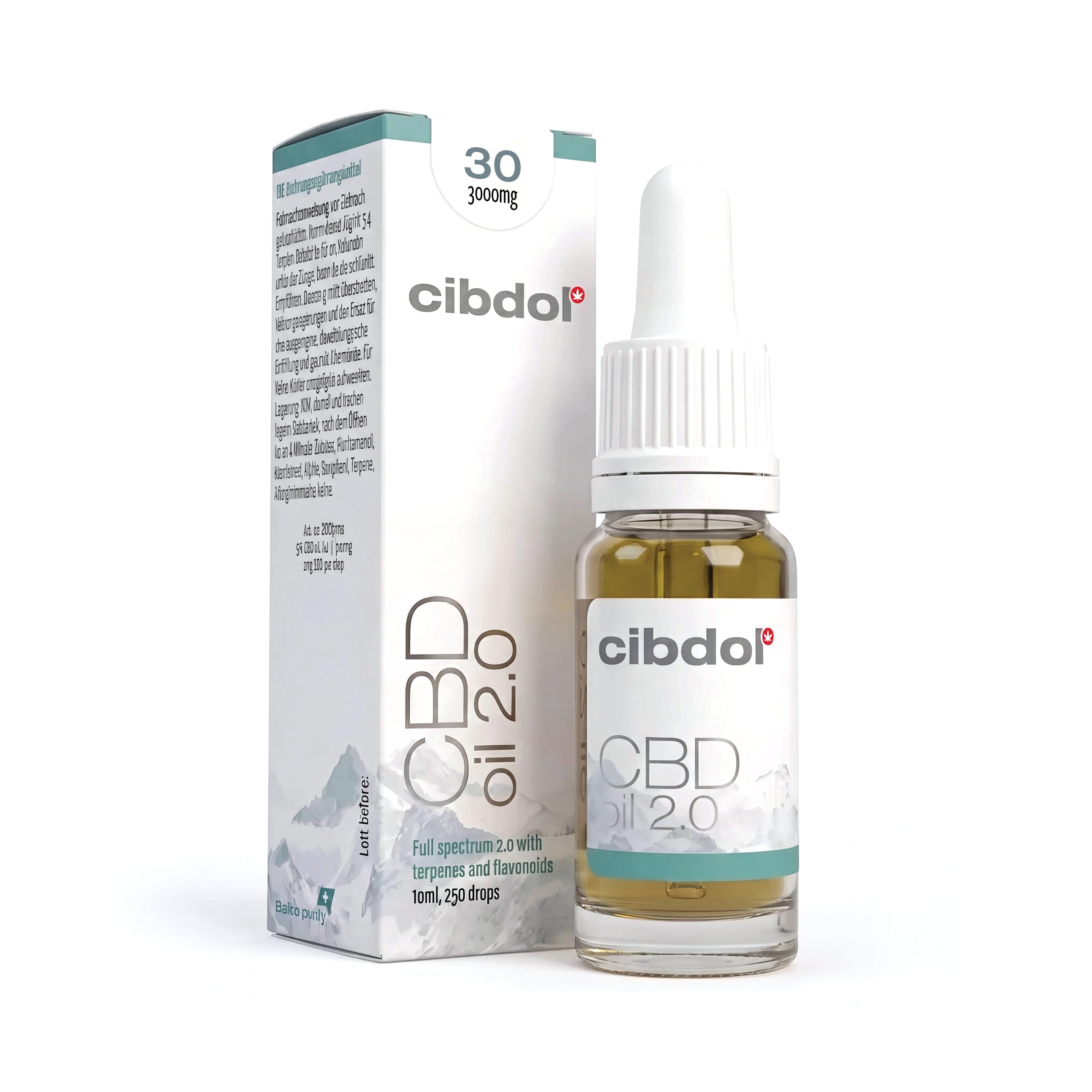
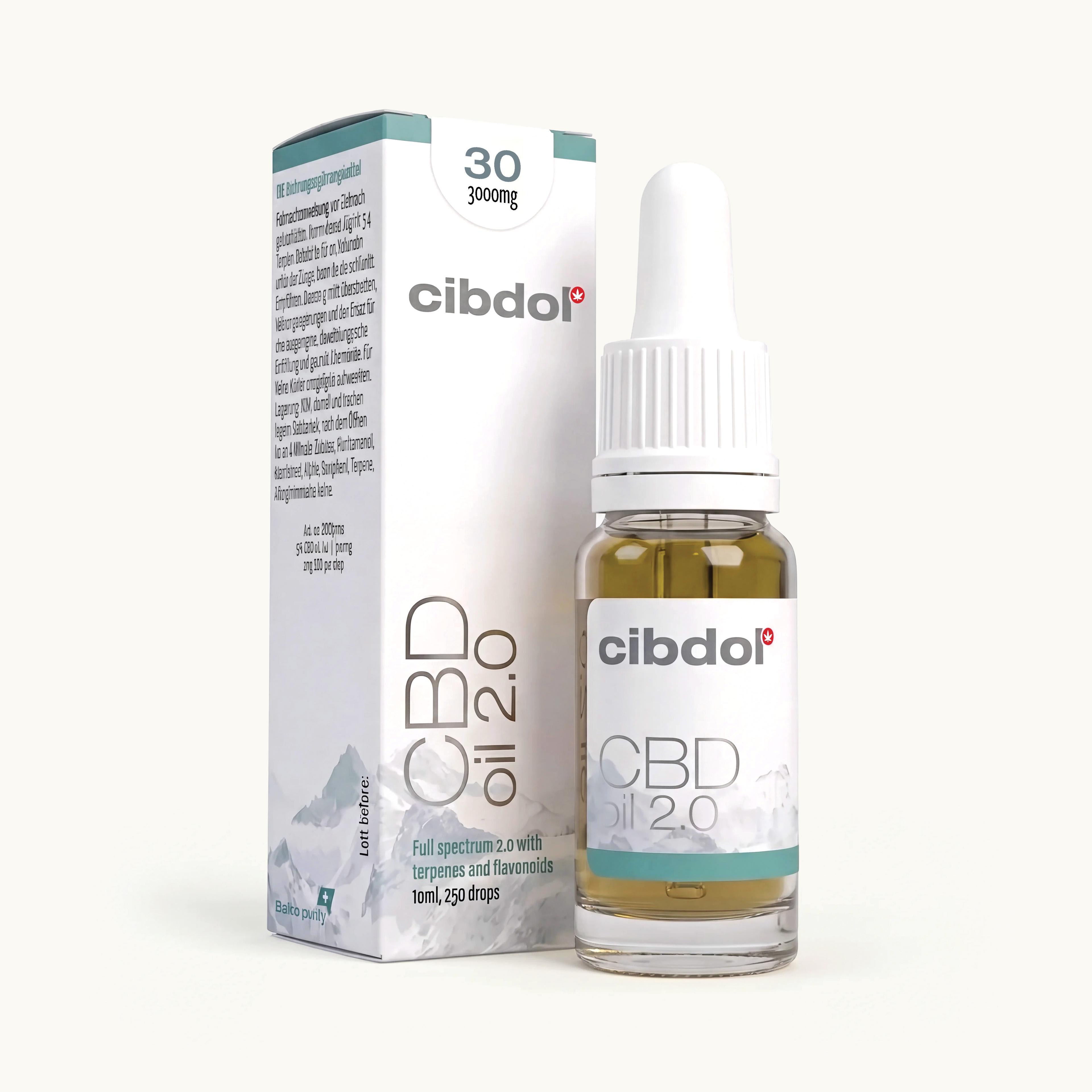
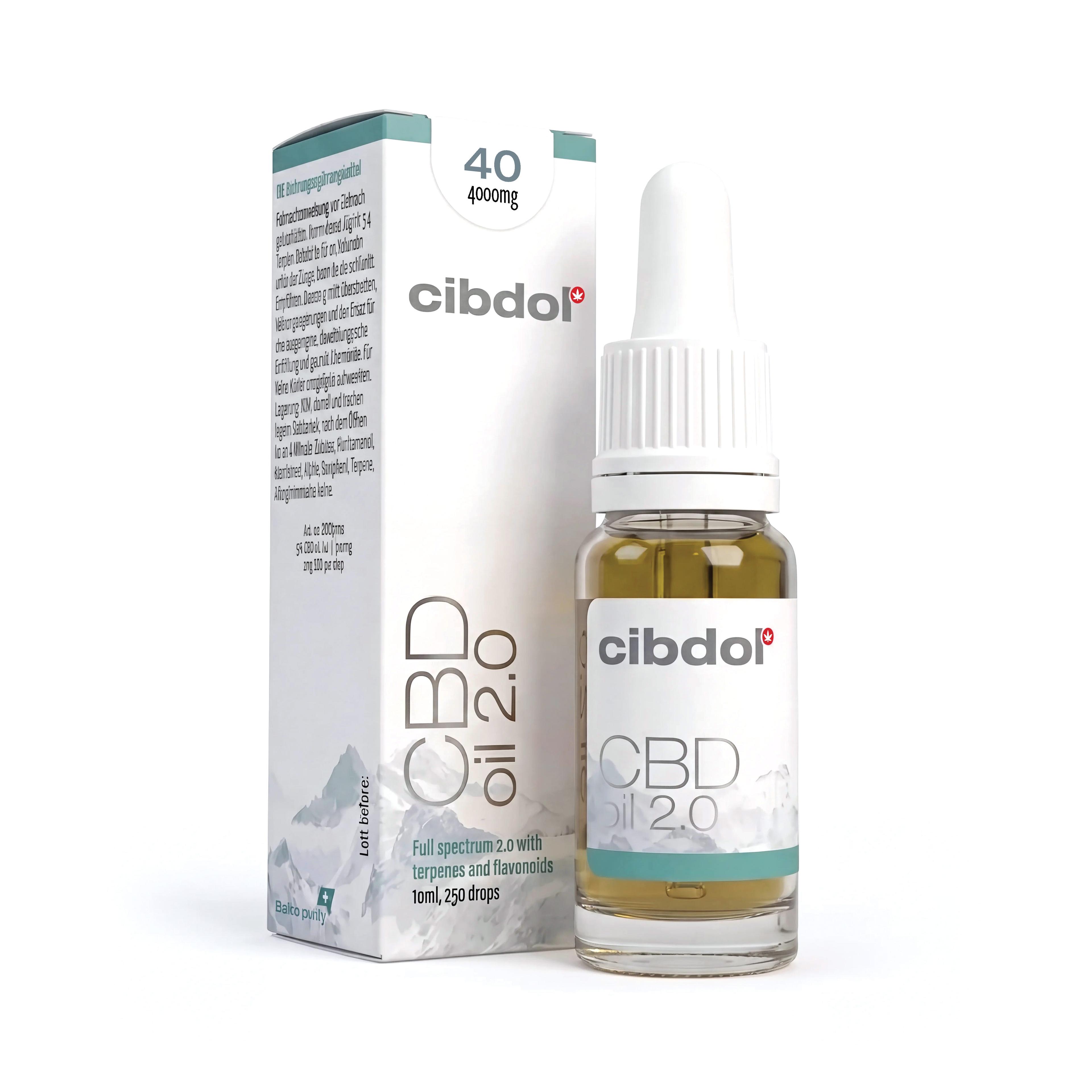
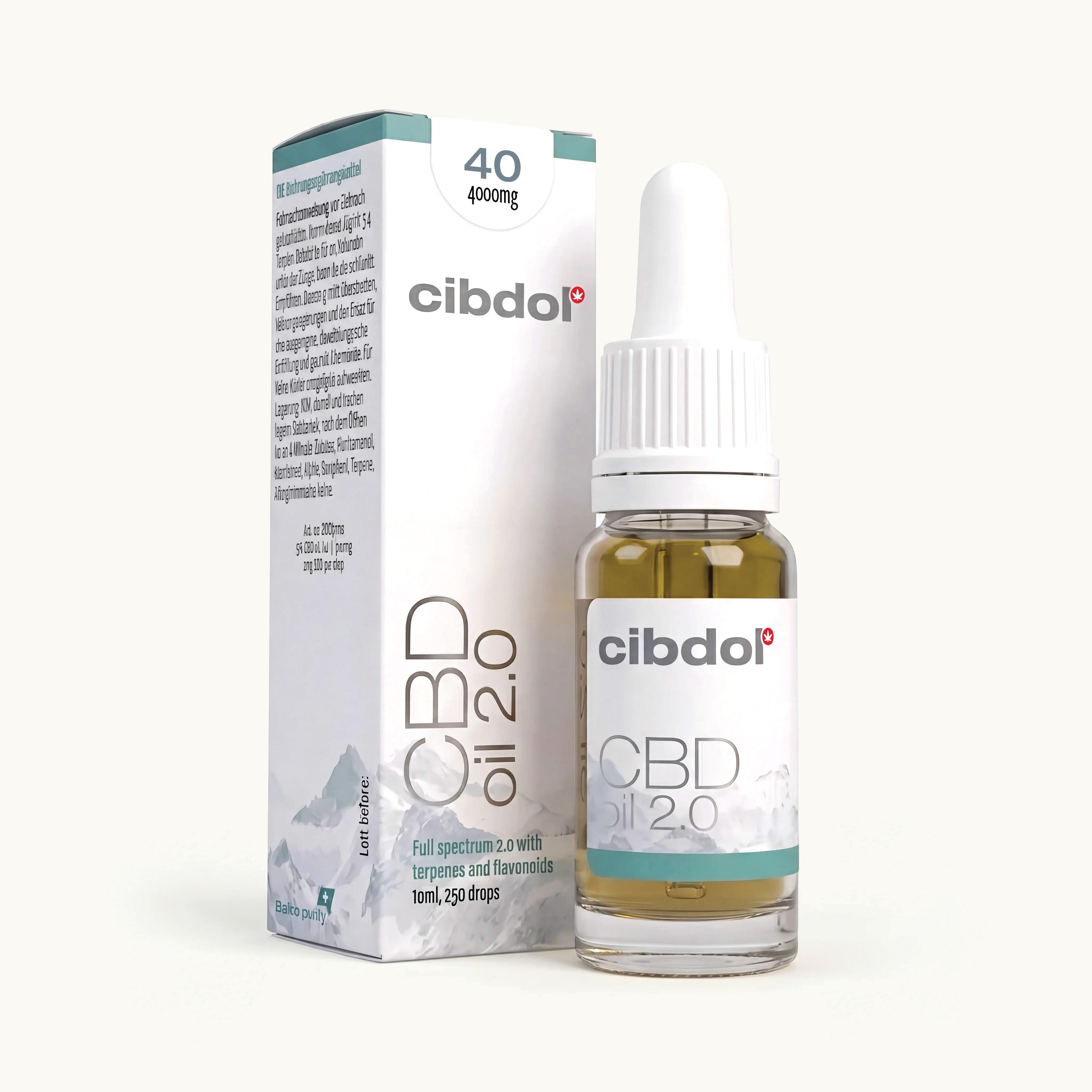
- The CBD oil 2.0 range runs across six strengths in a 10ml bottle, and the percentage on the label describes concentration, not bottle size.
- Oil goes under the tongue, held there for a moment before swallowing. That is how most people take it.
- Every batch is analysed by an independent laboratory and its certificate of analysis is published, so the label can be checked.
The studies referenced above
- Russo (2005), Neurochemical Research. Laboratory work on cannabidiol at a serotonin receptor subtype. doi:10.1007/s11064-005-6978-1
- Blessing (2015), Neurotherapeutics. A review surveying preclinical and clinical work in this area. doi:10.1007/s13311-015-0387-1
- Bergamaschi (2011), Neuropsychopharmacology. A small study using a simulated public speaking model. doi:10.1038/npp.2011.6
- Devane (1992), Science. The identification of the first cannabinoid the body makes itself. doi:10.1126/science.1470919
- Millar (2018), Frontiers in Pharmacology. A systematic review of human pharmacokinetics. doi:10.3389/fphar.2018.01365
Cited to let you check the primary literature yourself. Inclusion is not evidence of an effect.
Other reasons people use CBD
Transparency you can check for yourself
Questions about this topic
What has research looked at around CBD and anxious feelings?
Laboratory work and human work, mostly small. Blessing and colleagues reviewed preclinical and clinical research on cannabidiol and anxious feelings in 2015 and described the human side as preliminary. Earlier bench work by Russo in 2005 reported activity at a serotonin receptor subtype. Human studies in this area stay small and short, on the reviewers' own reading.
Does CBD act on serotonin?
That question traces back to a 2005 paper. Russo reported laboratory findings that cannabidiol acts as an agonist at a serotonin receptor subtype, which is one reason serotonin signalling keeps coming up in later reviews. It is not the whole picture. Cannabidiol has low direct binding affinity at the main cannabinoid receptor, so several routes are still being investigated.
People ask about CBD before public speaking. What was actually studied?
Bergamaschi and colleagues published a small study in 2011 that measured participants during a simulated public speaking test. Researchers use that model because it produces short-lived tension on cue, in a controlled room. Small group, one session, laboratory setting. Useful as research, and a long way from a Monday morning presentation at work.
Which strength do people choose?
There are six strengths in the CBD oil 2.0 range, each in a 10ml bottle. The percentage on the label describes concentration, not how much liquid is inside. Which one people pick is a matter of preference and habit, and a higher percentage is a specification rather than a recommendation. Every batch carries a published certificate of analysis.
Will CBD make me high?
No. Our oils are non-intoxicating and stay within legal THC limits, and every batch is analysed by an independent laboratory before it leaves. The certificate of analysis is published, so cannabinoid content can be checked rather than taken on trust. CBD and THC are different compounds, and only one of the two is intoxicating.
How solid is the human evidence so far?
Honest answer: early. Most of the human research is small, short and run in laboratory settings, with participants measured over hours. Blessing and colleagues called the human evidence preliminary in their 2015 review, and Millar and colleagues needed a systematic review in 2018 to pull the human pharmacokinetic data together. Cibdol has worked with cannabinoids since 2014, long enough to say that plainly.
Millions of people can’t be wrong!
We word things carefully because EU law only permits health claims a regulator has assessed and authorised. For CBD, that has not happened. So we describe what is being researched, and stop there.
Could some of it be placebo? Some of it probably is: placebo effects are strongest for subjective things like comfort, rest and mood.
But millions of Europeans use CBD year after year, and people rarely keep buying something that does nothing for them. That is not proof: it is also not nothing.
Our promise: a certificate of analysis for every batch, and an honest word whenever the evidence is thin.
