
CBD, rest and sleep
The endocannabinoid system is a signalling network that runs through the daily rhythm of waking and winding down, and researchers have examined cannabidiol within it. Studies of rest and cannabinoid signalling are still early. Cibdol reports them as they stand.
Cannabinoid signalling research and the sleep-wake cycle
Cannabinoid receptors, the compounds the body builds to bind them, and the enzymes that assemble and clear those compounds together form one signalling network. Researchers call it the endocannabinoid system. One receptor type is dense in the central nervous system, the other sits mainly in peripheral tissue and immune cells. That first location is why studies of the daily sleep-wake cycle have looked at cannabinoid signalling at all. Cannabidiol itself binds weakly at the main cannabinoid receptor. Its activity is generally attributed to other routes, and that account is still an open research question rather than a closed one. Cibdol has worked with cannabinoids since 2014, long enough to have seen that account revised more than once. Timing is a separate matter. A 2018 systematic review by Millar examined human pharmacokinetics, meaning how cannabidiol is absorbed, distributed and cleared, and reported wide variation between people and between ways of taking it. So two people taking the same oil at the same hour are not necessarily working from the same curve. Honest reading: the mechanism is mapped in outline, not in detail.
Does the evidence show cannabidiol is sedating?
- A 2019 case series in The Permanente Journal documented cannabidiol use among people who came in with anxious feelings and poor rest. Retrospective, uncontrolled, no comparison group, so it records what clinicians noted rather than showing cause.
- Reviewers in 2020, publishing in a sleep medicine review journal, surveyed both preclinical and clinical cannabinoid work in this area. Their conclusion was blunt: the clinical evidence is limited and mixed, and the studies that exist differ too much to pool cleanly.
- Cannabidiol is not a sedative in the pharmaceutical sense, and researchers writing on it do not classify it that way. The same literature does not describe it as an alerting compound either: studies have not shown that. The picture reads mixed.
- Cannabinol, usually shortened to CBN, turns up constantly in popular writing about rest, yet controlled human trials of cannabinol specifically stay scarce. A 2021 review in Cannabis and Cannabinoid Research examined that gap and found the human evidence thin.
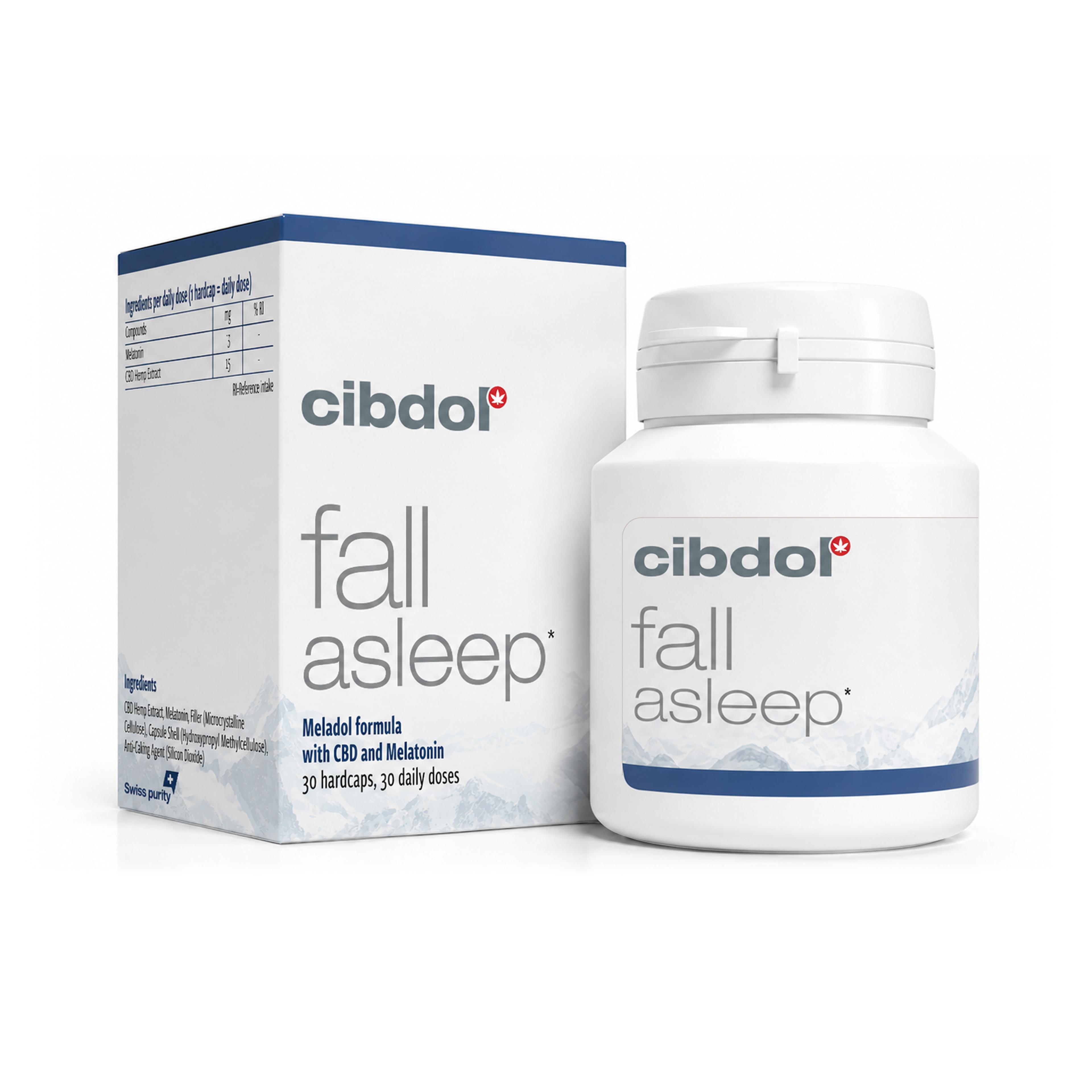
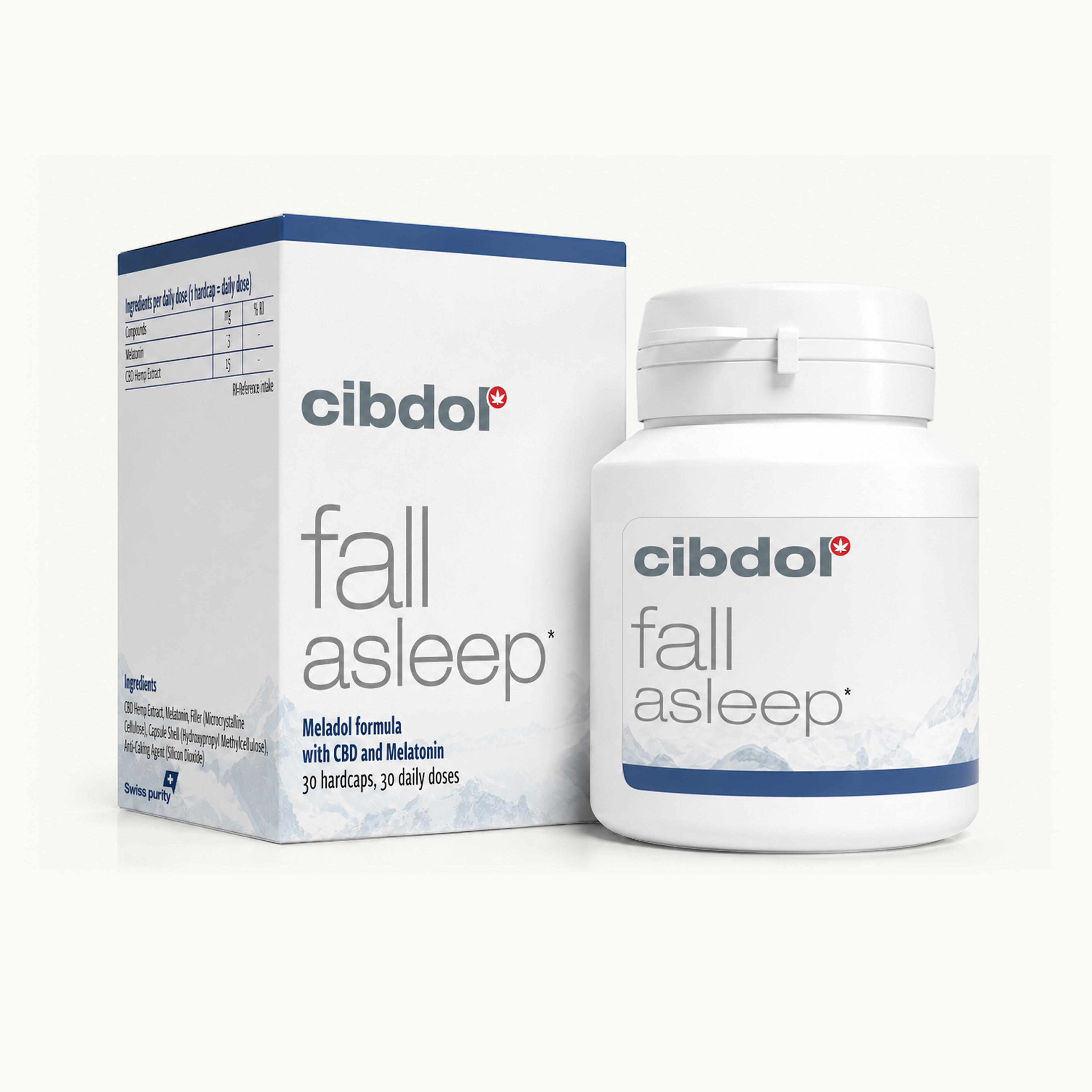
- The EU list of authorised health claims includes an entry for melatonin, a substance that is not a cannabinoid. Cannabidiol and cannabinol have no entry on that list. So Cibdol makes no equivalent claim for either, and points to the published research instead.
Preliminary means exactly that: early-stage, often small or laboratory-based, and not a basis for expecting a particular outcome.
Building an evening routine you can keep
- Most people take it in the evening, about an hour before bed, and keep to roughly the same hour each day.
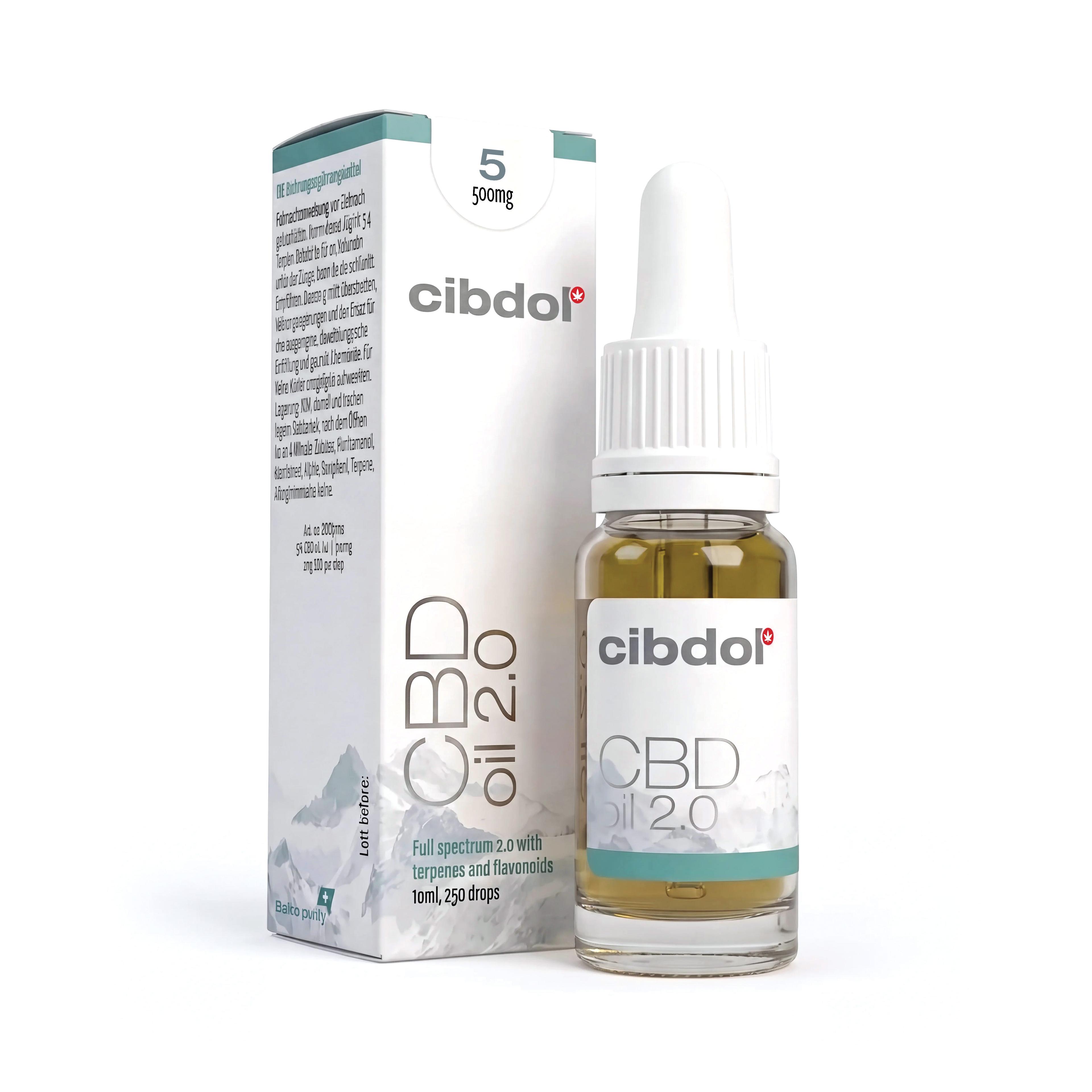
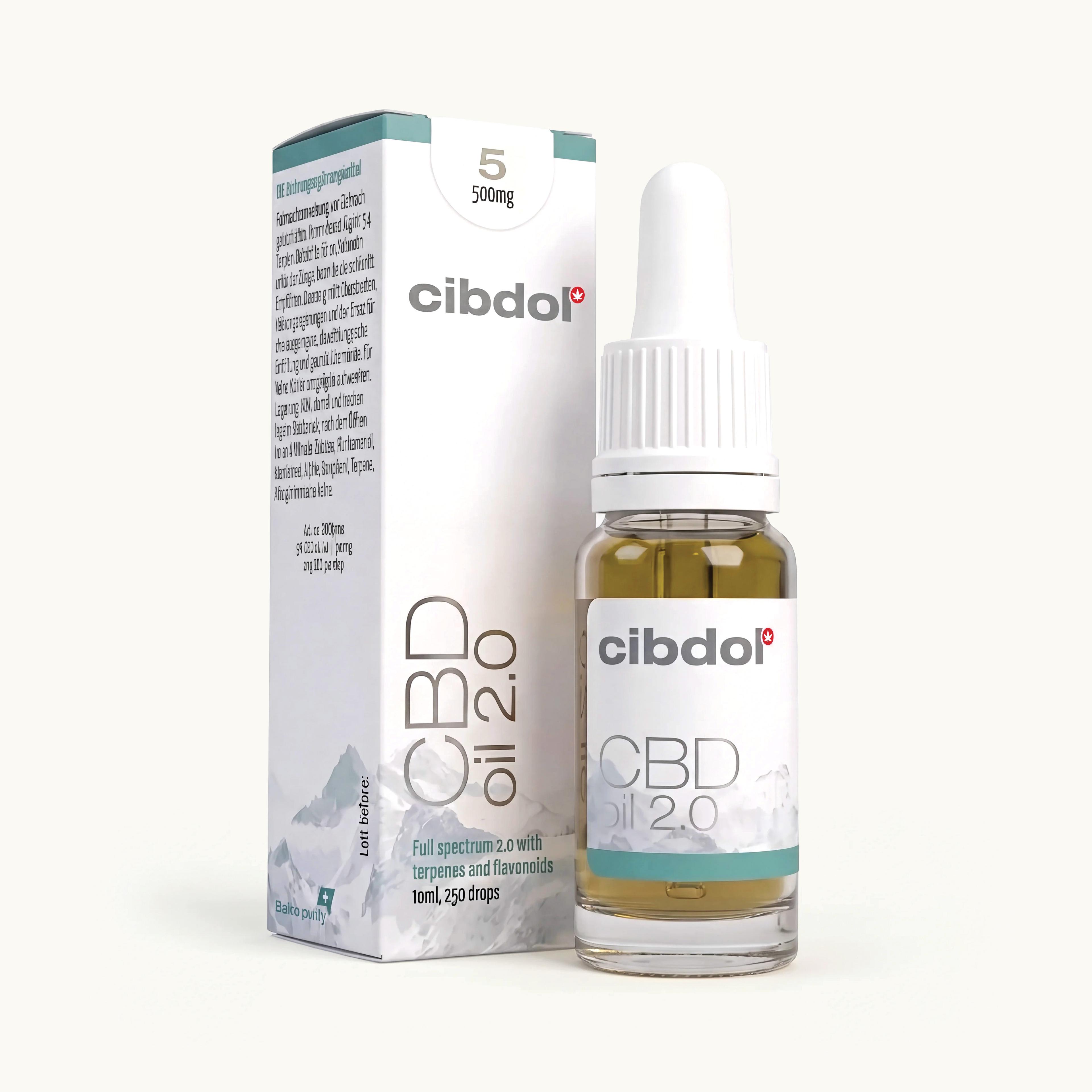
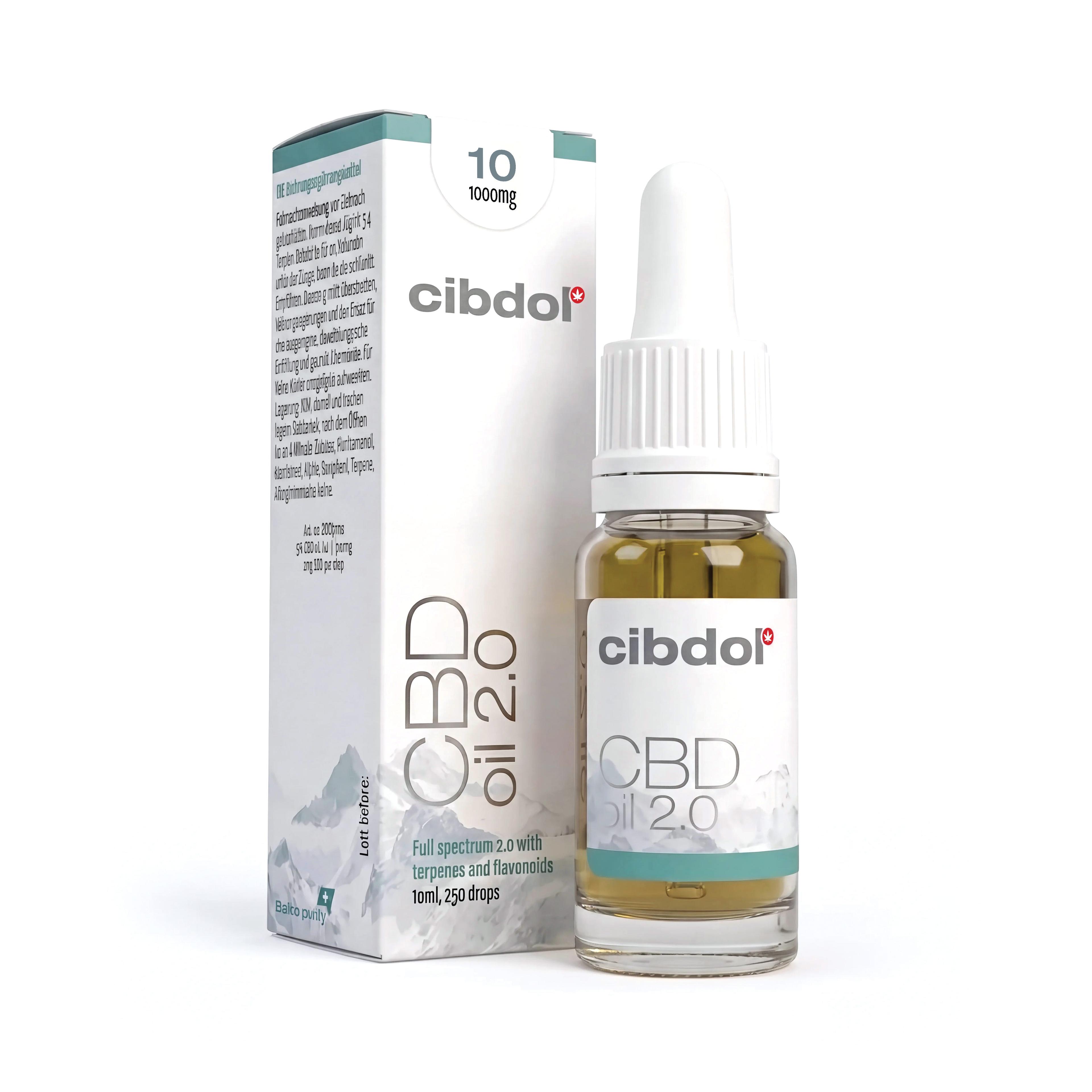
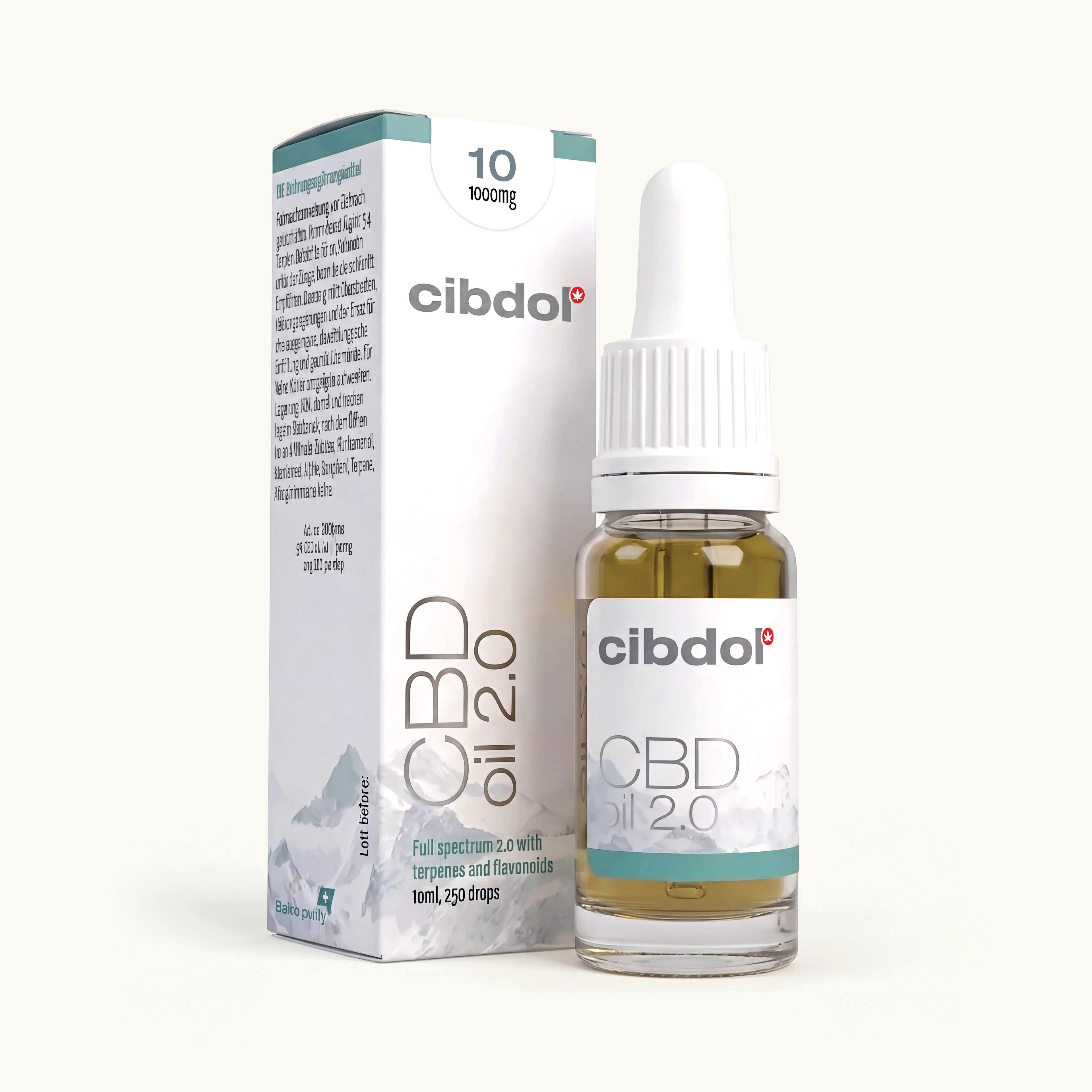
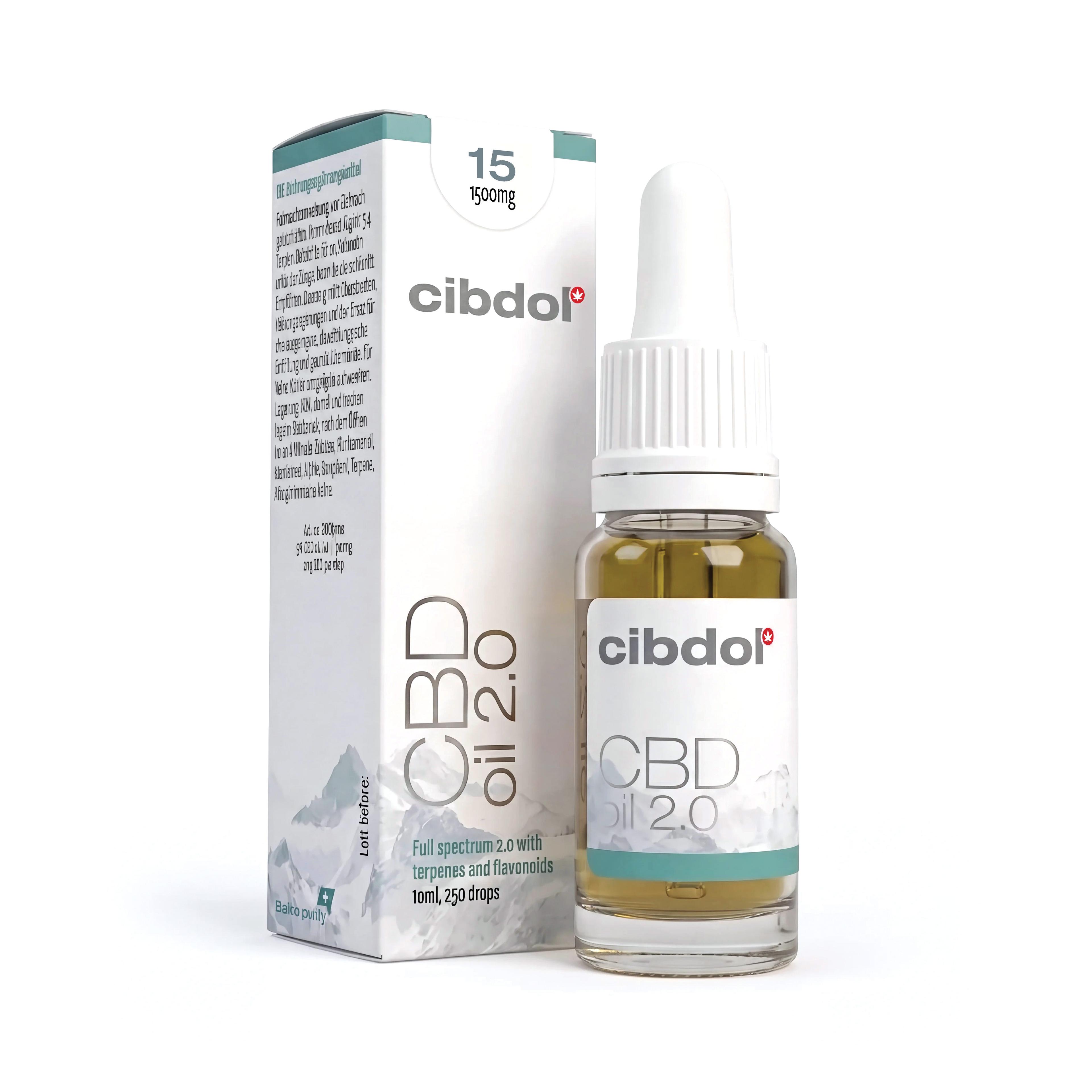
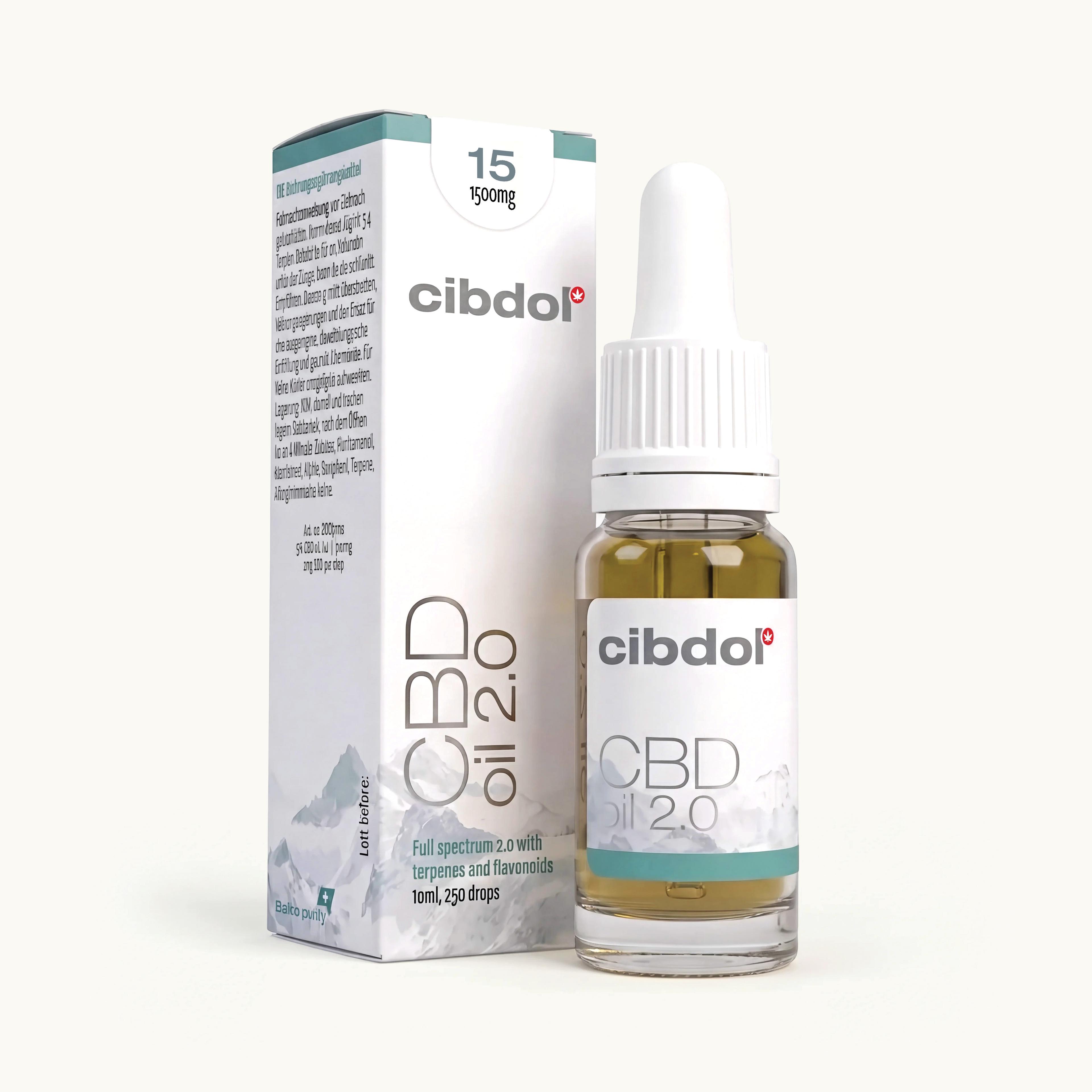
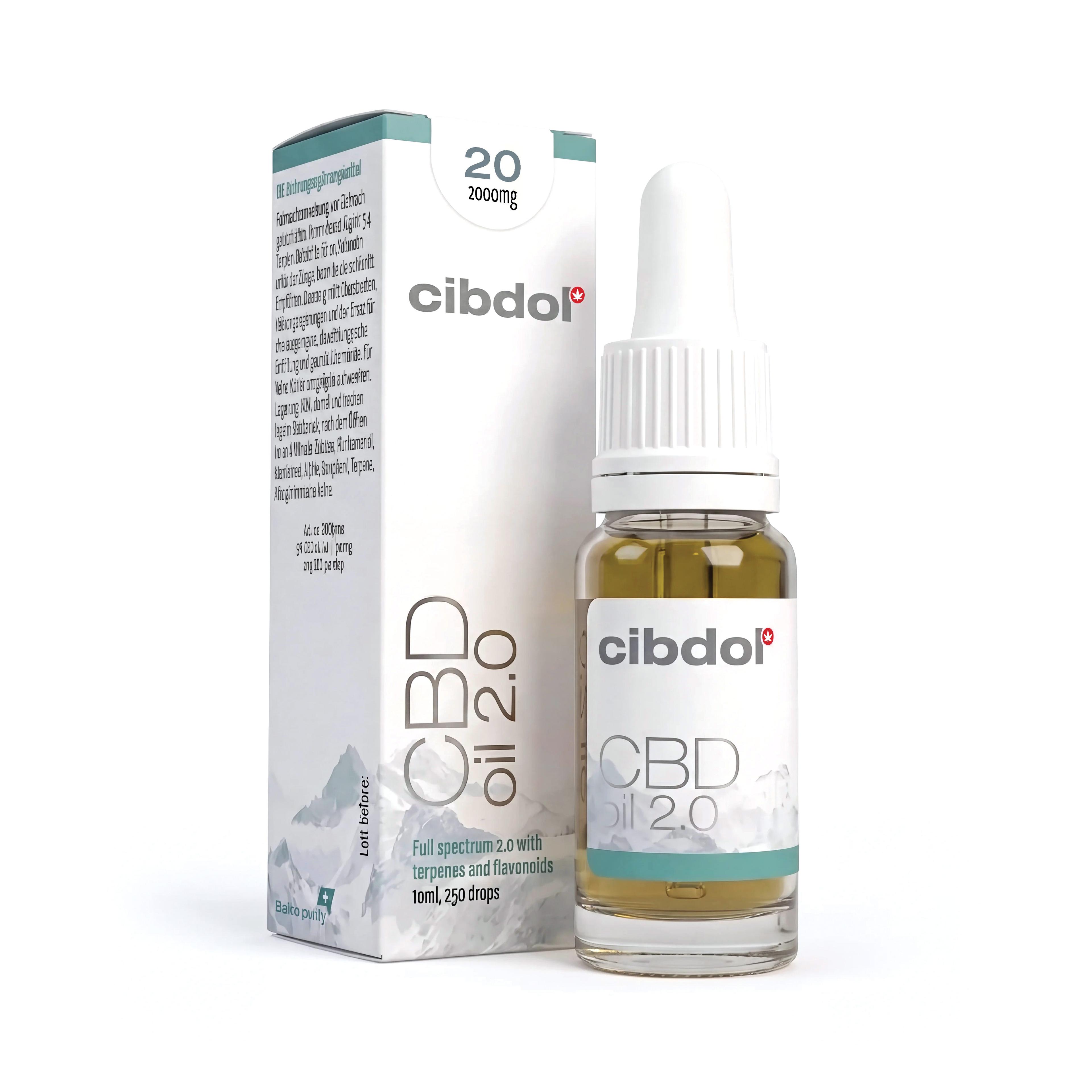
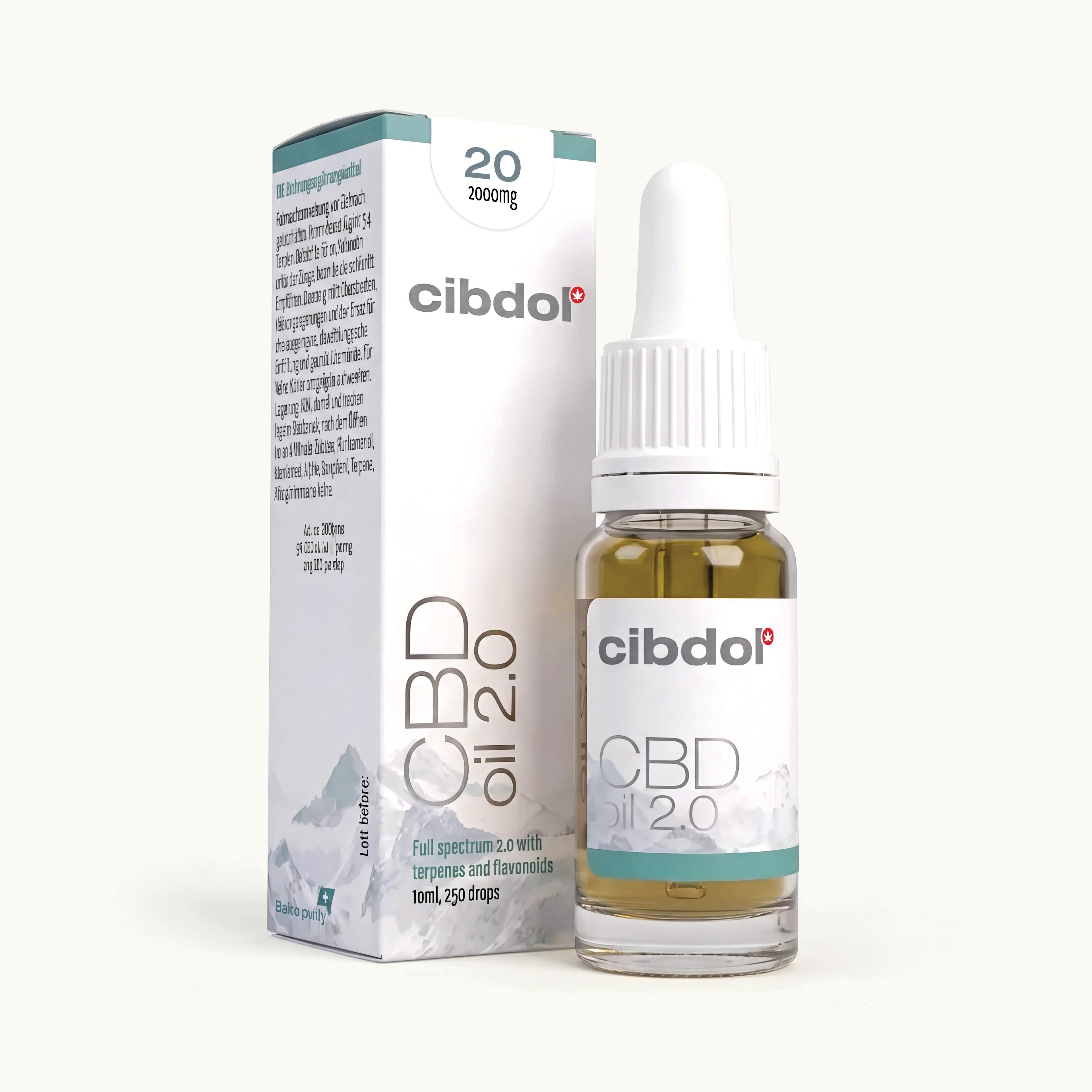
- Oil goes under the tongue and stays there for about a minute before swallowing, which is how the CBD oil 2.0 range is made to be used.
- Cibdol also has an evening range, formulated for that part of the day. It sits alongside the oils rather than replacing them.
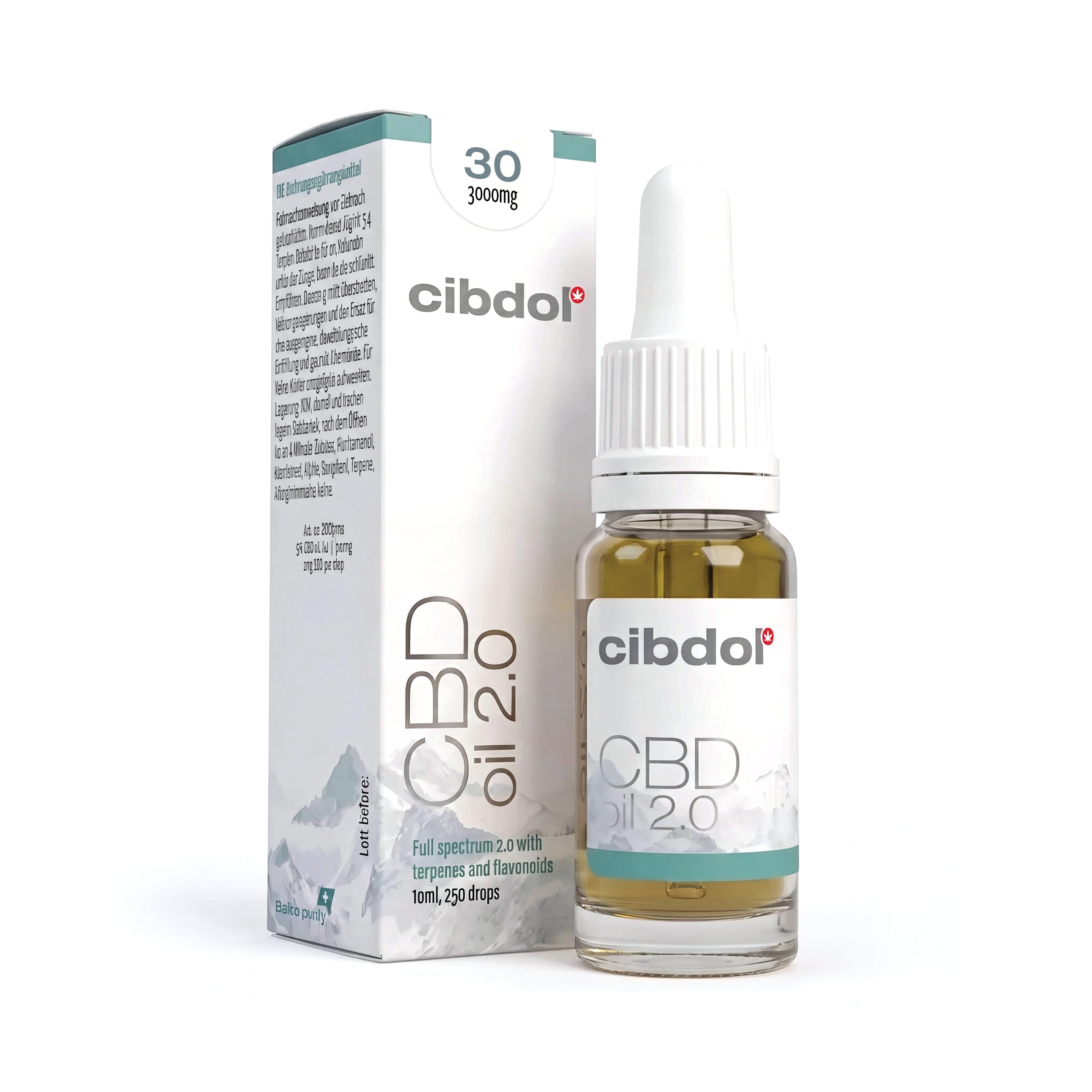
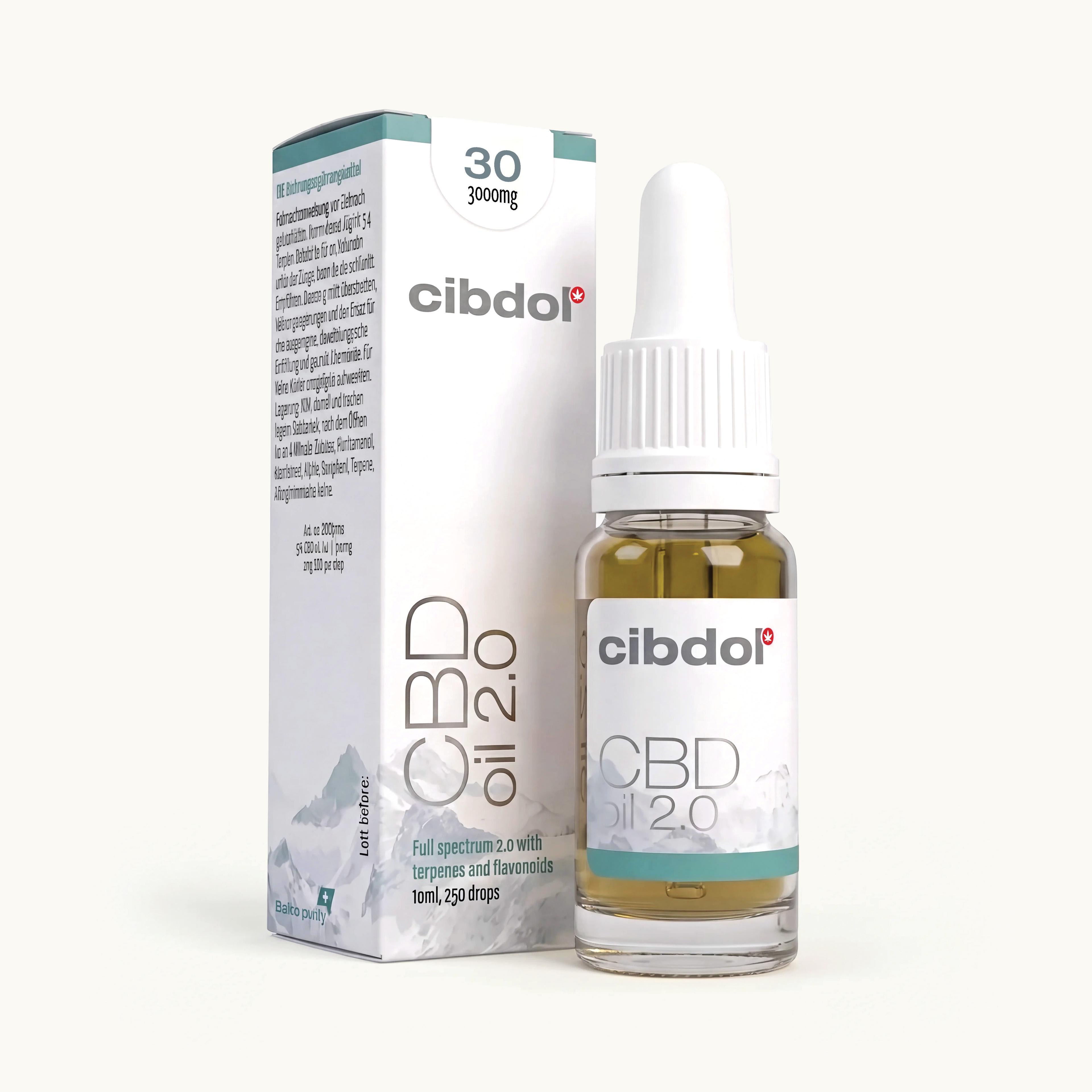
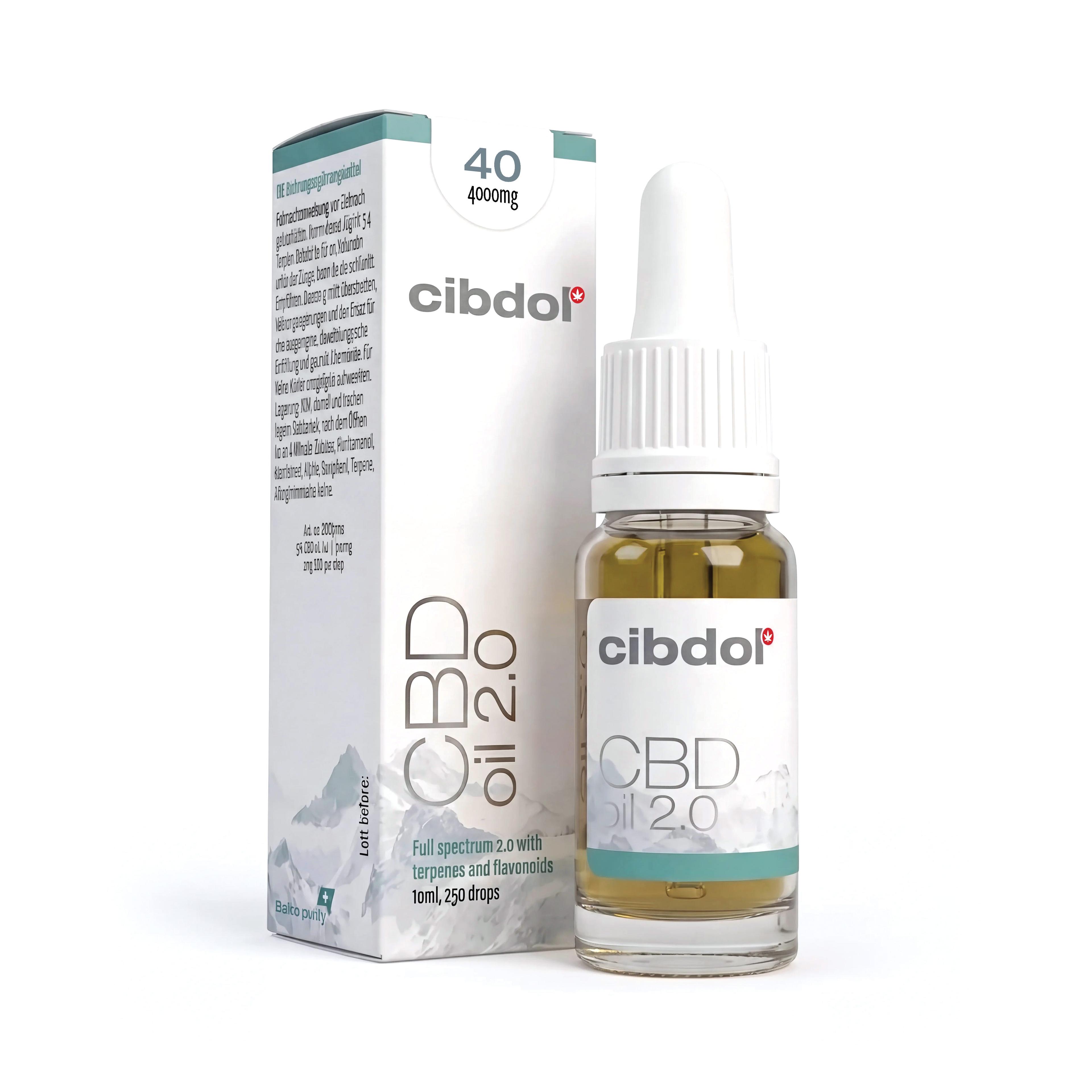
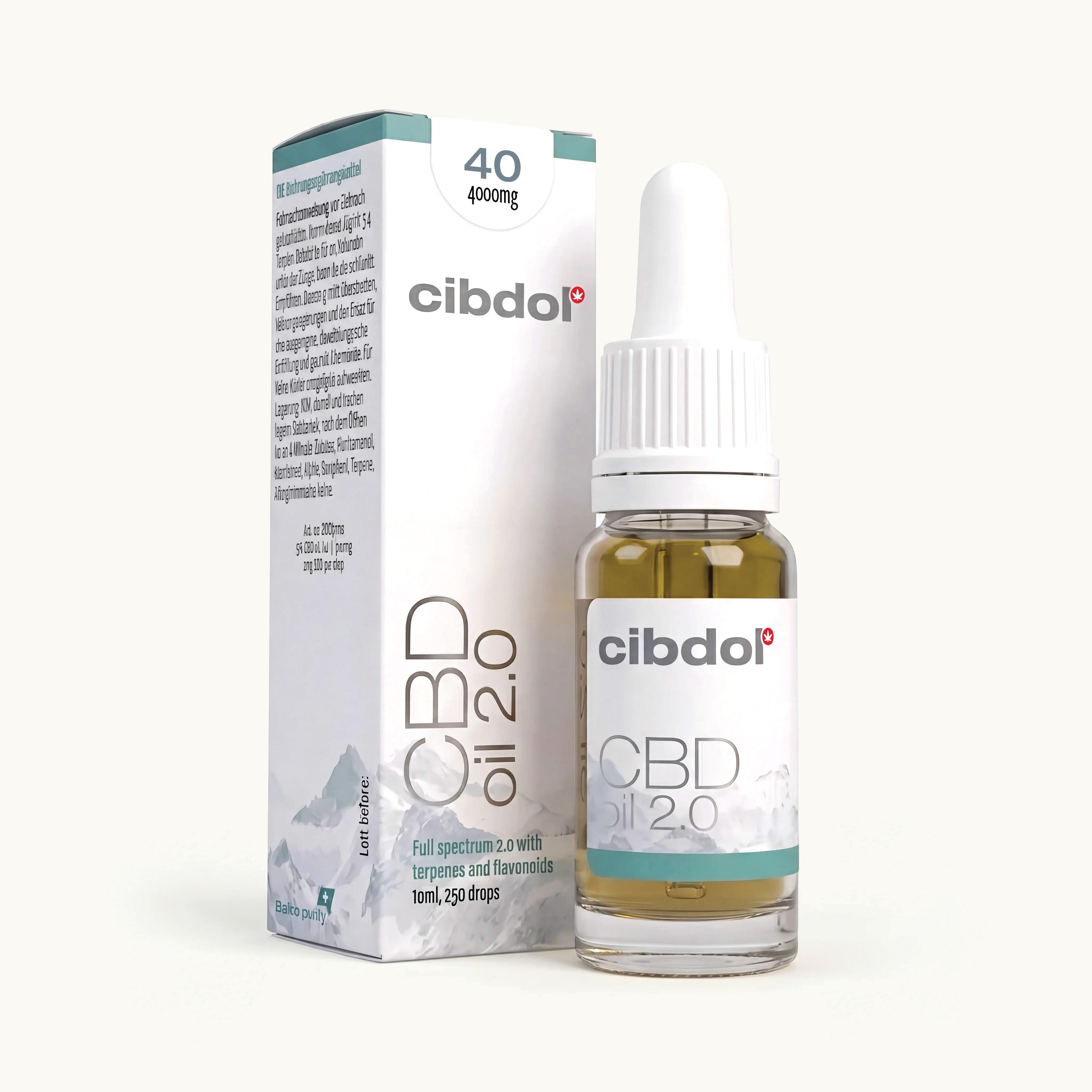
- A percentage on the label describes concentration, not bottle size. Six strengths share one 10ml dropper bottle, and every batch has a published COA.
Papers and regulations behind this page
- Shannon (2019), The Permanente Journal. A retrospective, uncontrolled case series. doi:10.7812/tpp/18-041
- Suraev (2020), Sleep Medicine Reviews, a systematic review of preclinical and clinical cannabinoid work. doi:10.1016/j.smrv.2020.101339
- Corroon (2021), Cannabis and Cannabinoid Research. A review of how thin the controlled human evidence on cannabinol is. doi:10.1089/can.2021.0006
- Millar (2018), Frontiers in Pharmacology. A systematic review of human pharmacokinetics. doi:10.3389/fphar.2018.01365
- Commission Regulation (EU) No 432/2012. The EU list of authorised health claims, which includes the melatonin entry.
Cited to let you check the primary literature yourself. Inclusion is not evidence of an effect.
Other reasons people use CBD
Transparency you can check for yourself
Questions about this topic
What has research reported on cannabidiol and sleep?
Two papers carry most of the weight here. A 2019 retrospective case series in The Permanente Journal documented cannabidiol among people presenting with anxious feelings and poor rest, uncontrolled and without a comparison group. Reviewers in 2020 surveyed the wider cannabinoid literature and concluded that the clinical evidence stays limited and mixed. Early, in other words.
Is CBD classed as a sedative in the research?
No. Cannabidiol is not a sedative in the pharmaceutical sense, and the research literature does not describe it as one. The same literature does not describe it as an alerting compound either. Individual responses vary, and a 2018 systematic review by Millar reported wide differences between people in how cannabidiol is absorbed and cleared. So expectations should stay modest.
CBD or melatonin: what is the difference?
Melatonin is a different substance from any cannabinoid, and the EU list of authorised health claims contains an entry for it. Cannabidiol has no entry on that list, so Cibdol makes no matching claim for its oils. Comparing the two really means comparing two substances sitting on two very different evidence bases. Worth knowing before you shop.
Has CBN been studied for rest?
Barely. Cannabinol, or CBN, appears often in popular writing, but a 2021 review in Cannabis and Cannabinoid Research examined the controlled human trials and found very few of them. Preclinical work exists. Human data on cannabinol and rest is thin, as those reviewers reported, which is why Cibdol describes CBN as lesser-studied rather than proven.
When in the evening do people take CBD oil?
Most people take it in the evening, roughly an hour before bed, and keep the timing steady from one day to the next. Under the tongue, held for about a minute, then swallowed. Some prefer it earlier, after dinner. There is no single right hour, and consistency matters more than precision here.
Which strength makes sense for an evening routine?
Concentration and amount are separate things. A percentage on the label tells you how concentrated the oil is, not how much sits in the bottle, and all six strengths of CBD oil 2.0 come in the same 10ml dropper bottle. Cibdol also has an evening range. If you take prescribed medication, speak to your doctor before adding anything new.
Is an evening CBD oil intoxicating?
No. Hemp-derived CBD is non-intoxicating, and Cibdol products stay inside the legal THC limits. Every batch is analysed by an independent laboratory and the certificate of analysis is published, so the cannabinoid content is something you can check yourself rather than take on trust. That has been the standard here since 2014.
Millions of people can’t be wrong!
We word things carefully because EU law only permits health claims a regulator has assessed and authorised. For CBD, that has not happened. So we describe what is being researched, and stop there.
Could some of it be placebo? Some of it probably is: placebo effects are strongest for subjective things like comfort, rest and mood.
But millions of Europeans use CBD year after year, and people rarely keep buying something that does nothing for them. That is not proof: it is also not nothing.
Our promise: a certificate of analysis for every batch, and an honest word whenever the evidence is thin.
