How Cibdol CBD oil 2.0 is made
Hemp doesn't make CBD. It makes cannabidiolic acid, and heat is what converts it. Below: the plant chemistry, the CO2 step and the batch numbers behind CBD oil 2.0.
From field to bottle
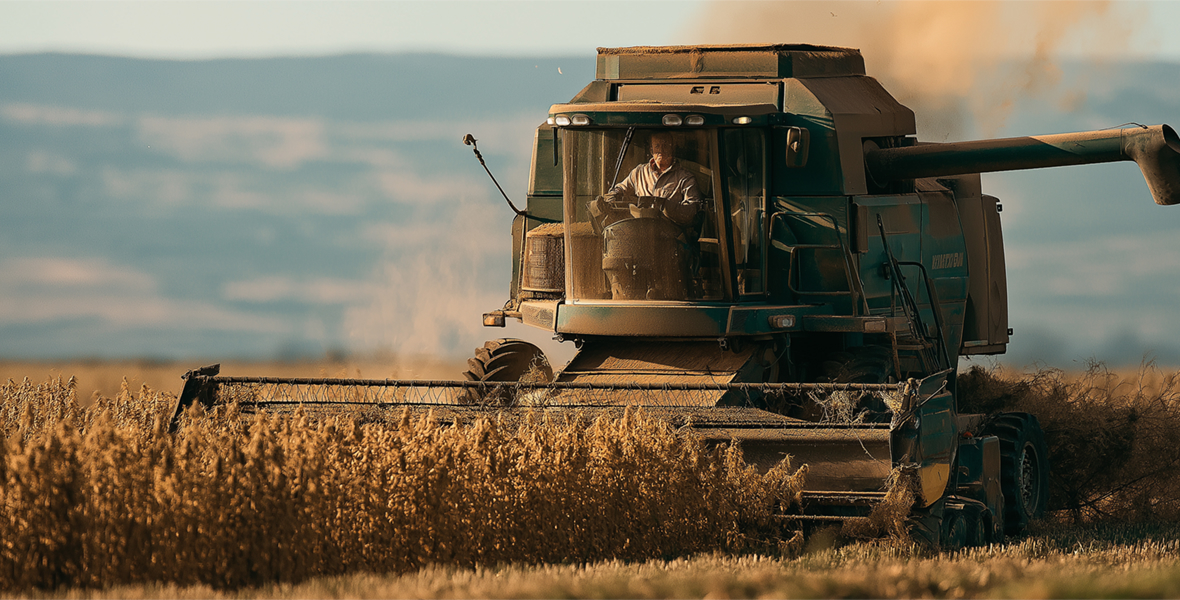
- 01Hand-picked hempHemp plants are carefully selected and hand-picked for their high CBD content.
- 02Five crop varietiesRather than relying on a single variety, five separate crop varieties are combined to raise the levels of all the essential cannabinoids naturally: CBD, CBN, CBG, CBC and CBDa.
- 03PurificationAll the selected crop material goes through a high-quality purification process.
- 04FilteringUnwanted substances are removed: THC, waxes, fats and chlorophyll.
- 05Preserving the good partThe terpenes and flavonoids are deliberately kept alongside the cannabinoids, so the finished oil carries the full profile rather than a stripped one.
- 06Blending to the 2.0 profileThe extract is standardised in a carrier oil to a fixed ratio: CBD at the stated percentage, with CBN, CBG, CBC and CBDa at measured levels in the balance the plant produces them.
- 07Independent analysisEvery batch is analysed by an independent laboratory for cannabinoid content and purity. Nothing is released before the certificate is in.
- 08Bottling & batch numberBottled with a batch number on the label, so the certificate for the bottle you will be holding can be looked up at any time.
What we measure, and why
Nothing growing in a hemp field contains cannabidiol. The living plant builds acids, and the one that matters here is cannabidiolic acid, or CBDA. Heat is what turns that acid into the CBD printed on a label, in a reaction called decarboxylation. If the chemistry itself is what interests you, our page on decarboxylation follows that reaction on its own, without the production context around it.
The plant builds its cannabinoids in a fixed order
Hemp does not begin with cannabinoids. It begins with a small molecule and a ring reaction. Gagne (2012) identified olivetolic acid cyclase in Cannabis sativa, the enzyme that closes that first ring[1]. Once the ring exists, a hemp transferase attaches a prenyl side chain to olivetolate, and Fellermeier (1998) reported that this prenylation yields cannabigerolic acid, CBGA[2]. CBGA is the parent molecule. Every other cannabinoid acid in the plant comes from it.
From that branch point, separate enzymes take the same precursor in different directions. One route ends in cannabidiolic acid, and Taura (1996) purified and characterised cannabidiolic-acid synthase from Cannabis sativa, the enzyme behind that conversion[3]. Other routes produce the acid forms that sit behind THC and CBC. Which route dominates comes down to genetics, which is why a variety is selected rather than simply sown. Cibdol hemp is EU-grown, and that choice of plant material is the first specification in the whole chain. Our overview of CBDA covers the acid as a compound in its own right, since it stays in the finished oil as a declared ingredient.
Decarboxylation, the heat step behind the label
Decarboxylation removes a carbon dioxide group from the acid form. What remains is the neutral cannabinoid, lighter by that small piece of itself. Wang (2016) measured the reaction directly in cannabis extracts and reported that how completely it runs depends on temperature and time[4]. That is the entire control problem in one sentence. Too little heat, or too short a hold, and acids stay acids. Push too far in either direction and you have gone past the target. So the step runs to a set temperature for a set time, and the result is checked afterwards rather than assumed.
| Acid form in the plant | Cannabinoid after heat |
|---|---|
| CBDA, cannabidiolic acid | CBD |
| CBGA, cannabigerolic acid | CBG |
| CBCA, cannabichromenic acid | CBC |
Why carbon dioxide instead of a solvent?
Push CO2 above its critical point and it stops behaving strictly like a gas or strictly like a liquid. It does some of both. It moves through plant material the way a gas does, and it dissolves compounds the way a liquid does. Rovetto and Aieta (2017) extracted cannabinoids from Cannabis sativa this way and reported that adjusting pressure and temperature changes what comes out of the plant[5]. That is the useful part. The solvent is tunable, so the same raw material can be worked in more than one way.
The other property is simpler: the CO2 leaves by itself. Drop the pressure and it returns to gas, so there is no residual solvent sitting in the extract waiting to be stripped out. What stays behind is a thick extract of cannabinoids, terpenes and plant waxes, which then goes through refining before anything is blended into oil. Our page on CO2 extraction covers the pressure ranges and the equipment, for anyone who wants to see how the method is actually run.
Standardisation is what makes the second bottle match the first
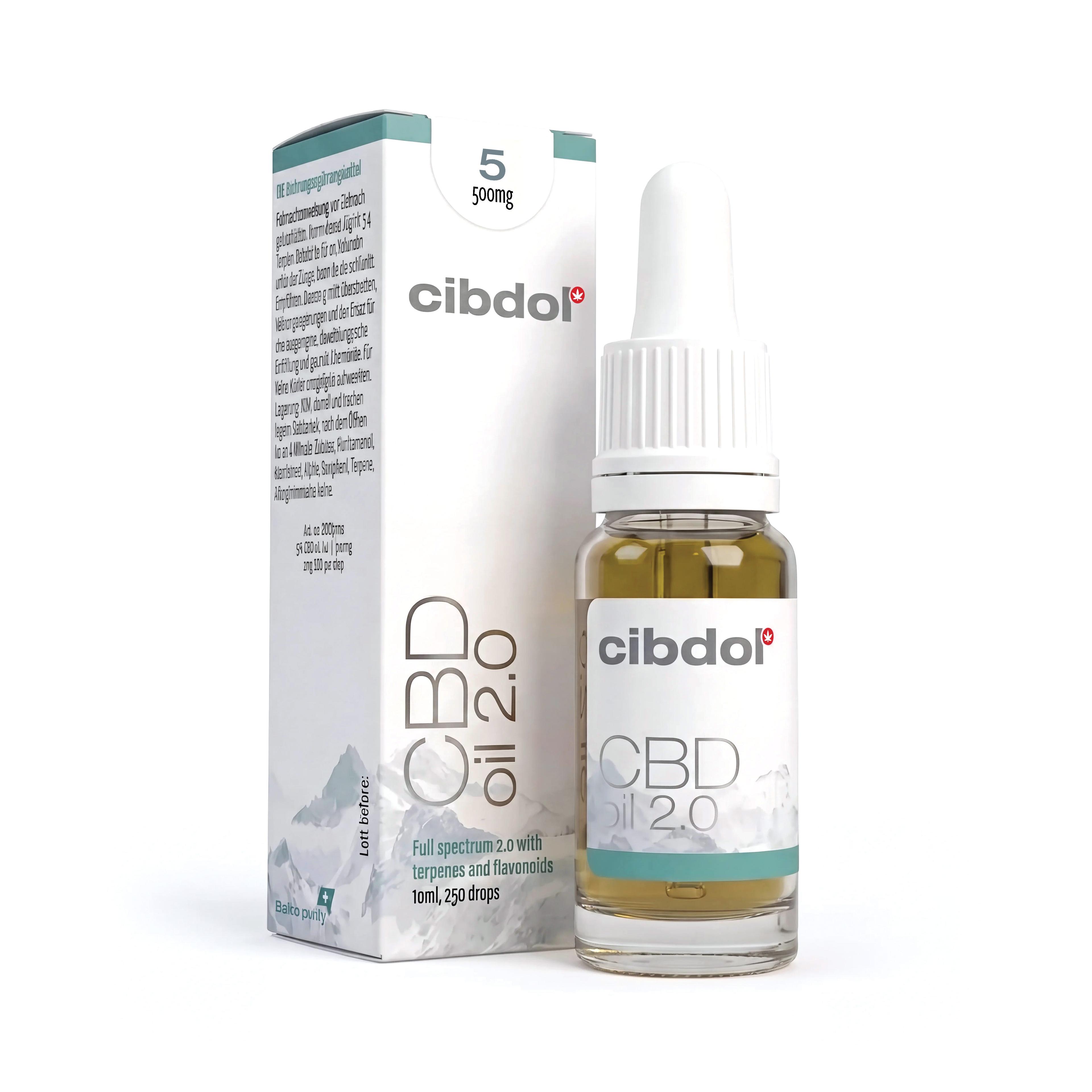
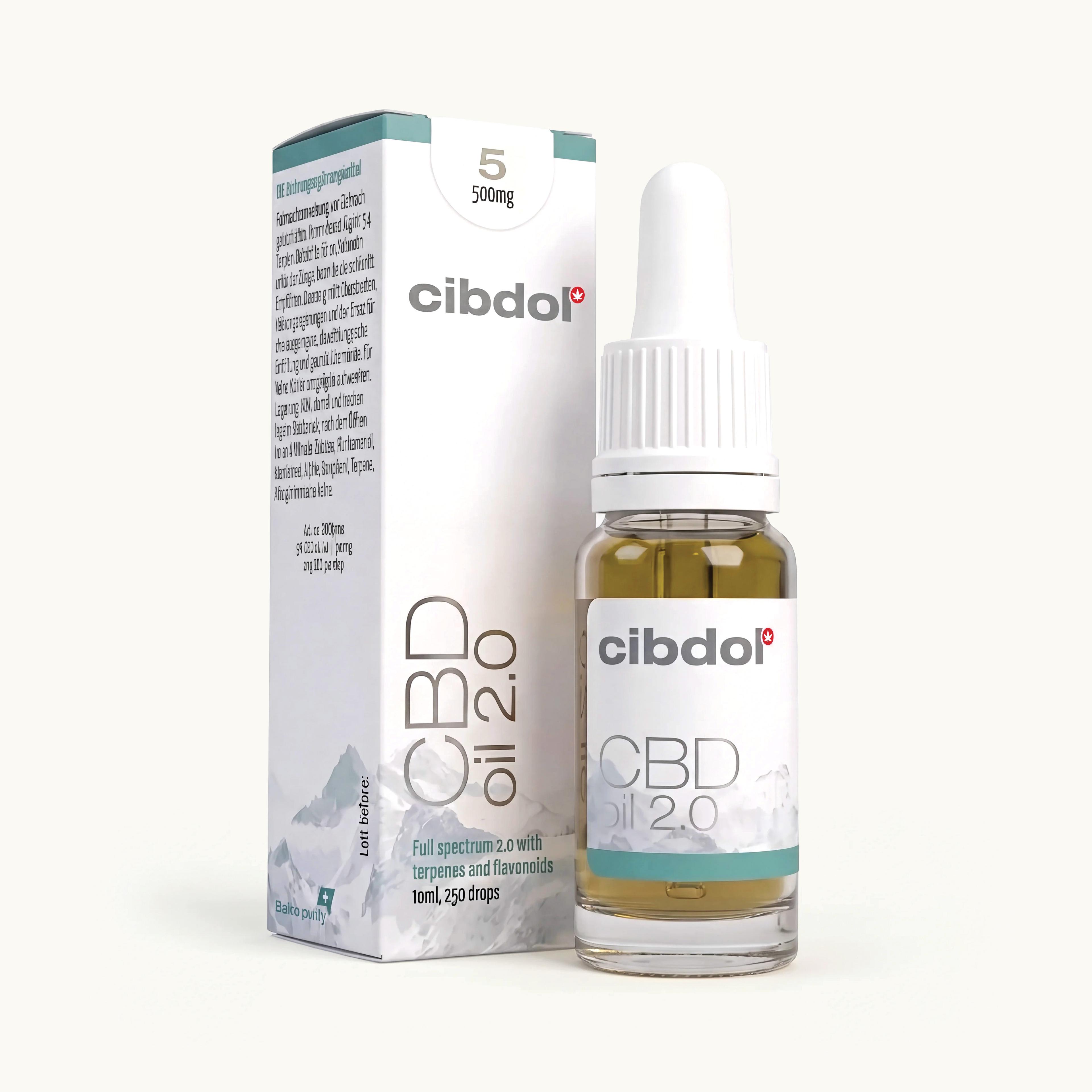
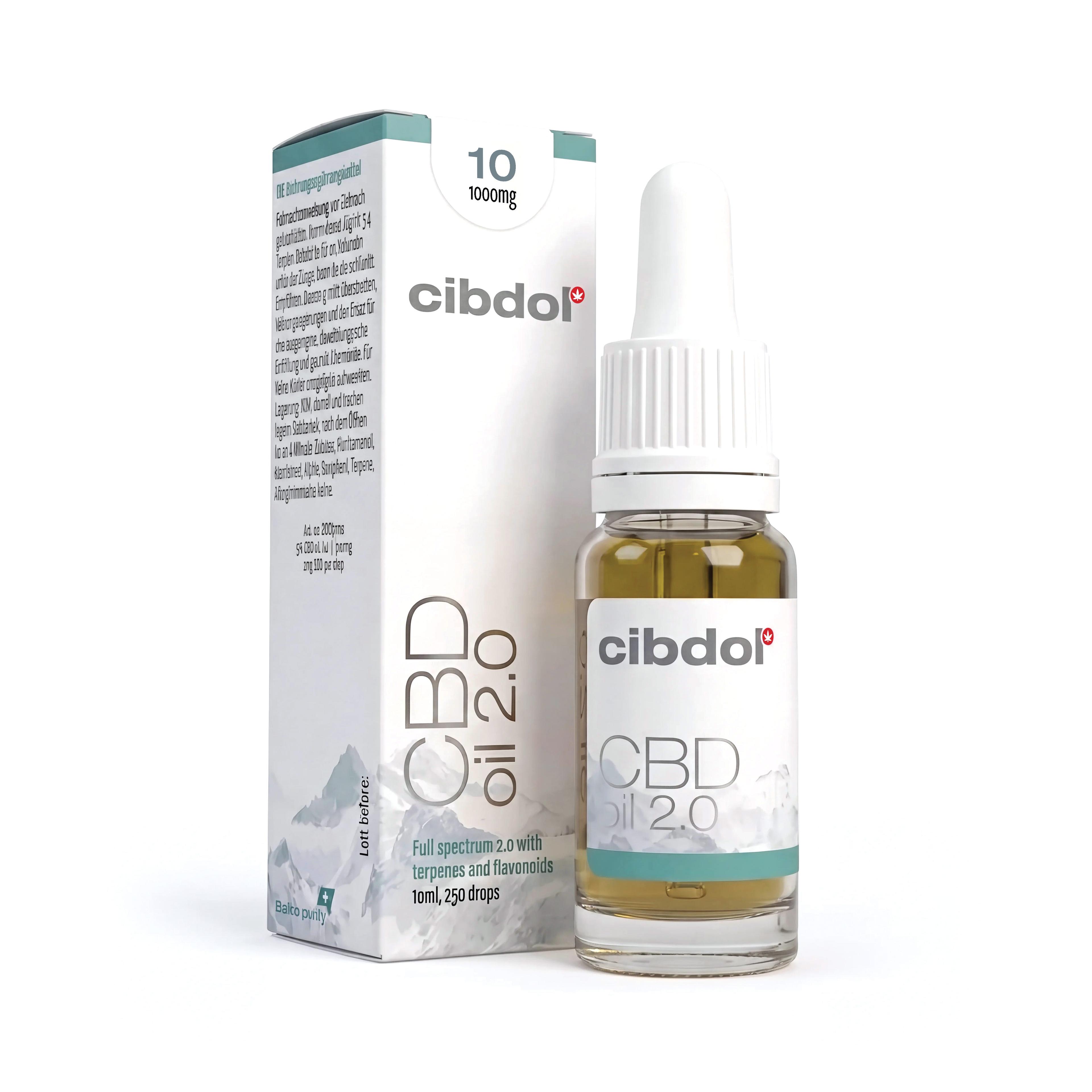
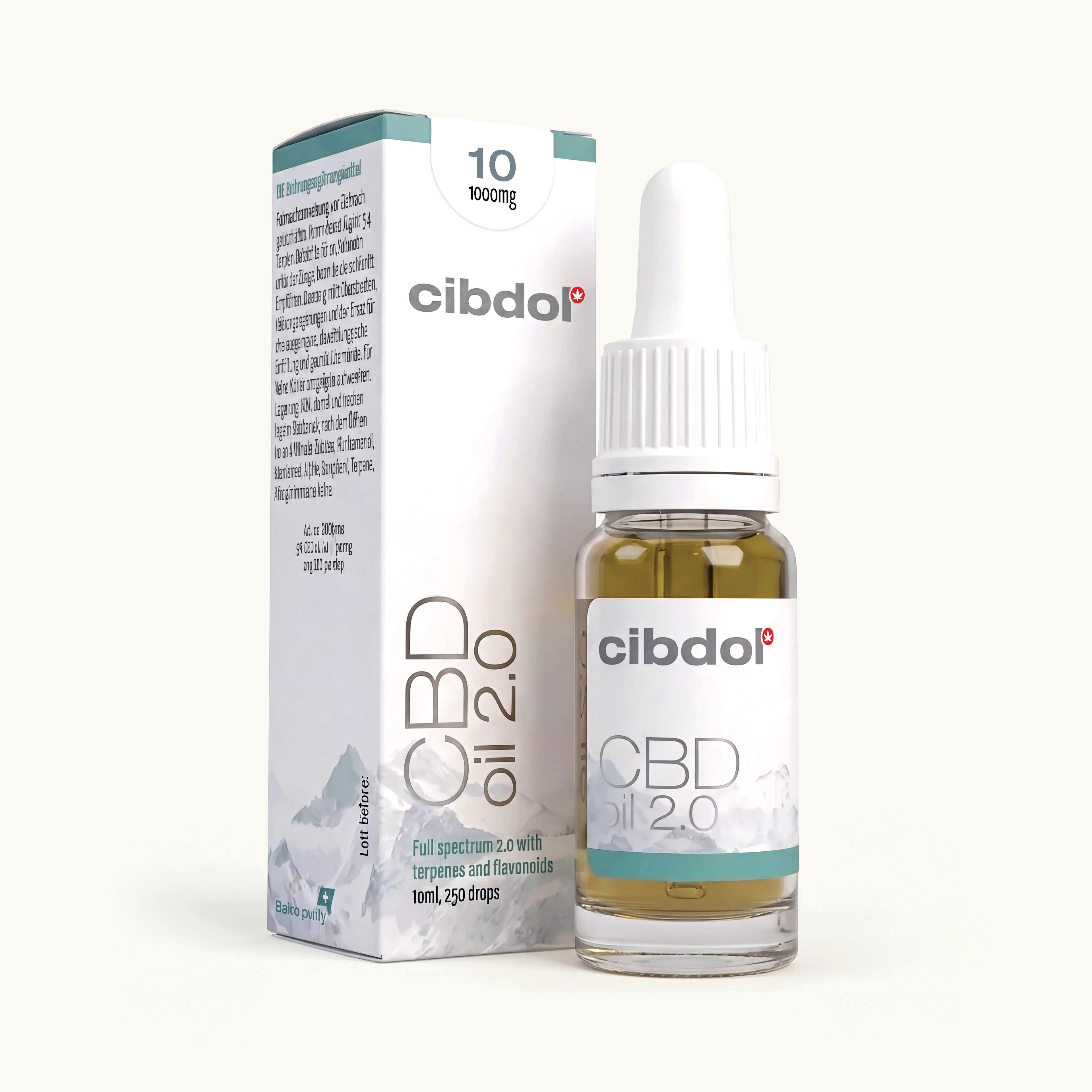
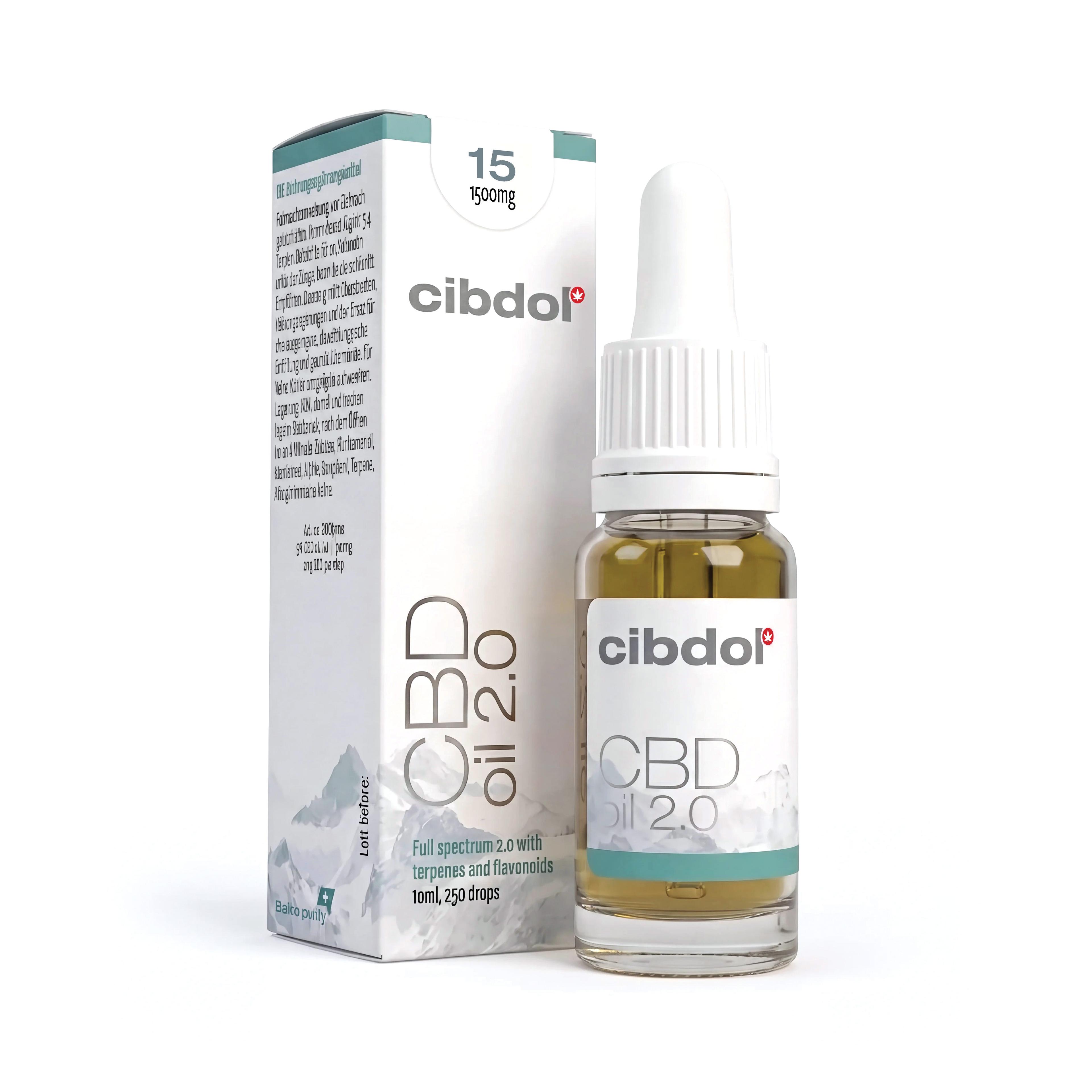
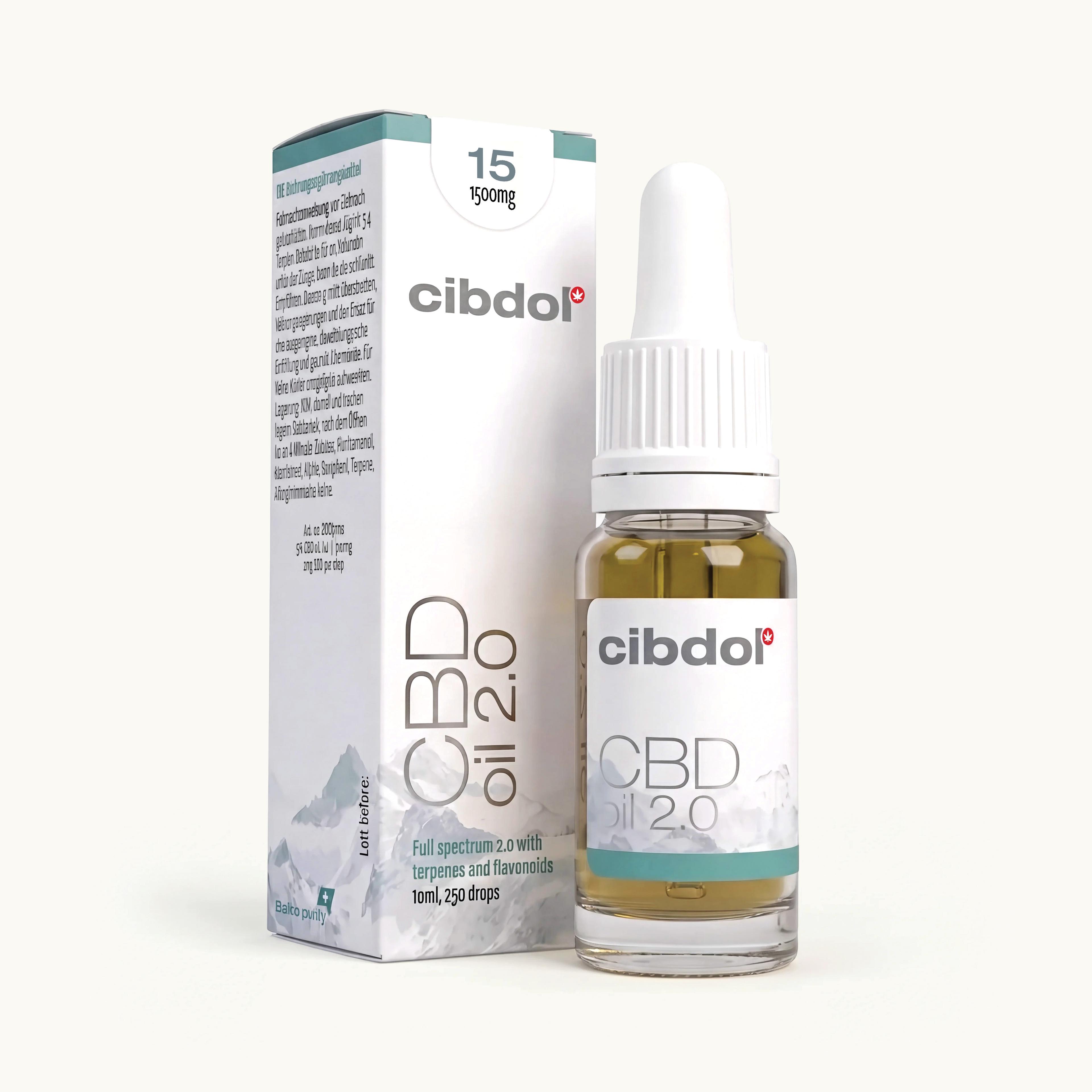
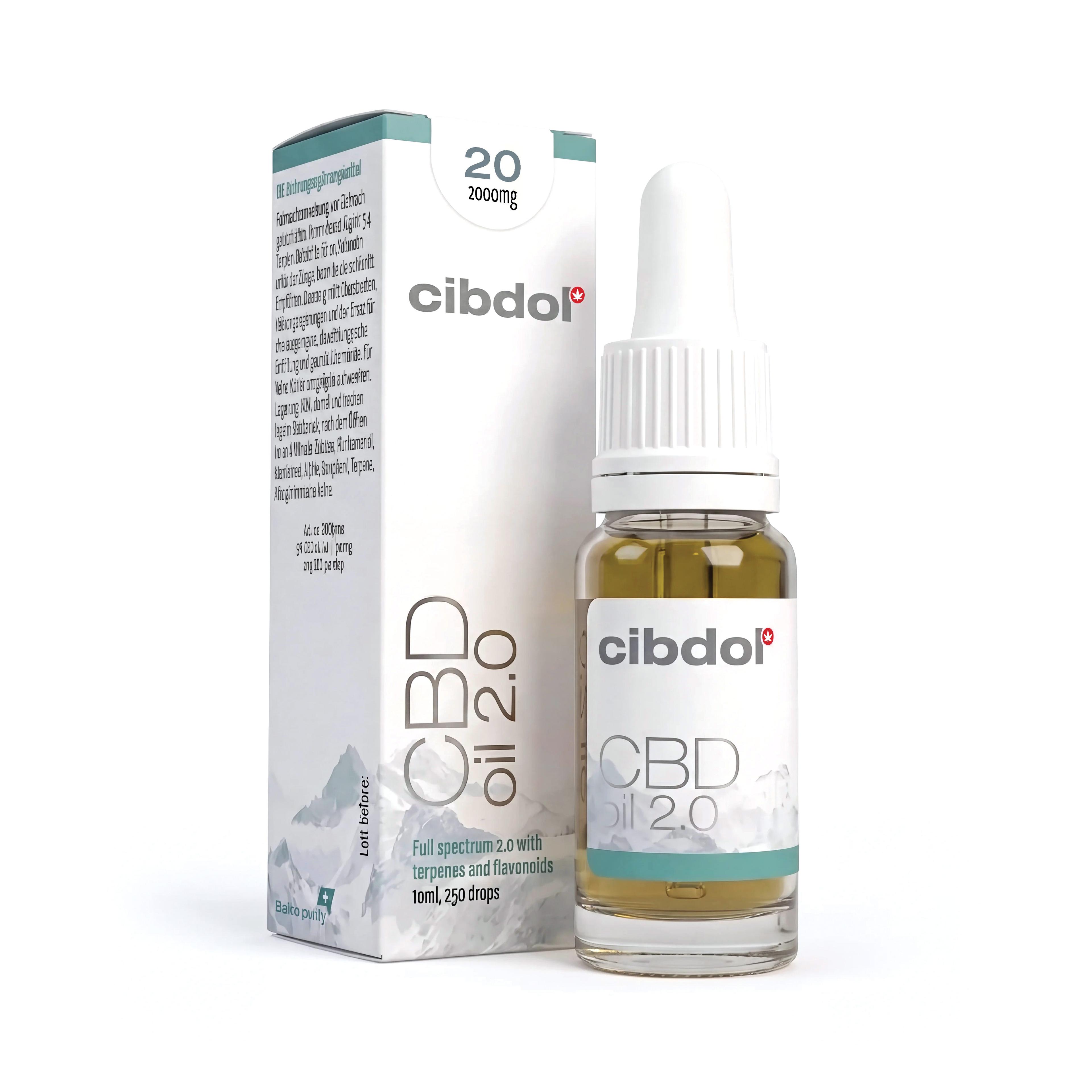
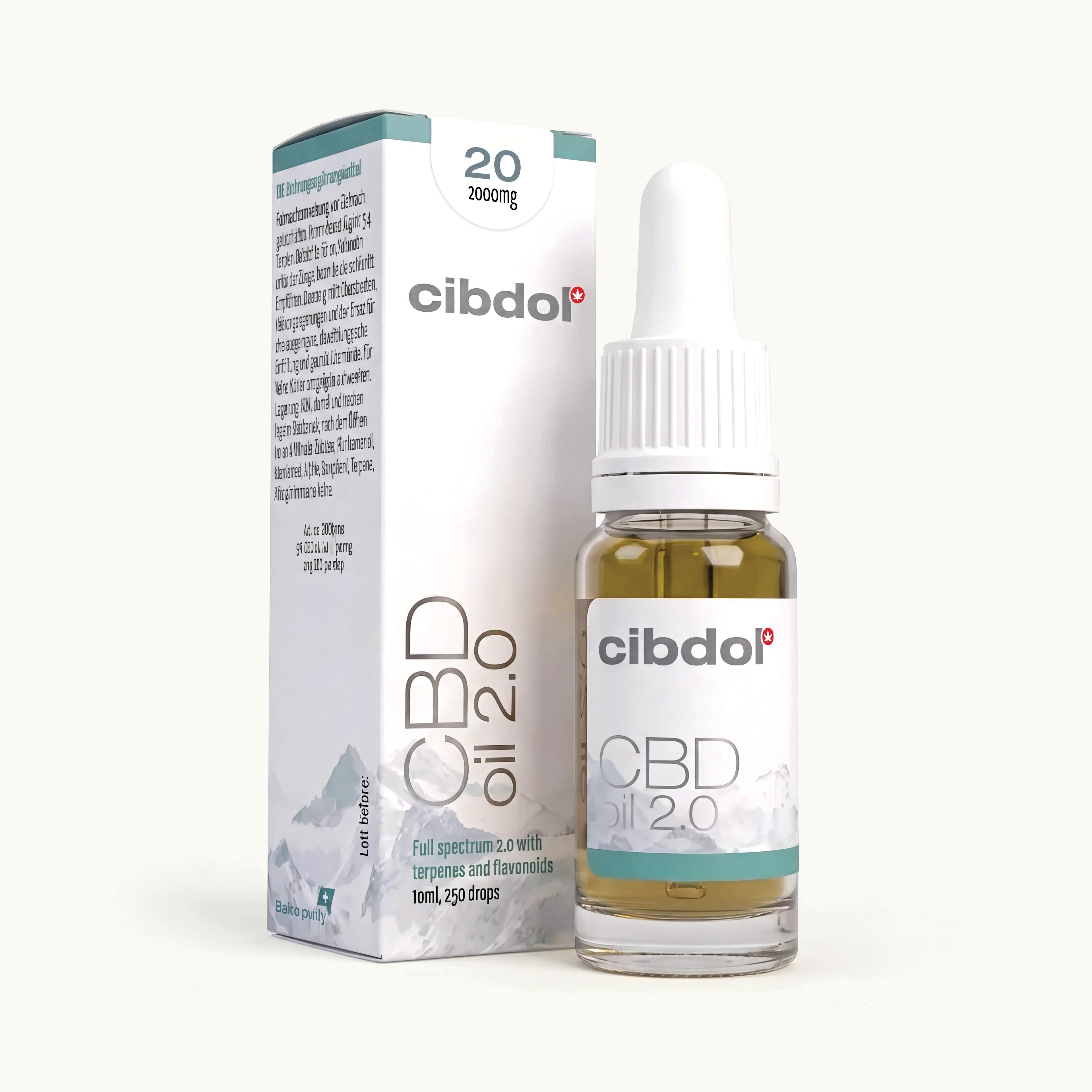
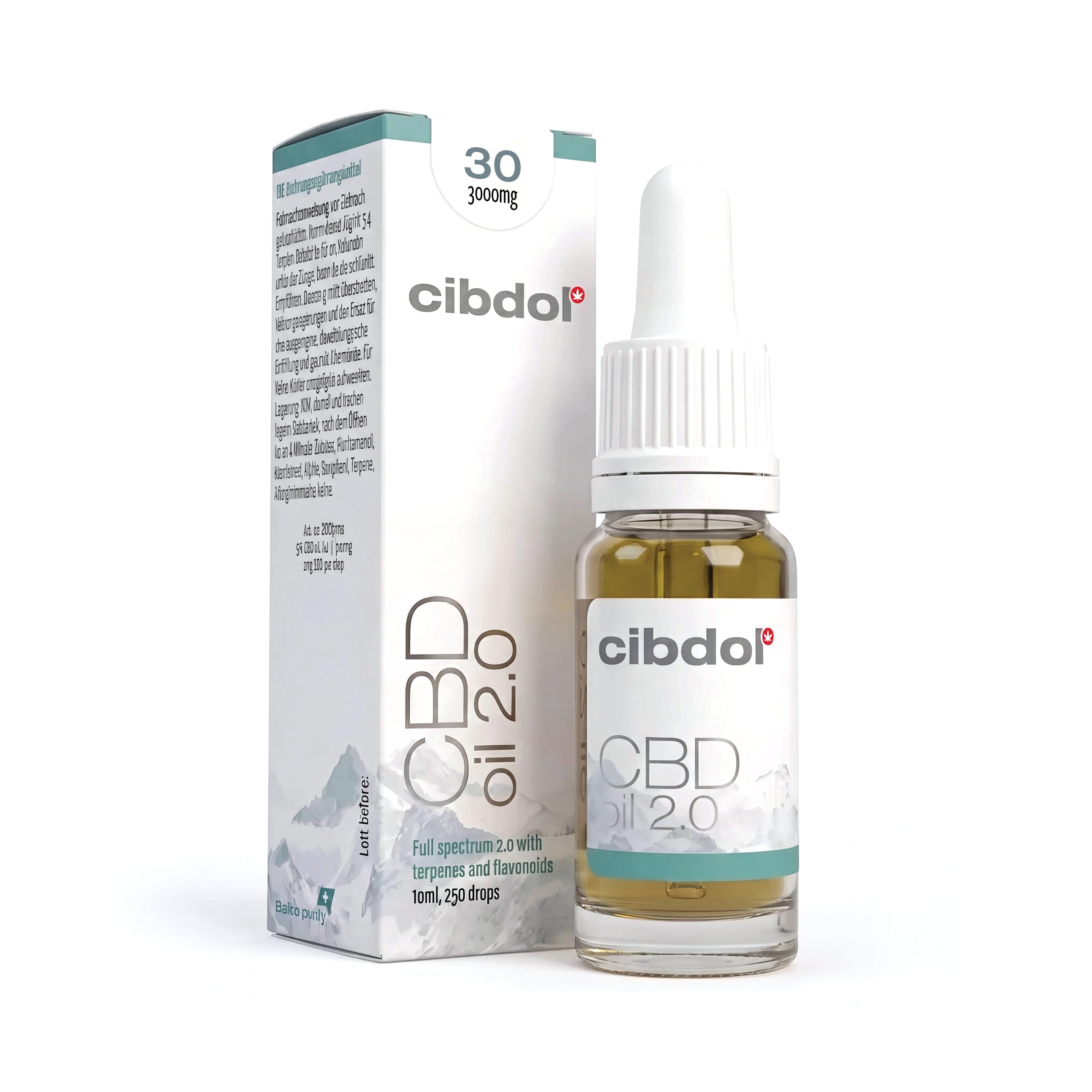
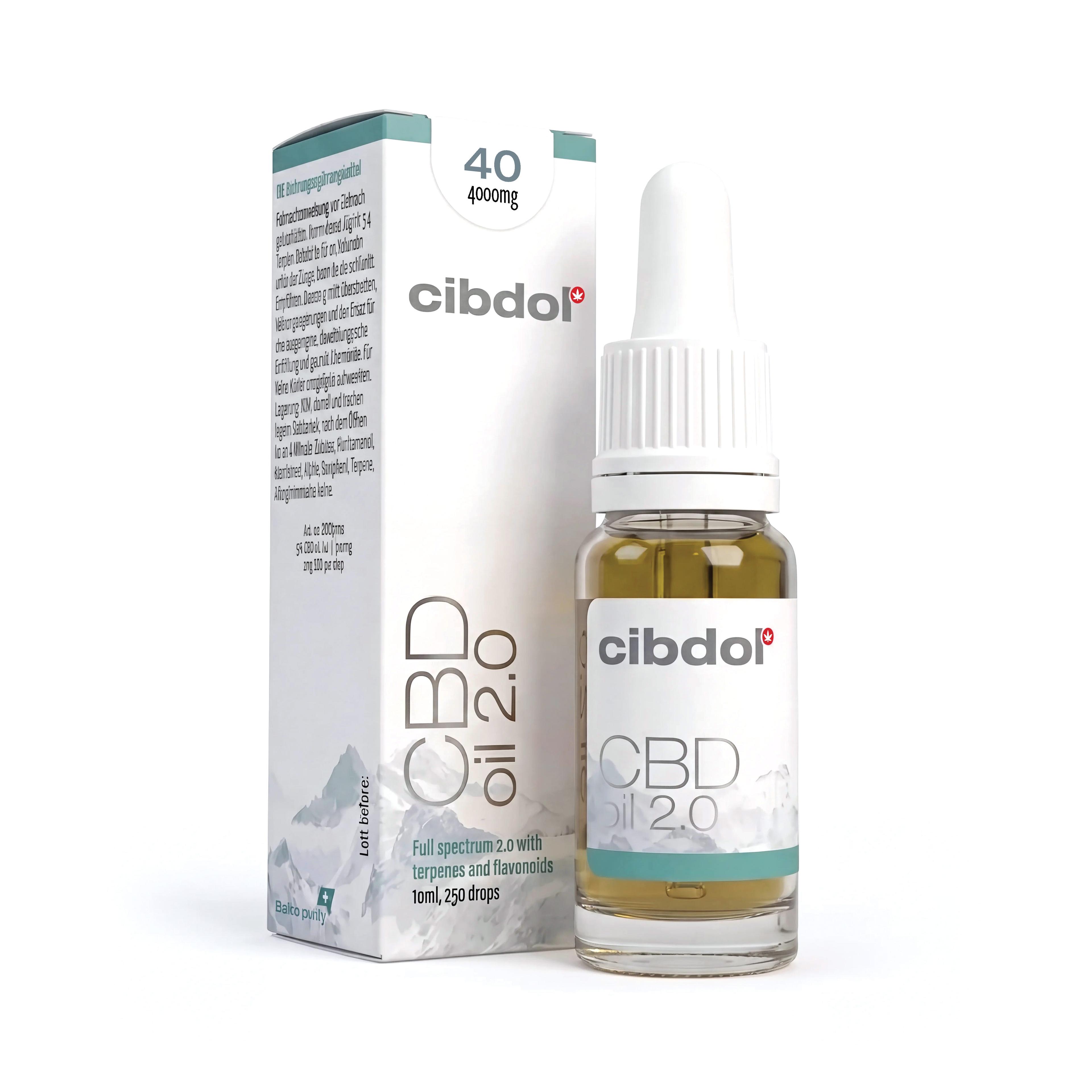
Hemp extract varies from harvest to harvest, because plants do. CBD oil 2.0 is built against that variation: CBN, CBG, CBC and CBDA are raised to measured, declared levels alongside a fixed CBD content, which makes the cannabinoid profile a specification instead of an outcome of the growing season. The formula was developed in Switzerland in 2021 and has not changed since. There are six strengths, 5% to 40%, all in the same 10ml dropper bottle, and the percentage describes concentration. Production runs from Schijndel under ISO 22000 and GMP standards, and every batch is analysed by an independent laboratory. The full certificate of analysis is published, so the numbers for a specific batch can be read on our certifications page before the seal is broken. Cibdol has worked with cannabinoids since 2014, and this is the part of the work that shows up as paperwork rather than marketing.
References
- Gagne (2012). Identification of olivetolic acid cyclase from Cannabis sativa. https://doi.org/10.1073/pnas.1200330109
- Fellermeier (1998). Prenylation of olivetolate by a hemp transferase yields cannabigerolic acid. https://doi.org/10.1016/s0014-5793(98)00450-5
- Taura (1996). Purification and Characterization of Cannabidiolic-acid Synthase from Cannabis sativa L. https://doi.org/10.1074/jbc.271.29.17411
- Wang (2016). Decarboxylation Study of Acidic Cannabinoids. https://doi.org/10.1089/can.2016.0020
- Rovetto and Aieta (2017). Supercritical carbon dioxide extraction of cannabinoids from Cannabis sativa L. https://doi.org/10.1016/j.supflu.2017.03.014
Swiss purity, Dutch home
The 2.0 formula was developed in Switzerland in 2021 and has not changed since. Cibdol is a Dutch company today, and the oil is still produced to that same Swiss formulation, from EU-grown hemp under ISO 22000 and GMP standards.
About CBD oil 2.0Transparency you can check for yourself
Questions about this topic
Does the hemp plant actually contain CBD?
Not as CBD. The living plant makes acid forms. Cannabigerolic acid comes first, and plant enzymes convert it into other cannabinoid acids, including cannabidiolic acid. Heat then converts those acids into the cannabinoids named on a label. So the CBD in a bottle is the product of a controlled step in production, not something harvested ready-made from the field.
What is decarboxylation, and why does CBD oil need it?
Decarboxylation is the heat step that removes a carbon dioxide group from the acid form of a cannabinoid. How completely it happens depends on temperature and time, and the two trade against each other. Too little heat leaves acids unconverted. Too much drives the conversion past the intended point. Controlling both is how a declared cannabinoid profile stays where it was designed to be.
Why is CO2 extraction used instead of a solvent?
Supercritical CO2 extraction holds carbon dioxide above its critical point, where it flows through plant material like a gas while dissolving compounds like a liquid. Adjusting pressure and temperature changes what gets pulled out. It also leaves no residual solvent to remove afterwards. With a hydrocarbon or alcohol solvent, removal is never a clean binary, so there is always a residue question to answer.
Where is Cibdol CBD oil made, and to what standards?
The hemp is EU-grown, and production runs under ISO 22000 and GMP standards. Cibdol was born in Switzerland, has worked with cannabinoids since 2014, and runs operations from Schijndel. The 2.0 formula itself was developed in Switzerland in 2021 and has not changed since, so the process behind each bottle is documented rather than adjusted batch by batch.
How do I check the oil in the bottle matches the label?
Every batch is analysed by an independent laboratory and the full certificate of analysis is published, so you can compare the measured cannabinoid content against the declared figures. CBN, CBG, CBC and CBDa sit at measured, declared levels alongside a fixed CBD content, which is why a bottle reordered later matches the earlier one. Verification is part of the product, not an extra.
Is it the same oil in every strength, or does the base change?
The formula runs across six strengths, from 5% to 40%, all in the same 10ml dropper bottle. The carrier is what differs: hemp seed oil on the lower strengths, MCT oil on the higher ones. That choice comes down to how much extract has to be held in 10ml, and the carrier is stated on every label.
