5 HTP, the pathway, the trial and the limits
Definition
Understanding 5 HTP requires looking past commercial marketing to examine the metabolic pathway, the specifics of the published clinical trial, and the boundaries of European food law.
Anyone searching for 5 HTP will encounter supplement listings and dosage tables, but standard product claims frequently omit the crucial detail that the primary human trial cited for sleep evaluated an amino acid mixture rather than this compound by itself.
Origins and synthesis from botanical seeds
In human biochemistry, 5-HTP, or 5-hydroxytryptophan, is the intermediate the body makes from the amino acid tryptophan and converts onward into serotonin, while supplement material is extracted from the seeds of the West African plant Griffonia simplicifolia. [1]
Because commercial preparations rely on natural extraction rather than laboratory synthesis, packaging typically lists the botanical name alongside the compound. The two designations refer to the same raw ingredient.
From serotonin onward to melatonin
Metabolic transformations do not halt once serotonin is produced. Inside the pineal gland, serotonin is converted onward into melatonin, which explains why an initial serotonin precursor and a sleep hormone are frequently discussed together. [2]

This sequential pathway leads many consumer summaries to assume that consuming the precursor naturally yields the downstream hormone in a simple linear fashion. Human physiology, however, introduces several regulatory hurdles along that route.
The challenge of peripheral conversion
When taken by mouth, 5-HTP is converted to serotonin outside the brain as well as inside it, and pharmacological reviews view this extensive peripheral conversion as the central challenge in determining what an ingested dose accomplishes. [1]
Enzymes located throughout the liver and gastrointestinal tract metabolise circulating 5-HTP before it reaches the blood-brain barrier. Tracing a diagram of internal biosynthesis does not describe how the human body processes an oral capsule.
What the randomised clinical trial examined
The randomised, placebo-controlled clinical trial most frequently cited regarding sleep did not examine 5-HTP on its own, testing instead an amino acid combination containing it and reporting findings on sleep timing and sleep quality. [3]
Any statement attributing those sleep outcomes to 5-HTP alone asserts a conclusion that the study did not evaluate. In clinical research, an observed outcome from a multi-ingredient formula cannot be assigned to an isolated constituent.
Regulatory status under European law
Under European food supplement rules, 5-HTP holds no approved health claims. While melatonin possesses two recognised claims under the Annex to Regulation (EU) No 432/2012, 5-HTP has none, meaning no product sold under European food laws may state or imply that it produces any functional effect.
Retail descriptions that attribute specific physiological properties to the substance operate entirely outside what European statutory frameworks permit.
Quality control and historical contaminants
Product quality represents a practical safety consideration rather than an academic detail. A published laboratory analysis identified contaminants in commercially available 5-HTP samples, which is an argument for strict quality control of preparations containing it. [4]
Independent batch verification and documented testing protocols are therefore essential standards for evaluating any finished supplement.
Botanical standardisation in Stay Asleep capsules
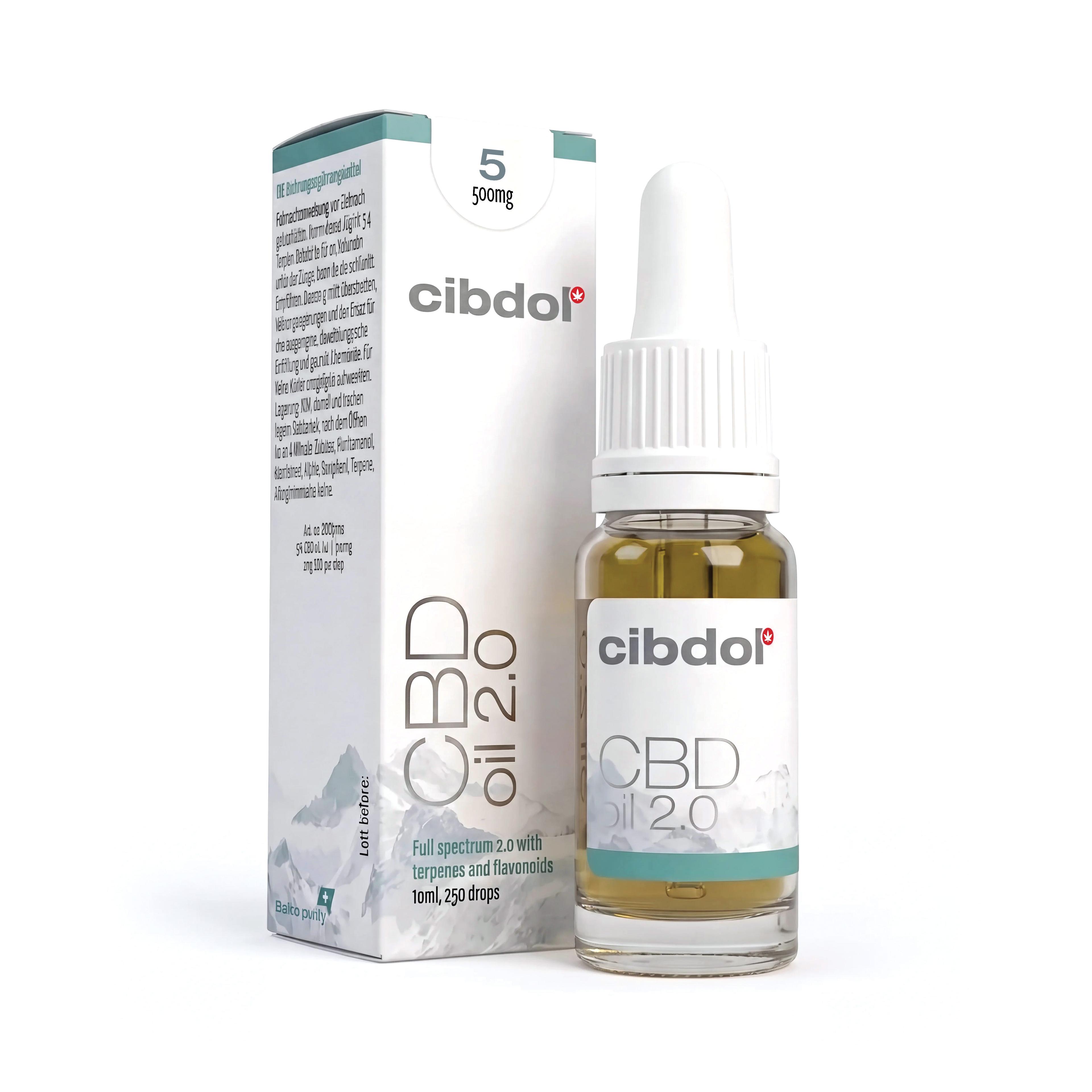
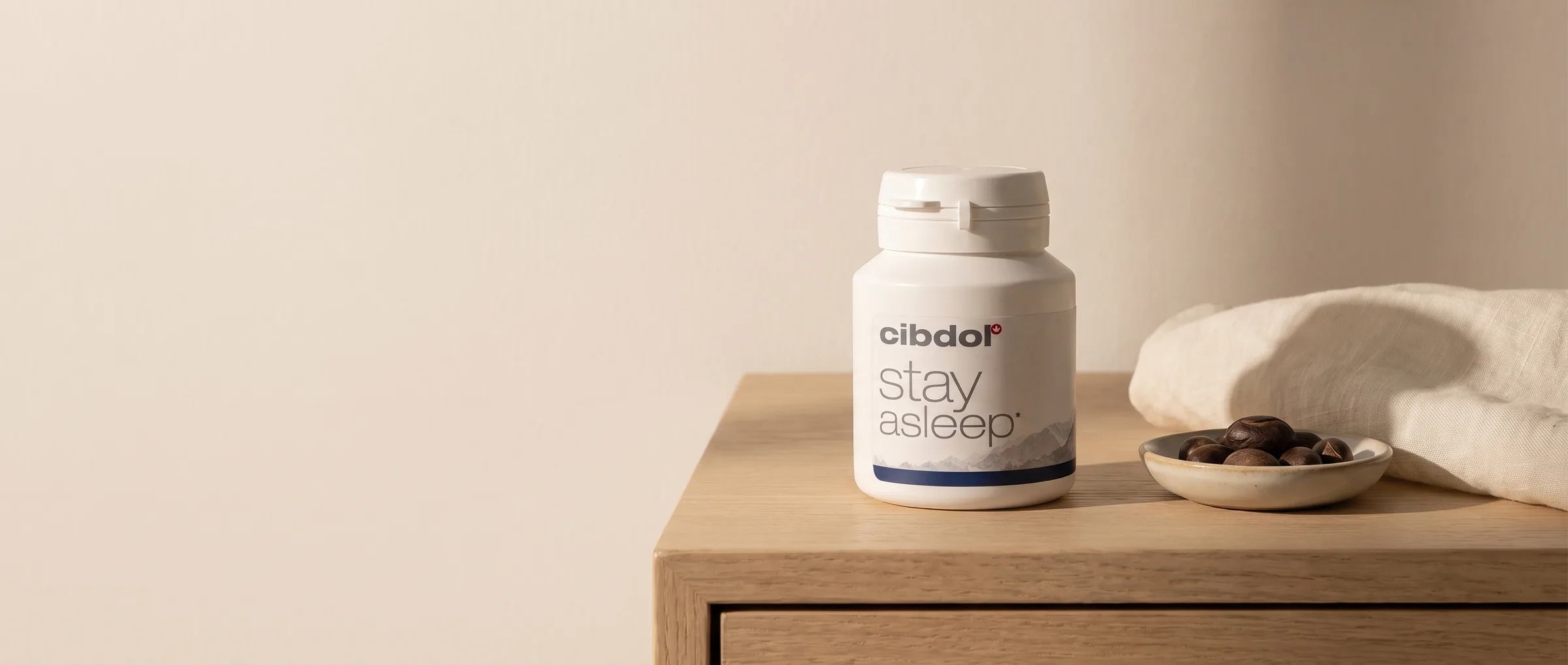
Cibdol incorporates griffonia extract standardised to 30% 5-HTP into Stay Asleep capsules alongside CBD, CBN and hops extract, where it stands as the largest single botanical quantity on the carton. This page describes the substance and does not instruct anyone to take it.
This overview summarizes published scientific literature and does not constitute medical guidance. Anyone taking prescribed medication should discuss potential additions with their prescribing physician before introducing an exogenous serotonin precursor.
Frequently Asked Questions
8 questionsWhat is 5-HTP?
Is 5-HTP identical to melatonin?
Did clinical testing evaluate 5-HTP alone for sleep?
Why does the botanical name appear on supplement packaging?
Are there authorised European health claims for 5-HTP?
Why does batch quality matter for this compound?
Does ingested 5-HTP travel entirely to the brain?
How is griffonia extract incorporated by Cibdol?
About this article


Luke Sholl has been writing about cannabinoids, CBD, and the broader benefits of nature since 2011. His background includes first-hand cannabis cultivation experience spanning the full seed-to-harvest lifecycle across so
This wiki article was drafted with AI assistance and reviewed by Luke Sholl, CBD & wellness writer. Editorial oversight by Joshua Askew.
Medical disclaimer. This content is for informational purposes only and does not constitute medical advice. Consult a qualified healthcare provider before use of any substance.
References (4)
- [1]Turner EH, Loftis JM, Blackwell AD. Serotonin a la carte: supplementation with the serotonin precursor 5-hydroxytryptophan. Pharmacology & Therapeutics 2006;109(3):325-338. doi:10.1016/j.pharmthera.2005.06.004 Source
- [2]Klein DC. Arylalkylamine N-acetyltransferase: the timezyme. Journal of Biological Chemistry 2007;282(7):4233-4237. doi:10.1074/jbc.R600036200, PMID 17164235 Source
- [3]Shell W, Bullias D, Charuvastra E, et al. A randomized, placebo-controlled trial of an amino acid preparation on timing and quality of sleep. American Journal of Therapeutics 2010;17(2):133-139. doi:10.1097/mjt.0b013e31819e9eab Source
- [4]Eosinophilia-myalgia syndrome case-associated contaminants in commercially available 5-hydroxytryptophan. Advances in Experimental Medicine and Biology 1999;467:461-468. doi:10.1007/978-1-4615-4709-9_58 Source
Related Articles
Pink noise and the evidence behind coloured sound
A review of acoustic colour definitions, evidence ratings for continuous sound, and laboratory findings on pink noise and sleep structure.
What core sleep means on a wearable device
Core sleep on modern smartwatches corresponds to laboratory light sleep, stages N1 and N2. Earlier research used the term differently, while consumer devices show measurable differences from clinical polysomnography.

Why do we sleep and what the research measures
Researchers have proposed several explanations for sleep, from energy conservation to neural maintenance. This review examines what empirical studies have measured in humans and animals.

Biphasic sleep across history and modern science
This article outlines historical and modern research on biphasic sleep, contrasting preindustrial accounts with field studies and controlled polyphasic trials.

The military sleep method, origins and evidence
The military sleep method traces back to a 1981 book by track coach Bud Winter. Popular retellings claim fast results, but the method itself has not been tested.

Understanding sleep debt and how recovery sleep works
Sleep debt reflects the cumulative difference between required and obtained rest. Laboratory trials reveal how performance deficits accumulate over time and examine the dynamics of subsequent recovery.
How accurate is a sleep tracker at scoring rest stages
Validation studies compare consumer sleep technology with laboratory recordings. Trackers detect sleep reliably but misclassify wakefulness and show inconsistent agreement on stages.

Yoga nidra session steps and scientific evidence
Yoga nidra is a structured guided relaxation practice. Research has evaluated its physiological patterns and measured overnight sleep changes with mixed results.

What objective studies reveal about sleeping positions
Sensor data show adults spend over half the night on their side, with shifts decreasing as age increases. Evidence linking spinal symptoms to specific positions remains thin.
