


Melatonin over the counter, or on prescription, and why

Definition
A clear guide to why melatonin availability differs between supermarkets and pharmacies depending on national law.
Finding melatonin over the counter depends entirely on which border you cross. Melatonin sits in two legal categories at once. It can be an ingredient in a food supplement, and it can be the active substance in a licensed medicine. Which of the two applies is decided nationally, which is why the same substance is on a supermarket shelf in one country and behind a prescription counter in another.
Two distinct regulatory routes
On the food supplement side, the European Union authorises exactly two health claims for melatonin, one about the time taken to fall asleep and one about the subjective feelings of jet lag. Both are listed in Regulation (EU) No 432/2012 and both may be used only under stated conditions of use. Those two statements define the legal boundary of what packaging may display within that category across member states.
Inside the European Union the picture is not uniform either. Member states set their own limits on how much melatonin a food supplement may carry per daily dose, so a single product can be lawful in several countries at different stated amounts. National authorities retain the right to determine the threshold above which an intake level falls under medicinal oversight.
Physical differences on packaging
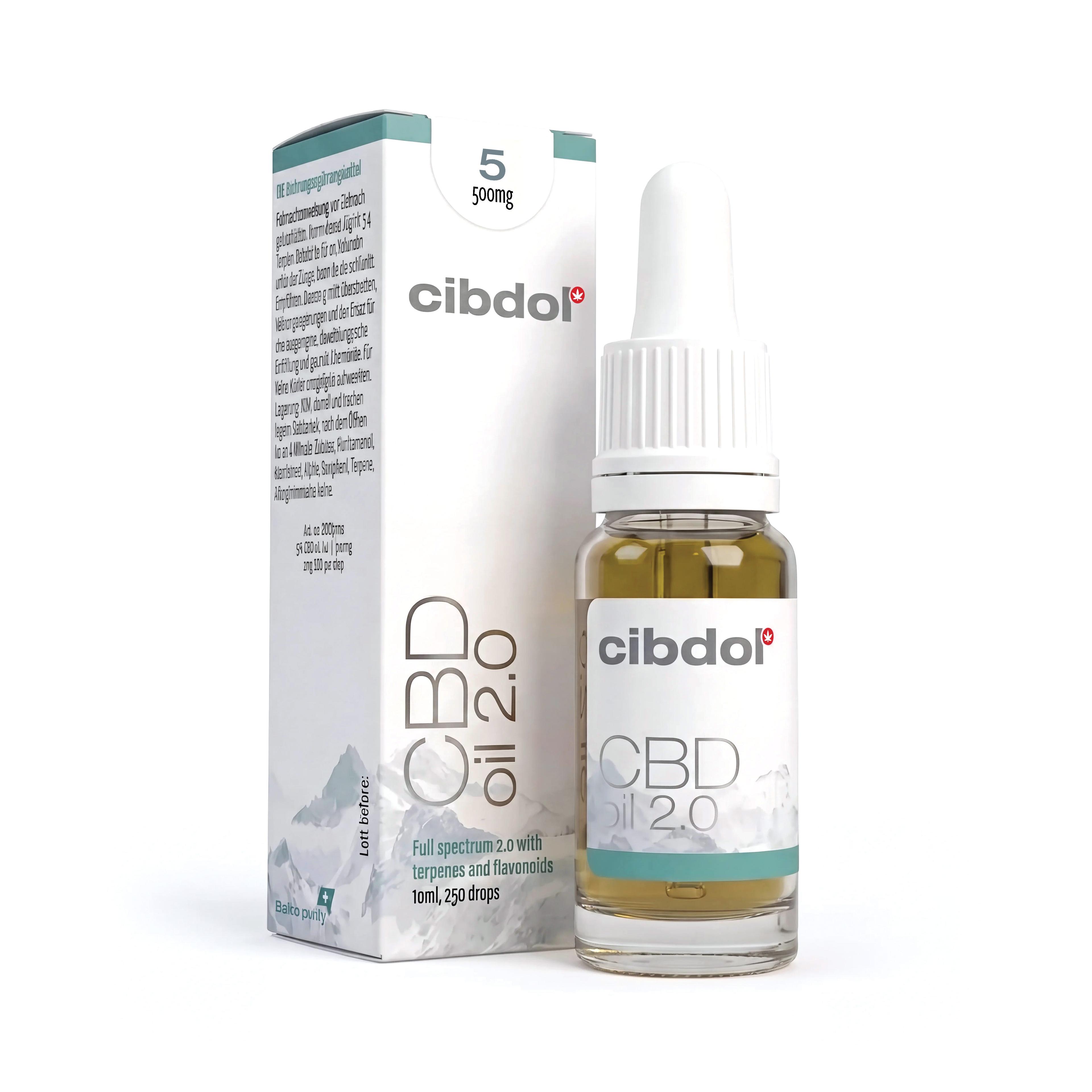
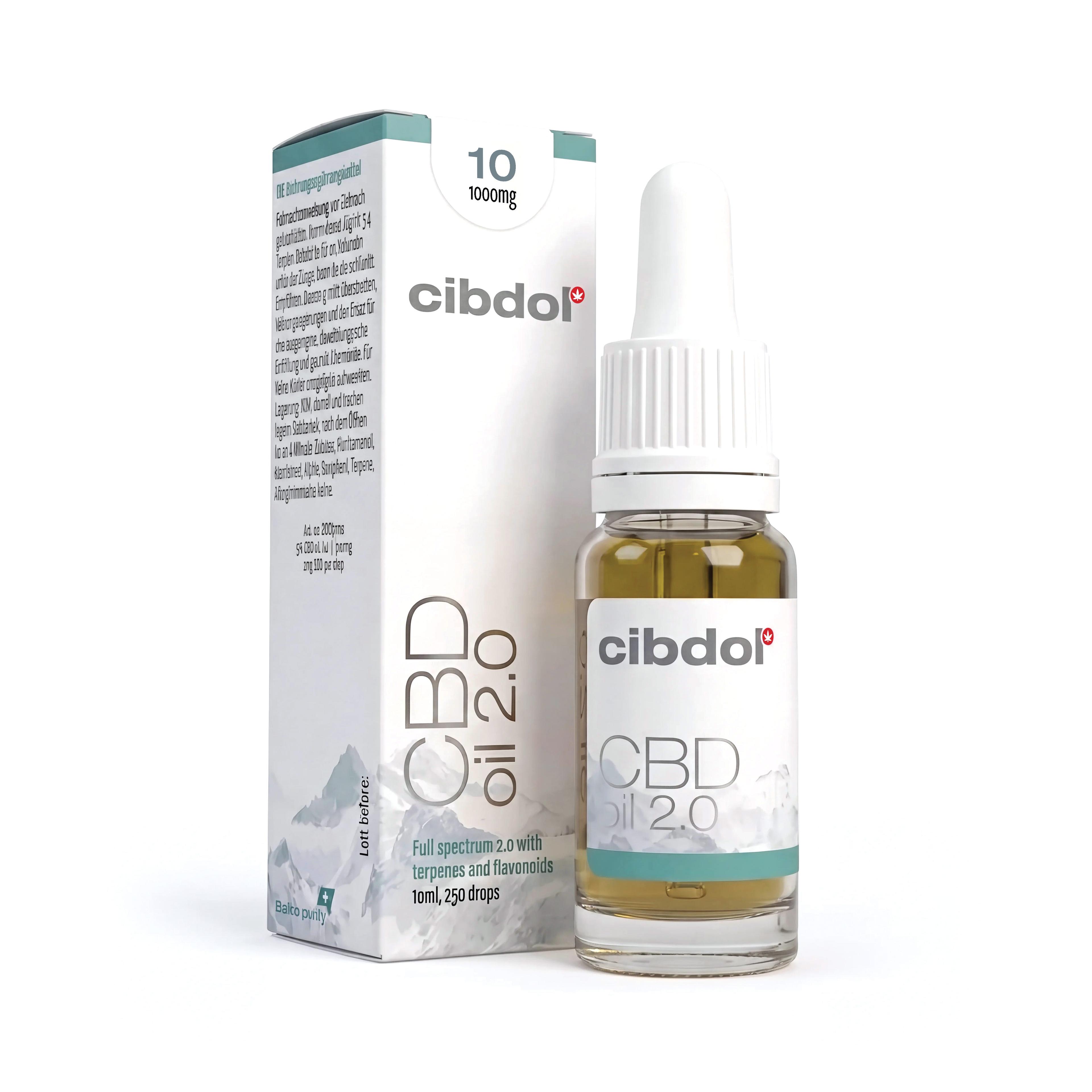
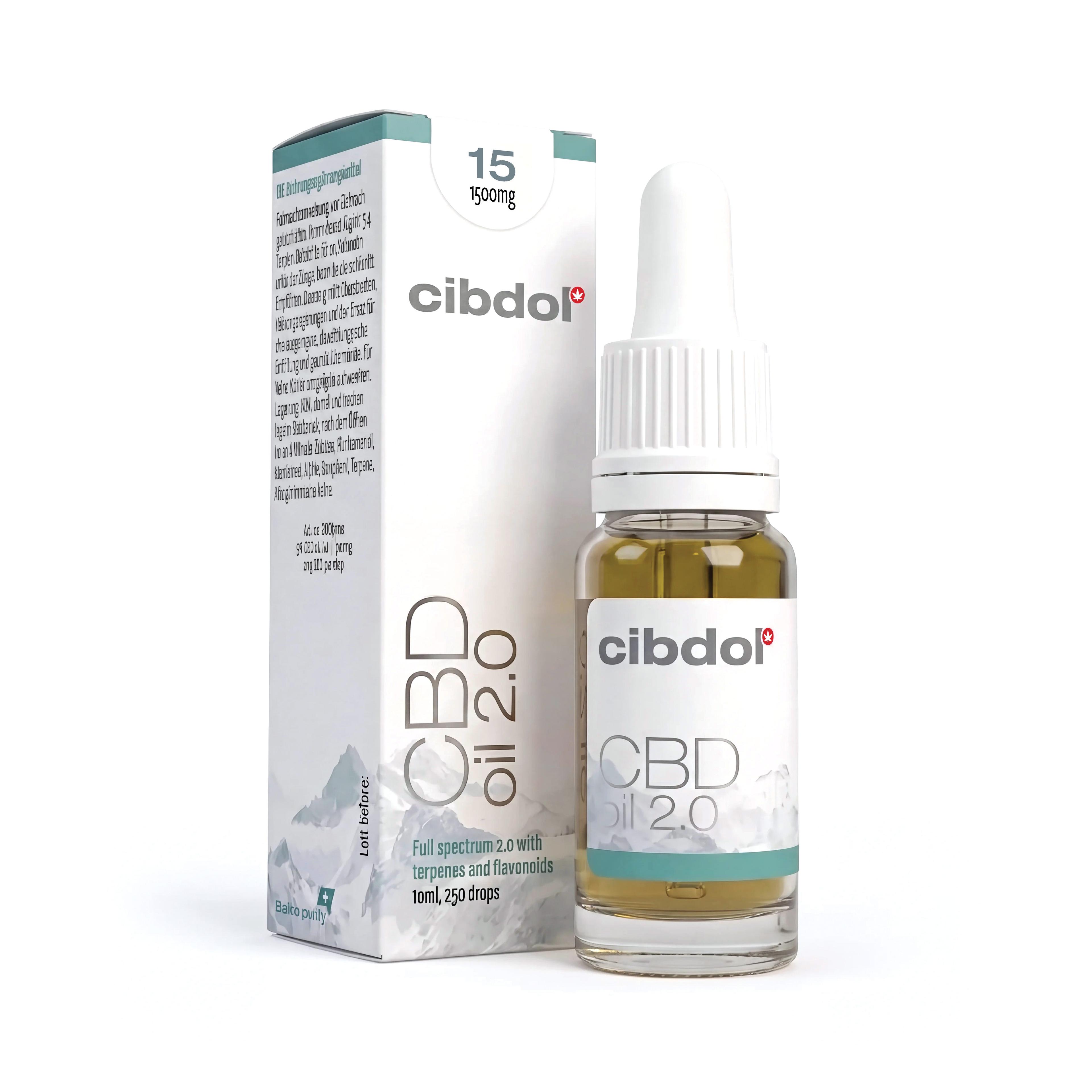
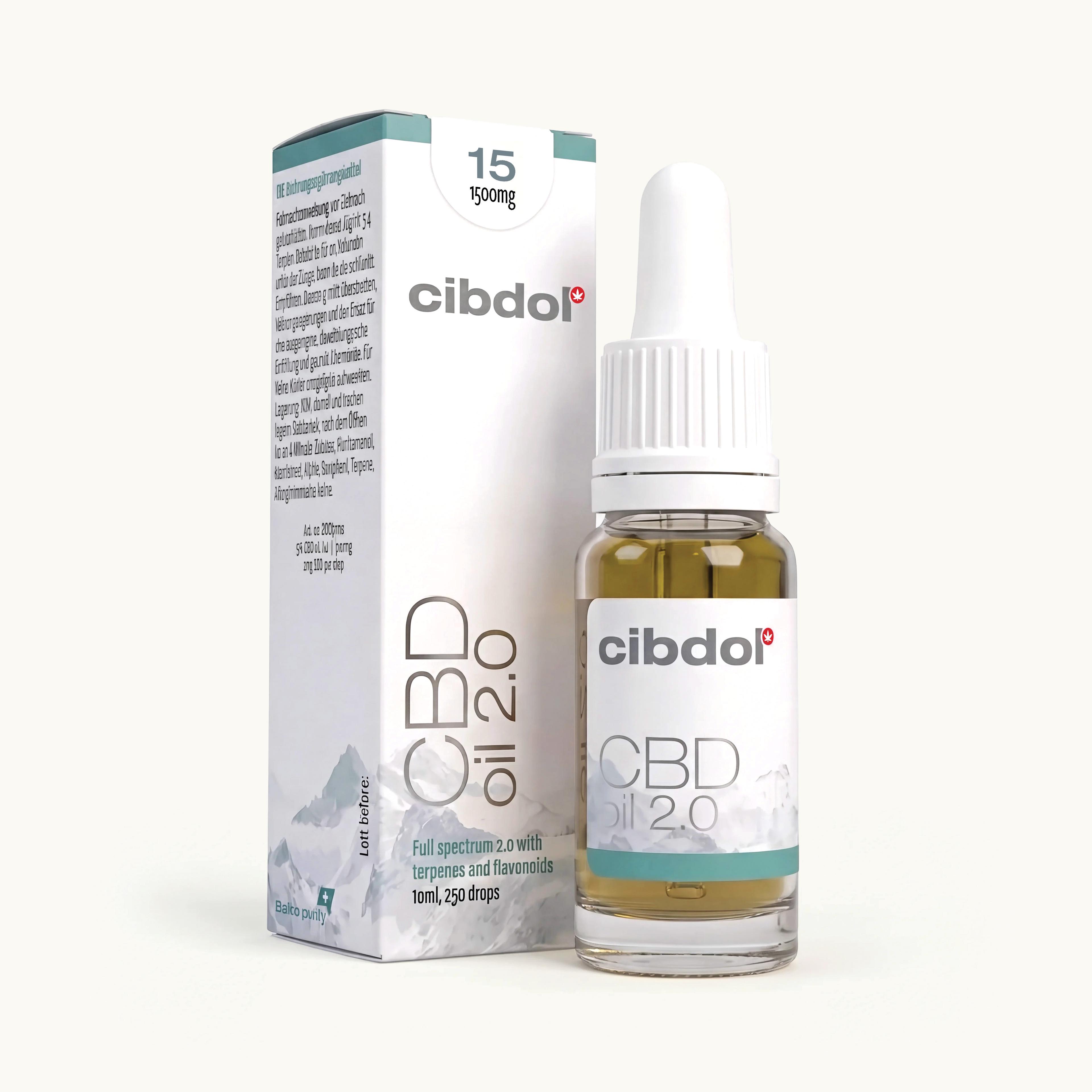
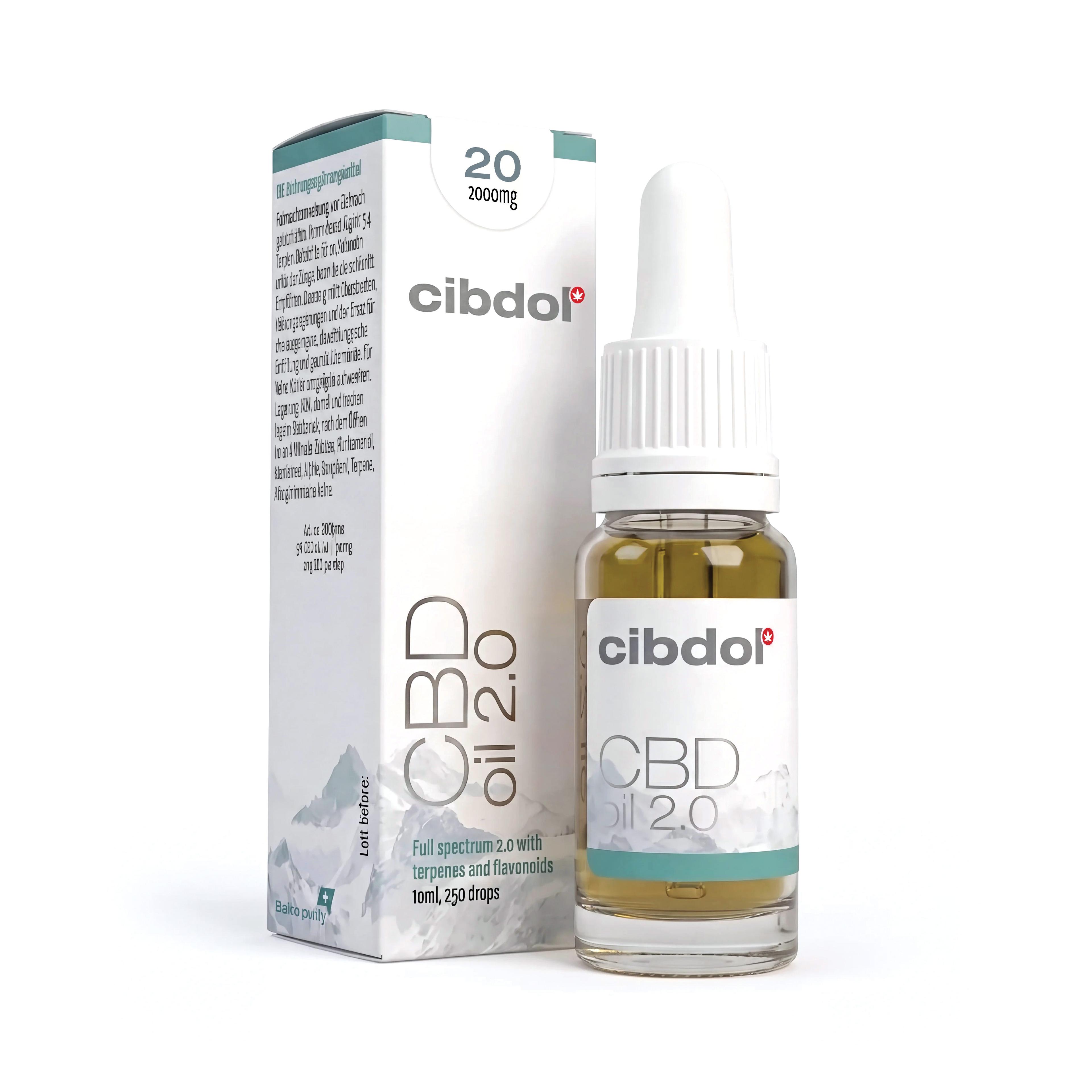
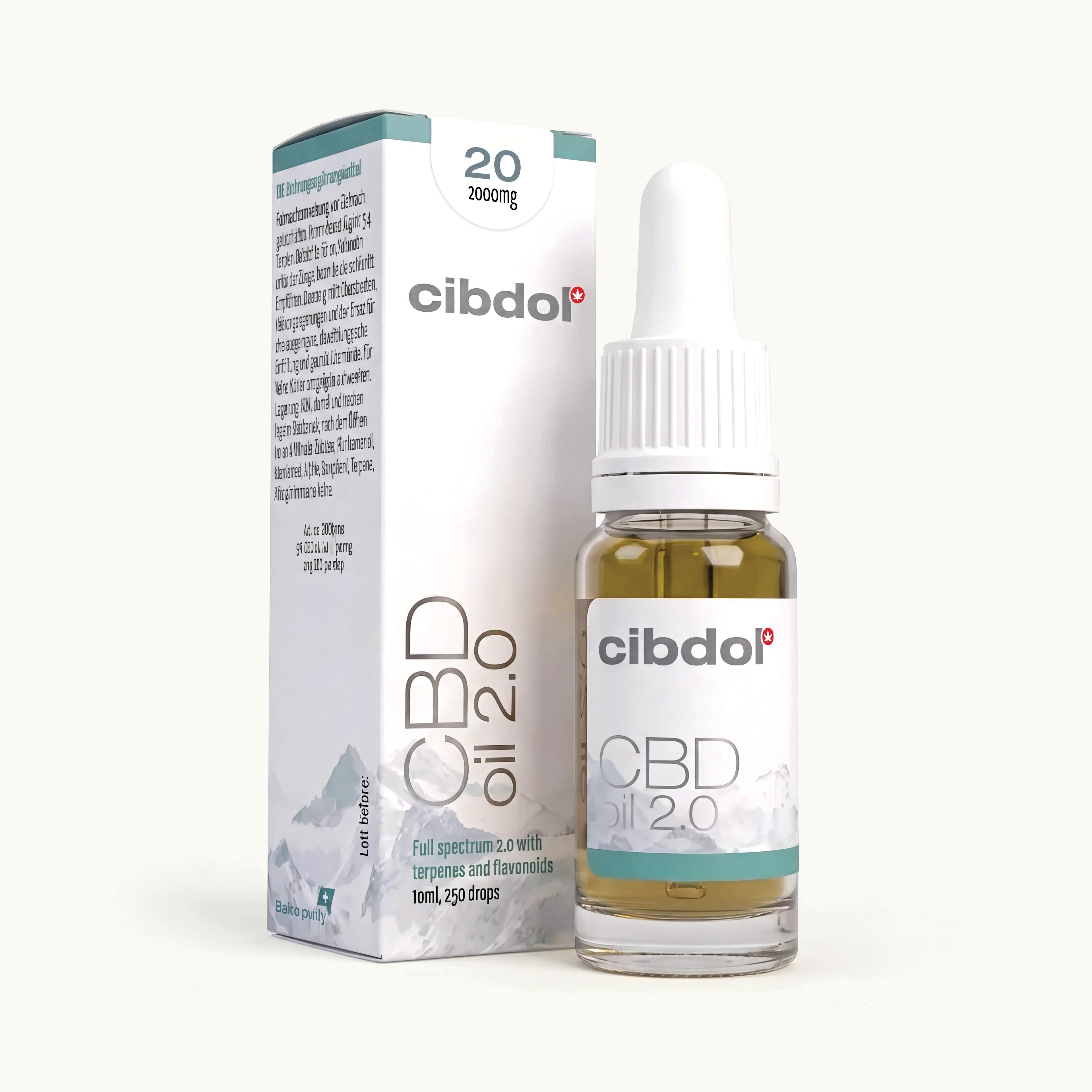
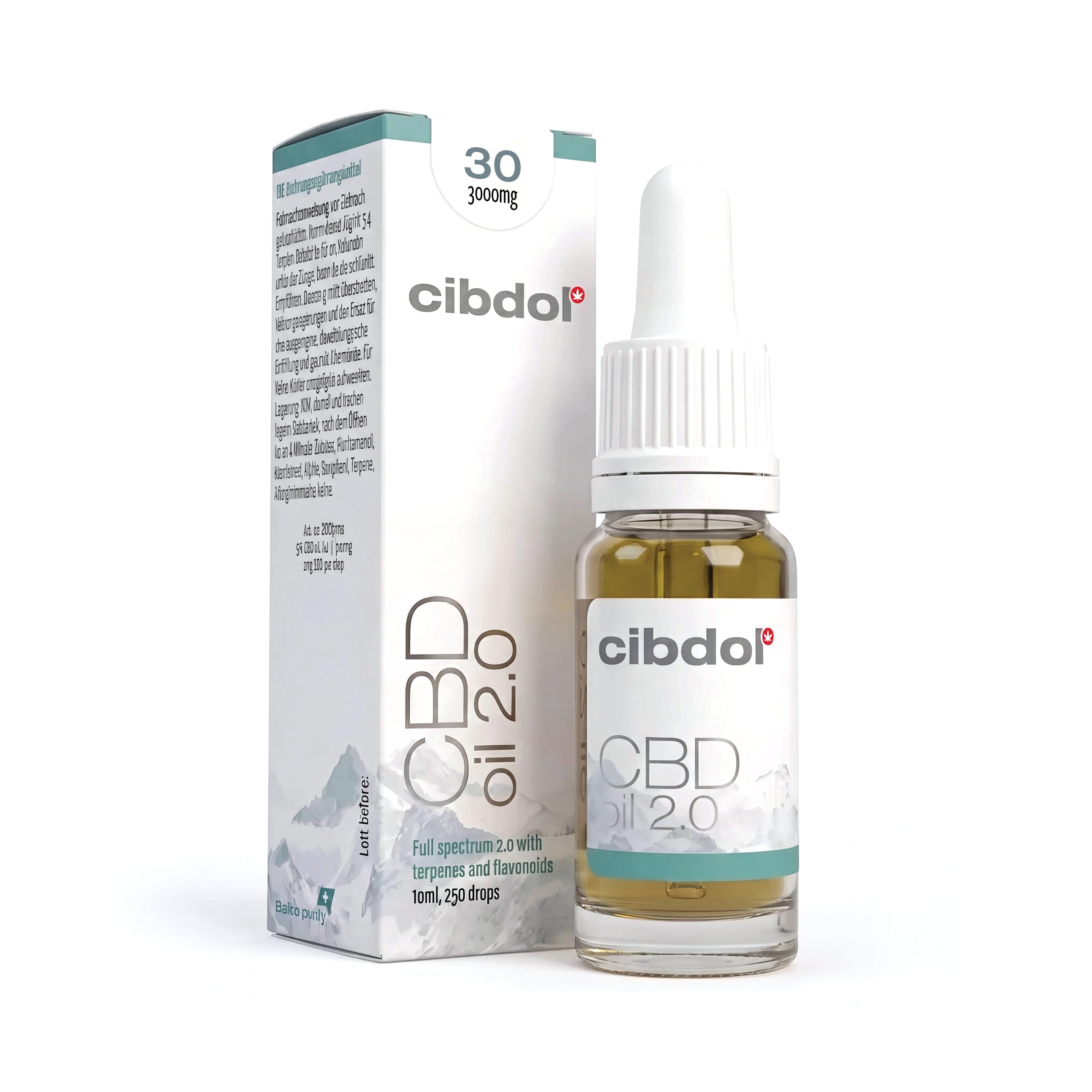
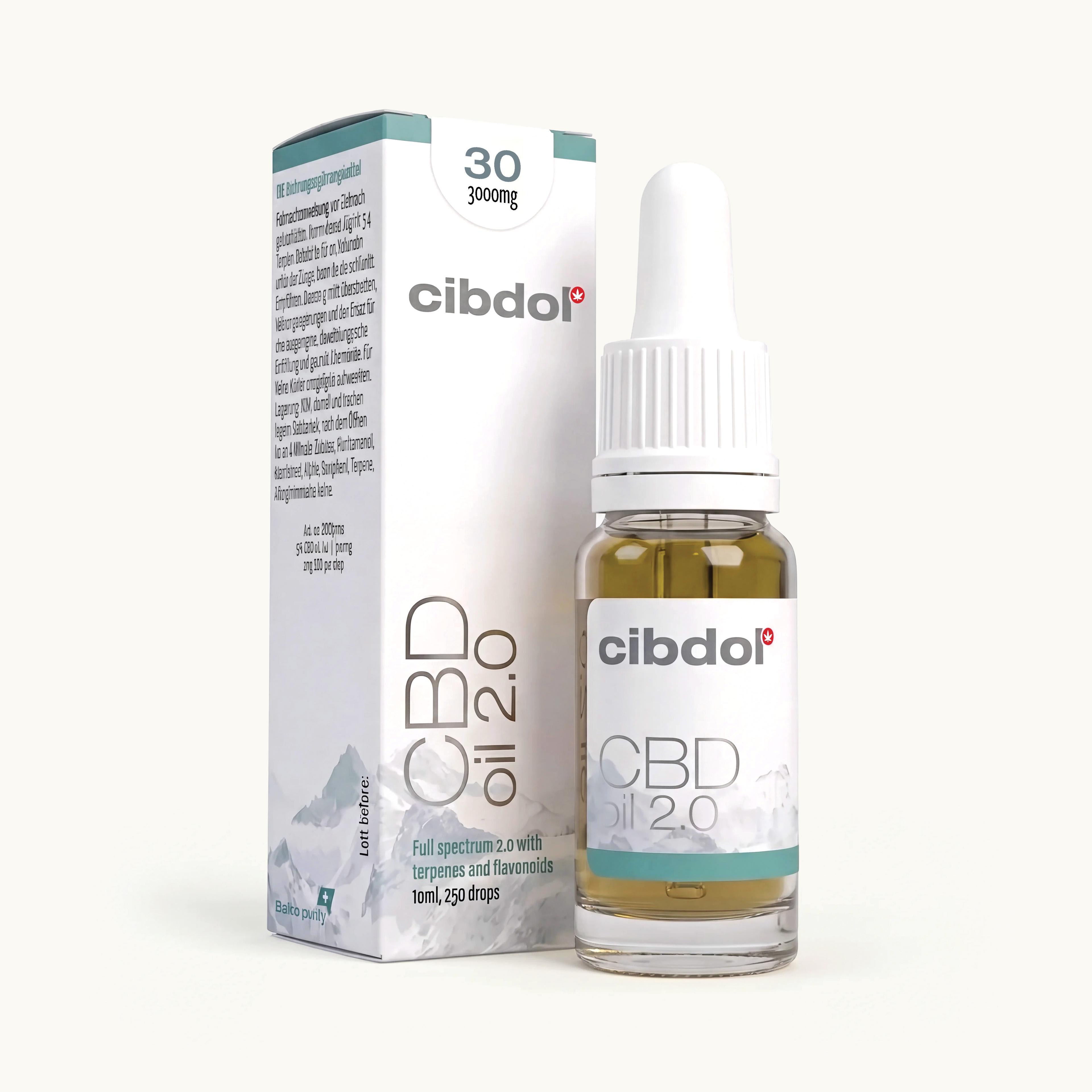
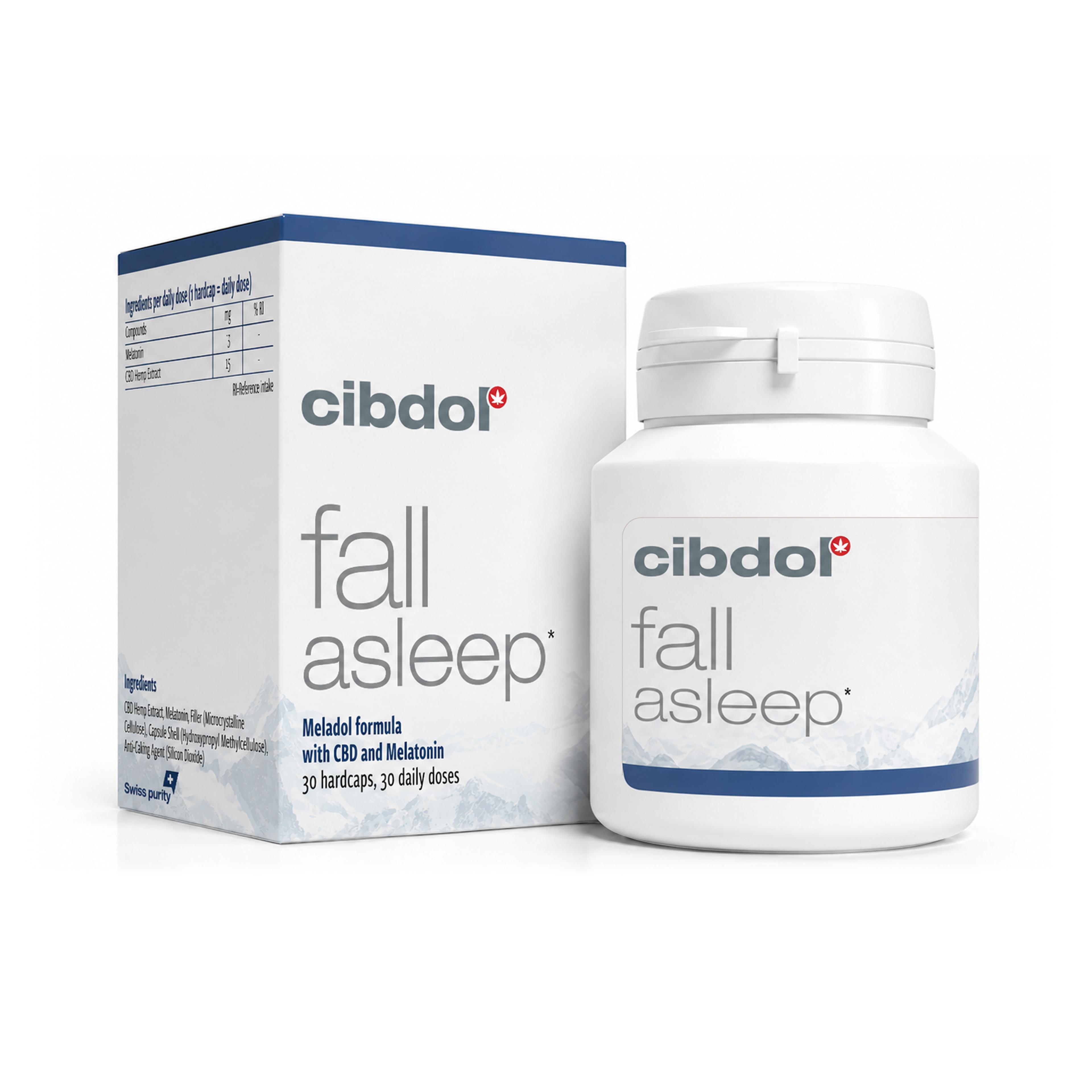
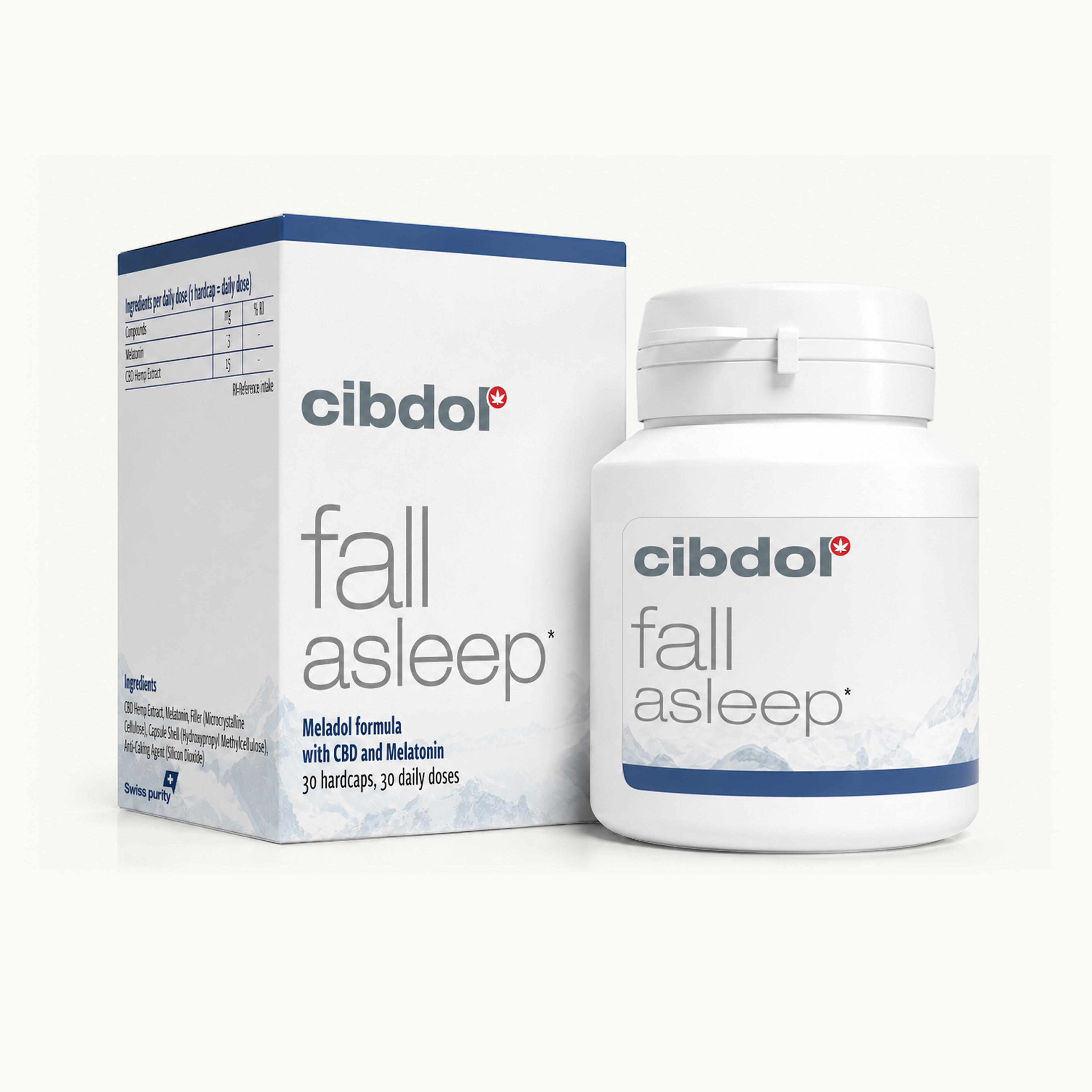
The Cibdol Fall Asleep Liquid carton is a direct illustration. It carries three separate daily amounts on one label, one for the Netherlands, one for Germany and one for the rest of the European Union. The bottle is the same in each market; the instruction printed on it is not. A formula that complies with retail supplement standards in one territory may require an adjusted serving instruction just across the border.

The prescription framework in the United Kingdom
The United Kingdom took the other route. Melatonin there is classified as a prescription-only medicine and is not permitted as an ingredient in a food supplement, so the authorised European claims have nothing to attach to in that market. A shopper looking for retail bottles in a British chemist will not locate them on regular display aisles.
Classified is not the same as banned, and the difference matters to anyone reading the word banned in a search result. Melatonin is lawfully available in the United Kingdom, through a prescription, in licensed prolonged-release form. What is not lawful there is selling it as a food supplement. An authorised European claim does not travel into a market that classifies the substance as a medicine. The two claims apply where a member state permits melatonin in a food supplement, and they do not override a national medicines classification.
Examining the clinical data
Regulatory status does not evaluate biological strength. The pooled clinical evidence behind the substance is real and small. A meta-analysis of 19 randomised placebo-controlled trials covering 1683 participants found the time taken to fall asleep shortened by around 7 minutes on average. [1]
This article describes how melatonin is classified in different markets on the date given. It is not legal advice and rules change. Consumers should verify local classifications before making purchases across borders.
Frequently Asked Questions
8 questionsWhy is melatonin available over the counter in some places but not others?
What health claims are permitted for melatonin in the European Union?
Why do daily serving instructions differ across European countries?
Is melatonin banned in the United Kingdom?
Do European Union food supplement rules apply in the United Kingdom?
Can one bottle have multiple dosage instructions?
How much does melatonin alter sleep onset according to trials?
Does this summary constitute legal guidance?
About this article


Luke Sholl has been writing about cannabinoids, CBD, and the broader benefits of nature since 2011. His background includes first-hand cannabis cultivation experience spanning the full seed-to-harvest lifecycle across so
This wiki article was drafted with AI assistance and reviewed by Luke Sholl, CBD & wellness writer. Editorial oversight by Joshua Askew.
Medical disclaimer. This content is for informational purposes only and does not constitute medical advice. Consult a qualified healthcare provider before use of any substance.
References (1)
- [1]Ferracioli-Oda E, Qawasmi A, Bloch MH. Meta-analysis of randomised placebo-controlled melatonin trials. PLoS ONE 2013;8(5):e63773. doi:10.1371/journal.pone.0063773, PMID 23691095 Source
Related Articles

Pink noise and the evidence behind coloured sound
A review of acoustic colour definitions, evidence ratings for continuous sound, and laboratory findings on pink noise and sleep structure.
What core sleep means on a wearable device
Core sleep on modern smartwatches corresponds to laboratory light sleep, stages N1 and N2. Earlier research used the term differently, while consumer devices show measurable differences from clinical polysomnography.

Why do we sleep and what the research measures
Researchers have proposed several explanations for sleep, from energy conservation to neural maintenance. This review examines what empirical studies have measured in humans and animals.

Biphasic sleep across history and modern science
This article outlines historical and modern research on biphasic sleep, contrasting preindustrial accounts with field studies and controlled polyphasic trials.

The military sleep method, origins and evidence
The military sleep method traces back to a 1981 book by track coach Bud Winter. Popular retellings claim fast results, but the method itself has not been tested.

Understanding sleep debt and how recovery sleep works
Sleep debt reflects the cumulative difference between required and obtained rest. Laboratory trials reveal how performance deficits accumulate over time and examine the dynamics of subsequent recovery.
How accurate is a sleep tracker at scoring rest stages
Validation studies compare consumer sleep technology with laboratory recordings. Trackers detect sleep reliably but misclassify wakefulness and show inconsistent agreement on stages.

Yoga nidra session steps and scientific evidence
Yoga nidra is a structured guided relaxation practice. Research has evaluated its physiological patterns and measured overnight sleep changes with mixed results.

What objective studies reveal about sleeping positions
Sensor data show adults spend over half the night on their side, with shifts decreasing as age increases. Evidence linking spinal symptoms to specific positions remains thin.
