CBD and melatonin, two different substances in one bottle
Definition
CBD and melatonin frequently appear on the same supplement labels, yet they differ in biological origin, receptor affinity, metabolic clearance, and legal status.
CBD and melatonin often share space on evening supplement bottles, giving the impression that they perform similar functions. In biological terms, they share almost nothing in common. Melatonin is a hormone produced within the human body on a regular nightly rhythm. Cannabidiol is an organic molecule produced by hemp, without an endogenous counterpart. They act via entirely different pathways, clear the body at drastically different rates, and hold completely different legal statuses under European food law.
Pineal production versus botanical extraction
Melatonin is an endogenous chemical compound formally identified as 5-methoxy-N-acetyltryptamine. The pineal gland synthesises and releases it into the circulation, alongside local synthesis in the retina, following a strict circadian rhythm where circulating levels remain low across daylight hours and rise after dark. Aaron Lerner and his research team at Yale first isolated melatonin in 1958 using bovine pineal glands, naming the molecule after its observed capacity to lighten skin cells known as melanocytes rather than any quality related to nighttime rest. [2]
Cannabidiol, commonly abbreviated to CBD, is one of more than a hundred distinct cannabinoids identified in Cannabis sativa. It is a plant compound rather than an internal hormone, meaning the human body never produces it independently. It is not intoxicating, and it represents the most extensively investigated cannabinoid in clinical research after THC. [3] A natural hormone interacts with biological targets that evolved alongside it, whereas an introduced botanical compound must interface with whatever broader systems happen to accommodate its shape.
Receptors and biological pathways
The physiological action of melatonin relies on dedicated cellular targets. Melatonin binds directly to two high-affinity targets named MT1 and MT2. Both sites are G protein-coupled receptors through which the hormone communicates darkness and timing cues across bodily tissues. [1]

Cannabidiol does not operate through these circadian targets. Unlike melatonin, which acts through its own MT1 and MT2 receptors, cannabidiol is described by a pharmacology review as having limited direct effects at the cannabinoid receptors and a large number of other identified molecular targets. The same review attributes part of the inconsistency between study results to the different cannabidiol sources and preparations used. [3] This diffuse activity helps explain why observed physiological outcomes remain difficult to isolate and why published clinical trials present variable results across differing formulations.
Absorption and elimination rates
The speed at which these two compounds move through human tissue presents another stark contrast. Swallowed melatonin enters the system swiftly and undergoes rapid clearance. During a clinical crossover trial where 12 healthy male participants received melatonin orally and intravenously on separate testing days, blood concentrations reached their highest point approximately 41 minutes following oral ingestion. That same study recorded an elimination half-life of roughly 54 minutes, alongside a median absolute oral bioavailability of roughly 3 percent caused by extensive first-pass breakdown inside the liver. [4]
Cannabidiol follows a vastly different physiological timeline. A systematic review assessing 792 papers identified 24 distinct clinical publications with human pharmacokinetic data, calculating elimination half-lives that ranged between 1.4 and 10.9 hours for an oromucosal spray and between 2 and 5 days after repeated oral intake. The authors also highlighted that no published clinical study had successfully established the absolute oral bioavailability of oral cannabidiol in human participants. [5] An ingredient cleared in under an hour functions under a completely different metabolic reality than one lingering in bodily tissues for several days.
Findings from controlled human trials
Clinical data examining melatonin has been compiled across multiple decades. A meta-analysis examining 19 randomised placebo-controlled trials that evaluated 1683 participants established that melatonin decreased sleep latency by an average of 7.06 minutes, with a 95 percent confidence interval between 4.37 and 9.75 minutes. The same analysis documented that total sleep duration lengthened by 8.25 minutes, with a 95 percent confidence interval between 1.74 and 14.75 minutes. The authors characterised these measured differences as modest, noting that the observed outcomes persisted without diminishing during longer periods of administration. [6]
Controlled human data for cannabidiol offers no equivalent meta-analytic conclusion. A controlled sleep-laboratory evaluation in healthy subjects tested 27 individuals who received either a single oral dose of cannabidiol or an identical placebo before completing eight hours of overnight polysomnography. The recording revealed no significant changes across any measured sleep parameter, leading the researchers to determine that acute administration did not alter the normal sleep architecture of healthy volunteers. [7] While this trial examined only a single administration in healthy sleepers, it represents the most carefully monitored laboratory sleep measurement currently available for the compound.
Permitted label claims under European law
Regulatory frameworks reflect the separation between the two substances. Melatonin stands among the rare ingredients in nighttime supplements backed by authorised health claims valid throughout the European Union. Regulation (EU) No 432/2012 approves two specific descriptions: one regarding the reduction of time needed to fall asleep, and another addressing subjective sensations associated with jet lag. Both claims require manufacturers to observe strict conditions of use before placing them on consumer packaging.
Cannabidiol has no authorised claims. Under the register created by Regulation (EC) No 1924/2006 and updated by Regulation (EU) No 432/2012, no permitted claim exists for cannabidiol, meaning supplement manufacturers cannot legally declare any functional outcome for it on consumer food packaging.
Formulations across evening product ranges
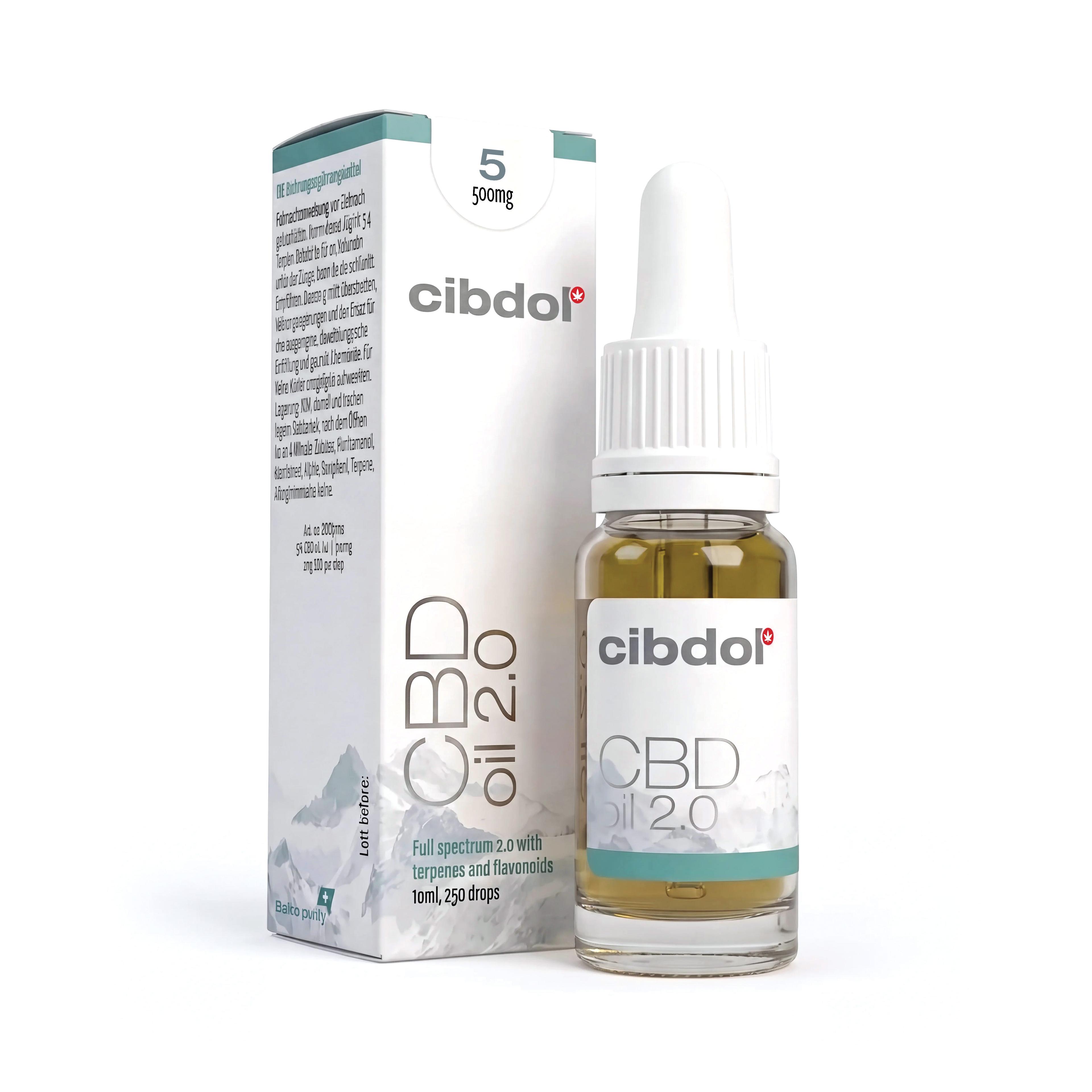
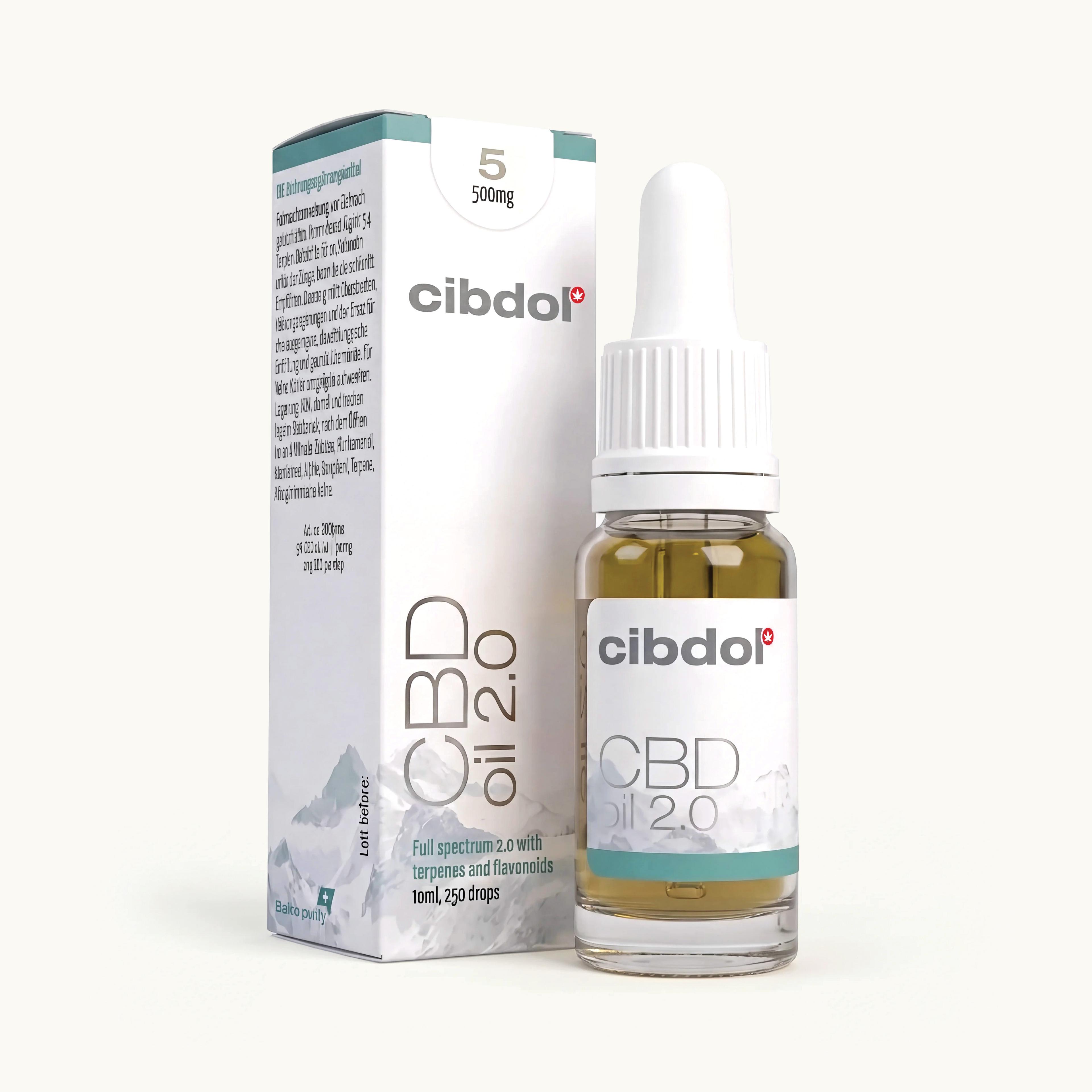
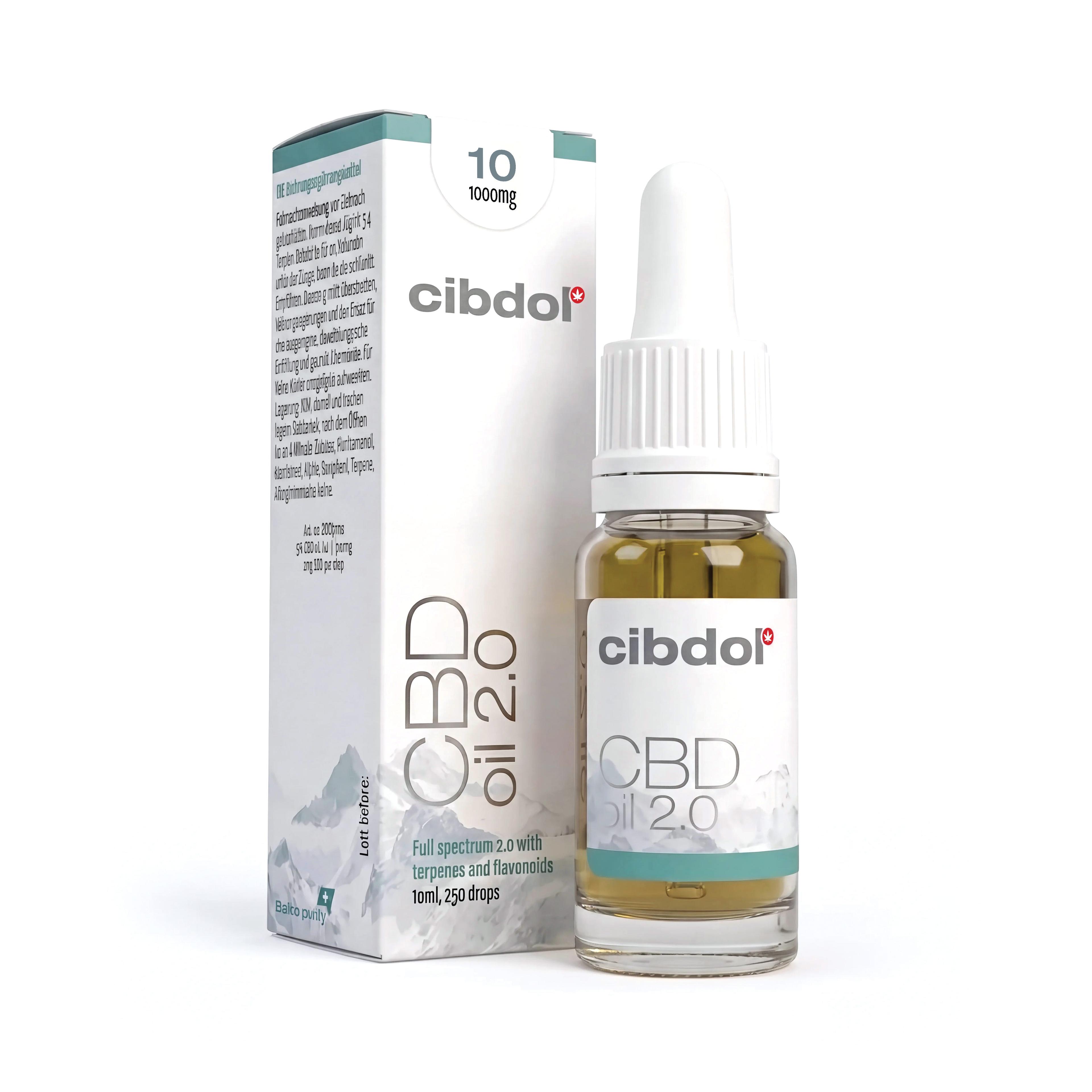
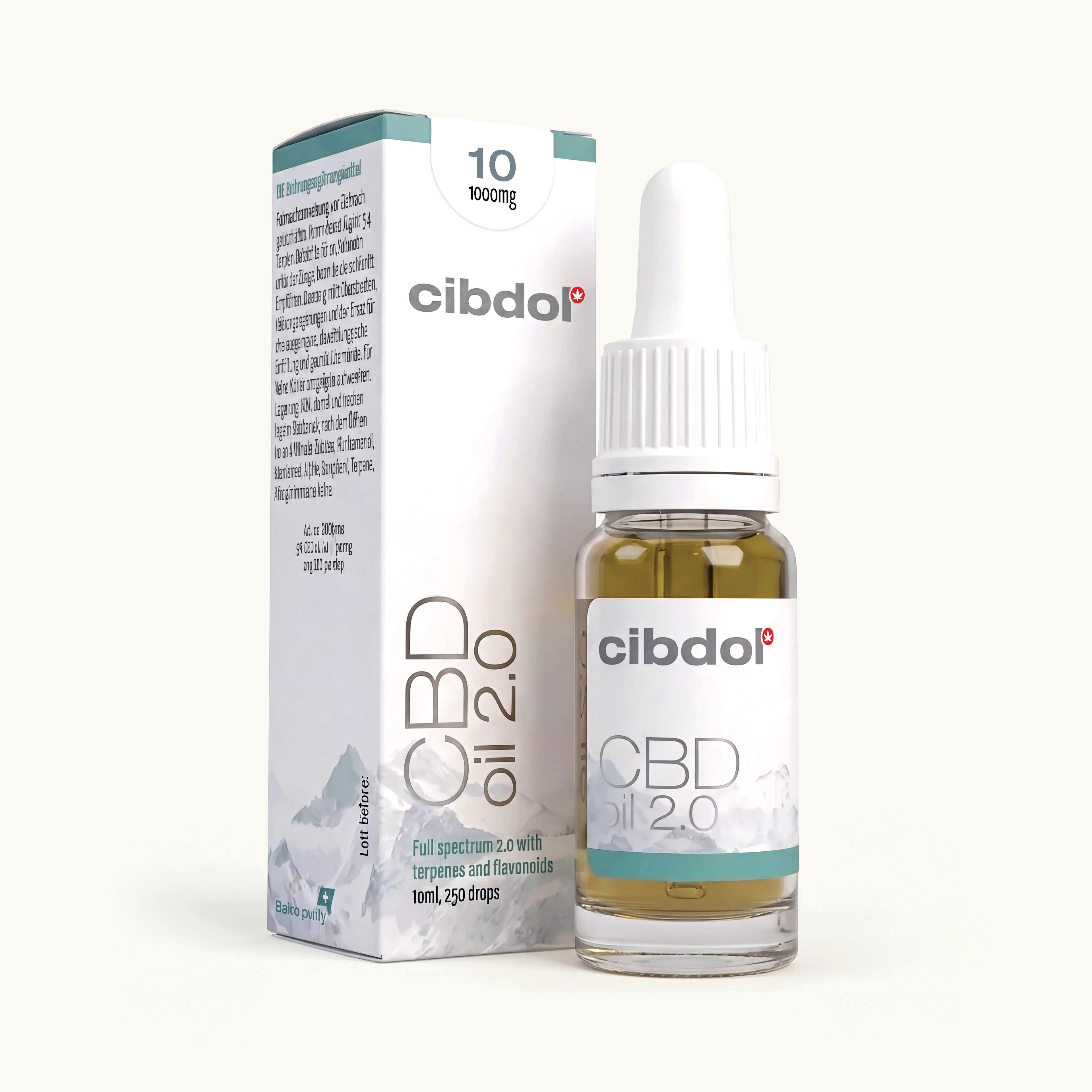
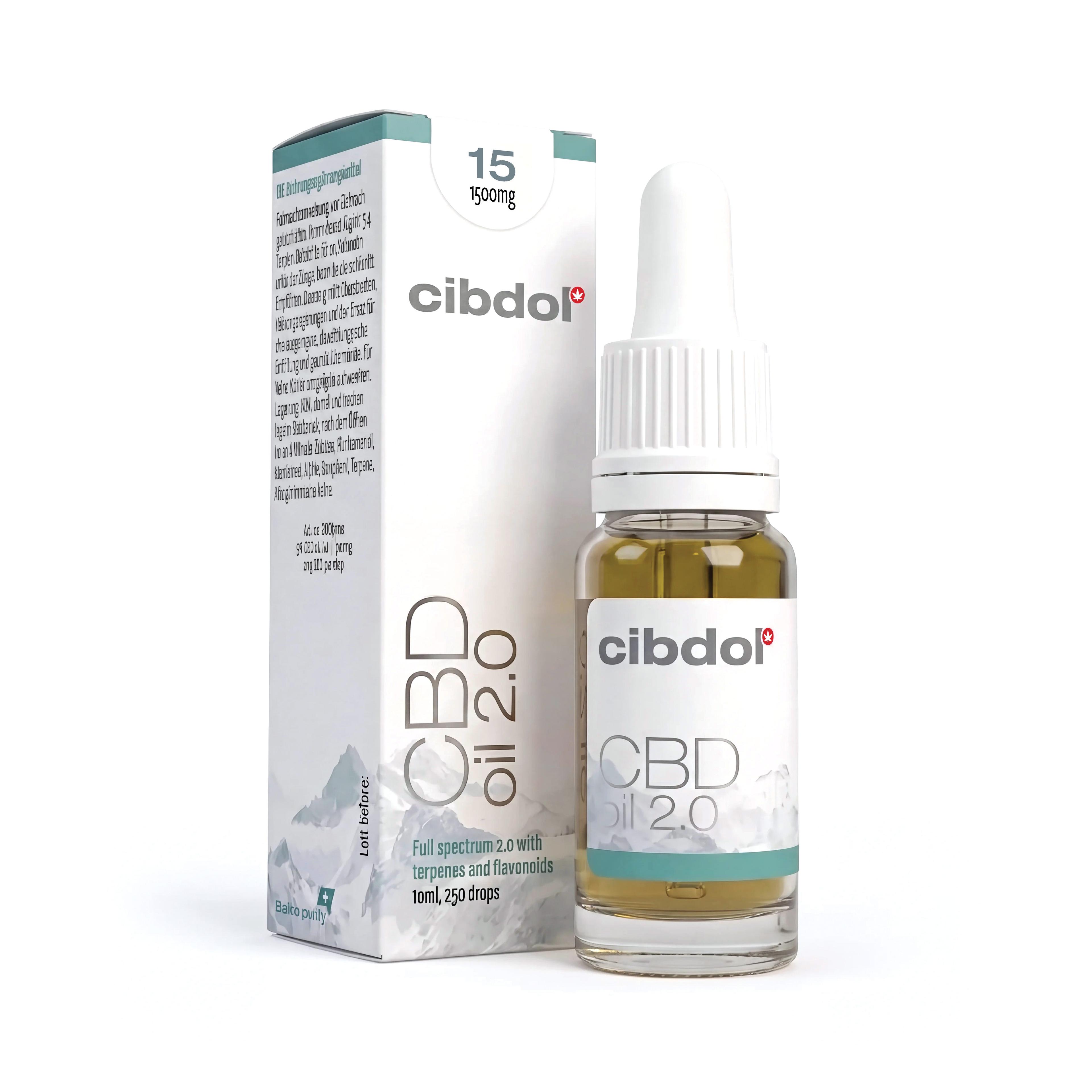
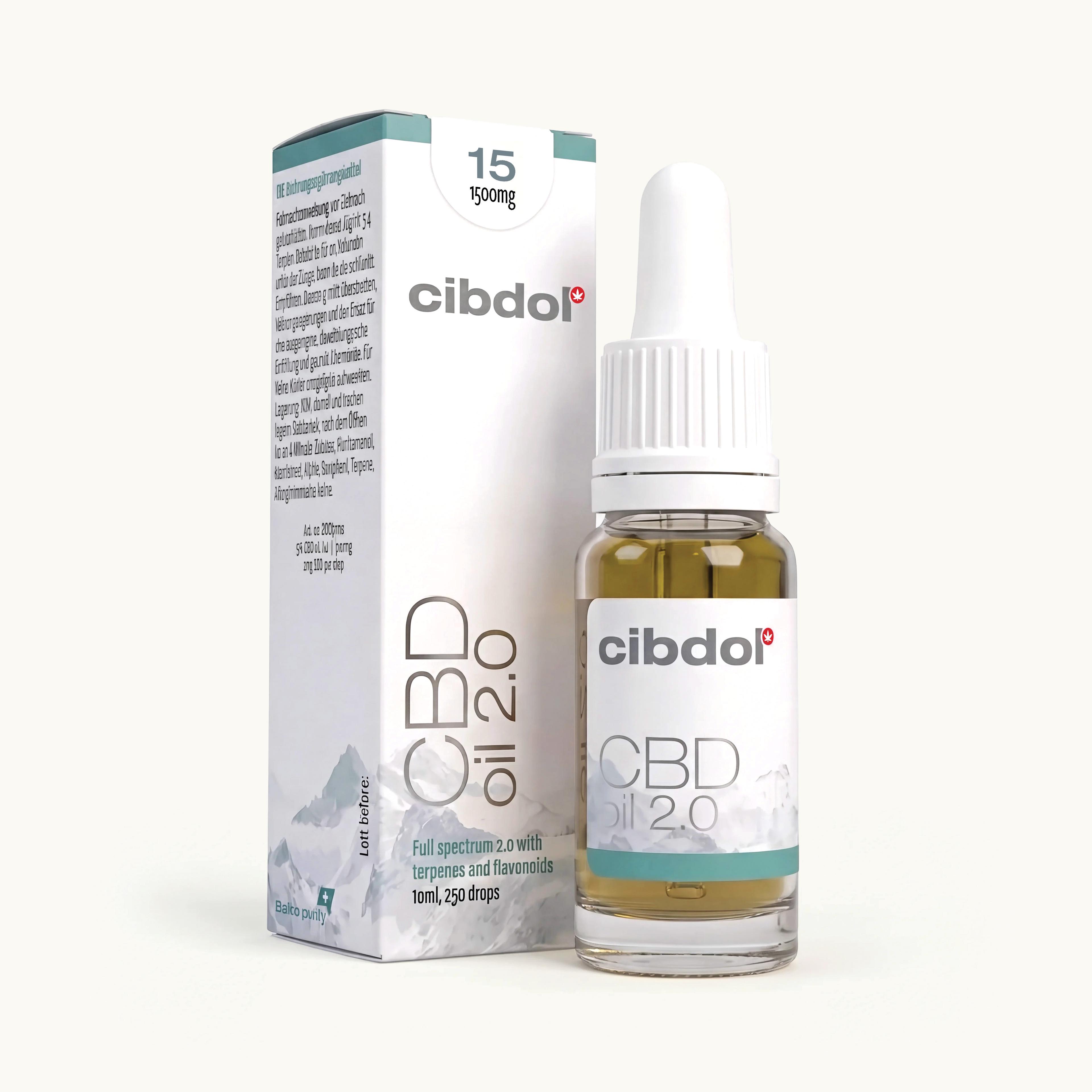
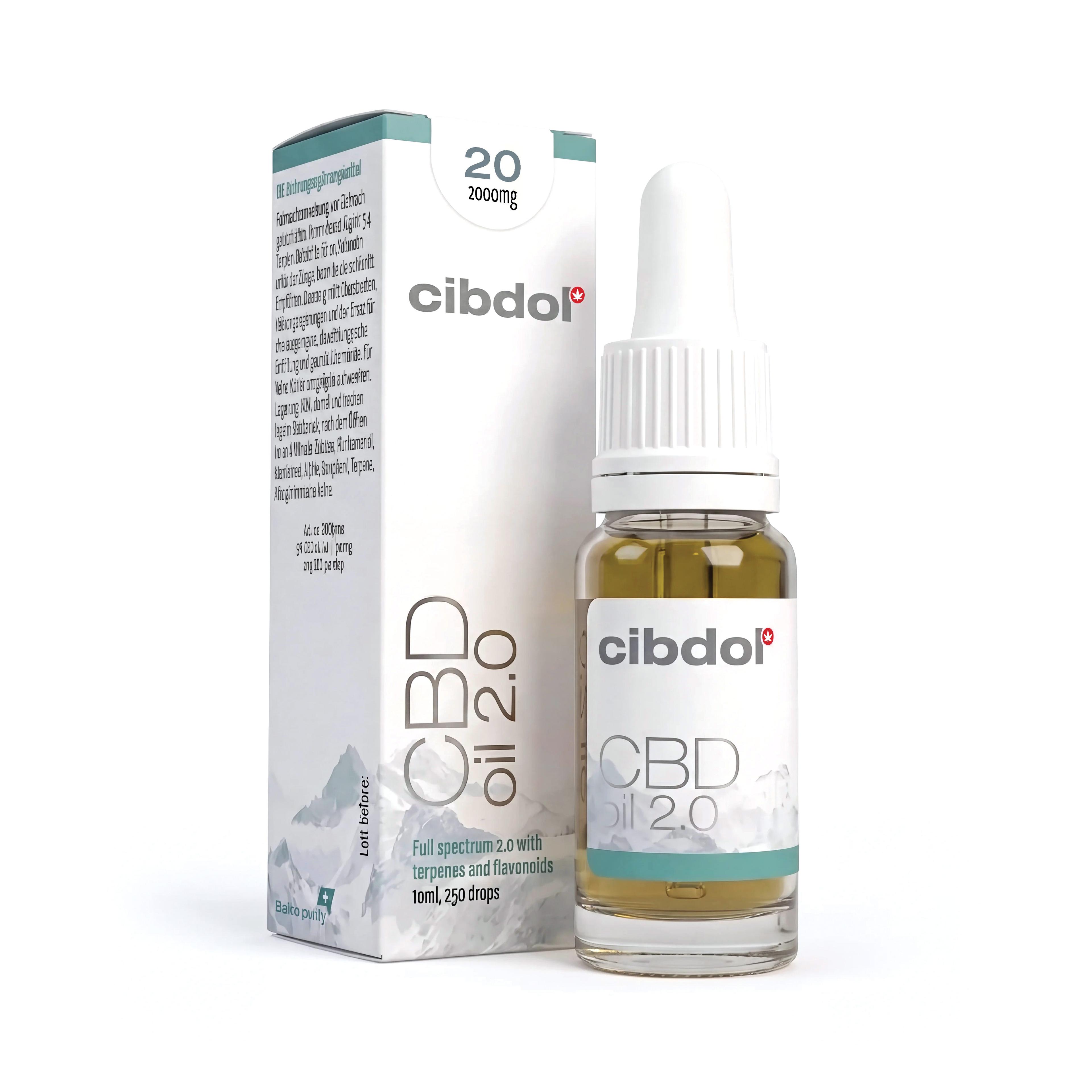
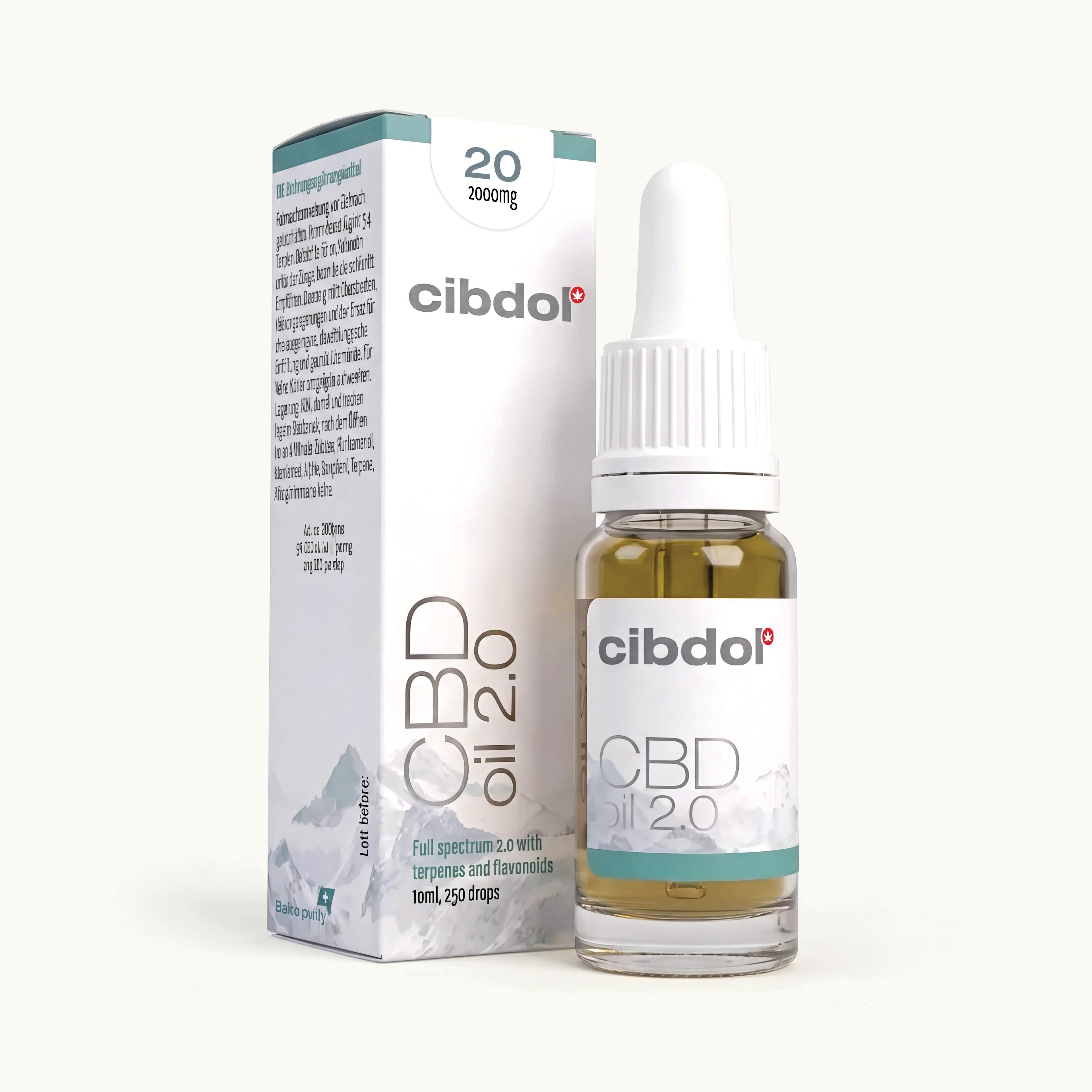
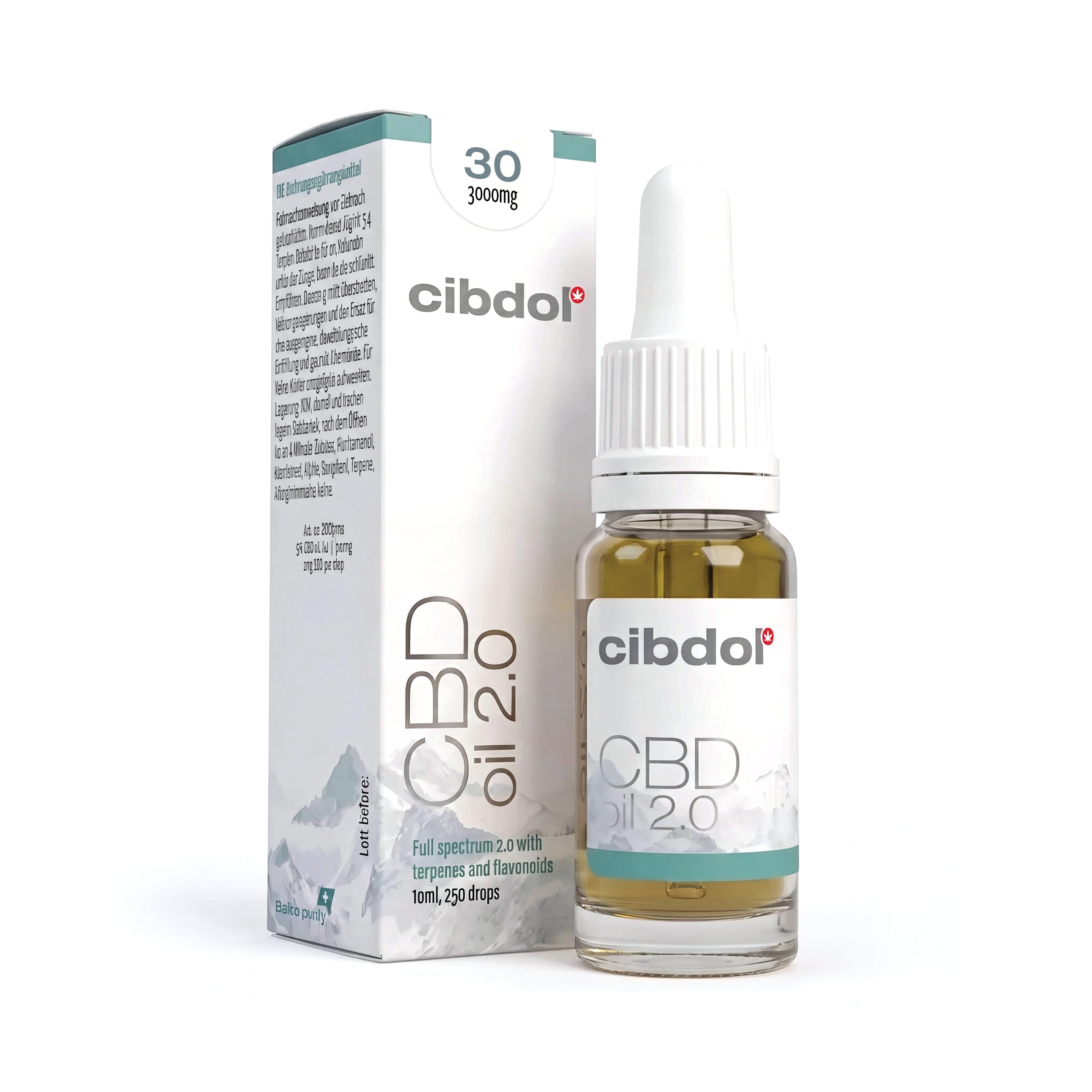
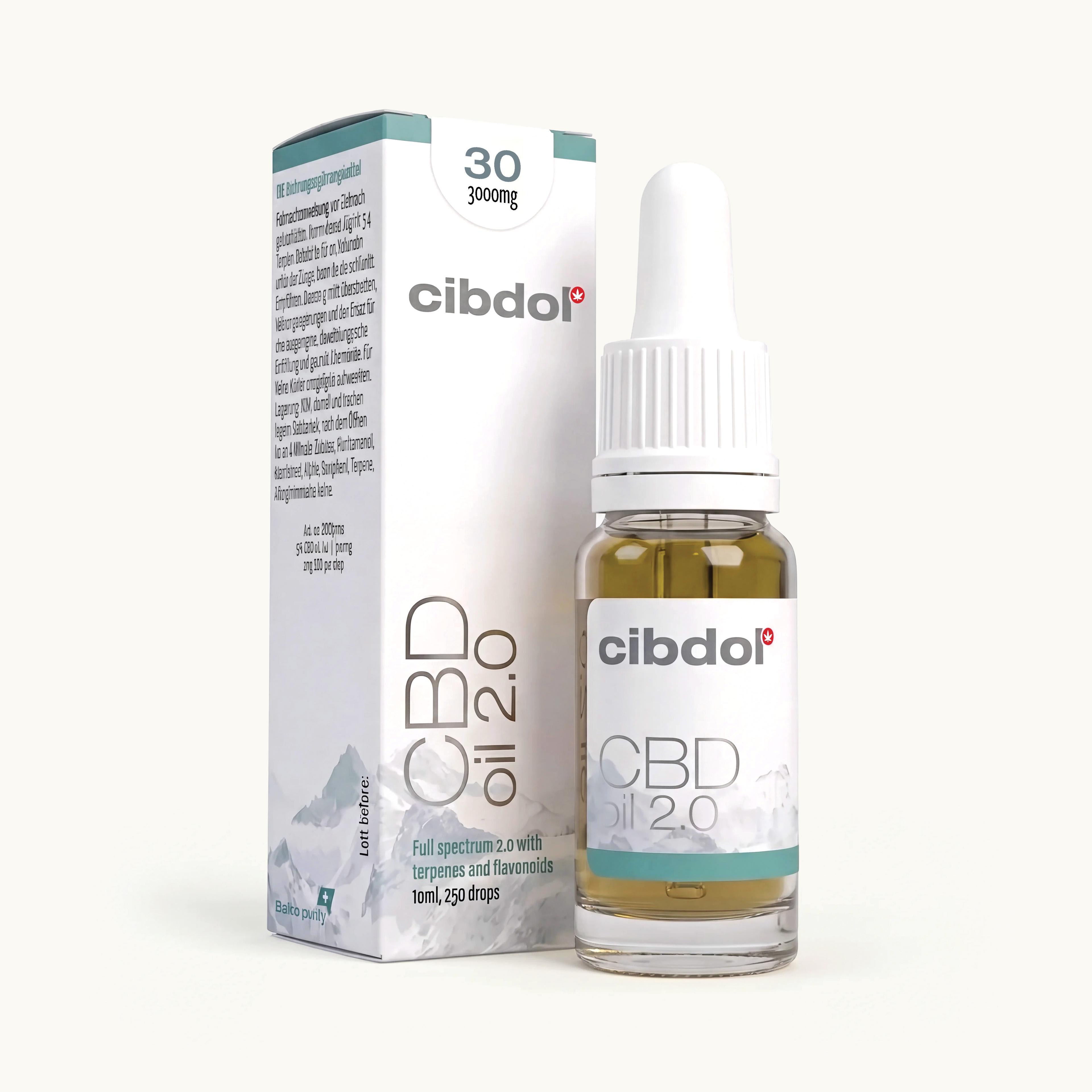
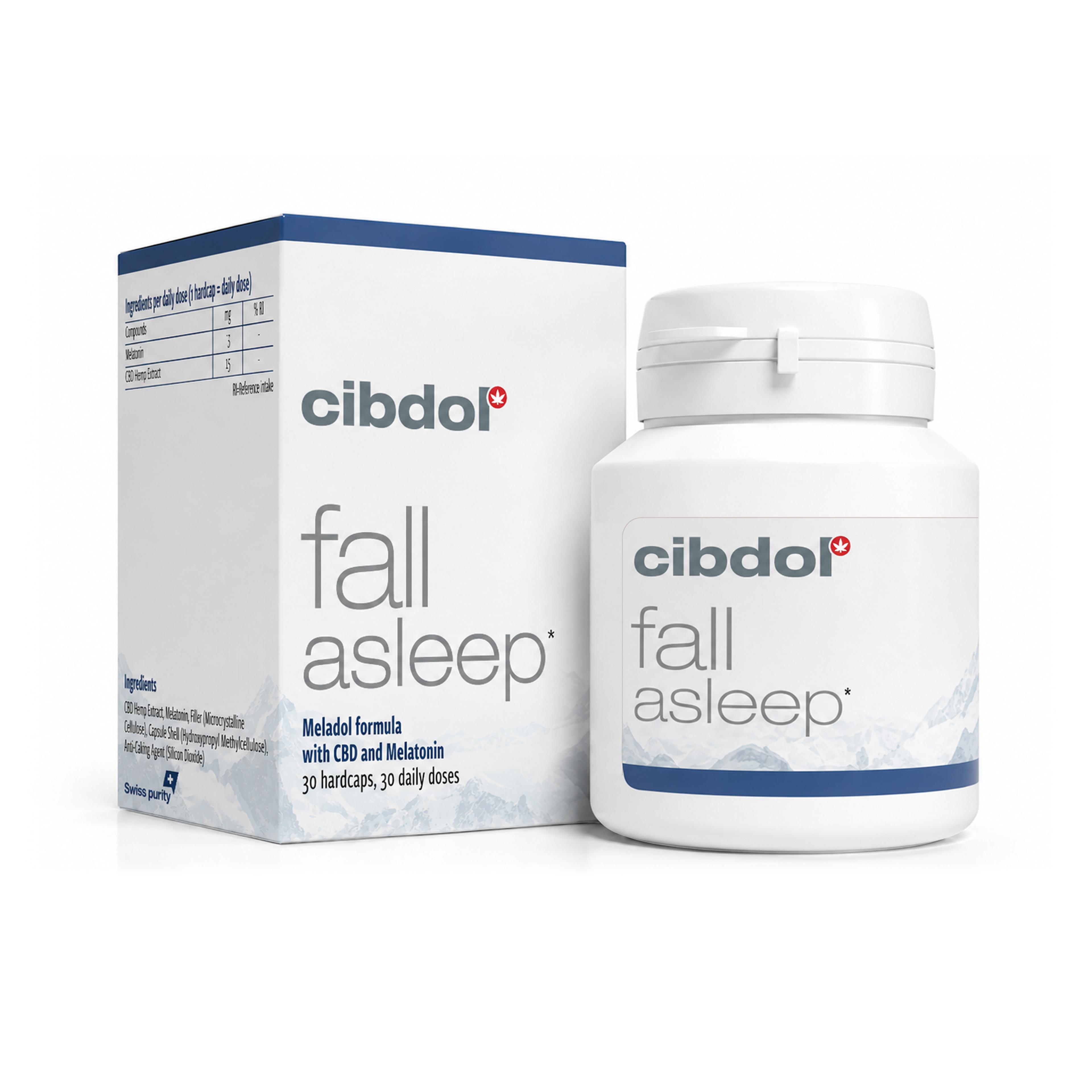
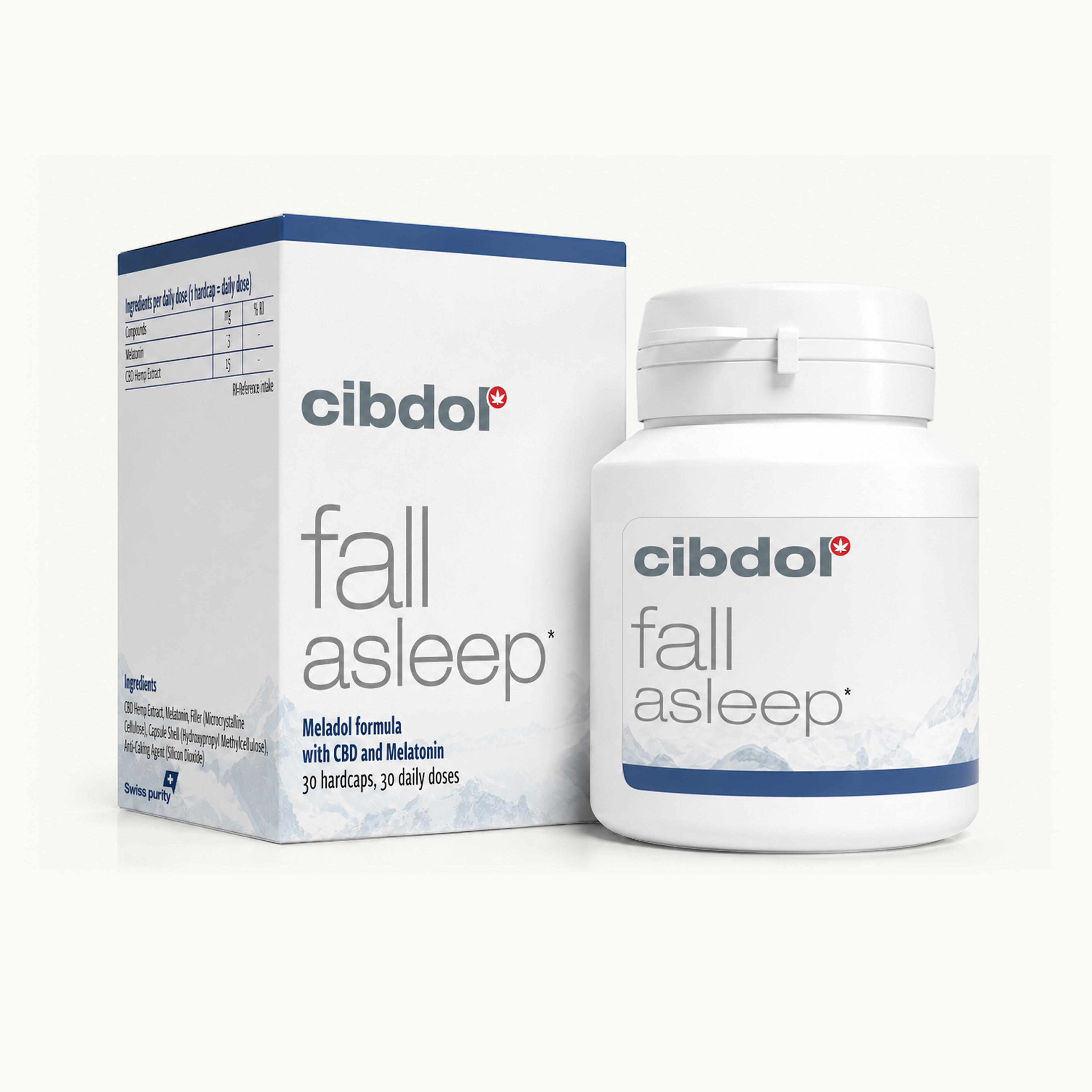
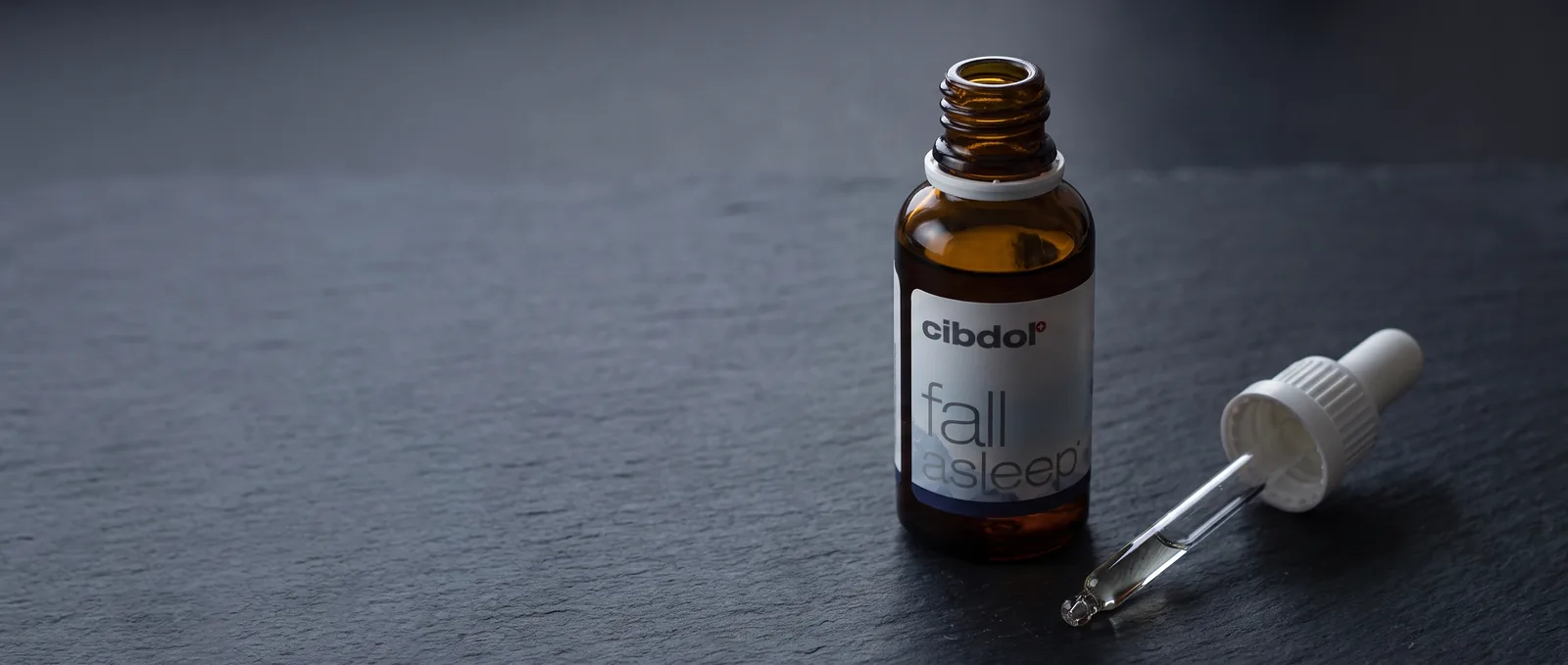
These two different compounds converge in specific commercial formulas. Cibdol includes both ingredients within Fall Asleep Liquid and Fall Asleep Capsules, listing melatonin alongside hemp extract cannabinoids. Other products across the evening catalogue omit melatonin completely. Stay Asleep Capsules contain a blend of botanicals without added hormones, Complete Sleep combines hemp extract with chamomile and lavender in an MCT oil carrier, and CBN Oil delivers cannabinoids suspended in olive oil. Cannabinol represents a distinct cannabinoid evaluated under separate scientific investigations with its own separate research history. [8]
Packaging also reflects the differing regulatory standards applied to melatonin across national borders. The packaging carton for Fall Asleep Liquid details three different daily serving quantities: one allocated for the Netherlands, one designated for Germany, and one assigned to the remainder of the European Union. Member states maintain individual statutory thresholds governing how much melatonin a food product may supply per day, resulting in divergent consumption instructions on identical bottles depending entirely on where the item is distributed.
Frequently Asked Questions
8 questionsIs melatonin the same type of compound as CBD?
Which compound has stronger clinical trial support for sleep latency?
Has research confirmed that combining CBD and melatonin produces better results?
How quickly does the body clear each substance?
Why is the oral bioavailability of melatonin approximately 3 percent?
Can European brands make health claims about CBD on product cartons?
Which Cibdol products include melatonin in their formula?
Why are three different serving recommendations printed on Fall Asleep Liquid?
About this article


Luke Sholl has been writing about cannabinoids, CBD, and the broader benefits of nature since 2011. His background includes first-hand cannabis cultivation experience spanning the full seed-to-harvest lifecycle across so
This wiki article was drafted with AI assistance and reviewed by Luke Sholl, CBD & wellness writer. Editorial oversight by Joshua Askew.
Medical disclaimer. This content is for informational purposes only and does not constitute medical advice. Consult a qualified healthcare provider before use of any substance.
References (8)
- [1]Liu J, Clough SJ, Hutchinson AJ, Adamah-Biassi EB, Popovska-Gorevski M, Dubocovich ML. MT1 and MT2 melatonin receptors: a therapeutic perspective. Annual Review of Pharmacology and Toxicology 2016;56:361-383. doi:10.1146/annurev-pharmtox-010814-124742 Source
- [2]Lerner AB, Case JD, Takahashi Y, Lee TH, Mori W. Isolation of melatonin, the pineal gland factor that lightens melanocytes. Journal of the American Chemical Society 1958;80(10):2587. doi:10.1021/ja01543a060 Source
- [3]Britch SC, Babalonis S, Walsh SL. Cannabidiol: pharmacology and therapeutic targets. Psychopharmacology 2021;238(1):9-28. doi:10.1007/s00213-020-05712-8 Source
- [4]Andersen LPH, Werner MU, Rosenkilde MM, et al. Pharmacokinetics of oral and intravenous melatonin in healthy volunteers. BMC Pharmacology and Toxicology 2016;17:8. doi:10.1186/s40360-016-0052-2, PMID 26893170 Source
- [5]Millar SA, Stone NL, Yates AS, O'Sullivan SE. A systematic review on the pharmacokinetics of cannabidiol in humans. Frontiers in Pharmacology 2018;9:1365. doi:10.3389/fphar.2018.01365, PMID 30534073 Source
- [6]Ferracioli-Oda E, Qawasmi A, Bloch MH. Meta-analysis of randomised placebo-controlled melatonin trials. PLoS ONE 2013;8(5):e63773. doi:10.1371/journal.pone.0063773, PMID 23691095 Source
- [7]Linares IMP, Guimaraes FS, Eckeli A, et al. No acute effects of cannabidiol on the sleep-wake cycle of healthy subjects: a randomized, double-blind, placebo-controlled, crossover study. Frontiers in Pharmacology 2018;9:315. doi:10.3389/fphar.2018.00315 Source
- [8]Suraev AS, Marshall NS, Vandrey R, et al. Cannabinoid therapies in the management of sleep disorders: a systematic review of preclinical and clinical studies. 2020. doi:10.1016/j.smrv.2020.101339 Source
Related Articles

Pink noise and the evidence behind coloured sound
A review of acoustic colour definitions, evidence ratings for continuous sound, and laboratory findings on pink noise and sleep structure.
What core sleep means on a wearable device
Core sleep on modern smartwatches corresponds to laboratory light sleep, stages N1 and N2. Earlier research used the term differently, while consumer devices show measurable differences from clinical polysomnography.

Why do we sleep and what the research measures
Researchers have proposed several explanations for sleep, from energy conservation to neural maintenance. This review examines what empirical studies have measured in humans and animals.

Biphasic sleep across history and modern science
This article outlines historical and modern research on biphasic sleep, contrasting preindustrial accounts with field studies and controlled polyphasic trials.

The military sleep method, origins and evidence
The military sleep method traces back to a 1981 book by track coach Bud Winter. Popular retellings claim fast results, but the method itself has not been tested.

Understanding sleep debt and how recovery sleep works
Sleep debt reflects the cumulative difference between required and obtained rest. Laboratory trials reveal how performance deficits accumulate over time and examine the dynamics of subsequent recovery.
How accurate is a sleep tracker at scoring rest stages
Validation studies compare consumer sleep technology with laboratory recordings. Trackers detect sleep reliably but misclassify wakefulness and show inconsistent agreement on stages.

Yoga nidra session steps and scientific evidence
Yoga nidra is a structured guided relaxation practice. Research has evaluated its physiological patterns and measured overnight sleep changes with mixed results.

What objective studies reveal about sleeping positions
Sensor data show adults spend over half the night on their side, with shifts decreasing as age increases. Evidence linking spinal symptoms to specific positions remains thin.
