Limonene: the terpene pressed from citrus peel
Definition
Limonene is a terpene, one of the aromatic compounds plants build, and it is the one that dominates the oil in citrus rind. At room temperature it is a clear, mobile liquid that barely mixes with water but dissolves freely in oils and alcohol. Industry gets it by cold-pressing orange and lemon peel, mostly the peel left over once the juice has been taken.
Limonene, point by point
A juice plant splits an orange in two directions. The juice goes into the carton. The peel goes onto a residue heap, and that heap is where limonene comes from at industrial scale. One fruit, two destinations, and the half most people throw away is the half that carries the terpene. Worth sitting with for a moment, because it explains the whole supply chain behind this molecule.
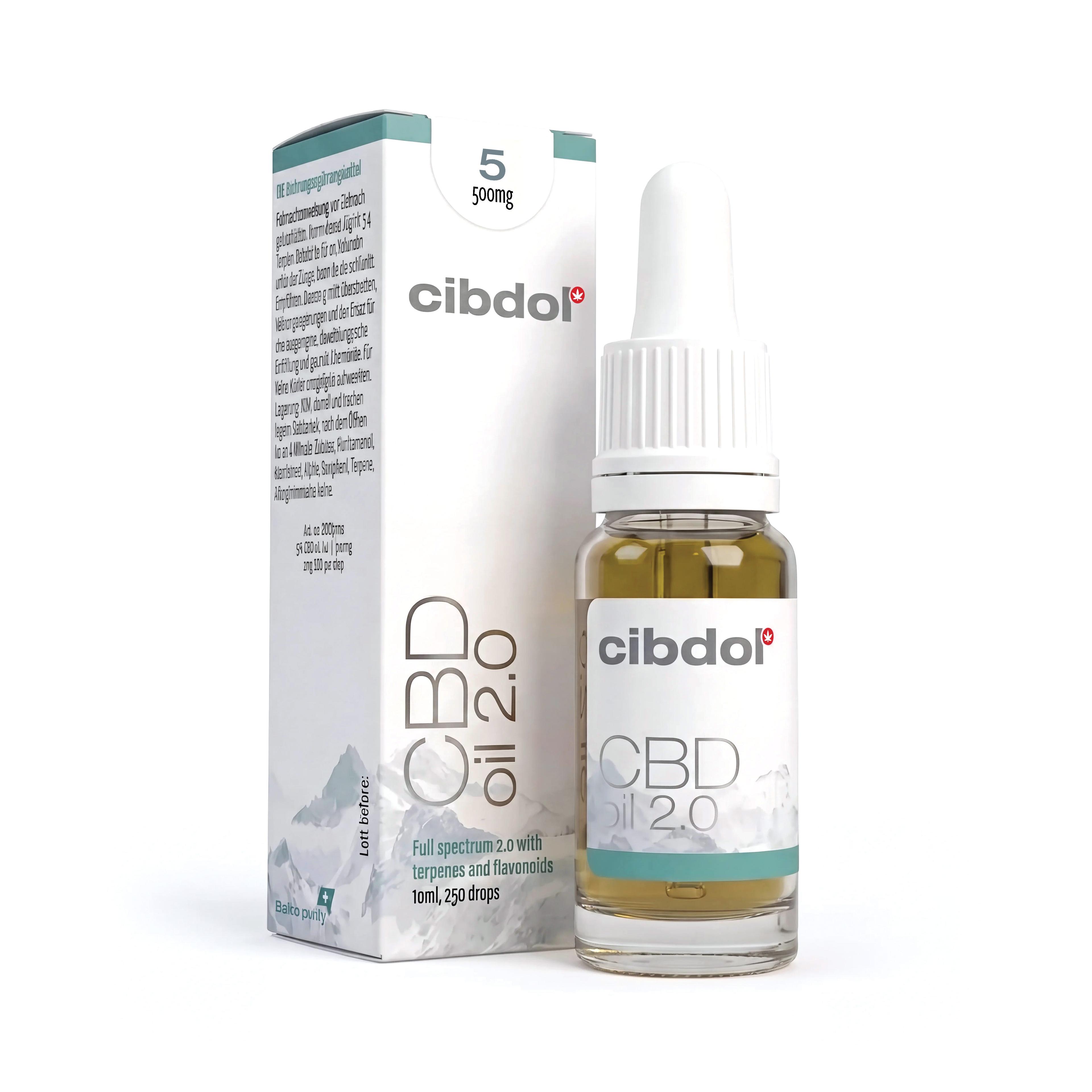
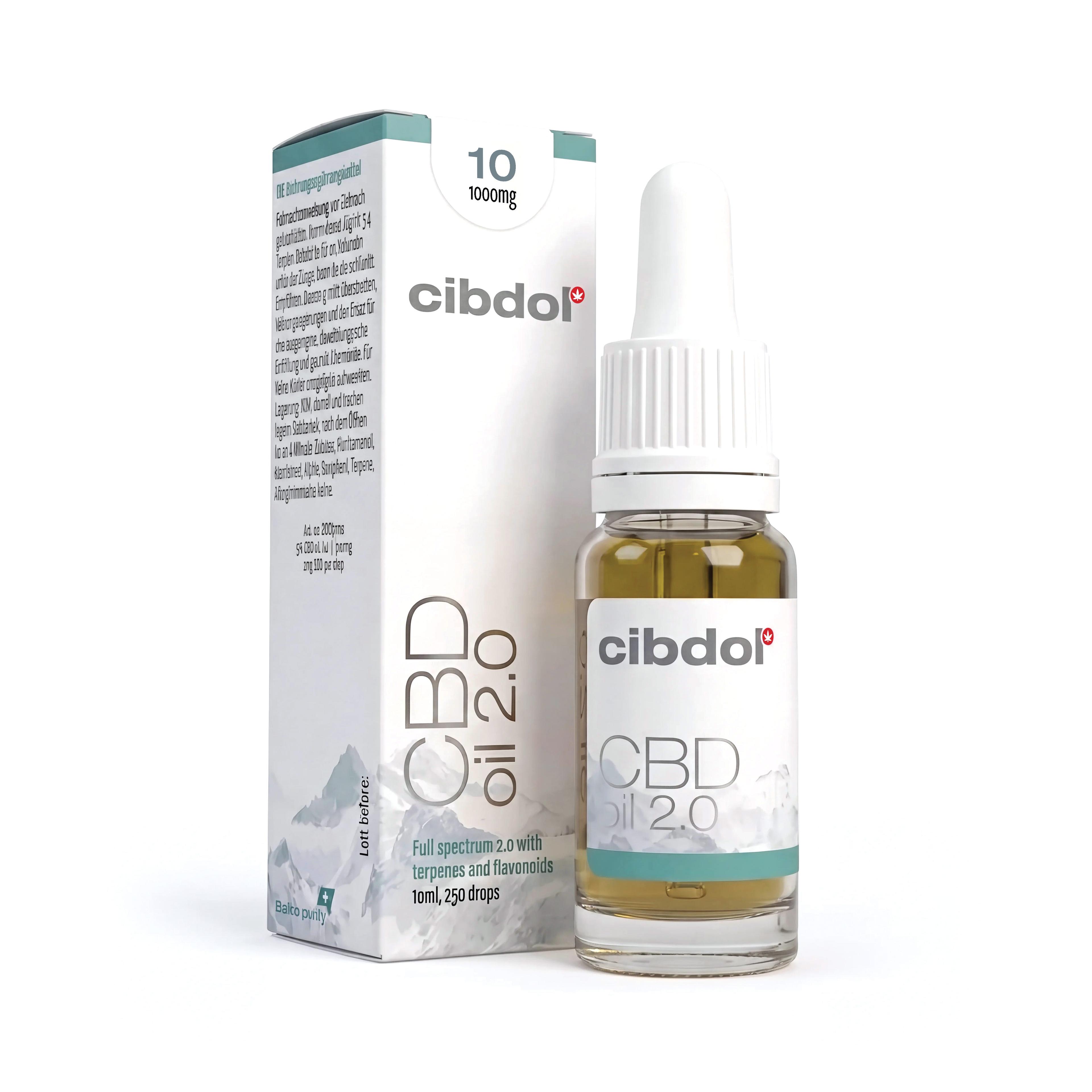
To see the concrete formats, strengths and bottle sizes produced with these plant compounds, you can review the CBD oil range.
Terpenes are the aromatic compounds plants build, and cannabis builds them too. Limonene is the citrus member of that family. The plain data first, one line at a time.
- Limonene belongs to the terpenes, the aromatic compound family that also turns up in cannabis.
- At room temperature it is a clear, mobile liquid.
- Water barely takes it up, so it will not blend into a glass of water.
- Oils and alcohol take it up freely, which is why it lives in oil-based and alcohol-based formats.
- The boiling point cited for it most often is around 176 degrees Celsius.
- The standard industrial route is cold-pressing, applied to orange and lemon peel.
- In a citrus oil, limonene accounts for the large majority of the volume.
- Other terpenes and oxygenated compounds sit alongside it in smaller amounts, and carry much of the finer character.
- Production runs at industrial scale, with citrus peel residue from juice production as the feedstock.
- Three separate industries take up the finished material.
- In cannabis literature, the framing cited most often is a review published in 2011 [1].
Nothing exotic in that list. A pressed liquid with a documented chemistry and a known origin.
How the liquid behaves
Four measurements cover most of what anyone working with this molecule needs. It is a clear, mobile liquid at room temperature, so it pours. Water barely takes it up. Oils and alcohol take it up freely, and that one difference decides the format long before anybody writes a label. The boiling point commonly cited for limonene is around 176 degrees Celsius, far above what a kitchen shelf or a bathroom cabinet will ever reach.
Solubility is the practical part. A compound that dissolves in oil travels with oil. That is chemistry, not positioning.
| Property | Recorded value | What follows from it |
|---|---|---|
| State at room temperature | Clear, mobile liquid | Pours and disperses; no melting step involved |
| Behaviour in water | Barely soluble | Does not blend into a water-based liquid |
| Behaviour in oils | Freely soluble | Sits naturally in an oil formulation |
| Behaviour in alcohol | Freely soluble | Also compatible with alcohol-based formats |
| Boiling point | Commonly cited around 176 degrees Celsius | Stays liquid across normal storage temperatures |
We have been formulating with plant compounds since 2014, and this is the level at which those decisions get made. Not adjectives. Numbers, and what they rule in or out. A molecule that ignores water and takes to oil belongs in an oil, and the paperwork behind a batch should say which one it is.
From peel to pressed oil
Cold-pressing is a mechanical step. Pressure on the rind, no added heat, and the oil comes out of the peel rather than being cooked out of it. That is the standard industrial route for limonene, and the raw material is orange and lemon peel.
Here is the part that surprises people. The peel is not grown for this. It is what a juice plant has left once the juice has gone, and that residue is the feedstock. Production sits at industrial scale, which is unusual for a terpene, and three separate industries take up the result.
| Stage | Detail |
|---|---|
| Raw material | Orange and lemon peel |
| Standard method | Cold-pressing, mechanical, no added heat |
| Where the peel comes from | Residue left over from juice production |
| Scale of production | Industrial |
| Downstream uptake | Three separate industries |
| Output at room temperature | Clear, mobile liquid |
Two things follow from that table, and both are useful for a reader who wants to know what is actually in a bottle. First, limonene is not a scarce curiosity; it is a by-product stream with real volume behind it. Second, a compound that three industries buy is a compound with documentation, and documentation is what we ask for. Swiss quality, no compromise, starts with knowing which peel, which press, and which batch. If a supplier cannot answer that, the material does not come in.
What a citrus oil is made of
Pressed citrus oil is not one substance. Limonene takes the large majority of the volume, and everything else fits into what is left. Those minor fractions matter more than their share suggests, because other terpenes and oxygenated compounds carry much of the finer character of the oil.
So the headline number and the interesting number are not the same number. That distinction is worth keeping in mind whenever a label reduces a whole oil to a single compound name.
| Fraction | Share of the oil | Role in the composition |
|---|---|---|
| Limonene | Large majority of the volume | The dominant component; sets the bulk chemistry |
| Other terpenes | Smaller amounts | Part of the finer character of the oil |
| Oxygenated compounds | Smaller amounts | Much of the finer character sits here |
The same logic applies to hemp. A full-spectrum extract, meaning one that keeps the plant's broader profile rather than isolating a single molecule, is read the same way as a citrus oil: one component leads on volume, and a longer list of minor components fills out the profile. Which is why a batch analysis is more informative than a compound name on the front of a box. Since 2014, one standard has held here: know what is inside, in writing, before it becomes part of anyone's routine. A number you can check beats a claim you cannot.
The 2011 review and its limits
In cannabis research, the framing cited most often around terpenes comes from a 2011 review by Russo [1]. Its proposal is specific: that cannabis terpenes, limonene among them, and cannabinoids interact rather than merely sit side by side in the same extract [1]. That idea is often called the entourage effect, meaning the notion that a plant's components act together rather than one at a time [1].
Now the important part. That paper is a proposal and a synthesis of earlier work, not a demonstration [1]. It gathers threads and suggests a mechanism worth investigating. It does not close the question.
| Question | What the 2011 review provides | Status |
|---|---|---|
| What is proposed | Interaction between cannabis terpenes and cannabinoids, not mere coexistence [1] | Proposal |
| Is limonene named | Yes, among the terpenes discussed [1] | Named in the proposal |
| Type of paper | Review and synthesis of earlier work [1] | Not a demonstration |
| What it settles | Nothing definitive about the mechanism [1] | Open |
| Cibdol's reading | Interesting, unproven, worth following | Evidence-supported position |
We could write this section with more confidence than the evidence carries. Plenty of the category does. We would rather say the honest thing: the 2011 framing is one of the more interesting open questions in cannabinoid science, it remains unproven, and we are following it [1]. If the evidence firms up, our copy changes with it. That has been the working method since 2014, and it is the same method we apply to a pressed liquid from orange peel as to anything else in the bottle.
Frequently Asked Questions
4 questionsDoes limonene mix into water?
At what temperature does limonene boil?
How does industry get limonene out of the peel?
What did the 2011 review actually claim about limonene?
About this article


Luke Sholl has been writing about cannabinoids, CBD, and the broader benefits of nature since 2011. His background includes first-hand cannabis cultivation experience spanning the full seed-to-harvest lifecycle across so
This wiki article was drafted with AI assistance and reviewed by Luke Sholl, CBD & wellness writer. Editorial oversight by Joshua Askew.
Medical disclaimer. This content is for informational purposes only and does not constitute medical advice. Consult a qualified healthcare provider before use of any substance.
Last reviewed 26 серпня 2026 р.
References (1)
- [1]Russo, E. B. (2011). Taming THC: potential cannabis synergy and phytocannabinoid-terpenoid entourage effects. DOI: https://doi.org/10.1111/j.1476-5381.2011.01238.x
Related Articles
Valencene: The Molecule Behind the Name
A sesquiterpene built from three isoprene units, fifteen carbons in total, formula C15H24. Here is what the chemistry fixes, and where the published record runs out.
Terpineol: Lilac, Not Pine
Hemp aroma gets talked about in pine and citrus. Terpineol sits somewhere else: a floral monoterpene alcohol whose name hides four isomers and whose boiling point is reported inconsistently.
Sabinene Explained: Formula, Family, Boiling Point
Sabinene sits in the terpene family, with the formula C10H16 and a molar mass around 136 g/mol. Here is what the chemistry fixes, and where the record for this single molecule stops.
Phytol: From Chlorophyll to a Boiling Point
A terpenoid with an alcohol group, a diterpene backbone, and a boiling point that only makes sense with its pressure condition attached. Here is what the record holds, and where it stops.
Ocimene, Described in Four Lines
A short, precise look at one aromatic molecule: its family in the terpene group, the four words used for its smell, and what the approximate 100 °C figure actually marks.
Guaiol: 15 Carbons, One Hydroxyl Group, Two Boiling Points
Guaiol is a sesquiterpene alcohol: a 15-carbon skeleton carrying a hydroxyl group. Here is its structure, its aroma profile, and why one molecule ends up with two very different boiling point figures.
Geraniol: Formula, Family, Boiling Point
Geraniol is a monoterpene alcohol with the formula C10H18O and a boiling point near 230 °C at atmospheric pressure. Here is what the chemistry pins down, and where the published record still opens out.
What Is Farnesene? Start With the Formula
Farnesene is a C15H24 hydrocarbon, and the name covers a family of isomers rather than a single compound. Here is the chemistry, the difference from farnesol, and what the plant record says.
Eucalyptol on a Lab Report: One Compound, Two Names
Eucalyptol and 1,8-cineole are the same molecule written two ways. Here are the terpene basics, the number that keeps getting quoted, and why the batch document matters more than the spelling.
