
Eucalyptol on a Lab Report: One Compound, Two Names
Definition
Eucalyptol is the everyday name for the compound written as 1,8-cineole. One substance, two labels. It sits in the terpene group, the volatile compounds behind how a plant smells [1], and its boiling point is quoted at roughly 176 °C at ordinary atmospheric pressure.
Two words for one thing on a batch analysis
Half past nine, phone propped against the kettle, a batch analysis open in the browser. Under the cannabinoid rows sits a second block with a heading you skipped the first time: terpenes. One line says eucalyptol. A different document, same molecule, says 1,8-cineole. Neither page explains why.
Terpenes, in one sentence
Terpenes are volatile compounds, and in a plant their job is smell [1]. Volatile means they evaporate on their own, at ordinary room temperature, with no heat applied. In cannabis, that whole fraction has been catalogued in detail, compound by compound, right next to the cannabinoids [1]. So a terpene block on an analysis is not an oddity. It is part of the standard picture of the plant.
One substance, two names
Eucalyptol is the name people say and type. 1,8-cineole is the systematic one, the version chemists write, with the numbers marking positions in the molecule. Same substance. Two labels. If you have two documents in front of you and each uses a different word, you are not looking at two ingredients.
The number that keeps getting quoted
Eucalyptol boils at roughly 176 °C at ordinary atmospheric pressure. Published values cluster around that figure rather than settling on one decimal, which is normal for a plant volatile. Purity differs. Instruments differ. So does the air pressure in the room on the day of the measurement.
A boiling point is one specific thing: the temperature at which a liquid turns to vapour at a stated pressure. It is not the temperature at which a compound first starts moving. Volatile compounds leave a surface long before that, slowly, which is why terpenes are the part of a plant you can smell [1].
Two things follow. First, 176 °C sits well above the boiling point of water, so nothing a kettle does gets close. Second, the figure only holds at the pressure it was quoted for. Lower the pressure and the number drops with it, which is why the pressure belongs in the sentence.
Why the name turns up beside cannabinoids
Terpene names got printed next to cannabinoids for a reason with a date on it. In 2011, Russo published a review arguing that cannabis terpenes and cannabinoids may act together rather than one compound at a time [1]. The same review is where the plant's terpene fraction is laid out in detail, alongside the cannabinoids [1]. It is a review, so it gathers and reads published work rather than reporting a fresh measurement [1].
What the 2011 review leaves open
Russo makes a case for synergy [1]. A case is not a measured result for one named terpene, at one named amount, in people. That gap matters when you meet a confident paragraph online claiming a single molecule does a single thing. We prefer the plain version: for eucalyptol on its own the human evidence is not there yet, and the group idea remains a proposal in the literature [1].
Match the row, not the word
Two reports, two spellings, and you still want to know whether the same thing was measured. Compare rows rather than vocabulary. The systematic name is the anchor, because 1,8-cineole describes the structure and cannot drift. Eucalyptol points at exactly the same molecule.
A useful habit: read the compound name first, then the batch number, then the date. A terpene figure belongs to the sample that was analysed, not to a brand or to a bottle in general. Change the batch and the numbers can change too, which is the whole reason analyses are issued per batch instead of once.
And a figure in a terpene column is a quantity. It reports how much was found. On its own it says nothing about what that amount does, which is exactly where the 2011 review by Russo comes back in [1].
How we keep it written down
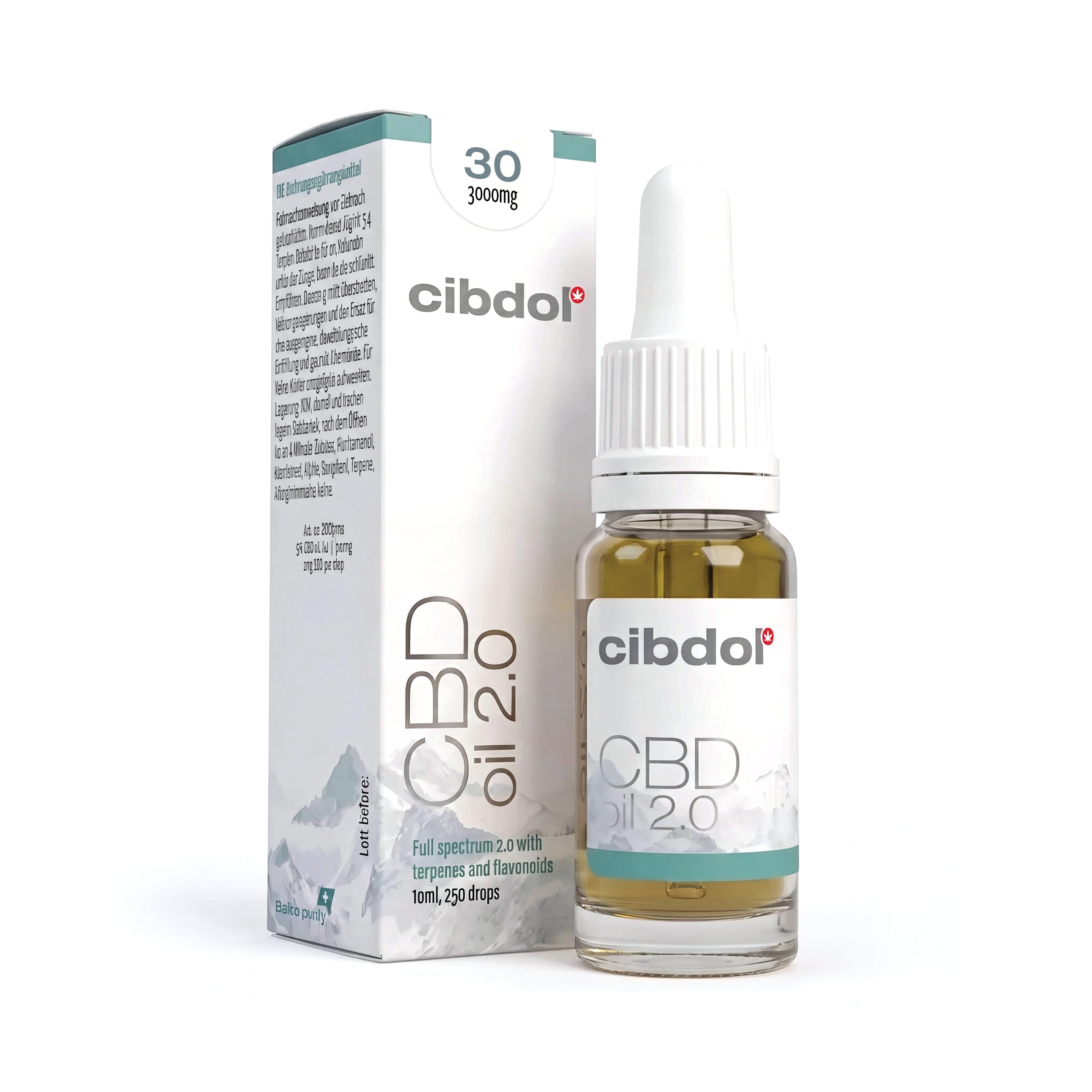
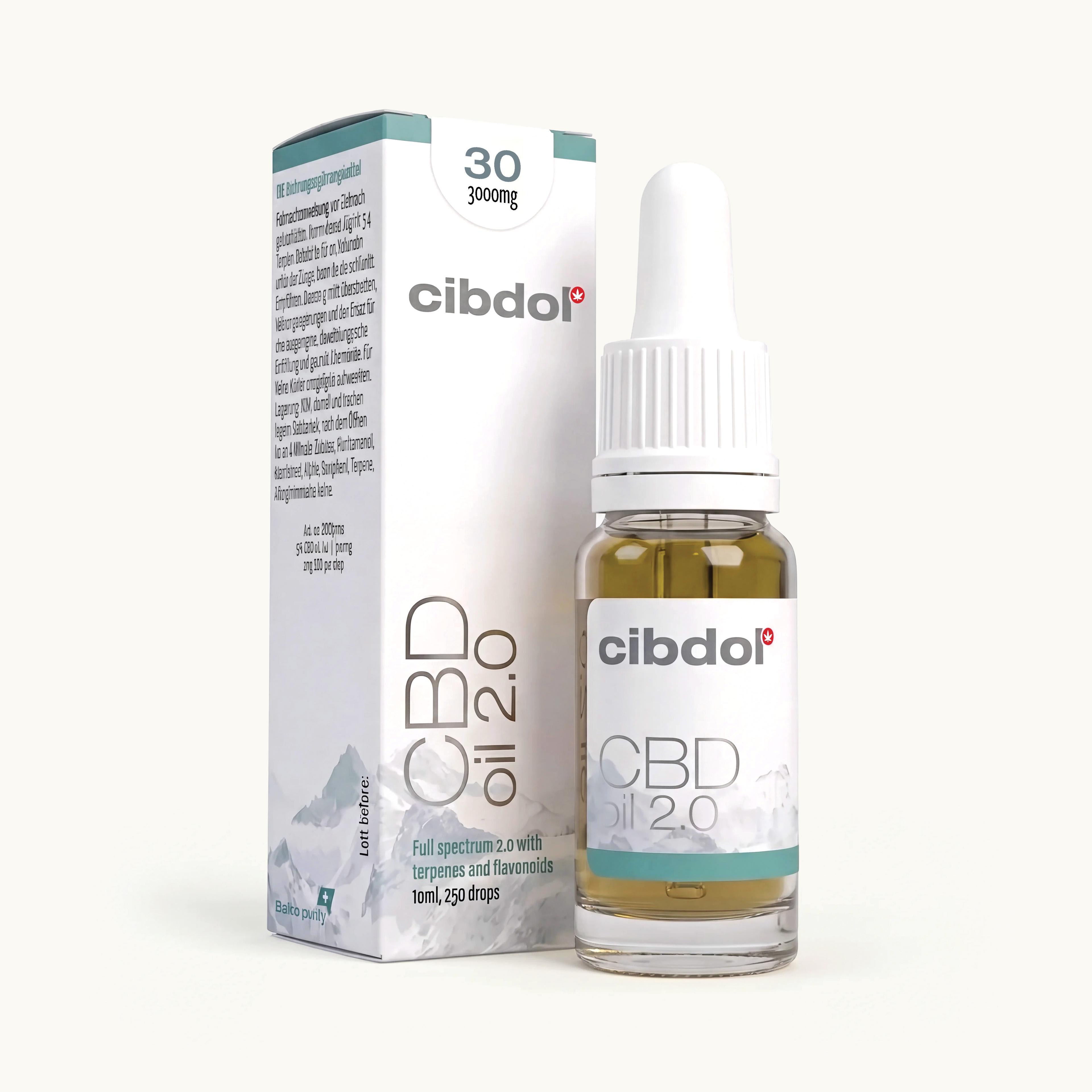
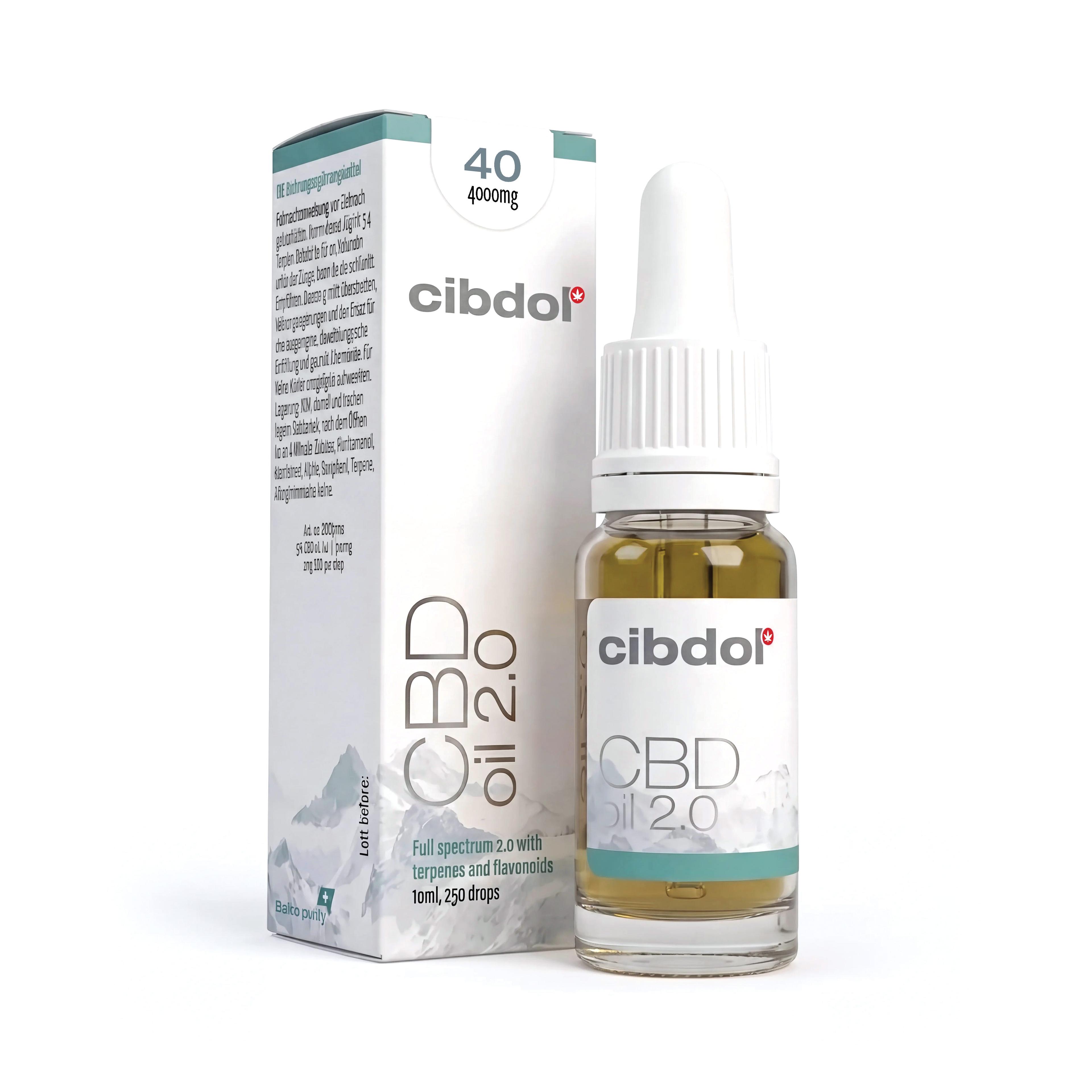
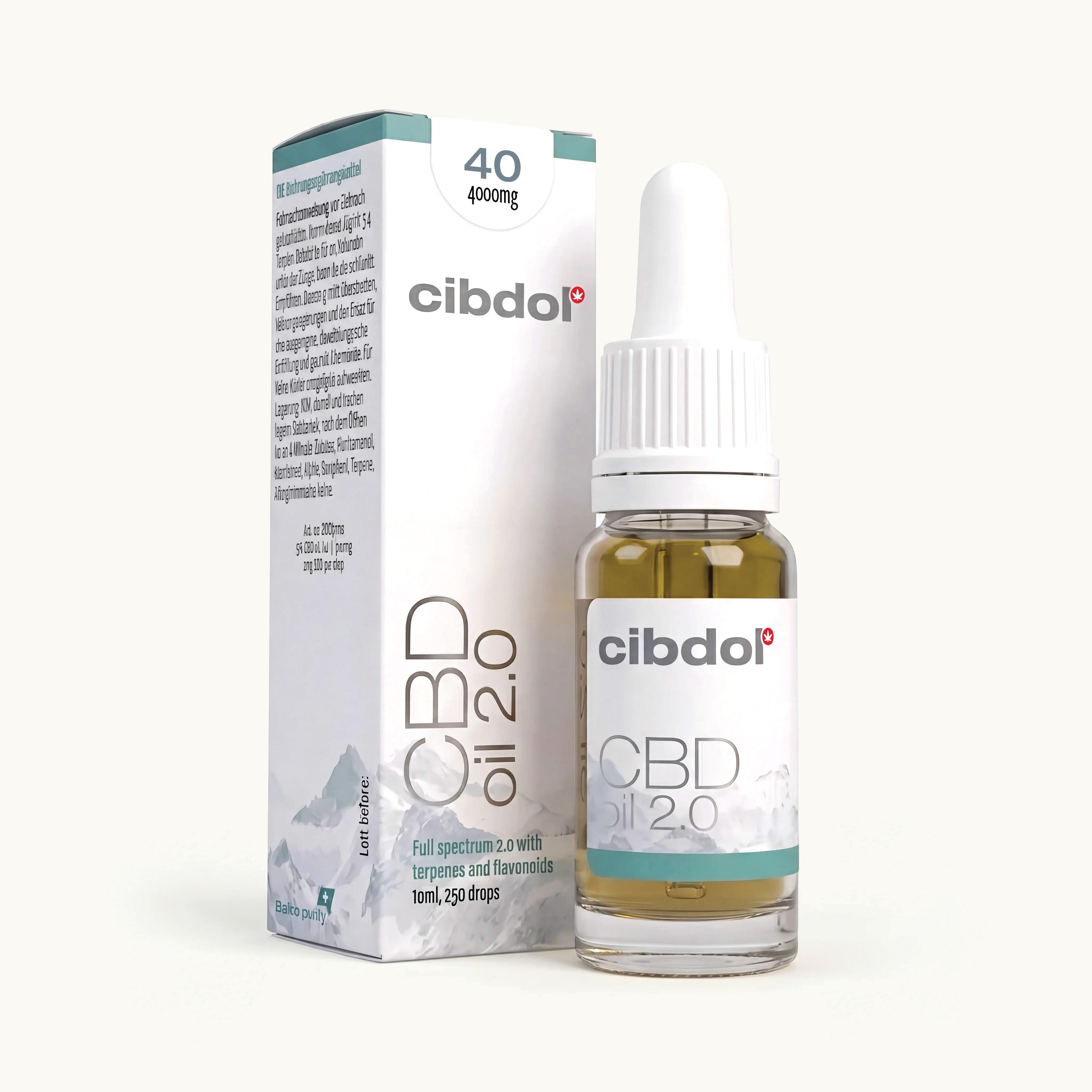
Cibdol has been working with cannabinoids since 2014, and the habit from those early years still runs the place: know what is inside, then publish it. Our catalogue is documented product by product, each with its own analyses, rather than one blanket statement stretched across a whole shelf. The CBD oil 2.0 range sits there on the same terms as everything else, with its own paperwork.
That structure exists because a well-known terpene name is not a spec. Whether a given compound appears in a given formula is a question about that formula, and the answer lives in that product's documentation, not in a general article about a molecule.
So the practical move is unglamorous. Open the product you are actually considering, read its analyses, then decide. That is what we mean by Swiss Quality. No Compromise.
Three checks before the word means anything
First, the name. If a page writes eucalyptol and a report writes 1,8-cineole, that is one compound with two labels, and nothing needs reconciling.
Second, the number attached to it. The boiling point sits at roughly 176 °C at ordinary atmospheric pressure, and published values cluster there rather than agreeing on a decimal. Quoting the pressure alongside the temperature is part of quoting it properly.
Third, the document. Terpene identities and amounts come from an analysis of one specific sample, which is why ours are kept separate for each product.
Past those three points, the ground gets thin quickly. The cannabis terpene fraction has been catalogued in detail [1], and the idea that these compounds work as a group was put forward by Russo in 2011 [1]. What one terpene does by itself, in a person, at a known amount, is still open.
Frequently Asked Questions
4 questionsAre terpenes and cannabinoids the same thing?
Does eucalyptol stay put until it reaches its boiling point?
Does the 2011 review by Russo tell us what eucalyptol does alone?
Where can I see which compounds are in a Cibdol product?
About this article


Luke Sholl has been writing about cannabinoids, CBD, and the broader benefits of nature since 2011. His background includes first-hand cannabis cultivation experience spanning the full seed-to-harvest lifecycle across so
This wiki article was drafted with AI assistance and reviewed by Luke Sholl, CBD & wellness writer. Editorial oversight by Joshua Askew.
Medical disclaimer. This content is for informational purposes only and does not constitute medical advice. Consult a qualified healthcare provider before use of any substance.
Last reviewed 29 серпня 2026 р.
References (1)
- [1]Russo, E.B. (2011). Taming THC: potential cannabis synergy and phytocannabinoid-terpenoid entourage effects. DOI: https://doi.org/10.1111/j.1476-5381.2011.01238.x
Related Articles
Valencene: The Molecule Behind the Name
A sesquiterpene built from three isoprene units, fifteen carbons in total, formula C15H24. Here is what the chemistry fixes, and where the published record runs out.
Terpineol: Lilac, Not Pine
Hemp aroma gets talked about in pine and citrus. Terpineol sits somewhere else: a floral monoterpene alcohol whose name hides four isomers and whose boiling point is reported inconsistently.
Sabinene Explained: Formula, Family, Boiling Point
Sabinene sits in the terpene family, with the formula C10H16 and a molar mass around 136 g/mol. Here is what the chemistry fixes, and where the record for this single molecule stops.
Phytol: From Chlorophyll to a Boiling Point
A terpenoid with an alcohol group, a diterpene backbone, and a boiling point that only makes sense with its pressure condition attached. Here is what the record holds, and where it stops.
Ocimene, Described in Four Lines
A short, precise look at one aromatic molecule: its family in the terpene group, the four words used for its smell, and what the approximate 100 °C figure actually marks.
Guaiol: 15 Carbons, One Hydroxyl Group, Two Boiling Points
Guaiol is a sesquiterpene alcohol: a 15-carbon skeleton carrying a hydroxyl group. Here is its structure, its aroma profile, and why one molecule ends up with two very different boiling point figures.
Geraniol: Formula, Family, Boiling Point
Geraniol is a monoterpene alcohol with the formula C10H18O and a boiling point near 230 °C at atmospheric pressure. Here is what the chemistry pins down, and where the published record still opens out.
What Is Farnesene? Start With the Formula
Farnesene is a C15H24 hydrocarbon, and the name covers a family of isomers rather than a single compound. Here is the chemistry, the difference from farnesol, and what the plant record says.
Camphene: Ten Carbons, Sixteen Hydrogens
A terpene from hemp's essential oil, described by a short formula and a single temperature. Here is what the chemistry fixes, and where the research still leaves questions open.
