Four Ways To Get CBD Out Of Hemp
Definition
Extracting CBD from hemp means separating the cannabinoids from the plant material they grew in. Four methods do that job, running from a jar of olive oil on a kitchen counter to carbon dioxide pumped through hemp under industrial pressure. The differences show up in the equipment, in purity and consistency, and in what you can check afterwards.
A Glass Jar Versus A Pressure Vessel
- Solventless extraction. No solvent enters the process at all. Pressure, and in some setups a measure of heat, moves resin out of the plant material. What you collect is a concentrate rather than a finished oil. Of the four routes on this page, this is the one sitting closest to kitchen-table simplicity, which is also why it turns up first in most explanations.
- Olive oil extraction. Ground hemp goes into edible oil, and the oil takes the cannabinoids with it. Ordinary kitchen equipment covers the whole job, start to finish. Nothing is concentrated along the way, so the olive oil stays part of whatever you end up with rather than being removed at the end.
- Solvent-based extraction. A liquid solvent, usually alcohol, pulls the compounds out of the hemp. Then the solvent has to leave again, which adds an evaporation step and, for anything sold to other people, a means of confirming what is still in the extract when that step is finished.
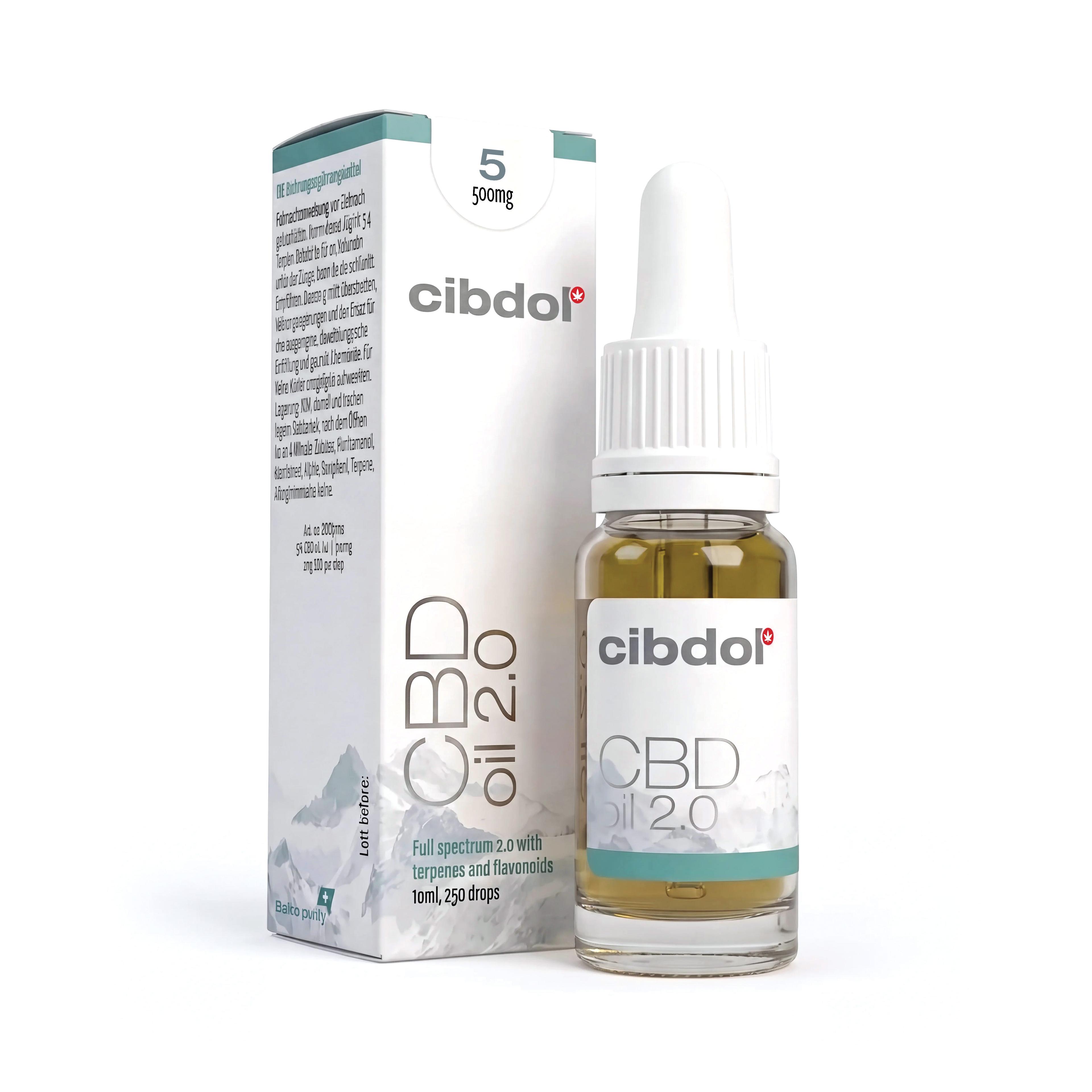
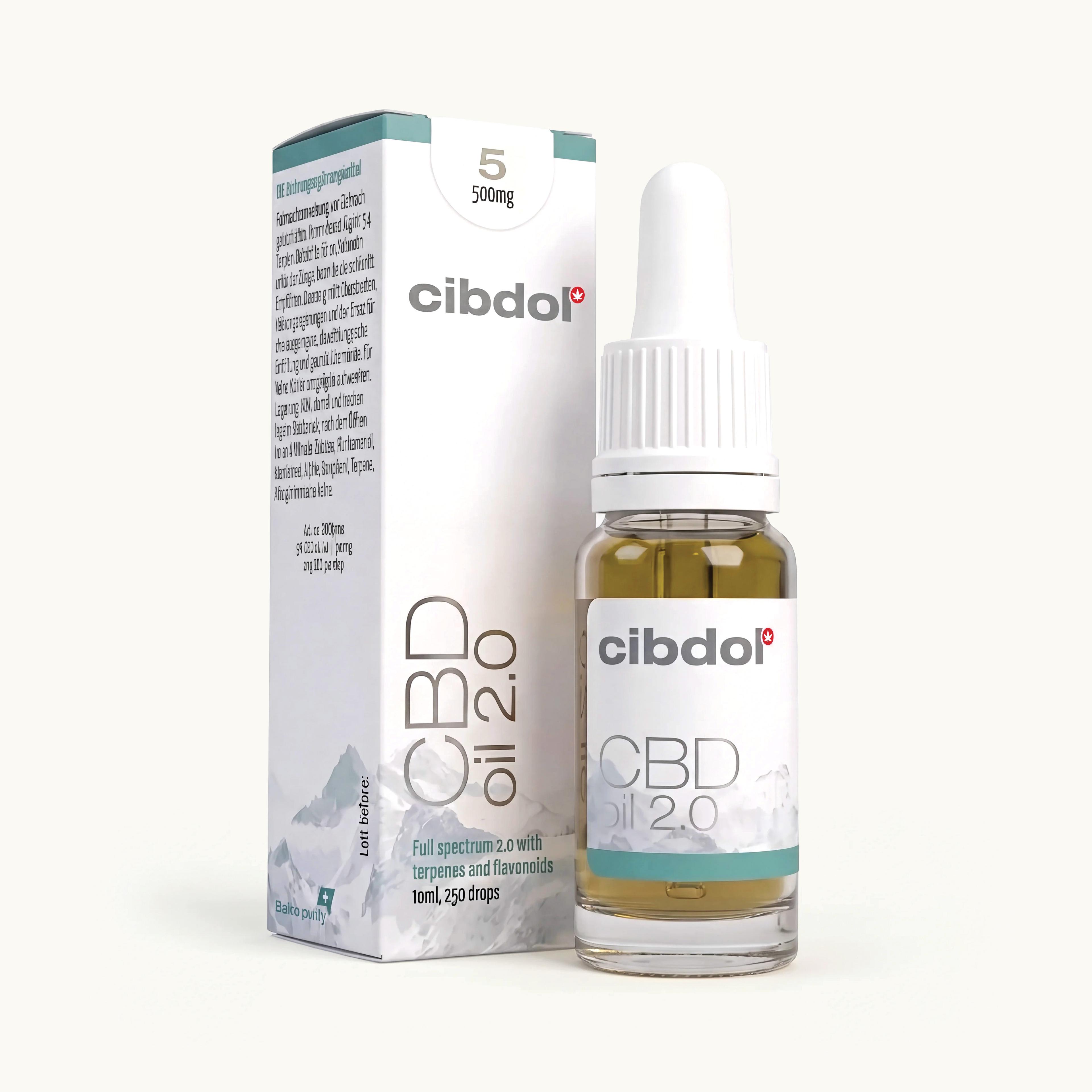
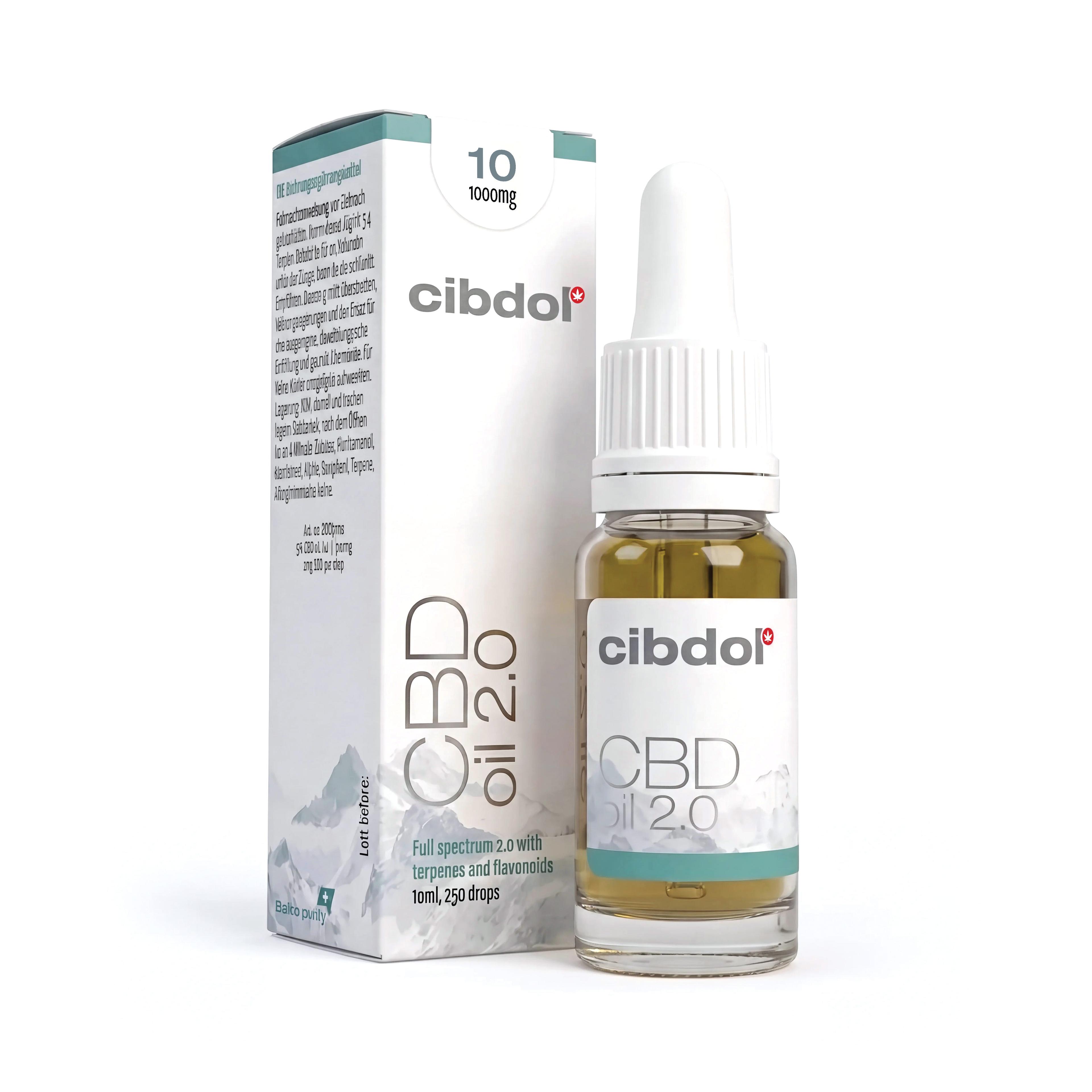
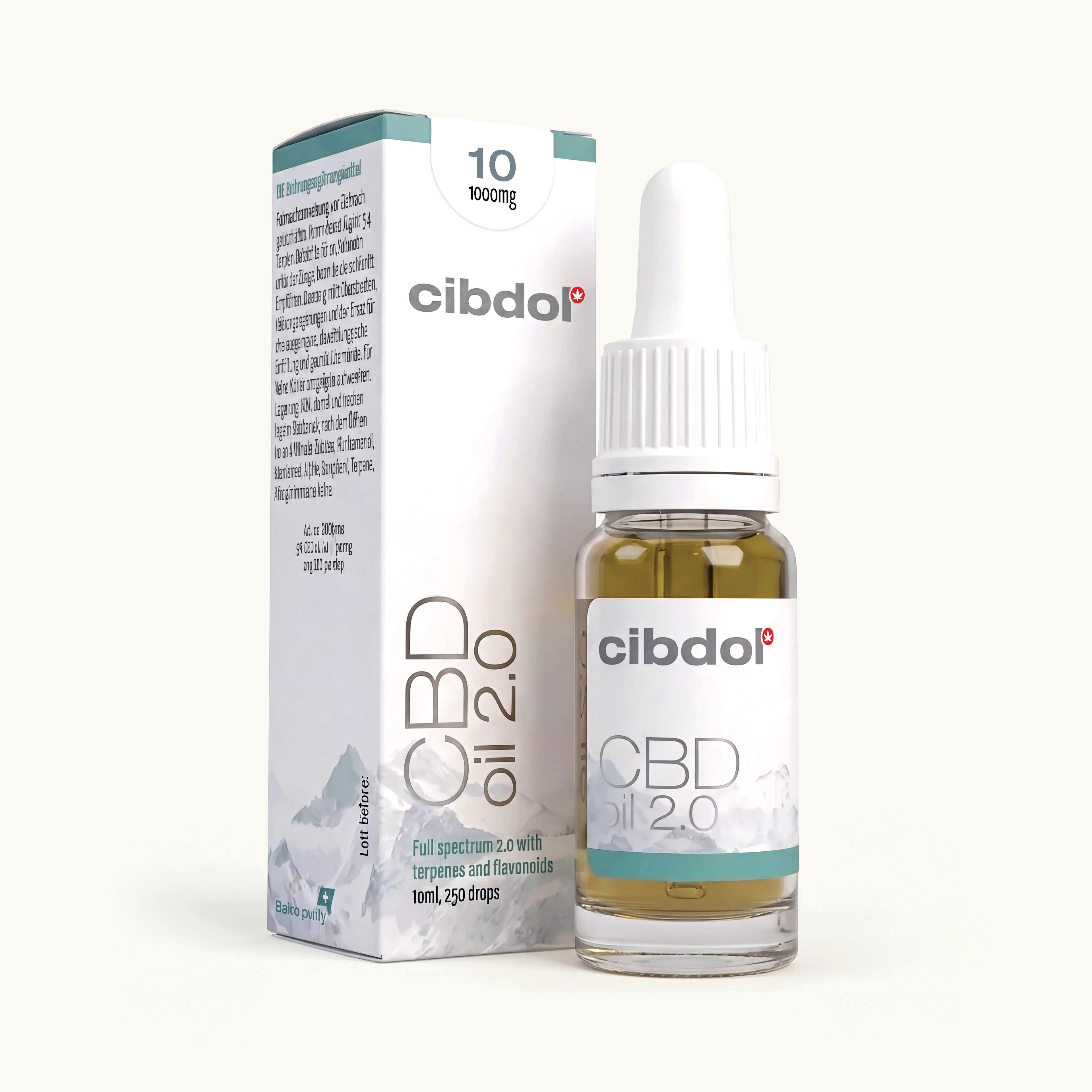
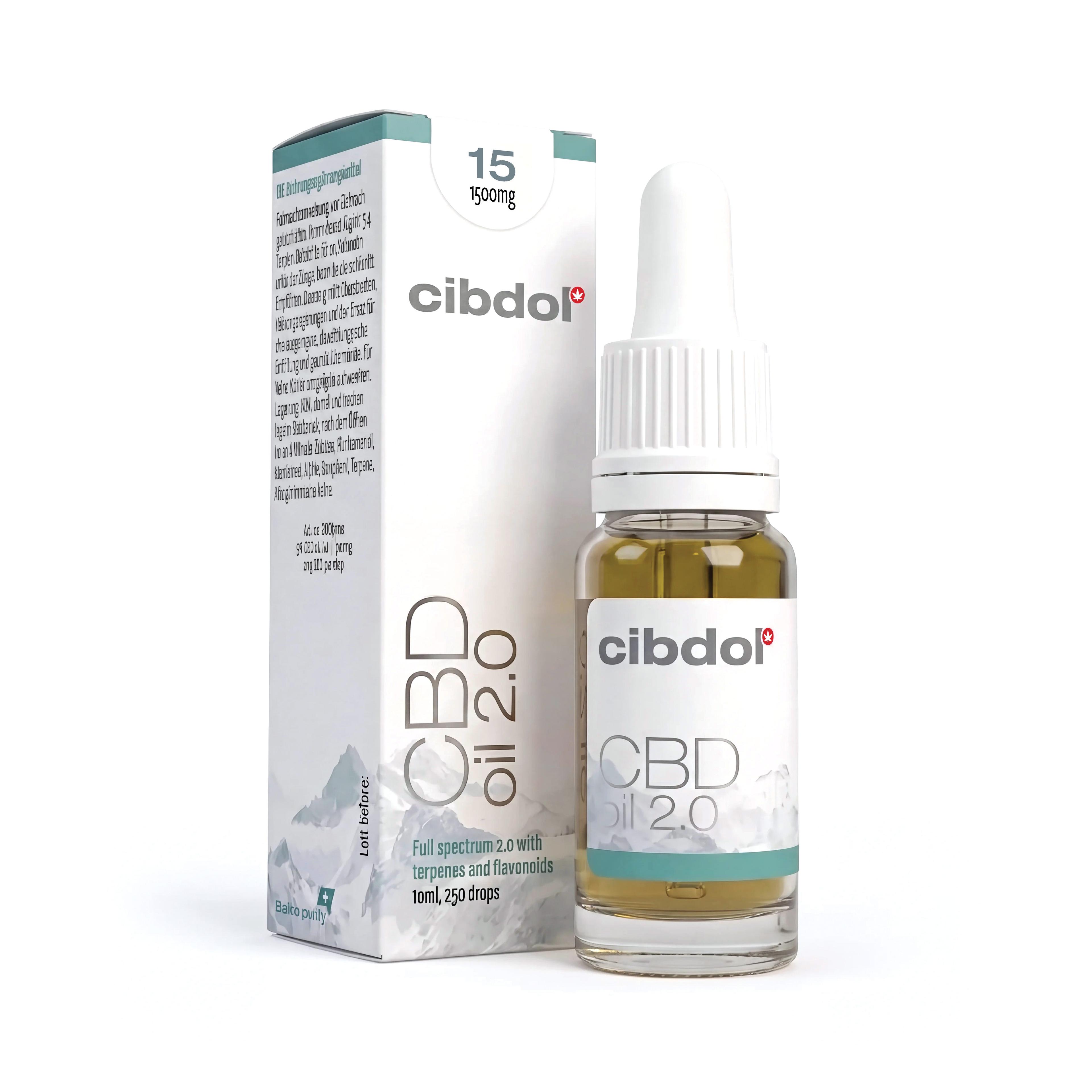
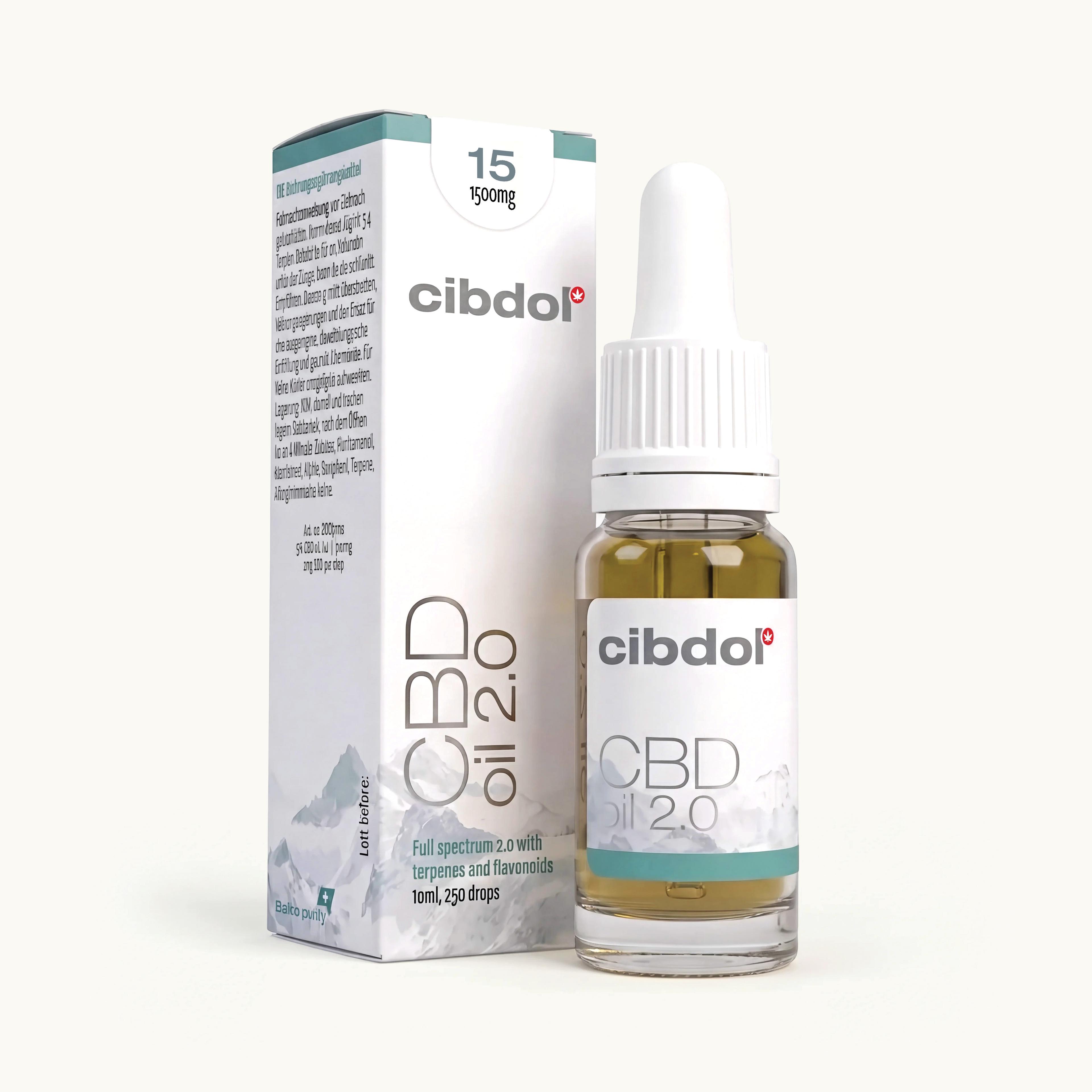
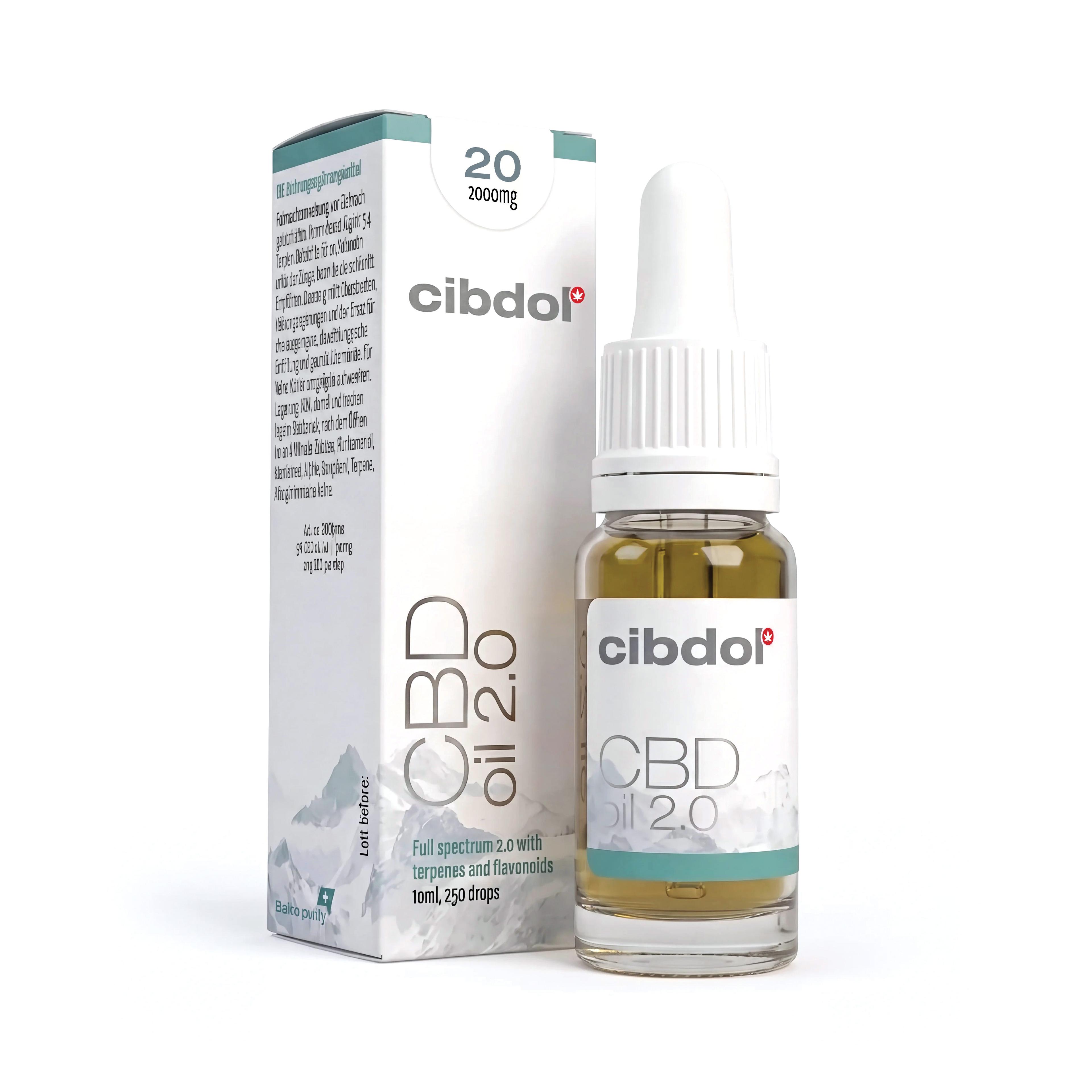
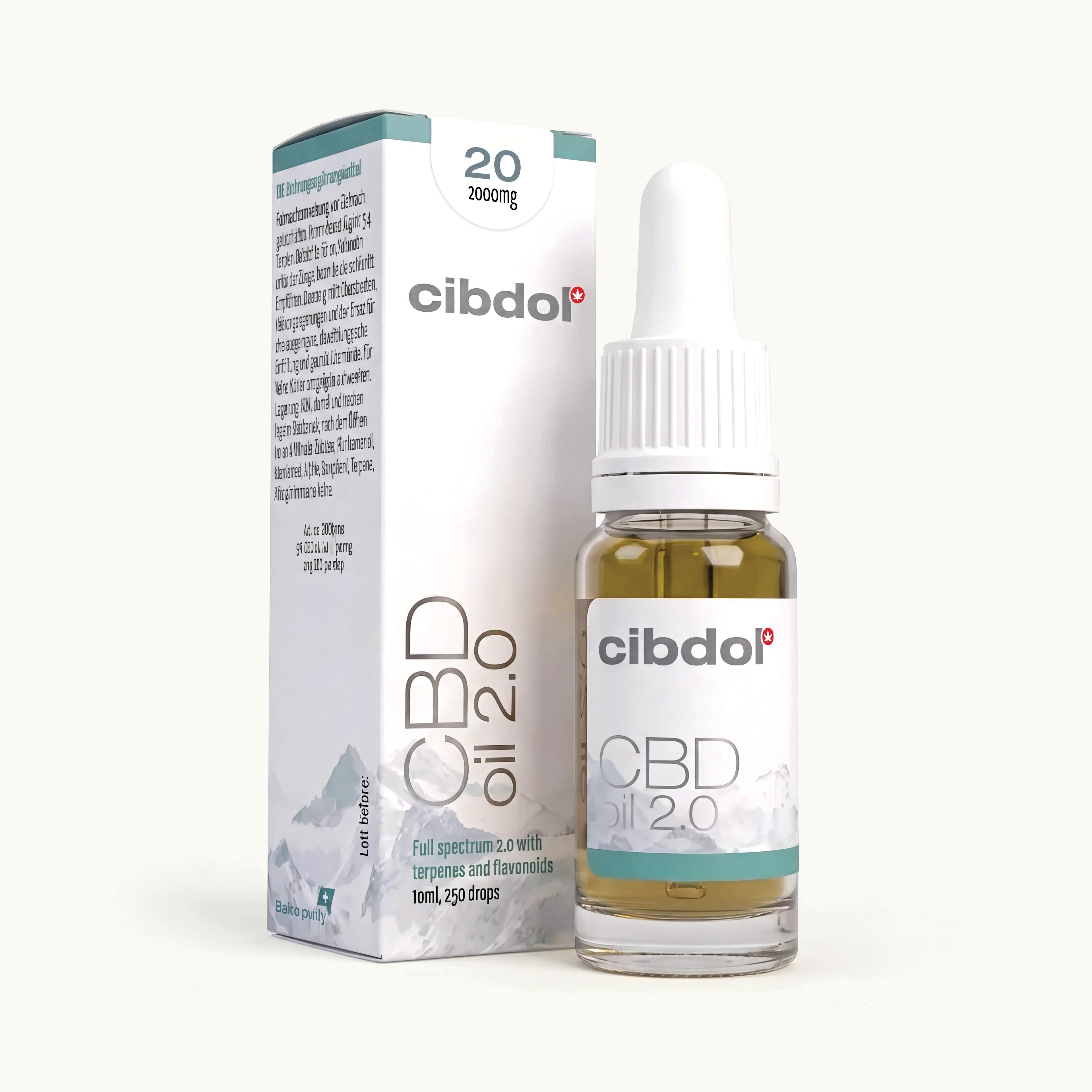
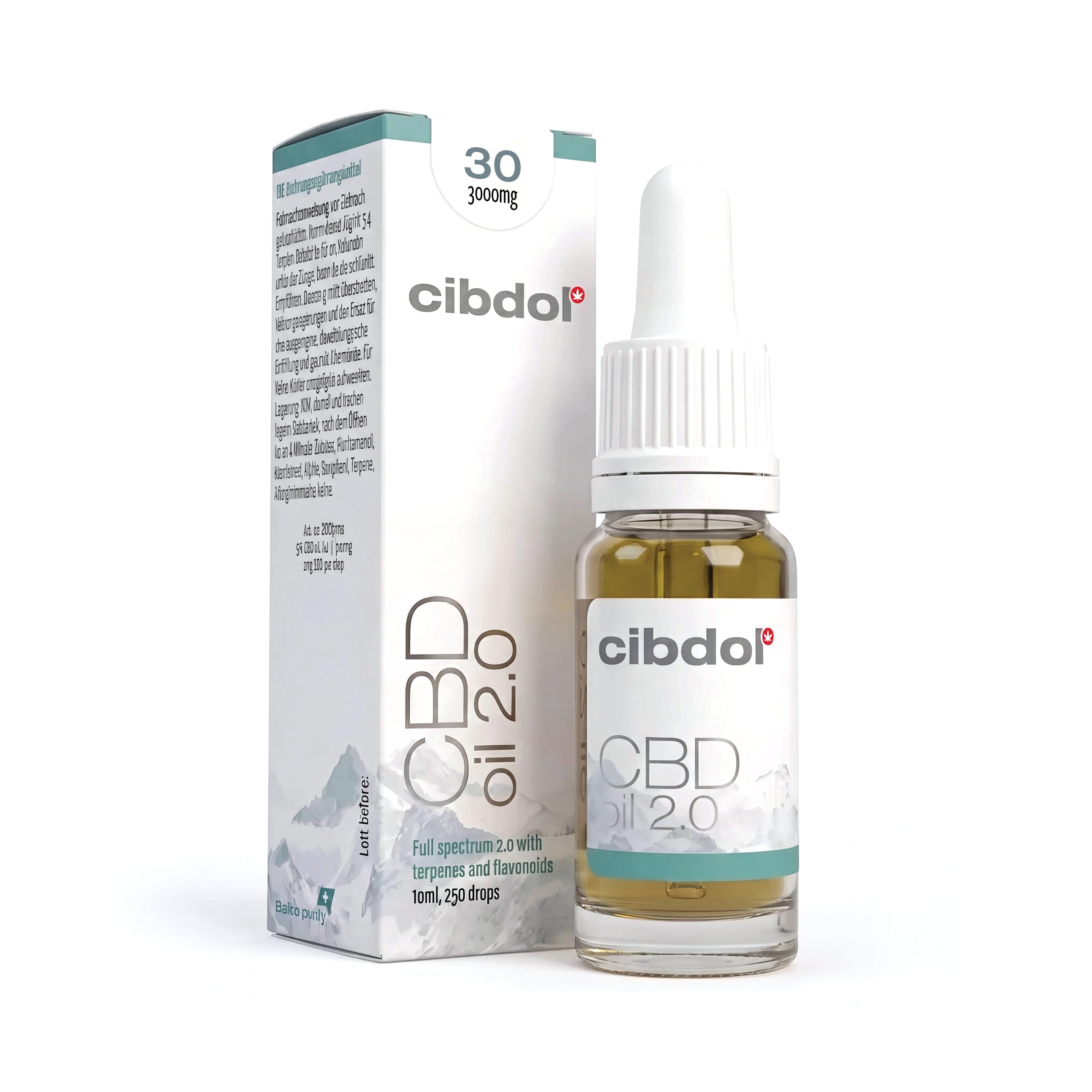
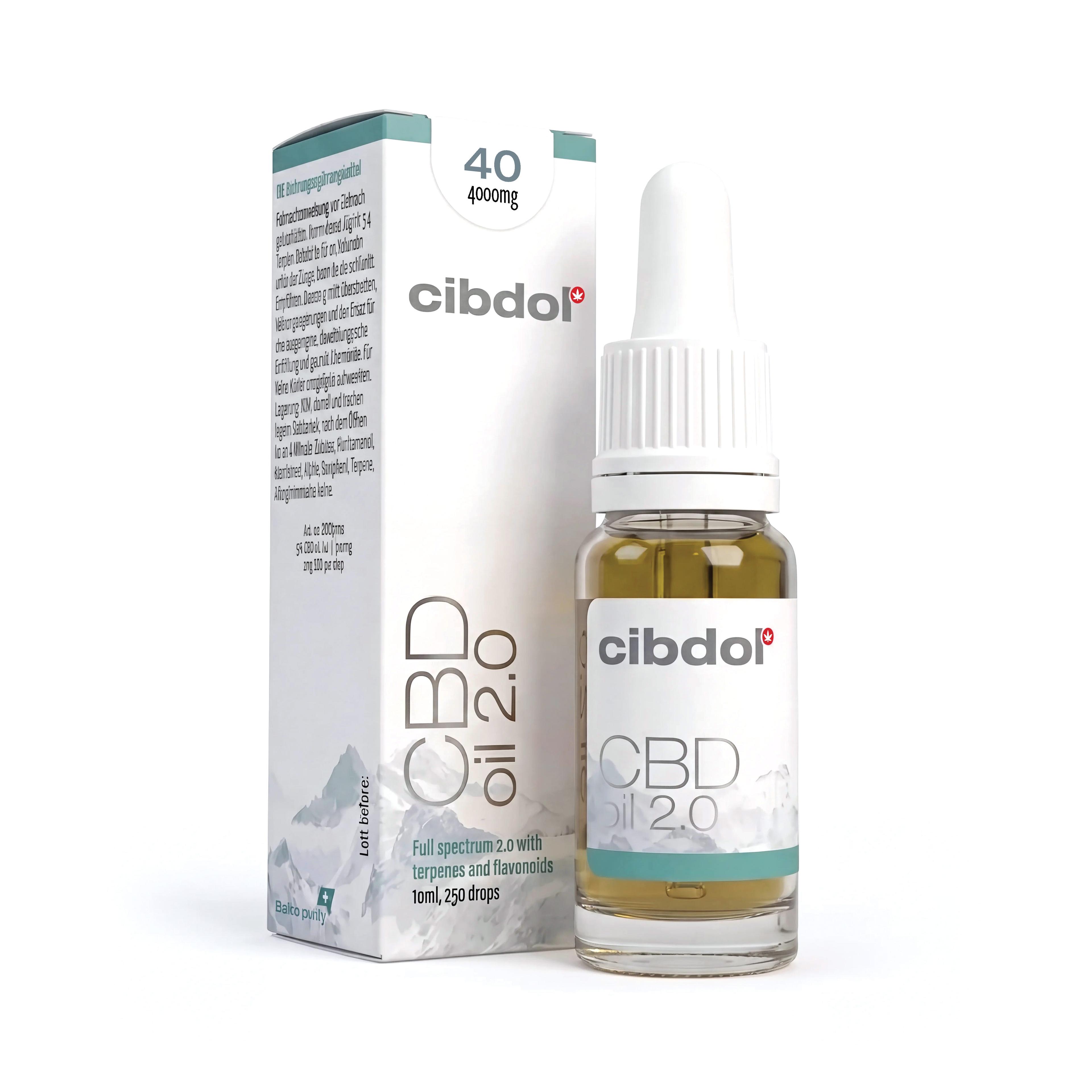
- Supercritical CO2 extraction. Carbon dioxide under pressure does the work a liquid solvent would otherwise do. This one calls for pressurised industrial equipment, and it is the process behind every extract in the Cibdol CBD oil range.
Inside The CO2 Method
Carbon Dioxide, Held Under Pressure
The mechanism is short to describe. CO2 is pumped through hemp under pressure. In that state it behaves as a selective solvent, and selective is the word doing the work here. It takes up cannabinoids along with other desirable compounds from the plant. The rest of the plant material stays where it is, left behind as residue once the run is over. So the separation happens inside the vessel, driven by pressure and by the state of the carbon dioxide, rather than by a liquid you later have to chase back out again.
What Happens To The Gas Afterwards
Once a run finishes, the CO2 has two possible routes. It is either recaptured and put back to use in the next run, or released safely. Nothing about that step is exotic, and it is one reason the method scales to production. For anyone reading a label, the practical point is what the gas leaves behind: an extract, and the spent plant material it came from. That is the whole ledger. Our extracts come off this process, all of them, not a selected part of the range.
Why It Isn't A Home Job
Read the four methods again and you can sort them by equipment before anything else. A jar and a warm cupboard sit at one end of that scale. A pressurised industrial system sits at the other, and that single detail settles a question people ask often. Supercritical CO2 extraction is not a home process. The pressures involved need engineered vessels, pumps and controls, which is why the method lives in production facilities and not in kitchens.
That same constraint is why we chose it. Ranked on purity and consistency, supercritical CO2 extraction comes first of the four, and consistency is the half that matters most once the same product has to come out right batch after batch, year after year.
The kitchen methods keep their place. Olive oil in a pan explains what extraction actually is in an afternoon, and there is real value in seeing the principle work with your own hands. What a pan cannot hand you is a repeatable output with an independent analysis attached to it.
Since 2014 we have been formulating and testing cannabinoids from Switzerland, and the equipment question got answered early. Precision here is the operating standard, not a line in an advert.
Four Points Where They Diverge
- Equipment. This is the first fork in the road. Solventless and olive oil methods run on things most people already own. Solvent-based work needs a way to remove the solvent afterwards. Supercritical CO2 extraction needs pressurised industrial hardware, which puts it outside the reach of a home setup entirely.
- What the solvent is. In one method there is no solvent. In another the solvent is edible oil that stays in the product. In the third it is a liquid that has to be driven off. In the fourth it is carbon dioxide, which is recaptured for reuse or released safely once the run is done.
- Purity and consistency. Put the four in order on those two measures and supercritical CO2 extraction takes first place. That is the reason it became our method for every extract we make rather than one option among several.
- What can be checked afterwards. A method describes how the cannabinoids left the plant. It does not tell you what is in a specific bottle. That comes from measurement, which is why each of our batches gets an independent analysis and the contents stay checkable.
Two Halves Of One Commitment
A cleaner process and proof of the output are two different things, and they are worth keeping apart in your head. Supercritical CO2 extraction covers the first half. Independent per-batch analysis covers the second, because the only way to know what is in a bottle is to have it measured and then publish the figures where anyone can read them.
Put together, that is the standard. The extraction method accounts for how the cannabinoids came out of the hemp. The batch report accounts for what ended up in the oil in front of you. Neither one substitutes for the other, and both are readable before the bottle becomes part of anyone's routine.
Swiss Practice, Since 2014
We have been working with cannabinoids since 2014, which in this category is a long time. Swiss origin, Basel-minded habits: formulate carefully, measure, write the numbers down. That is where a preference for pressurised CO2 over quicker options comes from, and it is why the analysis for a batch exists whether or not anyone asks to see it. One process, one method, one set of published results. Claims are cheap. Reports are better.
Frequently Asked Questions
5 questionsCan I run supercritical CO2 extraction in my own kitchen?
What does the carbon dioxide actually do inside the vessel?
Where does the CO2 go once a run is finished?
Which of the four methods gives the most consistent result?
How do I know what is in the bottle I am holding?
About this article


Luke Sholl has been writing about cannabinoids, CBD, and the broader benefits of nature since 2011. His background includes first-hand cannabis cultivation experience spanning the full seed-to-harvest lifecycle across so
This wiki article was drafted with AI assistance and reviewed by Luke Sholl, CBD & wellness writer. Editorial oversight by Joshua Askew.
Medical disclaimer. This content is for informational purposes only and does not constitute medical advice. Consult a qualified healthcare provider before use of any substance.
Last reviewed 26 серпня 2026 р.
Related Articles
Valencene: The Molecule Behind the Name
A sesquiterpene built from three isoprene units, fifteen carbons in total, formula C15H24. Here is what the chemistry fixes, and where the published record runs out.
Terpineol: Lilac, Not Pine
Hemp aroma gets talked about in pine and citrus. Terpineol sits somewhere else: a floral monoterpene alcohol whose name hides four isomers and whose boiling point is reported inconsistently.
Sabinene Explained: Formula, Family, Boiling Point
Sabinene sits in the terpene family, with the formula C10H16 and a molar mass around 136 g/mol. Here is what the chemistry fixes, and where the record for this single molecule stops.
Phytol: From Chlorophyll to a Boiling Point
A terpenoid with an alcohol group, a diterpene backbone, and a boiling point that only makes sense with its pressure condition attached. Here is what the record holds, and where it stops.
Ocimene, Described in Four Lines
A short, precise look at one aromatic molecule: its family in the terpene group, the four words used for its smell, and what the approximate 100 °C figure actually marks.
Guaiol: 15 Carbons, One Hydroxyl Group, Two Boiling Points
Guaiol is a sesquiterpene alcohol: a 15-carbon skeleton carrying a hydroxyl group. Here is its structure, its aroma profile, and why one molecule ends up with two very different boiling point figures.
Geraniol: Formula, Family, Boiling Point
Geraniol is a monoterpene alcohol with the formula C10H18O and a boiling point near 230 °C at atmospheric pressure. Here is what the chemistry pins down, and where the published record still opens out.
What Is Farnesene? Start With the Formula
Farnesene is a C15H24 hydrocarbon, and the name covers a family of isomers rather than a single compound. Here is the chemistry, the difference from farnesol, and what the plant record says.
Eucalyptol on a Lab Report: One Compound, Two Names
Eucalyptol and 1,8-cineole are the same molecule written two ways. Here are the terpene basics, the number that keeps getting quoted, and why the batch document matters more than the spelling.
