Bisabolol: The Terpene That Stays Quiet

Definition
Bisabolol is a sesquiterpene alcohol, one of the aromatic compounds made in the resin glands of plants. In cannabis it turns up in small amounts and rarely as the dominant note, with the figure moving between cultivars and harvests [1]. Outside hemp, the name is best known from chamomile oil chemistry and from cosmetic ingredient lists.
Loud terpenes, and this one
- Some terpene names arrive with volume. Myrcene, limonene, pinene: you meet them the second a jar is opened. Bisabolol sits further down the same column, present in small amounts in cannabis plant material and rarely the dominant note [1].
- It belongs to the terpenes, the aromatic compounds produced in the plant's resin, catalogued next to the cannabinoids in the 2011 review by Russo [1].
- The structure is a sesquiterpene alcohol: fifteen carbons and one hydroxyl group. Heavier than the ten-carbon monoterpenes, which is why it does not evaporate as fast as they do.
- Two names, one compound. Alpha-bisabolol is the form written on cosmetic ingredient lists, sometimes as bisabolol, sometimes as levomenol.
- The reference plant most people already know is chamomile, where alpha-bisabolol is a documented constituent of the essential oil.
- The amount in any given harvest is not a constant. Cultivar, growing conditions and harvest timing all move it [1].
- It is not a cannabinoid. Different molecular family, different line on an analysis, different body of literature behind it.
From resin gland to batch report
- The starting point is the trichome, the resin gland on the flower surface where terpenes and cannabinoids are produced together in the same tissue [1].
- Harvest timing counts. An early cut and a late cut of the same cultivar do not give the same terpene fraction [1].
- Drying and storage follow. Volatile compounds leave over time, so a fresh sample and a stored one seldom read alike.
- Then a sample is drawn. It represents one batch on one date, not the plant species in general.
- In the lab, gas chromatography separates the mixture and names the components, and the report lists each one with a measured amount.
- Because bisabolol is a minor constituent, that line can sit close to the detection limit, or be absent from the printout entirely [1].
- Which leaves one honest way to read a terpene profile. This batch, this method, this date. Nothing wider than that.
- Cibdol has worked with cannabinoids since 2014, and the same logic applies to every number we publish: measured, batch by batch.
Small amounts, thin literature
Minor compounds get minor attention. That is the plain situation with bisabolol in cannabis. It is documented as present, in small amounts, as a non-dominant note, with real variance between cultivars, growing conditions and harvest timing [1]. What follows from that is mostly a list of open questions.
The 2011 review by Russo is the reference most often cited here. It gathered the terpenoid chemistry of cannabis and set out the entourage effect proposal: the idea that cannabinoids and terpenes occurring together in a plant extract may shape its overall profile rather than acting in isolation [1]. Worth being exact about what that is. It was a hypothesis built on assembled data, not a clinical conclusion about any single terpene.
So bisabolol has a well-described structure, a clear plant chemistry, and a small, variable presence in hemp. Human data on the isolated compound at the concentrations found in a hemp extract is not something the cited review quantifies [1]. We would rather say that than fill the gap with adjectives. When the evidence grows, the page changes.
The other plants on the label
Hemp is not where most people first meet this molecule. Bisabolol has a long life in essential oil chemistry and in ingredient lists, and the botanical names behind it are worth knowing, because a name on a label tells you which plant the analysis came from. Same compound, different origin, different accompanying mixture. Here is where the word usually appears in print:
- German chamomile (Matricaria recutita): the classic reference point for alpha-bisabolol in essential oil work.
- Candeia (Eremanthus erythropappus): a Brazilian tree used as an industrial source of the isolated compound.
- Bisabol myrrh (Commiphora resin): the material the name itself traces back to.
- Hemp (Cannabis sativa): present in small amounts, non-dominant, variable by cultivar and harvest [1].
- Cosmetic ingredient lists: written as bisabolol or levomenol, listed like any other declared component.
What ends up in the bottle
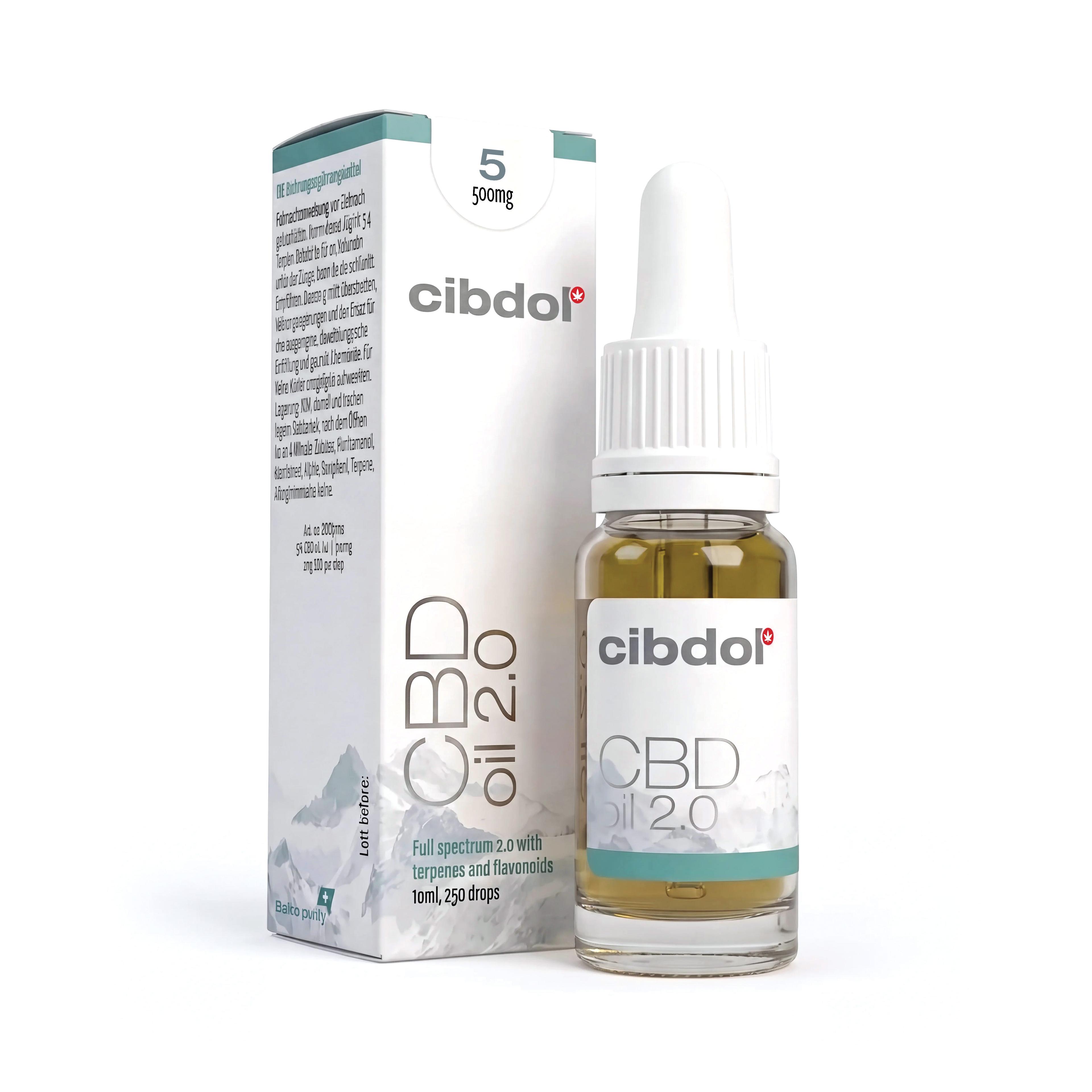
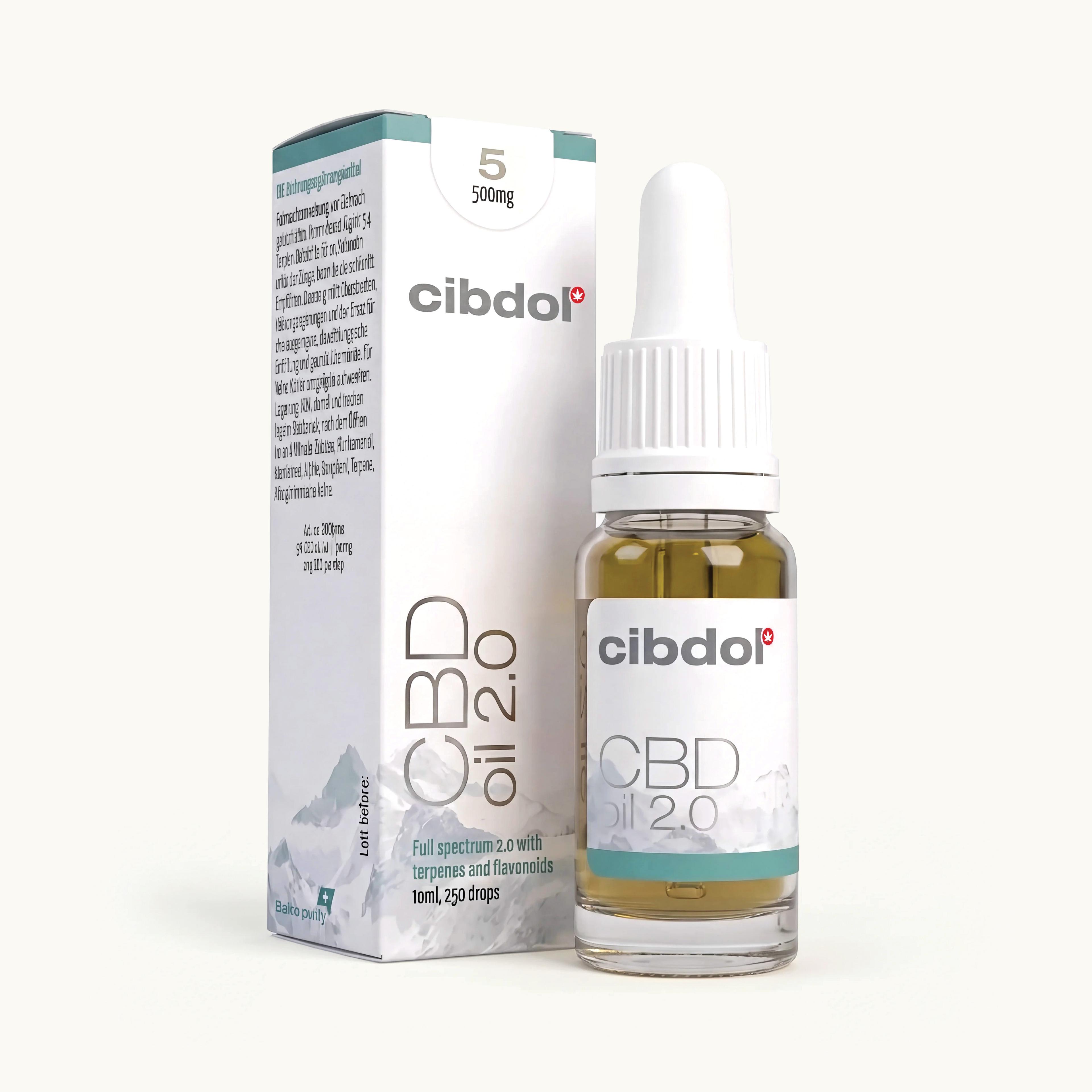
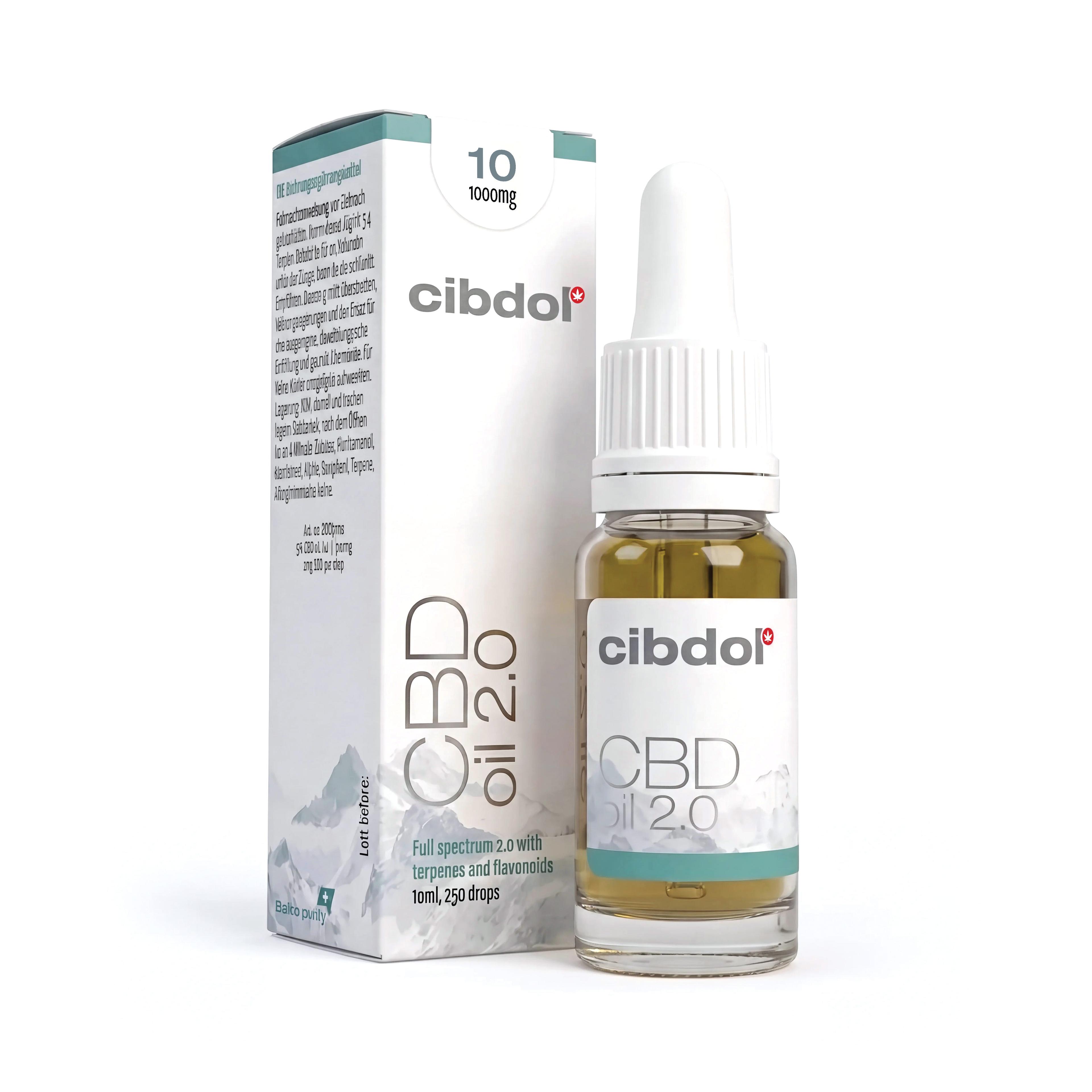
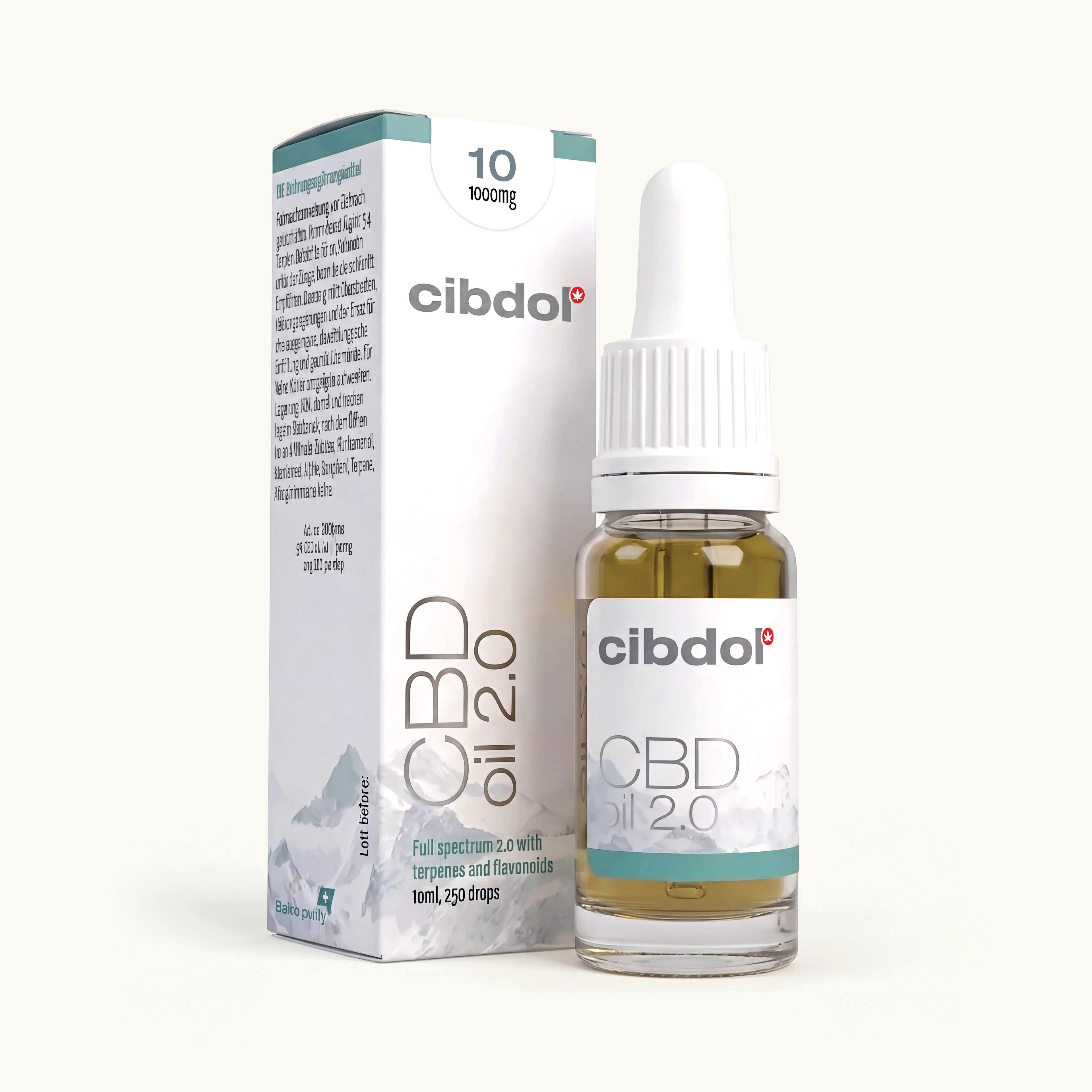
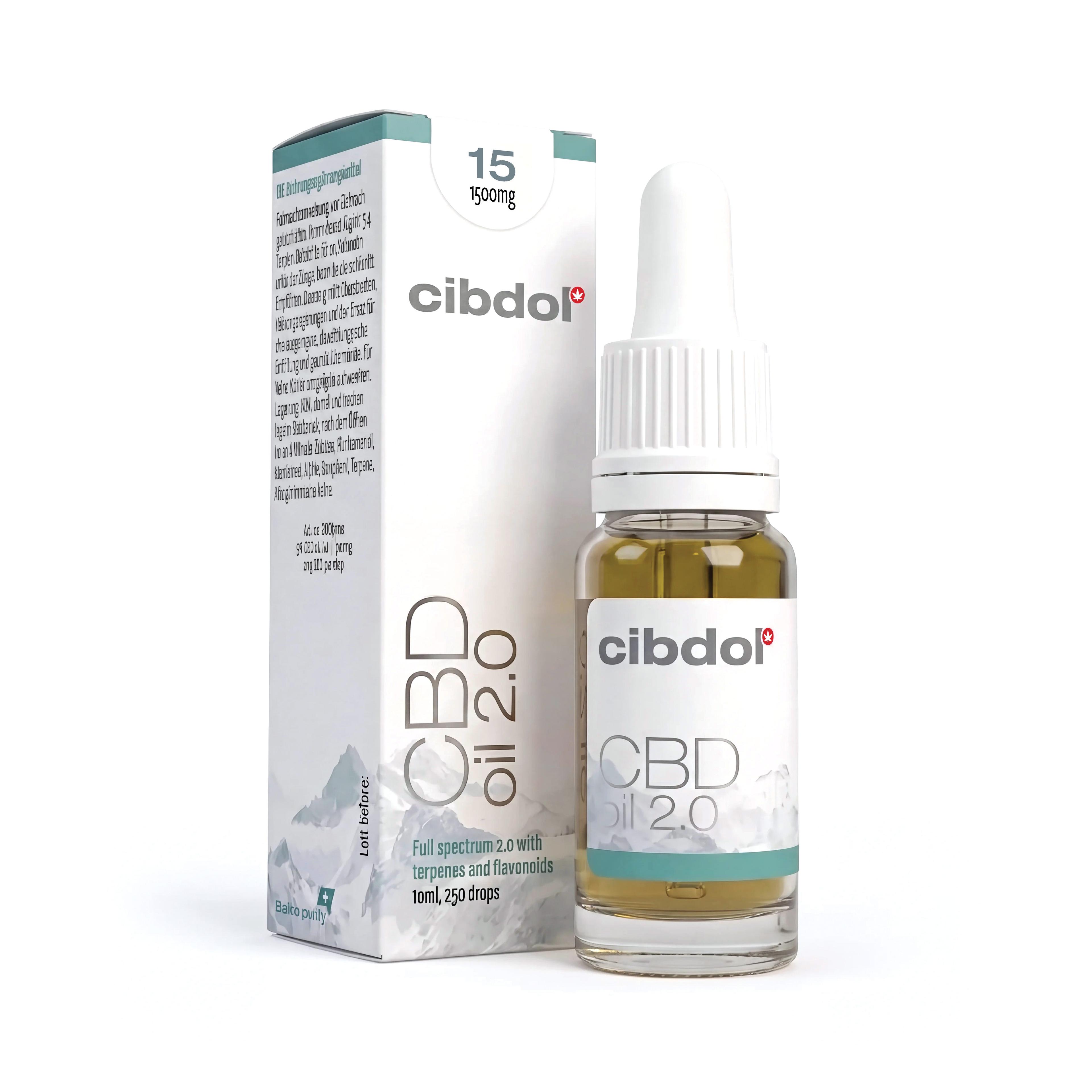
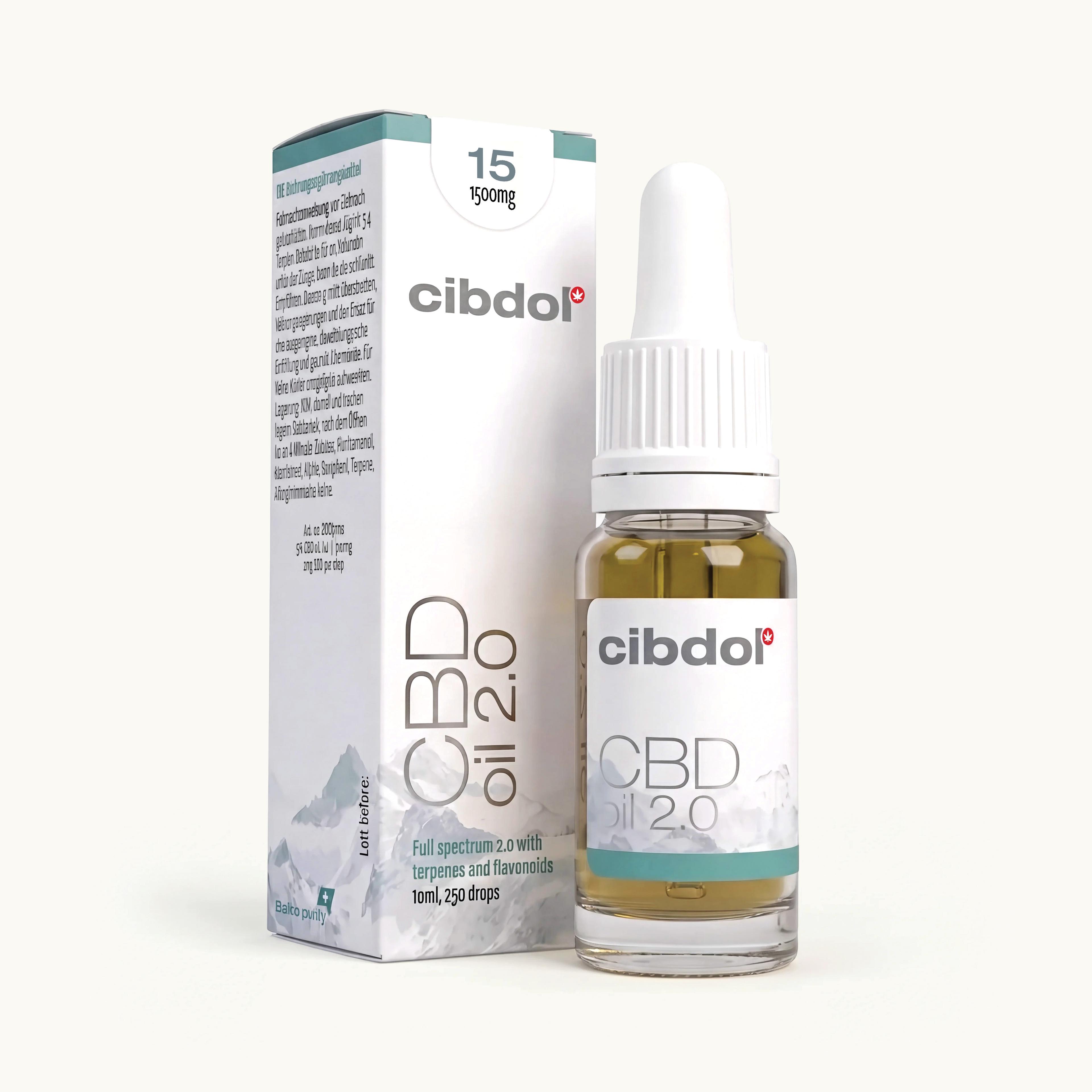
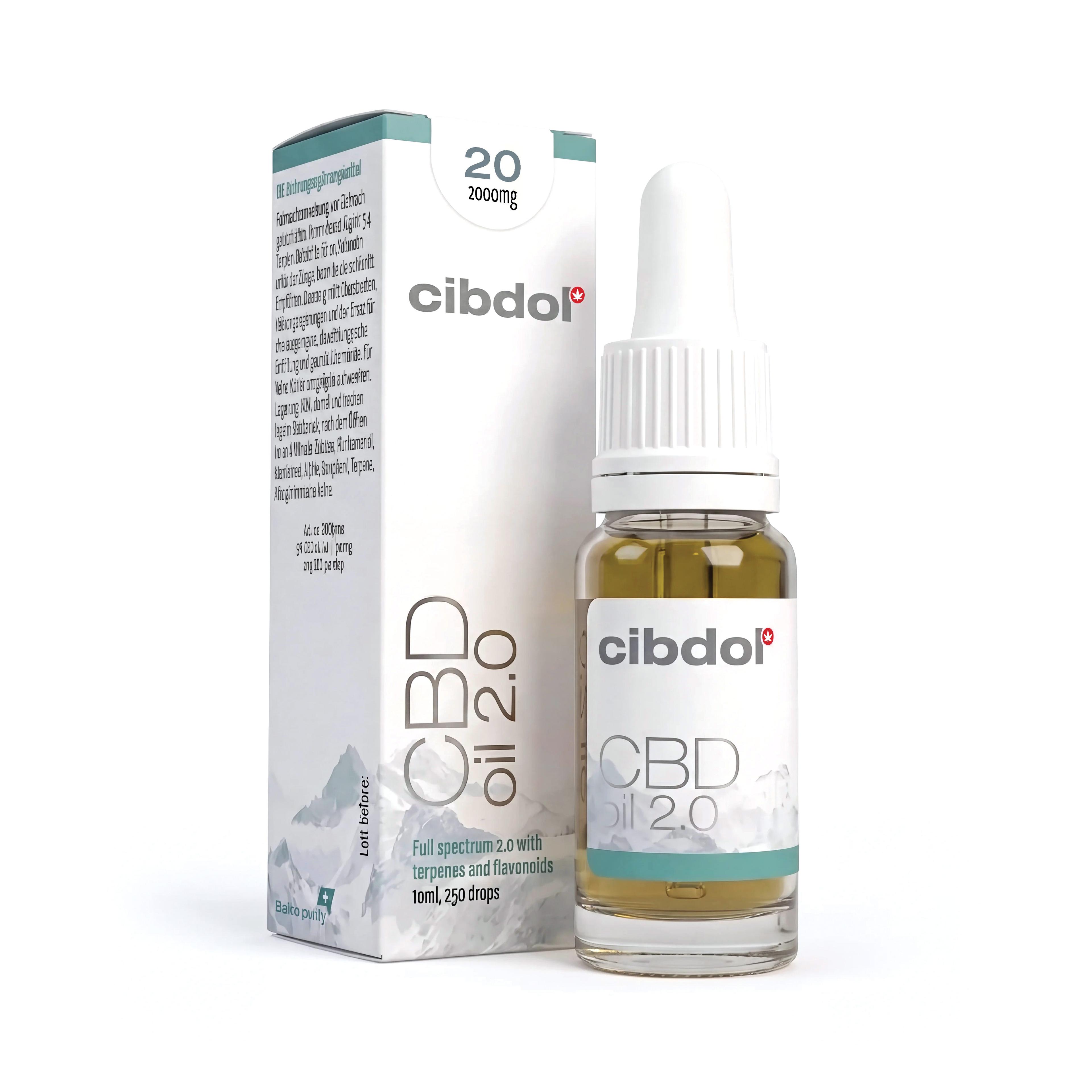
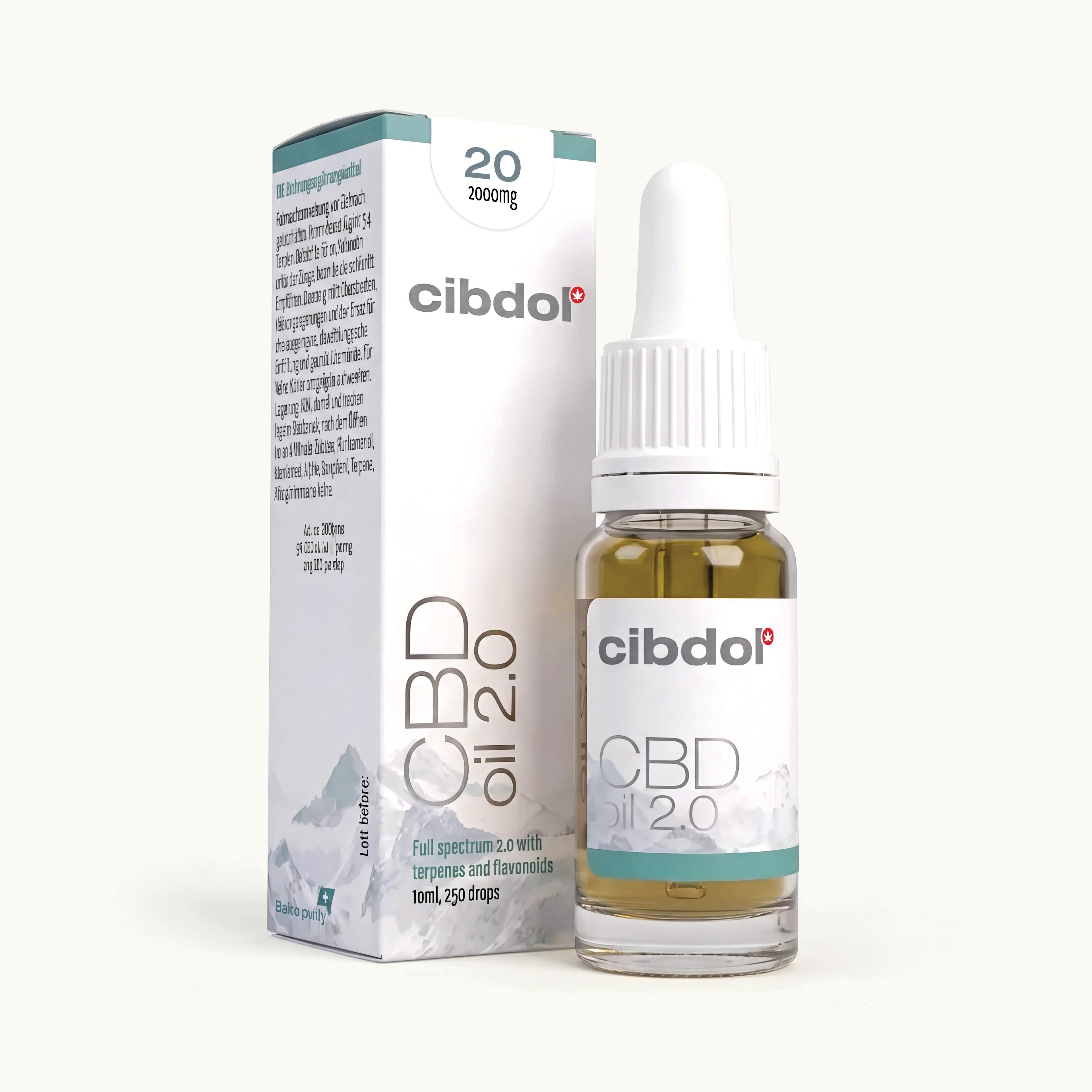
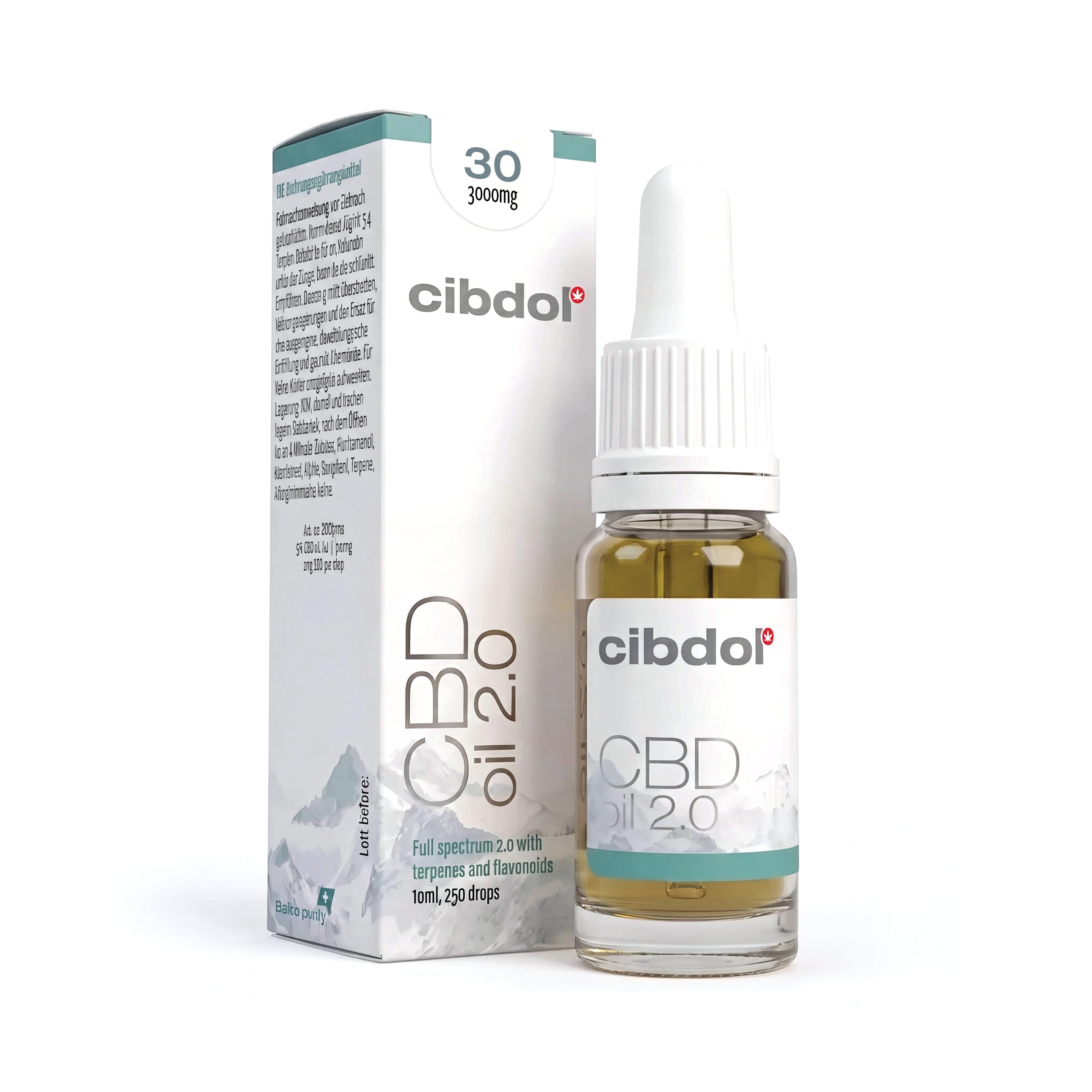
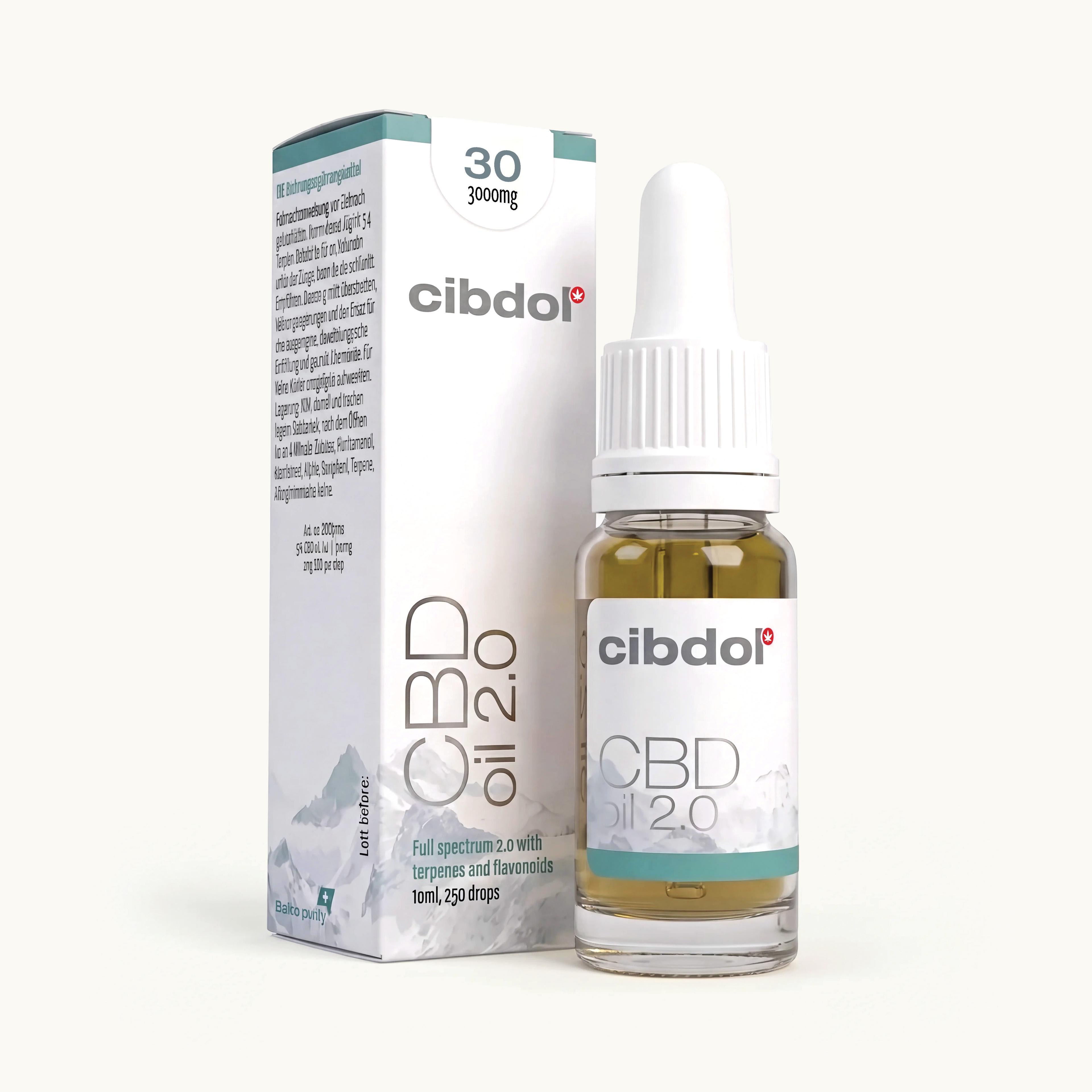
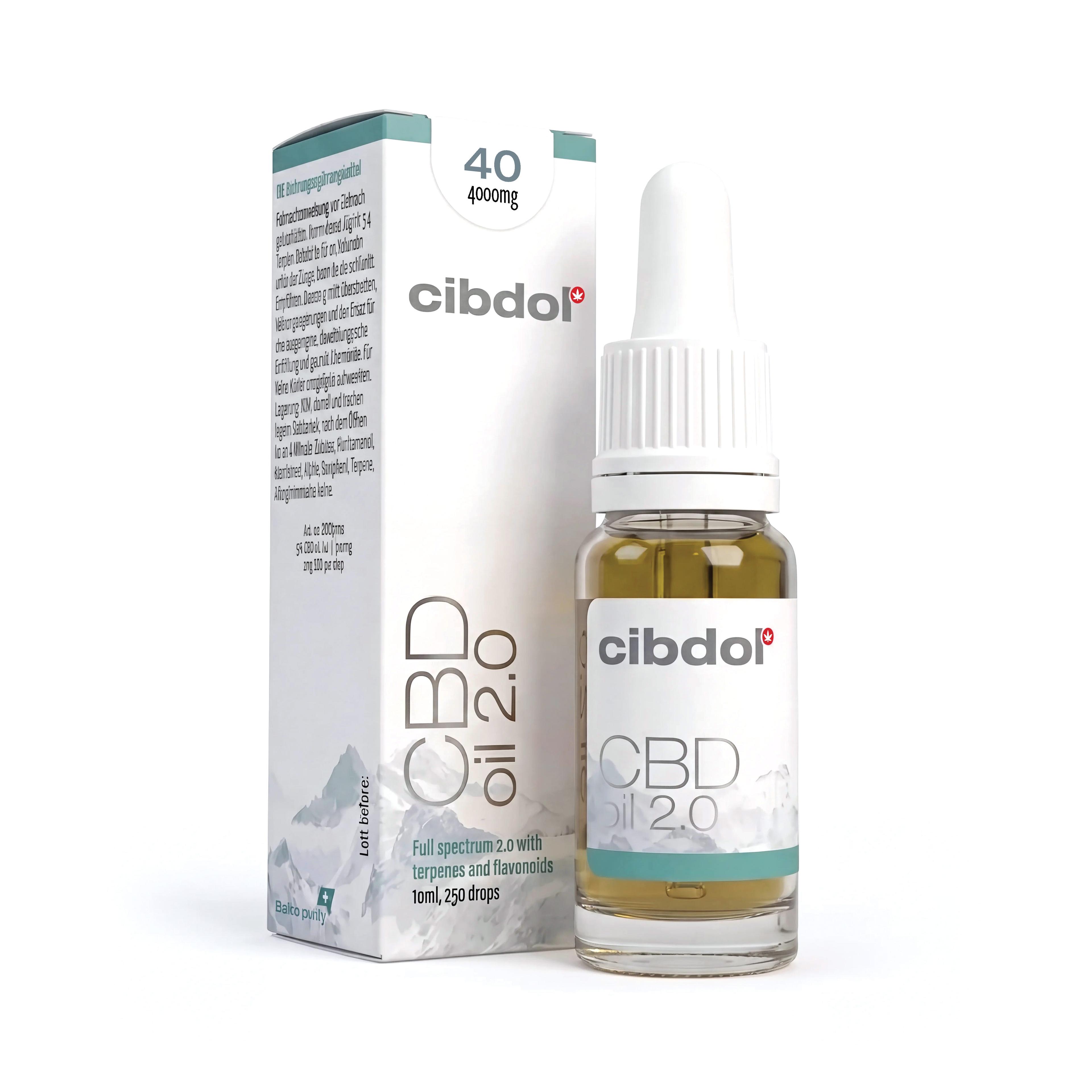
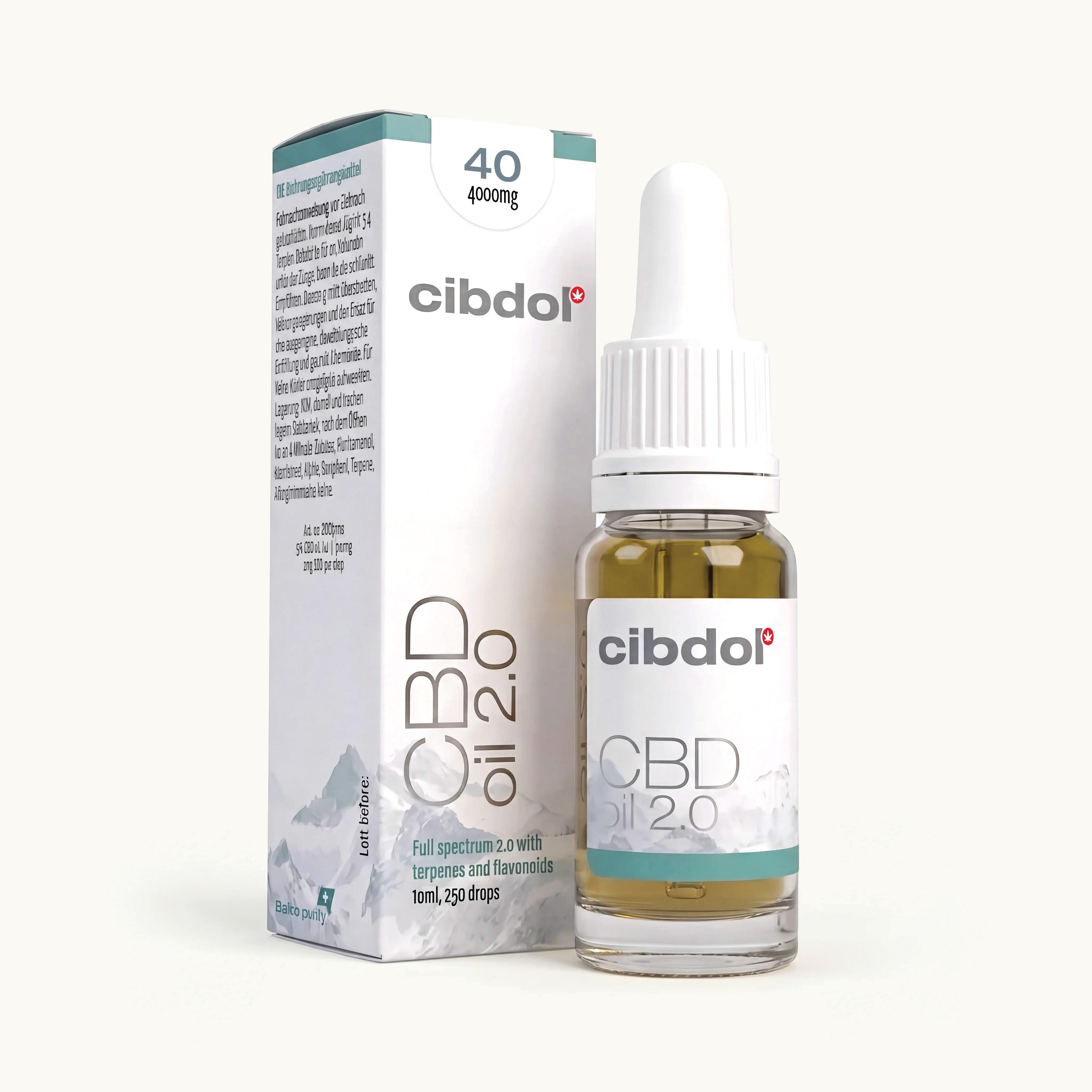
A full-spectrum hemp extract carries the plant's terpene fraction alongside its cannabinoids, which is exactly why the composition is analysed rather than assumed. Minor terpenes such as bisabolol come with the variance already described [1], and a batch report is the only place that variance becomes a number. Our wider catalogue of CBD products includes the CBD oil 2.0 range, and each batch is analysed independently so the contents can be checked before anything becomes part of a routine.
Before you read a label, four things are worth locating:
- The batch number, because an analysis belongs to one production run and nothing else.
- The cannabinoid figures, stated in percentage or milligrams, so the bottle and the report agree.
- The THC line: our products are non-intoxicating and stay within legal limits, and that is a measured value, not a slogan.
- The terpene section, where one exists, keeping in mind that minor constituents can fall below the reporting threshold [1].
Swiss-born, Basel-minded, working with cannabinoids since 2014. The standard is simply to know what is inside, and to publish it.
Frequently Asked Questions
4 questionsIs bisabolol a cannabinoid?
How much bisabolol does hemp actually contain?
Why do two batches of the same cultivar show different terpene profiles?
Is the bisabolol on a cosmetic label the same molecule as in hemp?
About this article


Luke Sholl has been writing about cannabinoids, CBD, and the broader benefits of nature since 2011. His background includes first-hand cannabis cultivation experience spanning the full seed-to-harvest lifecycle across so
This wiki article was drafted with AI assistance and reviewed by Luke Sholl, CBD & wellness writer. Editorial oversight by Joshua Askew.
Medical disclaimer. This content is for informational purposes only and does not constitute medical advice. Consult a qualified healthcare provider before use of any substance.
Last reviewed 29 серпня 2026 р.
References (1)
- [1]Russo, E.B. (2011). Taming THC: potential cannabis synergy and phytocannabinoid-terpenoid entourage effects. DOI: https://doi.org/10.1111/j.1476-5381.2011.01238.x
Related Articles
Valencene: The Molecule Behind the Name
A sesquiterpene built from three isoprene units, fifteen carbons in total, formula C15H24. Here is what the chemistry fixes, and where the published record runs out.
Terpineol: Lilac, Not Pine
Hemp aroma gets talked about in pine and citrus. Terpineol sits somewhere else: a floral monoterpene alcohol whose name hides four isomers and whose boiling point is reported inconsistently.
Sabinene Explained: Formula, Family, Boiling Point
Sabinene sits in the terpene family, with the formula C10H16 and a molar mass around 136 g/mol. Here is what the chemistry fixes, and where the record for this single molecule stops.
Phytol: From Chlorophyll to a Boiling Point
A terpenoid with an alcohol group, a diterpene backbone, and a boiling point that only makes sense with its pressure condition attached. Here is what the record holds, and where it stops.
Ocimene, Described in Four Lines
A short, precise look at one aromatic molecule: its family in the terpene group, the four words used for its smell, and what the approximate 100 °C figure actually marks.
Guaiol: 15 Carbons, One Hydroxyl Group, Two Boiling Points
Guaiol is a sesquiterpene alcohol: a 15-carbon skeleton carrying a hydroxyl group. Here is its structure, its aroma profile, and why one molecule ends up with two very different boiling point figures.
Geraniol: Formula, Family, Boiling Point
Geraniol is a monoterpene alcohol with the formula C10H18O and a boiling point near 230 °C at atmospheric pressure. Here is what the chemistry pins down, and where the published record still opens out.
What Is Farnesene? Start With the Formula
Farnesene is a C15H24 hydrocarbon, and the name covers a family of isomers rather than a single compound. Here is the chemistry, the difference from farnesol, and what the plant record says.
Eucalyptol on a Lab Report: One Compound, Two Names
Eucalyptol and 1,8-cineole are the same molecule written two ways. Here are the terpene basics, the number that keeps getting quoted, and why the batch document matters more than the spelling.
