Hemp and Cannabis: One Plant, Two Words
Definition
Hemp and cannabis are two everyday words for one botanical species. The taxonomy Small and Cronquist published in 1976 placed cultivated and wild-growing forms as variants inside that single species, not as species of their own. What separates a hemp field from a drug-type crop is breeding, and in the EU, a legal scope built on catalogued cultivars and a 0.3% THC limit.
Two words, one species
Does hemp grow on a different plant than cannabis? Botanically, no. Both words point to the same species. The reference point for that is a 1976 paper, in which Small and Cronquist set out a practical taxonomy for Cannabis and landed on a single species [1]. Inside that species they separated cultivated forms from wild-growing ones, and they did it as variants, not as species in their own right [1].
Everyday language pulls the other way. In shops, in headlines, in search boxes, hemp and cannabis behave like two plants with two reputations and two sets of rules. In a botanical key, they don't. What people are describing is the outcome of long selective breeding inside one species, plus the legal categories written around that breeding much later. Farming came first. Vocabulary followed. Law arrived last, and it kept the older words.
So the honest answer has two halves, and neither cancels the other. Botanically: one species, no split. Practically: two crops with different jobs, different fields and different documents. The 1976 paper is still the reference people reach for when the question is put in strictly botanical terms [1], and the chemistry runs on the same logic [1].
- One species in the taxonomy Small and Cronquist set out in 1976, with cultivated and wild-growing forms placed inside it as variants [1].
- Hemp and cannabis as words from farming, trade and legislation, not as two entries in a botanical key.
- Same genus, same set of compounds available either way, which is the chemical version of the same conclusion [1].
- More than a hundred cannabinoids identified among the plant's constituents in the 2005 review by ElSohly and Slade [2].
- Everything that separates a fibre cultivar from a drug-type cultivar comes from breeding decisions and from paperwork.
- A cultivar name is specific. A species name, in this genus, is not.
One toolkit, different proportions
Cannabis is not a one-compound plant. In their 2005 review of the plant's chemical constituents, ElSohly and Slade counted more than a hundred cannabinoids [2]. That inventory belongs to the species. It is not the property of one corner of the market. A fibre hemp cultivar and a drug-type cultivar are working with the same biochemical toolkit, and that is the part comparisons usually skip.
What differs is how much of what. Breeding shifts proportions across generations. It does not hand one cultivar a molecule the other one could never build [2]. Which is why the botanical answer and the chemical answer agree: one species, one available set [1].
What breeding actually changed
Two directions, broadly. One went towards stalk, fibre and seed. The other went towards resin and cannabinoid content. Generations of that work produced two recognisable chemical profiles [2], and twentieth-century legislation then stacked two legal categories on top of them. Between those tidy pairs sits a lot of loose labelling, because hemp, cannabis and marijuana get used interchangeably in copy nobody ever checked against a plant.
Proportion is also the thing rules can measure. A regulation cannot ask a field whether it is hemp in some deeper sense. It can ask what an analysis says, on a named cultivar, in a given season. That is why the legal border in the EU is a number rather than a name, and why two plants a botanist would file in the same place can end up in different legal categories.
For anyone comparing two bottles, the practical consequence is short. The plant word on the front tells you very little by itself. The cultivar behind it, the analysis attached to the batch and the legal category it was grown under carry the information [2]. Names are cheap. Measurements are not.
Hemp before extracts existed
The extract category is young. The crop is not. Hemp was farmed as an industrial plant long before anyone bottled a cannabinoid extract, and a large share of the global hemp harvest still has nothing to do with extracts at all. Fibre, seed, and everything built from them. That side of the crop kept running while the supplement shelf was being invented.
The overlap of words is where readers get lost. A farming term with centuries of use behind it gets borrowed by a new product category, and it arrives carrying both histories at once. On a label, hemp can point to a pressed seed product, to an extract made from flower and leaf material, or to the registered cultivar behind either of those. None of them are separate species. They are separate plant parts, separate processes and separate documents.
The 0.3% figure in EU rules
Inside the EU, hemp is an administrative descriptor rather than a botanical one. Its scope rests on two conditions. The cultivar has to be one of those listed in the EU plant variety catalogue, and the crop in the field has to stay at or below 0.3% THC.
Read that slowly, because it sets a limit on what the word can tell you. A plant above the threshold is not a different species. It is the same species, outside a legal category [1]. A cultivar missing from the catalogue can be entirely ordinary in botanical terms and still be unusable for an EU-market extract, because extracts sold here start from registered cultivars.
Worth separating too: that percentage is a field measurement on a growing crop. A finished bottle carries its own analysis, run on its own batch. Two documents, two moments, two purposes. When someone says a product is hemp, they are usually referring to the first one and quietly implying the second.
Three questions, not botany
When the comparison is between two products rather than two plants, the species question runs out of usefulness fast. It has the same answer for everything on the shelf [1]. What actually varies from bottle to bottle is documentation, and since both breeding directions draw on the same set of more than a hundred cannabinoids [2], the numbers have to be measured per batch rather than deduced from a plant name.
Which leaves three questions. None of them ask you to read a taxonomy. All three ask whether somebody wrote things down, and whether they will show you.
The reason the list is this short is that botany already did the wide part of the job in 1976 [1]. Everything after that is bookkeeping: which seed went into the ground, which rules the field was grown under, which report came back from the lab. Bookkeeping is unglamorous and fully checkable, which is the combination we prefer.
- Which cultivar, and is it registered? Extracts for the EU market start from cultivars listed in the plant variety catalogue. A company that knows its own supply chain can name that source without hedging, and the answer is either in the catalogue or it isn't.
- What is the label word pointing at? Hemp sits on pressed seed products and on cannabinoid extracts alike, and cannabis turns up on packaging with no measured cannabinoid figure anywhere on it. The plant word gives you the species. The ingredients list gives you the material, and only the analysis gives you the amounts.
- Which batch, and what did the analysis find? A cannabinoid profile, THC figure included, belongs to one production batch and one report. Not to a species, not to a category, and not to a sentence written in marketing copy.
Our source, said plainly
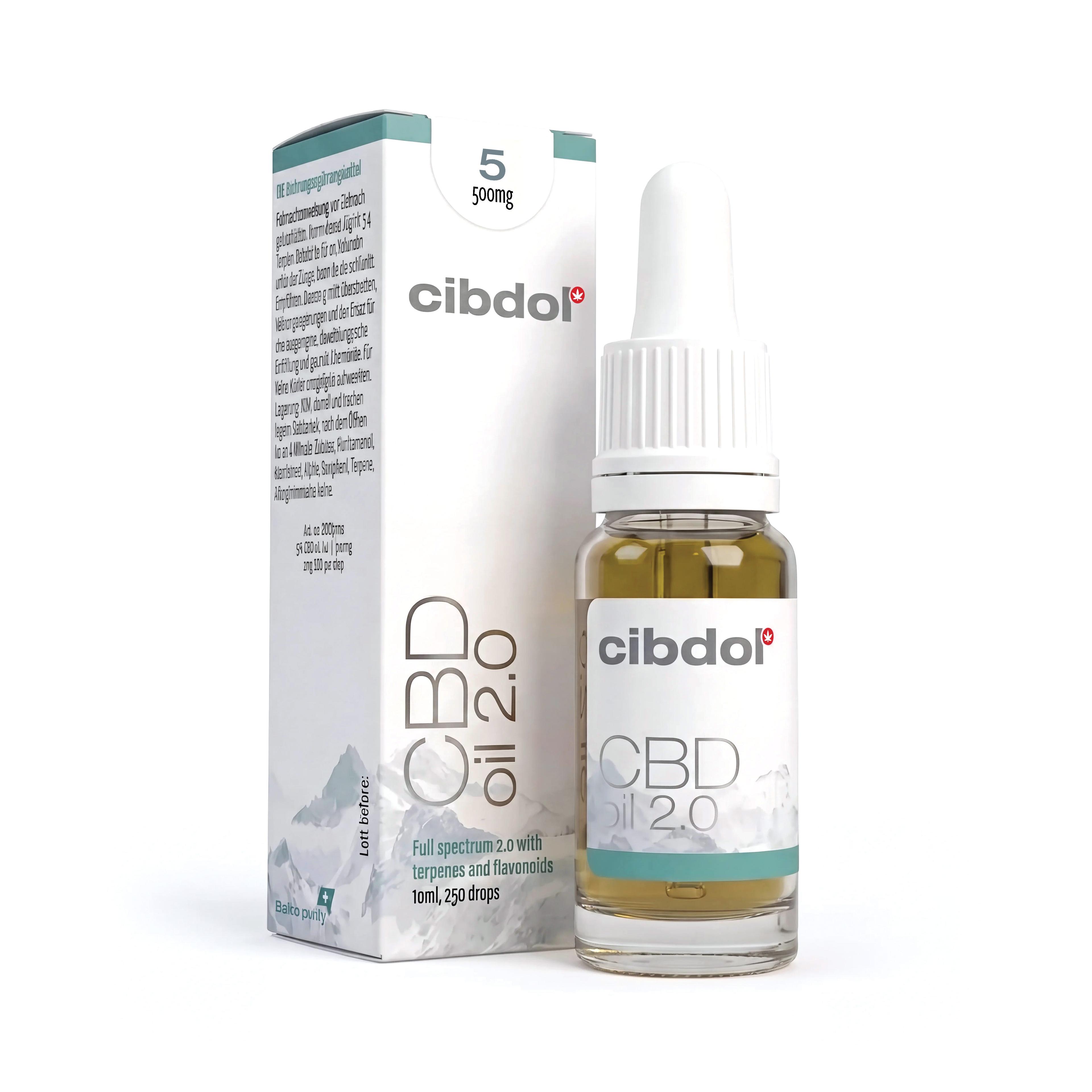
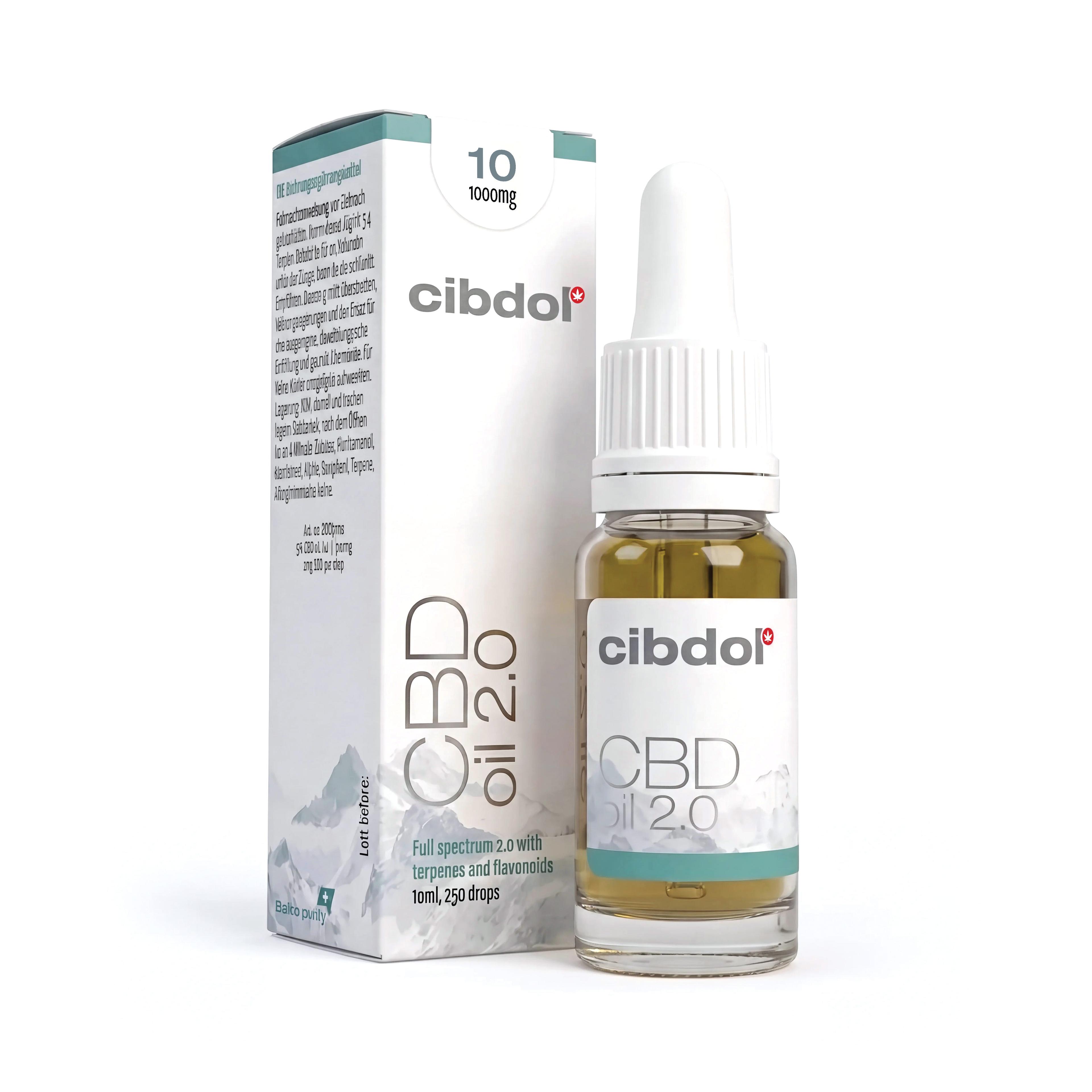
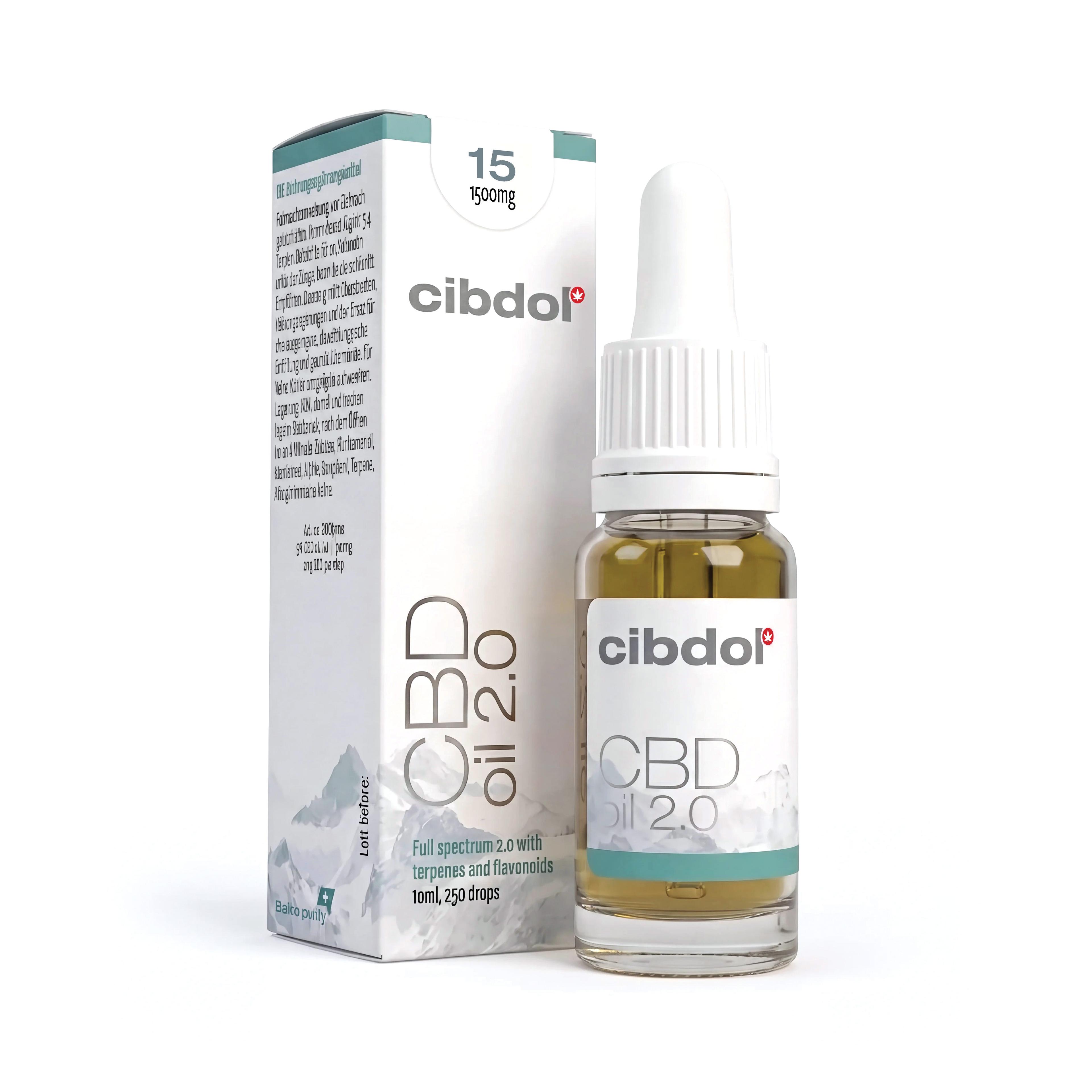
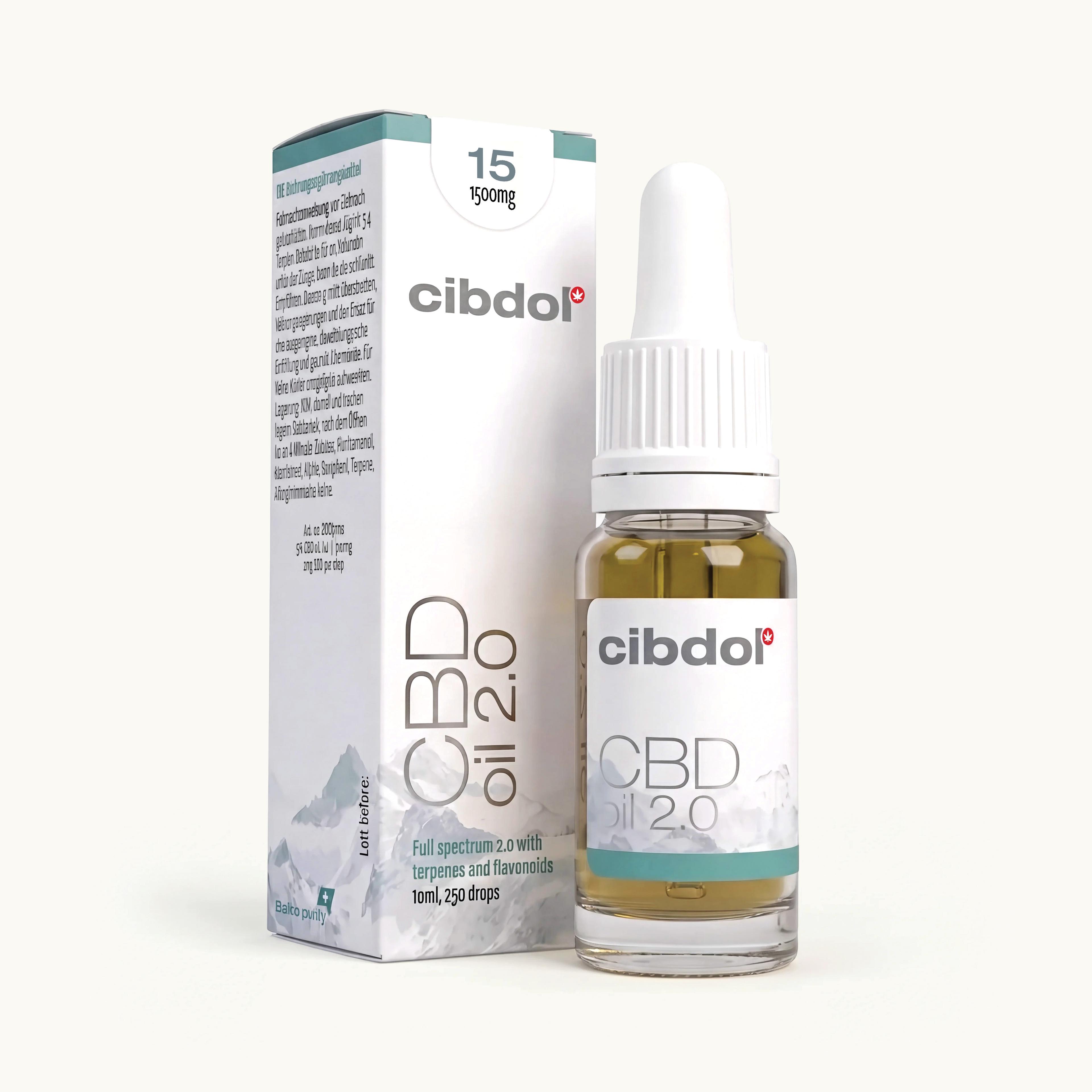
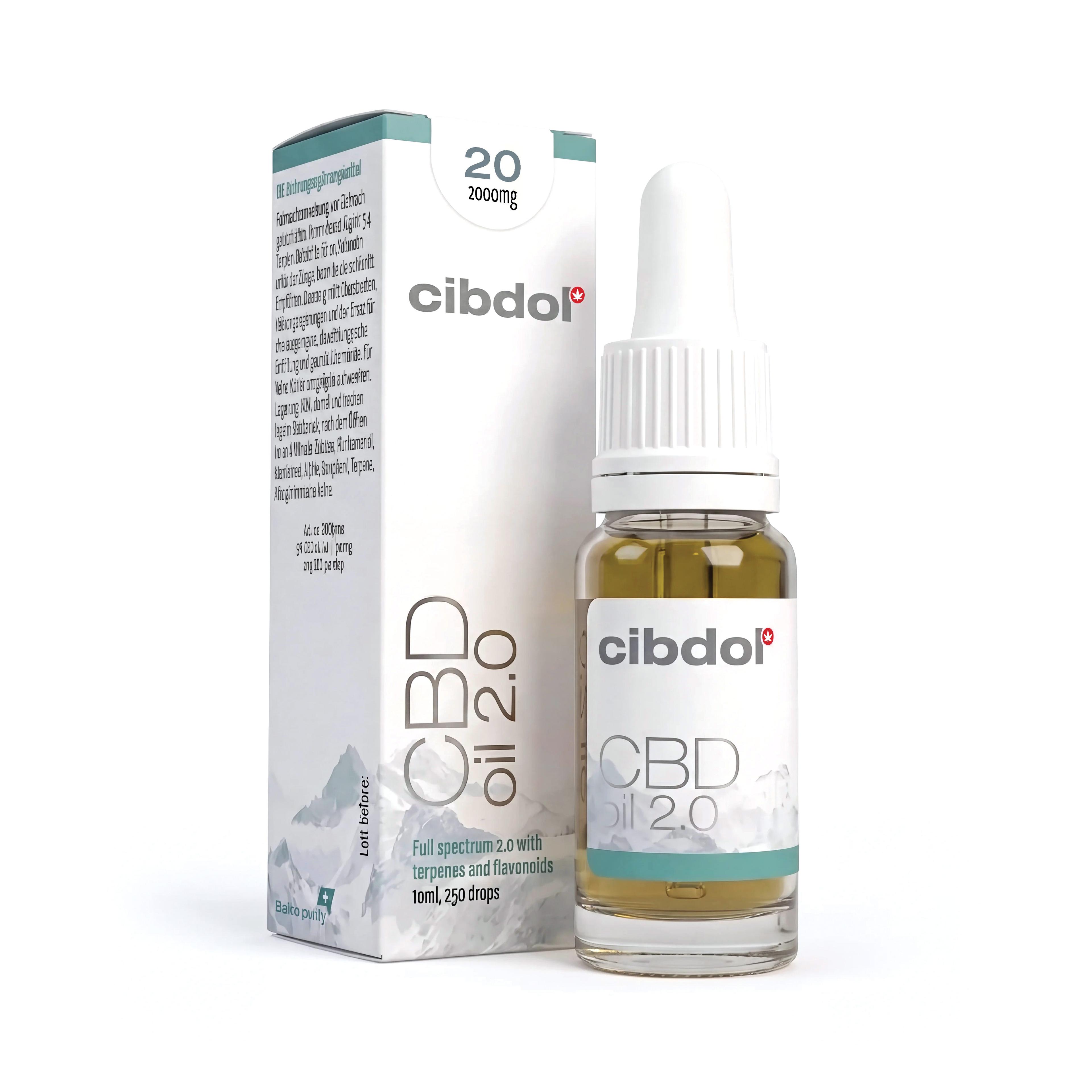
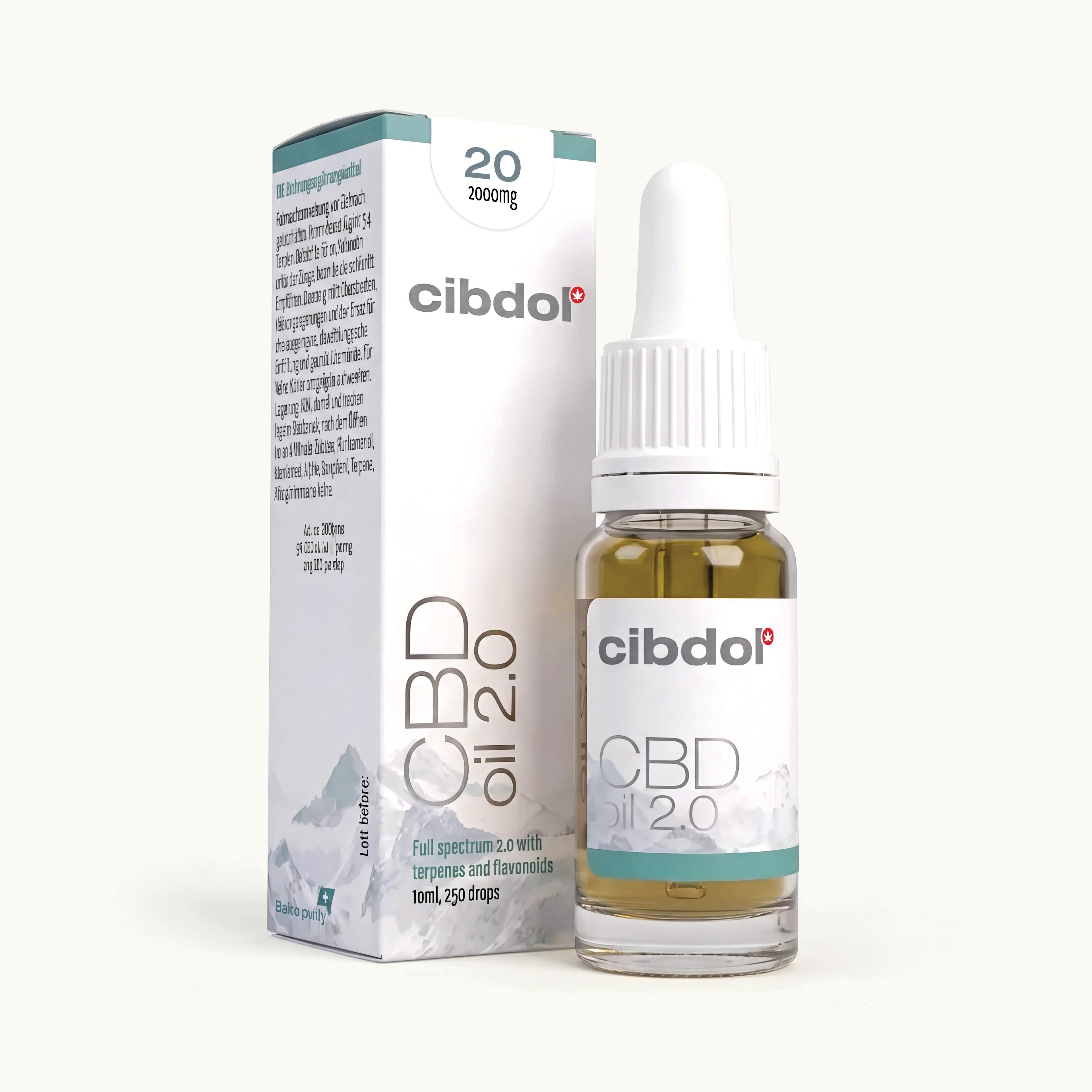
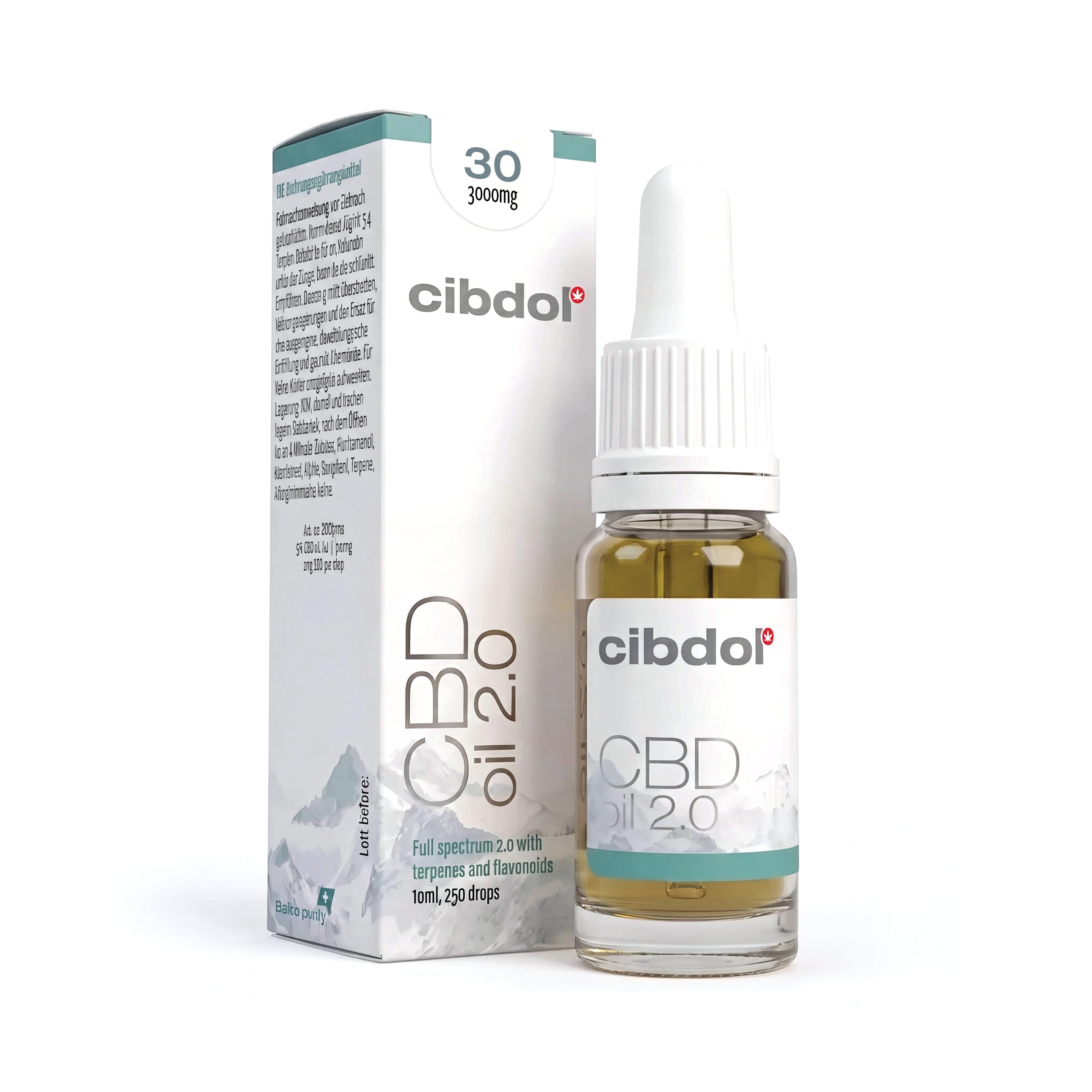
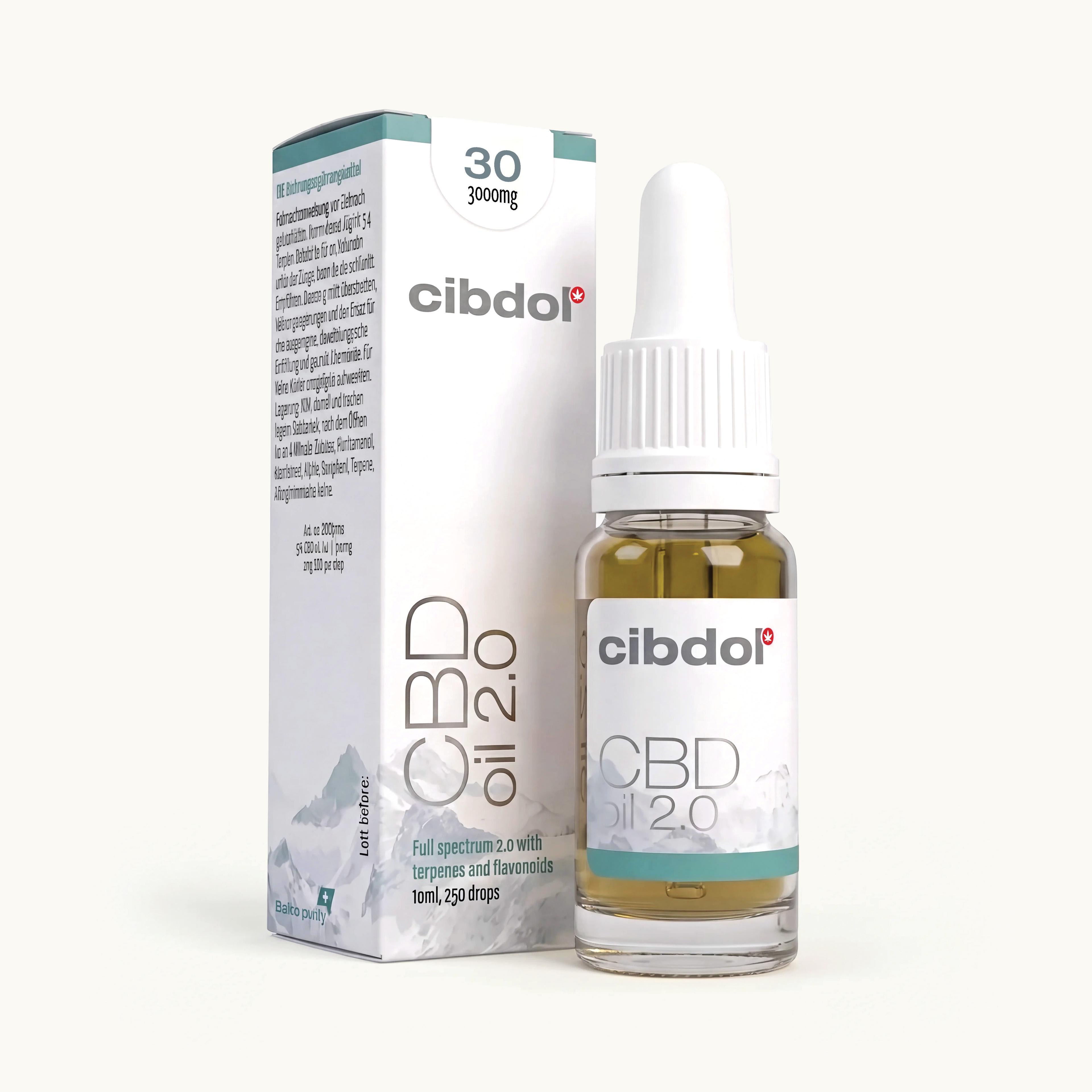
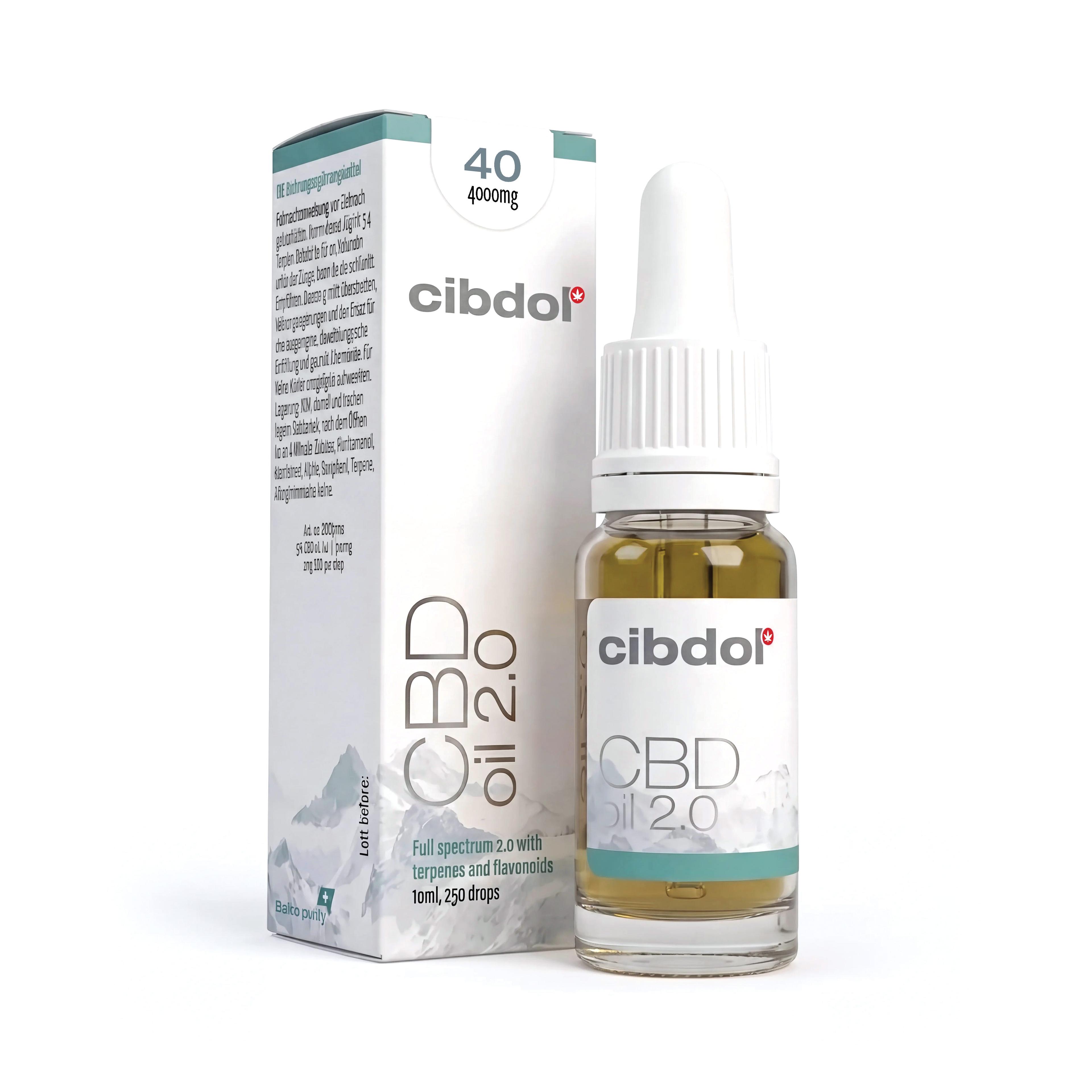
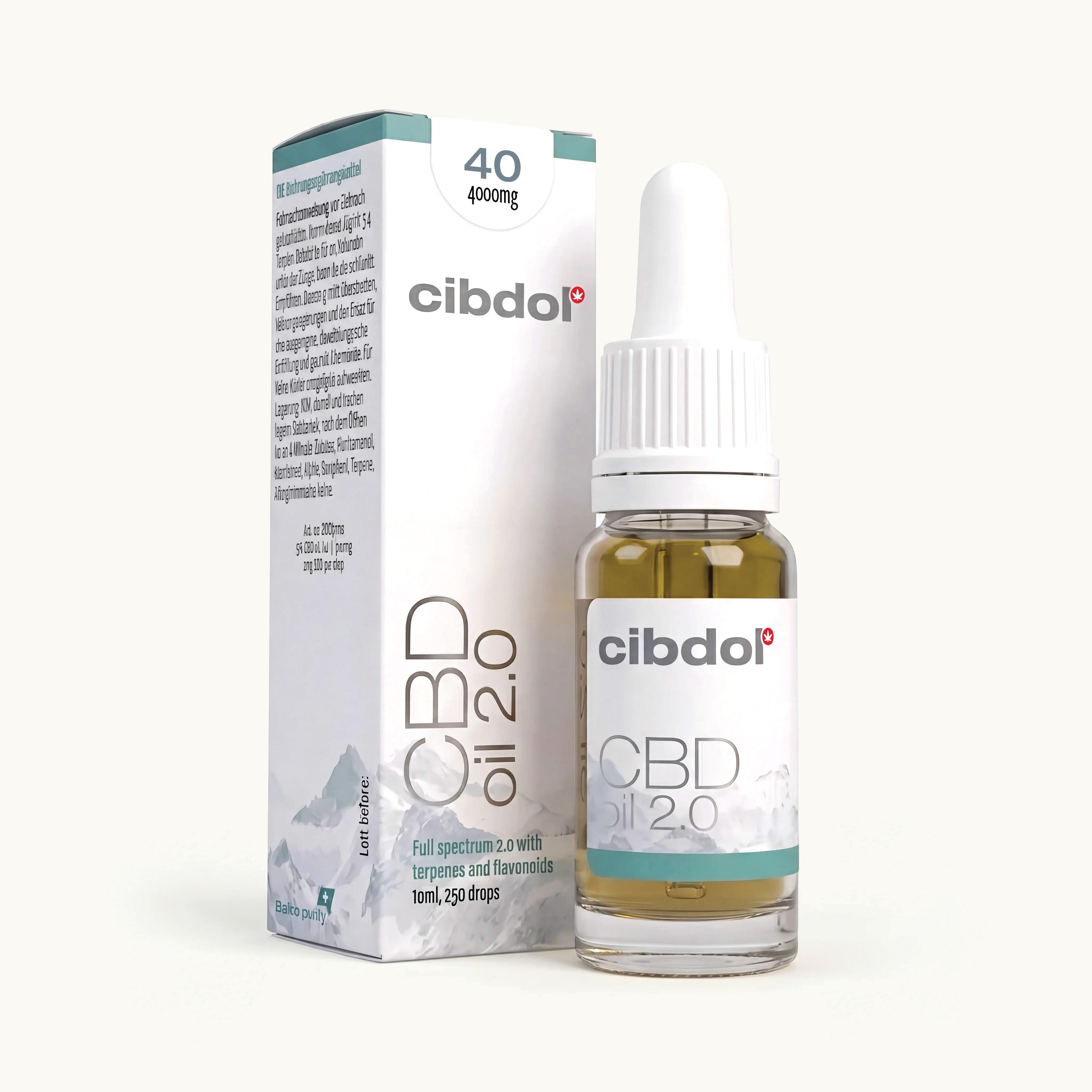
Cibdol works with EU-registered hemp cultivars, and only those. Production has been Swiss since 2014, which is also the year the company started, back when CBD needed explaining to nearly everyone who heard the word. The sourcing rule hasn't moved since.
That choice is deliberately unexciting. A registered cultivar is a traceable starting point: named, catalogued and legible to anyone who wants to follow the paper trail behind an extract [1]. It keeps the THC question on the analysis rather than in adjectives, and it means the word hemp on our packaging matches the same scope EU rules use for it.
Botany gives you one species. Farming gives you two traditions. Documents give you the specifics, which is why we publish batch analyses instead of describing a cannabinoid profile in prose [2]. If a word on a label can't be traced back to a cultivar and a report, it stays vocabulary.
One more thing follows from the 1976 conclusion [1]: nobody improves a product by picking a better species name for it. There is one. What can be improved is the cultivar selection, the extraction and the quality of the reporting around both, and that is where working with cannabinoids since 2014 actually shows up.
- EU-registered hemp cultivars exclusively, the same scope the EU applies to the word hemp: catalogued variety, field THC at or below 0.3%.
- Swiss production since 2014, from a company that was working with cannabinoids before the category had a name.
- More than a hundred cannabinoids identified in the plant [2], which is a reason to read a batch report rather than a slogan.
- THC reported as a measured figure per batch, inside the legal limit, rather than as a phrase.
- One species behind both words, following the taxonomy Small and Cronquist published in 1976 [1], with the cultivar name doing the specific work.
- Hemp as a farming and legal term, Cannabis as the genus sitting inside it, and the analysis as the part you can verify yourself.
Frequently Asked Questions
4 questionsWhich species do hemp and cannabis belong to?
Why do EU rules mention 0.3%?
Do fibre cultivars and drug-type cultivars contain different cannabinoids?
Which cultivars does Cibdol work with?
About this article


Luke Sholl has been writing about cannabinoids, CBD, and the broader benefits of nature since 2011. His background includes first-hand cannabis cultivation experience spanning the full seed-to-harvest lifecycle across so
This wiki article was drafted with AI assistance and reviewed by Luke Sholl, CBD & wellness writer. Editorial oversight by Joshua Askew.
Medical disclaimer. This content is for informational purposes only and does not constitute medical advice. Consult a qualified healthcare provider before use of any substance.
Last reviewed 27 серпня 2026 р.
References (2)
- [1]Small, E. and Cronquist, A. (1976). A practical and natural taxonomy for Cannabis. DOI: https://doi.org/10.2307/1220524
- [2]ElSohly, M.A. and Slade, D. (2005). Chemical constituents of marijuana: the complex mixture of natural cannabinoids. DOI: https://doi.org/10.1016/j.lfs.2005.09.011
Related Articles
Valencene: The Molecule Behind the Name
A sesquiterpene built from three isoprene units, fifteen carbons in total, formula C15H24. Here is what the chemistry fixes, and where the published record runs out.
Terpineol: Lilac, Not Pine
Hemp aroma gets talked about in pine and citrus. Terpineol sits somewhere else: a floral monoterpene alcohol whose name hides four isomers and whose boiling point is reported inconsistently.
Sabinene Explained: Formula, Family, Boiling Point
Sabinene sits in the terpene family, with the formula C10H16 and a molar mass around 136 g/mol. Here is what the chemistry fixes, and where the record for this single molecule stops.
Phytol: From Chlorophyll to a Boiling Point
A terpenoid with an alcohol group, a diterpene backbone, and a boiling point that only makes sense with its pressure condition attached. Here is what the record holds, and where it stops.
Ocimene, Described in Four Lines
A short, precise look at one aromatic molecule: its family in the terpene group, the four words used for its smell, and what the approximate 100 °C figure actually marks.
Guaiol: 15 Carbons, One Hydroxyl Group, Two Boiling Points
Guaiol is a sesquiterpene alcohol: a 15-carbon skeleton carrying a hydroxyl group. Here is its structure, its aroma profile, and why one molecule ends up with two very different boiling point figures.
Geraniol: Formula, Family, Boiling Point
Geraniol is a monoterpene alcohol with the formula C10H18O and a boiling point near 230 °C at atmospheric pressure. Here is what the chemistry pins down, and where the published record still opens out.
What Is Farnesene? Start With the Formula
Farnesene is a C15H24 hydrocarbon, and the name covers a family of isomers rather than a single compound. Here is the chemistry, the difference from farnesol, and what the plant record says.
Eucalyptol on a Lab Report: One Compound, Two Names
Eucalyptol and 1,8-cineole are the same molecule written two ways. Here are the terpene basics, the number that keeps getting quoted, and why the batch document matters more than the spelling.
